


 Agatefor stress relief
 Amazonitefor stress relief
 Aquamarinefor serenity
 Aventurinefor luck
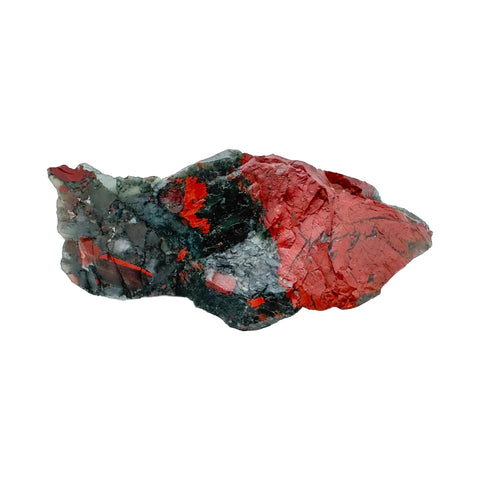
 Bloodstonefor energy
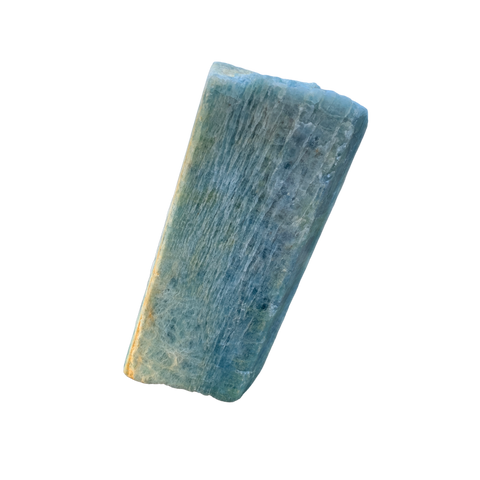
 Blue Kyanitefor confidence
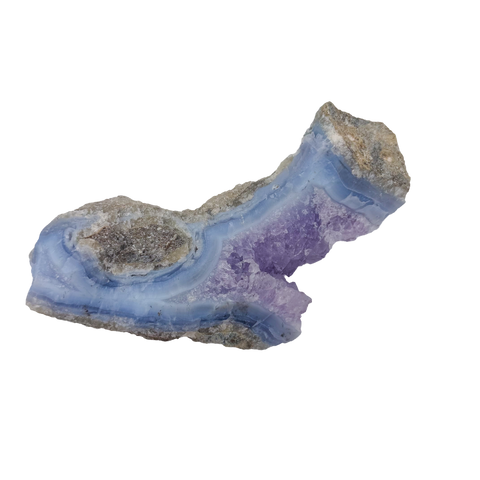
 Blue Lace Agatefor stress relief
 Chrysocollafor emotional healing
 Fluoritefor focus
 Garnetfor energy
 Lepidolitefor stress relief
 Malachitefor emotional healing
 Moonstonefor grounding
 Obsidianfor protection
 Ocean Jasperfor emotional healing
 Red Jasperfor grounding
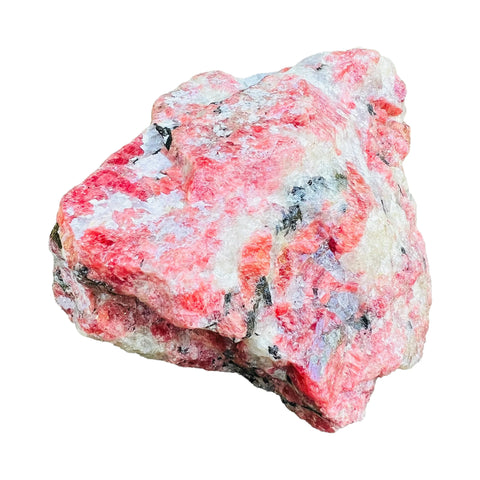
 Rhodonitefor emotional healing
 Selenitefor cleansing
 Sodalitefor focus
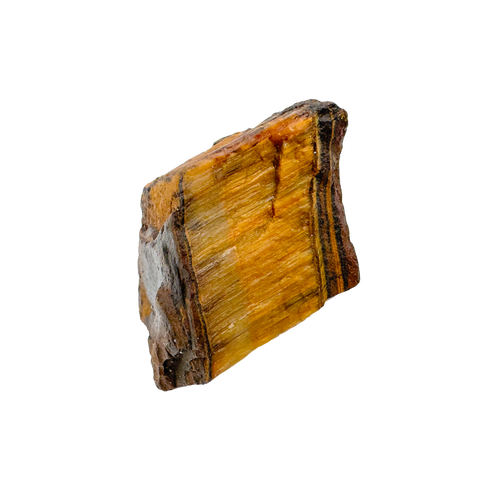
 Tiger Eyefor confidence
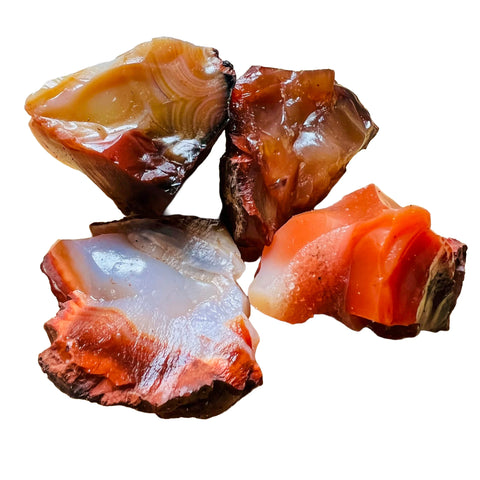
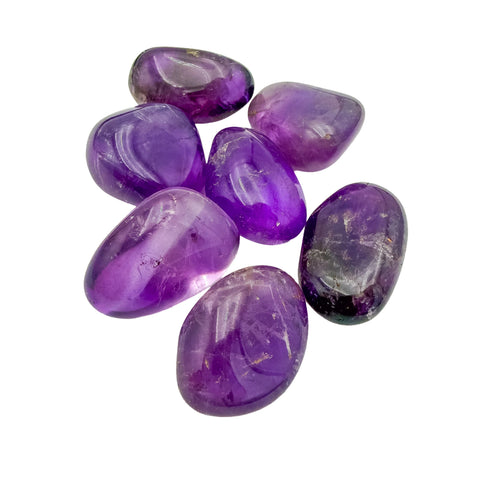


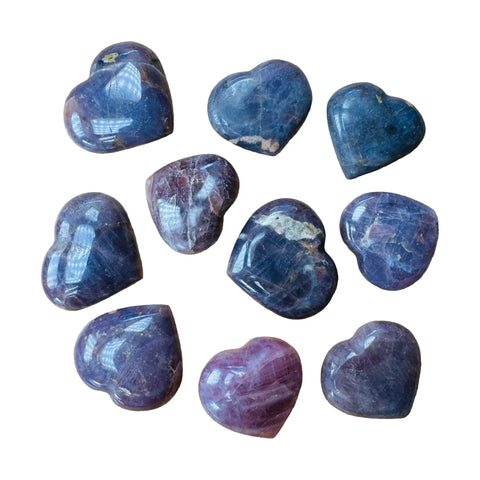


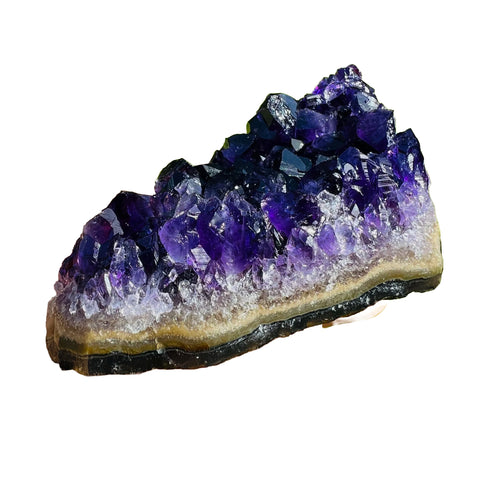





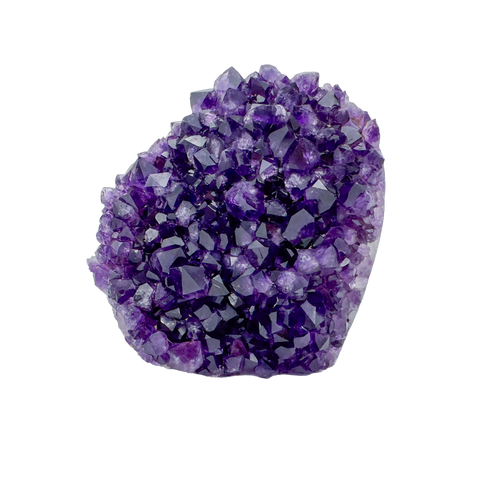
 Amethyst
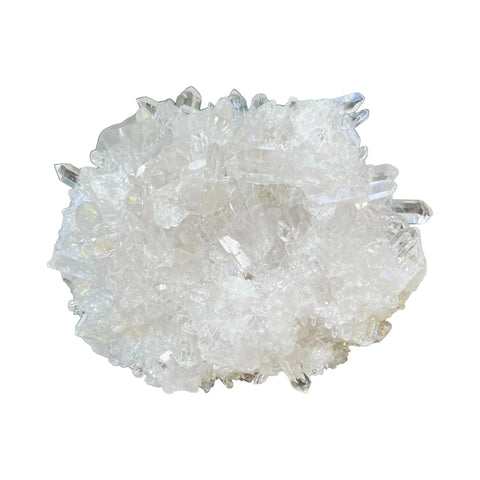
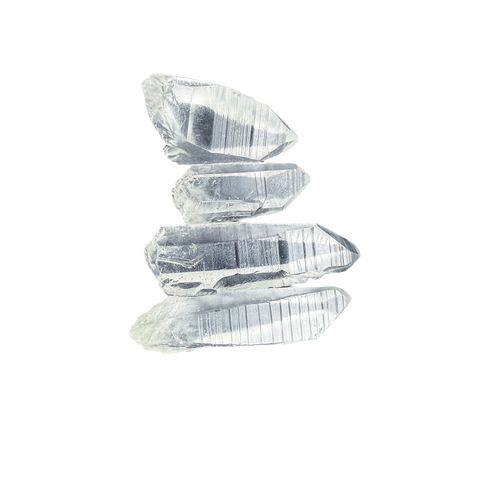
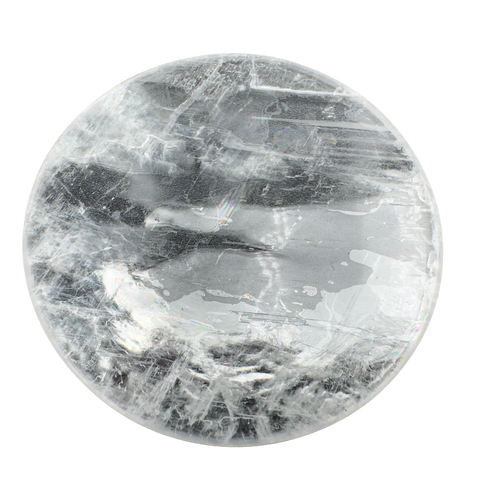
 Clear Quartz
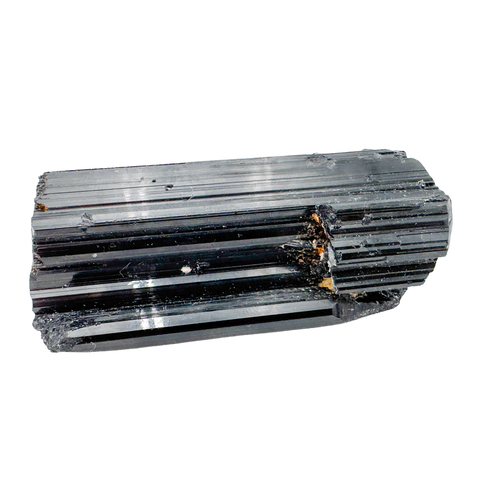
 Black Tourmaline
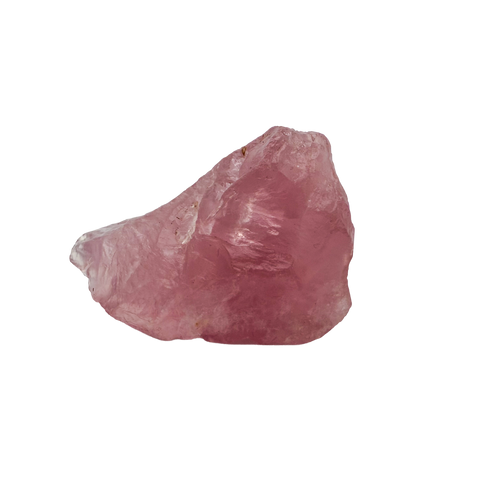
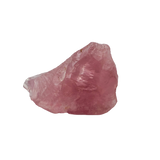 Rose Quartz
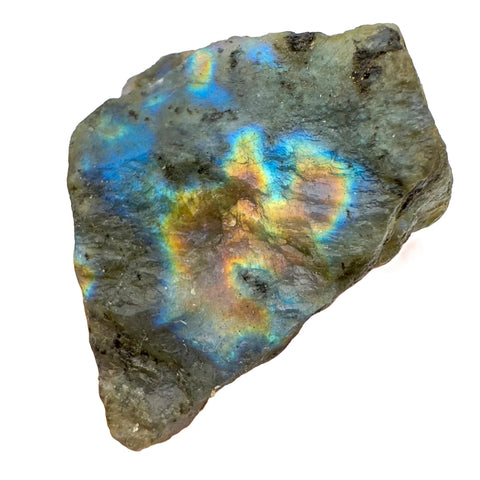
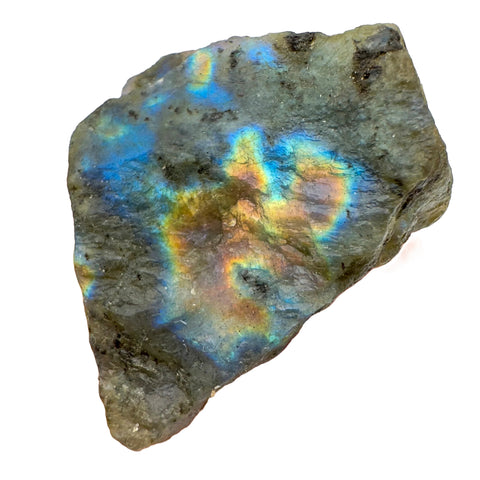
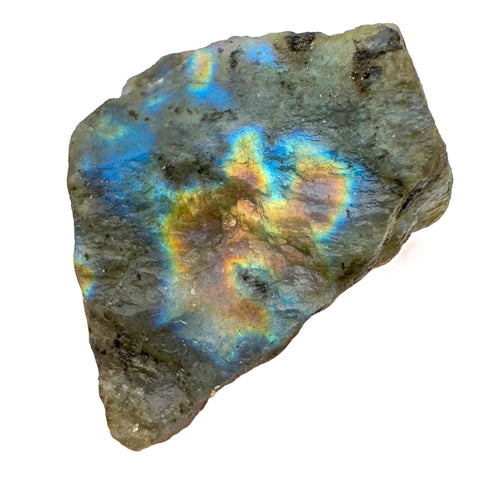
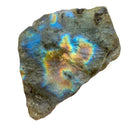 Labradorite
 Natural Citrine
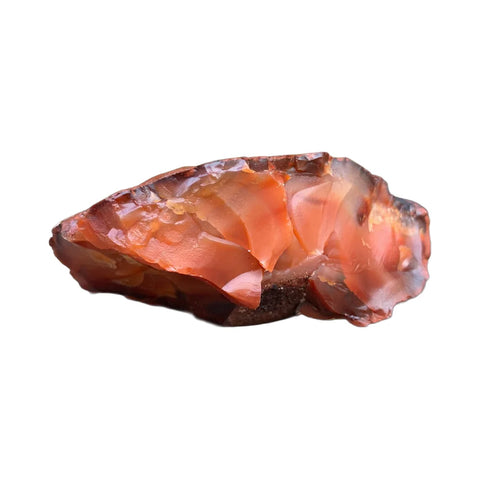
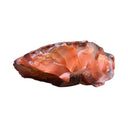 Carnelian
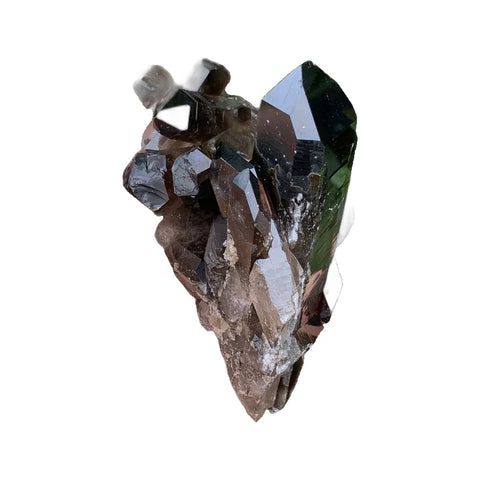
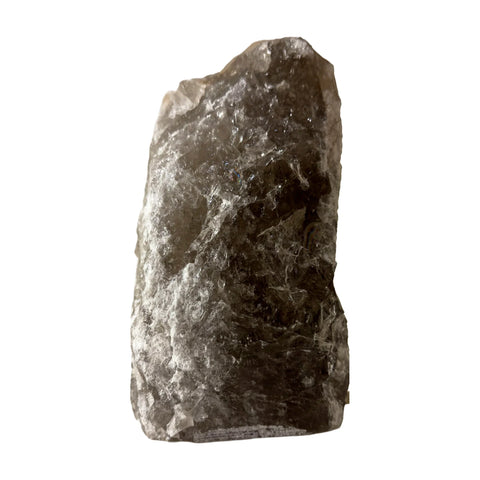
 Smoky Quartz
 Aventurine
 Sodalite
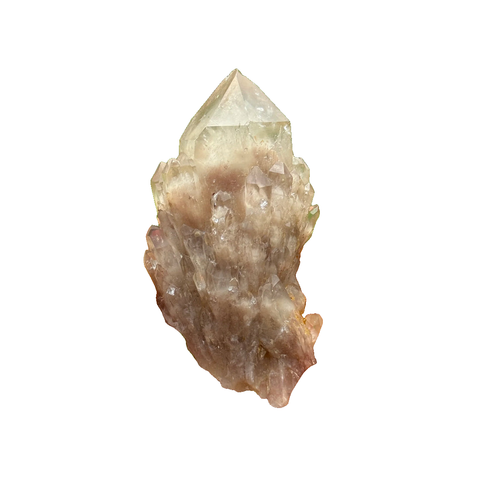
 Ametrine
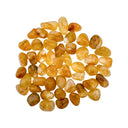 Golden Healer
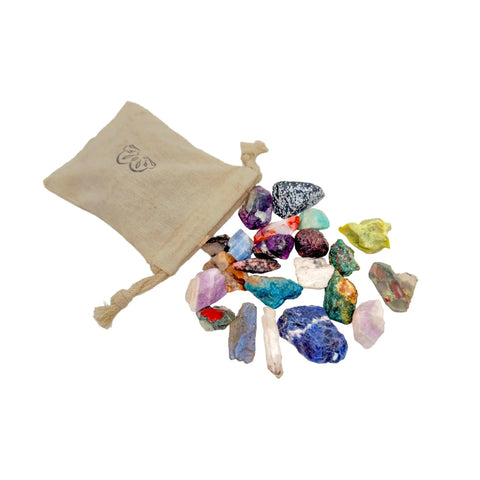
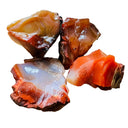 Raw Stones
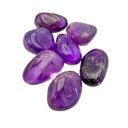 Tumbled Stones
 Palm Stones
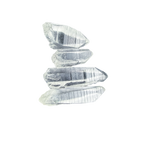 Crystal Points
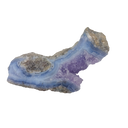 Clusters & Geodes
 Polished & Decor
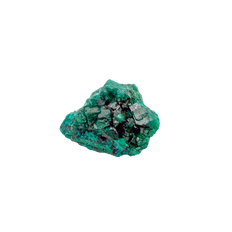 Mineral Specimens
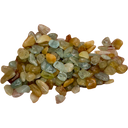 Crystal Chips
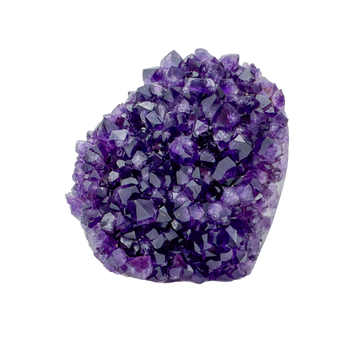
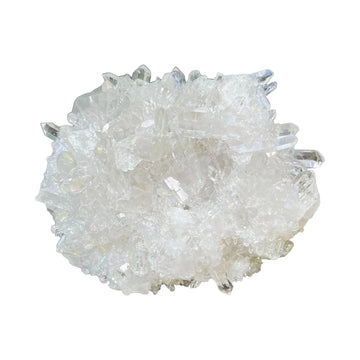
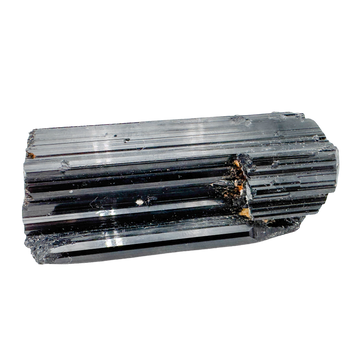
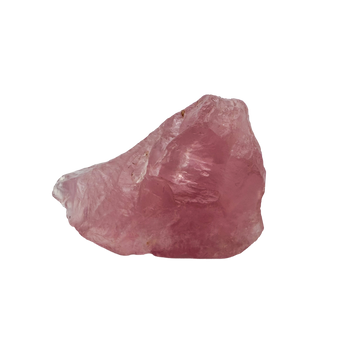
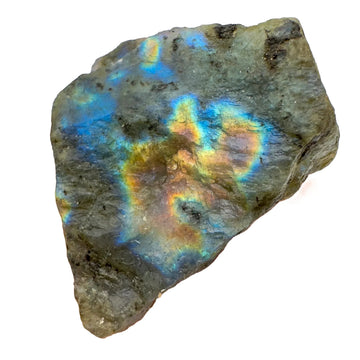
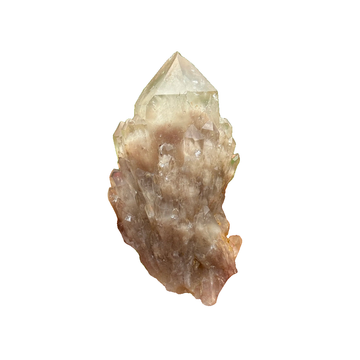
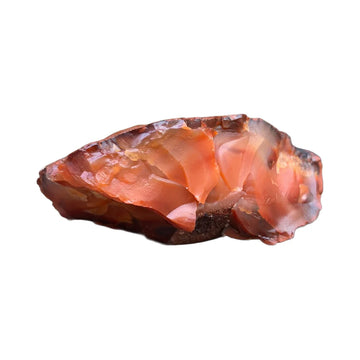
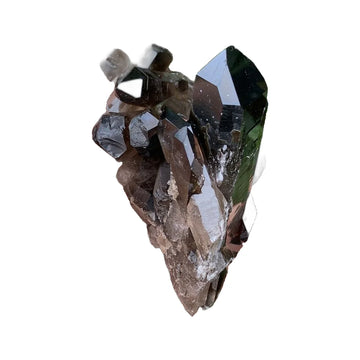
 Raw Stones
179 to choose from
Raw Stones
179 to choose from
 Tumbled Stones
162 to choose from
Tumbled Stones
162 to choose from
 Palm Stones
25 to choose from
Palm Stones
25 to choose from
 Crystal Points
23 to choose from
Crystal Points
23 to choose from
 Clusters & Geodes
101 to choose from
Clusters & Geodes
101 to choose from
 Polished & Decor
148 to choose from
Polished & Decor
148 to choose from
 Mineral Specimens
254 to choose from
Mineral Specimens
254 to choose from
 Crystal Chips
21 to choose from
Crystal Chips
21 to choose from


 AngolaAquamarine
›
AngolaAquamarine
›
 BotswanaCarnelian, Tree Agate
›
BotswanaCarnelian, Tree Agate
›
 DR CongoMalachite, Natural Citrine
›
DR CongoMalachite, Natural Citrine
›
 EswatiniBloodstone
›
EswatiniBloodstone
›
 MadagascarLabradorite, Clear Quartz
›
MadagascarLabradorite, Clear Quartz
›
 MalawiBlue Lace Agate, Garnet
›
MalawiBlue Lace Agate, Garnet
›
 MozambiqueAmazonite
›
MozambiqueAmazonite
›
 NamibiaSodalite, Blue Lace Agate
›
NamibiaSodalite, Blue Lace Agate
›
 Republic of the CongoDioptase
›
Republic of the CongoDioptase
›
 South AfricaTiger Eye, Unakite
›
South AfricaTiger Eye, Unakite
›
 ZambiaChevron Amethyst
›
ZambiaChevron Amethyst
›
 ZimbabweEmerald, Rhodonite
›
ZimbabweEmerald, Rhodonite
›
 ArgentinaBlack Obsidian, Rhodochrosite
›
ArgentinaBlack Obsidian, Rhodochrosite
›
 BoliviaAmetrine
›
BoliviaAmetrine
›
 BrazilAmethyst, Clear Quartz
›
BrazilAmethyst, Clear Quartz
›
 PeruSerpentine, Jade
›
PeruSerpentine, Jade
›
 UruguayAmethyst
›
UruguayAmethyst
›
 Dominican RepublicLarimar
›
Dominican RepublicLarimar
›
 MexicoRainbow Obsidian, Crazy Lace Agate
›
MexicoRainbow Obsidian, Crazy Lace Agate
›
 United StatesSelenite, Peridot
›
United StatesSelenite, Peridot
›
 ChinaFluorite
›
ChinaFluorite
›
 RussiaShungite
›
RussiaShungite
›
 AustraliaMookaite
›
AustraliaMookaite
›
 Where our crystals come from
See where we source →
Where our crystals come from
See where we source →


 Aries
Mar 21 to Apr 19
Carnelian
›
Aries
Mar 21 to Apr 19
Carnelian
›
 Taurus
Apr 20 to May 20
Rose Quartz
›
Taurus
Apr 20 to May 20
Rose Quartz
›
 Gemini
May 21 to Jun 20
Agate
›
Gemini
May 21 to Jun 20
Agate
›
 Cancer
Jun 21 to Jul 22
Moonstone
›
Cancer
Jun 21 to Jul 22
Moonstone
›
 Leo
Jul 23 to Aug 22
Citrine
›
Leo
Jul 23 to Aug 22
Citrine
›
 Virgo
Aug 23 to Sep 22
Amazonite
›
Virgo
Aug 23 to Sep 22
Amazonite
›
 Libra
Sep 23 to Oct 22
Blue Lace Agate
›
Libra
Sep 23 to Oct 22
Blue Lace Agate
›
 Scorpio
Oct 23 to Nov 21
Obsidian
›
Scorpio
Oct 23 to Nov 21
Obsidian
›
 Sagittarius
Nov 22 to Dec 21
Sodalite
›
Sagittarius
Nov 22 to Dec 21
Sodalite
›
 Capricorn
Dec 22 to Jan 19
Black Tourmaline
›
Capricorn
Dec 22 to Jan 19
Black Tourmaline
›
 Aquarius
Jan 20 to Feb 18
Amethyst
›
Aquarius
Jan 20 to Feb 18
Amethyst
›
 Pisces
Feb 19 to Mar 20
Aquamarine
›
Gifting?
A birthday stone is the safe bet.
Read the zodiac guide →
Pisces
Feb 19 to Mar 20
Aquamarine
›
Gifting?
A birthday stone is the safe bet.
Read the zodiac guide →


Jade
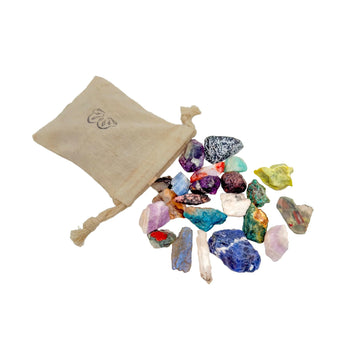
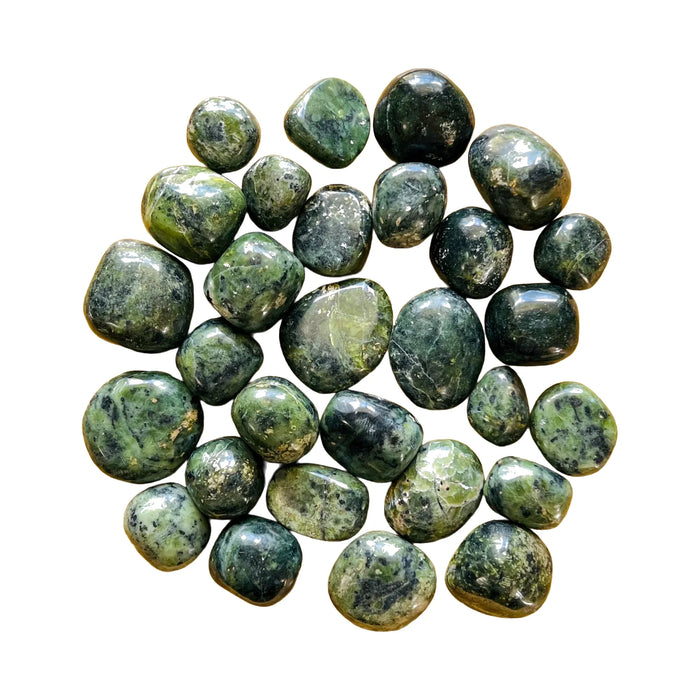
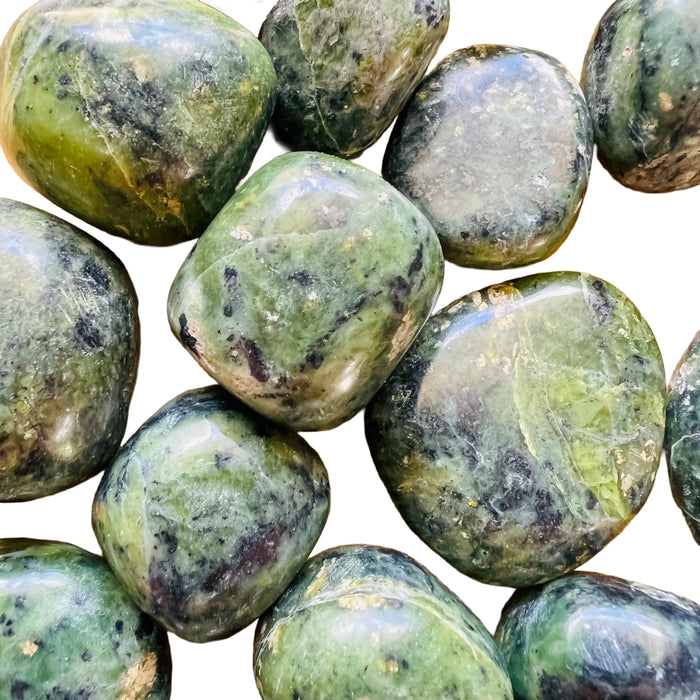
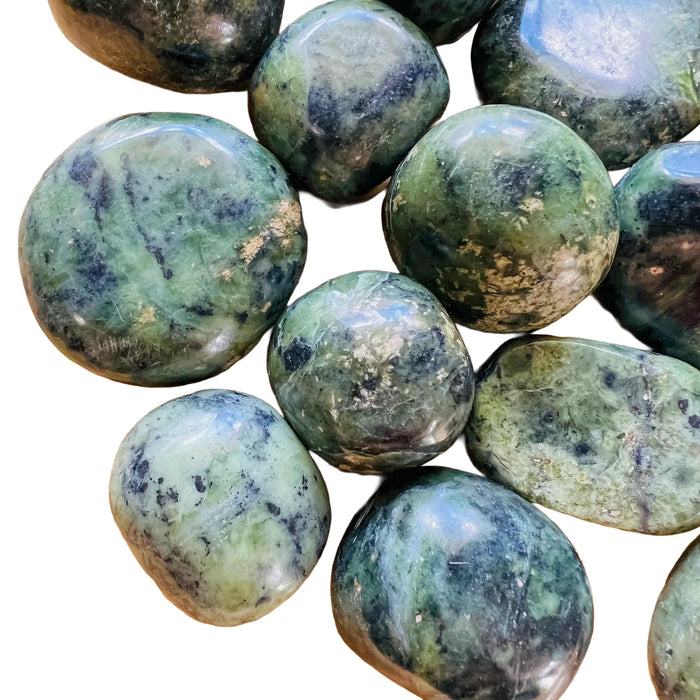
Jade is a trade name covering two distinct minerals: jadeite and nephrite. Both are tough, dense, and have been carved and worked for millennia across cultures. Our primary jade is green nephrite from Lima, Peru. This guide covers what the name actually means, where our material comes from, and how to distinguish true jade from market substitutes and treated stones.
Shop jadeJade, in stock now.
Our most-loved Jade pieces, ready to ship.


- from 1,000+ reviews
- Ships within 72 hoursMonday to Friday, tracked
- 90 days to return itif you do not love it
- Free US shipping over $99$8.99 flat rate under
The geology.
Jade is a trade term that covers two mineralogically distinct stones: jadeite and nephrite. Both are tough, dense, and take a high polish, and both have been worked into tools, ceremonial objects, and jewelry across cultures for thousands of years. Yet they are different minerals with different chemical compositions, crystal structures, and physical properties. Understanding which is which matters for sourcing, care, and market honesty.
Jadeite is a pyroxene mineral with the composition NaAlSi2O6. It is rarer, harder (Mohs 6.5 to 7), denser, and more expensive. Its color range includes deep imperial green, lavender, white, red, black, and orange. The finest jadeite comes from Burma (Myanmar), Guatemala, and Russia. Nephrite is a tremolite-actinolite amphibole with a calcium-magnesium-iron silicate structure. It is more common, slightly softer (Mohs 6 to 6.5), and typically green, gray-green, or cream. Historic sources include China, Russia, British Columbia, New Zealand, and Australia.
Beyond these two true jades, the market uses the word jade loosely. New Jade is almost always serpentine, a much softer mineral (Mohs 2 to 5). Malaysia Jade is often dyed quartz. Mountain Jade is dyed dolomite. Our primary product is green jade from Lima, Peru, which is a nephrite-serpentine assemblage. We document the specific mineral content per batch and distinguish nephrite from jadeite from serpentine in our listings.
The origins.
Our current jade stock is green nephrite-serpentine assemblage from Lima, Peru. Peruvian green jade is hand-extracted from small-scale operations, hand-polished, and arrives untreated. We document the mineral composition per batch where possible and distinguish the material clearly from treated or dyed market substitutes.
True jade sources span the globe. Jadeite is mined primarily in Burma (Myanmar), Guatemala, and Russia, with Burma historically the source of the finest imperial green material. We do not currently carry Burmese jadeite due to sanctions and traceability concerns. Nephrite sources include China (the historic center of nephrite work), Russia, British Columbia, New Zealand (pounamu, sacred to the Māori), Australia, and Wyoming. Each region produces distinct color palettes and quality profiles.
We acknowledge these global sources exist, yet our primary commitment is the Peruvian green jade we carry. If our Peru supply changes or if we expand to other origins, we will disclose this openly. We do not sell Burmese jadeite, and we will not sell material whose traceability is unclear.
Traditional associations.
Jade carries deep cultural weight across Asia, Mesoamerica, and Aotearoa. In Chinese culture, nephrite has been carved and worked for over seven thousand years and is considered a stone of virtue, luck, and longevity. The Olmec and Maya of Mesoamerica prized jadeite for ceremonial objects and jewelry, associating it with the sacred and the eternal. The Māori of Aotearoa carry pounamu (nephrite) as taonga, ancestral treasure with genealogical meaning.
In modern crystal practice, jade is associated with the Heart chakra, the Earth element, and luck, abundance, emotional balance, protection, and steady love. Many people work with it for practices around lasting prosperity, protective boundaries, and emotional steadiness. Its toughness carries metaphorical weight as a stone of endurance and grounding presence.
Spotting the real thing.
Real jade (jadeite or nephrite) is exceptionally tough. It resists chipping far more than its hardness alone would suggest and feels cold to the touch. Density distinguishes the minerals: jadeite specific gravity is approximately 3.3; nephrite is approximately 2.95. Dyed quartz and glass substitutes feel lighter. Under bright light, jadeite shows a granular crystalline texture, while nephrite displays a fibrous texture.
Grade B jadeite (acid-bleached and resin-impregnated) shows a resin sheen under UV light and can be tested with a discreet acetone swab on an inconspicuous area; resin dissolves in acetone. New Jade serpentine is much softer (Mohs 2 to 5), scratches easily, and often feels warmer than true jade. For Peruvian green jade, we provide mineral analysis on request and confirm the nephrite-serpentine assemblage documented in our batch records.
Care & handling.
Jade is durable for daily wear and handling. Its toughness and hardness (Mohs 6 to 7) make it resistant to scratching and chipping in typical use. Clean with water and mild soap, then rinse and dry thoroughly. Avoid ultrasonic cleaners, especially on Grade B treated stones. Prolonged direct sunlight is safe but unnecessary. Harsh chemicals should be avoided.
Store jade separately from softer stones to avoid imparting scratches on them. For energetic cleansing, water, smoke, sound, moonlight, and breath all work well. The density and toughness of jade carry their own energy of grounding and stability. Many people find its durability a meaningful reflection of lasting presence and enduring commitment.
Pairs well with.
Proof, not promises.
We measure our own sourcing across five dimensions. Supply chain, environmental footprint, artisan support, market integrity, and pricing. The number is honest, not perfect. Where we can do better, we say so.
A deeper look.
Extended geology, sourcing complexity, mineral distinction, authentication, and pricing, for when the quick guide is not quite enough.
The jade naming problem
The word jade causes confusion because it is a trade name, not a mineralogical one. A single term covers two completely different minerals. This happened historically because both minerals are tough, dense, and green, and they were used interchangeably by ancient cultures and early lapidaries who did not have the tools to distinguish them mineralogically. By the time modern mineralogy could tell the two apart, the market had already settled on a single name for both.
This matters now because treated jade in the low-grade market is almost always jadeite (Grade B: acid-bleached and resin-impregnated). Nephrite is less frequently treated because its natural colors are accepted in the market. If you buy jade without asking which mineral it is, you cannot assess the likelihood of treatment. We solve this by naming the mineral explicitly on every piece.
Jadeite
Jadeite is a sodium aluminum silicate pyroxene mineral with the formula NaAlSi2O6. It forms under high-pressure metamorphic conditions, typically in subduction zones where oceanic crust is thrust deep into the Earth. Jadeite is harder than nephrite (Mohs 6.5 to 7), denser (specific gravity 3.3), and typically finer-grained, allowing a higher polish. Colors range from imperial green to lavender, white, red, black, and orange, depending on trace element content and structural defects.
Jadeite is rare. Major sources are Burma (Myanmar), which has historically produced the finest imperial green material; Guatemala, which produces lighter greens and other colors; and Russia. Jadeite commands premium prices due to rarity and the fine color saturations available. The market for fine jadeite is dominated by high-end collectors and institutional buyers.
Grade A jadeite (untreated, fine color, good polish) costs significantly more than Grade B or C. Grade B jadeite undergoes acid bleaching to remove discoloration and polymer impregnation to stabilize the bleached material and fill fractures. This process dramatically lowers cost but changes the physical properties and durability of the stone. Grade C is dyed. We do not sell any treated jadeite and do not carry Burmese jadeite due to sanctions and sourcing clarity concerns.
Nephrite
Nephrite is a tremolite-actinolite amphibole, a calcium magnesium iron silicate mineral that forms in metamorphic environments at lower pressures than jadeite. Nephrite is slightly softer than jadeite (Mohs 6 to 6.5), denser than serpentine but lighter than jadeite (specific gravity 2.95), and typically green, cream, gray-green, or white. Historic sources include China (the center of nephrite carving for over seven thousand years), Russia, British Columbia, New Zealand, Australia, and Wyoming.
Nephrite is more abundant than jadeite and historically more affordable. Its natural color palettes are widely accepted, so treatment is less common. When nephrite is treated, it is typically dyed or heat-treated to intensify color, but this is less common than jadeite treatment because the market accepts natural nephrite as is.
Market substitutes and confusion
New Jade is almost always serpentine, not jade. Serpentine is a sheet silicate mineral (Mg3Si2O5(OH)4) that is much softer (Mohs 2 to 5) and less tough than true jade. It is often dyed or heat-treated to create a vivid green color that mimics jade. Serpentine feels warmer to the touch than jade, scratches easily, and breaks under modest pressure.
Malaysia Jade is often dyed quartz. Mountain Jade is dyed dolomite or marble. These market names are convenient but misleading. Real jade is jadeite or nephrite. Everything else is something else with a jade-sounding name.
Our Peruvian green jade
Our primary jade product is green jade from Lima, Peru. Peruvian green jade is typically a nephrite-serpentine assemblage: nephrite fibers with some softer serpentine inclusions. We document the specific mineral ratios per batch where analysis is available. The material is natural, untreated, and hand-polished. The green color comes from trace iron content in the nephrite component; there is no dye or enhancement.
Peruvian green jade is intermediate in price between fine nephrite and low-grade dyed material. It offers the cultural and mineralogical integrity of true nephrite with an accessible price point. We do not market it as jadeite and we do not claim it is pure nephrite; we describe the assemblage as it is.
Authentication and testing
Real jade is tough to an unusual degree. It resists chipping even under impact that would break quartz. Density testing helps distinguish minerals: jadeite feels heavier than nephrite for comparable size. Under a loupe, jadeite shows a finer, more uniform granular texture, while nephrite displays fibrous strands. Grade B jadeite shows resin sheen under UV light. Acetone testing (on an inconspicuous spot) dissolves resin-impregnated stones.
New Jade serpentine is soft enough to scratch with a copper coin. It also feels warmer than jade and shows visible grain under a loupe. If you are unsure, ask for mineral certification. We provide it on request for all our jade products.
Care considerations
Jade (both jadeite and nephrite) is durable for daily wear. Clean with water and soap, avoid ultrasonic cleaners on treated stones, and store separately from softer minerals. The high density and toughness mean jade responds well to any cleansing method: water, smoke, sound, moonlight, or breath all work equally well.
Pricing and value
Fine jadeite: $100 to $1000+ per carat for high-grade imperial green material. Mid-range jadeite: $10 to $100 per carat. Grade B treated jadeite: $1 to $20 per carat. Nephrite: $1 to $50 per carat for fine material, often lower for standard grades. Peruvian green jade (nephrite-serpentine): $20 to $80 for medium tumbled pieces, $80 to $300 for larger carvings or premium polishes. Serpentine mislabeled as jade: under $5 per piece at retail.
Good sourcing is a practice, not a claim.
Nothing we sell is dyed, stabilized, reconstituted, or color-enhanced without full disclosure. We name our origins where we can. We say so when we cannot. We walk away from material that does not meet our standard, even when it costs us sales.
Bring jade home.
Peruvian green nephrite-serpentine from Lima. Natural, untreated, hand-polished, with mineral documentation. We distinguish jadeite from nephrite from serpentine in every listing and walk away from treated material. Jade is a trade term covering many minerals. We are specific about which one you are holding.
Shop the jade collectionGrounded Connections
New stones go to the list first.
No forwarding, no selling. Unsubscribe in one click. Privacy