


Shop All Crystals
Best Sellers
Our Picks
New Arrivals
JUST INSets & Gifts
The Collector's Table
Gifts and SetsPerfectly Imperfect
SAVE UP TO 50%Gift Cards
Not sure where to start? Take the Crystal Quiz →
The 8 Bestsellers
The stones people reach for again.
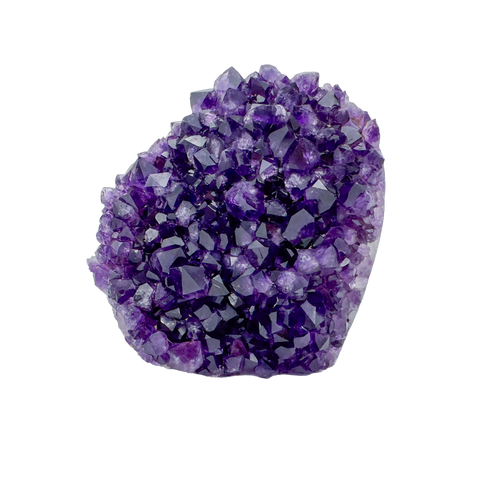
Amethyst
for calm
Shop Amethyst →
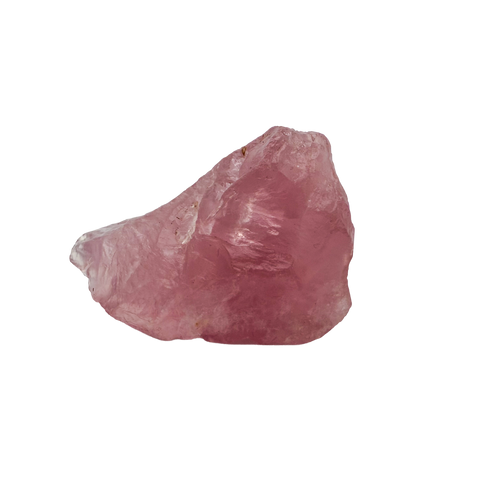
Rose Quartz
for love
Shop Rose Quartz →
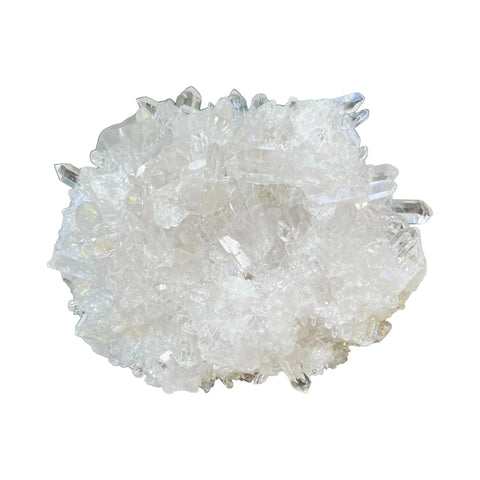
Clear Quartz
for clarity
Shop Clear Quartz →
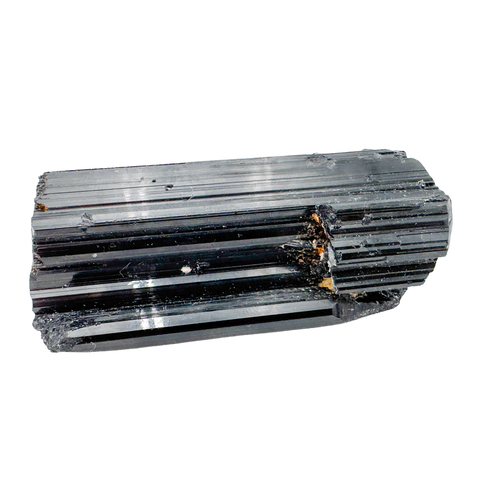
Black Tourmaline
for protection
Shop Tourmaline →
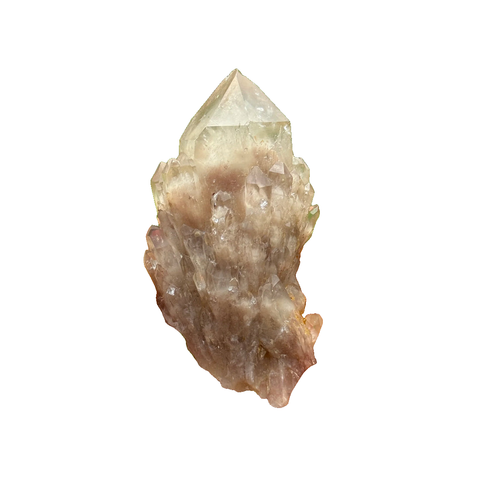
Natural Citrine
for abundance
Shop Citrine →
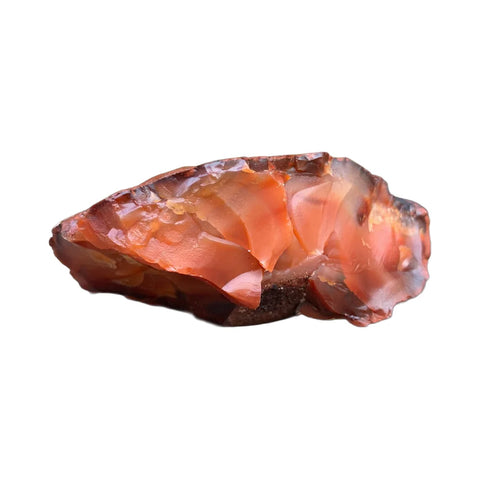
Carnelian
for motivation
Shop Carnelian →
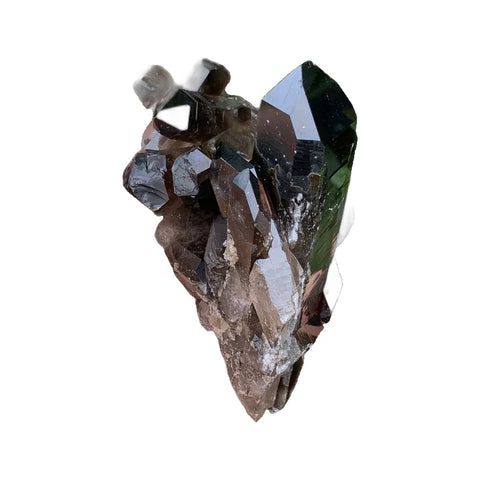
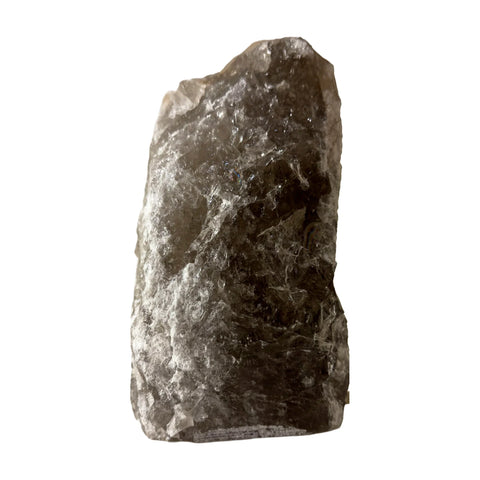
Smoky Quartz
for grounding
Shop Smoky Quartz →
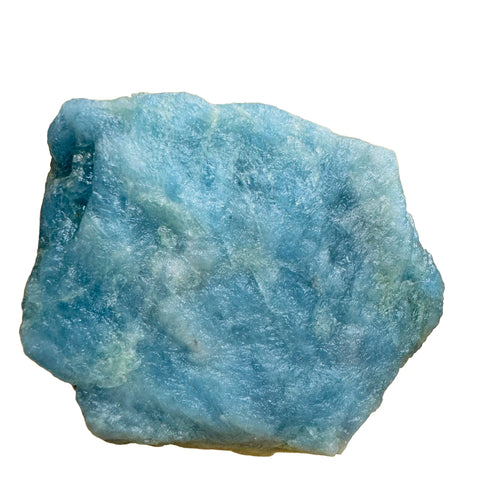
Aquamarine
for serenity
Shop Aquamarine →
More Stones We Carry
Beyond the eight, these are the ones we keep in depth.
Agatefor stress relief
Blue Lace Agatefor stress relief
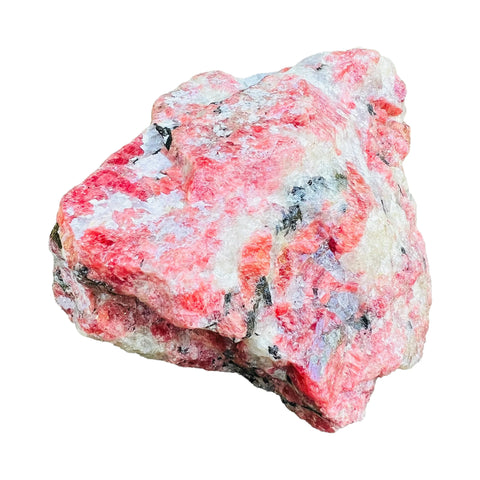
Rhodonitefor emotional healing
Selenitefor cleansing
Lepidolitefor stress relief
Bloodstonefor energy
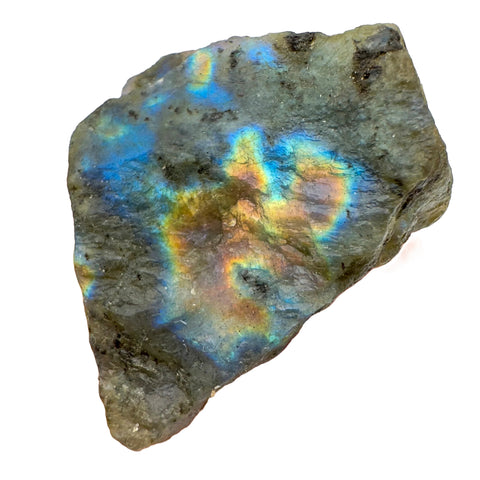
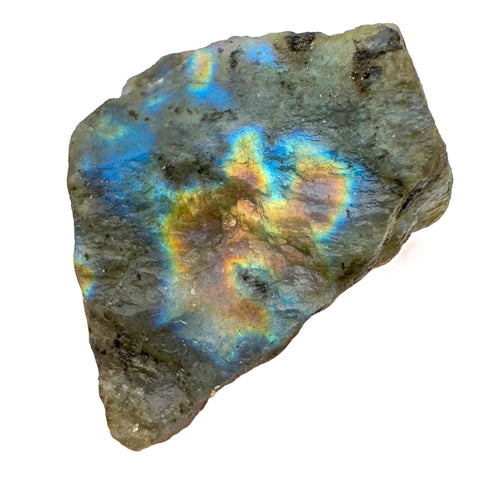
Labradoritefor intuition
Ocean Jasperfor emotional healing
Sodalitefor focus
Amazonitefor stress relief
Moonstonefor grounding
Obsidianfor protection
Aventurinefor luck
Fluoritefor focus
Garnetfor energy
Malachitefor emotional healing
Red Jasperfor grounding
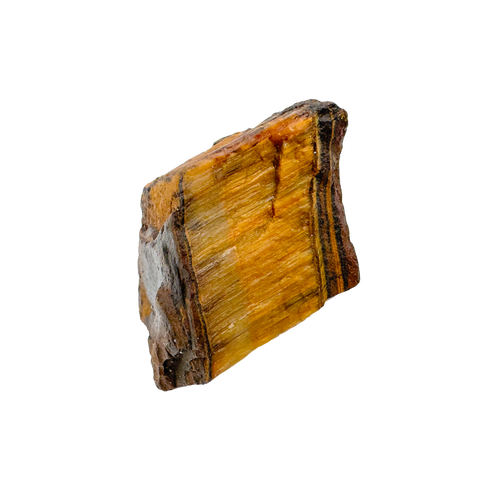
Tiger Eyefor confidence
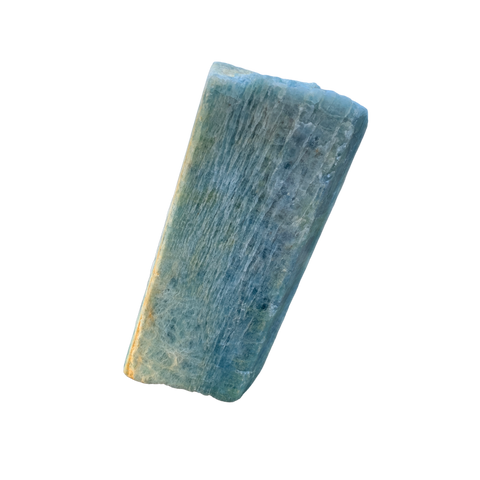
Blue Kyanitefor confidence
Chrysocollafor emotional healing
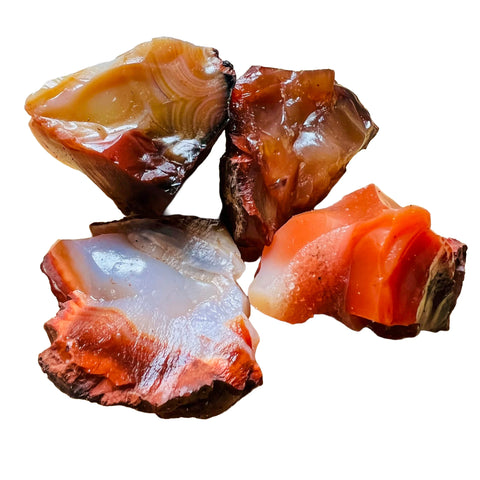
Raw Stones
179 pieces
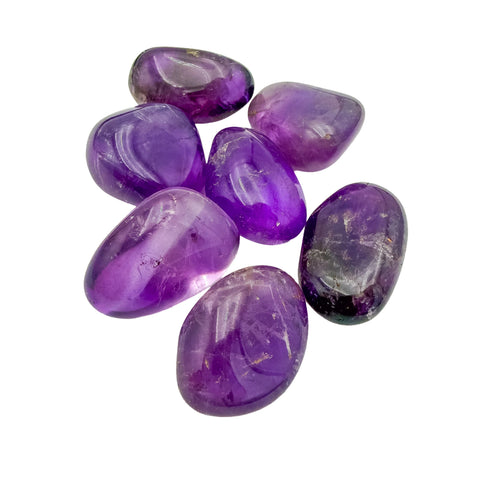
Tumbled Stones
162 pieces

Palm Stones
25 pieces
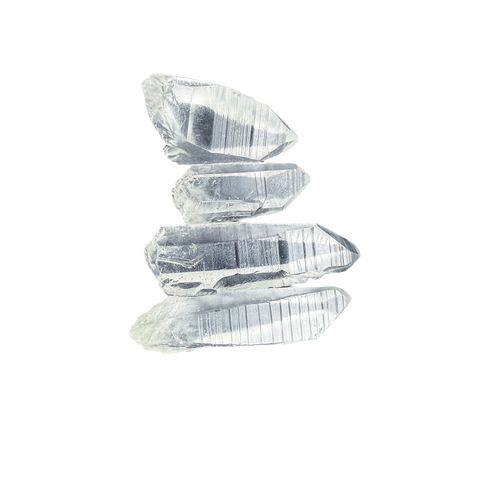
Crystal Points
23 pieces
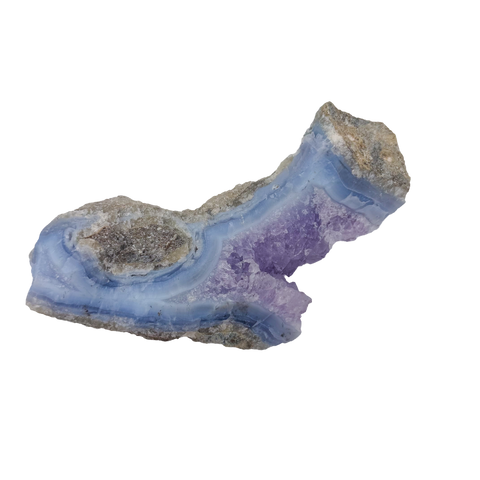
Clusters & Geodes
104 pieces

Polished & Decor
148 pieces
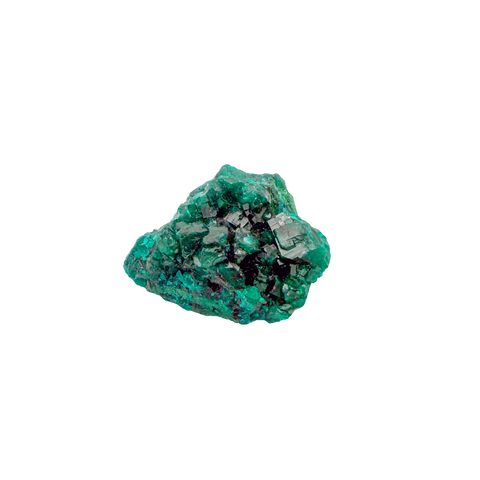
Mineral Specimens
259 collector pieces
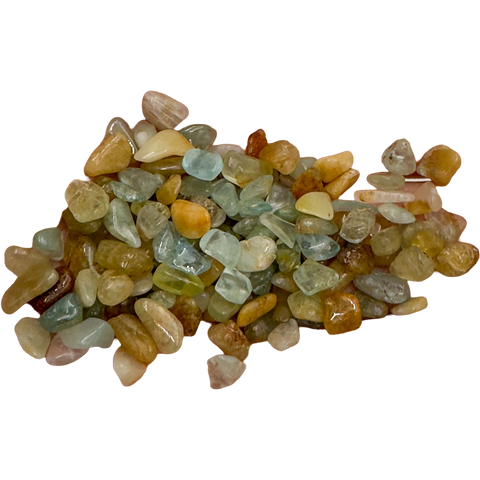
Crystal Chips
21 pieces
Browse everything
Every collection, one page.
Raw, tumbled, points, palms, geodes, spheres. The whole counter in one place.
View All Collections →
Root
steadiness
Sacral
creativity
Solar Plexus
confidence
Heart
connection
Throat
voice
Third Eye
intuition
Crown
clarity
Five-minute read
The seven, in plain language.
What each chakra governs, the stones traditionally matched to it, and where to place them. No jargon.
Read the chakra guide →

Aries
Mar 21 – Apr 19
Carnelian

Taurus
Apr 20 – May 20
Rose Quartz

Gemini
May 21 – Jun 20
Agate

Cancer
Jun 21 – Jul 22
Moonstone

Leo
Jul 23 – Aug 22
Citrine

Virgo
Aug 23 – Sep 22
Amazonite

Libra
Sep 23 – Oct 22
Blue Lace Agate

Scorpio
Oct 23 – Nov 21
Obsidian

Sagittarius
Nov 22 – Dec 21
Sodalite

Capricorn
Dec 22 – Jan 19
Black Tourmaline

Aquarius
Jan 20 – Feb 18
Amethyst

Pisces
Feb 19 – Mar 20
Aquamarine
Gifting?
A birthday stone is the safe bet.
Every sign's stones, what they mean, and how to choose between them.
Read the zodiac guide →


The House
A Small Shop That Checks What Others Take on Faith

Tried and trusted
4.9 out of 5 from 1,000+ reviews.
Every review is from a real order. We publish them all, including the hard ones.
Read the Reviews →
The Crystal GuideCrystal Properties A–ZEducational LibraryJournalCrystal IdentifierCrystal Grading GuideCrystal Care
Not sure where to start? Take the Crystal Quiz →
A Decade of Field Research
Know the Stone Before You Buy It
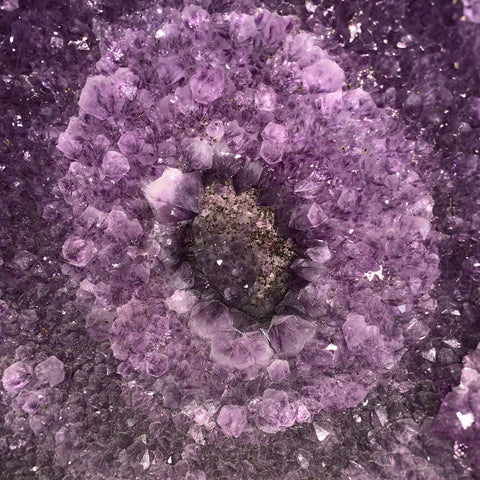
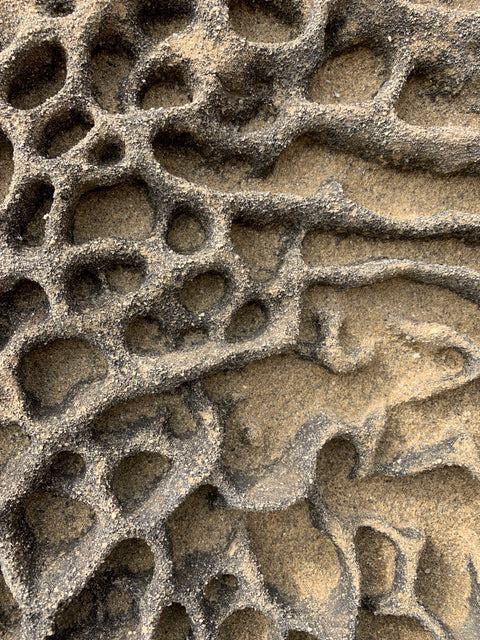
Two Minutes
Not sure where to start? Take the Crystal Quiz.
Honest questions, and a stone that fits the answer.
Take the Quiz →
Beyond Ethical™ SourcingOur Sourcing CriteriaFrom the Source to YouWhere Our Crystals Come FromChoosing Ethical SuppliersWholesale and StockistsSustainability Practices
Beyond Ethical™
Real Sourcing Details on Every Piece, Not Vague Claims
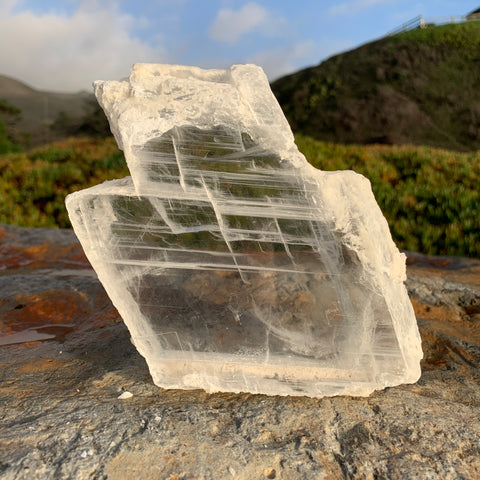


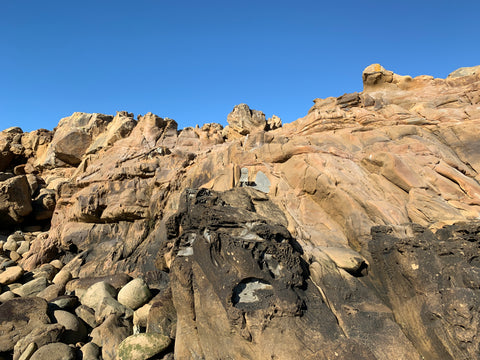
The Promise
The crystal industry runs on trust nobody is checking.
We check. Read the Beyond Ethical™ promise.
Read the Promise →
For Retailers & Practitioners
Stock Stones Your Customers Can Trust

Trade Accounts
The same disclosed sourcing, at trade pricing.
Every wholesale batch ships with its origin disclosure.
Apply for Wholesale →
Menu
Search crystals and guides →
Shop
Shop All Crystals
›Best Sellers
›Our Picks
›New Arrivals
JUST IN›Sets & Gifts
›The Collector's Table
›Gifts and Sets›Perfectly Imperfect
SAVE UP TO 50%›Gift Cards
›
Browse by
Not sure where to start? Take the Crystal Quiz →
The House
Contact›
★★★★★ 4.9 out of 5 from 1,000+ reviews →
Free US Shipping Over $99 · 90-Day Returns
The Stones
The stones people reach for again.
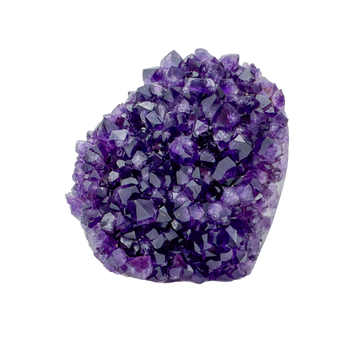
Amethyst
for calm
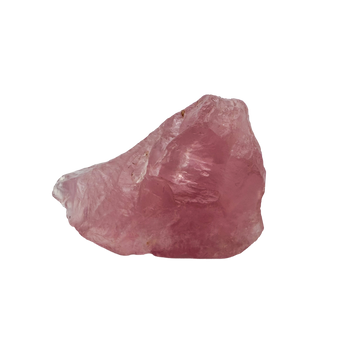
Rose Quartz
for love
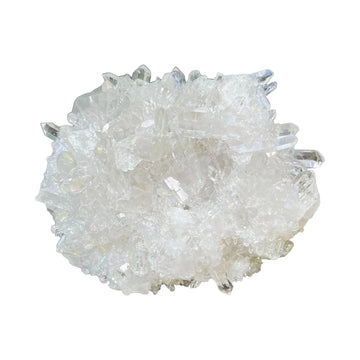
Clear Quartz
for clarity
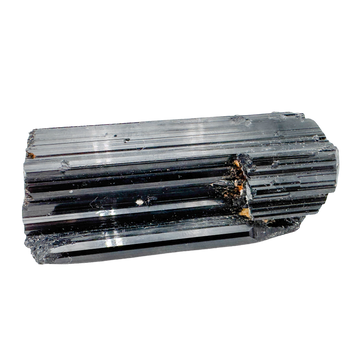
Black Tourmaline
for protection
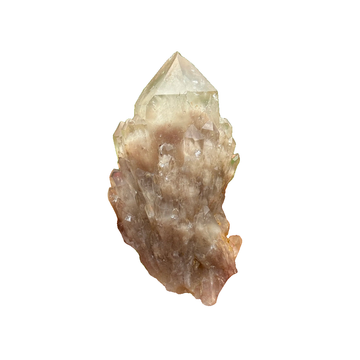
Natural Citrine
for abundance
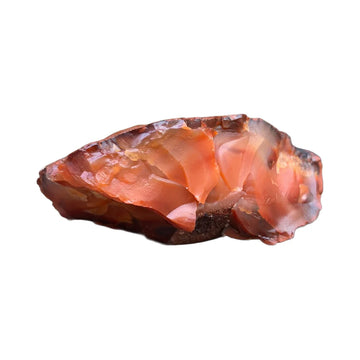
Carnelian
for motivation
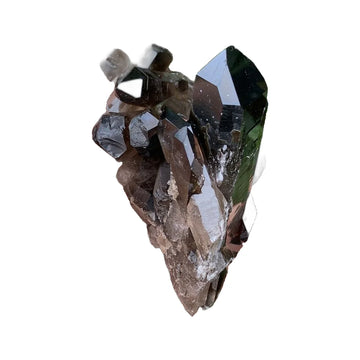
Smoky Quartz
for grounding
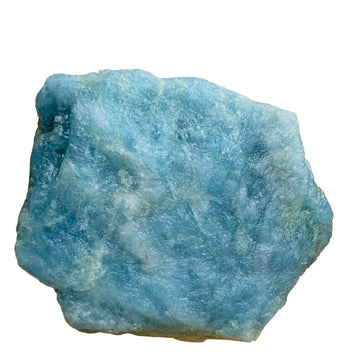
Aquamarine
for serenity
More Stones We Carry
Beyond the eight, these are the ones we keep in depth.
Agatefor stress relief
Blue Lace Agatefor stress relief
Rhodonitefor emotional healing
Selenitefor cleansing
Lepidolitefor stress relief
Bloodstonefor energy
Labradoritefor intuition
Ocean Jasperfor emotional healing
Sodalitefor focus
Amazonitefor stress relief
Moonstonefor grounding
Obsidianfor protection
Aventurinefor luck
Fluoritefor focus
Garnetfor energy
Malachitefor emotional healing
Red Jasperfor grounding
Tiger Eyefor confidence
Blue Kyanitefor confidence
Chrysocollafor emotional healing
See Our Entire Collection →
By Form
 Raw Stones
179 pieces
Raw Stones
179 pieces
 Tumbled Stones
162 pieces
Tumbled Stones
162 pieces
 Palm Stones
25 pieces
Palm Stones
25 pieces
 Crystal Points
23 pieces
Crystal Points
23 pieces
 Clusters & Geodes
104 pieces
Clusters & Geodes
104 pieces
 Polished & Decor
148 pieces
Polished & Decor
148 pieces
 Mineral Specimens
259 collector pieces
Mineral Specimens
259 collector pieces
 Crystal Chips
21 pieces
Browse everything
Every collection, one page.
View All Collections →
Crystal Chips
21 pieces
Browse everything
Every collection, one page.
View All Collections →
By Intention


By Chakra


By Zodiac
 Aries
Mar 21 – Apr 19
Carnelian
›
Aries
Mar 21 – Apr 19
Carnelian
›
 Taurus
Apr 20 – May 20
Rose Quartz
›
Taurus
Apr 20 – May 20
Rose Quartz
›
 Gemini
May 21 – Jun 20
Agate
›
Gemini
May 21 – Jun 20
Agate
›
 Cancer
Jun 21 – Jul 22
Moonstone
›
Cancer
Jun 21 – Jul 22
Moonstone
›
 Leo
Jul 23 – Aug 22
Citrine
›
Leo
Jul 23 – Aug 22
Citrine
›
 Virgo
Aug 23 – Sep 22
Amazonite
›
Virgo
Aug 23 – Sep 22
Amazonite
›
 Libra
Sep 23 – Oct 22
Blue Lace Agate
›
Libra
Sep 23 – Oct 22
Blue Lace Agate
›
 Scorpio
Oct 23 – Nov 21
Obsidian
›
Scorpio
Oct 23 – Nov 21
Obsidian
›
 Sagittarius
Nov 22 – Dec 21
Sodalite
›
Sagittarius
Nov 22 – Dec 21
Sodalite
›
 Capricorn
Dec 22 – Jan 19
Black Tourmaline
›
Capricorn
Dec 22 – Jan 19
Black Tourmaline
›
 Aquarius
Jan 20 – Feb 18
Amethyst
›
Aquarius
Jan 20 – Feb 18
Amethyst
›
 Pisces
Feb 19 – Mar 20
Aquamarine
›
Gifting?
A birthday stone is the safe bet.
Read the zodiac guide →
Pisces
Feb 19 – Mar 20
Aquamarine
›
Gifting?
A birthday stone is the safe bet.
Read the zodiac guide →
About
The House
A Small Shop That Checks What Others Take on Faith

Our Story
Paul and Zina. Why we started Beyond Bohemian.
Shipping Information
Insured, tracked, packed by hand
Bag Buy Back
Return the bag, get store credit
Learn
A Decade of Field Research
Know the Stone Before You Buy It
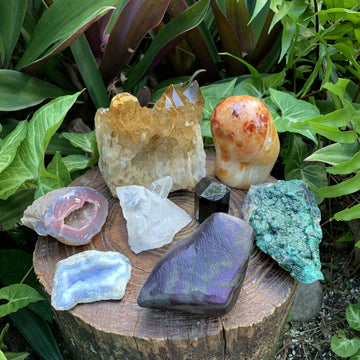
Crystal Properties A–Z
Every stone in the library
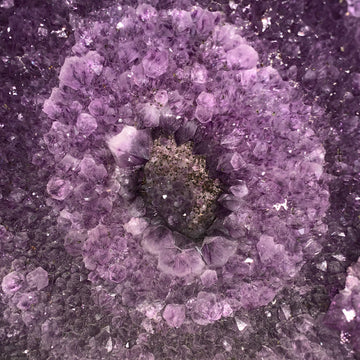
Crystal Grading Guide
What A, AA, and AAA mean
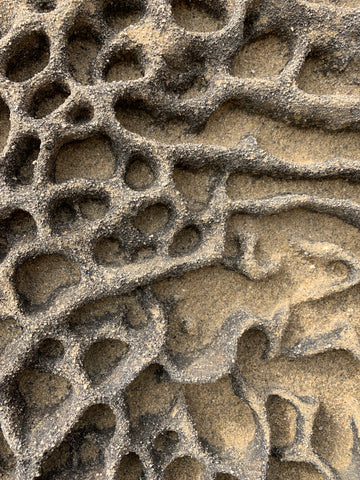
Crystal Identifier
Name that mystery stone
Ethical Sourcing
Beyond Ethical™
Real Sourcing Details on Every Piece, Not Vague Claims
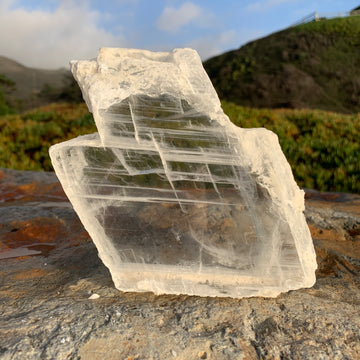
Beyond Ethical™ Sourcing
The promise, in full

Our Sourcing Criteria
What we check, what we refuse

From the Source to You
The path a stone travels
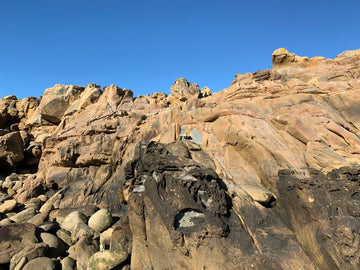
Where Our Crystals Come From
Named mines, named countries
Wholesale
For Retailers & Practitioners
Stock Stones Your Customers Can Trust
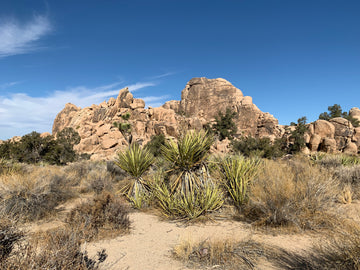
Wholesale Guidelines
MOQs, pricing, terms

Wholesale Application
Apply for trade pricing

Business Advisory Sessions
Build your crystal business

Crystals for Grounding
Dark, dense and iron-rich. The heaviest shelf in the shop.
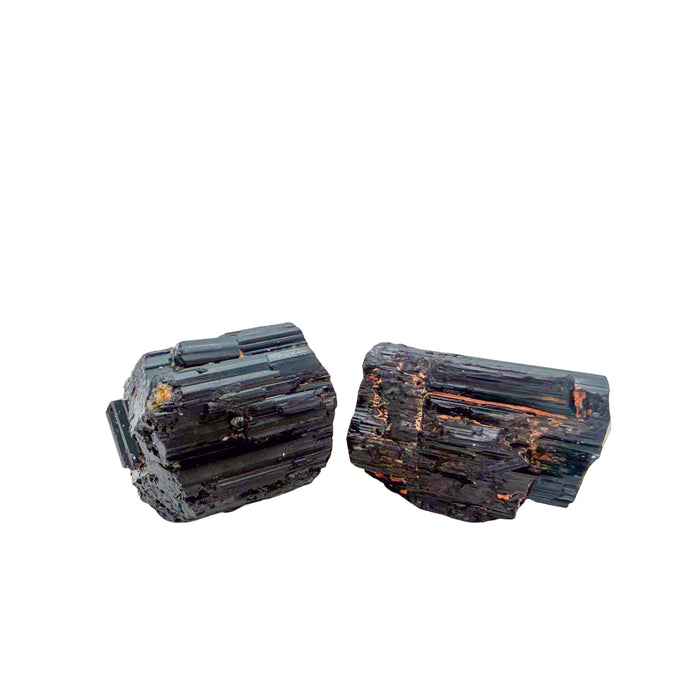
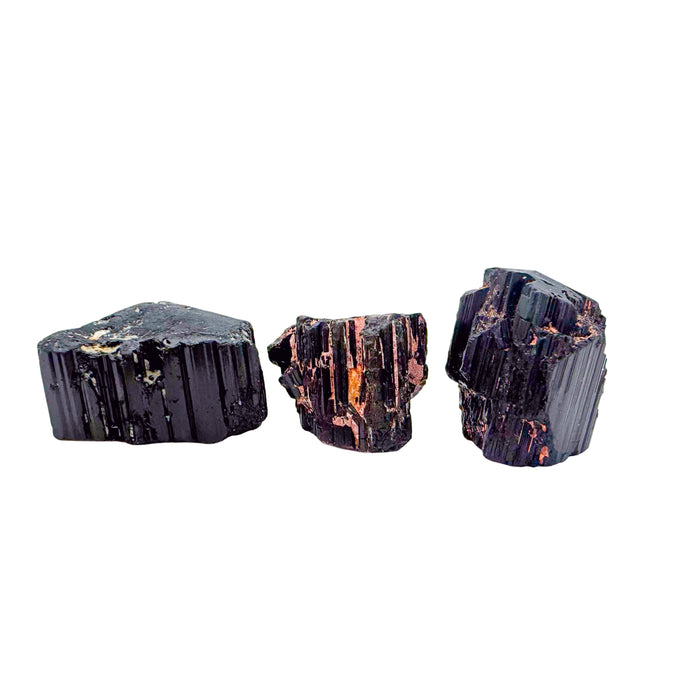
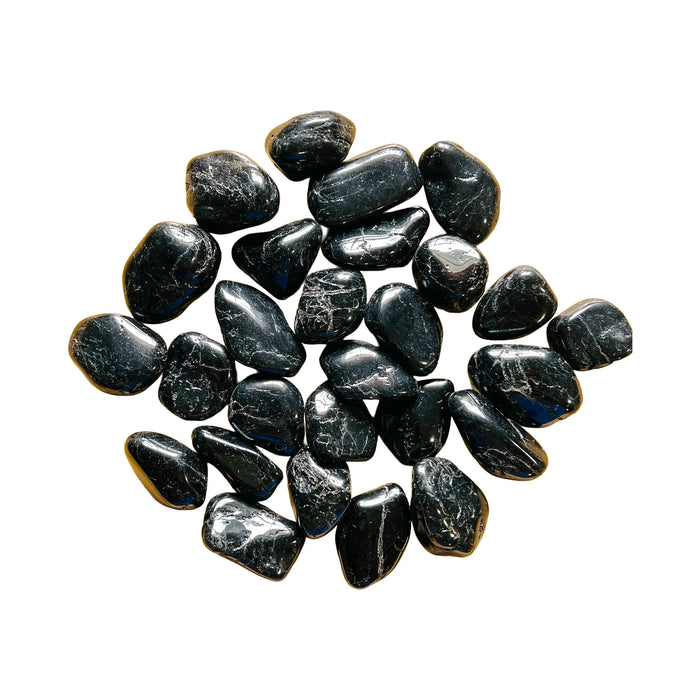
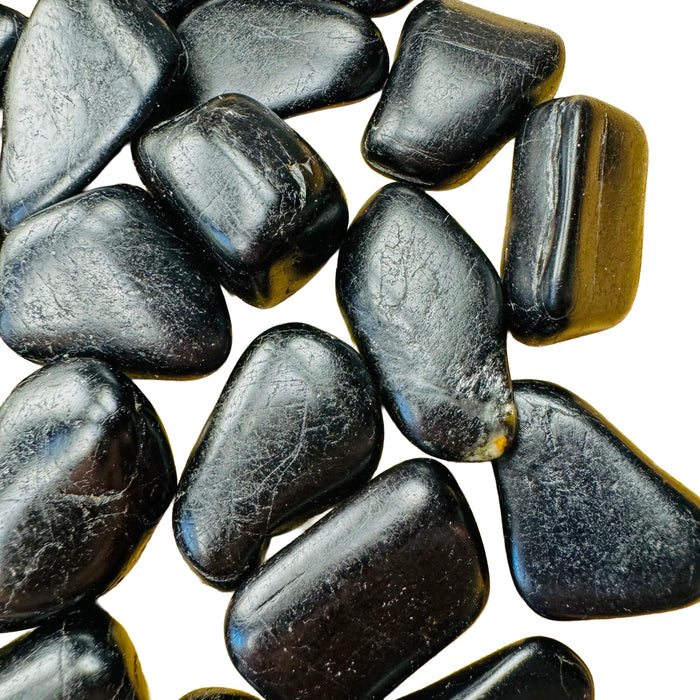
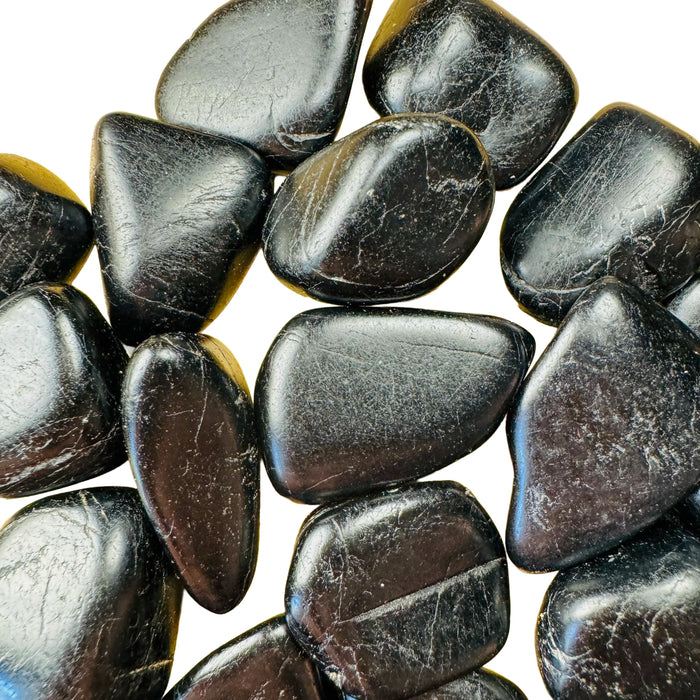
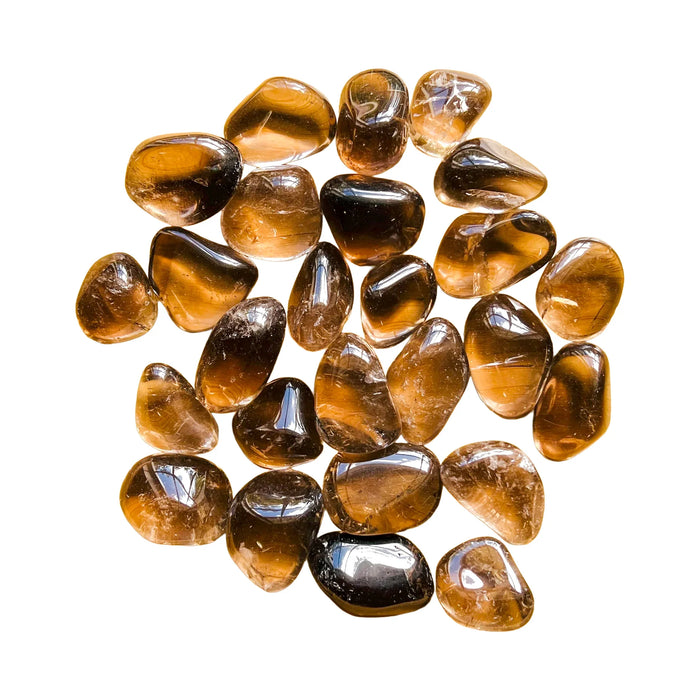
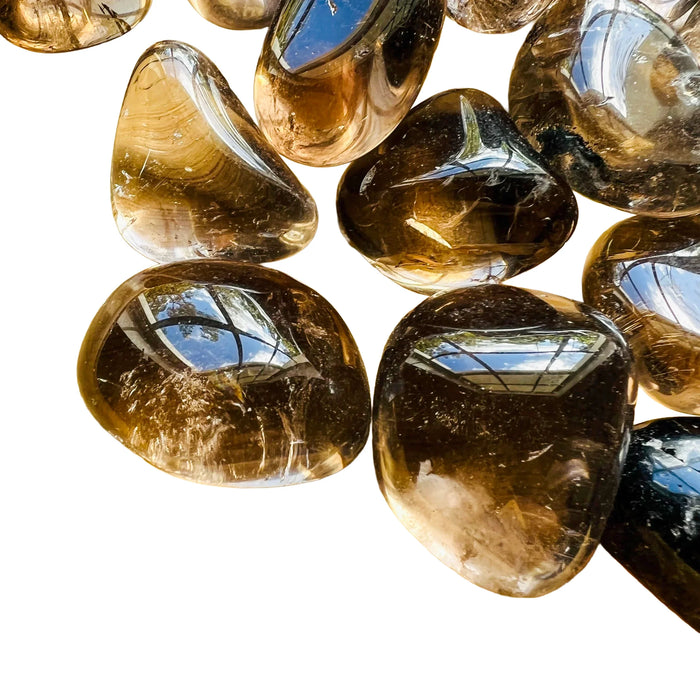
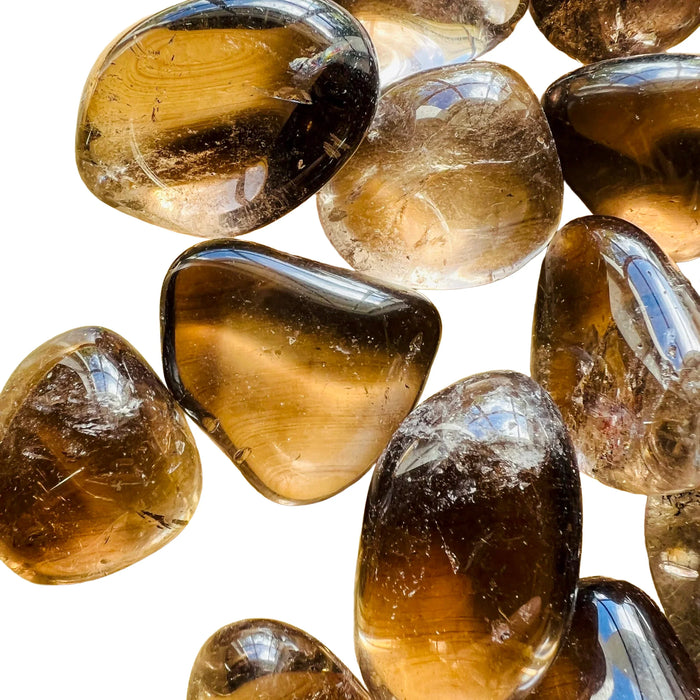
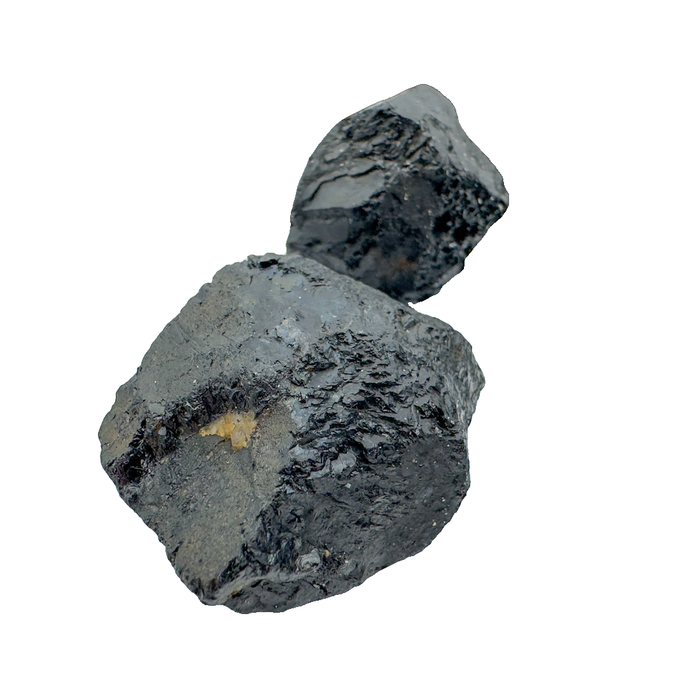
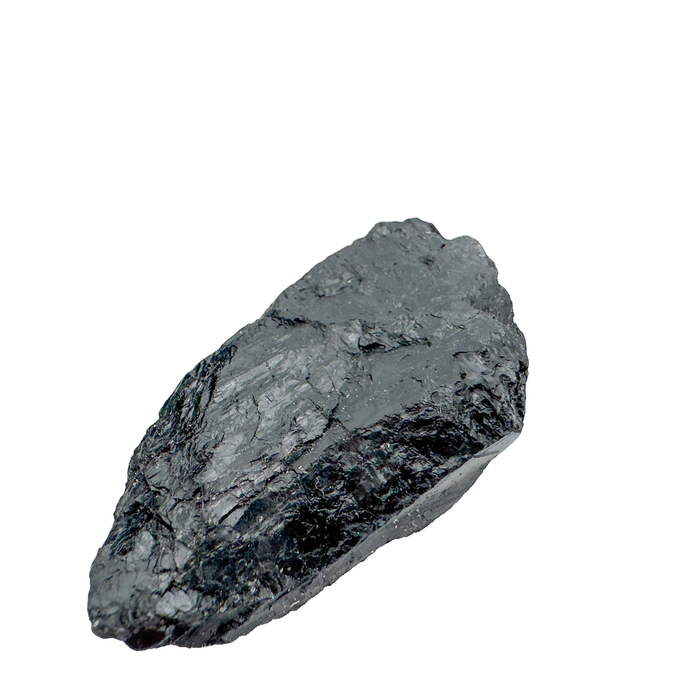
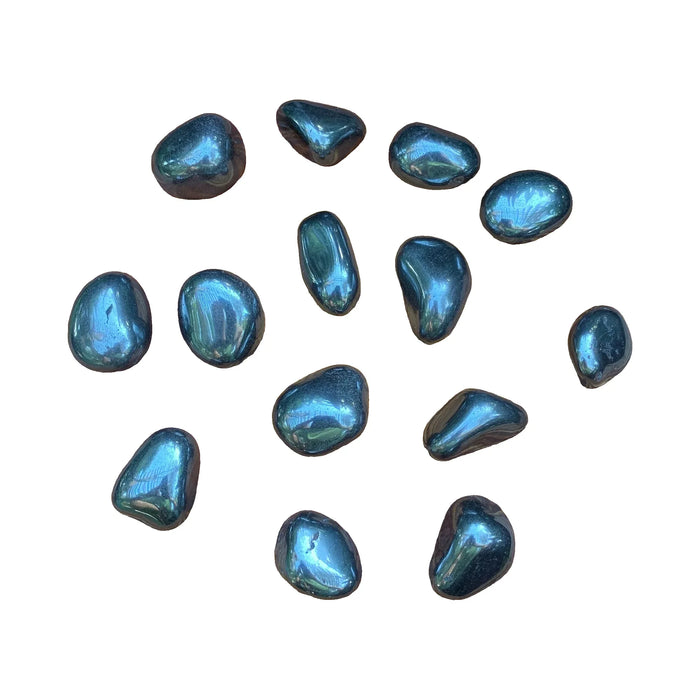
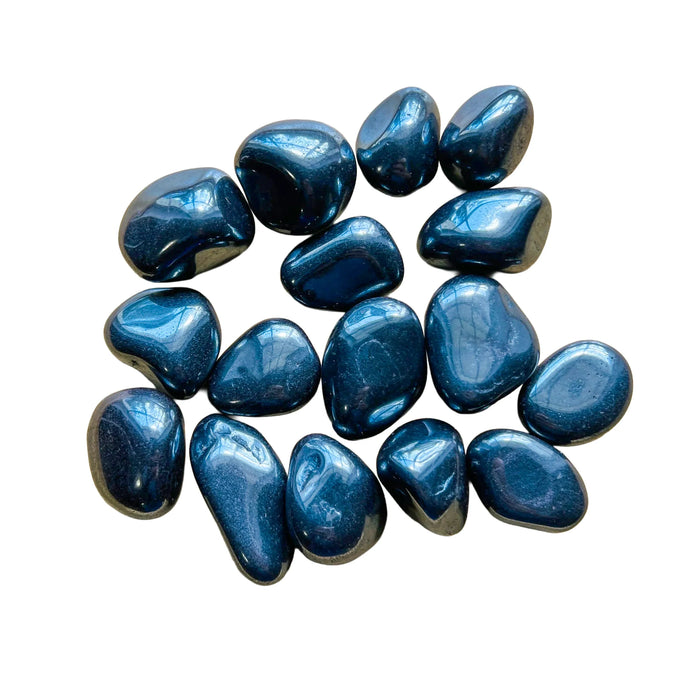
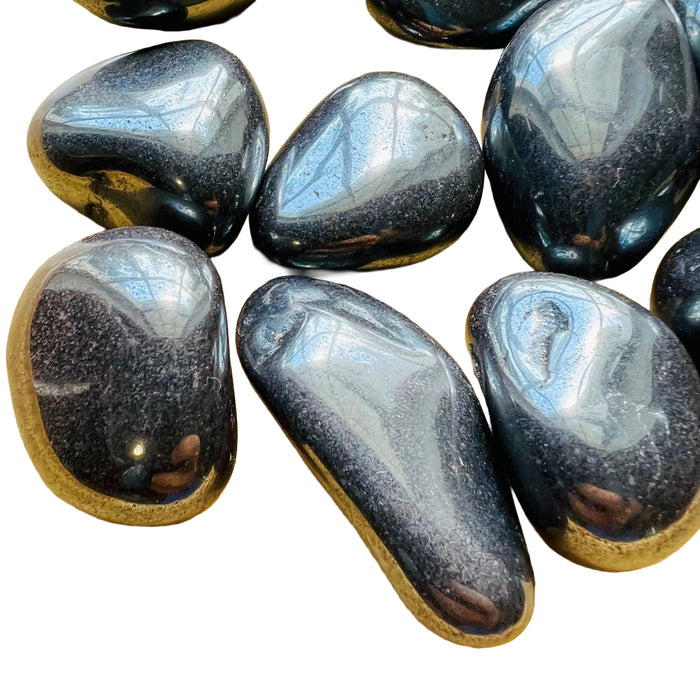
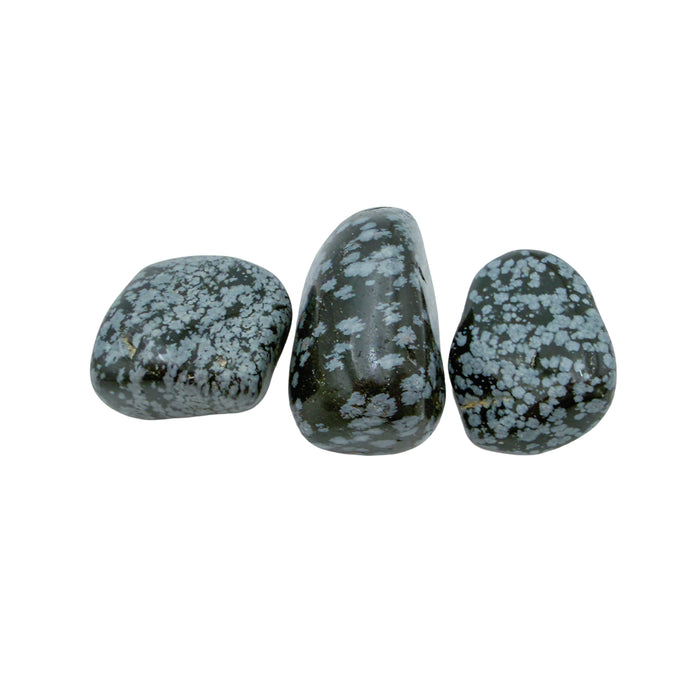
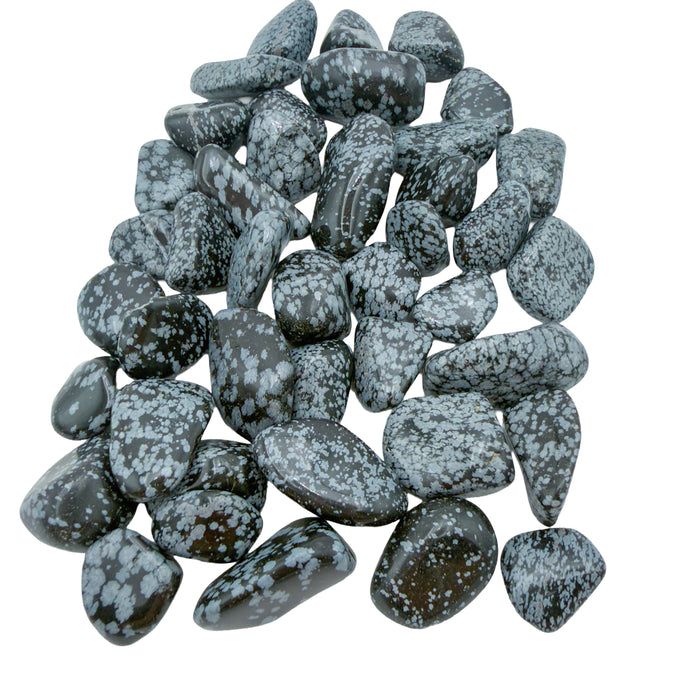
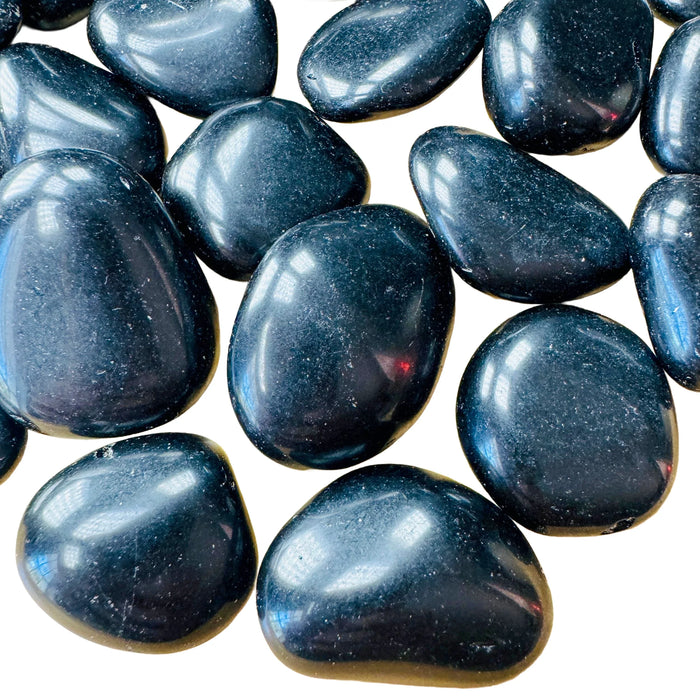
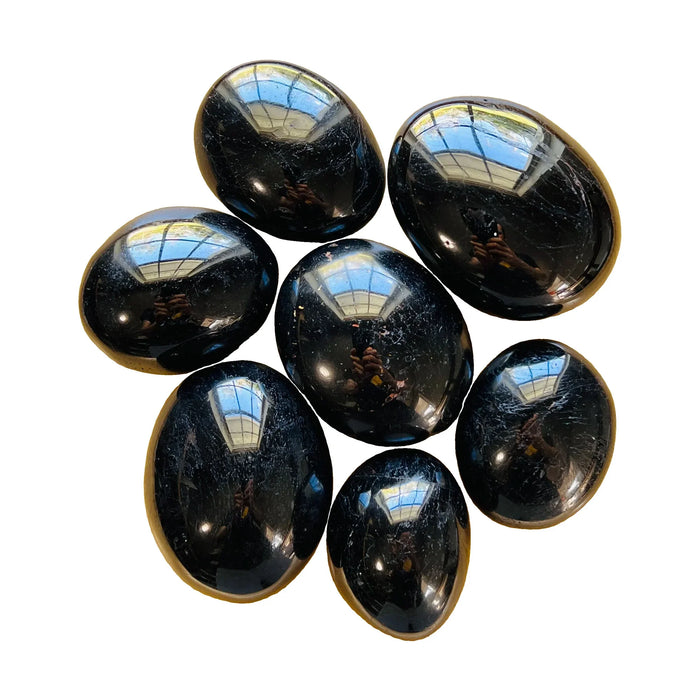
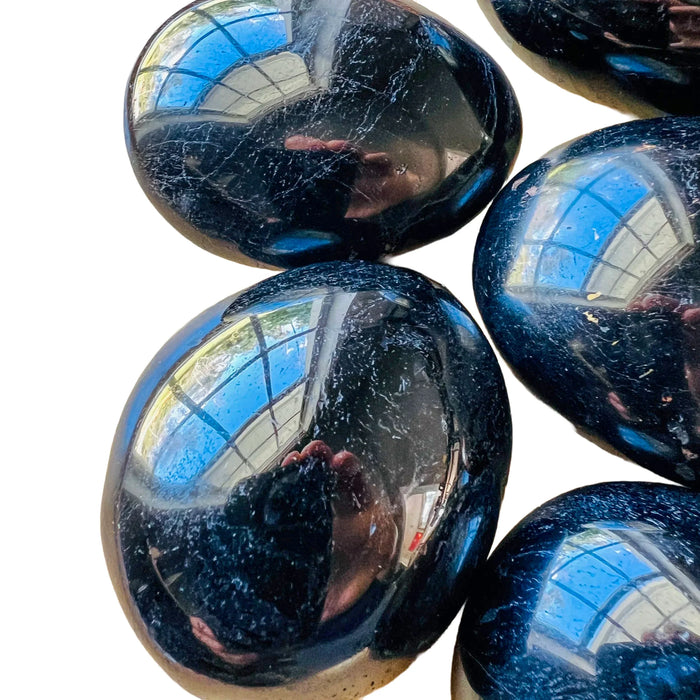
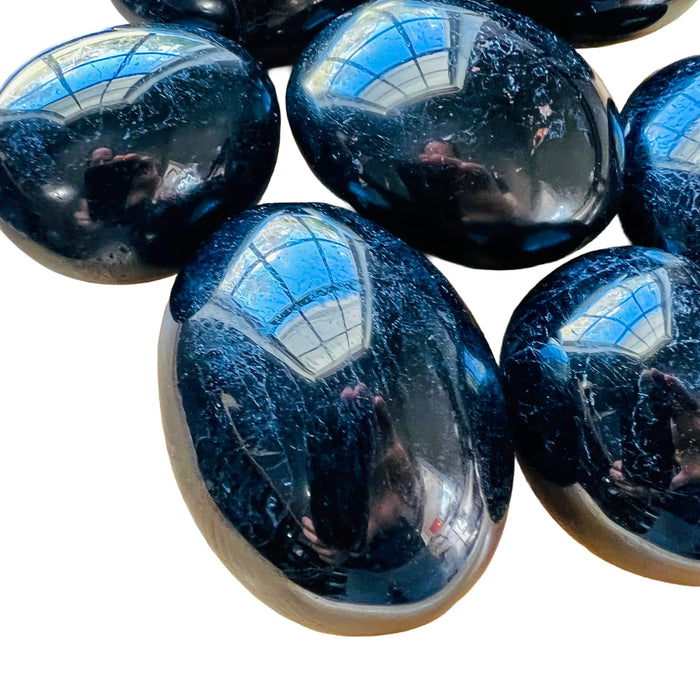
Smoky quartz, black tourmaline, shungite and petrified wood, raw and tumbled. At 268 pieces this is one of our largest collections, and easily the darkest.
214 found
-
bestseller
-
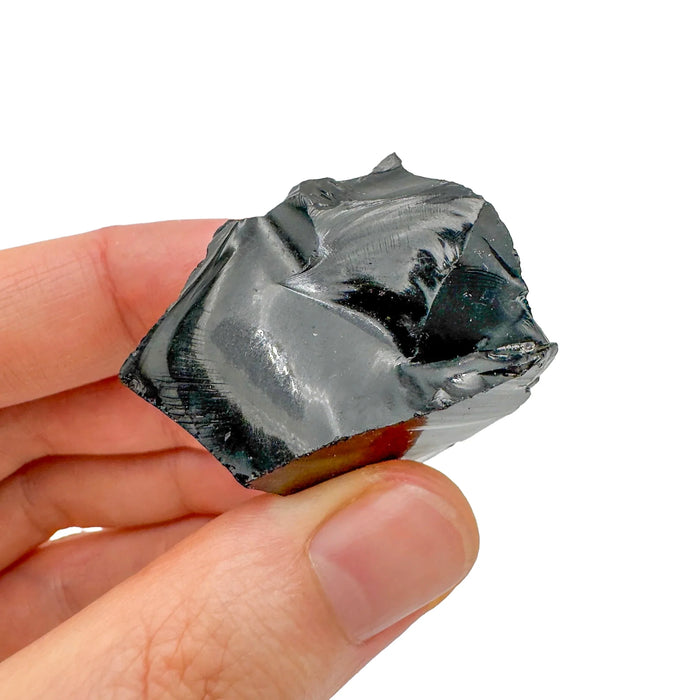
bestsellerAA Grade | 1–2″RIO GRANDE DO SUL, BRAZILGROUNDING◇PROTECTION◇STRESS RELIEF
-
Sold OutAAA Grade | 1.25–1.75″VAKINANKARATRA, MADAGASCARPROTECTION◇GROUNDING◇CLEANSING
-
bestsellerAA Grade | 1–1.50″MINAS GERAIS, BRAZILPROTECTION◇GROUNDING◇CLEANSING
-
bestsellerAAA Grade | 1–1.50″MINAS GERAIS, BRAZILGROUNDING◇PROTECTION◇STRESS RELIEF
-
bestseller
-
Sold OutAA Grade | 1–1.50″UTAH, UNITED STATESGROUNDING◇EMOTIONAL HEALING◇PROTECTION
-
bestsellerAA Grade | 1–1.50″SALTA PROVINCE, ARGENTINAPROTECTION◇GROUNDING◇CLEANSING
-
AA Grade | 1–2″UTAH, UNITED STATESGROUNDING◇EMOTIONAL HEALING◇PROTECTION
-
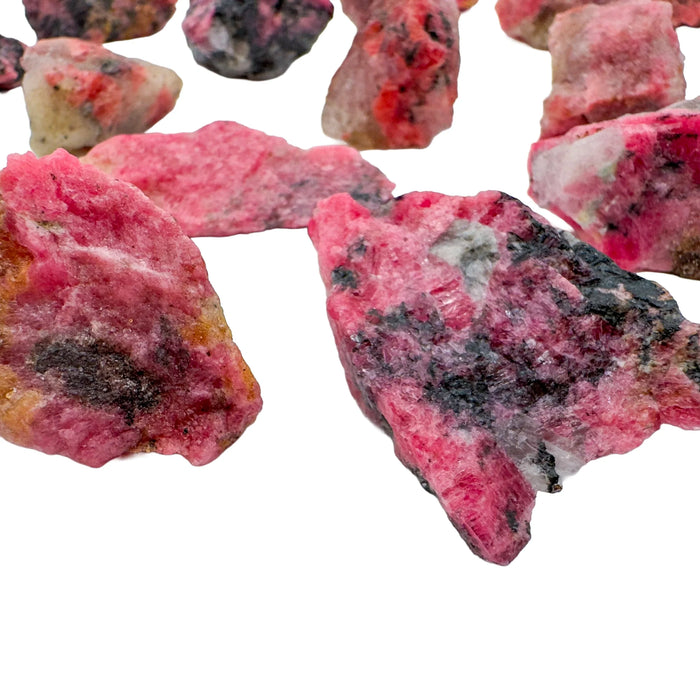
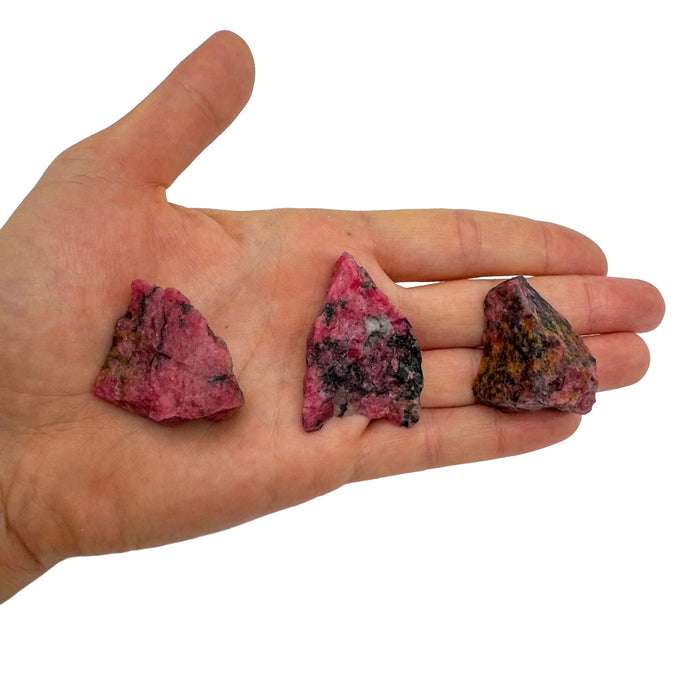
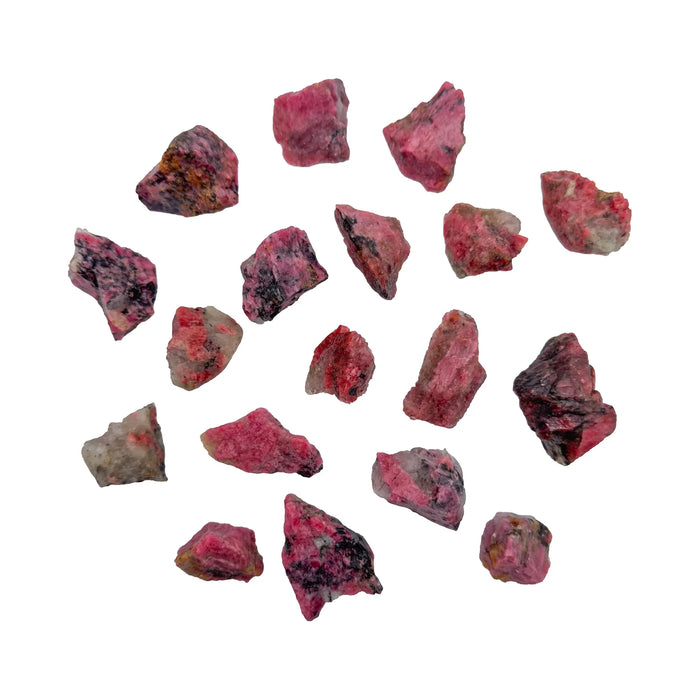
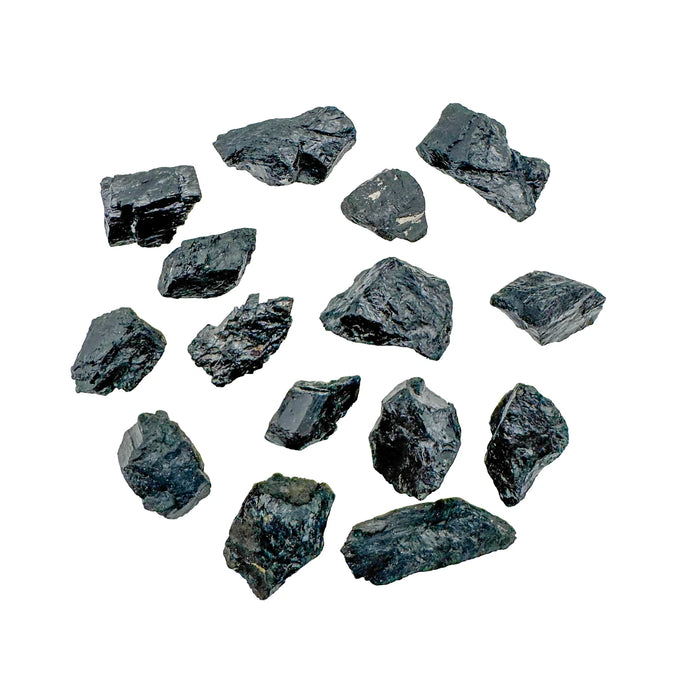
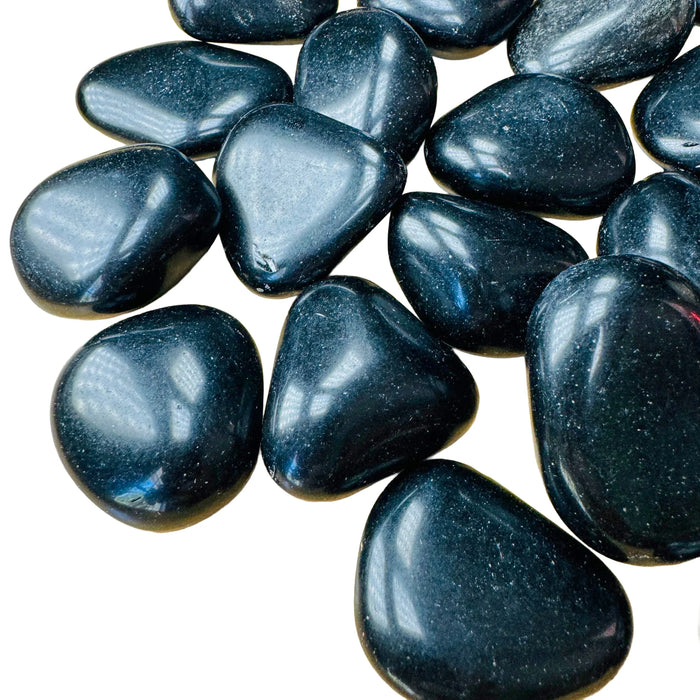
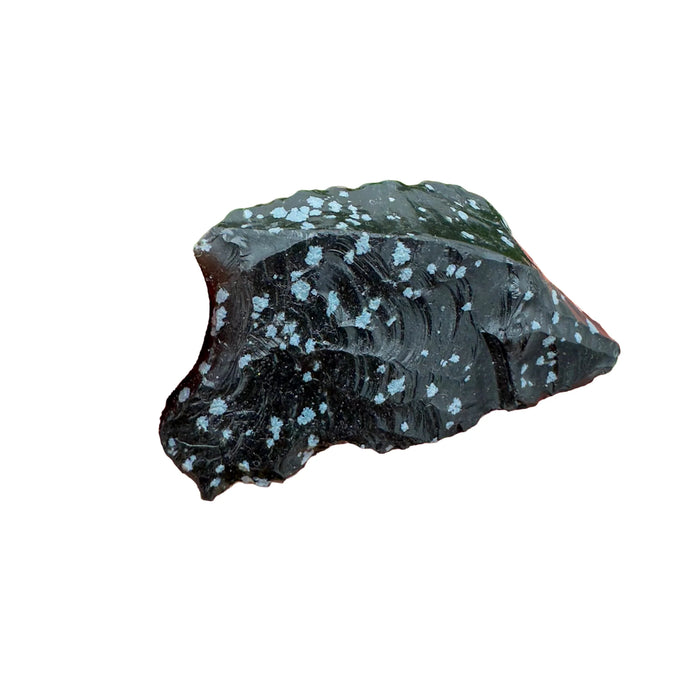
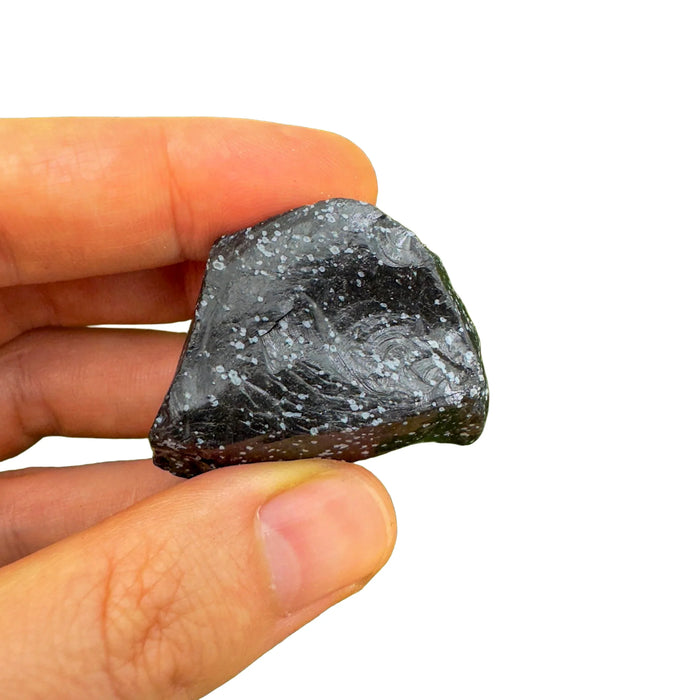
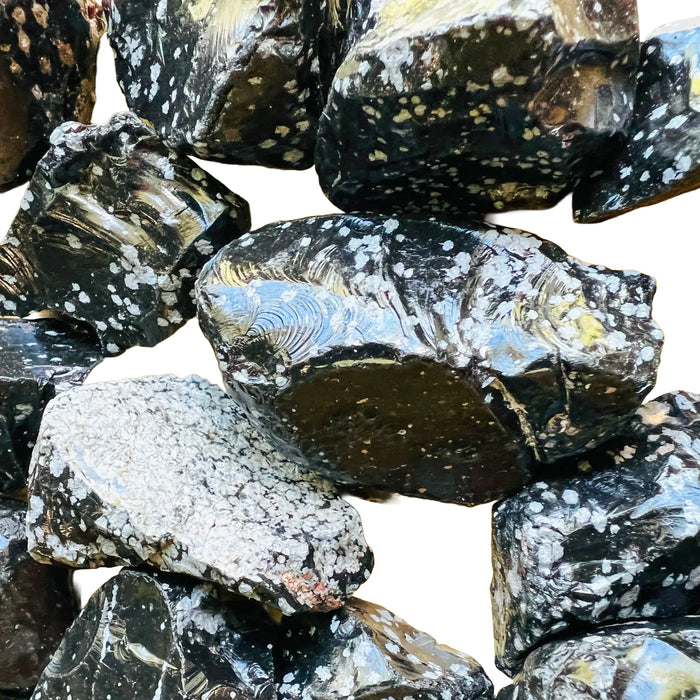
bestsellerAA Grade | 1.50–3″ALAOTRA-MANGORO, MADAGASCARPROTECTION◇GROUNDING◇CLEANSING
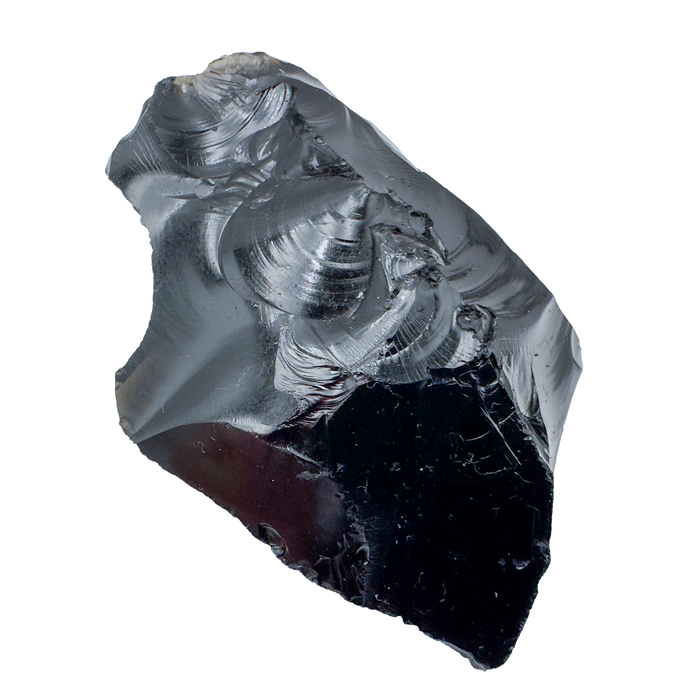
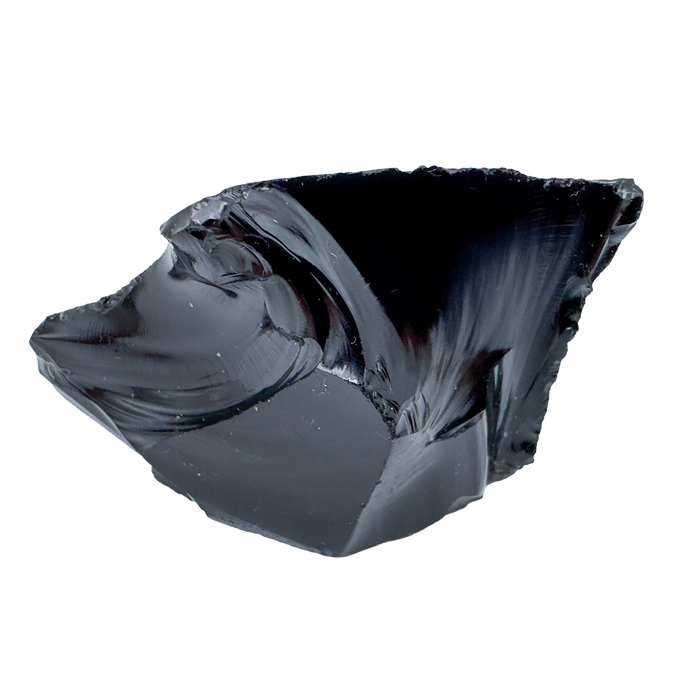


About the Grounding Crystals collection
Grounding crystals at a glance
| Stone | Why it's here |
|---|---|
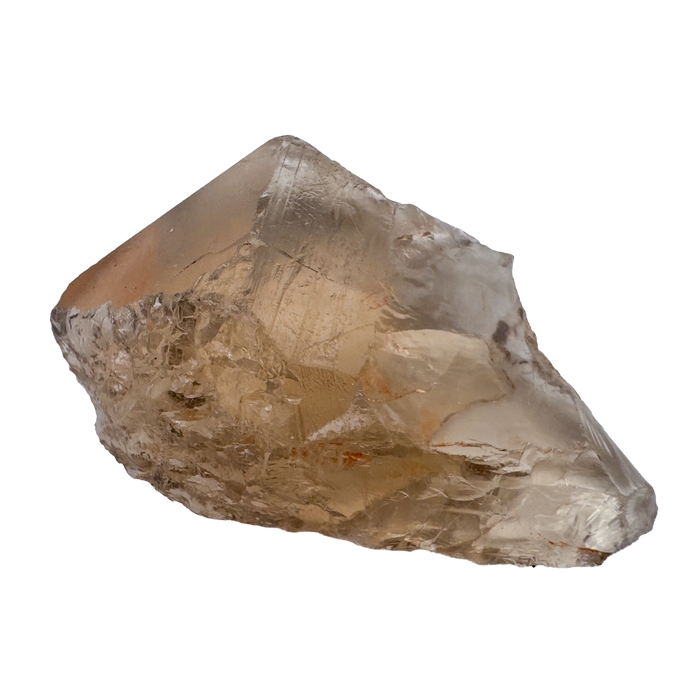
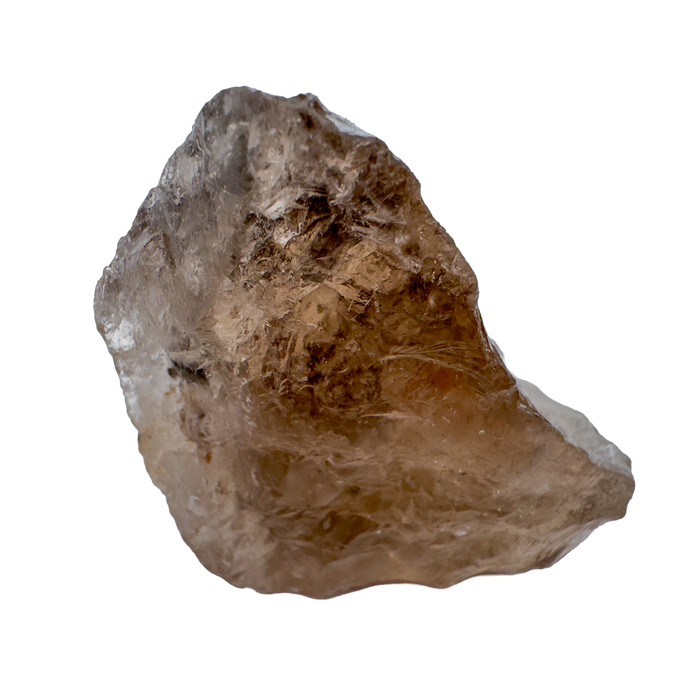
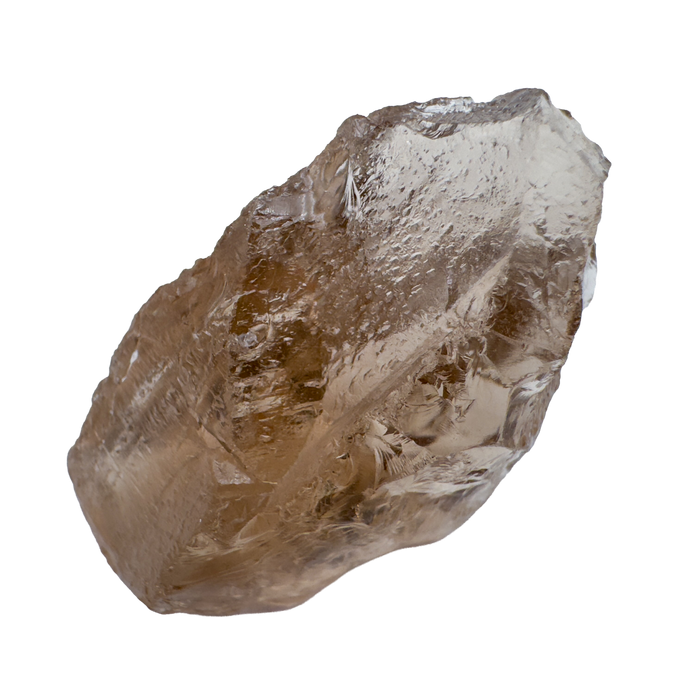
 Smoky quartzPale tan to deep brown Smoky quartzPale tan to deep brown
|
Colored by natural irradiation underground |
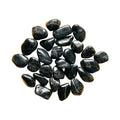 Black tourmalineMatte black, ridged Black tourmalineMatte black, ridged
|
The classic grounding stone |
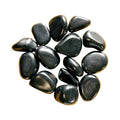 ShungiteSoft black, non-crystalline ShungiteSoft black, non-crystalline
|
Ancient carbon from Karelia |
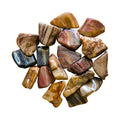 Petrified woodRinged browns and creams Petrified woodRinged browns and creams
|
Wood that became stone |
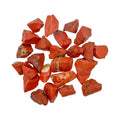 Red jasperBrick red, opaque Red jasperBrick red, opaque
|
Hematite-stained quartz, fully opaque |
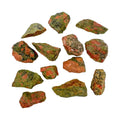 UnakiteMottled pink and green UnakiteMottled pink and green
|
Bedrock in hand size, pink and green |
Pale tan to deep brown
Colored by natural irradiation underground
Matte black, ridged
The classic grounding stone
Soft black, non-crystalline
Ancient carbon from Karelia
Ringed browns and creams
Wood that became stone
Brick red, opaque
Hematite-stained quartz, fully opaque
Mottled pink and green
Bedrock in hand size, pink and green
Common questions
What is the best crystal for grounding?
Black tourmaline. It leads nearly every grounding list in the tradition, it's affordable raw or tumbled, and at 7 to 7.5 on the Mohs scale it's durable enough to carry for years. Smoky quartz is the close second for anyone who'd rather have brown warmth than matte black.
How do I use crystals for grounding?
Keep one at the door as a leaving-and-returning touchstone, carry a tumbled piece on hectic days, and let larger raw pieces hold a shelf you pass often. The oldest version of the practice is standing outside, bare feet on the ground, stone in hand.
Can you wear grounding crystals every day?
Black tourmaline and red jasper can take it, both are hard enough for daily carry and jewelry. Shungite can't. At 3.5 to 4 on the Mohs scale it's soft, so keep it away from harder stones in a pouch and keep it dry.
What crystals work together for grounding?
Black tourmaline and smoky quartz are the traditional dark pair, one matte and one translucent. People who want texture in the mix add petrified wood or unakite, which bring pattern without leaving the earth-tone family. One stone for the pocket and one for the shelf covers most habits.
Are grounding crystals and protection crystals the same?
The lists overlap heavily. Black tourmaline, smoky quartz and shungite appear in both of our collections, because the traditions treat being rooted and being guarded as neighboring ideas. The protection list simply extends further into the darker, opaque stones.
How can you tell if smoky quartz is natural?
Color is the clue. Natural smoky quartz is darkened by radiation in the ground acting on the crystal over geologic time, and it varies, tan here, deep brown there, rarely jet black all the way through. Evenly black material sold cheaply is usually clear quartz irradiated in a lab. Our product pages state what each piece is.