


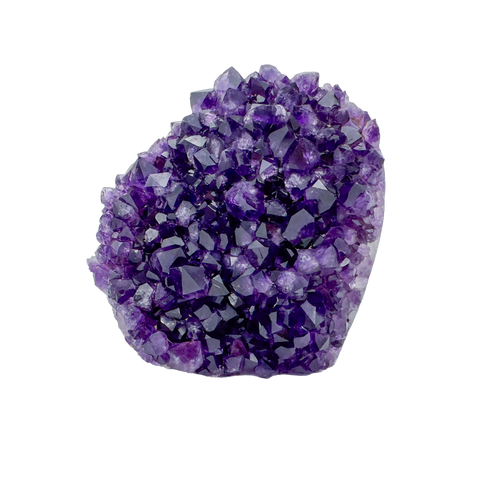
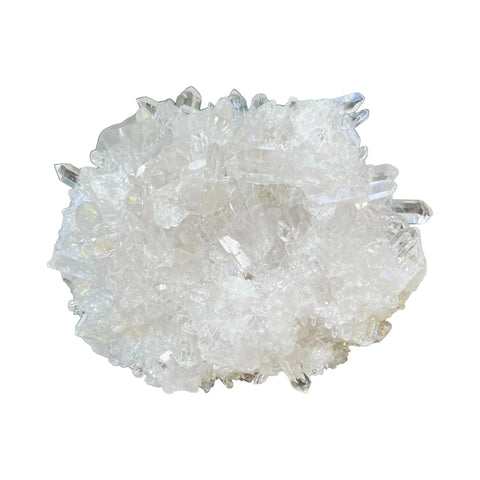
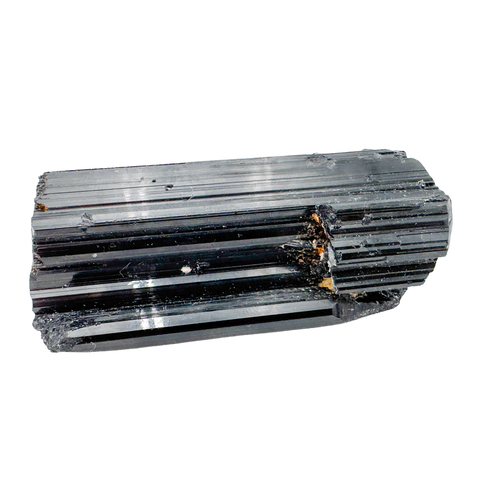
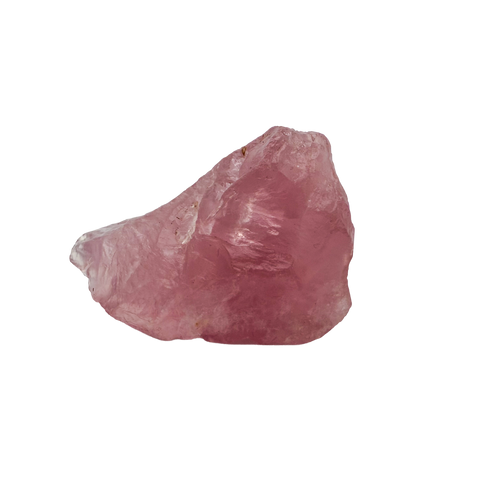


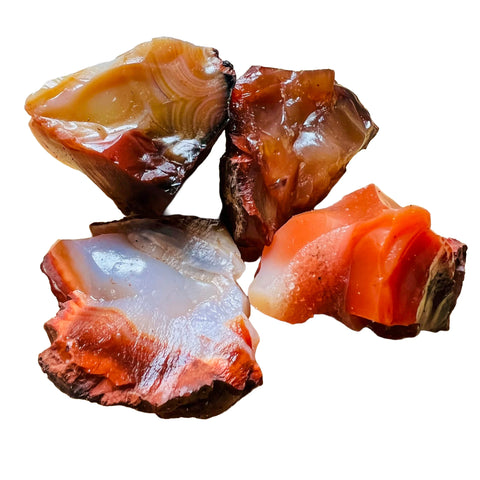
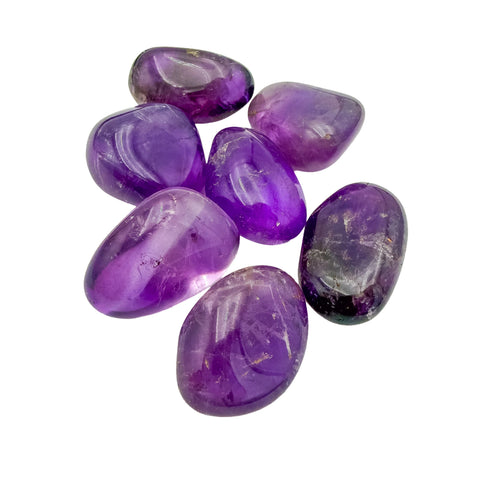

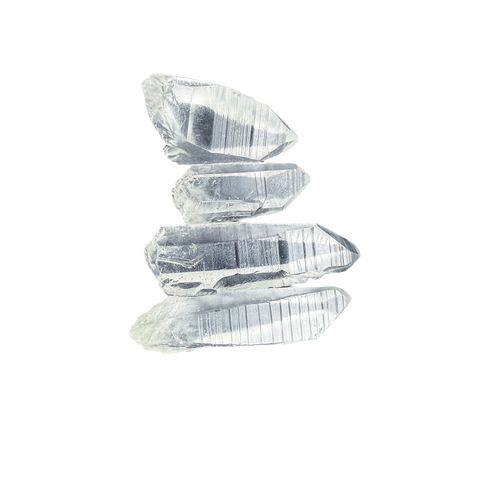
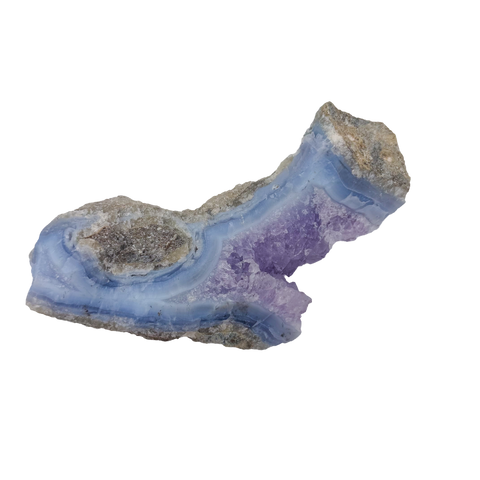










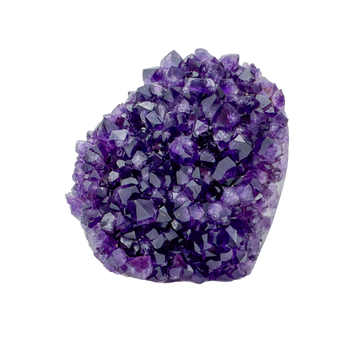
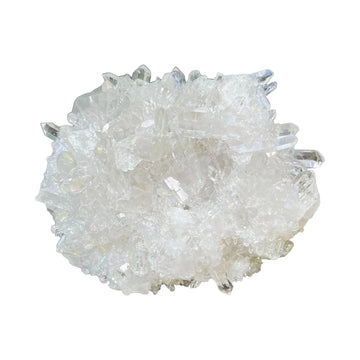
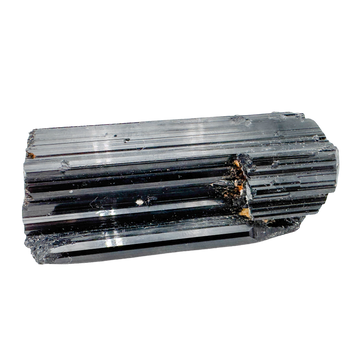
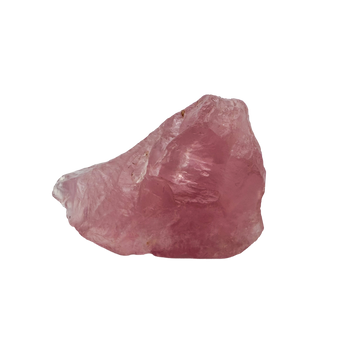
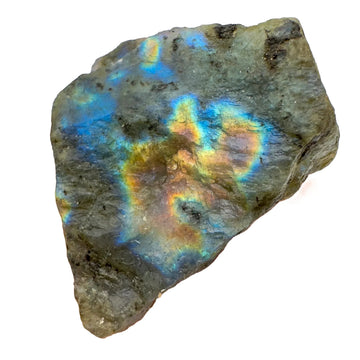
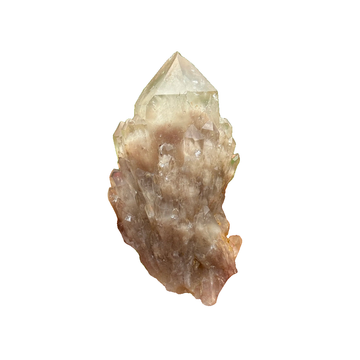
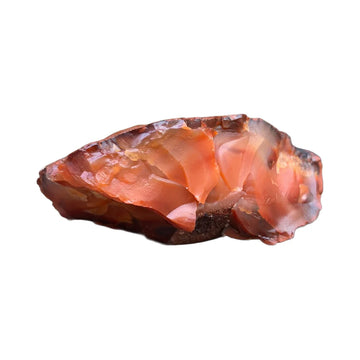
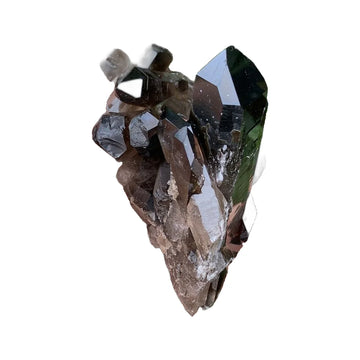




Give Exceptional Minerals a Thoughtful Next Home
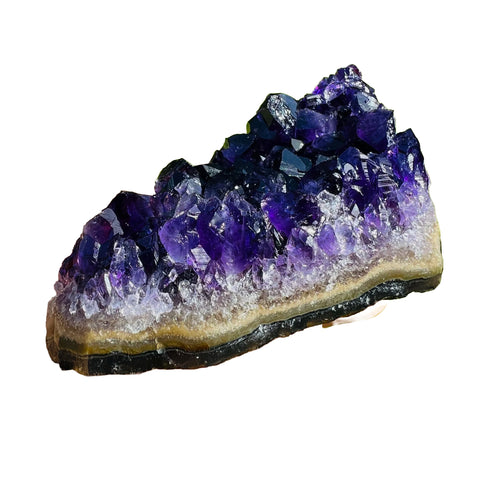
Some crystals and minerals have already had a meaningful life in someone’s collection. Sometimes, the most thoughtful next step is helping those pieces continue their journey with care.
At Beyond Bohemian, we occasionally purchase existing crystal and mineral collections that align with our standards for natural beauty, geological integrity, and responsible stewardship.
It’s one small but meaningful way to support a more mindful, lower-impact mineral trade. When exceptional material is already in circulation, it can continue to be appreciated without creating additional extraction demand.
We are selective. We’re most interested in natural, untreated material with strong visual quality, credible origin details, or a clear personal history.
Mixed, random, low-grade, dyed, or heavily treated lots are usually not the right fit.
If you’d like us to review a collection, send us photos, location details, and any sourcing information you have.
Why We Consider Existing Collections
Not every meaningful crystal needs to come from a newly mined lot. In some cases, the most responsible material is the material already in circulation.
When thoughtfully sourced, existing collections can:
-
extend the life and appreciation of already-mined material
-
reduce pressure for unnecessary new extraction
-
preserve locality history and geological context
-
keep special natural pieces in the hands of people who truly value them
That doesn’t mean we buy indiscriminately.
We stay selective and only consider collections that reflect the same values we bring to the rest of our sourcing approach: quality, honesty, and respect for the story behind the stone.
What We’re Looking For
We’re primarily interested in collections that are:
-
natural and untreated to the best of your knowledge
-
reasonably documented, even if only partially
-
geologically credible, with locality, mine, region, or acquisition context when possible
-
higher quality, whether rough, lapidary material, polished pieces, or finished mineral objects
-
well stored and well cared for
-
intentionally built, rather than random leftovers or low-grade mixed inventory
The strongest fits often include one or more of the following:
-
material you mined or collected yourself
-
pieces purchased directly from miners, lapidaries, or known dealers
-
collections with labels, notes, invoices, locality tags, or field records
-
collections with a strong theme, locality focus, or clear curation
-
natural rough, polished stones, or finished mineral objects with above-average visual quality
What We’re Generally Not Looking For
To keep the process fair and protect our standards, there are some categories we usually decline.
These often include:
-
mixed bulk lots of assorted low-grade stones
-
random resale collections with little or no sourcing context
-
dyed, coated, aura-treated, or heavily altered material
-
mass-produced gift shop inventory
-
damaged, chipped, heavily worn, or poorly stored pieces
-
collections where natural status is unclear and cannot be reasonably assessed
-
very common material in large volumes without strong quality or provenance
We’re not the right buyer for just anything crystal-related.
We’re looking for collections with substance, quality, and enough context to evaluate them responsibly.
Our Standards Still Apply
Even when a collection is secondhand, our standards do not disappear.
Before we consider a purchase, we look at:
-
whether the material appears natural
-
signs of treatment or artificial enhancement
-
visual quality and overall integrity
-
how specific and credible the origin story is
-
whether the collection aligns with our aesthetic and sourcing standards
-
whether it’s material we can confidently stand behind
If a collection does not meet our standards for natural, untreated material, or if the quality is too inconsistent, we will respectfully pass.
How We Handle Origin for Existing Collections
Secondhand collections often come with different levels of documentation.
Some include highly specific labels or field notes. Others come with partial information supported by material characteristics, regional patterns, or known trade history. Some have strong stories, but limited paperwork.
When we accept a collection, we place it under our Level 5: Limited-Origin Confidence / Existing Collections standard.
That means:
-
the material came through an existing collection rather than a direct current supply chain
-
the origin may be owner-confirmed, partially documented, or supported by geological assessment
-
the chain of custody is less direct than our preferred sourcing models
-
the impact profile is different because the material is already in circulation
We do not overstate certainty.
We share what we know, what we reasonably believe, and what remains less direct than our ideal sourcing pathways.
What to Send Us
If you’d like us to review your collection, please include as much detail as you can in your first message.
Helpful information includes:
-
clear photos of the full collection
-
close-up photos of standout pieces
-
approximate quantity or weight
-
a list of mineral types, if known
-
locality or origin details
-
whether you mined, collected, inherited, or purchased the material
-
any labels, notes, invoices, old dealer cards, or field records
-
whether the material is natural and untreated to the best of your knowledge
-
your location
-
whether you are offering the full collection or only select pieces
The more detail you can share, the better.
Have a Collection That May Be a Fit?
We’d love to take a look.
Send us a message with photos, background details, and anything you know about the material. If it aligns with our standards, we’ll let you know whether it may be a fit for further review.