 Agatefor stress relief
 Amazonitefor stress relief
 Aquamarinefor serenity
 Aventurinefor luck
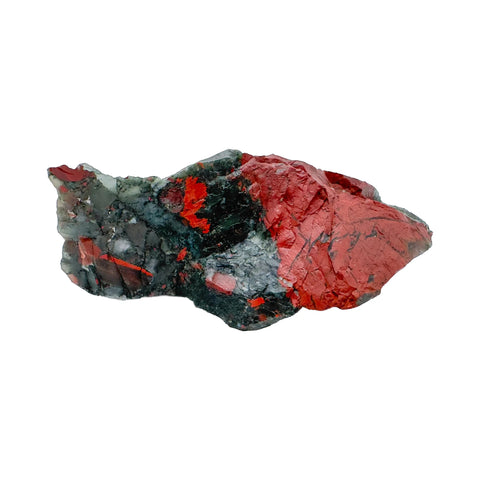
 Bloodstonefor energy
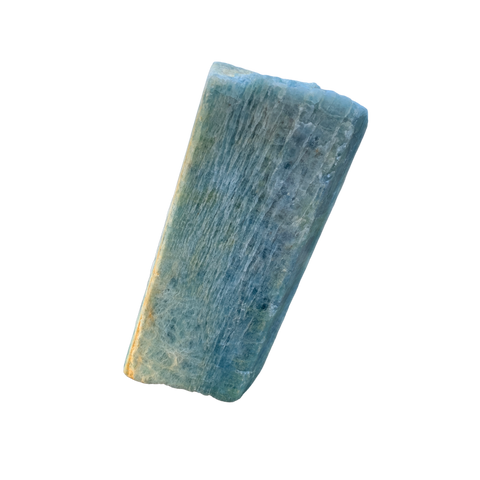
 Blue Kyanitefor confidence
 Blue Lace Agatefor stress relief
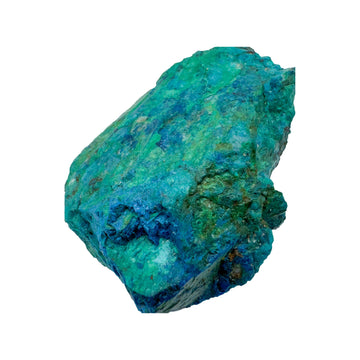
 Chrysocollafor emotional healing
 Fluoritefor focus
 Garnetfor energy
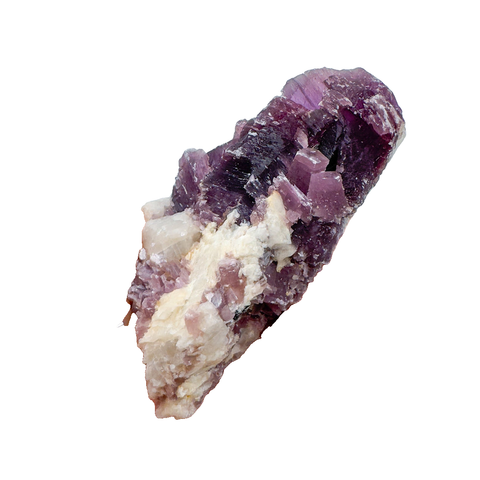
 Lepidolitefor stress relief
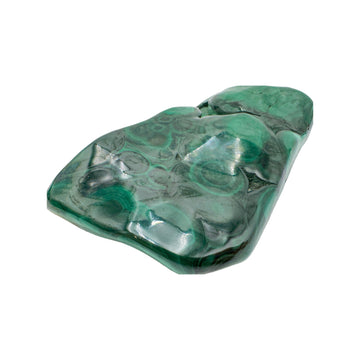
 Malachitefor emotional healing
 Moonstonefor grounding
 Obsidianfor protection
 Ocean Jasperfor emotional healing
 Red Jasperfor grounding
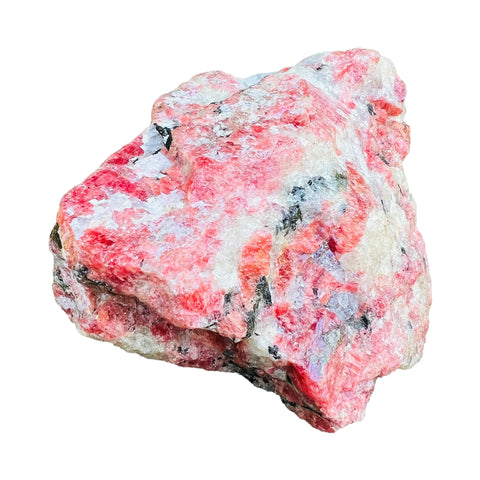
 Rhodonitefor emotional healing
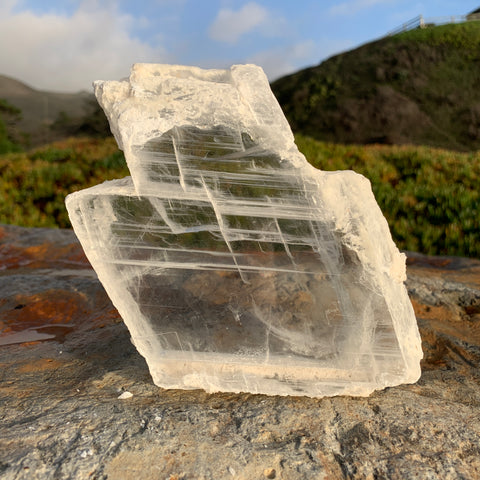
 Selenitefor cleansing
 Sodalitefor focus
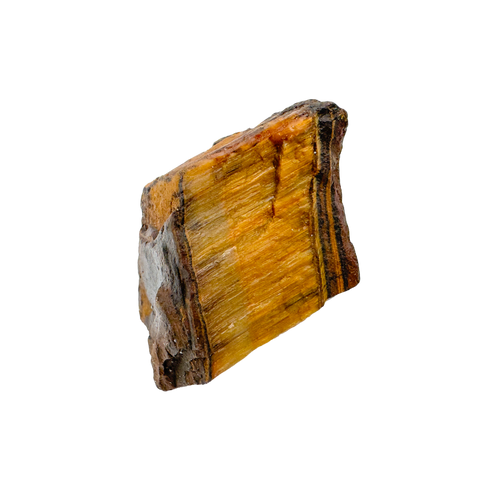
 Tiger Eyefor confidence







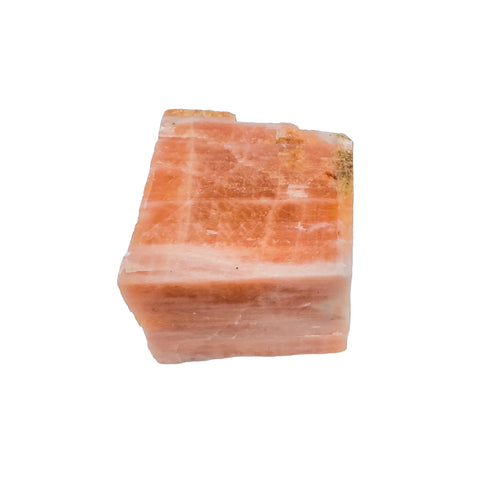
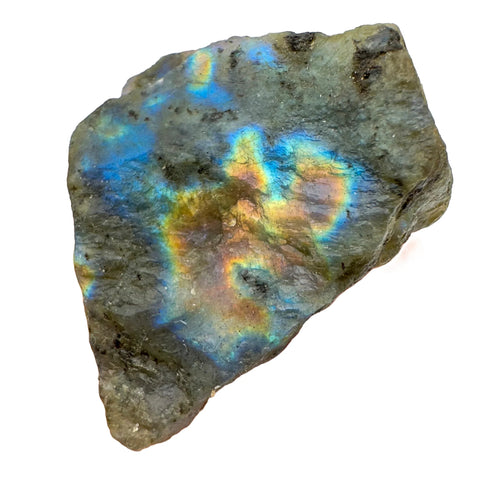
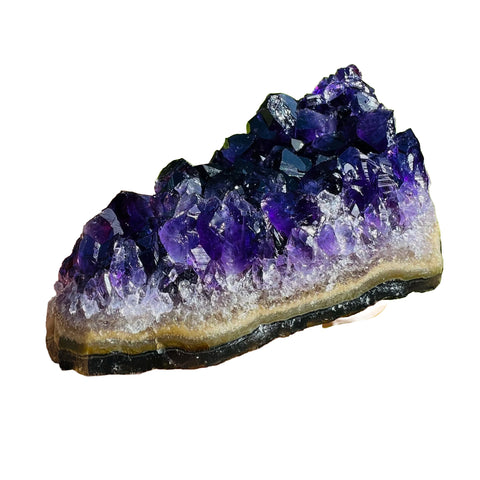




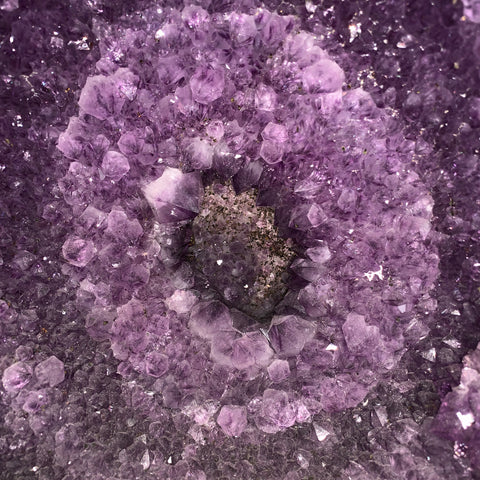
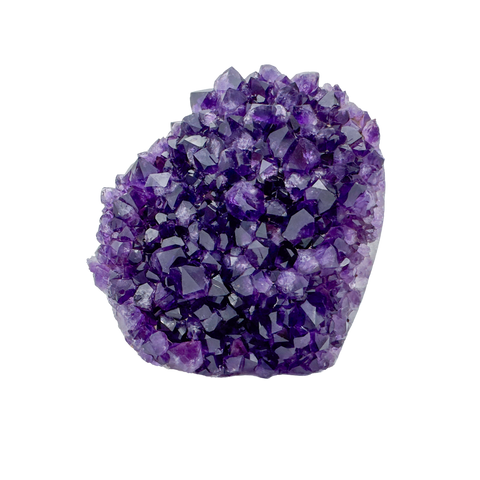
 Amethyst
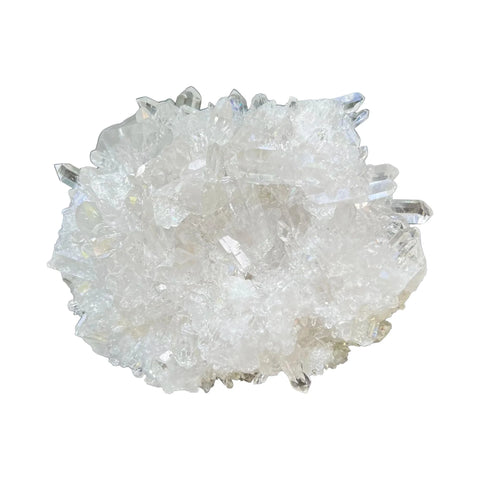
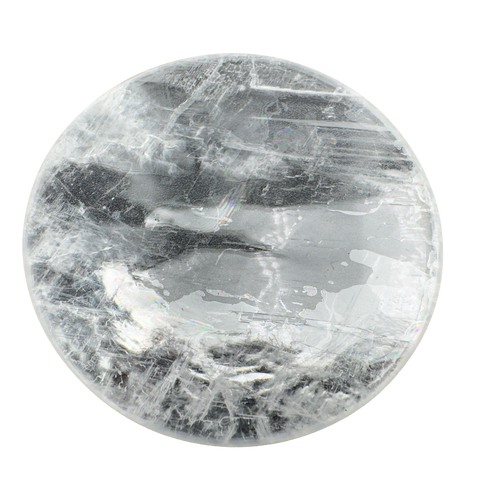
 Clear Quartz
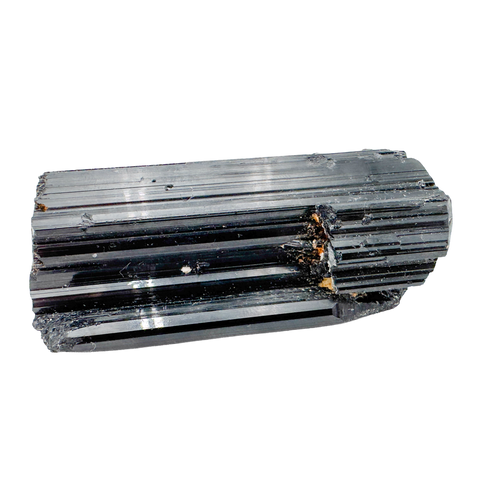
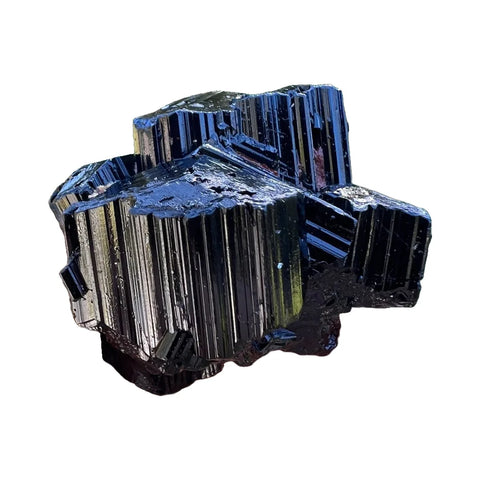
 Black Tourmaline
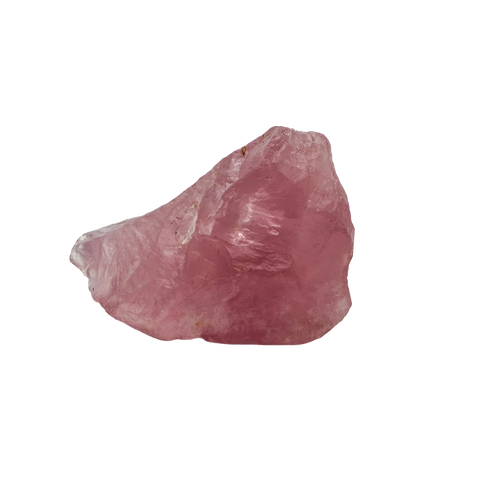
 Rose Quartz
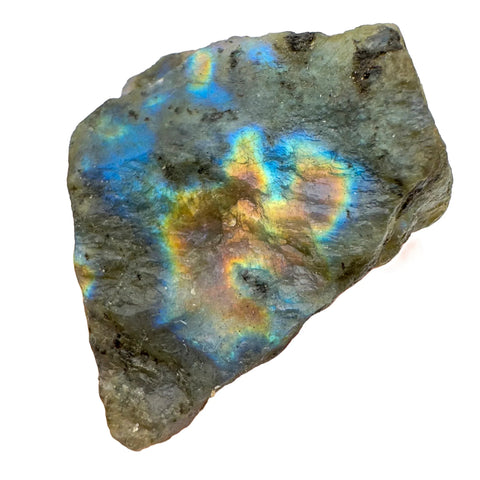
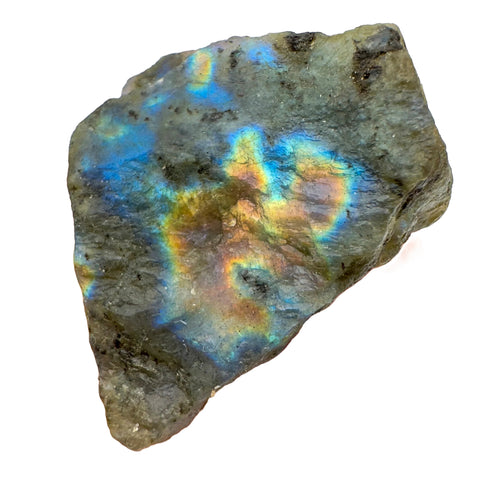
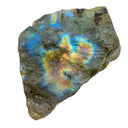 Labradorite
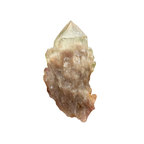 Natural Citrine
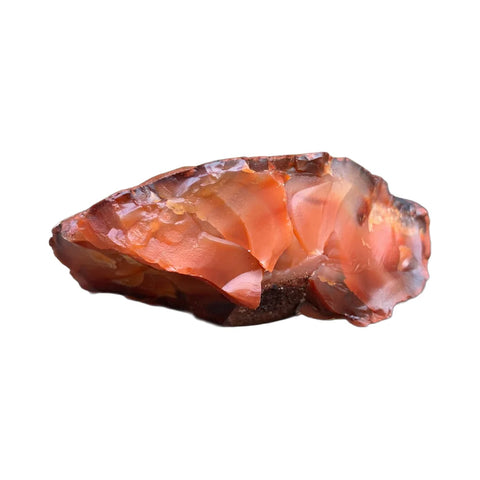
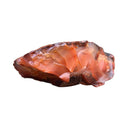 Carnelian
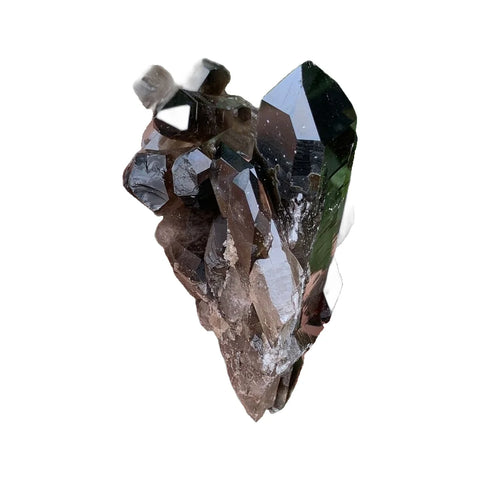
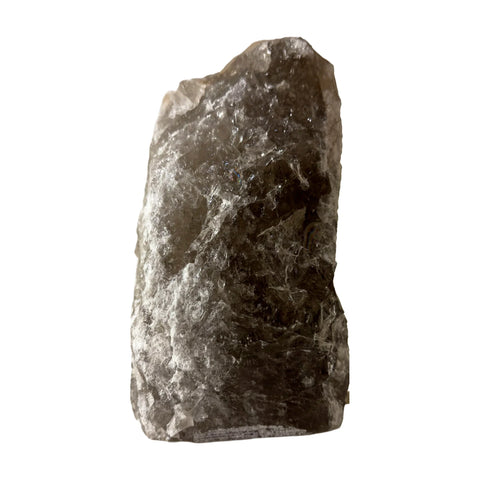
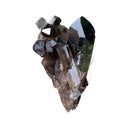 Smoky Quartz
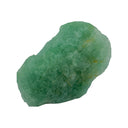 Aventurine
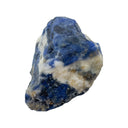 Sodalite
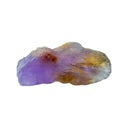 Ametrine
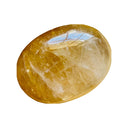 Golden Healer
 Raw Stones
 Tumbled Stones
 Palm Stones
 Crystal Points
 Clusters & Geodes
 Polished Crystals
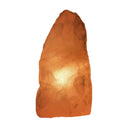 Home Decor
 Mineral Specimens
 Jewelry
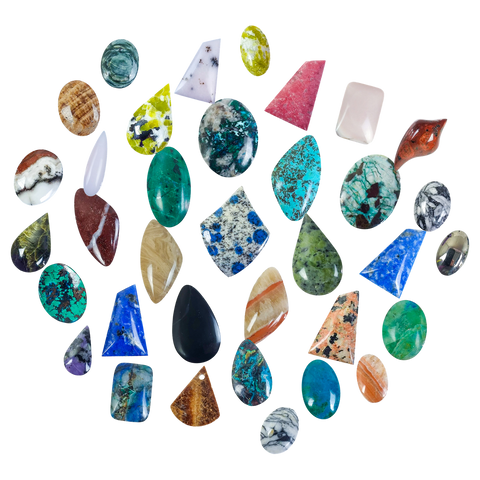
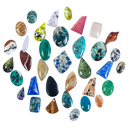 Cabochons
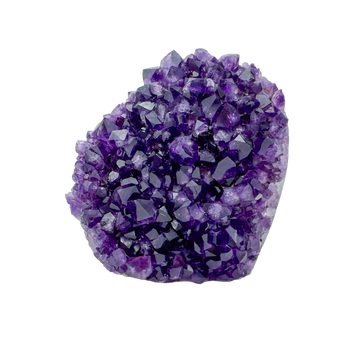
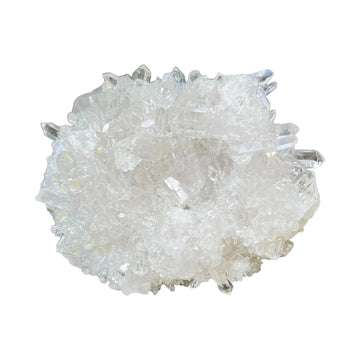
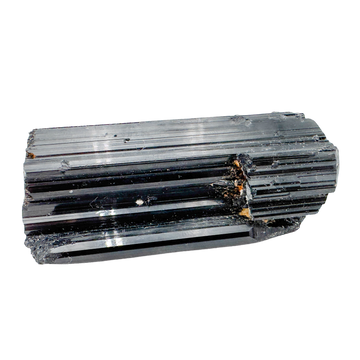
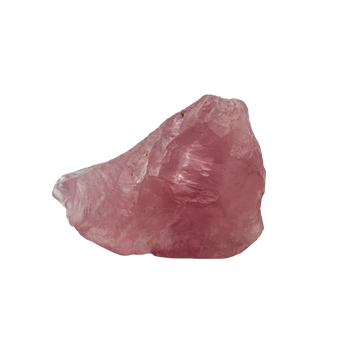
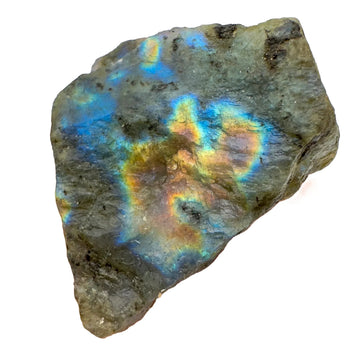
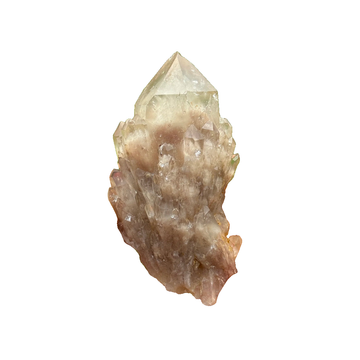
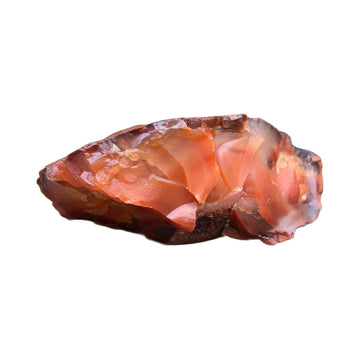
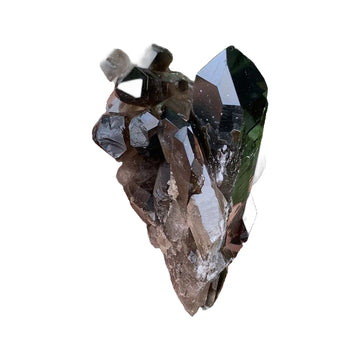
 Raw Stones
173 to choose from
 Tumbled Stones
161 to choose from
 Palm Stones
25 to choose from
 Crystal Points
30 to choose from
 Clusters & Geodes
118 to choose from
 Polished Crystals
88 to choose from
 Home Decor
86 to choose from
 Mineral Specimens
250 to choose from
 Jewelry
18 to choose from
 Cabochons
125 to choose from


 AngolaAquamarine
›
 BotswanaCarnelian, Tree Agate
›
 DR CongoMalachite, Natural Citrine
›
 EswatiniBloodstone
›
 MadagascarLabradorite, Clear Quartz
›
 MalawiBlue Lace Agate, Garnet
›
 MozambiqueAmazonite
›
 NamibiaSodalite, Blue Lace Agate
›
 Republic of the CongoDioptase
›
 South AfricaTiger Eye, Unakite
›
 ZambiaChevron Amethyst
›
 ZimbabweEmerald, Rhodonite
›
 ArgentinaBlack Obsidian, Rhodochrosite
›
 BoliviaAmetrine
›
 BrazilAmethyst, Clear Quartz
›
 PeruSerpentine, Jade
›
 UruguayAmethyst
›
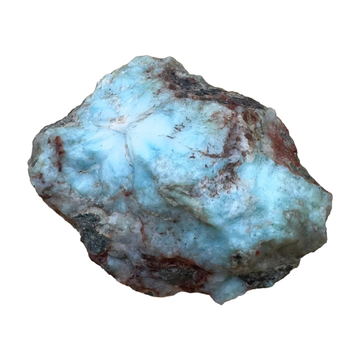
 Dominican RepublicLarimar
›
 MexicoRainbow Obsidian, Crazy Lace Agate
›
 United StatesSelenite, Peridot
›
 ChinaFluorite
›
 RussiaShungite
›
 AustraliaMookaite
›
 Where our crystals come from
See where we source →


 Aquarius
Jan 20 to Feb 18
Amethyst
›
 Pisces
Feb 19 to Mar 20
Aquamarine
›
 Aries
Mar 21 to Apr 19
Carnelian
›
 Taurus
Apr 20 to May 20
Rose Quartz
›
 Gemini
May 21 to Jun 20
Agate
›
 Cancer
Jun 21 to Jul 22
Moonstone
›
 Leo
Jul 23 to Aug 22
Citrine
›
 Virgo
Aug 23 to Sep 22
Amazonite
›
 Libra
Sep 23 to Oct 22
Blue Lace Agate
›
 Scorpio
Oct 23 to Nov 21
Obsidian
›
 Sagittarius
Nov 22 to Dec 21
Sodalite
›
 Capricorn
Dec 22 to Jan 19
Black Tourmaline
›
Gifting?
A birthday stone is the safe bet.
Read the zodiac guide →


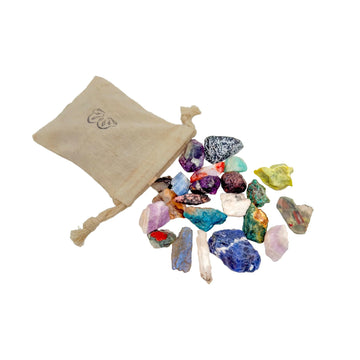
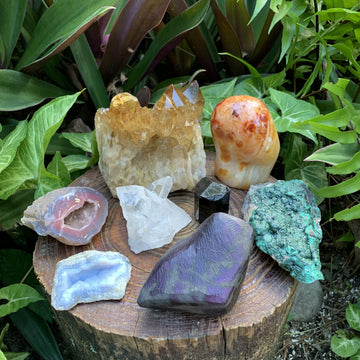

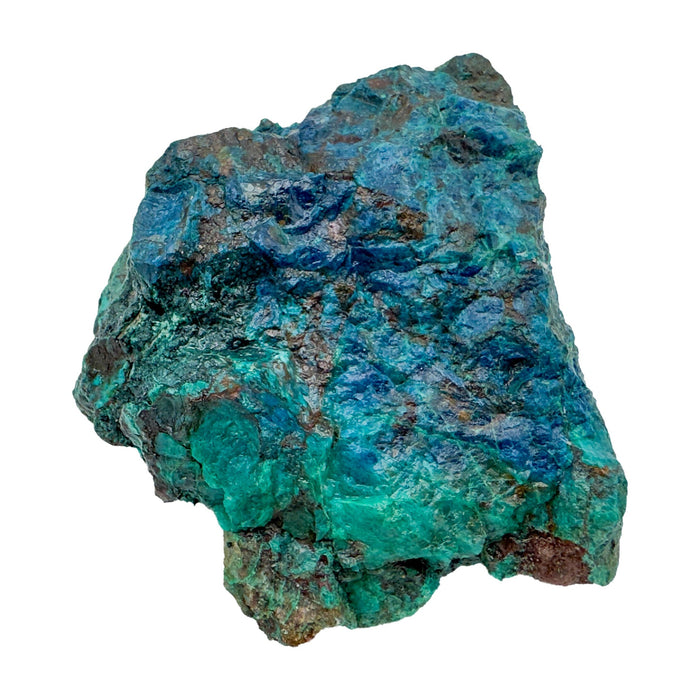
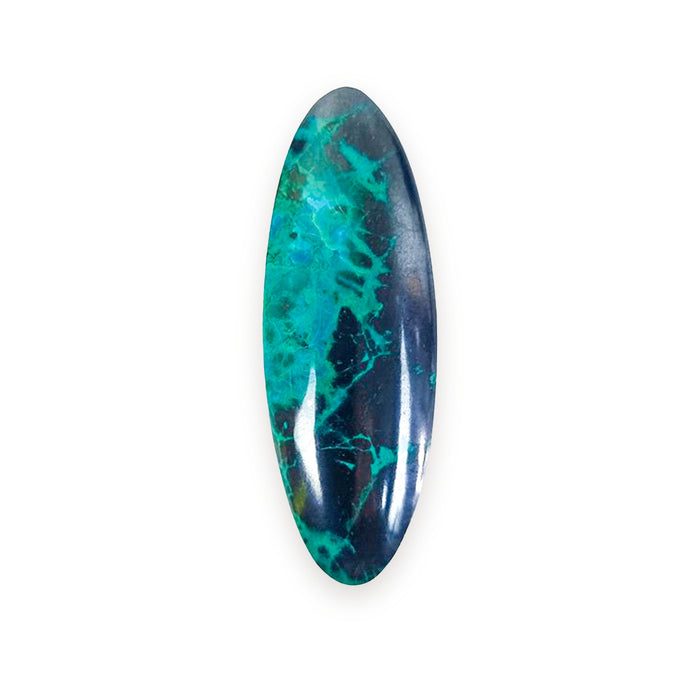
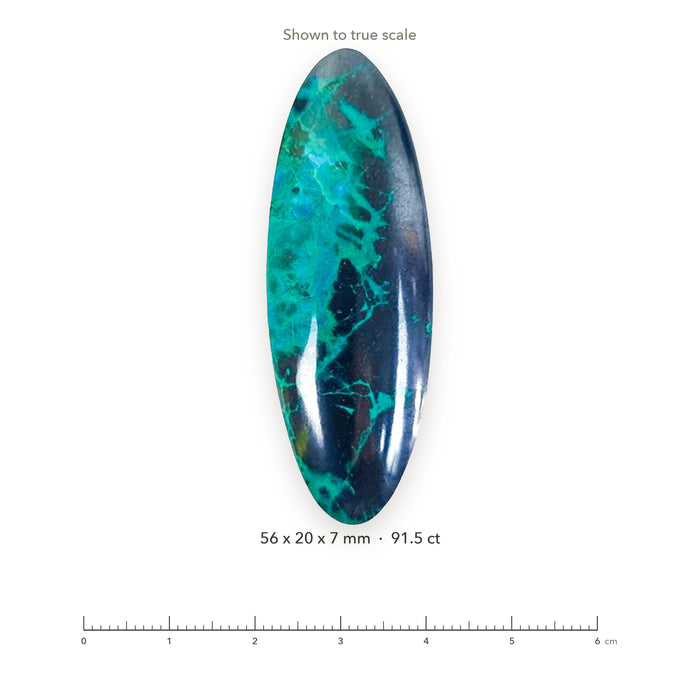
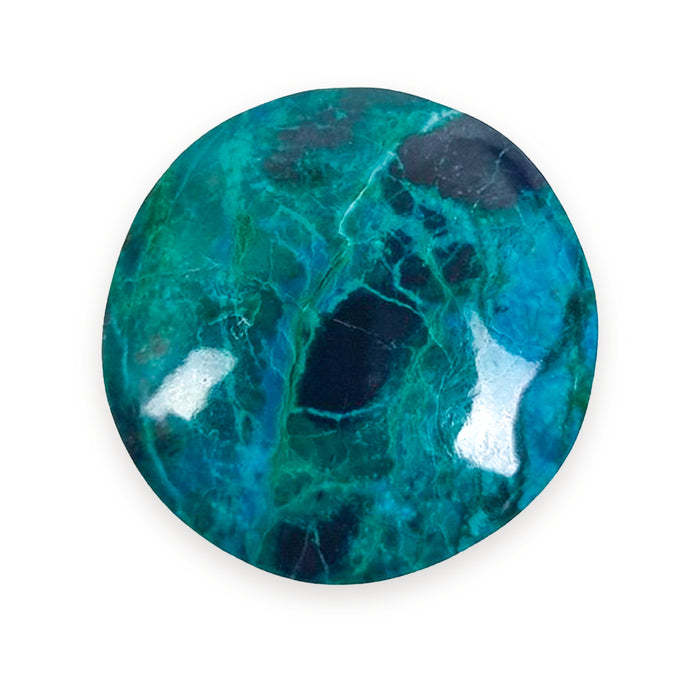
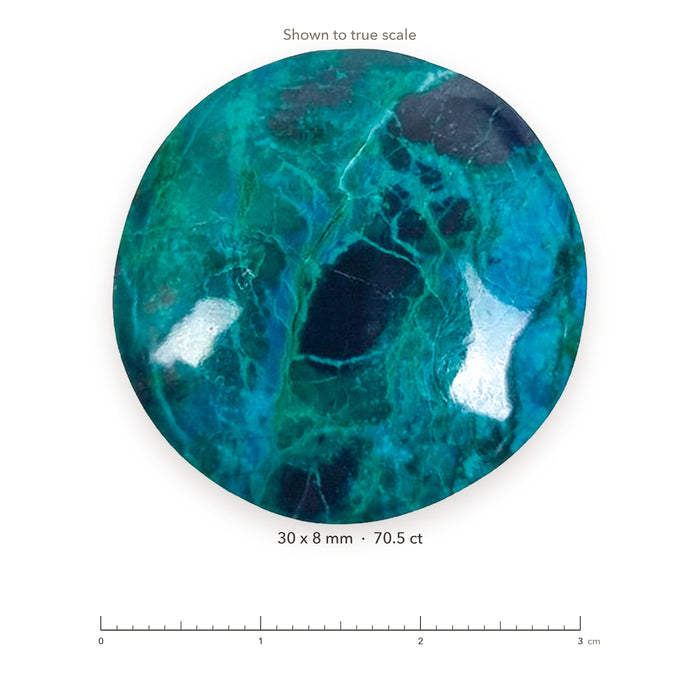
Chrysocolla
Wise speech flows from a quiet heart.
- Stone
- Chrysocolla (copper silicate)
- Major Sources
- Arizona, Chile, the DRC & Israel
- Treatment
- Sometimes stabilized; we disclose treatments
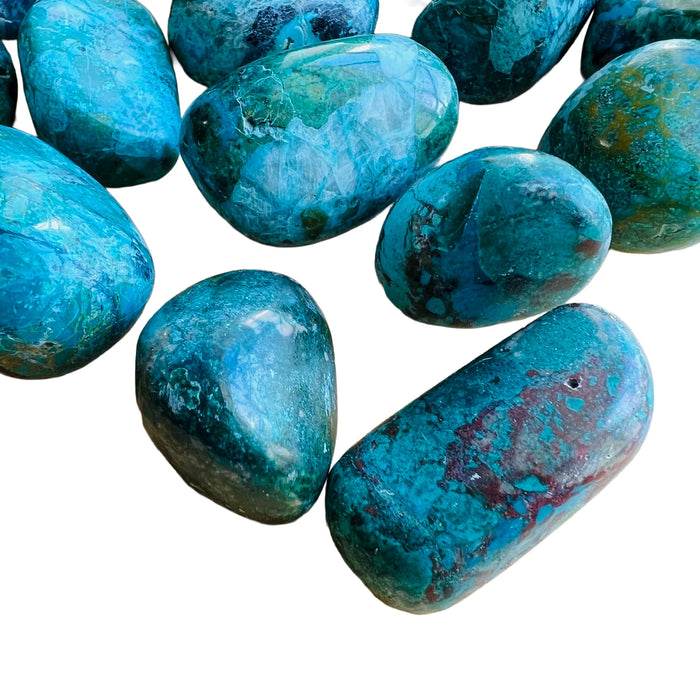
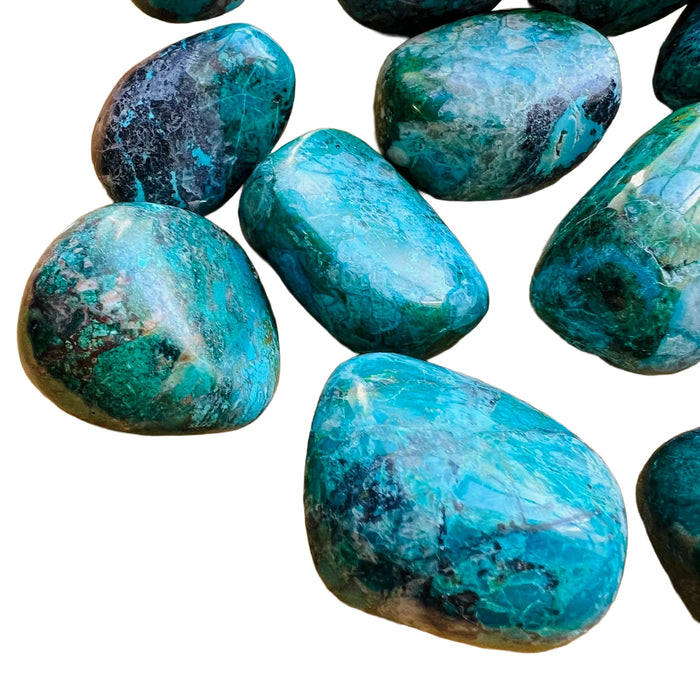
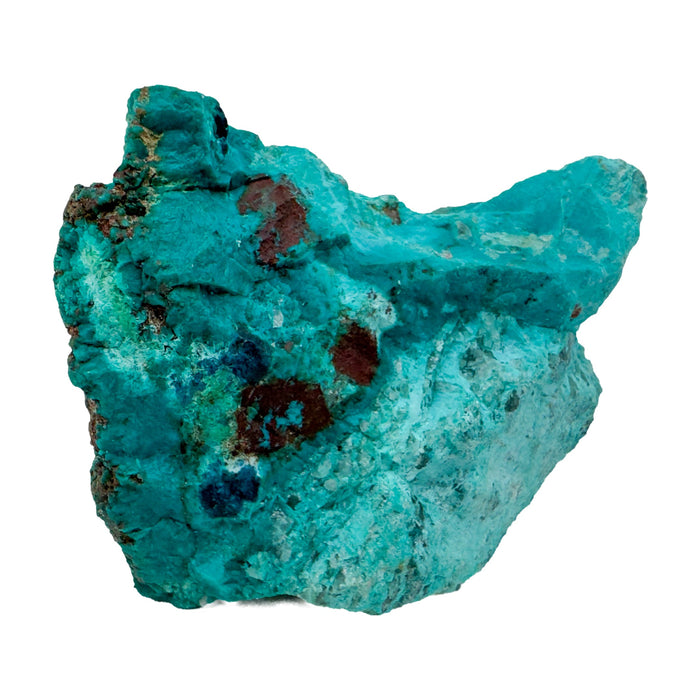
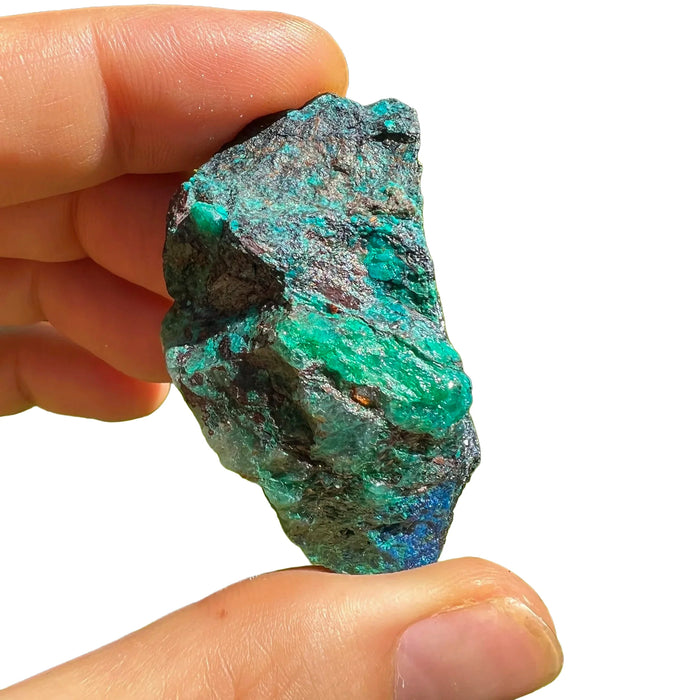
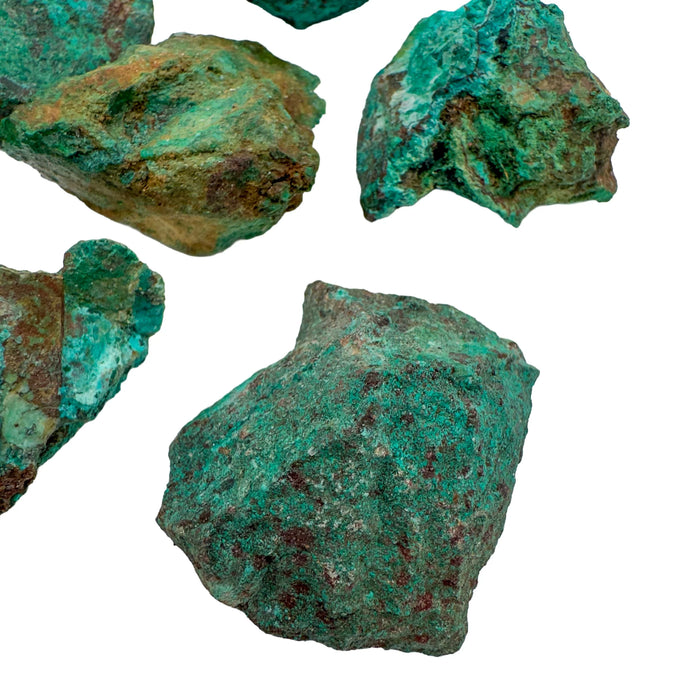
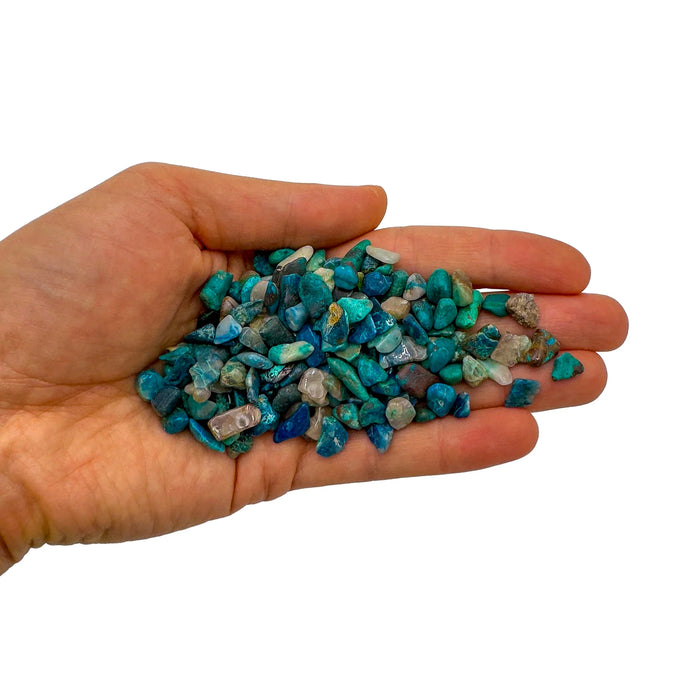
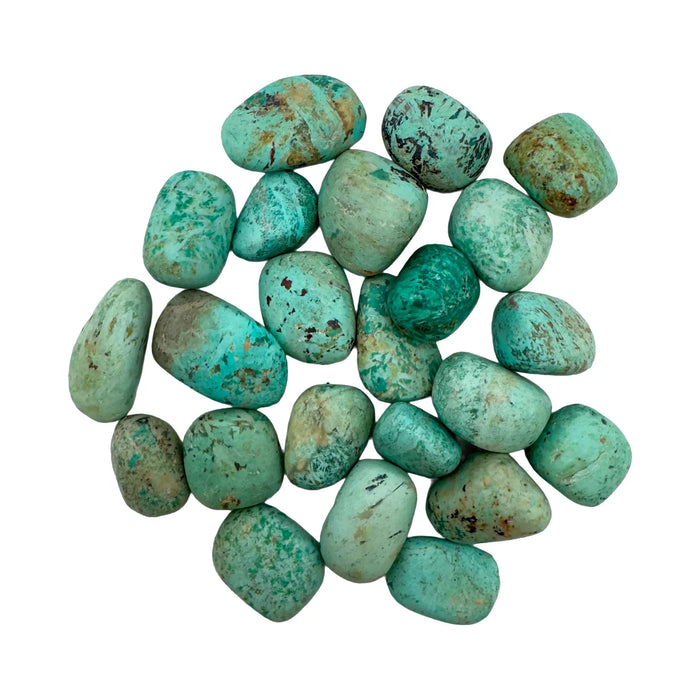
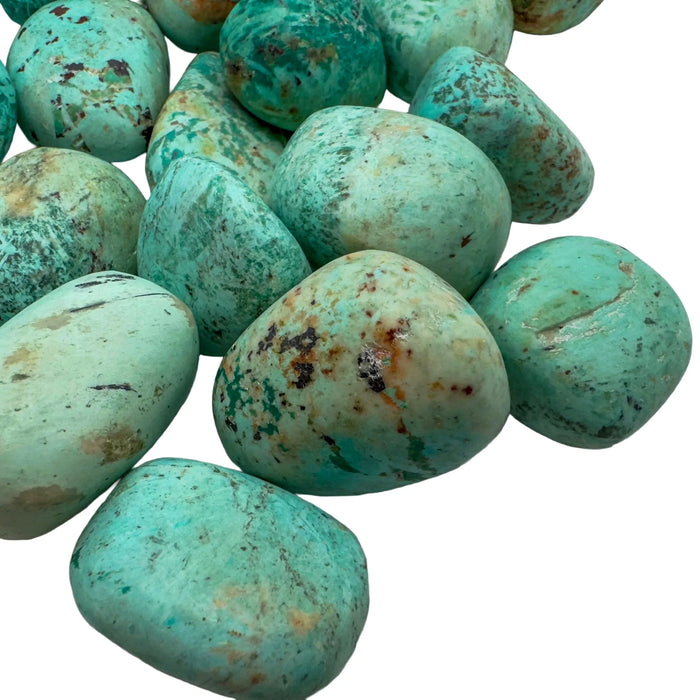
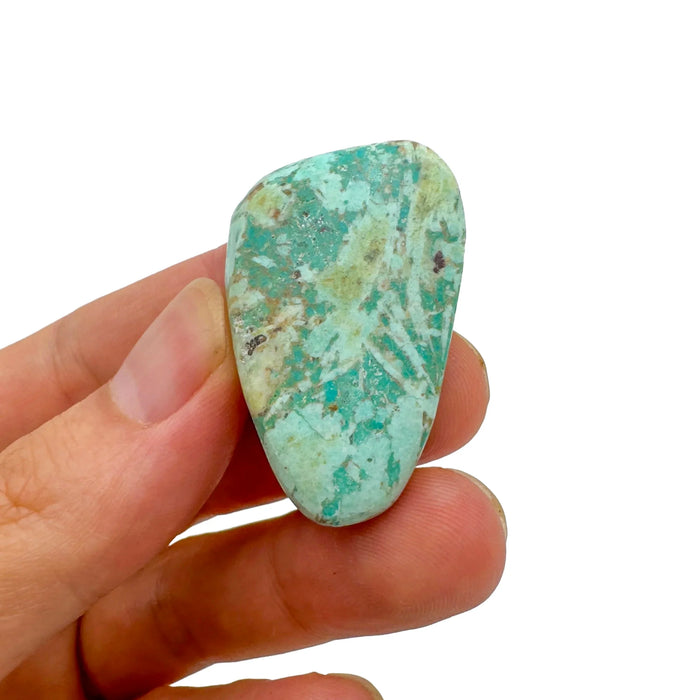
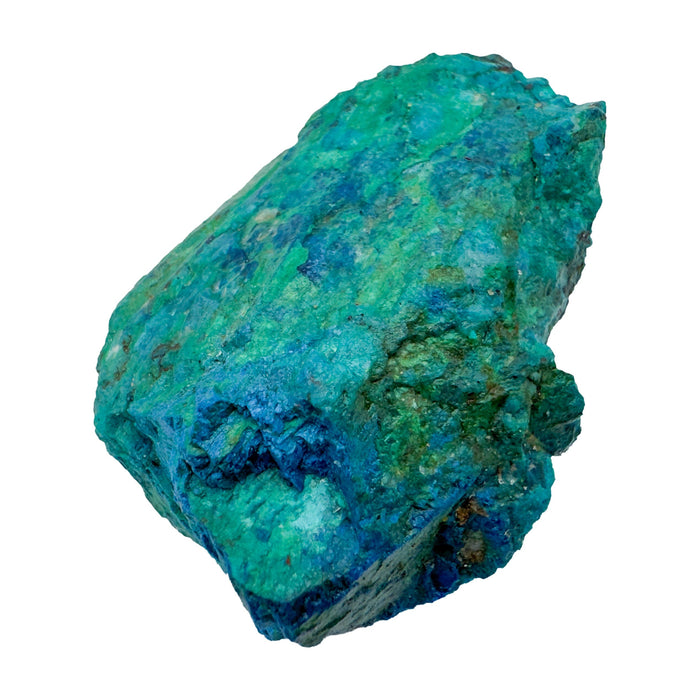
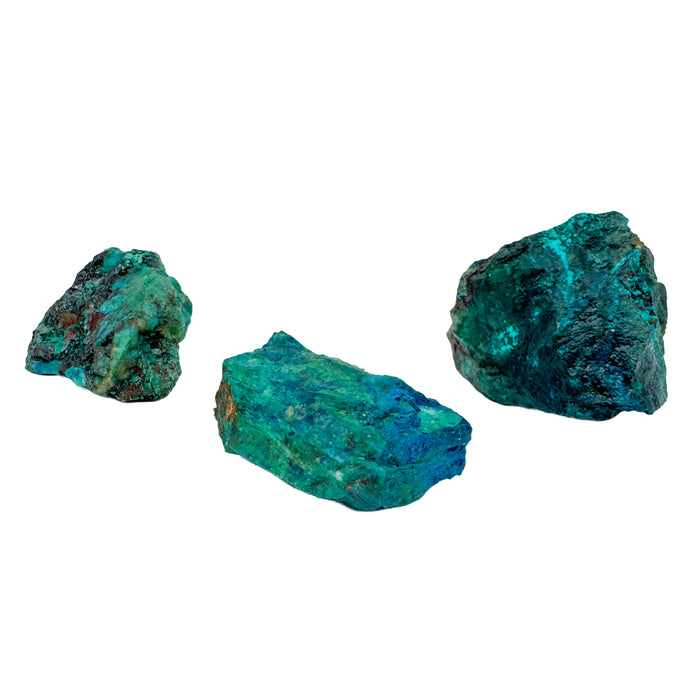
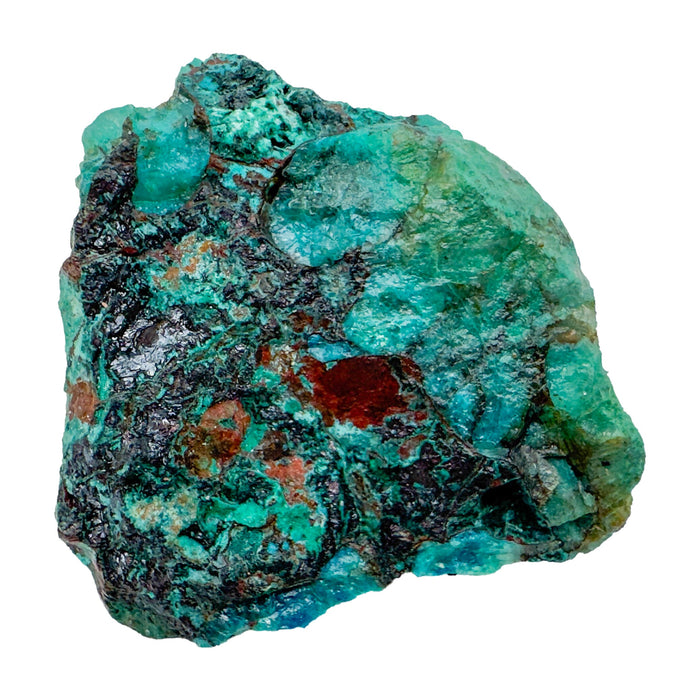
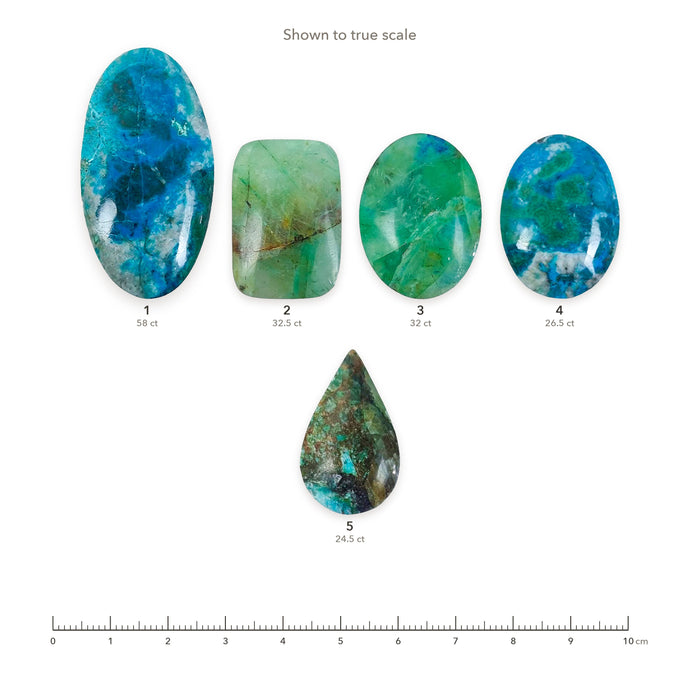
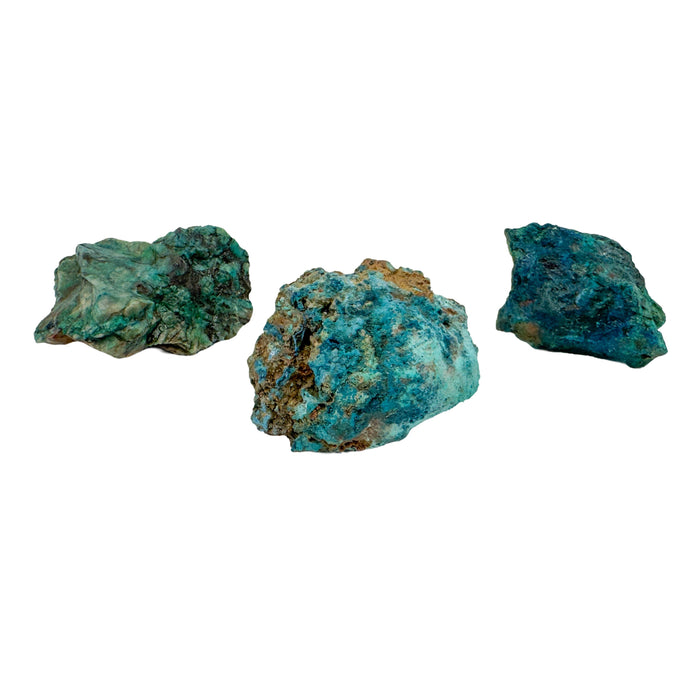
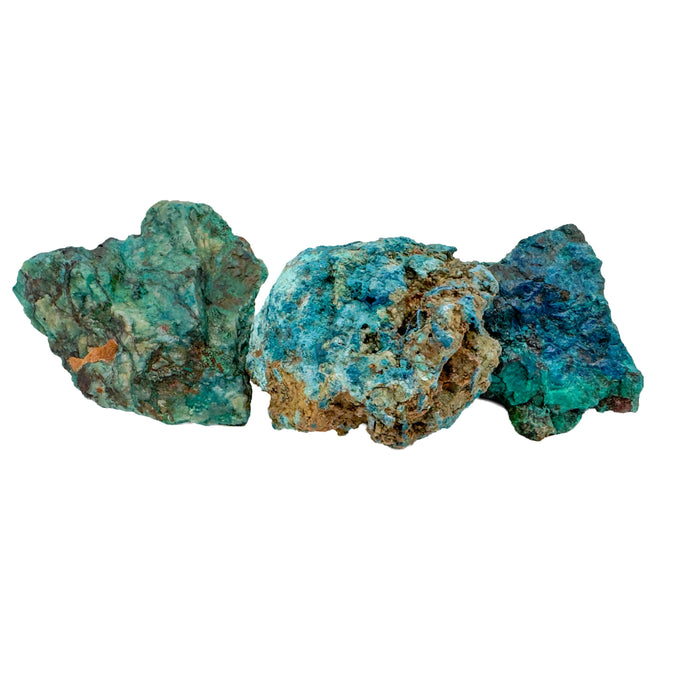
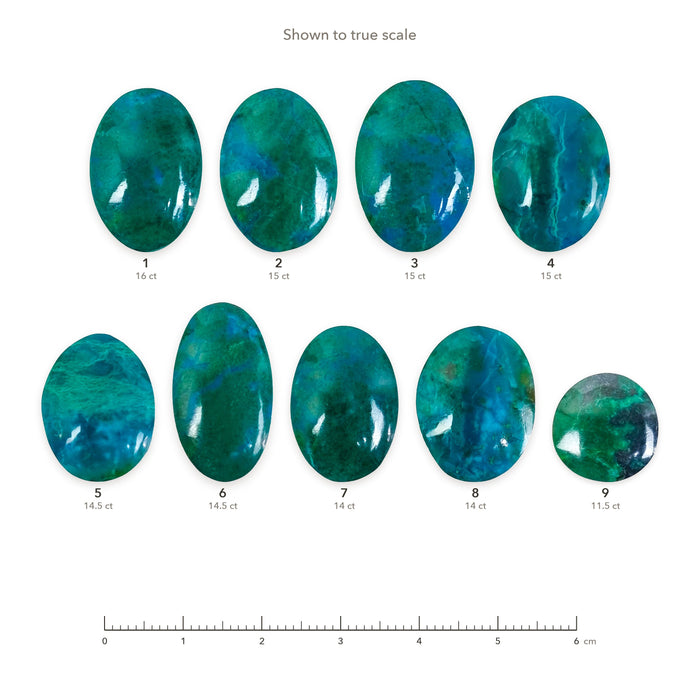
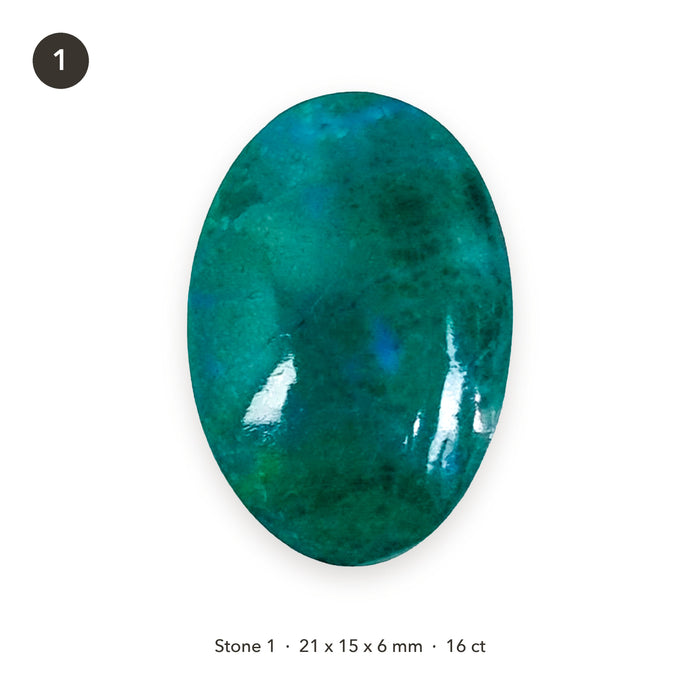
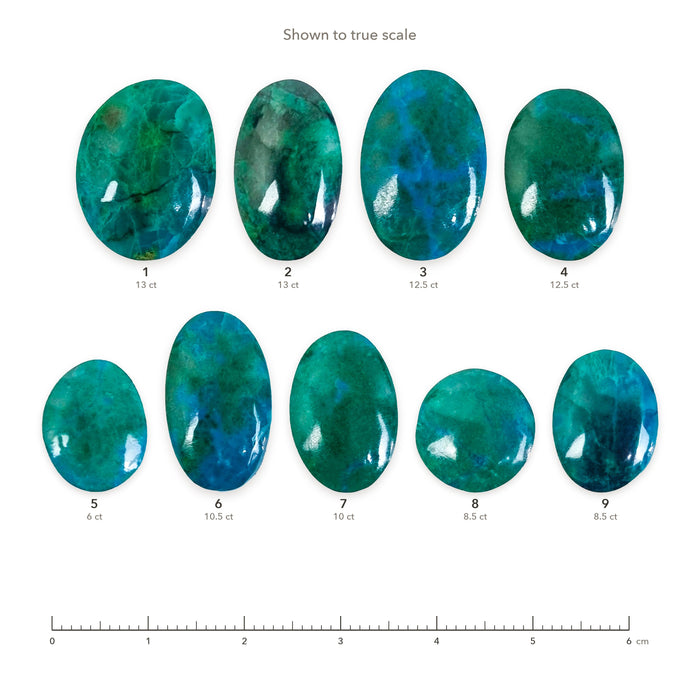
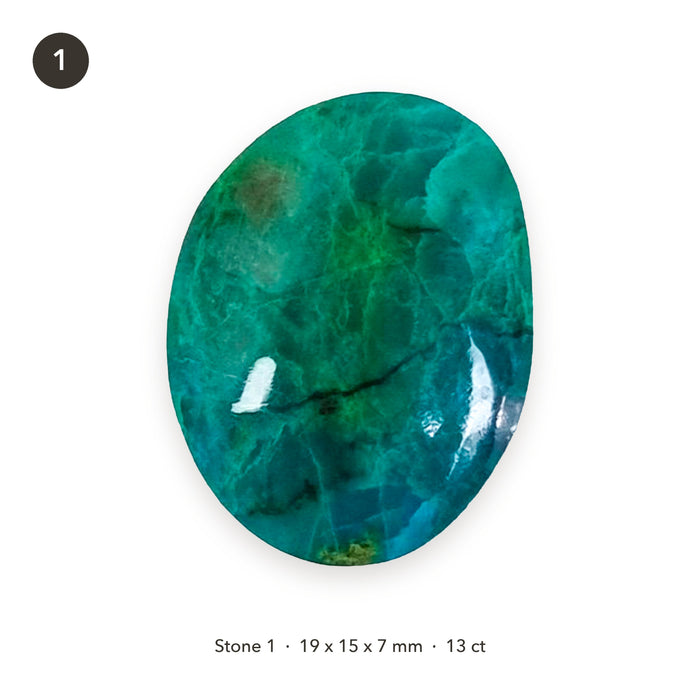
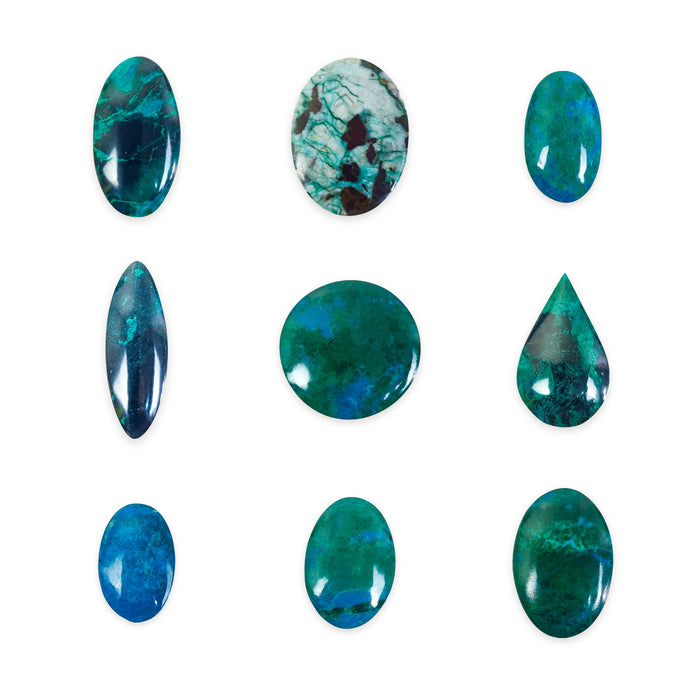
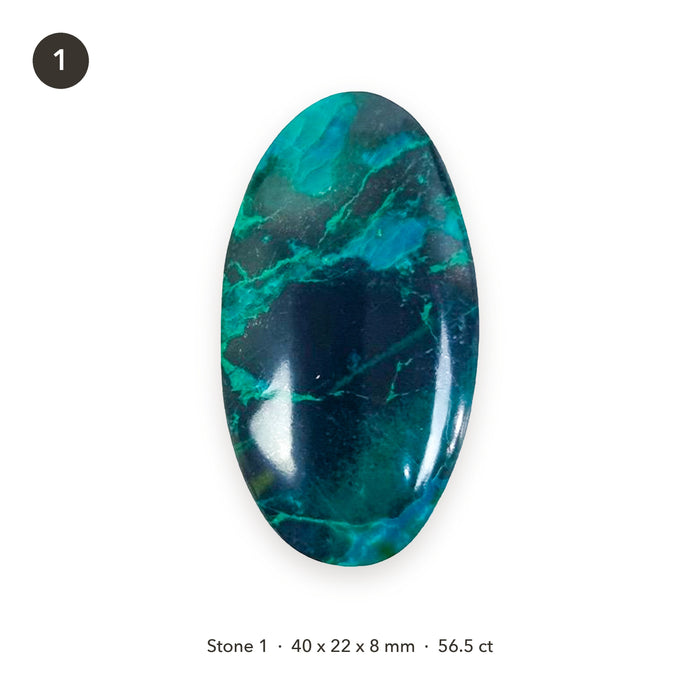
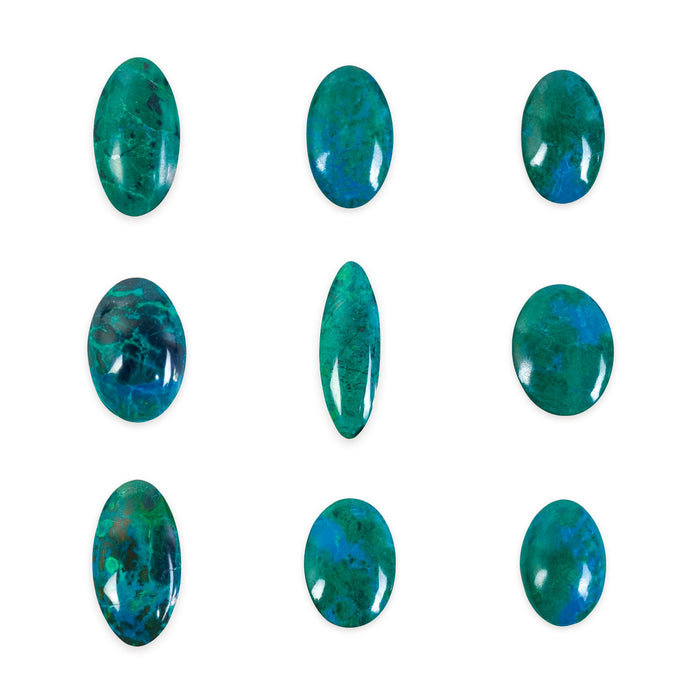
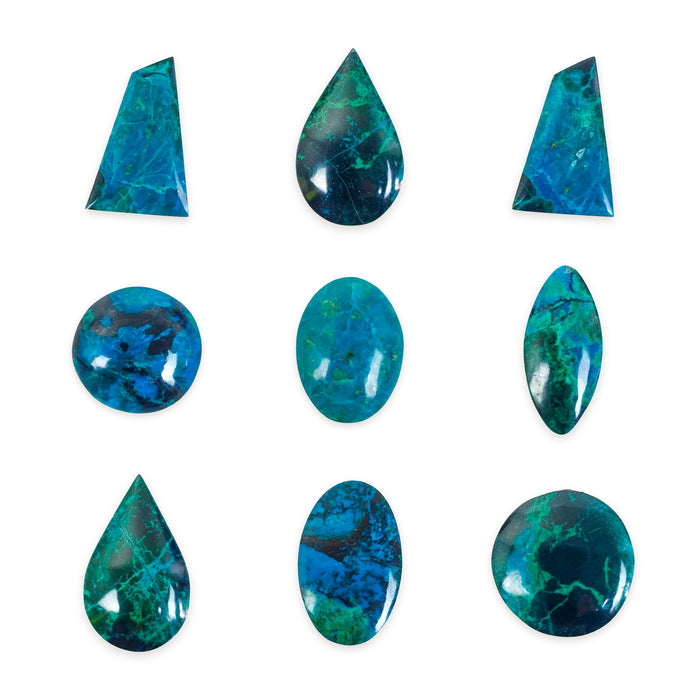
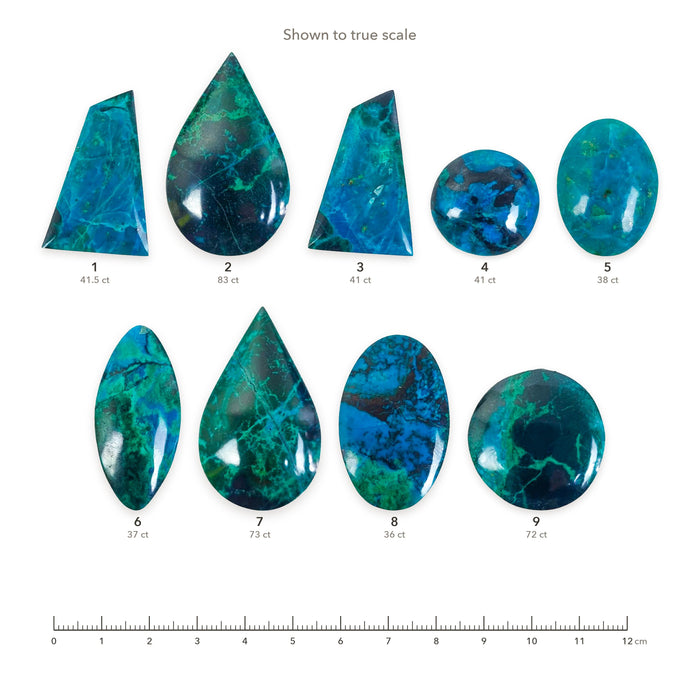
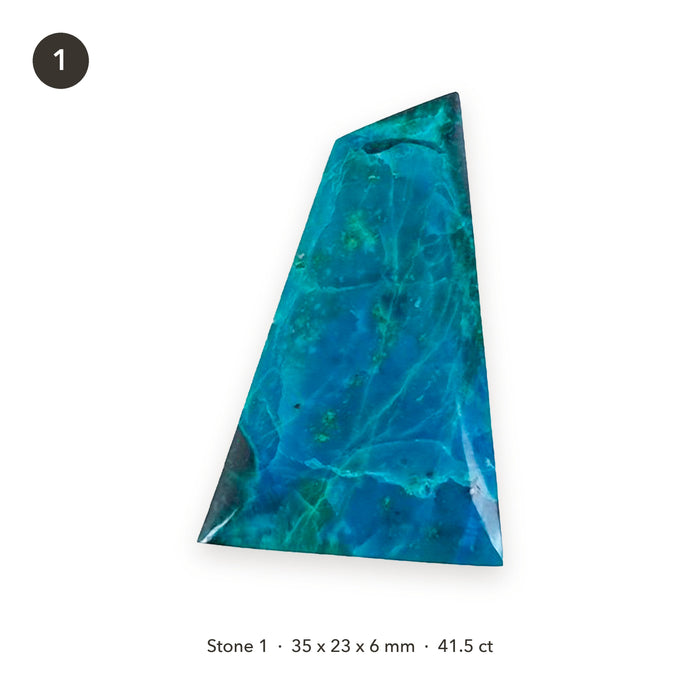
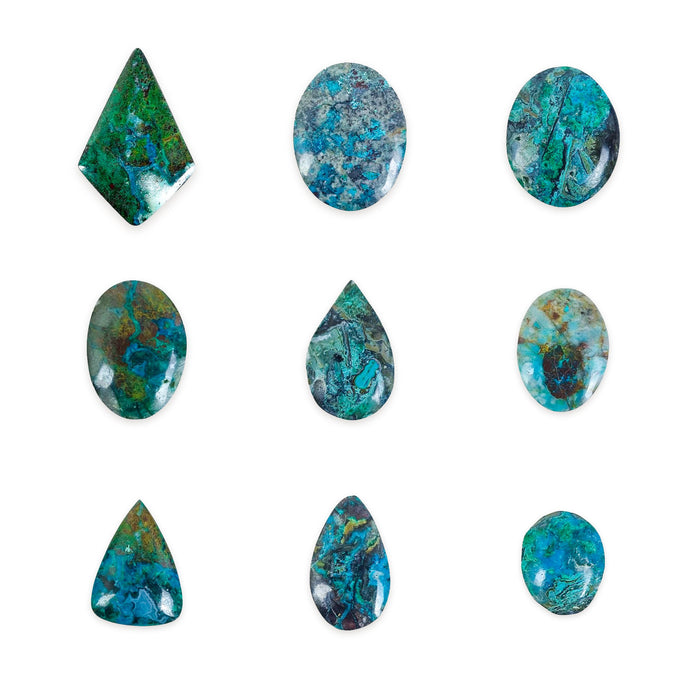
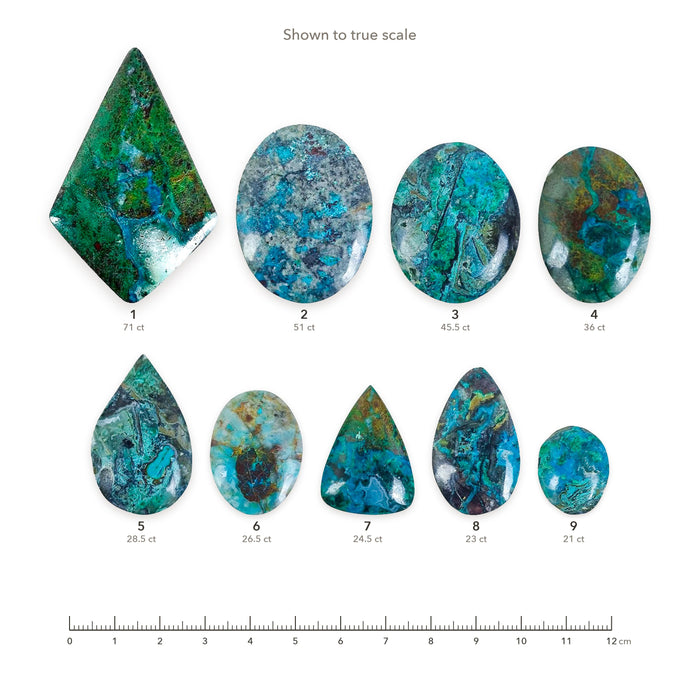
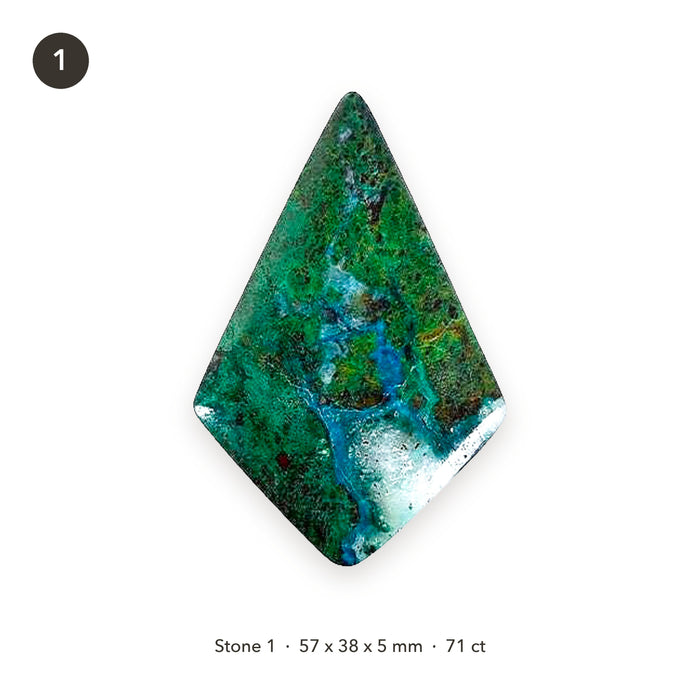
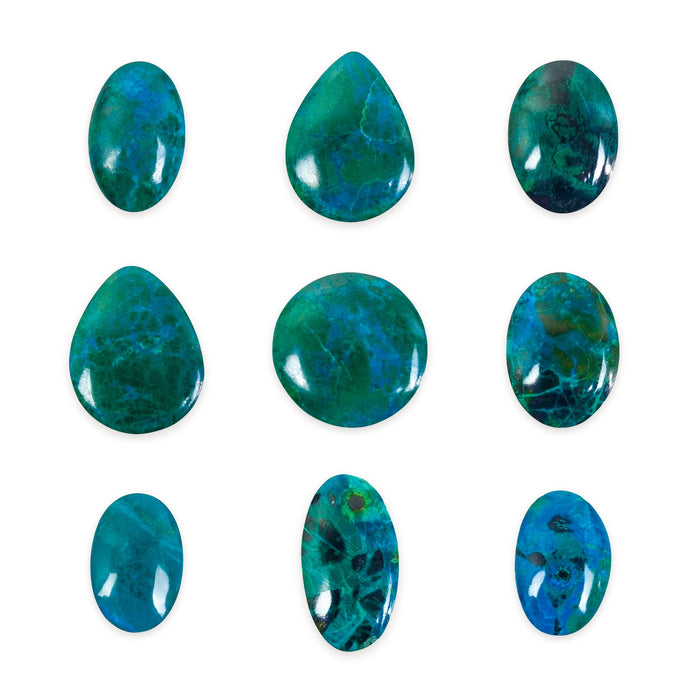
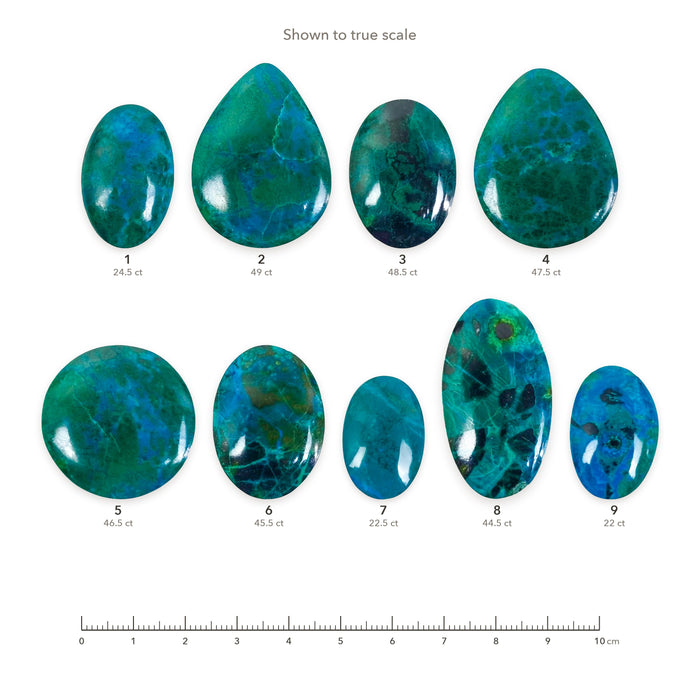
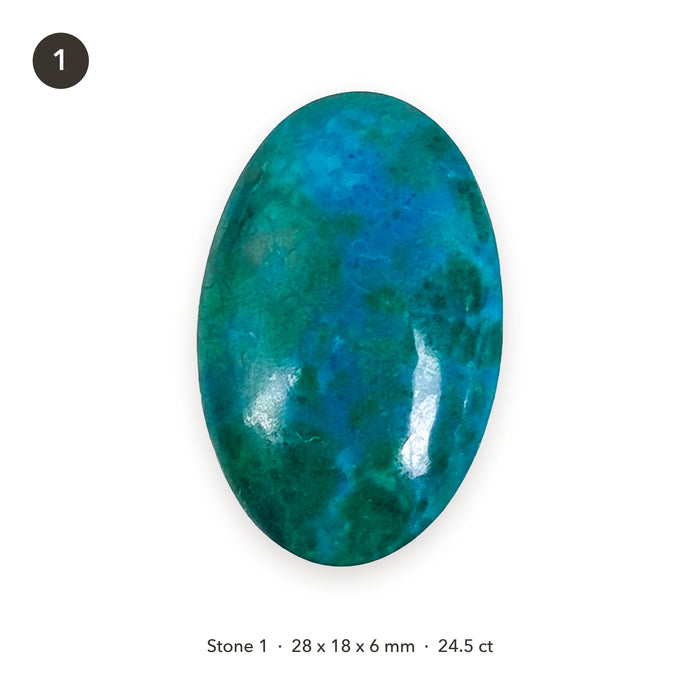
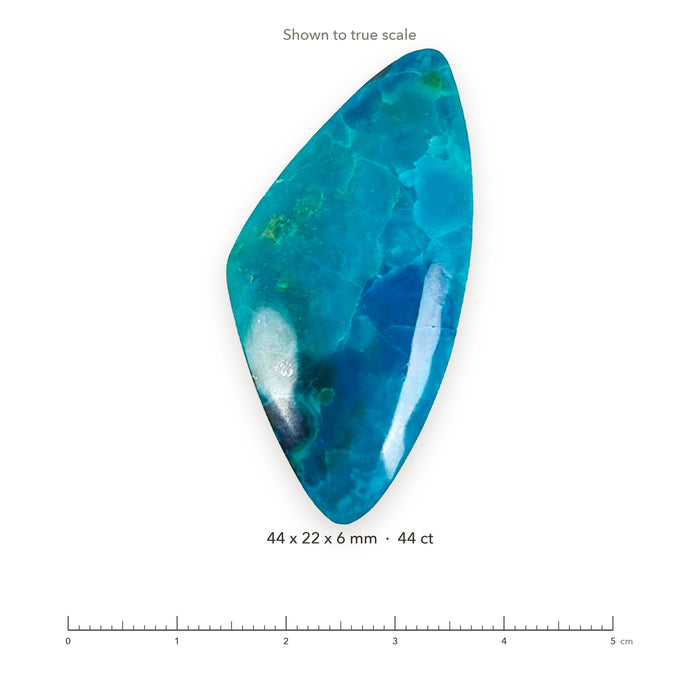
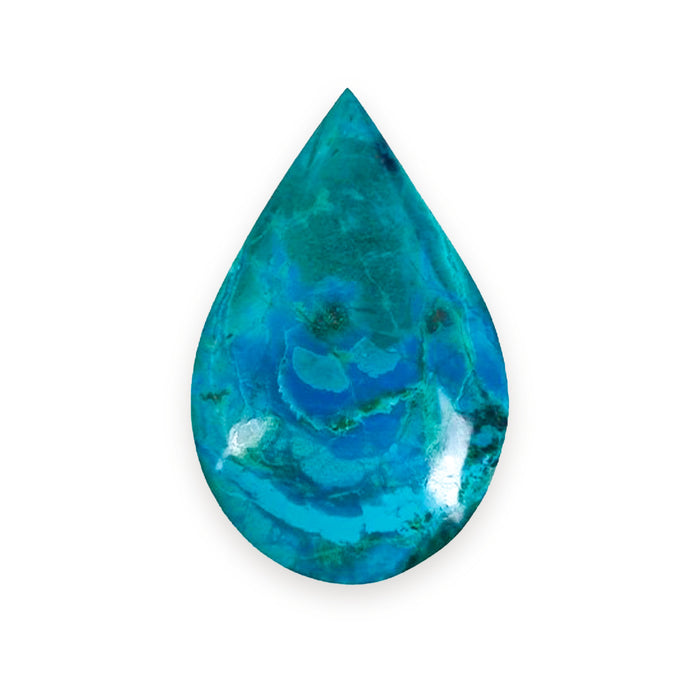
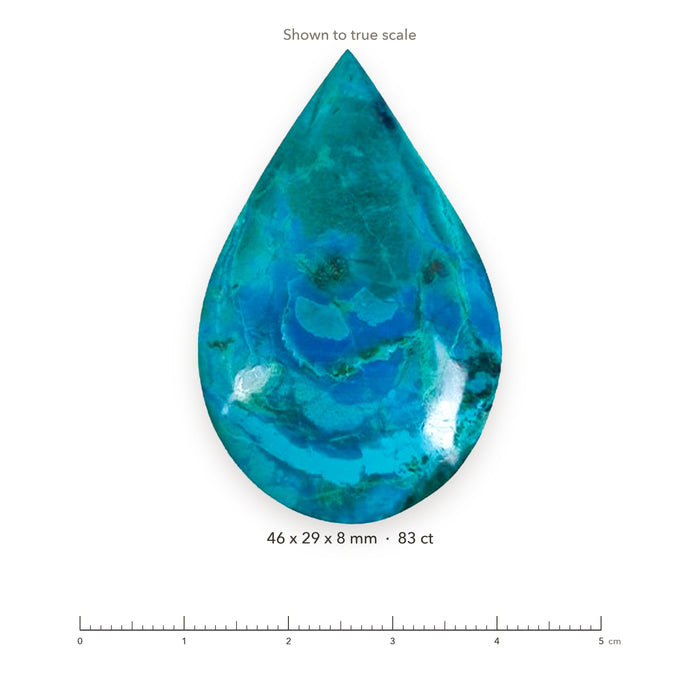
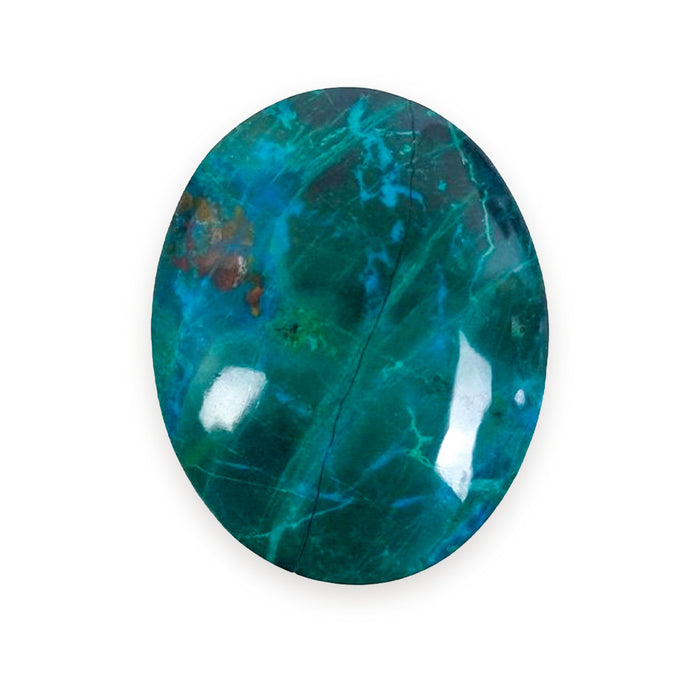
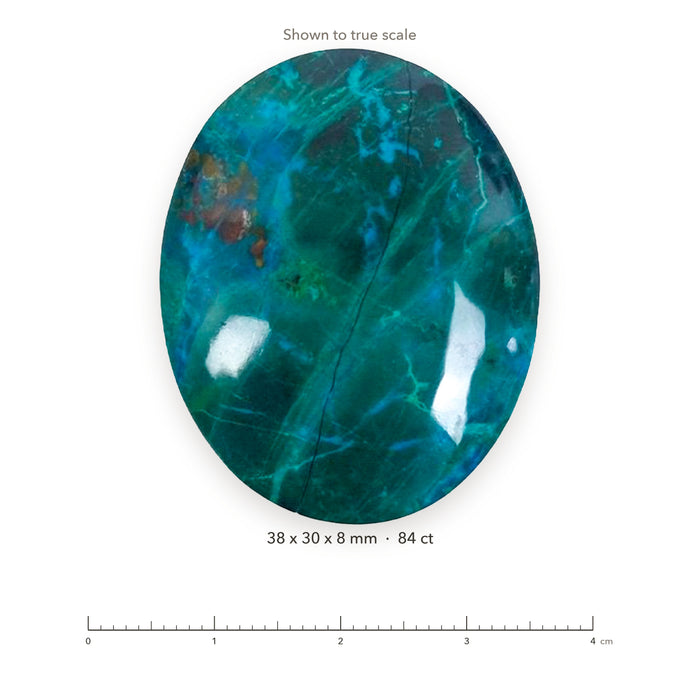
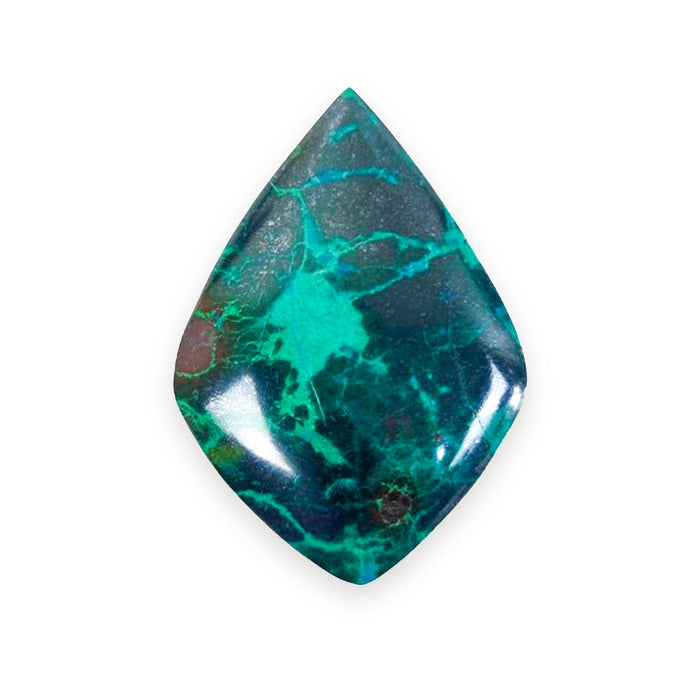
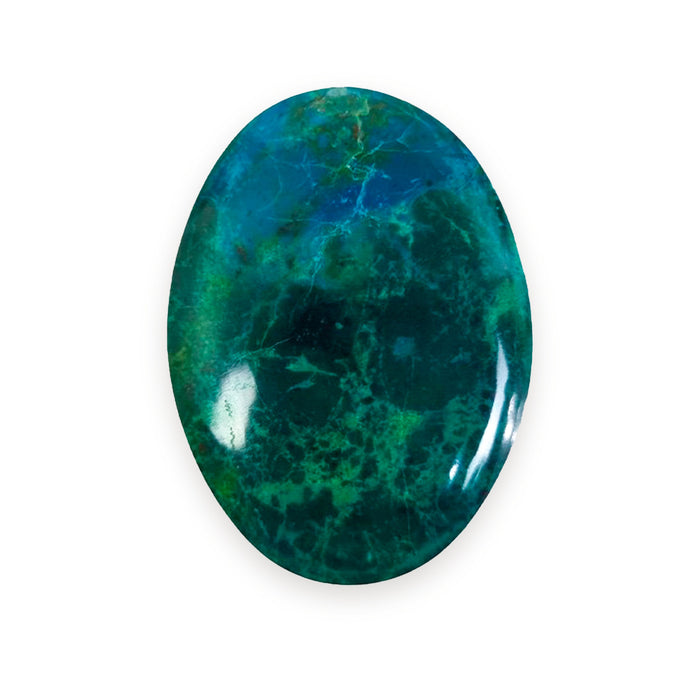
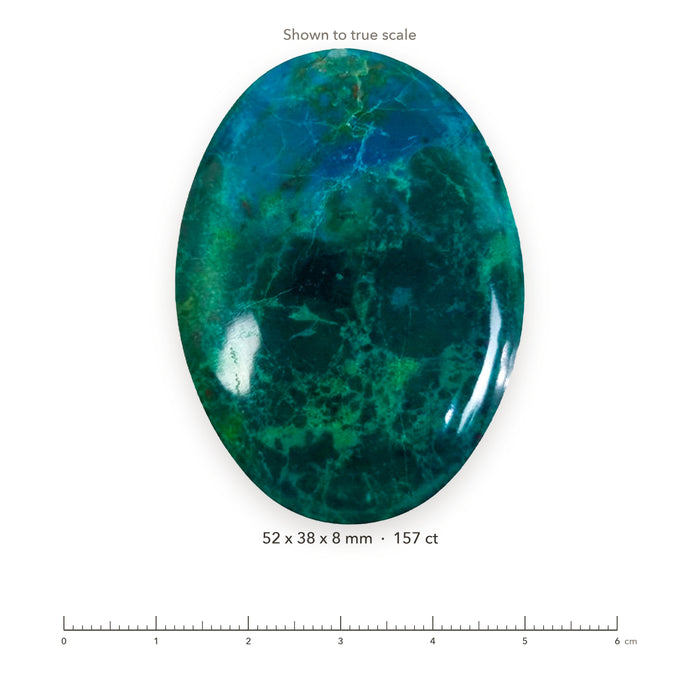
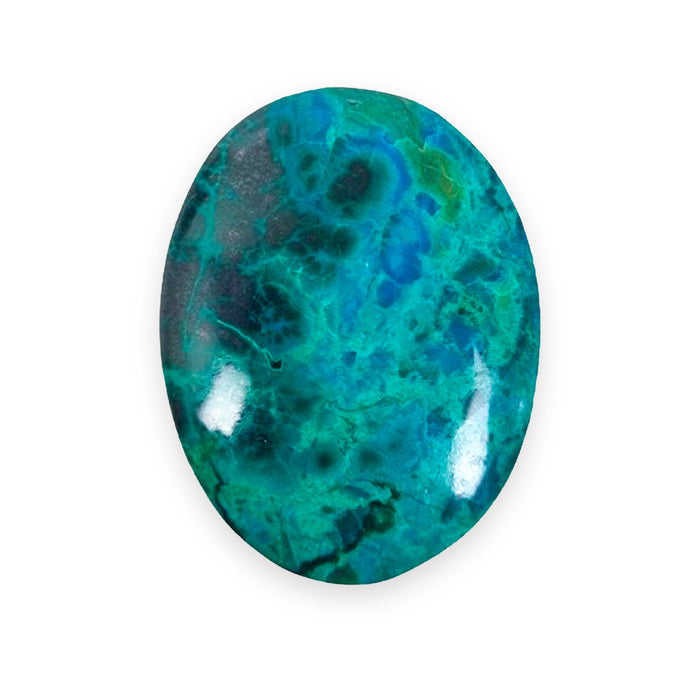
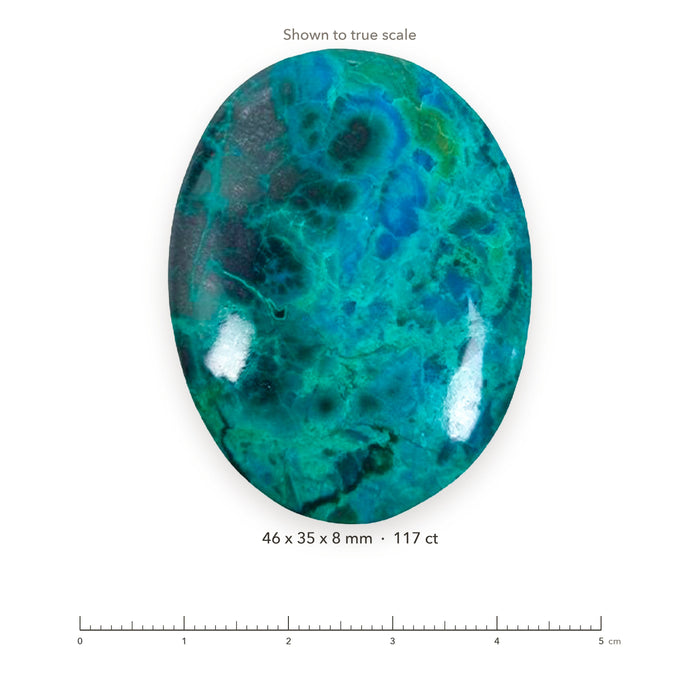
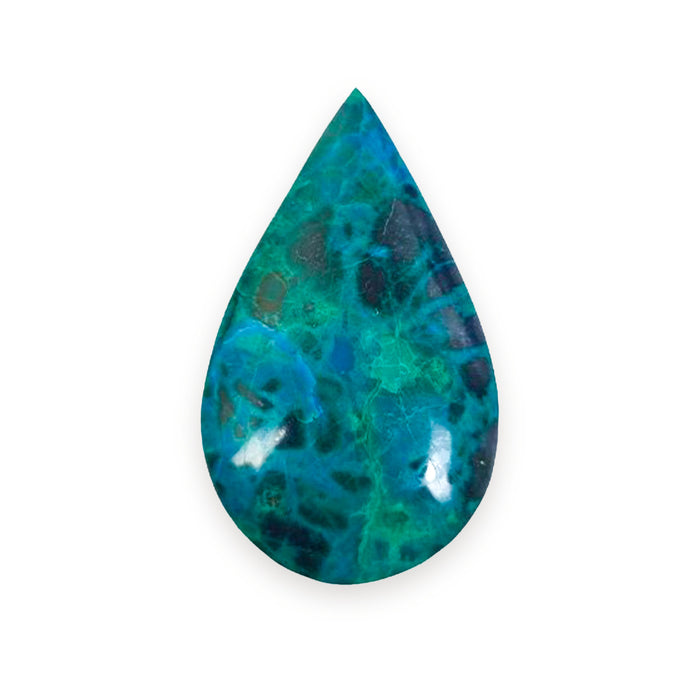
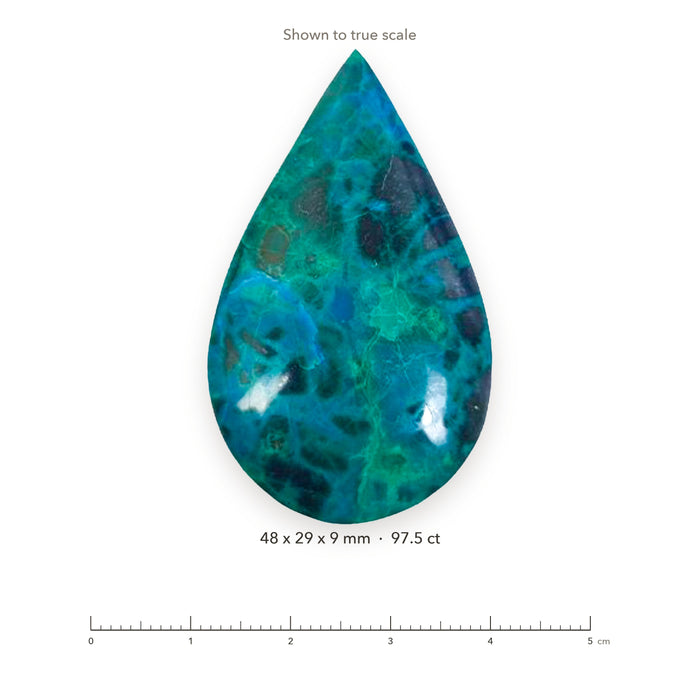
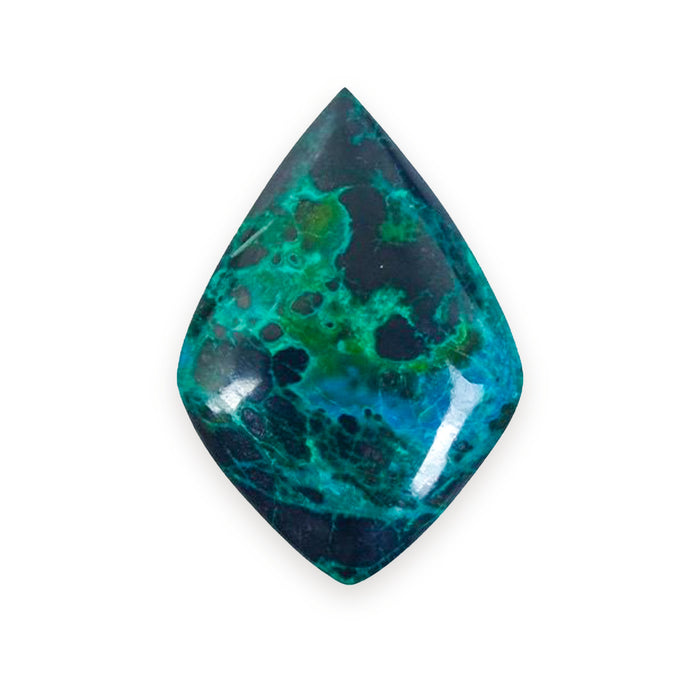
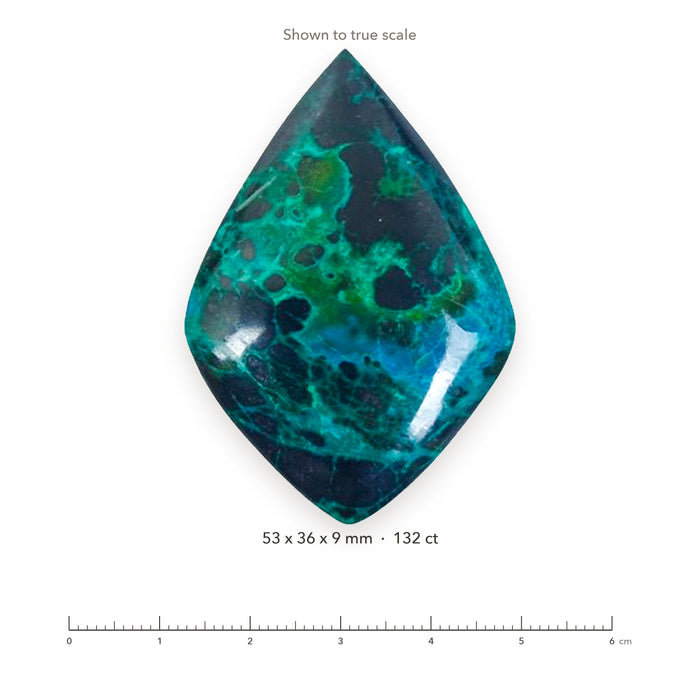
Chrysocolla is a soft, copper-bearing mineral that forms where copper deposits weather, often mixed with quartz, malachite or chalcedony, and pieces rich in silica are harder and take a better polish. It's sold raw and as tumbled stones, cabochons and slabs.
Read the Chrysocolla Guide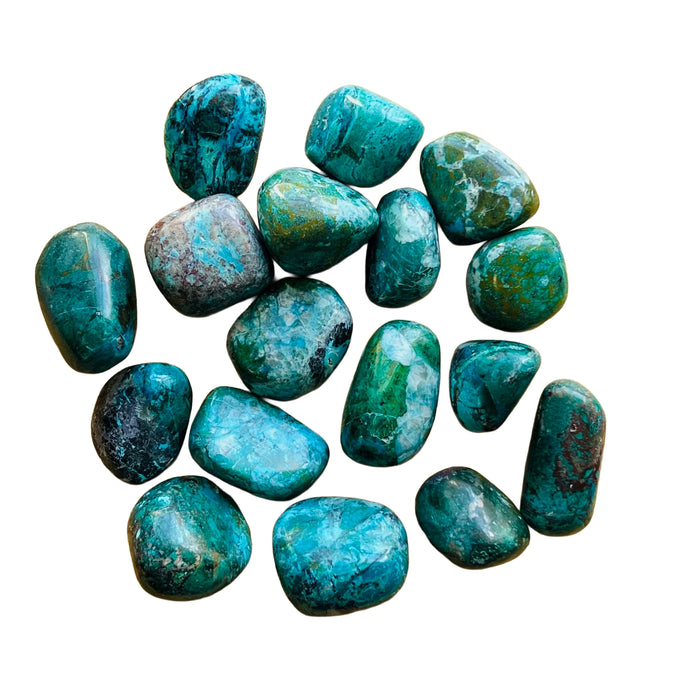





















Before You Buy Chrysocolla
Natural or stabilized?
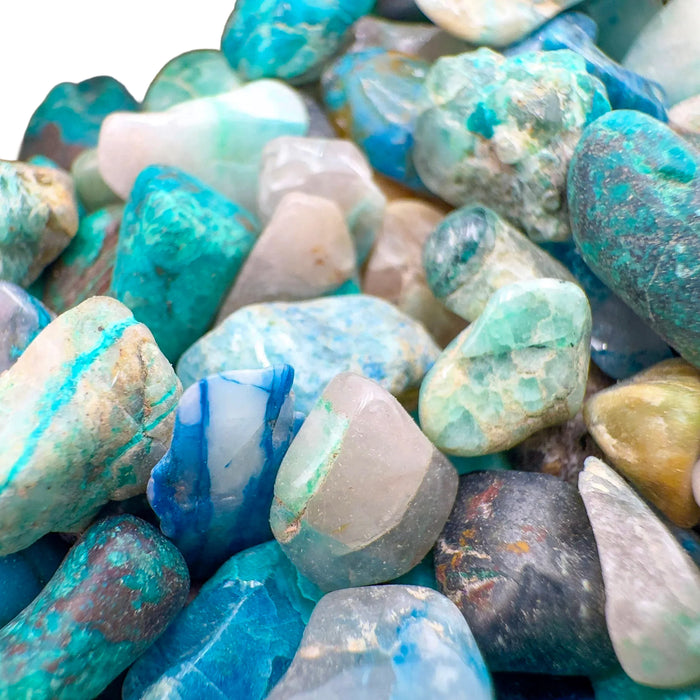
Chrysocolla is not commonly treated, but soft, crumbly material is sometimes stabilized with polymer, and dyed chalcedony is made to imitate it. We disclose all treatments on the product page.
Why are some pieces harder?
Pure chrysocolla is soft, about 2 to 4 on the Mohs scale. Pieces mixed with quartz or chalcedony can reach about 7 and take a better polish. Gem silica is translucent chalcedony colored blue-green by copper.
Blue or green?
Chrysocolla runs from blue to blue-green and green, and impure pieces can be brown to black. It forms where copper deposits weather, often alongside green malachite and quartz.
Care
Pure chrysocolla scratches and breaks easily, so store it apart from harder stones and set it down gently. Dust it with a soft, dry cloth or brush, and skip soaking, salt water, steam and ultrasonic cleaners.