


 Agatefor stress relief
 Amazonitefor stress relief
 Aquamarinefor serenity
 Aventurinefor luck
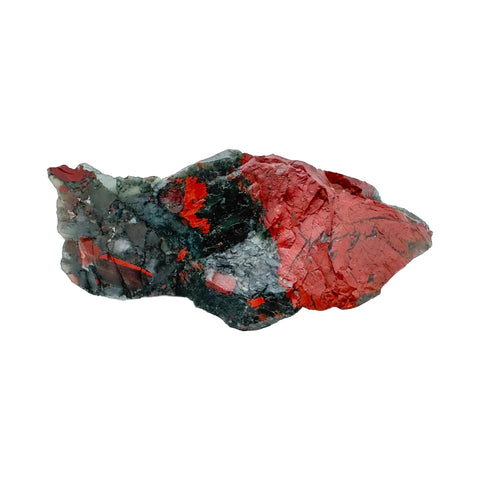
 Bloodstonefor energy
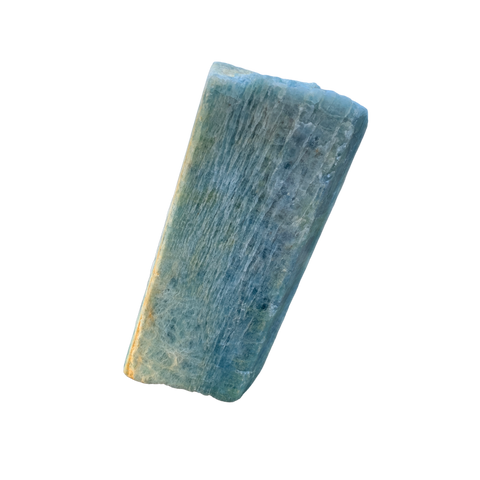
 Blue Kyanitefor confidence
 Blue Lace Agatefor stress relief
 Chrysocollafor emotional healing
 Fluoritefor focus
 Garnetfor energy
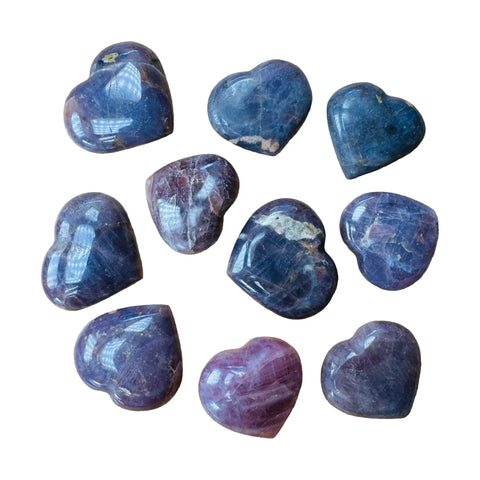
 Lepidolitefor stress relief
 Malachitefor emotional healing
 Moonstonefor grounding
 Obsidianfor protection
 Ocean Jasperfor emotional healing
 Red Jasperfor grounding
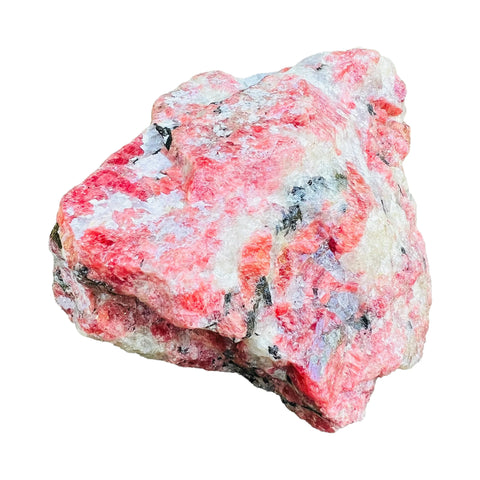
 Rhodonitefor emotional healing
 Selenitefor cleansing
 Sodalitefor focus
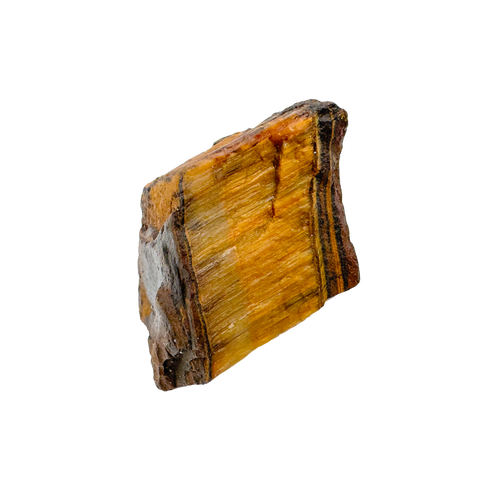
 Tiger Eyefor confidence
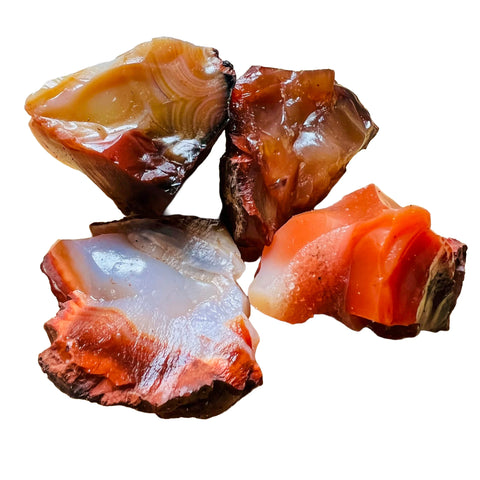
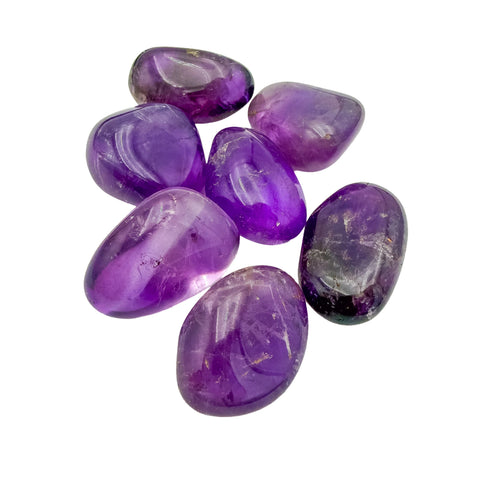




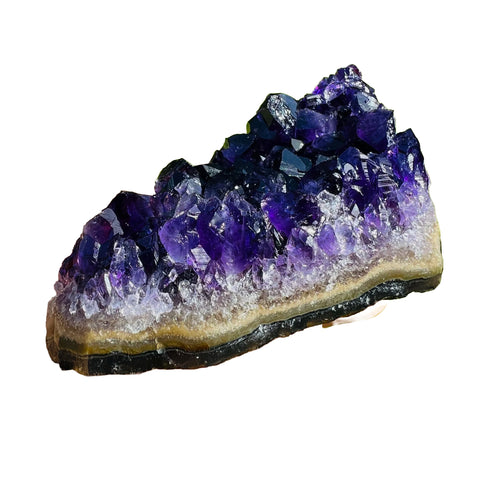





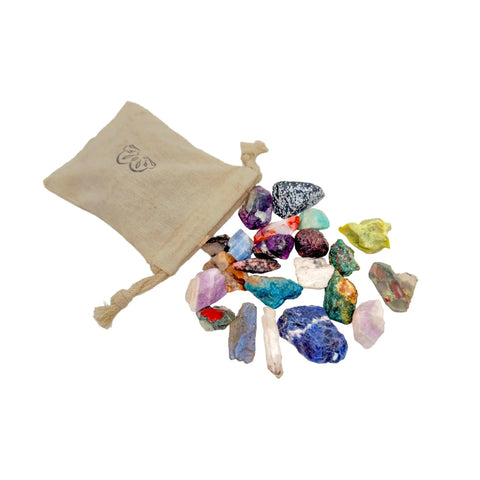
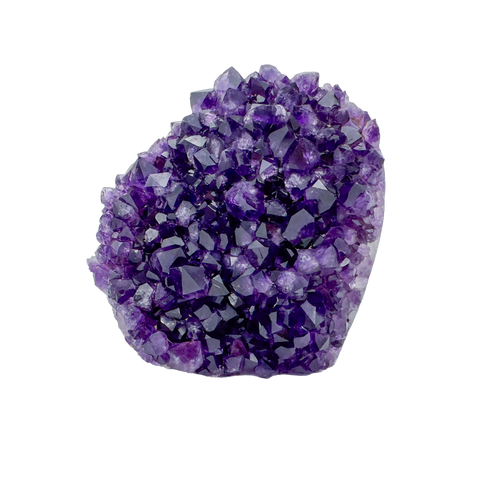
 Amethyst
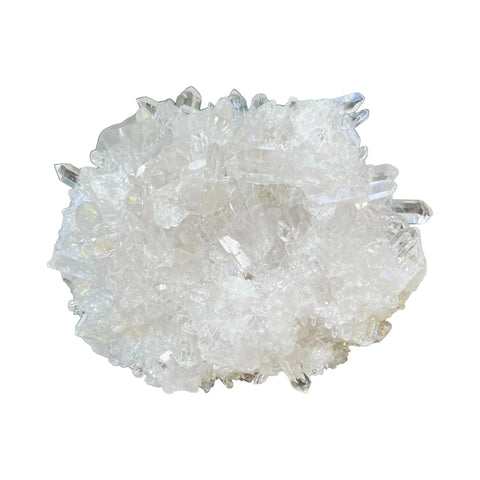
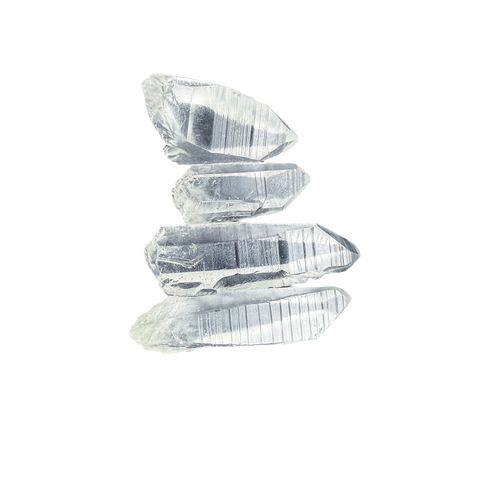
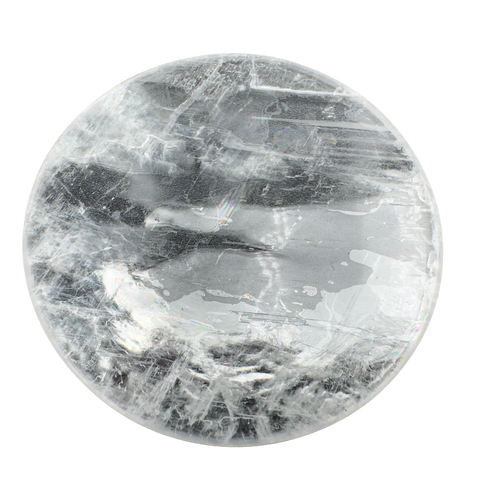
 Clear Quartz
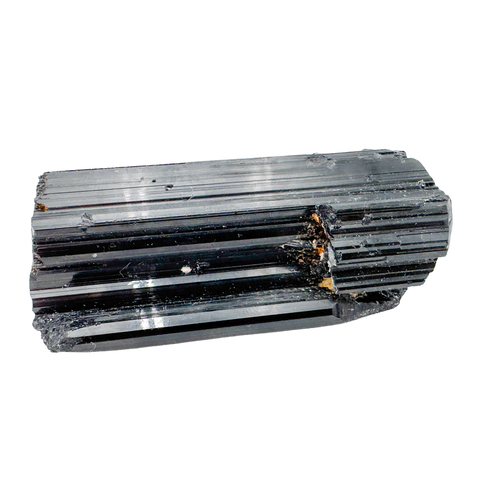
 Black Tourmaline
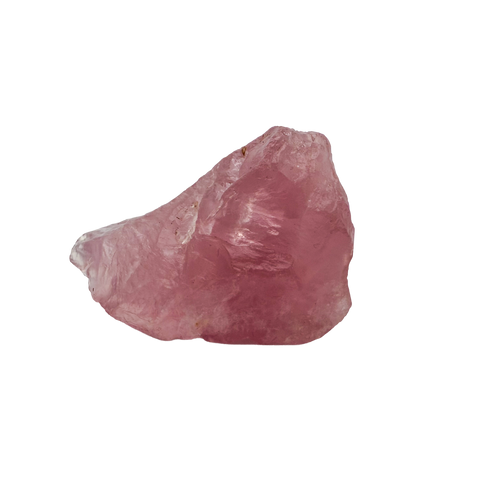
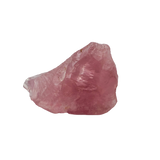 Rose Quartz
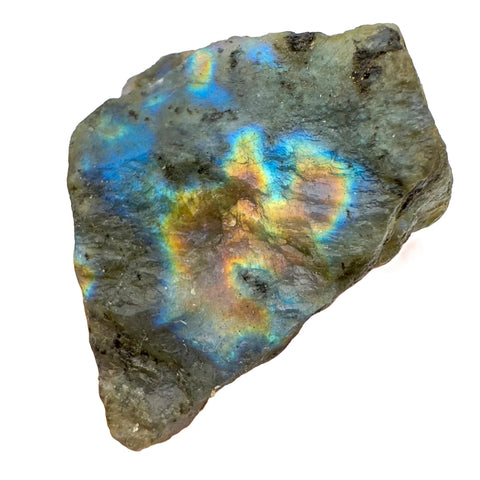
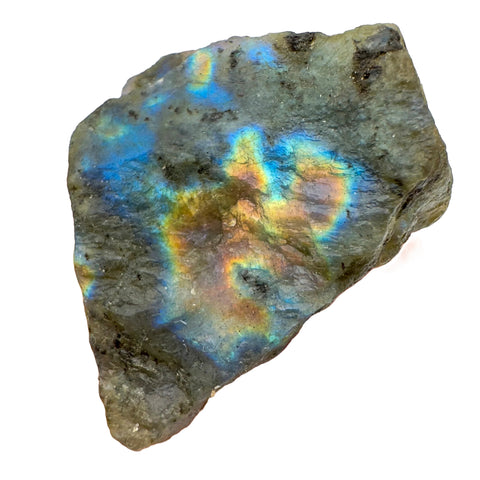
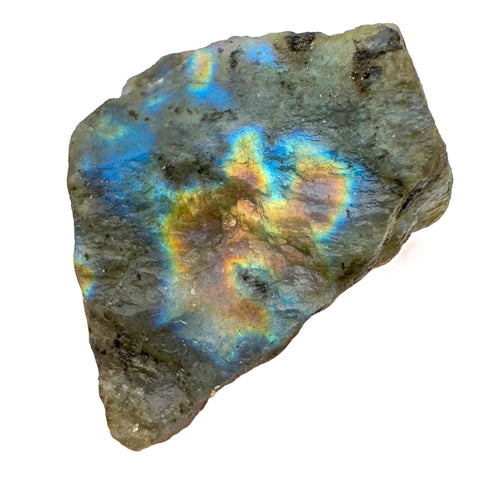
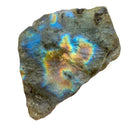 Labradorite
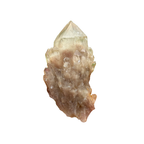 Natural Citrine
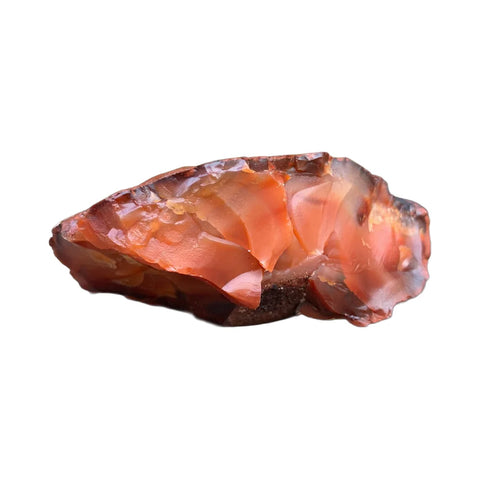
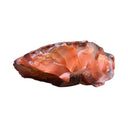 Carnelian
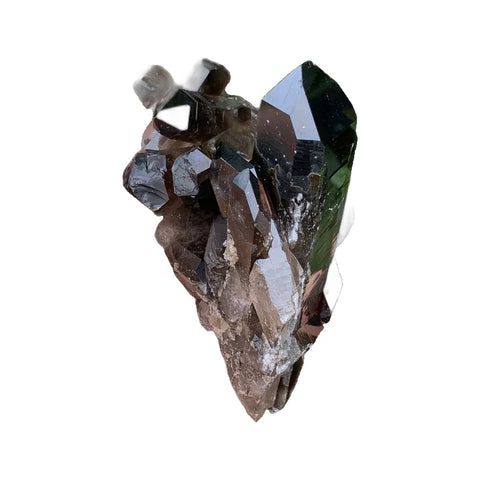
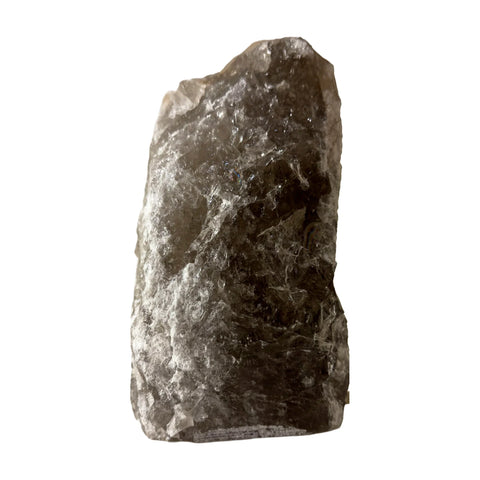
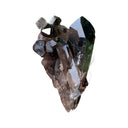 Smoky Quartz
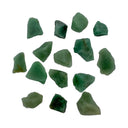 Aventurine
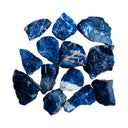 Sodalite
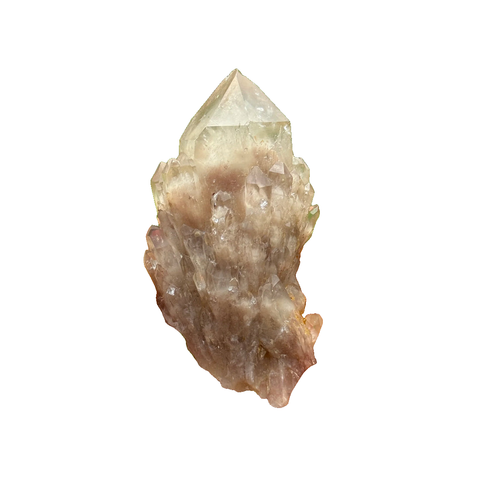
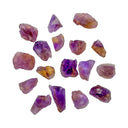 Ametrine
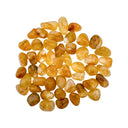 Golden Healer
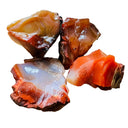 Raw Stones
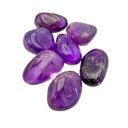 Tumbled Stones
 Palm Stones
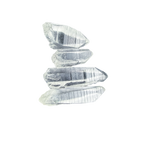 Crystal Points
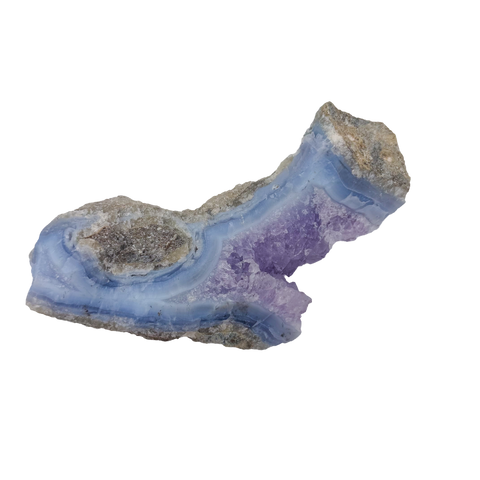
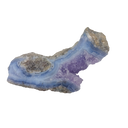 Clusters & Geodes
 Polished & Decor
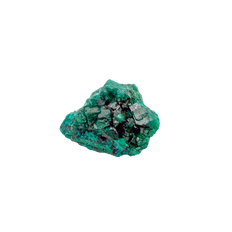 Mineral Specimens
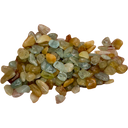 Crystal Chips
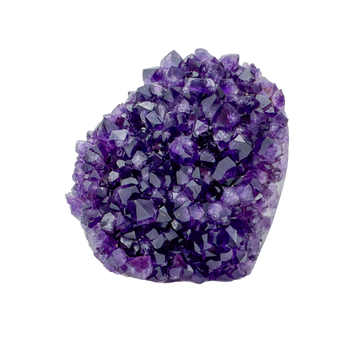
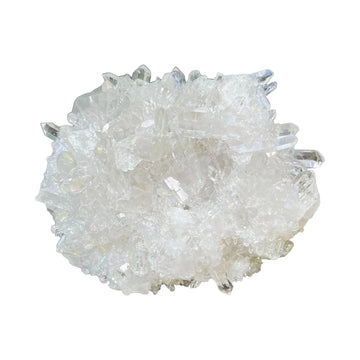
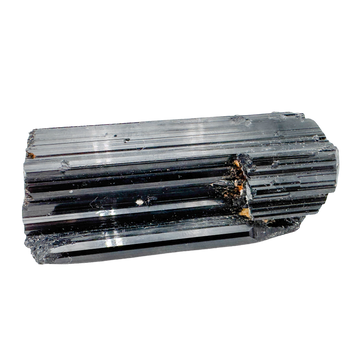
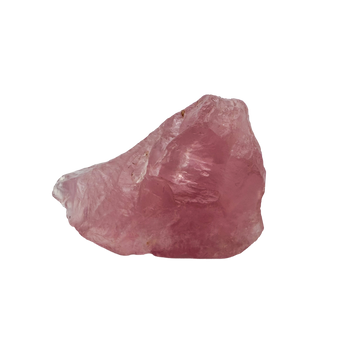
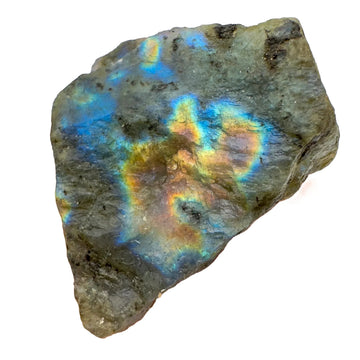
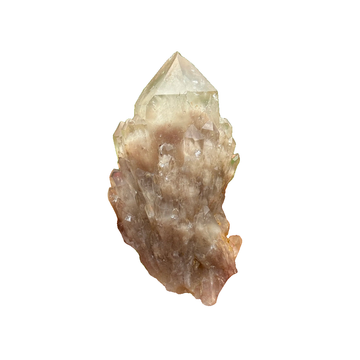
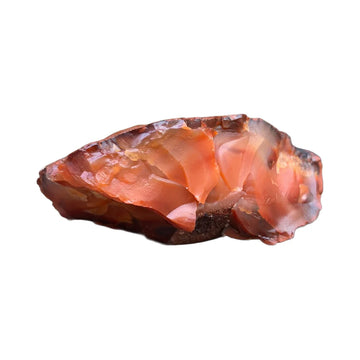
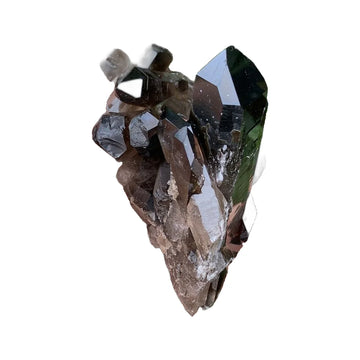
 Raw Stones
179 to choose from
Raw Stones
179 to choose from
 Tumbled Stones
162 to choose from
Tumbled Stones
162 to choose from
 Palm Stones
25 to choose from
Palm Stones
25 to choose from
 Crystal Points
23 to choose from
Crystal Points
23 to choose from
 Clusters & Geodes
103 to choose from
Clusters & Geodes
103 to choose from
 Polished & Decor
148 to choose from
Polished & Decor
148 to choose from
 Mineral Specimens
257 to choose from
Mineral Specimens
257 to choose from
 Crystal Chips
21 to choose from
Crystal Chips
21 to choose from


 AngolaAquamarine
›
AngolaAquamarine
›
 BotswanaCarnelian, Tree Agate
›
BotswanaCarnelian, Tree Agate
›
 DR CongoMalachite, Natural Citrine
›
DR CongoMalachite, Natural Citrine
›
 EswatiniBloodstone
›
EswatiniBloodstone
›
 MadagascarLabradorite, Clear Quartz
›
MadagascarLabradorite, Clear Quartz
›
 MalawiBlue Lace Agate, Garnet
›
MalawiBlue Lace Agate, Garnet
›
 MozambiqueAmazonite
›
MozambiqueAmazonite
›
 NamibiaSodalite, Blue Lace Agate
›
NamibiaSodalite, Blue Lace Agate
›
 Republic of the CongoDioptase
›
Republic of the CongoDioptase
›
 South AfricaTiger Eye, Unakite
›
South AfricaTiger Eye, Unakite
›
 ZambiaChevron Amethyst
›
ZambiaChevron Amethyst
›
 ZimbabweEmerald, Rhodonite
›
ZimbabweEmerald, Rhodonite
›
 ArgentinaBlack Obsidian, Rhodochrosite
›
ArgentinaBlack Obsidian, Rhodochrosite
›
 BoliviaAmetrine
›
BoliviaAmetrine
›
 BrazilAmethyst, Clear Quartz
›
BrazilAmethyst, Clear Quartz
›
 PeruSerpentine, Jade
›
PeruSerpentine, Jade
›
 UruguayAmethyst
›
UruguayAmethyst
›
 Dominican RepublicLarimar
›
Dominican RepublicLarimar
›
 MexicoRainbow Obsidian, Crazy Lace Agate
›
MexicoRainbow Obsidian, Crazy Lace Agate
›
 United StatesSelenite, Peridot
›
United StatesSelenite, Peridot
›
 ChinaFluorite
›
ChinaFluorite
›
 RussiaShungite
›
RussiaShungite
›
 AustraliaMookaite
›
AustraliaMookaite
›
 Where our crystals come from
See where we source →
Where our crystals come from
See where we source →


 Aries
Mar 21 to Apr 19
Carnelian
›
Aries
Mar 21 to Apr 19
Carnelian
›
 Taurus
Apr 20 to May 20
Rose Quartz
›
Taurus
Apr 20 to May 20
Rose Quartz
›
 Gemini
May 21 to Jun 20
Agate
›
Gemini
May 21 to Jun 20
Agate
›
 Cancer
Jun 21 to Jul 22
Moonstone
›
Cancer
Jun 21 to Jul 22
Moonstone
›
 Leo
Jul 23 to Aug 22
Citrine
›
Leo
Jul 23 to Aug 22
Citrine
›
 Virgo
Aug 23 to Sep 22
Amazonite
›
Virgo
Aug 23 to Sep 22
Amazonite
›
 Libra
Sep 23 to Oct 22
Blue Lace Agate
›
Libra
Sep 23 to Oct 22
Blue Lace Agate
›
 Scorpio
Oct 23 to Nov 21
Obsidian
›
Scorpio
Oct 23 to Nov 21
Obsidian
›
 Sagittarius
Nov 22 to Dec 21
Sodalite
›
Sagittarius
Nov 22 to Dec 21
Sodalite
›
 Capricorn
Dec 22 to Jan 19
Black Tourmaline
›
Capricorn
Dec 22 to Jan 19
Black Tourmaline
›
 Aquarius
Jan 20 to Feb 18
Amethyst
›
Aquarius
Jan 20 to Feb 18
Amethyst
›
 Pisces
Feb 19 to Mar 20
Aquamarine
›
Gifting?
A birthday stone is the safe bet.
Read the zodiac guide →
Pisces
Feb 19 to Mar 20
Aquamarine
›
Gifting?
A birthday stone is the safe bet.
Read the zodiac guide →


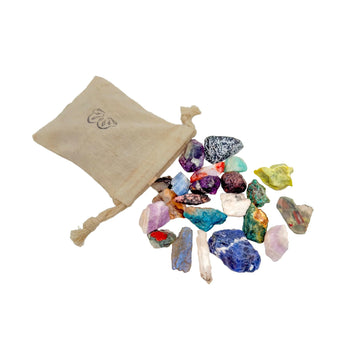

Chrysocolla
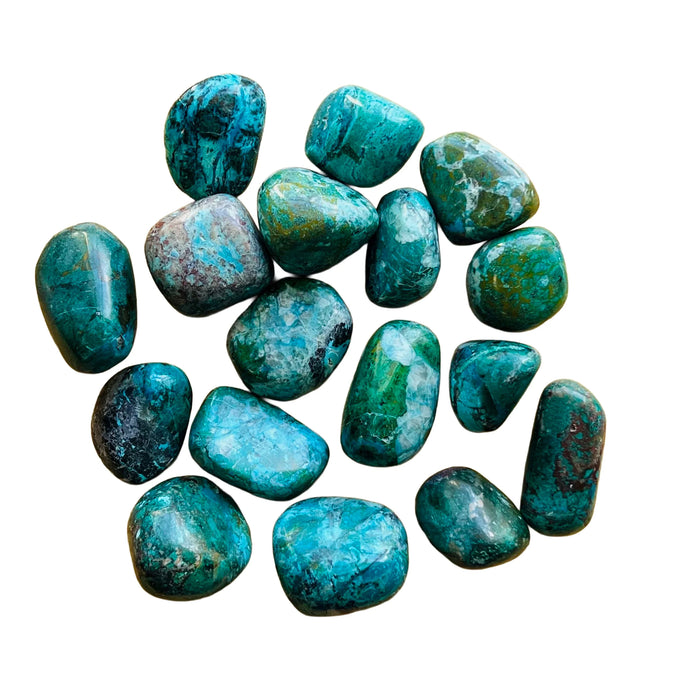
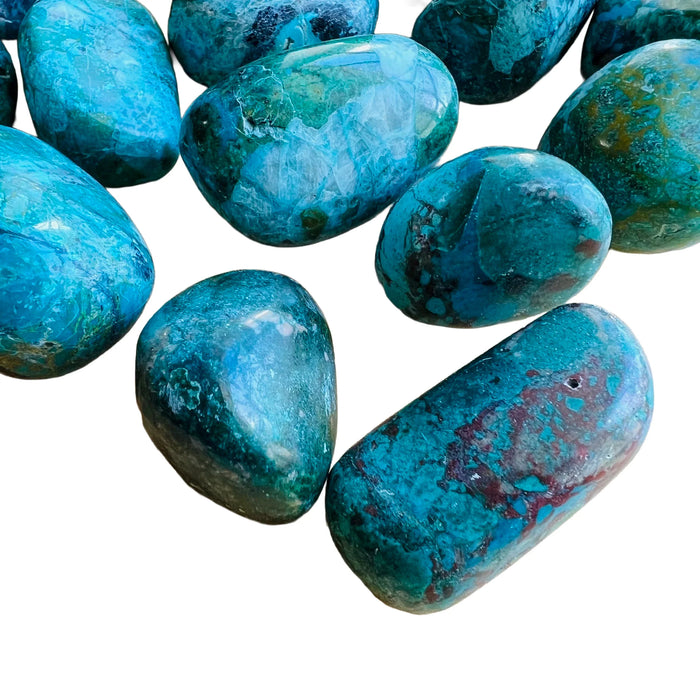
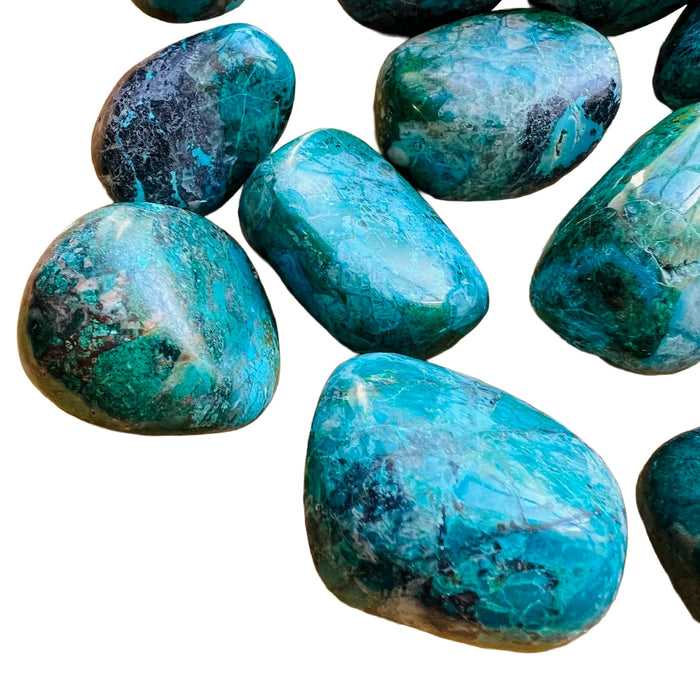
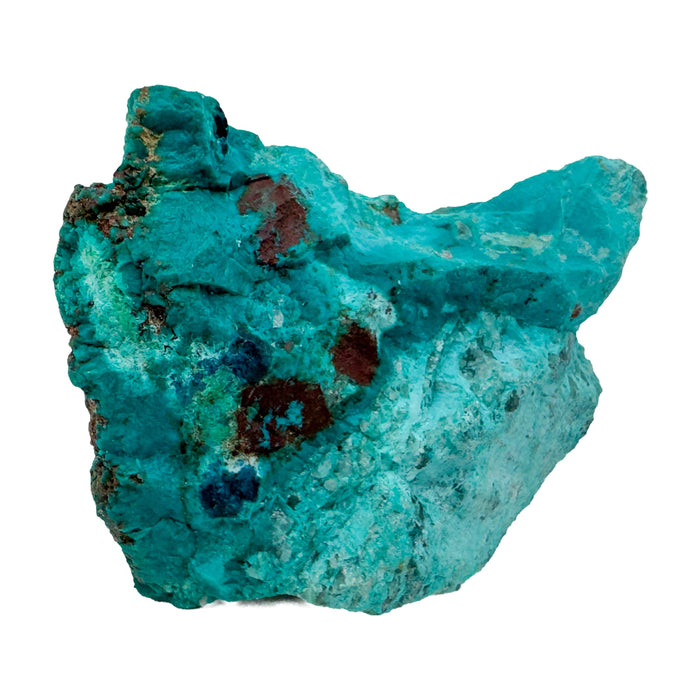
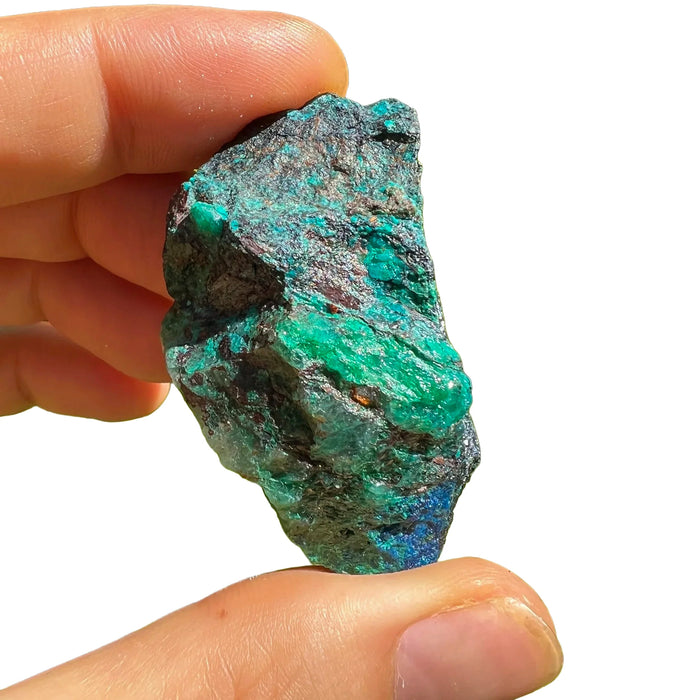
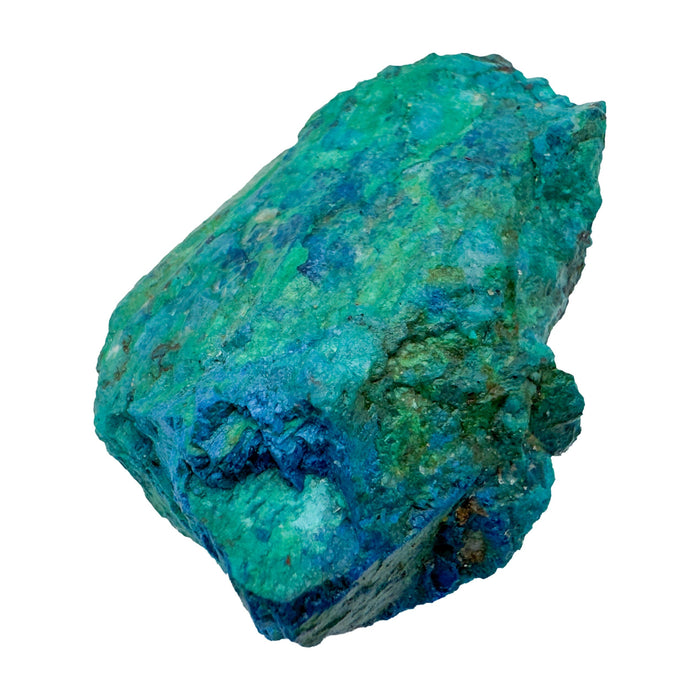
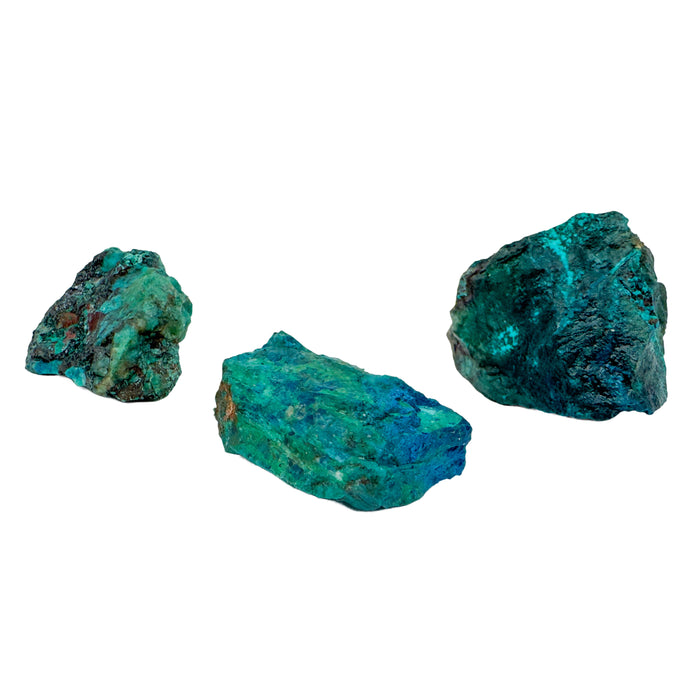
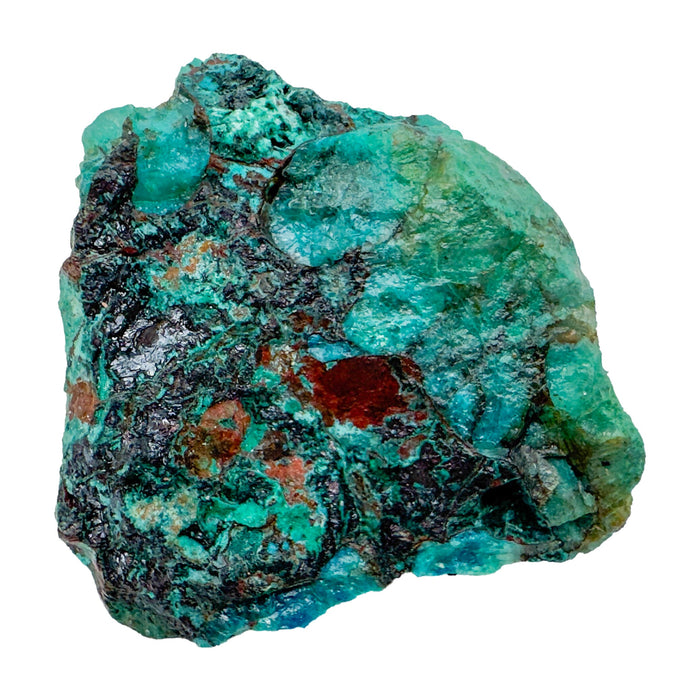
Chrysocolla is a hydrous copper silicate with vivid turquoise to blue-green color that comes from its copper content. It's soft, ranking 2 to 4 on the Mohs scale, and porous, which is why it's frequently stabilized with resin or naturally intergrown with harder minerals like quartz or malachite. Chrysocolla-in-quartz, sometimes called Gem Silica or Gem Chrysocolla, is the hardest and most durable form. The bright blue-green color makes it widely imitated by dyed chalcedony in the commercial market.
Shop chrysocollaChrysocolla, in stock now.
Our most-loved Chrysocolla pieces, ready to ship.

- from 1,000+ reviews
- Ships within 72 hoursMonday to Friday, tracked
- 90 days to return itif you do not love it
- Free US shipping over $99$8.99 flat rate under
The geology.
Chrysocolla is a hydrous copper silicate, chemical formula roughly CuSiO3 plus water, with a vivid turquoise to blue-green color that comes from its copper content. It's soft, ranking 2 to 4 on the Mohs hardness scale, which means it scratches easily and is sensitive to water and acids. It's also porous, meaning water and other liquids can soak into it, softening or altering the material over time. This is the core reason stabilization with resin is so common in the commercial market.
Chrysocolla often forms intergrown with quartz, creating the harder and more durable variety called chrysocolla-in-quartz, sometimes marketed as Gem Silica or Gem Chrysocolla. In this form, the hardness jumps to 6.5 to 7 on the Mohs scale, making it suitable for rings and everyday wear. The quartz acts as a natural reinforcement, surrounding and protecting the softer chrysocolla minerals. This is the form we prioritize when possible.
The crystal system is orthorhombic. The stone typically forms as massive material in the oxidized zones of copper ore deposits rather than as distinct crystals. Its most distinguishing trait is the color, which can range from pale sky blue to deep turquoise to blue-green, depending on copper concentration and trace minerals. The bright color is what makes chrysocolla so widely imitated by dyed chalcedony in the commercial market.
The origins.
Chrysocolla forms in the oxidized zones of copper ore deposits worldwide. Peru is the primary commercial source of high-quality raw chrysocolla, particularly from the highland regions where copper mining has a long history. The Peruvian material tends toward deep, saturated turquoise and is often sourced through artisanal and small-scale mining channels.
The Democratic Republic of Congo produces significant quantities of chrysocolla, though supply chain documentation varies. Chrysocolla from the DRC often shows the characteristic bright blue-green and is commonly more accessible in price than Peruvian material. The sourcing story here is more complex, and we approach DRC chrysocolla with the transparency rigor we apply to all materials.
Arizona produces chrysocolla as a byproduct of large-scale copper mining operations. The material is often of high quality and well-documented, but the volume available and scale of the operations differ from artisanal contexts. Israel produces Eilat Stone, a natural intergrowth of chrysocolla, malachite, and turquoise that's distinctive and highly valued. Other deposits exist in Russia (Urals), Chile, and elsewhere, but Peru, the DRC, and Arizona hold the most reliable supply to the North American market. Chrysocolla forms wherever copper mineralizes, so recognizing broader geographic origins is part of honest sourcing.
Traditional associations.
Chrysocolla holds associations with both the Throat and Heart chakras, making it a bridge stone between communication and emotion. In traditional crystal work, it's often chosen for situations where speaking the truth from a grounded, emotionally honest place matters. Many people work with chrysocolla when they need to express something difficult, to listen deeply without reactivity, or to find the words that honor both honesty and compassion.
The element is Water, reflecting flow, adaptability, and the idea that communication is not about force but about following the natural currents between people. Chrysocolla is traditionally associated with feminine energy, not as a gender assignment but as the receptive, responsive, listening quality. It's often paired with softer, gentler stones for practices around emotional healing and self-expression. The color itself, a cooling turquoise, carries associations with calm, clarity, and the throat center freed from tension.
Chrysocolla has been valued for centuries across cultures. Indigenous peoples of Peru incorporated it into healing and ceremonial contexts long before it entered the modern crystal market. Its softness and the care required to keep it whole can serve as a reminder that some things require gentleness, and that fragility doesn't mean weakness.
Spotting the real thing.
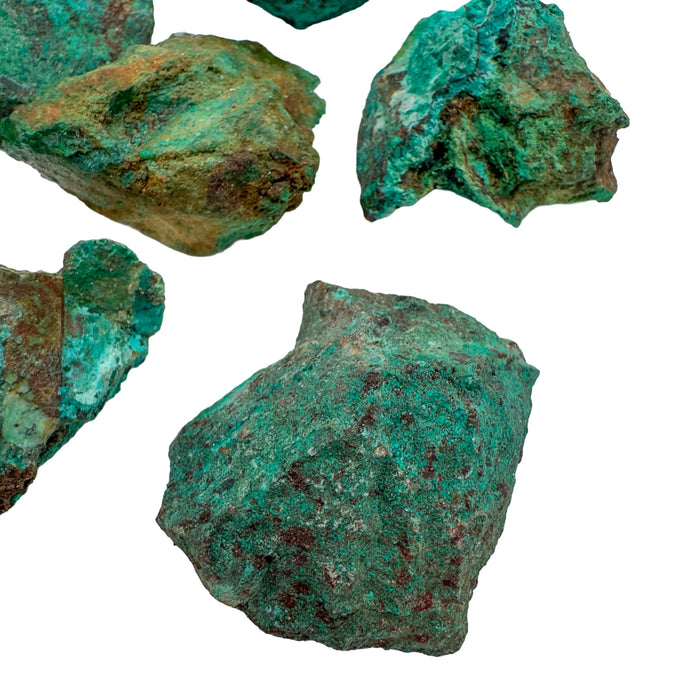
Genuine chrysocolla is soft and easily scratched by a fingernail or copper coin. It feels cool to the touch and has a waxy or silky appearance, not glossy or shiny. The color shows natural variation, with subtle shifts from deeper to lighter turquoise, often with banding or mottling that reflects its formation in copper ore zones. The surface may appear slightly chalky or powdery in places, especially on raw pieces, because of its porous nature. Look for this natural texture as a sign of authenticity.
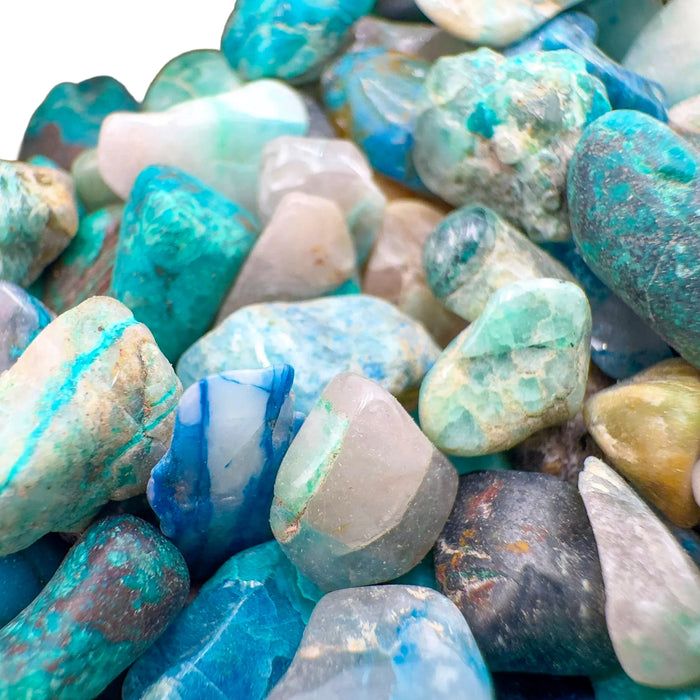
Dyed chalcedony sold as chrysocolla is significantly harder and won't scratch under fingernail pressure. It has a glossy, polished appearance and shows uniform, vivid color that doesn't vary across the piece. Dyed material often feels cool and smooth in a glass-like way, whereas genuine chrysocolla feels organic and slightly rough. If a piece scratches easily, shows natural color variation, and lacks that glassy sheen, it's likely real chrysocolla. If it's hard, uniformly colored, and glass-like, it's probably a dyed agate or chalcedony imitation. Real chrysocolla will leave a pale streak if rubbed on ceramic (a destructive test best reserved for pieces you don't plan to keep).
Care & handling.
Chrysocolla requires careful handling because of its softness and water sensitivity. Never soak it, submerge it, or expose it to prolonged moisture. Avoid salt water, salt-based cleansing, and ultrasonic cleaners entirely. Don't wear raw chrysocolla in the shower or swimming pool. If the piece gets wet, dry it immediately with a soft cloth. For cleaning, use a soft dry cloth only. If dust accumulates, use a soft brush with no water.
Store chrysocolla in its own pouch or cloth, away from harder stones that could scratch it. Avoid dropping it or applying pressure to edges and corners. Do not use it in crystal grids or arrangements where it might roll or be knocked over. For energetic cleansing, use smoke, sound, moonlight, or breath rather than water or salt. Chrysocolla-in-quartz is more durable and tolerates a bit more handling than raw chrysocolla, but still benefits from gentle care. The softness and the color are central to what chrysocolla is. Live with it gently.
Pairs well with.
Proof, not promises.
We measure our own sourcing across five dimensions. Supply chain, environmental footprint, artisan support, market integrity, and pricing. The number is honest, not perfect. Where we can do better, we say so.
A deeper look.
Extended geology, sourcing complexity, authentication, hardness, forms, and pricing for when the quick guide isn't quite enough.
Extended geology
Chrysocolla is a hydrous copper silicate with the approximate chemical formula CuSiO3·2H2O, though composition varies with trace elements and water content. It crystallizes in the orthorhombic system but typically forms as massive microcrystalline material rather than distinct crystals visible to the naked eye. The vivid turquoise to blue-green color comes from copper ions in the crystal structure. The more copper, the more intense the blue.
Hardness ranges from 2 to 4 on the Mohs scale in raw form, making it one of the softer minerals used in crystal work. Specific gravity is around 2 to 2.25. The stone is porous, meaning it readily absorbs water and can be damaged by prolonged moisture exposure. When chrysocolla naturally intergrows with quartz, the resulting chrysocolla-in-quartz (Gem Silica) jumps to hardness 6.5 to 7, making it suitable for rings and everyday wear. The quartz surrounding the chrysocolla acts as natural reinforcement.
Sourcing in Peru, DRC, and Arizona
Peru produces the most sought-after chrysocolla for the North American market. The mineral comes from the oxidized zones of copper ore deposits in the Peruvian highlands, often through artisanal and small-scale mining operations. Peruvian chrysocolla typically shows deep, saturated turquoise color and is sourced through channels we've documented directly. The material is worked by hand, sorted for quality, and reaches the market through relatively transparent supply chains.
The Democratic Republic of Congo is a major producer of chrysocolla, though documentation varies. DRC chrysocolla often shows the characteristic bright blue-green and is more accessible in price than Peruvian material. The sourcing story in the DRC is more complex due to broader regional supply chain challenges. We work with vetted channels, but the transparency depth differs from Peru.
Arizona produces chrysocolla as a byproduct of large-scale copper mining operations. The material is often of high quality and well-documented by the mining companies, but the scale and method differ from artisanal contexts. Israel produces Eilat Stone, a natural intergrowth of chrysocolla, malachite, and turquoise that's distinctive and highly valued. Other deposits exist worldwide, but these three origins hold the most reliable supply.
Stabilization and treatment
Raw chrysocolla is soft and porous, which limits its use in jewelry and certain applications. Stabilization with resin is the most common treatment in the commercial market, particularly for pieces intended for rings or pendants. The resin hardens the stone and reduces water absorption. Some suppliers also use other polymers or wax-based treatments.
Chrysocolla-in-quartz (Gem Silica) is naturally stable and requires no treatment. This is the form we prioritize when available. Dyed chalcedony sold as chrysocolla is common in the retail market, particularly at lower price points. The dyed material is harder, glossier, and lacks the natural texture and color variation of genuine chrysocolla.
Authentication and testing
Genuine raw chrysocolla is soft enough to scratch with a fingernail or copper coin. It has a waxy, slightly chalky appearance and shows natural color variation across the piece. The feel is organic and slightly rough, not glass-like. Dyed chalcedony is hard, glass-like, and shows uniform color. A weak acid test (vinegar on a hidden edge) can confirm the presence of copper, but this is destructive.
Look for pieces with natural banding, subtle color shifts, and a slightly powdery or chalky surface as signs of authenticity. Uniform color, glossy finish, and resistance to scratching indicate a dyed substitute.
Pricing and market notes
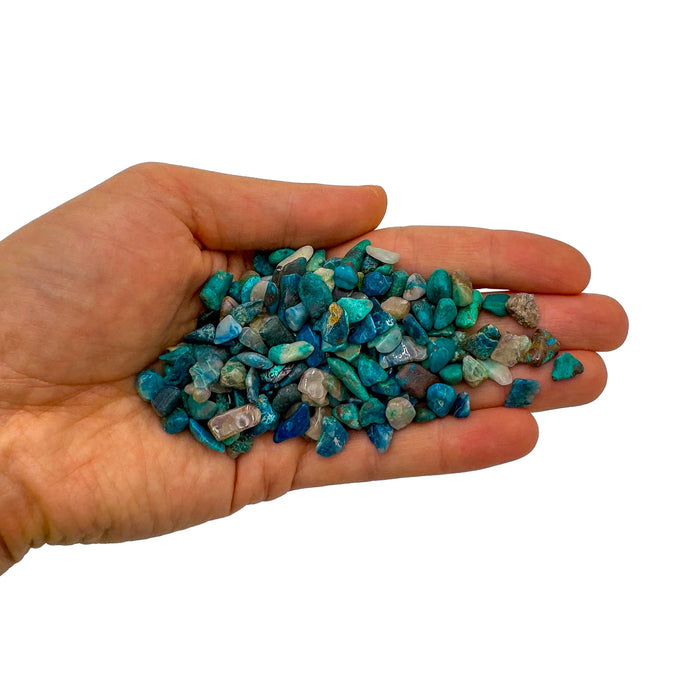
Raw chrysocolla tumbles and rough pieces typically run $3 to $8 per piece at retail, depending on size and color saturation. Hand-polished raw chrysocolla pieces $6 to $15. Chrysocolla-in-quartz material commands higher prices, $8 to $25 for standard pieces, up to $40 or more for larger specimens. Stabilized pieces fall in the middle range, $5 to $20 depending on finish and size.
Eilat Stone and high-quality mixed intergrowths range from $12 to $50 or higher. Dyed chalcedony sold as chrysocolla may appear at very low prices (under $3), and that price point should prompt questions about authenticity. Genuine chrysocolla at any price point should have documented sourcing and treatment status disclosed.
Good sourcing is a practice, not a claim.
Nothing we sell is dyed, stabilized, reconstituted, or color-enhanced without full disclosure. We name our origins where we can. We say so when we cannot. We walk away from material that does not meet our standard, even when it costs us sales.
Bring chrysocolla home.
Raw and hand-polished chrysocolla from Peru, the Democratic Republic of Congo, and Arizona. Natural color, carefully sourced for authenticity and treatment status clearly disclosed. Chrysocolla-in-quartz pieces available for those seeking the naturally harder form. Each stone comes with origin documentation.
Shop the chrysocolla collectionGrounded Connections
New stones go to the list first.
No forwarding, no selling. Unsubscribe in one click. Privacy