


 Agatefor stress relief
 Amazonitefor stress relief
 Aquamarinefor serenity
 Aventurinefor luck
 Bloodstonefor energy
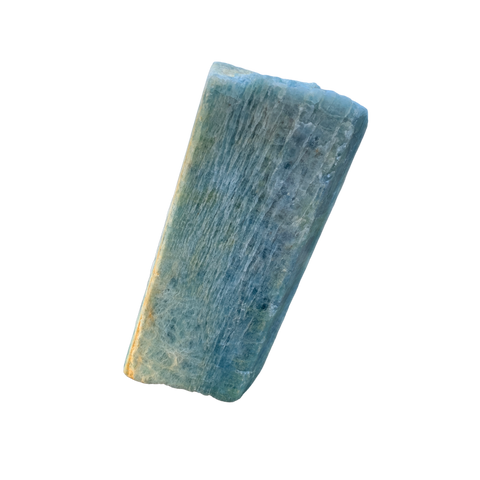
 Blue Kyanitefor confidence
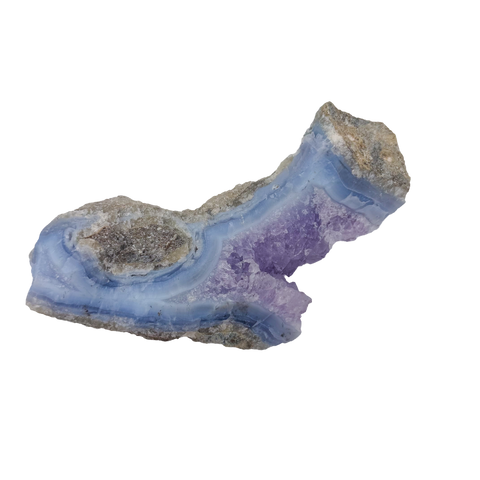
 Blue Lace Agatefor stress relief
 Chrysocollafor emotional healing
 Fluoritefor focus
 Garnetfor energy
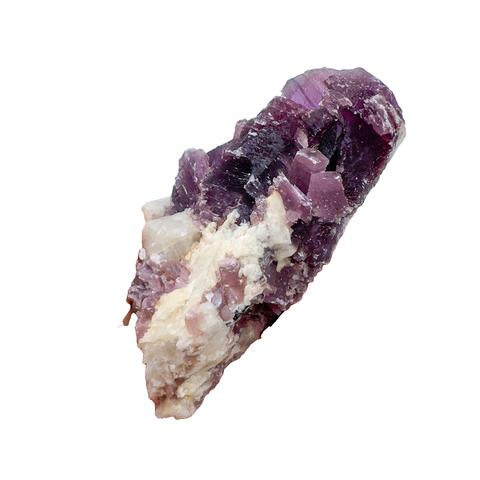
 Lepidolitefor stress relief
 Malachitefor emotional healing
 Moonstonefor grounding
 Obsidianfor protection
 Ocean Jasperfor emotional healing
 Red Jasperfor grounding
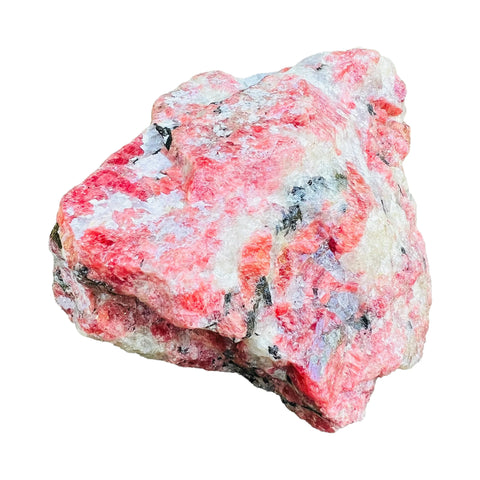
 Rhodonitefor emotional healing
 Selenitefor cleansing
 Sodalitefor focus
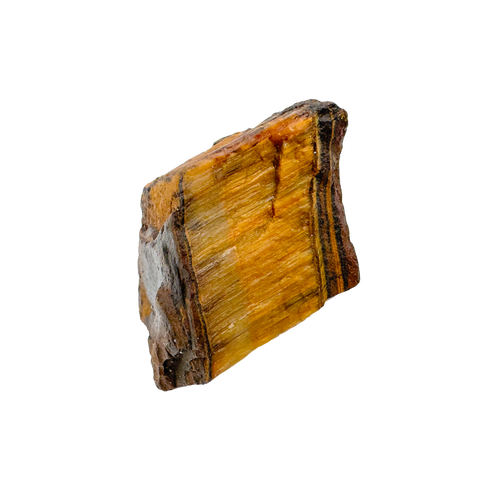
 Tiger Eyefor confidence
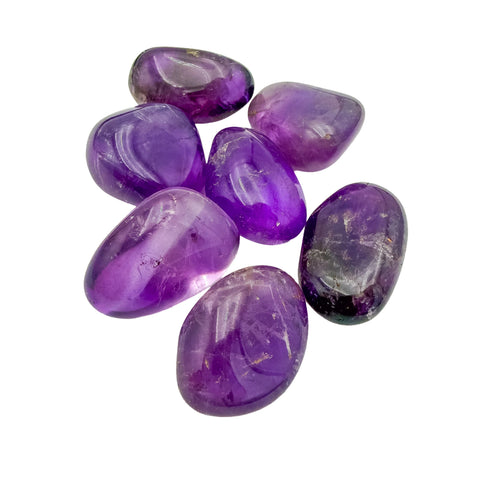


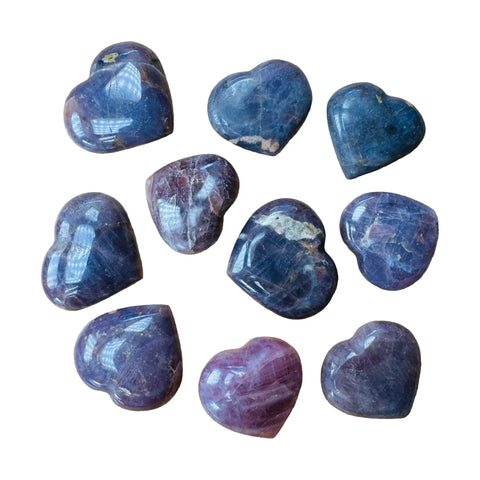
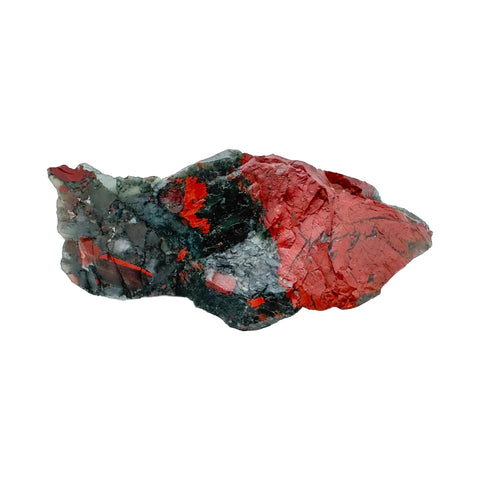
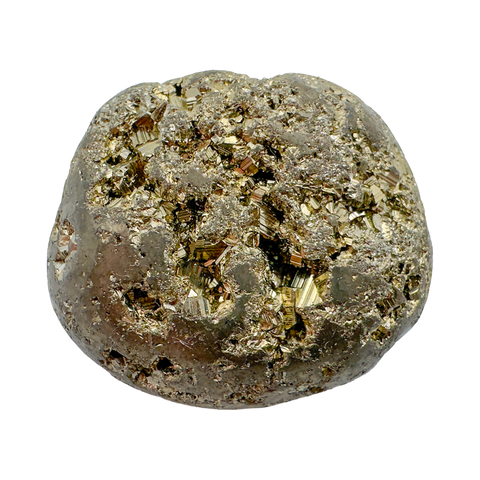
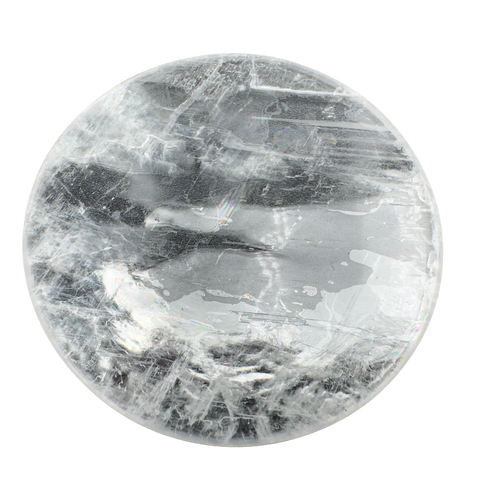


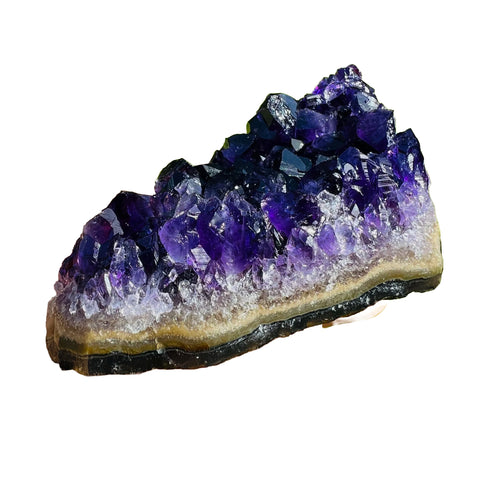





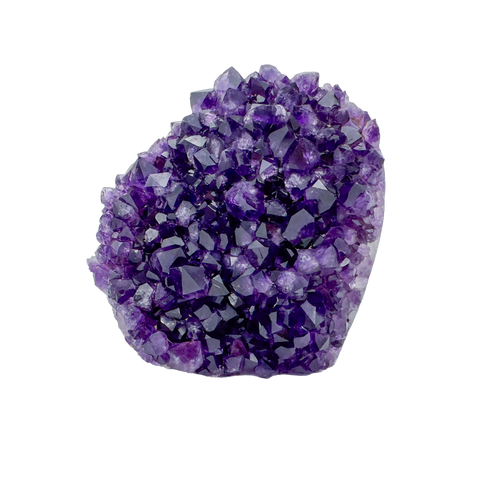
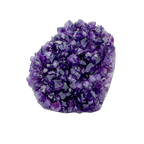 Amethyst
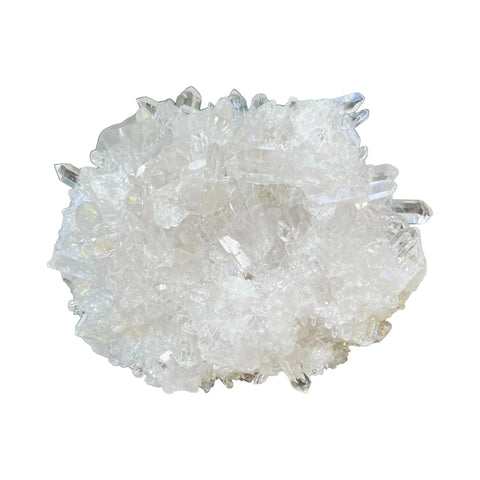
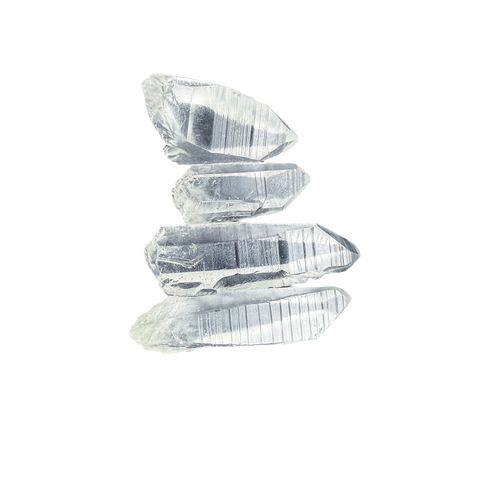
 Clear Quartz
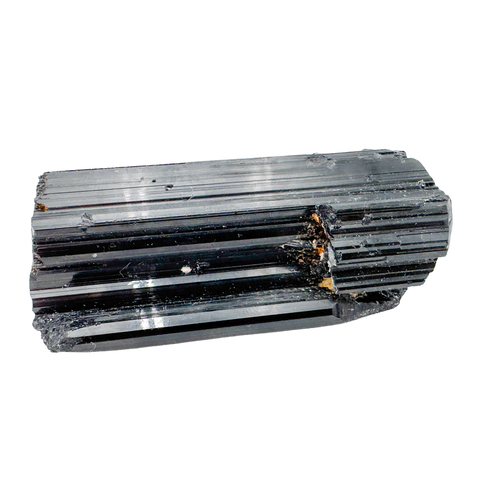
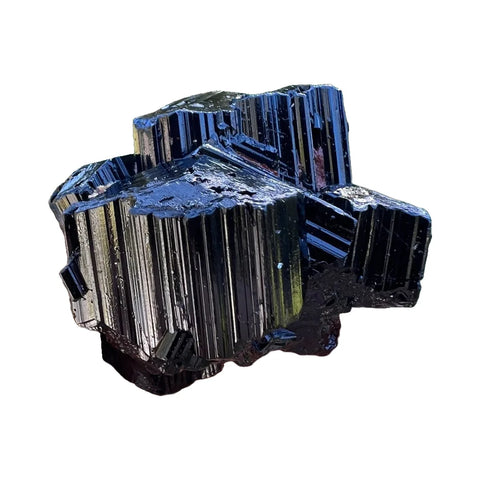
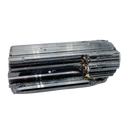 Black Tourmaline
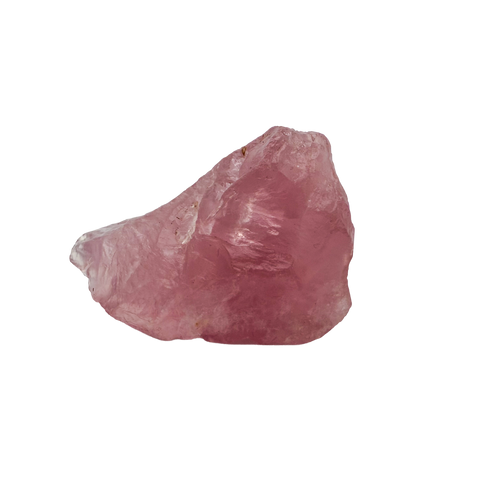
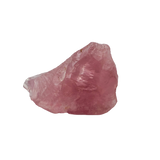 Rose Quartz
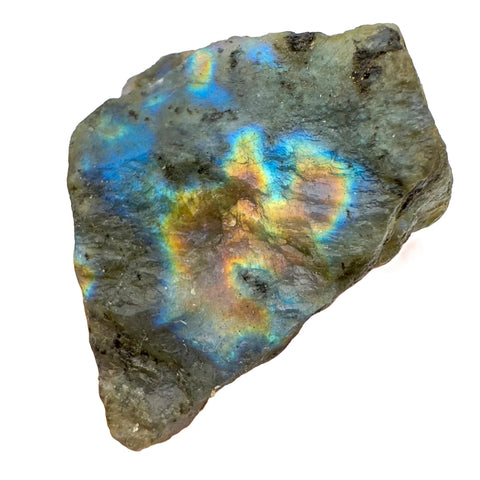
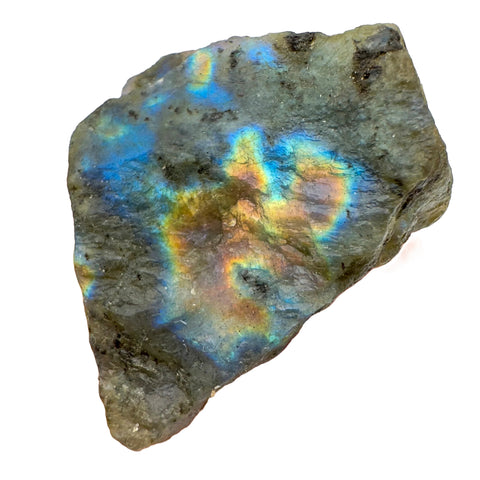
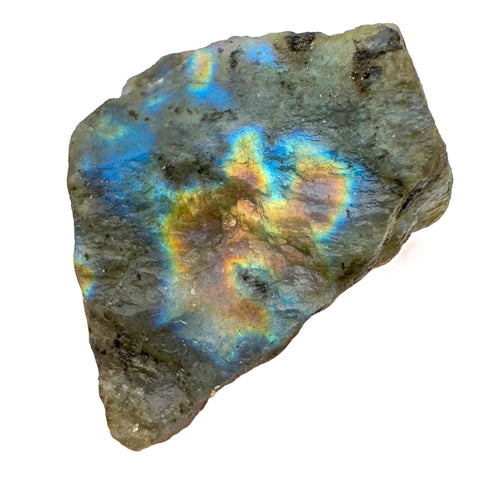
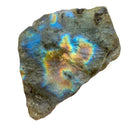 Labradorite
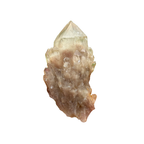 Natural Citrine
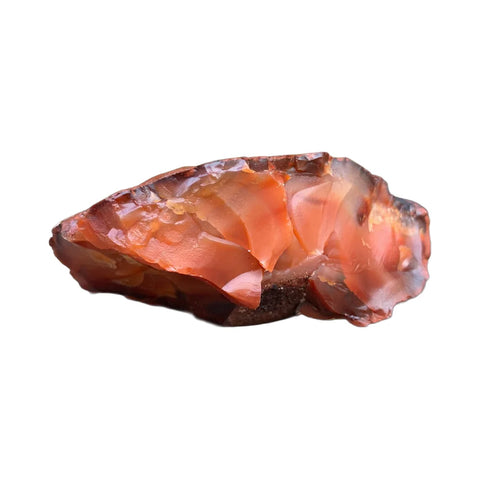
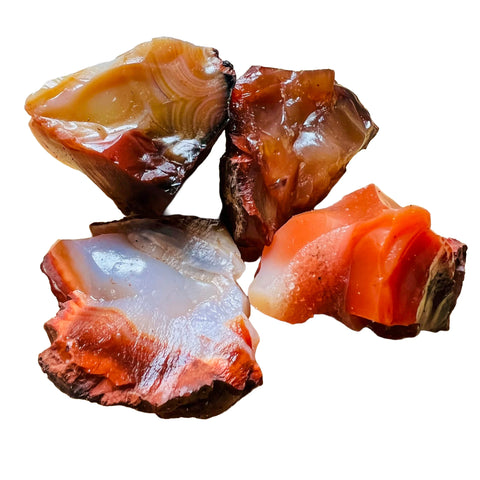
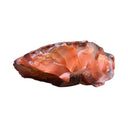 Carnelian
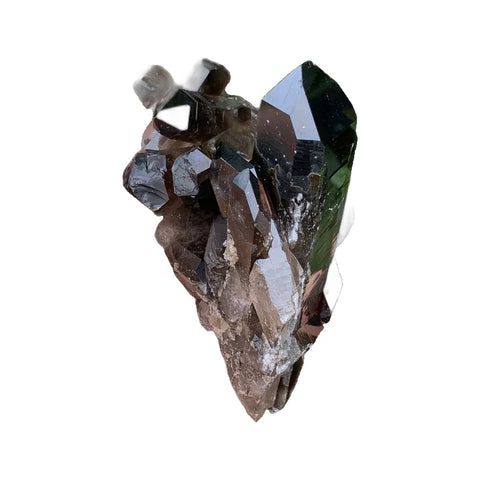
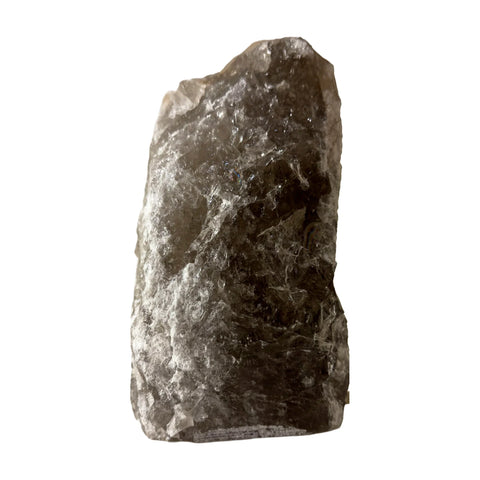
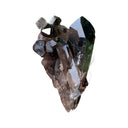 Smoky Quartz
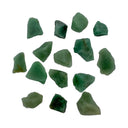 Aventurine
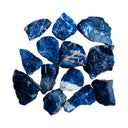 Sodalite
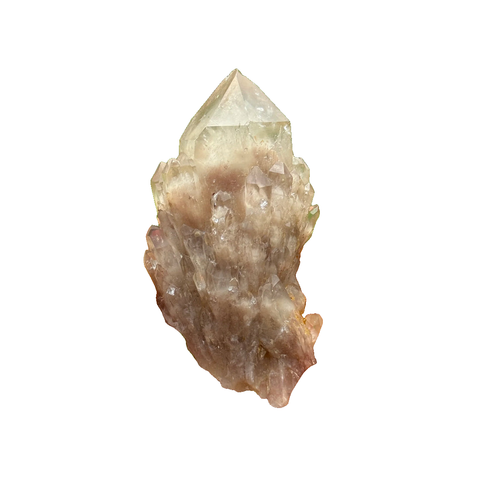
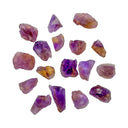 Ametrine
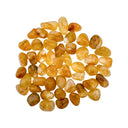 Golden Healer
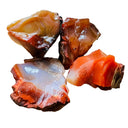 Raw Stones
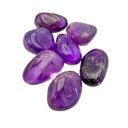 Tumbled Stones
 Palm Stones
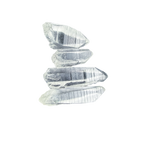 Crystal Points
 Clusters & Geodes
 Polished & Decor
 Mineral Specimens
 Crystal Chips
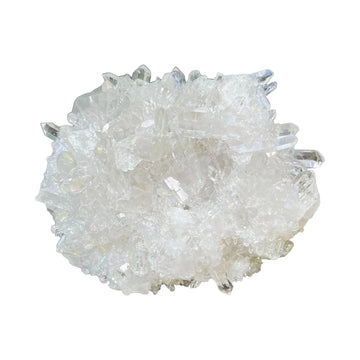
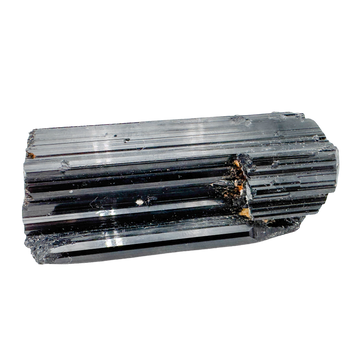
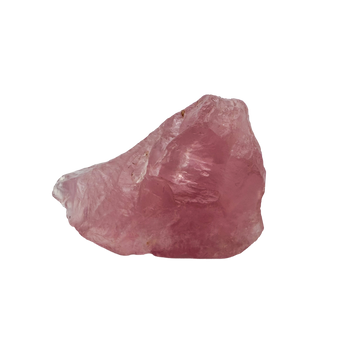
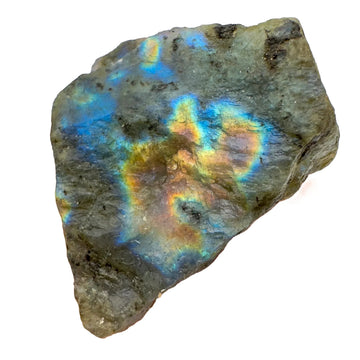
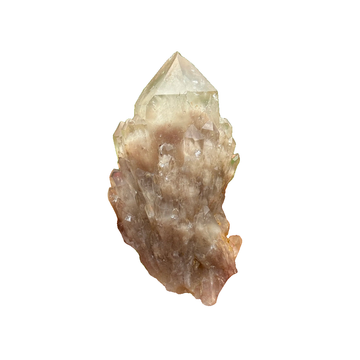
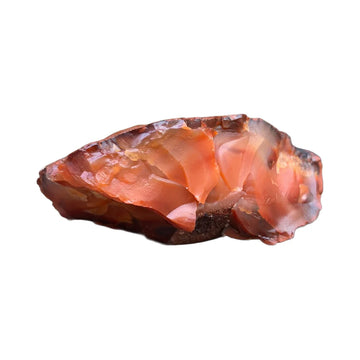
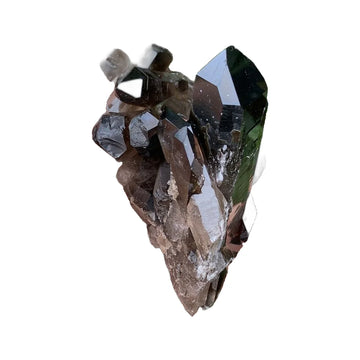
 Raw Stones
179 to choose from
Raw Stones
179 to choose from
 Tumbled Stones
162 to choose from
Tumbled Stones
162 to choose from
 Palm Stones
25 to choose from
Palm Stones
25 to choose from
 Crystal Points
23 to choose from
Crystal Points
23 to choose from
 Clusters & Geodes
103 to choose from
Clusters & Geodes
103 to choose from
 Polished & Decor
148 to choose from
Polished & Decor
148 to choose from
 Mineral Specimens
257 to choose from
Mineral Specimens
257 to choose from
 Crystal Chips
21 to choose from
Crystal Chips
21 to choose from


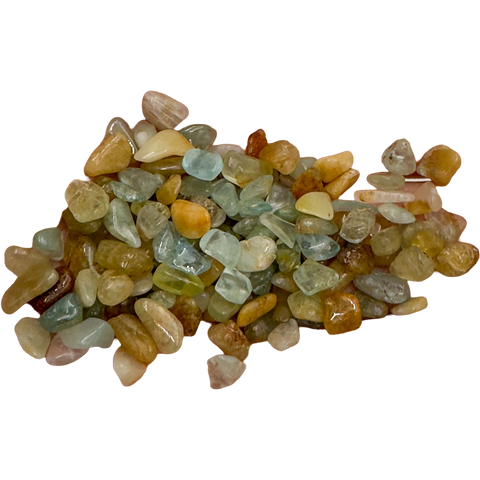
 AngolaAquamarine
›
AngolaAquamarine
›
 BotswanaCarnelian, Tree Agate
›
BotswanaCarnelian, Tree Agate
›
 DR CongoMalachite, Natural Citrine
›
DR CongoMalachite, Natural Citrine
›
 EswatiniBloodstone
›
EswatiniBloodstone
›
 MadagascarLabradorite, Clear Quartz
›
MadagascarLabradorite, Clear Quartz
›
 MalawiBlue Lace Agate, Garnet
›
MalawiBlue Lace Agate, Garnet
›
 MozambiqueAmazonite
›
MozambiqueAmazonite
›
 NamibiaSodalite, Blue Lace Agate
›
NamibiaSodalite, Blue Lace Agate
›
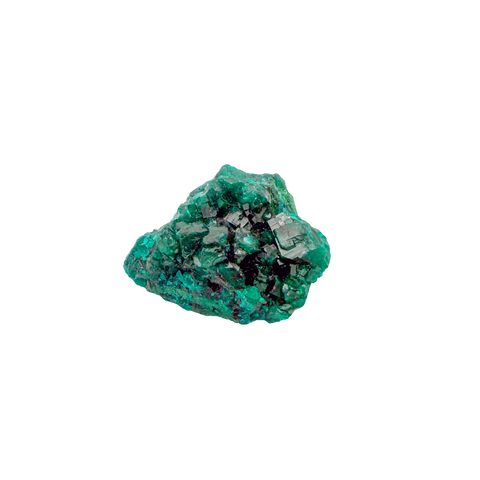
 Republic of the CongoDioptase
›
Republic of the CongoDioptase
›
 South AfricaTiger Eye, Unakite
›
South AfricaTiger Eye, Unakite
›
 ZambiaChevron Amethyst
›
ZambiaChevron Amethyst
›
 ZimbabweEmerald, Rhodonite
›
ZimbabweEmerald, Rhodonite
›
 ArgentinaBlack Obsidian, Rhodochrosite
›
ArgentinaBlack Obsidian, Rhodochrosite
›
 BoliviaAmetrine
›
BoliviaAmetrine
›
 BrazilAmethyst, Clear Quartz
›
BrazilAmethyst, Clear Quartz
›
 PeruSerpentine, Jade
›
PeruSerpentine, Jade
›
 UruguayAmethyst
›
UruguayAmethyst
›
 Dominican RepublicLarimar
›
Dominican RepublicLarimar
›
 MexicoRainbow Obsidian, Crazy Lace Agate
›
MexicoRainbow Obsidian, Crazy Lace Agate
›
 United StatesSelenite, Peridot
›
United StatesSelenite, Peridot
›
 ChinaFluorite
›
ChinaFluorite
›
 RussiaShungite
›
RussiaShungite
›
 AustraliaMookaite
›
AustraliaMookaite
›
 Where our crystals come from
See where we source →
Where our crystals come from
See where we source →


 Aries
Mar 21 to Apr 19
Carnelian
›
Aries
Mar 21 to Apr 19
Carnelian
›
 Taurus
Apr 20 to May 20
Rose Quartz
›
Taurus
Apr 20 to May 20
Rose Quartz
›
 Gemini
May 21 to Jun 20
Agate
›
Gemini
May 21 to Jun 20
Agate
›
 Cancer
Jun 21 to Jul 22
Moonstone
›
Cancer
Jun 21 to Jul 22
Moonstone
›
 Leo
Jul 23 to Aug 22
Citrine
›
Leo
Jul 23 to Aug 22
Citrine
›
 Virgo
Aug 23 to Sep 22
Amazonite
›
Virgo
Aug 23 to Sep 22
Amazonite
›
 Libra
Sep 23 to Oct 22
Blue Lace Agate
›
Libra
Sep 23 to Oct 22
Blue Lace Agate
›
 Scorpio
Oct 23 to Nov 21
Obsidian
›
Scorpio
Oct 23 to Nov 21
Obsidian
›
 Sagittarius
Nov 22 to Dec 21
Sodalite
›
Sagittarius
Nov 22 to Dec 21
Sodalite
›
 Capricorn
Dec 22 to Jan 19
Black Tourmaline
›
Capricorn
Dec 22 to Jan 19
Black Tourmaline
›
 Aquarius
Jan 20 to Feb 18
Amethyst
›
Aquarius
Jan 20 to Feb 18
Amethyst
›
 Pisces
Feb 19 to Mar 20
Aquamarine
›
Gifting?
A birthday stone is the safe bet.
Read the zodiac guide →
Pisces
Feb 19 to Mar 20
Aquamarine
›
Gifting?
A birthday stone is the safe bet.
Read the zodiac guide →


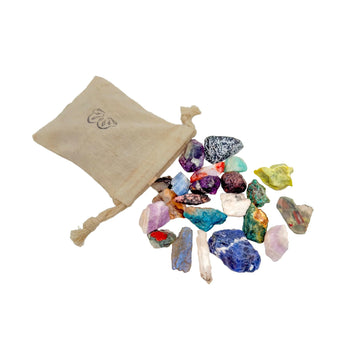
Celestite
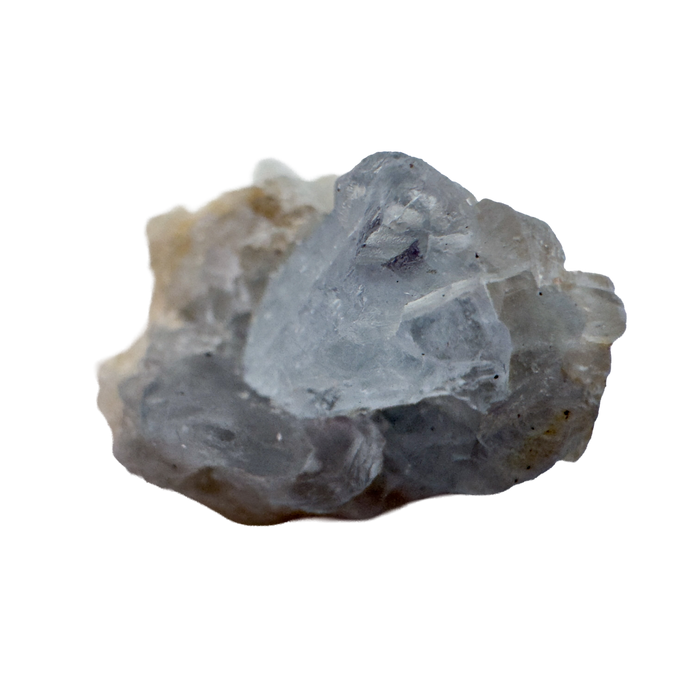
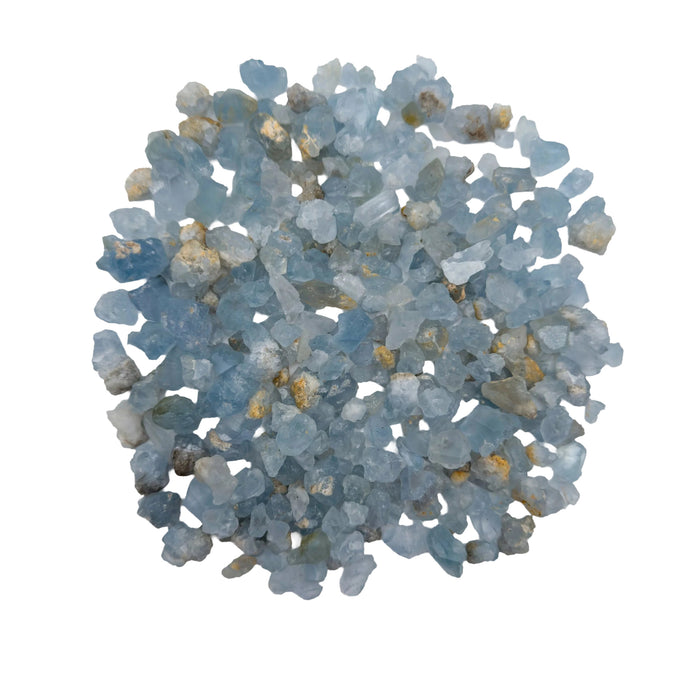
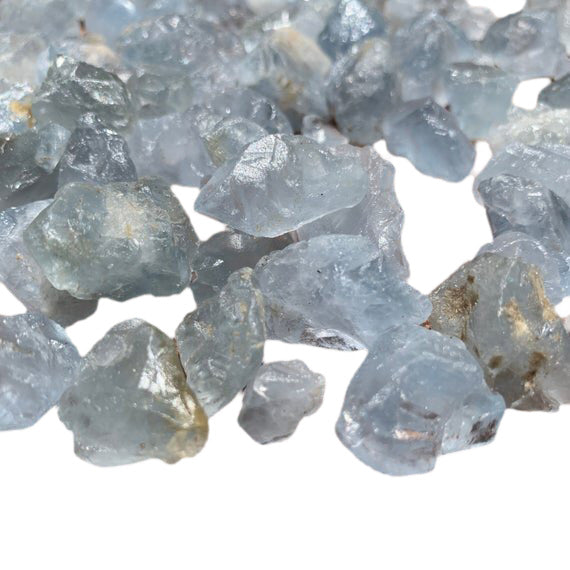
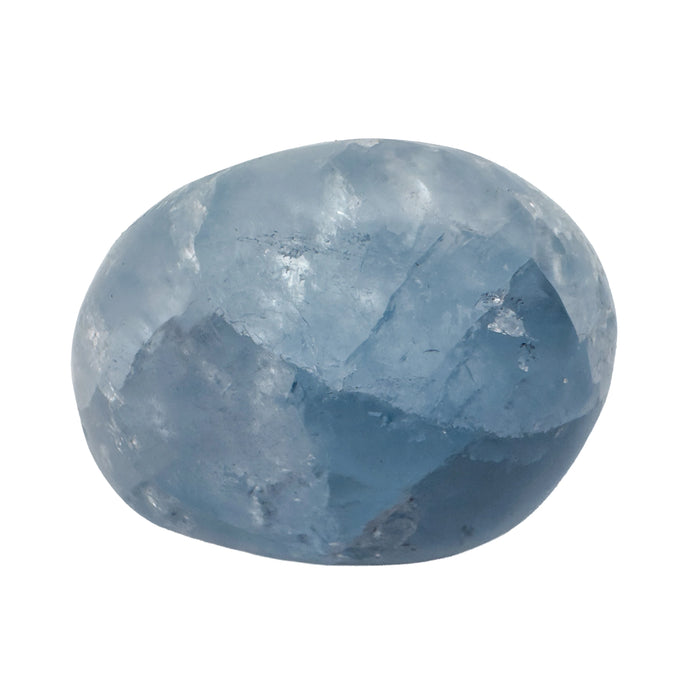
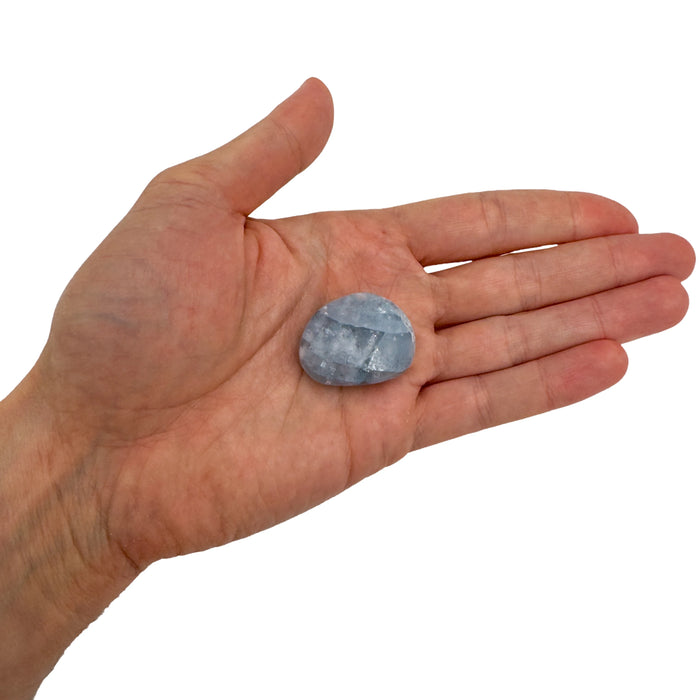
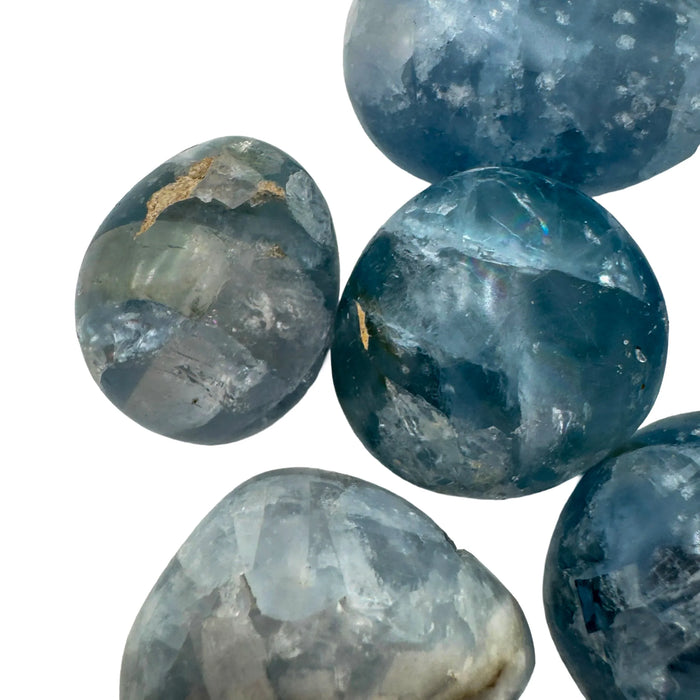
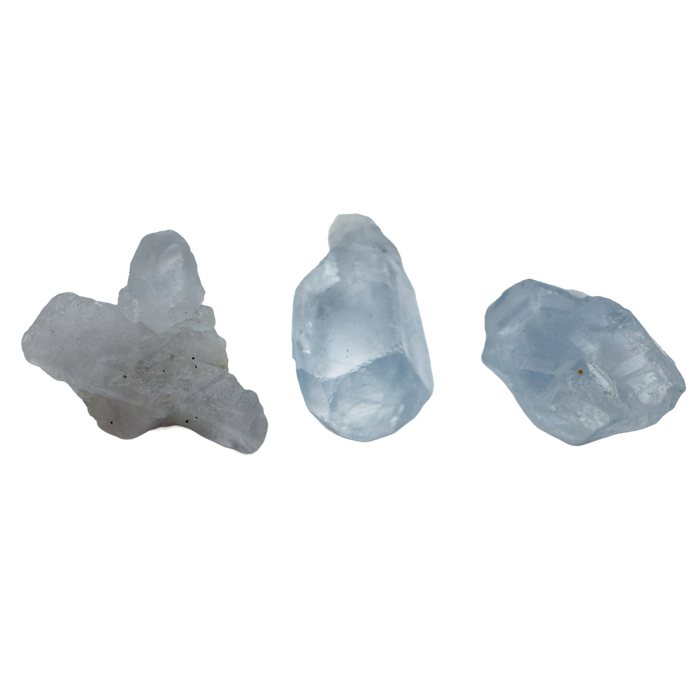
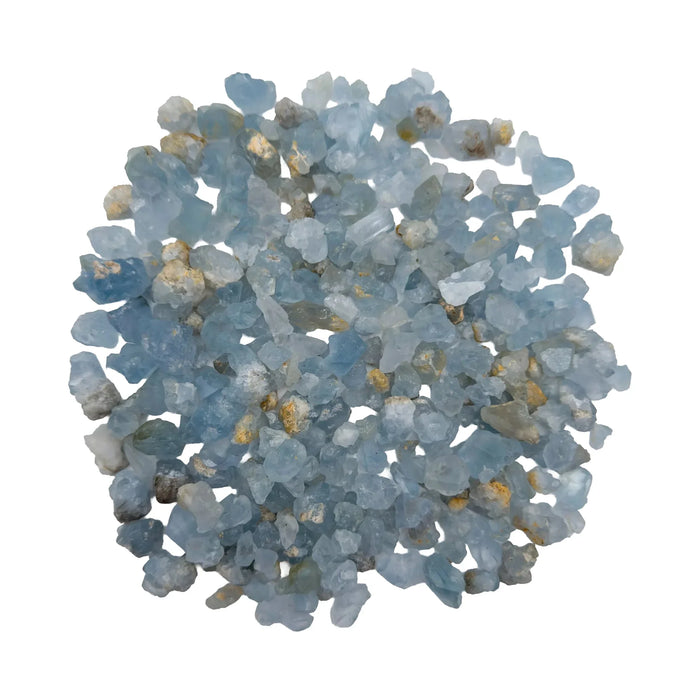
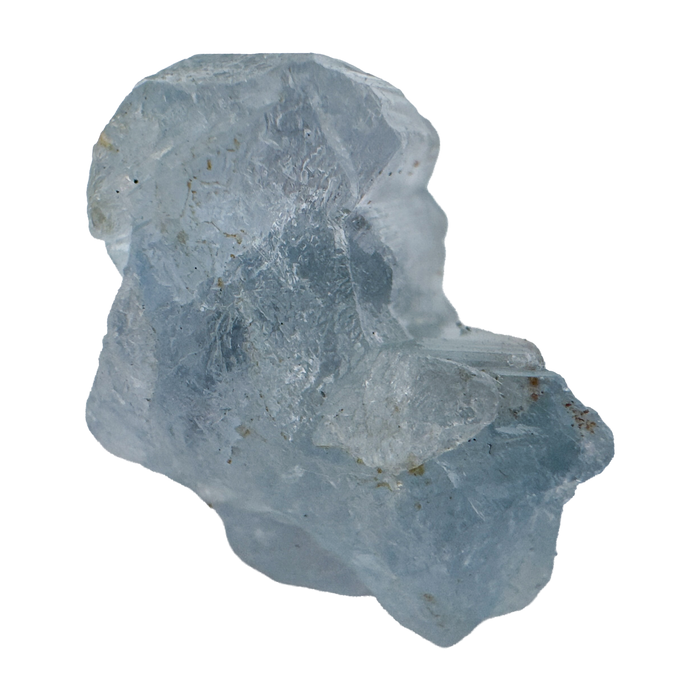
Celestite, also called celestine, is a pale blue-to-clear strontium sulfate mineral that forms as delicate, glass-like crystals clustered inside geode cavities. The finest commercial celestite comes from Madagascar's Sakoany deposits. It is soft and fragile, and the pale blue color fades in direct sunlight, which is why care matters with this stone. Celestite is rarely treated in the market because the natural color is desirable and treatment would damage the fragile crystals.
Shop celestiteCelestite, in stock now.
Our most-loved Celestite pieces, ready to ship.
- from 1,000+ reviews
- Ships within 72 hoursMonday to Friday, tracked
- 90 days to return itif you do not love it
- Free US shipping over $99$8.99 flat rate under
The geology.
Celestite is a strontium sulfate mineral with the chemical formula SrSO4. The pale blue color comes from trace amounts of iron impurities within the crystal structure. The mineral forms as distinct crystals, often collecting in clusters called geodes, where thin, blade-like crystals point outward from a central cavity or pocket. These crystals are characteristically fragile and transparent to translucent, with a glass-like luster. Celestite sits at 3 to 3.5 on the Mohs hardness scale, making it significantly softer than quartz but similar to calcite. The specific gravity is around 3.95 to 4.0, which is notably heavier than many common crystals for its size.
The orthorhombic crystal system produces the characteristic blade and plate forms that make celestite so visually distinctive. Celestite typically shows perfect cleavage, meaning it can fracture cleanly along crystal planes. This property, combined with its softness and delicate crystal form, makes handling, shipping, and care particularly important. One critical characteristic: the pale blue color in celestite can fade gradually when exposed to direct sunlight over extended periods. This is a natural response of the iron-impurity coloring to ultraviolet light and is not a sign of mistreatment or poor quality. The fading happens slowly, over months or years, and is entirely reversible chemically, though the color shift itself is permanent once it occurs.
The origins.
Madagascar is the source of over 90 percent of commercially available celestite, with the Sakoany deposits in the northwest producing the finest crystal clusters. The geodes are mined from pegmatite and hydrothermal zones, often hand-extracted to preserve the delicate crystal structure. Sakoany celestite is characteristically pale sky-blue, with clear, sharp crystals and minimal damage. The material that reaches the market is carefully selected during mining and again during export vetting, which is why the best Malagasy celestite commands higher prices but shows exceptional quality and intact crystal form.
Morocco also produces celestite, typically from deposits in the central and eastern regions. Moroccan material sometimes shows slightly deeper blue tones or occasional color banding, and the crystal forms can be more varied than Malagasy sources. While less common in the North American market than Madagascar, Moroccan celestite is equally genuine and often offers distinctive visual character that appeals to collectors.
Celestite deposits exist in other regions, including Mexico, Peru, and the United States, but Madagascar and Morocco dominate commercial supply. The softness and fragility of celestite crystals mean that mining and handling directly impact the final quality. Rough extraction methods that shake or crush the geode can shatter the delicate blade crystals, reducing the saleable material significantly. This is why smaller-scale, hand-careful operations tend to produce superior results.
Traditional associations.
Celestite has been part of crystal practice for decades, gaining popularity in the 1970s and 1980s as mineral exploration made these delicate geodes available to Western collectors and practitioners. The name itself comes from the Latin caelestis, meaning heavenly or of the sky, and the pale sky-blue color of fine specimens connects it visually to this etymology. Traditional associations developed around the qualities people intuited from holding and meditating with the stone: calm, clarity, gentle communication, and connection to higher awareness.
In modern crystal work, celestite is primarily associated with the Throat and Third Eye chakras. Many people work with it for mental clarity, peaceful communication, and quieting racing thoughts. It is often chosen alongside other gentle, dreamy stones like selenite or amethyst when someone seeks subtle support for meditation or spiritual openness. The traditional associations emphasize its role in easing anxiety, facilitating divine communication, and fostering the kind of inner peace that comes from stillness rather than effort. The fragility of the stone itself is sometimes seen as part of its teaching: learning to handle it with care becomes a practice in gentleness.
Spotting the real thing.
Genuine celestite has a glass-like luster and shows distinct blade-shaped crystals clustered in formations. The color is pale to medium sky-blue, with transparency that allows light to pass through the individual crystal points. The crystals are soft enough to scratch with a copper coin, and the delicate form is easily damaged if the geode is dropped or handled roughly. Look for pieces where the crystals show natural variation in tone and clarity, rather than absolute uniformity, which signals genuine formation variation.
Dyed or treated celestite substitutes feel harder and do not scratch easily. These imitations often show artificially uniform color and lack the natural transparency of genuine celestite. Some substitutes are synthetic materials designed to mimic the visual effect but without the mineral properties. A practical test: genuine celestite reacts to weak acid (a tiny amount of vinegar on a hidden edge will produce a slight fizz), while most substitutes will not. If a piece feels hard, shows no color variation, is glossy rather than glassy, or scratches resistant under gentle pressure, it is not celestite. The softness and the delicate crystal form are defining features, not negotiable.
Care & handling.
Celestite is one of the most fragile crystals in regular use. The soft orthorhombic crystals are easily damaged by pressure, knocking, or moisture. Never soak or submerge celestite in water. Brief rinsing under cool running water is acceptable if necessary, but avoid salt water, warm water, and prolonged water contact. Dry care is best. Do not use ultrasonic or steam cleaners. Store the piece separately from harder minerals, and keep it away from abrasive cloth or rough handling. Handle with both hands when moving it, and store in a padded box or soft cloth pouch.
The pale blue color fades gradually with prolonged direct sunlight exposure, which is a natural property of the mineral. If you want to preserve the color intensity, keep the stone in soft indirect light when not in use. Brief periods of sunlight are fine, but avoid daily direct sun exposure over months. For energetic cleansing, use smoke, sound, moonlight, or breath rather than water or salt. The delicacy of celestite is central to its presence and appeal. Treat that fragility as a feature that invites mindful handling and intentional care.
Pairs well with.
Proof, not promises.
We measure our own sourcing across five dimensions. Supply chain, environmental footprint, artisan support, market integrity, and pricing. The number is honest, not perfect. Where we can do better, we say so.
A deeper look.
Extended geology, sourcing, authentication, color fading, crystal structure, and pricing for when the quick guide isn't quite enough.
Extended geology
Celestite is a strontium sulfate mineral, SrSO4, crystallizing in the orthorhombic system. The distinctive blade and plate crystal forms result from this crystal structure. Pale blue color comes from trace iron impurities substituting for strontium positions in the crystal lattice. These iron concentrations vary with each deposit and even within single geodes, creating the natural color variation visible in high-quality specimens.
The mineral forms in hydrothermal veins and pegmatite deposits, where slow crystallization allows the development of well-defined crystal faces. Commercial celestite always occurs as clusters of crystals within geode cavities rather than as isolated points. The crystals often radiate from a central point, creating a striking visual form. This geode structure is fundamental to how celestite is mined, worked, and valued.
Hardness sits at 3 to 3.5 on the Mohs scale. Specific gravity is 3.95 to 4.0, which is notably heavier than most common crystals for their size. The mineral shows perfect cleavage, meaning it fractures cleanly along crystal planes. This property combined with softness makes the stone quite fragile. Under a loupe, you can see the blade-like crystal form and sometimes subtle color gradation from base to termination.
Color fading with sunlight
Celestite's pale blue color fades gradually with prolonged exposure to direct ultraviolet light. This is a natural response of the iron-impurity coloring mechanism to UV radiation. The fading happens slowly, over months or years of daily direct sunlight, and is entirely irreversible in terms of the color shift itself, though the mineral remains chemically unchanged.
If you want to preserve the color intensity as it is now, store your celestite in soft indirect light when not displaying or carrying it. Brief periods of indirect sunlight are fine. Extended daily direct sun exposure will cause noticeable dulling over time. This fading is one of the most reliable ways to test for genuine celestite, as dyed or synthetic imitations typically do not show this natural color shift.
Sourcing in Madagascar and Morocco
Madagascar's Sakoany deposits in the northwest region produce the finest commercial celestite, characterized by pale sky-blue crystals, excellent clarity, and superior structural integrity. The deposits are worked through hand-mining of pegmatite zones, which preserves the delicate crystal structure. Production involves careful extraction and on-site sorting before export vetting.
Morocco's celestite deposits produce material with occasionally deeper blue tones and sometimes visible banding. The crystal forms can be more varied than Madagascar material, and the availability in the North American market is more limited. Moroccan celestite is equally genuine and often sought by collectors for its distinctive character.
The critical difference between high-quality and compromised celestite is mining method. Rough or mechanical extraction that shakes or crushes geodes shatters the delicate blade crystals. Hand-careful operations produce superior results with intact, stunning specimens. This is why sourcing relationships and supplier care matter more for celestite than for many other minerals.
Authentication and testing
Genuine celestite shows glass-like crystal luster and distinct blade-shaped crystal points. The color is pale to medium sky-blue with transparency allowing light through individual crystals. The stone is soft, scratching easily under fingernail or copper coin. Dyed substitutes are typically harder and show no such scratching. The natural transparency of genuine celestite is difficult to mimic in synthetic materials.
The delicate blade form of genuine celestite is impossible to achieve in most synthetic or dyed imitations. Pieces that show uniformly hard, opaque material or perfectly rounded forms are likely not celestite. Under a loupe, genuine celestite shows the characteristic blade and plate morphology; synthetic material shows none of this structure.
The acid test (vinegar on a hidden edge produces a slight fizz) confirms the strontium sulfate chemistry definitively, though this is destructive and best saved for pieces you do not intend to keep. More practical: if a stone is hard, opaque, does not show the blade crystal structure, and scratches glass rather than the reverse, it is not celestite.
Pricing and market notes
Small, well-formed celestite clusters run $12 to $30 per piece depending on size and crystal quality. Medium display pieces typically $25 to $60. Large, exceptional specimens with superior clarity and intact crystals command $60 to $150 or more. Very large or gallery-quality pieces can reach $200 to $500.
Commodity-priced celestite (under $10) should prompt questions about origin and crystal quality. At those prices, the material usually reflects smaller size or compromised crystal form rather than bargains. Conversely, celestite priced far above these ranges often reflects the rarity of the specific specimen or gallery sourcing rather than the mineral itself.
Warning signs: celestite sold without origin disclosure, material claimed to be dyed or heat-treated when natural status is claimed, pieces with severely compromised crystals sold as display-quality, and sellers unable to discuss mining source or methods.
Good sourcing is a practice, not a claim.
Nothing we sell is dyed, stabilized, reconstituted, or color-enhanced without full disclosure. We name our origins where we can. We say so when we cannot. We walk away from material that does not meet our standard, even when it costs us sales.
Bring celestite home.
Raw celestite clusters from Madagascar and Morocco. Natural pale blue, unaltered, hand-selected for crystal quality and structural integrity. Each piece comes with origin documentation and care guidelines specific to this delicate mineral.
Shop the celestite collectionGrounded Connections
New stones go to the list first.
No forwarding, no selling. Unsubscribe in one click. Privacy