


 Agatefor stress relief
 Amazonitefor stress relief
 Aquamarinefor serenity
 Aventurinefor luck
 Bloodstonefor energy
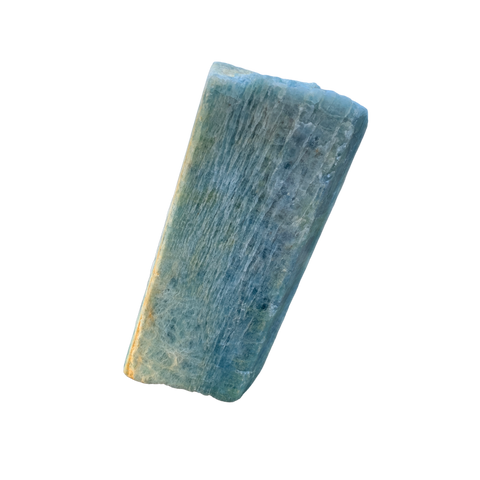
 Blue Kyanitefor confidence
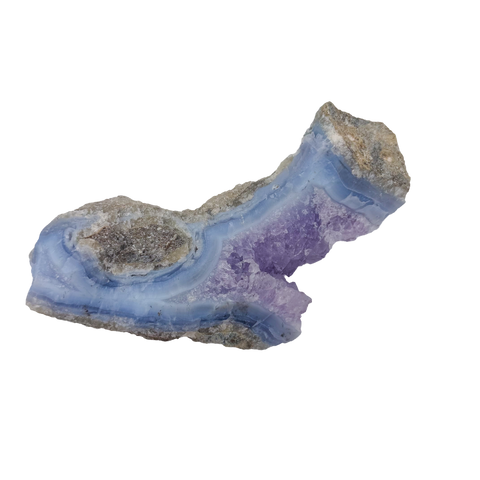
 Blue Lace Agatefor stress relief
 Chrysocollafor emotional healing
 Fluoritefor focus
 Garnetfor energy
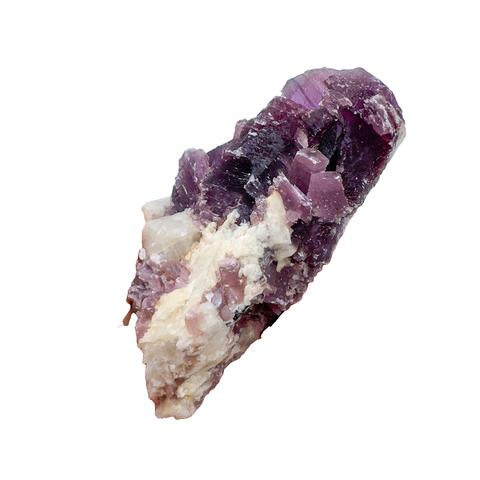
 Lepidolitefor stress relief
 Malachitefor emotional healing
 Moonstonefor grounding
 Obsidianfor protection
 Ocean Jasperfor emotional healing
 Red Jasperfor grounding
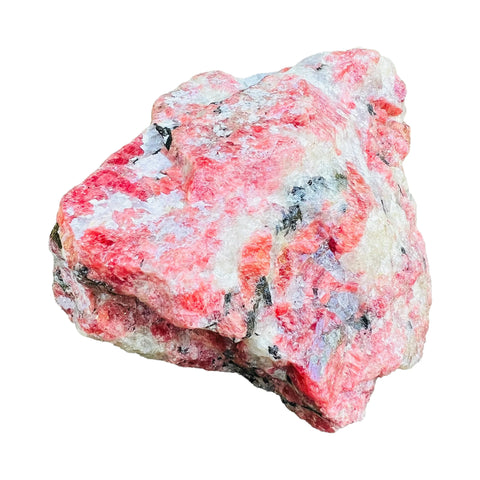
 Rhodonitefor emotional healing
 Selenitefor cleansing
 Sodalitefor focus
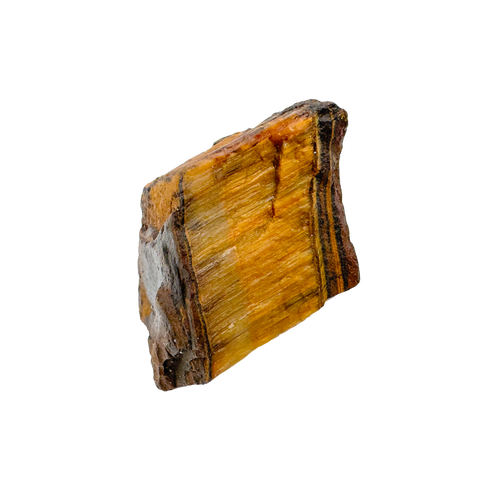
 Tiger Eyefor confidence
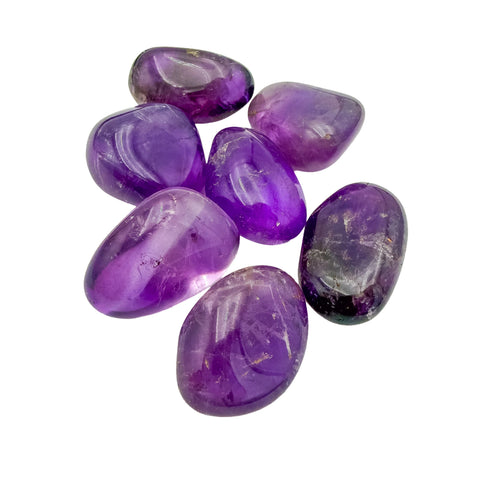


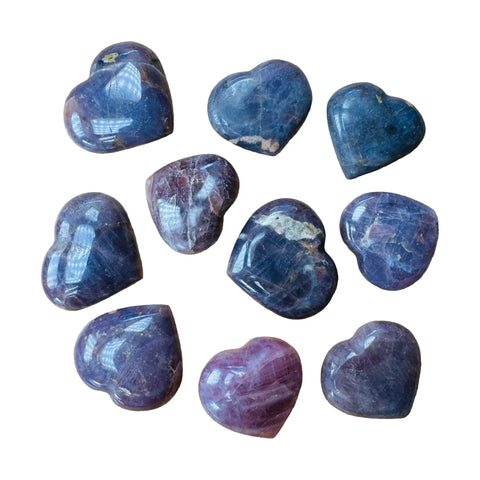
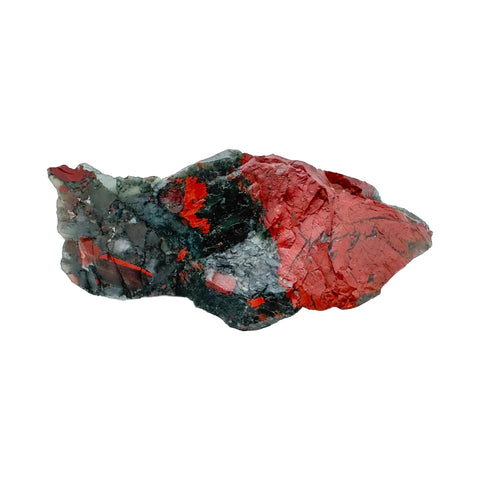
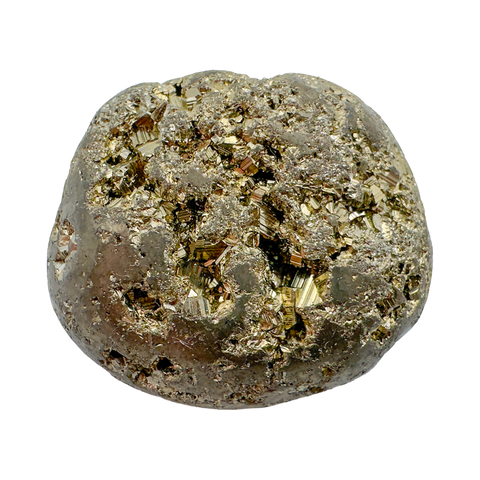
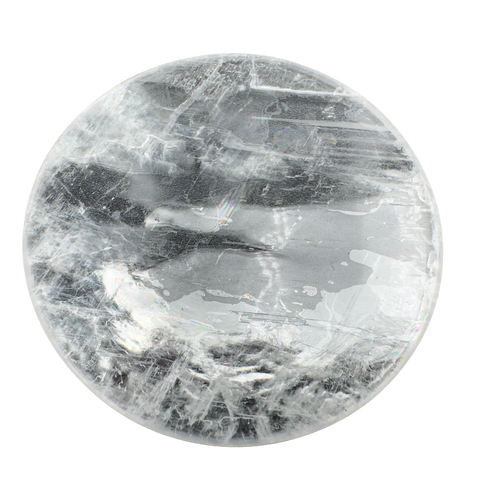








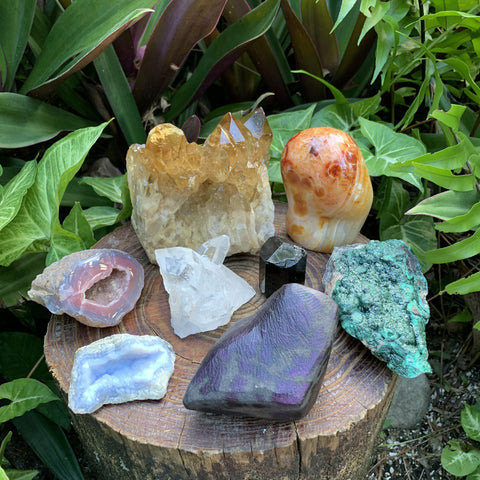
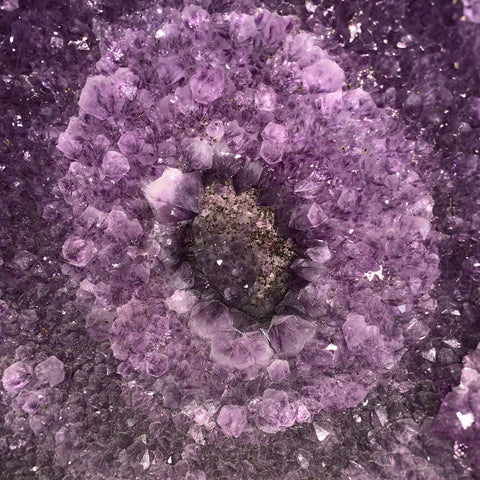
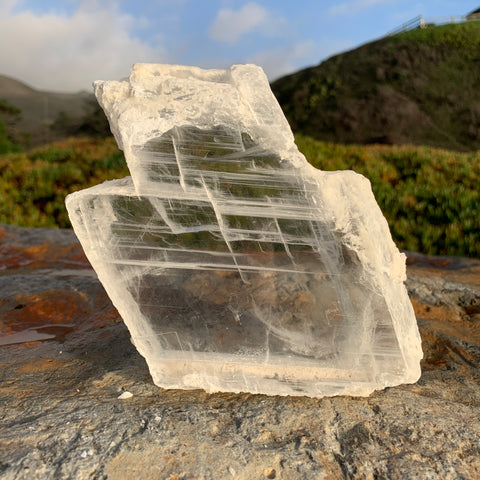
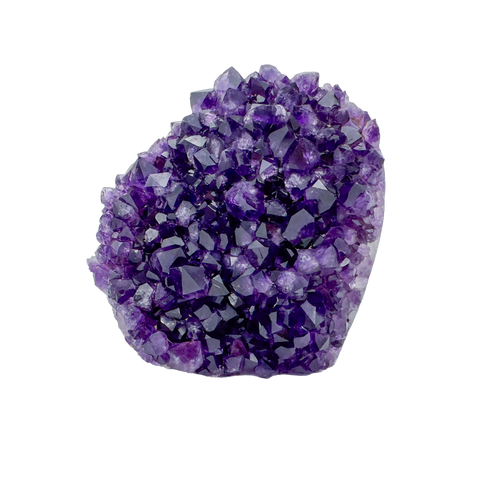
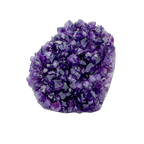 Amethyst
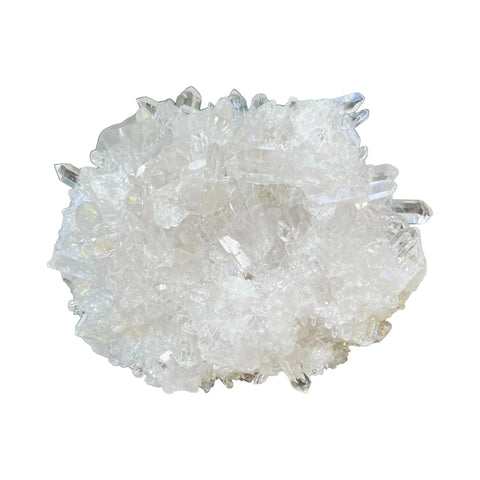
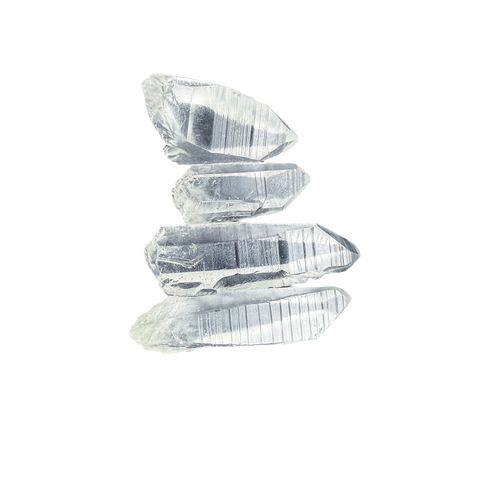
 Clear Quartz
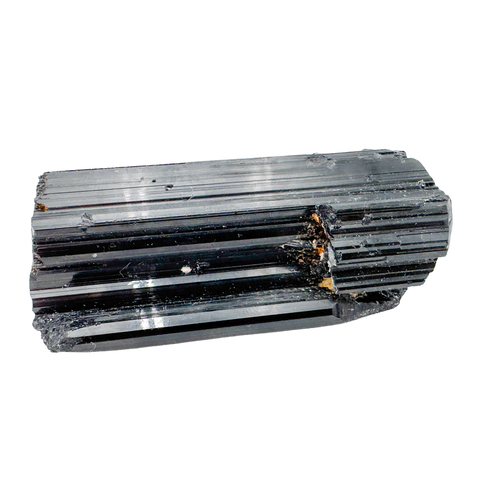
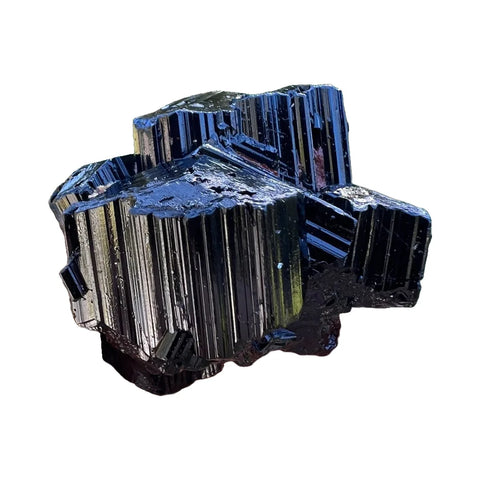
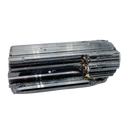 Black Tourmaline
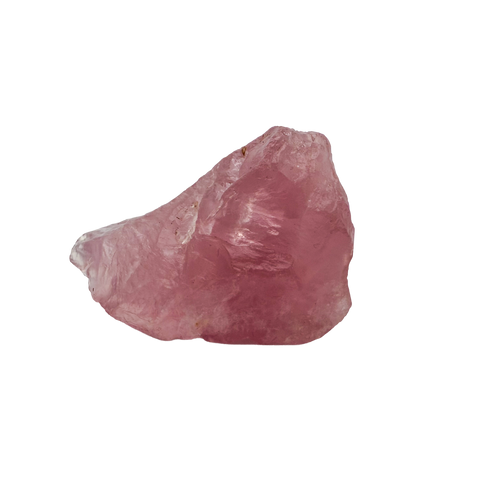
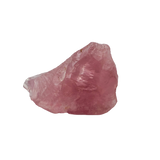 Rose Quartz
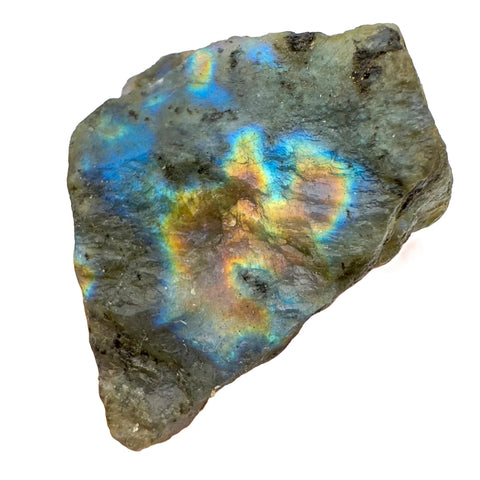
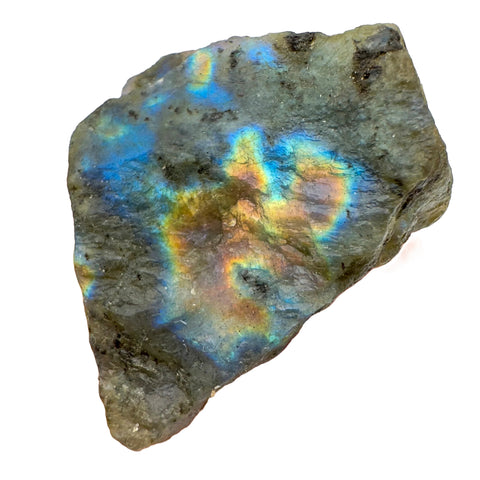
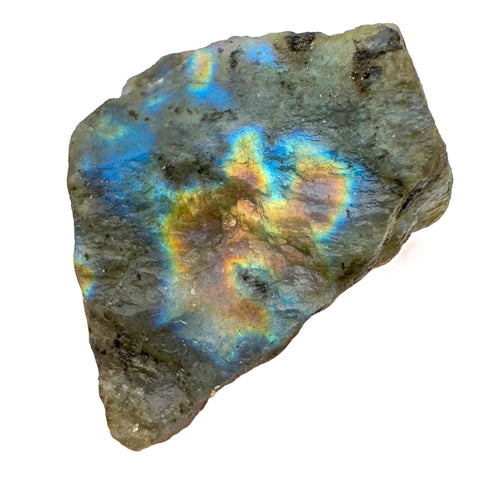
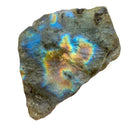 Labradorite
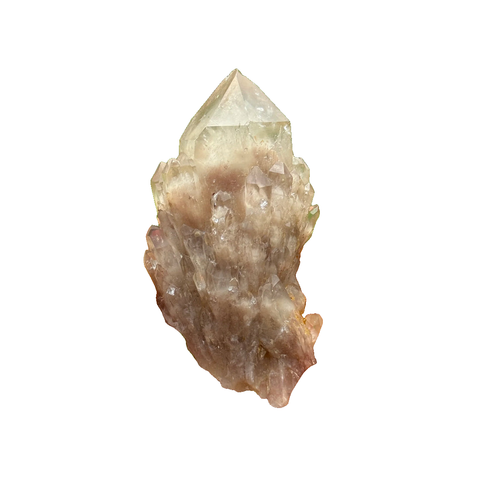
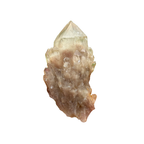 Natural Citrine
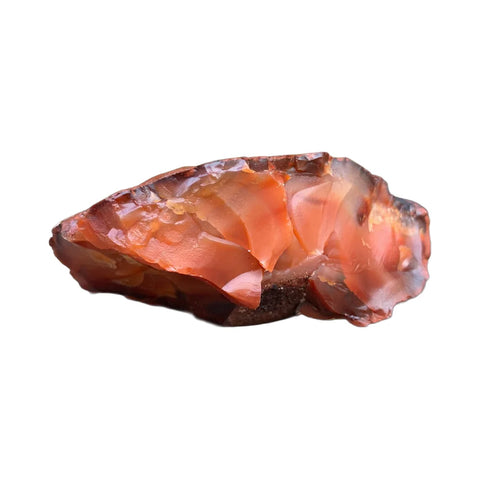
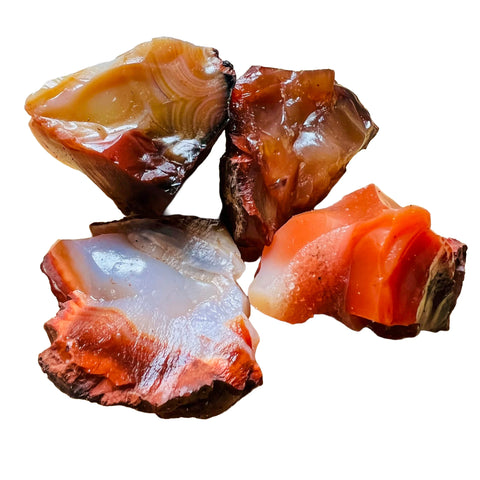
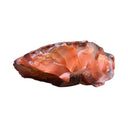 Carnelian
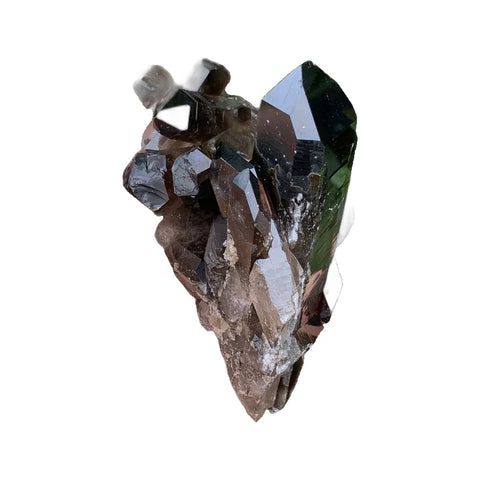
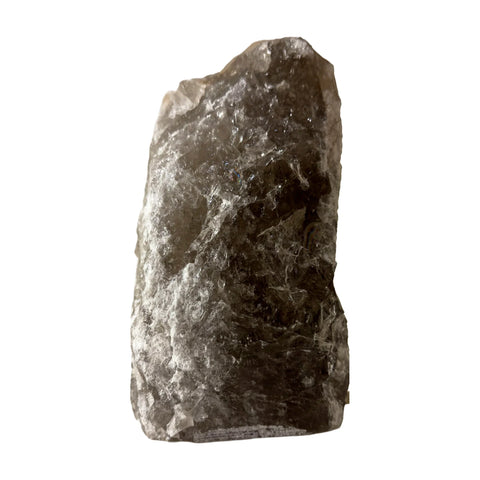
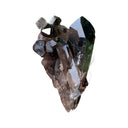 Smoky Quartz
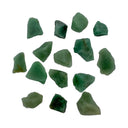 Aventurine
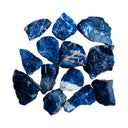 Sodalite
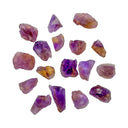 Ametrine
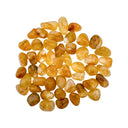 Golden Healer
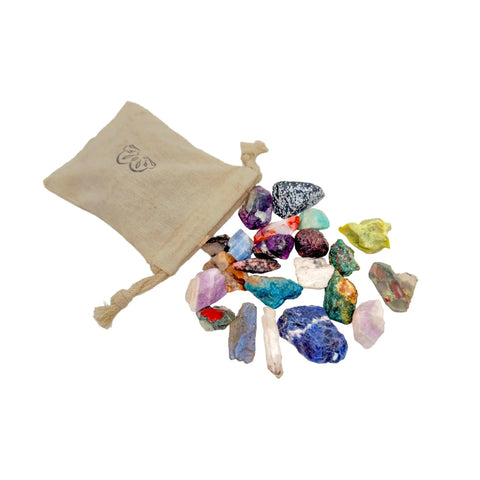
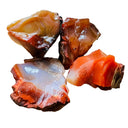 Raw Stones
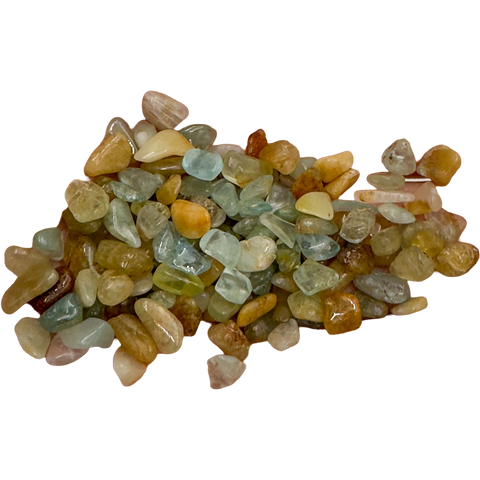
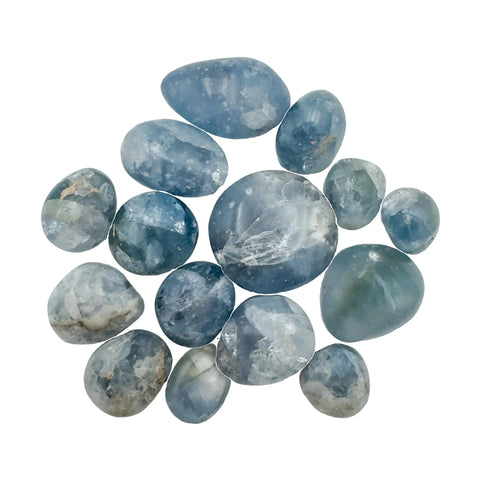
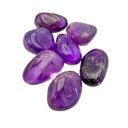 Tumbled Stones
 Palm Stones
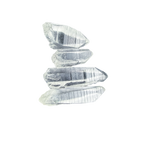 Crystal Points
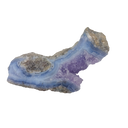 Clusters & Geodes
 Polished & Decor
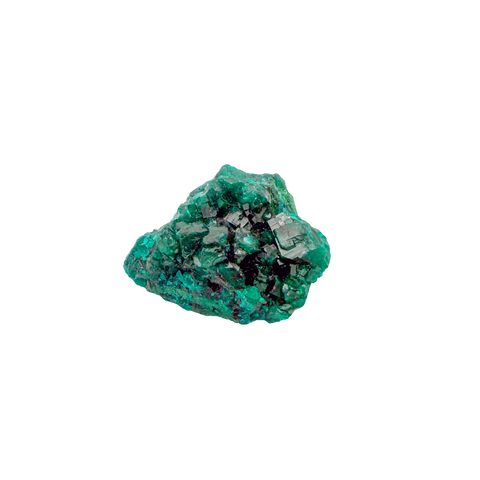
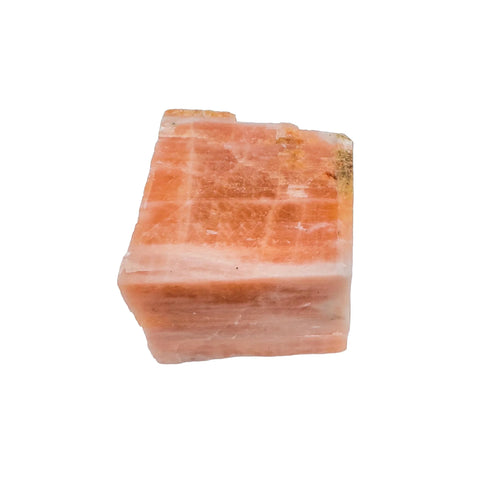
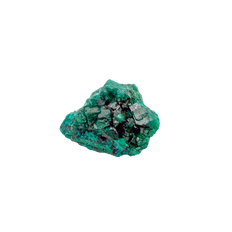 Mineral Specimens
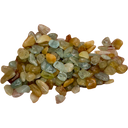 Crystal Chips
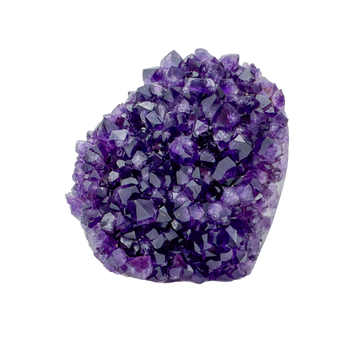
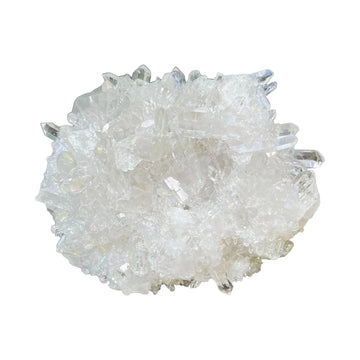
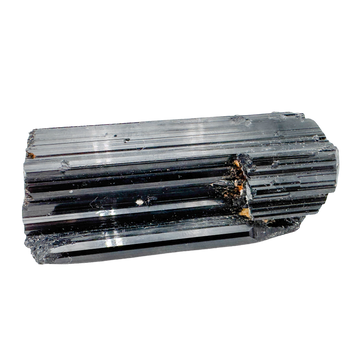
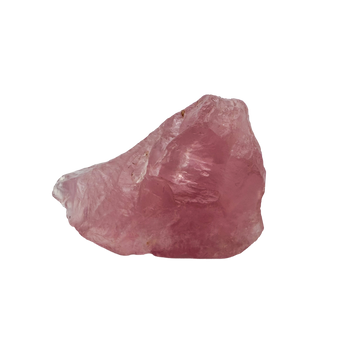
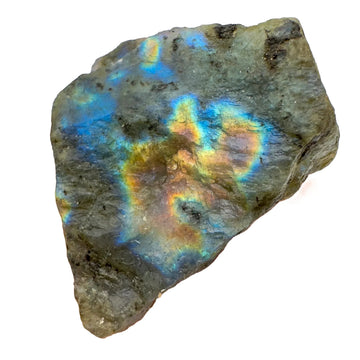
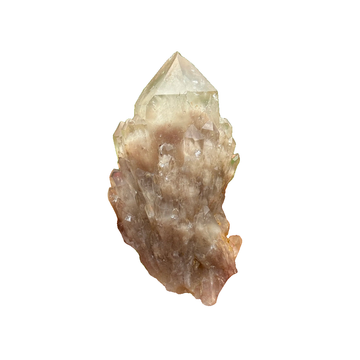
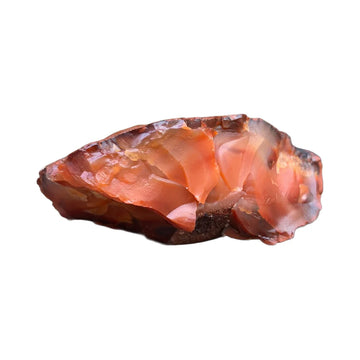
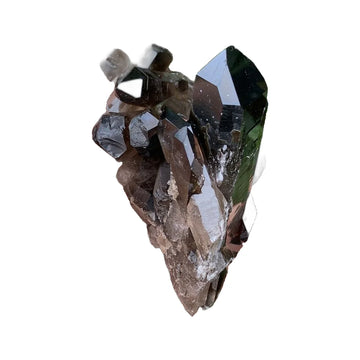
 Raw Stones
179 to choose from
Raw Stones
179 to choose from
 Tumbled Stones
162 to choose from
Tumbled Stones
162 to choose from
 Palm Stones
25 to choose from
Palm Stones
25 to choose from
 Crystal Points
23 to choose from
Crystal Points
23 to choose from
 Clusters & Geodes
96 to choose from
Clusters & Geodes
96 to choose from
 Polished & Decor
146 to choose from
Polished & Decor
146 to choose from
 Mineral Specimens
245 to choose from
Mineral Specimens
245 to choose from
 Crystal Chips
21 to choose from
Crystal Chips
21 to choose from


 AngolaAquamarine
›
AngolaAquamarine
›
 BotswanaCarnelian, Tree Agate
›
BotswanaCarnelian, Tree Agate
›
 DR CongoMalachite, Natural Citrine
›
DR CongoMalachite, Natural Citrine
›
 EswatiniBloodstone
›
EswatiniBloodstone
›
 MadagascarLabradorite, Clear Quartz
›
MadagascarLabradorite, Clear Quartz
›
 MalawiBlue Lace Agate, Garnet
›
MalawiBlue Lace Agate, Garnet
›
 MozambiqueAmazonite
›
MozambiqueAmazonite
›
 NamibiaSodalite, Blue Lace Agate
›
NamibiaSodalite, Blue Lace Agate
›
 Republic of the CongoDioptase
›
Republic of the CongoDioptase
›
 South AfricaTiger Eye, Unakite
›
South AfricaTiger Eye, Unakite
›
 ZambiaChevron Amethyst
›
ZambiaChevron Amethyst
›
 ZimbabweEmerald, Rhodonite
›
ZimbabweEmerald, Rhodonite
›
 ArgentinaBlack Obsidian, Rhodochrosite
›
ArgentinaBlack Obsidian, Rhodochrosite
›
 BoliviaAmetrine
›
BoliviaAmetrine
›
 BrazilAmethyst, Clear Quartz
›
BrazilAmethyst, Clear Quartz
›
 PeruSerpentine, Jade
›
PeruSerpentine, Jade
›
 UruguayAmethyst
›
UruguayAmethyst
›
 Dominican RepublicLarimar
›
Dominican RepublicLarimar
›
 MexicoRainbow Obsidian, Crazy Lace Agate
›
MexicoRainbow Obsidian, Crazy Lace Agate
›
 United StatesSelenite, Peridot
›
United StatesSelenite, Peridot
›
 ChinaFluorite
›
ChinaFluorite
›
 RussiaShungite
›
RussiaShungite
›
 AustraliaMookaite
›
AustraliaMookaite
›
 Where our crystals come from
See where we source →
Where our crystals come from
See where we source →


 Aquarius
Jan 20 to Feb 18
Amethyst
›
Aquarius
Jan 20 to Feb 18
Amethyst
›
 Pisces
Feb 19 to Mar 20
Aquamarine
›
Pisces
Feb 19 to Mar 20
Aquamarine
›
 Aries
Mar 21 to Apr 19
Carnelian
›
Aries
Mar 21 to Apr 19
Carnelian
›
 Taurus
Apr 20 to May 20
Rose Quartz
›
Taurus
Apr 20 to May 20
Rose Quartz
›
 Gemini
May 21 to Jun 20
Agate
›
Gemini
May 21 to Jun 20
Agate
›
 Cancer
Jun 21 to Jul 22
Moonstone
›
Cancer
Jun 21 to Jul 22
Moonstone
›
 Leo
Jul 23 to Aug 22
Citrine
›
Leo
Jul 23 to Aug 22
Citrine
›
 Virgo
Aug 23 to Sep 22
Amazonite
›
Virgo
Aug 23 to Sep 22
Amazonite
›
 Libra
Sep 23 to Oct 22
Blue Lace Agate
›
Libra
Sep 23 to Oct 22
Blue Lace Agate
›
 Scorpio
Oct 23 to Nov 21
Obsidian
›
Scorpio
Oct 23 to Nov 21
Obsidian
›
 Sagittarius
Nov 22 to Dec 21
Sodalite
›
Sagittarius
Nov 22 to Dec 21
Sodalite
›
 Capricorn
Dec 22 to Jan 19
Black Tourmaline
›
Gifting?
A birthday stone is the safe bet.
Read the zodiac guide →
Capricorn
Dec 22 to Jan 19
Black Tourmaline
›
Gifting?
A birthday stone is the safe bet.
Read the zodiac guide →


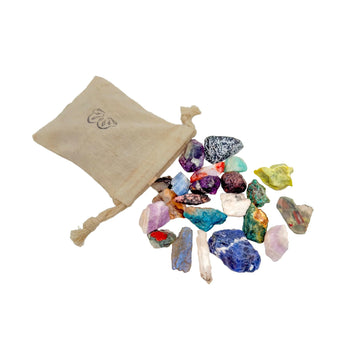
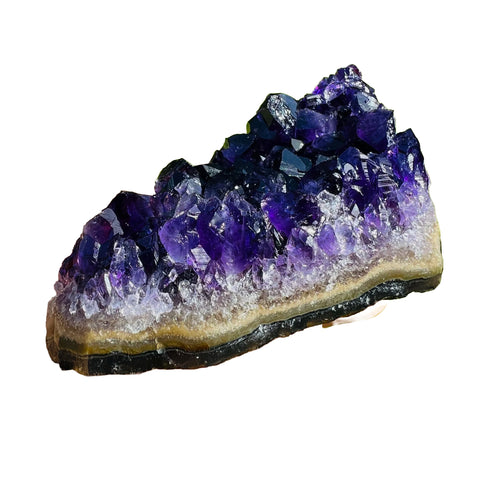
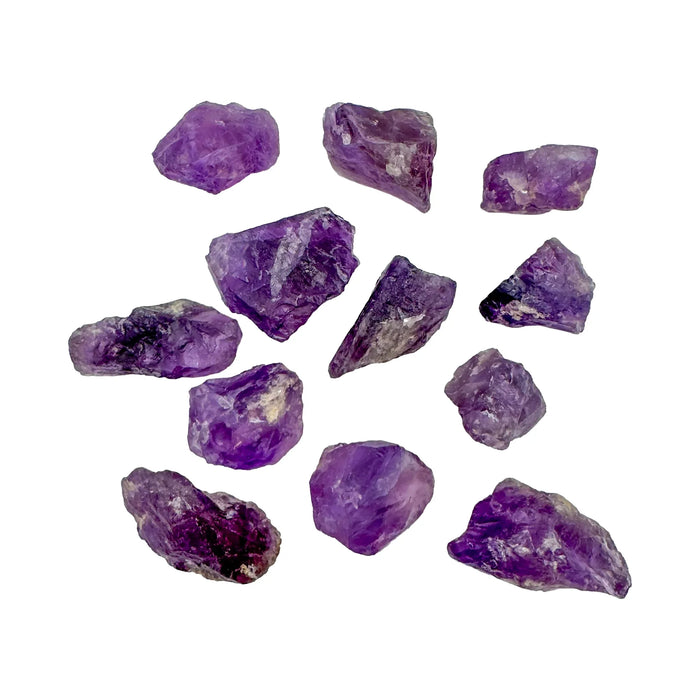
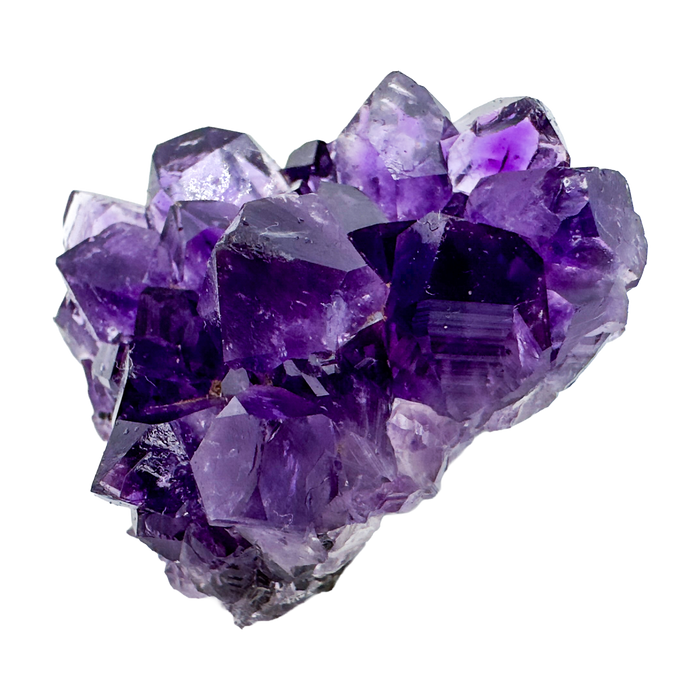
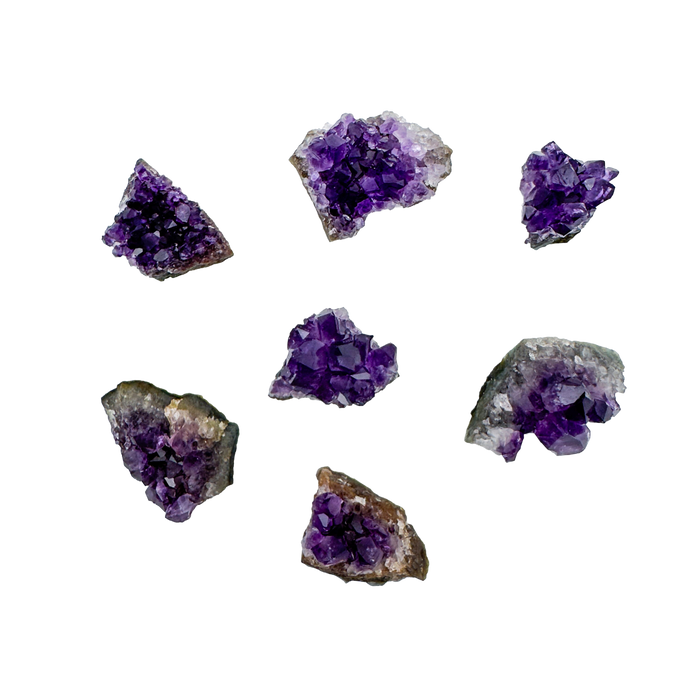
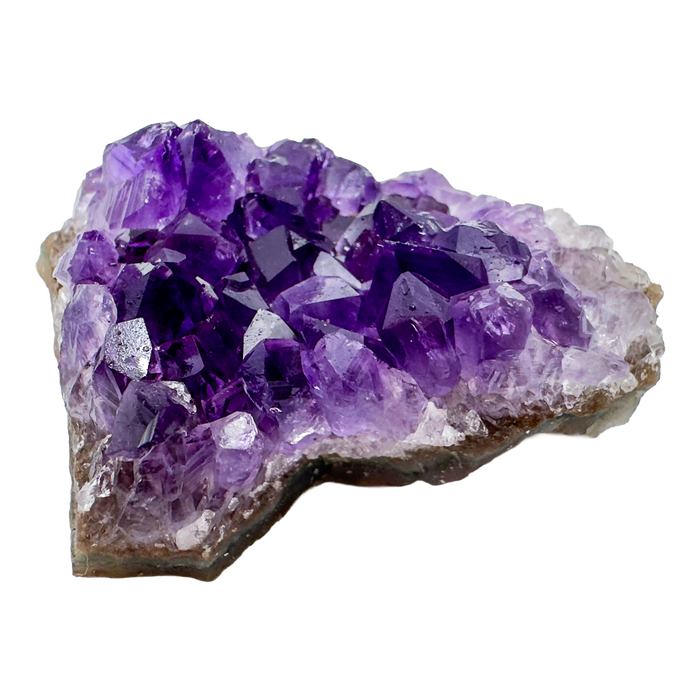
Amethyst
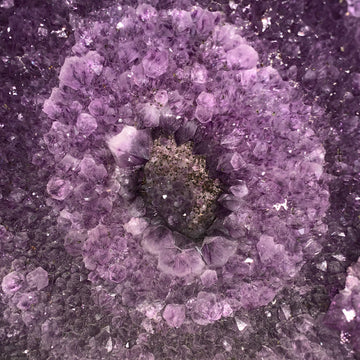
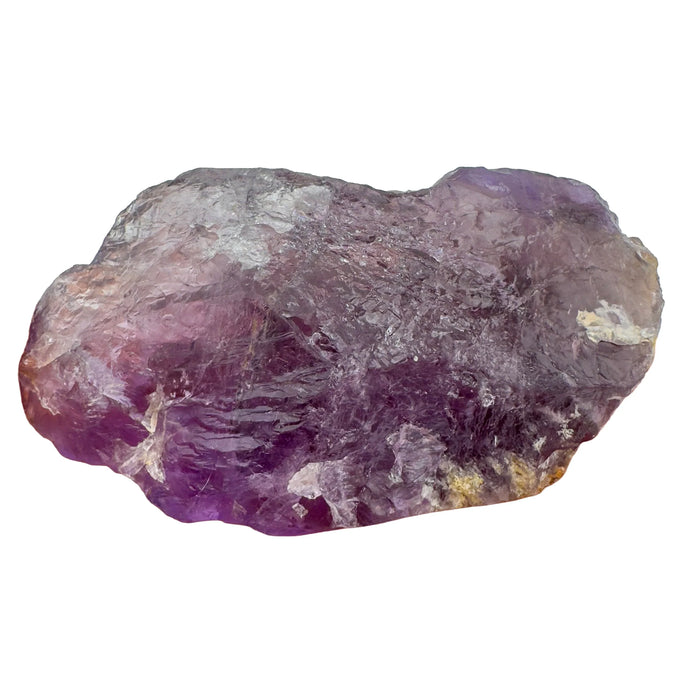
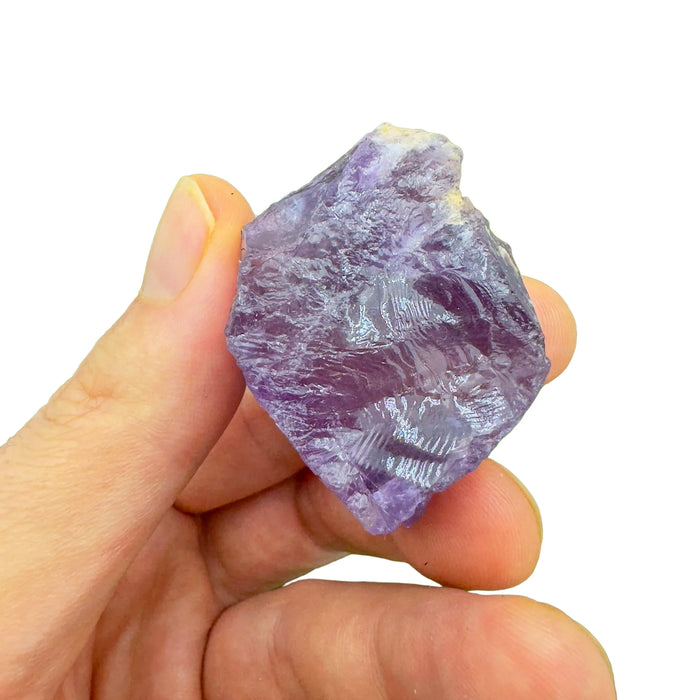
Amethyst is the purple variety of quartz, colored by trace iron and natural irradiation in the crystal lattice. It's one of the most widely recognized and beginner-friendly stones in the world, traditionally worked with for clarity, intuition, and rest. Because it's so widely available, honest sourcing and treatment disclosure matter more, not less.
Shop amethystAmethyst, in stock now.
Our most-loved Amethyst pieces, ready to ship.
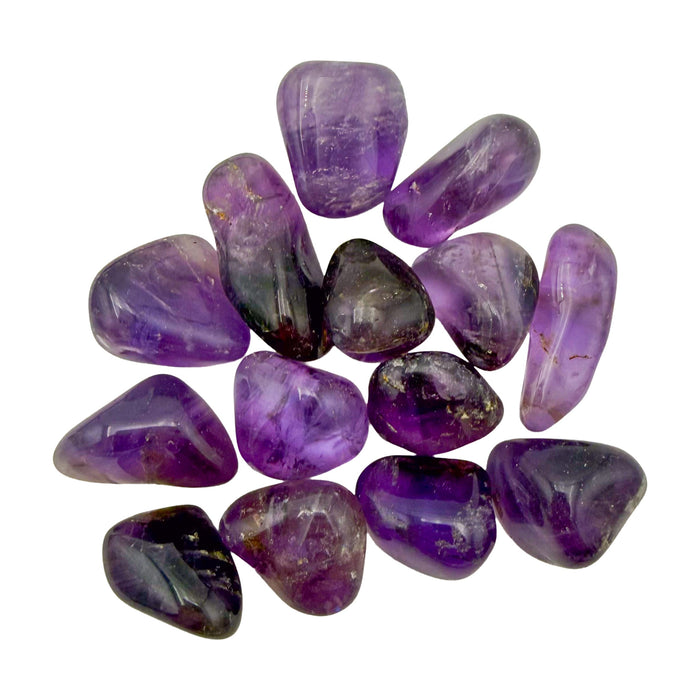
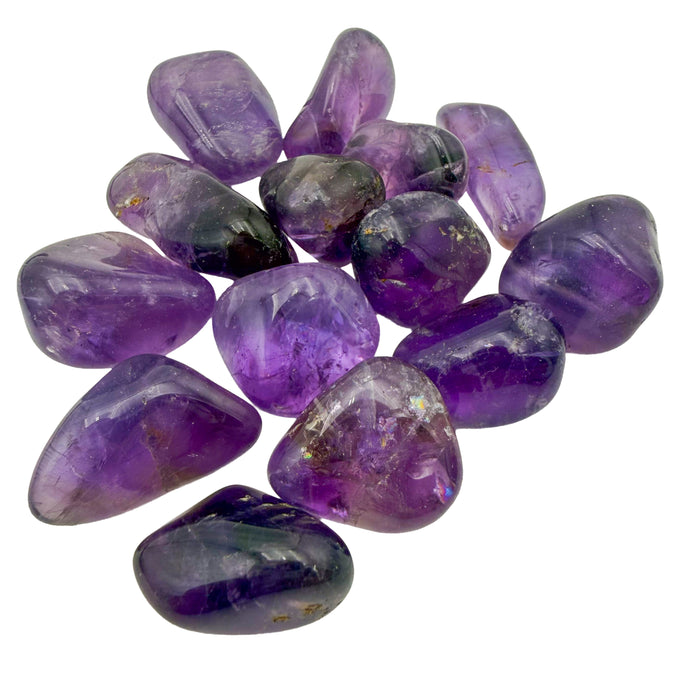
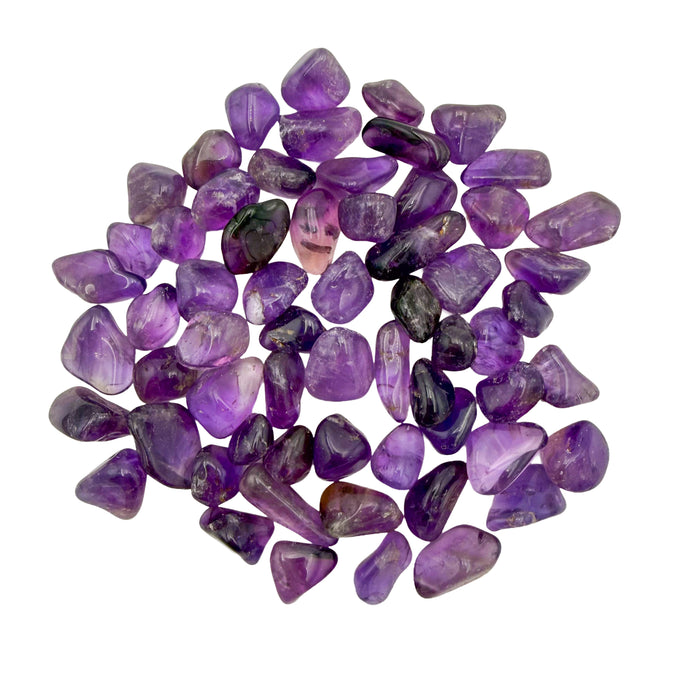
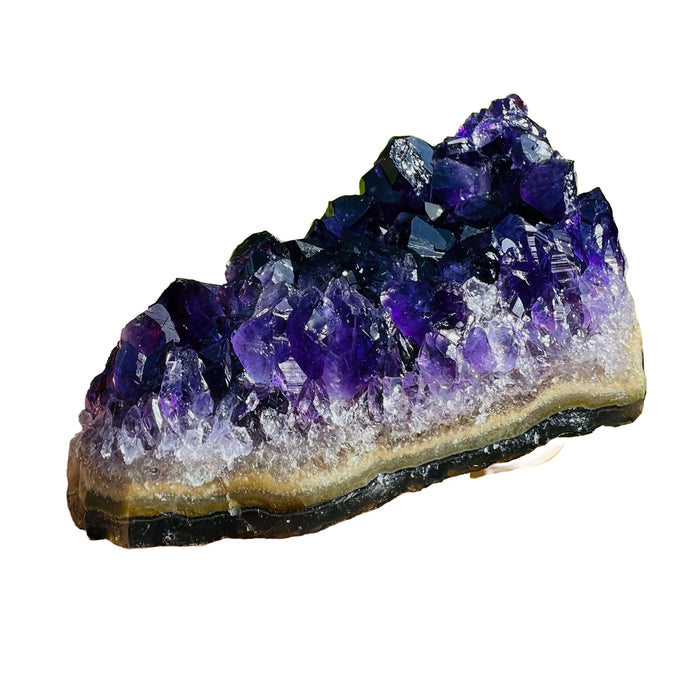


- from 1,000+ reviews
- Ships within 72 hoursMonday to Friday, tracked
- 90 days to return itif you do not love it
- Free US shipping over $99$8.99 flat rate under
The geology.
Amethyst is a macrocrystalline variety of quartz (SiO₂). Its color comes from trace iron incorporated into the silica lattice and activated by natural gamma irradiation from radioactive elements in the surrounding host rock. Crystals form in the trigonal system with a hardness of 7, making amethyst durable enough for everyday wear.
Natural amethyst almost always shows color zoning. Hold it to light and you'll see angular zones of deeper and lighter purple, rather than perfectly uniform color. Look for a vitreous luster, conchoidal fracture, and the characteristic six-sided termination of well-formed points. Synthetic amethyst is also real SiO₂, just lab-grown, and is nearly impossible to distinguish by eye. Glass imitations feel warmer to the touch, lack internal color zoning, and may contain bubbles.
The origins.
Amethyst forms inside volcanic geodes. Hot, silica-rich fluids fill gas pockets in cooling basalt and slowly crystallize into quartz. Commercial sources include Brazil, Uruguay, Zambia, Mexico, Madagascar, and South Korea.
Brazilian material (primarily Rio Grande do Sul) tends to be lighter lavender in larger formations. Uruguayan amethyst (Artigas) typically runs deeper violet and better formed, and commands higher prices. Zambian amethyst from the Kariba mine is known for deep royal purple with red flashes. Vera Cruz amethyst from Mexico features clear lavender crystals on matrix and is prized by collectors.
Labor conditions vary by source. Brazilian and Uruguayan operations range from formal industrial mines to small artisan cooperatives. Other regions have documented labor and environmental concerns. We ask sellers for country of origin as the minimum baseline, and region or mine-level detail when available.
Traditional associations.
Long associated with sobriety, clarity, and spiritual awareness. The Greek name amethystos means 'not drunk', and ancient Greeks carved drinking vessels from it believing it prevented intoxication. Medieval bishops wore amethyst rings as a symbol of piety and clear thinking.
Many people work with amethyst for stress relief, sleep, meditation, and intuition. It is most commonly associated with the Third Eye and Crown chakras, the element of Air, and the zodiac signs Pisces and Aquarius. One of the most versatile stones to work with, suitable for nearly any space or practice.
Spotting the real thing.
Natural amethyst shows color zoning under magnification, with uneven distribution of violet along growth zones, particularly at the tips. Synthetic hydrothermal amethyst may show distinctive 'breadcrumb' inclusions or perfectly uniform color, but confident identification often requires gemological testing. Glass imitations are lower density and lack internal crystalline structure. Dyed chalcedony shows surface-concentrated color and parting lines where dye penetrates.
Price is the strongest signal. Deep Uruguayan cathedral geodes priced under 30 dollars are almost certainly synthetic or heavily treated. Ask for country of origin. Silence about sourcing or treatment is the real warning sign.
Care & handling.
Water-safe for short immersion cleaning. Avoid prolonged direct sunlight, which can fade the purple color over time, especially in display pieces near a sunny window. Keep out of sustained heat above 200 degrees Celsius.
Cleanse energetically with moonlight, sound, smoke, or by placing on selenite. Salt water is acceptable short-term but can dull polished surfaces with repeated exposure. Tumbled stones, towers, spheres, and jewelry are all low-maintenance. Cathedral geodes can be dusted with a soft cloth or compressed air. Avoid hard-bristled brushes near terminated crystal tips.
Pairs well with.
Proof, not promises.
We measure our own sourcing across five dimensions. Supply chain, environmental footprint, artisan support, market integrity, and pricing. The number is honest, not perfect. Where we can do better, we say so.
A deeper look.
Extended geology, sourcing, authentication, history, varieties, and pricing, for when the quick guide isn't quite enough.
Extended geology
Amethyst's color center is unstable above approximately 300 to 400 degrees Celsius, which is why heating converts it to citrine, prasiolite (green quartz), or colorless quartz depending on temperature and atmosphere. Crystals form in the trigonal system, specifically the hexagonal scalenohedral class. Specific gravity is 2.65. Refractive indices are 1.544 to 1.553 with birefringence of 0.009. Amethyst has conchoidal fracture, no cleavage, and vitreous luster. Its streak is colorless.
The classic color zoning (lighter tips, darker bases, or banded zones) reflects variations in iron concentration and irradiation exposure as the crystal grew. Chevron amethyst shows alternating V-shaped bands of amethyst and white quartz, formed by cyclic changes in hydrothermal fluid chemistry during crystallization.
Extended sourcing
The world's largest commercial deposits are in Brazil (Rio Grande do Sul state, especially the Ametista do Sul region) and Uruguay (Artigas department, particularly the Catalan Basin). Geodes can range from fist-sized to massive cathedrals weighing several tons. Zambian amethyst from the Kariba mine is known for deep royal purple with red flashes and is highly valued by collectors. Other notable sources include Madagascar, Mexico (Las Vigas, known for scepter crystals), the United States (Arizona's Four Peaks), Canada (Thunder Bay, Ontario), South Korea (Eonyang, historic source), Russia (Ural Mountains), and India.
Authentication and warning signs
Lab-grown amethyst produced by hydrothermal growth is nearly identical chemically and cannot be reliably distinguished by eye. Synthetic material often shows distinctive 'breadcrumb' inclusions or perfectly uniform color, though many specimens require gemological testing (examination of twin planes under polarized light, or FTIR spectroscopy). Glass imitations are distinguishable by lower density, air bubbles, swirl patterns, and warmer feel. Dyed chalcedony or agate colored to resemble amethyst shows surface-concentrated color and parting lines where dye penetrates.
Heat treatment and its disclosure
Heat treatment is common in the quartz trade. Most citrine on the market is actually heat-treated amethyst. Irradiation can deepen color in pale specimens. Natural amethyst that shows color-change under shortwave UV indicates radiation treatment. The real ethical issue is silence, not treatment itself. Treatments are part of how stones reach the market. What matters is whether the seller tells you.
Historical and cultural context
The myth of Dionysus and the maiden Amethystos (turned to quartz by Artemis and stained purple by the god's tears of repentance) appears in late Hellenistic sources and was most prominently retold by the Italian Renaissance poet Remy Belleau in 1576. The story is often cited as ancient Greek but is largely a Renaissance literary invention. Amethyst was one of the twelve foundational stones in the High Priest's breastplate in Exodus. It later became associated with Christian bishops as the 'Bishop's Stone'. Medieval European nobility wore amethyst rings believing them to protect against treachery. Catherine the Great collected amethyst jewelry from Siberian sources. Until the 19th century, amethyst was classified alongside diamond, ruby, emerald, and sapphire as a precious stone. The discovery of massive Brazilian deposits flooded the market, driving prices down and reclassifying it as semi-precious, a label reflecting market history rather than mineralogical rarity.
Varieties and trade names
Chevron Amethyst: banded with white quartz in V-shapes, often from India or Russia, affordable and widely available.
Brandberg Amethyst: from Namibia, features smoky overtones and often includes enhydros (moving bubbles in fluid inclusions). Highly collectible.
Vera Cruz Amethyst: from Mexico, clear lavender crystals often on matrix. Prized by collectors.
Phantom Amethyst: shows inner ghost crystals from growth interruptions.
Amethyst Scepter: features a secondary growth forming a wider head on a narrower shaft.
Pink Amethyst: sold as amethyst but mineralogically debated. Some classify it as rose quartz with amethyst-style coloration rather than true amethyst. Mostly sourced from Patagonia, and a relatively recent market arrival.
Green Amethyst: marketing term for prasiolite (heat-treated amethyst). Should always be disclosed as treated.
Pricing reality
Tumbled amethyst: 2 to 10 dollars per piece. Small clusters and points: 5 to 40 dollars. Medium specimens (3 to 6 inches): 40 to 200 dollars. Cathedral geodes (12 inches and up): 150 dollars to several thousand, driven by color saturation, crystal size and quality, and origin. Uruguayan deep-purple cathedrals command the highest prices. Brazilian light-lavender material is the most affordable. Zambian, Arizona Four Peaks, and Brandberg material trade at collector premiums.
Value drivers: color saturation, clarity, crystal size and termination quality, matrix presence, and documented origin. Warning signs: unusually low prices for Uruguayan or Zambian material, perfect color uniformity in cathedrals (suggests synthetic), and no country of origin provided.
Good sourcing is a practice, not a claim.
Nothing we sell is heat-treated, dyed, stabilized, or color-enhanced without full disclosure. We name our origins where we can. We say so when we cannot. We walk away from material that does not meet our standard, even when it costs us sales.
Bring amethyst home.
Collector pieces are photographed individually, and you receive the exact piece shown. Batch stones are sold by the piece or by the pound from the lot pictured, with the same origin and treatment notes on every product page.
Shop the amethyst collectionGrounded Connections
New Amethyst pieces go to the list first.
No forwarding, no selling. Unsubscribe in one click. Privacy