


 Agatefor stress relief
 Amazonitefor stress relief
 Aquamarinefor serenity
 Aventurinefor luck
 Bloodstonefor energy
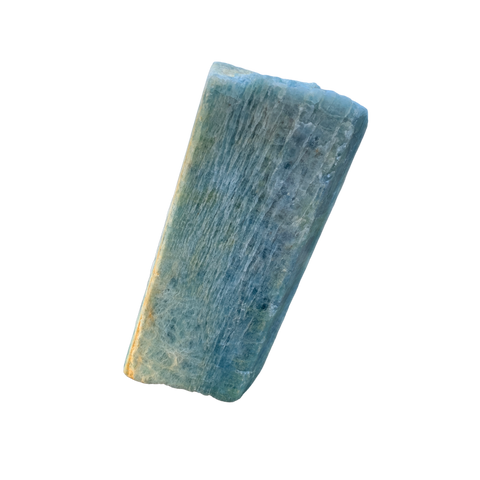
 Blue Kyanitefor confidence
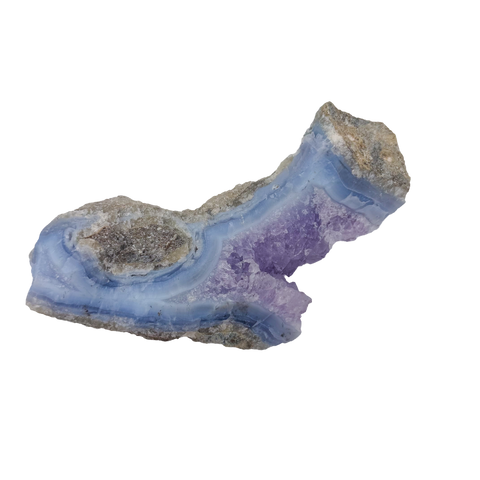
 Blue Lace Agatefor stress relief
 Chrysocollafor emotional healing
 Fluoritefor focus
 Garnetfor energy
 Lepidolitefor stress relief
 Malachitefor emotional healing
 Moonstonefor grounding
 Obsidianfor protection
 Ocean Jasperfor emotional healing
 Red Jasperfor grounding
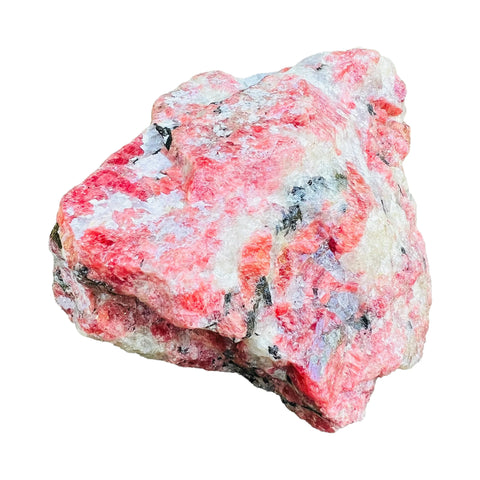
 Rhodonitefor emotional healing
 Selenitefor cleansing
 Sodalitefor focus
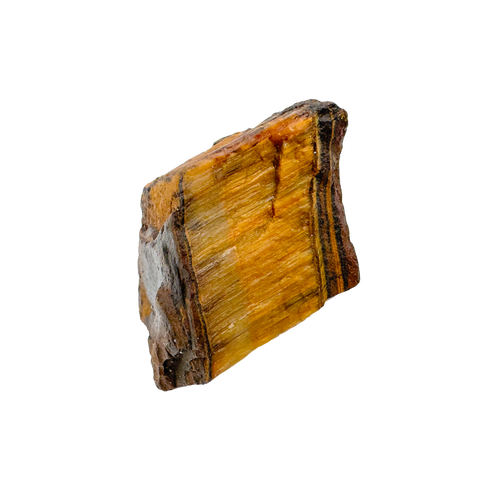
 Tiger Eyefor confidence
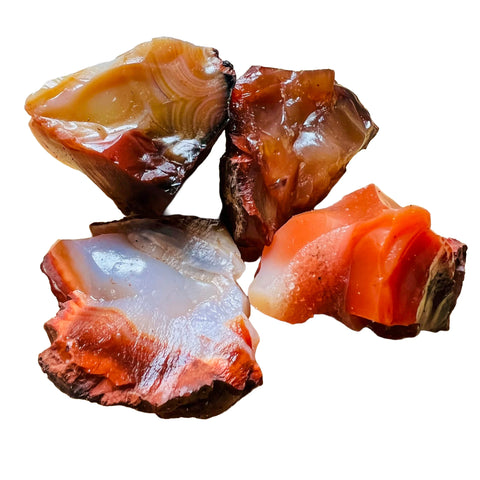
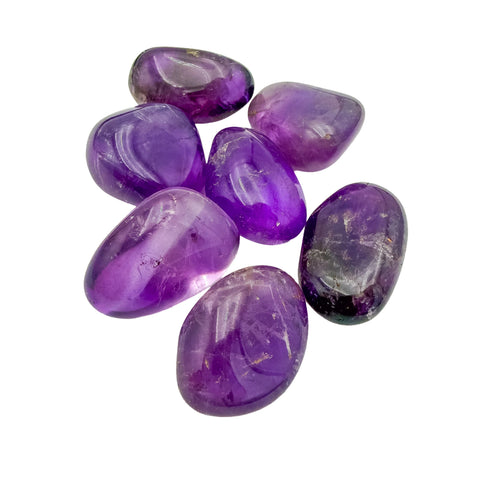


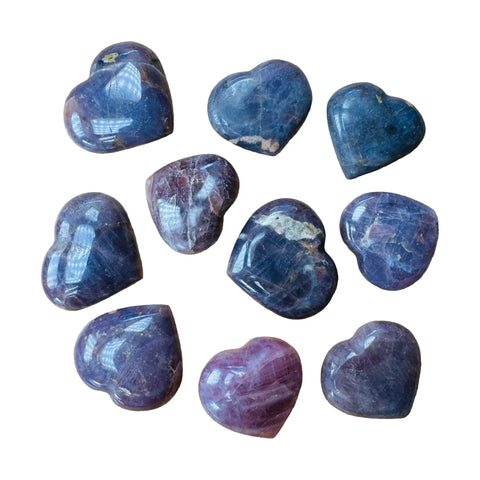
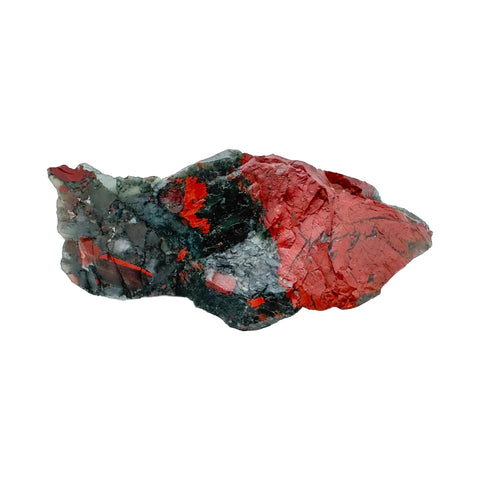
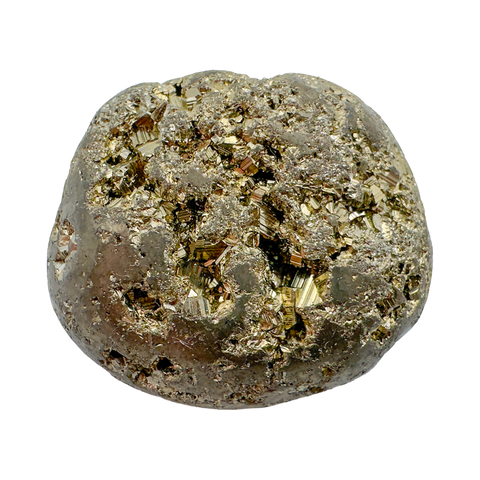
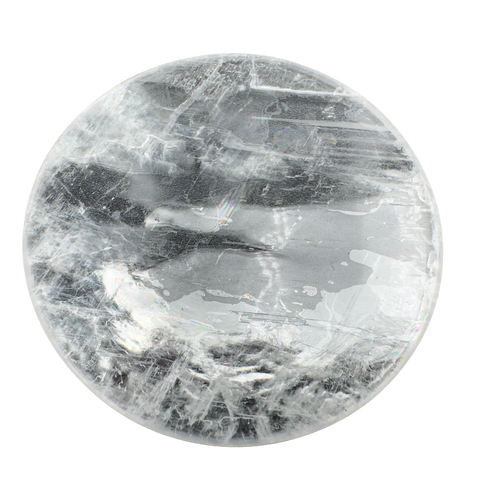


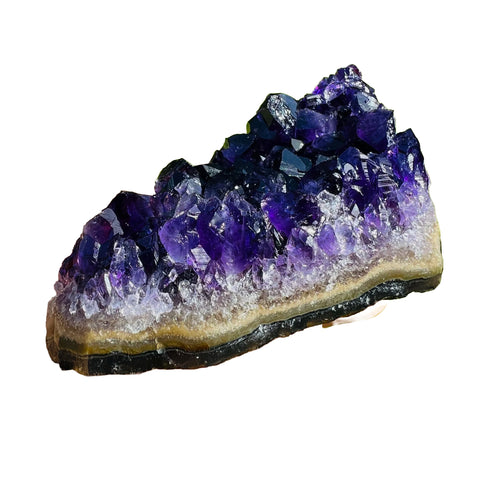





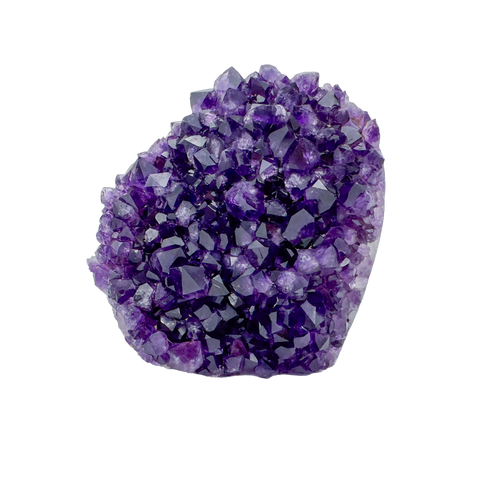
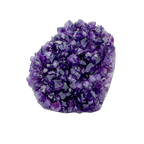 Amethyst
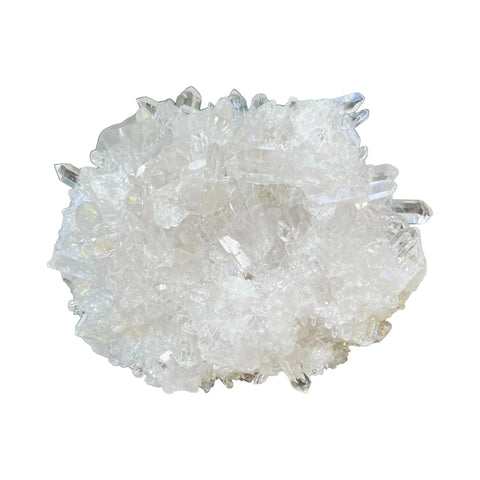
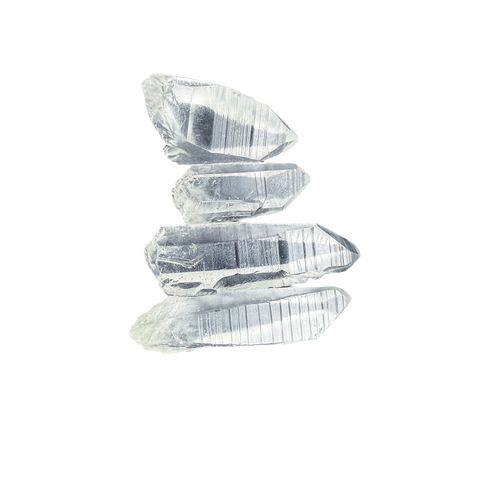
 Clear Quartz
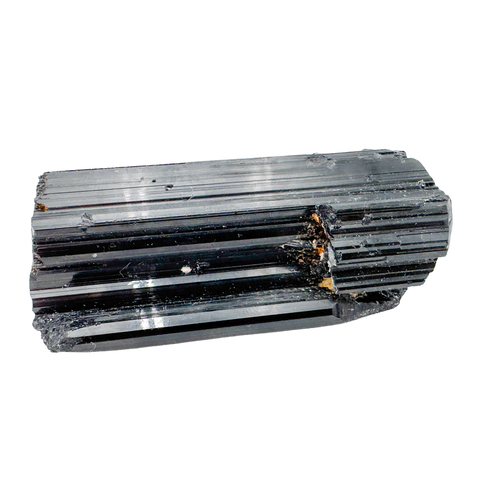
 Black Tourmaline
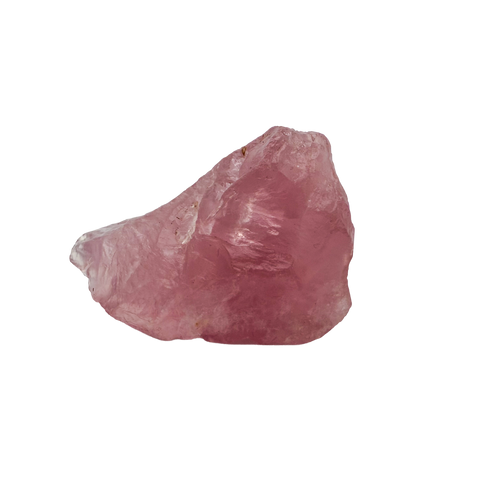
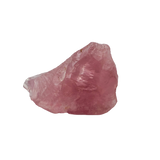 Rose Quartz
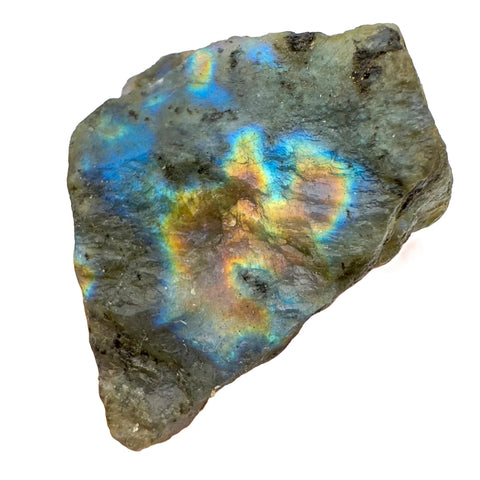
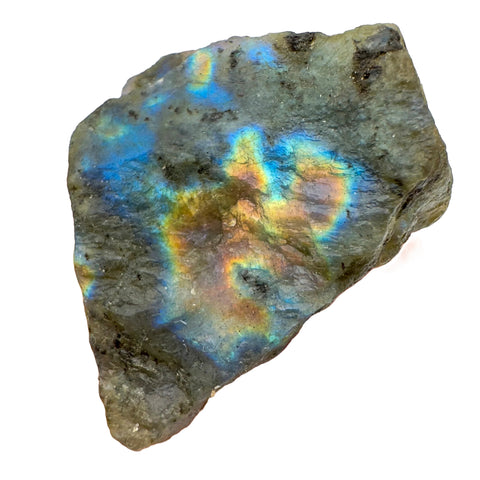
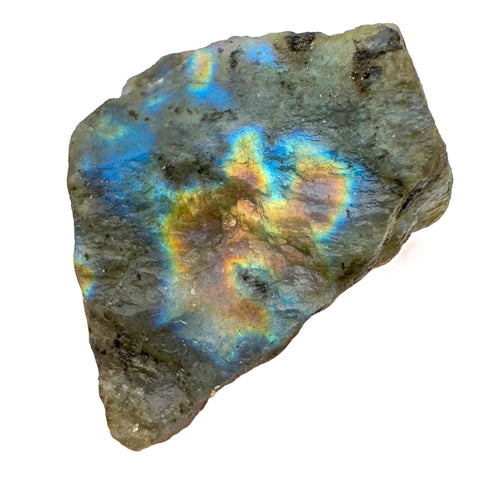
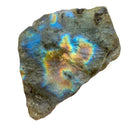 Labradorite
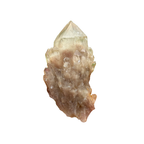 Natural Citrine
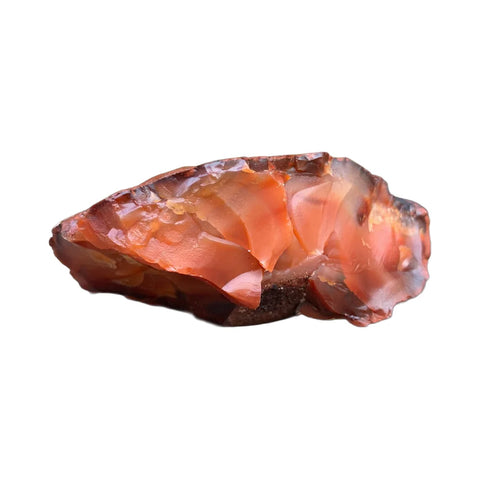
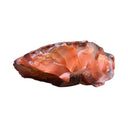 Carnelian
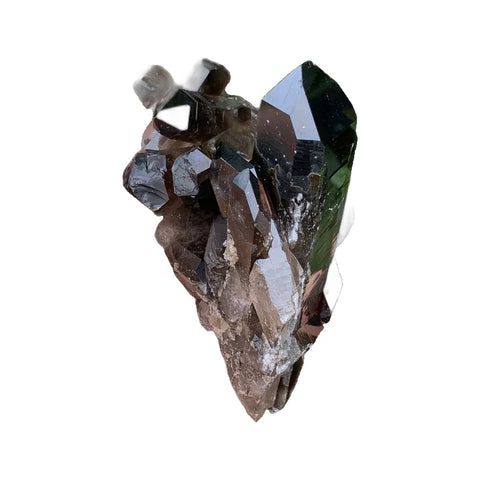
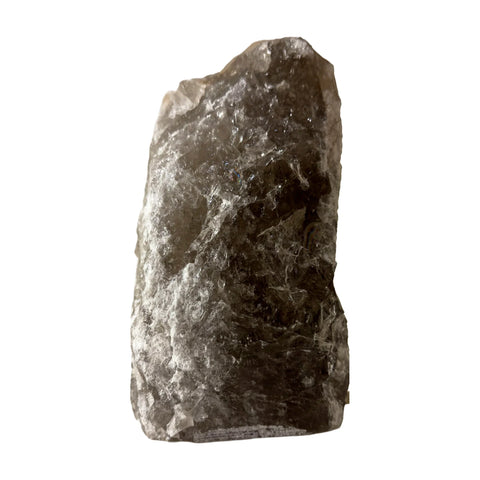
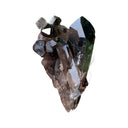 Smoky Quartz
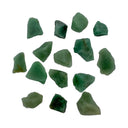 Aventurine
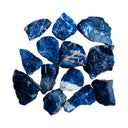 Sodalite
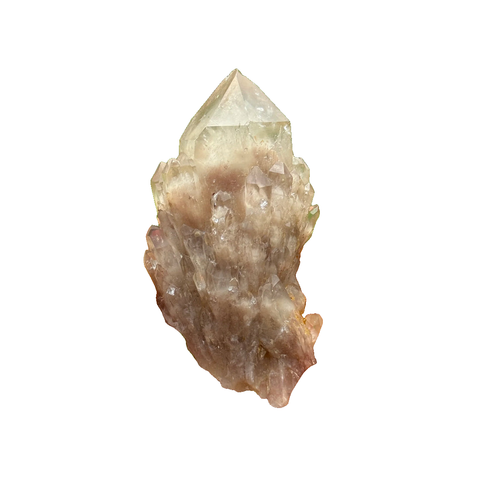
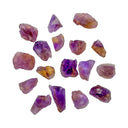 Ametrine
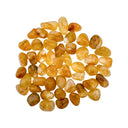 Golden Healer
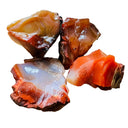 Raw Stones
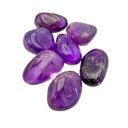 Tumbled Stones
 Palm Stones
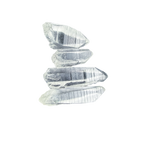 Crystal Points
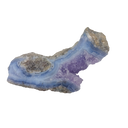 Clusters & Geodes
 Polished & Decor
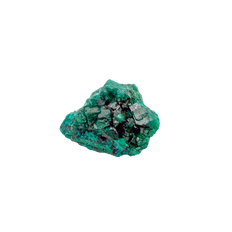 Mineral Specimens
 Crystal Chips
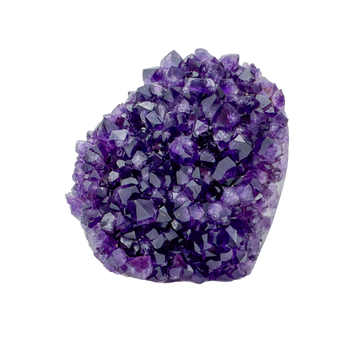
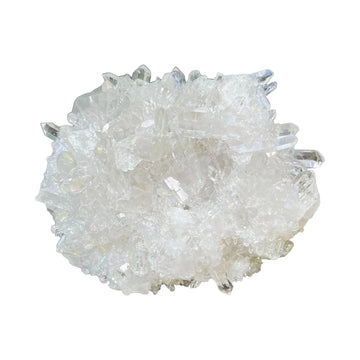
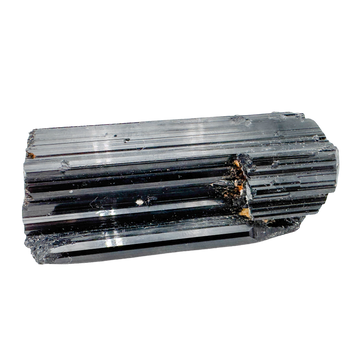
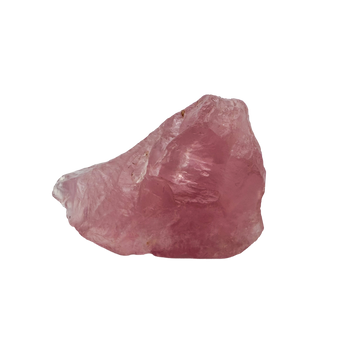
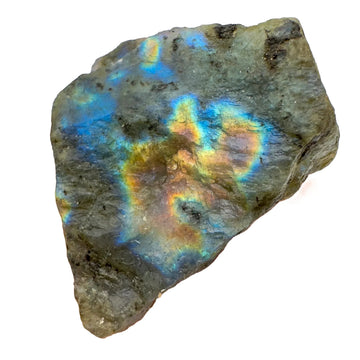
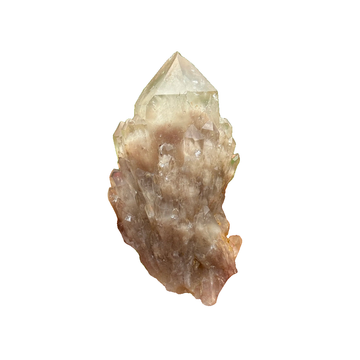
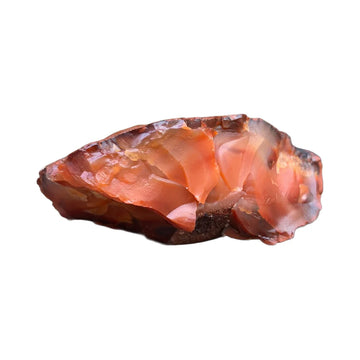
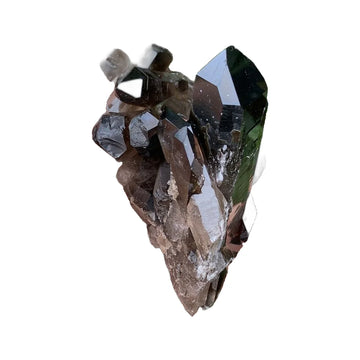
 Raw Stones
179 to choose from
Raw Stones
179 to choose from
 Tumbled Stones
162 to choose from
Tumbled Stones
162 to choose from
 Palm Stones
25 to choose from
Palm Stones
25 to choose from
 Crystal Points
23 to choose from
Crystal Points
23 to choose from
 Clusters & Geodes
98 to choose from
Clusters & Geodes
98 to choose from
 Polished & Decor
147 to choose from
Polished & Decor
147 to choose from
 Mineral Specimens
248 to choose from
Mineral Specimens
248 to choose from
 Crystal Chips
21 to choose from
Crystal Chips
21 to choose from


 AngolaAquamarine
›
AngolaAquamarine
›
 BotswanaCarnelian, Tree Agate
›
BotswanaCarnelian, Tree Agate
›
 DR CongoMalachite, Natural Citrine
›
DR CongoMalachite, Natural Citrine
›
 EswatiniBloodstone
›
EswatiniBloodstone
›
 MadagascarLabradorite, Clear Quartz
›
MadagascarLabradorite, Clear Quartz
›
 MalawiBlue Lace Agate, Garnet
›
MalawiBlue Lace Agate, Garnet
›
 MozambiqueAmazonite
›
MozambiqueAmazonite
›
 NamibiaSodalite, Blue Lace Agate
›
NamibiaSodalite, Blue Lace Agate
›
 Republic of the CongoDioptase
›
Republic of the CongoDioptase
›
 South AfricaTiger Eye, Unakite
›
South AfricaTiger Eye, Unakite
›
 ZambiaChevron Amethyst
›
ZambiaChevron Amethyst
›
 ZimbabweEmerald, Rhodonite
›
ZimbabweEmerald, Rhodonite
›
 ArgentinaBlack Obsidian, Rhodochrosite
›
ArgentinaBlack Obsidian, Rhodochrosite
›
 BoliviaAmetrine
›
BoliviaAmetrine
›
 BrazilAmethyst, Clear Quartz
›
BrazilAmethyst, Clear Quartz
›
 PeruSerpentine, Jade
›
PeruSerpentine, Jade
›
 UruguayAmethyst
›
UruguayAmethyst
›
 Dominican RepublicLarimar
›
Dominican RepublicLarimar
›
 MexicoRainbow Obsidian, Crazy Lace Agate
›
MexicoRainbow Obsidian, Crazy Lace Agate
›
 United StatesSelenite, Peridot
›
United StatesSelenite, Peridot
›
 ChinaFluorite
›
ChinaFluorite
›
 RussiaShungite
›
RussiaShungite
›
 AustraliaMookaite
›
AustraliaMookaite
›
 Where our crystals come from
See where we source →
Where our crystals come from
See where we source →


 Aries
Mar 21 to Apr 19
Carnelian
›
Aries
Mar 21 to Apr 19
Carnelian
›
 Taurus
Apr 20 to May 20
Rose Quartz
›
Taurus
Apr 20 to May 20
Rose Quartz
›
 Gemini
May 21 to Jun 20
Agate
›
Gemini
May 21 to Jun 20
Agate
›
 Cancer
Jun 21 to Jul 22
Moonstone
›
Cancer
Jun 21 to Jul 22
Moonstone
›
 Leo
Jul 23 to Aug 22
Citrine
›
Leo
Jul 23 to Aug 22
Citrine
›
 Virgo
Aug 23 to Sep 22
Amazonite
›
Virgo
Aug 23 to Sep 22
Amazonite
›
 Libra
Sep 23 to Oct 22
Blue Lace Agate
›
Libra
Sep 23 to Oct 22
Blue Lace Agate
›
 Scorpio
Oct 23 to Nov 21
Obsidian
›
Scorpio
Oct 23 to Nov 21
Obsidian
›
 Sagittarius
Nov 22 to Dec 21
Sodalite
›
Sagittarius
Nov 22 to Dec 21
Sodalite
›
 Capricorn
Dec 22 to Jan 19
Black Tourmaline
›
Capricorn
Dec 22 to Jan 19
Black Tourmaline
›
 Aquarius
Jan 20 to Feb 18
Amethyst
›
Aquarius
Jan 20 to Feb 18
Amethyst
›
 Pisces
Feb 19 to Mar 20
Aquamarine
›
Gifting?
A birthday stone is the safe bet.
Read the zodiac guide →
Pisces
Feb 19 to Mar 20
Aquamarine
›
Gifting?
A birthday stone is the safe bet.
Read the zodiac guide →


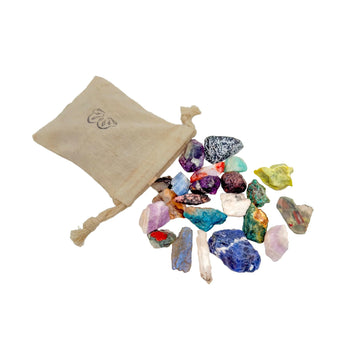
Lepidolite
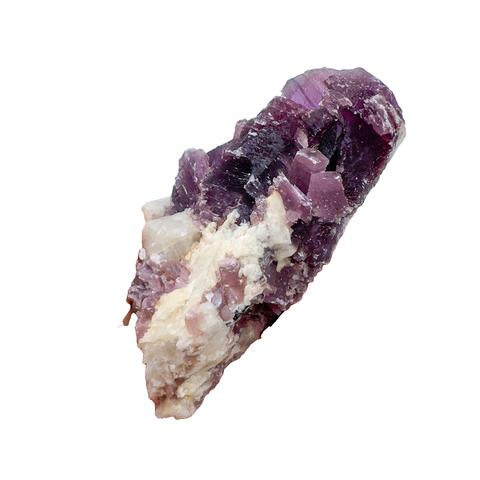
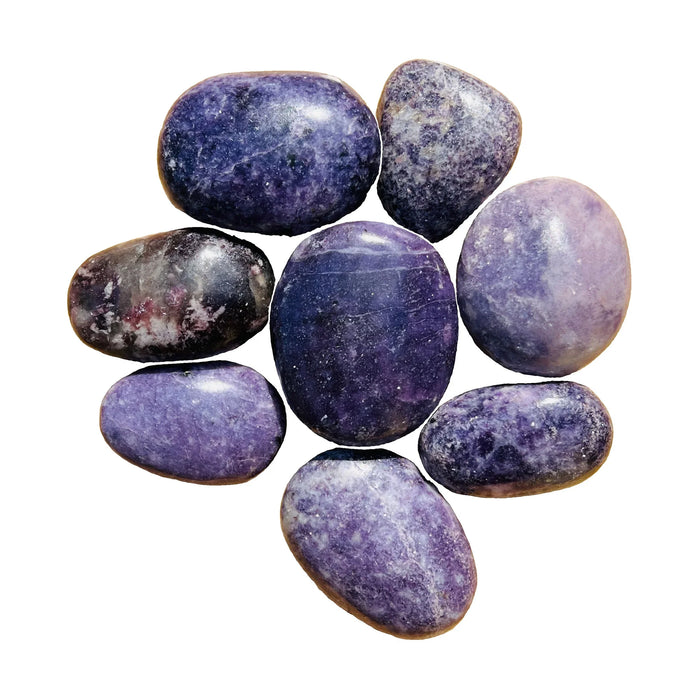
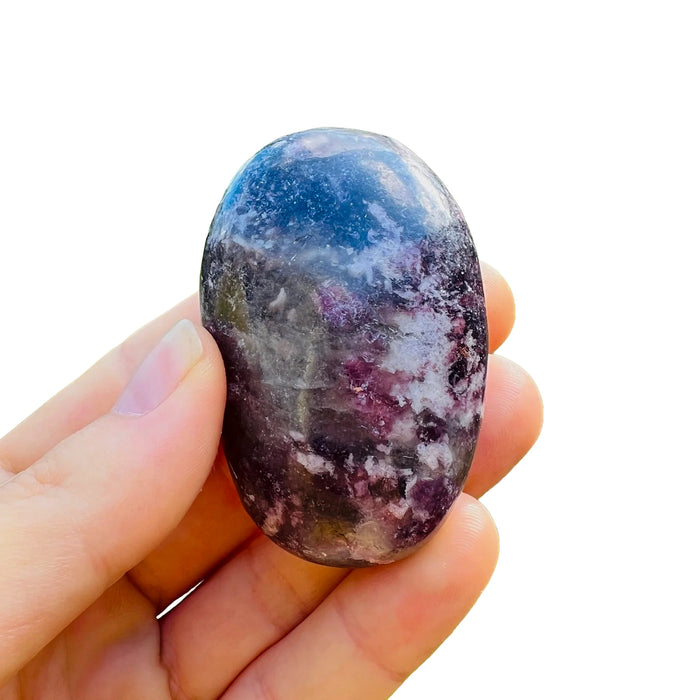
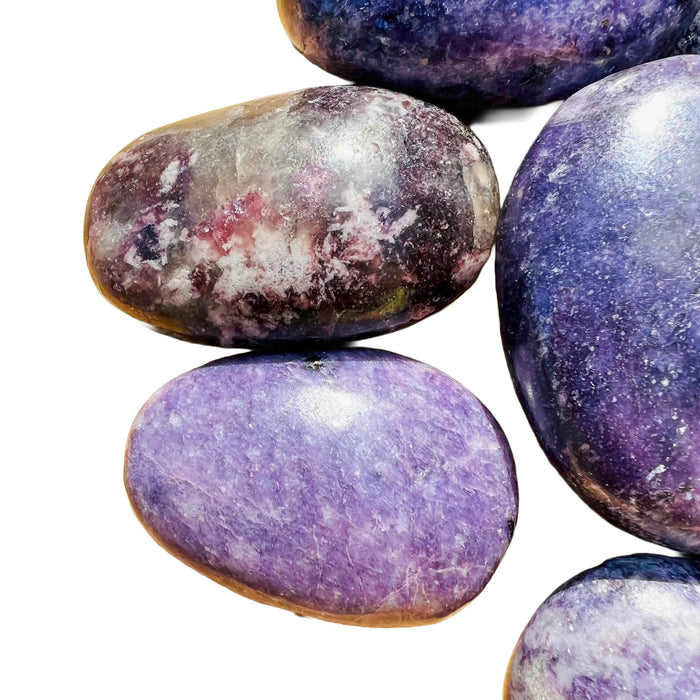
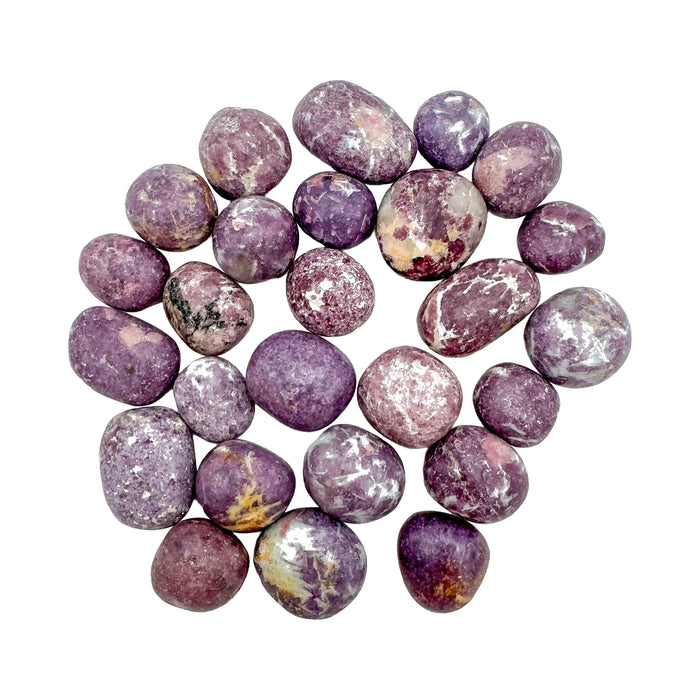
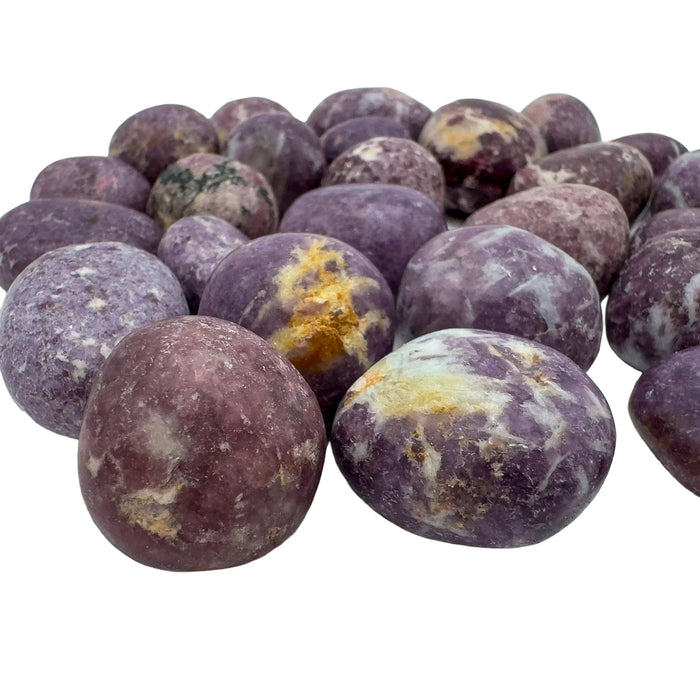
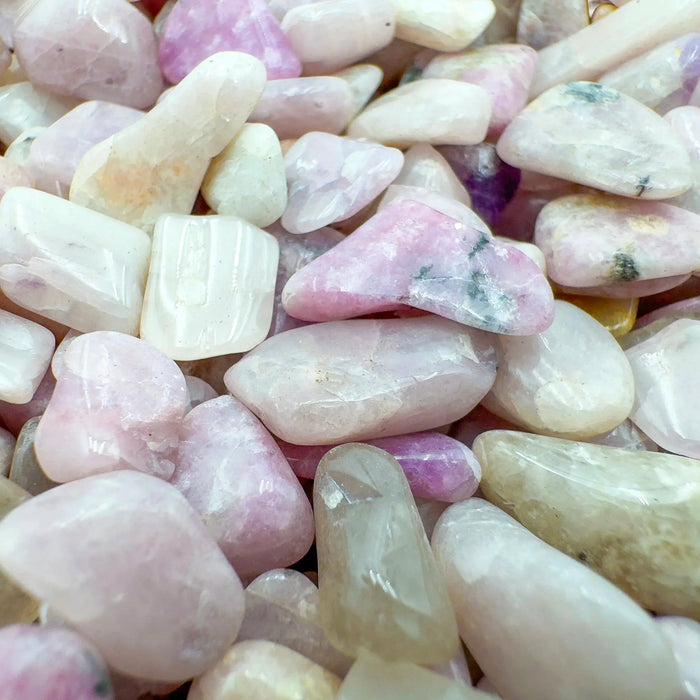
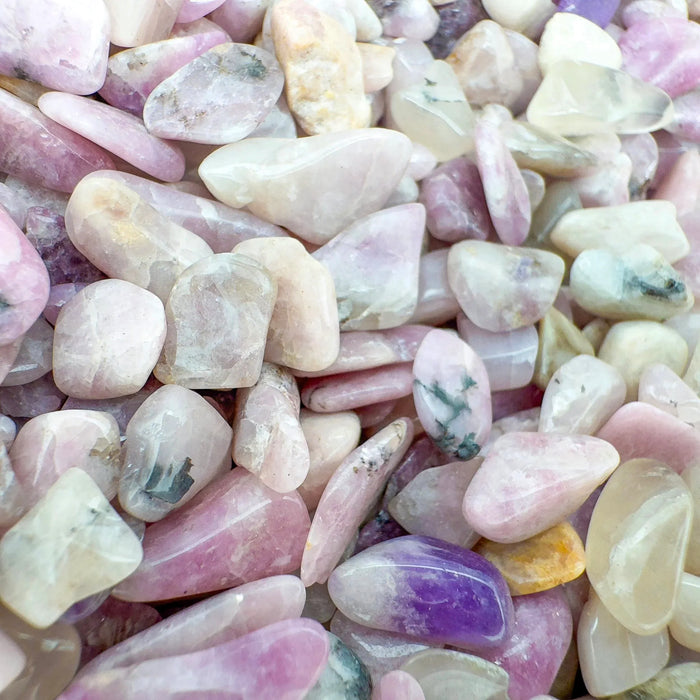
Lepidolite is a soft pink-to-purple lithium mica that forms in granitic pegmatites. It is typically untreated, stable in daylight, and carries the lithium content that makes it historically important as an ore mineral. Many people work with it for nervous-system calm, stress relief, sleep support, and gentle heart-centered work.
Shop lepidoliteLepidolite, in stock now.
Our most-loved Lepidolite pieces, ready to ship.
- from 1,000+ reviews
- Ships within 72 hoursMonday to Friday, tracked
- 90 days to return itif you do not love it
- Free US shipping over $99$8.99 flat rate under
The geology.
Lepidolite is a lithium-bearing mica with chemical formula K(Li,Al)3(Si,Al)4O10(F,OH)2. The pink-to-purple color derives from lithium itself, with additional hue variation from iron, manganese, and rubidium content that substitute for other elements in the crystal structure. It forms in lithium-rich granitic pegmatites, often alongside tourmaline, spodumene, and other lithium-rich minerals. The name comes from Greek lepidos (scale), referencing its characteristic platy, sheet-like habit.
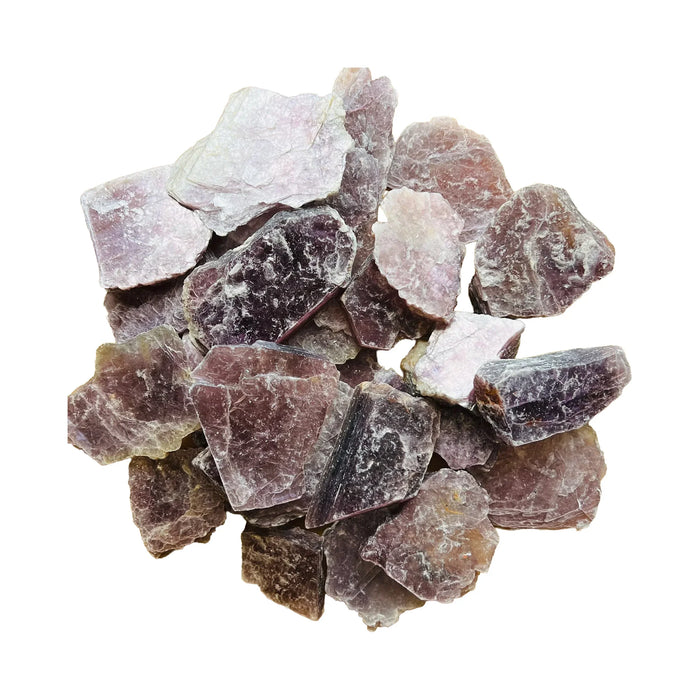
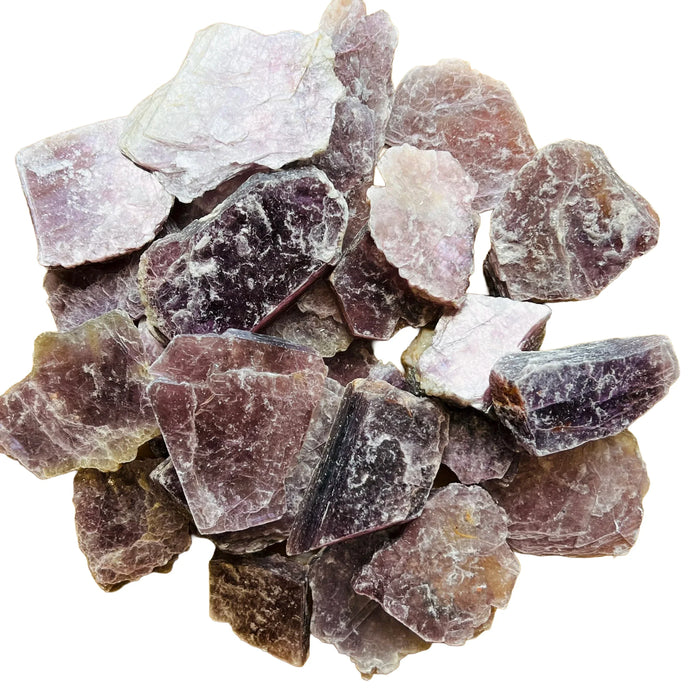
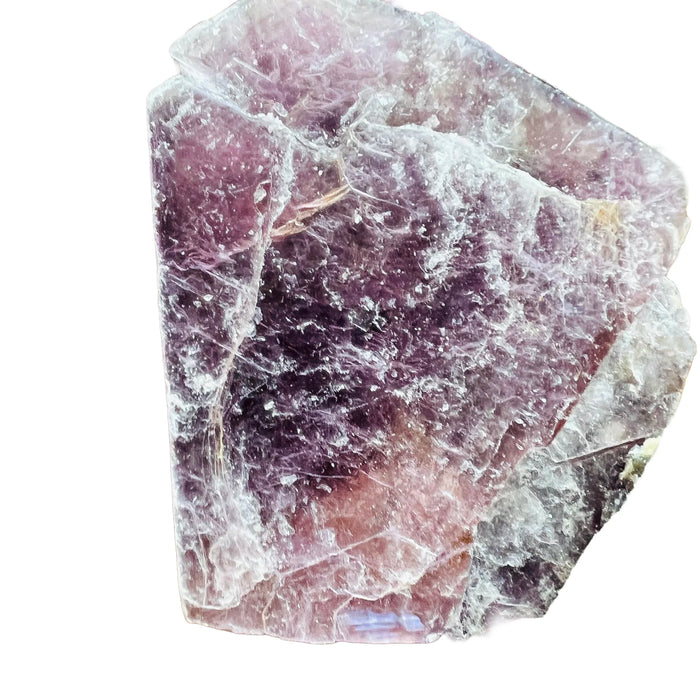
Lepidolite typically occurs as layered mica "books" (stacked sheets), massive granular material, or rarely as well-formed tabular crystals. Mohs hardness is 2.5 to 3, making it notably soft. A fingernail can scratch the edges of most specimens. Specific gravity runs 2.8 to 2.9. The mineral exhibits perfect basal cleavage, meaning it splits easily along one plane into thin sheets. Polished tumbled pieces show natural iridescence on broken faces due to light scattering through the layered mica structure. The material is stable to light and does not fade under normal daylight exposure.
The origins.
Our primary lepidolite source is Arequipa, Peru, where hand-polished tumbled material is produced through small-to-medium scale pegmatite extraction. The region has a long history of mineral mining, and the operations we work with use manual sorting and gentle finishing techniques. Secondary material comes from Minas Gerais, Brazil, where small-scale cooperatives extract raw specimens and larger pieces from pegmatite deposits. Both channels provide documented traceability and supply chain transparency per batch.
Global lepidolite production occurs in many regions: Brazil, Madagascar, Russia (Urals), USA (California, Maine), Czech Republic, and Zimbabwe all hold significant deposits. The Peruvian material is valued for consistent color saturation and the hand-polishing techniques that honor the softness of the stone. Brazilian material offers larger raw specimens for collectors and carvers who want to work with the natural form. We commit to these two channels because the sourcing practices align with our standards and the supply is reliable. If sourcing changes, we will communicate it directly.
Traditional associations.
Lepidolite is associated with the Heart and Third Eye chakras and the elements Air and Water. Historically, the mineral was valued as a lithium ore rather than as a worked stone. The therapeutic use of lithium in modern medicine for mood and nervous-system support has paralleled growing interest in lepidolite within crystal work, though the stone itself does not provide medical effects. Many people work with lepidolite for stress relief, emotional healing, sleep support, self-love, and nervous-system calm.
The softness of the stone carries metaphorical weight for many who use it. Common practices include placing lepidolite near the bed for sleep support, holding it during moments of anxiety, and using it in heart-centered rituals. It is often paired with other calming stones like amethyst, moonstone, rose quartz, and selenite. The gentle quality of the mineral appeals to people seeking rest and softness rather than stimulation or intensity.
Spotting the real thing.
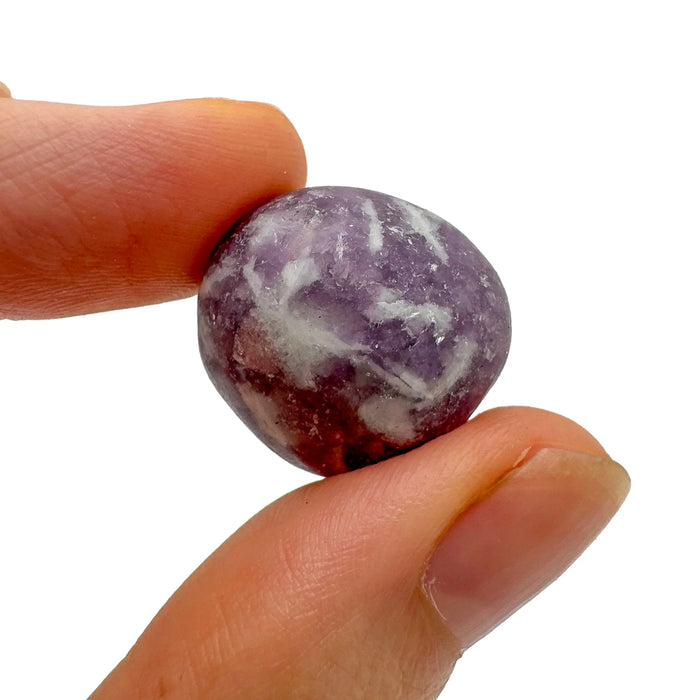
Genuine lepidolite is soft, scratching easily under fingernail pressure or gentle pressure from a copper coin. The surface feels slightly slippery and smooth when polished, characteristic of mica minerals. Color is pink-to-purple without artificial vividness. On some pieces, visible mica layering or granular texture is apparent. The stone may show natural iridescence on broken or polished faces from light scattering through the layered structure. Handle authentic lepidolite and you will notice the weight is light for its size, and the material feels delicate.
Dyed purple micas, charoite, and sugilite are the most common substitutes. These are harder (Mohs 5 or higher) and will not scratch under fingernail pressure. Dyed micas may show color only on surfaces and can transfer dye to damp cloth or hands. Charoite is distinctly mottled with black, and sugilite is opaque without lepidolite's natural sparkle. Real lepidolite should match the chemical formula, show basal cleavage, and feel as soft as the Mohs rating suggests. A practical test: genuine lepidolite will show wear from handling and will chip at edges if dropped. Harder substitutes will survive impact better.
Care & handling.
Lepidolite is care-intensive because of its extreme softness. Dry-care only. Wipe with a dry cloth; quick water rinse is acceptable when necessary. Do not soak, and avoid saltwater, direct continuous sunlight (fades pink tones over extended periods), chemical cleaners, and ultrasonic cleaners. The mineral's layered structure means water can penetrate between mica sheets, weakening the material. Store separately in a padded container; lepidolite scratches easily from contact with harder stones or rough materials.
Handle with gentleness. Do not carry in pockets with keys or harder minerals. Avoid pressure on the stone, and do not drop it. For energetic cleansing, use smoke, sound, moonlight, or breath, not water. Moonlight is particularly aligned with lepidolite's calm properties. The softness of the stone is part of its character, not a defect. Many people find its fragility a meaningful reflection of the work they do with it around tenderness and permission to rest.
Pairs well with.
Proof, not promises.
We measure our own sourcing across five dimensions. Supply chain, environmental footprint, artisan support, market integrity, and pricing. The number is honest, not perfect. Where we can do better, we say so.
A deeper look.
Extended geology, sourcing, authentication, history, varieties, and pricing, for when the quick guide isn't quite enough.
Extended geology
Lepidolite is a lithium aluminum silicate mica with formula K(Li,Al)3(Si,Al)4O10(F,OH)2. It forms in lithium-rich granitic pegmatites, which are coarse-grained igneous rocks that cool slowly from molten material rich in incompatible elements like lithium, beryllium, and boron. As the magma cools, these elements become concentrated in the final crystallizing phases and precipitate into minerals like lepidolite, spodumene, tourmaline, and beryl. Pegmatite deposits often occur in the margins of granitic bodies and can span hundreds of meters in size.
The pink-to-purple color derives from lithium itself, which gives the mineral its characteristic hue. Additional color variation comes from iron, manganese, and rubidium substitution. Iron increases purple tones; rubidium shifts color toward red. The exact shade depends on the concentration of these trace elements and the conditions during crystallization. Some lepidolite is nearly colorless if lithium concentration is low. The name derives from Greek lepidos (scale) and lithos (stone), describing the platy, scale-like habit of the mineral.
Lepidolite typically occurs as layered "books" or stacked sheets, massive granular aggregates, or rarely as distinct tabular crystals. The layered structure is fundamental to mica minerals. Each layer is weakly bonded to the next, which is why micas show perfect basal cleavage, splitting easily along one plane. Hardness of 2.5 to 3 makes lepidolite one of the softest silicate minerals, comparable to calcite. Specific gravity is 2.8 to 2.9. Fracture is uneven. Luster on polished surfaces is pearly or silky due to light reflecting from the cleavage planes; fresh breaks show vitreous (glassy) luster. The mineral does not fluoresce under ultraviolet light.
Extended sourcing
Peru has historically been the primary commercial source of fine lepidolite for the gem and crystal market, particularly from pegmatite deposits in the Arequipa region. Hand-polishing traditions have developed there, with craftspeople learning to finish the soft material without shattering or chipping the pieces. Brazil's Minas Gerais region produces high-quality raw specimens and larger pieces from pegmatite cooperatives. Both countries have stable supply channels and reasonably well-documented operations.
Global production occurs in Russia (Urals), where large deposits supply industrial lithium use; Madagascar, which produces fine specimens; USA (California pegmatite fields and Maine tourmaline deposits); Czech Republic; Zimbabwe; and Namibia. The market size remains small relative to quartz or feldspar, which is why lepidolite remains less widely available than many other collector stones. Industrial demand for lithium has increased production rates in large-scale operations, though gem-quality material remains specialized. We work through intermediaries rather than direct site relationships, which we acknowledge as a transparency limit. If direct sourcing becomes possible, we will pursue it.
Authentication and market imitations
Dyed purple micas are sometimes sold as lepidolite. These feel harder (Mohs 3 to 4) and will not scratch under fingernail pressure. Genuine lepidolite scratches easily. Dyed micas may transfer color to hands or damp cloth. Charoite is a harder stone (Mohs 5 to 6) with distinctive mottled black-and-purple pattern and is sometimes sold as lepidolite at lower prices; under magnification, charoite shows its characteristic interlocking fibrous structure. Sugilite is opaque pink-purple, harder (Mohs 6 to 6.5), and lacks lepidolite's mica sheen.
The softness of genuine lepidolite is its most reliable identifying feature. If a "lepidolite" stone survives hard handling and does not show wear, it is likely something else. Genuine lepidolite will chip at edges if dropped, will show scratches from fingernails or copper coins, and will feel delicate when handled. Under magnification, real lepidolite shows the layered mica structure and a pearly or silky surface sheen on polished pieces. Dyed substitutes show color only on the surface and may have a uniform appearance that looks printed rather than grown.
Historical and cultural context
Lepidolite has been known as a mineral since at least the eighteenth century, when it was identified in European pegmatite deposits. For most of its history, it was valued primarily as a lithium ore rather than as a worked or decorative stone. Industrial demand for lithium grew dramatically in the twentieth century due to medical applications (lithium treatment for mood disorders) and battery technology. Crystal market interest in lepidolite emerged later, paralleling growing awareness of lithium's therapeutic properties and broader trends toward softer, gentler stones in contemporary practice.
The connection between lepidolite and lithium is not metaphorical. Lepidolite can contain 1 to 3% lithium by weight, making it a significant commercial source. This mineralogical fact has influenced modern associations between the stone and calm, rest, and nervous-system support, though the stone itself does not provide medical effects. Unlike stones with ancient historical records, lepidolite carries a more contemporary narrative that bridges industrial mineral knowledge and modern crystal practice.
Related minerals and trade distinctions
Lepidolite is a member of the mica family. Other micas include muscovite (colorless to light), biotite (black), and phlogopite (golden). Lepidolite is distinguished by its lithium content and characteristic pink-to-purple color. Spodumene is another lithium silicate mineral that forms in the same pegmatites and can be colored (watermelon tourmaline, kunzite), but it is harder (Mohs 6.5 to 7) and has different crystal structure. Tourmaline also occurs in lepidolite-rich pegmatites and comes in many colors, but is much harder (Mohs 7 to 7.5) and has a trigonal crystal system compared to lepidolite's monoclinic system.
Pricing reality
Grade A lepidolite tumbled: $8 to $18 per piece at retail for small to medium sizes. Palm stones: $18 to $35. Raw specimens and carvings: $25 to $120 depending on size, color saturation, and workmanship. The softness of the material requires careful finishing and results in lower yield from raw stock, which supports higher pricing than harder stones of similar size. Material below $5 is likely dyed mica or a harder substitute. Value drivers: color saturation and evenness, size, quality of hand-polishing, and lack of visible wear or breakage. Peruvian hand-polished material tends to command a premium due to the skill required and consistent color quality.
Good sourcing is a practice, not a claim.
Nothing we sell is dyed, stabilized, reconstituted, or color-enhanced without full disclosure. We name our origins where we can. We say so when we cannot. We walk away from material that does not meet our standard, even when it costs us sales.
Bring lepidolite home.
Tumbled, palm stone, and raw lepidolite from Peru and Brazil. Natural, untreated, hand-selected for pink-to-purple color and visual clarity. Each piece finished with care to honor the softness of the stone, and chosen for the gentle quality that makes lepidolite distinctive.
Shop the lepidolite collectionGrounded Connections
New stones go to the list first.
No forwarding, no selling. Unsubscribe in one click. Privacy