


 Agatefor stress relief
 Amazonitefor stress relief
 Aquamarinefor serenity
 Aventurinefor luck
 Bloodstonefor energy
 Blue Kyanitefor confidence
 Blue Lace Agatefor stress relief
 Chrysocollafor emotional healing
 Fluoritefor focus
 Garnetfor energy
 Lepidolitefor stress relief
 Malachitefor emotional healing
 Moonstonefor grounding
 Obsidianfor protection
 Ocean Jasperfor emotional healing
 Red Jasperfor grounding
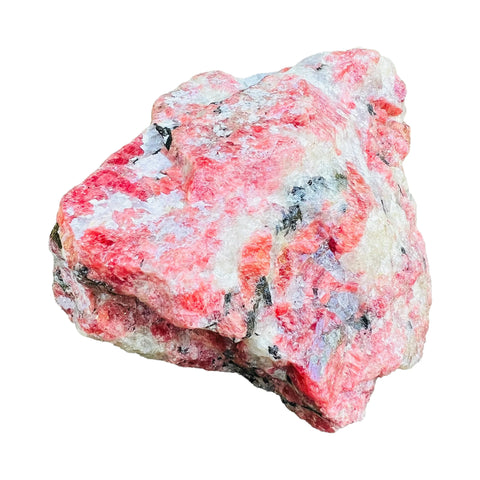
 Rhodonitefor emotional healing
 Selenitefor cleansing
 Sodalitefor focus
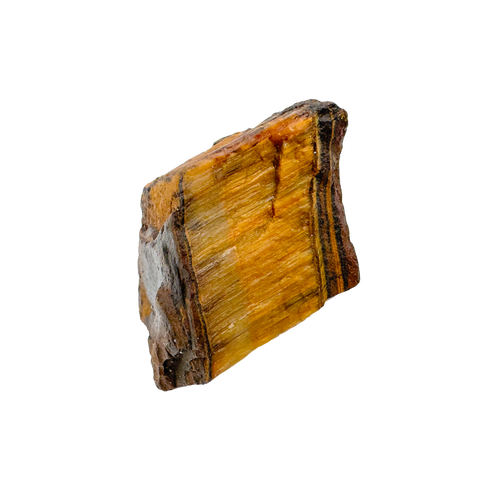
 Tiger Eyefor confidence
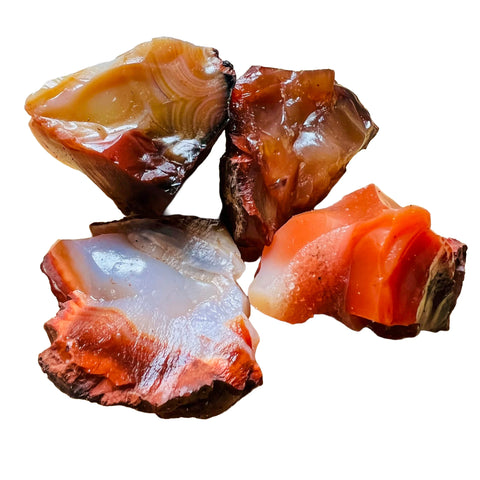
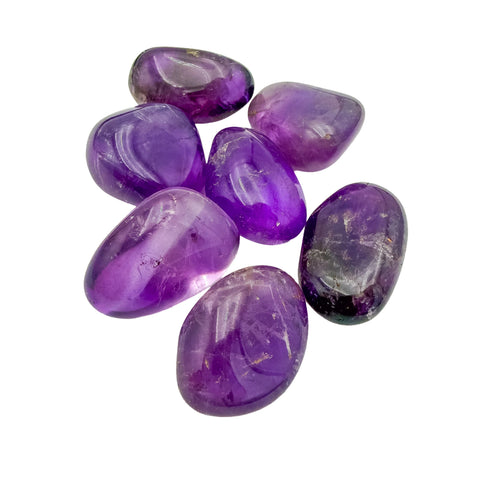

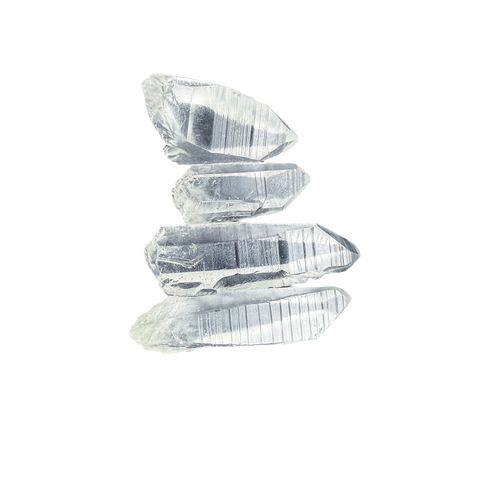
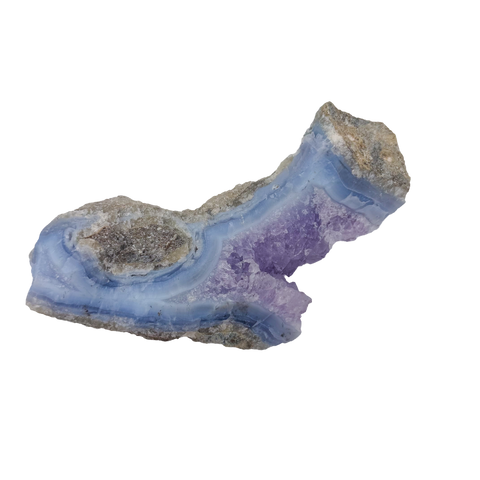

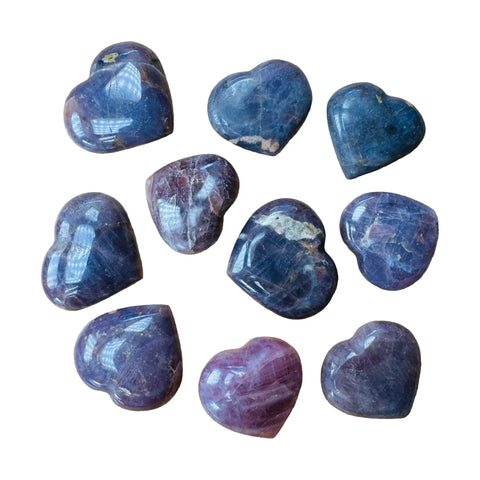
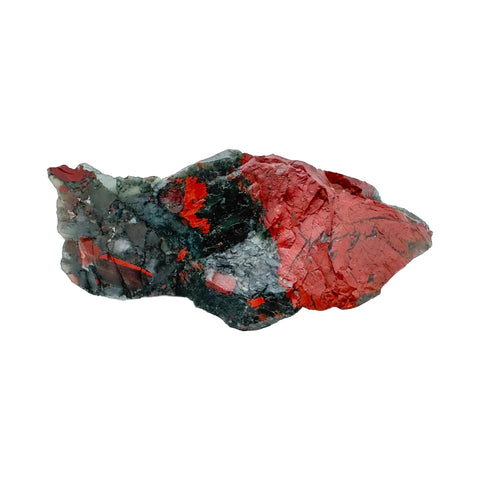
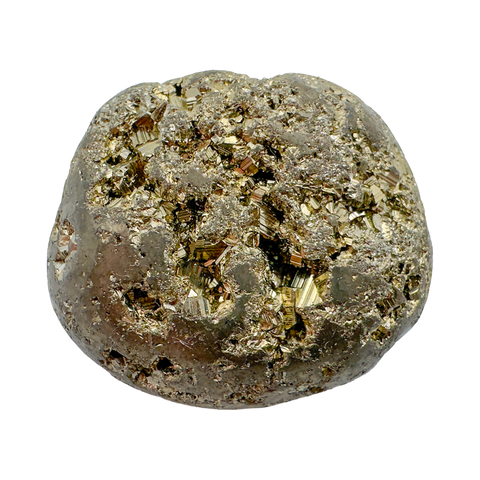
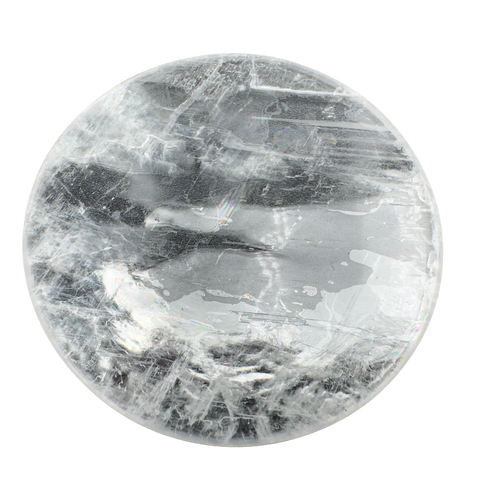


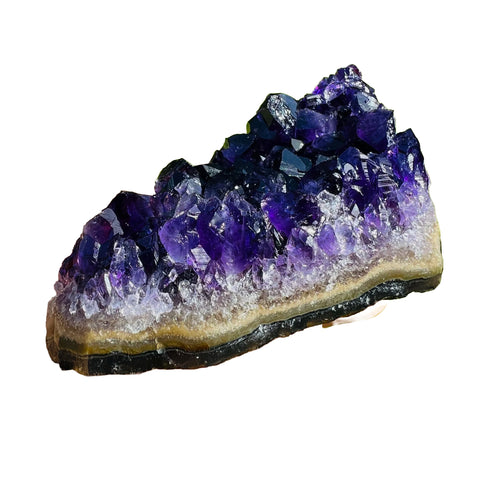




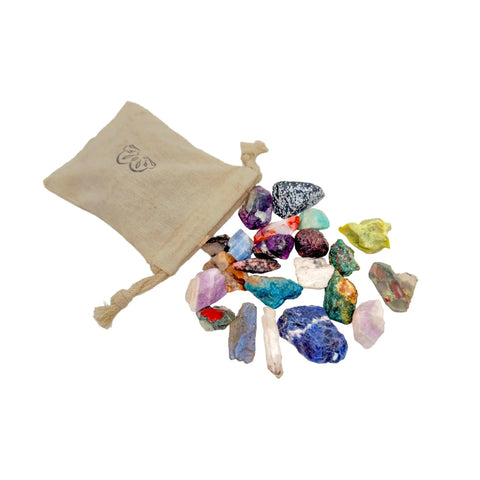
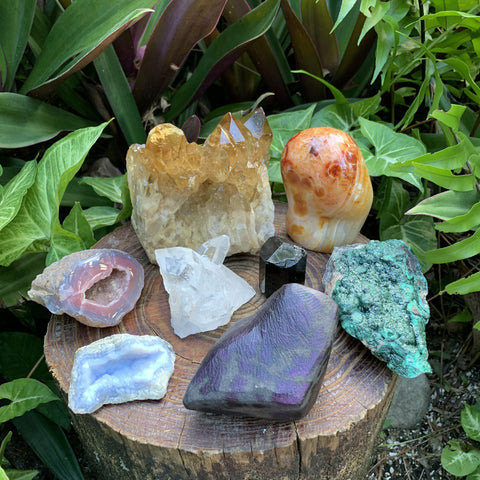
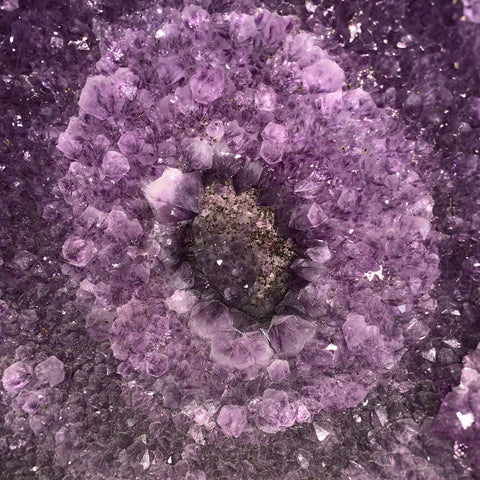
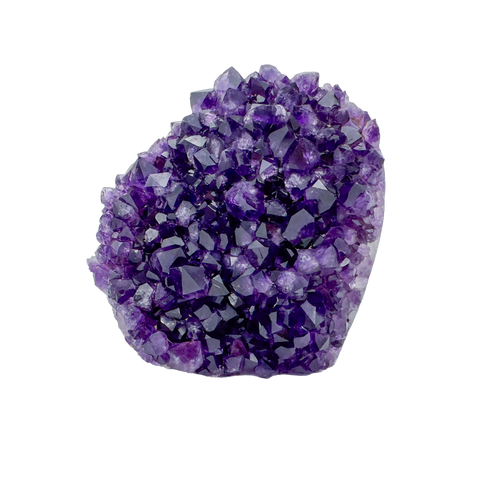
 Amethyst
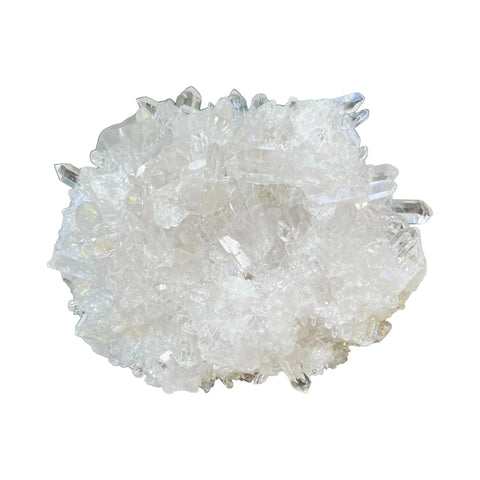
 Clear Quartz
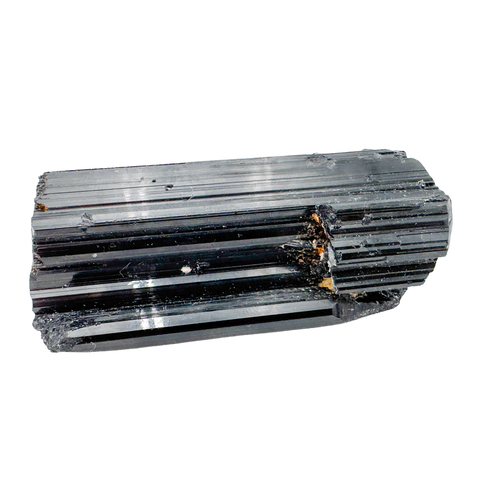
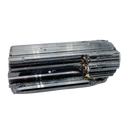 Black Tourmaline
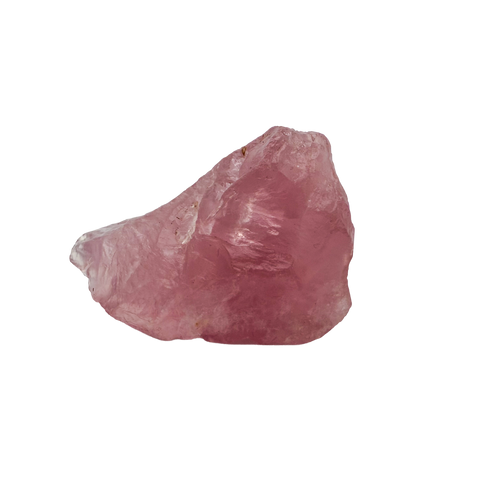
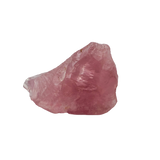 Rose Quartz
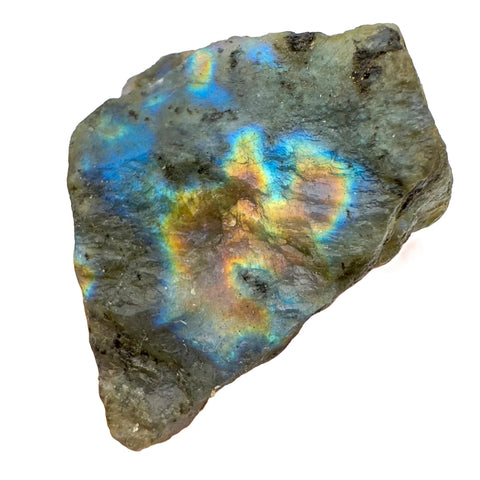
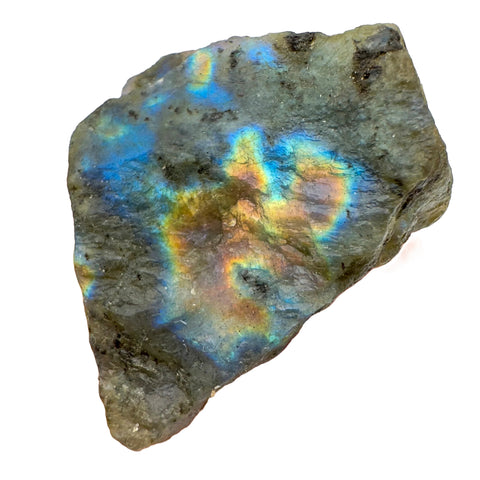
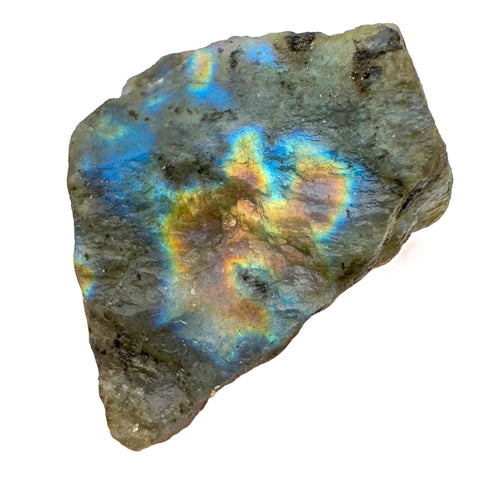
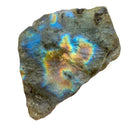 Labradorite
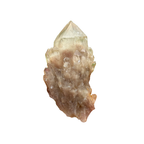 Natural Citrine
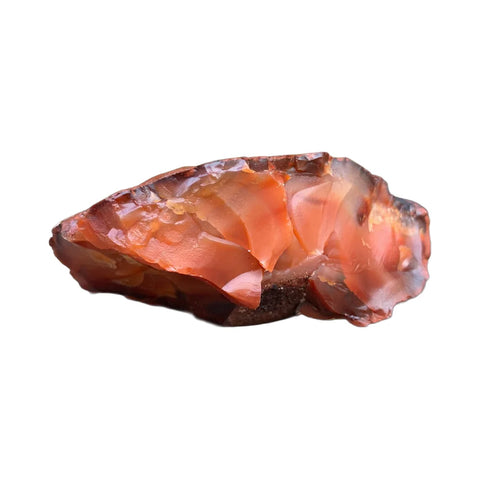
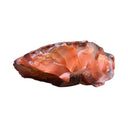 Carnelian
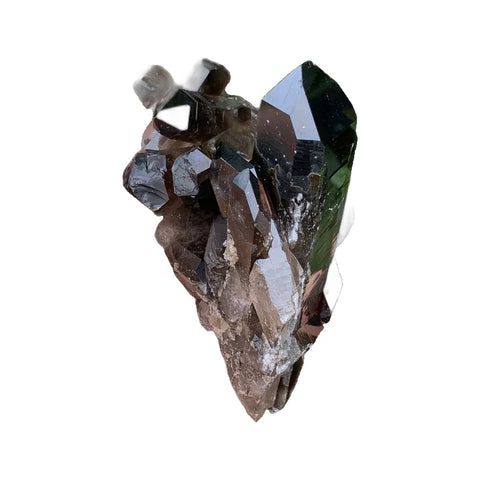
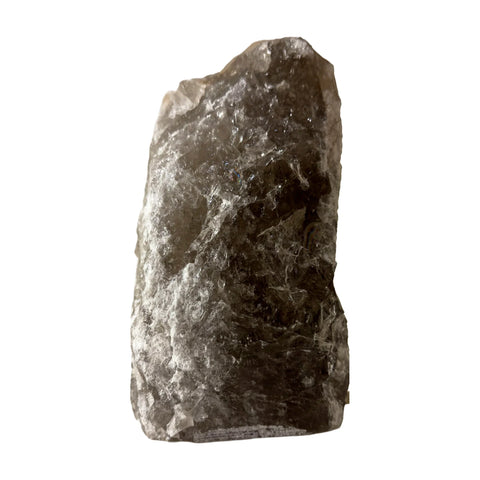
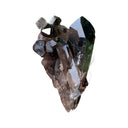 Smoky Quartz
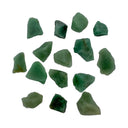 Aventurine
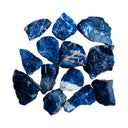 Sodalite
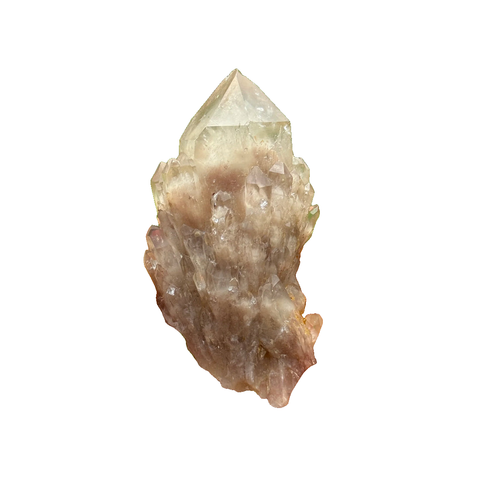
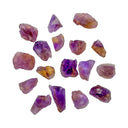 Ametrine
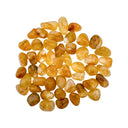 Golden Healer
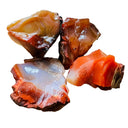 Raw Stones
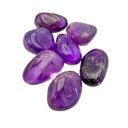 Tumbled Stones
 Palm Stones
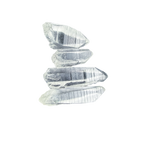 Crystal Points
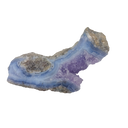 Clusters & Geodes
 Polished & Decor
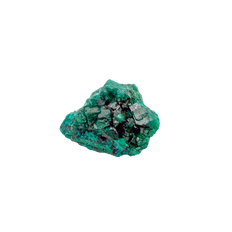 Mineral Specimens
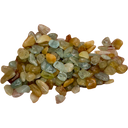 Crystal Chips
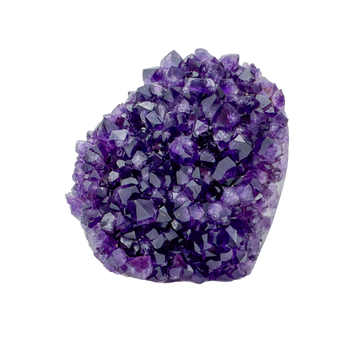
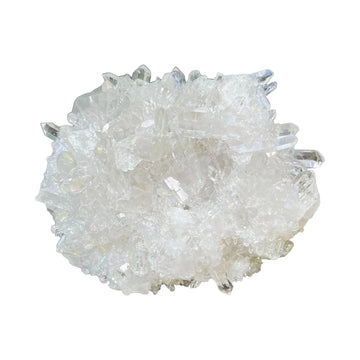
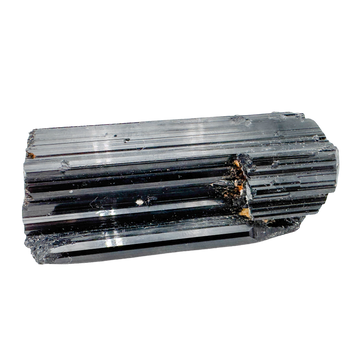
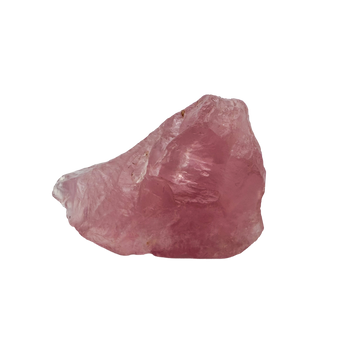
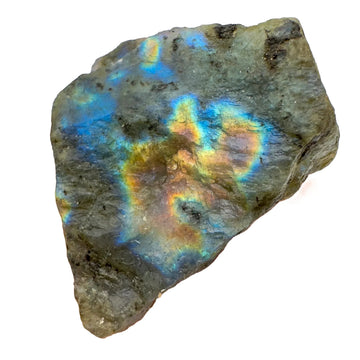
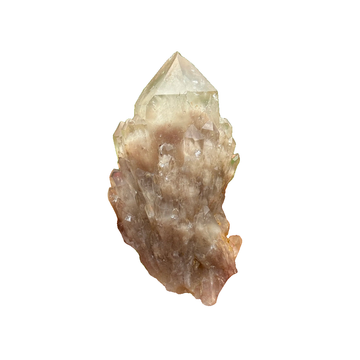
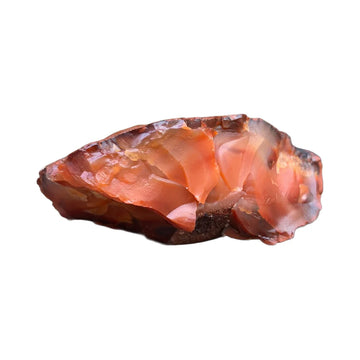
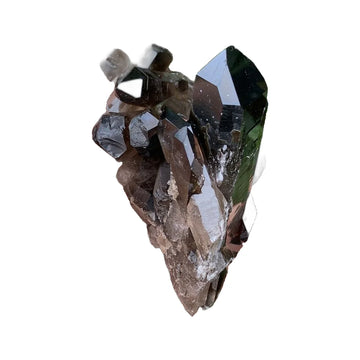
 Raw Stones
179 to choose from
Raw Stones
179 to choose from
 Tumbled Stones
162 to choose from
Tumbled Stones
162 to choose from
 Palm Stones
25 to choose from
Palm Stones
25 to choose from
 Crystal Points
23 to choose from
Crystal Points
23 to choose from
 Clusters & Geodes
98 to choose from
Clusters & Geodes
98 to choose from
 Polished & Decor
147 to choose from
Polished & Decor
147 to choose from
 Mineral Specimens
247 to choose from
Mineral Specimens
247 to choose from
 Crystal Chips
21 to choose from
Crystal Chips
21 to choose from


 AngolaAquamarine
›
AngolaAquamarine
›
 BotswanaCarnelian, Tree Agate
›
BotswanaCarnelian, Tree Agate
›
 DR CongoMalachite, Natural Citrine
›
DR CongoMalachite, Natural Citrine
›
 EswatiniBloodstone
›
EswatiniBloodstone
›
 MadagascarLabradorite, Clear Quartz
›
MadagascarLabradorite, Clear Quartz
›
 MalawiBlue Lace Agate, Garnet
›
MalawiBlue Lace Agate, Garnet
›
 MozambiqueAmazonite
›
MozambiqueAmazonite
›
 NamibiaSodalite, Blue Lace Agate
›
NamibiaSodalite, Blue Lace Agate
›
 Republic of the CongoDioptase
›
Republic of the CongoDioptase
›
 South AfricaTiger Eye, Unakite
›
South AfricaTiger Eye, Unakite
›
 ZambiaChevron Amethyst
›
ZambiaChevron Amethyst
›
 ZimbabweEmerald, Rhodonite
›
ZimbabweEmerald, Rhodonite
›
 ArgentinaBlack Obsidian, Rhodochrosite
›
ArgentinaBlack Obsidian, Rhodochrosite
›
 BoliviaAmetrine
›
BoliviaAmetrine
›
 BrazilAmethyst, Clear Quartz
›
BrazilAmethyst, Clear Quartz
›
 PeruSerpentine, Jade
›
PeruSerpentine, Jade
›
 UruguayAmethyst
›
UruguayAmethyst
›
 Dominican RepublicLarimar
›
Dominican RepublicLarimar
›
 MexicoRainbow Obsidian, Crazy Lace Agate
›
MexicoRainbow Obsidian, Crazy Lace Agate
›
 United StatesSelenite, Peridot
›
United StatesSelenite, Peridot
›
 ChinaFluorite
›
ChinaFluorite
›
 RussiaShungite
›
RussiaShungite
›
 AustraliaMookaite
›
AustraliaMookaite
›
 Where our crystals come from
See where we source →
Where our crystals come from
See where we source →


 Aries
Mar 21 to Apr 19
Carnelian
›
Aries
Mar 21 to Apr 19
Carnelian
›
 Taurus
Apr 20 to May 20
Rose Quartz
›
Taurus
Apr 20 to May 20
Rose Quartz
›
 Gemini
May 21 to Jun 20
Agate
›
Gemini
May 21 to Jun 20
Agate
›
 Cancer
Jun 21 to Jul 22
Moonstone
›
Cancer
Jun 21 to Jul 22
Moonstone
›
 Leo
Jul 23 to Aug 22
Citrine
›
Leo
Jul 23 to Aug 22
Citrine
›
 Virgo
Aug 23 to Sep 22
Amazonite
›
Virgo
Aug 23 to Sep 22
Amazonite
›
 Libra
Sep 23 to Oct 22
Blue Lace Agate
›
Libra
Sep 23 to Oct 22
Blue Lace Agate
›
 Scorpio
Oct 23 to Nov 21
Obsidian
›
Scorpio
Oct 23 to Nov 21
Obsidian
›
 Sagittarius
Nov 22 to Dec 21
Sodalite
›
Sagittarius
Nov 22 to Dec 21
Sodalite
›
 Capricorn
Dec 22 to Jan 19
Black Tourmaline
›
Capricorn
Dec 22 to Jan 19
Black Tourmaline
›
 Aquarius
Jan 20 to Feb 18
Amethyst
›
Aquarius
Jan 20 to Feb 18
Amethyst
›
 Pisces
Feb 19 to Mar 20
Aquamarine
›
Gifting?
A birthday stone is the safe bet.
Read the zodiac guide →
Pisces
Feb 19 to Mar 20
Aquamarine
›
Gifting?
A birthday stone is the safe bet.
Read the zodiac guide →


Lithium Quartz
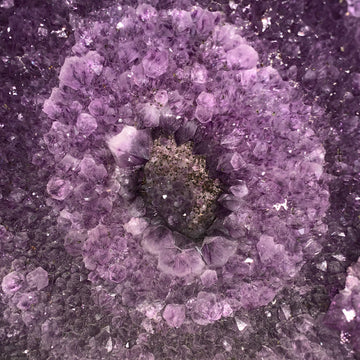
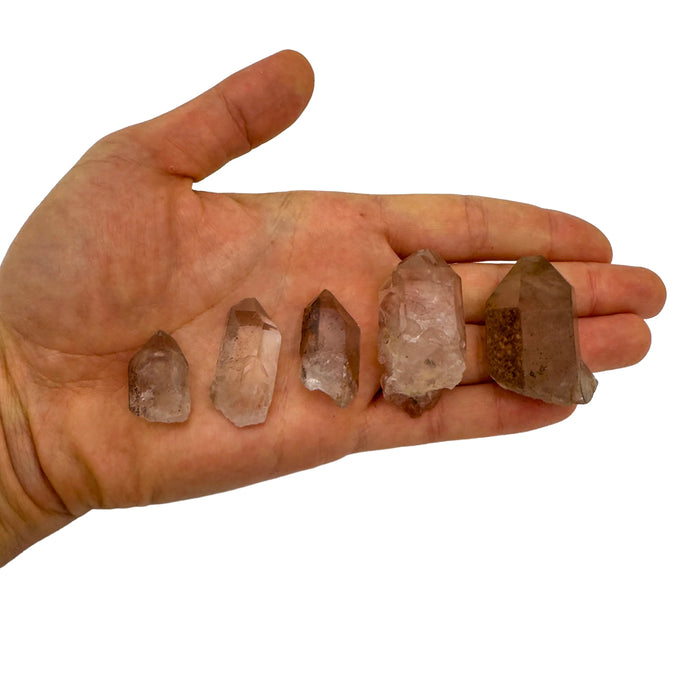
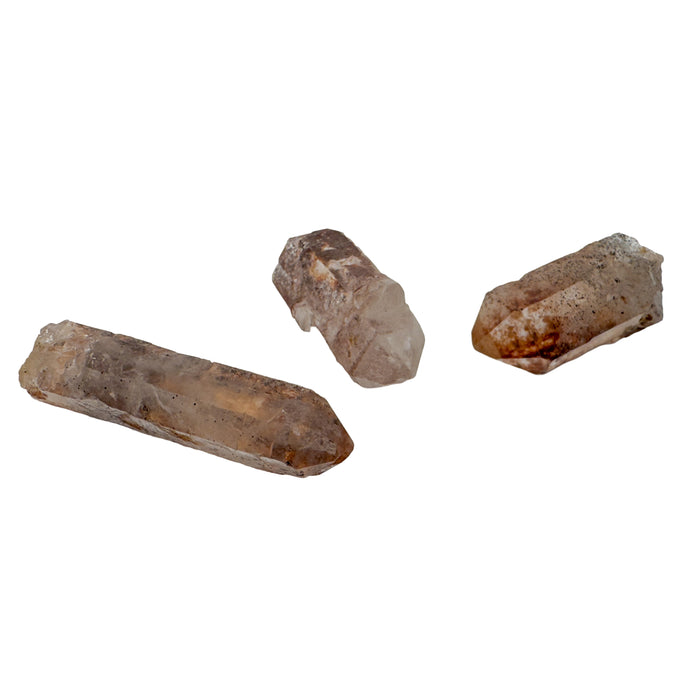
Lithium Quartz is a natural variety of quartz that contains lithium-bearing mineral inclusions such as lepidolite, muscovite, or lithium-rich micas. The inclusions give the clear quartz body soft pink, lavender, or peach tones, often with visible mineral flecks trapped inside. The commercial material comes almost exclusively from Brazilian pegmatite deposits. Traditionally associated with calm, gentle emotional settling, and the kind of present-moment steadiness that doesn't feel forced.
Shop lithium quartzLithium Quartz, in stock now.
From Minas Gerais, Brazil, ready to ship.

- from 1,000+ reviews
- Ships within 72 hoursMonday to Friday, tracked
- 90 days to return itif you do not love it
- Free US shipping over $99$8.99 flat rate under
The geology.
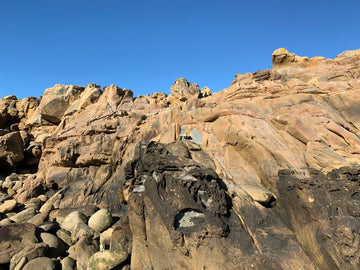
Lithium Quartz is a natural variety of quartz (SiO₂) with mineral inclusions that contain lithium. The inclusions are typically lepidolite (a lithium-rich mica), muscovite, zinnwaldite, or similar lithium-bearing micas and rarer species. These inclusions form simultaneously with the surrounding quartz in lithium-enriched pegmatite environments, where late-stage fluids concentrate rare elements (lithium, cesium, beryllium) into the last, most volatile-rich crystals.
The lithium content in commercial Lithium Quartz is relatively low (fractions of a percent) but enough to affect the appearance and give it the characteristic soft-toned pink-to-lavender body. Hardness runs 7 on the Mohs scale (standard for quartz, with inclusion zones potentially slightly softer). Crystal system trigonal. Specific gravity 2.65. Many pieces show the clear quartz prism structure with the lithium inclusions distributed internally rather than as surface coatings.
The origins.
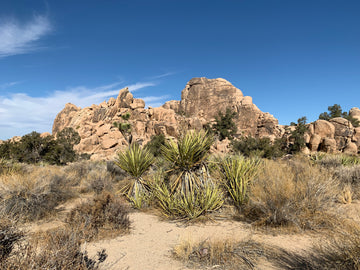
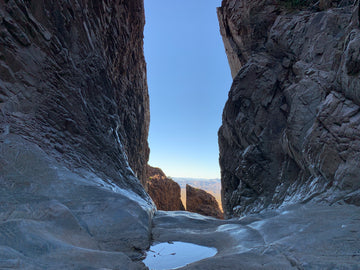
Commercial Lithium Quartz is essentially Brazilian. The primary source is the pegmatite belt of Minas Gerais state, particularly in and around Governador Valadares and the surrounding lithium-enriched deposits. These same pegmatite fields produce Tourmaline, Morganite, Kunzite, and a range of other lithium and cesium-bearing gemstones. Lithium Quartz appears as a byproduct of the broader pegmatite mining, with the included crystals recovered alongside other commercial material.
Small occurrences of quartz with lithium-bearing inclusions are documented in Madagascar, Afghanistan, Pakistan, and the United States, but these are rarely seen as commercial Lithium Quartz specimens. The Brazilian material is visually distinctive enough that the trade name essentially equals Minas Gerais origin. Pegmatite extraction is typically small-to-mid scale, and supply to the crystal market reflects the broader rhythm of Brazilian gem production.
Traditional associations.
Lithium Quartz is a relatively modern entry into contemporary crystal culture, named for its lithium-bearing mineral inclusions rather than any deep historical tradition. The association with calm and emotional steadiness is partly a play on the name (lithium is a well-known psychiatric medication for mood stabilization) and partly reflective of the stone's gentle pink-lavender tones.
Contemporary practice typically casts Lithium Quartz as a calming, heart-opening stone useful during periods of emotional turbulence, anxiety, or sleeplessness. Many people work with it when they want a quieter companion than Rose Quartz or a less active alternative to Rhodochrosite. It's commonly associated with the Heart, Third Eye, and Crown chakras, the element of Water, and the astrological signs Libra, Cancer, and Pisces. Some practitioners recommend keeping a piece near the bedside for sleep support.
Spotting the real thing.
Real Lithium Quartz shows clear quartz body with visible mineral flecks and zones of included material trapped inside, giving the soft pink, lavender, or peach tint. Under magnification, you can distinguish the individual mica or mineral inclusions. Hardness 7 will scratch glass easily. The distribution of color through inclusions is organic and non-uniform; it should not look airbrushed.
Warning signs include uniformly colored clear quartz sold as Lithium Quartz without any visible inclusions (likely dyed or irradiated clear quartz), surface-only color indicating coating rather than internal inclusion, and suspiciously saturated pink that would be unusual for genuine material. Reputable sellers show close-up photos of inclusions and document Brazilian origin.
Care & handling.
Water safe for cleaning with warm water and a soft cloth. Handles ultrasonic and steam cleaning well in most cases, though pieces with significant inclusion zones may have micro-fracture risk and are best cleaned gently. Stable under sunlight in normal exposure, though very prolonged intense sun can fade some of the pink inclusions over years.
Cleanse energetically with moonlight, sound, smoke, or by placing on selenite overnight. At Mohs 7, handles jewelry wear well. Store separately from softer stones to avoid scratching them, or from diamonds, sapphires, and topaz to preserve its own polish.
Pairs well with.
Proof, not promises.
We measure our own sourcing across five dimensions. Supply chain, environmental footprint, artisan support, market integrity, and pricing. The number is honest, not perfect. Where we can do better, we say so.
A deeper look.
Extended geology, sourcing, authentication, history, varieties, and pricing, for when the quick guide isn't quite enough.
Extended geology
Lithium Quartz forms in lithium-enriched granitic pegmatites, the same environment that produces Tourmaline, Lepidolite, Spodumene (including Kunzite), Beryl (including Morganite), and a range of other rare-element gemstones. During the final stages of pegmatite crystallization, the most volatile-rich and chemically complex fluids deposit minerals with high concentrations of lithium, cesium, rubidium, and beryllium. Quartz that crystallizes simultaneously can incorporate lithium-bearing micas as inclusions, producing the characteristic appearance.
Specific gravity 2.65. Mohs hardness 7 (quartz body), with softer included zones where mica content is high. Luster vitreous. No cleavage, conchoidal fracture. The distribution of inclusions is organic and varies from piece to piece, with some pieces showing concentrated bands of included material and others showing distributed flecks throughout the body. Phantom crystals (where earlier growth stages are outlined within later quartz) are common in Lithium Quartz and add collector value.
Extended sourcing
The primary commercial source is the Brazilian pegmatite belt in Minas Gerais state, especially the Governador Valadares region and surrounding lithium-mineralized zones. These deposits produce a wide range of commercial gem material, and Lithium Quartz is typically recovered alongside Tourmaline, Morganite, Kunzite, and Aquamarine. Pegmatite extraction in the region ranges from small-scale artisanal operations to mid-scale commercial mining, with supply to the global crystal market fluctuating with broader market conditions.
Minor occurrences of quartz with lithium inclusions are documented in Madagascar's pegmatite fields, Afghanistan (particularly Nuristan province), Pakistan (Gilgit-Baltistan), and the United States (California and Maine pegmatites). These sources produce limited commercial material and rarely appear under the Lithium Quartz trade name. Brazilian material dominates the crystal trade.
Authentication and warning signs
Genuine Lithium Quartz shows visible mineral inclusions trapped inside the quartz body, with soft pink, lavender, or peach coloration coming from those inclusions rather than from dye or irradiation. Under 10x magnification, individual mica flakes and mineral zones are distinguishable. Hardness 7 scratches glass. The crystal habit is typically the standard quartz prism with pyramidal terminations.
Warning signs: uniformly tinted clear quartz with no visible inclusions sold as Lithium Quartz (likely dyed or irradiated clear quartz or coated material), surface-only color, and unusually deep saturation that doesn't look natural. Legitimate Lithium Quartz is not uniform; the color comes from physical inclusions that vary across each piece.
Historical and cultural context
Lithium Quartz has no pre-modern tradition. The stone entered the Western crystal market during the expansion of Brazilian pegmatite commerce in the latter twentieth century, and its metaphysical associations are built entirely on contemporary culture rather than inherited folk or ritual practice. The name itself plays on the well-known association of lithium as a mood-stabilizing medication, which reinforces the stone's cultural framing as a calming presence.
Quartz more broadly has a global history extending back to the Paleolithic, with clear quartz and colored quartz varieties (amethyst, citrine, smoky, rose) used as amulets, jewelry, and ceremonial objects across most world cultures. Lithium Quartz slots into that broader quartz family as a recent addition, and many contemporary practitioners treat it as a nuanced variant of the general quartz family rather than a standalone stone with independent tradition.
Varieties and trade names
Lithium Quartz: the standard commercial name.
Pink Lithium Quartz: trade description for pieces with prominent pink tones.
Lavender Lithium Quartz: trade description for lavender-toned pieces.
Lithium Included Quartz: formal descriptive label.
Phantom Lithium Quartz: pieces with visible phantom-crystal structures inside.
Pricing reality
Tumbled Lithium Quartz: 4 to 15 dollars per piece. Raw crystal points: 15 to 60 dollars for small pieces, 60 to 200 for mid-sized. Polished palm stones and freeforms: 20 to 80 dollars. Specimen-grade points with exceptional inclusions or phantom structures: 80 to 400 dollars.
Value drivers: inclusion quality and visibility, color distribution, crystal form integrity, size, and documented Brazilian origin. Warning signs: tinted clear quartz with no visible inclusions sold at premium prices, generic pegmatite origin claims without specific Brazilian region detail, and missing documentation on larger pieces.
Good sourcing is a practice, not a claim.
Nothing we sell is dyed clear quartz sold as Lithium Quartz. We source from documented Brazilian pegmatite operations and confirm visible lithium-bearing inclusions on every piece, even when that narrows our inventory.
Bring lithium-quartz home.
Collector pieces are photographed individually, and you receive the exact piece shown. Batch stones are sold by the piece or by the pound from the lot pictured, with the same origin and treatment notes on every product page.
Shop the lithium-quartz collectionGrounded Connections
New Lithium Quartz pieces go to the list first. One note when they land.
No forwarding, no selling. Unsubscribe in one click. Privacy