


 Agatefor stress relief
 Amazonitefor stress relief
 Aquamarinefor serenity
 Aventurinefor luck
 Bloodstonefor energy
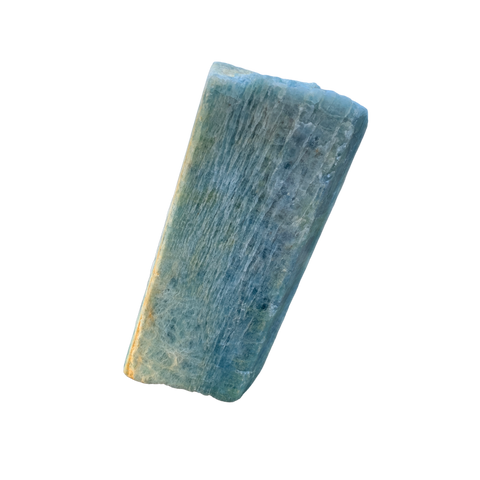
 Blue Kyanitefor confidence
 Blue Lace Agatefor stress relief
 Chrysocollafor emotional healing
 Fluoritefor focus
 Garnetfor energy
 Lepidolitefor stress relief
 Malachitefor emotional healing
 Moonstonefor grounding
 Obsidianfor protection
 Ocean Jasperfor emotional healing
 Red Jasperfor grounding
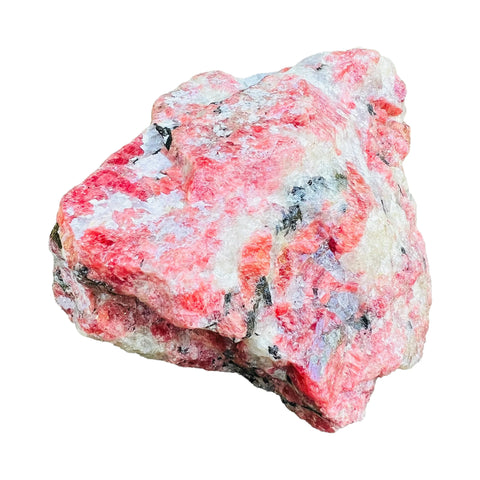
 Rhodonitefor emotional healing
 Selenitefor cleansing
 Sodalitefor focus
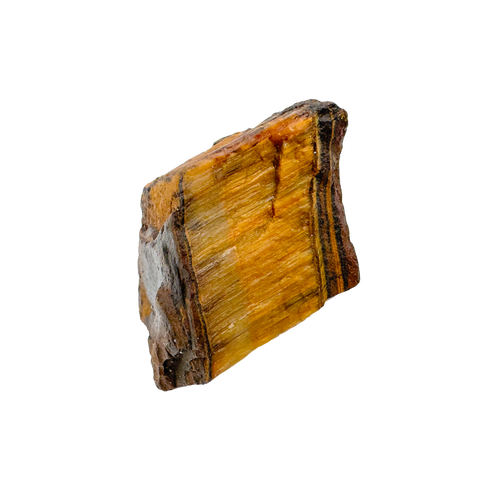
 Tiger Eyefor confidence


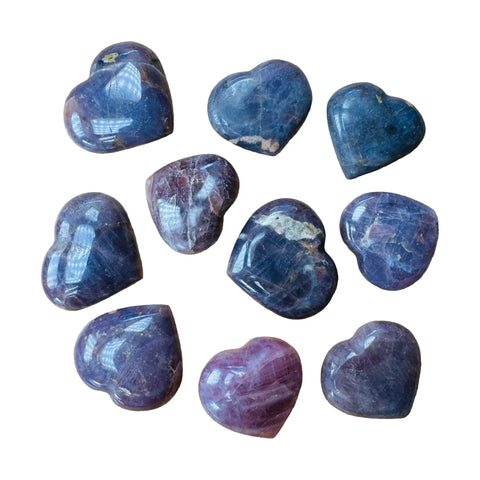
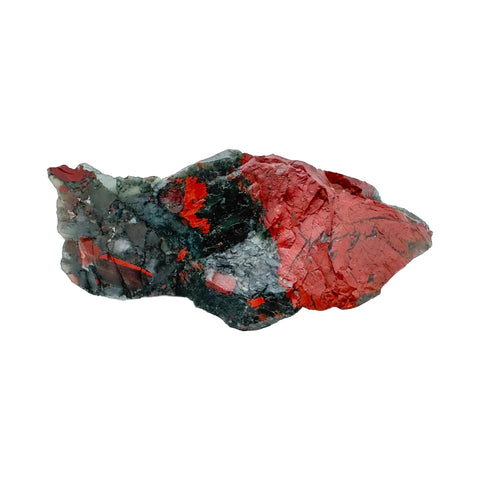
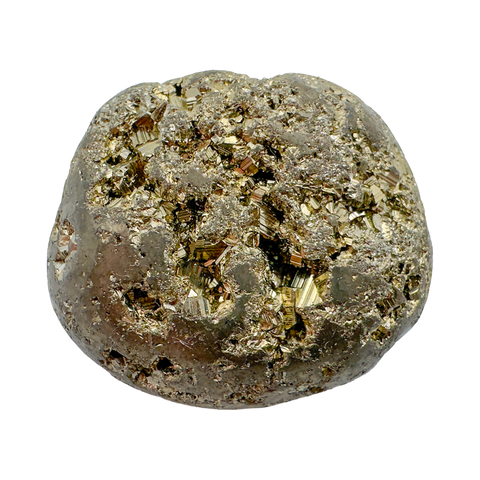


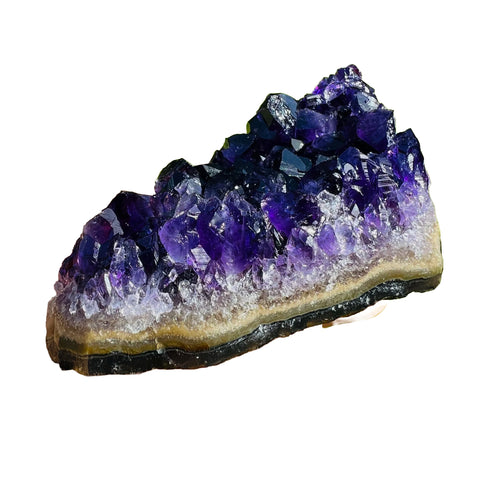






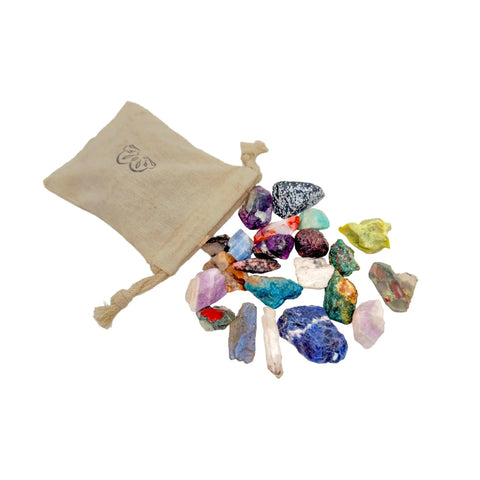

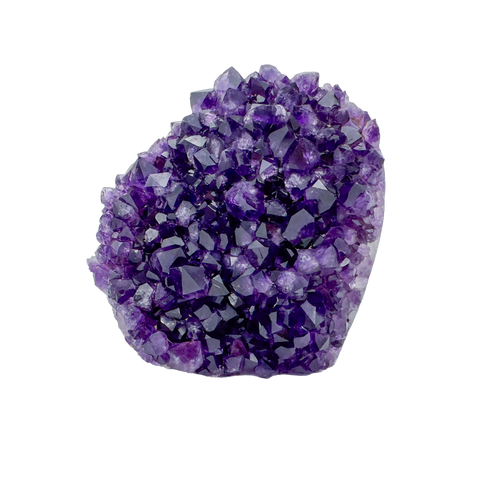
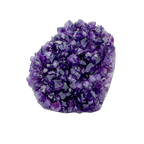 Amethyst
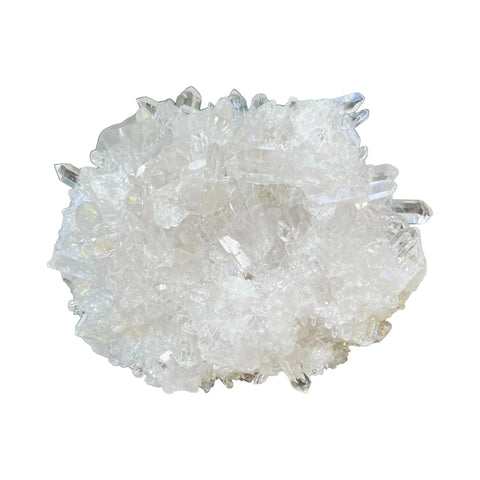
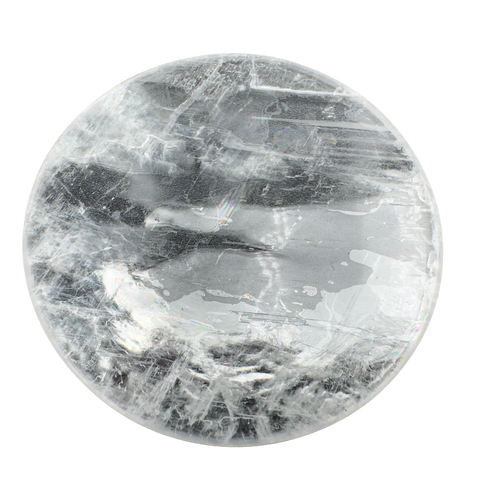
 Clear Quartz
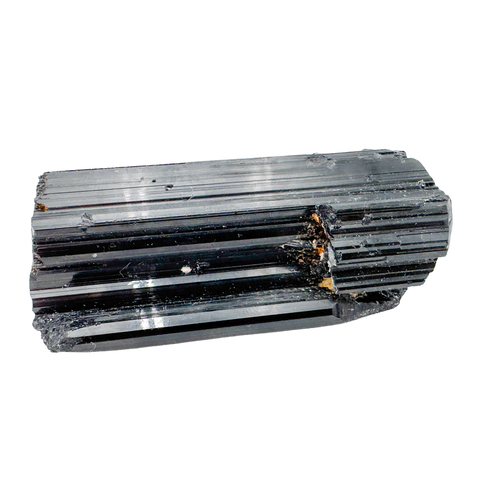
 Black Tourmaline
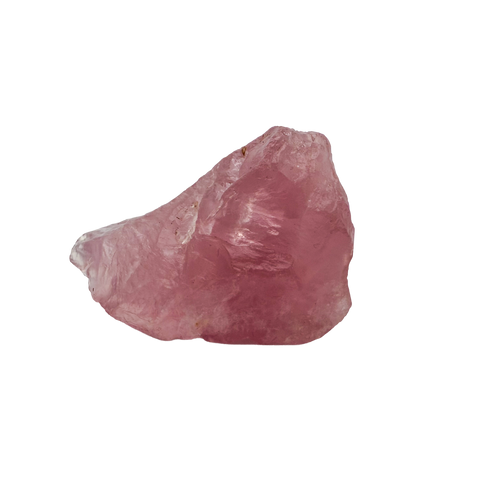
 Rose Quartz
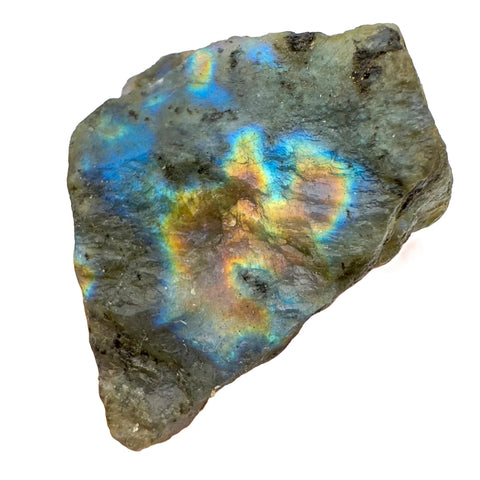
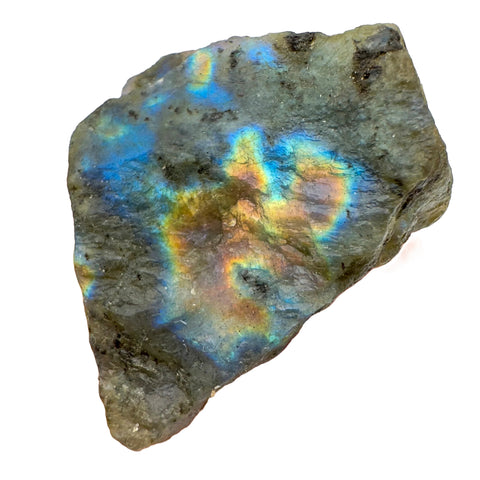
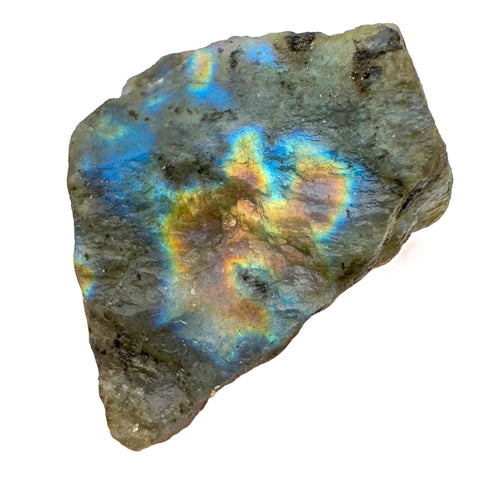
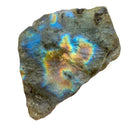 Labradorite
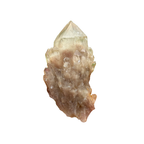 Natural Citrine
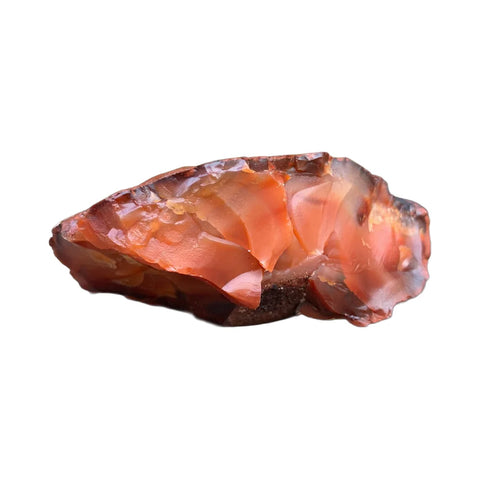
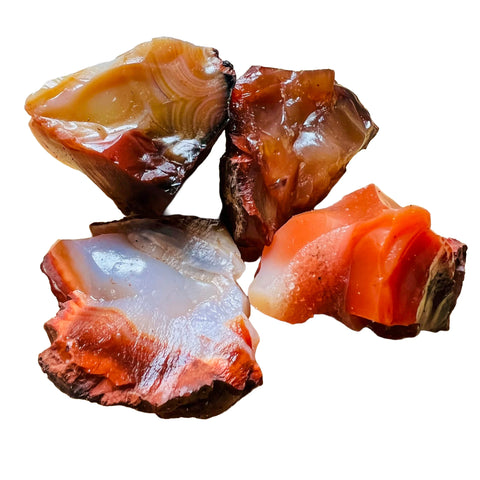
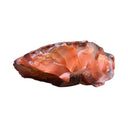 Carnelian
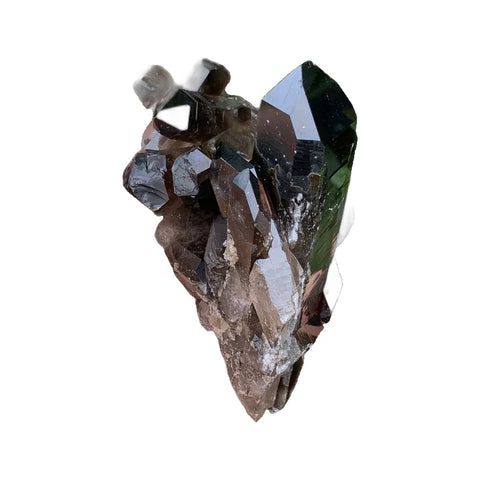
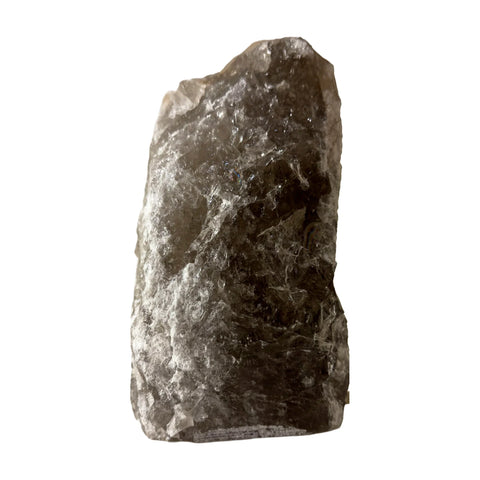
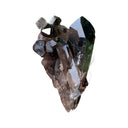 Smoky Quartz
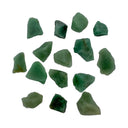 Aventurine
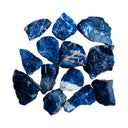 Sodalite
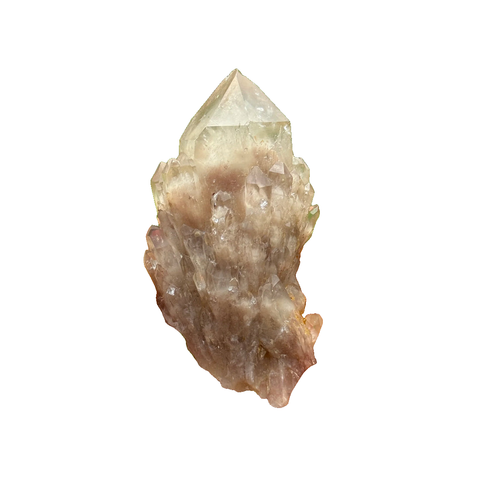
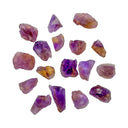 Ametrine
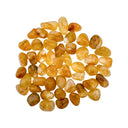 Golden Healer
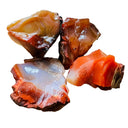 Raw Stones
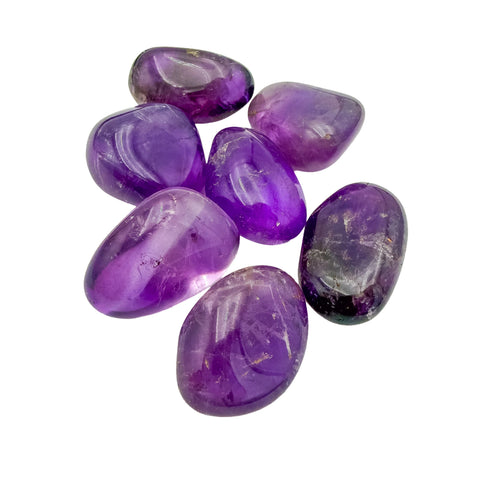
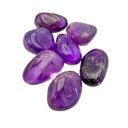 Tumbled Stones
 Palm Stones
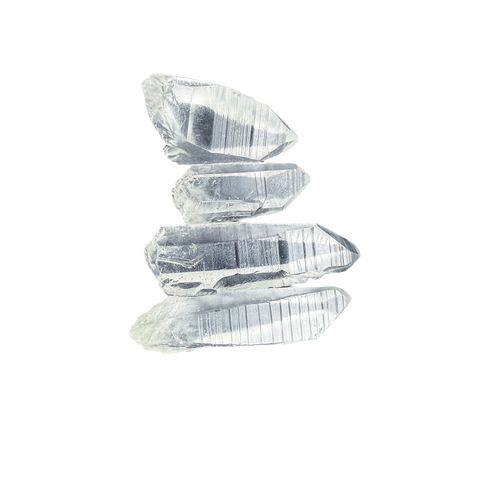
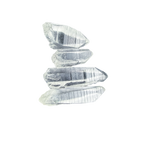 Crystal Points
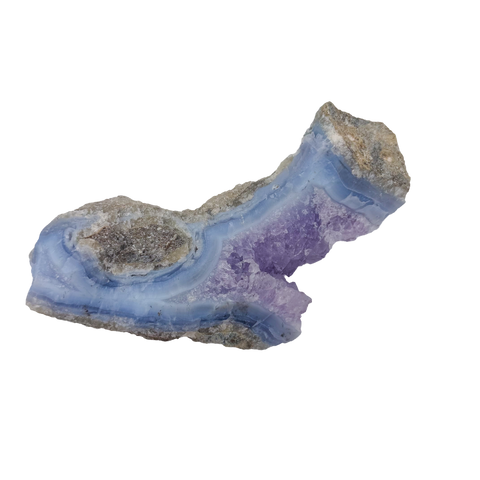
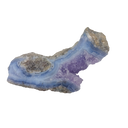 Clusters & Geodes
 Polished & Decor
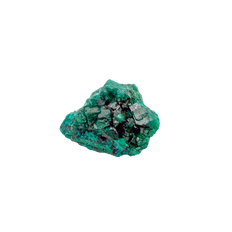 Mineral Specimens
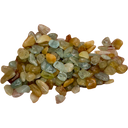 Crystal Chips
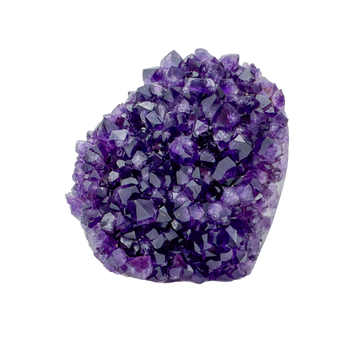
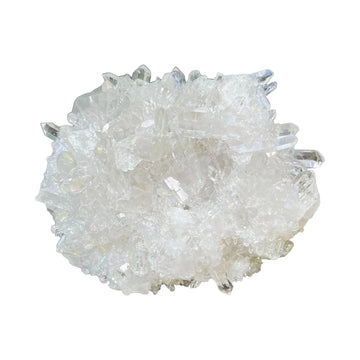
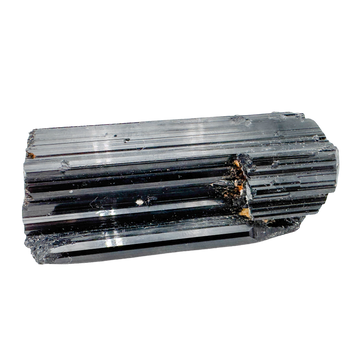
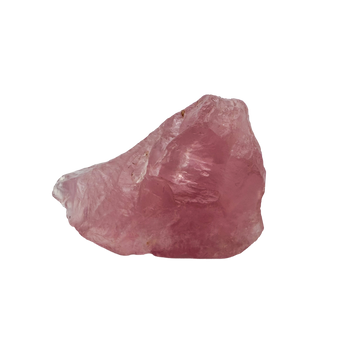
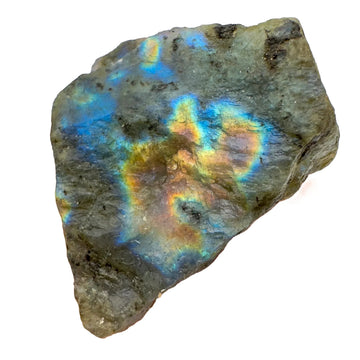
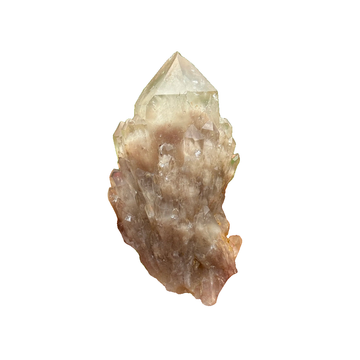
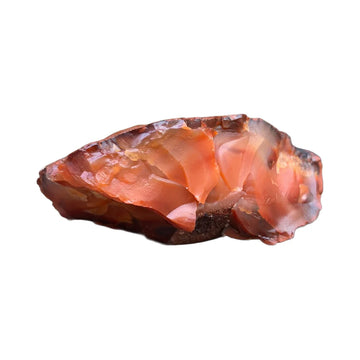
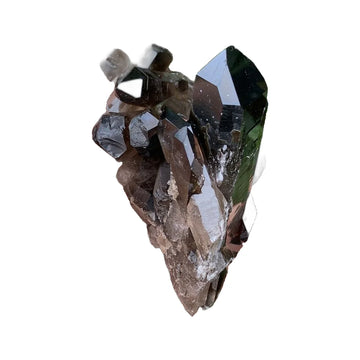
 Raw Stones
179 to choose from
Raw Stones
179 to choose from
 Tumbled Stones
162 to choose from
Tumbled Stones
162 to choose from
 Palm Stones
25 to choose from
Palm Stones
25 to choose from
 Crystal Points
23 to choose from
Crystal Points
23 to choose from
 Clusters & Geodes
96 to choose from
Clusters & Geodes
96 to choose from
 Polished & Decor
146 to choose from
Polished & Decor
146 to choose from
 Mineral Specimens
245 to choose from
Mineral Specimens
245 to choose from
 Crystal Chips
21 to choose from
Crystal Chips
21 to choose from


 AngolaAquamarine
›
AngolaAquamarine
›
 BotswanaCarnelian, Tree Agate
›
BotswanaCarnelian, Tree Agate
›
 DR CongoMalachite, Natural Citrine
›
DR CongoMalachite, Natural Citrine
›
 EswatiniBloodstone
›
EswatiniBloodstone
›
 MadagascarLabradorite, Clear Quartz
›
MadagascarLabradorite, Clear Quartz
›
 MalawiBlue Lace Agate, Garnet
›
MalawiBlue Lace Agate, Garnet
›
 MozambiqueAmazonite
›
MozambiqueAmazonite
›
 NamibiaSodalite, Blue Lace Agate
›
NamibiaSodalite, Blue Lace Agate
›
 Republic of the CongoDioptase
›
Republic of the CongoDioptase
›
 South AfricaTiger Eye, Unakite
›
South AfricaTiger Eye, Unakite
›
 ZambiaChevron Amethyst
›
ZambiaChevron Amethyst
›
 ZimbabweEmerald, Rhodonite
›
ZimbabweEmerald, Rhodonite
›
 ArgentinaBlack Obsidian, Rhodochrosite
›
ArgentinaBlack Obsidian, Rhodochrosite
›
 BoliviaAmetrine
›
BoliviaAmetrine
›
 BrazilAmethyst, Clear Quartz
›
BrazilAmethyst, Clear Quartz
›
 PeruSerpentine, Jade
›
PeruSerpentine, Jade
›
 UruguayAmethyst
›
UruguayAmethyst
›
 Dominican RepublicLarimar
›
Dominican RepublicLarimar
›
 MexicoRainbow Obsidian, Crazy Lace Agate
›
MexicoRainbow Obsidian, Crazy Lace Agate
›
 United StatesSelenite, Peridot
›
United StatesSelenite, Peridot
›
 ChinaFluorite
›
ChinaFluorite
›
 RussiaShungite
›
RussiaShungite
›
 AustraliaMookaite
›
AustraliaMookaite
›
 Where our crystals come from
See where we source →
Where our crystals come from
See where we source →


 Aquarius
Jan 20 to Feb 18
Amethyst
›
Aquarius
Jan 20 to Feb 18
Amethyst
›
 Pisces
Feb 19 to Mar 20
Aquamarine
›
Pisces
Feb 19 to Mar 20
Aquamarine
›
 Aries
Mar 21 to Apr 19
Carnelian
›
Aries
Mar 21 to Apr 19
Carnelian
›
 Taurus
Apr 20 to May 20
Rose Quartz
›
Taurus
Apr 20 to May 20
Rose Quartz
›
 Gemini
May 21 to Jun 20
Agate
›
Gemini
May 21 to Jun 20
Agate
›
 Cancer
Jun 21 to Jul 22
Moonstone
›
Cancer
Jun 21 to Jul 22
Moonstone
›
 Leo
Jul 23 to Aug 22
Citrine
›
Leo
Jul 23 to Aug 22
Citrine
›
 Virgo
Aug 23 to Sep 22
Amazonite
›
Virgo
Aug 23 to Sep 22
Amazonite
›
 Libra
Sep 23 to Oct 22
Blue Lace Agate
›
Libra
Sep 23 to Oct 22
Blue Lace Agate
›
 Scorpio
Oct 23 to Nov 21
Obsidian
›
Scorpio
Oct 23 to Nov 21
Obsidian
›
 Sagittarius
Nov 22 to Dec 21
Sodalite
›
Sagittarius
Nov 22 to Dec 21
Sodalite
›
 Capricorn
Dec 22 to Jan 19
Black Tourmaline
›
Gifting?
A birthday stone is the safe bet.
Read the zodiac guide →
Capricorn
Dec 22 to Jan 19
Black Tourmaline
›
Gifting?
A birthday stone is the safe bet.
Read the zodiac guide →


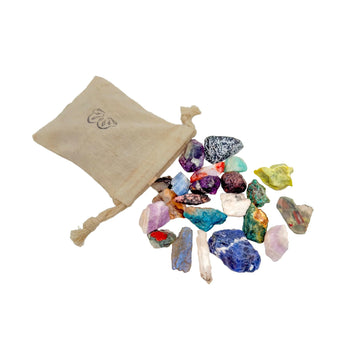
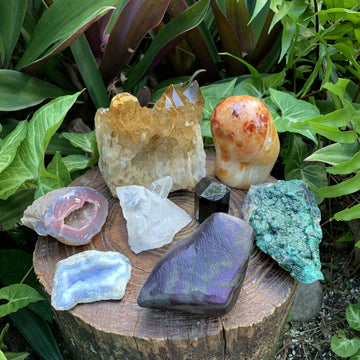

Clear Quartz
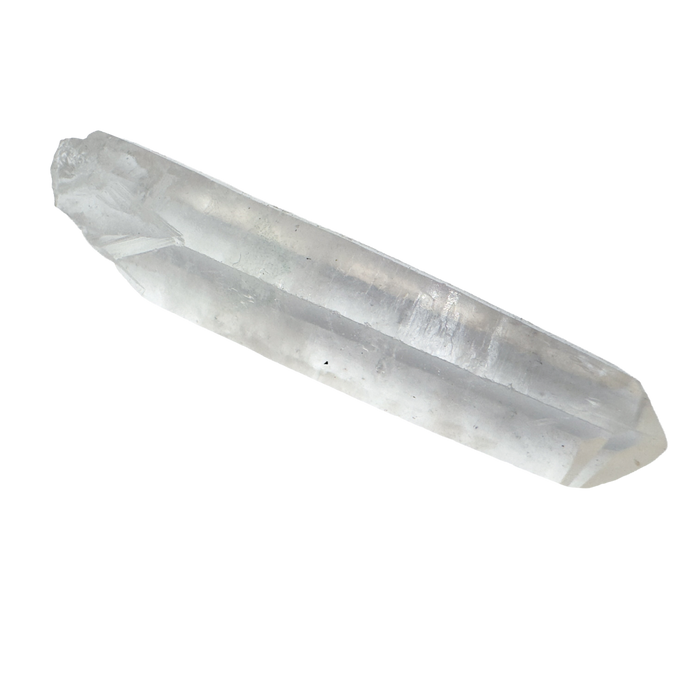
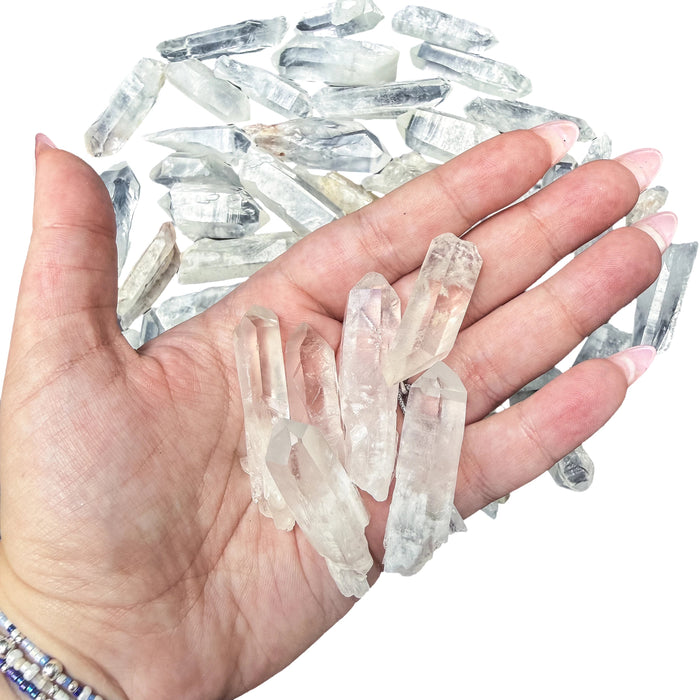
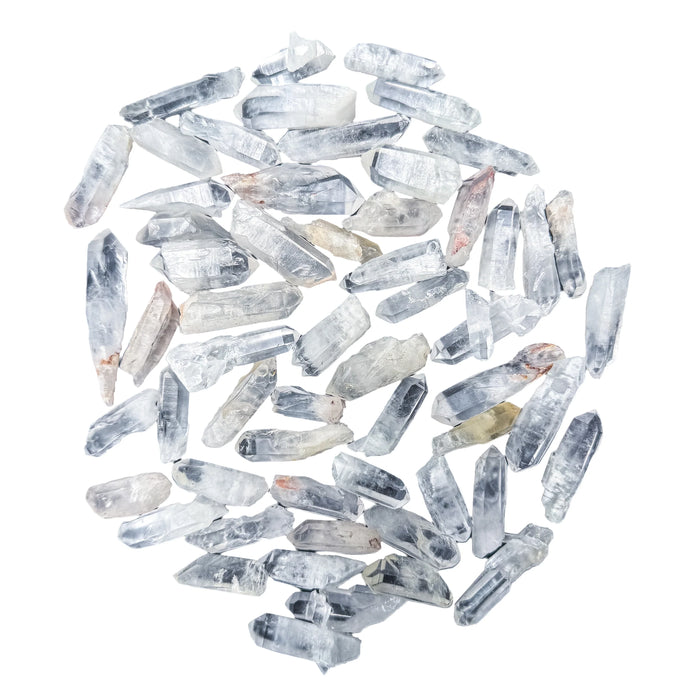
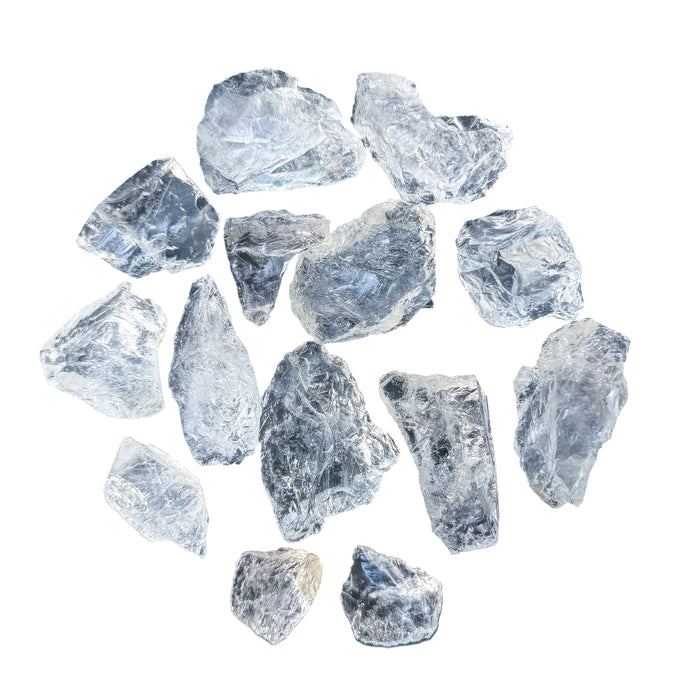
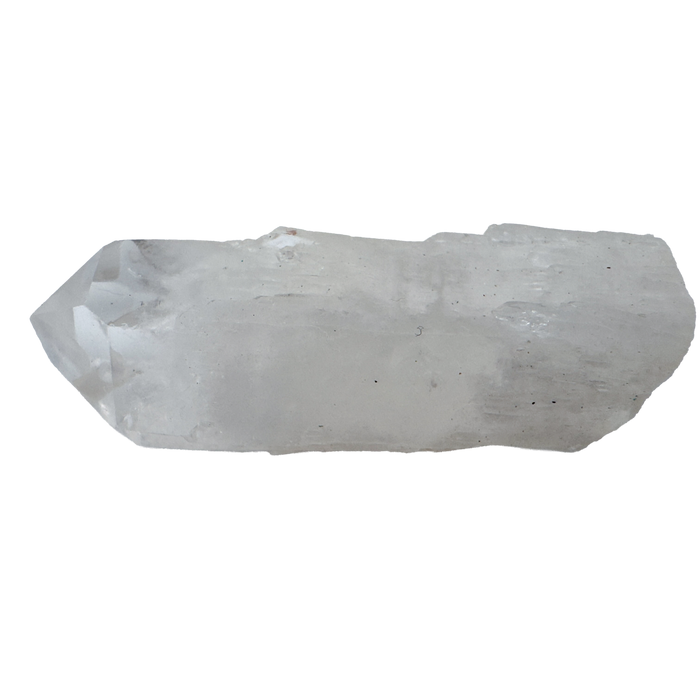
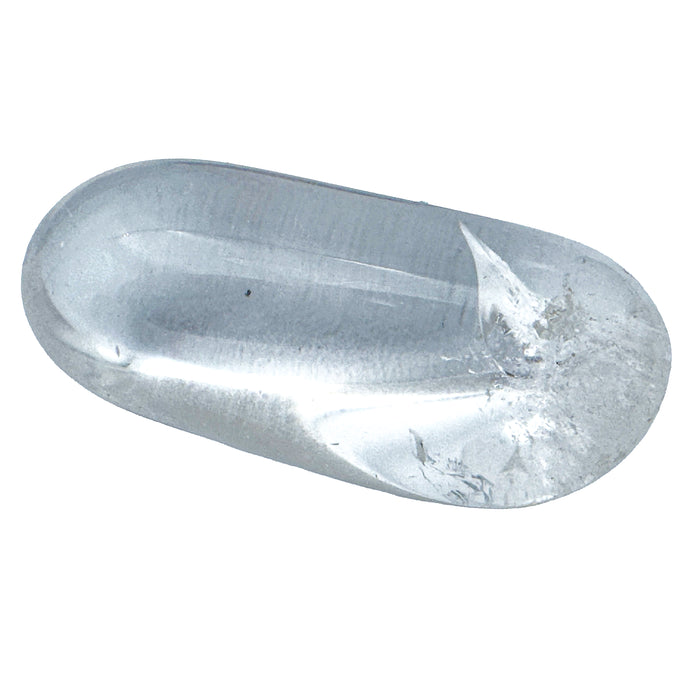
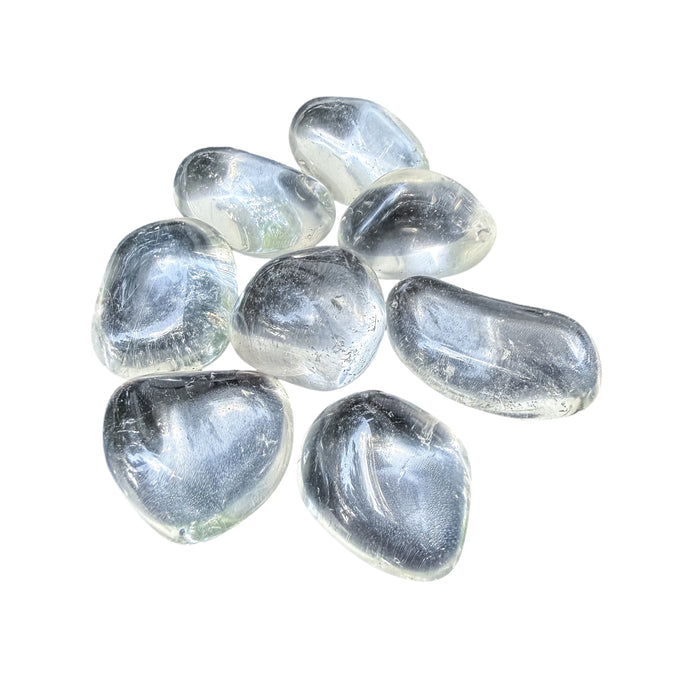
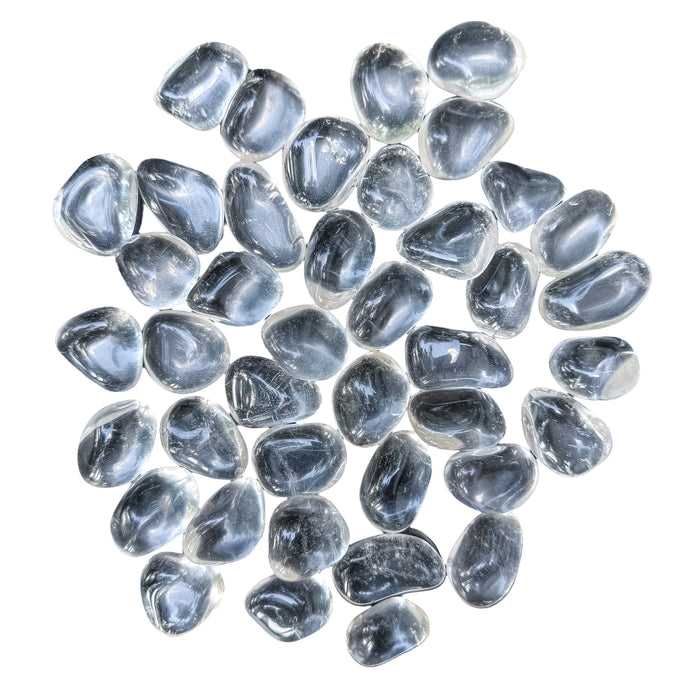
Clear quartz quality comes down to four things: transparency, the absence of cloudy or milky zones, the presence and character of any inclusions, and how cleanly the point or cluster is formed. Truly flawless, water-clear quartz is rarer than most shops imply, so light internal veiling is normal and not a defect. Grade labels like AAA are not standardized.
Clear quartz is silicon dioxide in its purest form, the most abundant mineral on the Earth's crust. Its clarity and hardness at 7 on the Mohs scale have made it essential to both mineralogy and human practice for thousands of years. Natural clear quartz is rarely treated because its value comes from its transparency, which treatment cannot improve. When you hold a well-formed point or clean tumbled stone, you're holding something that's both ancient and impossibly clear.
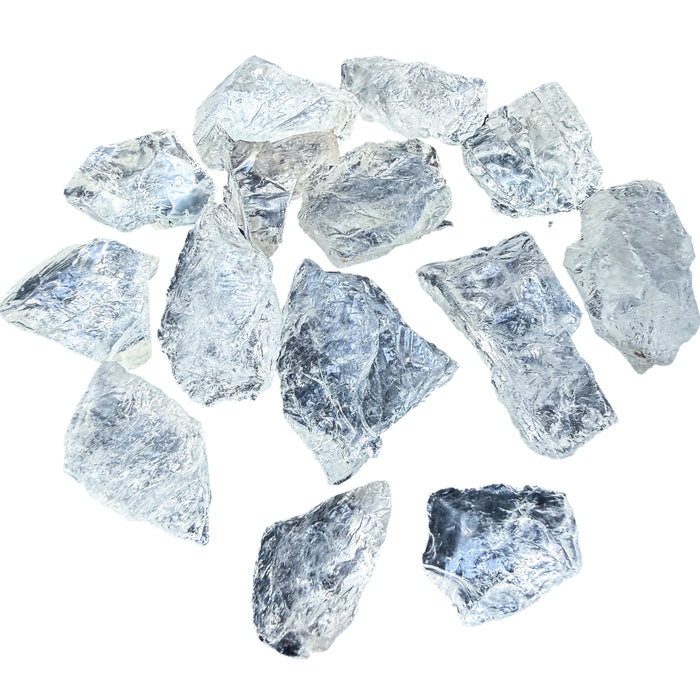
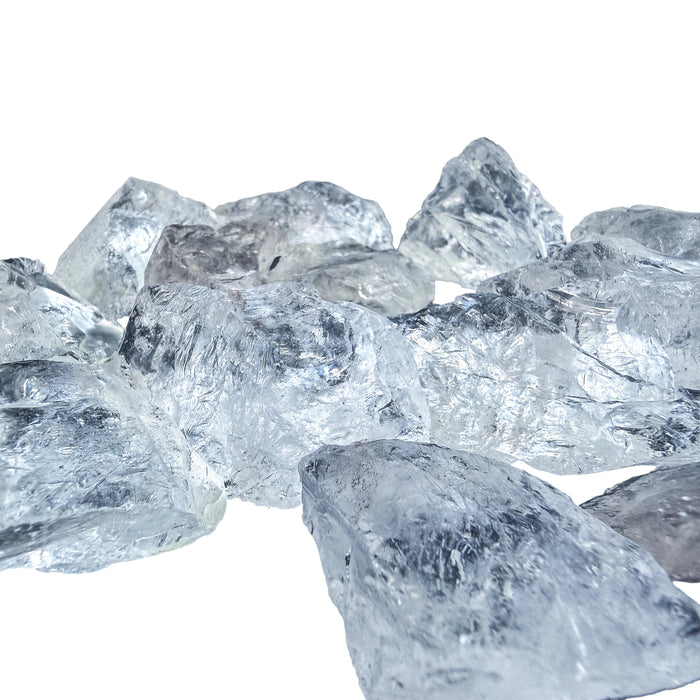
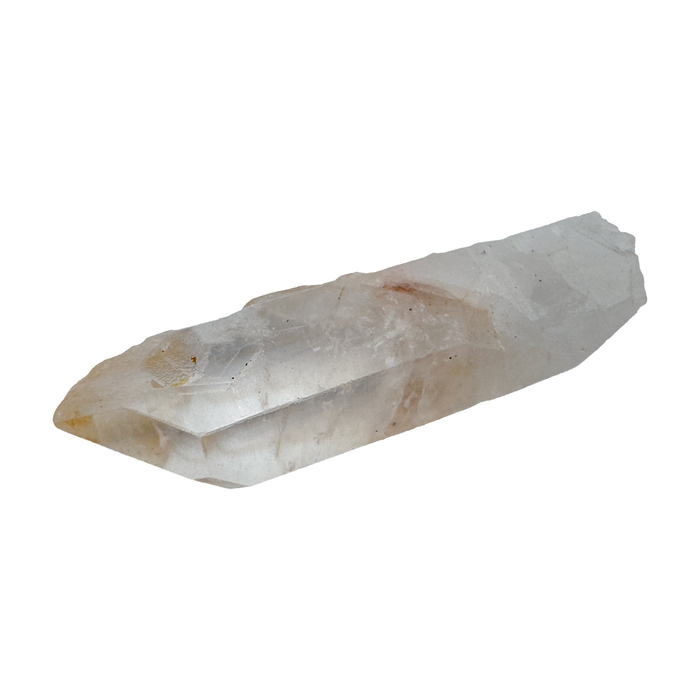
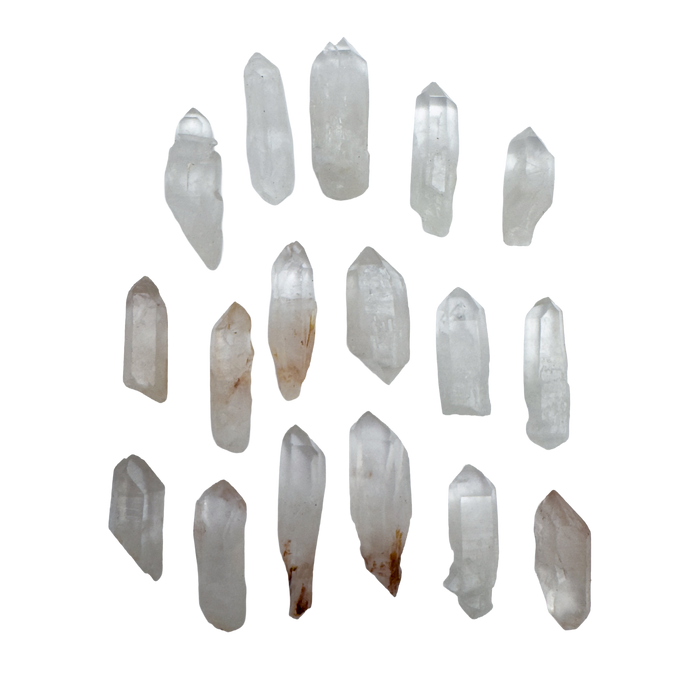
Shop clear quartzClear Quartz, in stock now.
Our most-loved Clear Quartz pieces, ready to ship.
- from 1,000+ reviews
- Ships within 72 hoursMonday to Friday, tracked
- 90 days to return itif you do not love it
- Free US shipping over $99$8.99 flat rate under
The geology.
Clear quartz is silicon dioxide, chemical formula SiO2, the simplest and most abundant form of quartz. It crystallizes in the trigonal system and forms both as individual hexagonal points and as massive clusters. The clarity comes from the mineral's pure structure: no trace metals, no color, just translucent or transparent silica. Its hardness at 7 on the Mohs scale makes it durable for daily wear or study, and significantly harder than many other common minerals. Specific gravity sits around 2.65, consistent with quartz generally.
Clear quartz forms in a variety of geological settings: igneous rocks like granite and pegmatite, hydrothermal veins, and sedimentary deposits. Natural quartz points grow over thousands of years inside host rock, usually in clusters. The shape of a point develops from the way the crystal lattice grows, with the termination forming a perfect hexagonal pyramid if the crystal had space to develop unconstrained. Inclusions are common in natural quartz. These may appear as fine lines, cloud-like areas, or tiny mineral particles suspended in the body of the crystal. The presence of inclusions is a proof of natural formation.
The origins.
Clear quartz is found on every continent. The most commercially significant deposits for retail-quality specimens are in Brazil, Madagascar, and Arkansas. Brazil produces the largest volume of high-grade quartz points globally, with major deposits concentrated in Rio Grande do Sul and Minas Gerais. These regions have a long history of quartz mining, and the material ranges from small crystalline clusters to massive geode-like formations. Brazilian clear quartz is known for its hardness and clarity, with points that form in tight clusters.
Madagascar produces clear quartz from pegmatite and hydrothermal deposits, often with a slightly softer, more translucent character than Brazilian material. The points tend to form more individually and are sometimes prized for their uniformity and lack of surface damage. Arkansas quartz, mined primarily in the Hot Springs and Ouachita mountain regions, has been sought after for over 150 years. It's known for exceptional clarity and the presence of distinctive surface patterns. Arkansas material often carries a subtle sheen or slight cloudiness that many collectors find characteristic.
Clear quartz forms in deposits worldwide, including Colombia (known for Lemurian-style points with horizontal striations), the Himalayas, and various other regions. These sources are secondary in the commercial market, but they add diversity to the clear quartz supply and offer distinct characteristics. We select our clear quartz based on clarity, form, and origin documentation rather than geographic exclusivity.
Traditional associations.
Clear quartz has been at the center of crystal practice for thousands of years. Ancient cultures used it as a tool for everything from tool-making to ritual. In modern crystal work, clear quartz holds the position of master amplifier and universal healer archetype. It's the stone people reach for when they want to clarify intention, amplify other stones in a collection, or work with the energy of the crown chakra. Many practitioners consider it the most versatile stone available, pairing well with nearly everything else.
The central theme in clear quartz practice is amplification. It's traditionally associated with clarity of thought, focus, programming (the practice of imbuing a stone with intention), and the ability to attune itself to whatever energy or intention the person brings to it. Many people work with it for meditation when mental clarity is the goal, for manifestation practices where intention-setting is key, and for creating a foundation stone in a collection. It's also traditionally linked to the crown chakra and all chakras, making it adaptable to many different intentions. Because clear quartz is both foundational and infinitely versatile, it shows up in collections large and small as a reference point or anchor.
Spotting the real thing.
Genuine clear quartz is hard and will not scratch under fingernail or copper coin. The transparency ranges from perfectly clear to cloudy or milky depending on natural inclusions and the presence of gas bubbles or liquid pockets formed during crystal growth. Look for pieces where you can see inclusions, surface patterns, and slight cloudiness rather than absolute transparency, which is a sign of natural variation in the material. True clear quartz can be scratched with harder minerals like diamond or corundum, but not with softer tools. The hardness is a defining feature.
Glass imitations feel lighter and lack the solidity of quartz. When light passes through genuine clear quartz, it bends in a specific way due to the crystal structure. Glass lacks this optical signature. Synthetic hydrothermal quartz is indistinguishable from natural quartz to the naked eye, but it's rarely sold as ornamental material at retail. If a seller claims a point is natural yet it's flawlessly clear and perfectly formed without any inclusions, ask about treatment or synthetic origin. Natural clear quartz always carries some evidence of its geological journey.
Care & handling.
Clear quartz is durable and doesn't require special handling beyond normal care. The hardness at 7 on the Mohs scale means it can be gently cleaned under cool running water without risk. Avoid extreme temperature changes, which can cause cracking in some specimens. Don't use ultrasonic or steam cleaners on raw points, as the vibrations may cause internal fractures to propagate. Tumbled stones are more robust and can tolerate more vigorous cleaning. Dry gently with a soft cloth after washing.
Store clear quartz away from softer minerals that it could scratch, and away from harder minerals like diamond or sapphire that could damage it. It's resistant to fading and doesn't require protection from sunlight like some other stones. Some practitioners cleanse their clear quartz under moonlight, with smoke, or with sound as part of an energetic practice. All of these methods are safe. You can also simply hold the stone under cool running water and set an intention if you prefer a more grounded approach. The clarity and durability of clear quartz are core to its utility. Treat it like the workhorse mineral it is.
Pairs well with.
Proof, not promises.
We measure our own sourcing across five dimensions. Supply chain, environmental footprint, artisan support, market integrity, and pricing. The number is honest, not perfect. Where we can do better, we say so.
A deeper look.
Extended geology, sourcing, origins by region, authentication, clarity grades, point formation, and pricing for when the quick guide isn't quite enough.
Extended geology and crystal formation
Clear quartz is silicon dioxide with the chemical formula SiO2, crystallizing in the trigonal (hexagonal) system. It forms in a variety of geological environments: pegmatite veins, hydrothermal deposits, and as a component of granites and other igneous rocks. Natural quartz points grow slowly over geological timescales, typically thousands to millions of years, as silica-rich fluids cool and crystallize along fractures in host rock.
The hexagonal termination of a quartz point develops from the geometry of the crystal lattice. When a crystal has space to grow unconstrained, it naturally terminates in a perfect hexagonal pyramid. Clustered points, as found in geodes and on matrix, often show flattened or irregular terminations because they grew against adjacent crystals or host rock. The presence of these growth interruptions is a proof of natural formation.
Inclusions in clear quartz include gas bubbles, liquid pockets, and trace minerals. These form during the crystallization process and are entirely normal. Cloudiness or milky areas come from microscopic gas and liquid inclusions that trap light. Completely clear, inclusion-free quartz is relatively rare in nature, making perfectly transparent specimens valuable to collectors.
Sourcing by region: Brazil, Madagascar, Arkansas
Brazil produces the largest volume of commercial quartz globally. Major deposits in Rio Grande do Sul and Minas Gerais yield points ranging from small crystals to large geodes. Brazilian quartz is known for clarity and hardness. Points typically form in tight clusters and are worked from host rock using hammer and chisel. The mining is labor-intensive but localized, with established supply chains and infrastructure.
Madagascar quartz comes from pegmatite deposits in the central and southern regions. The material often has a softer, more translucent quality than Brazilian quartz, with individual points that form more distinctly. The supply is smaller but consistent, and the material has become more available in Western markets over the past two decades.
Arkansas quartz, mined in the Hot Springs and Ouachita mountain regions, has a history spanning over 150 years. The region produces distinctive material characterized by exceptional clarity and a subtle surface finish. Arkansas points often show characteristic horizontal striations and a slight cloudiness that many collectors find uniquely attractive. The supply is smaller and more seasonal than Brazil or Madagascar.
Natural clarity and treatment
Clear quartz is rarely treated because its value lies in natural transparency. Some sellers apply heat to remove cloudiness, but this is uncommon and typically disclosed when it occurs. Most commercial clear quartz is sold in its natural state.
Synthetic quartz grown via the hydrothermal method in laboratories exists and is used primarily for industrial applications. It's optically identical to natural quartz and is rarely sold as ornamental material, but it exists in the supply chain. Reputable sellers disclose synthetic origin when it's present.
Coated varieties like aura quartz, mystic quartz, and titanium quartz result from bonding metallic vapor to the surface of natural quartz in a vacuum chamber. These are visually striking but are not natural and must be disclosed. We decline all coated material that isn't explicitly identified as such.
Pricing and market context
Tumbled clear quartz typically costs $2 to $8 per piece depending on size and grade. Raw or polished points scale from $5 to $40 depending on form, size, and origin. Specimen-quality pieces or high-polish clusters reach $40 to $150. Exceptionally large or rare pieces can exceed these ranges.
Commodity pricing below $1 per tumble or $3 for small points should prompt questions about quality or origin. Conversely, clear quartz priced far above these ranges often reflects artistry in the carving or unusual specimen size rather than the mineral itself.
Warning signs include clear quartz sold without origin disclosure, material claimed as "museum grade" or "rare" when quartz is commercially abundant, and pieces presented as "healing grade" without any basis for the distinction.
Good sourcing is a practice, not a claim.
Nothing we sell is dyed, stabilized, reconstituted, or color-enhanced without full disclosure. We name our origins where we can. We say so when we cannot. We walk away from material that does not meet our standard, even when it costs us sales.
Bring clear quartz home.
Raw points and polished specimens from Brazil, Madagascar, and Arkansas. Natural clarity, untreated, hand-selected for form and finish. Each piece comes with origin documentation confirming source region and supplier.
Shop the clear quartz collectionGrounded Connections
New Clear Quartz pieces go to the list first.
No forwarding, no selling. Unsubscribe in one click. Privacy