


 Agatefor stress relief
 Amazonitefor stress relief
 Aquamarinefor serenity
 Aventurinefor luck
 Bloodstonefor energy
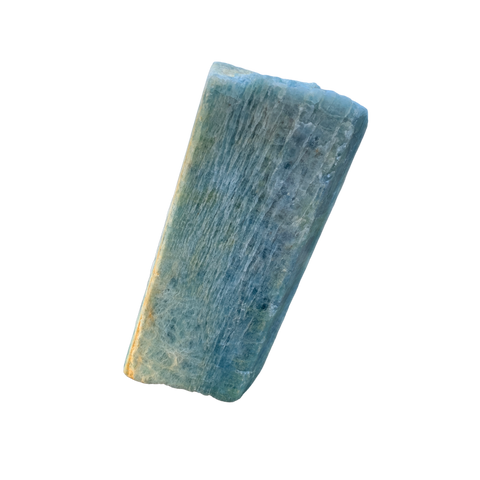
 Blue Kyanitefor confidence
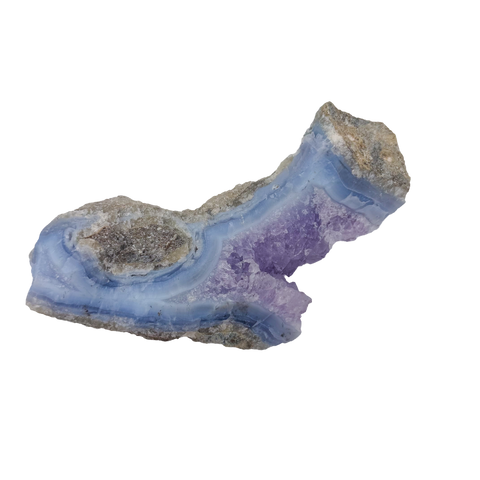
 Blue Lace Agatefor stress relief
 Chrysocollafor emotional healing
 Fluoritefor focus
 Garnetfor energy
 Lepidolitefor stress relief
 Malachitefor emotional healing
 Moonstonefor grounding
 Obsidianfor protection
 Ocean Jasperfor emotional healing
 Red Jasperfor grounding
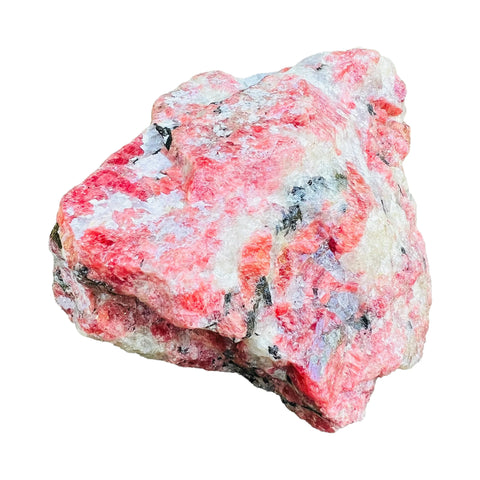
 Rhodonitefor emotional healing
 Selenitefor cleansing
 Sodalitefor focus
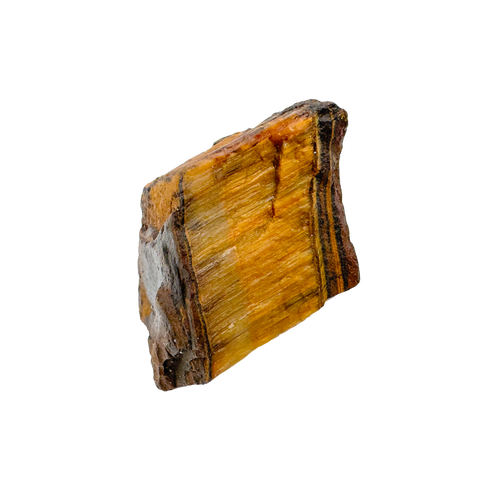
 Tiger Eyefor confidence
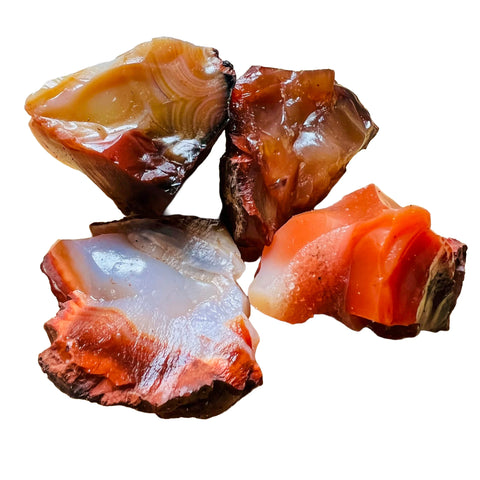
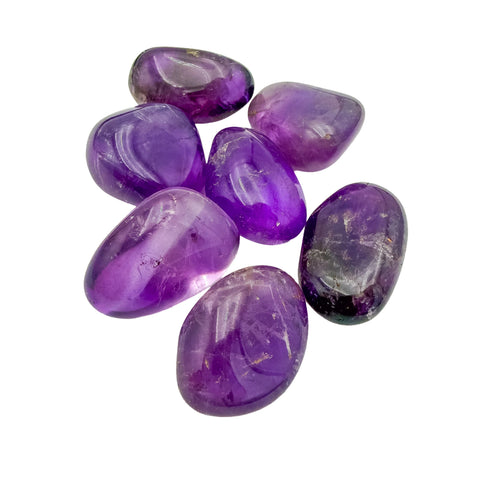


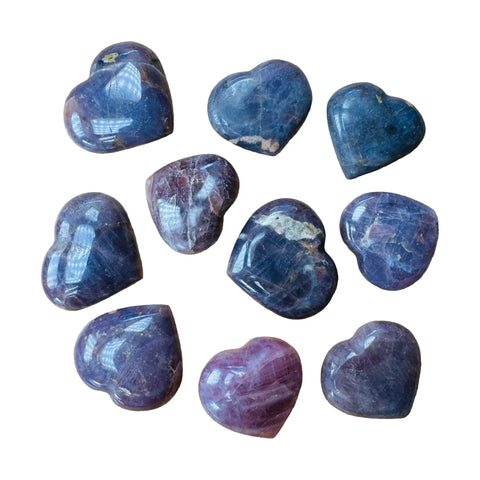
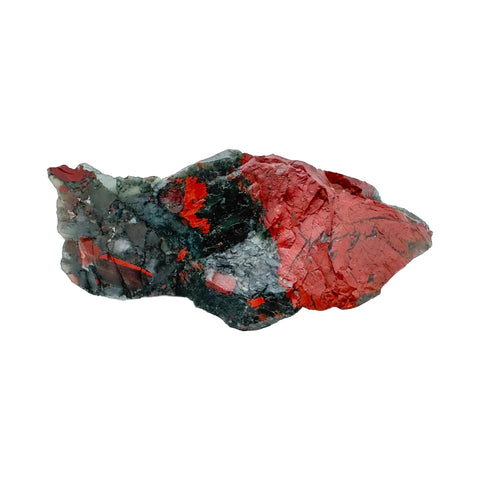
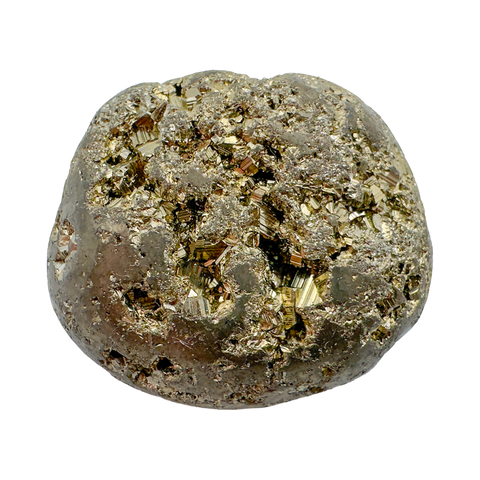
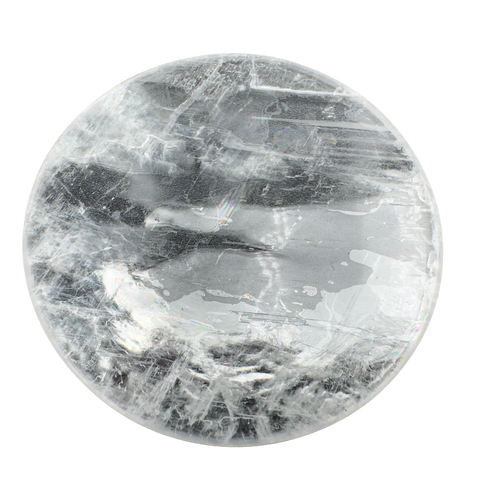
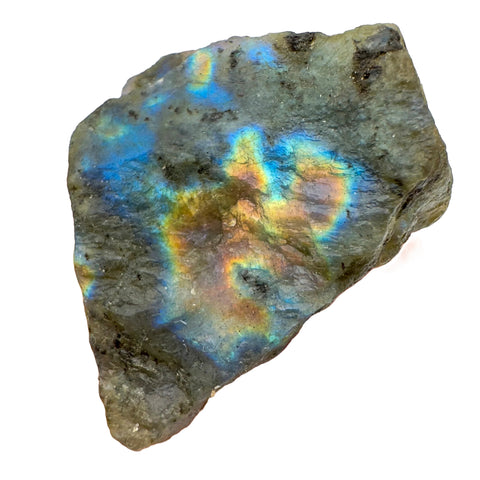
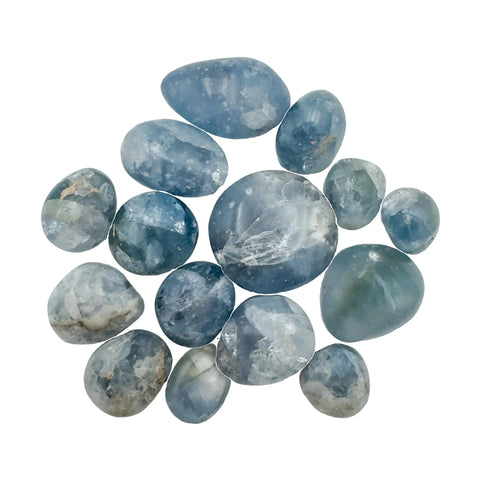


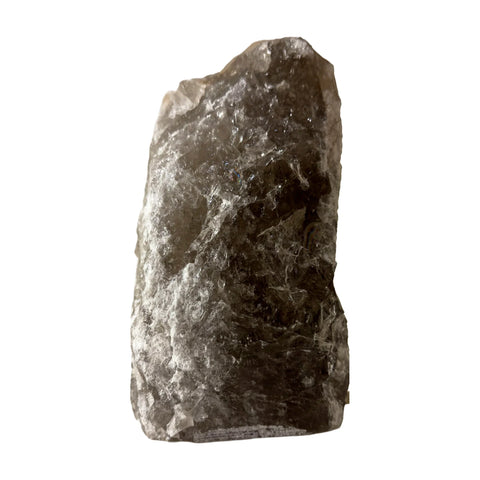
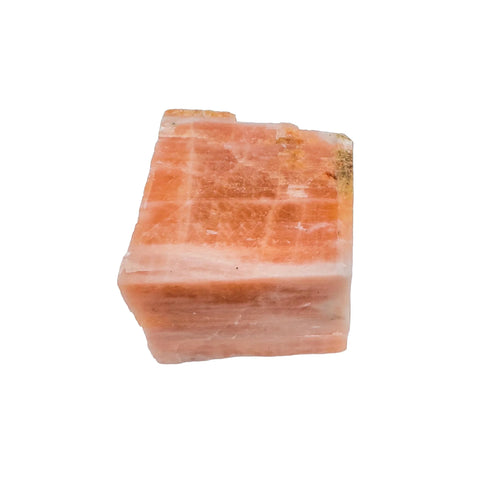
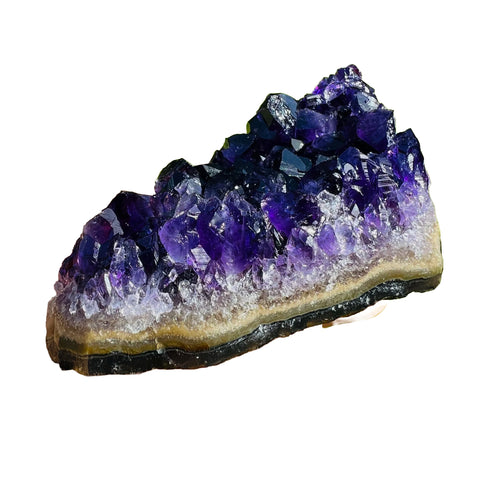





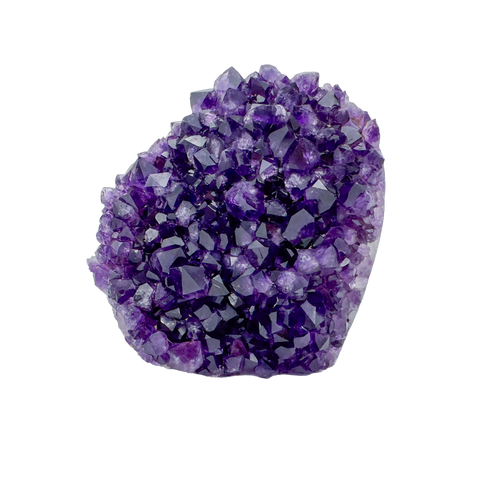
 Amethyst
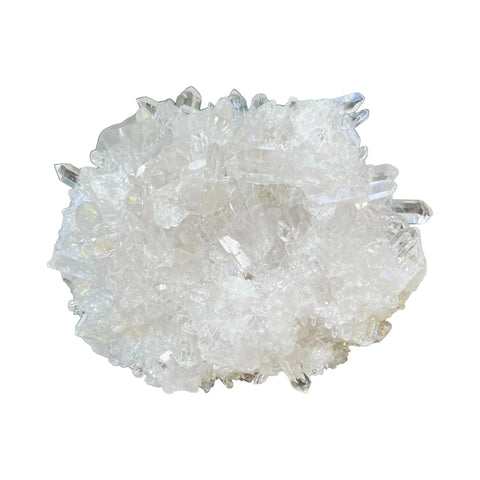
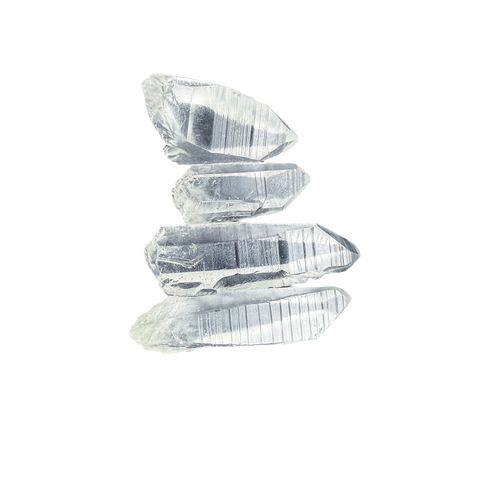
 Clear Quartz
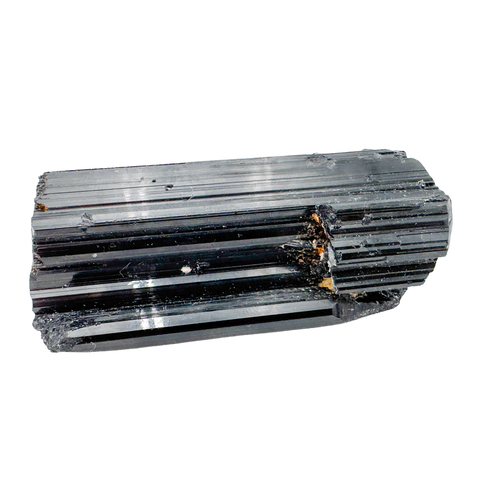
 Black Tourmaline
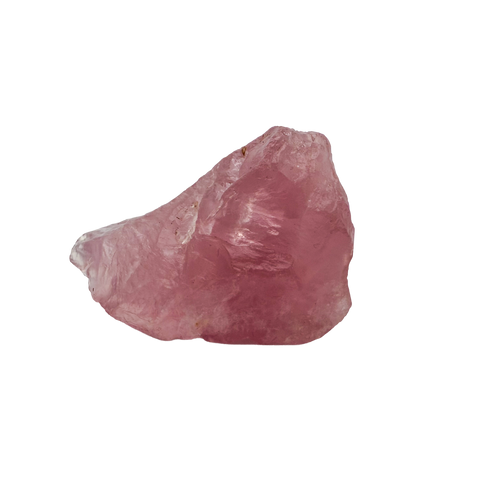
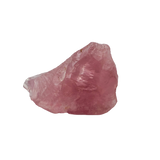 Rose Quartz
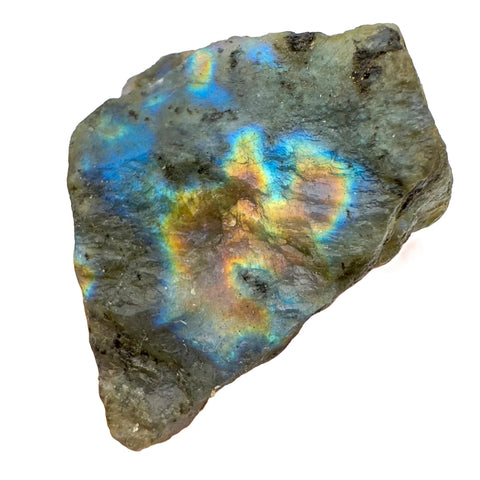
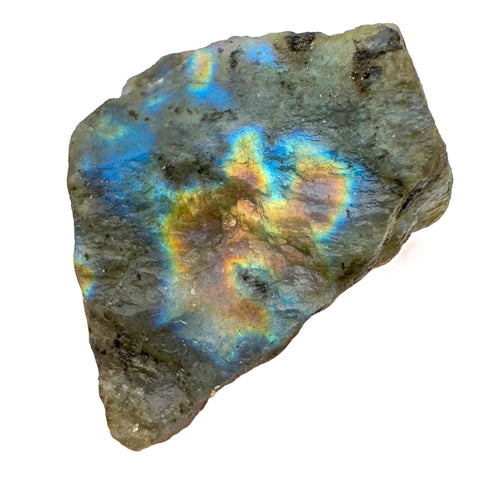
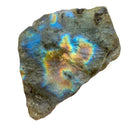 Labradorite
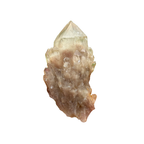 Natural Citrine
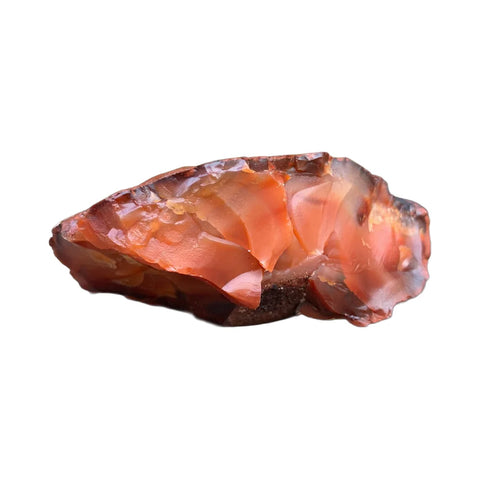
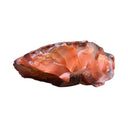 Carnelian
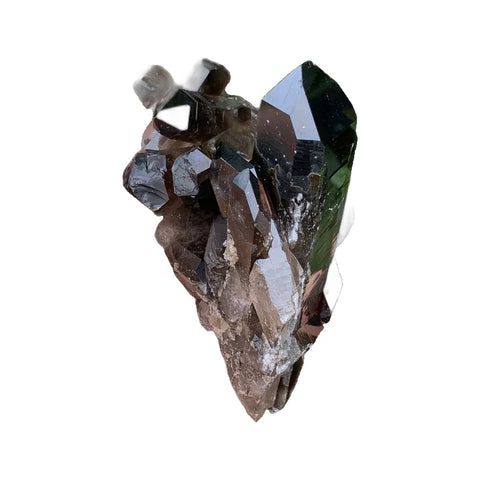
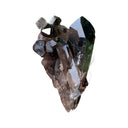 Smoky Quartz
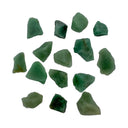 Aventurine
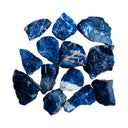 Sodalite
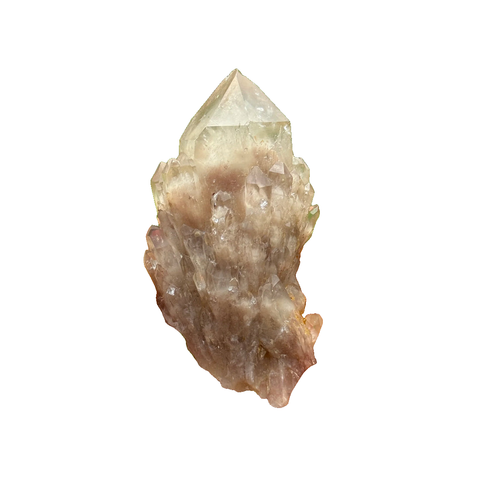
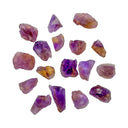 Ametrine
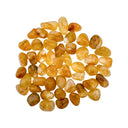 Golden Healer
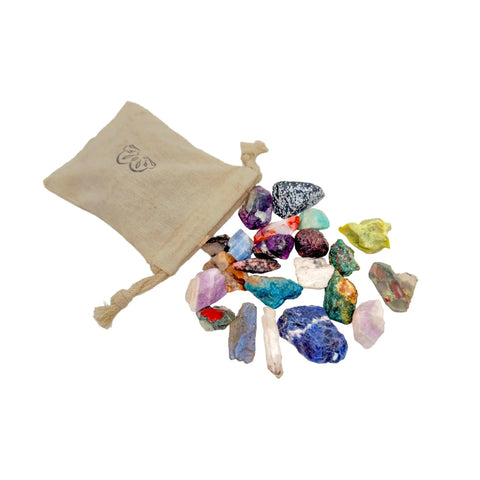
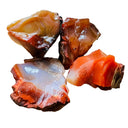 Raw Stones
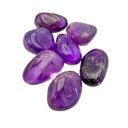 Tumbled Stones
 Palm Stones
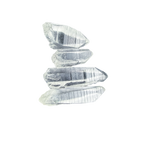 Crystal Points
 Clusters & Geodes
 Polished & Decor
 Mineral Specimens
 Crystal Chips
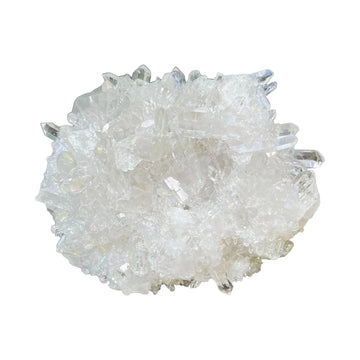
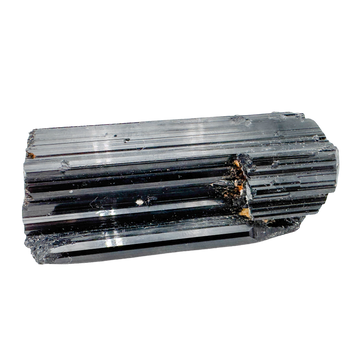
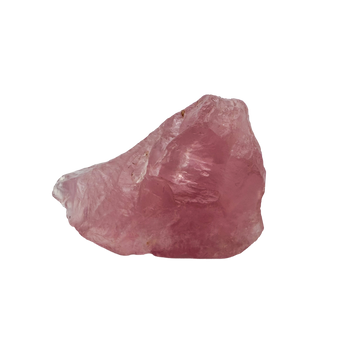
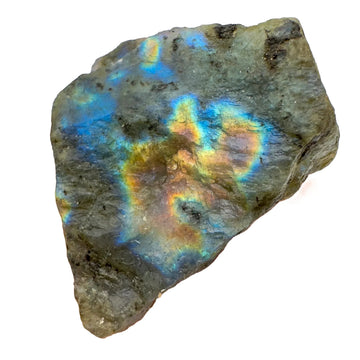
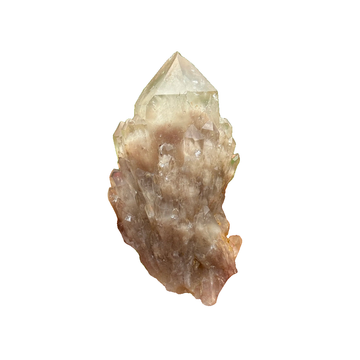
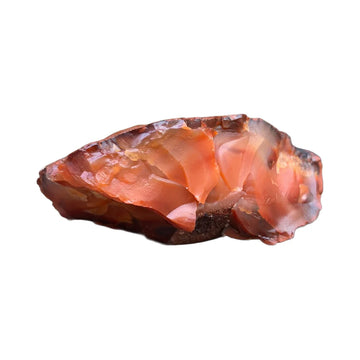
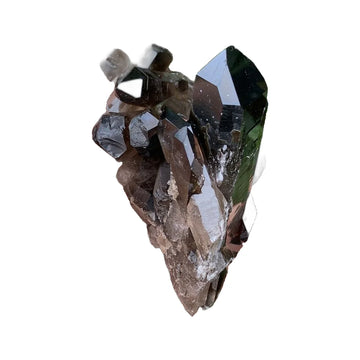
 Raw Stones
179 to choose from
Raw Stones
179 to choose from
 Tumbled Stones
162 to choose from
Tumbled Stones
162 to choose from
 Palm Stones
25 to choose from
Palm Stones
25 to choose from
 Crystal Points
23 to choose from
Crystal Points
23 to choose from
 Clusters & Geodes
101 to choose from
Clusters & Geodes
101 to choose from
 Polished & Decor
148 to choose from
Polished & Decor
148 to choose from
 Mineral Specimens
254 to choose from
Mineral Specimens
254 to choose from
 Crystal Chips
21 to choose from
Crystal Chips
21 to choose from


 AngolaAquamarine
›
AngolaAquamarine
›
 BotswanaCarnelian, Tree Agate
›
BotswanaCarnelian, Tree Agate
›
 DR CongoMalachite, Natural Citrine
›
DR CongoMalachite, Natural Citrine
›
 EswatiniBloodstone
›
EswatiniBloodstone
›
 MadagascarLabradorite, Clear Quartz
›
MadagascarLabradorite, Clear Quartz
›
 MalawiBlue Lace Agate, Garnet
›
MalawiBlue Lace Agate, Garnet
›
 MozambiqueAmazonite
›
MozambiqueAmazonite
›
 NamibiaSodalite, Blue Lace Agate
›
NamibiaSodalite, Blue Lace Agate
›
 Republic of the CongoDioptase
›
Republic of the CongoDioptase
›
 South AfricaTiger Eye, Unakite
›
South AfricaTiger Eye, Unakite
›
 ZambiaChevron Amethyst
›
ZambiaChevron Amethyst
›
 ZimbabweEmerald, Rhodonite
›
ZimbabweEmerald, Rhodonite
›
 ArgentinaBlack Obsidian, Rhodochrosite
›
ArgentinaBlack Obsidian, Rhodochrosite
›
 BoliviaAmetrine
›
BoliviaAmetrine
›
 BrazilAmethyst, Clear Quartz
›
BrazilAmethyst, Clear Quartz
›
 PeruSerpentine, Jade
›
PeruSerpentine, Jade
›
 UruguayAmethyst
›
UruguayAmethyst
›
 Dominican RepublicLarimar
›
Dominican RepublicLarimar
›
 MexicoRainbow Obsidian, Crazy Lace Agate
›
MexicoRainbow Obsidian, Crazy Lace Agate
›
 United StatesSelenite, Peridot
›
United StatesSelenite, Peridot
›
 ChinaFluorite
›
ChinaFluorite
›
 RussiaShungite
›
RussiaShungite
›
 AustraliaMookaite
›
AustraliaMookaite
›
 Where our crystals come from
See where we source →
Where our crystals come from
See where we source →


 Aries
Mar 21 to Apr 19
Carnelian
›
Aries
Mar 21 to Apr 19
Carnelian
›
 Taurus
Apr 20 to May 20
Rose Quartz
›
Taurus
Apr 20 to May 20
Rose Quartz
›
 Gemini
May 21 to Jun 20
Agate
›
Gemini
May 21 to Jun 20
Agate
›
 Cancer
Jun 21 to Jul 22
Moonstone
›
Cancer
Jun 21 to Jul 22
Moonstone
›
 Leo
Jul 23 to Aug 22
Citrine
›
Leo
Jul 23 to Aug 22
Citrine
›
 Virgo
Aug 23 to Sep 22
Amazonite
›
Virgo
Aug 23 to Sep 22
Amazonite
›
 Libra
Sep 23 to Oct 22
Blue Lace Agate
›
Libra
Sep 23 to Oct 22
Blue Lace Agate
›
 Scorpio
Oct 23 to Nov 21
Obsidian
›
Scorpio
Oct 23 to Nov 21
Obsidian
›
 Sagittarius
Nov 22 to Dec 21
Sodalite
›
Sagittarius
Nov 22 to Dec 21
Sodalite
›
 Capricorn
Dec 22 to Jan 19
Black Tourmaline
›
Capricorn
Dec 22 to Jan 19
Black Tourmaline
›
 Aquarius
Jan 20 to Feb 18
Amethyst
›
Aquarius
Jan 20 to Feb 18
Amethyst
›
 Pisces
Feb 19 to Mar 20
Aquamarine
›
Gifting?
A birthday stone is the safe bet.
Read the zodiac guide →
Pisces
Feb 19 to Mar 20
Aquamarine
›
Gifting?
A birthday stone is the safe bet.
Read the zodiac guide →


Cobalt Calcite
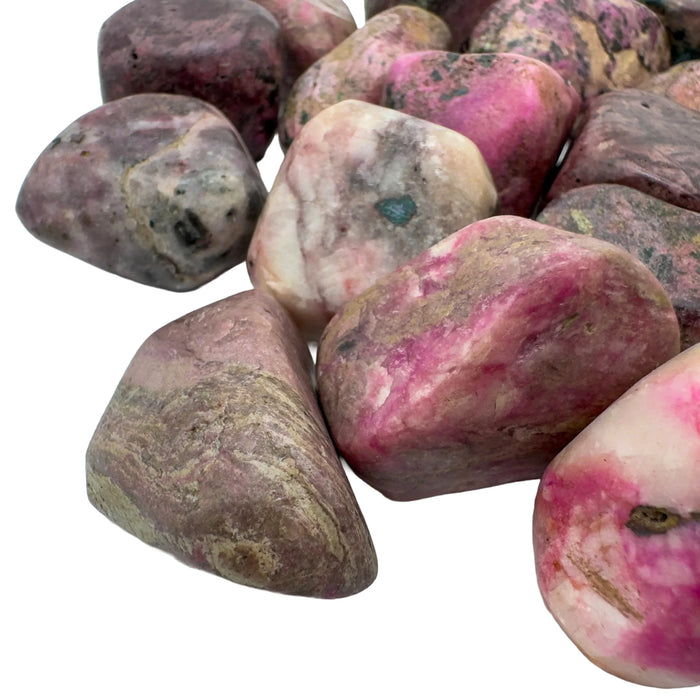
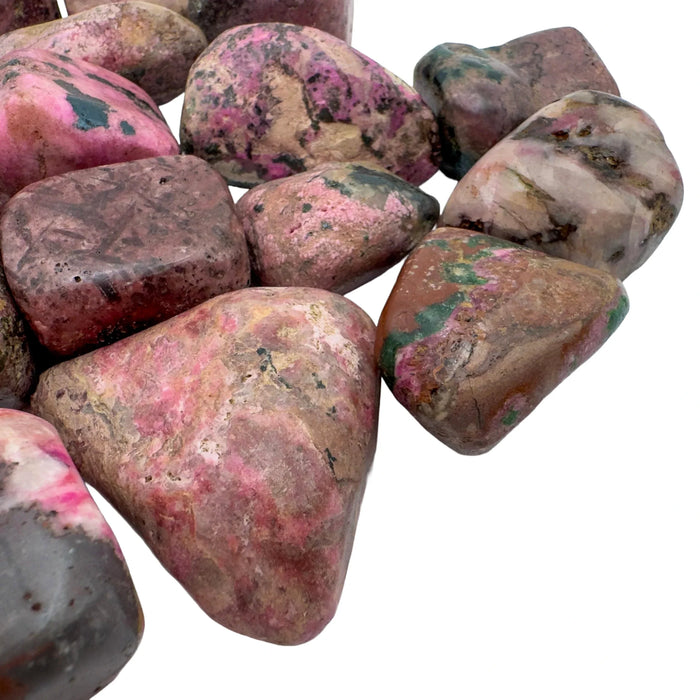
Cobalt calcite is a deep pink to magenta calcium carbonate mineral colored by trace cobalt atoms woven into its crystal structure. The most vivid commercial material comes from Katanga Province in the Democratic Republic of the Congo, where cobalt-rich deposits produce botryoidal clusters and small crystal forms. The color is natural and stable, not dyed or treated. Like all calcites, it's soft at Mohs 3, and fades gradually in direct sunlight. The DRC sourcing context carries ethical weight, and we own that openly.
Shop cobalt calciteCobalt Calcite, in stock now.
From Haut-Lomami, Democratic Republic of the Congo, ready to ship.

- from 1,000+ reviews
- Ships within 72 hoursMonday to Friday, tracked
- 90 days to return itif you do not love it
- Free US shipping over $99$8.99 flat rate under
The geology.
Cobalt calcite is a calcium carbonate mineral, chemical formula CaCO3, from the calcite family. Its deep pink to magenta color comes from cobalt atoms that replace or sit alongside calcium in the crystal structure. The most vivid material comes from cobalt-rich mineral deposits, where the stone forms as botryoidal clusters (grape-like rounded formations) and small crystal forms rather than as large single crystals. It sits at 3 on the Mohs hardness scale, making it soft and vulnerable to scratching and pressure.
Cobalt calcite has a trigonal crystal system and typically shows a waxy to glassy luster when polished. The deep pink color is uniform and stable once formed, determined by cobalt concentration in the mineral lattice. One critical characteristic: the color can fade gradually with prolonged exposure to direct sunlight, a natural property of the mineral that reflects how the cobalt atoms respond to ultraviolet light. This is not a flaw, but part of how the stone ages. Specific gravity runs around 2.7 to 2.8, consistent with calcite generally.
The origins.
Cobalt calcite's primary commercial source is Katanga Province in the Democratic Republic of the Congo, specifically the Haut-Lomami region, where cobalt mining has a long history and cobalt-rich mineral deposits occur naturally alongside copper and other metals. The stone is mined from these secondary cobalt deposits, often in small-scale operations. The resulting botryoidal formations and crystal clusters are selected, cleaned, and finished into tumbled stones or carvings. The color produced is vivid and naturally saturated.
Morocco also produces cobalt calcite, with slightly paler pink tones and less botryoidal material. The Moroccan deposits are smaller in scale, making the material less common in the North American market. Both origins are genuine. The DRC sourcing context deserves honest conversation: cobalt mining in the region carries significant ethical weight, including documented labor concerns and limited environmental oversight in some operations. We acknowledge this complexity openly rather than smooth over it with assurances we cannot verify.
Cobalt calcite occurs in a handful of other deposits globally, but the DRC and Morocco represent the primary commercial sources. Other origins exist but are less reliably documented in supply chains serving North America.
Traditional associations.
Cobalt calcite is a contemporary addition to crystal practice, gaining attention over the past two decades as improved mineral access made previously obscure stones available to the market. It does not have deep historical roots in metaphysical tradition. Its current associations were developed by modern practitioners who recognized its soft pink color, delicate form, and heart-chakra resonance, and began working with it for gentle emotional support and compassion practices.
In modern crystal work, cobalt calcite is most commonly associated with the Heart chakra, the element Water, and intentions around self-love, compassion, emotional gentleness, and heart healing. Many people work with it in meditation or place a piece near the heart during rest. It is often chosen alongside other tender stones like rose quartz, rhodochrosite, or mangano calcite when someone wants soft, nurturing energy rather than bold work. The traditional associations emphasize its role in deepening compassion, particularly toward oneself.
Spotting the real thing.
Genuine cobalt calcite shows a soft, slightly waxy texture and a deep pink to magenta color that remains consistent with the mineral. Look for pieces where the pink is uniform rather than artificial-looking or overly vivid. True cobalt calcite scratches easily under pressure (fingernail or copper coin) and produces a white powder when scratched. The color comes from cobalt in the mineral structure, not from surface dye.
Dyed cobalt calcite or colored agate substitutes feel harder, show no scratching under gentle pressure, and often display an artificial sheen or uniformity that natural cobalt calcite does not. Dyed pieces sometimes appear glossy or plastic-like. A practical test: genuine cobalt calcite reacts to weak acid (a small amount of vinegar on a hidden edge will produce slight fizz and discoloration), confirming the carbonate base. If a piece feels hard, shows no scratching, and appears overly glossy, it is likely not cobalt calcite. The softness and gentle waxy finish are defining traits.
Care & handling.
Cobalt calcite is very soft and requires careful handling. Never soak or submerge the stone in water, as it will slowly dissolve or soften over time. Brief rinsing under cool running water is acceptable, but avoid salt water, warm water, and water-based cleaners. Dry care is best. If dust accumulates, use a soft dry brush or cloth. Store the stone separately from harder minerals that could scratch or damage it, and avoid carrying it loose with keys or other hard objects.
Handle with care to prevent drops or pressure on edges. Do not use ultrasonic or steam cleaners. The color can fade gradually with prolonged direct sunlight exposure, a natural property of the mineral and not a defect. If you want to preserve the color as it is now, store the stone in soft indirect light when not in use. For energetic cleansing, use smoke, sound, moonlight, or breath rather than water or salt. The softness and the deep pink color of cobalt calcite are central to its character and to how people relate to it. Treat that gentleness as essential.
Pairs well with.
Proof, not promises.
We measure our own sourcing across five dimensions. Supply chain, environmental footprint, artisan support, market integrity, and pricing. The number is honest, not perfect. Where we can do better, we say so.
A deeper look.
Extended geology, sourcing, authentication, color fading, varieties, DRC context, and pricing for when the quick guide isn't quite enough.
Extended geology
Cobalt calcite is a calcium carbonate mineral with the chemical formula CaCO3, with cobalt (Co) as a trace element replacing some calcium atoms or sitting within the crystal lattice. Cobalt concentrations vary by deposit and even within single stones, producing the range of pink tones visible in the market. The cobalt is primary to the color, not a later addition.
The stone forms as massive material and botryoidal clusters in cobalt-rich mineral veins rather than as distinct crystals. Commercial cobalt calcite is worked from rough specimens and finished into tumbled stones, carvings, or clusters. The botryoidal form is distinctive, with grape-like rounded formations that feel soft and require gentle handling. The massive form means commercial material rarely exists as large single crystals.
Hardness sits at 3 on the Mohs scale, identical to other calcites. Specific gravity runs 2.7 to 2.8. The stone shows a waxy to glassy luster when polished and fractures unevenly. Under a loupe, you can see the fine mineral grain and sometimes visible color variation that reflects cobalt distribution during formation. The color is stable once formed but responds to prolonged ultraviolet light, causing gradual fading over time.
The DRC sourcing context
Katanga Province (now Haut-Katanga and Haut-Lomami provinces) in the Democratic Republic of the Congo is the world's largest cobalt-producing region. Cobalt mining in the DRC has a documented history of labor concerns, including child labor in artisanal mines, poor working conditions, and limited environmental oversight. These are real issues in the sector, not speculative concerns.
Beyond Bohemian's cobalt calcite comes from small-scale operations within this context. We work with partners who document their sourcing and labor practices, but we do not claim these practices are perfect or that the DRC mining sector broadly operates at high standards. We source from there because genuine cobalt calcite comes from there, and we choose transparency over denial. A customer buying cobalt calcite is buying from a region with documented ethical challenges. We can mitigate through our supplier selection, but we cannot erase the context.
Color fading with sunlight
A defining characteristic of cobalt calcite is that the deep pink color can fade gradually with prolonged exposure to direct sunlight. This happens slowly, over months or years of daily direct sun, and is entirely reversible chemically, though the color change is permanent visually. The fading reflects how cobalt atoms in the crystal lattice respond to ultraviolet radiation. It is not a sign of poor quality or mistreatment, but a natural property of the mineral.
If you want to preserve the color intensity as it is now, store the piece in soft indirect light when not in use. Brief periods of sunlight are fine. Daily direct sun exposure over months will cause noticeable dulling. Some people appreciate the fading as part of the stone's journey; others prefer to keep the color vivid. Both approaches are valid. Dyed cobalt calcite or colored agate does not typically fade in this way, which is one authentication test.
Authentication and testing
Genuine cobalt calcite is soft, scratching easily under fingernail or copper coin pressure, and shows white powder or streaks when scratched. The pink color will vary subtly across a single piece, reflecting natural mineral variation. Dyed substitutes are typically harder, show no such scratching, and display artificially uniform color. The waxy, slightly oily feel of genuine cobalt calcite is distinctive and difficult to mimic.
Dyed agate or glass imitations feel harder and often appear glossy in a way natural cobalt calcite does not. The acid test (vinegar on a hidden edge produces slight fizz) confirms calcite chemically, though this is destructive. More practical: if a stone is very hard, uniform in color, shiny, and scratches glass rather than the reverse, it is not cobalt calcite. Genuine pieces show visible softness and natural variation in tone.
Pricing and market notes
Grade A tumbled cobalt calcite runs $4 to $10 per piece at retail depending on size and polish quality. Hand-polished or finished pieces typically $8 to $16. Palm stones and larger specimens scale upward from $16 to $40. Exceptionally large display pieces or high-finish carvings can reach $40 to $100.
Commodity-priced cobalt calcite (under $2 per tumble, under $6 for palm stones) should prompt questions about origin and authenticity. Genuine cobalt calcite at those price points usually reflects smaller sizes or lower polish rather than legitimate bargains. Conversely, cobalt calcite priced far above these ranges often reflects artistry or carving work rather than the mineral itself.
Warning signs: cobalt calcite sold without origin disclosure, pieces claimed to be "rare" when the mineral is commercially available from DRC and Morocco, and stones showing no color variation or fading potential despite natural status claims.
Good sourcing is a practice, not a claim.
Nothing we sell is dyed, stabilized, reconstituted, or color-enhanced without full disclosure. We name our origins where we can. We say so when we cannot. We walk away from material that does not meet our standard, even when it costs us sales.
Bring cobalt calcite home.
Raw and hand-polished cobalt calcite from Katanga Province, DRC and Morocco. Natural color, undyed, hand-selected for tone and finish. Each piece comes with origin documentation confirming DRC or Morocco source.
Shop the cobalt calcite collectionGrounded Connections
New stones go to the list first.
No forwarding, no selling. Unsubscribe in one click. Privacy