


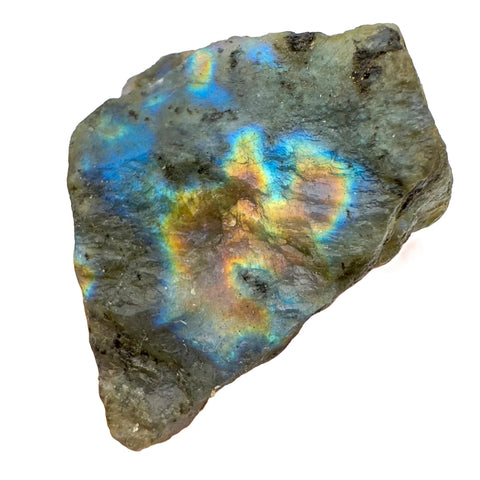
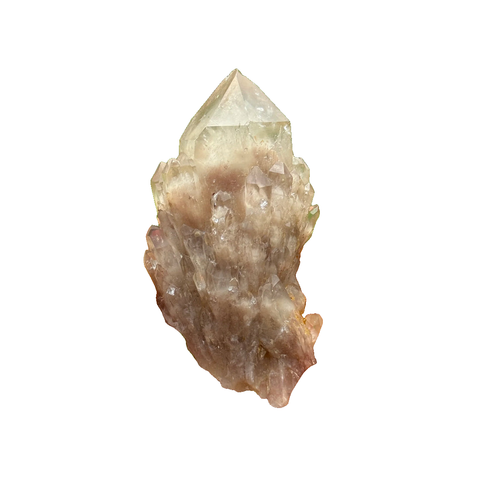
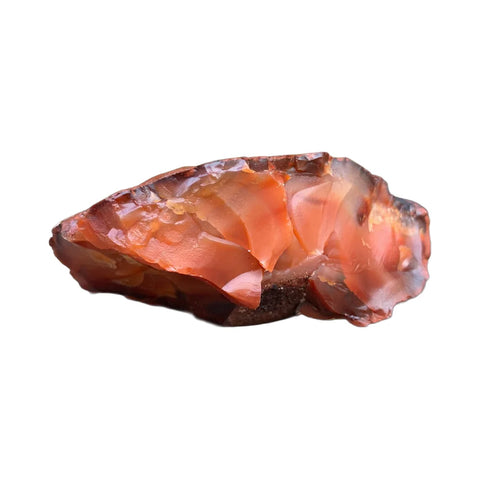
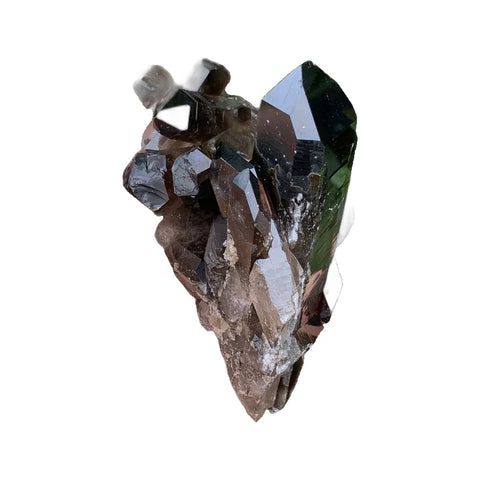
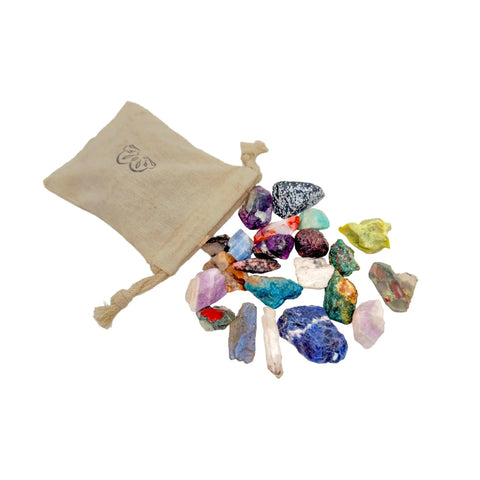
 Agatefor stress relief
 Amazonitefor stress relief
 Aquamarinefor serenity
 Aventurinefor luck
 Bloodstonefor energy
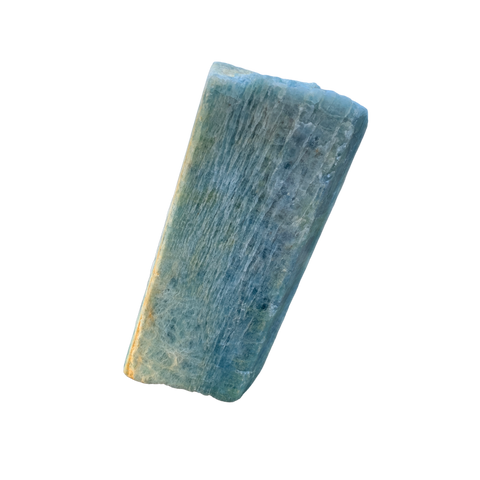
 Blue Kyanitefor confidence
 Blue Lace Agatefor stress relief
 Chrysocollafor emotional healing
 Fluoritefor focus
 Garnetfor energy
 Lepidolitefor stress relief
 Malachitefor emotional healing
 Moonstonefor grounding
 Obsidianfor protection
 Ocean Jasperfor emotional healing
 Red Jasperfor grounding
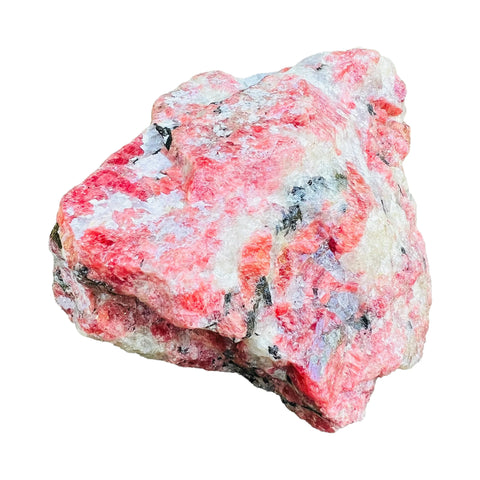
 Rhodonitefor emotional healing
 Selenitefor cleansing
 Sodalitefor focus
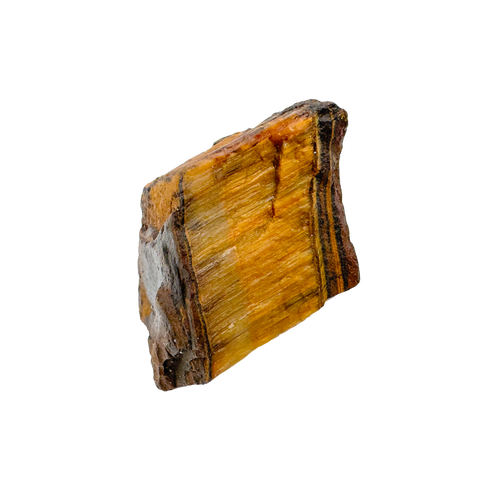
 Tiger Eyefor confidence


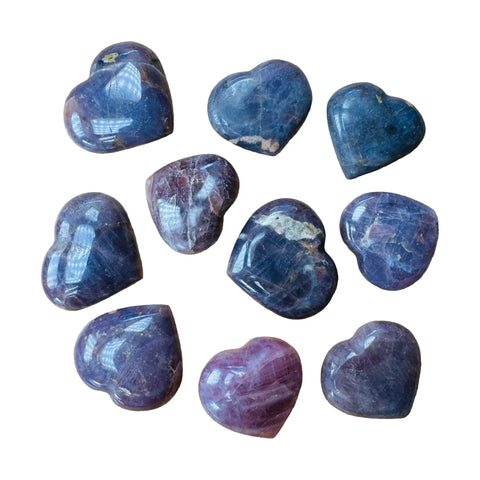
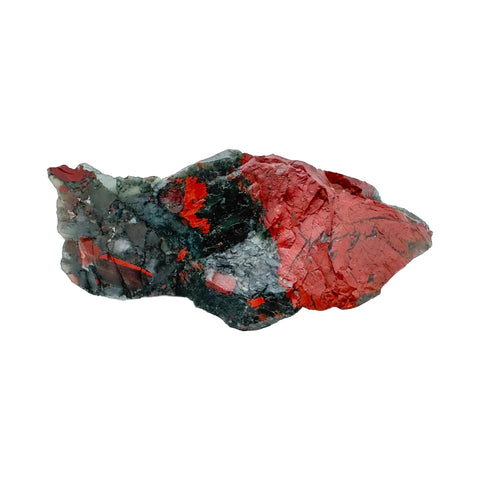
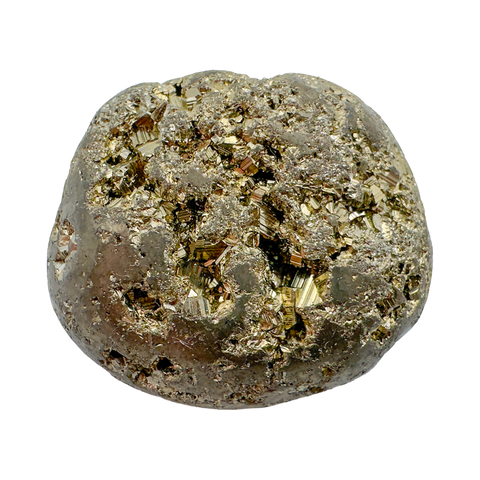
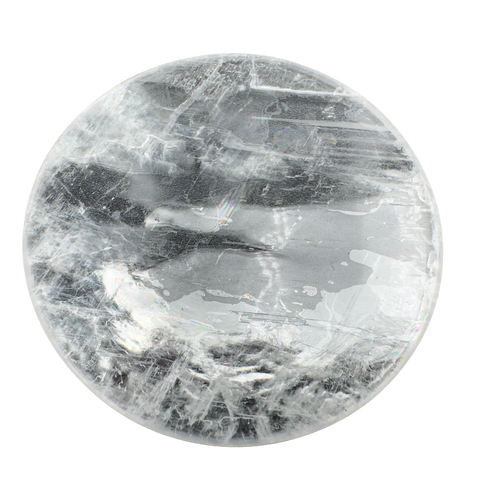


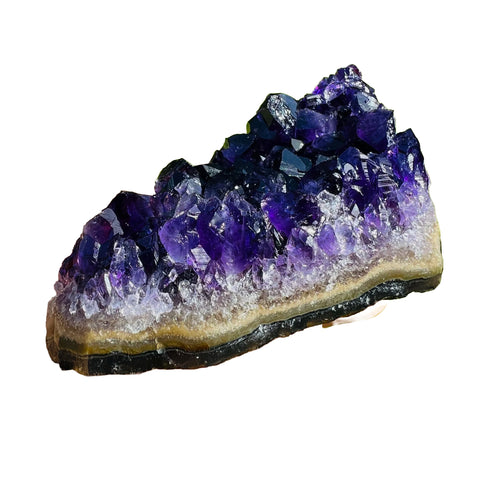




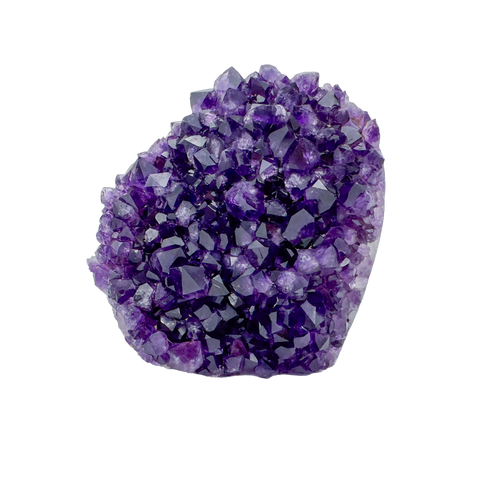
 Amethyst
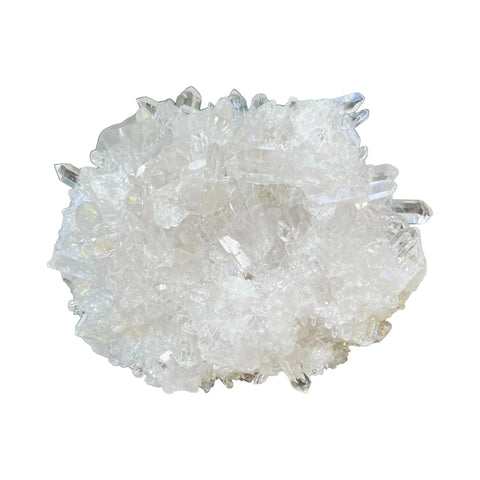
 Clear Quartz
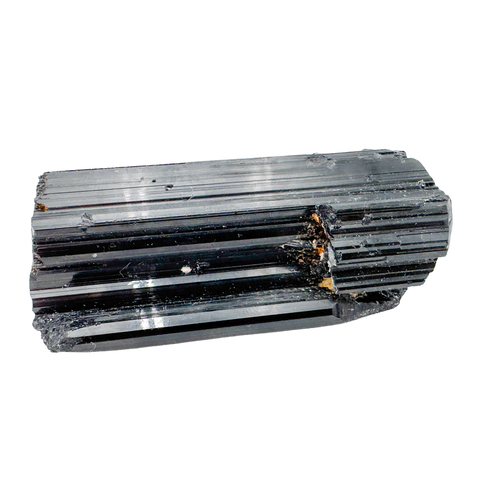
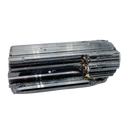 Black Tourmaline
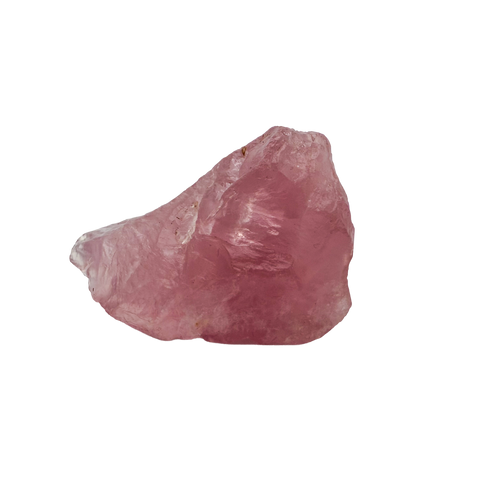
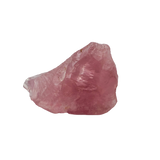 Rose Quartz
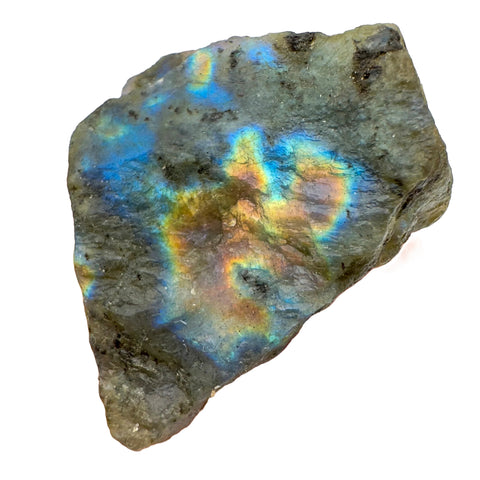
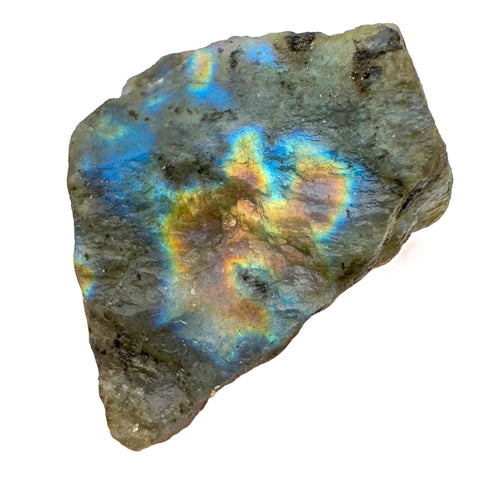
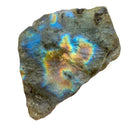 Labradorite
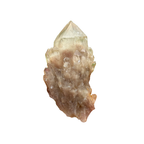 Natural Citrine
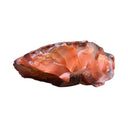 Carnelian
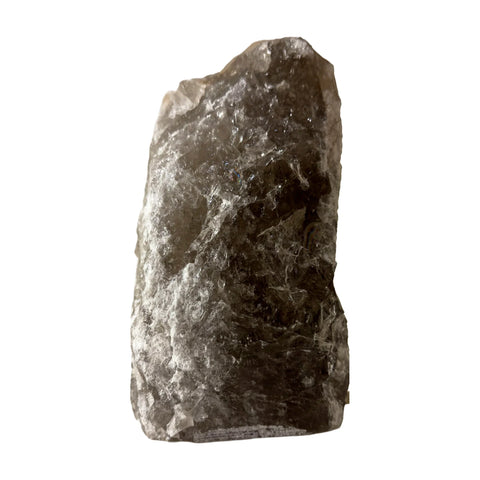
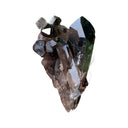 Smoky Quartz
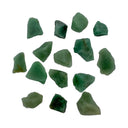 Aventurine
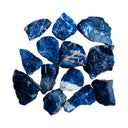 Sodalite
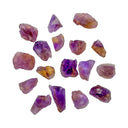 Ametrine
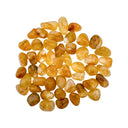 Golden Healer
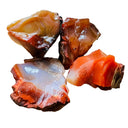 Raw Stones
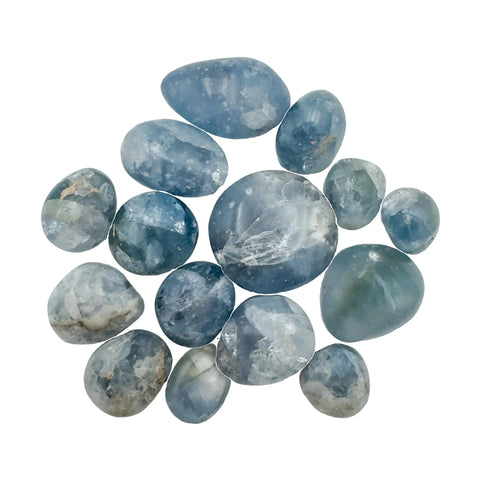
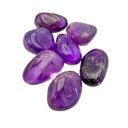 Tumbled Stones
 Palm Stones
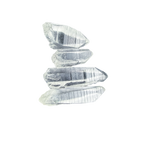 Crystal Points
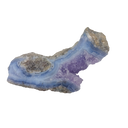 Clusters & Geodes
 Polished & Decor
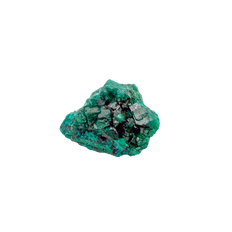 Mineral Specimens
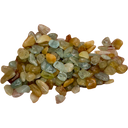 Crystal Chips
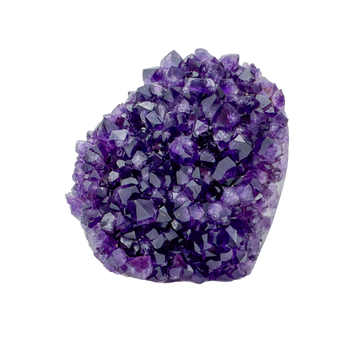
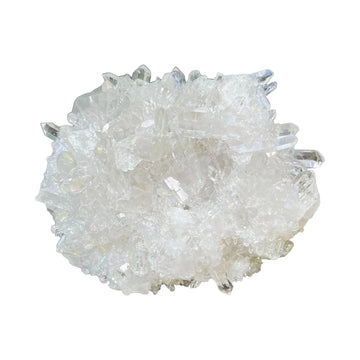
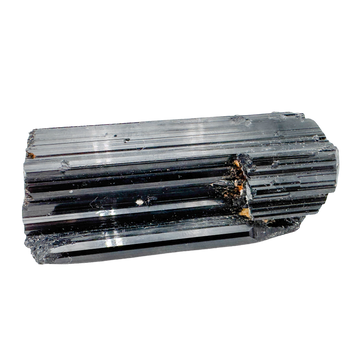
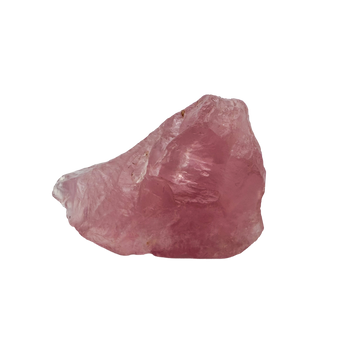
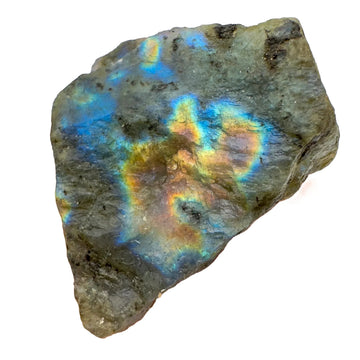
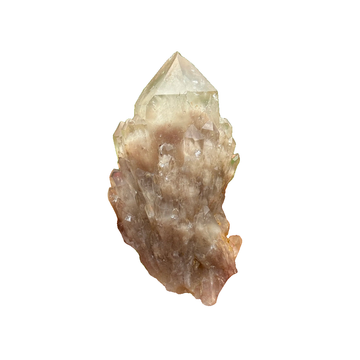
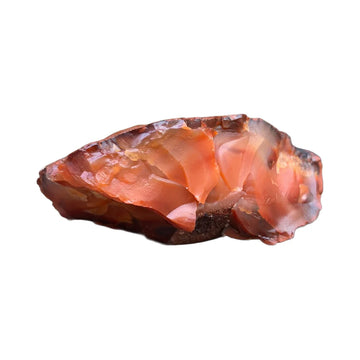
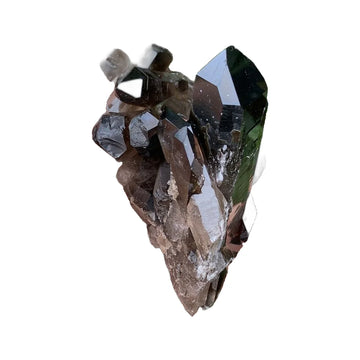
 Raw Stones
179 to choose from
Raw Stones
179 to choose from
 Tumbled Stones
162 to choose from
Tumbled Stones
162 to choose from
 Palm Stones
25 to choose from
Palm Stones
25 to choose from
 Crystal Points
23 to choose from
Crystal Points
23 to choose from
 Clusters & Geodes
101 to choose from
Clusters & Geodes
101 to choose from
 Polished & Decor
148 to choose from
Polished & Decor
148 to choose from
 Mineral Specimens
254 to choose from
Mineral Specimens
254 to choose from
 Crystal Chips
21 to choose from
Crystal Chips
21 to choose from


 AngolaAquamarine
›
AngolaAquamarine
›
 BotswanaCarnelian, Tree Agate
›
BotswanaCarnelian, Tree Agate
›
 DR CongoMalachite, Natural Citrine
›
DR CongoMalachite, Natural Citrine
›
 EswatiniBloodstone
›
EswatiniBloodstone
›
 MadagascarLabradorite, Clear Quartz
›
MadagascarLabradorite, Clear Quartz
›
 MalawiBlue Lace Agate, Garnet
›
MalawiBlue Lace Agate, Garnet
›
 MozambiqueAmazonite
›
MozambiqueAmazonite
›
 NamibiaSodalite, Blue Lace Agate
›
NamibiaSodalite, Blue Lace Agate
›
 Republic of the CongoDioptase
›
Republic of the CongoDioptase
›
 South AfricaTiger Eye, Unakite
›
South AfricaTiger Eye, Unakite
›
 ZambiaChevron Amethyst
›
ZambiaChevron Amethyst
›
 ZimbabweEmerald, Rhodonite
›
ZimbabweEmerald, Rhodonite
›
 ArgentinaBlack Obsidian, Rhodochrosite
›
ArgentinaBlack Obsidian, Rhodochrosite
›
 BoliviaAmetrine
›
BoliviaAmetrine
›
 BrazilAmethyst, Clear Quartz
›
BrazilAmethyst, Clear Quartz
›
 PeruSerpentine, Jade
›
PeruSerpentine, Jade
›
 UruguayAmethyst
›
UruguayAmethyst
›
 Dominican RepublicLarimar
›
Dominican RepublicLarimar
›
 MexicoRainbow Obsidian, Crazy Lace Agate
›
MexicoRainbow Obsidian, Crazy Lace Agate
›
 United StatesSelenite, Peridot
›
United StatesSelenite, Peridot
›
 ChinaFluorite
›
ChinaFluorite
›
 RussiaShungite
›
RussiaShungite
›
 AustraliaMookaite
›
AustraliaMookaite
›
 Where our crystals come from
See where we source →
Where our crystals come from
See where we source →


 Aries
Mar 21 to Apr 19
Carnelian
›
Aries
Mar 21 to Apr 19
Carnelian
›
 Taurus
Apr 20 to May 20
Rose Quartz
›
Taurus
Apr 20 to May 20
Rose Quartz
›
 Gemini
May 21 to Jun 20
Agate
›
Gemini
May 21 to Jun 20
Agate
›
 Cancer
Jun 21 to Jul 22
Moonstone
›
Cancer
Jun 21 to Jul 22
Moonstone
›
 Leo
Jul 23 to Aug 22
Citrine
›
Leo
Jul 23 to Aug 22
Citrine
›
 Virgo
Aug 23 to Sep 22
Amazonite
›
Virgo
Aug 23 to Sep 22
Amazonite
›
 Libra
Sep 23 to Oct 22
Blue Lace Agate
›
Libra
Sep 23 to Oct 22
Blue Lace Agate
›
 Scorpio
Oct 23 to Nov 21
Obsidian
›
Scorpio
Oct 23 to Nov 21
Obsidian
›
 Sagittarius
Nov 22 to Dec 21
Sodalite
›
Sagittarius
Nov 22 to Dec 21
Sodalite
›
 Capricorn
Dec 22 to Jan 19
Black Tourmaline
›
Capricorn
Dec 22 to Jan 19
Black Tourmaline
›
 Aquarius
Jan 20 to Feb 18
Amethyst
›
Aquarius
Jan 20 to Feb 18
Amethyst
›
 Pisces
Feb 19 to Mar 20
Aquamarine
›
Gifting?
A birthday stone is the safe bet.
Read the zodiac guide →
Pisces
Feb 19 to Mar 20
Aquamarine
›
Gifting?
A birthday stone is the safe bet.
Read the zodiac guide →

Crazy Lace Agate
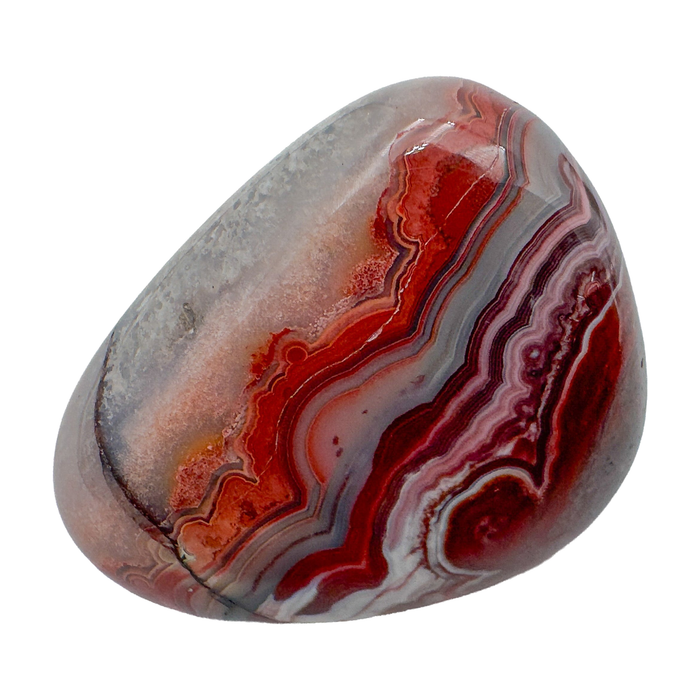
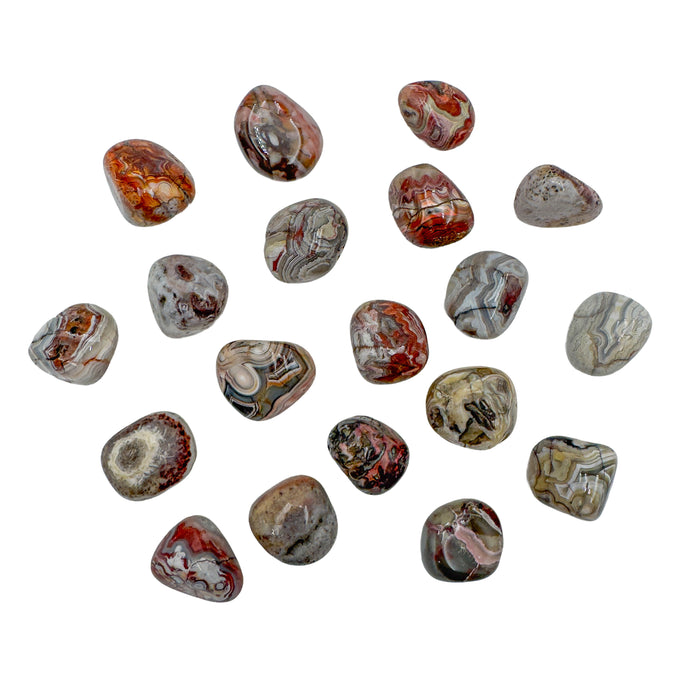
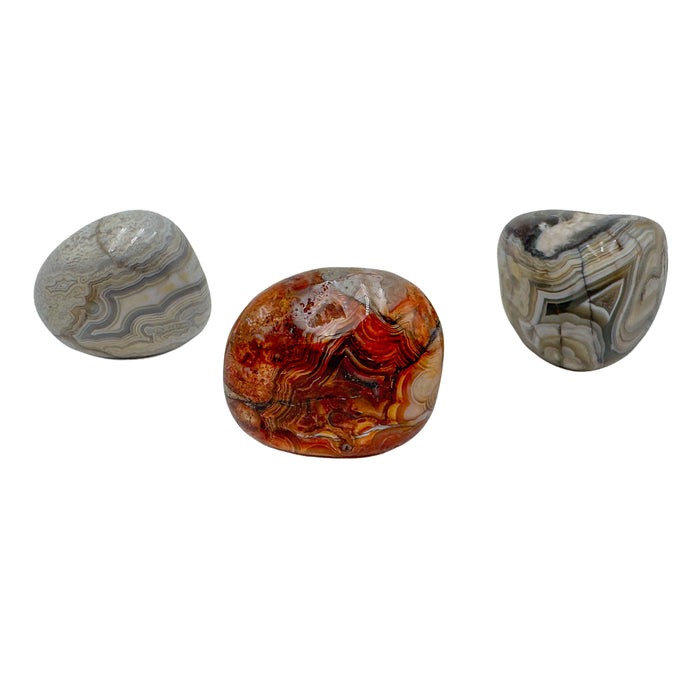
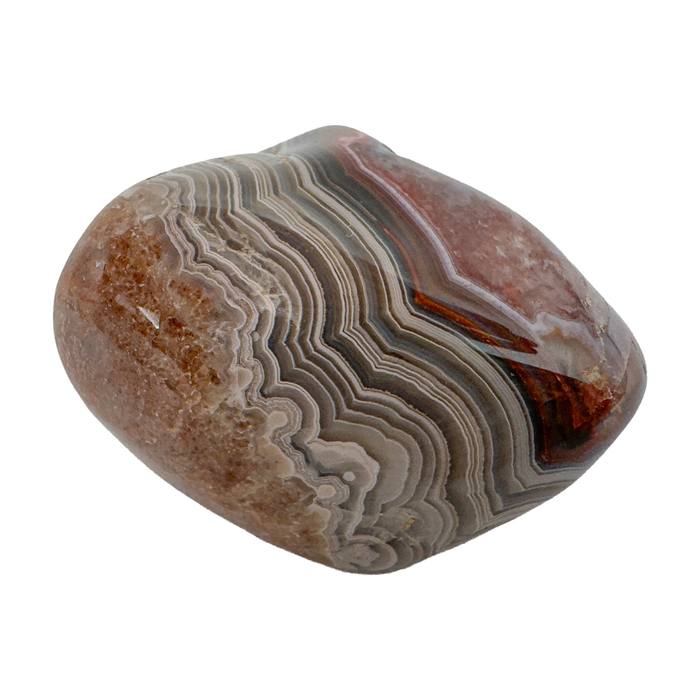
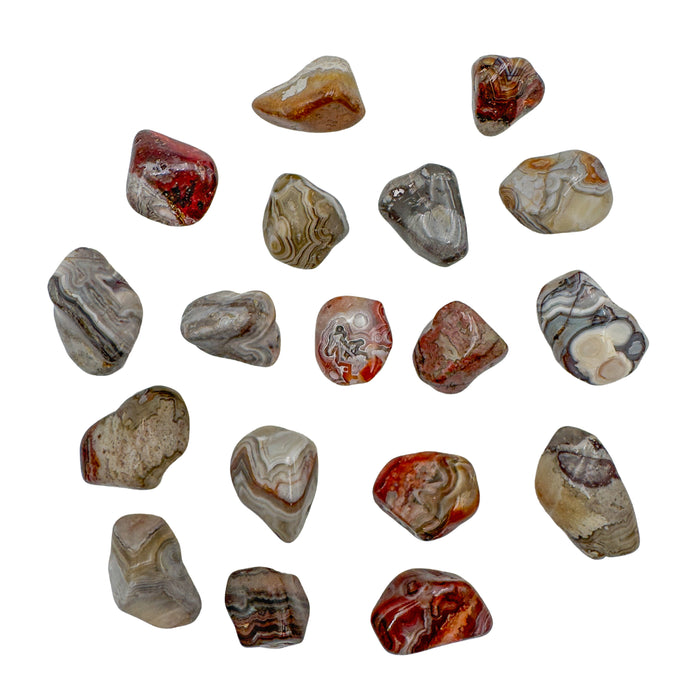
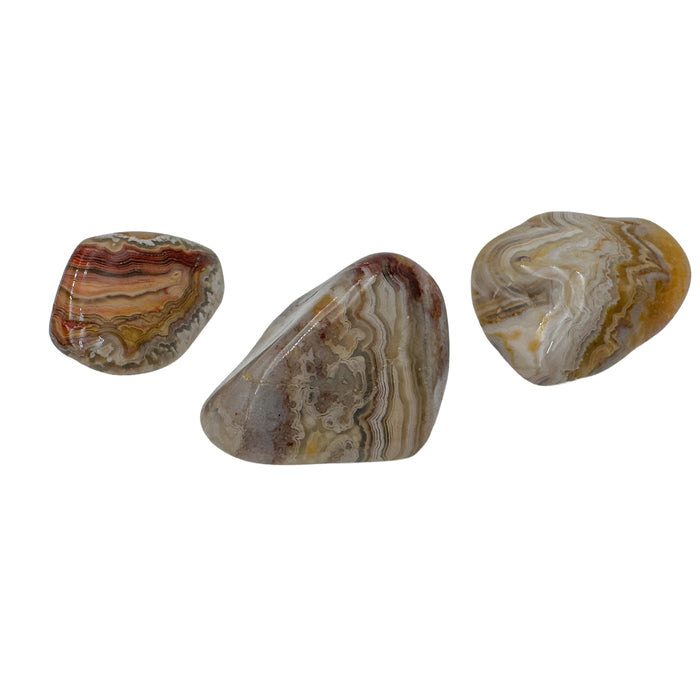
Crazy lace agate is a banded chalcedony variety famous for its complex swirling patterns, tight curves, and bright mix of creams, reds, oranges, browns, and grays. The finest commercial supply comes from the Chihuahua region of northern Mexico, sometimes traded as Mexican lace agate or Laguna agate for certain sub-varieties. It is one of the harder agates at 6.5 to 7 on the Mohs scale. Most commercial crazy lace is natural; dyed chalcedony sometimes appears imitating it at lower price points.
Shop crazy lace agateCrazy Lace Agate, in stock now.
Our most-loved Crazy Lace Agate pieces, ready to ship.
- from 1,000+ reviews
- Ships within 72 hoursMonday to Friday, tracked
- 90 days to return itif you do not love it
- Free US shipping over $99$8.99 flat rate under
The geology.
Crazy lace agate is a banded chalcedony, a microcrystalline variety of quartz. Its chemical formula is SiO2, the same as quartz, but the crystals are so fine that they're not visible to the naked eye. The intricate lace-like banding comes from layers of chalcedony with slightly different mineral impurities and trace metals, typically iron oxides, that create the reds, oranges, and browns alongside the creams and grays. The patterns are so tight and complex that each piece is essentially unique.
Crazy lace agate is harder and more durable than calcite or some softer stones at 6.5 to 7 on the Mohs hardness scale. It forms in volcanic rocks where silica-rich fluids fill cavities and veins over millions of years, creating nodules and bands. The stone takes a polish well and shows a waxy to glassy luster when polished. It fractures unevenly rather than along cleavage planes, making it suitable for tumbling and carving into smooth forms.
The origins.
Crazy lace agate is primarily sourced from Chihuahua in northern Mexico, where the commercial supply is largest and most consistent. The stone forms in volcanic deposits and is worked through small-scale mining operations where the rough is hand-sorted and polished into tumbled stones, carvings, and palm forms. The tight, complex lace-like banding is distinctive to material from this region, and the color palette of creams, reds, oranges, and browns is reliable and vivid without treatment.
Some sub-varieties of lace agate are traded as Laguna agate or Mexican lace agate depending on the specific deposit within Chihuahua and surrounding areas. Coahuila, another state in northern Mexico, also produces lace agate material, though Chihuahua remains the primary commercial source. Crazy lace agate occurs in other regions, including parts of the United States and other countries, yet the Mexican material dominates the North American market because of consistent supply, established mining relationships, and the distinctive color and pattern quality.
The mining is small-scale and labor-intensive, with hand-sorting of rough material before it reaches lapidaries for cutting and polishing. Most commercial crazy lace is natural and untreated; the patterns and colors are inherent to the mineral itself.
Traditional associations.
Crazy lace agate is associated with joy, play, optimism, and laughter. The tight, swirling patterns and the warm color palette evoke movement, energy, and the kind of lightness that comes when the mind settles. In traditional crystal work, it's often paired with Root and Sacral chakra associations, grounding joyful energy into the body and supporting the confidence to move and express.
Many people work with crazy lace agate for stress relief and emotional balance, particularly when they want to shift toward play and spontaneity. It's carried as a daily stone or kept on a home altar as a reminder to approach life with curiosity and humor. Some traditions link it to courage and the willingness to be seen, drawing from its bold, visible patterns. The stone is often chosen alongside other warm, grounding minerals like carnelian, red jasper, or tiger's eye when someone wants to strengthen their foundation while accessing joy.
Spotting the real thing.
Genuine crazy lace agate feels substantial and smooth when polished, with clear visible banding and color variation. Look for pieces where the patterns are intricate and no two spots are identical. The color palette in natural crazy lace includes creams, warm reds, oranges, and browns, often with gray undertones, and these colors shift and interact across the surface. The stone has a waxy to glassy luster when polished and takes a lasting shine without losing the banding detail.
Dyed agate or stabilized chalcedony substitutes often show unnaturally uniform or vivid color, glossy surfaces that obscure pattern detail, and feel slightly slick or plastic. Genuine crazy lace agate can be scratched with a hardened steel object (a steel nail or knife) only with effort, and it will not scratch glass easily. Dyed or treated material often feels less dense or shows color that comes off under moisture or friction. If a stone is very inexpensive and the pattern is perfectly symmetrical or the color is unnaturally vivid, it's likely treated or a substitute.
Care & handling.
Crazy lace agate is durable and relatively low-maintenance. It can be rinsed under cool running water and dried with a soft cloth. Salt and soaking are fine in moderation, though it's not necessary for maintenance. Avoid harsh scrubbing, ultrasonic cleaners, and prolonged contact with harsh chemicals. The stone is hard enough to carry daily without worry of scratching or breaking, though it's always good to protect it from impacts or falls.
For cleansing, you can use smoke, sound, moonlight, or intention-setting. Many people simply carry their crazy lace agate as a pocket stone, which keeps it warm and close. Store it with other stones of similar hardness if possible, though crazy lace agate is resilient enough to handle most conditions. The stone will not fade in sunlight and has no special sensitivities to light or temperature. Its durability makes it a great choice for someone who wants a stone they can simply live with, without worry.
Pairs well with.
Proof, not promises.
We measure our own sourcing across five dimensions. Supply chain, environmental footprint, artisan support, market integrity, and pricing. The number is honest, not perfect. Where we can do better, we say so.
A deeper look.
Extended geology, sourcing, authentication, pattern formation, varieties, and pricing for when the quick guide isn't quite enough.
Extended geology
Crazy lace agate is a microcrystalline quartz, composed of SiO2, with a crystal structure so fine that individual crystals cannot be seen without a microscope. It is a variety of chalcedony, the umbrella category for all fine-grained quartz. The complex banding forms when layers of chalcedony with slightly different mineral compositions are deposited together in cavities and veins in volcanic rocks.
The red, orange, and brown colors come primarily from iron oxides and hematite. The creams and whites are relatively pure silica, while the gray and black banding can include manganese oxides and other trace metals. The patterns form over millions of years as silica-rich fluids flow through fissures, depositing successive layers that build up the intricate lace-like texture.
Hardness sits at 6.5 to 7 on the Mohs scale, making it significantly harder than calcite (3) and comparable to other quartz varieties. Specific gravity is around 2.6 to 2.65. The stone shows a waxy to glassy luster when polished and fractures unevenly. Unlike some agates that form distinct crystals, crazy lace agate forms as massive material, meaning it always appears as solid bands rather than as crystal points. This is why all commercial crazy lace agate is tumbled, carved, or polished into finished forms rather than existing naturally as crystals.
Pattern formation and identification
The distinctive lace-like banding in crazy lace agate is the result of rhythmic crystallization during formation. As silica solutions flow through volcanic cavities, they alternate between periods of rapid crystallization and slower deposition, creating thin, tightly-spaced bands. The variations in mineral content during each layer create the color shifts. No two pieces have identical patterns, making each stone essentially unique.
This pattern complexity is a key way to spot genuine crazy lace agate. Dyed or treated material will show either uniform color or a painted-on pattern, while natural material has depth and variation throughout, visible from all angles. Authentic crazy lace agate from Mexico's Chihuahua region has a distinctive palette and pattern tightness that other agate varieties do not replicate easily.
Sourcing in Chihuahua and Coahuila
Mexico has been mining chalcedony, agate, and related minerals for centuries, and northern Mexico remains the primary source for commercial crazy lace agate. Chihuahua's deposits are extensive and consistently produce material with the vivid, complex patterns that define the stone commercially. Small-scale mining operations hand-sort rough material, and lapidaries in Mexico finish the stones through tumbling, carving, and hand-polishing.
Coahuila also produces lace agate, though Chihuahua is the larger and more established source. Both regions have mining heritage and established relationships with international suppliers. The labor-intensive hand-sorting and polishing means cost is lower than for stones requiring heavy equipment, and the quality is often higher because human selection catches nuances that machines might miss.
Authentication and market context
Genuine crazy lace agate can only be scratched with deliberate effort using hardened steel, and it will not scratch glass. Dyed agate or treated chalcedony often shows color that shifts or comes off under moisture, and may feel slightly greasy or plastic. The weight and density of natural crazy lace agate is reliable; if a stone feels unusually light, it may be a substitute or heavily stabilized.
The market does include dyed and stabilized substitutes sold as crazy lace agate at very low prices. These imitations often show artificially uniform color, a plastic sheen, and lack the tonal depth of genuine material. If a piece is priced at under $5 for a tumbled stone or under $10 for a hand-polished piece, and the pattern is too regular or the color too vivid, it's worth questioning the origin and treatment.
Pricing and market notes
Grade A tumbled crazy lace agate typically runs $8 to $15 per stone depending on size and polish. Hand-polished Grade AA pieces run $15 to $25. Bulk lots and larger carvings scale upward. Commodity-priced material under $3 per tumble should prompt questions about treatment. Conversely, very high pricing often reflects artistry in carving or exceptional size rather than the mineral itself.
One note: the term "Mexican lace agate" or "Laguna agate" sometimes refers to specific sub-varieties or deposits within the Chihuahua region. The name distinctions are sometimes marketing-driven, but the underlying stone is crazy lace agate from Mexico. All are chalcedony with the same hardness, formation story, and care requirements.
Good sourcing is a practice, not a claim.
Nothing we sell is dyed, stabilized, reconstituted, or color-enhanced without full disclosure. We name our origins where we can. We say so when we cannot. We walk away from material that does not meet our standard, even when it costs us sales.
Bring crazy lace agate home.
Tumbled and hand-polished crazy lace agate from Chihuahua, Mexico. Natural, untreated material hand-selected for pattern and color. Available in Grade A tumbled and Grade AA polished forms. Each piece comes with origin documentation confirming Chihuahua source.
Shop the crazy lace agate collectionGrounded Connections
New stones go to the list first.
No forwarding, no selling. Unsubscribe in one click. Privacy