


 Agatefor stress relief
 Amazonitefor stress relief
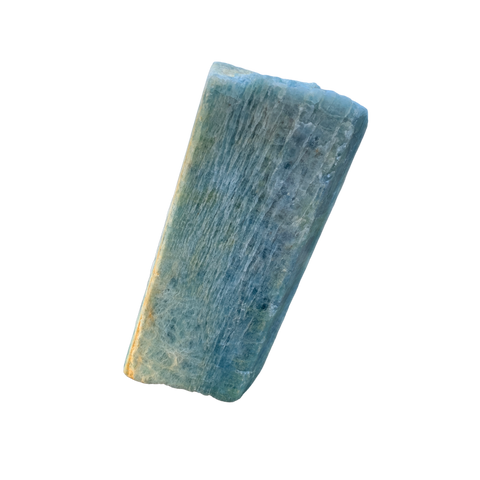
 Aquamarinefor serenity
 Aventurinefor luck
 Bloodstonefor energy
 Blue Kyanitefor confidence
 Blue Lace Agatefor stress relief
 Chrysocollafor emotional healing
 Fluoritefor focus
 Garnetfor energy
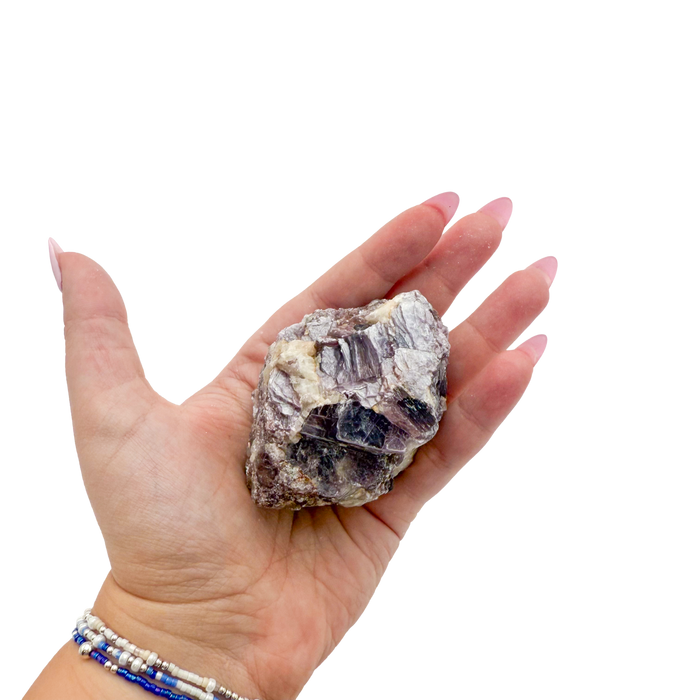
 Lepidolitefor stress relief
 Malachitefor emotional healing
 Moonstonefor grounding
 Obsidianfor protection
 Ocean Jasperfor emotional healing
 Red Jasperfor grounding
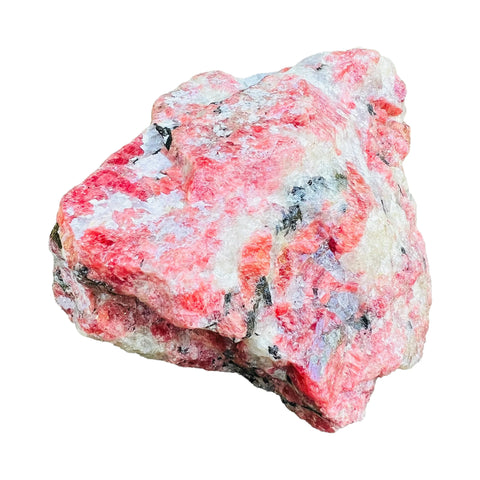
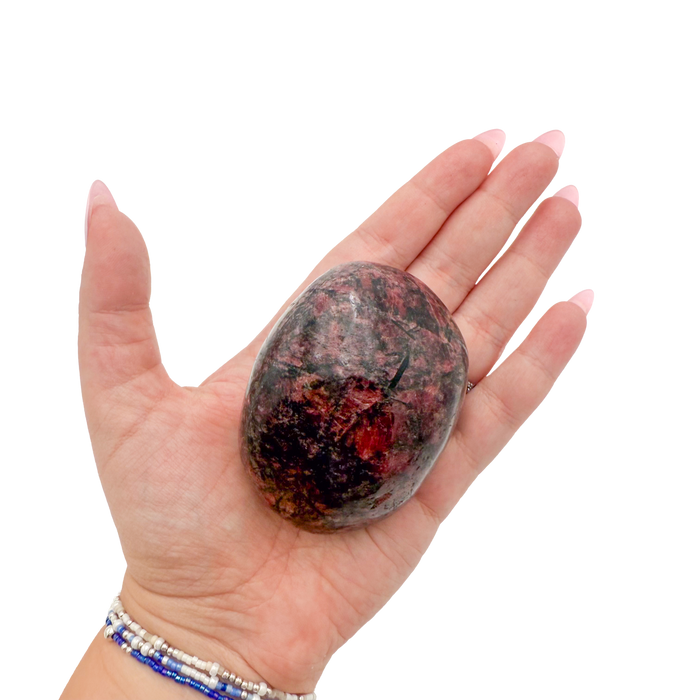
 Rhodonitefor emotional healing
 Selenitefor cleansing
 Sodalitefor focus
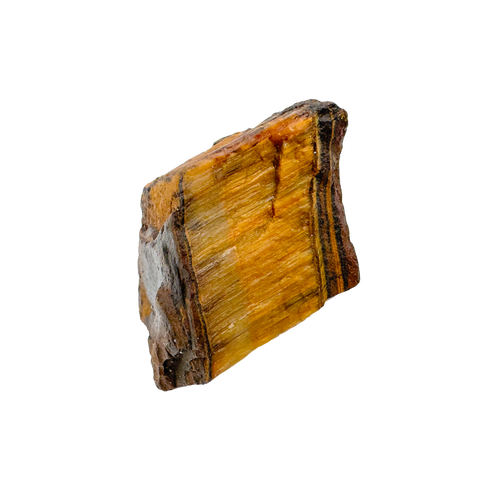
 Tiger Eyefor confidence
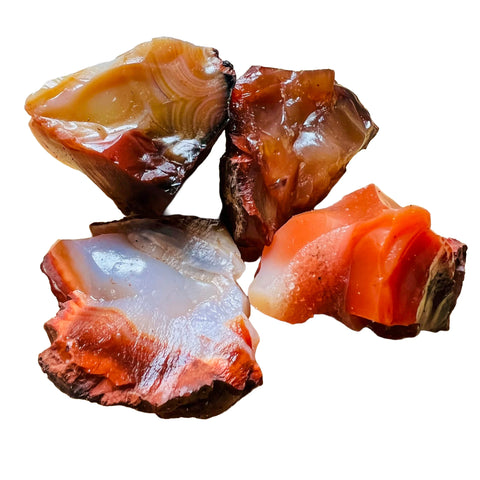
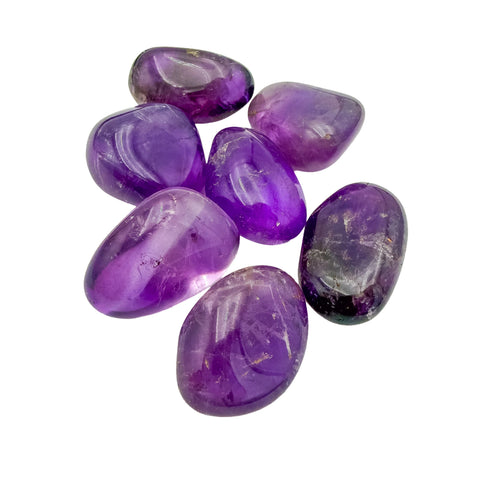

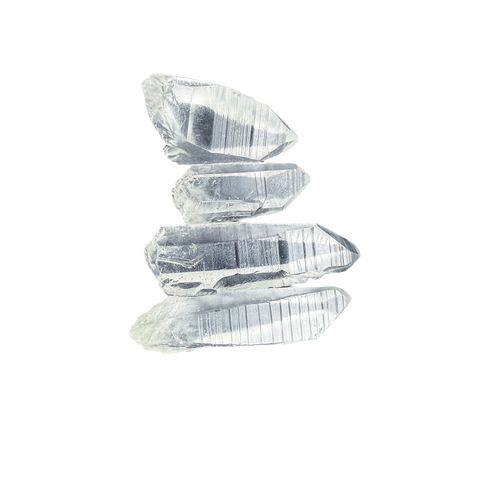
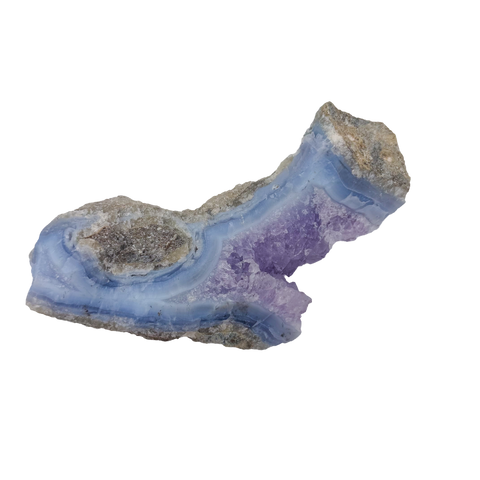

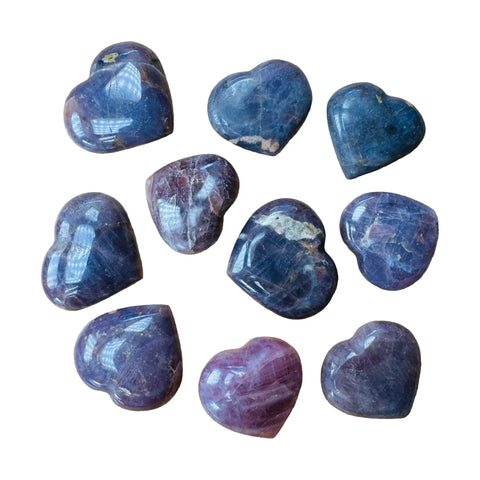
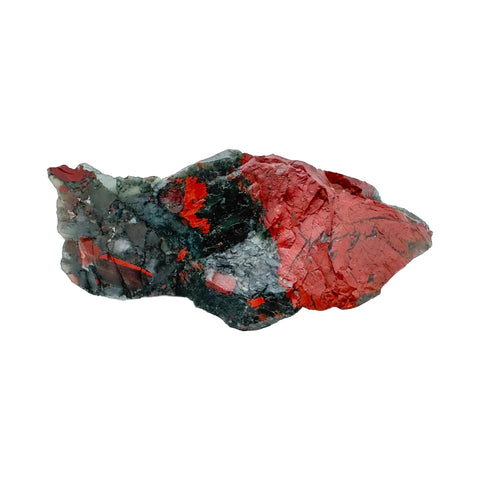
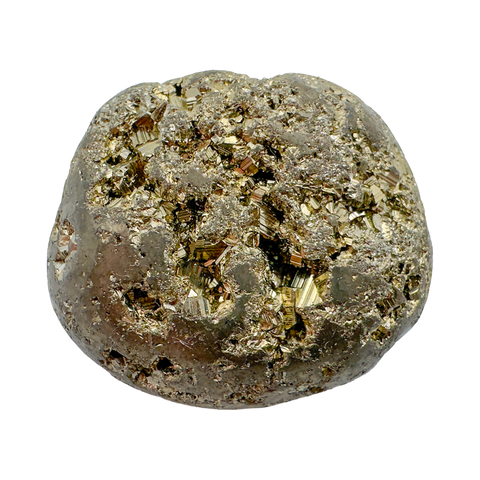
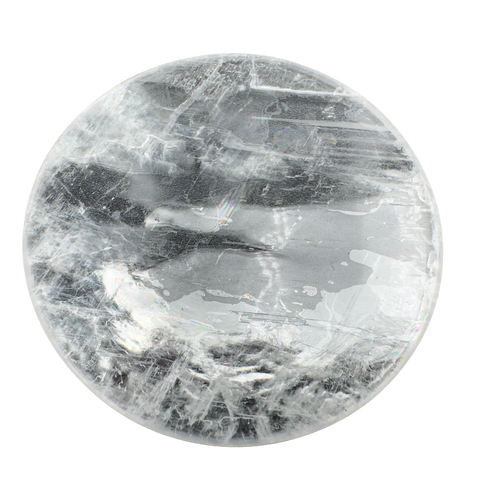


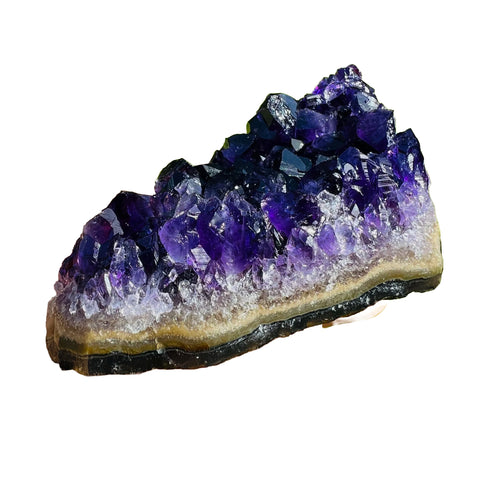






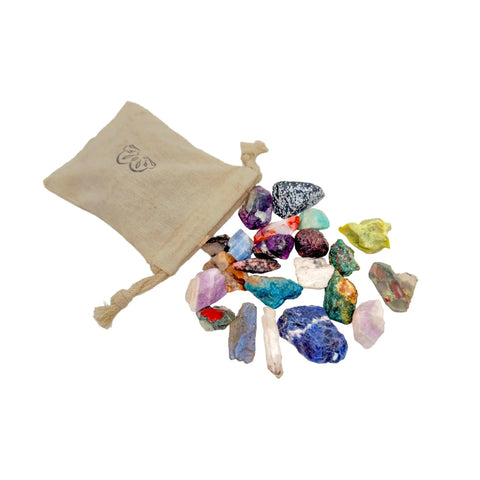
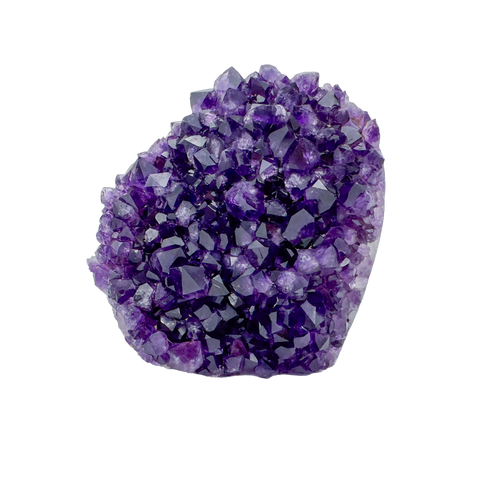
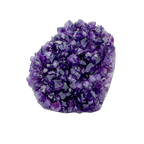 Amethyst
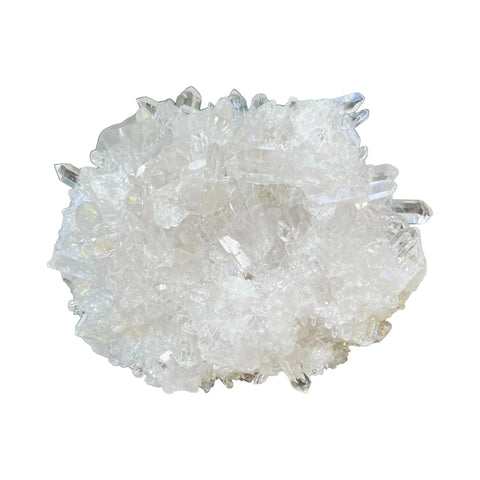
 Clear Quartz
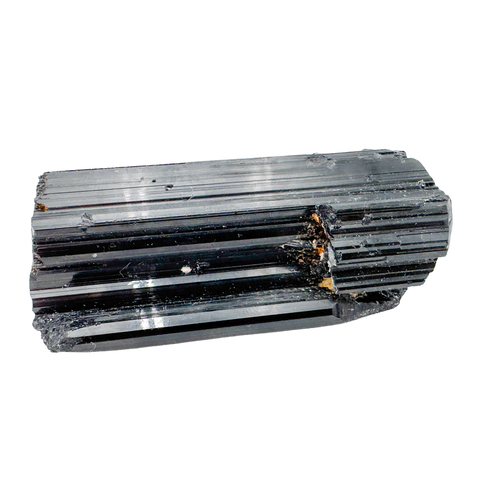
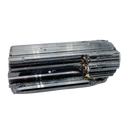 Black Tourmaline
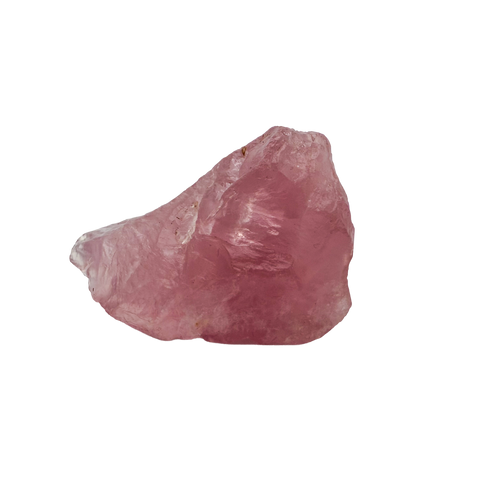
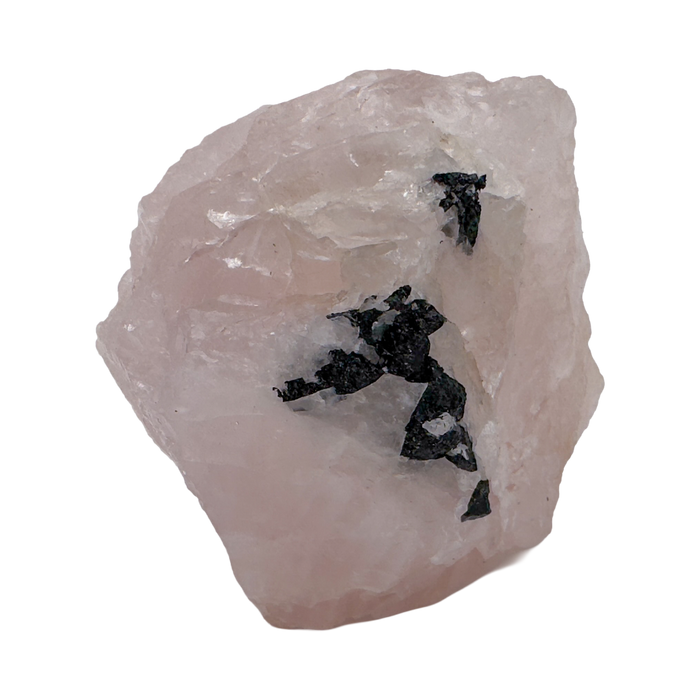
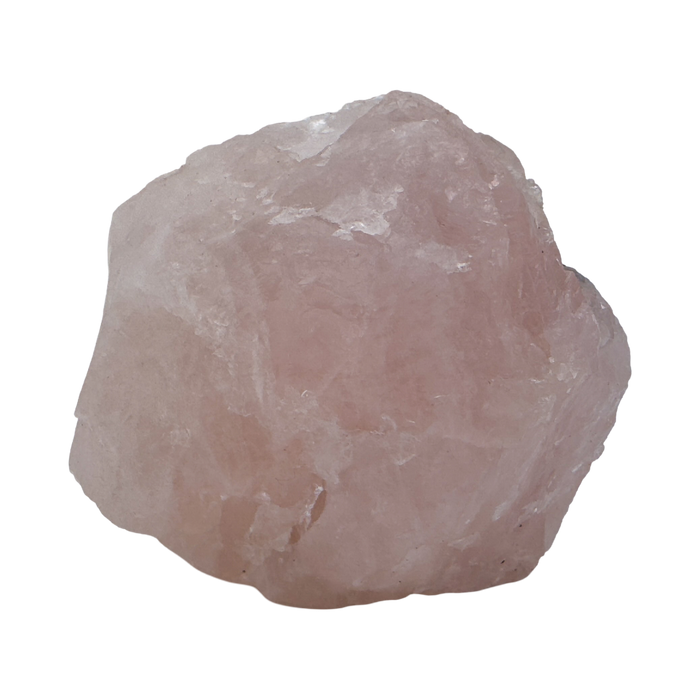
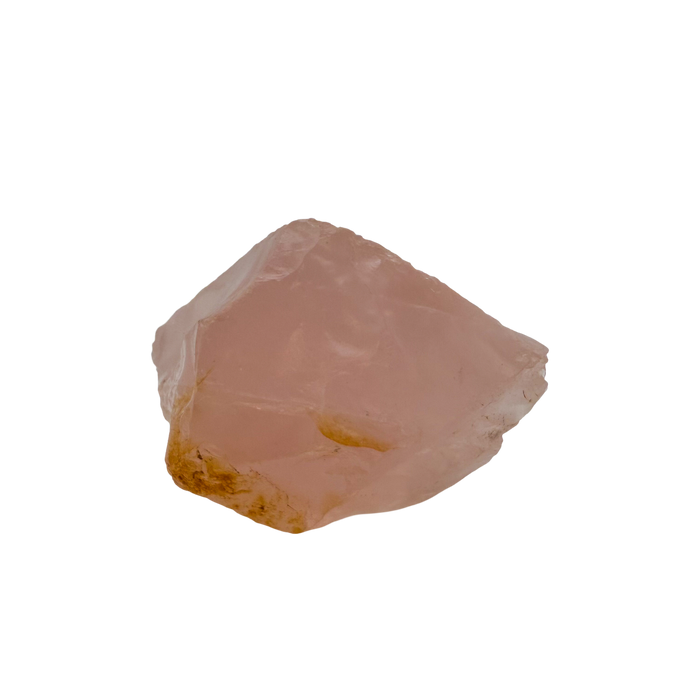
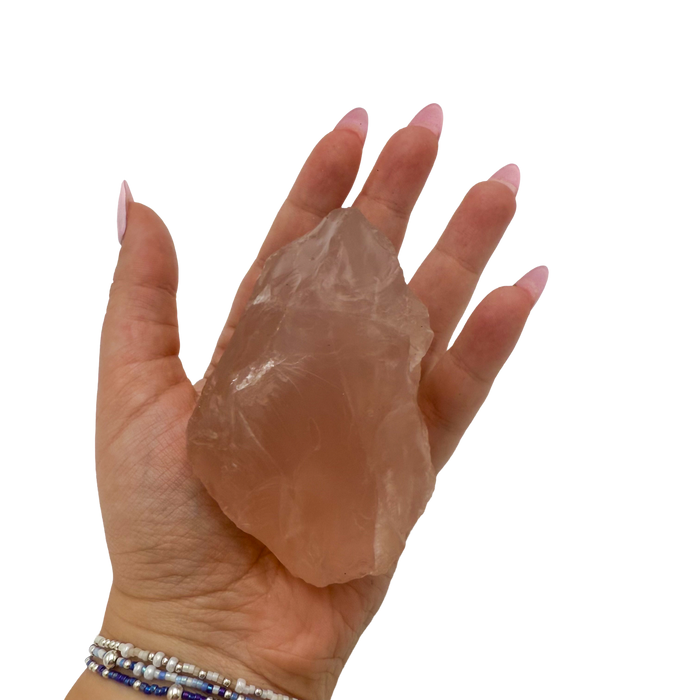
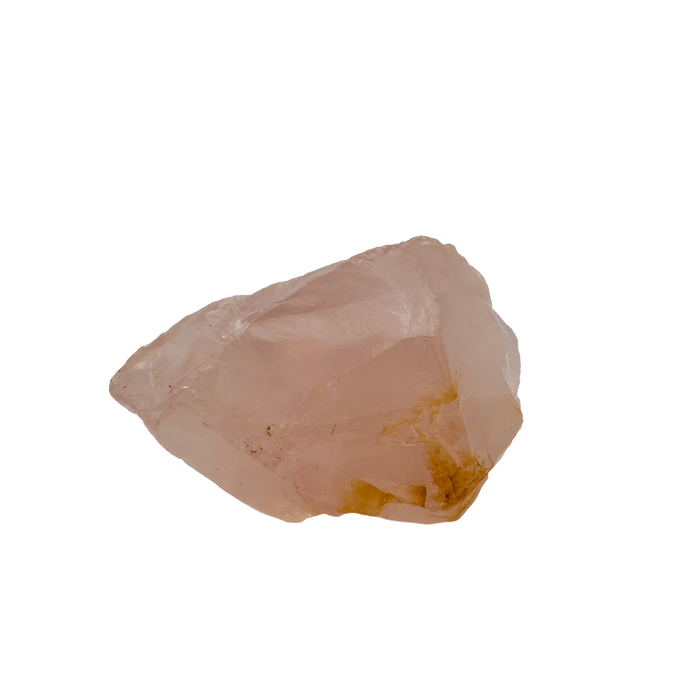
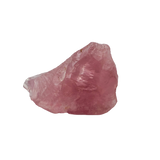 Rose Quartz
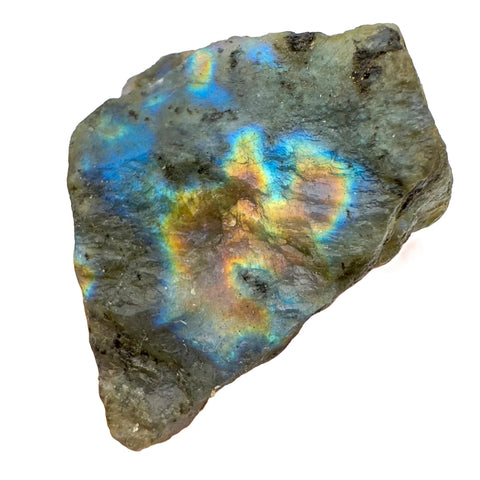
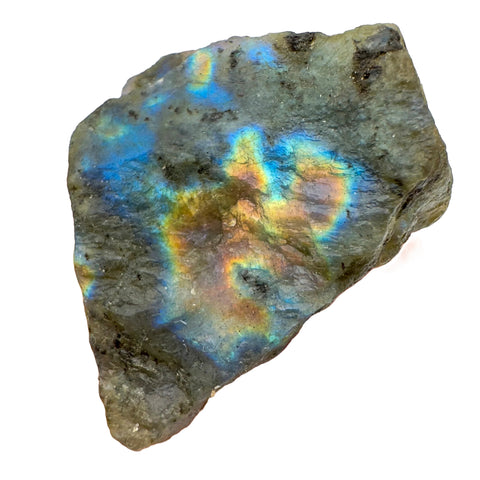
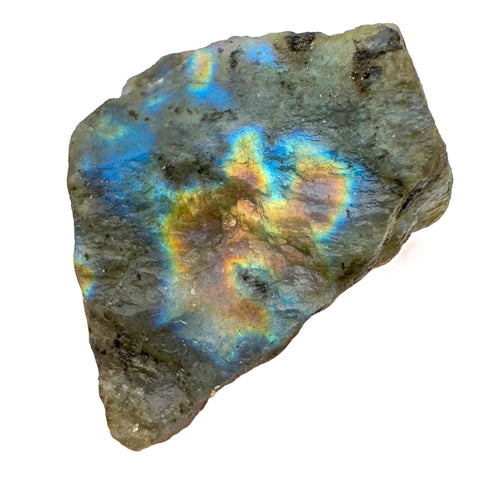
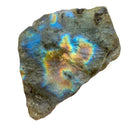 Labradorite
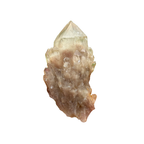 Natural Citrine
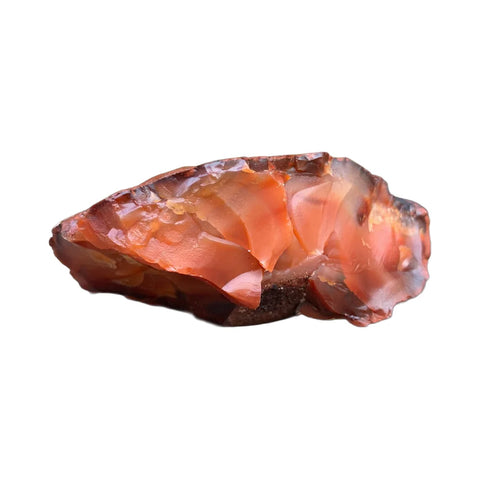
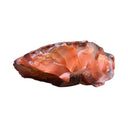 Carnelian
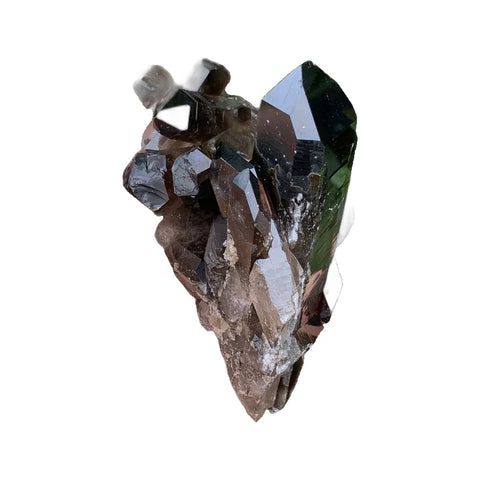
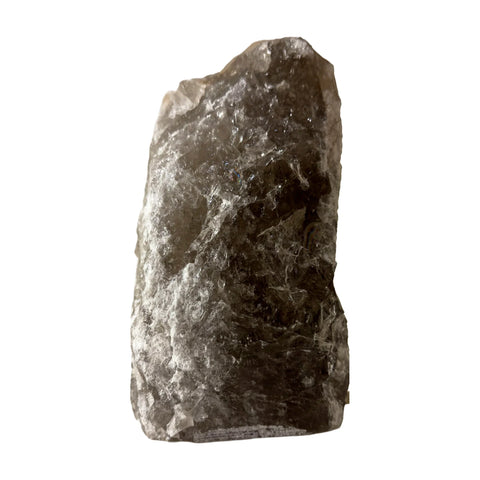
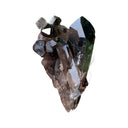 Smoky Quartz
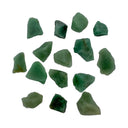 Aventurine
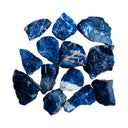 Sodalite
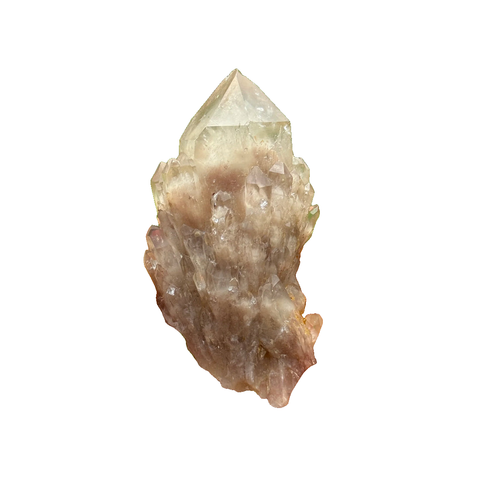
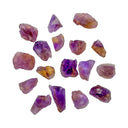 Ametrine
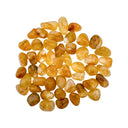 Golden Healer
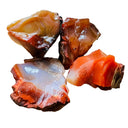 Raw Stones
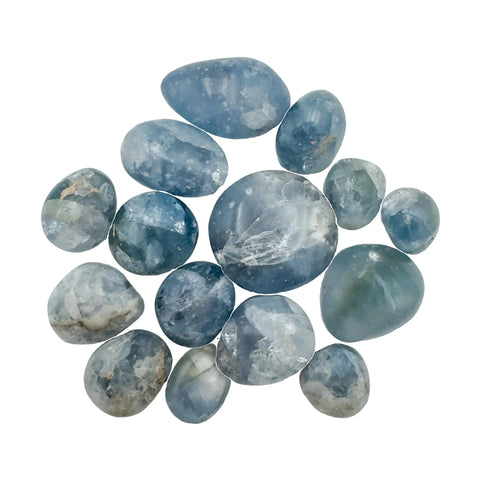
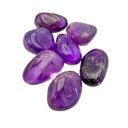 Tumbled Stones
 Palm Stones
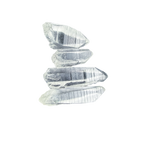 Crystal Points
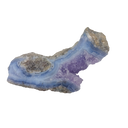 Clusters & Geodes
 Polished & Decor
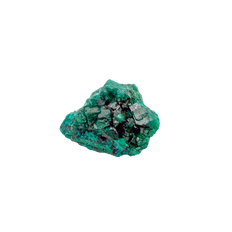 Mineral Specimens
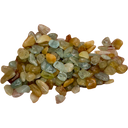 Crystal Chips
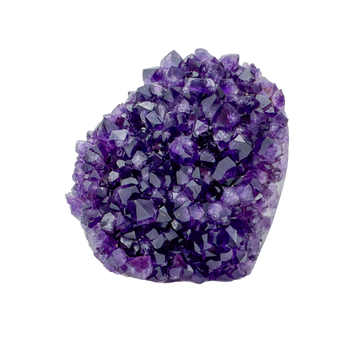
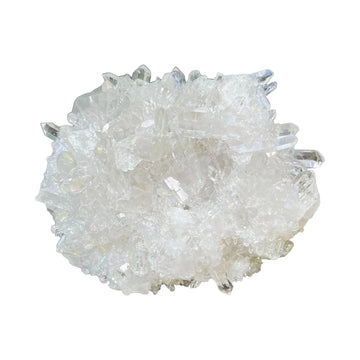
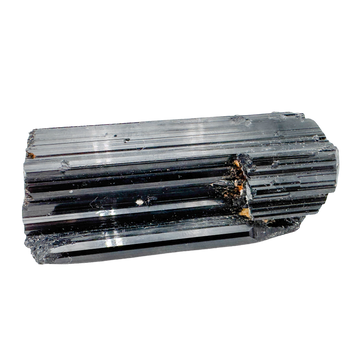
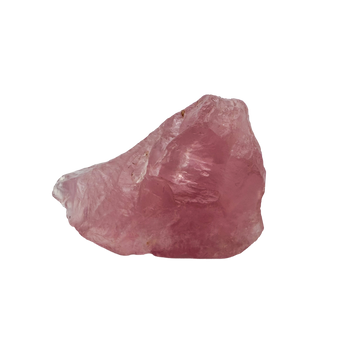
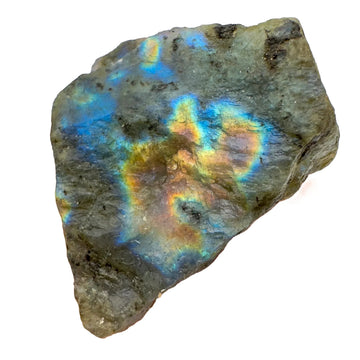
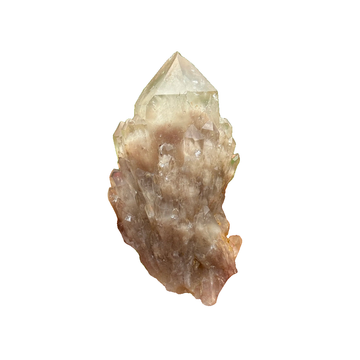
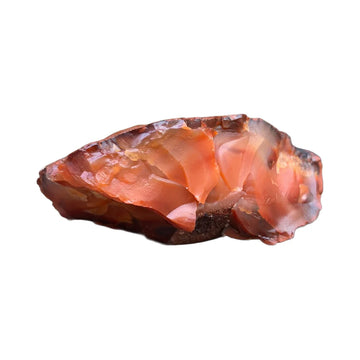
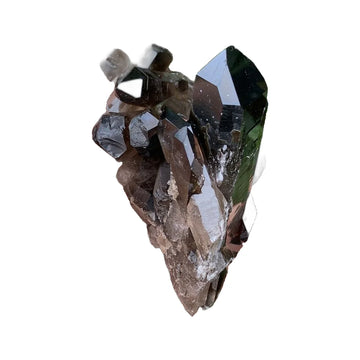
 Raw Stones
179 to choose from
Raw Stones
179 to choose from
 Tumbled Stones
162 to choose from
Tumbled Stones
162 to choose from
 Palm Stones
25 to choose from
Palm Stones
25 to choose from
 Crystal Points
23 to choose from
Crystal Points
23 to choose from
 Clusters & Geodes
95 to choose from
Clusters & Geodes
95 to choose from
 Polished & Decor
146 to choose from
Polished & Decor
146 to choose from
 Mineral Specimens
243 to choose from
Mineral Specimens
243 to choose from
 Crystal Chips
21 to choose from
Crystal Chips
21 to choose from


 AngolaAquamarine
›
AngolaAquamarine
›
 BotswanaCarnelian, Tree Agate
›
BotswanaCarnelian, Tree Agate
›
 DR CongoMalachite, Natural Citrine
›
DR CongoMalachite, Natural Citrine
›
 EswatiniBloodstone
›
EswatiniBloodstone
›
 MadagascarLabradorite, Clear Quartz
›
MadagascarLabradorite, Clear Quartz
›
 MalawiBlue Lace Agate, Garnet
›
MalawiBlue Lace Agate, Garnet
›
 MozambiqueAmazonite
›
MozambiqueAmazonite
›
 NamibiaSodalite, Blue Lace Agate
›
NamibiaSodalite, Blue Lace Agate
›
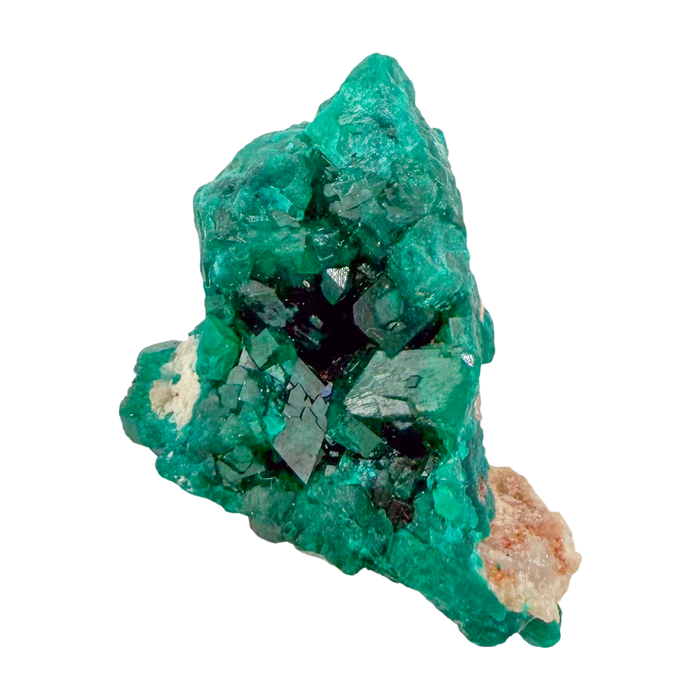
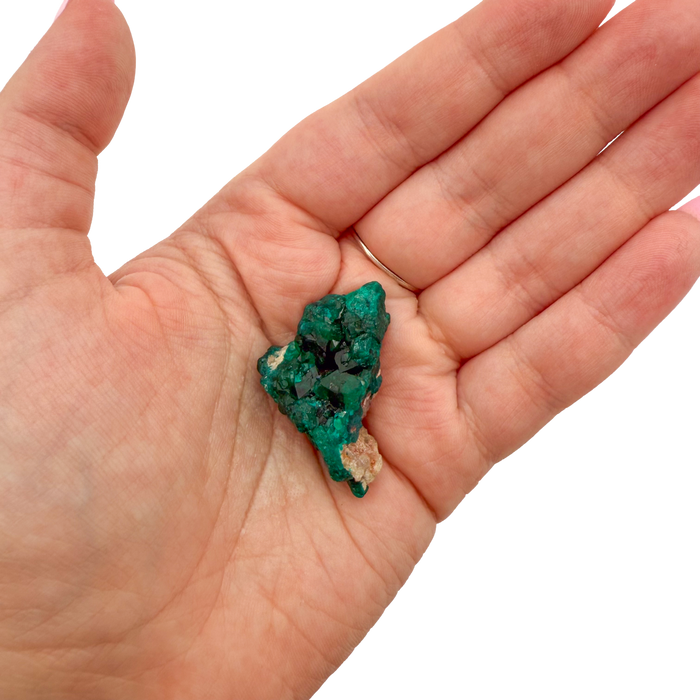
 Republic of the CongoDioptase
›
Republic of the CongoDioptase
›
 South AfricaTiger Eye, Unakite
›
South AfricaTiger Eye, Unakite
›
 ZambiaChevron Amethyst
›
ZambiaChevron Amethyst
›
 ZimbabweEmerald, Rhodonite
›
ZimbabweEmerald, Rhodonite
›
 ArgentinaBlack Obsidian, Rhodochrosite
›
ArgentinaBlack Obsidian, Rhodochrosite
›
 BoliviaAmetrine
›
BoliviaAmetrine
›
 BrazilAmethyst, Clear Quartz
›
BrazilAmethyst, Clear Quartz
›
 PeruSerpentine, Jade
›
PeruSerpentine, Jade
›
 UruguayAmethyst
›
UruguayAmethyst
›
 Dominican RepublicLarimar
›
Dominican RepublicLarimar
›
 MexicoRainbow Obsidian, Crazy Lace Agate
›
MexicoRainbow Obsidian, Crazy Lace Agate
›
 United StatesSelenite, Peridot
›
United StatesSelenite, Peridot
›
 ChinaFluorite
›
ChinaFluorite
›
 RussiaShungite
›
RussiaShungite
›
 AustraliaMookaite
›
AustraliaMookaite
›
 Where our crystals come from
See where we source →
Where our crystals come from
See where we source →


 Aquarius
Jan 20 to Feb 18
Amethyst
›
Aquarius
Jan 20 to Feb 18
Amethyst
›
 Pisces
Feb 19 to Mar 20
Aquamarine
›
Pisces
Feb 19 to Mar 20
Aquamarine
›
 Aries
Mar 21 to Apr 19
Carnelian
›
Aries
Mar 21 to Apr 19
Carnelian
›
 Taurus
Apr 20 to May 20
Rose Quartz
›
Taurus
Apr 20 to May 20
Rose Quartz
›
 Gemini
May 21 to Jun 20
Agate
›
Gemini
May 21 to Jun 20
Agate
›
 Cancer
Jun 21 to Jul 22
Moonstone
›
Cancer
Jun 21 to Jul 22
Moonstone
›
 Leo
Jul 23 to Aug 22
Citrine
›
Leo
Jul 23 to Aug 22
Citrine
›
 Virgo
Aug 23 to Sep 22
Amazonite
›
Virgo
Aug 23 to Sep 22
Amazonite
›
 Libra
Sep 23 to Oct 22
Blue Lace Agate
›
Libra
Sep 23 to Oct 22
Blue Lace Agate
›
 Scorpio
Oct 23 to Nov 21
Obsidian
›
Scorpio
Oct 23 to Nov 21
Obsidian
›
 Sagittarius
Nov 22 to Dec 21
Sodalite
›
Sagittarius
Nov 22 to Dec 21
Sodalite
›
 Capricorn
Dec 22 to Jan 19
Black Tourmaline
›
Gifting?
A birthday stone is the safe bet.
Read the zodiac guide →
Capricorn
Dec 22 to Jan 19
Black Tourmaline
›
Gifting?
A birthday stone is the safe bet.
Read the zodiac guide →


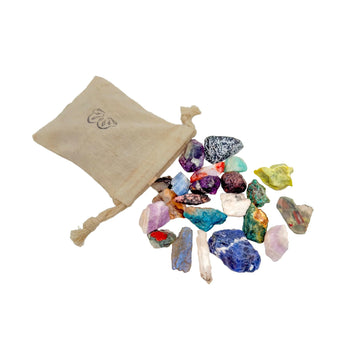
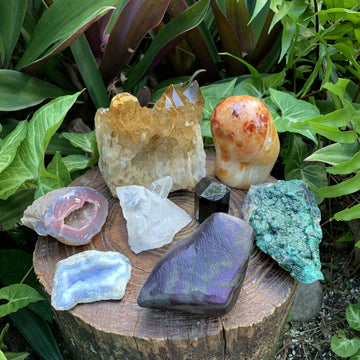
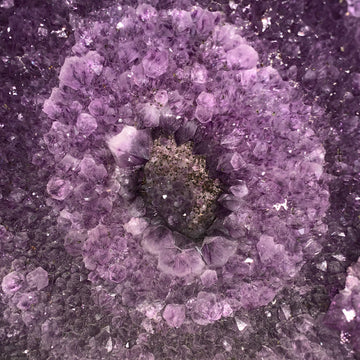
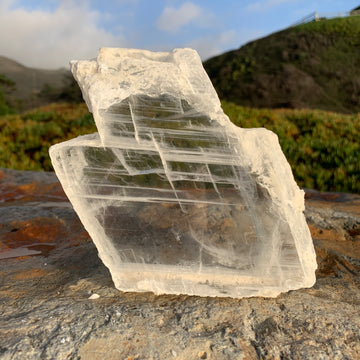


Beyond Ethical™ Sourcing
Know exactly where your crystal comes from.
Find a crystal you'll love living with. Curated for their natural beauty, with origin, grading, and treatment details to help you choose with confidence.

Most Popular First
Shop by Crystal
-
 Amethystfor calm
-
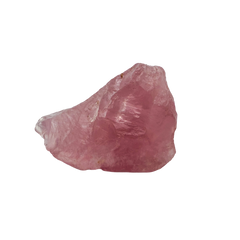 Rose Quartzfor love
-
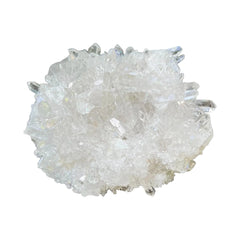 Clear Quartzfor clarity
-
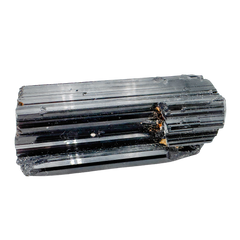 Black Tourmalinefor protection
-
 Natural Citrinefor abundance
-
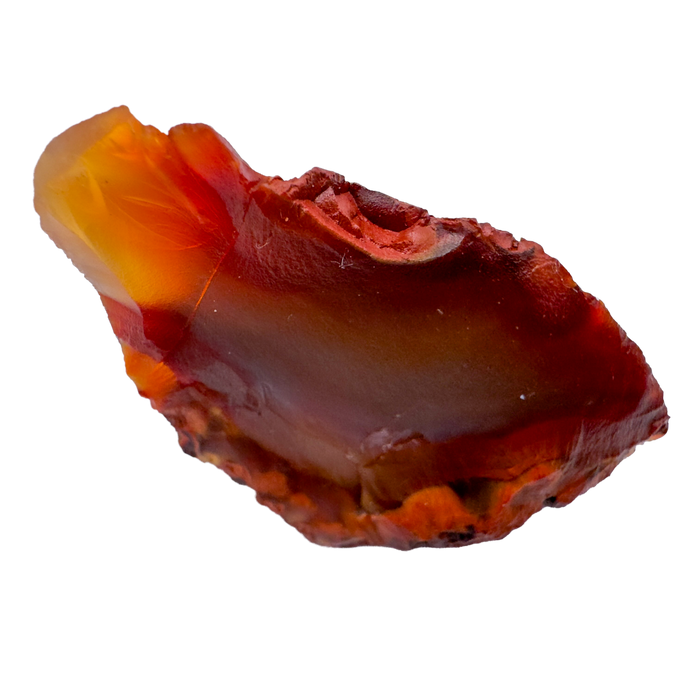
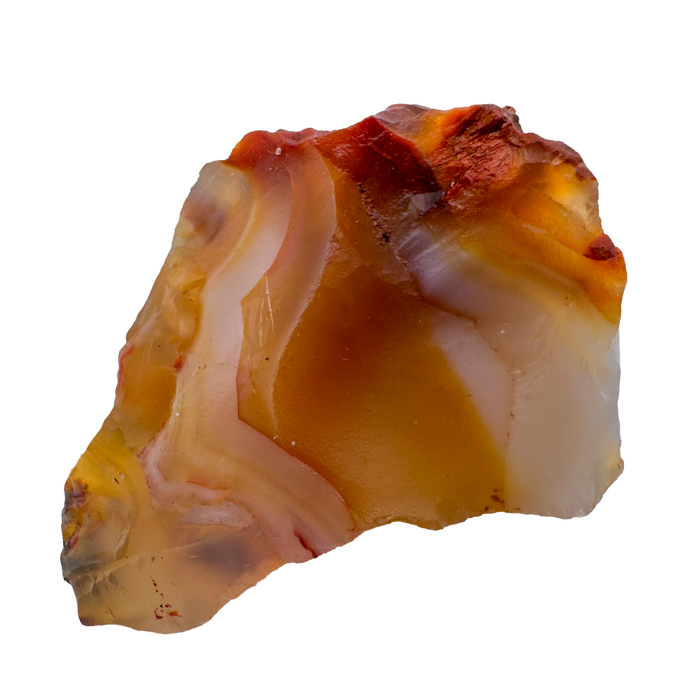
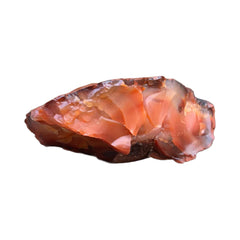 Carnelianfor motivation
-
 Smoky Quartzfor grounding
-
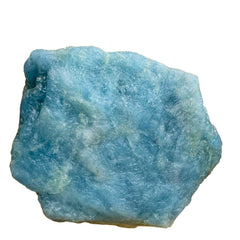 Aquamarinefor serenity
-
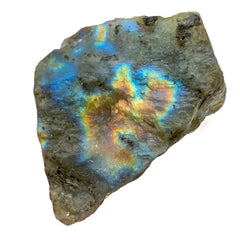 Labradoritefor intuition
-
 Selenitefor cleansing
-
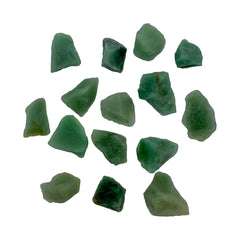 Aventurinefor luck
-
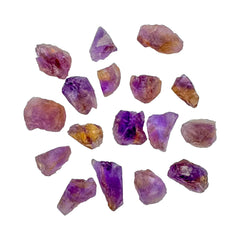 Ametrinefor focus
-
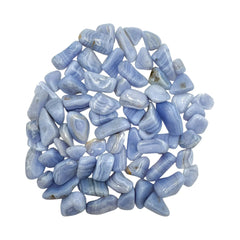 Blue Lace Agatefor stress relief
-
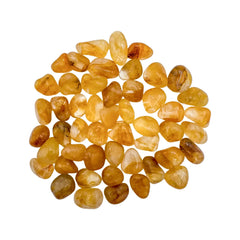 Golden Healerfor healing
-
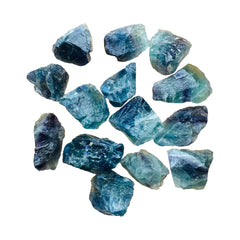 Fluoritefor focus
-
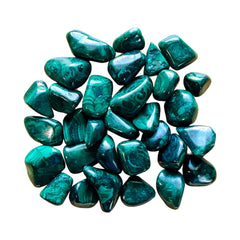 Malachitefor emotional healing
-
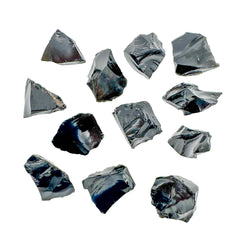 Obsidianfor protection
-
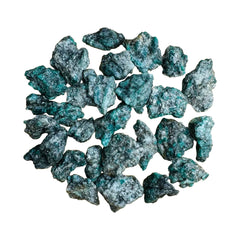 Emeraldfor love
-
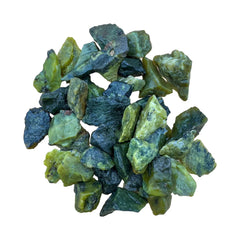 Serpentinefor healing
-
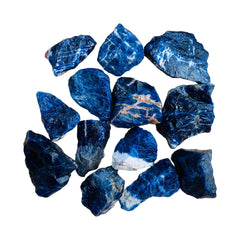 Sodalitefor focus
- View allevery collection


Reviews From Our Customers
Most Loved
The ones people reach for again.
- bestseller
- bestseller
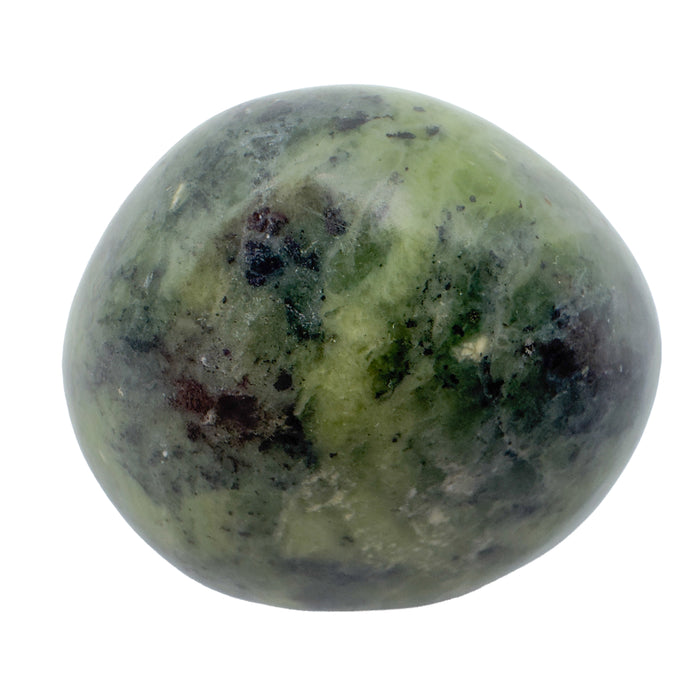
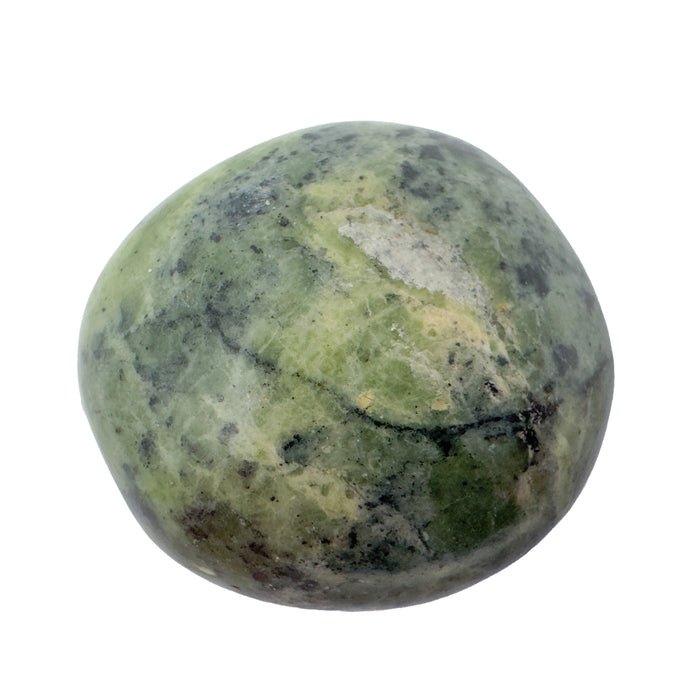
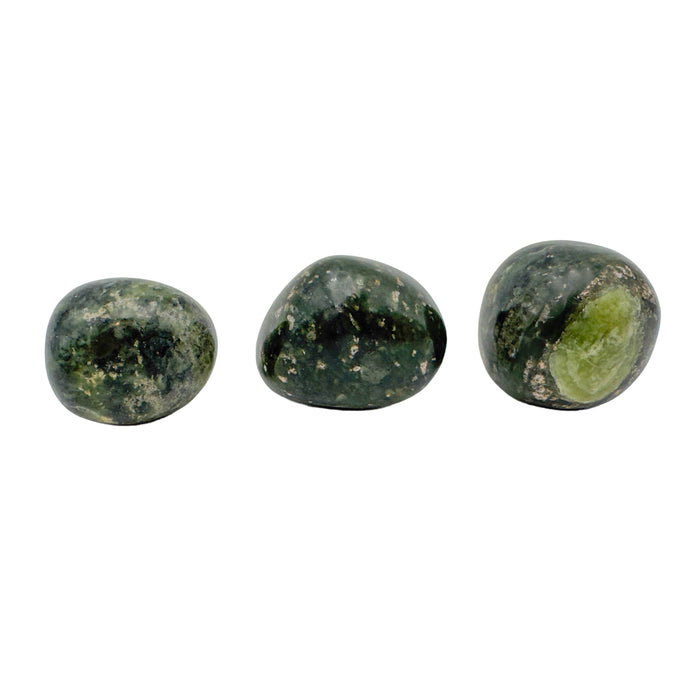
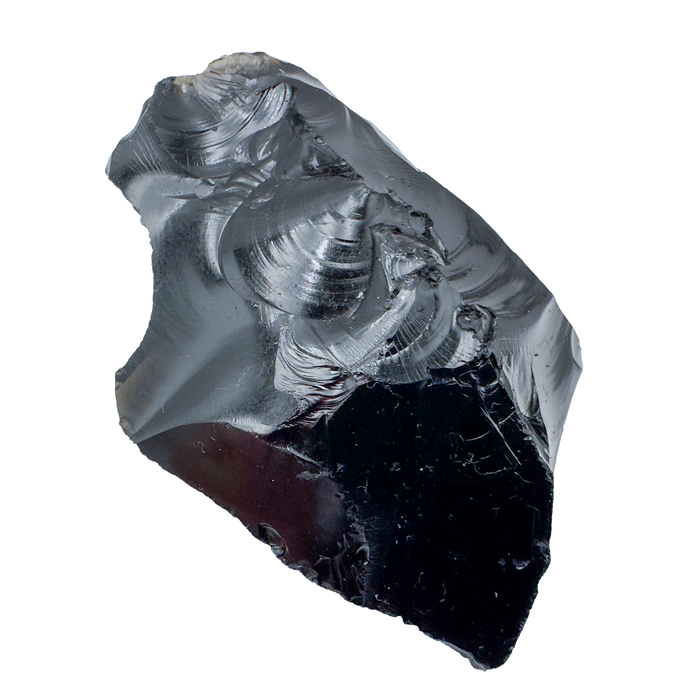
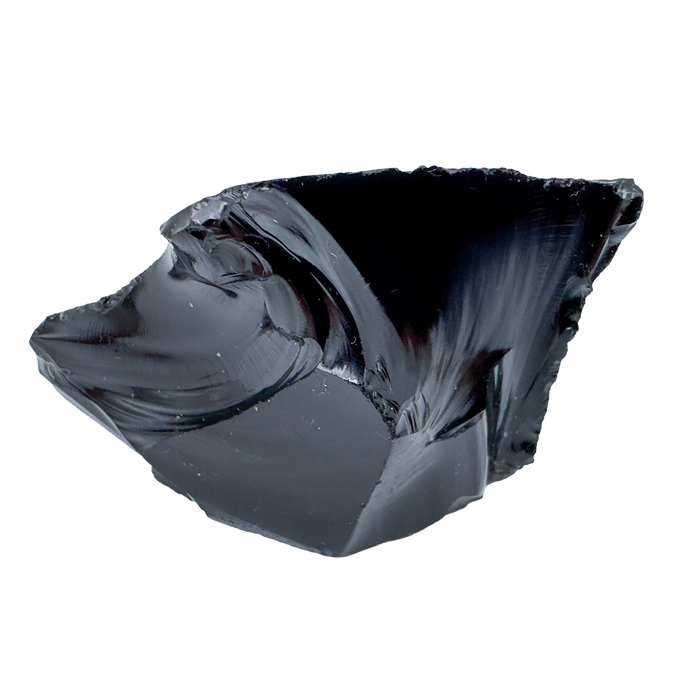
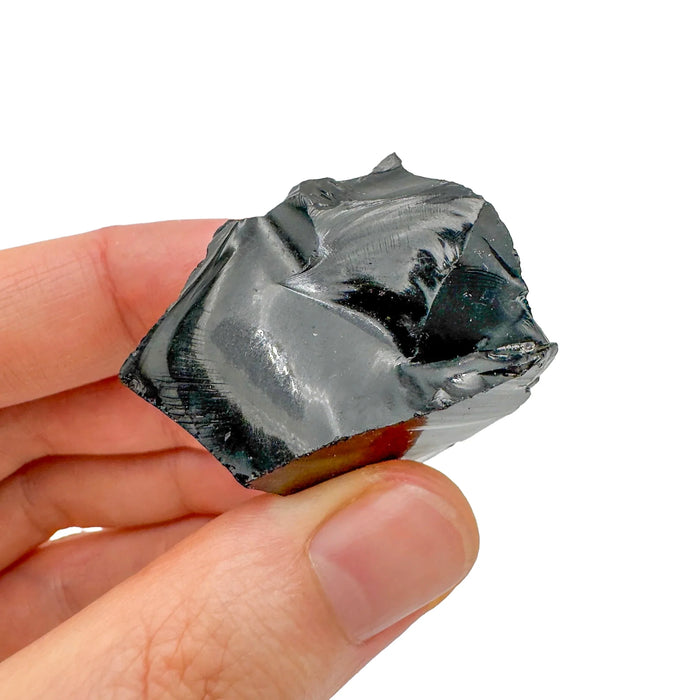
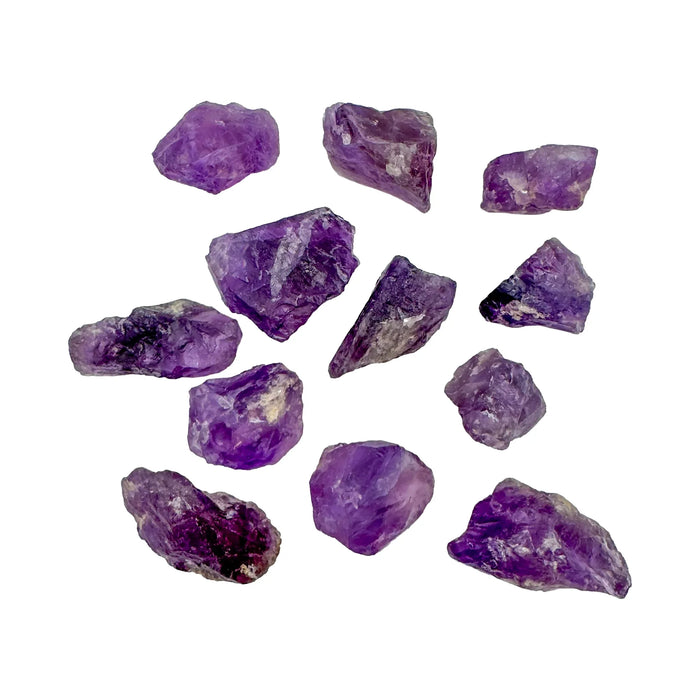
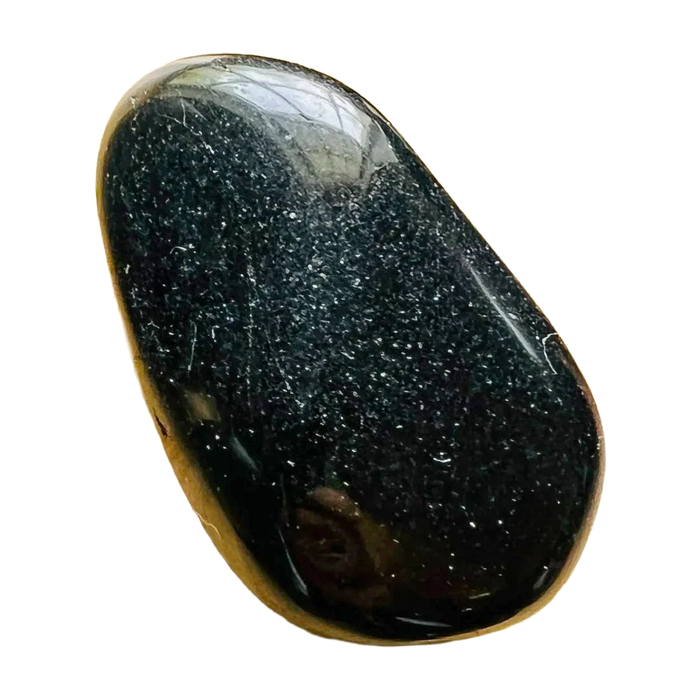
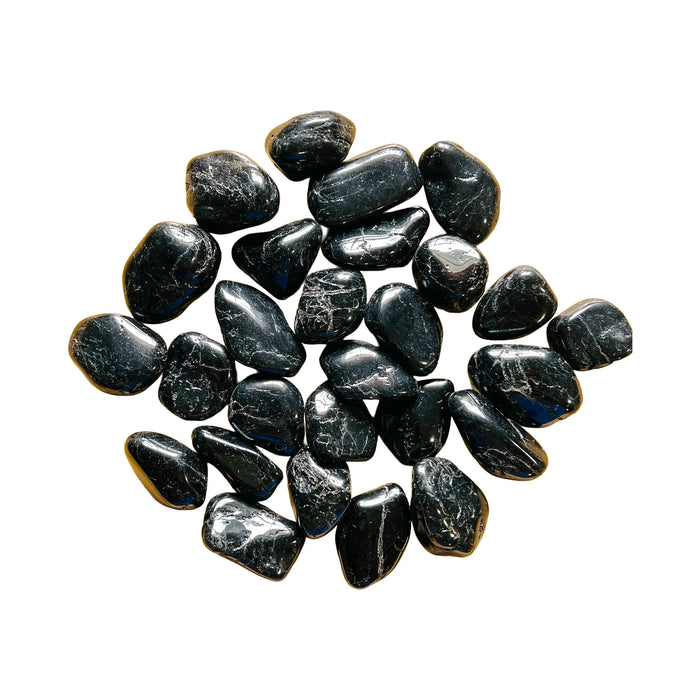
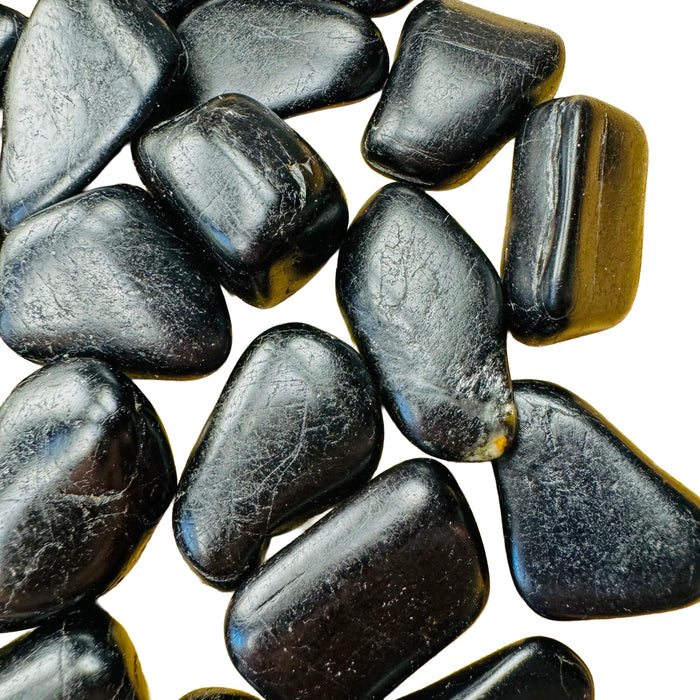
- bestsellerAA Grade | 1–1.50″MINAS GERAIS, BRAZILPROTECTION◇GROUNDING◇CLEANSING
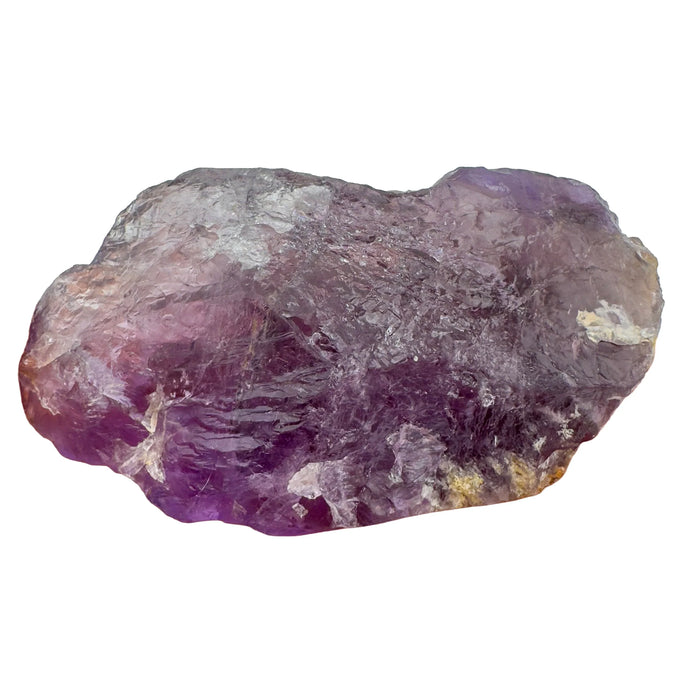
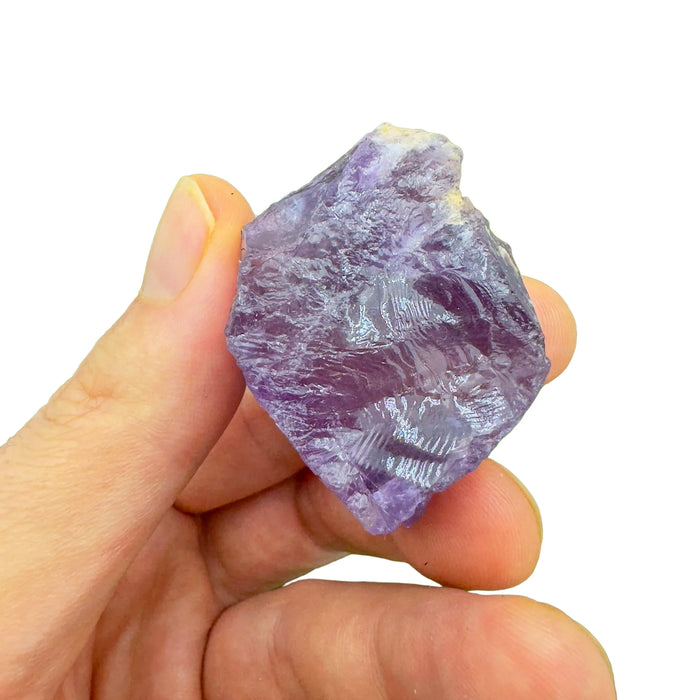
- bestsellerA Grade | 1–2″ALAOTRA-MANGORO, MADAGASCARCLEANSING◇MEDITATION◇MANIFESTATION
- bestsellerAAA Grade | 1–1.50″MINAS GERAIS, BRAZILABUNDANCE◇MANIFESTATION◇CONFIDENCE
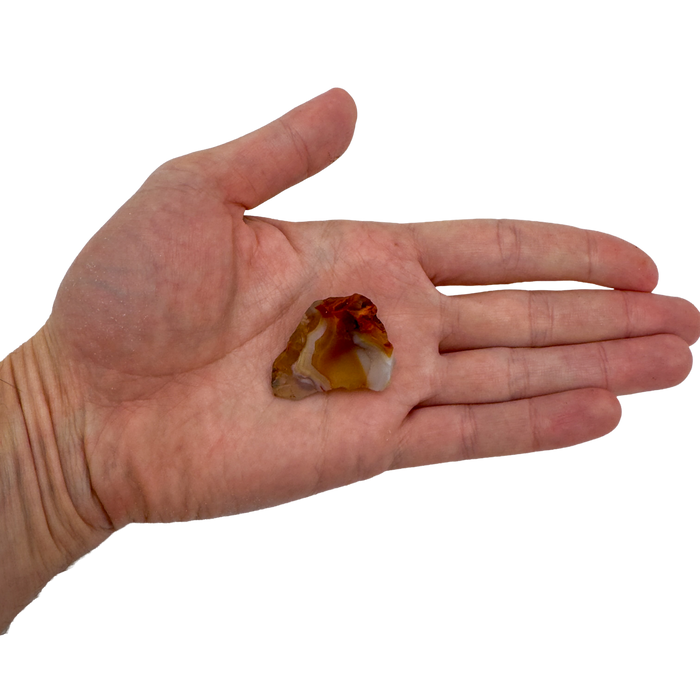
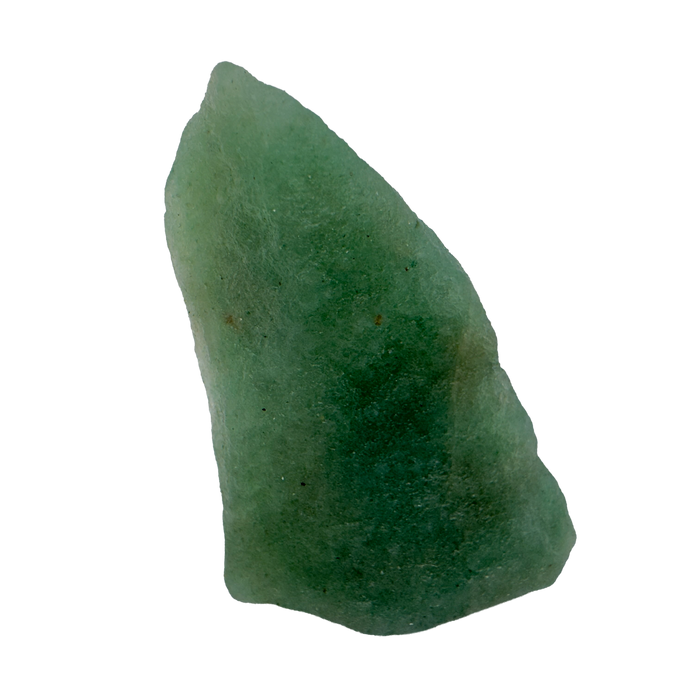
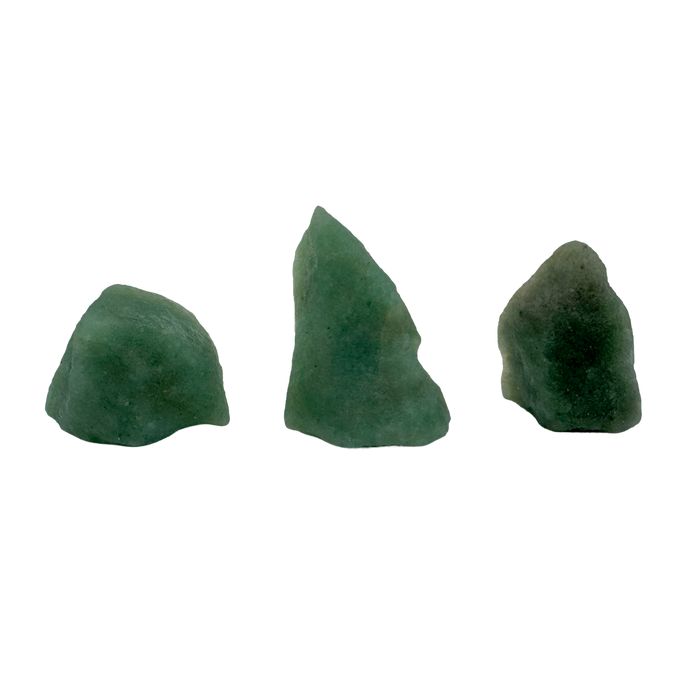
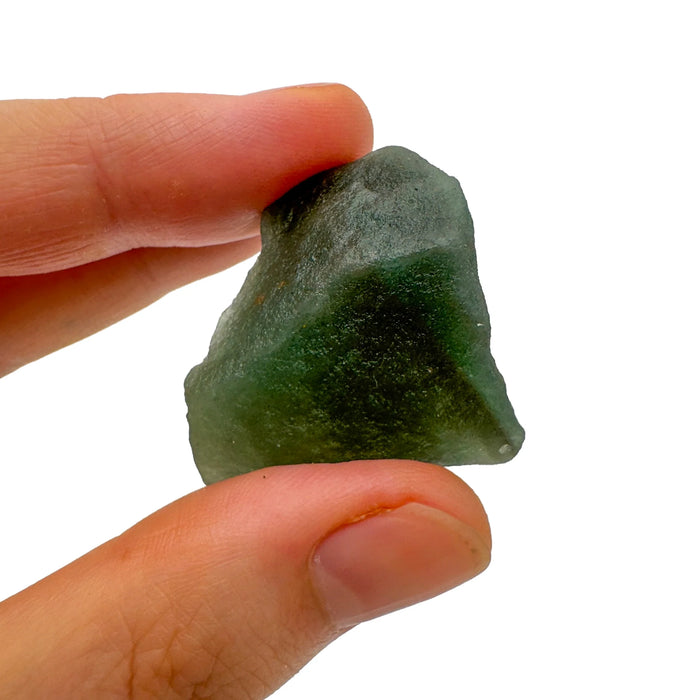
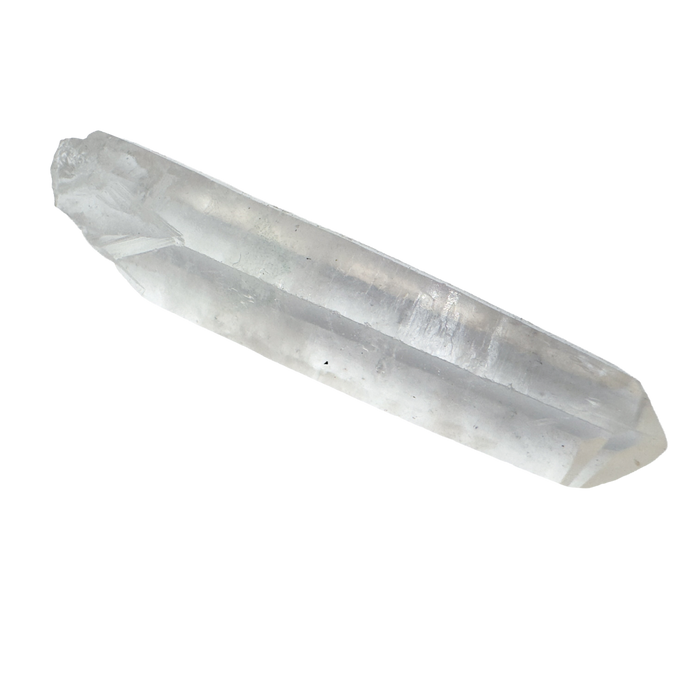
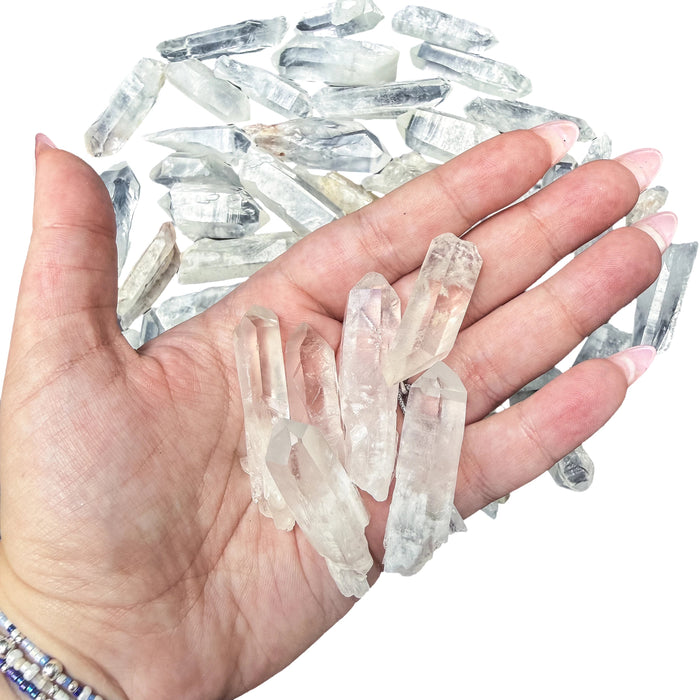
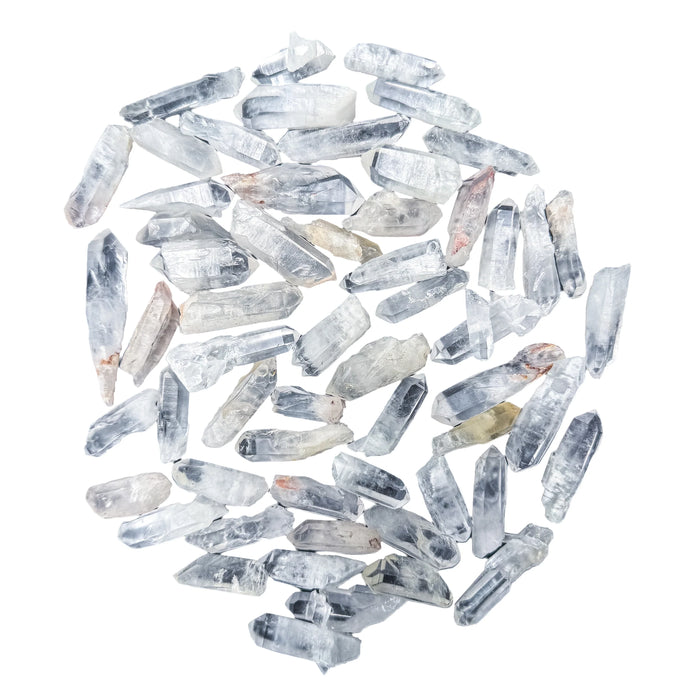
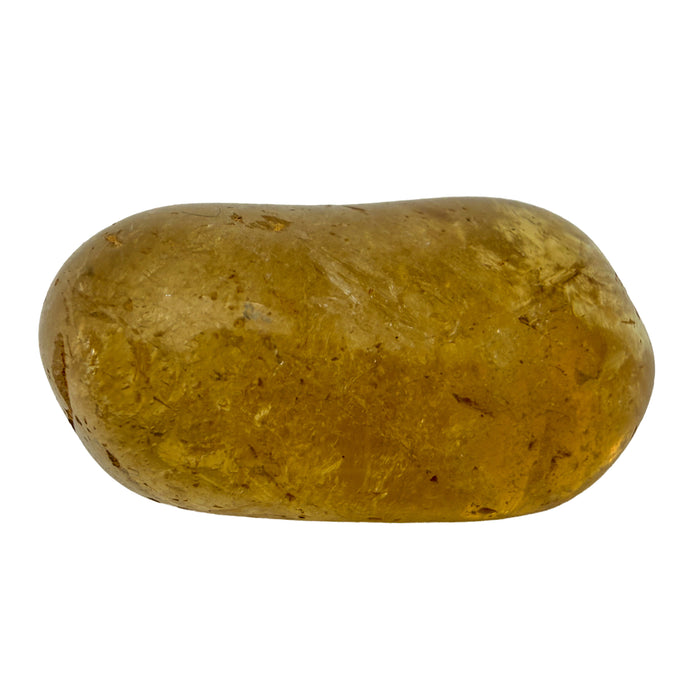
For Giving
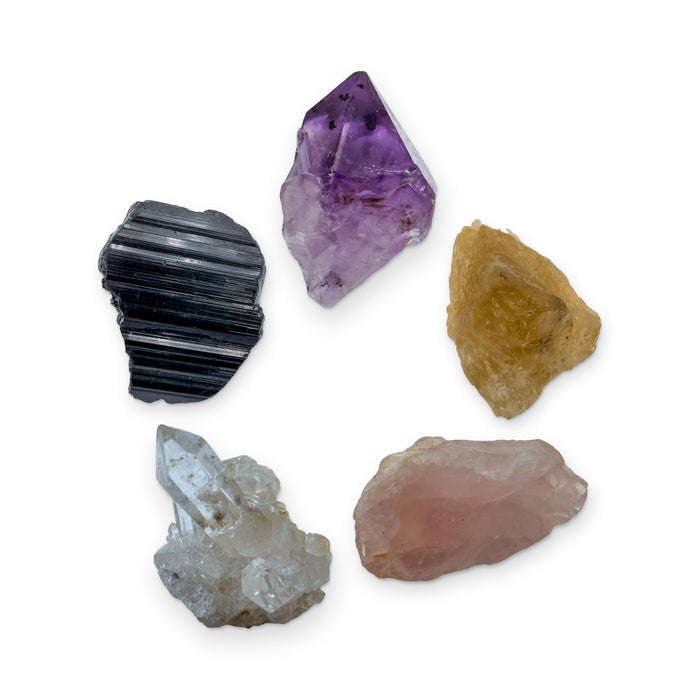
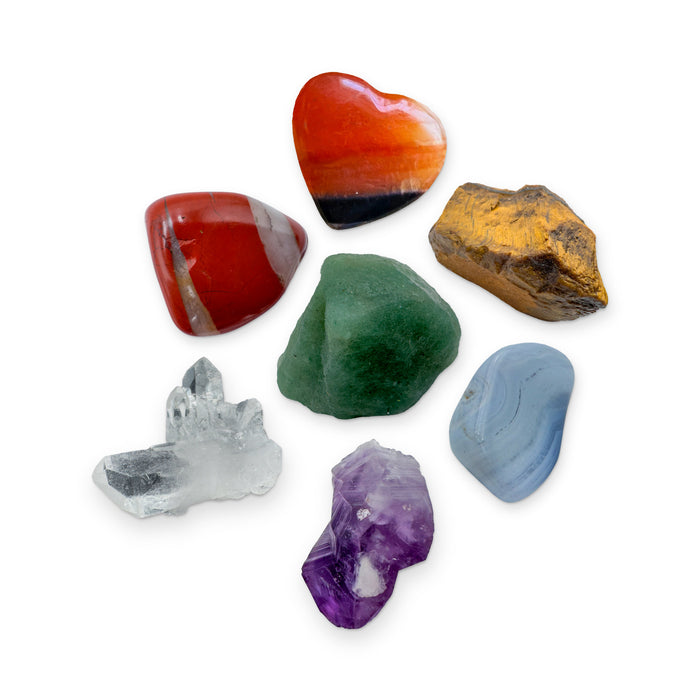
Gifts with the origin on every one.
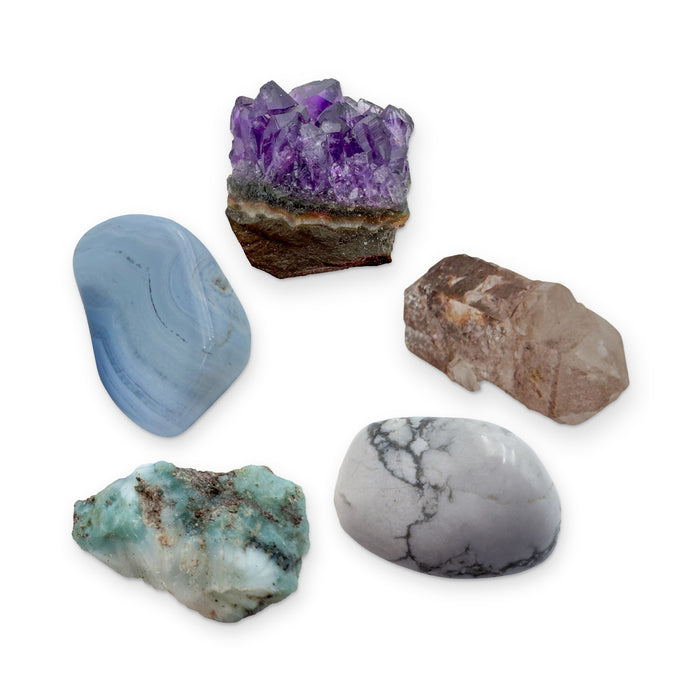
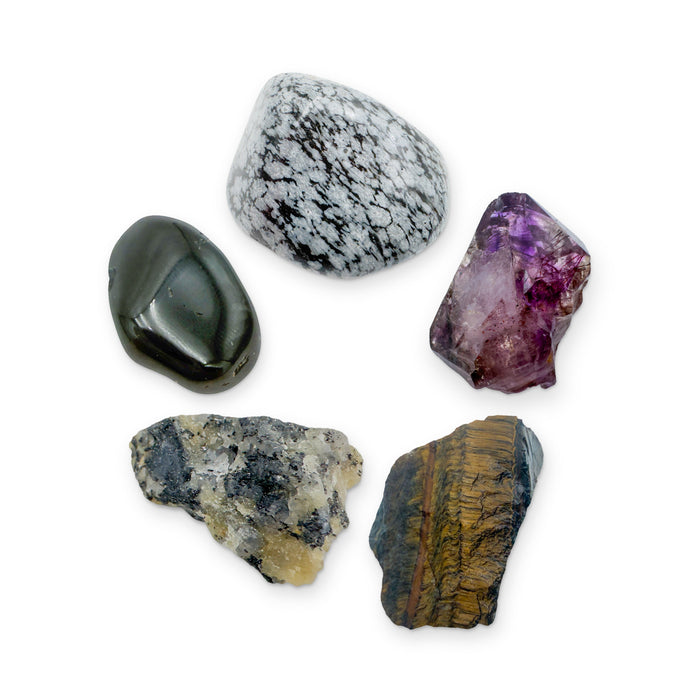
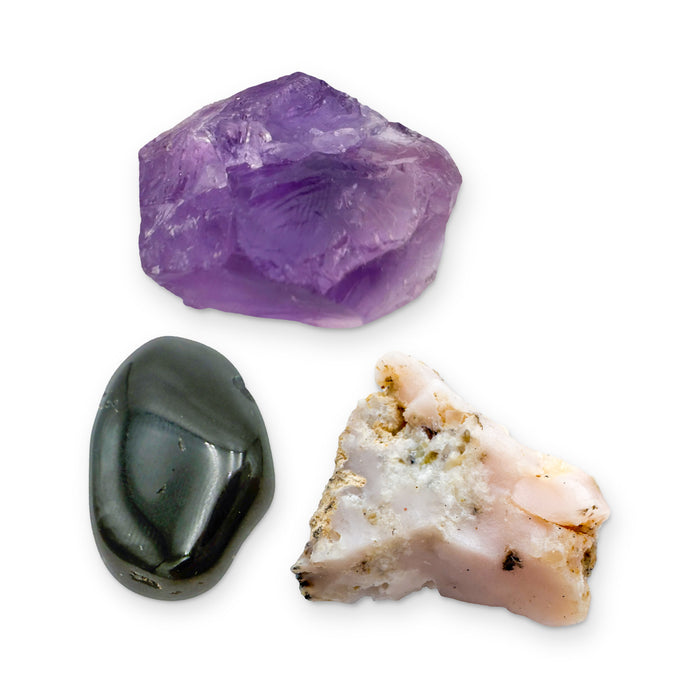
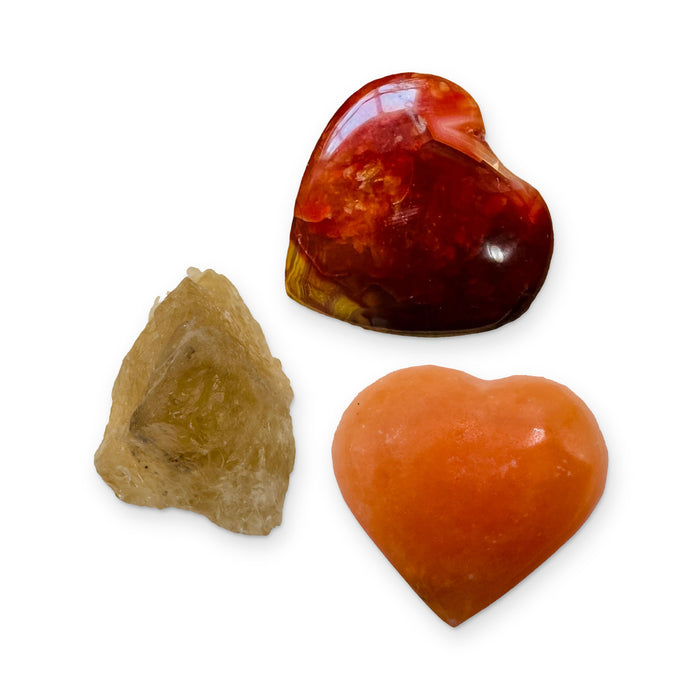
Hearts, palm stones, kits and the mystery bag. Hand-graded, in stock, named by country.
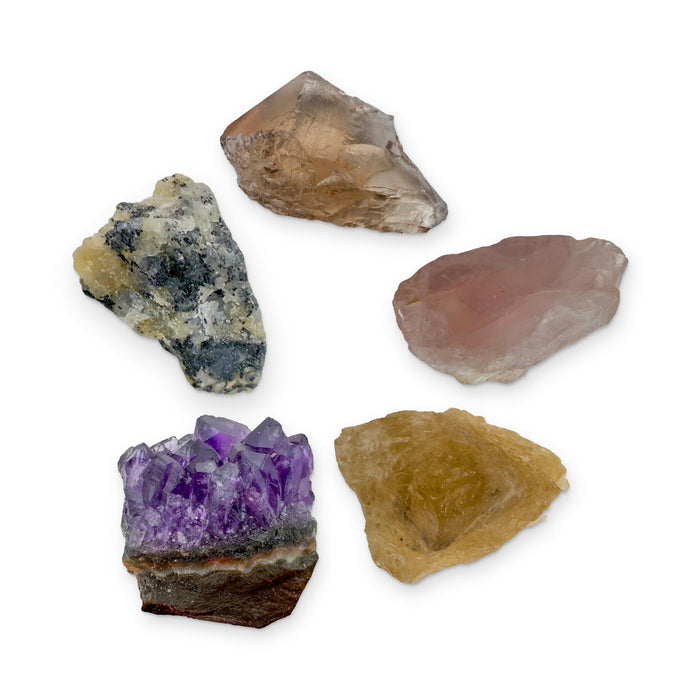
- newA to AAA Grade | 1 to 2.5″ Per StoneSOUTH AFRICA, MADAGASCAR, BRAZIL & NAMIBIA
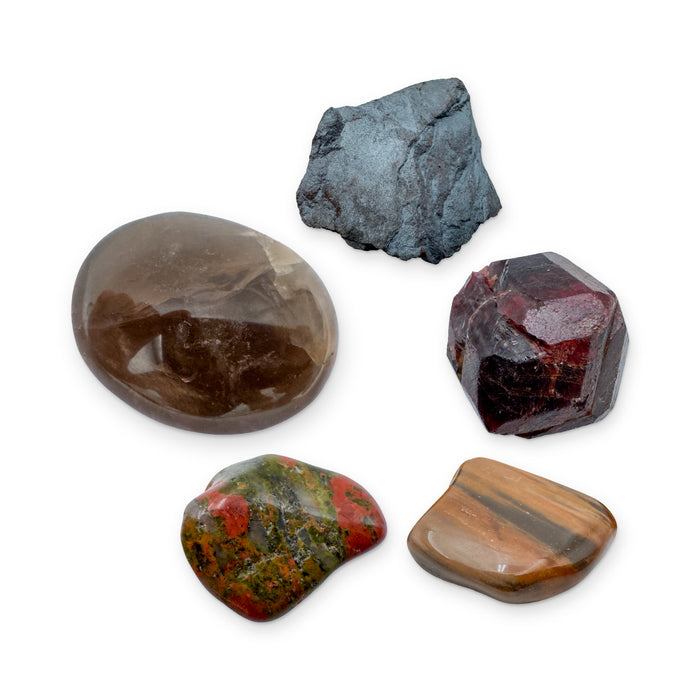
- newA to AA Grade | 1 to 2.25″ Per StoneNAMIBIA, URUGUAY, BRAZIL, ZIMBABWE & DOMINICAN REPUBLICSLEEP◇STRESS RELIEF
- newA to AA Grade | 1 to 2″ Per StoneBRAZIL, UTAH (USA), ZIMBABWE & SOUTH AFRICAPROTECTION
- newA to AA Grade | 1 to 2″ Per StoneBRAZIL & PERUSTRESS RELIEF◇LOVE◇PROTECTION
- new

Who You Are Buying From
Packed by the people who chose the stones.
We name where each stone comes from, how it is graded, and what has been done to it. When we don't know, we say so.
 Paul and Zina OliverRockville, Maryland
- Origin and grade on every product pageCountry, region where we know it, and the grade we gave it.
- About 1 in 4 stones rejectedChecked by hand before anything reaches the shop.
- A printed crystal card with each stoneSo you always know what you are holding. Mystery bags are the one exception.
Collector's Grade
From the Collector's Table
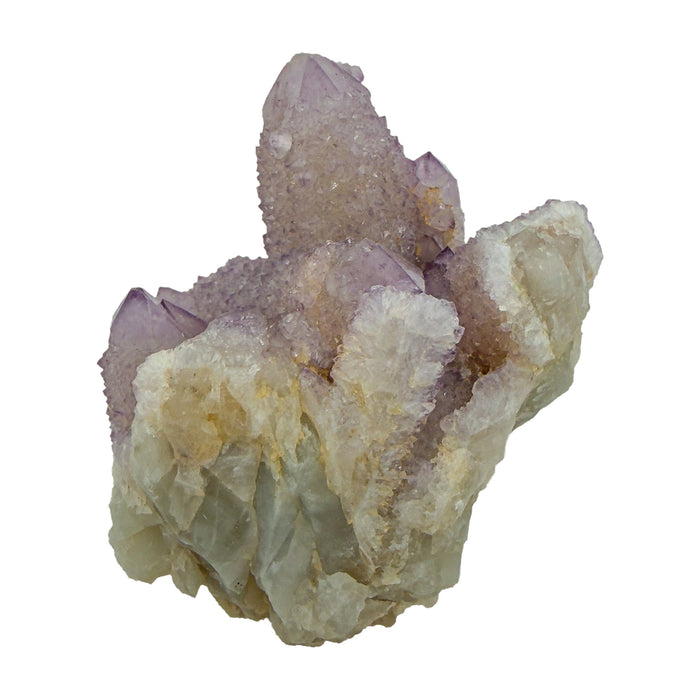
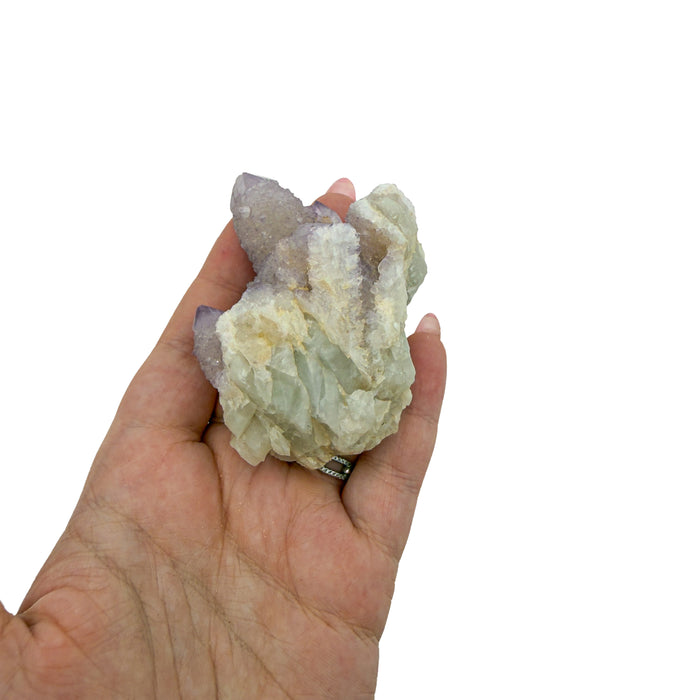
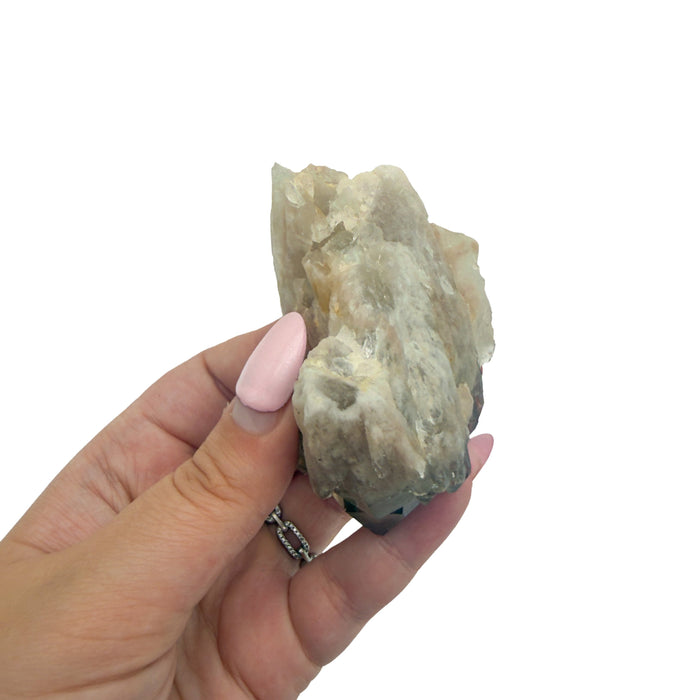
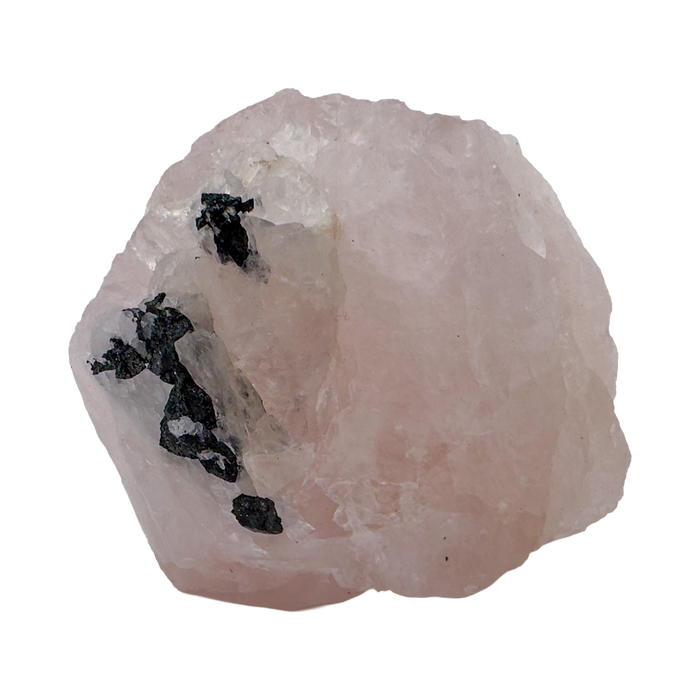
One of a kind. The photo is the exact piece that ships to you.
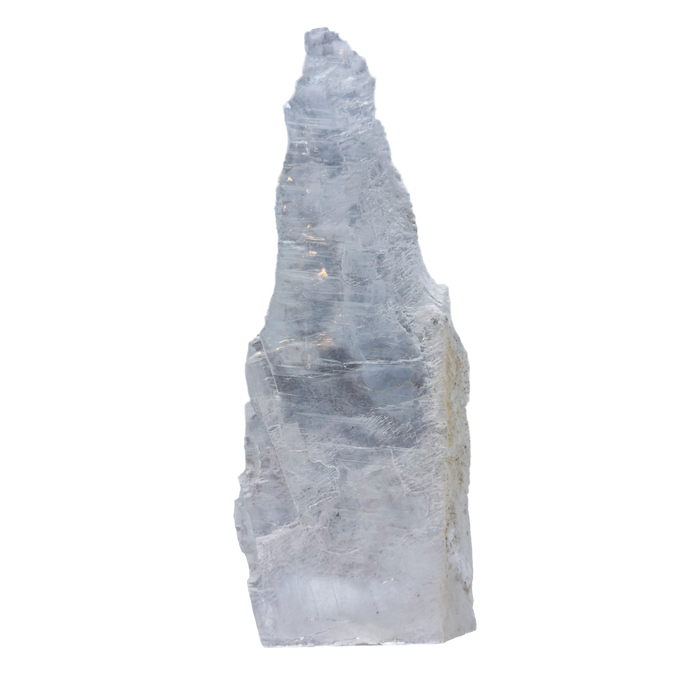
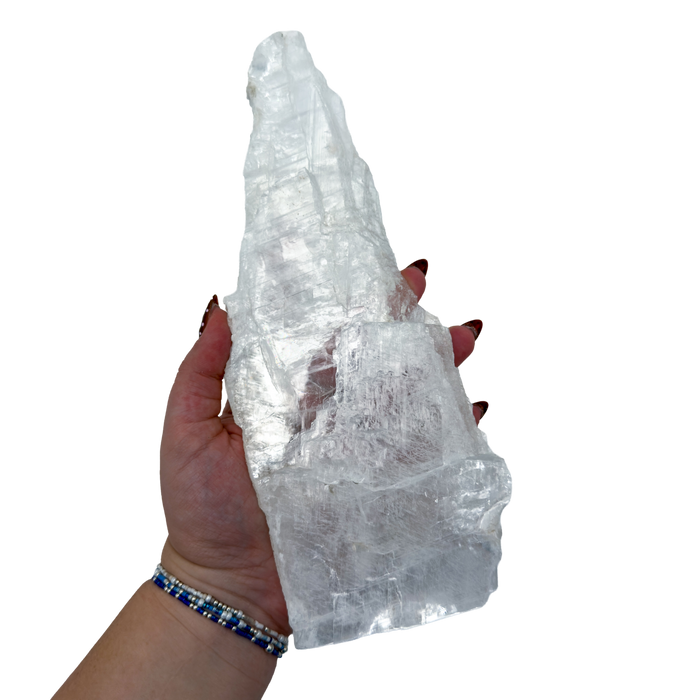
- newAAA Grade | 3.75″ L x 1.28″ W x 9.80″ HNEW MEXICO, USACLEANSING◇MEDITATION◇STRESS RELIEF
- AA Grade | 5.55″ L x 5.27″ W x 9.12″ HARTIGAS, URUGUAYSTRESS RELIEF◇SLEEP◇MEDITATION
- AA Grade | 2.50″ L x 1.31″ W x 2.12″ HMPUMALANGA, SOUTH AFRICACLEANSING◇MEDITATION◇MANIFESTATION
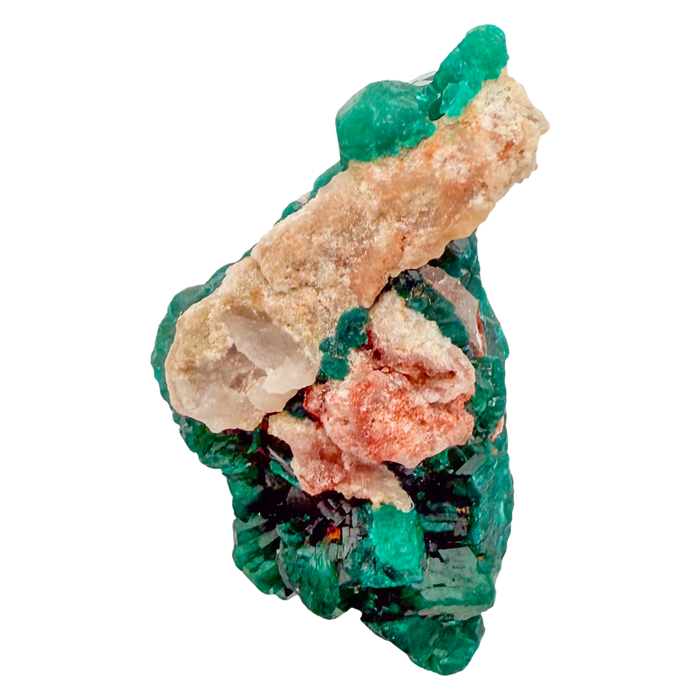
- A Grade | 2.88″ L x 1.70″ W x 1.78″ HHAUT-LOMAMI, DEMOCRATIC REPUBLIC OF THE CONGOABUNDANCE◇MANIFESTATION◇CONFIDENCE
- Collector Grade | 3.37″ L x 2.06″ W x 2.35″ HMINAS GERAIS, BRAZILGROUNDING◇MANIFESTATION◇INTUITION
- Collector Grade | 2.80″ L x 1.69″ W x 2.50″ HMINAS GERAIS, BRAZILLOVE◇PROTECTION◇GROUNDING
- AA Grade | 1.44″ L x 0.79″ W x 0.72″ HRENÉVILLE, REPUBLIC OF THE CONGOEMOTIONAL HEALING◇LOVE◇HEALING
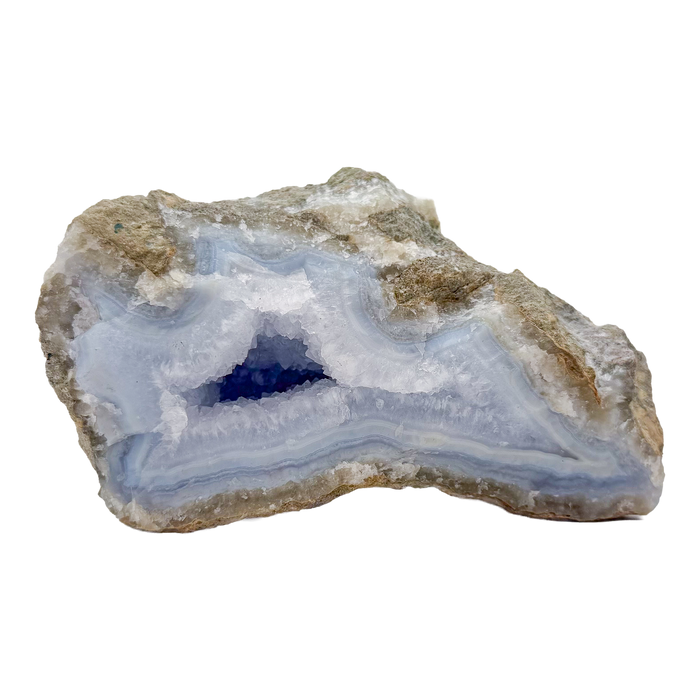
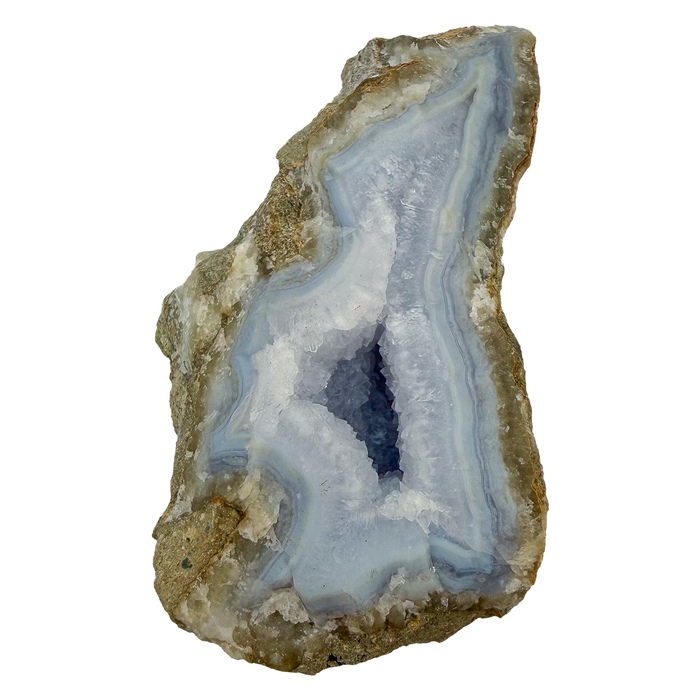
- AA Grade | 5.48″ L x 2.56″ W x 3.20″ HNSIPE, MALAWISTRESS RELIEF◇EMOTIONAL HEALING◇MEDITATION
- AA Grade | 2.77″ L x 2.13″ W x 1.55″ HMASVINGO, ZIMBABWEEMOTIONAL HEALING◇LOVE◇SELF LOVE
- Collector Grade | 2.59″ L x 2.11″ W x 1.73″ HALAOTRA-MANGORO, MADAGASCARLOVE◇SELF LOVE◇EMOTIONAL HEALING
- AA Grade | 2.76″ L x 2.15″ W x 1.86″ HMINAS GERAIS, BRAZILSTRESS RELIEF◇EMOTIONAL HEALING◇SLEEP
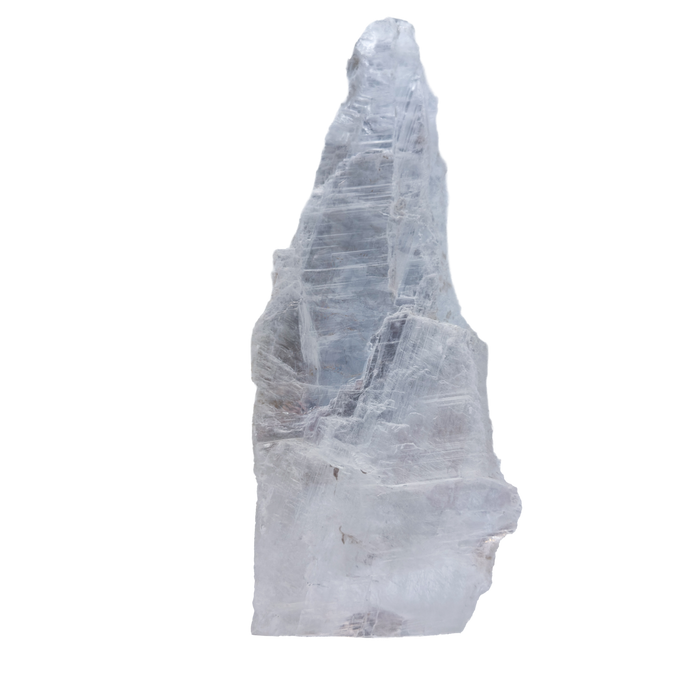
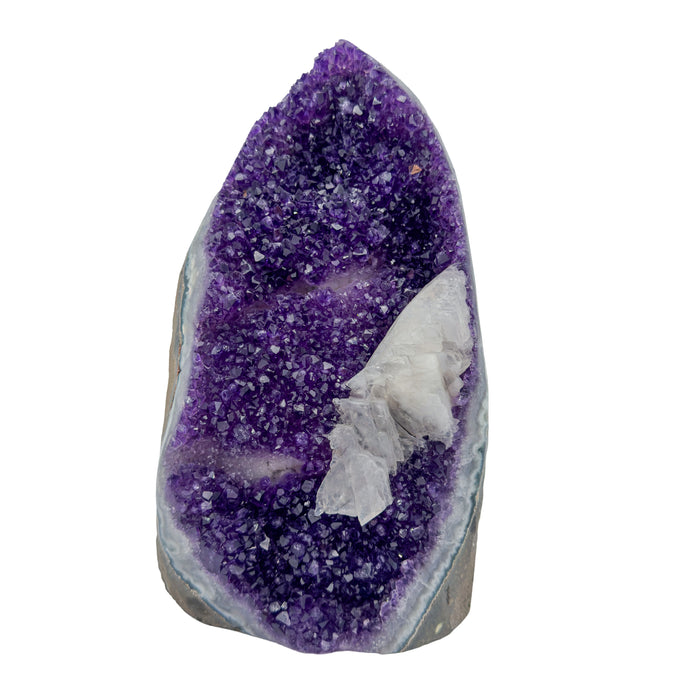
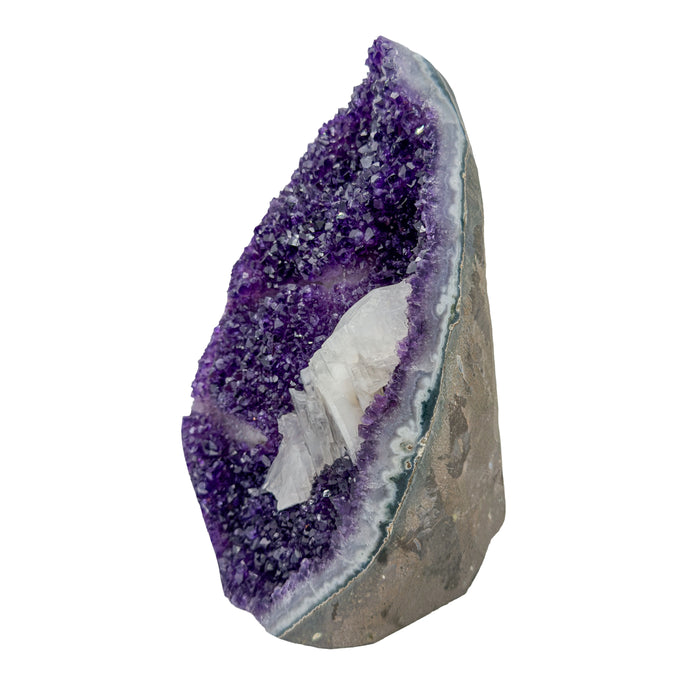
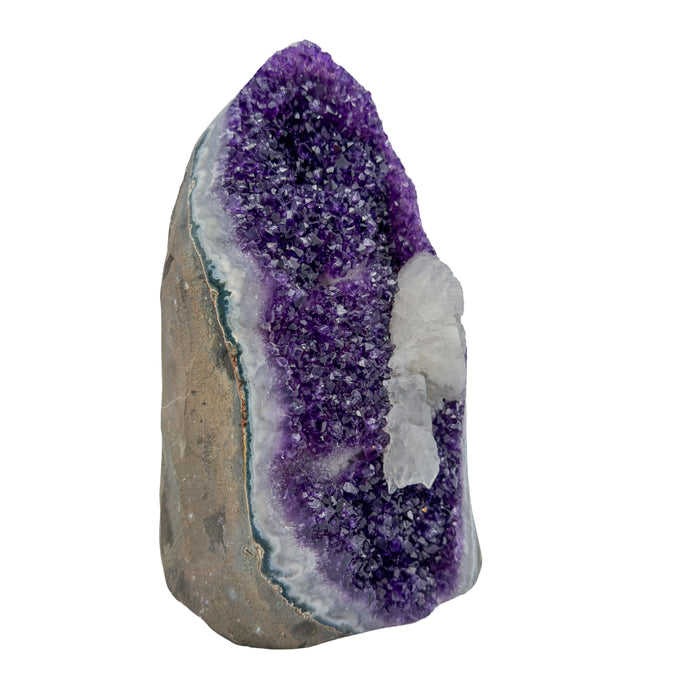








Every crystal
has a story.
We can tell you what most sellers can't or won't, country, region, and sometimes the mine itself. We walk away from crystals we can't verify, even when they're popular. “Ethically sourced” means nothing without a definition behind it.
See how we sourceThe vetting
Four out of five suppliers don't make it through.
There's no regulator in this industry, no license to lose, and no audit to fail. So the standard has to hold at the only point where anyone has leverage, which is before the purchase order. Roughly 80% of the suppliers Beyond Bohemian researches and vets never become suppliers, and these are companies we'd already screened before the first conversation.
Read the 12 standards-
CHECK 01
They answer, or they don't
Country, region, and where possible the mine itself. This is where most of the 80% end. A supplier who can't say where a stone came from usually doesn't know, and occasionally would rather not.
Where our crystals come from → -
CHECK 02
We count the hands in between
Every broker between the digger and the shelf changes the story, the way a game of telephone does. We work through five sourcing models, from direct mine relationships to vetted partners, and we record which one applies to each stone.
From the source to you → -
CHECK 03
We check what's been done to it
Dyed, heated, irradiated, stabilized, or natural. Most citrine on the market is heat-treated amethyst. Most turquoise is dyed howlite. Neither is a scandal when it's disclosed. Both are when it isn't.
The treatment guide → -
CHECK 04
We price what it actually costs
A polished stone selling for a dollar cut a corner somewhere: on wages, on safety, on cleanup, or on honesty about what it is. We pay what fair sourcing costs, then hold the price instead of running sales.
The $8 vs $40 gap → -
CHECK 05
Clearing the vetting isn't permanent
The hardest calls come after a supplier is already in, on the proven pieces we know would move volume and margin. We're a business and we need to make money. We're just not willing to make it that way.
The Beyond Ethical standard →
Crystals, told straight.
Where every stone came from, how it formed, what may have been done to it before it reached you. A decade of field research in one honest place.
Amethyst
Rose Quartz
Black Tourmaline
Citrine
Selenite
Clear Quartz
Labradorite
Smoky Quartz
Carnelian
Malachite
Tiger Eye
Fluorite
Take the Crystal Quiz
Ten honest questions about where you are now. We'll point you to the stone that fits.
Take the quizLook Up Any Stone
Every crystal we carry, alphabetical, with origin, formation, treatments, and traditional uses.
Open the indexThe Crystal Guide Hub
The full guide: stones, intentions, sourcing context, featured pieces, and the stories behind them.
Open the hubShop All Crystals
Browse every piece we carry, each one sourced to a standard we can stand behind.
Shop allCrystal Identifier
Work out what a stone is from what you can see: color, shape, how it breaks, how it feels in the hand.
Identify a crystalWorth Knowing
The question isn't whether a shop calls itself ethical. It's whether they can tell you why.
The crystal world has no universal standards, so it helps to ask good questions, not just of us, but of anyone you buy from. Here are the ones worth knowing the answers to.
What does "ethically sourced" actually mean for a crystal?
It is one of the least regulated claims in retail. Crystals have no governing body, no certification, and no legal definition of "ethical," so any seller can print the word with nothing behind it. A meaningful version answers three things: where the stone was mined, under what labor and environmental conditions, and how it traveled from the ground to the shop. If a seller cannot speak to those, "ethically sourced" is just decoration. The honest test is simple. Can they show their work, and will they tell you when they cannot?
Where do your crystals come from?
From a network of small-scale miners, family diggers, and worker-owned cooperatives across 30+ countries, including Brazil, Madagascar, Peru, Zimbabwe, and the Democratic Republic of Congo. Every product page lists the country of origin. Where we can verify it, we go further and name the region or the specific mine. We use five sourcing models depending on the stone, from direct mine relationships to vetted partners, and we tell you which one applies. When a chain cannot be traced, we say so plainly, and we often pass on the stone rather than guess at its story.
How can I tell if a crystal is real, dyed, or heat-treated?
Start with a few visual tells. Dyed stones often show color pooling in cracks with a too-even surface tone. Glass and plastic imitations trap round bubbles, feel warm rather than cool, and can show mold seams. Many bargain "gemstones" are quietly substituted: most "turquoise" is dyed howlite or magnesite, and bright orange "citrine" is usually heat-treated amethyst. The hardest cases come down to trusting the seller. On every Beyond Bohemian product page we state whether a stone is natural, and if it has been dyed, heated, irradiated, or stabilized, so that work is already done for you.
How do I cleanse and care for my crystals?
These are two different things: energetic cleansing and physical care. For cleansing, most people use sound from a bell or singing bowl, smoke from sage, cedar, or palo santo, a few hours of moonlight, or resting a stone on selenite. There is no required method or schedule, just what fits your routine. For physical care, go by material. Keep soft or water-soluble stones like selenite, malachite, halite, and pyrite away from water, and keep amethyst, rose quartz, citrine, and fluorite out of long direct sun, which can fade them. Most quartz-family stones rinse and dust without trouble.
How do I know a crystal seller is actually legitimate?
Run a few quick checks before you buy anywhere. A legitimate seller shows where they ship from and a real business address, discloses treatments on each product page, posts a clear return policy, and publishes reviews you can actually read through rather than a single star rating. Watch for shipping and billing addresses in different countries, prices that seem impossible, and support that goes silent after the sale. Beyond Bohemian ships from Rockville, Maryland, discloses treatments on its product pages, gives you 90 days to decide a piece meets your standards, and shows a 4.9 out of 5 rating from 1,000+ independent reviews, none paid or incentivized.
What crystal should I buy first if I'm new to this?
Start with the one that genuinely draws you in. There is no required first crystal, and anyone insisting on a fixed starter kit is usually selling one. If you want a simple, forgiving place to begin, four that most people reach for are clear quartz, amethyst, rose quartz, and black tourmaline. They are widely available, hard to damage, easy to care for, and inexpensive to start with. Pick one or two rather than a big set, spend real time with them, and add more only when something calls to you. All four are in our most-loved collection.
Why are some crystals suspiciously cheap?
Price is one of the clearest signals in this market. A polished "gemstone" selling for a dollar has to cut a corner somewhere: on miner wages, on safe working conditions, on environmental cleanup, or on honesty about what the stone actually is. Very low prices often mean dyed or synthetic material relabeled as natural, or rough pulled from supply chains that rely on unpaid or child labor. We price for the real cost of sourcing through fair-pay relationships and vetted partners, then hold that price instead of running sales. It is not the cheapest way to run a crystal shop, and that honesty is the point.