


 Agatefor stress relief
 Amazonitefor stress relief
 Aquamarinefor serenity
 Aventurinefor luck
 Bloodstonefor energy
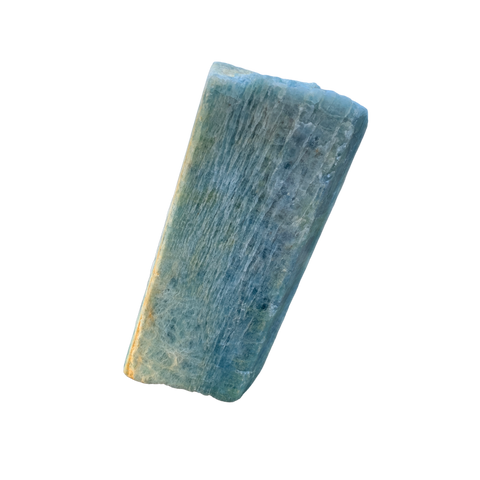
 Blue Kyanitefor confidence
 Blue Lace Agatefor stress relief
 Chrysocollafor emotional healing
 Fluoritefor focus
 Garnetfor energy
 Lepidolitefor stress relief
 Malachitefor emotional healing
 Moonstonefor grounding
 Obsidianfor protection
 Ocean Jasperfor emotional healing
 Red Jasperfor grounding
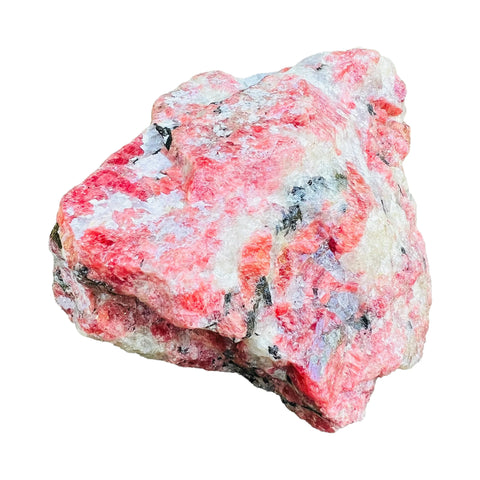
 Rhodonitefor emotional healing
 Selenitefor cleansing
 Sodalitefor focus
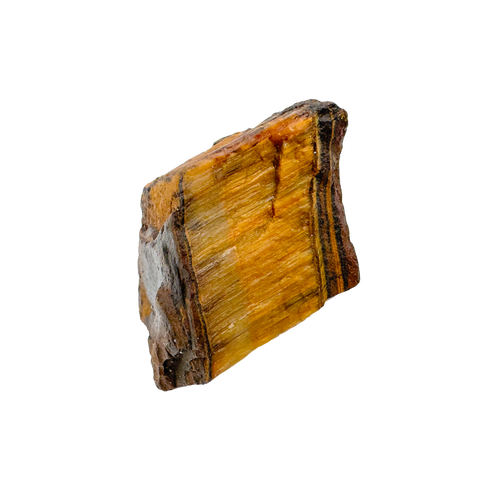
 Tiger Eyefor confidence
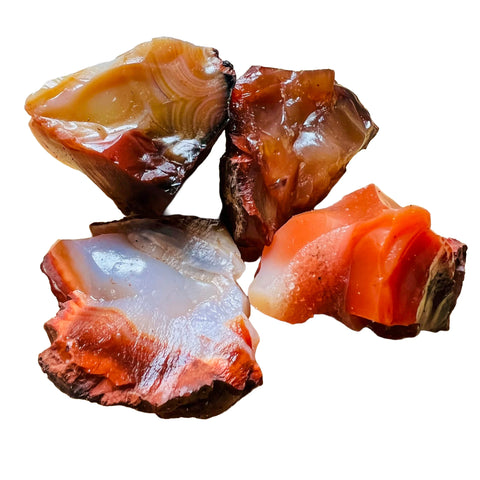
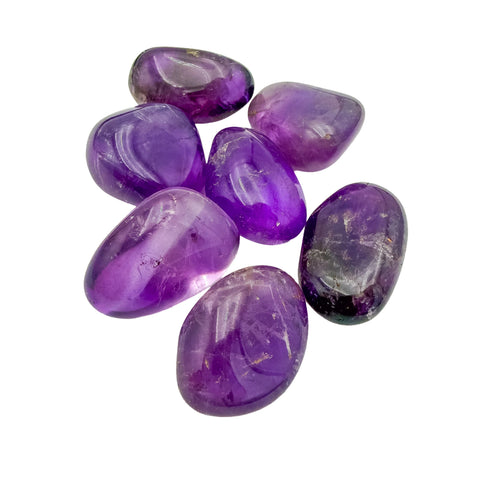

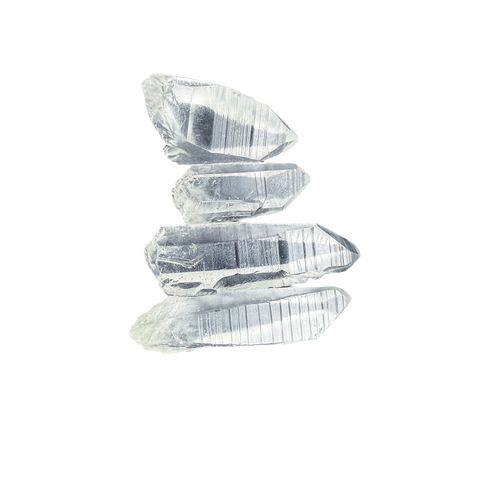
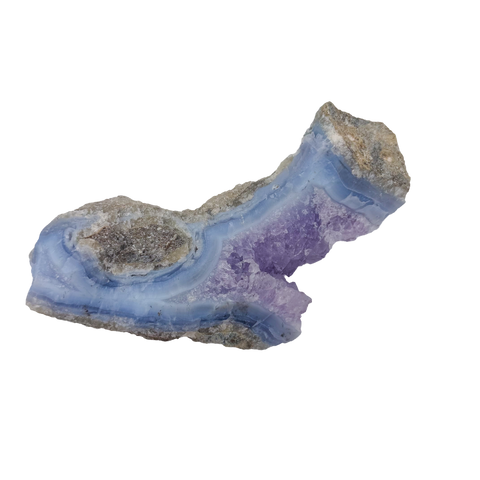

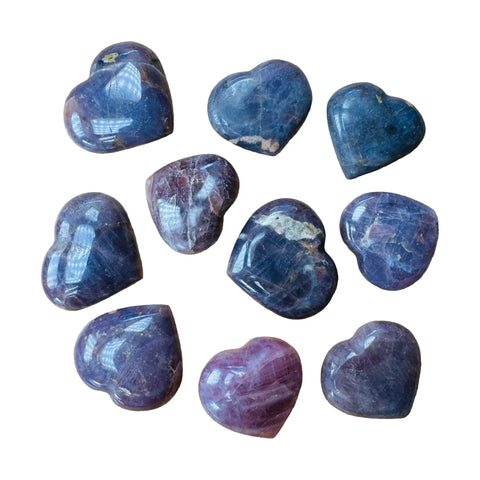
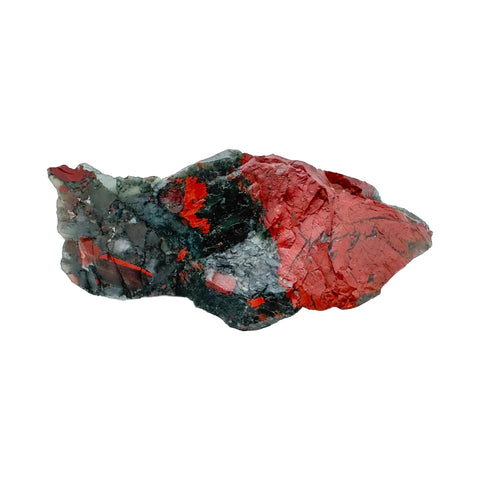
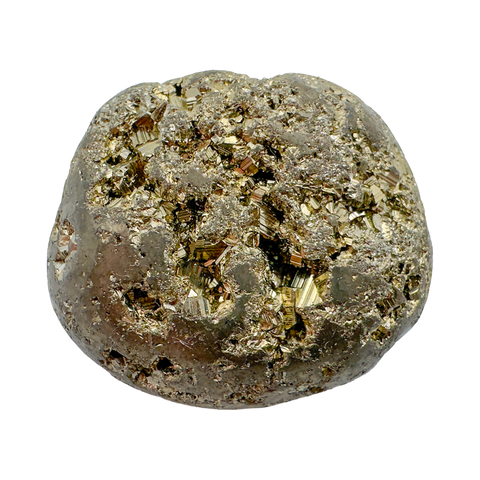
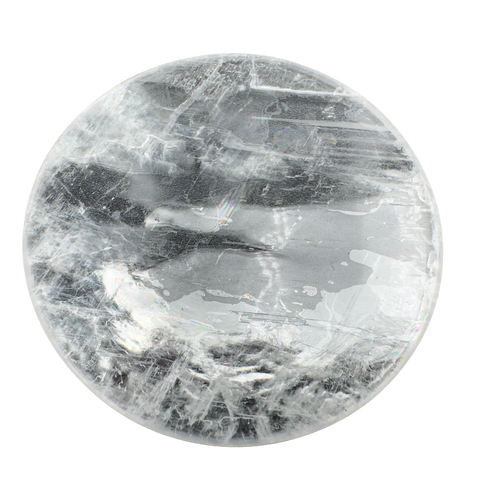


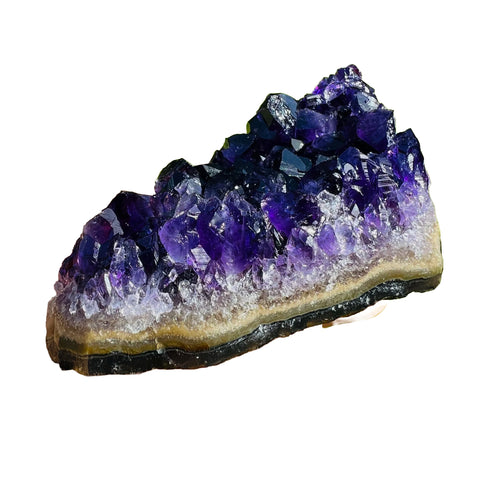





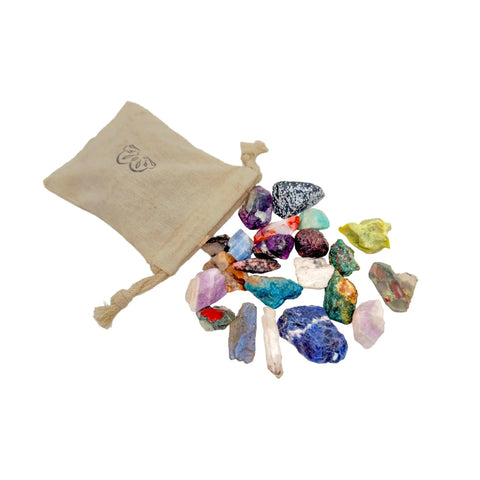
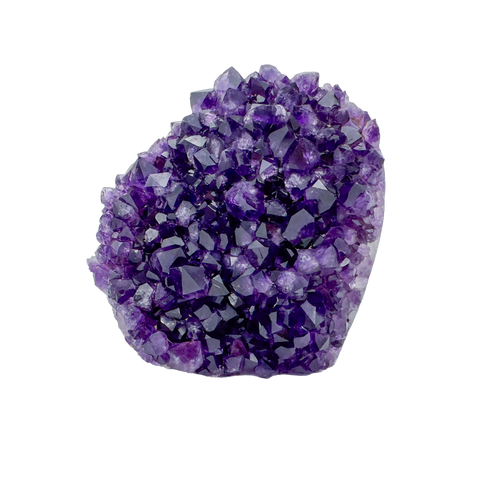
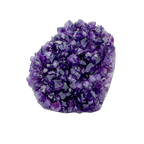 Amethyst
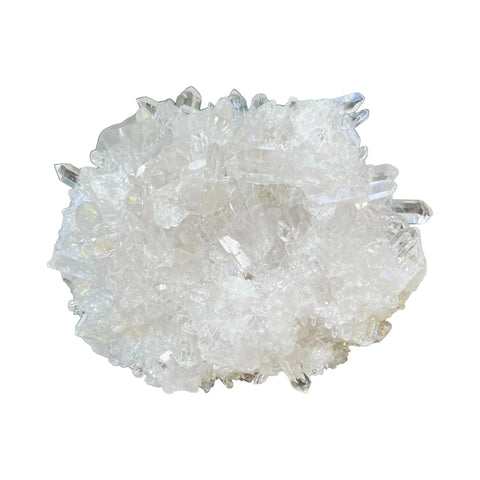
 Clear Quartz
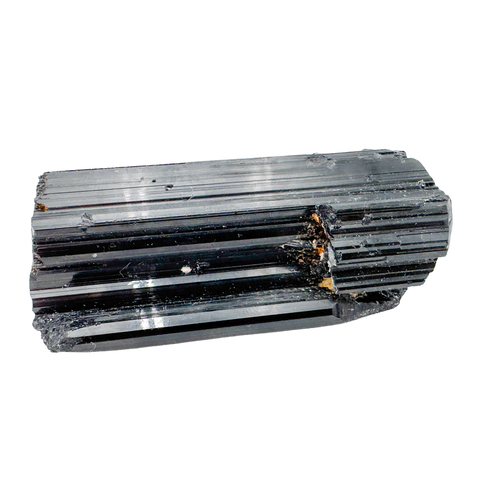
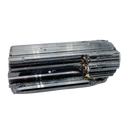 Black Tourmaline
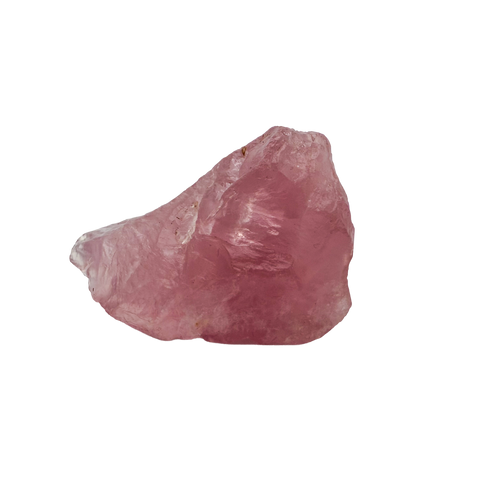
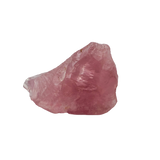 Rose Quartz
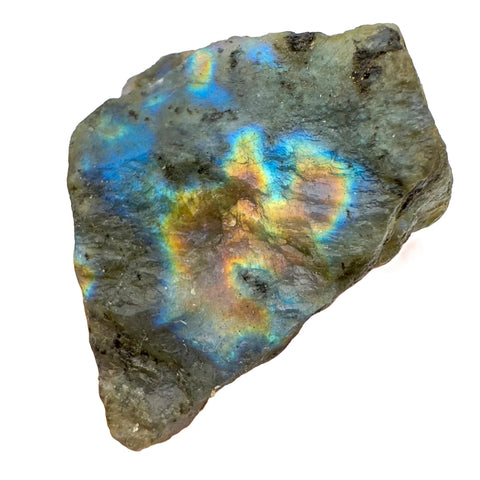
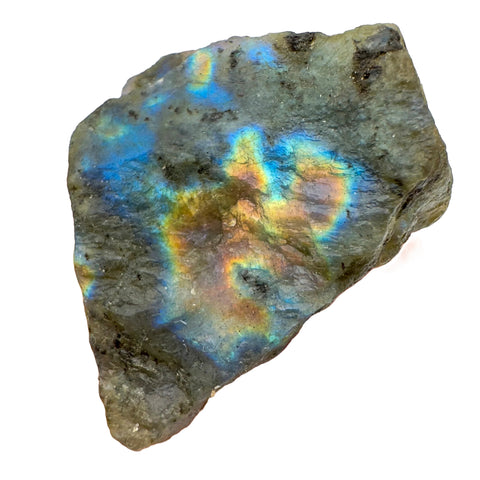
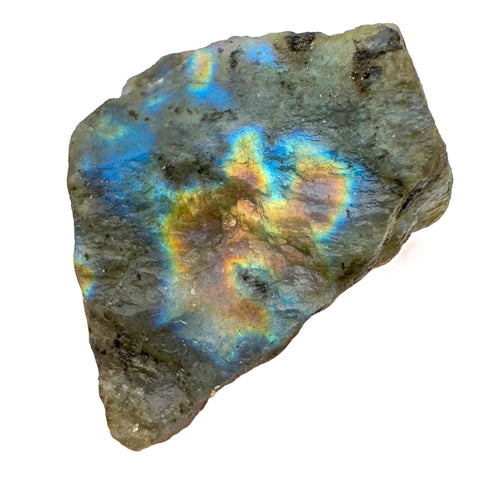
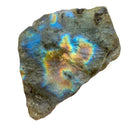 Labradorite
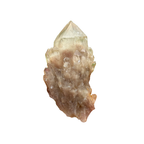 Natural Citrine
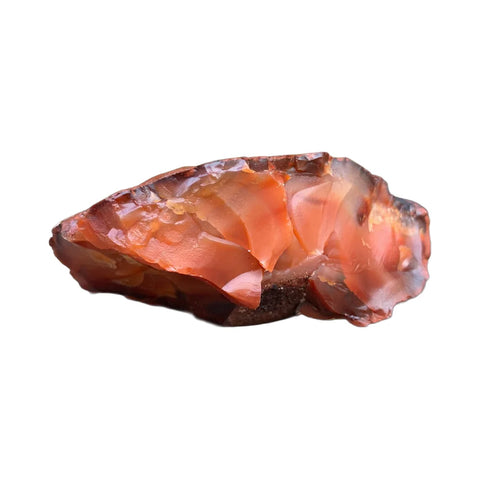
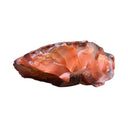 Carnelian
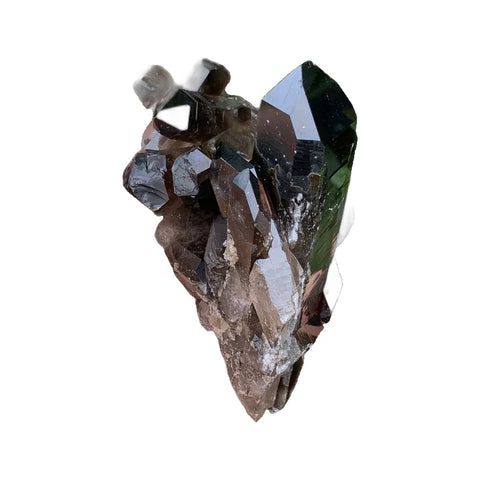
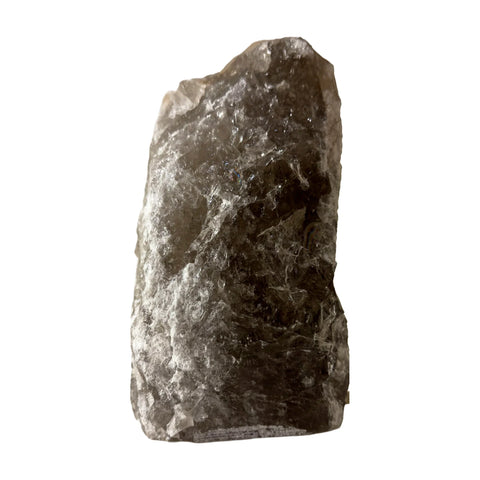
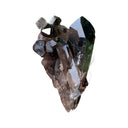 Smoky Quartz
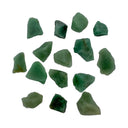 Aventurine
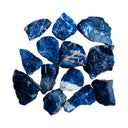 Sodalite
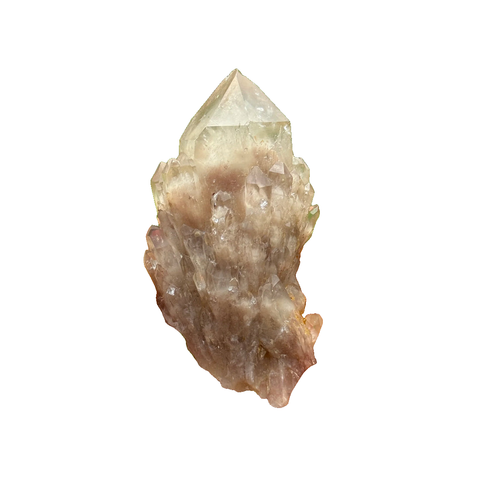
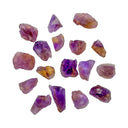 Ametrine
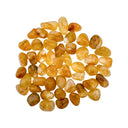 Golden Healer
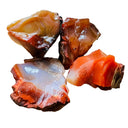 Raw Stones
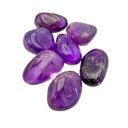 Tumbled Stones
 Palm Stones
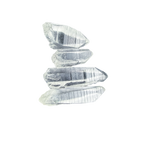 Crystal Points
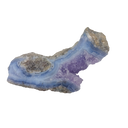 Clusters & Geodes
 Polished & Decor
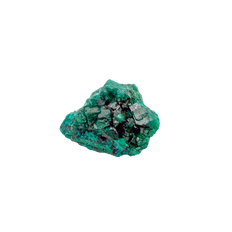 Mineral Specimens
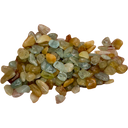 Crystal Chips
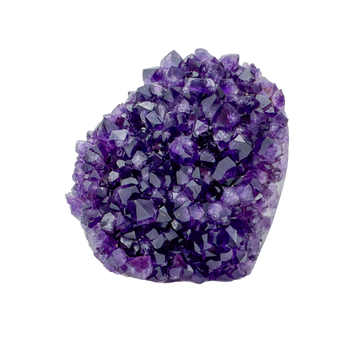
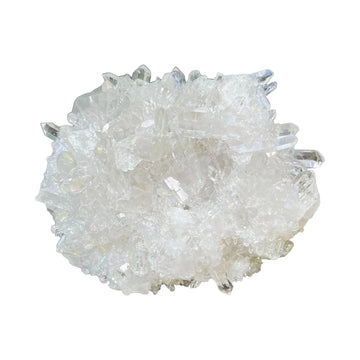
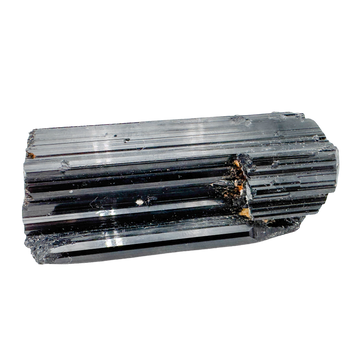
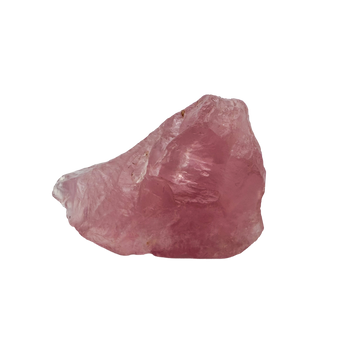
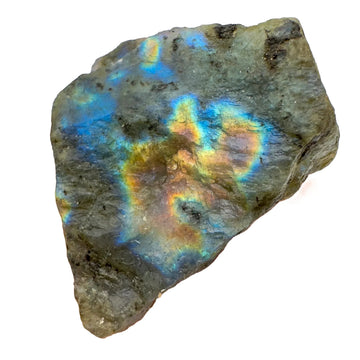
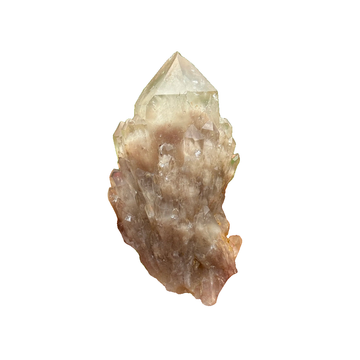
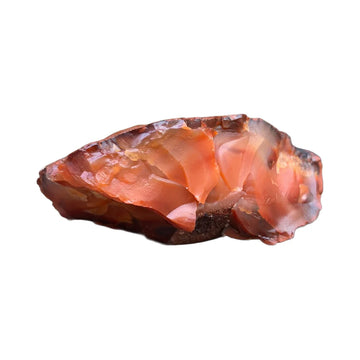
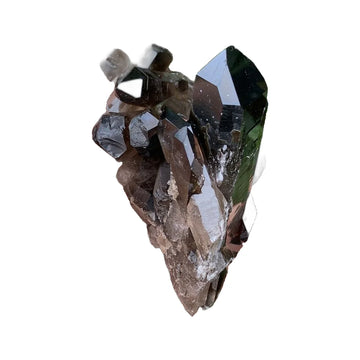
 Raw Stones
179 to choose from
Raw Stones
179 to choose from
 Tumbled Stones
162 to choose from
Tumbled Stones
162 to choose from
 Palm Stones
25 to choose from
Palm Stones
25 to choose from
 Crystal Points
23 to choose from
Crystal Points
23 to choose from
 Clusters & Geodes
103 to choose from
Clusters & Geodes
103 to choose from
 Polished & Decor
148 to choose from
Polished & Decor
148 to choose from
 Mineral Specimens
257 to choose from
Mineral Specimens
257 to choose from
 Crystal Chips
21 to choose from
Crystal Chips
21 to choose from


 AngolaAquamarine
›
AngolaAquamarine
›
 BotswanaCarnelian, Tree Agate
›
BotswanaCarnelian, Tree Agate
›
 DR CongoMalachite, Natural Citrine
›
DR CongoMalachite, Natural Citrine
›
 EswatiniBloodstone
›
EswatiniBloodstone
›
 MadagascarLabradorite, Clear Quartz
›
MadagascarLabradorite, Clear Quartz
›
 MalawiBlue Lace Agate, Garnet
›
MalawiBlue Lace Agate, Garnet
›
 MozambiqueAmazonite
›
MozambiqueAmazonite
›
 NamibiaSodalite, Blue Lace Agate
›
NamibiaSodalite, Blue Lace Agate
›
 Republic of the CongoDioptase
›
Republic of the CongoDioptase
›
 South AfricaTiger Eye, Unakite
›
South AfricaTiger Eye, Unakite
›
 ZambiaChevron Amethyst
›
ZambiaChevron Amethyst
›
 ZimbabweEmerald, Rhodonite
›
ZimbabweEmerald, Rhodonite
›
 ArgentinaBlack Obsidian, Rhodochrosite
›
ArgentinaBlack Obsidian, Rhodochrosite
›
 BoliviaAmetrine
›
BoliviaAmetrine
›
 BrazilAmethyst, Clear Quartz
›
BrazilAmethyst, Clear Quartz
›
 PeruSerpentine, Jade
›
PeruSerpentine, Jade
›
 UruguayAmethyst
›
UruguayAmethyst
›
 Dominican RepublicLarimar
›
Dominican RepublicLarimar
›
 MexicoRainbow Obsidian, Crazy Lace Agate
›
MexicoRainbow Obsidian, Crazy Lace Agate
›
 United StatesSelenite, Peridot
›
United StatesSelenite, Peridot
›
 ChinaFluorite
›
ChinaFluorite
›
 RussiaShungite
›
RussiaShungite
›
 AustraliaMookaite
›
AustraliaMookaite
›
 Where our crystals come from
See where we source →
Where our crystals come from
See where we source →


 Aries
Mar 21 to Apr 19
Carnelian
›
Aries
Mar 21 to Apr 19
Carnelian
›
 Taurus
Apr 20 to May 20
Rose Quartz
›
Taurus
Apr 20 to May 20
Rose Quartz
›
 Gemini
May 21 to Jun 20
Agate
›
Gemini
May 21 to Jun 20
Agate
›
 Cancer
Jun 21 to Jul 22
Moonstone
›
Cancer
Jun 21 to Jul 22
Moonstone
›
 Leo
Jul 23 to Aug 22
Citrine
›
Leo
Jul 23 to Aug 22
Citrine
›
 Virgo
Aug 23 to Sep 22
Amazonite
›
Virgo
Aug 23 to Sep 22
Amazonite
›
 Libra
Sep 23 to Oct 22
Blue Lace Agate
›
Libra
Sep 23 to Oct 22
Blue Lace Agate
›
 Scorpio
Oct 23 to Nov 21
Obsidian
›
Scorpio
Oct 23 to Nov 21
Obsidian
›
 Sagittarius
Nov 22 to Dec 21
Sodalite
›
Sagittarius
Nov 22 to Dec 21
Sodalite
›
 Capricorn
Dec 22 to Jan 19
Black Tourmaline
›
Capricorn
Dec 22 to Jan 19
Black Tourmaline
›
 Aquarius
Jan 20 to Feb 18
Amethyst
›
Aquarius
Jan 20 to Feb 18
Amethyst
›
 Pisces
Feb 19 to Mar 20
Aquamarine
›
Gifting?
A birthday stone is the safe bet.
Read the zodiac guide →
Pisces
Feb 19 to Mar 20
Aquamarine
›
Gifting?
A birthday stone is the safe bet.
Read the zodiac guide →


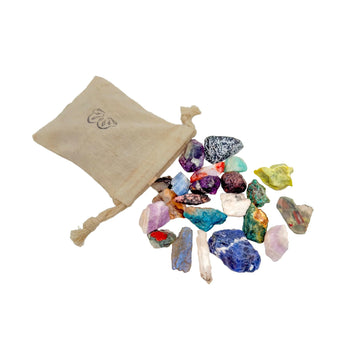
Smoky Quartz
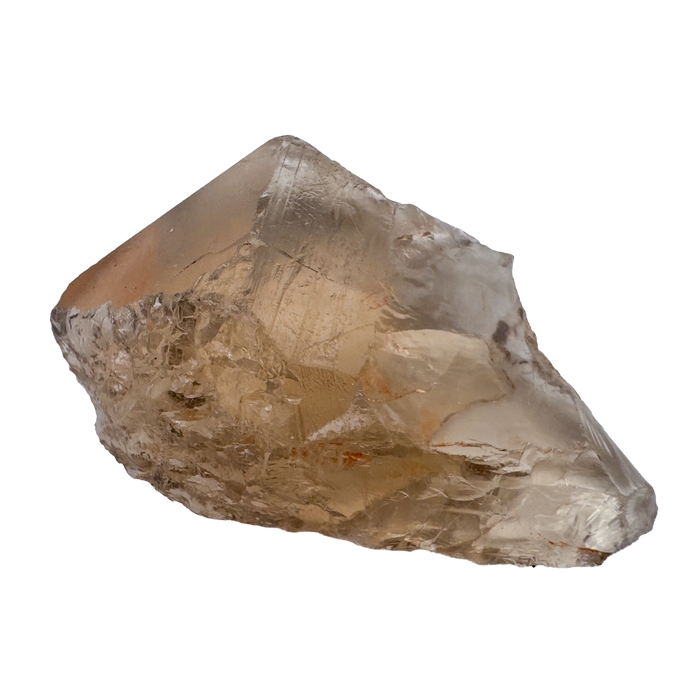
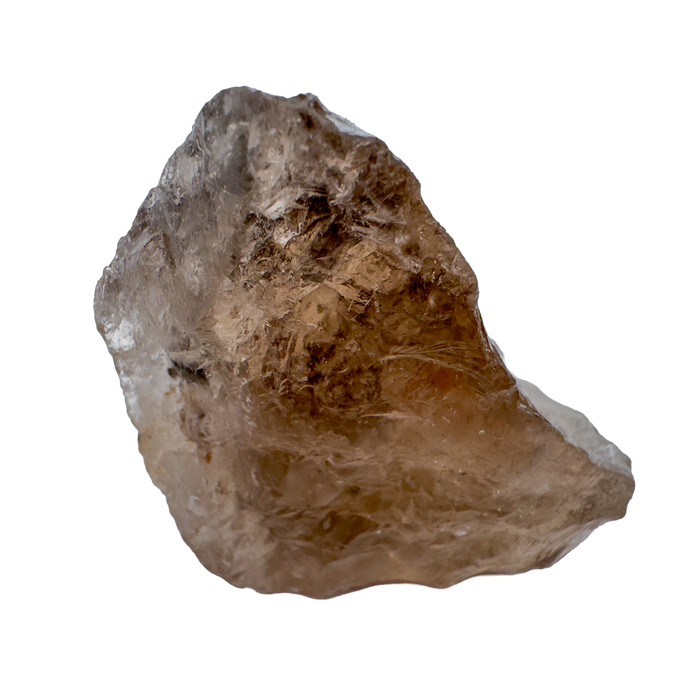
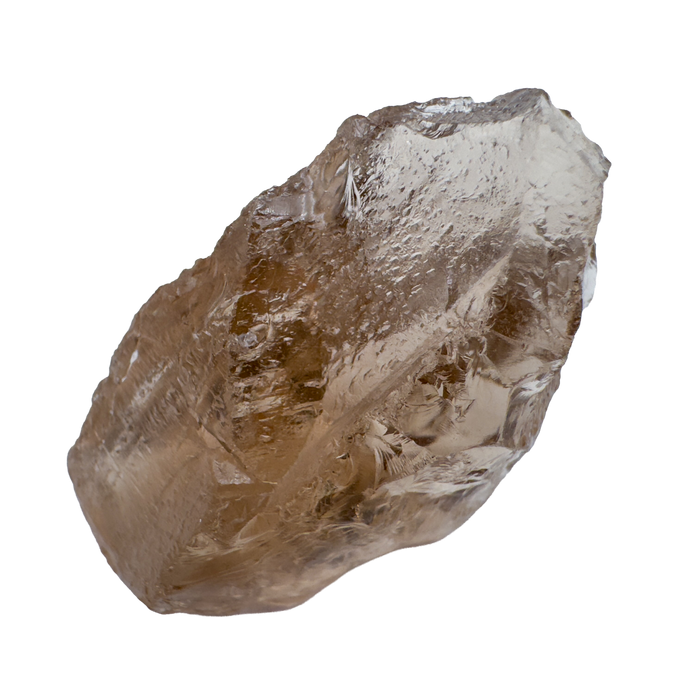
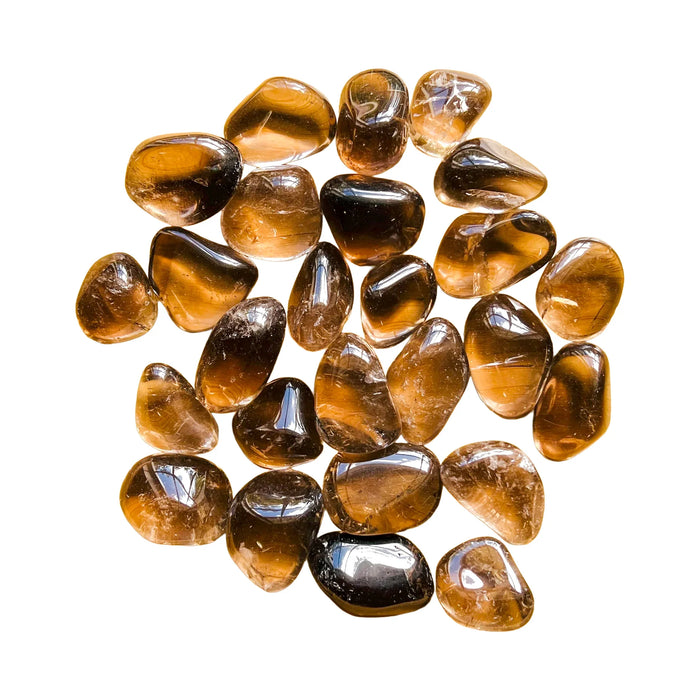
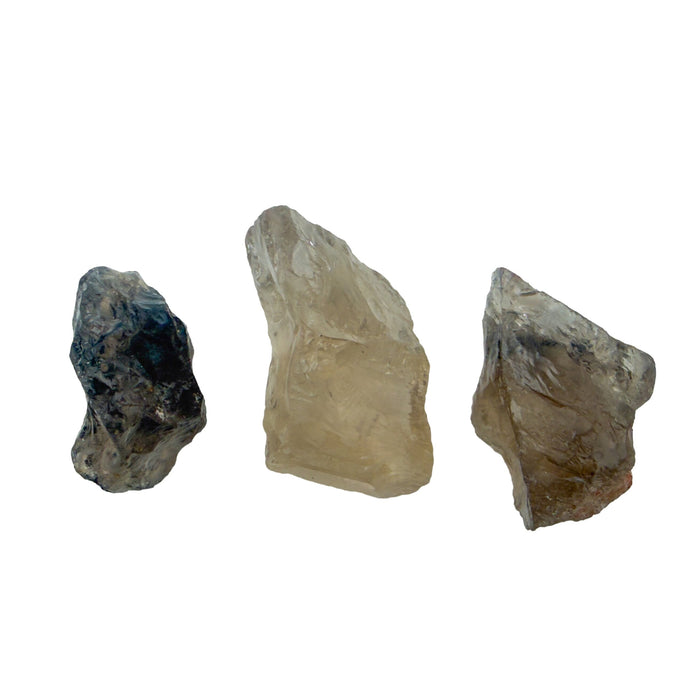
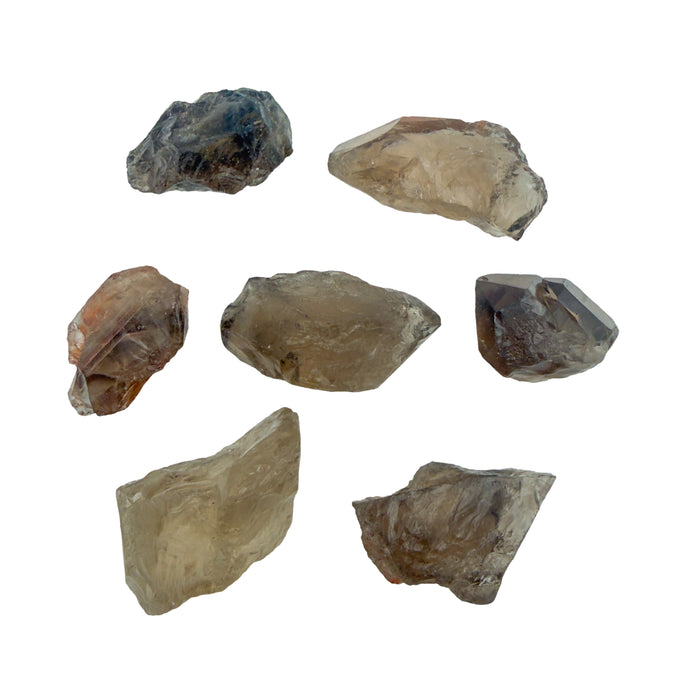
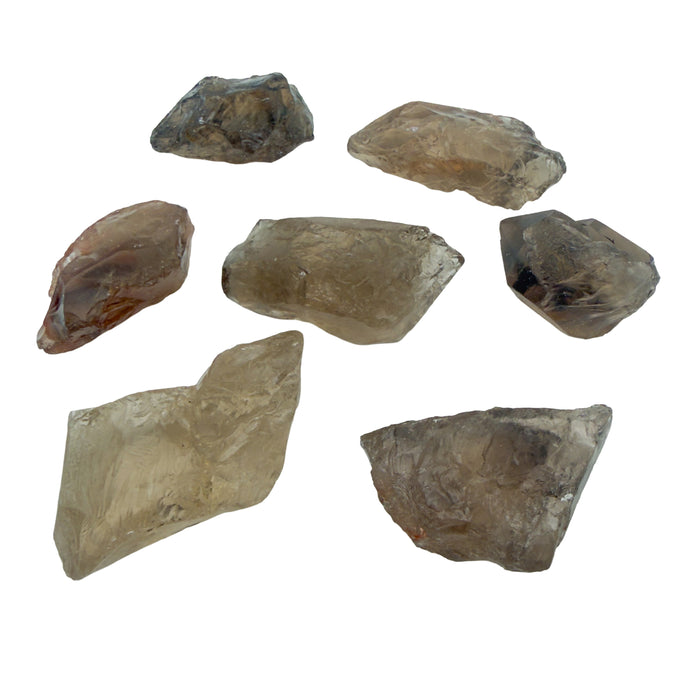
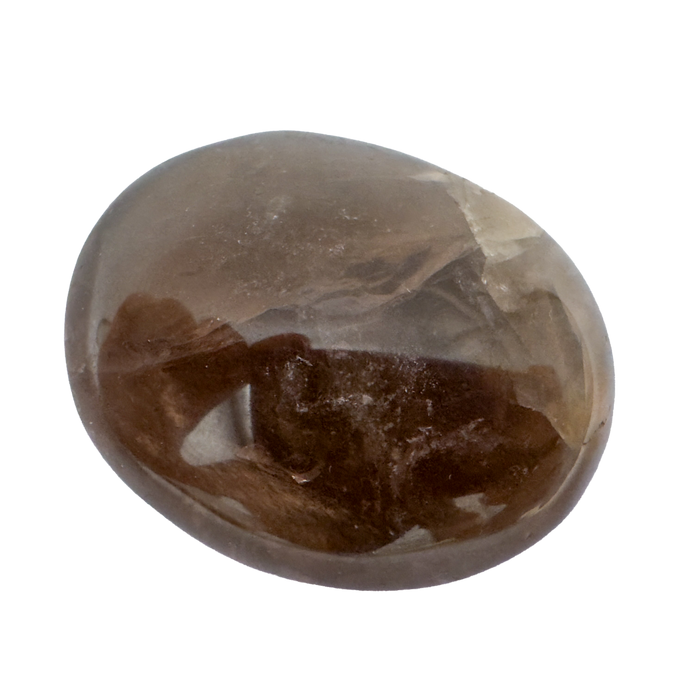
Smoky Quartz is a translucent brown-to-gray variety of quartz, colored by natural irradiation acting on trace aluminum in the crystal structure. Traditionally associated with grounding, protection, and the patient work of letting heavy things move through and out. It's one of the classic Scottish and Swiss mountain stones with a tradition going back centuries.
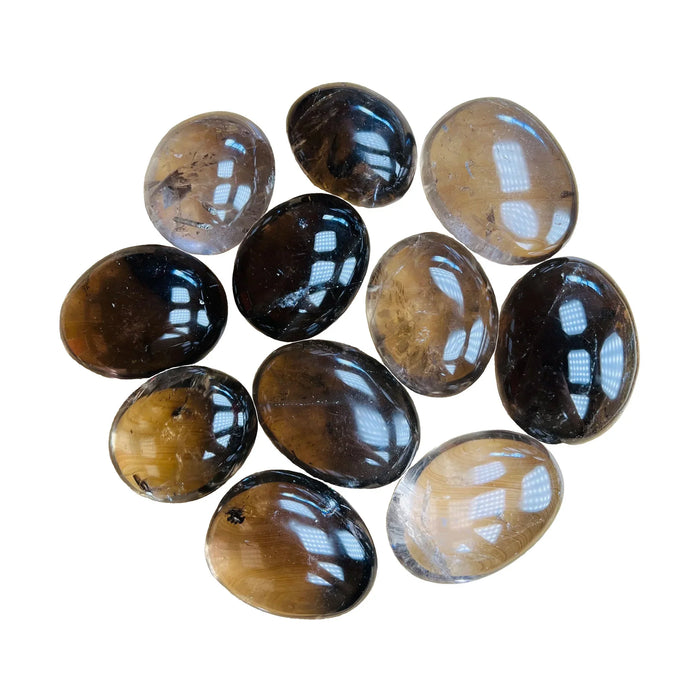
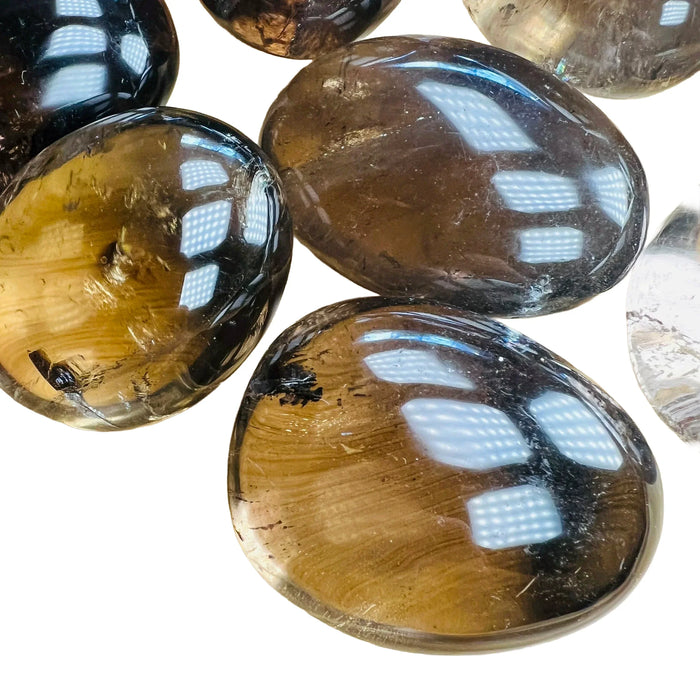
Shop smoky quartzSmoky Quartz, in stock now.
Our most-loved Smoky Quartz pieces, ready to ship.
- from 1,000+ reviews
- Ships within 72 hoursMonday to Friday, tracked
- 90 days to return itif you do not love it
- Free US shipping over $99$8.99 flat rate under
The geology.
Smoky Quartz is quartz (SiO₂) whose brown-to-gray color comes from natural gamma irradiation acting on trace aluminum impurities in the crystal lattice. Over geological time, radioactive elements in the surrounding rock (primarily trace uranium and thorium) emit gamma radiation that creates color centers around aluminum atoms. The result is a translucent stone that ranges from light smoky gray to nearly black depending on exposure dose and aluminum content.
Hardness sits at 7 on the Mohs scale like all quartz varieties. Trigonal crystal system, no cleavage, conchoidal fracture, vitreous luster. The color in natural Smoky Quartz is stable at normal temperatures but will fade with prolonged exposure to heat above 400°C. Much of the commercial Smoky Quartz on the low end of the market is clear quartz that's been artificially irradiated to produce the color quickly, which is disclosed by reputable sellers.
The origins.
Smoky Quartz is mined commercially across several producer regions. Brazil's Minas Gerais supplies the majority of the global tumbled and specimen market. The Swiss and French Alps are the classic European sources, known especially for large well-formed crystals called 'cairngorm' or 'Alpine smoky quartz.' Scotland's Cairngorm Mountains gave the stone its traditional Celtic name and still produce collector-grade material. Madagascar, the United States (Colorado and Arkansas), and Namibia also contribute to global supply.
Each source has a signature. Brazilian material ranges from light to very dark and is the most common commercial supply. Alpine specimens are prized for clean crystal form and smoky-to-morion (nearly black) color. Scottish Cairngorm carries historical and cultural weight. The naturally irradiated versus lab-irradiated distinction matters more than country for many buyers, both are real quartz, but the provenance and slow-grown color of natural material commands a premium.
Traditional associations.
Smoky Quartz has a long documented history, especially in Celtic and Alpine traditions. In Scotland, Cairngorm was the national stone and appears in historical Scottish regalia and ceremonial jewelry; the smoky crystals were considered protective and were worn into battle. Druidic and pre-Christian Celtic traditions associated it with the earth below and with ancestor work. Alpine farmers in Switzerland and Austria carried Smoky Quartz as both a protective talisman and a link to the mountain itself.
Many people work with Smoky Quartz for grounding, protection, and the patient metabolizing of heavy emotions or stress. It's most commonly associated with the Root chakra, the element of Earth, and the zodiac signs Capricorn, Scorpio, and Sagittarius. The classic working is to keep a piece on a desk or nightstand through a difficult stretch rather than treating it as a quick-fix stone.
Spotting the real thing.
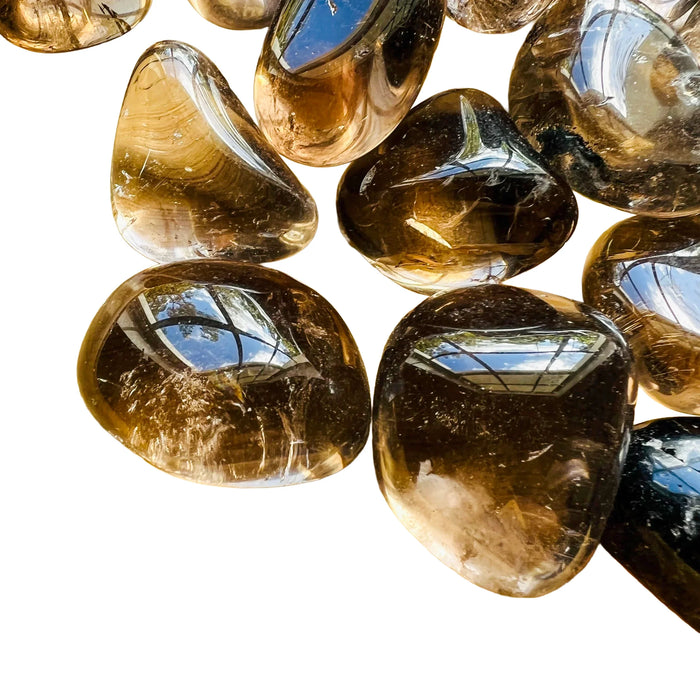
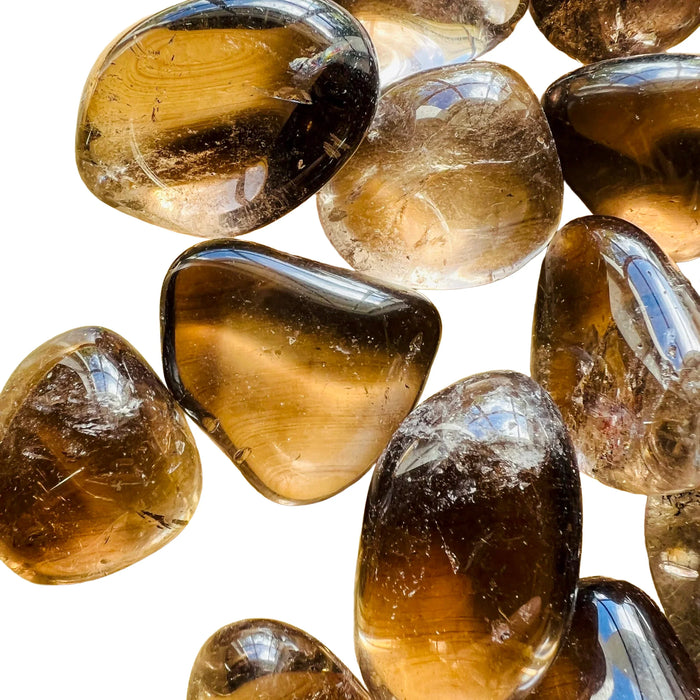
Real Smoky Quartz shows a translucent brown-to-gray color that varies subtly across a single crystal or polished piece. Natural material often shows faint horizontal striations on the crystal faces and the characteristic pyramid-shaped termination of all quartzes. Under strong light, you can see through it, the stone isn't opaque. Heat-treated or irradiated clear quartz looks identical to natural Smoky Quartz in most visible ways, which is why disclosure matters.
The rare fakes are glass (warmer to touch, shows air bubbles, won't scratch glass) and dyed quartz (color pools in fractures). The more important authentication question is usually about treatment rather than authenticity: natural vs. irradiated. Reputable sellers disclose treatment. 'Morion' is the trade name for very dark, nearly black Smoky Quartz; this is a legitimate category when naturally occurring but is sometimes applied to heavily irradiated material too.
Care & handling.
Water safe for normal cleaning with warm water and a soft cloth. Smoky Quartz handles saltwater rinses well. Avoid ultrasonic cleaners on pieces with visible fractures or inclusions, which can propagate under vibration. Prolonged exposure to bright sunlight or heat can slowly fade the color in both natural and irradiated material, so display out of direct sun for long-term keeping.
Cleanse energetically with moonlight, sound, smoke, salt water, or by placing on selenite overnight. At 7 on the Mohs scale, Smoky Quartz handles daily wear well in jewelry and pocket carry. It can scratch softer stones, so store it carefully with other hard materials or on its own.
Pairs well with.
Proof, not promises.
We measure our own sourcing across five dimensions. Supply chain, environmental footprint, artisan support, market integrity, and pricing. The number is honest, not perfect. Where we can do better, we say so.
A deeper look.
Extended geology, sourcing, authentication, history, varieties, and pricing, for when the quick guide isn't quite enough.
Extended geology
Smoky Quartz is quartz (SiO₂) whose color comes from natural gamma irradiation acting on trace aluminum impurities substituting for silicon in the crystal structure. Over geological time, radioactive decay of surrounding uranium, thorium, and potassium-40 emits gamma rays that displace electrons near the aluminum sites, creating color centers that absorb light in the yellow-red range and leave the characteristic brown-gray color.
Trigonal crystal system. Specific gravity 2.65. Mohs hardness 7. No cleavage. Conchoidal fracture. Vitreous luster. The color is stable at normal temperatures but fades with prolonged heat above 400°C, which is how Citrine is commercially produced from heat-treating some types of Smoky Quartz. The color can be regenerated by re-irradiation in a lab.
Extended sourcing
Brazil's Minas Gerais is the dominant commercial producer, supplying most global tumbled, raw, and specimen material at a wide range of quality levels. The Swiss, Austrian, and French Alps are the classic European sources, with large well-formed crystals and historical collector pedigree. Scotland's Cairngorm Mountains remain an important collector source, though commercial volumes are low.
The United States produces commercial Smoky Quartz from Colorado's Pikes Peak batholith (associated with Amazonite) and from Hot Springs, Arkansas. Madagascar, Namibia, and Russia contribute to the commercial market. Morion, the near-black variety, is historically associated with the Alpine and Spanish localities but also comes from Brazil and elsewhere.
Authentication and warning signs
The bigger question with Smoky Quartz is usually treatment, not authenticity. Lab-irradiated clear quartz looks visually identical to natural Smoky Quartz; only chain-of-custody disclosure distinguishes them. Reputable sellers confirm whether the color is natural or treated. For specimen-grade pieces, origin matters too, Alpine, Scottish, and certain Brazilian localities command premiums that only apply to naturally colored material.
Fake Smoky Quartz (glass, dyed quartz) is rare. Hardness test: real Smoky Quartz scratches glass. Under magnification, natural material sometimes shows characteristic internal features (negative crystals, fluid inclusions) that glass imitations won't have. Very dark 'morion' pieces should be verified as real quartz because at the deepest end of the color range, distinguishing from dark glass gets harder.
Historical and cultural context
Scotland has the deepest documented tradition with Smoky Quartz. Cairngorm (the Scottish name, from the Cairngorm Mountains) was the national stone and appears in the Scottish crown jewels, ceremonial sgian-dubh knives, and brooches worn by Highland clans. Druidic and pre-Christian Celtic traditions associated it with the earth and with the boundary between worlds.
Alpine and Swiss traditions used Smoky Quartz as a protective talisman for mountain travelers and as a material for drinking vessels (sealed smoky quartz cups were thought to neutralize poisons). In Pre-Columbian Incan and Andean cultures, dark smoky crystals were used in ritual objects. In contemporary practice, Smoky Quartz is grouped with grounding and protective stones, often paired with Black Tourmaline or Hematite.
Varieties and trade names
Smoky Quartz: the classic brown-to-gray translucent variety.
Morion: very dark, nearly black Smoky Quartz.
Cairngorm: Scottish trade name for locally sourced Smoky Quartz.
Brown Quartz: older trade designation, sometimes used interchangeably.
Citrine (heat-treated Smoky Quartz): much of commercial 'citrine' is actually heat-treated Smoky Quartz or Amethyst.
Pricing reality
Tumbled Smoky Quartz: 2 to 8 dollars per piece. Small crystal specimens and points: 10 to 50 dollars. Larger specimen-grade crystals and clusters: 50 to 500 dollars depending on origin and formation. Fine Alpine specimens with documented provenance: 100 to several thousand dollars. Scottish Cairngorm with historical significance: collector pricing.
Value drivers: natural vs. irradiated color (natural commands premium), depth and evenness of color, crystal formation quality, size, origin, and clarity. Warning signs: suspiciously dark uniform color at very low prices (likely heavy irradiation), no treatment disclosure, or pieces with no origin offered.
Good sourcing is a practice, not a claim.
Nothing we sell is irradiated without full disclosure. We call out treatment status on every listing and name our origins where we can. We walk away from material that doesn't meet our standard, even when it costs us sales.
Bring smoky-quartz home.
Every piece we carry is photographed individually and listed with its own origin and treatment notes. What you see is what ships.
Shop the smoky-quartz collectionGrounded Connections
New stones go to the list first.
No forwarding, no selling. Unsubscribe in one click. Privacy