


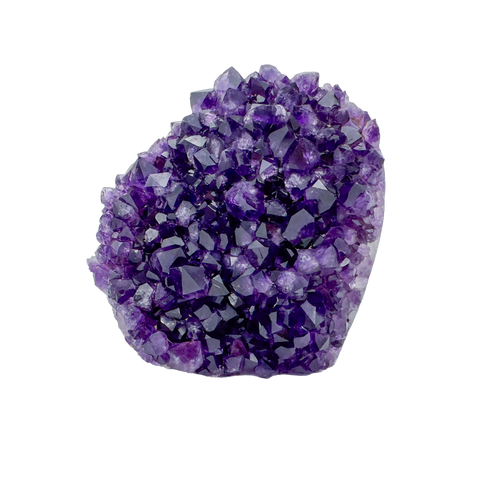
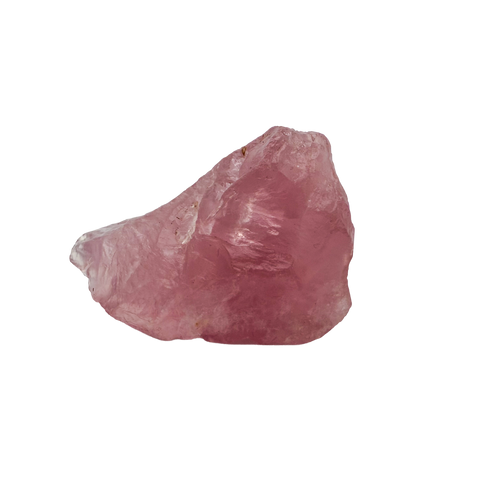
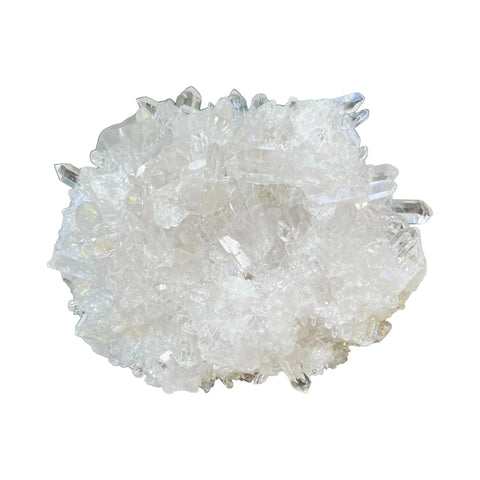
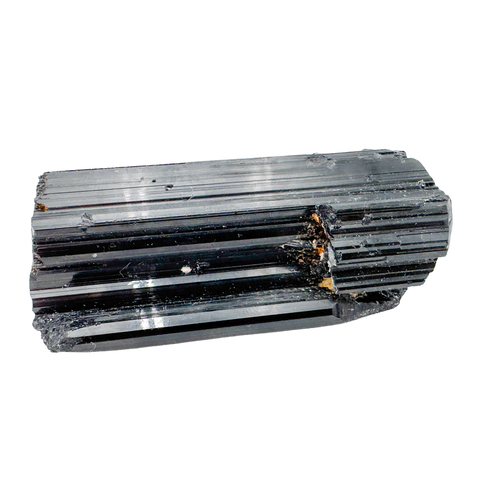
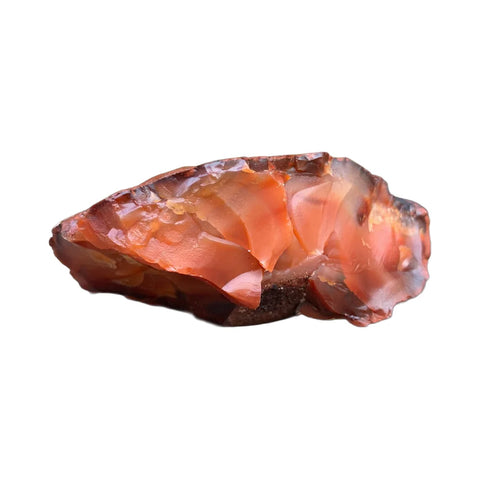
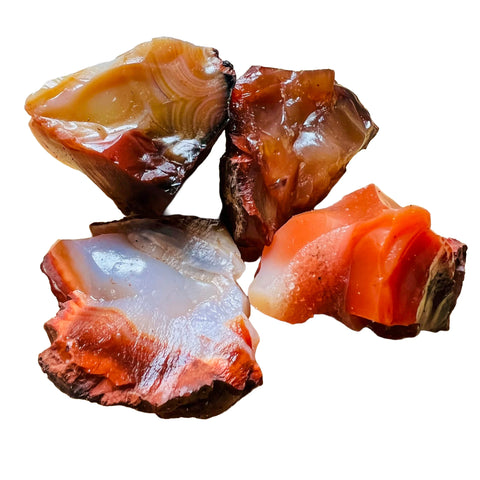


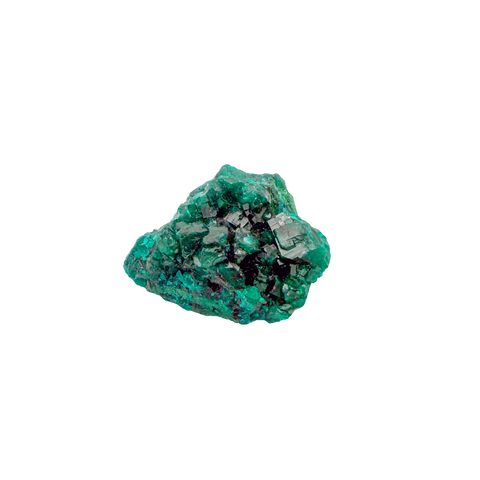
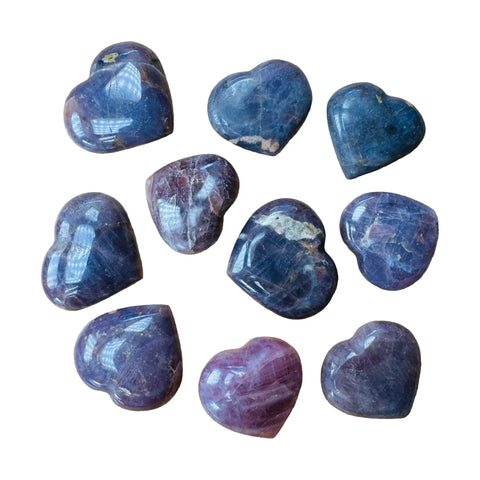
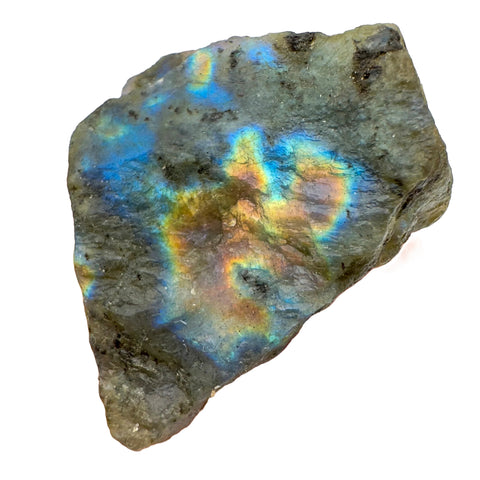
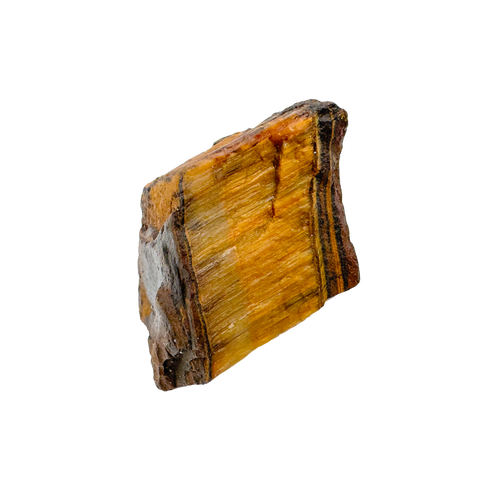
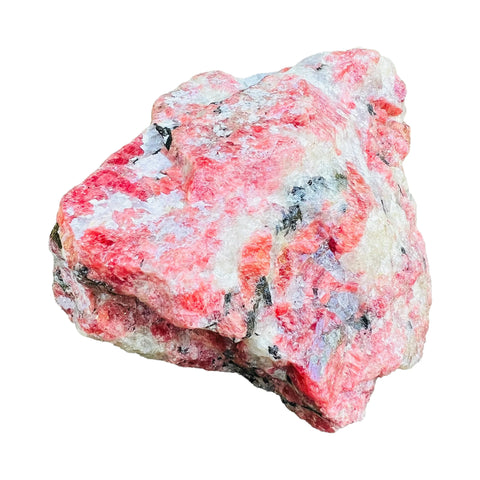
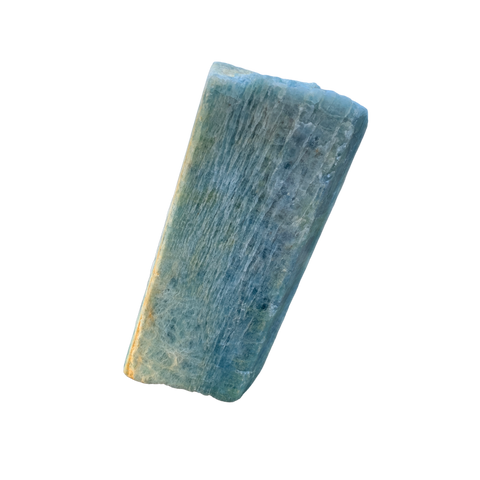
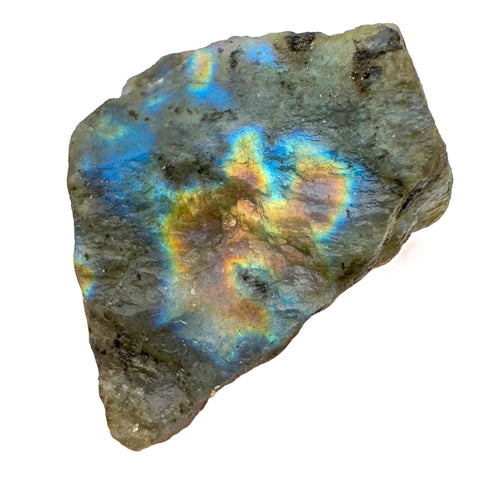
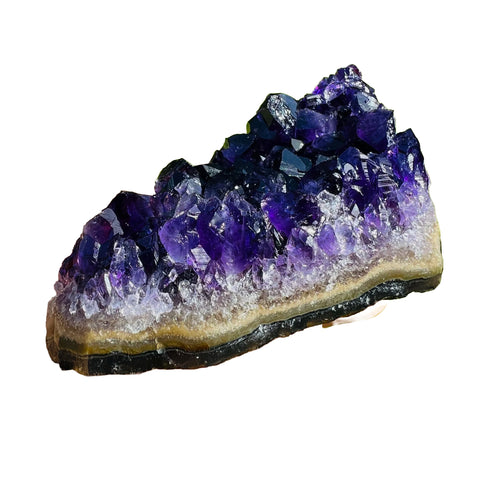



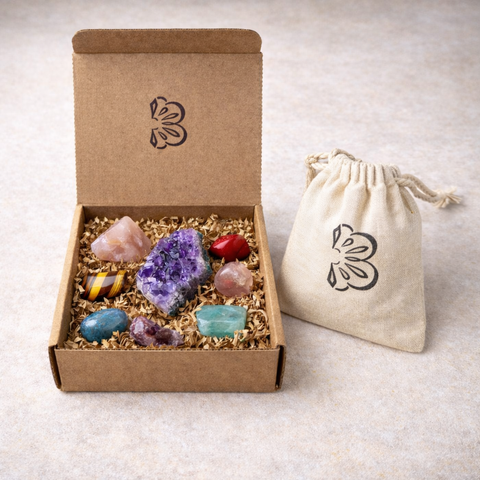
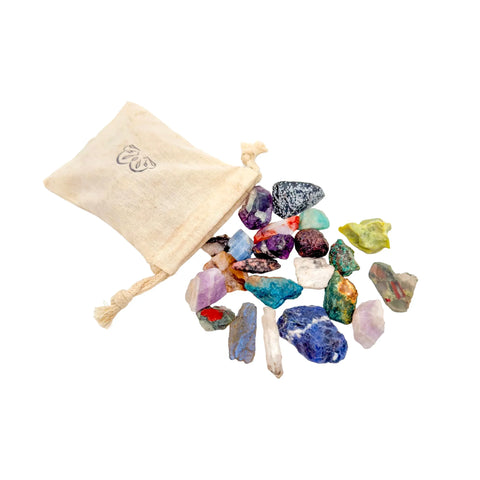
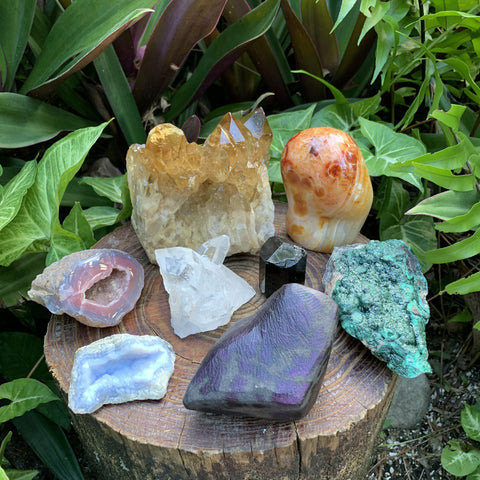
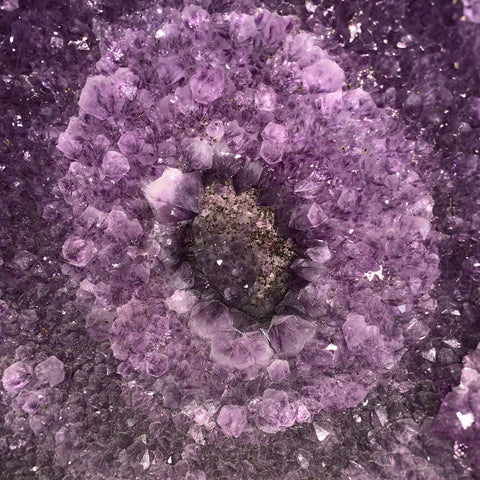
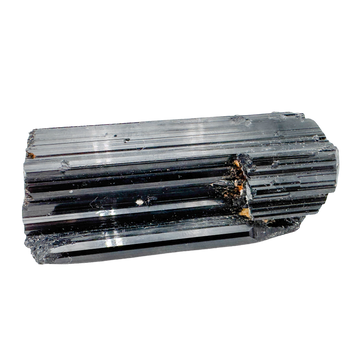
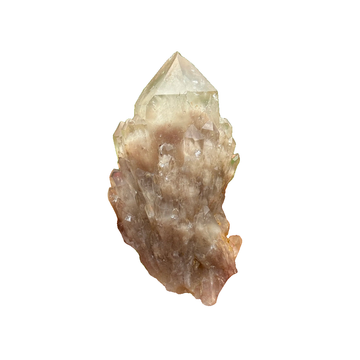
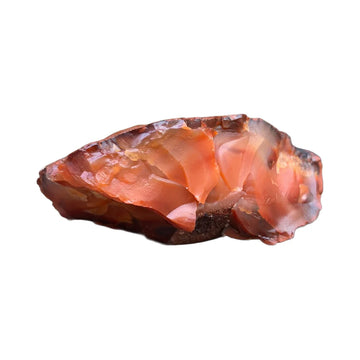
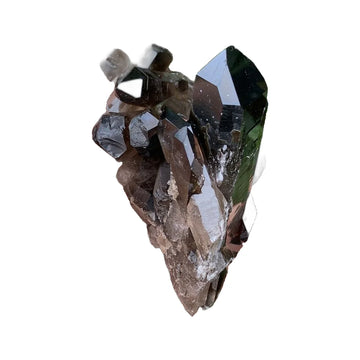
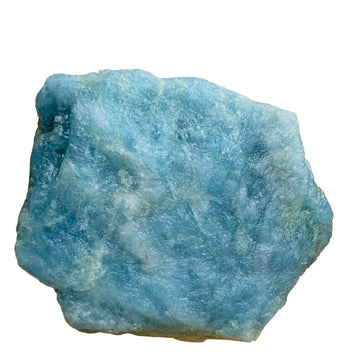
 Raw Stones
179 pieces
Raw Stones
179 pieces
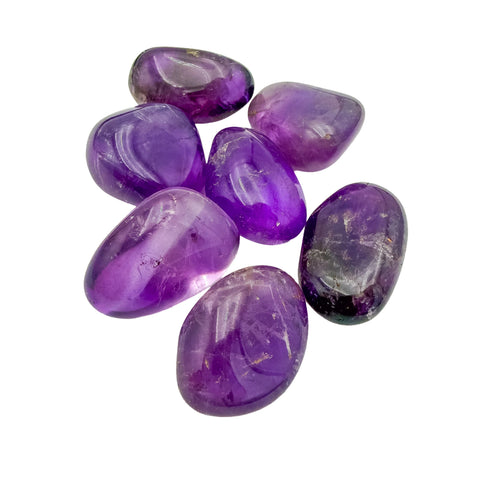
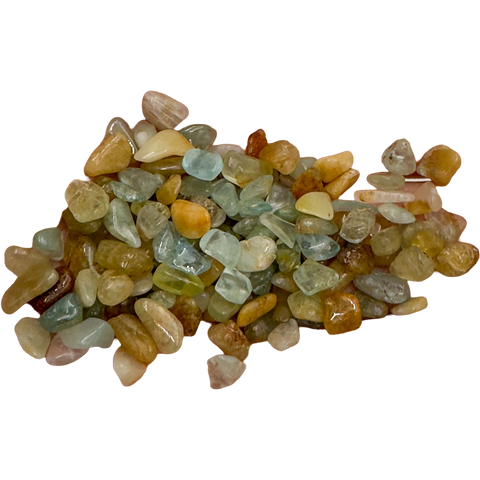
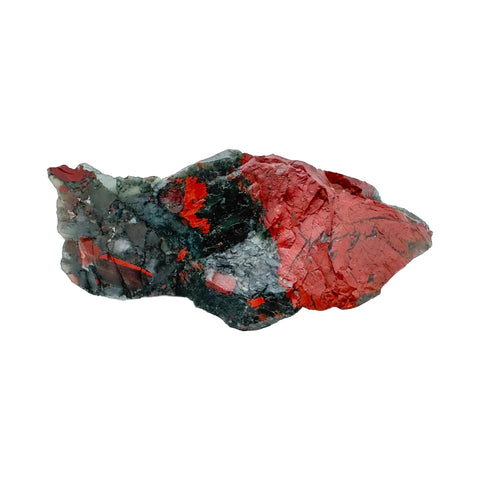
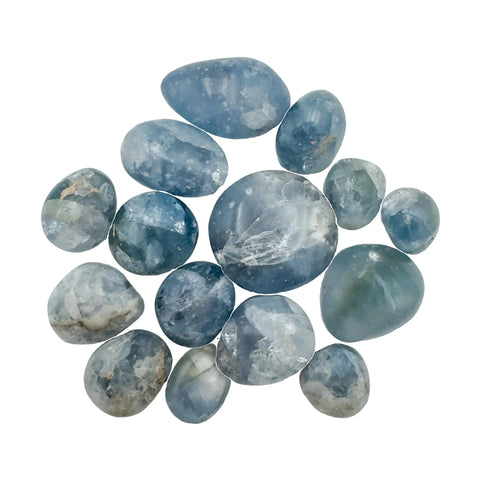
 Tumbled Stones
162 pieces
Tumbled Stones
162 pieces
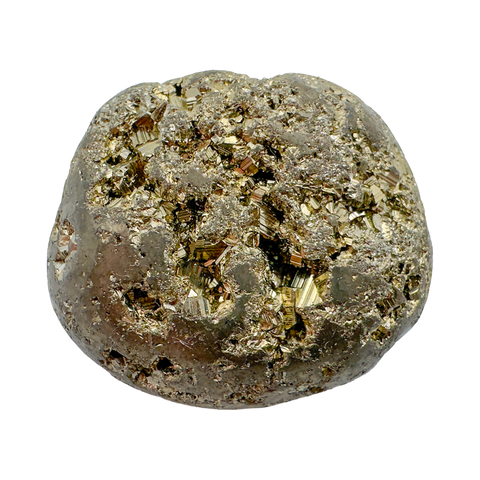
 Palm Stones
25 pieces
Palm Stones
25 pieces
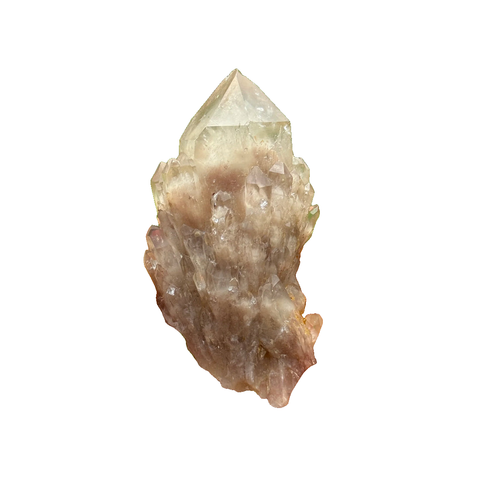
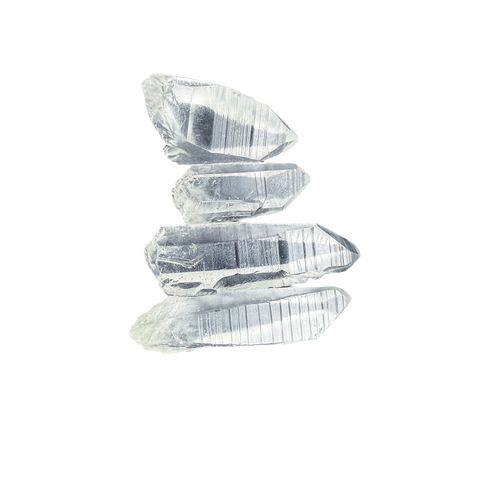
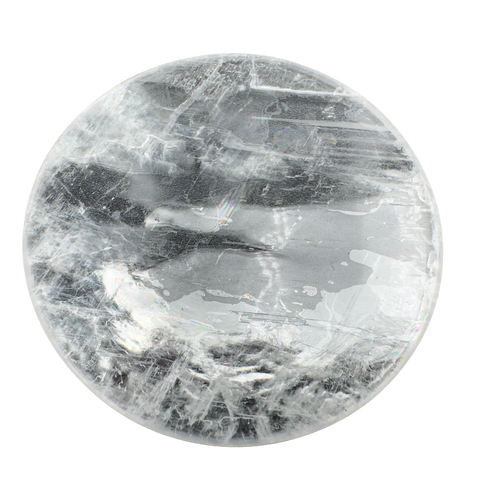
 Crystal Points
23 pieces
Crystal Points
23 pieces
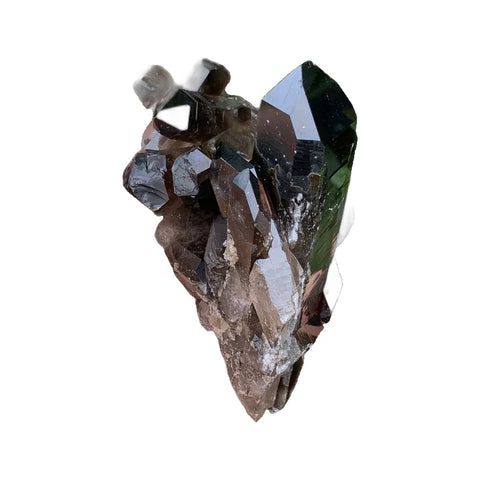
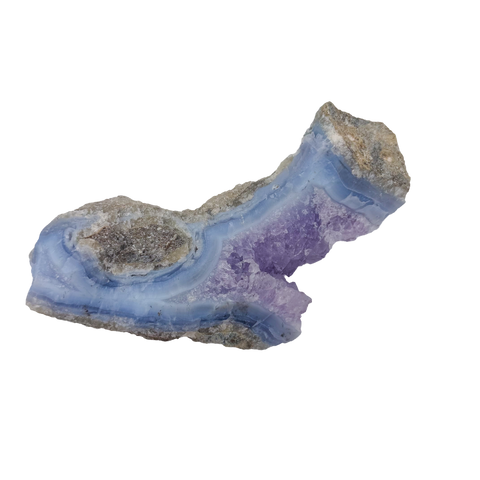
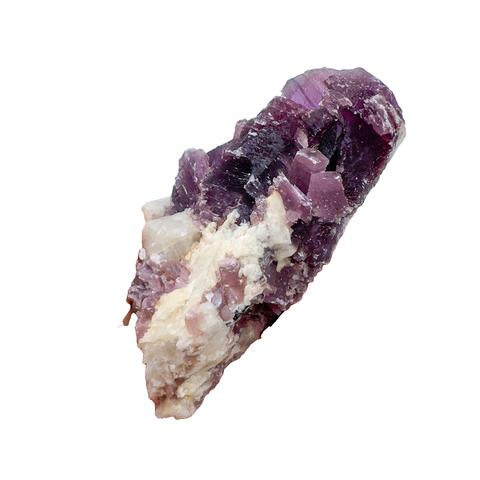
 Clusters & Geodes
105 pieces
Clusters & Geodes
105 pieces
 Polished & Decor
151 pieces
Polished & Decor
151 pieces
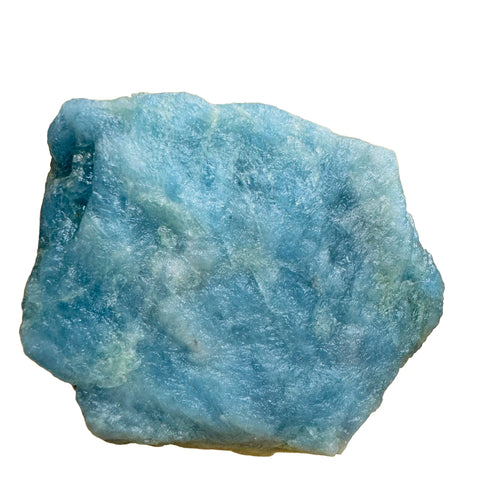
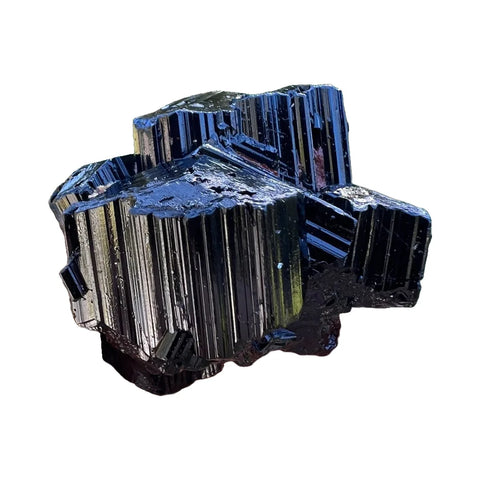
 Mineral Specimens
262 collector pieces
Mineral Specimens
262 collector pieces
 Crystal Chips
21 pieces
Browse everything
Every collection, one page.
View All Collections →
Crystal Chips
21 pieces
Browse everything
Every collection, one page.
View All Collections →


 Aries
Mar 21 – Apr 19
Carnelian
›
Aries
Mar 21 – Apr 19
Carnelian
›
 Taurus
Apr 20 – May 20
Rose Quartz
›
Taurus
Apr 20 – May 20
Rose Quartz
›
 Gemini
May 21 – Jun 20
Agate
›
Gemini
May 21 – Jun 20
Agate
›
 Cancer
Jun 21 – Jul 22
Moonstone
›
Cancer
Jun 21 – Jul 22
Moonstone
›
 Leo
Jul 23 – Aug 22
Citrine
›
Leo
Jul 23 – Aug 22
Citrine
›
 Virgo
Aug 23 – Sep 22
Amazonite
›
Virgo
Aug 23 – Sep 22
Amazonite
›
 Libra
Sep 23 – Oct 22
Blue Lace Agate
›
Libra
Sep 23 – Oct 22
Blue Lace Agate
›
 Scorpio
Oct 23 – Nov 21
Obsidian
›
Scorpio
Oct 23 – Nov 21
Obsidian
›
 Sagittarius
Nov 22 – Dec 21
Sodalite
›
Sagittarius
Nov 22 – Dec 21
Sodalite
›
 Capricorn
Dec 22 – Jan 19
Black Tourmaline
›
Capricorn
Dec 22 – Jan 19
Black Tourmaline
›
 Aquarius
Jan 20 – Feb 18
Amethyst
›
Aquarius
Jan 20 – Feb 18
Amethyst
›
 Pisces
Feb 19 – Mar 20
Aquamarine
›
Gifting?
A birthday stone is the safe bet.
Read the zodiac guide →
Pisces
Feb 19 – Mar 20
Aquamarine
›
Gifting?
A birthday stone is the safe bet.
Read the zodiac guide →


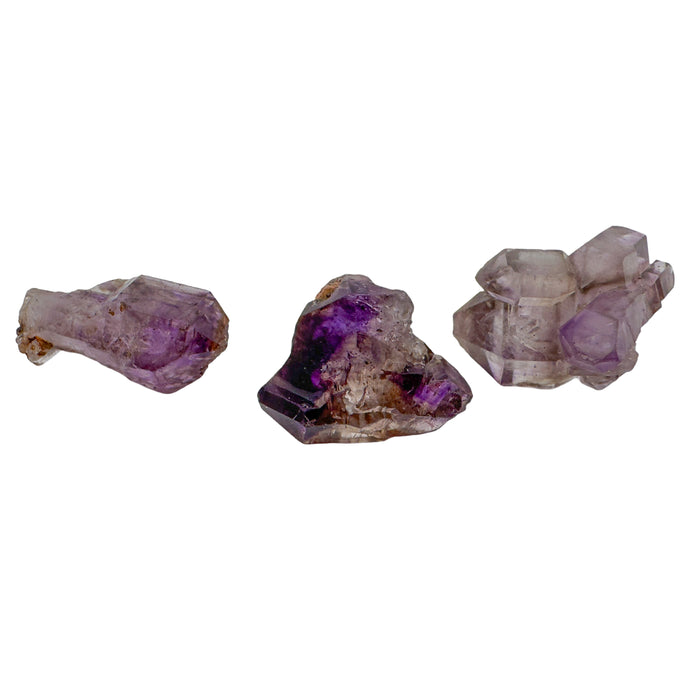
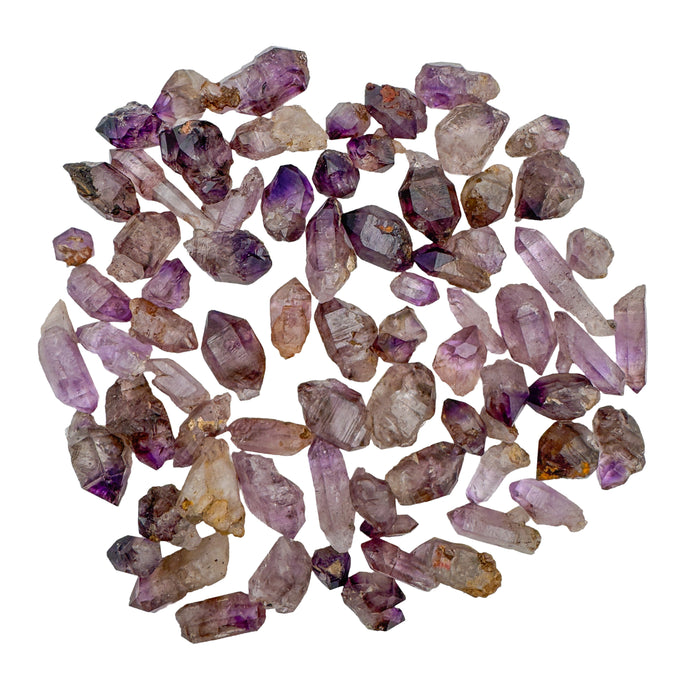
Smoky Amethyst
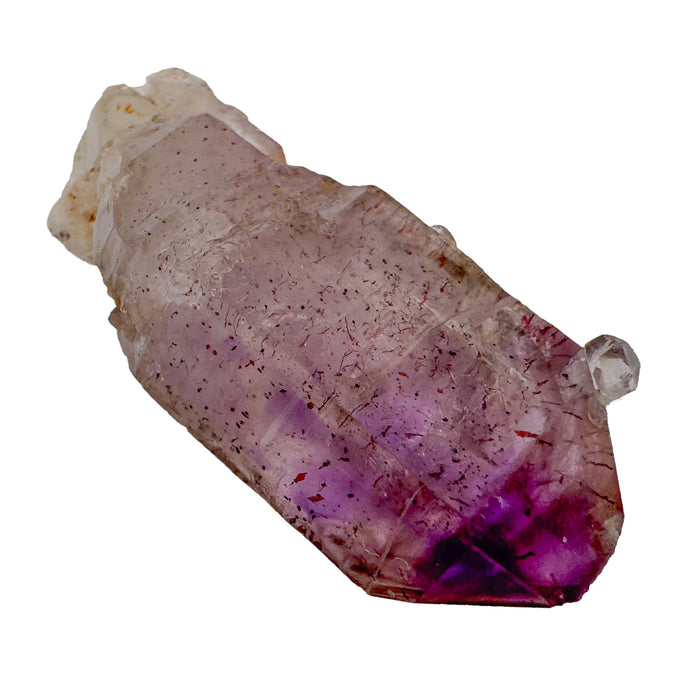
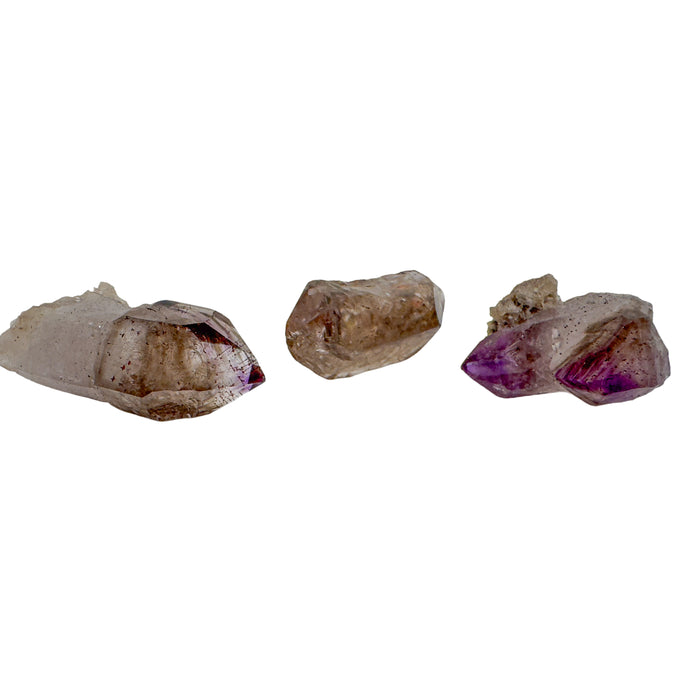
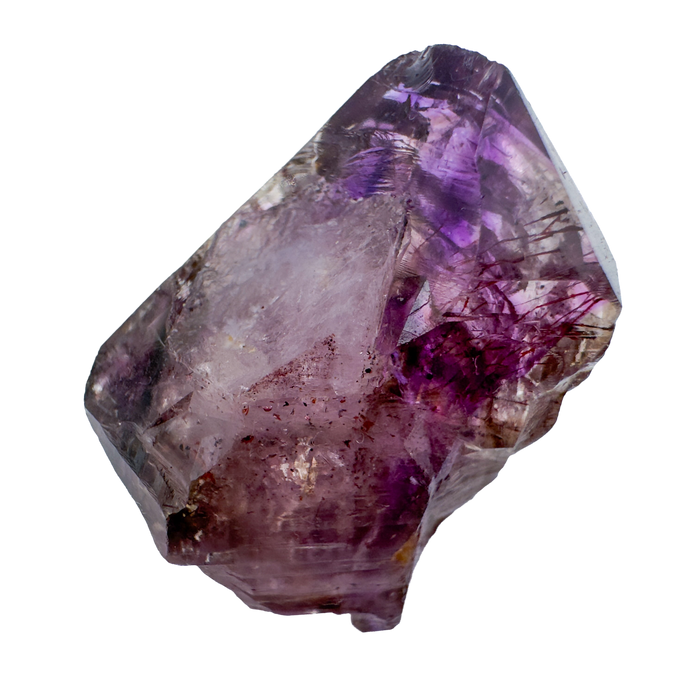
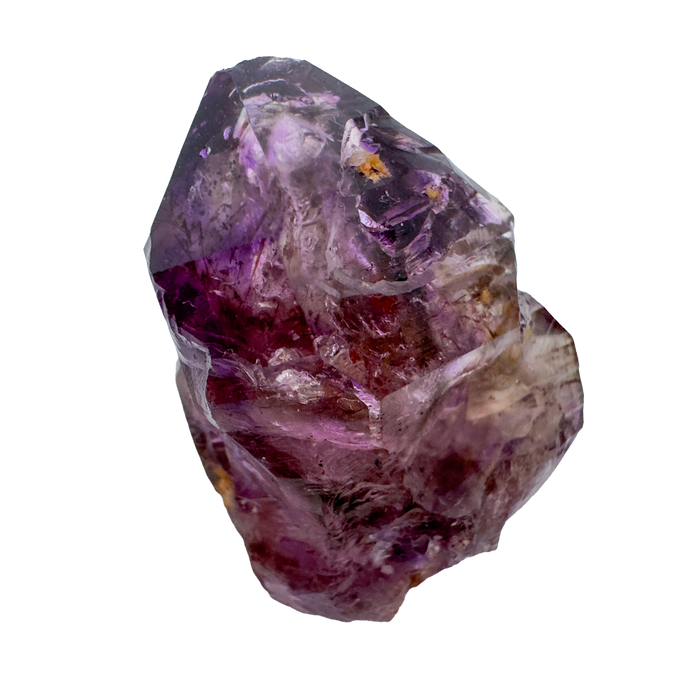
Smoky Amethyst is a bicolor variety of quartz where Amethyst's purple and Smoky Quartz's gray-brown appear in the same crystal. Both colors come from natural irradiation acting on different impurities: iron for the purple, aluminum for the smoky tone. Traditionally associated with grounded spiritual work, integrating insight with everyday practicality, and the quiet bridge between crown and root.
Shop smoky-amethystThe geology.
Smoky Amethyst is a bicolor variety of quartz (SiO₂) where Amethyst's purple and Smoky Quartz's gray-brown appear in the same crystal, usually zoned by growth direction. Both colors come from natural gamma irradiation acting on different trace impurities in the crystal structure: iron produces the purple Amethyst color centers, and aluminum produces the smoky tone. The combination happens when a growing quartz crystal experiences both impurity types and enough natural radiation during formation.
Hardness sits at 7 on the Mohs scale, identical to all quartz varieties. Trigonal crystal system, no cleavage, conchoidal fracture, vitreous luster. The bicolor zoning is usually visible as bands or patches within a single crystal, with purple and smoky regions meeting at visible boundaries. Polish takes well and the color contrast shows most clearly in translucent pieces.
The origins.
Smoky Amethyst is produced in any region where natural Amethyst and Smoky Quartz occur together in the same geological setting. Zimbabwe's Masvingo region is a significant contemporary source of bicolor crystal points, typically from pegmatite formations with appropriate trace chemistry. Brazil's Minas Gerais is the other major producer, alongside smaller commercial supply from Bolivia (which also produces the related Ametrine), Uruguay, and the United States.
Each source has a recognizable character. Zimbabwean Smoky Amethyst tends to show sharp color boundaries in raw crystal points. Brazilian material often has softer transitions. Bolivian bicolor quartz is more often sold as Ametrine (purple and yellow citrine) than as Smoky Amethyst, though the geological setting is similar. The stone is relatively uncommon compared to either parent variety on its own.
Traditional associations.
Smoky Amethyst has a shorter documented tradition than either parent variety because bicolor material has always been less common than pure Amethyst or Smoky Quartz. Contemporary metaphysical practice treats it as a bridging stone, combining Amethyst's spiritual and crown-chakra associations with Smoky Quartz's grounding and root-chakra character. The visual of purple meeting gray is read as a bridge between higher-mind work and embodied practicality.
Many people work with Smoky Amethyst for grounded spiritual practice, integrating insight with daily life, and the patient work of keeping psychic or intuitive work tied to the body. It's most commonly associated with the Crown and Root chakras together, the elements of Air and Earth, and the zodiac signs Pisces and Capricorn. The classic working pairs a meditation practice with physical activity to anchor the results.
Spotting the real thing.
Real Smoky Amethyst shows natural color zoning between purple and gray-brown regions within a single crystal, usually along growth direction. The color boundaries are typically irregular and gradual rather than perfectly sharp lines. Under strong light, both colors maintain their natural saturation. Hardness 7, so the stone will scratch glass easily. Crystal faces show the characteristic hexagonal prism and pyramidal termination of quartz.
Dyed or irradiated clear quartz can mimic the bicolor effect but typically shows color that's too uniform or has unnatural boundaries. Glass imitations feel warmer and won't scratch glass. Ask for country of origin and whether the color is natural or lab-irradiated. Reputable sellers distinguish natural bicolor material from treated lookalikes.
Care & handling.
Water safe for normal cleaning with warm water and a soft cloth. Smoky Amethyst handles saltwater rinses and brief ultrasonic cleaning because quartz is structurally homogeneous and hard. Avoid prolonged direct sunlight for long-term storage, because both Amethyst and Smoky Quartz colors can fade slightly with extended UV exposure over years.
Cleanse energetically with moonlight, sound, smoke, salt water, or by placing on selenite overnight. At 7 on the Mohs scale, the stone handles daily wear well in all jewelry settings. Store with other quartzes or on its own; it can scratch softer stones.
Pairs well with.
Proof, not promises.
We measure our own sourcing across five dimensions. Supply chain, environmental footprint, artisan support, market integrity, and pricing. The number is honest, not perfect. Where we can do better, we say so.
A deeper look.
Extended geology, sourcing, authentication, history, varieties, and pricing, for when the quick guide isn't quite enough.
Extended geology
Smoky Amethyst is bicolor quartz (SiO₂) containing both Amethyst (purple) and Smoky Quartz (gray-brown) color centers within a single crystal. The purple comes from iron impurities (Fe³⁺ or Fe⁴⁺) substituting into silicon sites and developing color under natural gamma irradiation. The smoky tone comes from aluminum impurities (Al³⁺) developing separate color centers under the same irradiation process. The bicolor effect happens when a crystal grows through regions where both impurity chemistries are present and gets enough natural radiation during formation.
Trigonal crystal system. Mohs hardness 7. Specific gravity 2.65. No cleavage. Conchoidal fracture. Vitreous luster. The color zoning follows crystal growth directions, producing bands or regions rather than uniform coloring. Some pieces show sharp color boundaries; others transition gradually across the crystal.
Extended sourcing
Zimbabwe's Masvingo region, particularly around the Lemon pegmatite field, produces bicolor Amethyst-Smoky crystal points that have become a recognizable commercial category in the last two decades. Brazilian material from Minas Gerais produces similar bicolor stones. Bolivia's Anahi mine is famous for Ametrine (Amethyst and Citrine in one crystal), produced through similar bicolor quartz formation processes.
Smaller commercial quantities come from Uruguay and the United States. The material requires specific geological conditions: quartz-forming pegmatite with both iron and aluminum trace impurities, plus sufficient natural radiation during crystal growth. These conditions aren't common, which is why pure Smoky Amethyst is less abundant than either parent variety alone.
Authentication and warning signs
Real Smoky Amethyst shows color zoning that follows crystal growth direction, with irregular natural boundaries between purple and smoky regions. Under strong light, both colors maintain their natural saturation without visible dye or coating. Hardness 7 (will scratch glass). The crystal faces should show characteristic quartz morphology.
Lab-irradiated clear quartz can produce bicolor effects but typically shows unnatural color distribution or too-sharp boundaries. Heat treatment can convert parts of Amethyst to Citrine, producing a different bicolor variety (Ametrine). Glass imitations are warmer to the touch and won't scratch glass. Reputable sellers disclose the source and distinguish natural bicolor from treated material.
Historical and cultural context
Smoky Amethyst has a shorter working tradition than either Amethyst or Smoky Quartz alone because bicolor natural material has always been less common. Contemporary metaphysical practice, which adopted bicolor quartzes in the late twentieth century, treats Smoky Amethyst as a bridging stone combining the traditional associations of both parents.
Amethyst has been worked since antiquity as a stone of sobriety, spiritual insight, and the crown chakra. Smoky Quartz carries Celtic, Scottish, and Alpine traditions of grounding and protection. Combining the two symbolically joins higher-mind work with earth-level embodiment, which is how modern practice frames Smoky Amethyst's role.
Varieties and trade names
Smoky Amethyst: the bicolor purple-and-smoky quartz variety covered here.
Ametrine: a related bicolor variety showing Amethyst (purple) and Citrine (yellow) together, primarily from Bolivia's Anahi mine.
Chevron Amethyst: banded Amethyst with white Snow Quartz stripes, a different bicolor pattern.
Cacoxenite Amethyst: Amethyst with reddish cacoxenite inclusions, sometimes confused with Smoky Amethyst.
Pricing reality
Small Smoky Amethyst tumbles and chips: 3 to 10 dollars per piece. Raw crystal points, small: 8 to 30 dollars. Medium to large crystal points with strong bicolor zoning: 25 to 120 dollars. Specimen-grade pieces with dramatic color contrast: 80 to 400 dollars.
Value drivers: strength and clarity of both colors, quality of the bicolor zoning, crystal formation, size, and documented origin. Warning signs: uniform color that doesn't show true zoning, pieces marketed as 'natural' at prices suggesting lab-irradiated material, or no origin offered for higher-priced specimens.
Good sourcing is a practice, not a claim.
Nothing we sell is lab-irradiated clear quartz sold as natural Smoky Amethyst. We name our origins where we can. We say so when we cannot. We walk away from material that doesn't meet our standard, even when it costs us sales.
Bring smoky-amethyst home.
Every piece we carry is photographed individually and listed with its own origin and treatment notes. What you see is what ships.
Shop the smoky-amethyst collectionSmoky Amethyst, in stock now.
Our most-loved Smoky Amethyst pieces, ready to ship.
- from 1,000+ reviews
- Ships within 72 hoursMonday to Friday, tracked
- 90 days to return itif you do not love it
- Free US shipping over $99$8.99 flat rate under
The Slow Note
New stones go to the list first.
No forwarding, no selling. Unsubscribe in one click. Privacy