


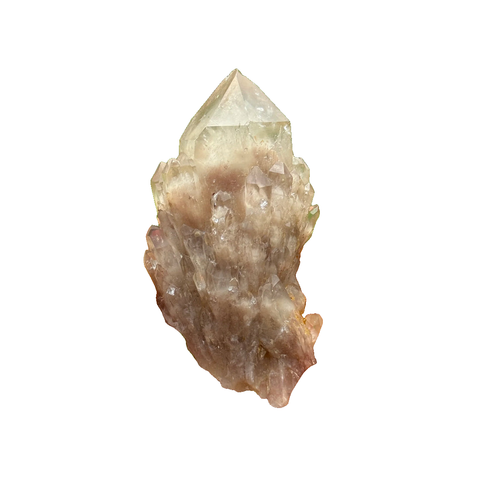
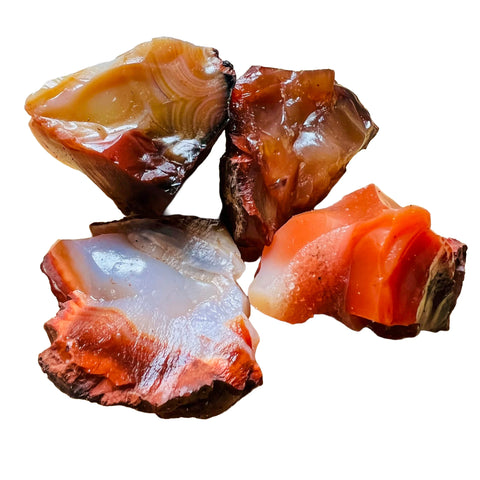


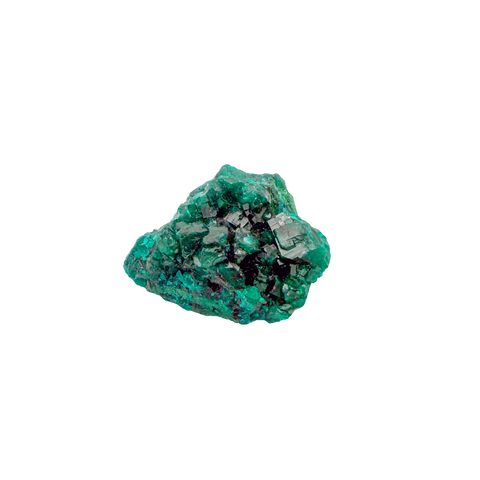
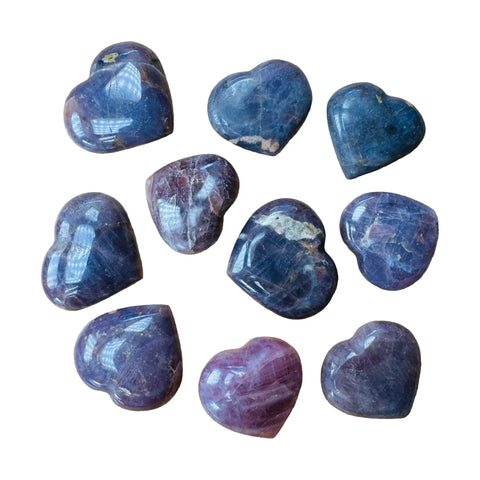
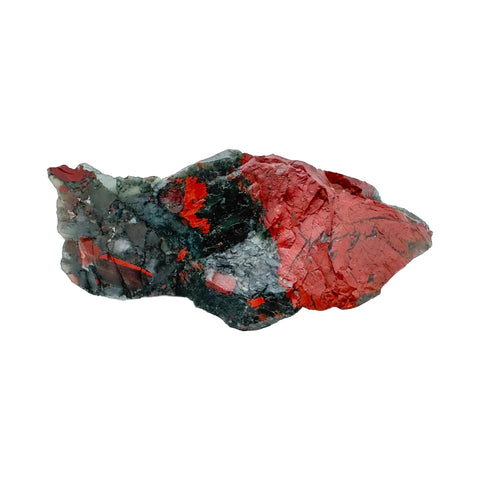
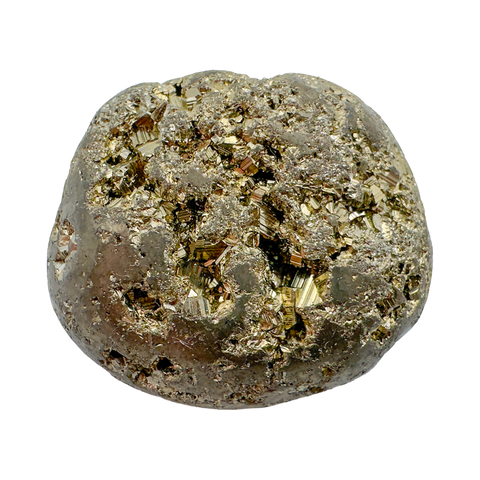
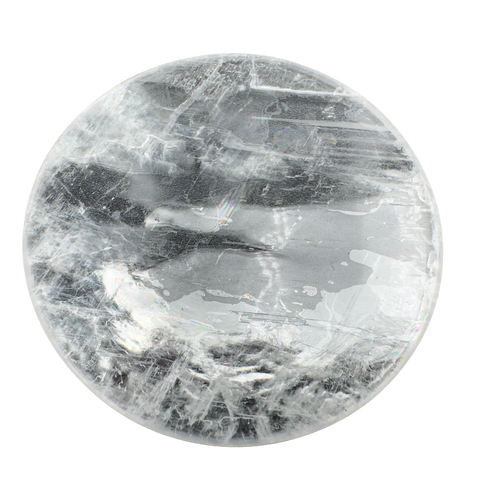
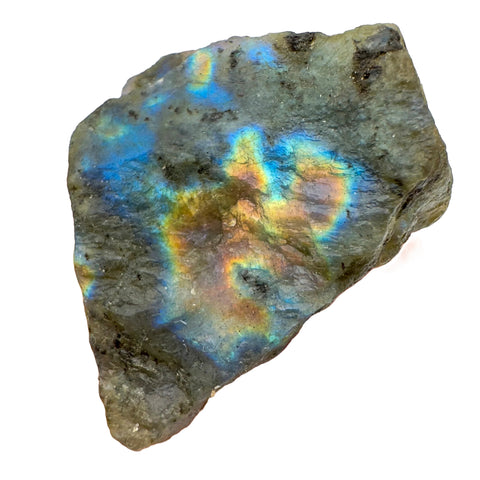
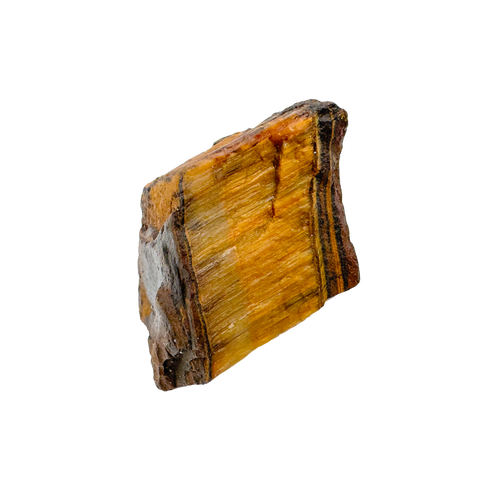
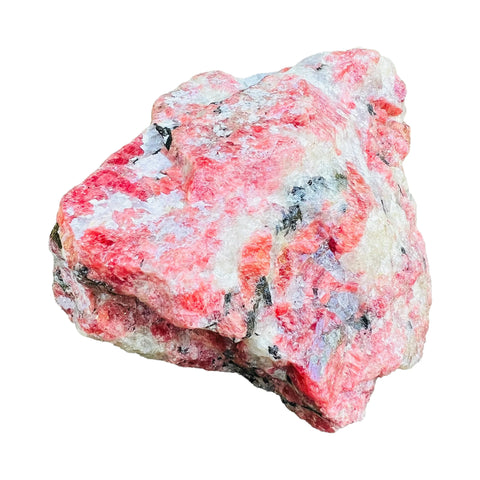
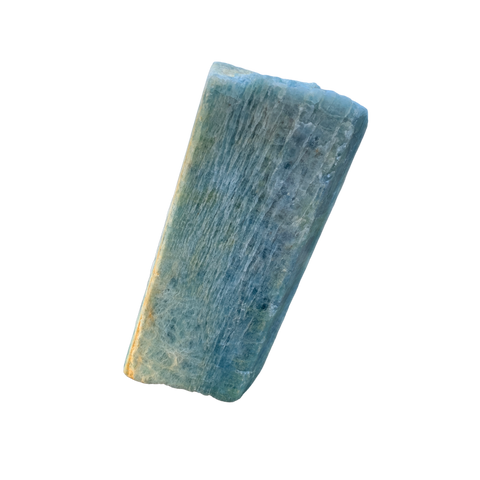
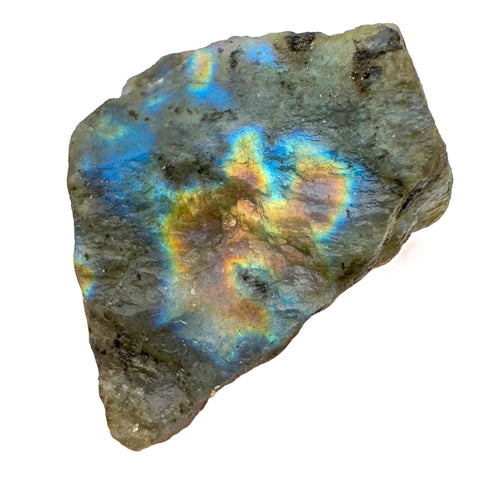



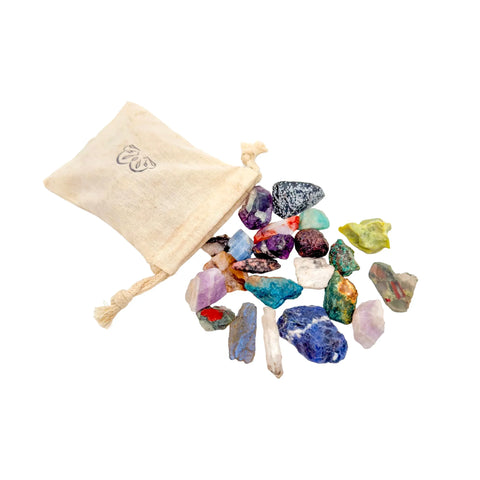
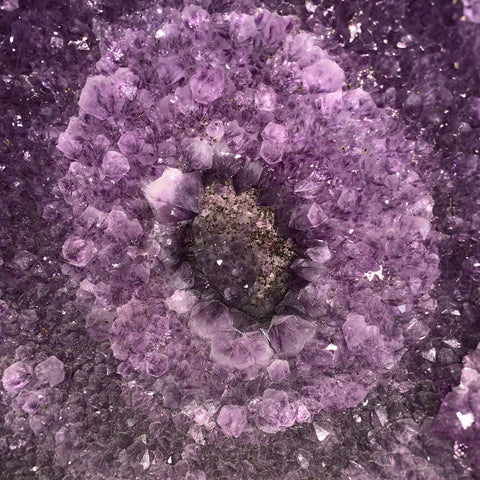
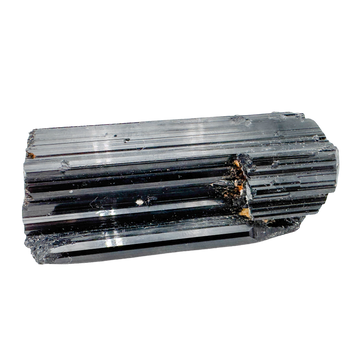
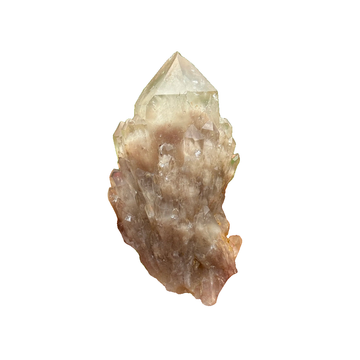
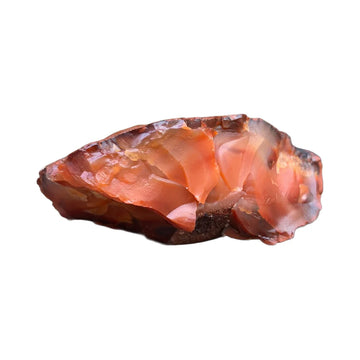
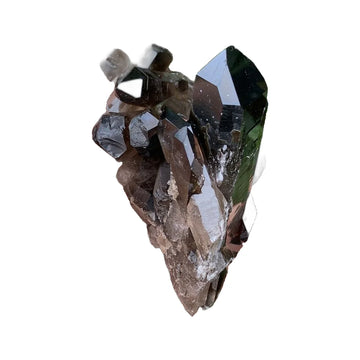
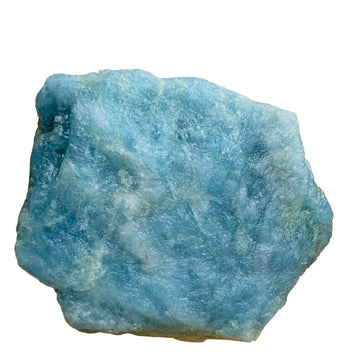
 Raw Stones
180 pieces
Raw Stones
180 pieces
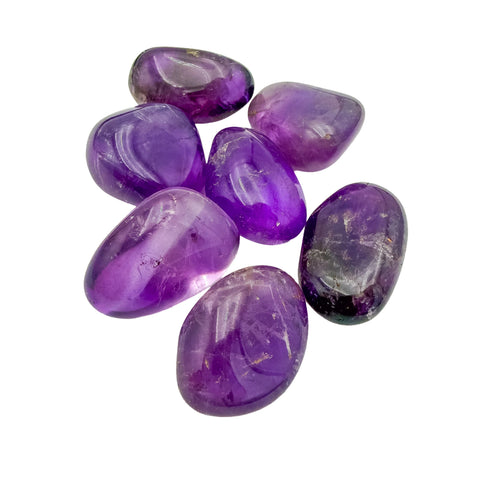
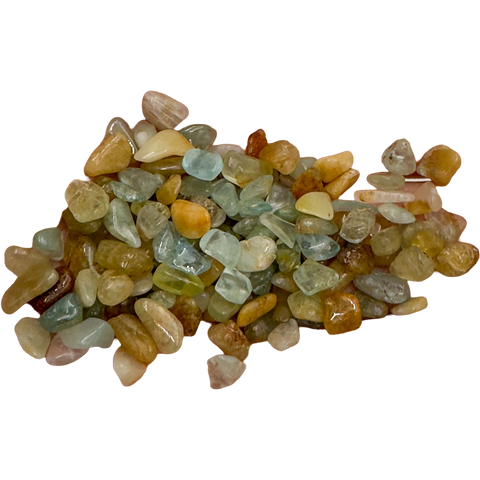
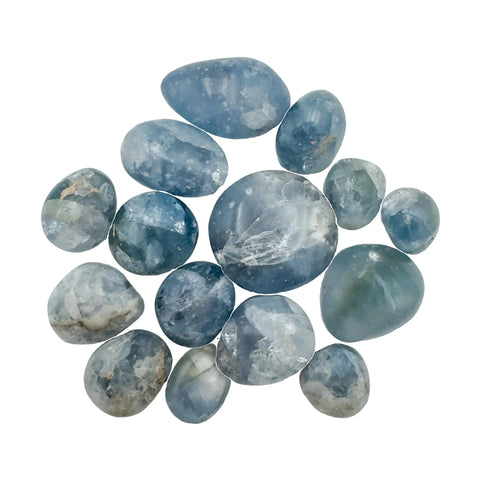
 Tumbled Stones
162 pieces
Tumbled Stones
162 pieces
 Palm Stones
26 pieces
Palm Stones
26 pieces
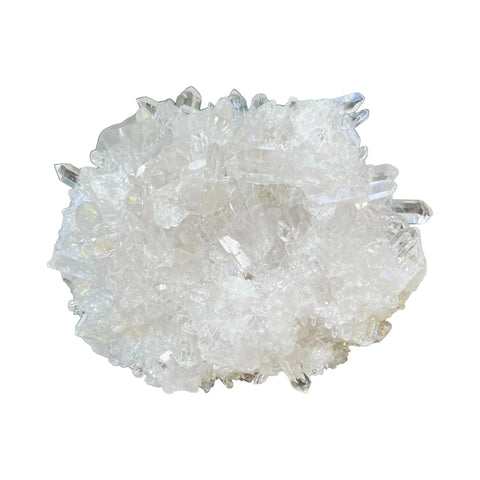
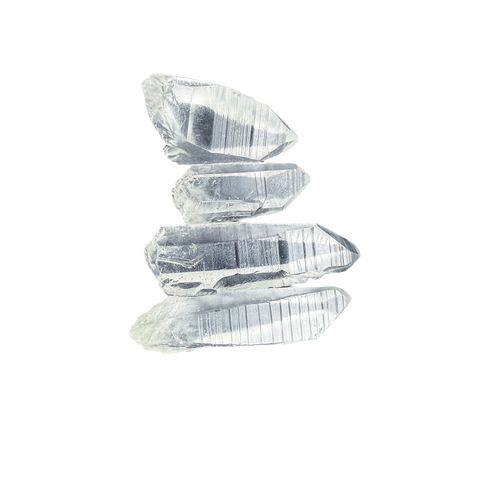
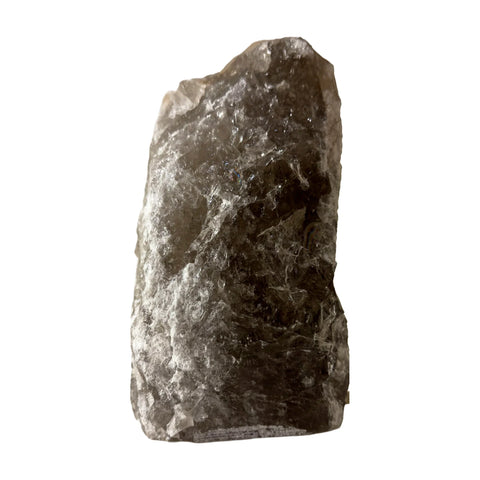
 Crystal Points
23 pieces
Crystal Points
23 pieces
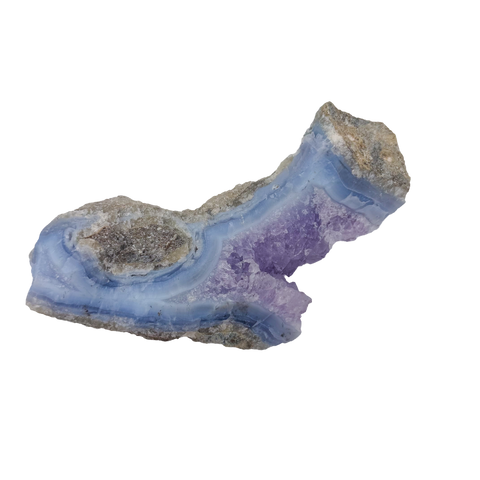
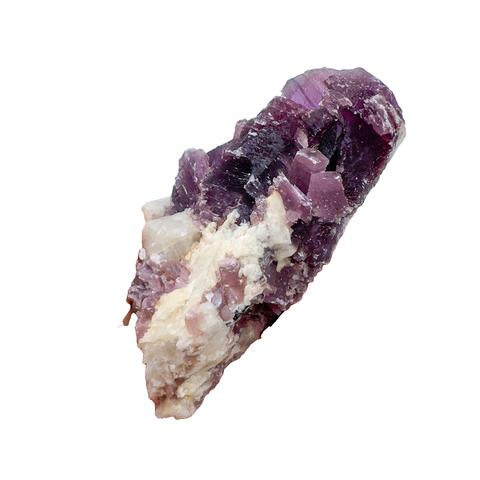
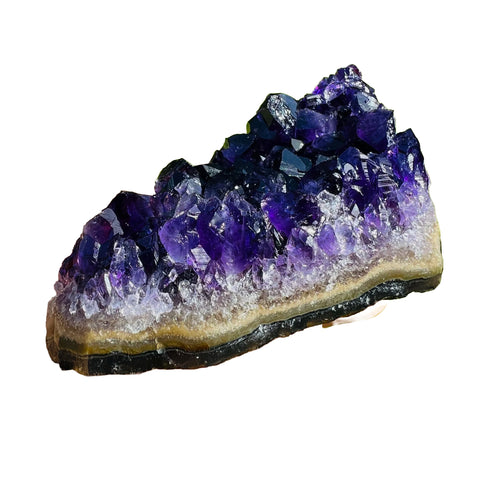
 Clusters & Geodes
112 pieces
Clusters & Geodes
112 pieces
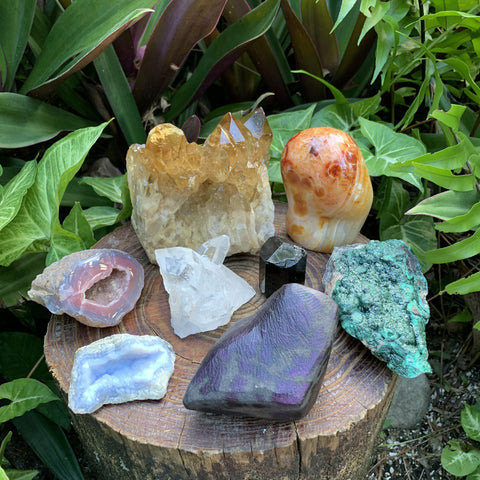
 Polished & Decor
155 pieces
Polished & Decor
155 pieces
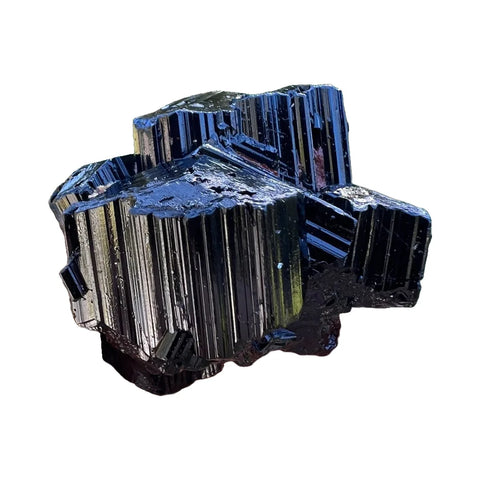
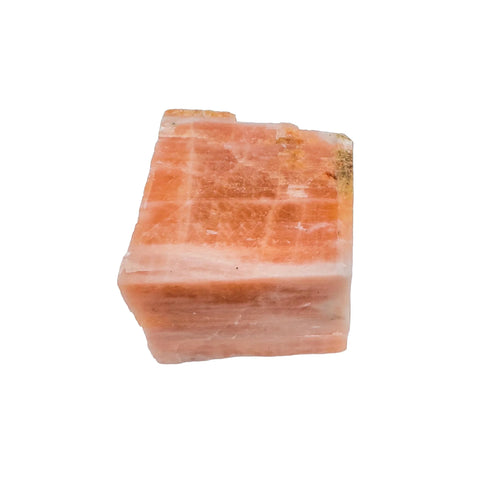
 Mineral Specimens
272 collector pieces
Mineral Specimens
272 collector pieces
 Crystal Chips
21 pieces
Browse everything
Every collection, one page.
View All Collections →
Crystal Chips
21 pieces
Browse everything
Every collection, one page.
View All Collections →


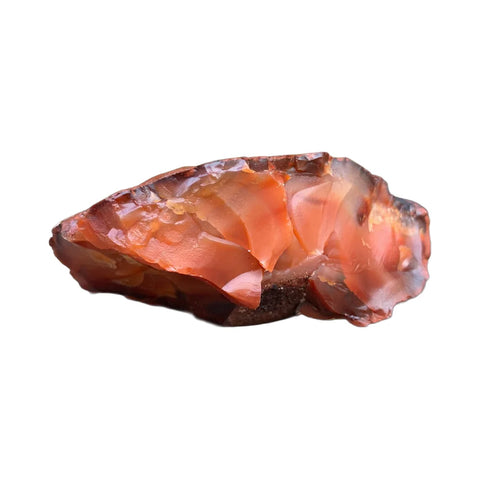
 Aries
Mar 21 – Apr 19
Carnelian
›
Aries
Mar 21 – Apr 19
Carnelian
›
 Taurus
Apr 20 – May 20
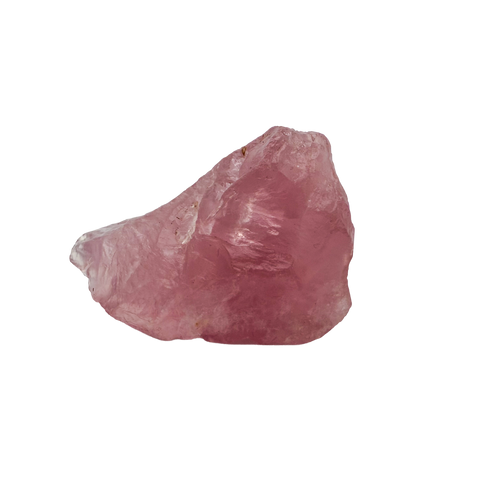
Rose Quartz
›
Taurus
Apr 20 – May 20
Rose Quartz
›
 Gemini
May 21 – Jun 20
Agate
›
Gemini
May 21 – Jun 20
Agate
›
 Cancer
Jun 21 – Jul 22
Moonstone
›
Cancer
Jun 21 – Jul 22
Moonstone
›
 Leo
Jul 23 – Aug 22
Citrine
›
Leo
Jul 23 – Aug 22
Citrine
›
 Virgo
Aug 23 – Sep 22
Amazonite
›
Virgo
Aug 23 – Sep 22
Amazonite
›
 Libra
Sep 23 – Oct 22
Blue Lace Agate
›
Libra
Sep 23 – Oct 22
Blue Lace Agate
›
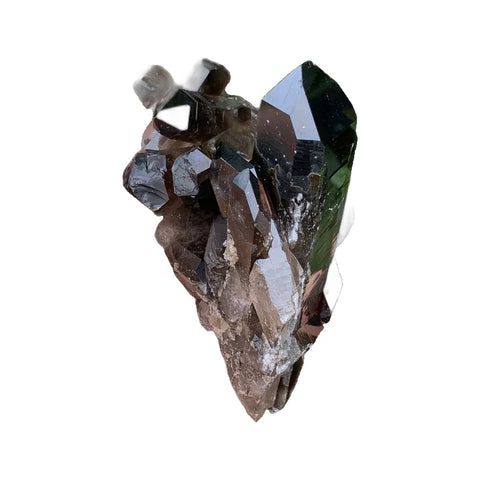
 Scorpio
Oct 23 – Nov 21
Obsidian
›
Scorpio
Oct 23 – Nov 21
Obsidian
›
 Sagittarius
Nov 22 – Dec 21
Sodalite
›
Sagittarius
Nov 22 – Dec 21
Sodalite
›
 Capricorn
Dec 22 – Jan 19
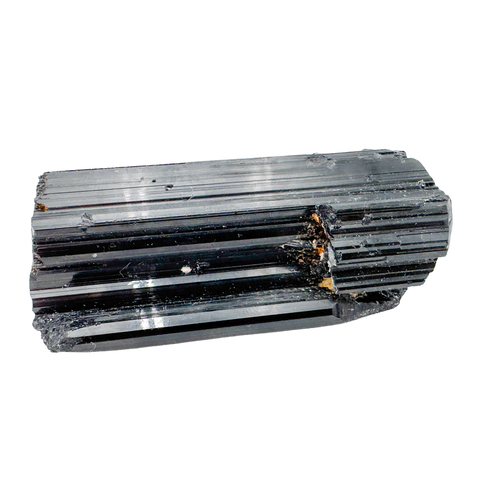
Black Tourmaline
›
Capricorn
Dec 22 – Jan 19
Black Tourmaline
›
 Aquarius
Jan 20 – Feb 18
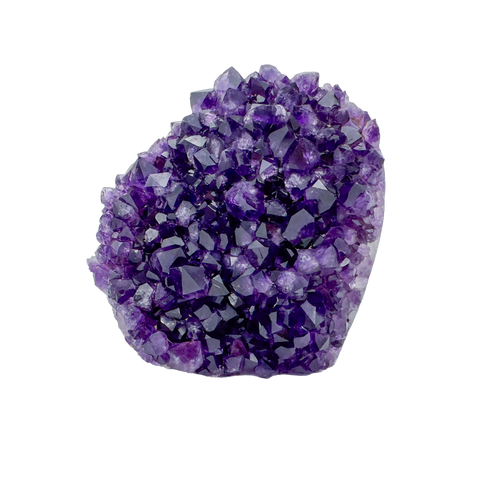
Amethyst
›
Aquarius
Jan 20 – Feb 18
Amethyst
›
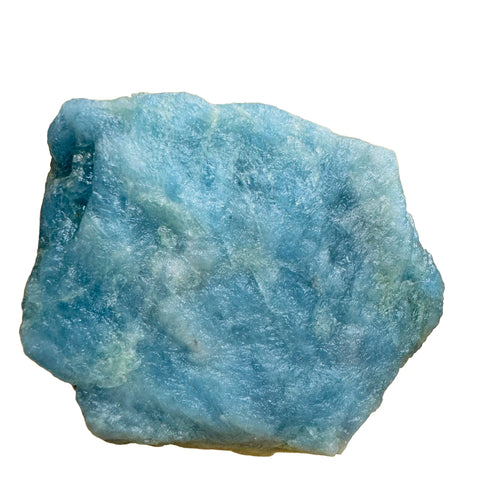
 Pisces
Feb 19 – Mar 20
Aquamarine
›
Gifting?
A birthday stone is the safe bet.
Read the zodiac guide →
Pisces
Feb 19 – Mar 20
Aquamarine
›
Gifting?
A birthday stone is the safe bet.
Read the zodiac guide →

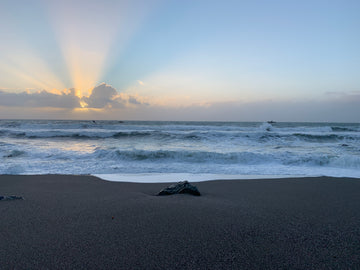
Selenite
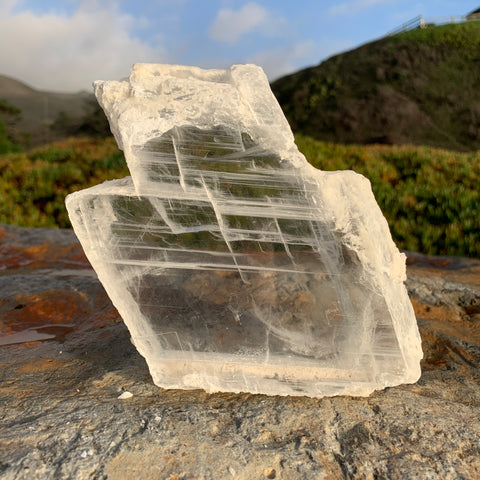
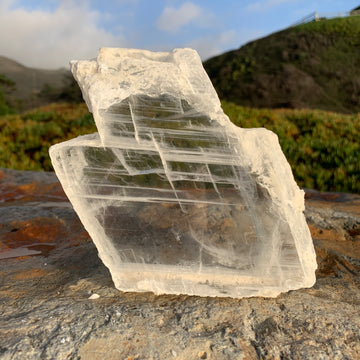
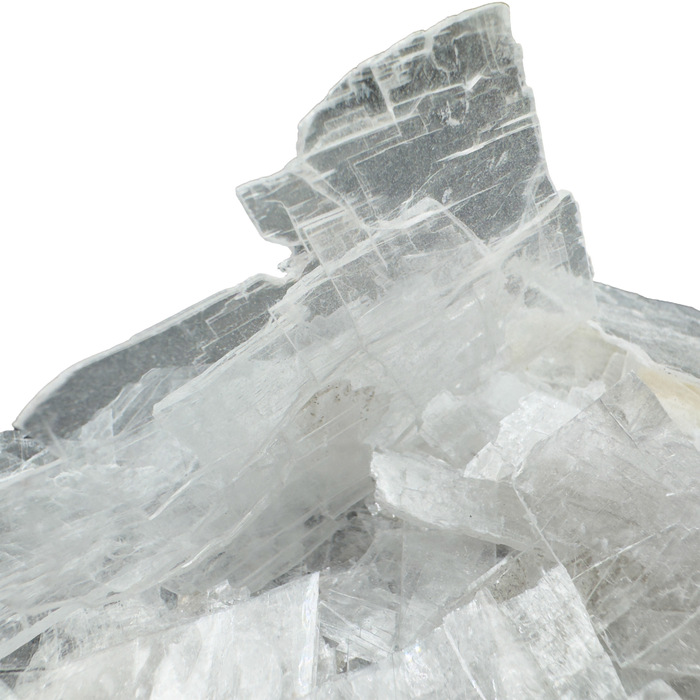
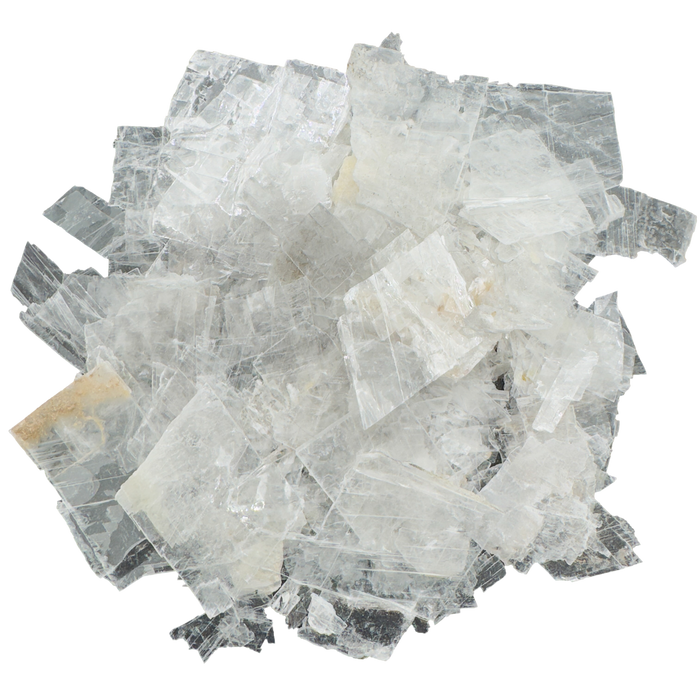
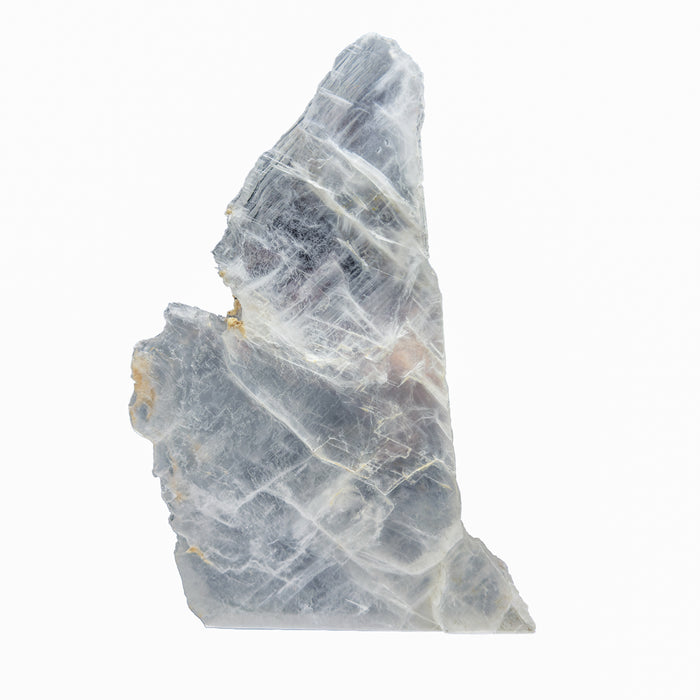
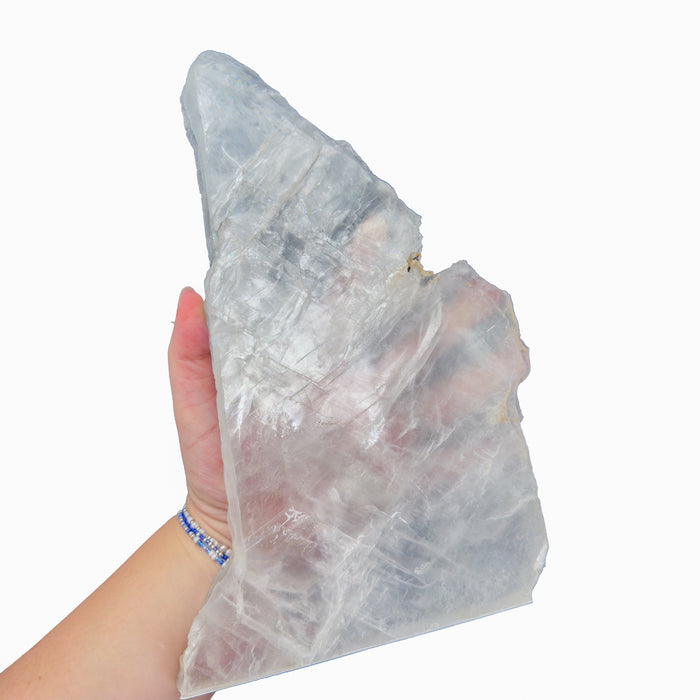
Selenite is a crystalline variety of gypsum, a soft hydrated calcium sulfate mineral, best known for the silky fibrous 'satin spar' form and the transparent blade-like crystals sold as towers and wands. Traditionally associated with clearing, crown-chakra work, and the charging of other stones. One of the softest materials in the crystal market, which makes care matter more than usual.
Shop seleniteThe geology.
Selenite is a crystalline variety of gypsum, a hydrated calcium sulfate with the chemical formula CaSO₄·2H₂O. The water in that formula is part of the chemistry, not surface moisture, and it's why the stone behaves so differently from most crystals you'll encounter. Selenite forms in sedimentary evaporite deposits when salty water evaporates over long periods, leaving gypsum crystals behind.
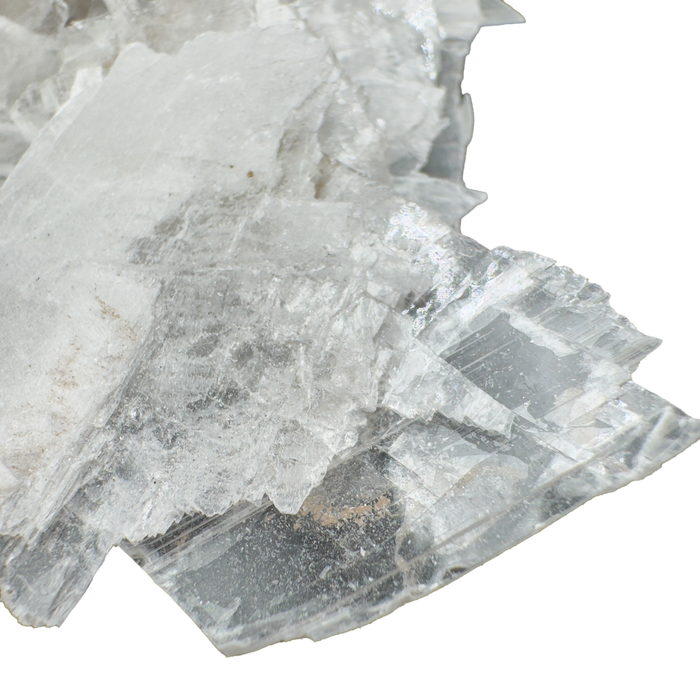
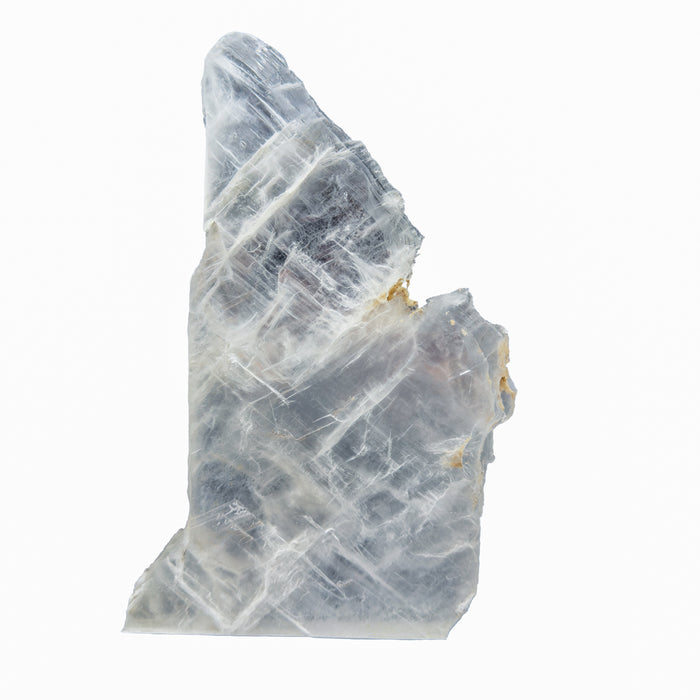
Hardness sits at 2 on the Mohs scale, which means a fingernail will scratch it. This is the key practical fact about Selenite: it's genuinely soft. Cleavage is perfect in one direction, which is why satin spar Selenite splits into the fibrous sheets that give it the silky look. Most commercial Selenite on the market is actually satin spar (the fibrous form) rather than pure transparent Selenite blades, but the name is used loosely.
The origins.
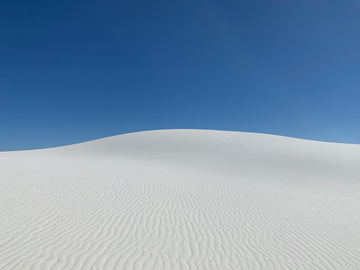
Selenite is a common mineral found in evaporite sedimentary deposits worldwide. The United States produces significant commercial Selenite from the White Sands region of New Mexico and from Oklahoma. Morocco is a major supplier of satin spar fibrous Selenite to the global small-shop market. Mexico produces exceptional specimens, most famously the giant crystals of the Cave of the Crystals in Naica, Chihuahua, though that source is a research site rather than commercial supply. Madagascar, Russia, and Australia also contribute.
Each source has a recognizable look. Moroccan satin spar is the classic silky-white fibrous material most commonly sold as towers and wands. New Mexico Selenite often shows more of the transparent blade form. Mexican specimens from Naica are world-famous but essentially museum-grade. What you'll most often handle in small-shop inventory is Moroccan satin spar or New Mexico transparent Selenite, both typically sold at accessible prices because the material is abundant.
Traditional associations.
Selenite takes its name from the Greek selene, meaning moon, a reference to the soft moonlit glow of transparent specimens. The mineral has been known since antiquity, with ancient Mesopotamian and Egyptian artifacts including Selenite and gypsum objects. Selenite windows (sheets of transparent Selenite used in place of glass) appear in Roman-era buildings. The stone was sometimes called 'moonstone' in older texts, which causes confusion because today moonstone refers to a different mineral (feldspar).
Many people work with Selenite for clearing energetic space, crown-chakra work, and charging or cleansing other crystals. It's most commonly associated with the Crown chakra, the element of Air, and the zodiac sign Taurus. The classic working is to place Selenite in a room for ambient clearing or to set other stones on it overnight for what practitioners describe as a cleansing and recharging effect.
Spotting the real thing.
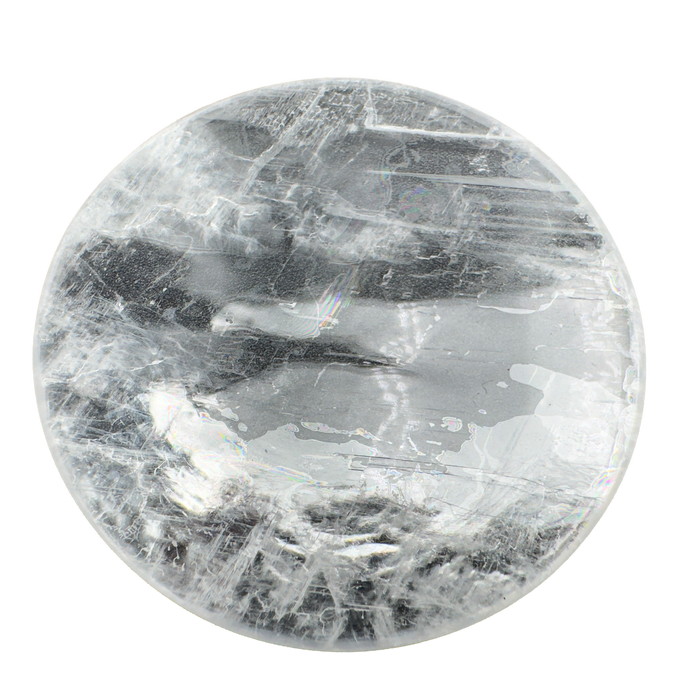
Real Selenite (both transparent blades and satin spar) is noticeably soft. A fingernail will scratch it, which is one of the most reliable hardness tests in the crystal market. The satin spar variety shows a silky, almost fibrous texture when polished; transparent Selenite blades show characteristic perfect cleavage and translucency when held to the light. The stone is light for its size.
Fakes are rare because Selenite is so inexpensive. Occasional glass or plastic imitations exist at the very bottom of the market, particularly in mass-produced wands. Glass and plastic are harder than Selenite; if a fingernail won't mark it, be suspicious. Dyed peach-colored Selenite is legitimate when disclosed but sold at similar prices to white Selenite.
Care & handling.
Selenite is one of the few stones where care genuinely matters. Do not get it wet. Selenite is water-soluble, meaning prolonged water contact will dissolve it. A brief rinse followed by immediate drying is the absolute limit; long soaks, saltwater, and especially ultrasonic cleaners will damage or destroy the stone. Wipe with a dry soft cloth instead.
Cleanse energetically with moonlight, sound, smoke, or by placing near other crystals (Selenite is often considered self-cleansing and used to cleanse other stones). Never use salt, citrus, or water for cleansing Selenite. At 2 on the Mohs scale, it scratches extremely easily; store separately from all other stones in a small pouch. Stable under sunlight. Avoid humid environments for long-term storage.
Pairs well with.
Proof, not promises.
We measure our own sourcing across five dimensions. Supply chain, environmental footprint, artisan support, market integrity, and pricing. The number is honest, not perfect. Where we can do better, we say so.
A deeper look.
Extended geology, sourcing, authentication, history, varieties, and pricing, for when the quick guide isn't quite enough.
Extended geology
Selenite is a crystalline variety of gypsum, a hydrated calcium sulfate with chemical formula CaSO₄·2H₂O. The mineral forms in sedimentary evaporite settings when saline waters (usually marine or lacustrine) slowly evaporate, leaving gypsum crystals behind. Over geological time, continued evaporation can produce very large crystals under the right conditions, as in the Naica Mine cave in Mexico where some crystals exceed 30 feet in length.
Mohs hardness 2. Perfect cleavage in one direction produces the flat sheets characteristic of satin spar and Selenite blades. Specific gravity 2.32. Luster vitreous to silky (satin spar). Transparent to translucent depending on form. Fracture splintery. Selenite is soluble in water, especially hot or slightly acidic water.
Extended sourcing
The United States produces significant commercial Selenite from several localities. Oklahoma's Salt Plains National Wildlife Refuge is a classic source of 'hourglass' Selenite with sand inclusions. New Mexico's White Sands region produces transparent blade Selenite. The Utah and Nevada evaporite basins also contribute.
Morocco's sedimentary basins in the Atlas Mountains produce most of the world's satin spar fibrous Selenite for the small-shop market. Mexico's Naica Mine in Chihuahua is the site of the famous Cave of the Crystals with giant selenite specimens, though commercial supply from there is limited. Madagascar produces smaller quantities of specimen-grade material. Russia (the Ural region) and Australia also have commercial deposits.
Authentication and warning signs
The fingernail hardness test is definitive. Selenite scratches easily with a fingernail, so anything that won't mark isn't Selenite. Real satin spar shows a fibrous silky texture when polished; transparent Selenite shows perfect cleavage and light transmission. Under magnification, fibrous texture is visible in satin spar; transparent Selenite shows no internal structure beyond cleavage planes.
The more common issue is mislabeling. Satin spar (fibrous gypsum) is sold as 'Selenite' even though mineralogical purists reserve the name for transparent bladed forms. Both are gypsum and both are legitimate, but some sellers try to charge a premium for generic satin spar by calling it Selenite. Reputable sellers note which form the piece is.
Historical and cultural context
Selenite has been known and worked since antiquity. Ancient Mesopotamian and Egyptian sites have yielded gypsum and Selenite objects. The Romans used sheets of transparent Selenite (called lapis specularis) as window glazing before glass became common, and archaeological remains of Selenite windows have been found at Pompeii.
The name Selenite comes from Greek selene (moon), a reference to the stone's translucent glow. In medieval European texts, Selenite was sometimes associated with moon goddesses and lunar work. Contemporary metaphysical practice groups it with crown-chakra and cleansing stones, with the particular role of charging or cleansing other crystals by contact.
Varieties and trade names
Selenite (true): transparent, bladed, or prismatic gypsum crystals.
Satin Spar: fibrous gypsum with silky luster, most common commercial 'Selenite.'
Desert Rose: rosette-shaped gypsum with sand inclusions.
Alabaster: fine-grained massive gypsum used historically for carving.
Gypsum flower: crystal habit showing botryoidal or radiating forms.
Pricing reality
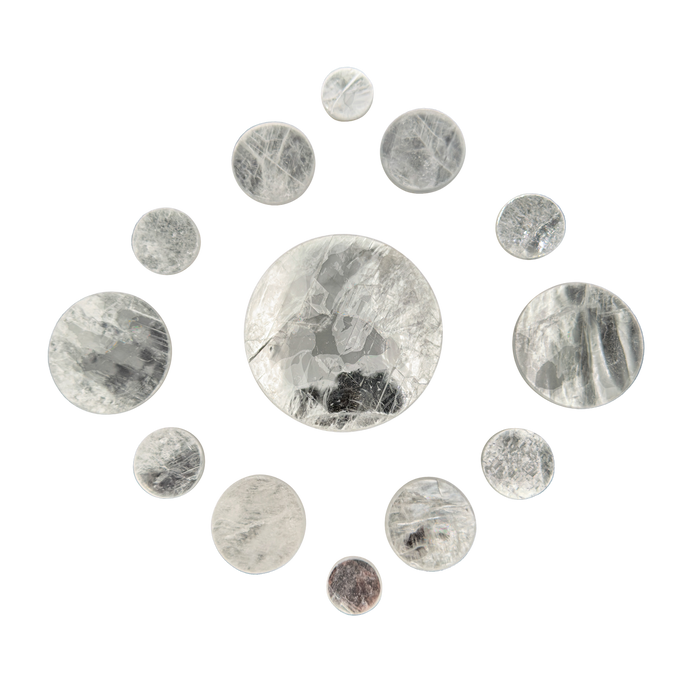
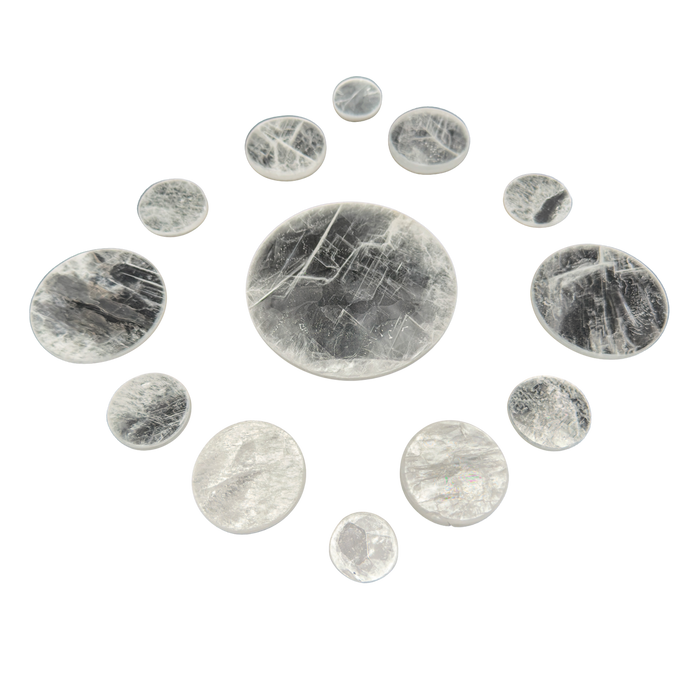
Small Selenite tumbles and wands: 1 to 5 dollars each. Satin spar sticks and towers: 5 to 25 dollars depending on size. Selenite slabs and charging plates: 15 to 60 dollars. Larger specimen-grade transparent Selenite blades: 30 to 200 dollars. Fine Mexican or collector-grade specimens: 100 to several thousand dollars for museum-quality pieces.
Value drivers: size, clarity (for transparent blades), silky finish (for satin spar), absence of chips or water damage, and documented origin. Warning signs: suspiciously large claimed 'Selenite' at very low prices (likely satin spar sold as true Selenite), pieces that feel plasticky or don't respond to the fingernail test, or material with no origin offered.
Good sourcing is a practice, not a claim.
Nothing we sell is glass or plastic imitation sold as Selenite. We distinguish satin spar from true bladed Selenite and name our origins where we can. We walk away from material that doesn't meet our standard, even when it costs us sales.
Bring selenite home.
Every piece we carry is photographed individually and listed with its own origin, form, and treatment notes. What you see is what ships.
Shop the selenite collectionSelenite, in stock now.
Our most-loved Selenite pieces, ready to ship.
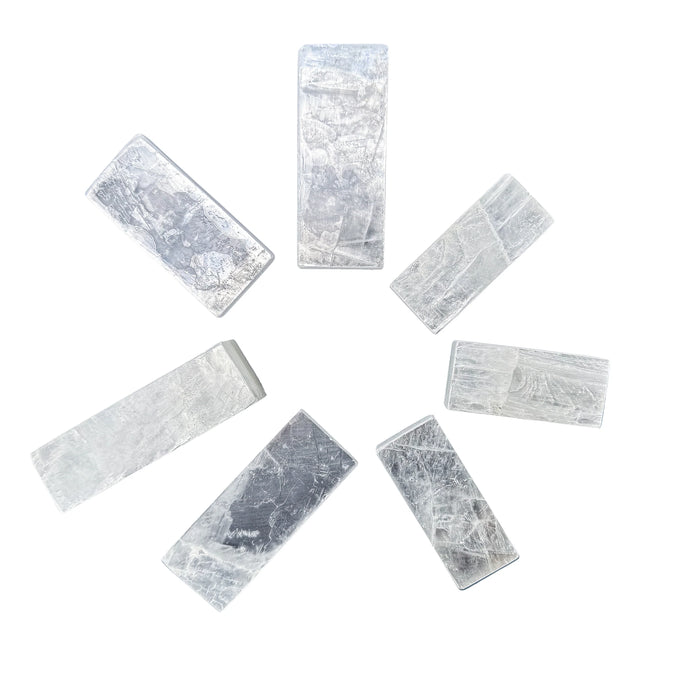
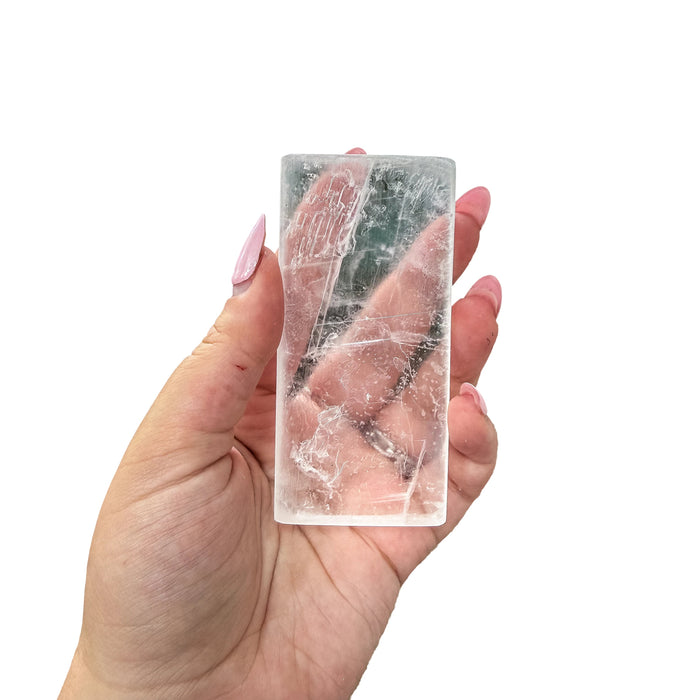
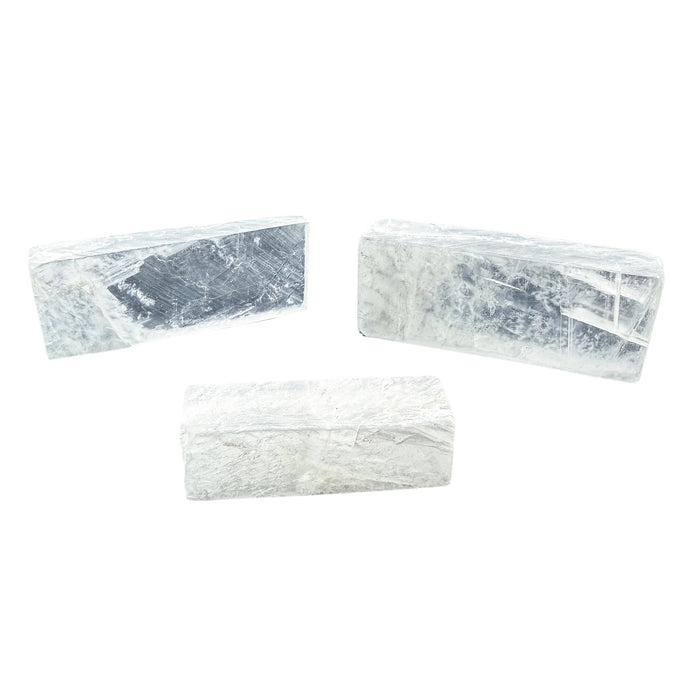
- 4.9 out of 5from 1,000+ reviews
- Ships within 72 hoursMonday to Friday, tracked
- 90 days to return itif you do not love it
- Free US shipping over $99$8.99 flat rate under