


 Agatefor stress relief
 Amazonitefor stress relief
 Aquamarinefor serenity
 Aventurinefor luck
 Bloodstonefor energy
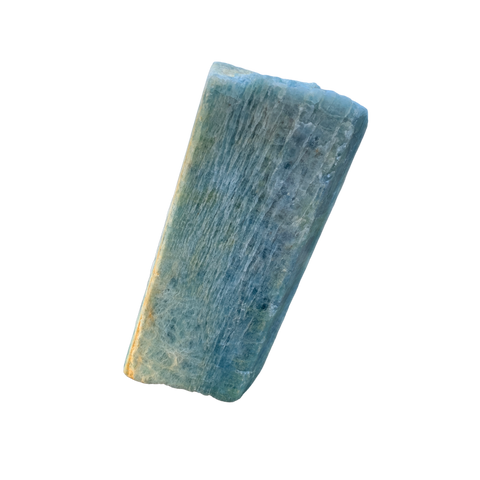
 Blue Kyanitefor confidence
 Blue Lace Agatefor stress relief
 Chrysocollafor emotional healing
 Fluoritefor focus
 Garnetfor energy
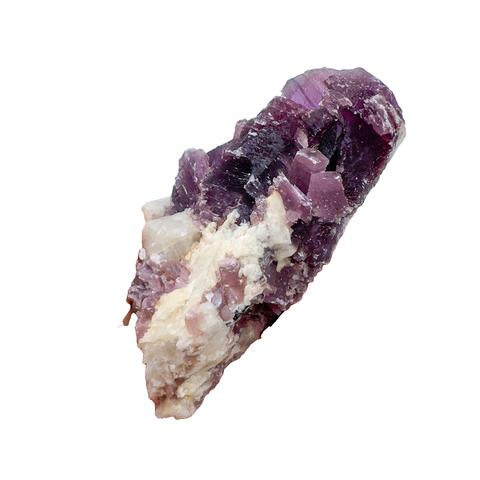
 Lepidolitefor stress relief
 Malachitefor emotional healing
 Moonstonefor grounding
 Obsidianfor protection
 Ocean Jasperfor emotional healing
 Red Jasperfor grounding
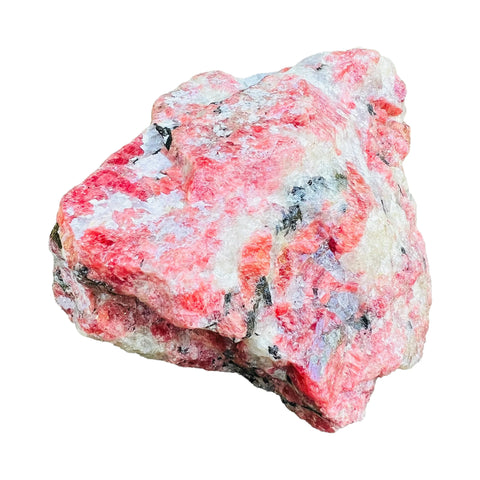
 Rhodonitefor emotional healing
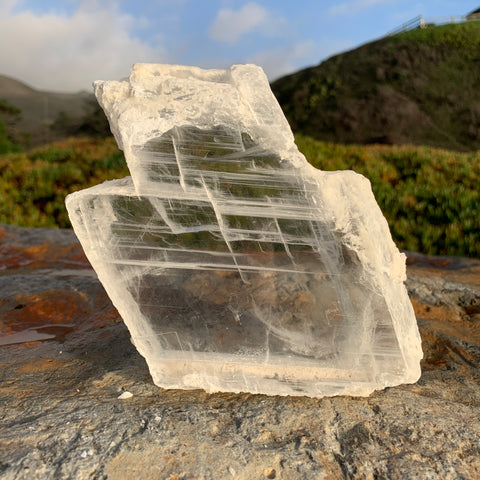
 Selenitefor cleansing
 Sodalitefor focus
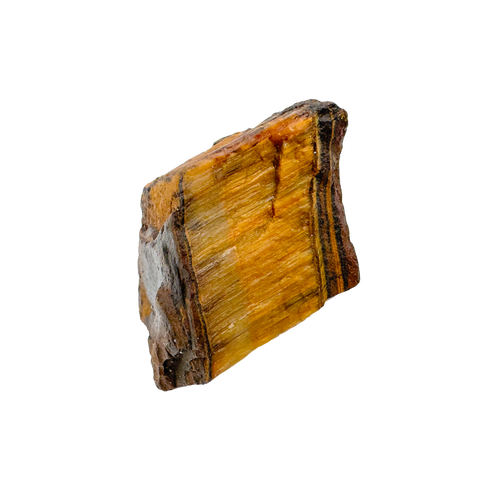
 Tiger Eyefor confidence
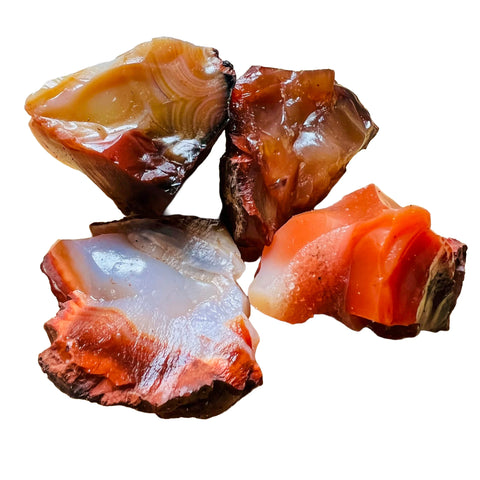
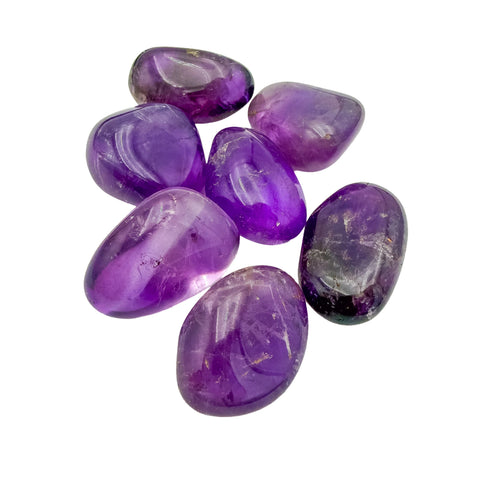


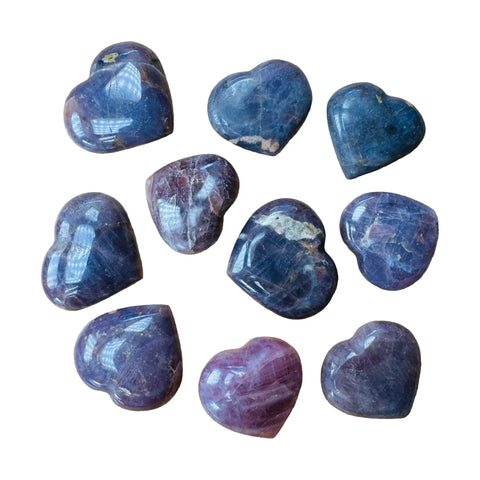
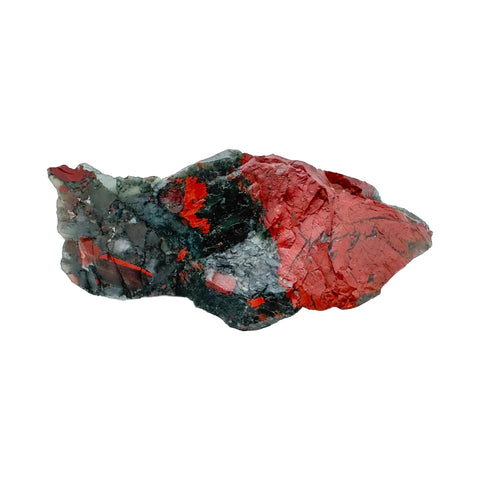
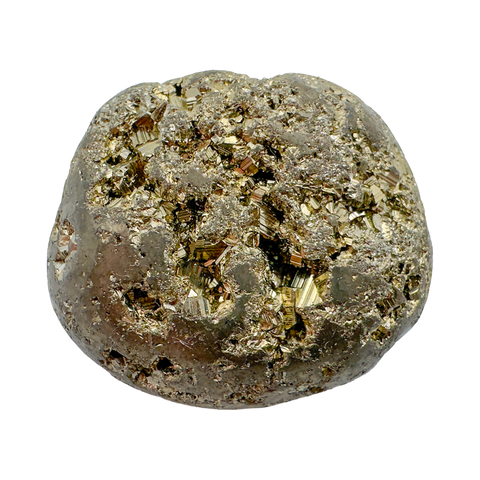
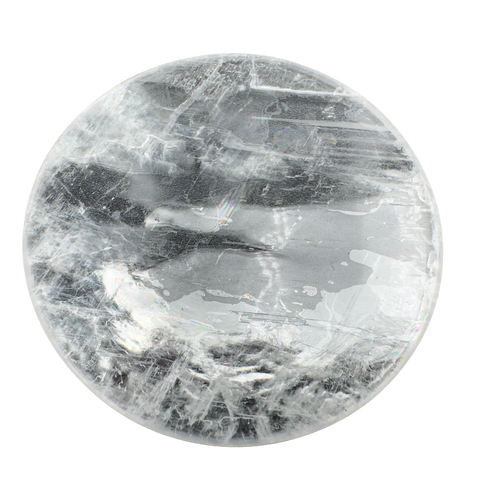


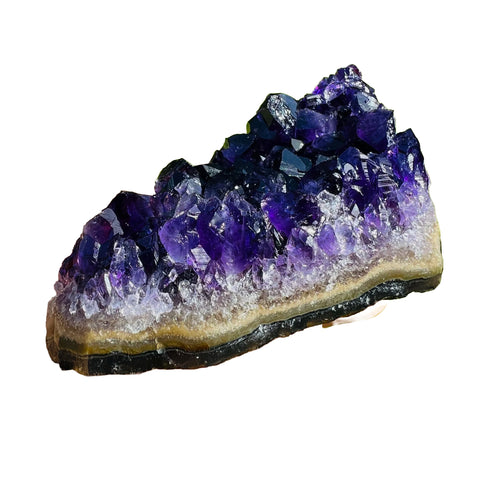





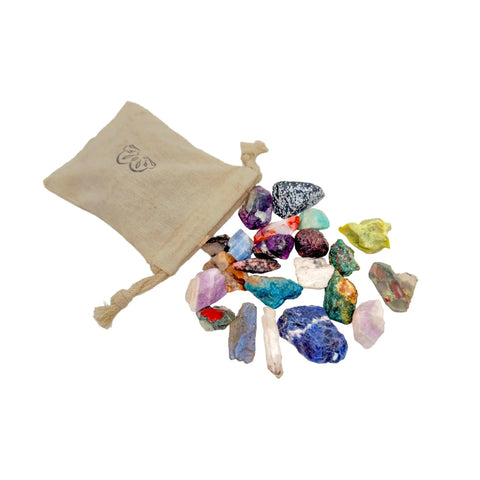
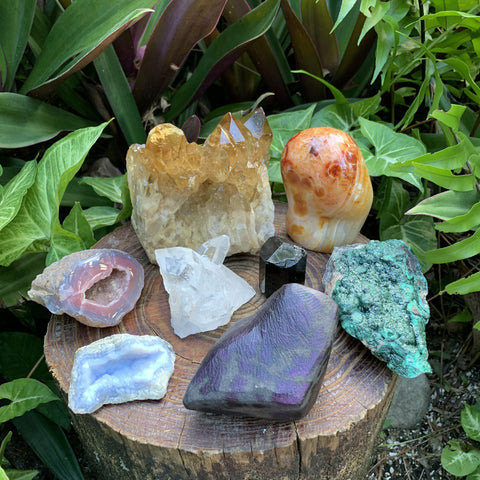
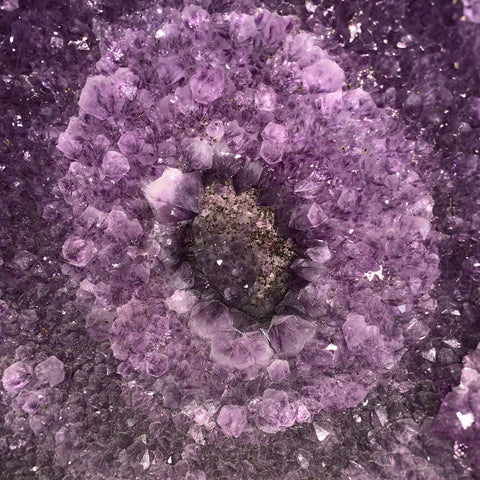
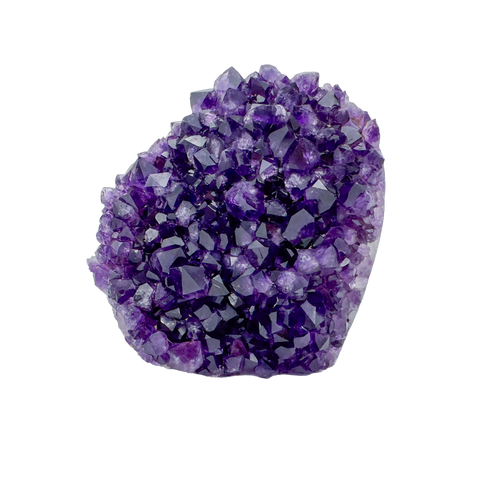
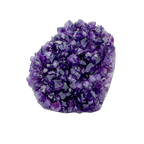 Amethyst
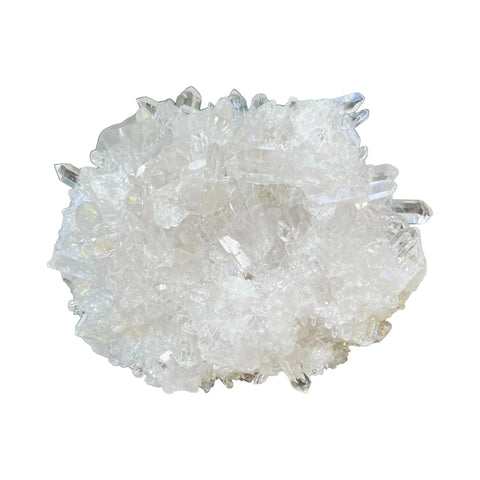
 Clear Quartz
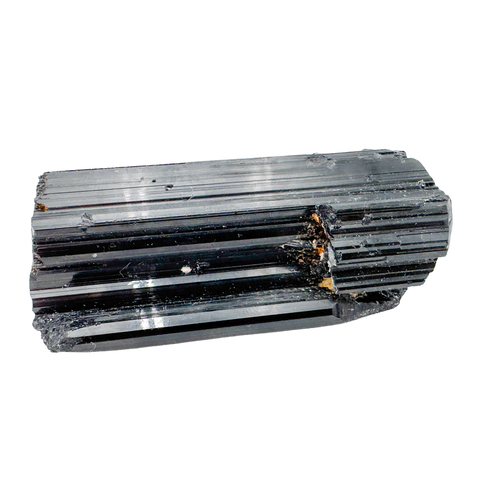
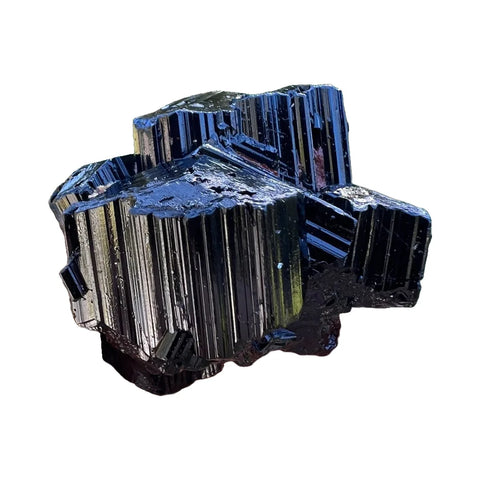
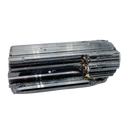 Black Tourmaline
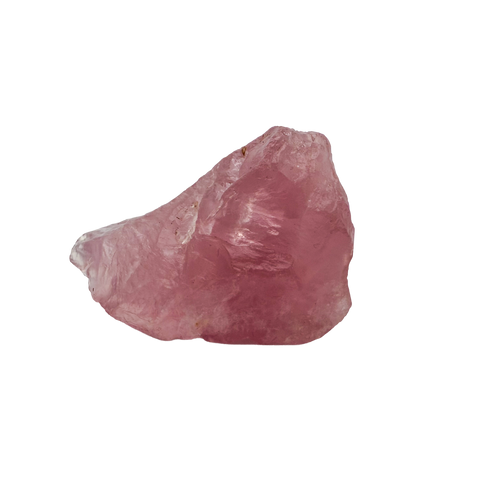
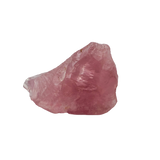 Rose Quartz
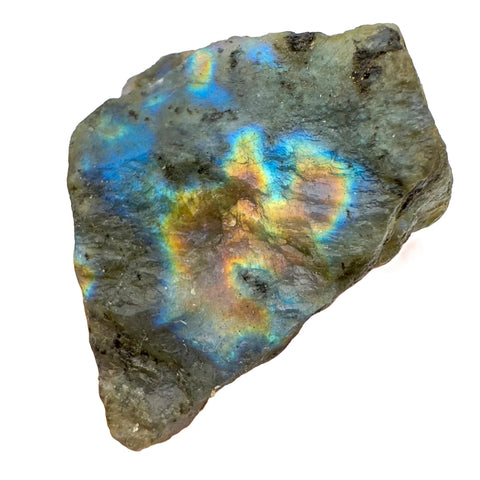
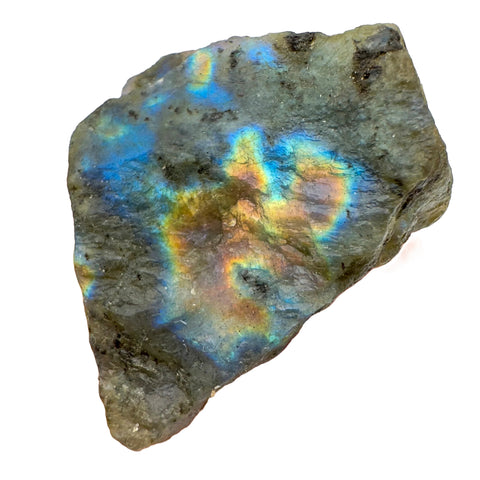
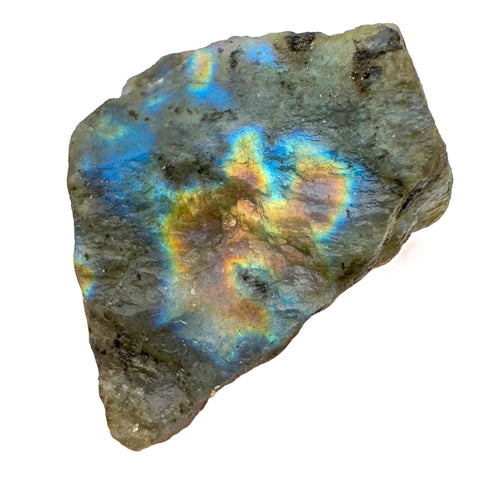
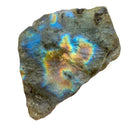 Labradorite
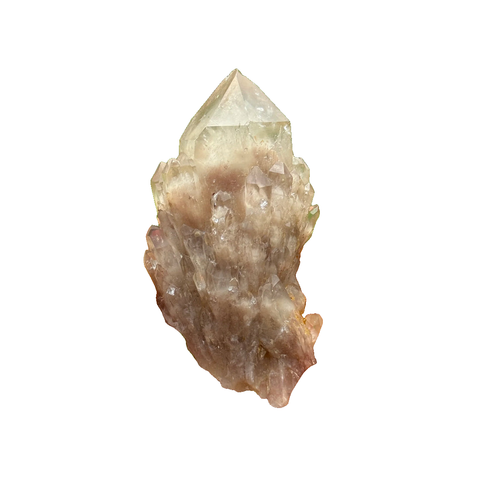
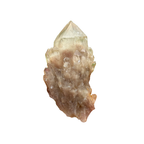 Natural Citrine
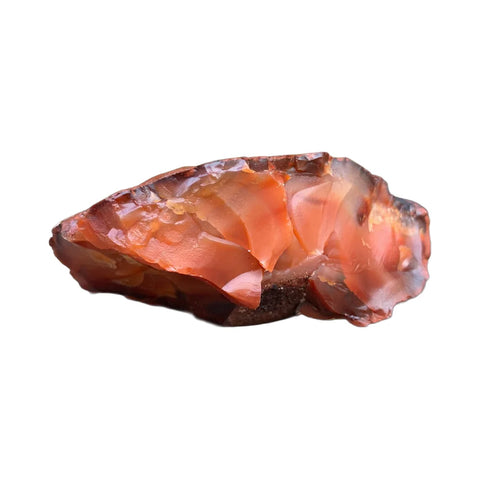
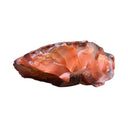 Carnelian
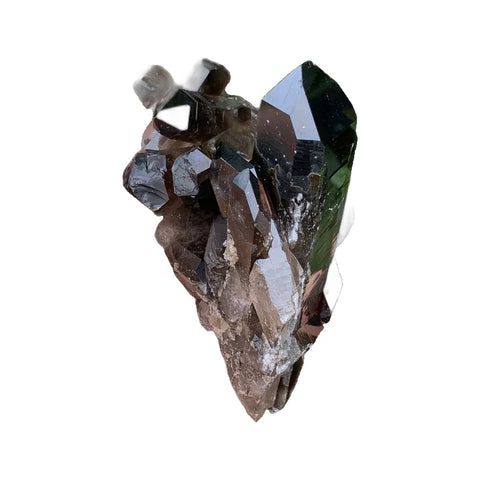
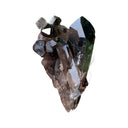 Smoky Quartz
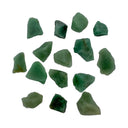 Aventurine
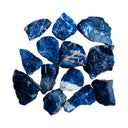 Sodalite
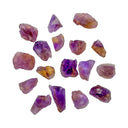 Ametrine
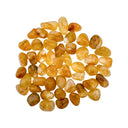 Golden Healer
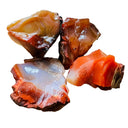 Raw Stones
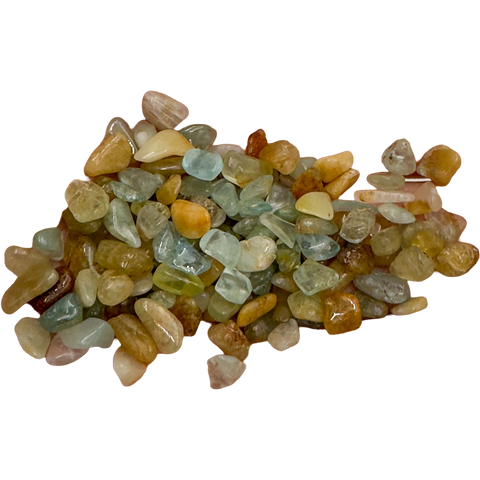
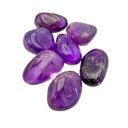 Tumbled Stones
 Palm Stones
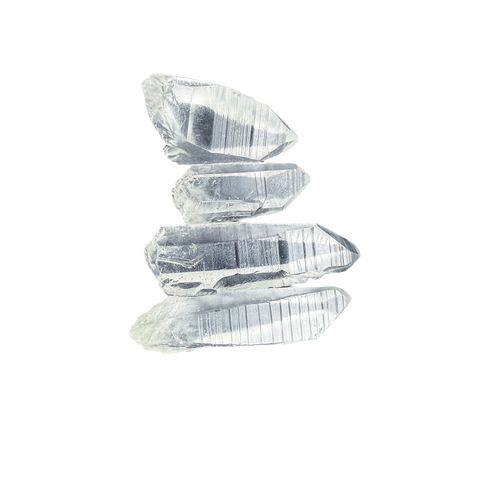
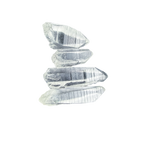 Crystal Points
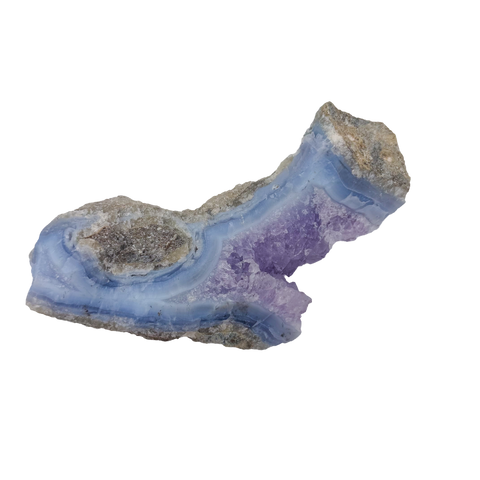
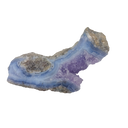 Clusters & Geodes
 Polished & Decor
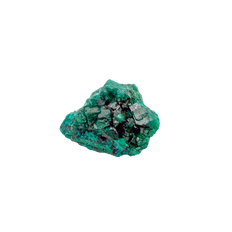 Mineral Specimens
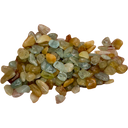 Crystal Chips
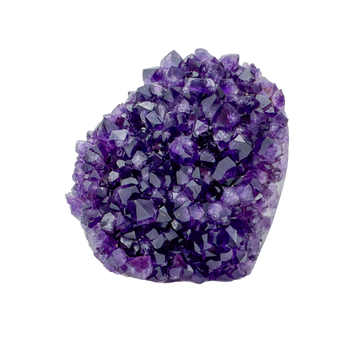
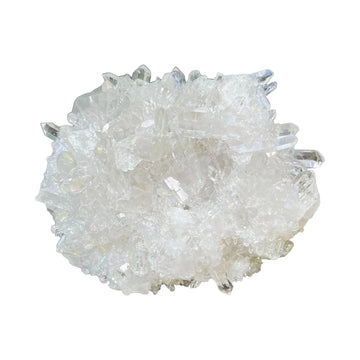
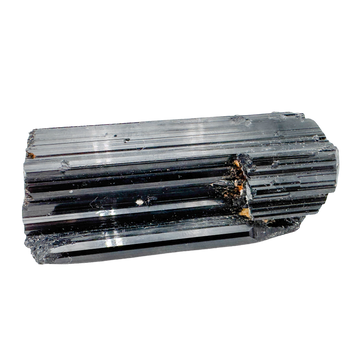
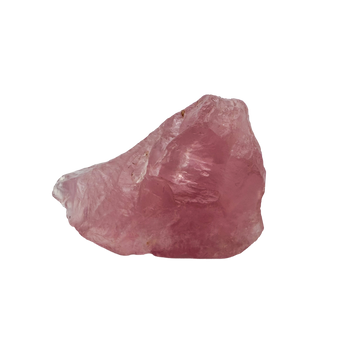
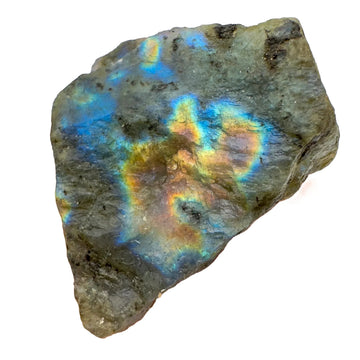
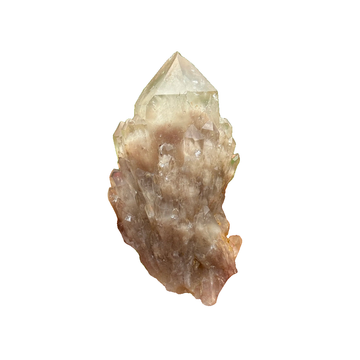
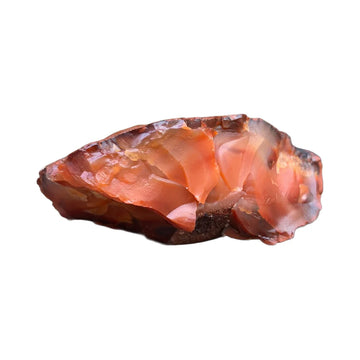
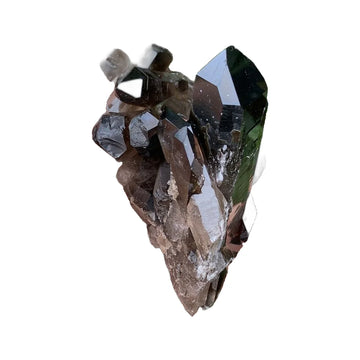
 Raw Stones
179 to choose from
Raw Stones
179 to choose from
 Tumbled Stones
162 to choose from
Tumbled Stones
162 to choose from
 Palm Stones
25 to choose from
Palm Stones
25 to choose from
 Crystal Points
23 to choose from
Crystal Points
23 to choose from
 Clusters & Geodes
103 to choose from
Clusters & Geodes
103 to choose from
 Polished & Decor
148 to choose from
Polished & Decor
148 to choose from
 Mineral Specimens
257 to choose from
Mineral Specimens
257 to choose from
 Crystal Chips
21 to choose from
Crystal Chips
21 to choose from


 AngolaAquamarine
›
AngolaAquamarine
›
 BotswanaCarnelian, Tree Agate
›
BotswanaCarnelian, Tree Agate
›
 DR CongoMalachite, Natural Citrine
›
DR CongoMalachite, Natural Citrine
›
 EswatiniBloodstone
›
EswatiniBloodstone
›
 MadagascarLabradorite, Clear Quartz
›
MadagascarLabradorite, Clear Quartz
›
 MalawiBlue Lace Agate, Garnet
›
MalawiBlue Lace Agate, Garnet
›
 MozambiqueAmazonite
›
MozambiqueAmazonite
›
 NamibiaSodalite, Blue Lace Agate
›
NamibiaSodalite, Blue Lace Agate
›
 Republic of the CongoDioptase
›
Republic of the CongoDioptase
›
 South AfricaTiger Eye, Unakite
›
South AfricaTiger Eye, Unakite
›
 ZambiaChevron Amethyst
›
ZambiaChevron Amethyst
›
 ZimbabweEmerald, Rhodonite
›
ZimbabweEmerald, Rhodonite
›
 ArgentinaBlack Obsidian, Rhodochrosite
›
ArgentinaBlack Obsidian, Rhodochrosite
›
 BoliviaAmetrine
›
BoliviaAmetrine
›
 BrazilAmethyst, Clear Quartz
›
BrazilAmethyst, Clear Quartz
›
 PeruSerpentine, Jade
›
PeruSerpentine, Jade
›
 UruguayAmethyst
›
UruguayAmethyst
›
 Dominican RepublicLarimar
›
Dominican RepublicLarimar
›
 MexicoRainbow Obsidian, Crazy Lace Agate
›
MexicoRainbow Obsidian, Crazy Lace Agate
›
 United StatesSelenite, Peridot
›
United StatesSelenite, Peridot
›
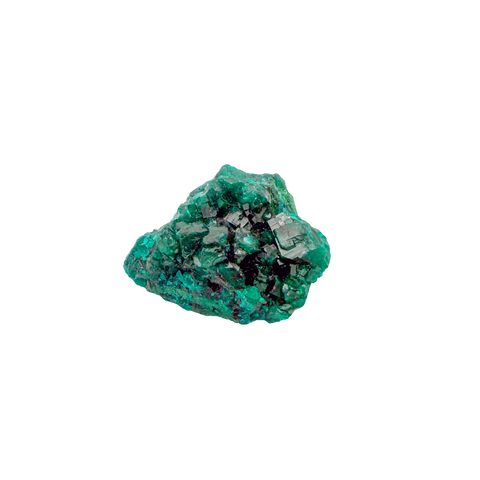
 ChinaFluorite
›
ChinaFluorite
›
 RussiaShungite
›
RussiaShungite
›
 AustraliaMookaite
›
AustraliaMookaite
›
 Where our crystals come from
See where we source →
Where our crystals come from
See where we source →


 Aries
Mar 21 to Apr 19
Carnelian
›
Aries
Mar 21 to Apr 19
Carnelian
›
 Taurus
Apr 20 to May 20
Rose Quartz
›
Taurus
Apr 20 to May 20
Rose Quartz
›
 Gemini
May 21 to Jun 20
Agate
›
Gemini
May 21 to Jun 20
Agate
›
 Cancer
Jun 21 to Jul 22
Moonstone
›
Cancer
Jun 21 to Jul 22
Moonstone
›
 Leo
Jul 23 to Aug 22
Citrine
›
Leo
Jul 23 to Aug 22
Citrine
›
 Virgo
Aug 23 to Sep 22
Amazonite
›
Virgo
Aug 23 to Sep 22
Amazonite
›
 Libra
Sep 23 to Oct 22
Blue Lace Agate
›
Libra
Sep 23 to Oct 22
Blue Lace Agate
›
 Scorpio
Oct 23 to Nov 21
Obsidian
›
Scorpio
Oct 23 to Nov 21
Obsidian
›
 Sagittarius
Nov 22 to Dec 21
Sodalite
›
Sagittarius
Nov 22 to Dec 21
Sodalite
›
 Capricorn
Dec 22 to Jan 19
Black Tourmaline
›
Capricorn
Dec 22 to Jan 19
Black Tourmaline
›
 Aquarius
Jan 20 to Feb 18
Amethyst
›
Aquarius
Jan 20 to Feb 18
Amethyst
›
 Pisces
Feb 19 to Mar 20
Aquamarine
›
Gifting?
A birthday stone is the safe bet.
Read the zodiac guide →
Pisces
Feb 19 to Mar 20
Aquamarine
›
Gifting?
A birthday stone is the safe bet.
Read the zodiac guide →


Moonstone
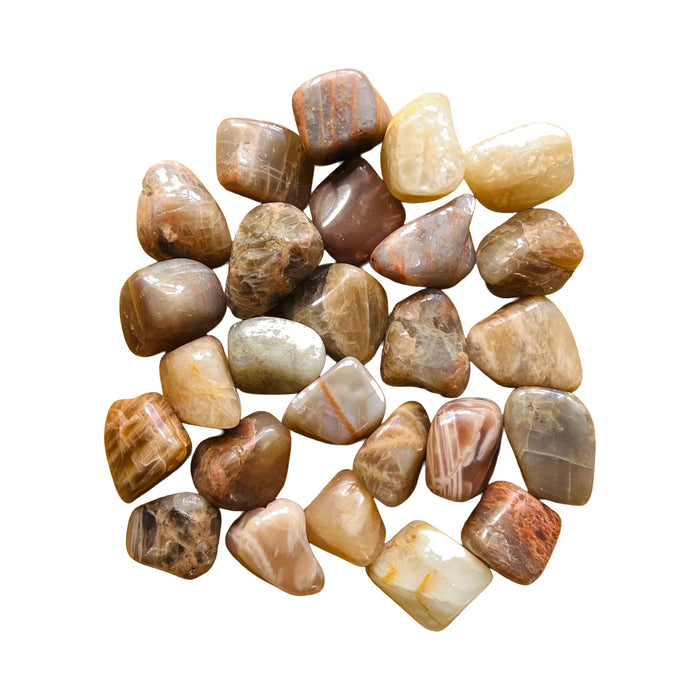
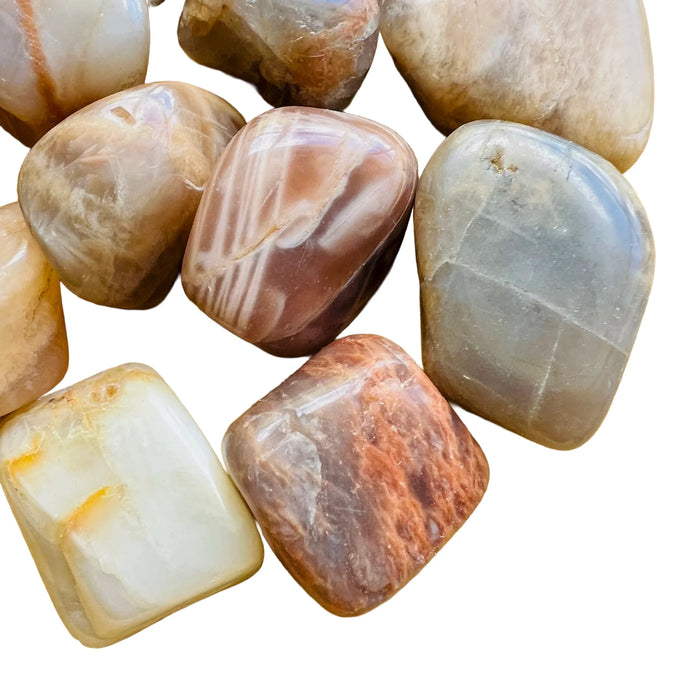
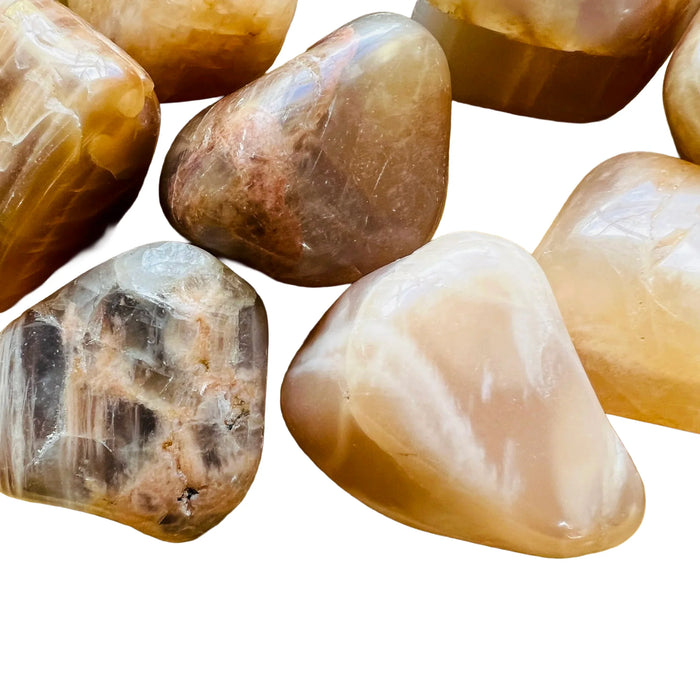
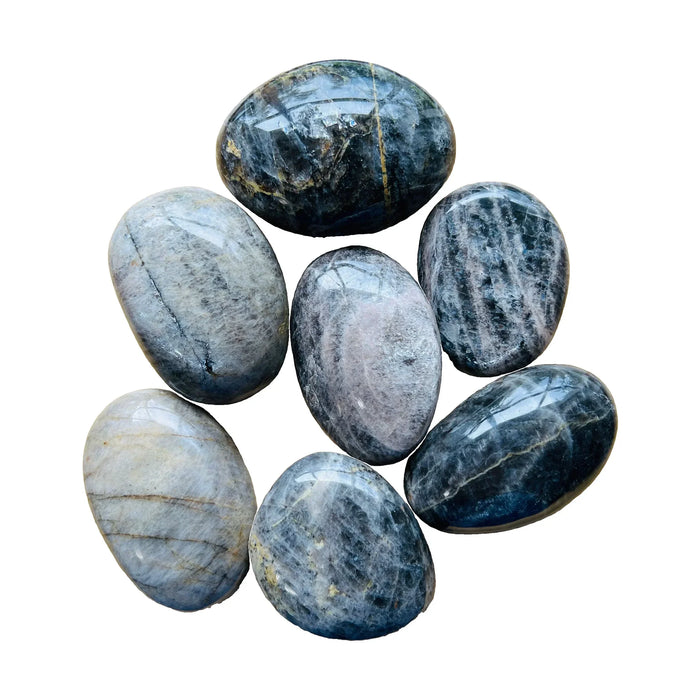
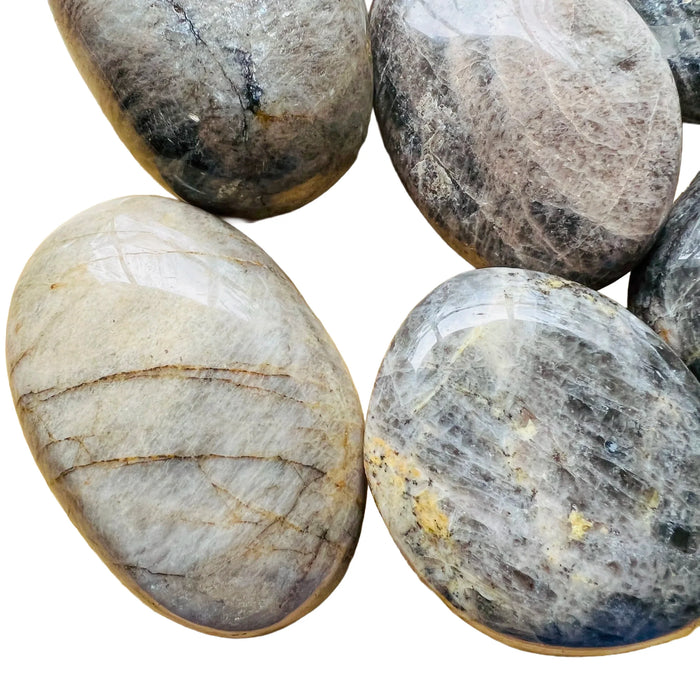
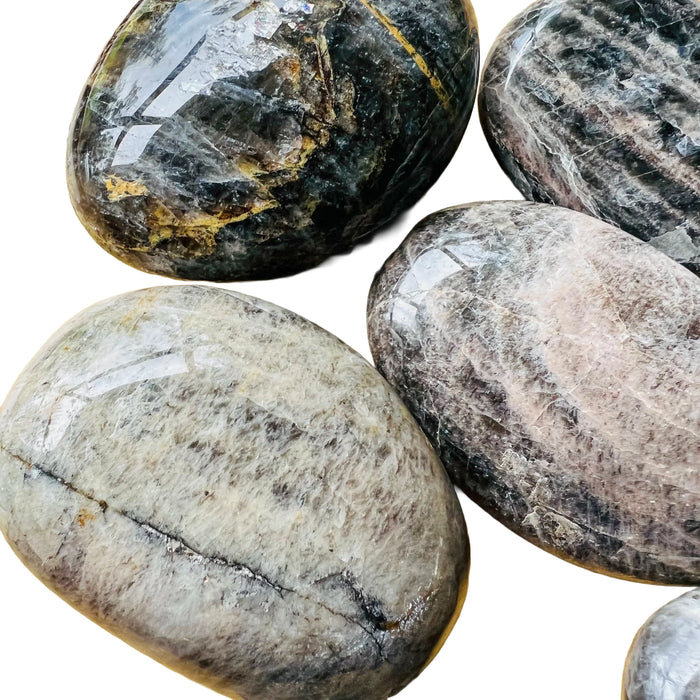
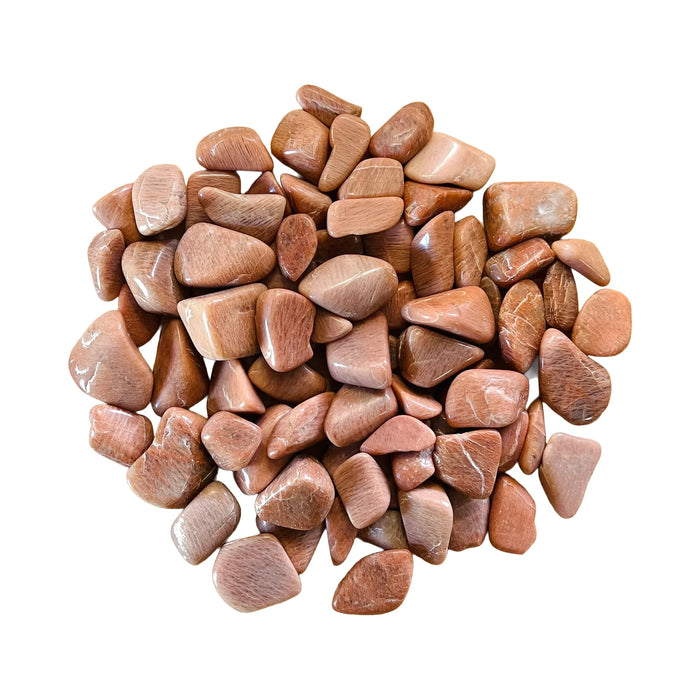
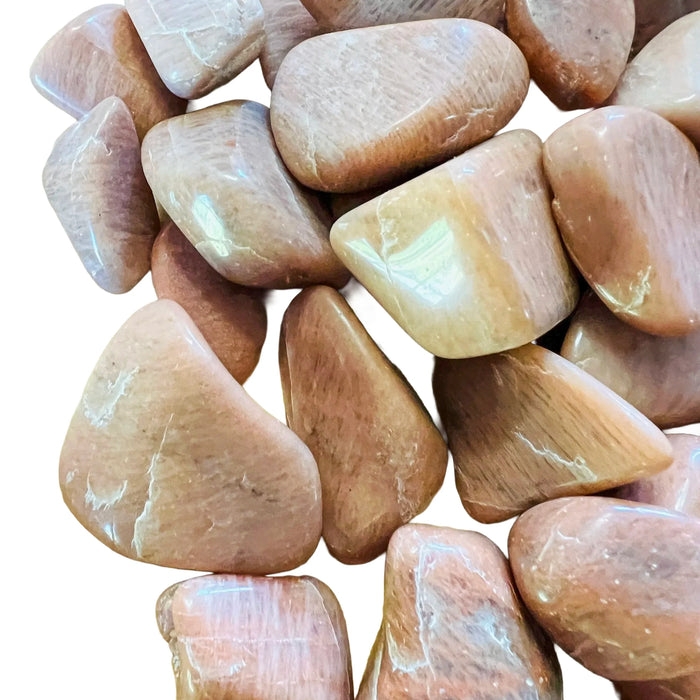
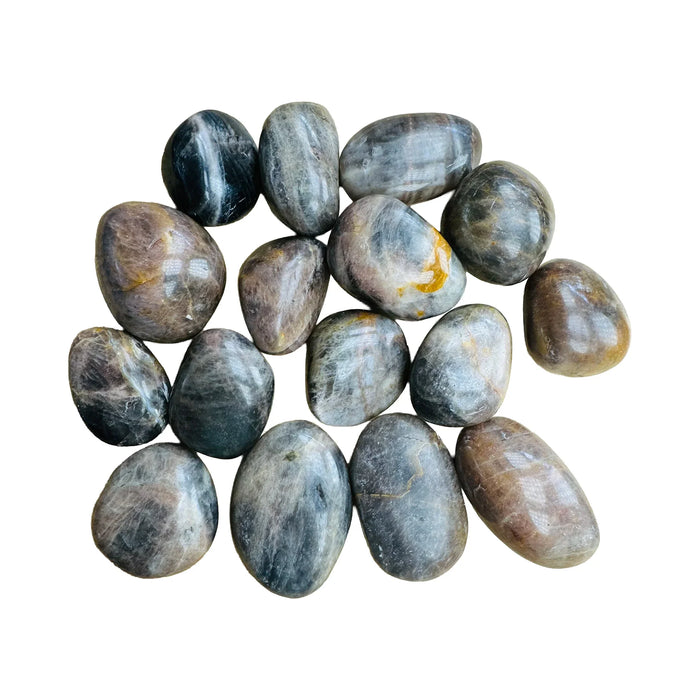
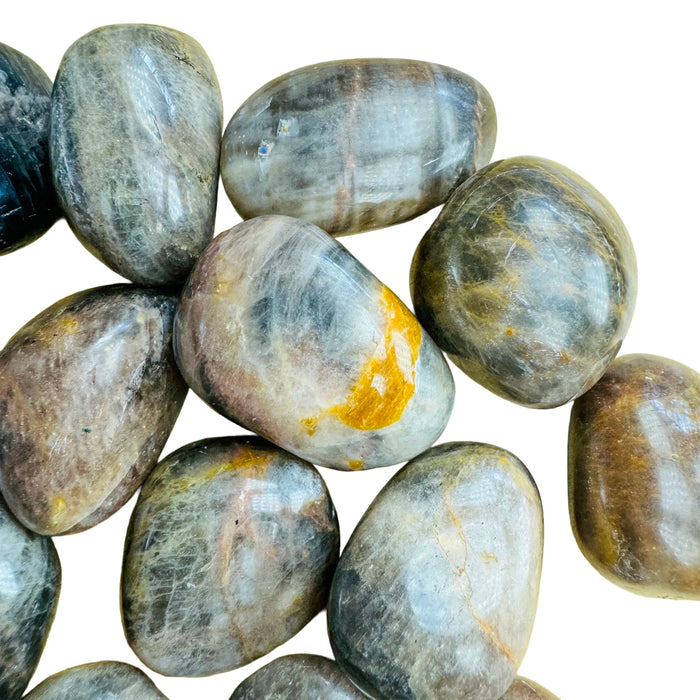
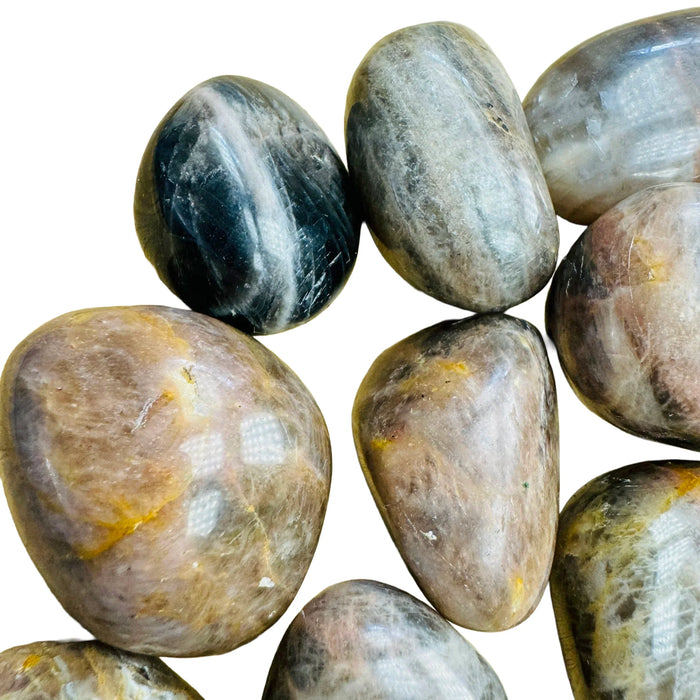
Moonstone is an orthoclase feldspar prized for adularescence, the floating inner glow that seems to move beneath the surface when you tilt the stone. The optical effect comes from alternating thin layers of orthoclase and albite that scatter light like a natural holograph. The family covers classic white-blue Moonstone from Sri Lanka and India, Peach and Yellow Moonstone from Madagascar, Black Moonstone, Earth (gray) Moonstone from Brazil, and the so-called Rainbow Moonstone (actually labradorite). Traditionally associated with lunar cycles, intuition, feminine energy, and new beginnings, the stone that lets you see in low light.
Shop moonstoneMoonstone, in stock now.
Our most-loved Moonstone pieces, ready to ship.

- from 1,000+ reviews
- Ships within 72 hoursMonday to Friday, tracked
- 90 days to return itif you do not love it
- Free US shipping over $99$8.99 flat rate under
The geology.
Moonstone is a variety of orthoclase, a potassium aluminum silicate (KAlSi₃O₈) in the feldspar group, with fine alternating lamellae of orthoclase and albite (a sodium-rich feldspar). The optical phenomenon called adularescence is caused by light scattering between these thin layers, creating the characteristic floating sheen that appears to drift as you move the stone. The finest Moonstone shows a clean blue sheen (called schiller) against a near-transparent body.
Hardness runs 6 to 6.5 on the Mohs scale, slightly softer than quartz. The crystal system is monoclinic. Specific gravity 2.56 to 2.62. Cleavage is perfect in two directions, which is why Moonstone occasionally shows small internal stress fractures called centipedes. Adularescence only appears in properly oriented cuts and cabochons; the rough material, particularly from India and Madagascar, doesn't always show the sheen clearly until it's polished along the correct plane.
The origins.
The most prized Moonstone in the classic sense comes from Sri Lanka, where the Meetiyagoda deposits in the southwest have produced top-grade blue-sheen material for centuries. Indian Moonstone (from Tamil Nadu, Andhra Pradesh, and Karnataka) is the second major historical source, typically showing softer white-to-gray adularescence. Madagascar has become a major modern producer, particularly for Peach, Yellow, and Black Moonstone varieties from the central and eastern deposits.
Brazil produces what's marketed as Earth Moonstone, a gray-bodied variety with subtle sheen. Tanzania produces some fine blue sheen Moonstone from specific pegmatite fields. Myanmar and the US (Virginia, New Mexico, Pennsylvania) produce smaller commercial quantities. A separate stone commonly sold as Rainbow Moonstone is actually Labradorite, another feldspar with more dramatic multi-color sheen from a different optical mechanism.
Traditional associations.
Moonstone carries a long tradition across multiple cultures. In Hindu mythology, it's considered solidified moonlight. In ancient Rome, it was thought to hold the image of the goddess Diana and was worn for protection and fertility. In medieval Europe, it was associated with lunar magic, divination, and the feminine mysteries. In contemporary metaphysical practice, Moonstone is one of the most consistently described stones in terms of its core working themes: intuition, lunar cycles, feminine energy, and the ebb-and-flow rhythms of life.
Many people reach for Moonstone during periods of transition, new beginnings, menstrual and hormonal cycles, pregnancy, or any work connected to intuitive development. It's typically associated with the Crown, Third Eye, and Sacral chakras, the element of Water, and the zodiac signs Cancer, Libra, and Scorpio. Different color varieties carry slightly different working associations: classic white-blue for general intuition, Peach for gentle emotional work, Black for protective boundaries, and Earth gray for grounded lunar work.
Spotting the real thing.
Real Moonstone shows adularescence, the characteristic inner glow that appears to float beneath the surface when you tilt the stone. The sheen appears at a specific viewing angle and shifts as you rotate the piece. Under magnification, you may see the characteristic cleavage cracks called centipedes. Hardness 6 to 6.5 will scratch glass but not quartz.
Common imitations include opalite (milky glass with synthetic blue sheen), synthetic moonstone-glass beads, and dyed or coated feldspar that attempts to mimic the effect. Opalite has a uniform all-over glow without the directional sheen behavior of natural Moonstone, and it lacks cleavage. Labradorite sold as Rainbow Moonstone isn't a fake but is a different stone entirely, and reputable sellers label it accurately. The sheen angle test (rotate the piece to see if the light floats) is the simplest consumer check.
Care & handling.
Water safe for cleaning with warm water and a soft cloth. Avoid ultrasonic and steam cleaning, as Moonstone has perfect cleavage and can fracture along internal weakness planes under pressure or thermal shock. Stable under normal sunlight, though very prolonged exposure can dull the sheen on some pieces.
Cleanse energetically with moonlight (traditional and thematically appropriate), sound, smoke, or by placing on selenite overnight. At 6 to 6.5 on the Mohs scale, Moonstone is suitable for jewelry but benefits from protective settings and storage away from harder stones. Don't drop it; the cleavage structure makes it more prone to chipping than its hardness number alone suggests.
Pairs well with.
Proof, not promises.
We measure our own sourcing across five dimensions. Supply chain, environmental footprint, artisan support, market integrity, and pricing. The number is honest, not perfect. Where we can do better, we say so.
A deeper look.
Extended geology, sourcing, authentication, history, varieties, and pricing, for when the quick guide isn't quite enough.
Extended geology
Moonstone forms in granitic pegmatites and, less commonly, in some volcanic rocks where slow cooling allows orthoclase and albite to form alternating lamellae at the microscopic scale. The albite inclusions are typically 100 to 600 nanometers thick, close to visible light wavelengths, which is what produces the adularescent optical scattering effect. This structural geometry is the difference between ordinary orthoclase feldspar and gem-quality Moonstone.
Specific gravity 2.56 to 2.62. Mohs hardness 6 to 6.5. Luster vitreous to pearly. Perfect cleavage in two directions, which explains both the optical quality and the fragility of the stone. Refractive index 1.518 to 1.526. Crystal system monoclinic. The name adularia (an older name for Moonstone) comes from Mount Adular in Switzerland, one of the first documented sources of the gem-quality variety.
Extended sourcing
Sri Lankan Moonstone from Meetiyagoda has been mined since antiquity and remains the benchmark for top-grade blue-sheen material. The deposits are relatively shallow and worked by small operators, which gives the source a more traditional character than large industrial gem operations. Indian Moonstone from Karnataka, Tamil Nadu, and Andhra Pradesh covers a broader quality range, from gem to tumble grade.
Madagascar's Moonstone output has expanded significantly in recent decades as the country's overall mineral sector has grown. Malagasy Peach and Yellow Moonstone is visually distinct from the Sri Lankan blue-sheen variety and has opened new color categories in the market. Brazilian Earth Moonstone from Minas Gerais and Goias comes from pegmatite operations shared with tourmaline, aquamarine, and other beryl-family stones. Tanzanian Moonstone is a smaller but high-quality source.
Authentication and warning signs
Real Moonstone shows adularescence at a specific viewing angle, cleavage planes visible under magnification, and the characteristic feldspar density. The sheen moves as you rotate the piece. Hardness 6 to 6.5 scratches glass. Under ultraviolet light, some Moonstone shows weak bluish fluorescence, though this varies by source.
Warning signs: uniform all-over glow without directional sheen (likely opalite glass), perfectly clear or bubble-containing material (synthetic glass), and Labradorite sold as Rainbow Moonstone (not a fake but a mislabeling issue). Opalite is not Moonstone and typically costs a fraction of the price, so lookalike prices should raise suspicion. Sourcing transparency matters: a seller who can name the country and region is more reliable than generic labels.
Historical and cultural context
Moonstone appears in the jewelry and ritual traditions of ancient Rome, Greece, India, and across much of Asia. The Romans associated it with Diana and Luna, the Greeks with Selene and Artemis, all lunar goddesses. In Hindu tradition, Moonstone is sacred to Chandra, the moon god, and is considered solidified moonlight. In medieval Europe, it was worn as a protective amulet, particularly for travelers and lovers.
Art Nouveau jewelers in the late 1800s elevated Moonstone to decorative prominence, and it returned to fashion during the Arts and Crafts and hippie eras of the twentieth century. Contemporary Western metaphysical practice draws on these multiple historical streams, consolidating Moonstone into a stone associated with intuition, lunar cycles, and feminine energy. The stone's working associations are unusually consistent across different cultural frameworks.
Varieties and trade names
Classic Moonstone: white-to-transparent body with blue sheen, typically from Sri Lanka.
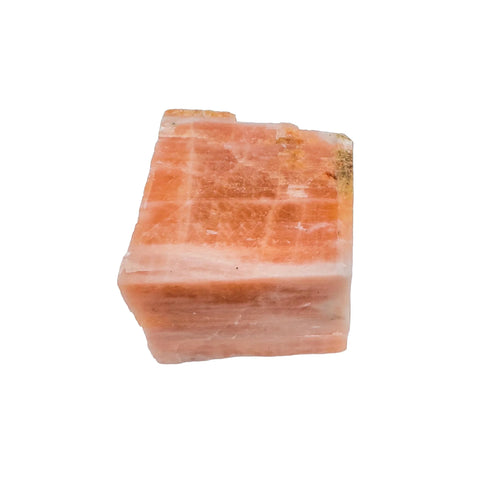
Peach Moonstone: warm peach-orange body with adularescence, primarily from Madagascar.
Yellow Moonstone: yellow body with sheen, Madagascar and some Indian sources.
Earth Moonstone: gray body with soft sheen, primarily from Brazil.
Black Moonstone: dark gray to near-black with sheen, Madagascar and India.
Rainbow Moonstone: this is actually Labradorite (also feldspar) with multi-color sheen. Not true Moonstone, but widely sold under the name.
Star Moonstone: rare variety showing a four-rayed asterism.
Cat's Eye Moonstone: rare chatoyant variety showing a single bright light line.
Pricing reality
Tumbled Moonstone (common grades): 3 to 15 dollars per piece. Polished palm stones and small cabochons: 15 to 60 dollars. Gem-quality Sri Lankan blue-sheen cabochons: 30 to 300 dollars depending on size and sheen quality. Specimen-grade crystals and large polished pieces: 50 to 500 dollars and up. Top Sri Lankan blue Moonstone jewelry-grade material can exceed 1,000 dollars per carat.
Value drivers: sheen quality and directionality, body color purity, size, and documented origin. Warning signs: opalite glass sold as Moonstone at Moonstone prices, Labradorite sold as Rainbow Moonstone without disclosure, and generic Moonstone with no origin data at premium pricing.
Good sourcing is a practice, not a claim.
Nothing we sell is opalite glass or unlabeled Labradorite sold as Moonstone. We source from Madagascar and Brazil with documented origin and disclose variety specifics on each piece, even when it affects our pricing.
Bring moonstone home.
Every piece we carry is photographed individually and listed with its own origin and treatment notes. What you see is what ships.
Shop the moonstone collectionGrounded Connections
New stones go to the list first.
No forwarding, no selling. Unsubscribe in one click. Privacy