


 Agatefor stress relief
 Amazonitefor stress relief
 Aquamarinefor serenity
 Aventurinefor luck
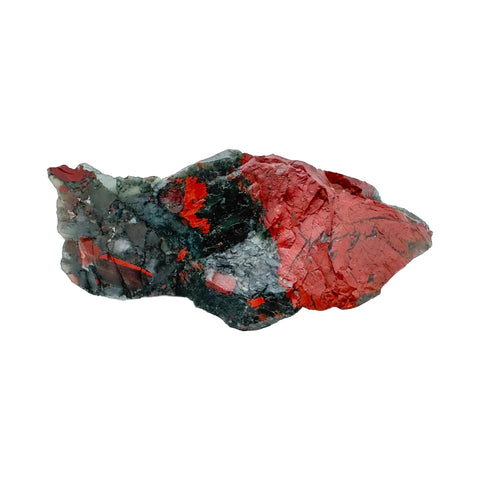
 Bloodstonefor energy
 Blue Kyanitefor confidence
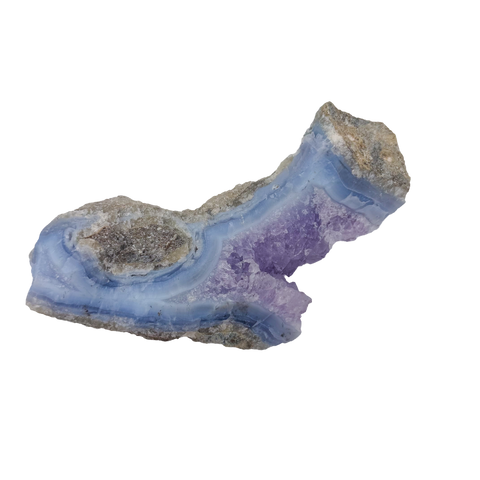
 Blue Lace Agatefor stress relief
 Chrysocollafor emotional healing
 Fluoritefor focus
 Garnetfor energy
 Lepidolitefor stress relief
 Malachitefor emotional healing
 Moonstonefor grounding
 Obsidianfor protection
 Ocean Jasperfor emotional healing
 Red Jasperfor grounding
 Rhodonitefor emotional healing
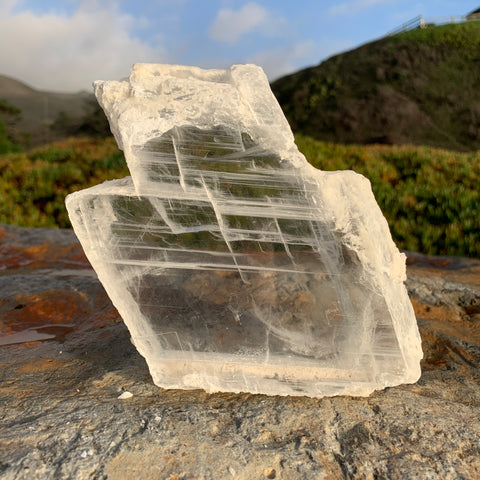
 Selenitefor cleansing
 Sodalitefor focus
 Tiger Eyefor confidence
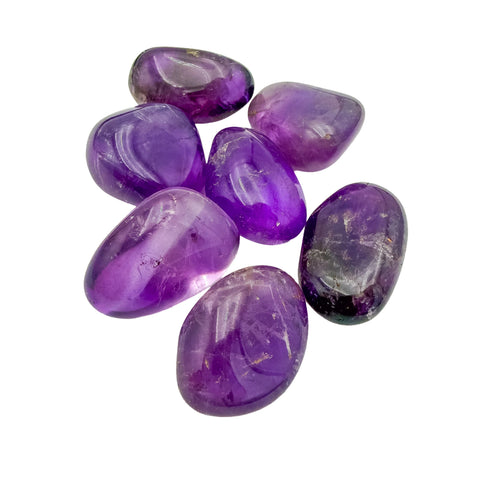


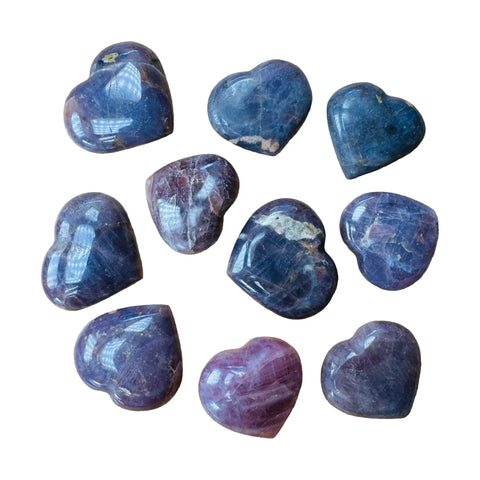


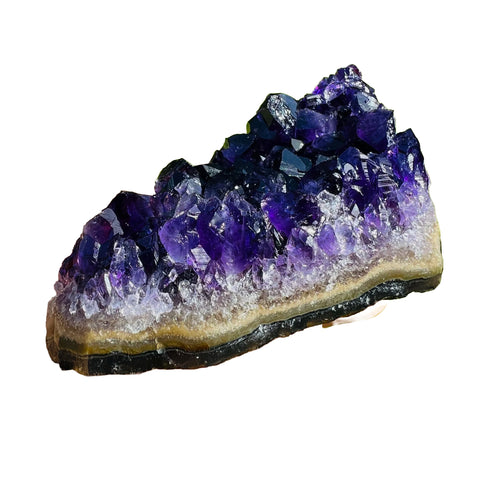





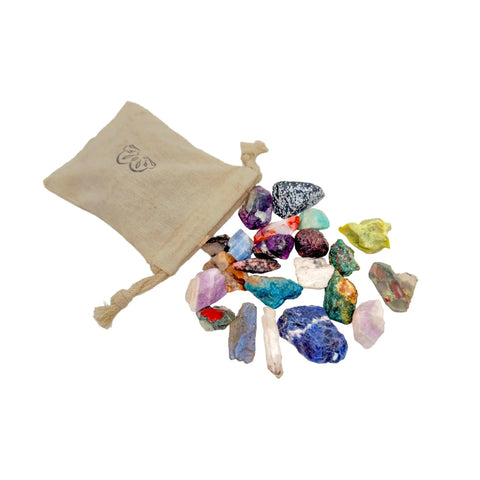
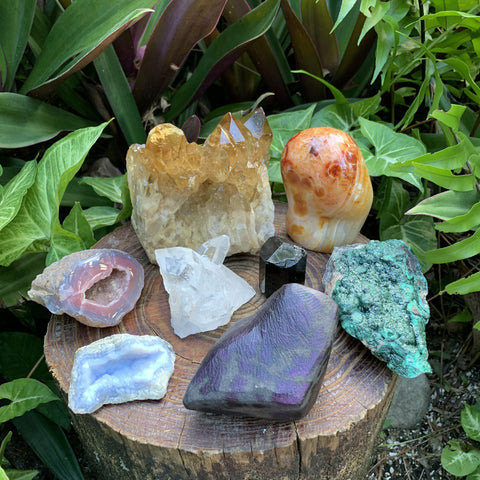
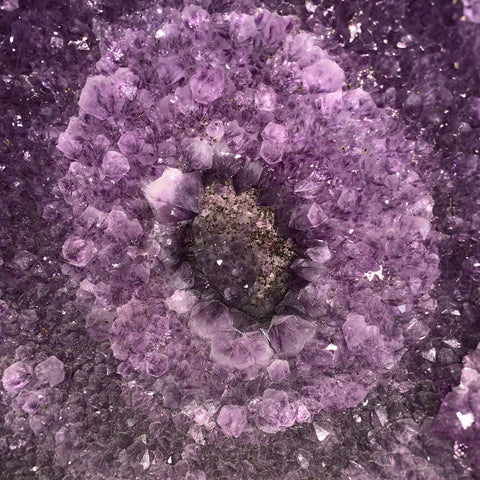

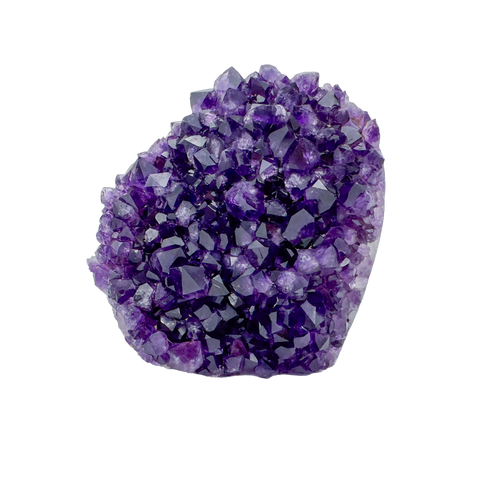
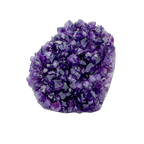 Amethyst
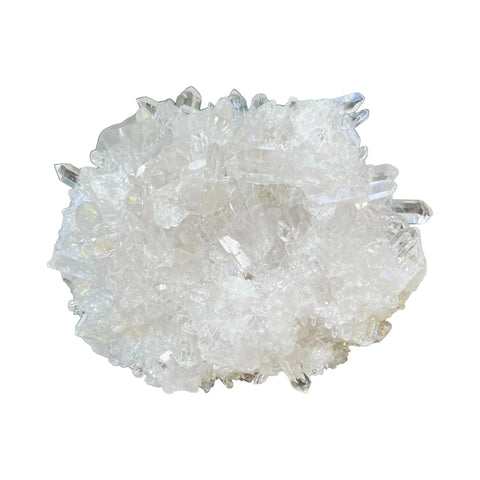
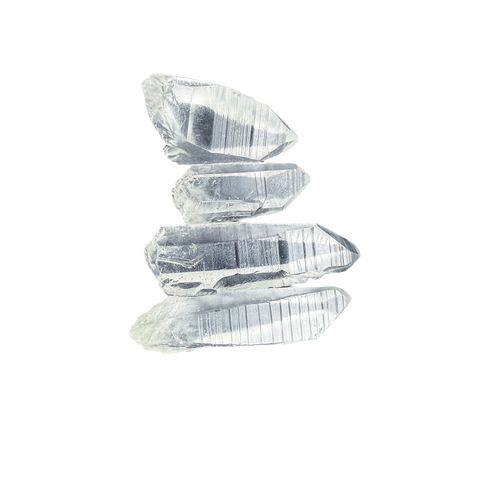
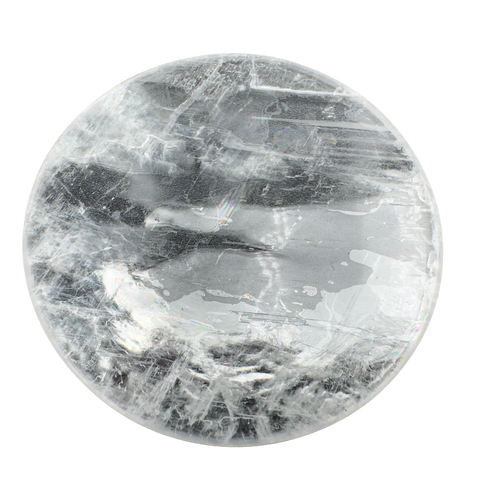
 Clear Quartz
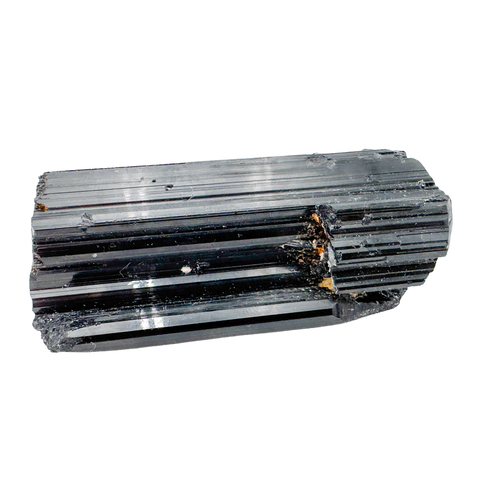
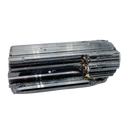 Black Tourmaline
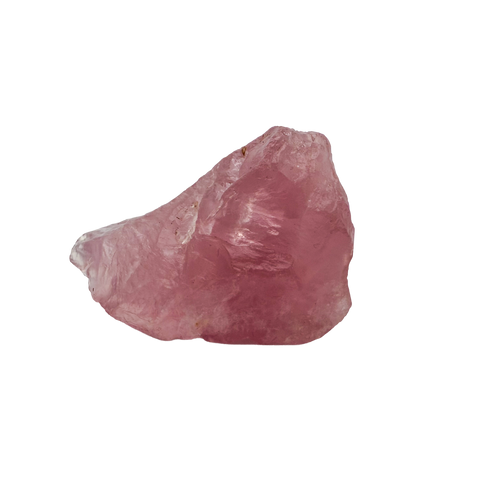
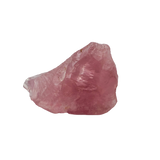 Rose Quartz
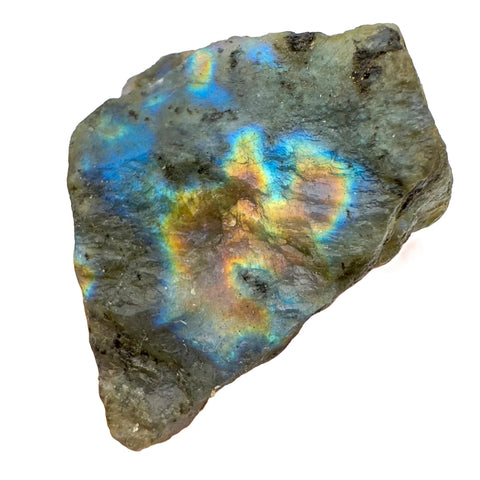
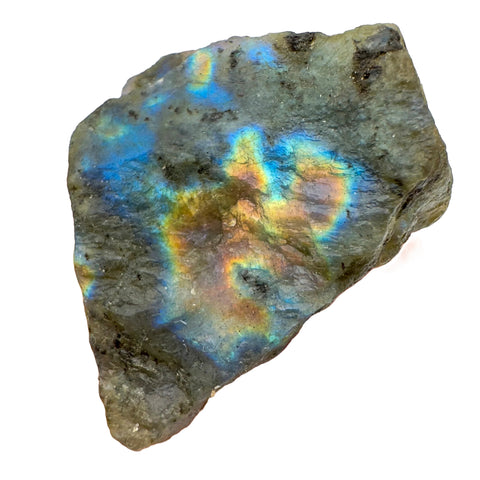
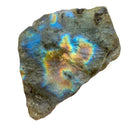 Labradorite
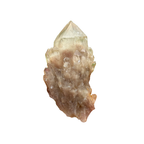 Natural Citrine
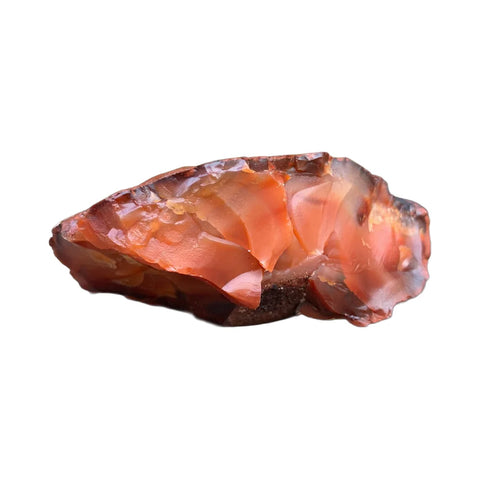
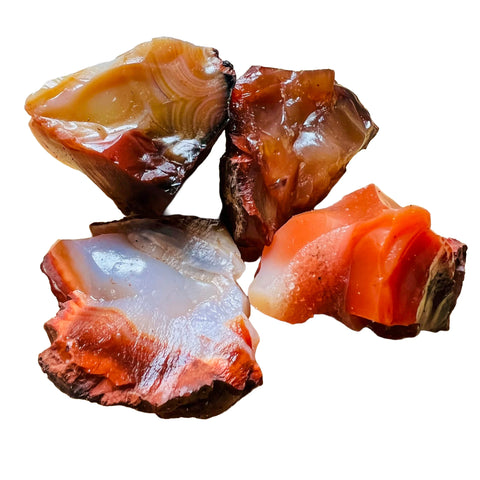
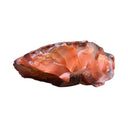 Carnelian
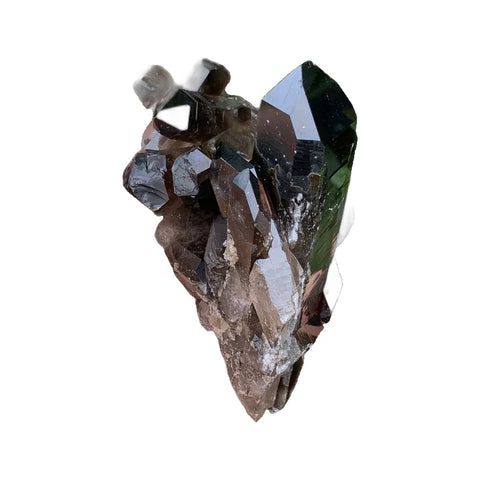
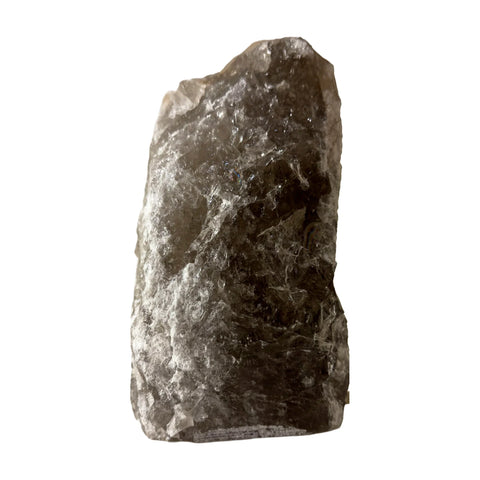
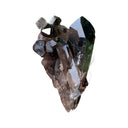 Smoky Quartz
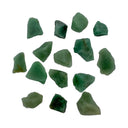 Aventurine
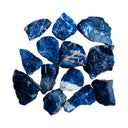 Sodalite
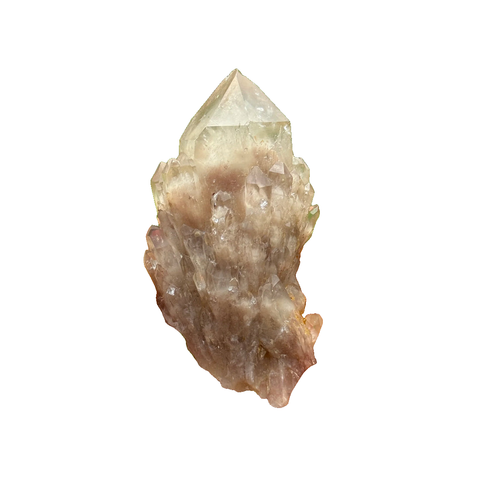
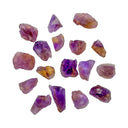 Ametrine
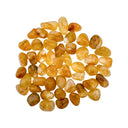 Golden Healer
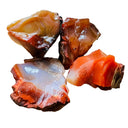 Raw Stones
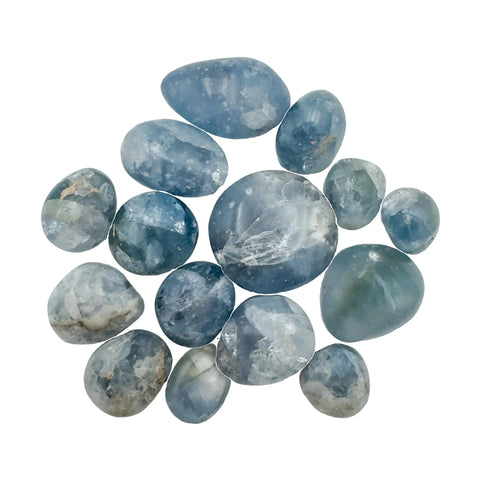
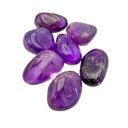 Tumbled Stones
 Palm Stones
 Crystal Points
 Clusters & Geodes
 Polished & Decor
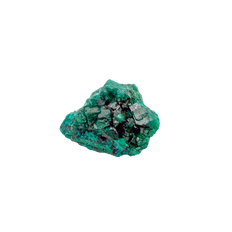 Mineral Specimens
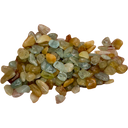 Crystal Chips
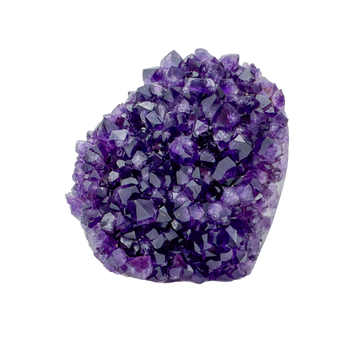
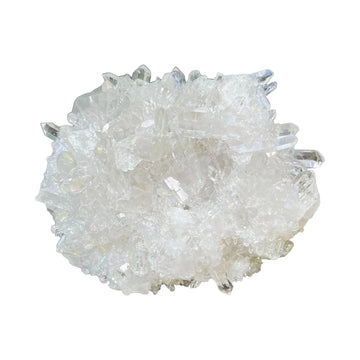
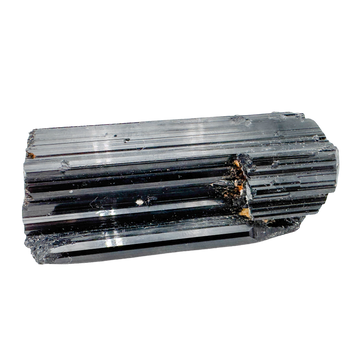
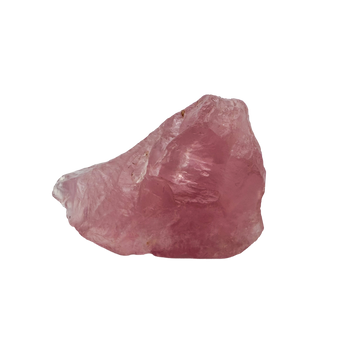
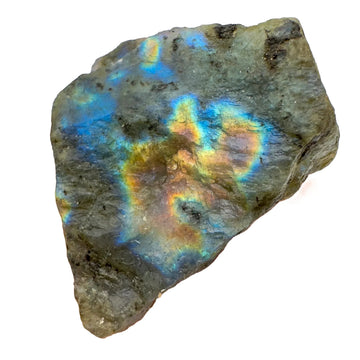
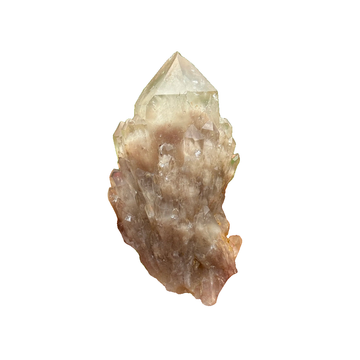
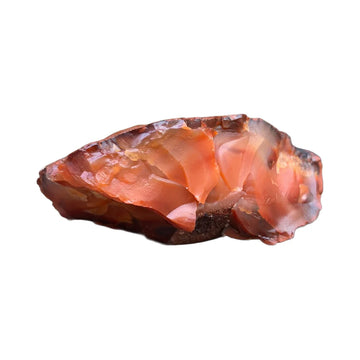
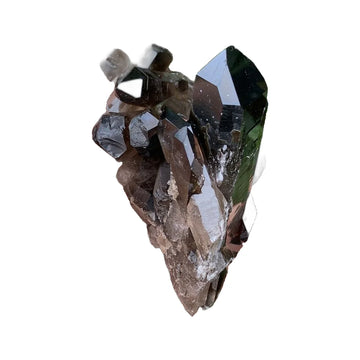
 Raw Stones
179 to choose from
Raw Stones
179 to choose from
 Tumbled Stones
162 to choose from
Tumbled Stones
162 to choose from
 Palm Stones
25 to choose from
Palm Stones
25 to choose from
 Crystal Points
23 to choose from
Crystal Points
23 to choose from
 Clusters & Geodes
103 to choose from
Clusters & Geodes
103 to choose from
 Polished & Decor
148 to choose from
Polished & Decor
148 to choose from
 Mineral Specimens
257 to choose from
Mineral Specimens
257 to choose from
 Crystal Chips
21 to choose from
Crystal Chips
21 to choose from


 AngolaAquamarine
›
AngolaAquamarine
›
 BotswanaCarnelian, Tree Agate
›
BotswanaCarnelian, Tree Agate
›
 DR CongoMalachite, Natural Citrine
›
DR CongoMalachite, Natural Citrine
›
 EswatiniBloodstone
›
EswatiniBloodstone
›
 MadagascarLabradorite, Clear Quartz
›
MadagascarLabradorite, Clear Quartz
›
 MalawiBlue Lace Agate, Garnet
›
MalawiBlue Lace Agate, Garnet
›
 MozambiqueAmazonite
›
MozambiqueAmazonite
›
 NamibiaSodalite, Blue Lace Agate
›
NamibiaSodalite, Blue Lace Agate
›
 Republic of the CongoDioptase
›
Republic of the CongoDioptase
›
 South AfricaTiger Eye, Unakite
›
South AfricaTiger Eye, Unakite
›
 ZambiaChevron Amethyst
›
ZambiaChevron Amethyst
›
 ZimbabweEmerald, Rhodonite
›
ZimbabweEmerald, Rhodonite
›
 ArgentinaBlack Obsidian, Rhodochrosite
›
ArgentinaBlack Obsidian, Rhodochrosite
›
 BoliviaAmetrine
›
BoliviaAmetrine
›
 BrazilAmethyst, Clear Quartz
›
BrazilAmethyst, Clear Quartz
›
 PeruSerpentine, Jade
›
PeruSerpentine, Jade
›
 UruguayAmethyst
›
UruguayAmethyst
›
 Dominican RepublicLarimar
›
Dominican RepublicLarimar
›
 MexicoRainbow Obsidian, Crazy Lace Agate
›
MexicoRainbow Obsidian, Crazy Lace Agate
›
 United StatesSelenite, Peridot
›
United StatesSelenite, Peridot
›
 ChinaFluorite
›
ChinaFluorite
›
 RussiaShungite
›
RussiaShungite
›
 AustraliaMookaite
›
AustraliaMookaite
›
 Where our crystals come from
See where we source →
Where our crystals come from
See where we source →


 Aries
Mar 21 to Apr 19
Carnelian
›
Aries
Mar 21 to Apr 19
Carnelian
›
 Taurus
Apr 20 to May 20
Rose Quartz
›
Taurus
Apr 20 to May 20
Rose Quartz
›
 Gemini
May 21 to Jun 20
Agate
›
Gemini
May 21 to Jun 20
Agate
›
 Cancer
Jun 21 to Jul 22
Moonstone
›
Cancer
Jun 21 to Jul 22
Moonstone
›
 Leo
Jul 23 to Aug 22
Citrine
›
Leo
Jul 23 to Aug 22
Citrine
›
 Virgo
Aug 23 to Sep 22
Amazonite
›
Virgo
Aug 23 to Sep 22
Amazonite
›
 Libra
Sep 23 to Oct 22
Blue Lace Agate
›
Libra
Sep 23 to Oct 22
Blue Lace Agate
›
 Scorpio
Oct 23 to Nov 21
Obsidian
›
Scorpio
Oct 23 to Nov 21
Obsidian
›
 Sagittarius
Nov 22 to Dec 21
Sodalite
›
Sagittarius
Nov 22 to Dec 21
Sodalite
›
 Capricorn
Dec 22 to Jan 19
Black Tourmaline
›
Capricorn
Dec 22 to Jan 19
Black Tourmaline
›
 Aquarius
Jan 20 to Feb 18
Amethyst
›
Aquarius
Jan 20 to Feb 18
Amethyst
›
 Pisces
Feb 19 to Mar 20
Aquamarine
›
Gifting?
A birthday stone is the safe bet.
Read the zodiac guide →
Pisces
Feb 19 to Mar 20
Aquamarine
›
Gifting?
A birthday stone is the safe bet.
Read the zodiac guide →


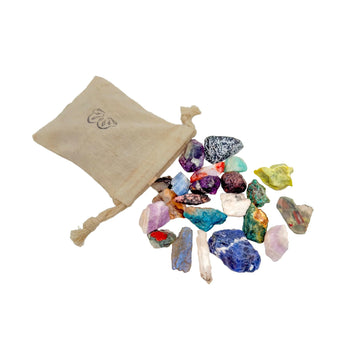
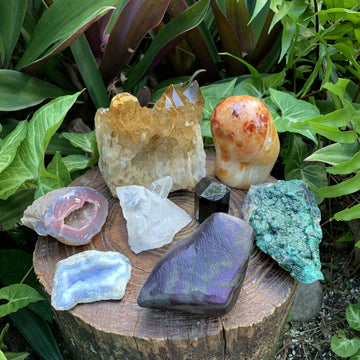

Earth Moonstone
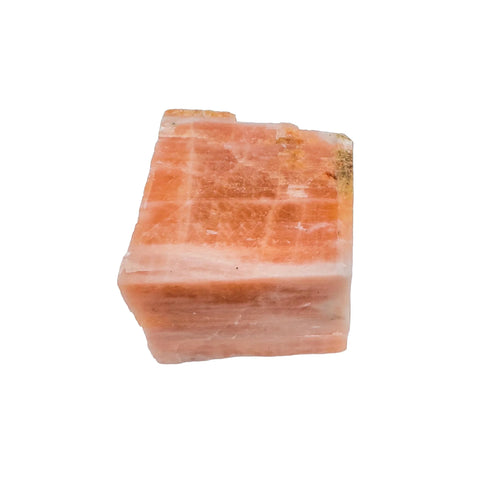
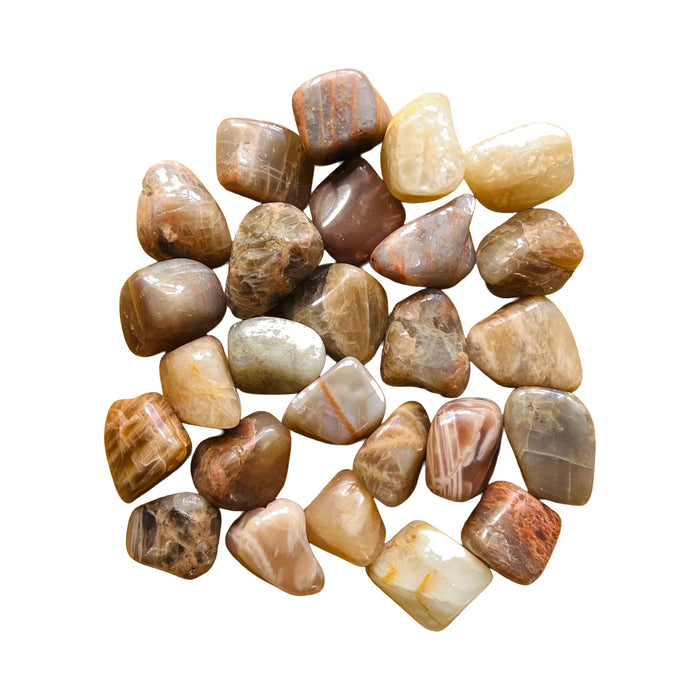
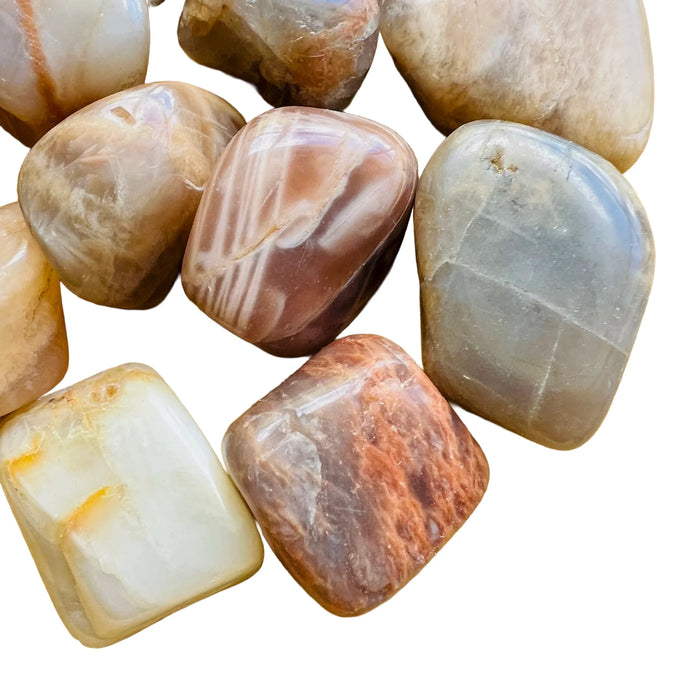
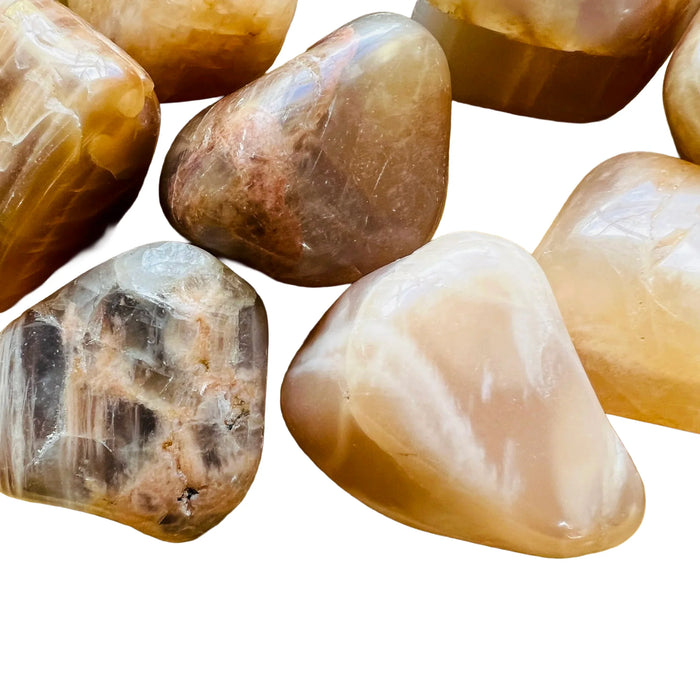
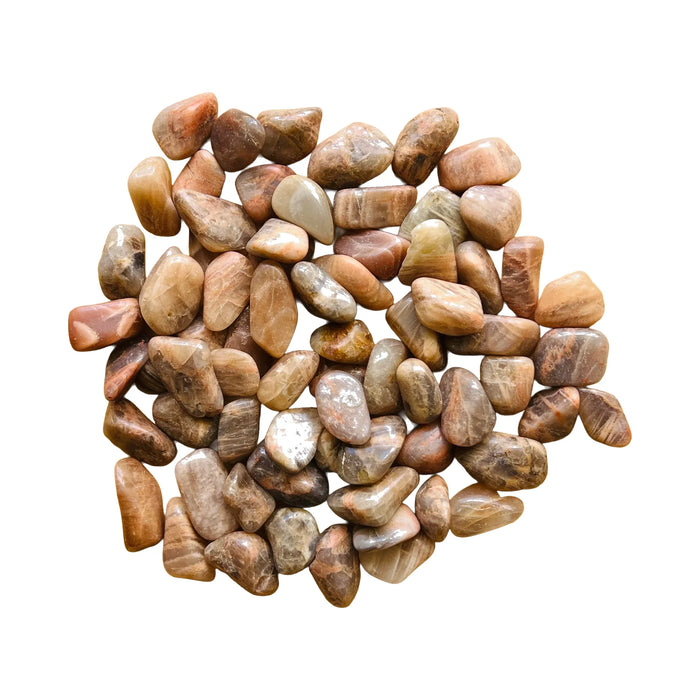
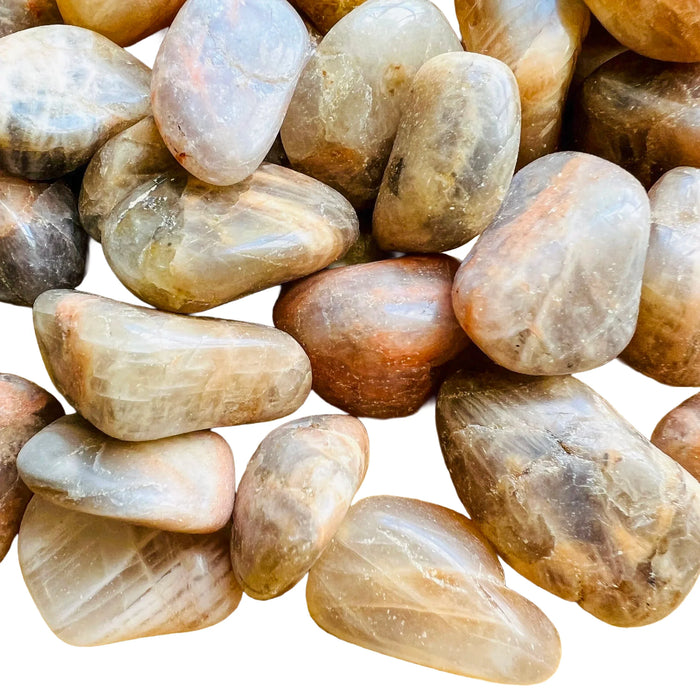
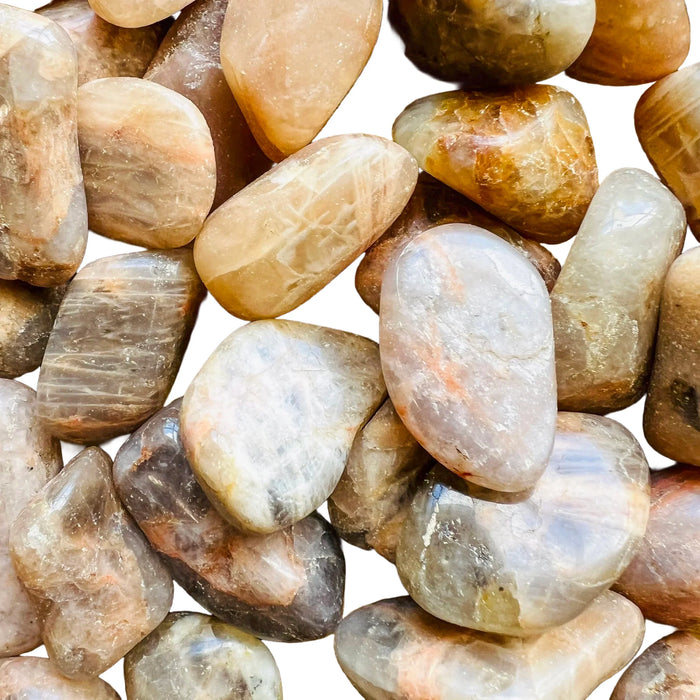
Earth Moonstone is brown moonstone, a variety of potassium feldspar with the signature soft glow of adularescence. Unlike its white and rainbow cousins, earth moonstone carries the warmth of brown and cream tones, grounding the ethereal quality of lunar energy. Many people work with it when they want moonstone's intuitive support anchored in something earthy and embodied.
Shop earth moonstoneEarth Moonstone, in stock now.
Our most-loved Earth Moonstone pieces, ready to ship.
- from 1,000+ reviews
- Ships within 72 hoursMonday to Friday, tracked
- 90 days to return itif you do not love it
- Free US shipping over $99$8.99 flat rate under
The geology.
Earth Moonstone is a variety of moonstone, a potassium aluminum silicate feldspar (KAlSi3O8) with brown and cream tones rather than the familiar white or rainbow forms. The brown color comes from iron oxide inclusions and trace elements in the feldspar matrix. The defining characteristic of all moonstones is adularescence, the soft glowing optical effect created by microscopic layers of orthoclase and albite feldspar that scatter light. These ultrafine layers form during slow cooling in granitic pegmatites, where the two feldspar phases separate and arrange themselves in parallel stacks just a few hundred nanometers thick. This layering creates the signature sheen that moves across the stone's surface.
Earth moonstone is monoclinic feldspar with a hardness of 6 to 6.5 on the Mohs scale, moderate durability for daily wear. Specific gravity runs 2.58. The crystal system cannot be observed in tumbled stones because the mineral presents as massive aggregates rather than recognizable crystals. Unlike white moonstone, which shows a cool, ethereal glow, earth moonstone carries warmth in its brown and cream coloring while maintaining that ethereal optical quality. This combination makes it visually and energetically distinct. Earth moonstone takes longer to form the adularescence layers than some other varieties, which is why it is less common in commercial supply.
The origins.
The earth moonstone we carry comes from Minas Gerais, Brazil, extracted from pegmatite deposits in small-scale, hand-operated mining cooperatives. Brazilian earth moonstone is prized for its consistent brown and cream tone and the strength of its adularescence. The material is hand-sorted at the source and hand-polished into tumbled stones, which is labor-intensive work that contributes directly to local artisan income. Each piece is selected for optical quality before being released into the supply chain. We maintain a direct relationship with our sourcing partner and have documented the origin per batch.
Earth moonstone is mined in other regions as well. India, Sri Lanka, Madagascar, and Tanzania all produce moonstone, though the color profiles and adularescence quality vary by location. Some sources yield more white or peach varieties. We commit to Brazilian earth moonstone as our primary source because the color is warm and consistent, the adularescence is dependable, and the supply chain is transparent. If our source ever changes, we will disclose it openly.
Traditional associations.
Earth Moonstone is associated with the Root and Sacral chakras, the elements Earth and Water, and the blend of lunar intuition with earthly grounding. The brown and cream coloring grounds the ethereal quality of white moonstone, making earth moonstone a choice for people who want lunar energy with an embodied, earthy anchor. Many people work with it for emotional balance, intuitive clarity that feels grounded rather than spacey, and for practices around womb health, ancestral connection, and embodied emotion.
It is often chosen alongside other warm-toned stones when the intention involves intuition paired with stability. Some people work with it when they feel disconnected from their body or their earth-based roots, using the earthiness of the stone as a reminder that intuition can be grounded. Others pair it with white moonstone to create a bridge between lunar practices and earthly presence. The traditional use of earth moonstone is less documented than white moonstone in crystal literature, but its working associations center on the marriage of lunar intuition with earthy embodiment.
Spotting the real thing.
Genuine earth moonstone shows internal adularescence, the soft glow that moves and has depth when you tilt the stone. Look for that signature sheen beneath the surface. The color is consistently brown to cream without being overly uniform or printed-looking. Natural variation in tone within a single stone is normal and expected. Real moonstone scratches glass, scratches under a steel blade with pressure, but is not easily scratched by fingernails. Mohs 6.5 sits at that threshold.
Opalite glass imitation shows only a simple backlight without internal depth. The sheen is flat and does not move with the same optical quality as real moonstone adularescence. Opalite feels cold and glassy to the touch, while real moonstone feels warmer and more mineral. Earth moonstone specifically should show brown to cream tones, not white or peach. If the color is too vivid or uniform, or if the piece lacks that internal glow with movement, substitution is likely. Feldspar cleavage may show as faint planes within the stone. Test the hardness with a test kit or knife blade if you are evaluating a piece you do not yet own.
Care & handling.
Earth moonstone has moderate durability at Mohs 6 to 6.5, suitable for rings and pendants with mindful wear. Avoid sustained impacts, dropping, or abrasive contact with harder materials. Clean with water and mild soap, rinse thoroughly, and dry with a soft cloth. Do not use ultrasonic or steam cleaners, which can damage feldspar along its cleavage planes. Avoid prolonged direct sunlight for extended periods, as some feldspars can fade with intense UV exposure, though earth moonstone is relatively stable.
Store separately from harder stones that could scratch the surface. For energetic cleansing, use water, smoke, sound, moonlight, or breath. Moonlight is particularly aligned with moonstone energy. The subtlety of earth moonstone is part of its appeal. Many people appreciate its softness as a metaphor for gentleness and for the idea that strength does not require hardness.
Pairs well with.
Proof, not promises.
We measure our own sourcing across five dimensions. Supply chain, environmental footprint, artisan support, market integrity, and pricing. The number is honest, not perfect. Where we can do better, we say so.
A deeper look.
Extended geology, sourcing, authentication, history, varieties, and pricing, for when the quick guide isn't quite enough.
Extended geology
Earth Moonstone is a brown variety of moonstone, which is potassium aluminum silicate feldspar (KAlSi3O8) with the optical property known as adularescence. Moonstone forms in granitic pegmatites during slow cooling that allows two feldspar phases (orthoclase and albite) to separate and arrange in parallel microscopic layers. These layers are typically 100 to 1000 nanometers thick, smaller than the wavelength of visible light. When light enters the stone, it scatters off these ultrafine layers, creating the characteristic soft glow that appears to float beneath the surface and move as you tilt the stone. The effect is strongest when the layers are perpendicular to the light source.
The brown color in earth moonstone comes from iron oxide inclusions and trace elements distributed through the feldspar matrix. The exact shade depends on the concentration and distribution of these chromophores during crystal formation. Some earth moonstone shows warm brown; others show cream with subtle brown tones. This variation is natural and expected, not a marker of quality variation. The feldspar remains transparent to translucent despite the brown color because the iron is dispersed at the molecular level rather than creating opaque particles.
Hardness is 6 to 6.5 on the Mohs scale, with specific gravity of 2.58. The mineral has monoclinic crystal system, but individual crystals are too fine to observe in tumbled specimens. The mineral has one direction of cleavage, which means feldspar can split along planes if subjected to pressure perpendicular to that cleavage. This is why feldspar requires gentle care and why ultrasonic cleaning is not recommended. The luster is vitreous to resinous when freshly broken, waxy to pearly on surfaces that have been exposed to weathering.
Earth moonstone versus white moonstone
White moonstone is the more familiar variety in commercial crystal markets, with a cooler, lighter appearance and adularescence that reads as ethereal and lunar. Earth moonstone carries the same optical property but displays it through brown and cream tones, giving it a warmer, more grounded quality while maintaining the same float-like glow. The adularescence mechanism is identical. The difference is purely in the chromophore concentration. Some collectors prefer white moonstone for its cool, ethereal associations. Others choose earth moonstone when they want moonstone's intuitive properties married to earthiness. Both are equally authentic forms of the same mineral.
Extended sourcing
Brazilian earth moonstone is mined from pegmatites in Minas Gerais, particularly in regions with a long history of artisanal mineral extraction. The pegmatites formed during the cooling of granitic intrusions and contain bodies of moonstone feldspar alongside other minerals like quartz and mica. Small-scale cooperatives extract the material by hand, sorting for color and optical quality on-site. Hand-polishing into tumbled stones is done locally, which keeps artisan income in the region and allows direct verification of sourcing practices.
India and Sri Lanka produce moonstone in significant volumes, though the prevalence of white and peach varieties means earth moonstone is less commonly mined in those regions. Madagascar and Tanzania also produce moonstone, with supplies varying by season and source accessibility. Brazil is chosen as the primary source for earth moonstone specifically because the color profile is consistent and the adularescence strength is reliable. The supply chain is transparent and the labor is documented.
Authentication and market imitations
Opalite is man-made glass sometimes misrepresented as moonstone in retail markets. It shows color and optical effects but lacks the depth and movement of true adularescence. Opalite feels glassy and cold to the touch, while real moonstone feels warmer and more mineral. Under magnification, opalite shows bubbles or flow lines that real feldspar does not have. Genuine moonstone shows no internal inclusions of that kind.
The most reliable test is hardness and adularescence depth. Moonstone at Mohs 6 to 6.5 will scratch a steel blade with pressure and will not scratch under fingernail pressure. Opalite glass is harder and will not scratch steel easily. The adularescence of real moonstone has visible depth and movement; opalite appears as a flat backlight without that internal floating quality. If you are examining a piece, tilt it in natural light and observe whether the glow moves with depth or appears flat and simple.
Historical context
Moonstone has been known and used for millennia. Roman writers noted its association with the moon and lunar cycles. In traditional Hindu belief, moonstone is sacred and associated with feminine energy and lunar rhythms. Modern crystal work inherited these associations and extended them into contemporary practices around intuition, emotional balance, and feminine energy. Earth moonstone is the newer variety in commercial supply, becoming more available as demand for warm-toned crystals has grown, but it carries the same historical resonances as white moonstone with a contemporary emphasis on grounding and embodiment.
Related minerals and trade distinctions
Sunstone is another feldspar variety with optical effects (aventurescence, not adularescence) and warm coloring, but it shows a sparkly quality rather than a glow. Labradorite is also feldspar with optical effects (labradorescence) but shows more saturated color play. Rainbow moonstone is a colorless moonstone showing prismatic color refraction, not the same optical mechanism as the brown-and-white effect in earth moonstone. All are feldspars but distinct in optical properties and traditional associations.
Pricing reality
Tumbled earth moonstone: $6 to $14 per piece at retail for small to medium sizes. Palm stones: $14 to $32. Special forms and larger pieces: $35 to $85 depending on size and finish quality. Earth moonstone is priced higher than commodity feldspar but typically lower than white moonstone because white moonstone has broader market demand. Scarcity of earth moonstone relative to white varieties contributes to a more selective customer base and slightly higher per-piece pricing. Grade A material with strong adularescence commands premium pricing within the range.
Value drivers include adularescence strength and clarity, size, finish quality, and absence of visible fractures or surface wear. Warning signs: earth moonstone priced below $3 per tumbled piece is almost certainly opalite or glass. Real earth moonstone does not move at those price points because hand-finishing labor and material selectivity require higher baseline cost. Consistency in pricing by origin is normal; Brazilian material commands a slight premium due to reliability of adularescence quality.
Good sourcing is a practice, not a claim.
Nothing we sell is dyed, stabilized, reconstituted, or color-enhanced without full disclosure. We name our origins where we can. We say so when we cannot. We walk away from material that does not meet our standard, even when it costs us sales.
Bring earth moonstone home.
Tumbled, palm stone, and special forms of earth moonstone from Minas Gerais, Brazil. Natural, untreated, hand-selected for consistent brown and cream adularescence. Each piece finished with care to honor the delicacy of the feldspar, and chosen for strength of the internal glow that makes each one distinctive.
Shop the earth moonstone collectionGrounded Connections
New stones go to the list first.
No forwarding, no selling. Unsubscribe in one click. Privacy