









 Agatefor stress relief
 Amazonitefor stress relief
 Aquamarinefor serenity
 Aventurinefor luck
 Bloodstonefor energy
 Blue Kyanitefor confidence
 Blue Lace Agatefor stress relief
 Chrysocollafor emotional healing
 Fluoritefor focus
 Garnetfor energy
 Lepidolitefor stress relief
 Malachitefor emotional healing
 Moonstonefor grounding
 Obsidianfor protection
 Ocean Jasperfor emotional healing
 Red Jasperfor grounding
 Rhodonitefor emotional healing
 Selenitefor cleansing
 Sodalitefor focus
 Tiger Eyefor confidence








































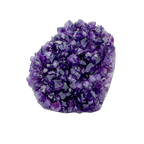 Amethyst
 Clear Quartz
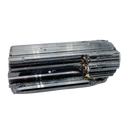 Black Tourmaline
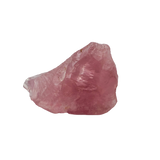 Rose Quartz
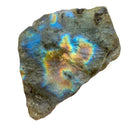 Labradorite
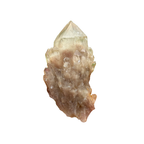 Natural Citrine
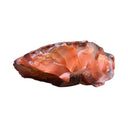 Carnelian
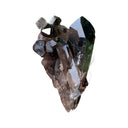 Smoky Quartz
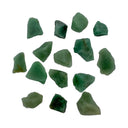 Aventurine
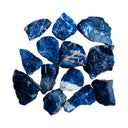 Sodalite
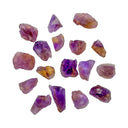 Ametrine
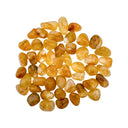 Golden Healer
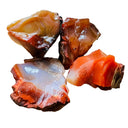 Raw Stones
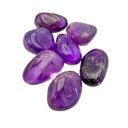 Tumbled Stones
 Palm Stones
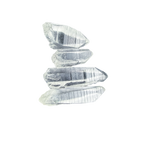 Crystal Points
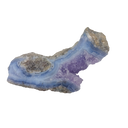 Clusters & Geodes
 Polished & Decor
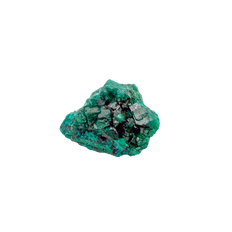 Mineral Specimens
 Crystal Chips







 Raw Stones
179 to choose from
Raw Stones
179 to choose from
 Tumbled Stones
162 to choose from
Tumbled Stones
162 to choose from
 Palm Stones
25 to choose from
Palm Stones
25 to choose from
 Crystal Points
23 to choose from
Crystal Points
23 to choose from
 Clusters & Geodes
103 to choose from
Clusters & Geodes
103 to choose from
 Polished & Decor
148 to choose from
Polished & Decor
148 to choose from
 Mineral Specimens
254 to choose from
Mineral Specimens
254 to choose from
 Crystal Chips
21 to choose from
Crystal Chips
21 to choose from


 AngolaAquamarine
›
AngolaAquamarine
›
 BotswanaCarnelian, Tree Agate
›
BotswanaCarnelian, Tree Agate
›
 DR CongoMalachite, Natural Citrine
›
DR CongoMalachite, Natural Citrine
›
 EswatiniBloodstone
›
EswatiniBloodstone
›
 MadagascarLabradorite, Clear Quartz
›
MadagascarLabradorite, Clear Quartz
›
 MalawiBlue Lace Agate, Garnet
›
MalawiBlue Lace Agate, Garnet
›
 MozambiqueAmazonite
›
MozambiqueAmazonite
›
 NamibiaSodalite, Blue Lace Agate
›
NamibiaSodalite, Blue Lace Agate
›
 Republic of the CongoDioptase
›
Republic of the CongoDioptase
›
 South AfricaTiger Eye, Unakite
›
South AfricaTiger Eye, Unakite
›
 ZambiaChevron Amethyst
›
ZambiaChevron Amethyst
›
 ZimbabweEmerald, Rhodonite
›
ZimbabweEmerald, Rhodonite
›
 ArgentinaBlack Obsidian, Rhodochrosite
›
ArgentinaBlack Obsidian, Rhodochrosite
›
 BoliviaAmetrine
›
BoliviaAmetrine
›
 BrazilAmethyst, Clear Quartz
›
BrazilAmethyst, Clear Quartz
›
 PeruSerpentine, Jade
›
PeruSerpentine, Jade
›
 UruguayAmethyst
›
UruguayAmethyst
›
 Dominican RepublicLarimar
›
Dominican RepublicLarimar
›
 MexicoRainbow Obsidian, Crazy Lace Agate
›
MexicoRainbow Obsidian, Crazy Lace Agate
›
 United StatesSelenite, Peridot
›
United StatesSelenite, Peridot
›
 ChinaFluorite
›
ChinaFluorite
›
 RussiaShungite
›
RussiaShungite
›
 AustraliaMookaite
›
AustraliaMookaite
›
 Where our crystals come from
See where we source →
Where our crystals come from
See where we source →


 Aries
Mar 21 to Apr 19
Carnelian
›
Aries
Mar 21 to Apr 19
Carnelian
›
 Taurus
Apr 20 to May 20
Rose Quartz
›
Taurus
Apr 20 to May 20
Rose Quartz
›
 Gemini
May 21 to Jun 20
Agate
›
Gemini
May 21 to Jun 20
Agate
›
 Cancer
Jun 21 to Jul 22
Moonstone
›
Cancer
Jun 21 to Jul 22
Moonstone
›
 Leo
Jul 23 to Aug 22
Citrine
›
Leo
Jul 23 to Aug 22
Citrine
›
 Virgo
Aug 23 to Sep 22
Amazonite
›
Virgo
Aug 23 to Sep 22
Amazonite
›
 Libra
Sep 23 to Oct 22
Blue Lace Agate
›
Libra
Sep 23 to Oct 22
Blue Lace Agate
›
 Scorpio
Oct 23 to Nov 21
Obsidian
›
Scorpio
Oct 23 to Nov 21
Obsidian
›
 Sagittarius
Nov 22 to Dec 21
Sodalite
›
Sagittarius
Nov 22 to Dec 21
Sodalite
›
 Capricorn
Dec 22 to Jan 19
Black Tourmaline
›
Capricorn
Dec 22 to Jan 19
Black Tourmaline
›
 Aquarius
Jan 20 to Feb 18
Amethyst
›
Aquarius
Jan 20 to Feb 18
Amethyst
›
 Pisces
Feb 19 to Mar 20
Aquamarine
›
Gifting?
A birthday stone is the safe bet.
Read the zodiac guide →
Pisces
Feb 19 to Mar 20
Aquamarine
›
Gifting?
A birthday stone is the safe bet.
Read the zodiac guide →


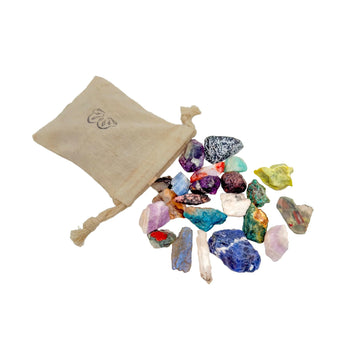










Black Moonstone
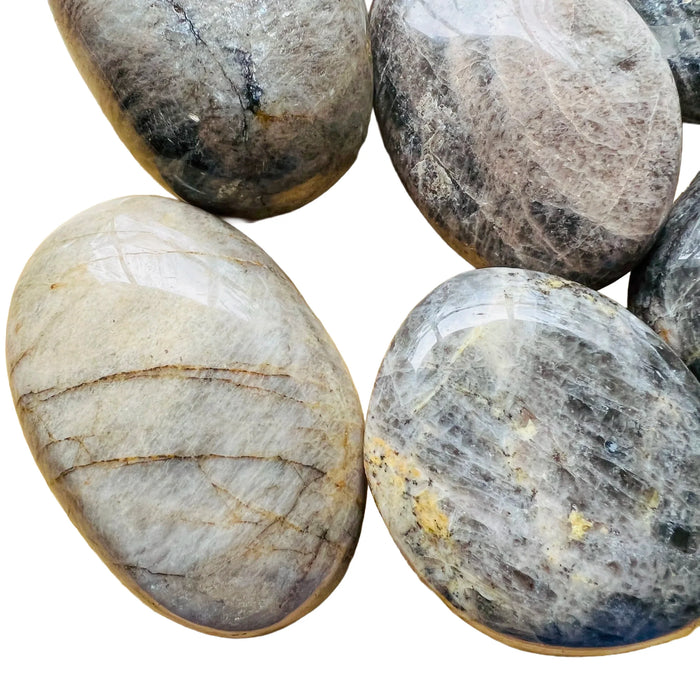
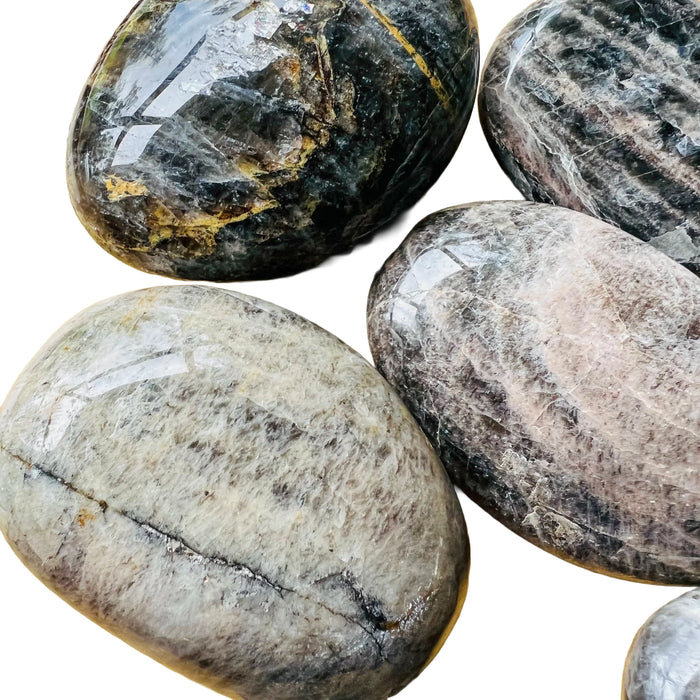
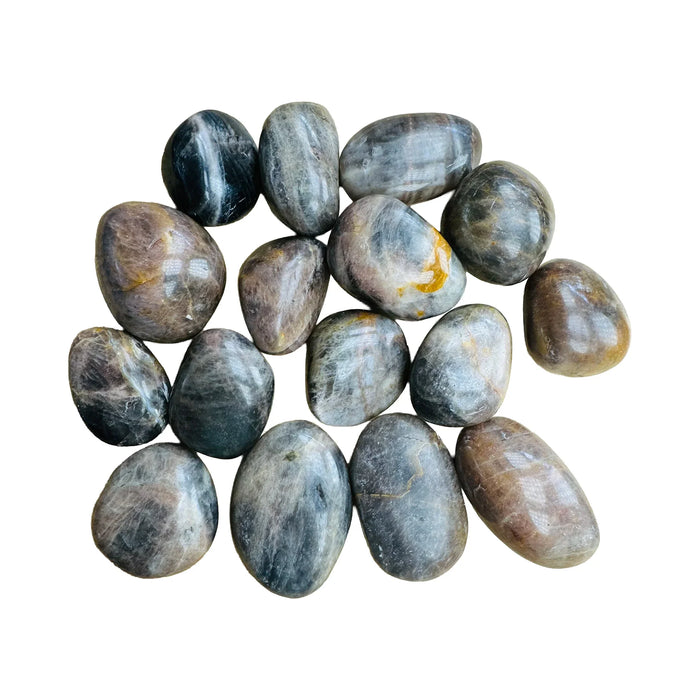
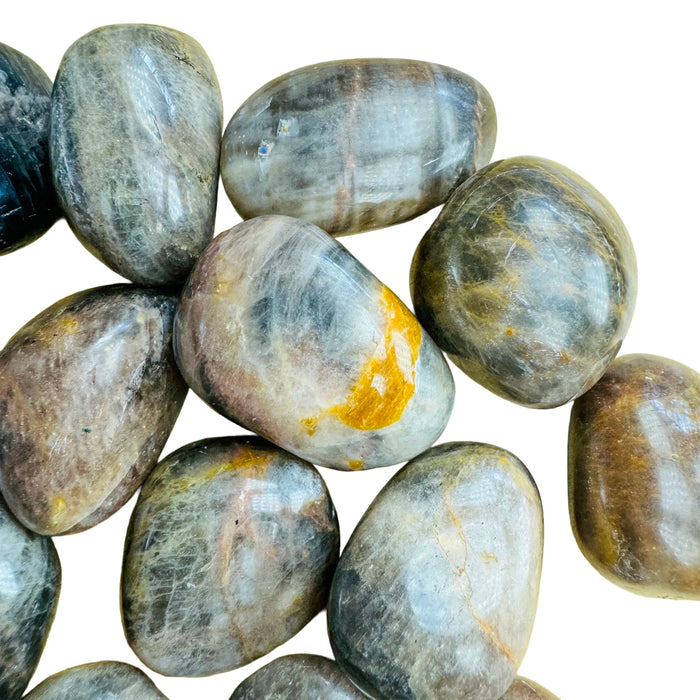
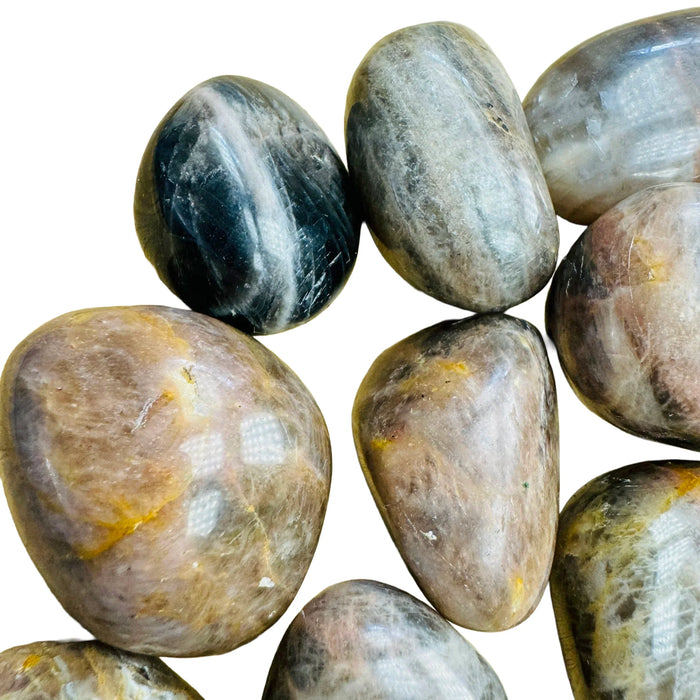
Black moonstone is a dark feldspar from Madagascar that shows the same silvery adularescent sheen associated with classic moonstone, set into a body of smoky gray to near-black rock. Many people work with it for new moon rituals, quiet inner listening, and the kind of intuitive work that wants grounding alongside its openness.
Shop black moonstoneBlack Moonstone, in stock now.
Our most-loved Black Moonstone pieces, ready to ship.
- from 1,000+ reviews
- Ships within 72 hoursMonday to Friday, tracked
- 90 days to return itif you do not love it
- Free US shipping over $99$8.99 flat rate under
The geology.
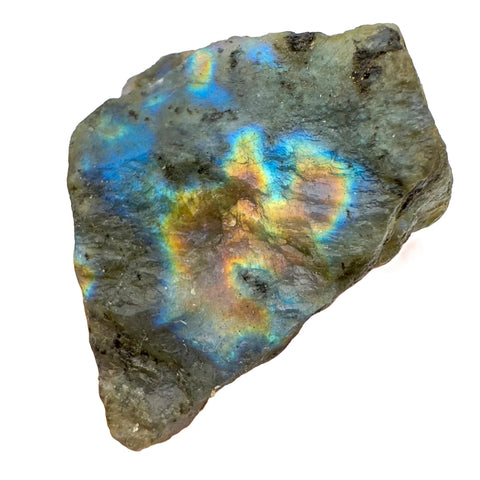
Black moonstone is a feldspar, but its exact classification sits in mineralogical gray territory. Traditional moonstone is orthoclase (a potassium feldspar, monoclinic) with thin albite lamellae that produce the silvery floating-light effect called adularescence. Labradorite is a plagioclase feldspar (calcium-sodium, triclinic) with a different optical effect called labradorescence. The dark feldspar from Madagascar sold as "black moonstone" sits somewhere between the two: some material tests closer to true moonstone, some closer to labradorite, and much of it appears to be a mixed feldspar that crystallizes with features of both. We call it black moonstone because that is the trade name for this specific Malagasy material, and we are transparent that the classification is not as clean as the name suggests.
Hardness sits at 6 to 6.5 on the Mohs scale, consistent across the feldspar group. Specific gravity runs 2.56 to 2.65. The stone's dark color comes from fine-grained iron-bearing inclusions distributed through the feldspar matrix. The adularescent sheen, visible as a silvery or pale blue flash that shifts with light angle, is produced by thin parallel layers of different feldspar compositions within the stone, which act as a natural diffraction grating. Some pieces also show faint rainbow flashes similar to labradorescence, another indication of the material's mixed character.
The origins.
The black moonstone we carry comes from a single source: the Amoron'i Mania region in the central highlands of Madagascar. The country is one of the most geologically rich places in the world for feldspar group minerals, with deposits stretching across the granite and pegmatite belts of the interior plateau. Madagascar produces roughly the full range of commercial moonstone colors (white, peach, gray, blue sheen, rainbow, and black), and the dark Malagasy material has become the primary global source for what the trade calls "black moonstone." Other deposits occasionally produce dark feldspar with adularescence, but none supply the commercial market at Madagascar's scale.
Malagasy feldspar is worked primarily through artisanal mining, where small-scale operators hand-dig pegmatite pockets and vein zones and sort the rough material on-site. The ethical picture is genuinely complex: Madagascar's artisanal mining sector supports thousands of livelihoods, and it also operates in a country dealing with poverty, deforestation, and limited regulatory oversight. We vet each supplier personally and pay above regional market norms to make sure fair compensation reaches the people actually doing the digging and sorting. That does not make the system perfect; it means we work within its real constraints with our eyes open.
Traditional associations.
Moonstone in general has a long lunar association across cultures: Roman writers linked it to the moon's phases, Hindu tradition calls it chandrakanta (moon-beloved), and European folklore associated it with secrets revealed under moonlight. Black moonstone, as a named variety, is a much more recent addition to the metaphysical vocabulary. It entered the market in the late twentieth century as Malagasy feldspar became widely exported, and its current associations were codified in crystal literature during the 1990s and 2000s. The reading in most modern sources is that black moonstone is the new-moon counterpart to white moonstone's full-moon energy: quieter, more internal, more inclined toward shadow work and beginnings than toward illumination.
In modern crystal work, black moonstone is most commonly associated with the Root and Crown chakras together (an unusual combination that speaks to its grounded-intuitive character), the elements Water and Earth, and the zodiac signs Cancer and Scorpio. Many people work with it for emotional grounding during intuitive or spiritual practice, for dream work, for new moon intention setting, and for returning to themselves after periods of mental or emotional scatter. It is often chosen by people who find white moonstone too opening without enough weight, since the darker stone holds both the lunar current and a sense of having somewhere solid to stand.
Spotting the real thing.
Genuine black moonstone has a characteristic combination of dark smoky-gray to near-black body color with a silvery, pale blue, or faintly rainbow sheen that shifts when the stone is rotated in the light. The sheen is the single most useful indicator: it sits inside the stone rather than on the surface, moves with the angle of light, and varies in intensity across the piece. Solid flat black material with no sheen at all is not black moonstone; it is more likely to be common plagioclase, basalt, or dyed stone. Uniform color with a dull matte finish and no optical effect under rotation is a warning sign.
A practical test: genuine feldspar sits at 6 to 6.5 on the Mohs scale and scratches glass cleanly, while dyed black howlite or painted stone (softer, 3 to 3.5) does not. Hold the stone up to a strong directional light and rotate it slowly; authentic black moonstone shows sheen patches that appear and disappear as the angle changes. A loupe reveals the thin layered structure of the feldspar's lamellae in cross section; dyed or painted substitutes show uniform color and no internal structure. Labradorite from Madagascar, which sometimes overlaps in visual appearance, typically shows stronger rainbow flashes (labradorescence) with more color range than the silvery-blue adularescence of true moonstone material; both are sometimes sold as "black moonstone" in the market, and reasonable people can disagree about the precise classification line.
Care & handling.
Black moonstone is durable enough for daily carry but softer than quartz, and it has perfect cleavage in two directions, which means a sharp impact can split a piece along its grain. Handle gently, avoid hard drops, and store separately from harder stones. Warm water and a soft cloth are fine for regular cleaning; gentle soap is safe for occasional deeper cleaning. Avoid ultrasonic and steam cleaners, chemical cleaners, and prolonged soaking in water. Rinse quickly and wipe dry rather than leaving the stone to air-dry, since extended moisture exposure can cloud the sheen over time.
The jojoba oil finish applied to our raw and hand-polished pieces wears off gradually with handling. A piece that has been carried daily for a few months will look slightly less glossy than new; a light hand-rub with natural oil restores the finish. Avoid synthetic oils, lotions, and perfumes, which can leave residue or attract dust. For energetic cleansing, use smoke, sound, or breath; skip running water and salt. Charging by moonlight, especially around the new moon, suits the stone traditionally and does it no physical harm. Brief morning sunlight is fine; prolonged direct sun can dull the sheen over months.
Pairs well with.
Proof, not promises.
We measure our own sourcing across five dimensions. Supply chain, environmental footprint, artisan support, market integrity, and pricing. The number is honest, not perfect. Where we can do better, we say so.
A deeper look.
Extended geology, sourcing, authentication, history, varieties, and pricing, for when the quick guide isn't quite enough.
Extended geology
Black moonstone is a feldspar whose precise mineralogical identity varies piece by piece. The feldspar group includes two main series: alkali feldspars (potassium and sodium end-members, including orthoclase, sanidine, and microcline) and plagioclase feldspars (sodium-calcium series, including albite, oligoclase, andesine, labradorite, bytownite, and anorthite). Traditional white moonstone is orthoclase with thin albite lamellae, and the adularescent sheen comes from light scattering off the interfaces between these two feldspar phases. Labradorite, a calcium-rich plagioclase, shows a different optical effect (labradorescence) produced by exsolution lamellae between two plagioclase phases at a much finer scale.
Malagasy "black moonstone" does not fit cleanly into either category. Petrographic work on the material suggests that it is often a mixed feldspar intergrowth, with both alkali and plagioclase components present in the same rock, sometimes visible as separate grains and sometimes as fine-scale lamellar structures. The dark body color comes from iron-bearing inclusions, likely fine magnetite or hematite, dispersed through the feldspar matrix. The characteristic silvery or pale blue sheen is adularescence proper in some pieces and something closer to labradorescence in others, which is why the material sits in classification gray territory. Hardness (6 to 6.5) and specific gravity (2.56 to 2.65) are consistent with the feldspar group broadly rather than pointing to a specific end-member.
Cleavage is perfect in two directions at nearly ninety degrees, typical of feldspar group minerals. This makes black moonstone relatively fragile under sharp impact despite its good hardness; a dropped piece can split along its cleavage planes rather than chip. Fracture is uneven to conchoidal on broken surfaces that do not follow cleavage. Luster is vitreous on freshly broken surfaces and waxy to greasy on tumbled and hand-polished pieces after oil finishing.
Extended sourcing
Madagascar is the dominant commercial source for black moonstone. The country's central highland plateau contains extensive granite and pegmatite belts that have produced feldspar group minerals for decades, including white moonstone, peach moonstone, blue sheen moonstone, rainbow moonstone, and the black variety. Deposits cluster across the Antananarivo, Amoron'i Mania, Vakinankaratra, and Ihorombe regions, with each yielding slightly different material. The Amoron'i Mania deposit area, from which our supply comes, produces feldspar with consistent dark body color and strong silvery sheen, and is worked primarily through small-scale artisanal operations.
Madagascar's artisanal mining sector is a complicated piece of the country's economy. Small-scale operations employ hundreds of thousands of Malagasy workers across feldspar, quartz, tourmaline, sapphire, and other commercial materials. The sector provides livelihoods where few formal employers operate, and it also operates with limited regulatory oversight, minimal safety infrastructure, and inconsistent environmental protections. Direct supplier relationships, documented compensation above regional market norms, and ongoing conversations about working conditions are the practical levers available to a retailer at our scale. We use them and we say so without pretending the wider context is something it is not.
Beyond Madagascar, small quantities of dark feldspar with sheen effects have been reported from India, Tanzania, and Sri Lanka, but none produce material in commercial quantities sold as black moonstone in the North American market. Material sold as black moonstone from origins other than Madagascar should prompt a closer look: either the origin is misstated, or the material is a different dark feldspar sold under the same trade name.
Authentication and warning signs
The single most useful authentication test is the sheen itself. Genuine black moonstone shows silvery, pale blue, or faintly rainbow flashes that sit inside the stone, move with the angle of light, and vary in intensity across different parts of the piece. The sheen is strongest when light enters the stone at a shallow angle and falls off as the angle steepens. Stones held flat under even overhead light often show almost no sheen; the same stones rotated under a directional lamp reveal significant optical activity. Dyed black agate, dyed howlite, and painted stone imitations lack this optical depth entirely and look uniform under rotation.
Hardness tests: feldspar group minerals at 6 to 6.5 on the Mohs scale scratch glass cleanly. Dyed howlite or painted magnesite (hardness 3 to 3.5) does not scratch glass and can be marked with a copper coin. Under a loupe, black moonstone shows the thin layered structure typical of feldspar, with fine lamellae visible in cross section on broken or polished edges. Dyed agate shows concentric banding instead; dyed howlite shows white porous interior under any surface damage. A piece that feels unusually light for its size, or whose "sheen" is actually painted on the surface, is not feldspar at all.
The blurrier question is labradorite versus black moonstone. Labradorite from Madagascar can appear in dark body colors similar to black moonstone, and the optical effect (labradorescence) overlaps visually with adularescence under some conditions. Strong rainbow flashes, particularly gold, green, and violet together, indicate labradorite; softer silvery-blue flashes without strong color range suggest true black moonstone. Much of what is sold in the global market as black moonstone is probably mixed-feldspar or labradorite-adjacent material, and the trade distinction between the two is more a matter of convention than of strict mineralogy. We label our material by its trade name and say what it is, which is the honest path through an ambiguous classification.
Historical and cultural context
Moonstone broadly has a long cultural history as a lunar sacred stone. Roman writers described it as solidified moonbeams. Hindu tradition treats moonstone (chandrakanta) as sacred to the moon deity Chandra and associates it with dream work and meditation. Medieval European folklore held that moonstone could reveal the future when held under the tongue during certain moon phases. Pliny the Elder describes a stone he calls astrion that matches moonstone, noting that its sheen "traveled with the moon" across the stone's surface. Art Nouveau jewelry of the late nineteenth and early twentieth centuries made extensive use of moonstone, particularly in René Lalique's work.
Black moonstone specifically does not appear in any of these historical traditions, because the Malagasy deposit that produces the commercial material did not enter the global market until the late twentieth century. Its metaphysical associations are entirely modern, built in the 1990s and 2000s as Malagasy crystal exports expanded. The current reading, that black moonstone is new-moon energy to white moonstone's full-moon energy, is a late-twentieth-century construction that draws on older lunar symbolism without claiming older provenance. The association with Cancer and Scorpio zodiac signs and with Root-and-Crown chakra work is also recent and still stabilizing in the crystal healing literature.
What has solidified in modern practice is the use of black moonstone for new moon rituals, setting intentions at the dark of the moon, emotional grounding during intuitive work, and shadow work. The stone's reputation as "moonstone with weight" or "moonstone you can stand on" captures the practical reading most commonly offered in modern crystal work: lunar openness without the ungrounded quality some practitioners report from white moonstone, particularly for people new to moon-aligned practice.
Varieties and trade names
Black Moonstone (Madagascar): the dark Malagasy feldspar we carry. Smoky gray to near-black body, silvery to pale blue sheen, sometimes faint rainbow flashes.
White Moonstone: the classic variety, typically orthoclase with albite lamellae, most often sourced from Sri Lanka, India, and Madagascar. Covered separately in the Moonstone entry under M.
Peach Moonstone: warm cream-orange body with silvery sheen, mostly from India and Madagascar.
Gray Moonstone (also Silver Moonstone, Star Moonstone): mid-gray body with strong silvery sheen, sometimes marketed as "new moon stone" for its quiet lunar character.
Blue Sheen Moonstone: pale body with a strong electric-blue flash, most often from Sri Lanka. Premium material.
Rainbow Moonstone: a trade name for a specific Malagasy feldspar (usually classified as white labradorite rather than true moonstone) with strong multi-color sheen. Often sold as moonstone but closer to labradorite mineralogically.
Labradorite: a separate feldspar species with labradorescence. Sometimes confused with or substituted for black moonstone in the market. Covered separately under L.
Pricing reality
Grade AA black moonstone tumbled: $4 to $8 per piece at retail for small to medium sizes. Hand-polished pieces: $8 to $14 for small-medium, $13 to $20 for medium-large. Raw pieces: $6 to $15 depending on size and sheen quality. Palm stones: $17 to $29 depending on weight. Larger display pieces and carvings move up to $40 to $100. Premium pieces with exceptional sheen or larger clean forms run higher.
Commodity-priced "black moonstone" beads and tumbles (under $2 per piece, or under $10 for full strands) are almost always dyed black agate, painted stone, or low-grade feldspar with no genuine sheen. True black moonstone does not move at those price points because the material has to be hand-selected for optical effect and finished with enough care to preserve the sheen. Similarly, "rare Tsumeb black moonstone" or "museum-grade black moonstone" listings at prices well above the ranges above should prompt questions, since the material is commercially common from Madagascar rather than genuinely rare.
Value drivers: sheen strength and color, body color depth, size, finish quality (hand polish versus machine tumble), and origin documentation. Warning signs in pricing: unusually low prices on bulk parcels, "black moonstone" sold without any sheen visible in photos, and any material sold without a stated country of origin.
Good sourcing is a practice, not a claim.
Nothing we sell is dyed, stabilized, reconstituted, or color-enhanced without full disclosure. We name our origins where we can. We say so when we cannot. We walk away from material that does not meet our standard, even when it costs us sales.
Bring black moonstone home.
Raw, hand-polished, and palm-stone black moonstone from Amoron'i Mania, Madagascar. Natural color, untreated, hand-selected for sheen. Each piece finished with food-safe jojoba oil rather than synthetic polish.
Shop the black moonstone collectionGrounded Connections
New stones go to the list first.
No forwarding, no selling. Unsubscribe in one click. Privacy