


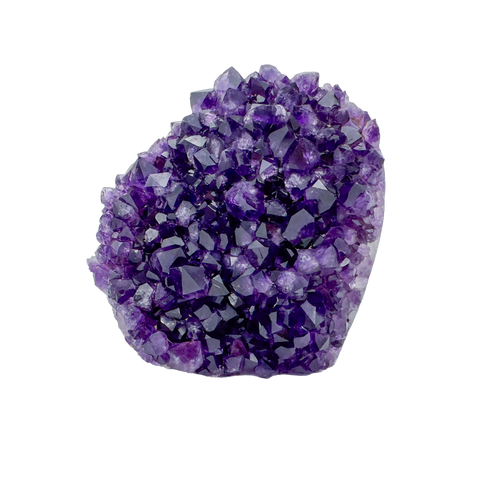
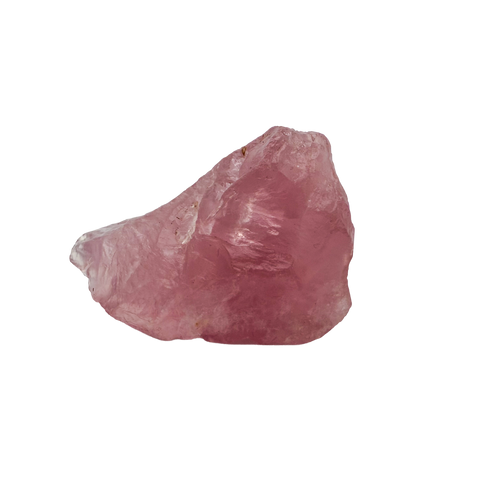
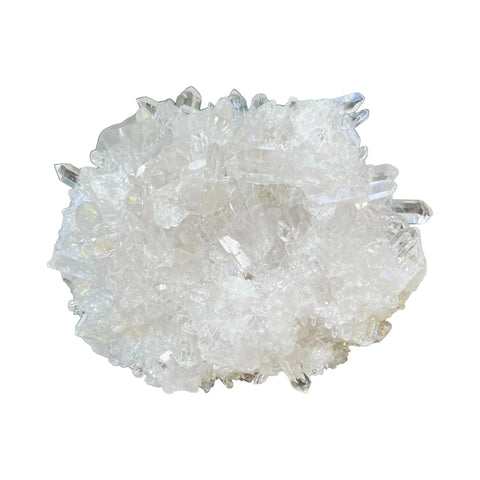
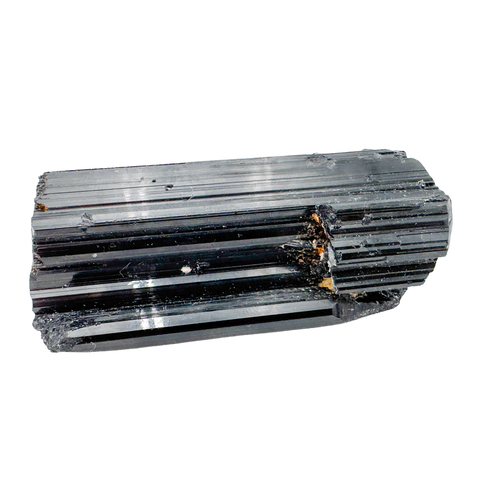
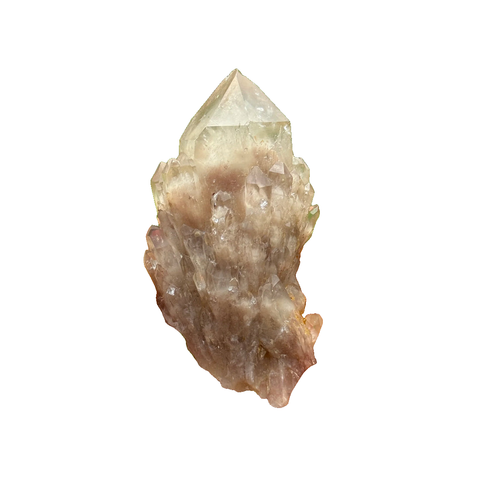
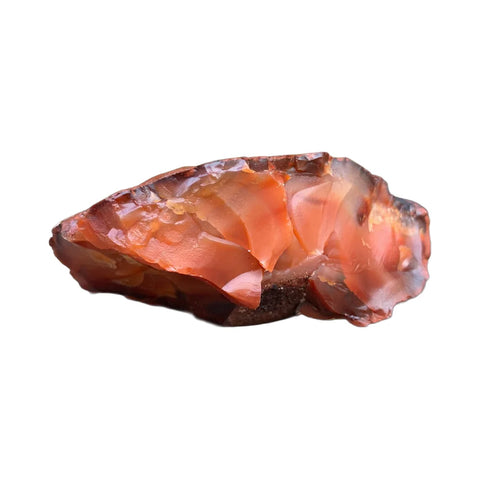
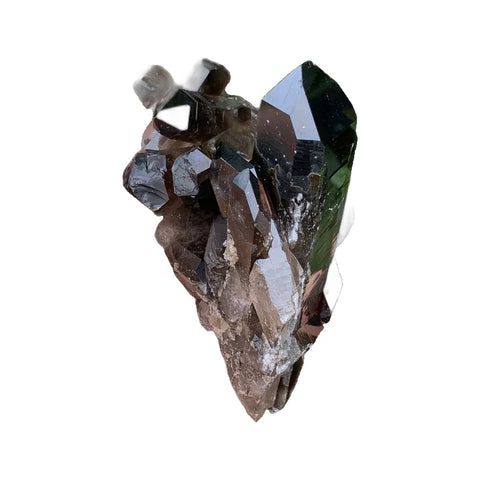
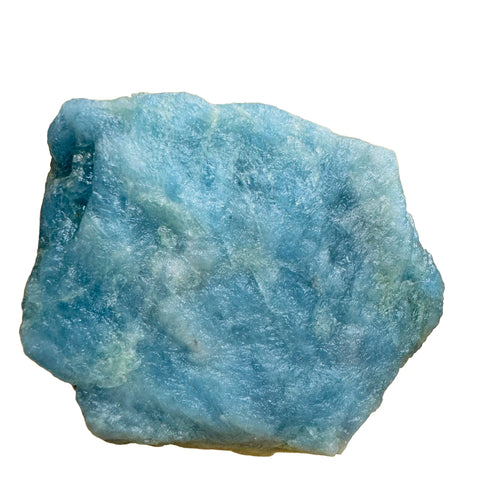
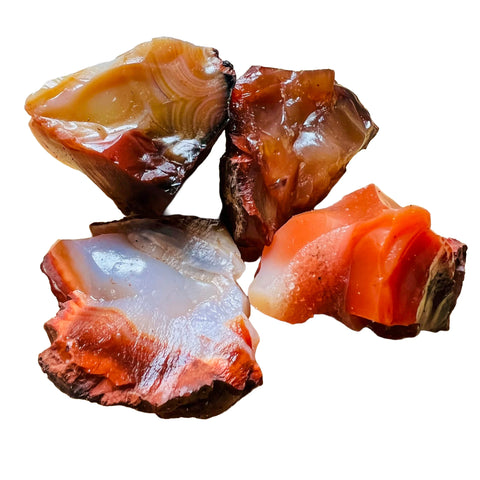


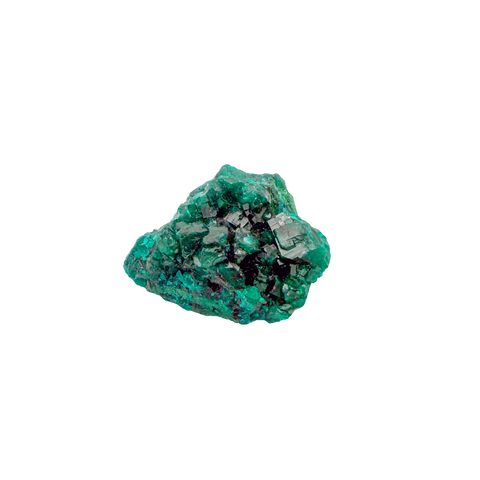
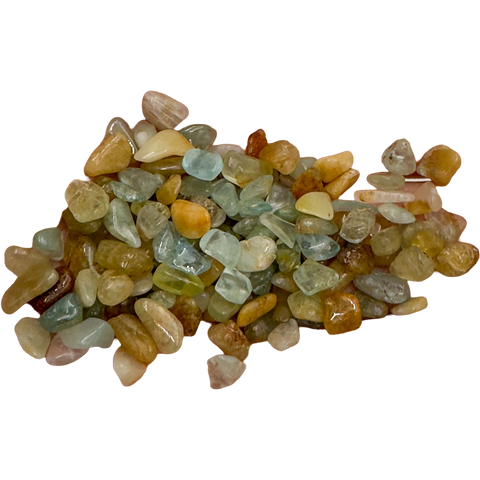
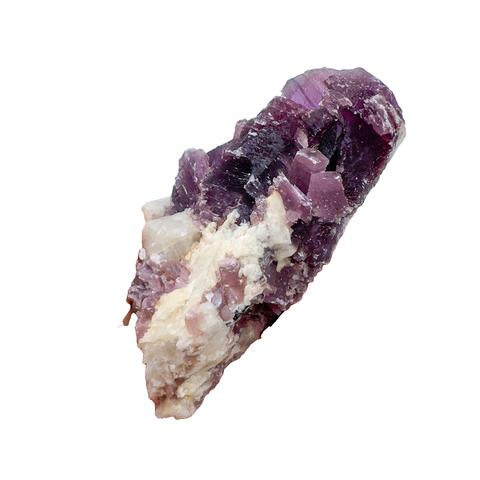
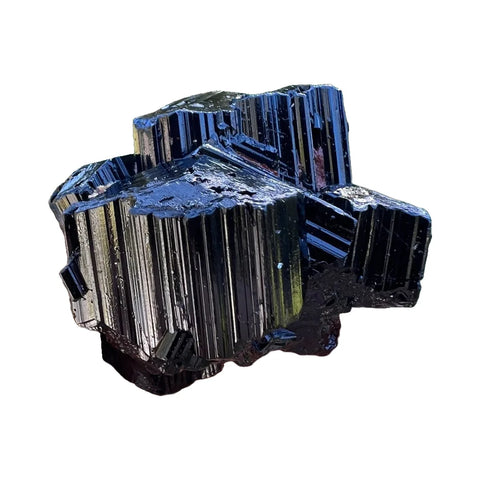
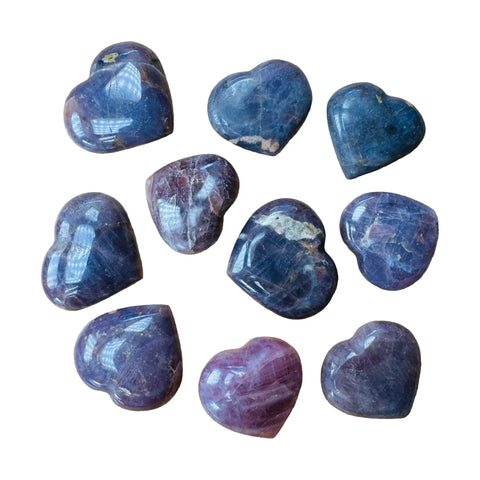
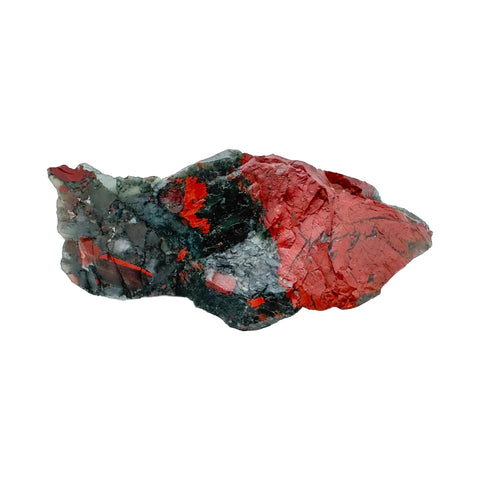
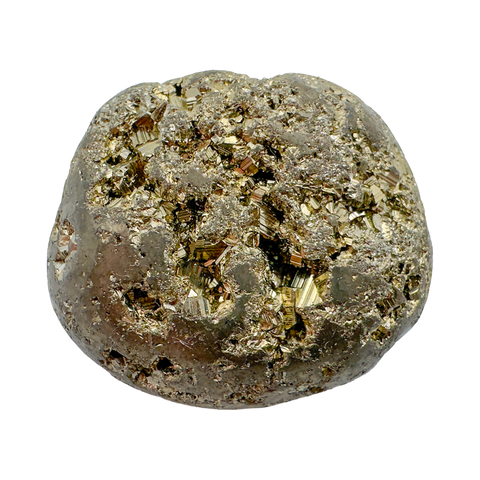
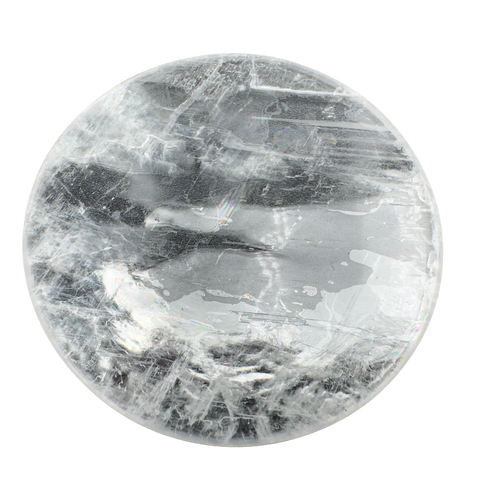
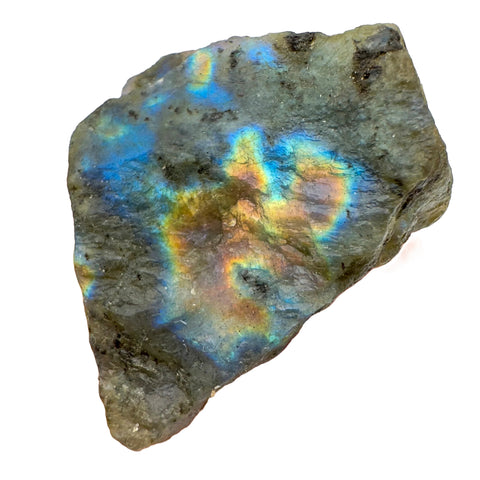
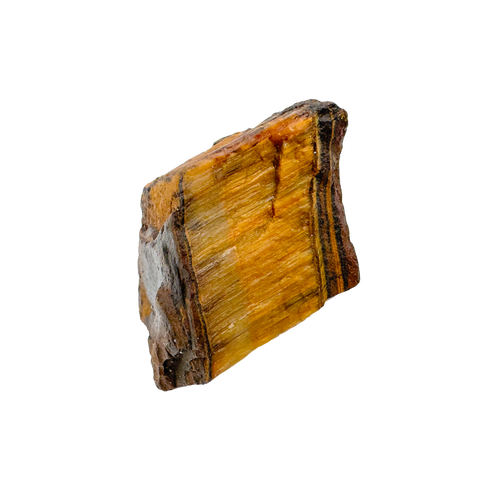
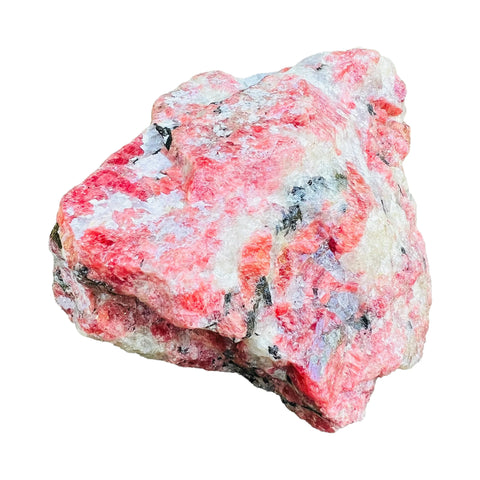
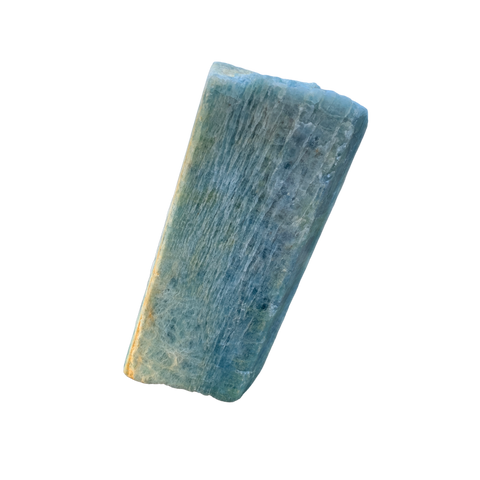
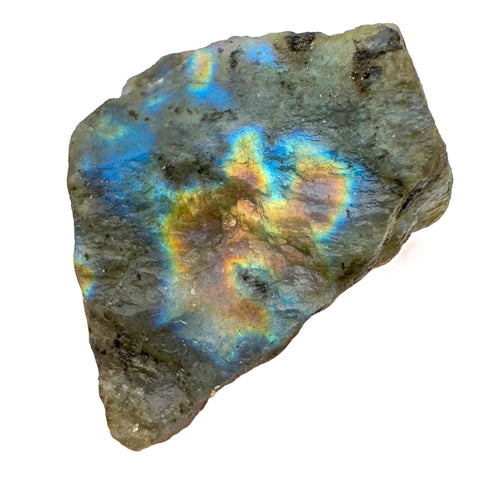
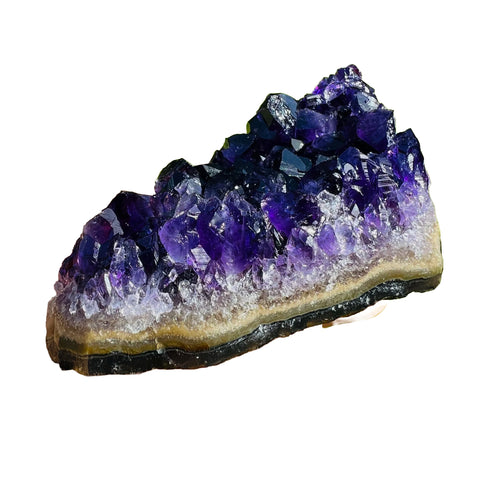



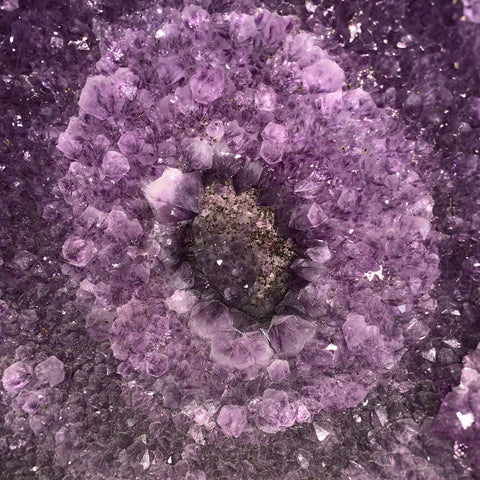


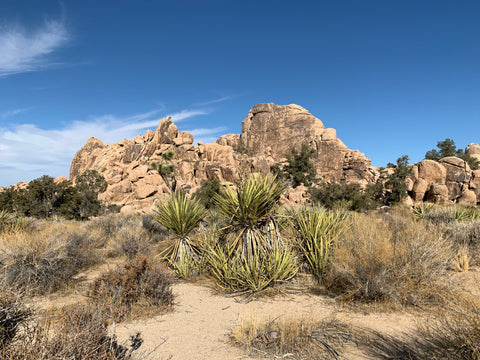
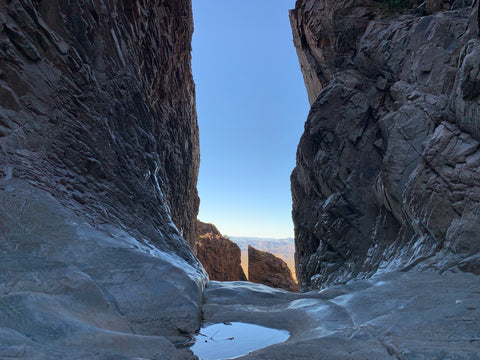
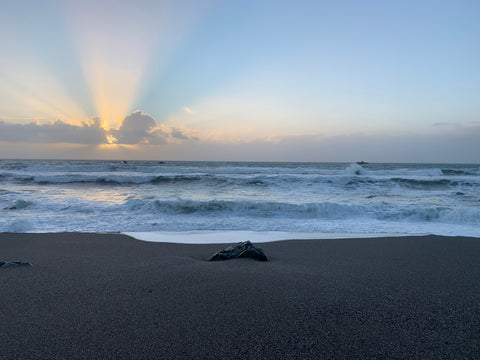
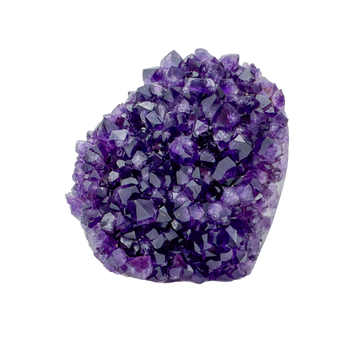
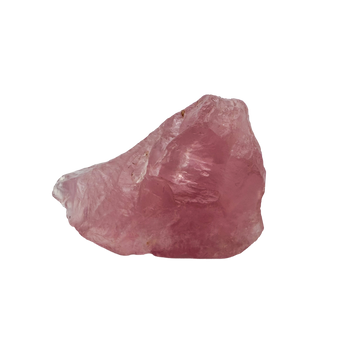
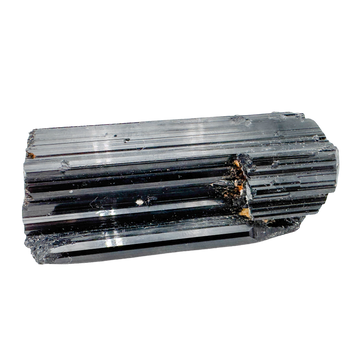
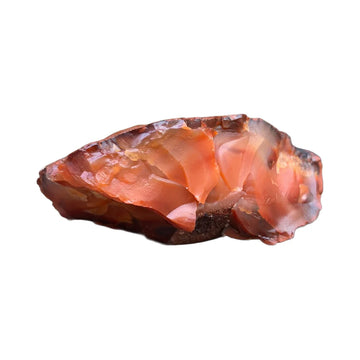
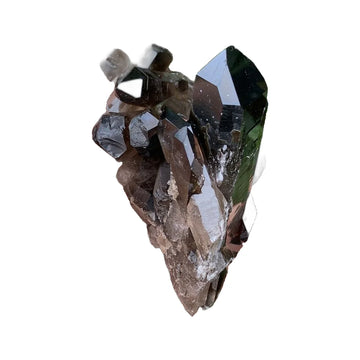
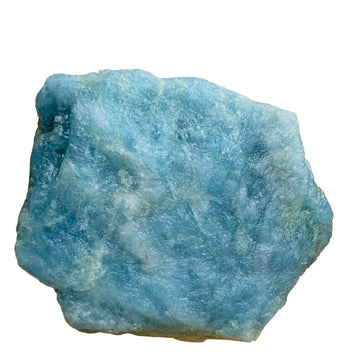
 Raw Stones
179 pieces
Raw Stones
179 pieces
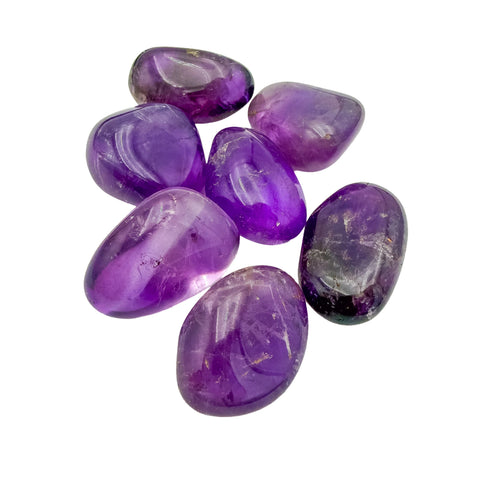
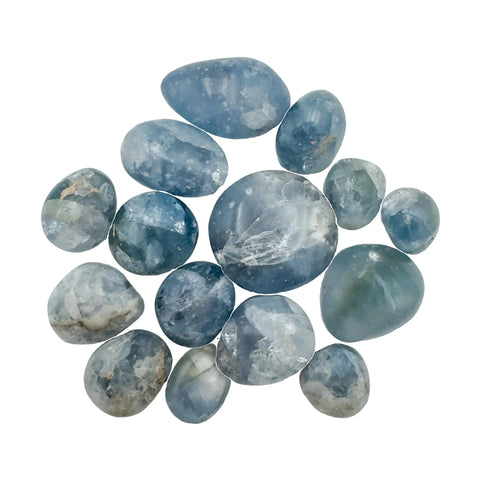
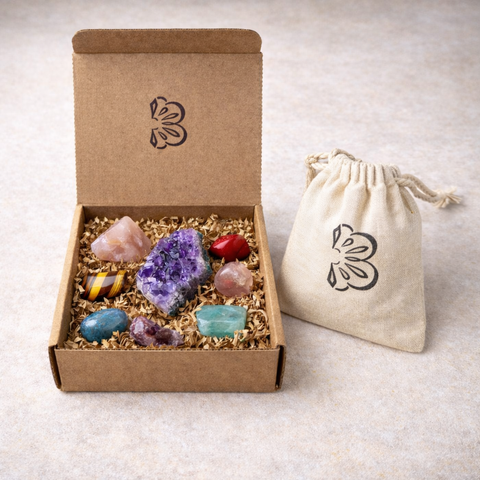
 Tumbled Stones
162 pieces
Tumbled Stones
162 pieces
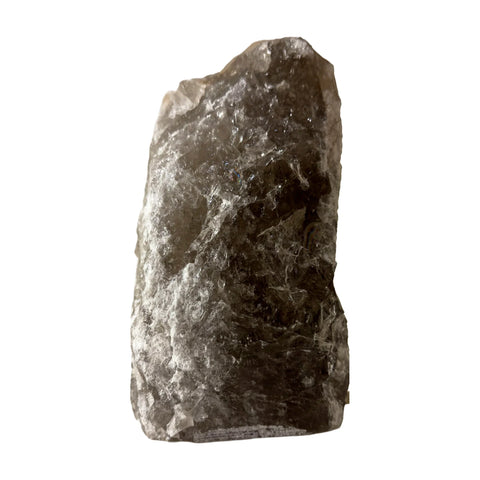
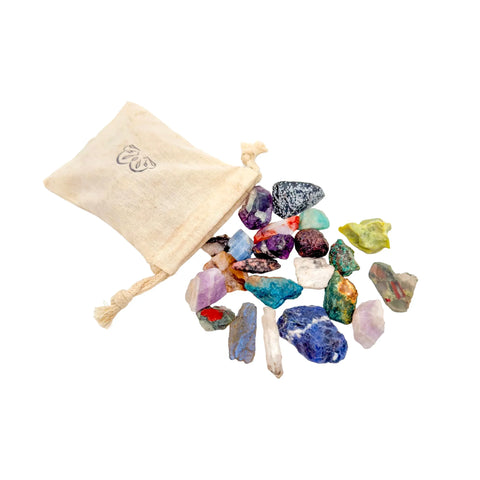
 Palm Stones
25 pieces
Palm Stones
25 pieces
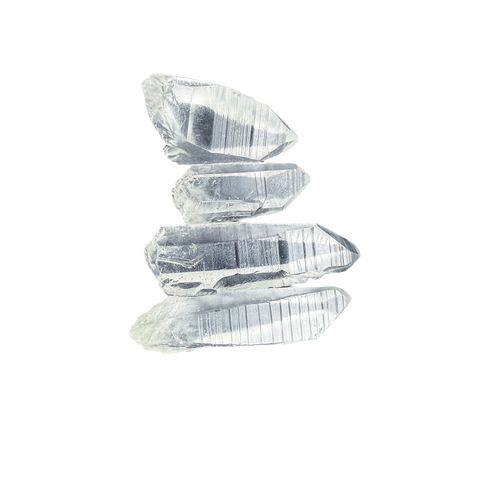
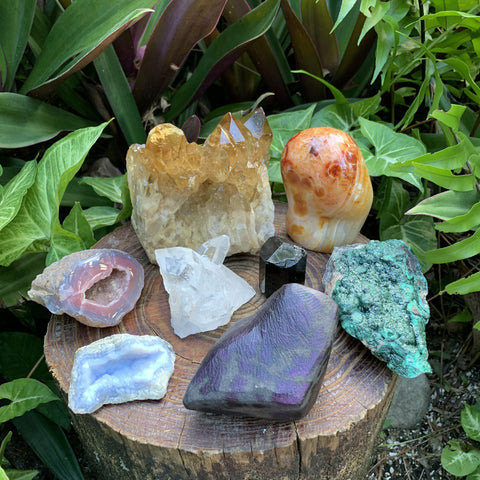
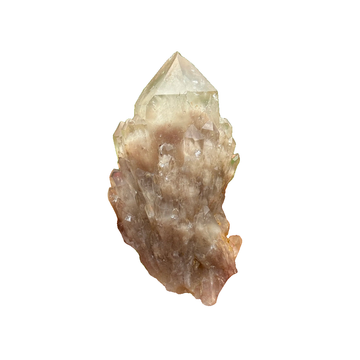
 Crystal Points
23 pieces
Crystal Points
23 pieces
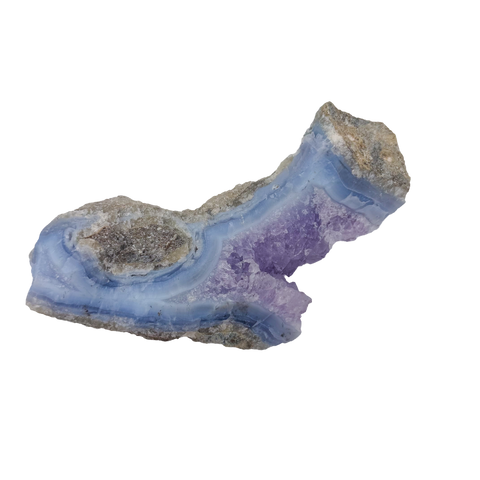
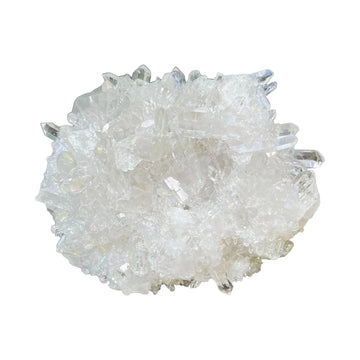
 Clusters & Geodes
105 pieces
Clusters & Geodes
105 pieces
 Polished & Decor
151 pieces
Polished & Decor
151 pieces
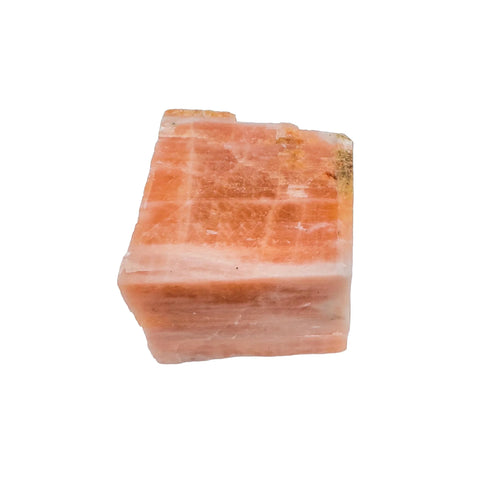
 Mineral Specimens
262 collector pieces
Mineral Specimens
262 collector pieces
 Crystal Chips
21 pieces
Browse everything
Every collection, one page.
View All Collections →
Crystal Chips
21 pieces
Browse everything
Every collection, one page.
View All Collections →


 Aries
Mar 21 – Apr 19
Carnelian
›
Aries
Mar 21 – Apr 19
Carnelian
›
 Taurus
Apr 20 – May 20
Rose Quartz
›
Taurus
Apr 20 – May 20
Rose Quartz
›
 Gemini
May 21 – Jun 20
Agate
›
Gemini
May 21 – Jun 20
Agate
›
 Cancer
Jun 21 – Jul 22
Moonstone
›
Cancer
Jun 21 – Jul 22
Moonstone
›
 Leo
Jul 23 – Aug 22
Citrine
›
Leo
Jul 23 – Aug 22
Citrine
›
 Virgo
Aug 23 – Sep 22
Amazonite
›
Virgo
Aug 23 – Sep 22
Amazonite
›
 Libra
Sep 23 – Oct 22
Blue Lace Agate
›
Libra
Sep 23 – Oct 22
Blue Lace Agate
›
 Scorpio
Oct 23 – Nov 21
Obsidian
›
Scorpio
Oct 23 – Nov 21
Obsidian
›
 Sagittarius
Nov 22 – Dec 21
Sodalite
›
Sagittarius
Nov 22 – Dec 21
Sodalite
›
 Capricorn
Dec 22 – Jan 19
Black Tourmaline
›
Capricorn
Dec 22 – Jan 19
Black Tourmaline
›
 Aquarius
Jan 20 – Feb 18
Amethyst
›
Aquarius
Jan 20 – Feb 18
Amethyst
›
 Pisces
Feb 19 – Mar 20
Aquamarine
›
Gifting?
A birthday stone is the safe bet.
Read the zodiac guide →
Pisces
Feb 19 – Mar 20
Aquamarine
›
Gifting?
A birthday stone is the safe bet.
Read the zodiac guide →


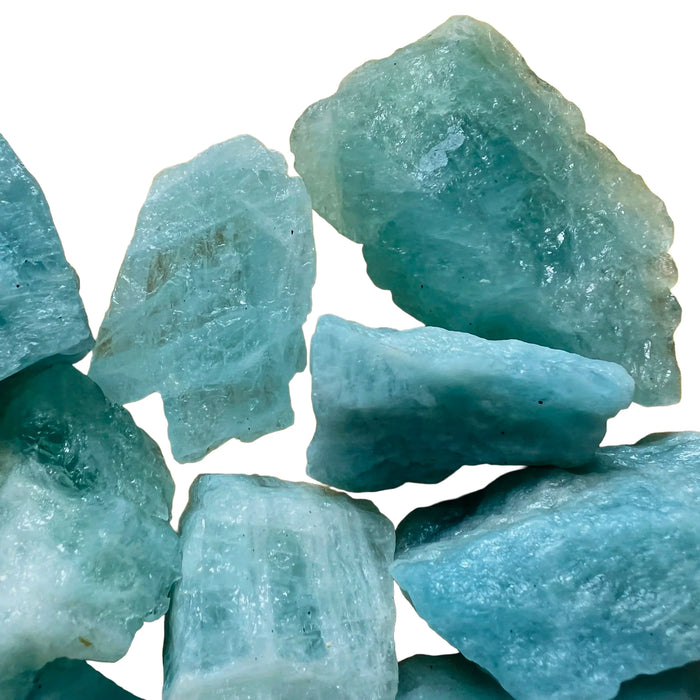
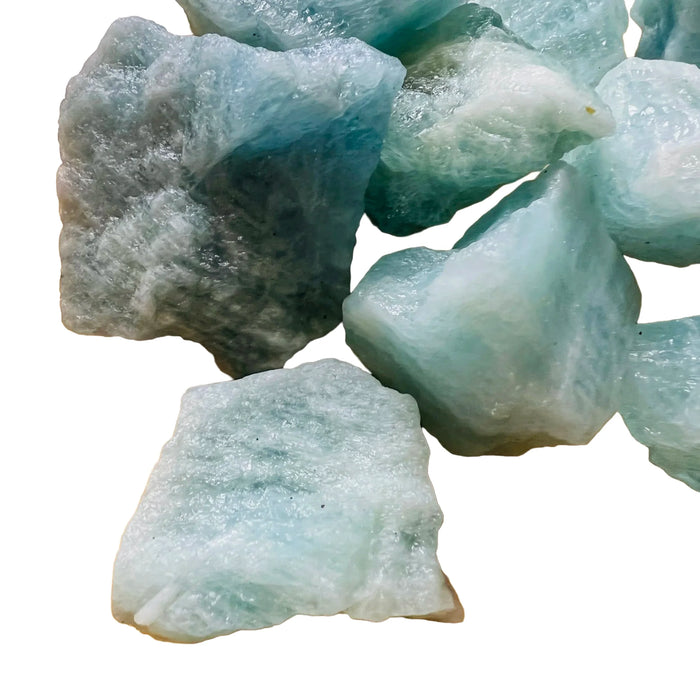
Aquamarine
Aquamarine is a pale blue to blue-green variety of beryl (Be₃Al₂Si₆O₁₈), colored by trace iron. The name comes from the Latin aqua marina, meaning sea water. Many people work with it for clear speech, steady nerves, and the kind of conversations they've been putting off.
Shop aquamarineThe geology.
Aquamarine is a variety of the mineral beryl, with the chemical formula Be₃Al₂Si₆O₁₈. It sits in the hexagonal crystal system, typically forming as long prismatic crystals with flat or slightly pyramidal terminations, often striated along the length of the prism. The color comes from trace iron. Iron in the Fe²⁺ state produces the cool blue; Fe³⁺ tilts the color toward yellow-green. Many natural crystals hold both, which is why unheated aquamarine often reads as a soft blue with a greenish cast rather than a pure saturated blue.
Aquamarine is a hard stone at 7.5 to 8 on the Mohs scale, similar to emerald (its beryl cousin) and harder than quartz. Its specific gravity sits between 2.68 and 2.74, refractive index 1.57 to 1.60. Cleavage is indistinct and fracture is conchoidal, which makes the stone durable for daily wear when cut, though large specimen crystals can still fracture along growth planes under impact.
The origins.
Aquamarine is produced commercially in a handful of granitic pegmatite belts across the world. Brazil's Minas Gerais state is the historic centerpiece. Specific districts, including Santa Maria de Itabira, Pedra Azul, and the Araçuaí region, have supplied the world with aquamarine for more than a century and still account for most of what reaches crystal shops today. Namibia's Kunene Region, particularly the Erongo and Brandberg mountains near Spitzkoppe, produces some of the cleanest, most collector-grade crystal specimens currently on the market, often in matrix with black tourmaline. Madagascar, Pakistan's Shigar Valley, Russia, Nigeria, Mozambique, and the United States (Mount Antero in Colorado, and localities in California and Maine) also supply meaningful volume. This is not a complete list.
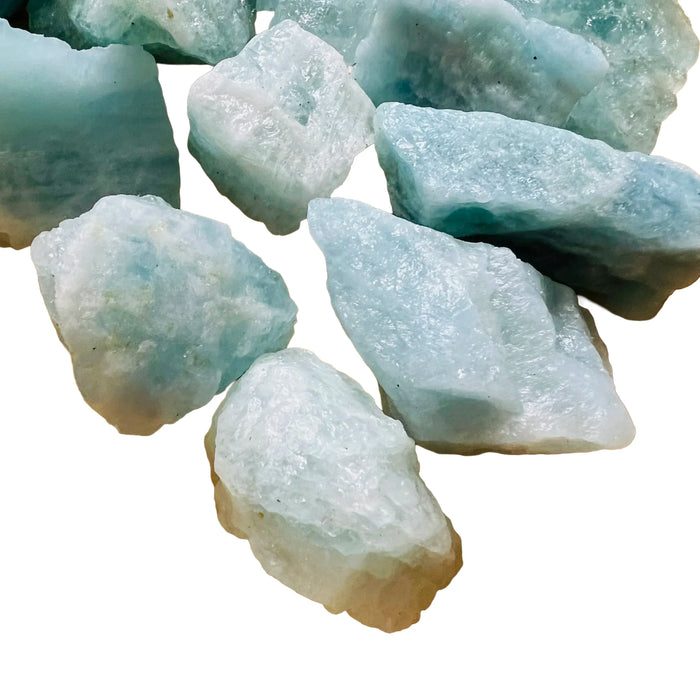
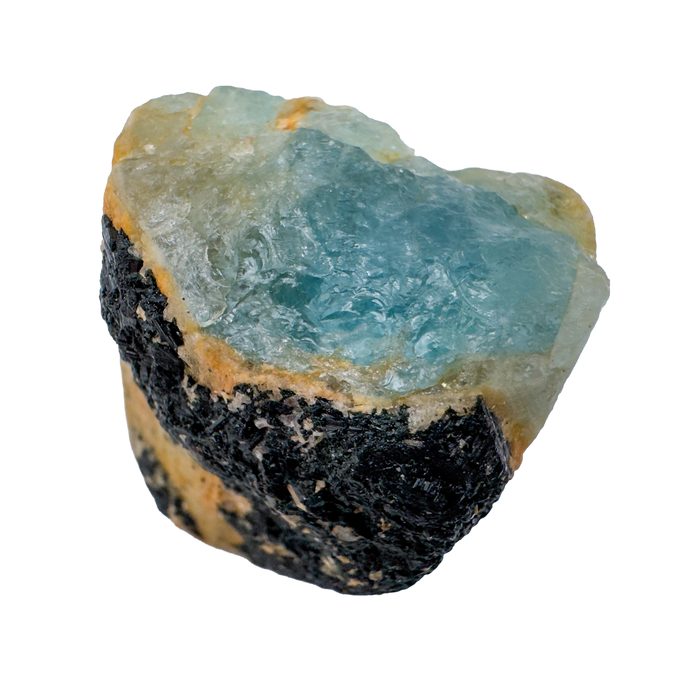
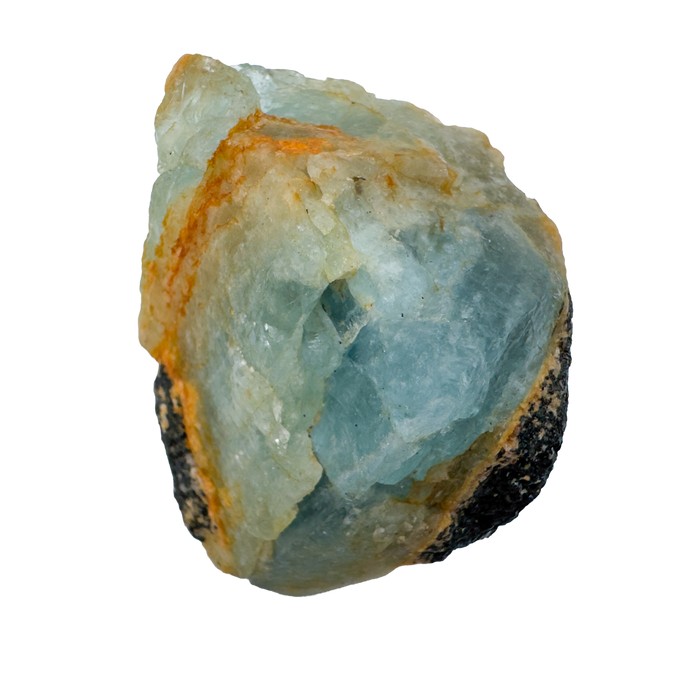
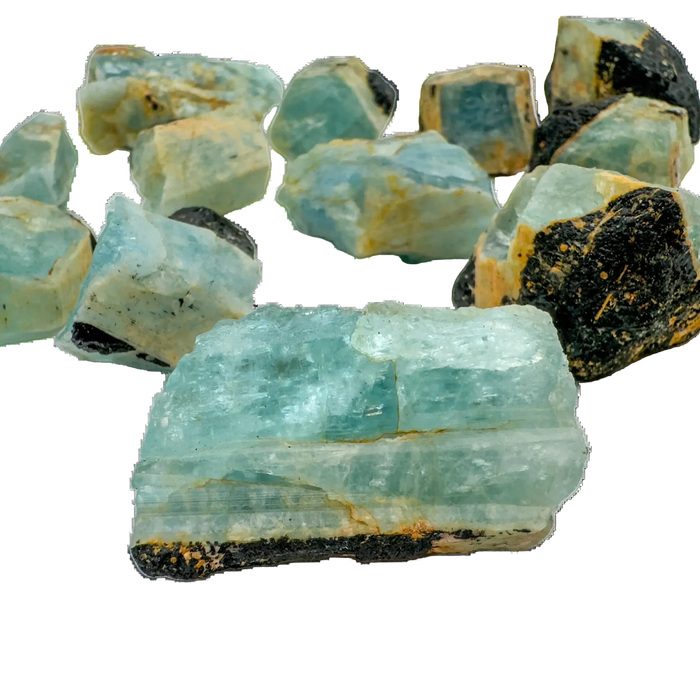
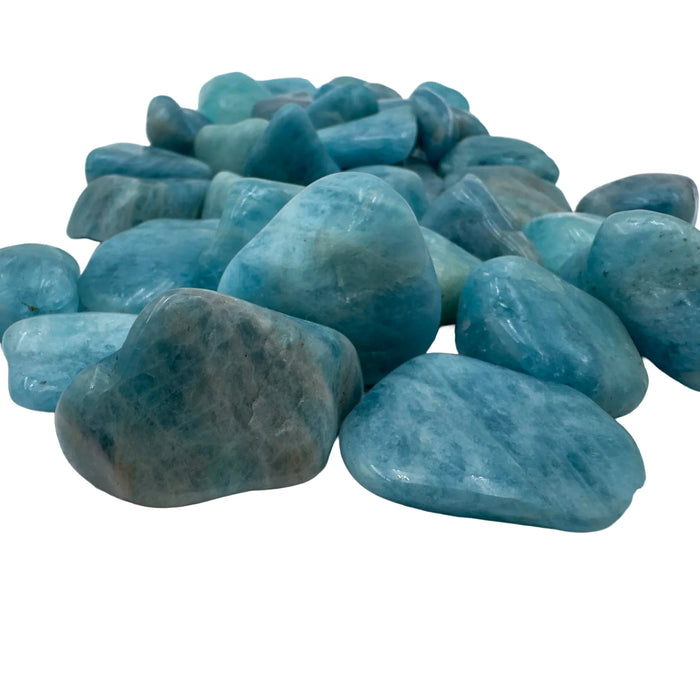
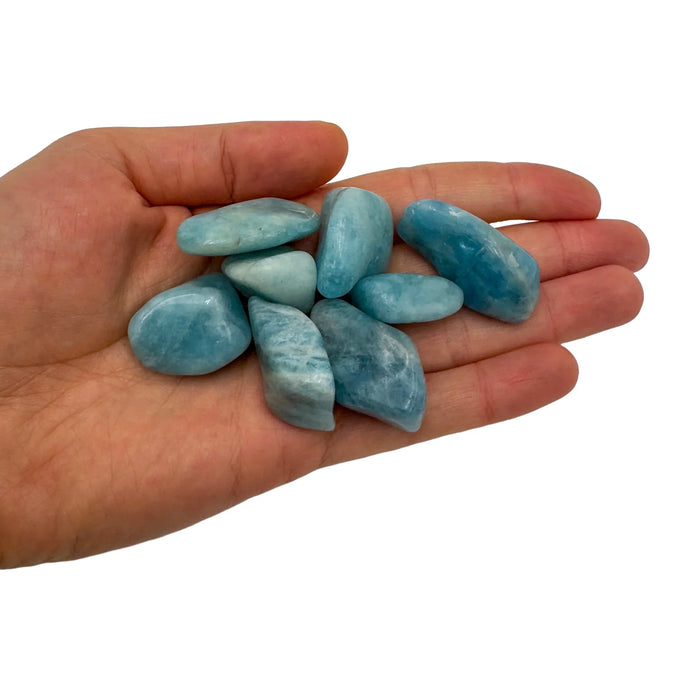
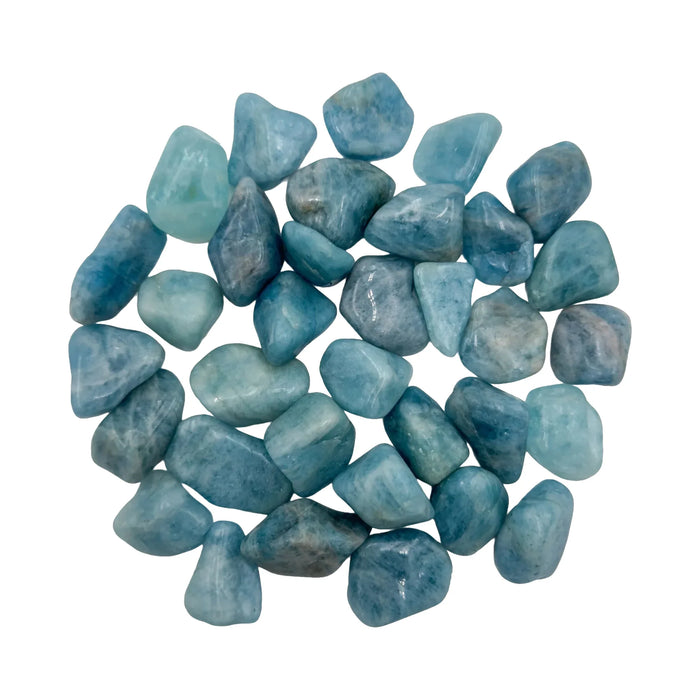
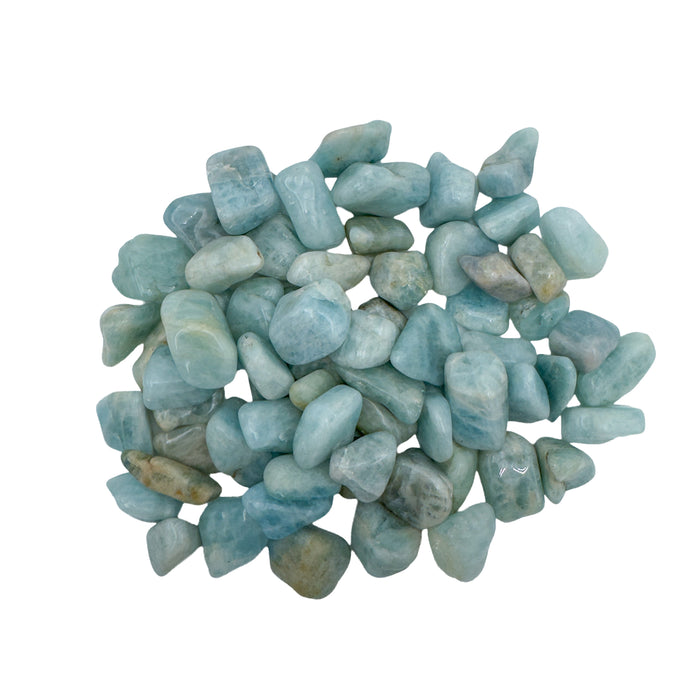
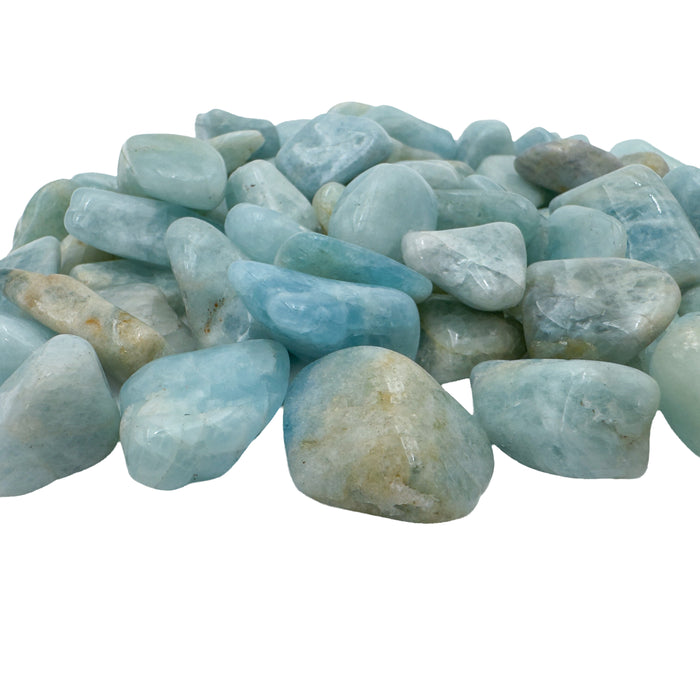
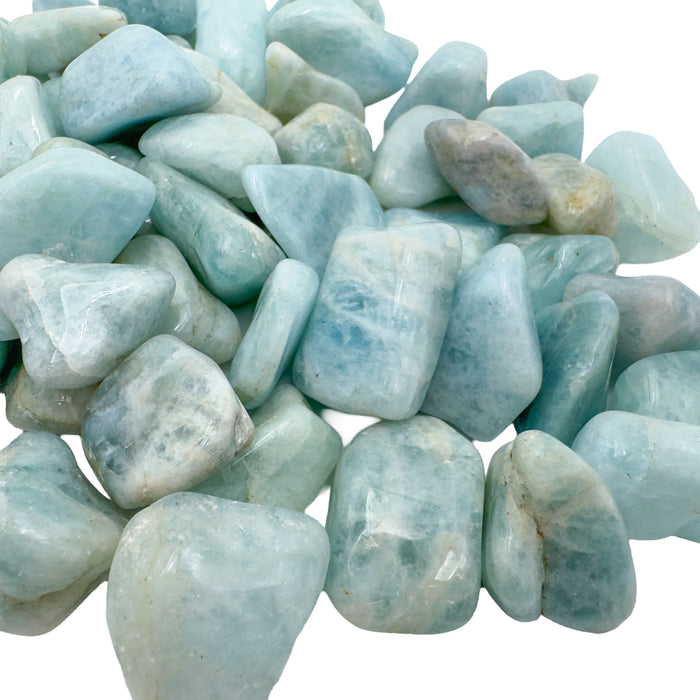
Our aquamarine tumbled stones come from Minas Gerais, Brazil. Our raw material comes from both Minas Gerais and Namibia's Kunene Region. The Namibian pieces include natural composites of aquamarine growing within or alongside black tourmaline matrix, which is how these two stones often form together in pegmatite pockets. Origin is confirmed at the batch level before each piece is listed.
Traditional associations.
Aquamarine carries one of the longest continuous associations with water in the Western stone tradition. Ancient Greek and Roman sailors reportedly carried aquamarine talismans on voyages for safe passage. The Roman writer Pliny the Elder described it in his Natural History in the first century. Medieval European lore framed it as a stone found in mermaid treasure, and aquamarine was given to brides to promote a calm marriage. It became the traditional March birthstone on the American birthstone list established in 1912.
In modern crystal work, aquamarine is most commonly associated with the Throat and Heart chakras, the element of Water, and the zodiac signs Pisces, Aries, and Gemini. Many people work with it for clear speech, truth-telling, staying composed in difficult conversations, and softening the fear that sits behind a lot of held-back words. It has a reputation as a gentle stone for people who find confrontation draining rather than energizing.
Spotting the real thing.
Natural untreated aquamarine tends to sit in a restrained color range. A soft icy blue, a seafoam blue-green, or a pale blue with a greenish cast are all normal. Color zoning (lighter at one end, deeper at the other, or in patches) is common in untreated material. When you see a large piece that holds a deep, saturated, perfectly even blue, the honest default assumption is that it has been heat-treated. That isn't an accusation; it's the baseline reality of the wider market. If a seller cannot confirm untreated status, assume treated.
A practical test: aquamarine sits at 7.5 to 8 on the Mohs scale. It scratches glass cleanly and is scratched by topaz or corundum but not by quartz. Specific gravity of about 2.70 gives it a solid heft in hand, noticeably denser than glass. Common natural inclusions include rain-like parallel tubes (so-called "rain"), tiny mica flakes, and dark goethite needles. Glass imitations feel lighter, often show bubbles under a loupe, and lack these inclusions. Blue topaz, frequently confused with aquamarine in jewelry, is harder at 8 and shows different refractive behavior under a gemological loupe.
Care & handling.
Aquamarine is durable for daily handling. Warm water and a soft cloth are fine for cleaning. Ultrasonic and steam cleaners are generally safe for undamaged stones, but avoid them for pieces with visible fractures or liquid inclusions, both of which are common in natural material. Keep aquamarine away from harder stones (topaz, corundum, diamond) in storage to prevent scratches along prism faces.
Prolonged direct sunlight can fade lighter aquamarine over months or years, especially pale material. A sunny windowsill is fine for a day, but not as a permanent home. Energetic cleansing with moonlight, running water, sound, or smoke all suit this stone. Avoid harsh chemicals, chlorine, and prolonged soaking. Store raw specimens individually in padded compartments to protect natural crystal terminations.
Pairs well with.
Proof, not promises.
We measure our own sourcing across five dimensions. Supply chain, environmental footprint, artisan support, market integrity, and pricing. The number is honest, not perfect. Where we can do better, we say so.
A deeper look.
Extended geology, sourcing, authentication, history, varieties, and pricing, for when the quick guide isn't quite enough.
Extended geology
Aquamarine is a variety of beryl, a cyclosilicate mineral with the formula Be₃Al₂Si₆O₁₈. Beryl crystallizes in the hexagonal system, specifically the dihexagonal-dipyramidal class (6/mmm), with space group P6/mcc. Typical habit is long prismatic crystals with flat pinacoidal or low pyramidal terminations. Striations run parallel to the c-axis on prism faces. Twinning is rare. Cleavage is imperfect along one direction (the basal pinacoid), and fracture is conchoidal to uneven. Luster is vitreous.
Physical properties: Mohs hardness 7.5 to 8. Specific gravity 2.68 to 2.74. Refractive index 1.567 to 1.590, birefringence 0.005 to 0.007. Dispersion 0.014. Pleochroism ranges from colorless to light blue depending on orientation, a trait that rough cutters use to maximize color saturation in the finished gem. Natural inclusions common to aquamarine include the well-known "rain" (thin parallel hollow tubes), mica flakes, goethite needles, two-phase liquid and gas inclusions, and fingerprint healing features.
Color chemistry: the base beryl lattice is colorless. Aquamarine's blue comes from trace ferrous iron (Fe²⁺) sitting in structural positions within the hexagonal channels. Ferric iron (Fe³⁺) introduces a yellow-green component. The ratio of Fe²⁺ to Fe³⁺ determines the natural color. Heat treatment at 400 to 450 degrees Celsius reduces Fe³⁺ to Fe²⁺, removing the green-yellow contribution and leaving a cleaner blue. This treatment is stable and essentially undetectable without standardized laboratory testing.
Extended sourcing
Brazil is the historic and current volume leader. Minas Gerais state in particular hosts a belt of aquamarine-bearing pegmatite districts stretching from Governador Valadares north to Araçuaí and Teófilo Otoni. Within this belt, specific mines such as Santa Maria de Itabira have produced aquamarine since the 1950s, giving rise to the "Santa Maria" trade name for deeply saturated blue material. Pedra Azul is another historic source of fine-color crystals. Large specimen crystals from these districts have included the famous 10-kilogram Dom Pedro aquamarine now at the Smithsonian.
Namibia's Erongo Region contains the Brandberg mountain and the Spitzkoppe area, both of which produce gem-grade aquamarine. The Erongo material is prized for pristine crystal formation, often twinned with schorl (black tourmaline), muscovite mica, and rarely with hyalite opal overgrowths. Kunene Region sources just north of Erongo supply similar material through artisanal cooperatives. Brandberg aquamarine often carries a slightly deeper blue than Erongo due to different trace-element profiles.
Additional commercial sources: Madagascar (Antsirabe, Ilakaka), Pakistan (Shigar Valley, Gilgit-Baltistan), Nigeria (Plateau and Nasarawa States), Mozambique (Nampula, Zambézia), Russia (Urals, Transbaikal, Eastern Siberia), the United States (Mount Antero in Colorado, Pala district in California, Oxford County in Maine), Afghanistan, Zambia, and China. Each region produces material with subtle color, inclusion, and habit differences recognizable to experienced traders but not easily distinguishable by eye for a general buyer.
Our supply: Our tumbled material comes from Brazilian Grade A Minas Gerais stock. Our raw crystals are sourced from both Brazilian Grade AA pegmatites (Minas Gerais) and Namibian Grade A material from the Kunene Region, some of which arrives in natural composite with black tourmaline matrix. We confirm country and region on each batch, pay above-spot for verified artisanal material, and do not pursue Santa Maria-grade premium stock.
Authentication and warning signs
Natural untreated aquamarine is rarely deeply saturated across an entire large piece. A pale icy blue, a seafoam blue-green, and color zoning within a single specimen are all consistent with natural material. If you are looking at a 3-inch tumbled stone in a perfectly even deep blue, the realistic assumption is heat treatment. Heat treatment is stable, widespread, and cannot be detected by eye, loupe, or UV examination. The ethical question is disclosure, not the treatment itself.
Hardness test: aquamarine (7.5 to 8) scratches window glass (5.5) cleanly. Blue topaz (8) scratches aquamarine, so topaz will mark it. Blue glass imitations (5 to 6) will be scratched by quartz, while real aquamarine will not. Specific gravity feels noticeably heftier than glass. Dyed blue quartz and treated blue topaz are the most common substitutes in jewelry. Under a loupe, natural aquamarine often shows the characteristic rain tubes and mica flakes; glass typically shows spherical air bubbles.
Warning signs in the wider market: uniform saturated color across a large tumbled or raw piece at a low price (likely heat-treated and undisclosed), no country of origin provided, claims of Santa Maria or Brandberg at commodity prices, and specimen crystals with perfectly smooth prism faces (natural aquamarine prisms are striated). Any piece marketed as "natural" without the seller stating "no heat" or "no heat treatment" explicitly should be assumed treated.
Historical and cultural context
The name aquamarine was coined in 1609 by the Dutch mineralogist Anselmus de Boodt in his Gemmarum et Lapidum Historia, from the Latin aqua marina, meaning sea water. The stone itself was known and traded long before that. Pliny the Elder described aquamarine-like beryls in his Natural History in the first century, comparing their color to clear seawater.
Ancient Mediterranean sailors, including Greek and Roman traders, are reported in surviving sources to have carried aquamarine as a protective talisman for sea voyages. Whether or not those specific talismans survive in the archaeological record, the association between the stone and water is one of the oldest in European lapidary tradition. Medieval European lore added mermaid origin stories and bridal associations. Aquamarine was granted formal status as the traditional March birthstone by the American National Association of Jewelers in 1912.
Modern royal aquamarine: Queen Elizabeth II received a famous aquamarine parure from the Brazilian government in 1953, later expanded by Brazil in 1958. Prince Harry's engagement ring contained an aquamarine from Princess Diana's personal collection, a public moment that drew the stone into broader contemporary attention in 2018.
Varieties and trade names
Santa Maria Aquamarine: a saturated blue material originally from the Santa Maria de Itabira mine in Brazil, now used more broadly for any aquamarine of that color depth and clarity. Commands a significant premium.
Espírito Santo Aquamarine: blue-green material from the state of the same name in Brazil. Lighter tone than Santa Maria.
Martha Rocha Aquamarine: named for a 1950s Brazilian beauty queen. A deep, slightly greenish blue associated with specific Minas Gerais pockets.
Maxixe Beryl: a dark blue beryl with color originating from radiation rather than iron. Fades in light over time. Not the same as aquamarine, though sometimes misrepresented as such.
Brandberg Aquamarine: crystal-grade specimens from the Brandberg mountain in Namibia. Prized for perfect hexagonal crystal habit and inclusions of smoky quartz, fluorite, or schorl.
Aquamarine in matrix: natural composites of aquamarine prism crystals embedded in or growing from a host rock, most often feldspar, mica, or black tourmaline. Highly valued by mineral specimen collectors for showing the stone in its geological context.
Pricing reality
Tumbled Grade A aquamarine: 4 to 15 dollars per piece at retail. Raw Grade AA aquamarine crystals: 15 to 60 dollars per piece depending on size and termination. Specimen-grade Grade AAA crystals with clean terminations and visible prism faces: 50 to 400 dollars per piece. Large collector crystals and Brandberg specimens: 500 to several thousand dollars.
Faceted aquamarine: 15 to 80 dollars per carat for commercial blue, 100 to 400 dollars per carat for Santa Maria saturation, and 500-plus per carat for exceptional clarity in large sizes. Aquamarine commands collector-level pricing primarily when color, clarity, cut quality, and origin all align.
Value drivers: color saturation, clarity, crystal habit for specimens, size, and documented origin. Warning signs in pricing: deep-saturation material at commodity prices (likely heat-treated undisclosed), Santa Maria claims on material priced below typical Brazilian rates, and large flawless pieces sold without an origin statement.
Good sourcing is a practice, not a claim.
Nothing we sell is heat-treated, dyed, stabilized, or color-enhanced without full disclosure. We name our origins where we can. We say so when we cannot. We walk away from material that does not meet our standard, even when it costs us sales.
Bring aquamarine home.
Every piece we carry is untreated material from Minas Gerais, Brazil, and the Kunene Region of Namibia, hand-selected for natural color and honest form. No heat-enhanced neon blues, no mystery origin.
Shop the aquamarine collectionAquamarine, in stock now.
Our most-loved Aquamarine pieces, ready to ship.
- from 1,000+ reviews
- Ships within 72 hoursMonday to Friday, tracked
- 90 days to return itif you do not love it
- Free US shipping over $99$8.99 flat rate under
The Slow Note
New stones go to the list first.
No forwarding, no selling. Unsubscribe in one click. Privacy