


 Agatefor stress relief
 Amazonitefor stress relief
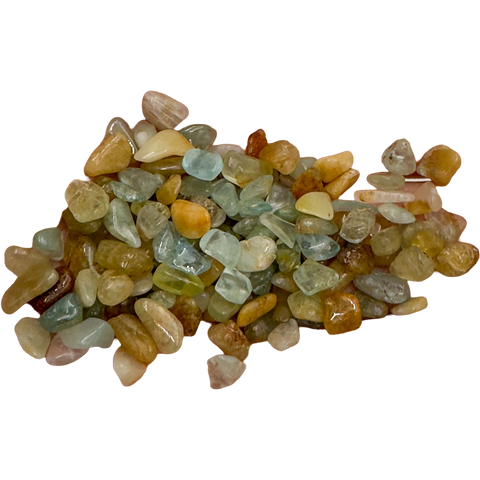
 Aquamarinefor serenity
 Aventurinefor luck
 Bloodstonefor energy
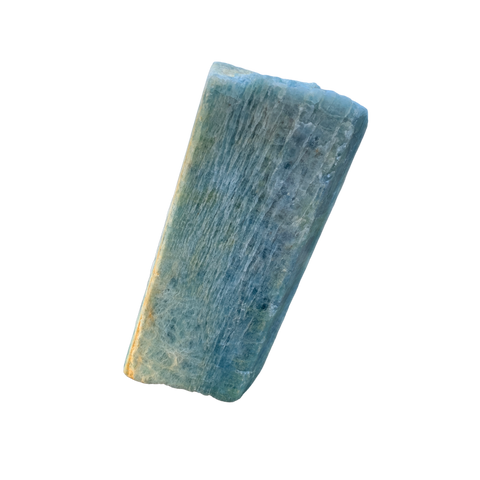
 Blue Kyanitefor confidence
 Blue Lace Agatefor stress relief
 Chrysocollafor emotional healing
 Fluoritefor focus
 Garnetfor energy
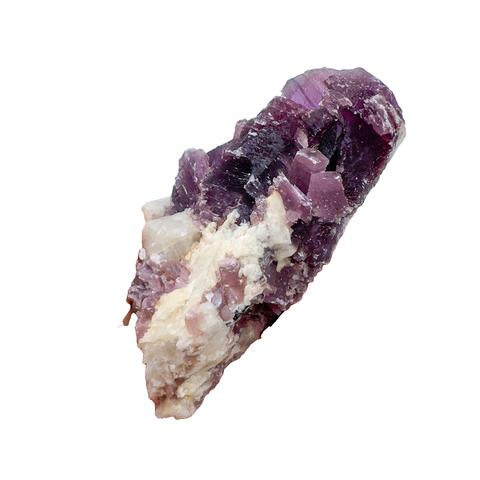
 Lepidolitefor stress relief
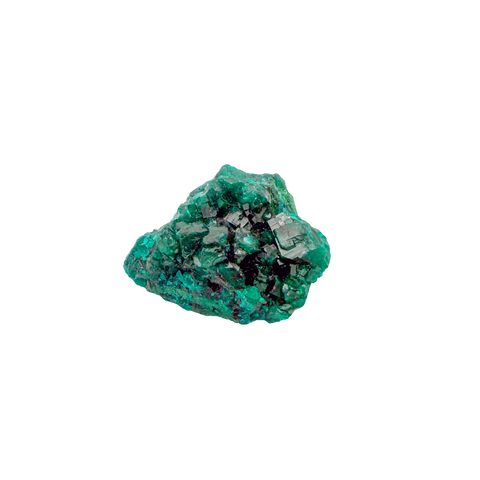
 Malachitefor emotional healing
 Moonstonefor grounding
 Obsidianfor protection
 Ocean Jasperfor emotional healing
 Red Jasperfor grounding
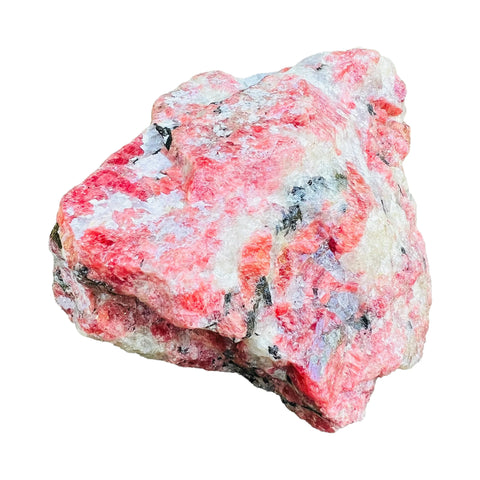
 Rhodonitefor emotional healing
 Selenitefor cleansing
 Sodalitefor focus
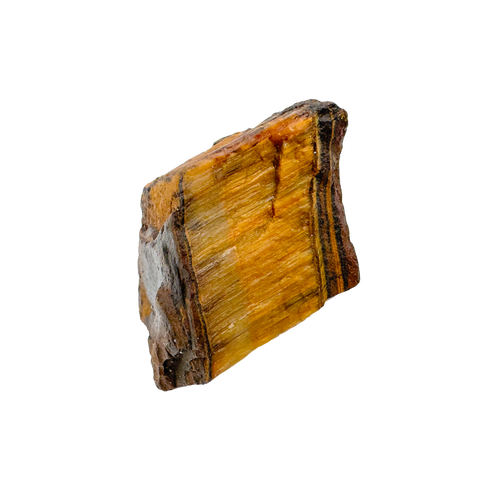
 Tiger Eyefor confidence


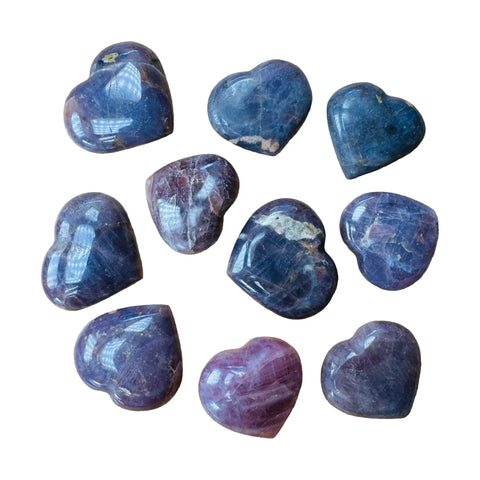
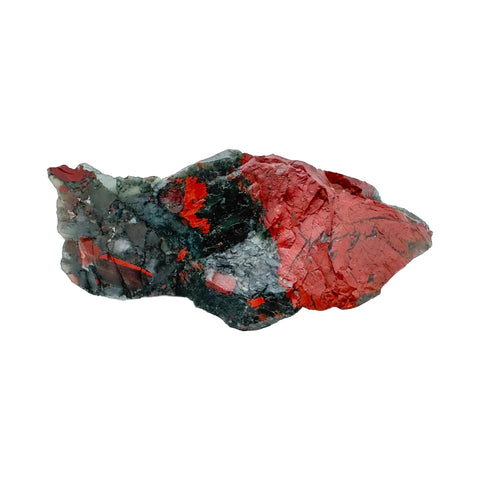
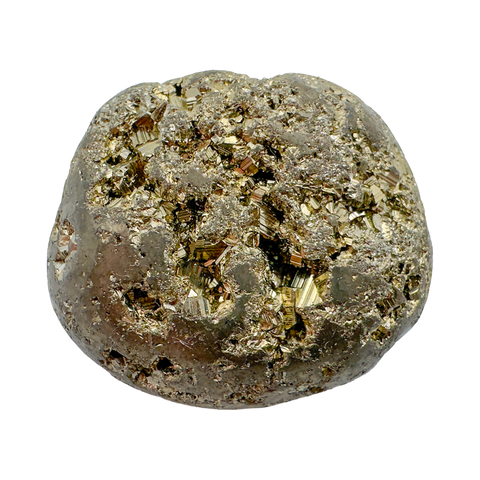
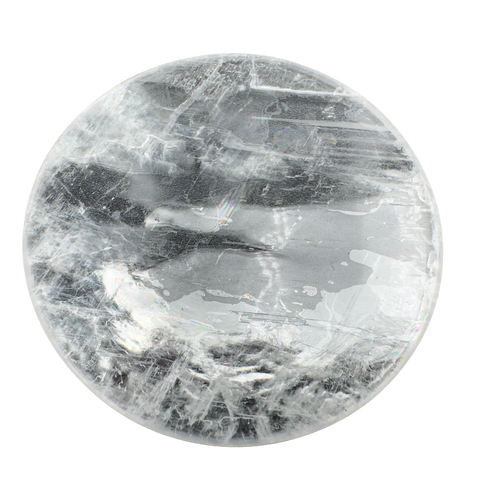
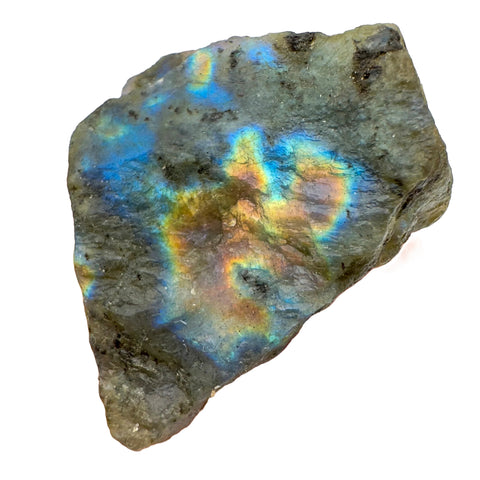
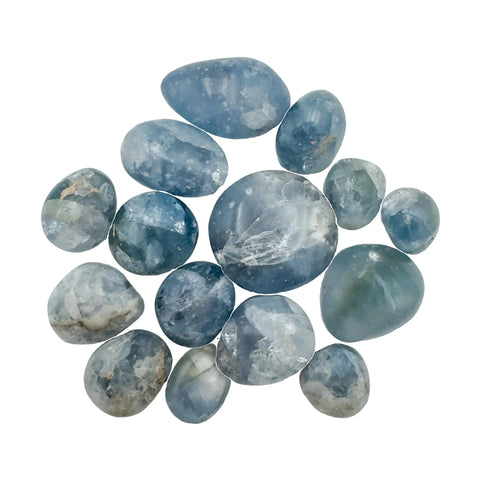


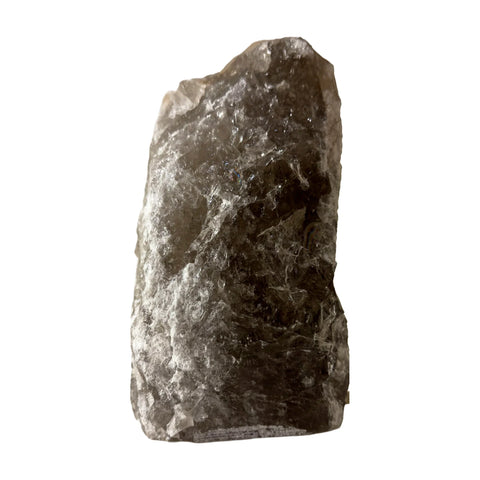
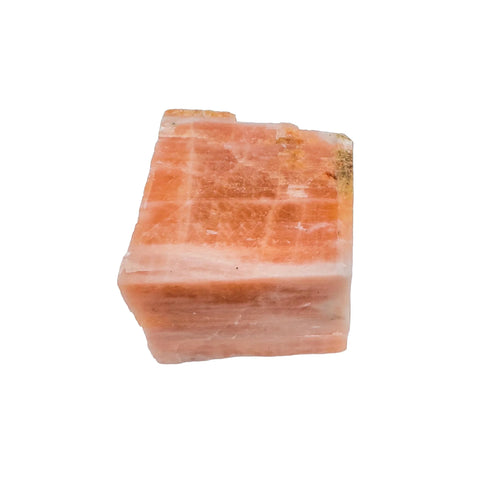





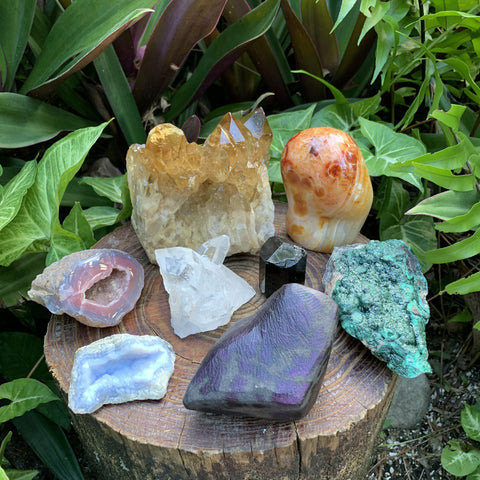
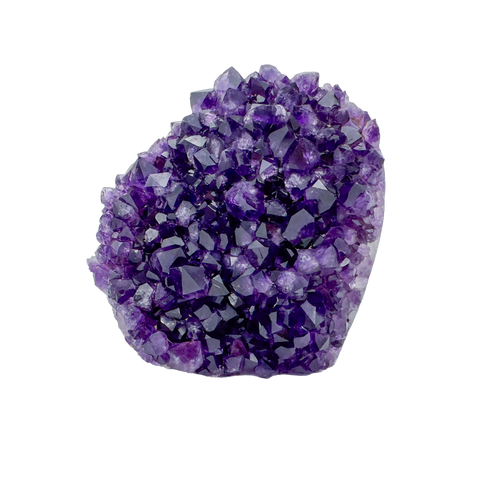
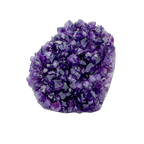 Amethyst
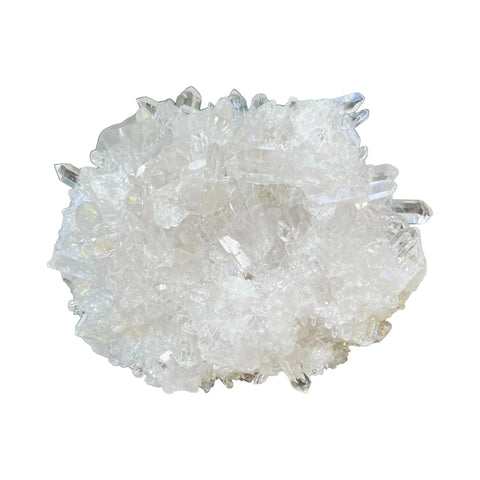
 Clear Quartz
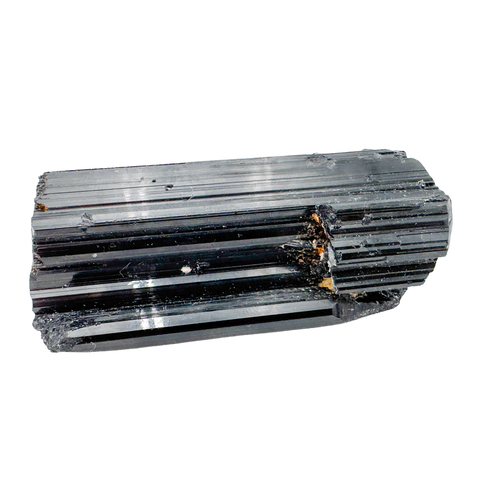
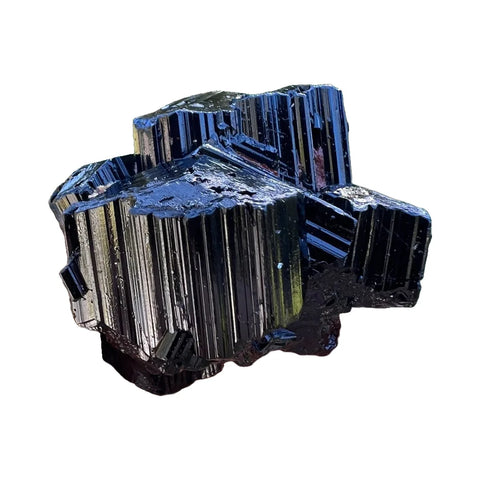
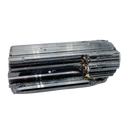 Black Tourmaline
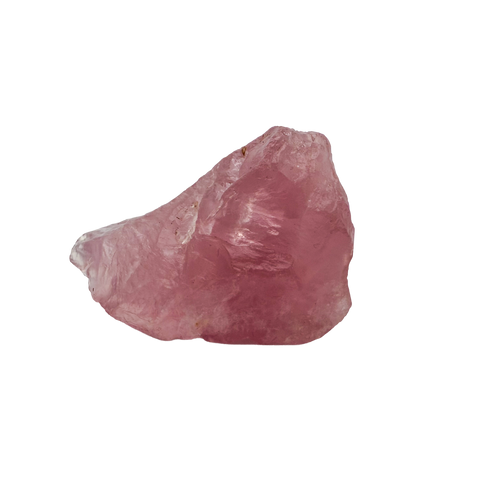
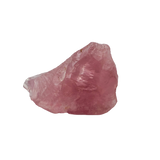 Rose Quartz
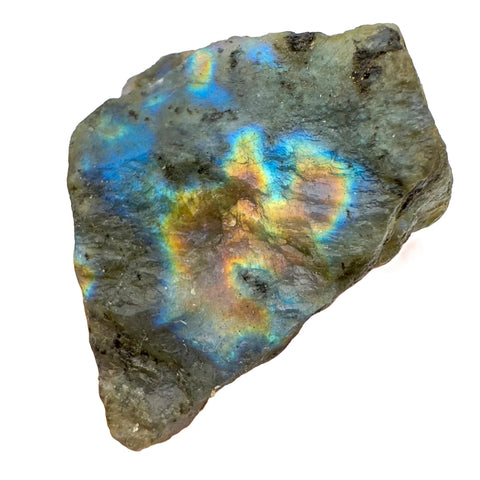
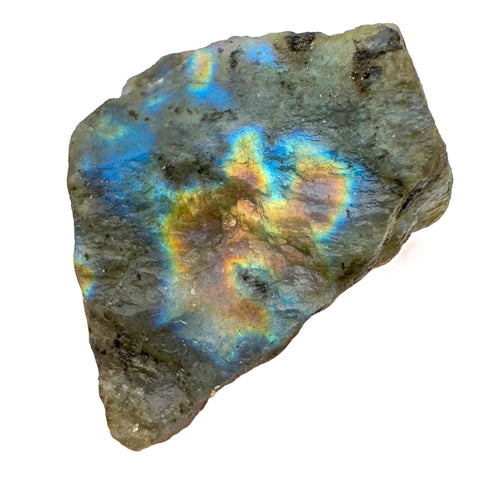
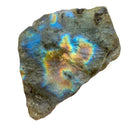 Labradorite
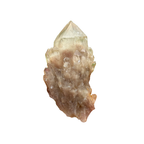 Natural Citrine
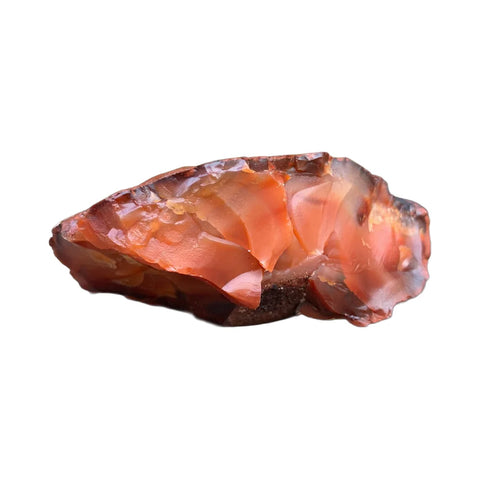
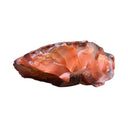 Carnelian
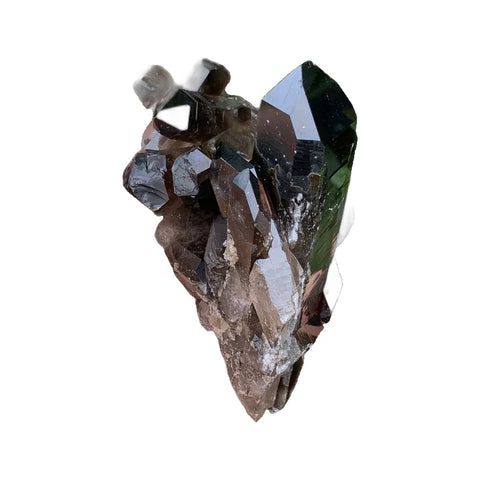
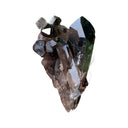 Smoky Quartz
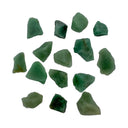 Aventurine
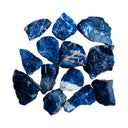 Sodalite
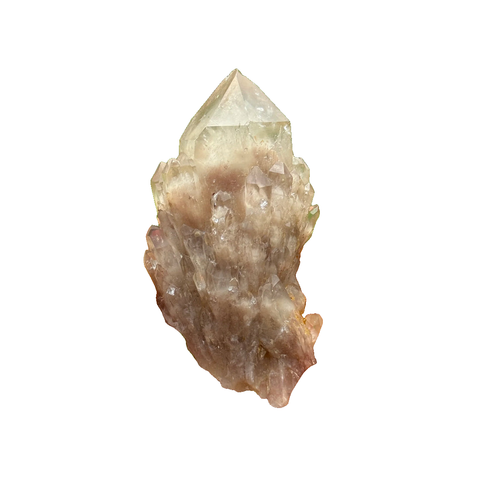
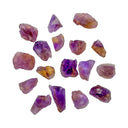 Ametrine
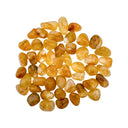 Golden Healer
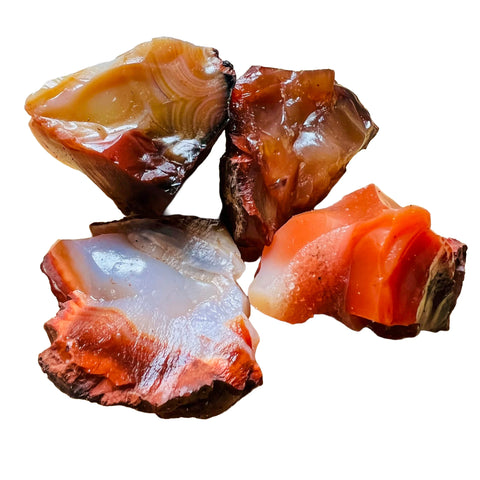
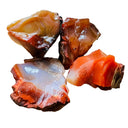 Raw Stones
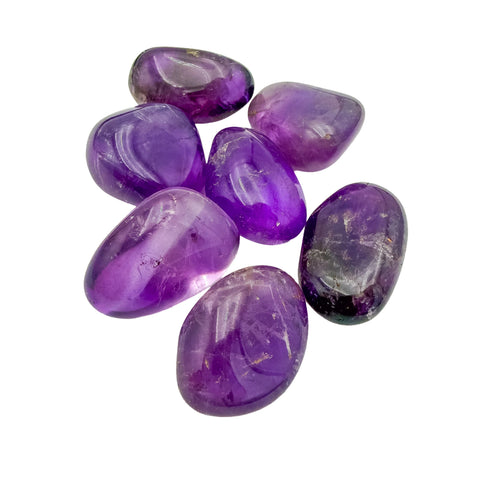
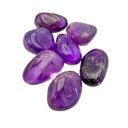 Tumbled Stones
 Palm Stones
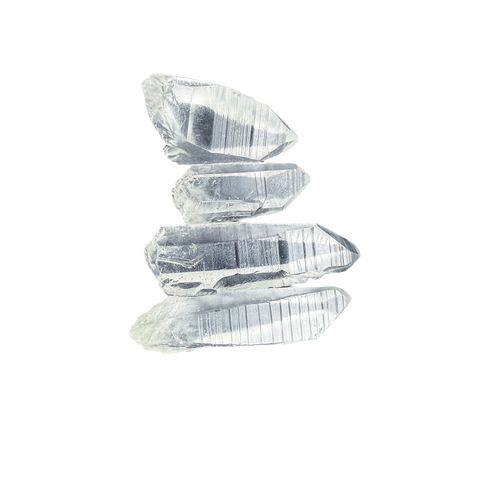
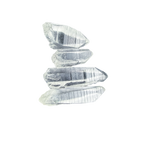 Crystal Points
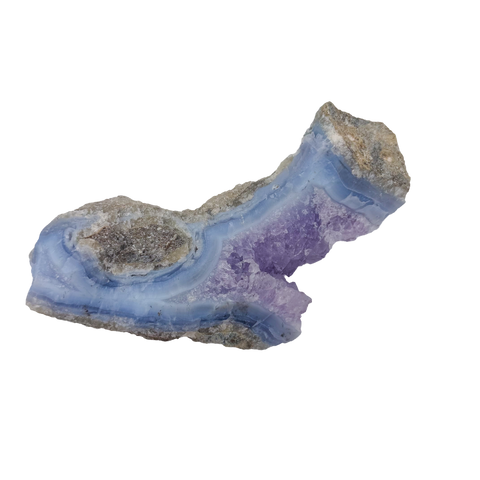
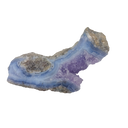 Clusters & Geodes
 Polished & Decor
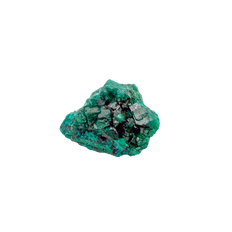 Mineral Specimens
 Crystal Chips
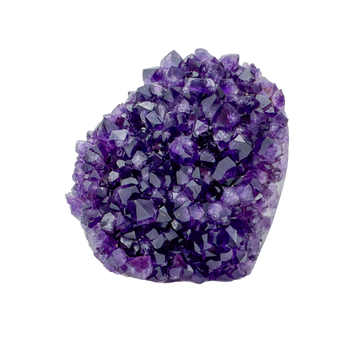
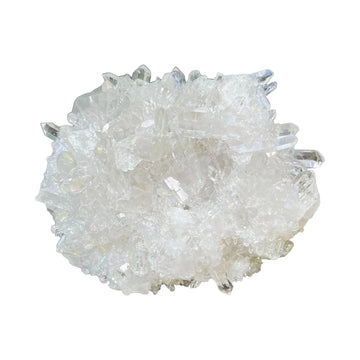
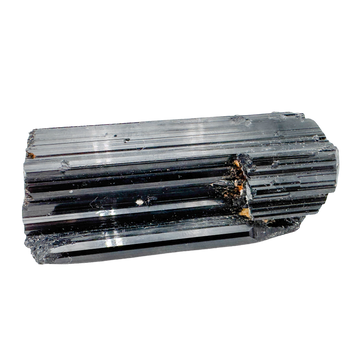
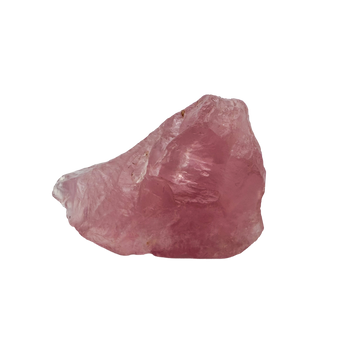
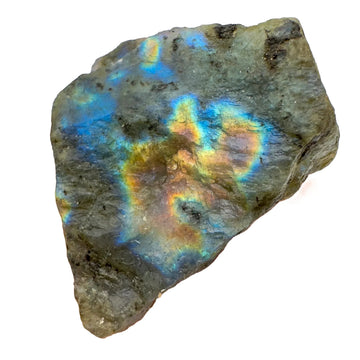
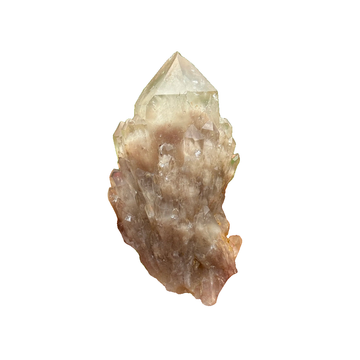
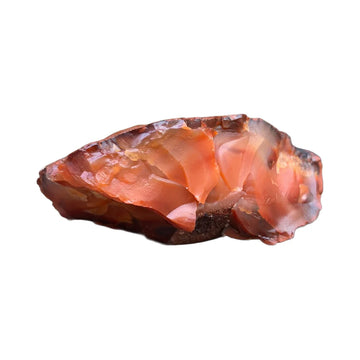
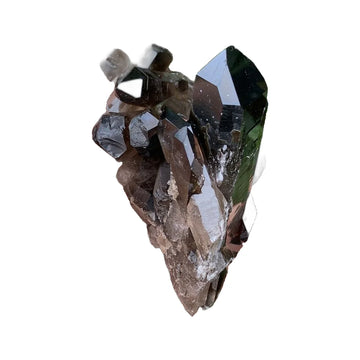
 Raw Stones
179 to choose from
Raw Stones
179 to choose from
 Tumbled Stones
162 to choose from
Tumbled Stones
162 to choose from
 Palm Stones
25 to choose from
Palm Stones
25 to choose from
 Crystal Points
23 to choose from
Crystal Points
23 to choose from
 Clusters & Geodes
103 to choose from
Clusters & Geodes
103 to choose from
 Polished & Decor
148 to choose from
Polished & Decor
148 to choose from
 Mineral Specimens
257 to choose from
Mineral Specimens
257 to choose from
 Crystal Chips
21 to choose from
Crystal Chips
21 to choose from


 AngolaAquamarine
›
AngolaAquamarine
›
 BotswanaCarnelian, Tree Agate
›
BotswanaCarnelian, Tree Agate
›
 DR CongoMalachite, Natural Citrine
›
DR CongoMalachite, Natural Citrine
›
 EswatiniBloodstone
›
EswatiniBloodstone
›
 MadagascarLabradorite, Clear Quartz
›
MadagascarLabradorite, Clear Quartz
›
 MalawiBlue Lace Agate, Garnet
›
MalawiBlue Lace Agate, Garnet
›
 MozambiqueAmazonite
›
MozambiqueAmazonite
›
 NamibiaSodalite, Blue Lace Agate
›
NamibiaSodalite, Blue Lace Agate
›
 Republic of the CongoDioptase
›
Republic of the CongoDioptase
›
 South AfricaTiger Eye, Unakite
›
South AfricaTiger Eye, Unakite
›
 ZambiaChevron Amethyst
›
ZambiaChevron Amethyst
›
 ZimbabweEmerald, Rhodonite
›
ZimbabweEmerald, Rhodonite
›
 ArgentinaBlack Obsidian, Rhodochrosite
›
ArgentinaBlack Obsidian, Rhodochrosite
›
 BoliviaAmetrine
›
BoliviaAmetrine
›
 BrazilAmethyst, Clear Quartz
›
BrazilAmethyst, Clear Quartz
›
 PeruSerpentine, Jade
›
PeruSerpentine, Jade
›
 UruguayAmethyst
›
UruguayAmethyst
›
 Dominican RepublicLarimar
›
Dominican RepublicLarimar
›
 MexicoRainbow Obsidian, Crazy Lace Agate
›
MexicoRainbow Obsidian, Crazy Lace Agate
›
 United StatesSelenite, Peridot
›
United StatesSelenite, Peridot
›
 ChinaFluorite
›
ChinaFluorite
›
 RussiaShungite
›
RussiaShungite
›
 AustraliaMookaite
›
AustraliaMookaite
›
 Where our crystals come from
See where we source →
Where our crystals come from
See where we source →


 Aries
Mar 21 to Apr 19
Carnelian
›
Aries
Mar 21 to Apr 19
Carnelian
›
 Taurus
Apr 20 to May 20
Rose Quartz
›
Taurus
Apr 20 to May 20
Rose Quartz
›
 Gemini
May 21 to Jun 20
Agate
›
Gemini
May 21 to Jun 20
Agate
›
 Cancer
Jun 21 to Jul 22
Moonstone
›
Cancer
Jun 21 to Jul 22
Moonstone
›
 Leo
Jul 23 to Aug 22
Citrine
›
Leo
Jul 23 to Aug 22
Citrine
›
 Virgo
Aug 23 to Sep 22
Amazonite
›
Virgo
Aug 23 to Sep 22
Amazonite
›
 Libra
Sep 23 to Oct 22
Blue Lace Agate
›
Libra
Sep 23 to Oct 22
Blue Lace Agate
›
 Scorpio
Oct 23 to Nov 21
Obsidian
›
Scorpio
Oct 23 to Nov 21
Obsidian
›
 Sagittarius
Nov 22 to Dec 21
Sodalite
›
Sagittarius
Nov 22 to Dec 21
Sodalite
›
 Capricorn
Dec 22 to Jan 19
Black Tourmaline
›
Capricorn
Dec 22 to Jan 19
Black Tourmaline
›
 Aquarius
Jan 20 to Feb 18
Amethyst
›
Aquarius
Jan 20 to Feb 18
Amethyst
›
 Pisces
Feb 19 to Mar 20
Aquamarine
›
Gifting?
A birthday stone is the safe bet.
Read the zodiac guide →
Pisces
Feb 19 to Mar 20
Aquamarine
›
Gifting?
A birthday stone is the safe bet.
Read the zodiac guide →


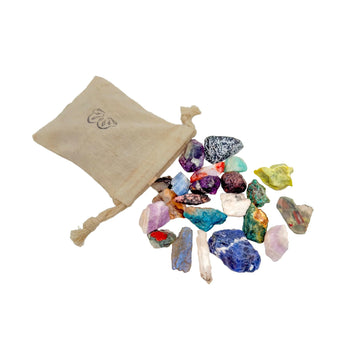
Apatite
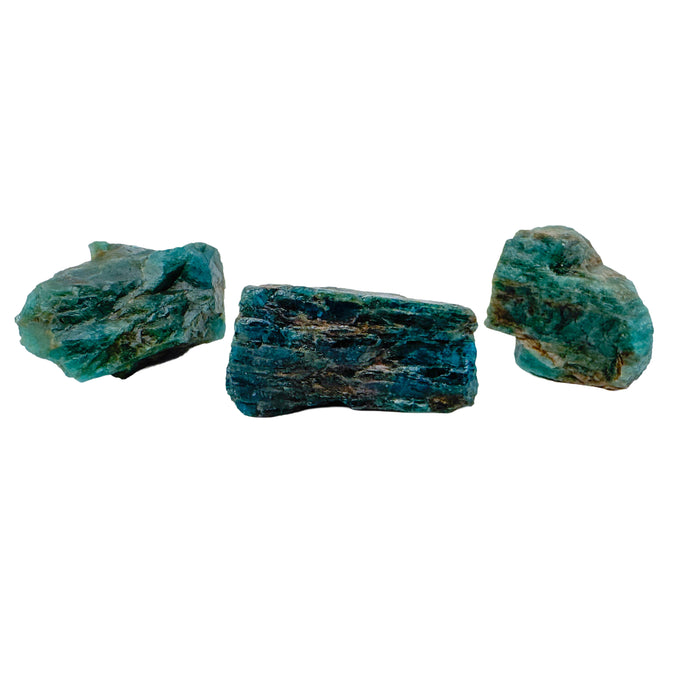
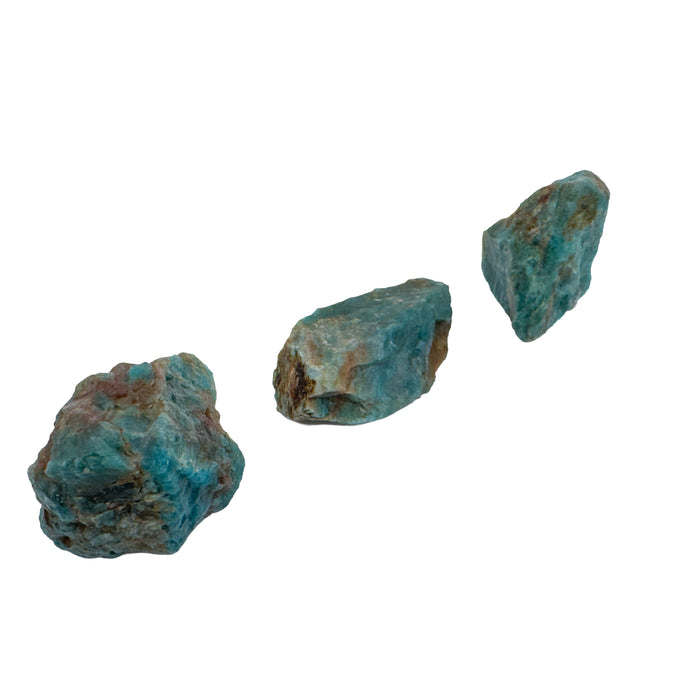
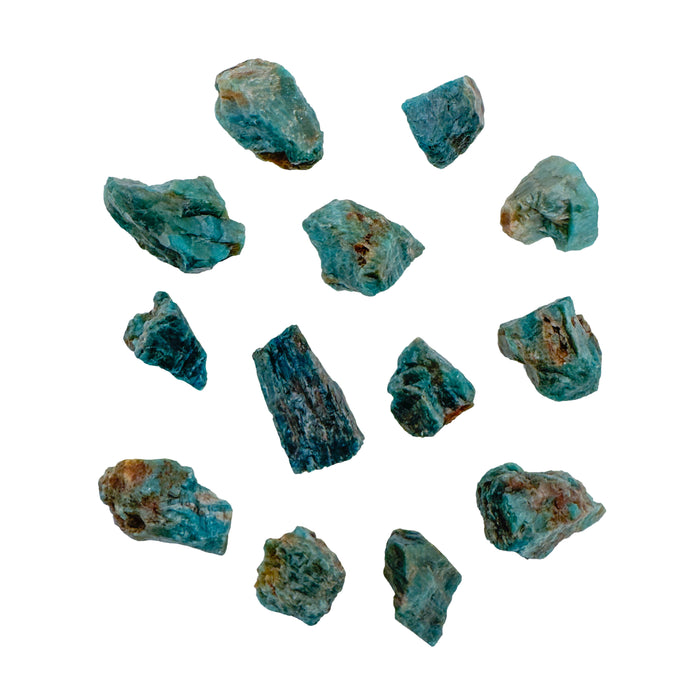
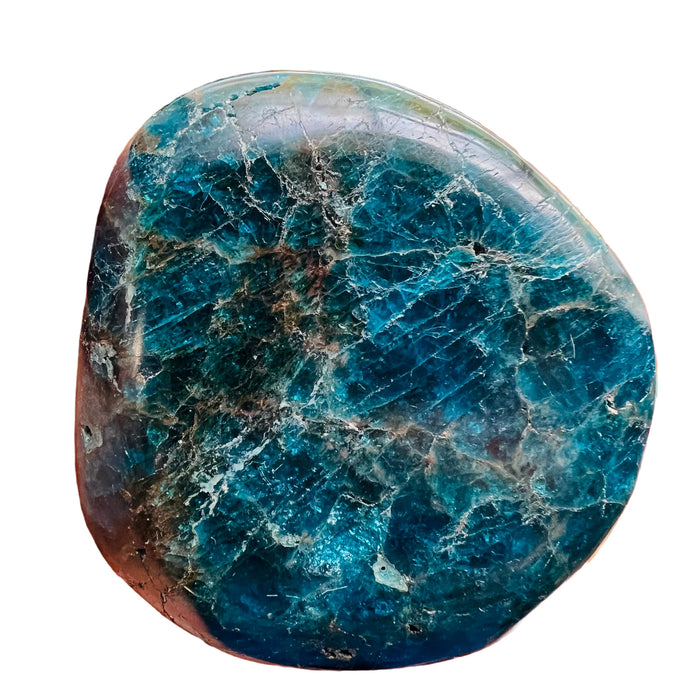
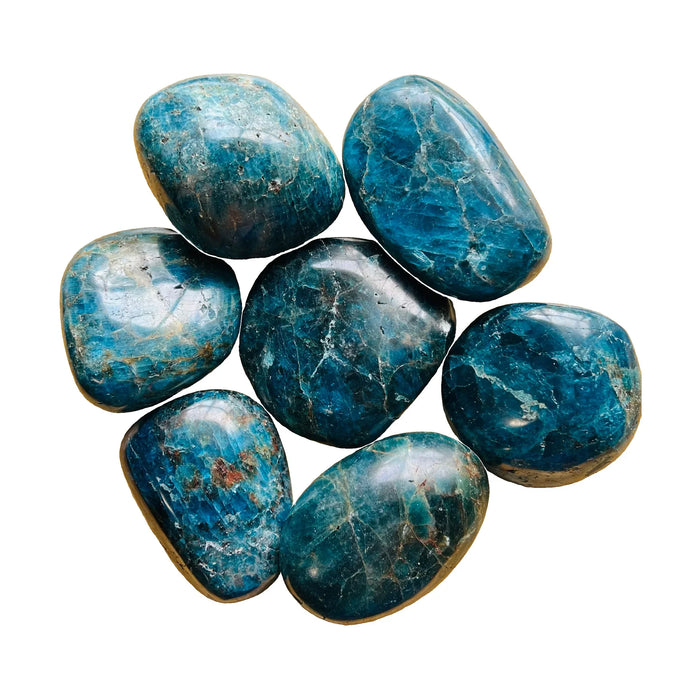
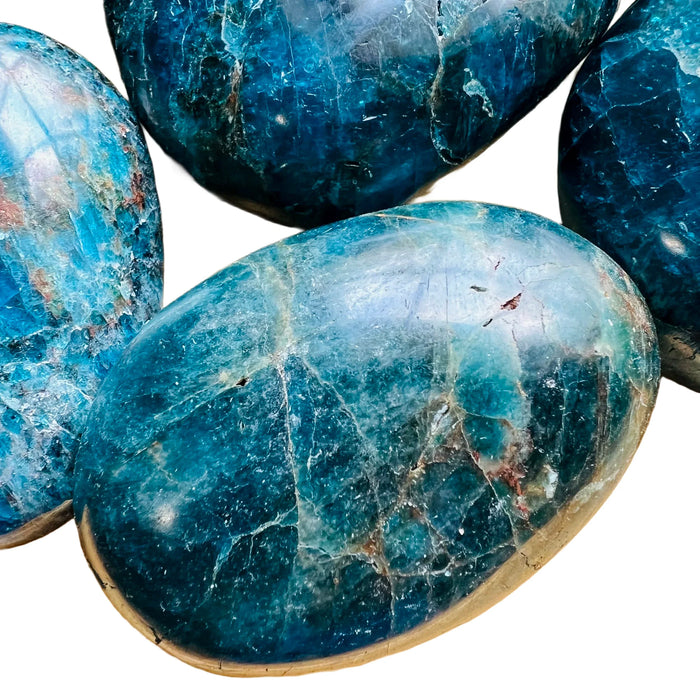
Apatite is a calcium phosphate mineral (Ca₅(PO₄)₃(F,Cl,OH)) best known in the crystal trade for its teal and blue-green color. The name comes from the Greek apatē, meaning deception, because gem apatite was historically confused with beryl, topaz, and tourmaline. Many people work with it for clear speech, focus, and motivation.
Shop apatiteApatite, in stock now.
Our most-loved Apatite pieces, ready to ship.
- from 1,000+ reviews
- Ships within 72 hoursMonday to Friday, tracked
- 90 days to return itif you do not love it
- Free US shipping over $99$8.99 flat rate under
The geology.
Apatite is a family of calcium phosphate minerals with the general formula Ca₅(PO₄)₃(F,Cl,OH). The three main end-members are fluorapatite (fluorine-rich), chlorapatite (chlorine-rich), and hydroxyapatite (hydroxyl-rich). Most gem-quality apatite, including the blue-green material we carry, is fluorapatite. It crystallizes in the hexagonal system, typically in prismatic crystals with flat or pyramidal terminations.
Color comes from trace elements rather than the base chemistry. Blue and teal apatite owes its color to small amounts of iron and rare earth elements. Yellow-green apatite often contains manganese. Purple varieties are colored by additional rare earths. Apatite is soft for a gemstone, a 5 on the Mohs scale, which places it right in the middle of the original Mohs hardness reference. It is actually the same mineral family that makes up the enamel of our teeth and the structure of our bones.
The origins.
Apatite is mined commercially in many parts of the world. Madagascar's Anosy Region is the leading source of the blue and teal material most people recognize as "apatite" in crystal shops. Brazil's Minas Gerais produces the neon-blue Paraíba-style material. Mexico yields yellow and green apatite. Russia's Kola Peninsula holds the world's largest deposit, mostly mined for phosphate fertilizer rather than gemstone-quality material. Other commercial sources include Canada, Myanmar, Sri Lanka, Kenya, and the United States.
Our inventory rotates across these origins. Depending on what's available and meets our standard, a given piece in our collection may be Malagasy, Brazilian, or from another established producer. We confirm country and region of origin on each batch before listing.
Traditional associations.
Apatite is a relatively new stone in the metaphysical tradition. Although the mineral itself has been known and used industrially for centuries, its place in crystal work only formed in the last several decades. It does not have the deep cultural lineage of jade or turquoise. What it has developed is a modern reputation as a throat-and-third-eye stone, worked with for clarity of expression, honest communication, and focused intention.
Many people work with blue apatite for self-expression, public speaking, and getting clear on what they actually want before they ask for it. It is often associated with the Throat and Third Eye chakras, the elements of Air and Water, and the zodiac signs Gemini and Libra. Green apatite is more commonly associated with the Heart chakra and is worked with for emotional balance and earth connection. Yellow apatite is associated with the Solar Plexus and is linked with motivation, confidence, and manifestation.
Spotting the real thing.
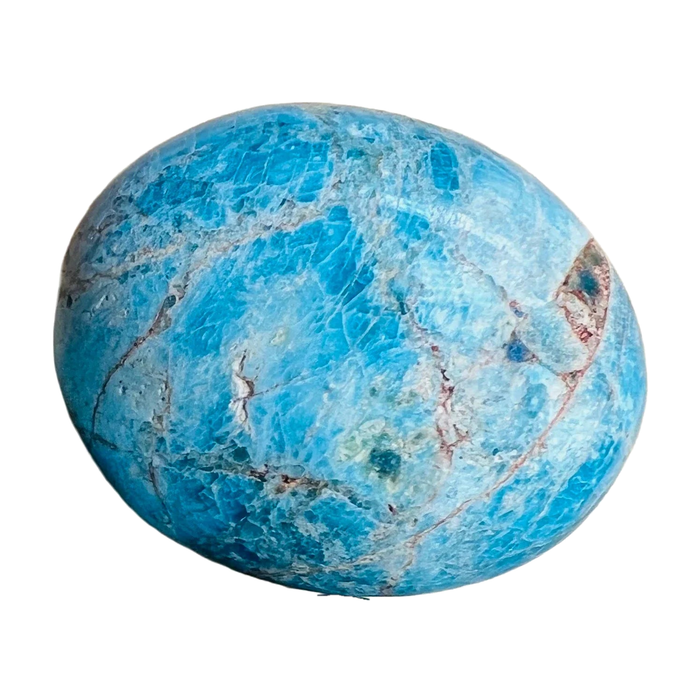
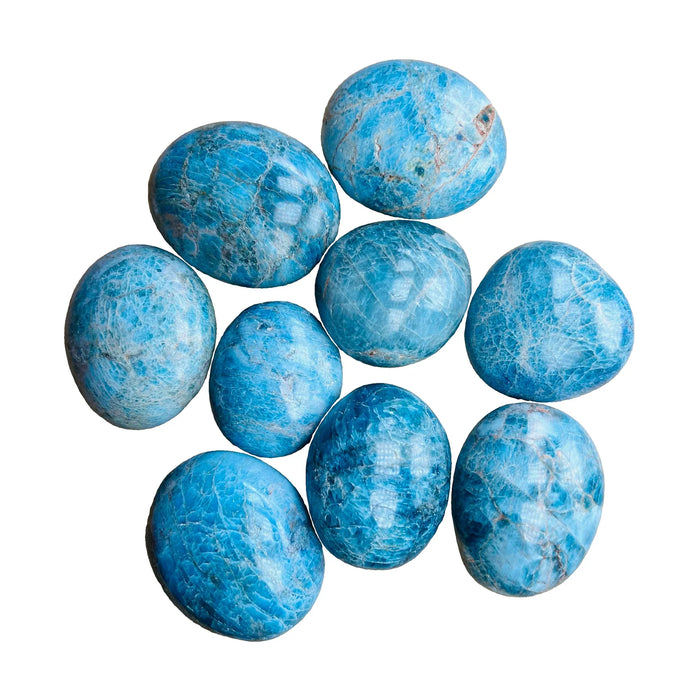
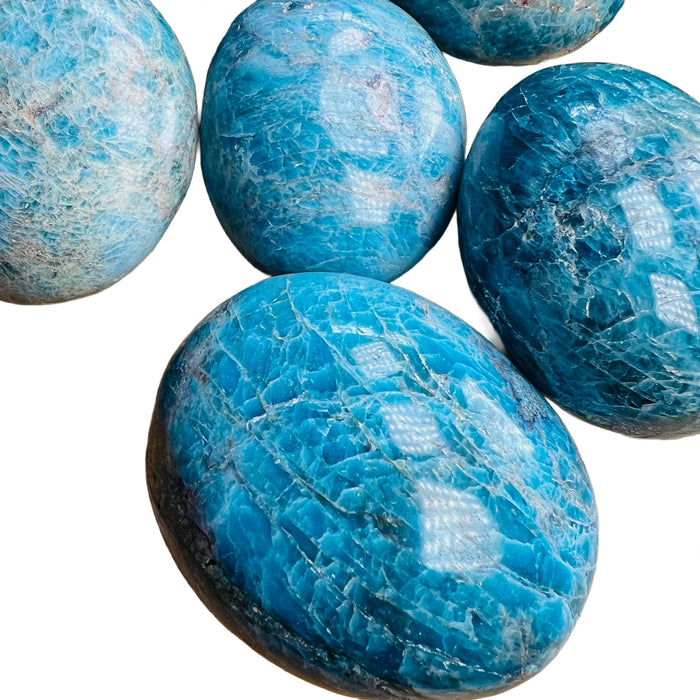
Natural blue-to-teal apatite shows color variation across a single piece. Patches of deeper blue, lighter teal, pale green, and areas of near-white are all normal. A very uniform, almost glowing neon blue across an entire piece is a signal that you are likely looking at heat-treated material or, rarely, dyed material. Natural apatite also typically shows internal feathers, small black specks, or cloud-like inclusions when examined closely. A completely flawless, uniformly glowing piece in the sub-gem-quality price range is worth questioning.
Because apatite is a 5 on the Mohs scale, it is noticeably softer than quartz (7). A quick practical test: apatite can be scratched by a steel knife blade, while quartz cannot. It is also softer than tourmaline, topaz, and beryl, which are the stones it is most often confused with in jewelry. Specific gravity of apatite is around 3.17 to 3.23, which feels noticeably denser in hand than common glass. Apatite fluoresces under shortwave ultraviolet light, usually showing yellow to orange, which glass substitutes do not.
Care & handling.
Apatite is relatively soft and fracture-prone. Brief cleaning with warm water and a soft cloth is fine. Avoid soaking, ultrasonic cleaners, and steam cleaners, all of which can stress the stone along internal cleavage planes. Keep it away from harder crystals in storage so it does not get scratched. Drops on a hard floor will chip or fracture it. Wear apatite jewelry gently and remove it before physical work, cleaning with chemicals, or hot showers.
Cleanse energetically with moonlight, sound, or smoke. Prolonged direct sunlight can fade some apatite, especially yellow and lighter greens, so avoid leaving it on a sunny windowsill for long periods. Harsh chemicals, chlorine, and acidic cleaners will etch the surface. Store in a padded pouch or fabric-lined compartment rather than loose with other stones.
Pairs well with.
Proof, not promises.
We measure our own sourcing across five dimensions. Supply chain, environmental footprint, artisan support, market integrity, and pricing. The number is honest, not perfect. Where we can do better, we say so.
A deeper look.
Extended geology, sourcing, authentication, history, varieties, and pricing, for when the quick guide isn't quite enough.
Extended geology
Apatite is not a single mineral but a group of closely related calcium phosphate minerals sharing the general formula Ca₅(PO₄)₃(F,Cl,OH). The three major end-members are fluorapatite Ca₅(PO₄)₃F, chlorapatite Ca₅(PO₄)₃Cl, and hydroxyapatite Ca₅(PO₄)₃(OH). Most gem apatite is fluorapatite. Apatite crystallizes in the hexagonal system, specifically in the dipyramidal class (6/m). Crystals typically form as hexagonal prisms with pinacoidal or pyramidal terminations, though massive and granular forms also occur.
Physical properties: Mohs hardness 5, specific gravity 3.17 to 3.23, refractive index 1.63 to 1.65, birefringence 0.002 to 0.006, dispersion 0.013. Cleavage is indistinct, fracture is conchoidal to uneven. Luster is vitreous to subresinous. Apatite is pyroelectric and sometimes weakly magnetic depending on iron content. Under shortwave ultraviolet light it frequently fluoresces yellow, orange, pink, or blue-green.
Beyond the gem trade, apatite is the primary mineral from which phosphorus is extracted for agricultural fertilizer. It is also the principal component of tooth enamel and bone in vertebrates. Apatite-group minerals are found in igneous, metamorphic, and sedimentary rocks, and in biological systems. This dual role as gem and industrial ore gives apatite one of the broadest annual mined volumes of any mineral, although only a small fraction reaches the crystal and jewelry markets.
Extended sourcing
Our Apatite comes from the Anosy Region in southeastern Madagascar, a zone of granitic pegmatite deposits that has become the world's leading source of blue-teal gem apatite. Collectors work small hand-dug pits, following pegmatite veins into weathered hillsides, and extract crystal-bearing pockets one at a time. Recovery is done with hand tools. Material is graded and consolidated at a regional buyer level before reaching export channels.
We vet each Madagascar supplier personally. Relationships are long-term where possible. We confirm country and regional origin on request, but do not claim pocket-level provenance for apatite because pooling at the buyer stage is common in the Madagascar pegmatite trade. Paying above-spot and working with known buyers helps protect collector income against volatile middleman pressure.
Other significant apatite sources worldwide include: Minas Gerais, Brazil (neon blue Paraíba-type material), Durango, Mexico (yellow apatite), the Kola Peninsula, Russia (industrial-scale phosphate mining, some gem by-product), Canada (Ontario, Quebec, Ontario), Myanmar, Sri Lanka, Kenya, Tanzania, and the United States (Maine, California). The bulk of crystal market apatite, however, is Madagascar or Brazil.
Authentication and warning signs
Natural blue-teal apatite shows color variation across a piece, with patches of deeper blue, lighter teal, and pale green common. A perfectly uniform intense neon blue is a strong signal of heat treatment, which is common at wholesale level to stabilize and deepen color. Heat-treated apatite is not synthetic and is not necessarily lower quality, but its natural color has been permanently altered, and disclosure is the ethical issue rather than the material itself.
Apatite's Mohs hardness of 5 separates it clearly from common lookalikes. It is softer than quartz (7), topaz (8), beryl (7.5 to 8), and tourmaline (7 to 7.5). A steel knife blade will scratch apatite but not those harder stones. Under shortwave ultraviolet light, most natural apatite fluoresces yellow-orange, which glass imitations do not. Specific gravity is noticeably higher than glass, which gives apatite a heavier-in-hand feel than its size suggests.
Warning signs: uniformly glowing neon blue across an entire piece at crystal-shop prices, very low weight for size (suggests glass), no fluorescence under UV, perfect flawlessness in lower price ranges, and any claim of Paraíba apatite at non-Paraíba prices.
Historical and cultural context
Apatite was formally named in 1786 by the German geologist Abraham Gottlob Werner. The name comes from the ancient Greek apatē, meaning deception or cheat, because the mineral was so frequently mistaken by early mineralogists for other gemstones including beryl, topaz, tourmaline, and olivine. This naming is unusual in mineralogy and remains a useful hint for the stone itself. If it looks like a brighter, cleaner beryl or tourmaline at a surprising price, test for softness before assuming.
Apatite has no major lineage in classical crystal healing traditions. Its modern metaphysical use dates to roughly the late twentieth century, when the mineral became more widely available through Madagascar and Brazilian supply chains. The throat and third eye associations, manifestation themes, and motivation pairings are all modern attributions. Apatite as a gemstone in jewelry is even more recent, primarily driven by the Paraíba neon blue variety that reached Western markets in the 1990s.
Varieties and trade names
Blue apatite: the most common variety in the crystal trade. Madagascar material is teal-blue with color variation. Paraíba-style neon blue from Brazil commands a premium.
Green apatite: yellow-green to medium green, associated with the heart chakra in modern work. Common source: Brazil, Mexico.
Yellow apatite: golden to honey colors, most often from Durango, Mexico. Soft and prone to fading in sunlight.
Purple and violet apatite: rare, colored by rare earth elements. Often from Maine, USA, and some Madagascar material.
Cat's eye apatite: chatoyant apatite showing a single sharp line of reflected light, cut en cabochon. Rare and highly prized.
Paraíba apatite: neon blue-green apatite from Minas Gerais, Brazil, marketed by resemblance to Paraíba tourmaline. Often heat-treated.
Pricing reality
Tumbled blue apatite: 3 to 12 dollars per piece, depending on size and color saturation. Raw Madagascar apatite in 1 to 2 inch sizes: 8 to 30 dollars per piece. Hexagonal crystal specimens with clear terminations: 25 to 150 dollars. Gem-quality faceted material: 15 to 60 dollars per carat for standard blue, 100 to 400 dollars per carat for Paraíba-type neon blue.
Value drivers: color saturation (natural deep blue-teal is most prized), clarity, crystal form for specimens, size, and origin. Madagascar commands mid-range. Brazilian Paraíba is the top tier. Warning signs: suspiciously uniform neon color at low prices (likely heat-treated undisclosed), glass imitations, and claims of Paraíba origin on material priced below Madagascar rates.
Good sourcing is a practice, not a claim.
Nothing we sell is heat-treated, dyed, stabilized, or color-enhanced without full disclosure. We name our origins where we can. We say so when we cannot. We walk away from material that does not meet our standard, even when it costs us sales.
Bring apatite home.
Every piece we carry is untreated Madagascar material, hand-selected for color depth and clarity. No heat-treated neon fakes, no mystery origin.
Shop the apatite collectionGrounded Connections
New stones go to the list first.
No forwarding, no selling. Unsubscribe in one click. Privacy