


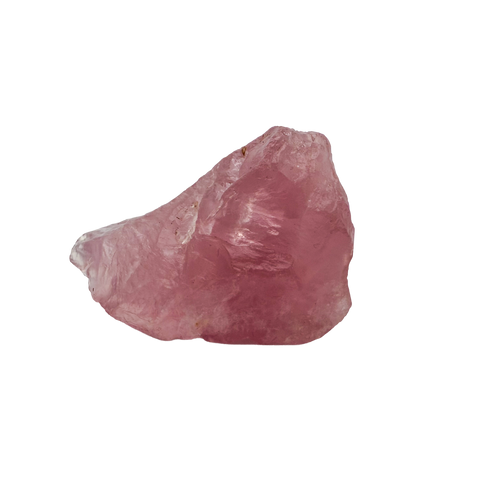
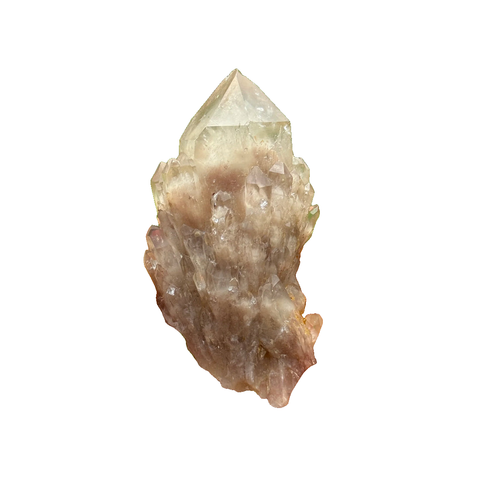
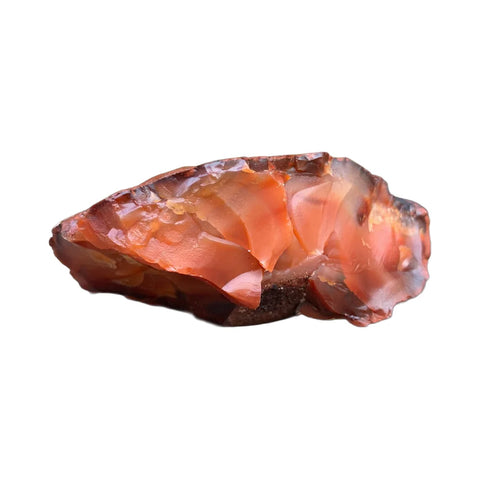
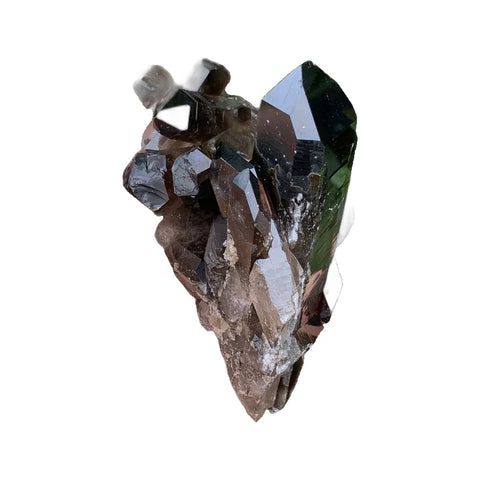
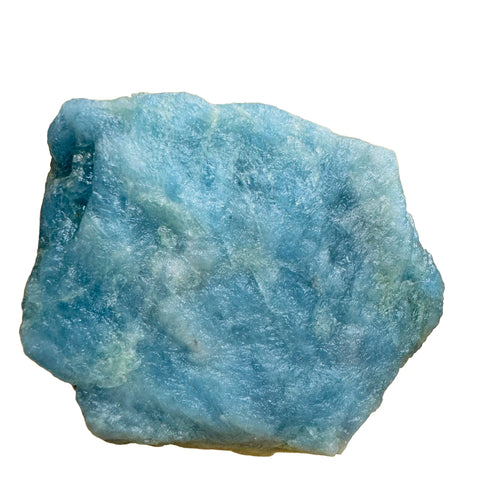
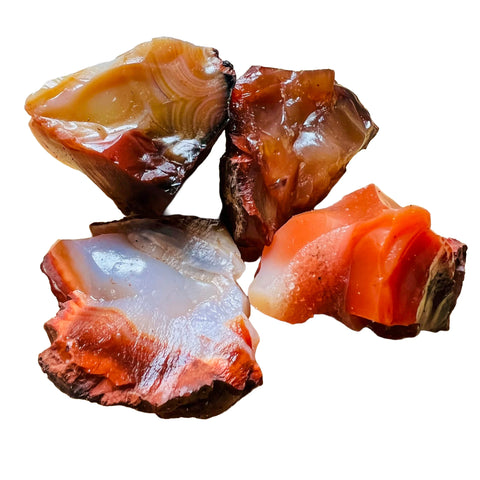


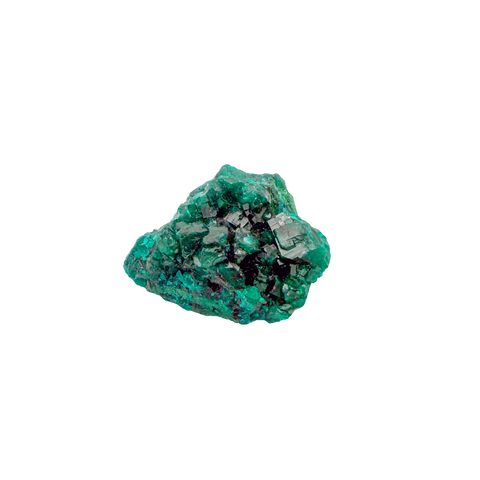
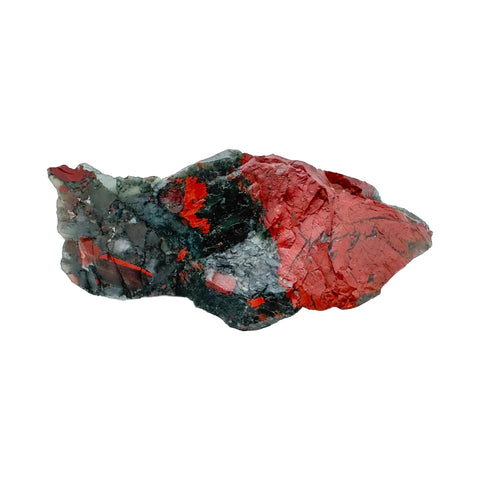
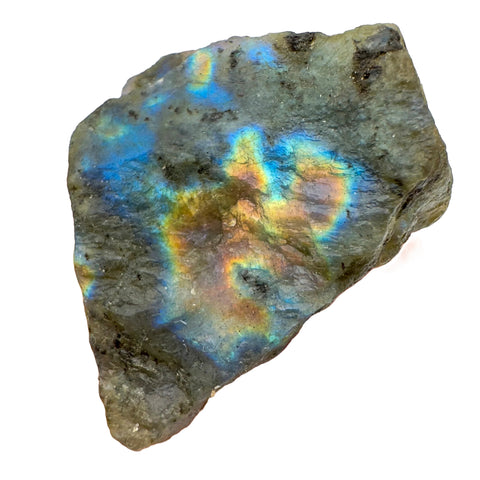
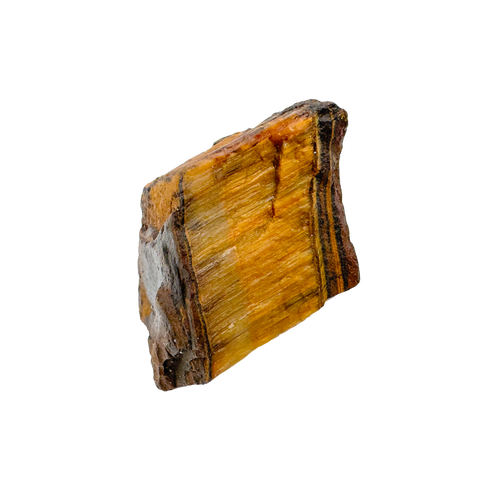
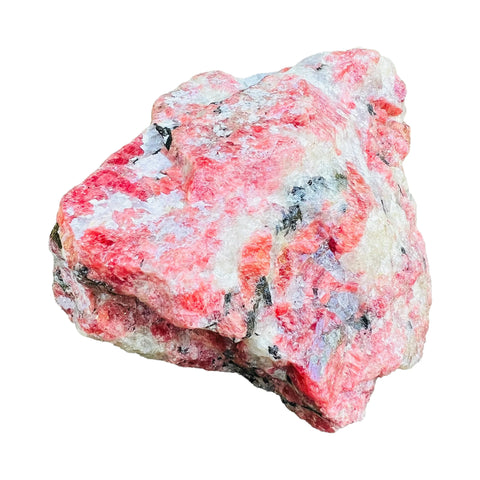
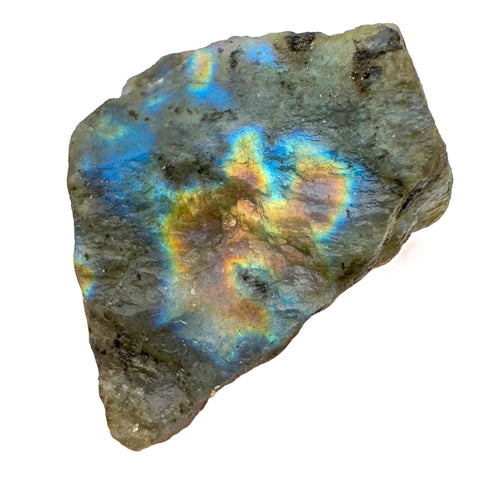



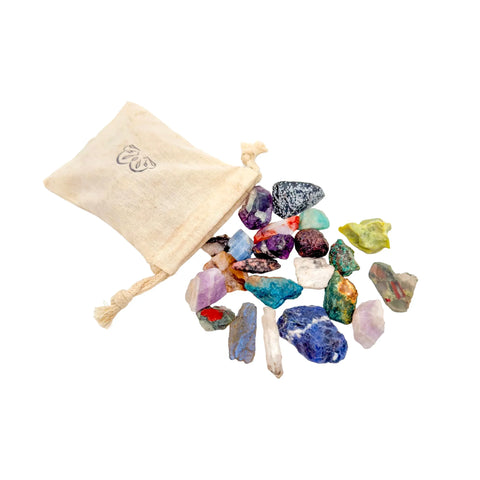
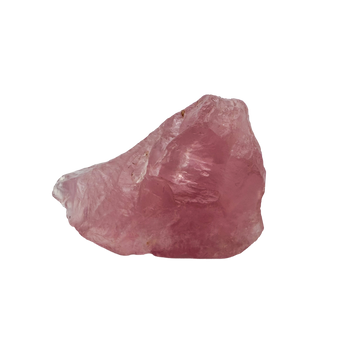
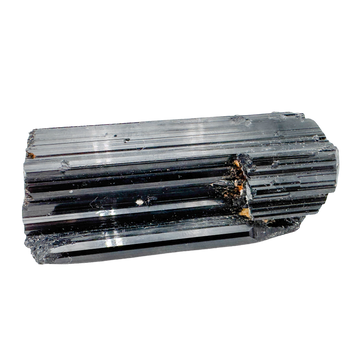
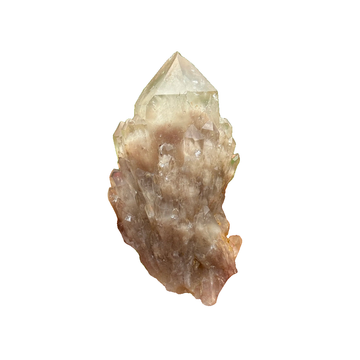
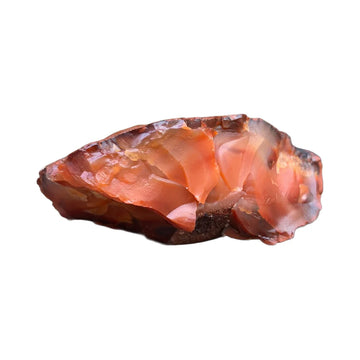
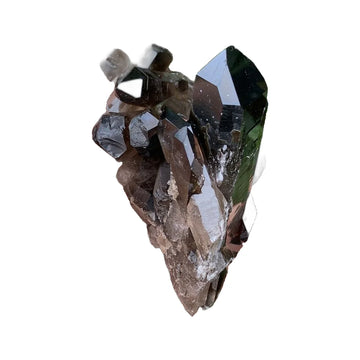
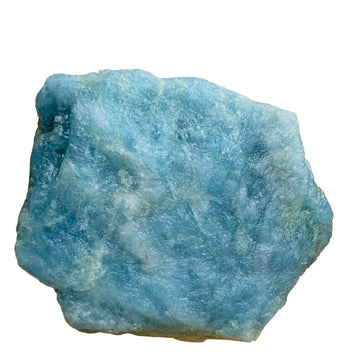
 Raw Stones
180 pieces
Raw Stones
180 pieces
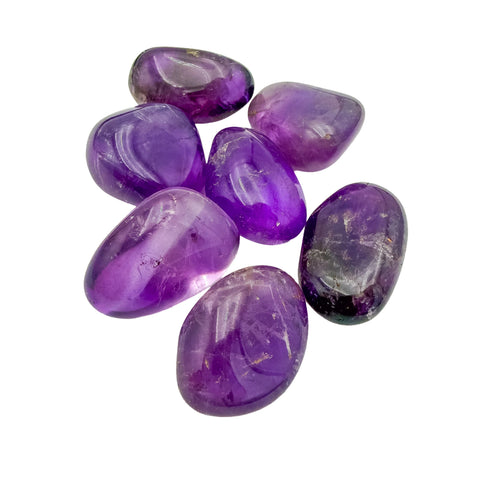
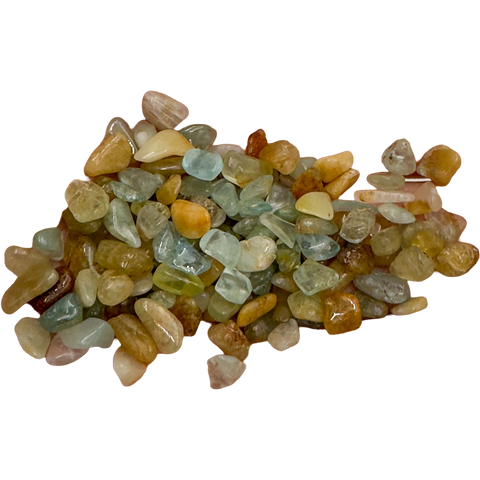
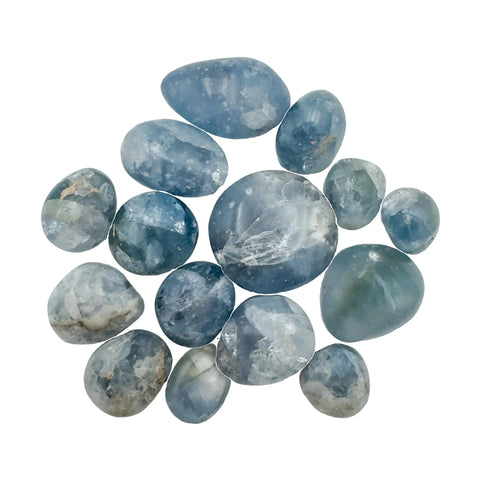
 Tumbled Stones
162 pieces
Tumbled Stones
162 pieces
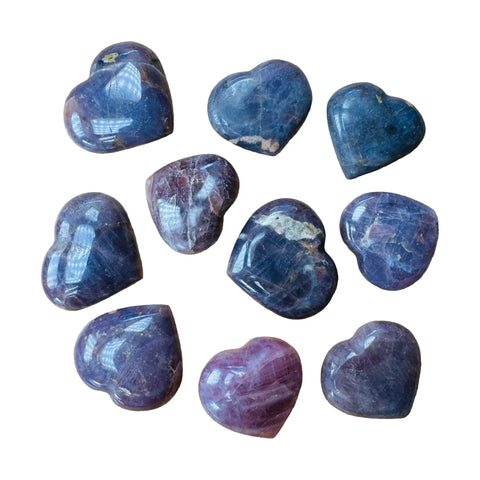
 Palm Stones
26 pieces
Palm Stones
26 pieces
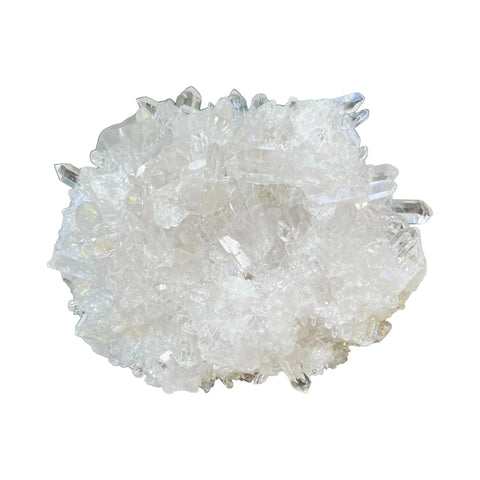
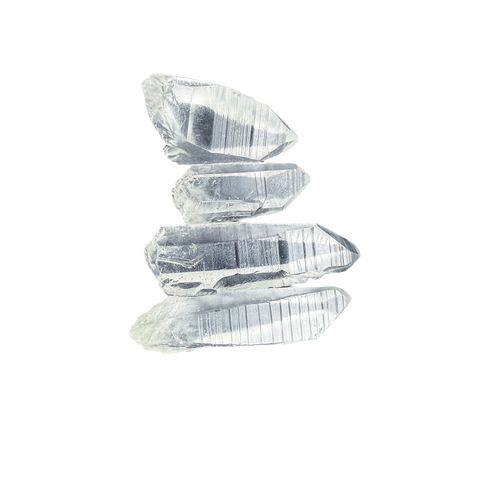
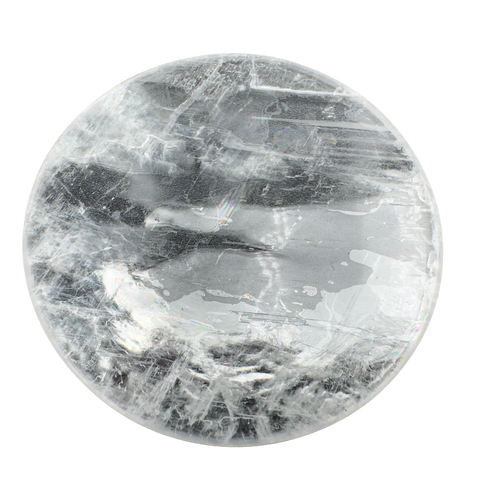
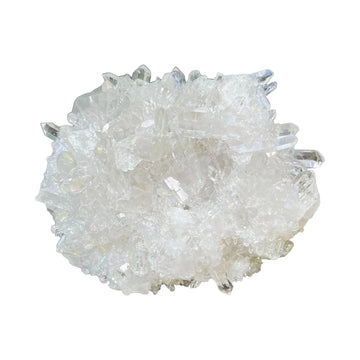
 Crystal Points
23 pieces
Crystal Points
23 pieces
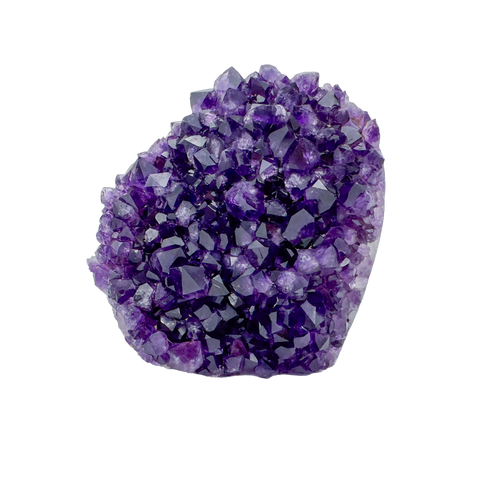
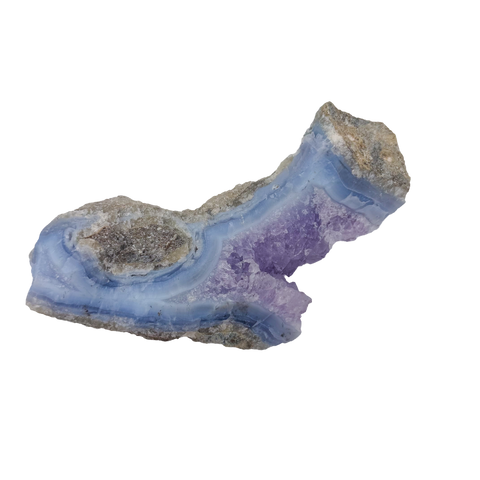
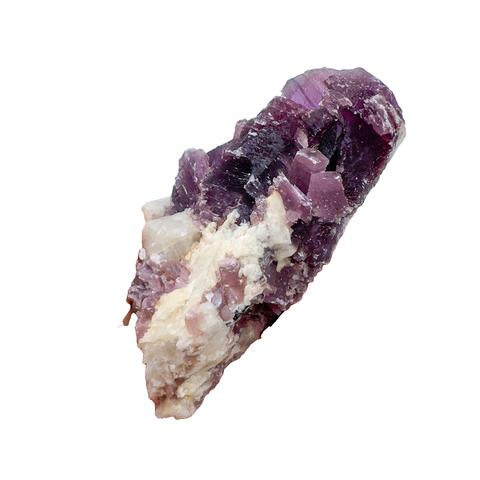
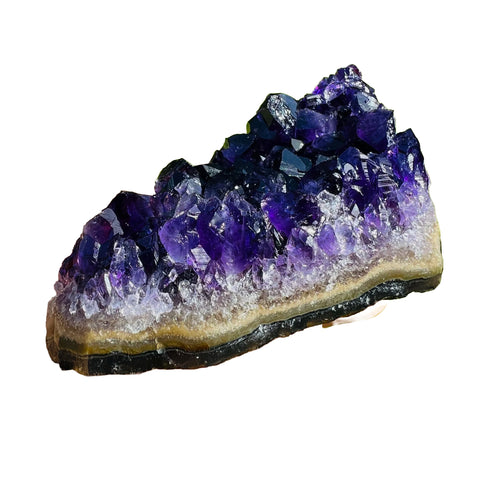
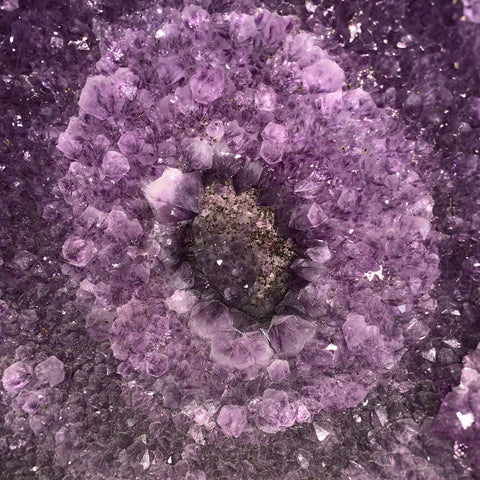
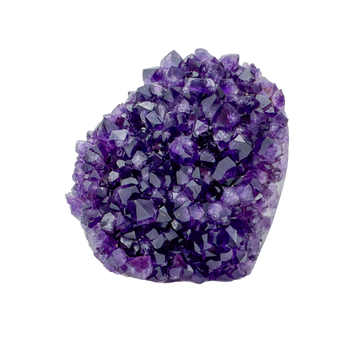
 Clusters & Geodes
109 pieces
Clusters & Geodes
109 pieces
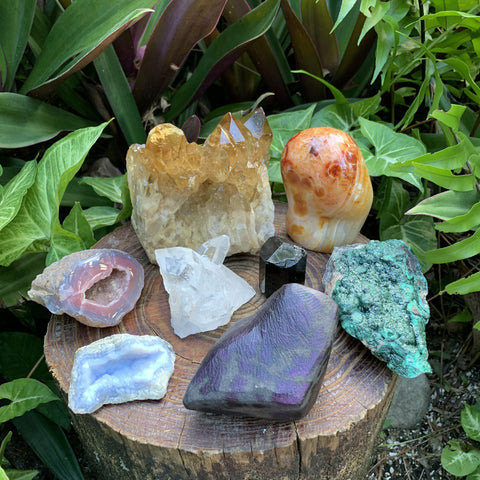
 Polished & Decor
152 pieces
Polished & Decor
152 pieces
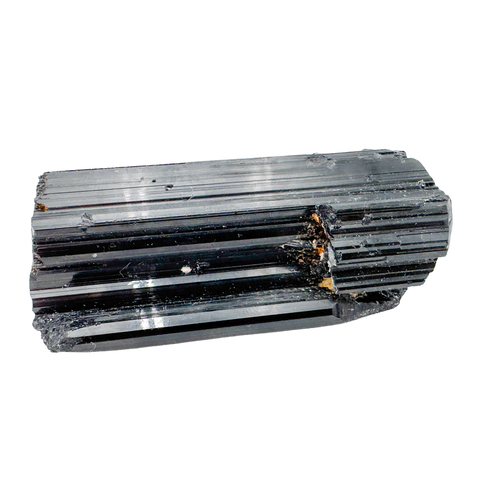
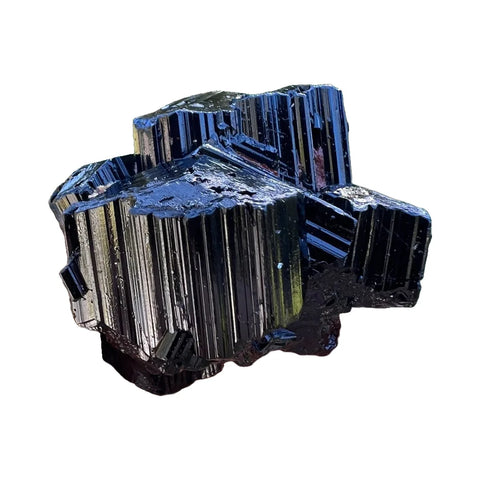
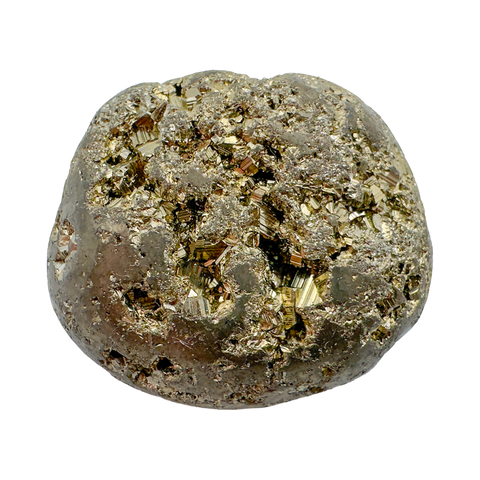
 Mineral Specimens
261 collector pieces
Mineral Specimens
261 collector pieces
 Crystal Chips
21 pieces
Browse everything
Every collection, one page.
View All Collections →
Crystal Chips
21 pieces
Browse everything
Every collection, one page.
View All Collections →


 Aries
Mar 21 – Apr 19
Carnelian
›
Aries
Mar 21 – Apr 19
Carnelian
›
 Taurus
Apr 20 – May 20
Rose Quartz
›
Taurus
Apr 20 – May 20
Rose Quartz
›
 Gemini
May 21 – Jun 20
Agate
›
Gemini
May 21 – Jun 20
Agate
›
 Cancer
Jun 21 – Jul 22
Moonstone
›
Cancer
Jun 21 – Jul 22
Moonstone
›
 Leo
Jul 23 – Aug 22
Citrine
›
Leo
Jul 23 – Aug 22
Citrine
›
 Virgo
Aug 23 – Sep 22
Amazonite
›
Virgo
Aug 23 – Sep 22
Amazonite
›
 Libra
Sep 23 – Oct 22
Blue Lace Agate
›
Libra
Sep 23 – Oct 22
Blue Lace Agate
›
 Scorpio
Oct 23 – Nov 21
Obsidian
›
Scorpio
Oct 23 – Nov 21
Obsidian
›
 Sagittarius
Nov 22 – Dec 21
Sodalite
›
Sagittarius
Nov 22 – Dec 21
Sodalite
›
 Capricorn
Dec 22 – Jan 19
Black Tourmaline
›
Capricorn
Dec 22 – Jan 19
Black Tourmaline
›
 Aquarius
Jan 20 – Feb 18
Amethyst
›
Aquarius
Jan 20 – Feb 18
Amethyst
›
 Pisces
Feb 19 – Mar 20
Aquamarine
›
Gifting?
A birthday stone is the safe bet.
Read the zodiac guide →
Pisces
Feb 19 – Mar 20
Aquamarine
›
Gifting?
A birthday stone is the safe bet.
Read the zodiac guide →


Apache Tears
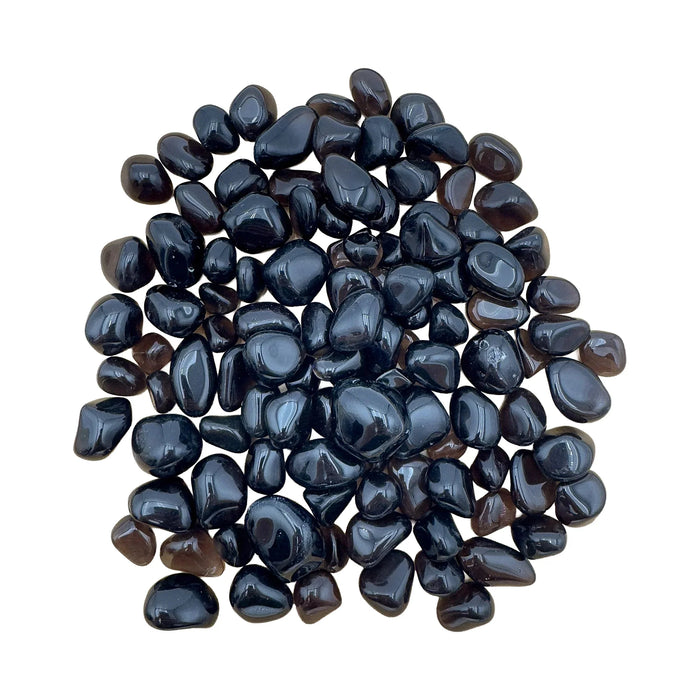
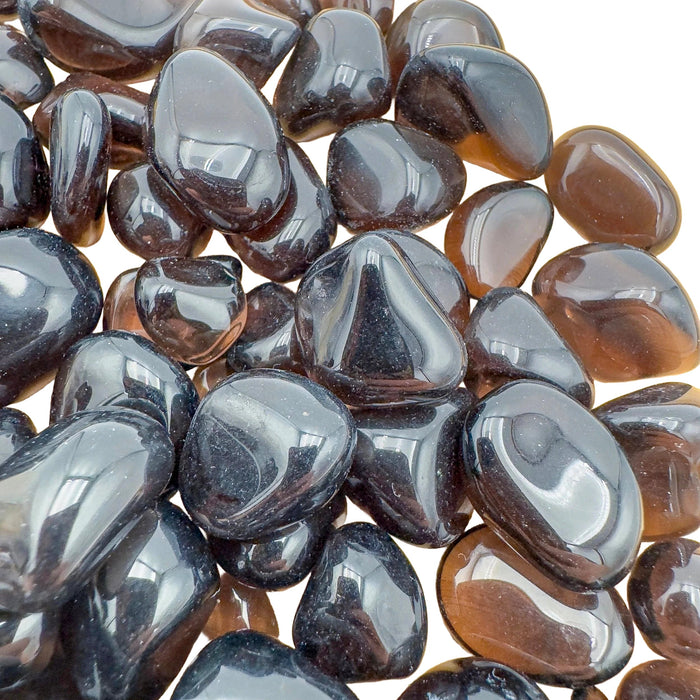
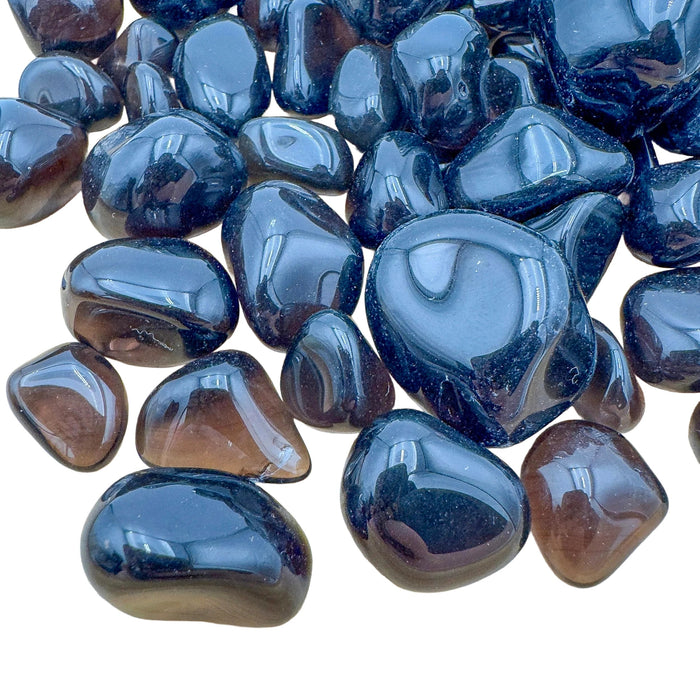
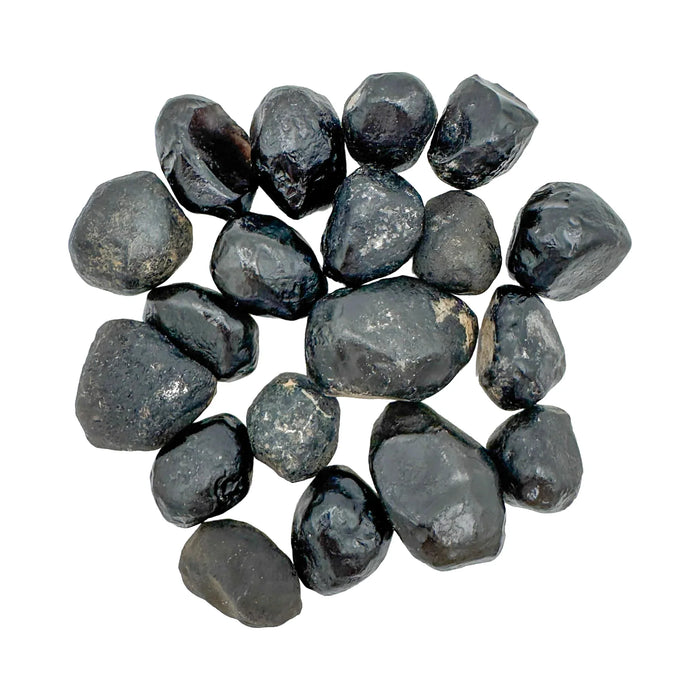
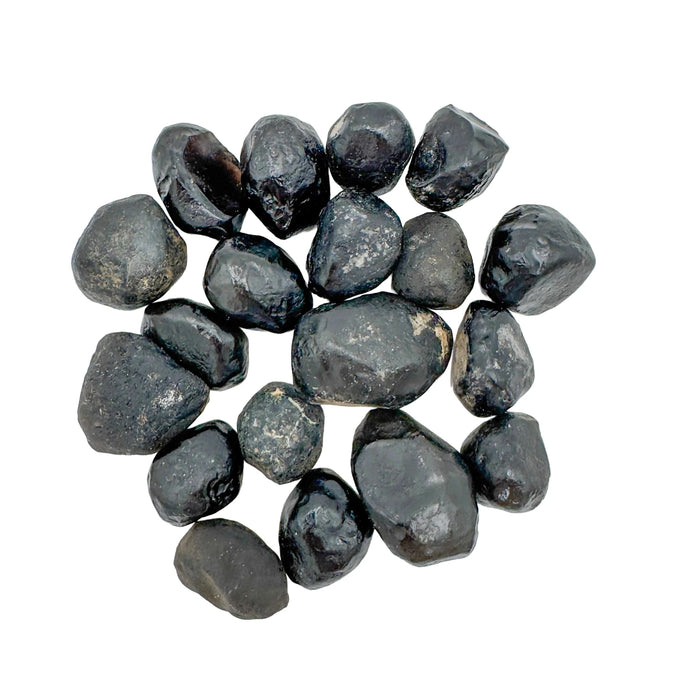
Apache Tears are small, rounded nodules of obsidian, a naturally occurring volcanic glass that forms when lava cools too quickly to crystallize. Held to light, they show a soft, smoky translucency that separates them from regular black obsidian. They are traditionally worked with for grief, emotional release, and gentle grounding.
Shop apache tearsThe geology.
Apache Tears are a variety of obsidian, a naturally occurring volcanic glass rich in silica (SiO₂) with minor aluminum, calcium, sodium, and potassium. They form when felsic lava erupts, gets quenched against cooler surroundings, and freezes before any crystals can grow. The result is a dense, glassy solid with no crystalline structure at all. Their dark color comes from tiny amounts of iron and magnesium suspended in the glass.
What makes Apache Tears different from common black obsidian is translucency. The nodules are small, rounded weathered pieces that have tumbled out of a softer volcanic host rock called perlite. Held up to strong light, they show a smoky translucent quality rather than looking fully opaque. This is the most reliable visual separation between genuine Apache Tears and cut-and-polished pieces of regular obsidian sold under the name.
The origins.
Apache Tears are found across the American Southwest and into northern Mexico, weathering out of perlite in regions that were once volcanically active. Arizona is the best-known origin and gave the stone its name. The Superior area near the Pinal Mountains yields the historical reference material. Nevada, New Mexico, Utah, and parts of California and Idaho are also consistent producers. Sonora in Mexico supplies a large share of the material moving through the current US wholesale market.
Our inventory rotates across these regions. The pieces we carry are collected from surface deposits by small-scale artisans rather than quarried, which is one of the lowest-impact ways crystals reach the market. We confirm country and region of origin on each batch before listing.
Traditional associations.
The name Apache Tears comes from a nineteenth-century Pinal Apache story from Arizona. A group of Apache warriors, cornered at the edge of a cliff during a conflict with U.S. cavalry in the 1870s, chose to ride off the cliff rather than be captured. According to the tradition, the women of their community wept for them, and the Creator turned their tears into black stones so they would never have to cry again. The name has carried with the stones ever since.
Many people work with Apache Tears for gentle grief support, emotional release, and grounded protection. The stones are often understood as a softer, more emotional counterpart to standard black obsidian. Their softness comes from the translucency itself, the way they take in light rather than block it. They are most commonly associated with the Root and Sacral chakras, the elements of Earth and Fire, and the zodiac signs Scorpio, Sagittarius, Aries, and Pisces.
Spotting the real thing.
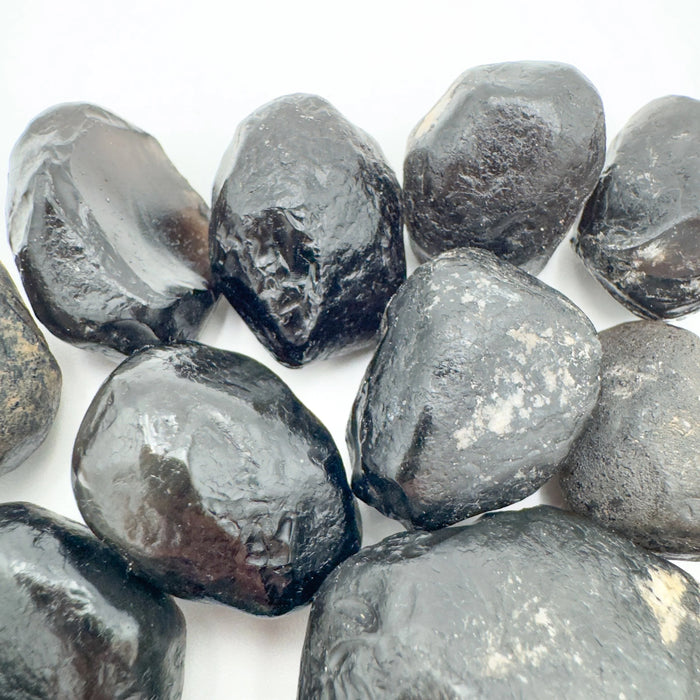
The single most reliable test is translucency. Hold the stone up to a bright light. A genuine Apache Tear will show a soft, smoky glow around the edges or through the thinner parts. Standard black obsidian sold under the name will look completely opaque. True Apache Tears are also naturally rounded and lumpy rather than cut or highly symmetrical. Their surface is typically matte or softly glossy, never mirror-polished from the earth.
Tumbled Apache Tears (like the ones we carry) have had their surfaces smoothed in a rotary tumbler, which is the usual finish for this stone and not a concern. What you want to avoid are pieces that have been cut and shaped from flat-chipped obsidian slabs, which lose the natural nodule form and often the translucency. Conchoidal fractures (curved, shell-like chips) are normal and a good sign of genuine volcanic glass. Bubbles or flow lines visible under magnification are also authentic.
Care & handling.
Water-safe for brief cleaning with warm water and a soft cloth. Hardness of 5 to 5.5 makes Apache Tears softer than quartz, so they can be scratched by harder stones. Avoid dropping them on hard surfaces, as volcanic glass fractures along conchoidal planes and can chip or split. Carry them in a pouch rather than loose in a pocket or bag.
Cleanse energetically with moonlight, sound, smoke, or running water. Sunlight is fine in moderation and will not fade the color. Store separately from harder crystals to protect the surface. Avoid harsh chemicals, ultrasonic cleaners, and extreme temperature changes, which can cause internal stress in the glass.
Pairs well with.
Proof, not promises.
We measure our own sourcing across five dimensions. Supply chain, environmental footprint, artisan support, market integrity, and pricing. The number is honest, not perfect. Where we can do better, we say so.
A deeper look.
Extended geology, sourcing, authentication, history, varieties, and pricing, for when the quick guide isn't quite enough.
Extended geology
Apache Tears are an informal trade name for small, rounded, semi-translucent nodules of obsidian, a naturally occurring volcanic glass. Chemically, they are a silicate glass dominated by SiO₂ (typically around 70 to 75 percent), with minor aluminum oxide, potassium oxide, sodium oxide, calcium oxide, and trace iron and magnesium. They are amorphous, meaning they lack the ordered crystalline lattice of minerals like quartz. Mohs hardness is 5 to 5.5, specific gravity is about 2.35, and refractive index is 1.48 to 1.51.
The nodules form when felsic lava is erupted and quickly chilled, usually in contact with water or cool air, producing a glassy solid rather than a crystalline rock. Over time, the surrounding host material, typically a hydrated volcanic glass called perlite, weathers more rapidly than the denser obsidian nodules inside it. The Apache Tears are left behind as weathered-out pebbles, often with a matte surface and conchoidal fracture patterns. Translucency is caused by the small size of the nodules and the relative purity of the glass, which allows light to penetrate at the edges.
Extended sourcing
Our material comes from small-scale surface collection in Sonora, Mexico. Collectors gather naturally weathered nodules from known volcanic deposits, bring them to a central buyer in a nearby town, and the material is then tumbled locally before shipping. The supply chain is informal but documented at our end: we know the name and region of our supplier, and we have visited the supplier's operation personally.
The historically famous Apache Tear locality is in the Superior area of Arizona, USA, near the Pinal Mountains. Other important deposits are in New Mexico (especially the Apache Creek region, named for the same cultural association), Nevada, Utah, Idaho, and parts of California. Mexican sources include Sonora, Chihuahua, and parts of Jalisco. The material from all these regions is chemically and visually similar.
Authentication and warning signs
Real Apache Tears are naturally weathered nodules with a matte-to-soft-gloss surface, a rounded form, and clear translucency when held to strong light. The most common substitute is plain black obsidian that has been cut into pebble shapes and tumbled. These pieces look similar in the hand but are fully opaque to light, often sharply faceted underneath the polish, and typically too uniform in size and shape.
Other warning signs include pieces with sharp flat surfaces, mirror-smooth polish, or dyed black glass that is completely opaque. Genuine Apache Tears also show conchoidal fracture where broken, a curved shell-like pattern that is characteristic of glass. Bubbles, flow lines, and tiny inclusions are natural and a good sign. Any stone offered as Apache Tear that looks like cut chips rather than weathered pebbles should be assumed to be something else.
Historical and cultural context
The name Apache Tears is tied to the Pinal Apache people of what is now Arizona. The most widely told version of the origin story is set at the base of a volcanic outcrop called Apache Leap Mountain near the town of Superior, Arizona. According to Pinal oral tradition, a band of warriors, trapped by U.S. Cavalry forces in 1870, chose to ride off the cliff rather than surrender. Their grieving families wept at the base of the cliff for many days. The Creator, unwilling to let them keep crying, turned their tears into stones. To this day, anyone holding one is said to be carrying a tear already shed, and is spared that particular grief.
The story is both a real account of a nineteenth-century tragedy and a piece of indigenous cultural heritage. Its use as a trade name has become widespread in the crystal market. When working with or selling Apache Tears, we do so with awareness of the name's origin and without ornamentation of the story. The name is carried forward, not invented by us.
Varieties and trade names
True Apache Tears: small, naturally weathered, translucent obsidian nodules. The standard.
Marekanite: the formal petrological name for perlite-weathered obsidian nodules, used in geology literature.
Pinal obsidian: older regional name from Arizona, occasionally encountered.
Sheen or rainbow obsidian: other obsidian varieties sometimes sold alongside. Not Apache Tears.
Cut black obsidian: polished regular obsidian sold as Apache Tears. Opaque, often symmetrical, not authentic.
Pricing reality
Raw Apache Tears: 1 to 4 dollars per small piece. Tumbled Apache Tears: 2 to 8 dollars per piece depending on size and clarity. Large single nodules (over 2 inches): 8 to 25 dollars. Specimen-quality pieces with strong translucency: rare, 25 to 60 dollars.
Value drivers: size, clarity of translucency when held to light, and natural rather than cut form. Warning signs: uniform symmetrical shapes, mirror polish, full opacity, or prices that assume much rarer material. Apache Tears are meant to be accessible. Suspiciously high prices usually reflect packaging rather than quality.
Good sourcing is a practice, not a claim.
Nothing we sell is heat-treated, dyed, stabilized, or color-enhanced without full disclosure. We name our origins where we can. We say so when we cannot. We walk away from material that does not meet our standard, even when it costs us sales.
Bring apache tears home.
Every piece we carry is hand-picked for natural translucency and weathered form. No cut-and-polished substitutes, no mystery suppliers.
Shop the apache tears collectionApache Tears, in stock now.
Our most-loved Apache Tears pieces, ready to ship.
- from 1,000+ reviews
- Ships within 72 hoursMonday to Friday, tracked
- 90 days to return itif you do not love it
- Free US shipping over $99$8.99 flat rate under
The Slow Note
New stones go to the list first.
No forwarding, no selling. Unsubscribe in one click. Privacy