


 Agatefor stress relief
 Amazonitefor stress relief
 Aquamarinefor serenity
 Aventurinefor luck
 Bloodstonefor energy
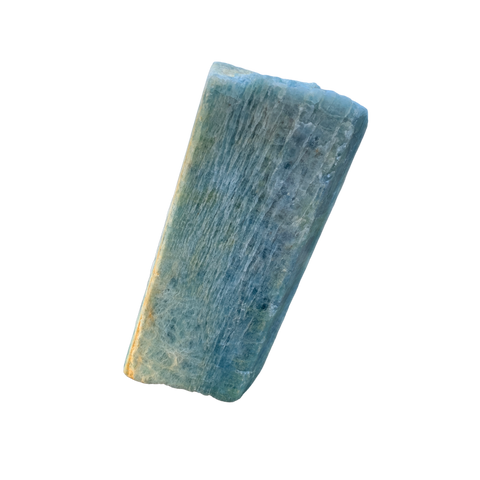
 Blue Kyanitefor confidence
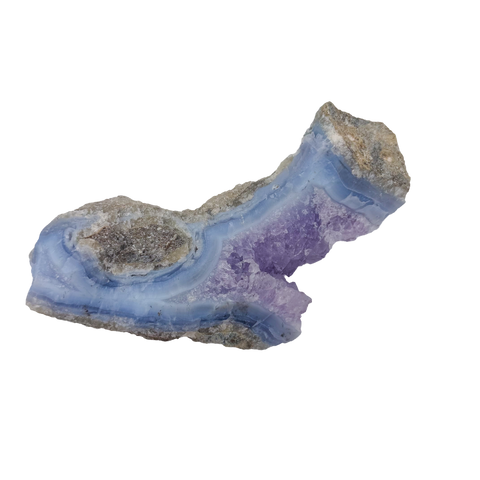
 Blue Lace Agatefor stress relief
 Chrysocollafor emotional healing
 Fluoritefor focus
 Garnetfor energy
 Lepidolitefor stress relief
 Malachitefor emotional healing
 Moonstonefor grounding
 Obsidianfor protection
 Ocean Jasperfor emotional healing
 Red Jasperfor grounding
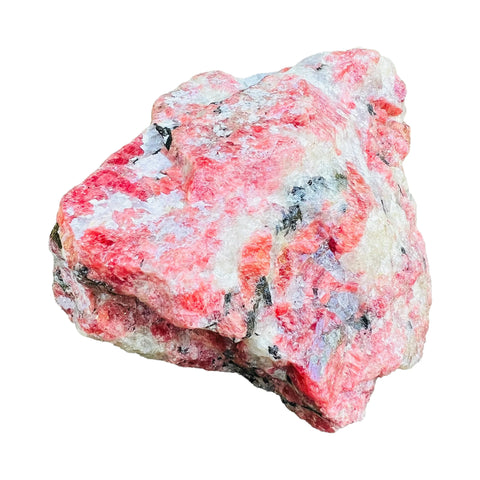
 Rhodonitefor emotional healing
 Selenitefor cleansing
 Sodalitefor focus
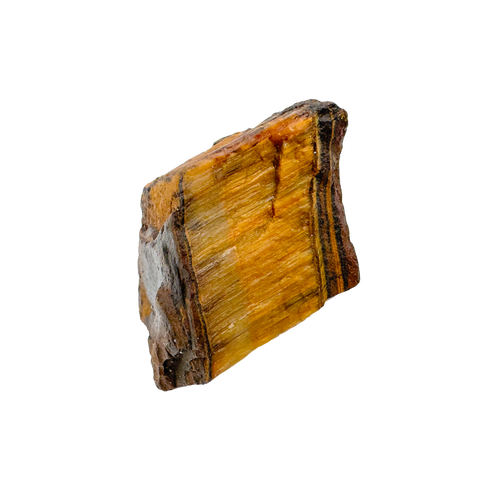
 Tiger Eyefor confidence
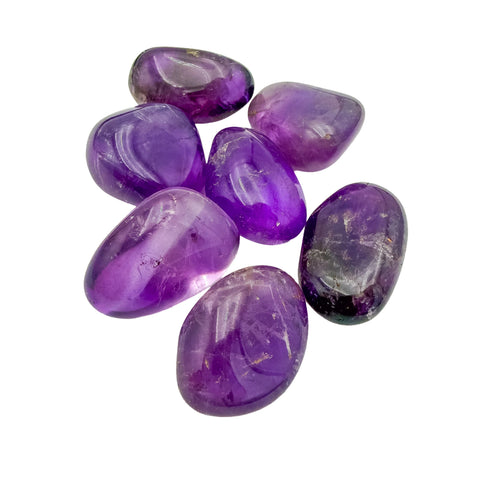


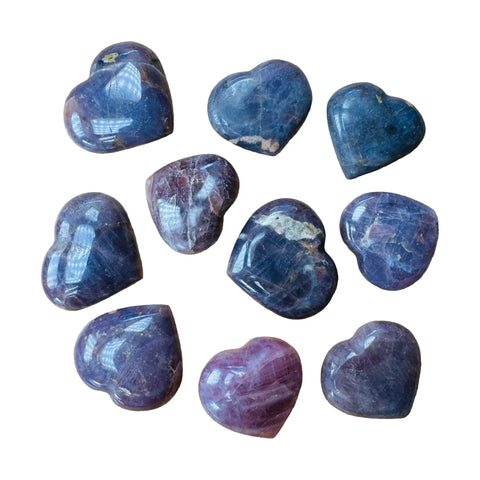
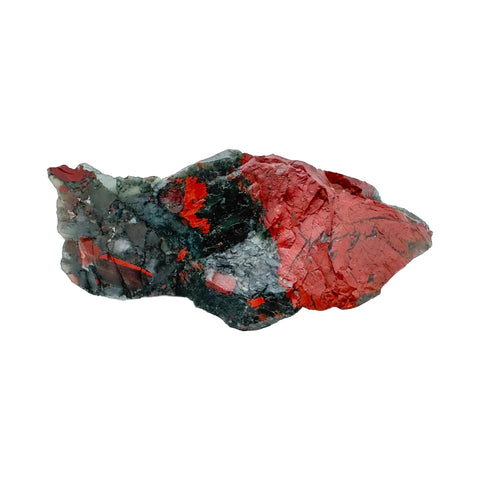
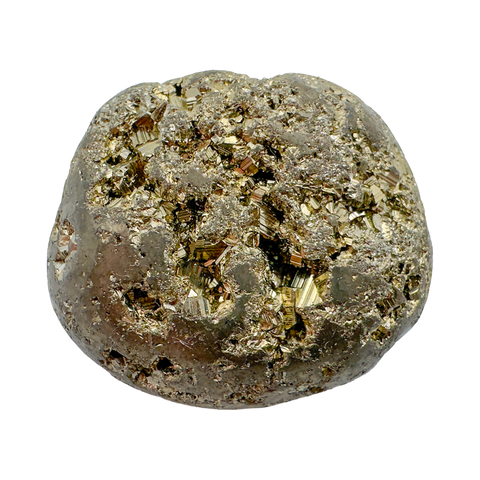
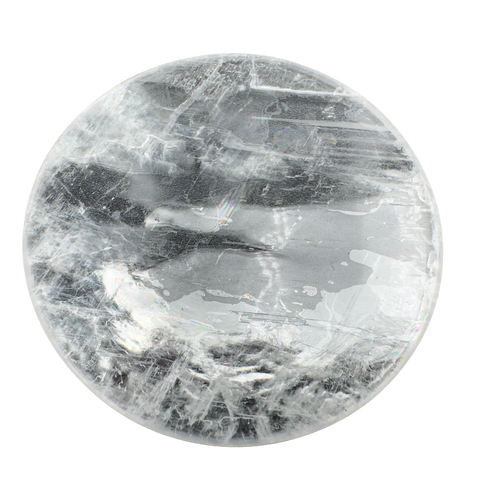


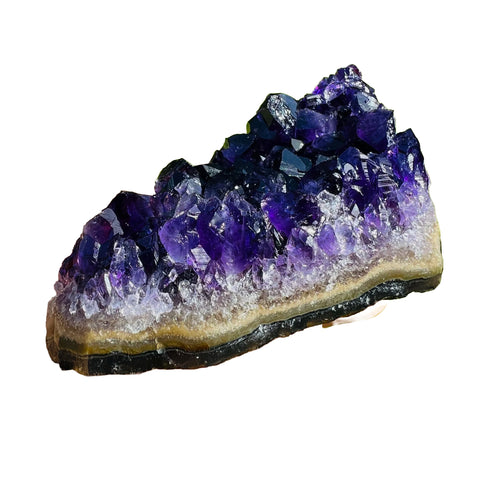






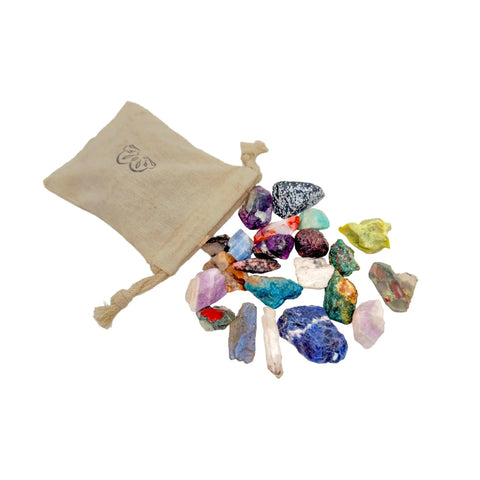
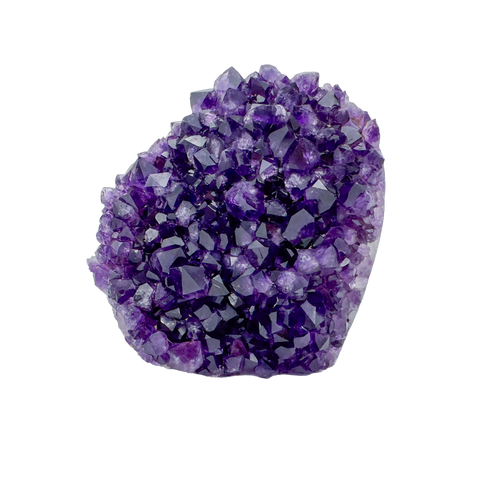
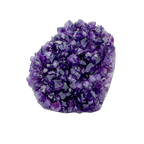 Amethyst
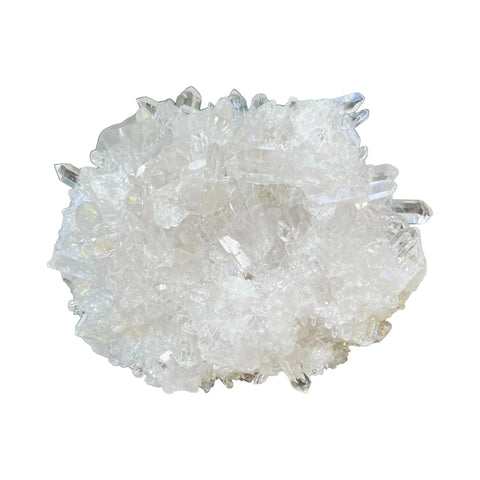
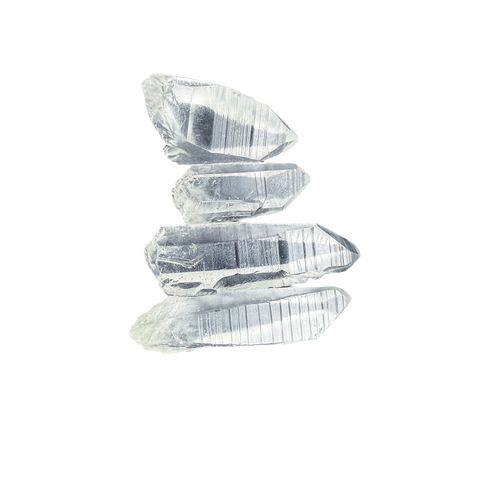
 Clear Quartz
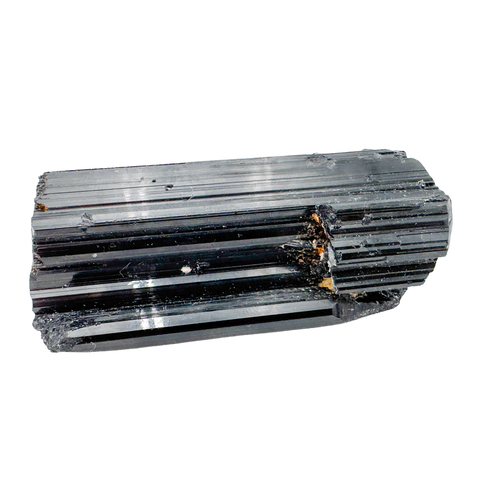
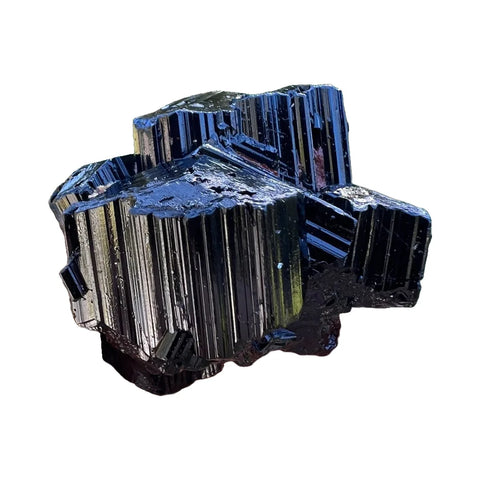
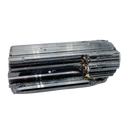 Black Tourmaline
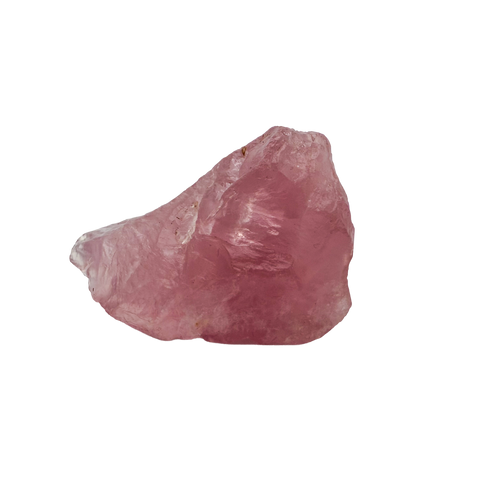
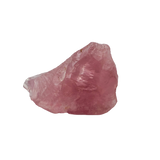 Rose Quartz
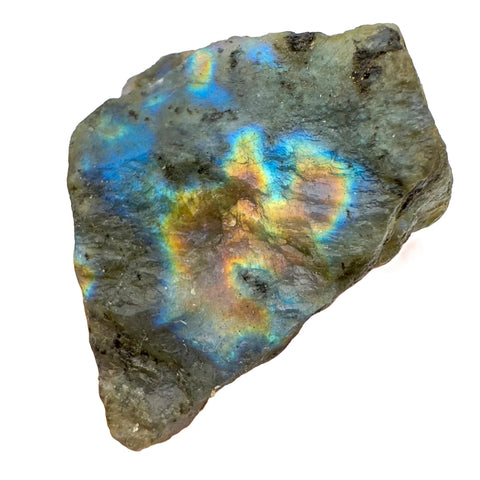
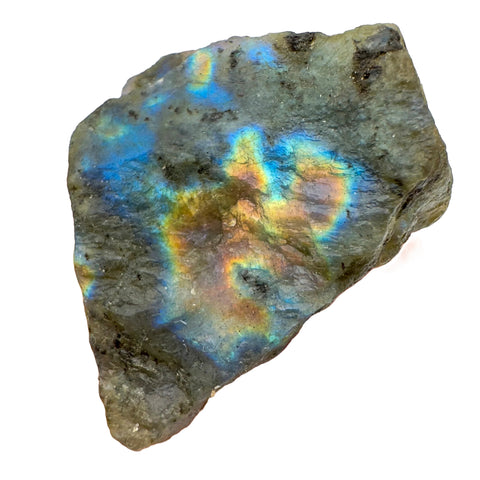
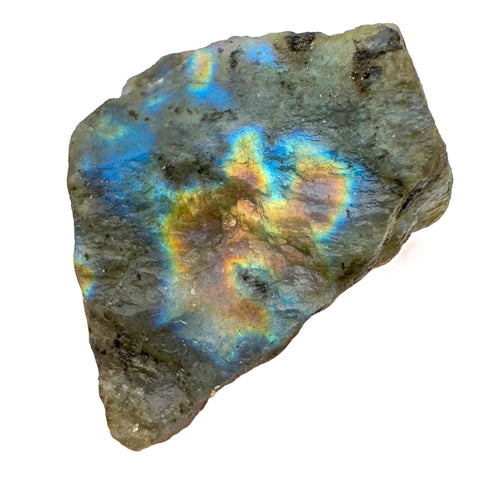
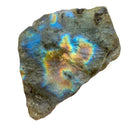 Labradorite
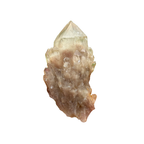 Natural Citrine
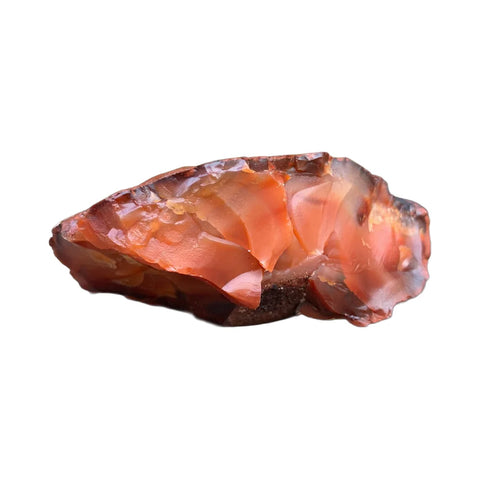
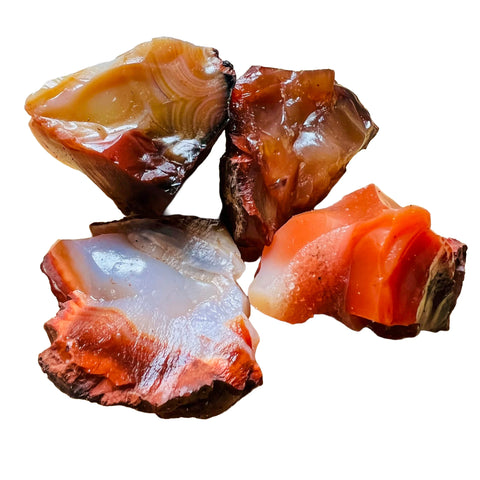
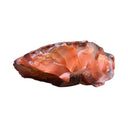 Carnelian
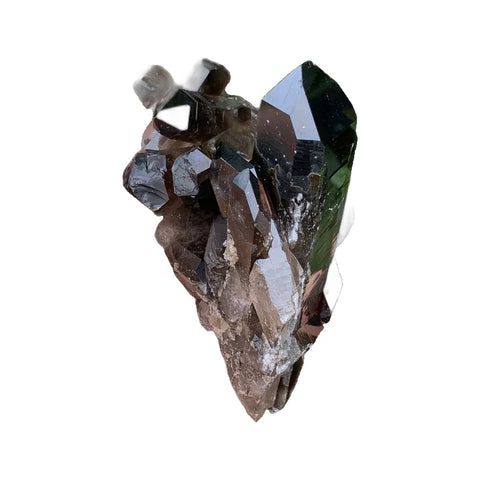
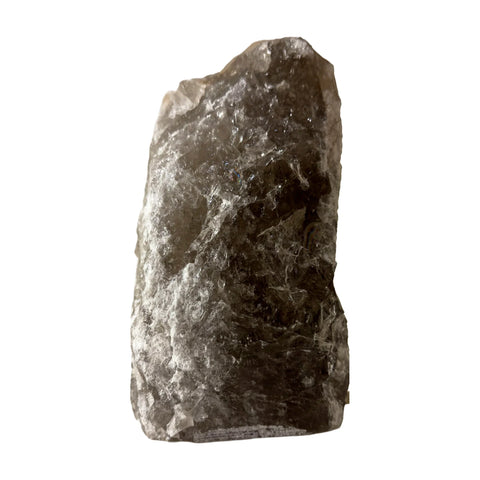
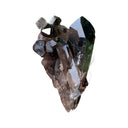 Smoky Quartz
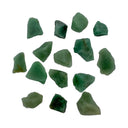 Aventurine
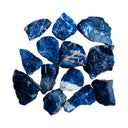 Sodalite
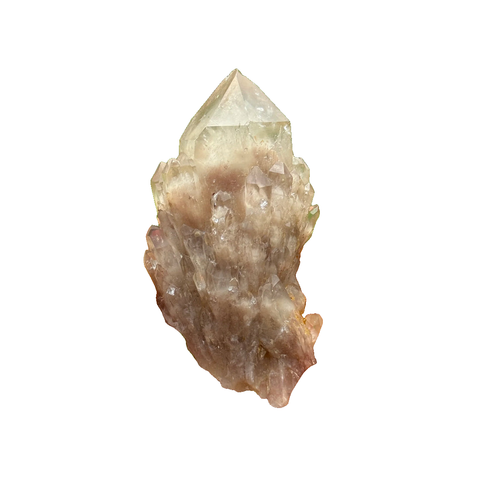
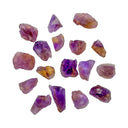 Ametrine
 Golden Healer
 Raw Stones
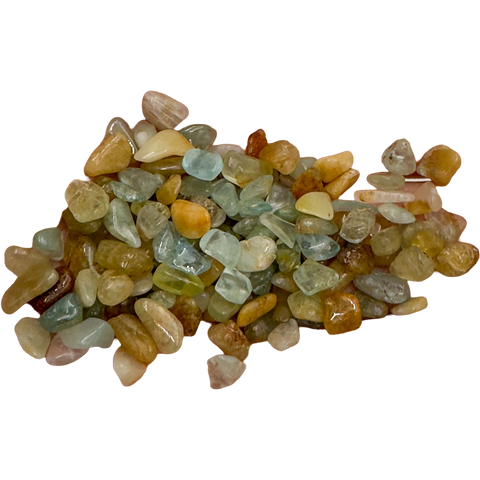
 Tumbled Stones
 Palm Stones
 Crystal Points
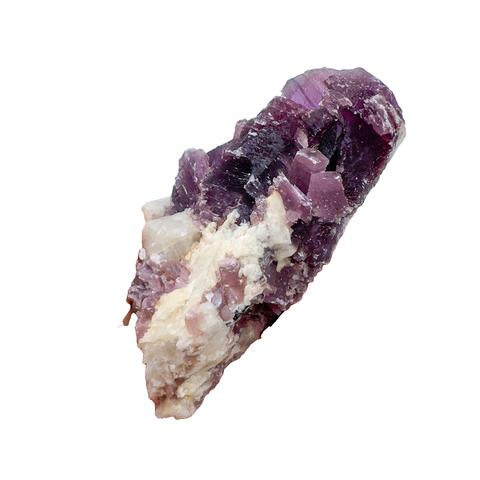
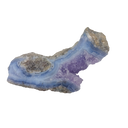 Clusters & Geodes
 Polished & Decor
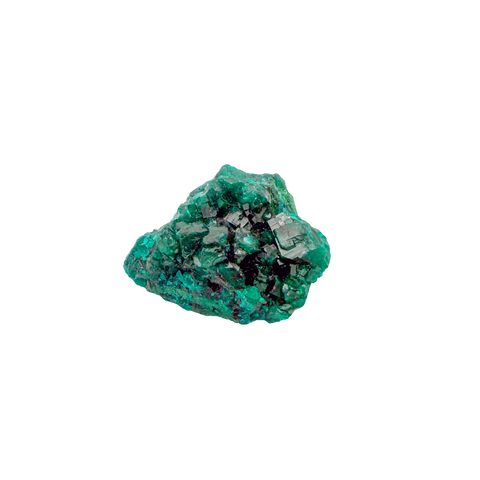
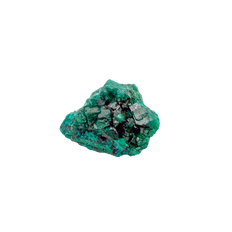 Mineral Specimens
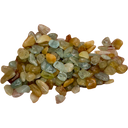 Crystal Chips
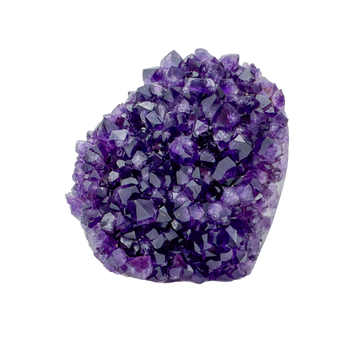
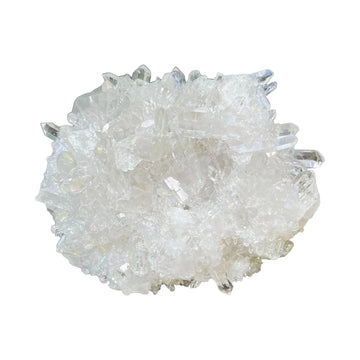
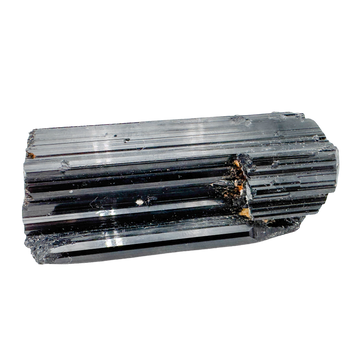
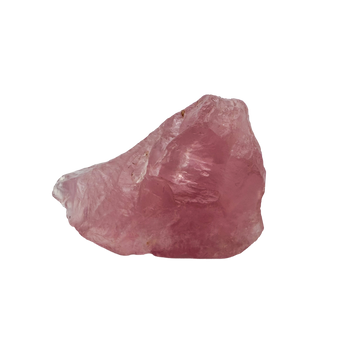
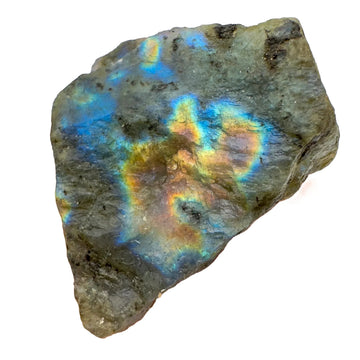
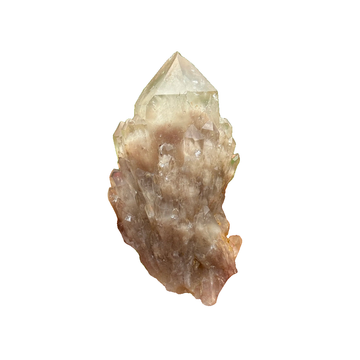
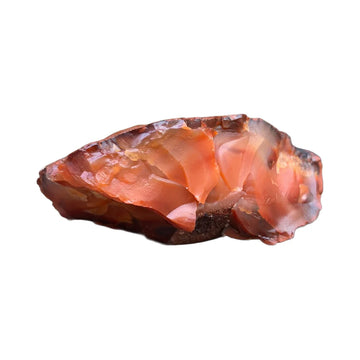
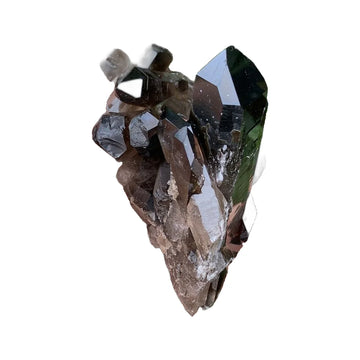
 Raw Stones
179 to choose from
Raw Stones
179 to choose from
 Tumbled Stones
162 to choose from
Tumbled Stones
162 to choose from
 Palm Stones
25 to choose from
Palm Stones
25 to choose from
 Crystal Points
23 to choose from
Crystal Points
23 to choose from
 Clusters & Geodes
96 to choose from
Clusters & Geodes
96 to choose from
 Polished & Decor
146 to choose from
Polished & Decor
146 to choose from
 Mineral Specimens
245 to choose from
Mineral Specimens
245 to choose from
 Crystal Chips
21 to choose from
Crystal Chips
21 to choose from


 AngolaAquamarine
›
AngolaAquamarine
›
 BotswanaCarnelian, Tree Agate
›
BotswanaCarnelian, Tree Agate
›
 DR CongoMalachite, Natural Citrine
›
DR CongoMalachite, Natural Citrine
›
 EswatiniBloodstone
›
EswatiniBloodstone
›
 MadagascarLabradorite, Clear Quartz
›
MadagascarLabradorite, Clear Quartz
›
 MalawiBlue Lace Agate, Garnet
›
MalawiBlue Lace Agate, Garnet
›
 MozambiqueAmazonite
›
MozambiqueAmazonite
›
 NamibiaSodalite, Blue Lace Agate
›
NamibiaSodalite, Blue Lace Agate
›
 Republic of the CongoDioptase
›
Republic of the CongoDioptase
›
 South AfricaTiger Eye, Unakite
›
South AfricaTiger Eye, Unakite
›
 ZambiaChevron Amethyst
›
ZambiaChevron Amethyst
›
 ZimbabweEmerald, Rhodonite
›
ZimbabweEmerald, Rhodonite
›
 ArgentinaBlack Obsidian, Rhodochrosite
›
ArgentinaBlack Obsidian, Rhodochrosite
›
 BoliviaAmetrine
›
BoliviaAmetrine
›
 BrazilAmethyst, Clear Quartz
›
BrazilAmethyst, Clear Quartz
›
 PeruSerpentine, Jade
›
PeruSerpentine, Jade
›
 UruguayAmethyst
›
UruguayAmethyst
›
 Dominican RepublicLarimar
›
Dominican RepublicLarimar
›
 MexicoRainbow Obsidian, Crazy Lace Agate
›
MexicoRainbow Obsidian, Crazy Lace Agate
›
 United StatesSelenite, Peridot
›
United StatesSelenite, Peridot
›
 ChinaFluorite
›
ChinaFluorite
›
 RussiaShungite
›
RussiaShungite
›
 AustraliaMookaite
›
AustraliaMookaite
›
 Where our crystals come from
See where we source →
Where our crystals come from
See where we source →


 Aquarius
Jan 20 to Feb 18
Amethyst
›
Aquarius
Jan 20 to Feb 18
Amethyst
›
 Pisces
Feb 19 to Mar 20
Aquamarine
›
Pisces
Feb 19 to Mar 20
Aquamarine
›
 Aries
Mar 21 to Apr 19
Carnelian
›
Aries
Mar 21 to Apr 19
Carnelian
›
 Taurus
Apr 20 to May 20
Rose Quartz
›
Taurus
Apr 20 to May 20
Rose Quartz
›
 Gemini
May 21 to Jun 20
Agate
›
Gemini
May 21 to Jun 20
Agate
›
 Cancer
Jun 21 to Jul 22
Moonstone
›
Cancer
Jun 21 to Jul 22
Moonstone
›
 Leo
Jul 23 to Aug 22
Citrine
›
Leo
Jul 23 to Aug 22
Citrine
›
 Virgo
Aug 23 to Sep 22
Amazonite
›
Virgo
Aug 23 to Sep 22
Amazonite
›
 Libra
Sep 23 to Oct 22
Blue Lace Agate
›
Libra
Sep 23 to Oct 22
Blue Lace Agate
›
 Scorpio
Oct 23 to Nov 21
Obsidian
›
Scorpio
Oct 23 to Nov 21
Obsidian
›
 Sagittarius
Nov 22 to Dec 21
Sodalite
›
Sagittarius
Nov 22 to Dec 21
Sodalite
›
 Capricorn
Dec 22 to Jan 19
Black Tourmaline
›
Gifting?
A birthday stone is the safe bet.
Read the zodiac guide →
Capricorn
Dec 22 to Jan 19
Black Tourmaline
›
Gifting?
A birthday stone is the safe bet.
Read the zodiac guide →


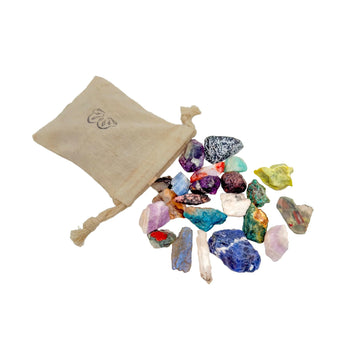
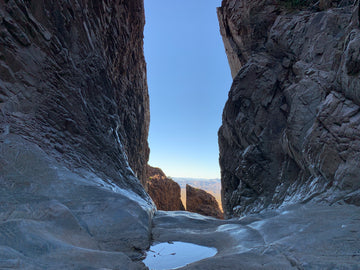

Obsidian
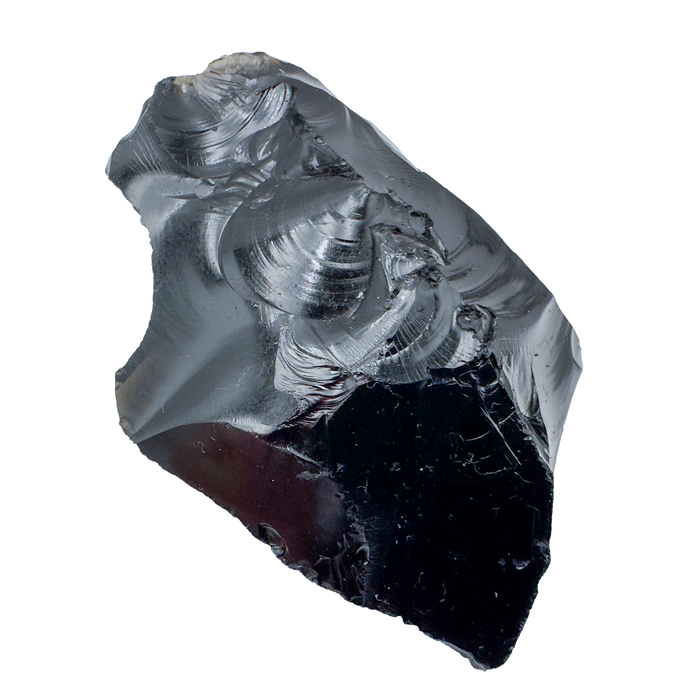
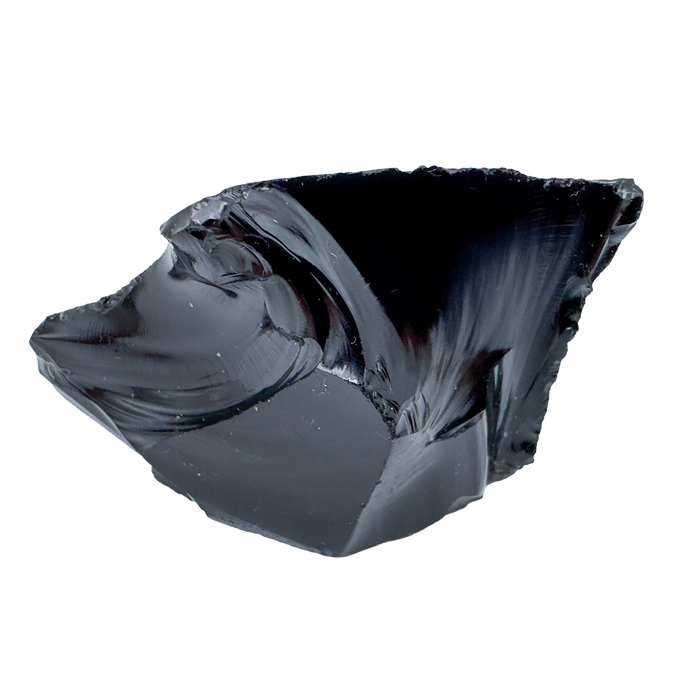
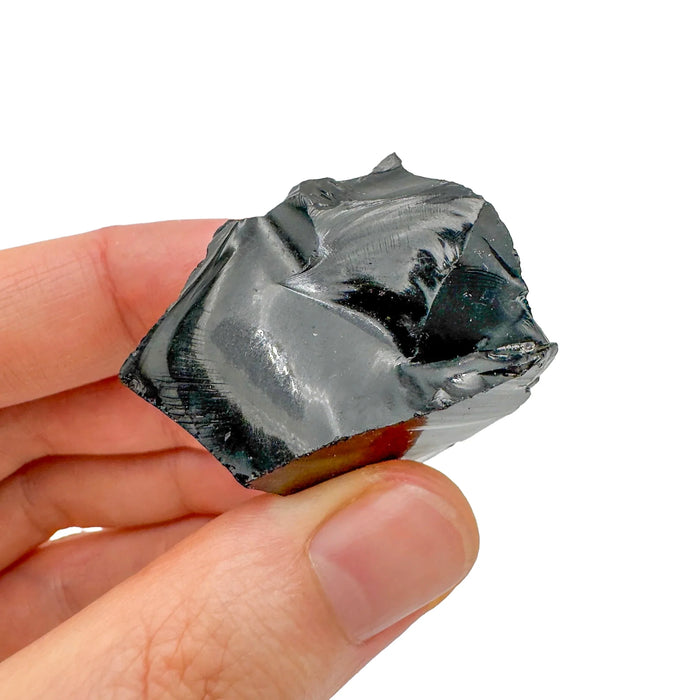
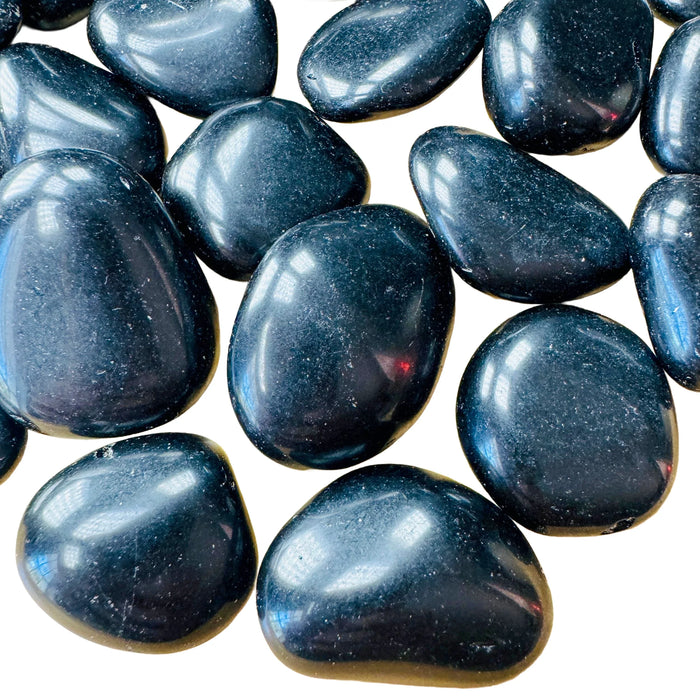
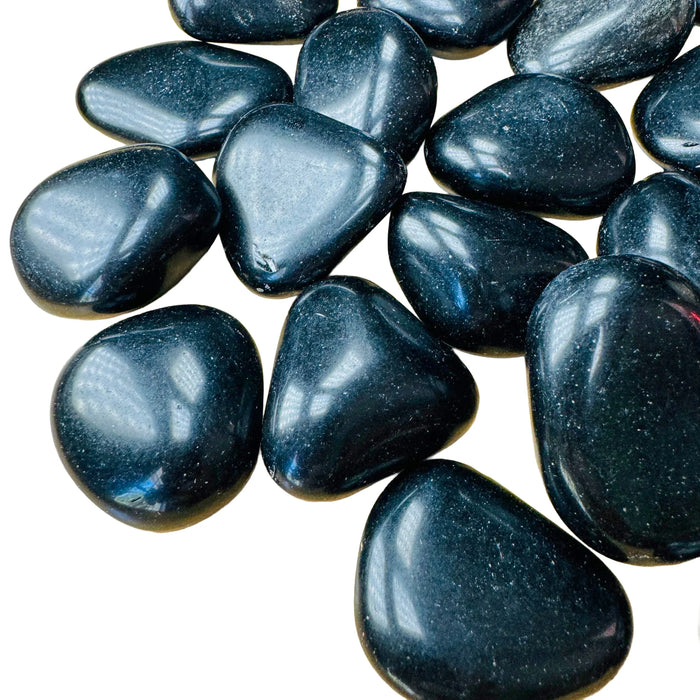
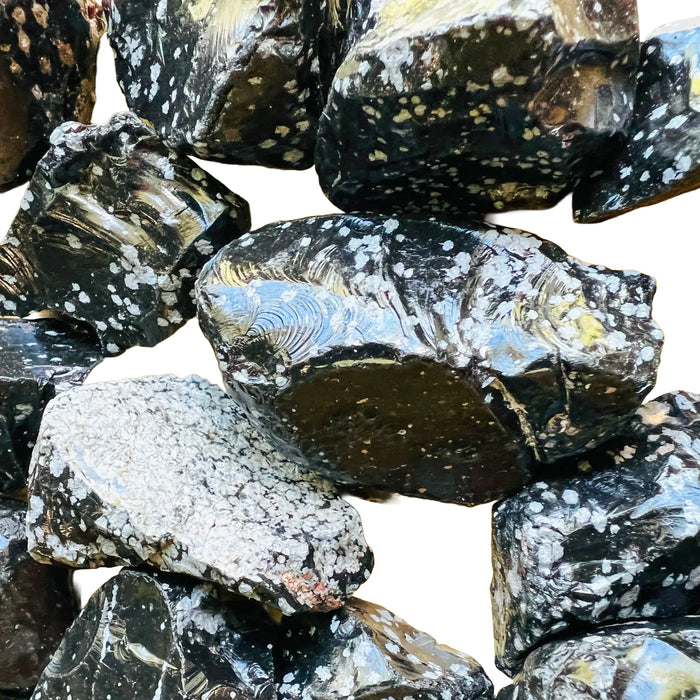
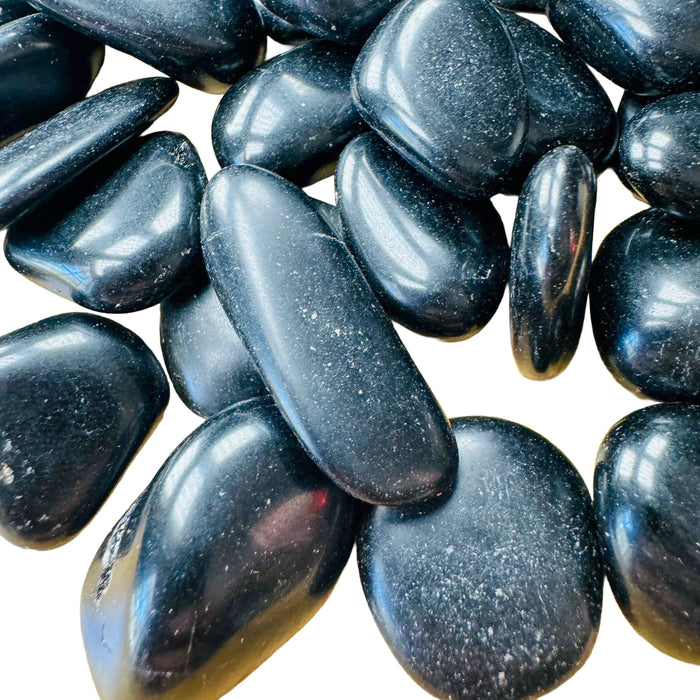
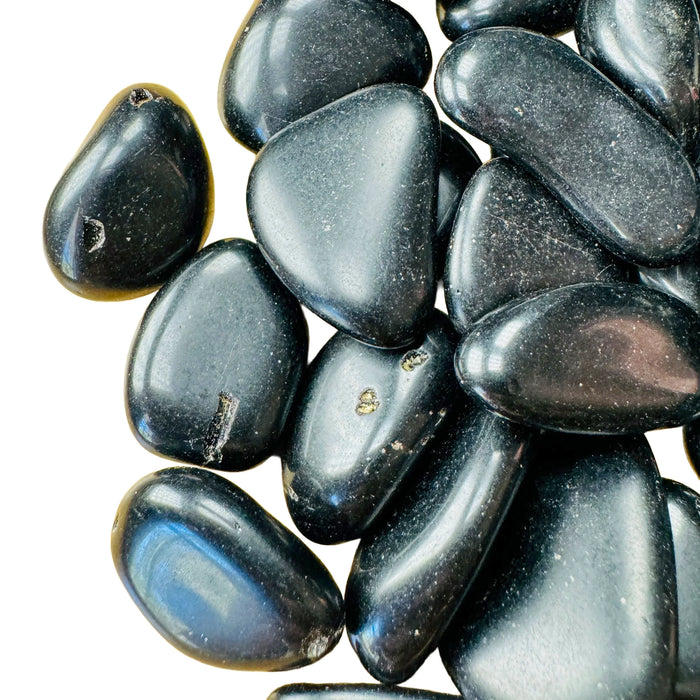
Obsidian is volcanic glass, formed when silica-rich lava cools so quickly that crystal structure never has a chance to develop. It breaks with the sharp conchoidal fracture that prehistoric toolmakers used for blades and arrowheads. The family includes Black Obsidian, Snowflake Obsidian, Rainbow Obsidian, Mahogany Obsidian, and Apache Tears. Traditionally associated with protection, grounding, and honest self-reflection, the kind of clarity that shows you what you'd rather not see.
Shop obsidianObsidian, in stock now.
Our most-loved Obsidian pieces, ready to ship.


- from 1,000+ reviews
- Ships within 72 hoursMonday to Friday, tracked
- 90 days to return itif you do not love it
- Free US shipping over $99$8.99 flat rate under
The geology.
Obsidian is not a mineral but a mineraloid, a naturally occurring volcanic glass with no crystal structure. Chemically it's mostly silica (SiO₂) at 70 to 75 percent, with smaller amounts of aluminum, iron, sodium, potassium, magnesium, and calcium oxides. It forms when rhyolitic lava extrudes from a volcano and cools so rapidly that the atoms never arrange into a crystalline lattice. The result is a homogeneous glass with conchoidal fracture and edges that can rival surgical steel for sharpness.
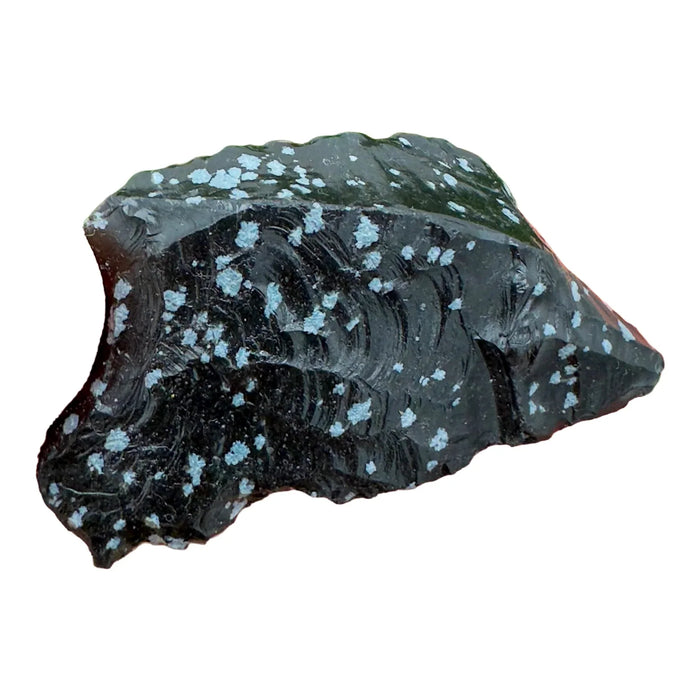
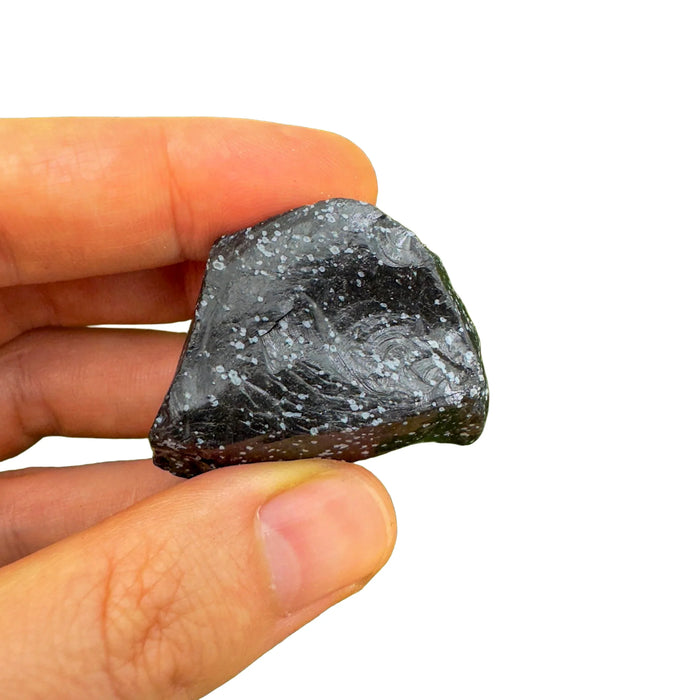
Hardness runs 5 to 5.5 on the Mohs scale, harder than most glass but softer than quartz. Specific gravity 2.35 to 2.6. The classic jet-black color comes from dispersed magnetite and hematite nanoparticles; varieties arise when other inclusions are present: cristobalite spherulites create Snowflake Obsidian, aligned nanoscale crystal rods produce Rainbow sheen, hematite gives Mahogany its red-brown streaks, and small rounded pebbles are called Apache Tears.
The origins.
Obsidian occurs wherever rhyolitic volcanism has been active in recent geological time. The most commercially significant sources are Mexico (Jalisco, Michoacan, and Hidalgo, long the heart of Mesoamerican obsidian trade), Argentina (Patagonia and the northern provinces), Armenia (an ancient source still producing fine material), the western United States (Oregon, Utah, Nevada, California, New Mexico), Peru, Iceland, Japan, Italy (Lipari and Sardinia), and eastern Africa. Each locality produces its own characteristic look.
Mexican obsidian is often the jet-black variety used in traditional stonework. Armenian obsidian tends toward deep brown and mahogany. US obsidian from Glass Buttes in Oregon is prized for rainbow and sheen effects. Argentinian material is typically clean jet-black with occasional silver sheen. Because obsidian is widespread and not especially rare, provenance in the trade is often generic, with many sellers unable or unwilling to name the specific country let alone region of origin.
Traditional associations.
Obsidian carries one of the deepest and most documented histories of any stone in human use. In Mesoamerica, obsidian was the primary material for cutting tools, weapons, ceremonial blades, and polished mirrors used for divination. The Aztec deity Tezcatlipoca, whose name means smoking mirror, was associated with obsidian scrying. Across the ancient Mediterranean, obsidian from specific volcanic sources (Melos in Greece, Lipari in Italy, Hasan Dag in Anatolia) traveled hundreds of kilometers along established trade routes, making it one of the earliest documented long-distance commodities.
Contemporary practice associates Obsidian broadly with protection from psychic and energetic intrusion, grounding into the physical body, and honest self-examination. Many people reach for it during shadow work, periods of boundary repair, or when they need a steady root into the present. It's typically associated with the Root and Earth Star chakras, the elements of Earth and Fire, and the astrological signs Scorpio, Sagittarius, and Capricorn. Each variety (Black, Snowflake, Rainbow, Mahogany, Apache Tears) carries its own nuanced working associations.
Spotting the real thing.
Real obsidian has a glassy luster, conchoidal fracture (curved shell-like breaks), and translucent edges when held up to strong light. The body is typically jet-black to very dark brown, with sheen and rainbow varieties showing iridescence only at certain angles. Under magnification, you may see small gas bubbles or thin bright flow lines from the original lava movement. Hardness 5 to 5.5 means it scratches easily against quartz or topaz.
Glass imitations are the main concern. Machine-molded black glass breaks with the same curved, conchoidal fracture, but it typically has a uniform surface without the micro-flow texture of natural volcanic glass. The cheapest imitations have seams or mold marks. For Rainbow Obsidian specifically, the sheen must appear at a specific viewing angle and shift as you rotate the piece; static uniform iridescence suggests a coating rather than internal structure.
Care & handling.
Water safe for cleaning, but avoid prolonged soaks or ultrasonic jewelry cleaners, as thermal shock can crack volcanic glass. Warm water and a soft cloth are ideal. Stable under sunlight, though extreme heat can alter or etch the surface.
Cleanse energetically with moonlight, sound, smoke, or by placing on selenite overnight. Handle the edges carefully: freshly broken obsidian can be sharper than a razor blade. At 5 to 5.5 on the Mohs scale, it's durable enough for palm stones and tumbled carry pieces, but softer than quartz jewelry companions, so store separately to preserve polish.
Pairs well with.
Proof, not promises.
We measure our own sourcing across five dimensions. Supply chain, environmental footprint, artisan support, market integrity, and pricing. The number is honest, not perfect. Where we can do better, we say so.
A deeper look.
Extended geology, sourcing, authentication, history, varieties, and pricing, for when the quick guide isn't quite enough.
Extended geology
Obsidian is classified as a mineraloid rather than a mineral because it lacks a crystal structure. Its amorphous nature is a direct consequence of rapid cooling: when rhyolitic lava quenches faster than its atoms can organize into a lattice, the result is a frozen glass. Chemically, it sits in the same SiO₂-dominant composition zone as granite, but structurally it has more in common with the bulk glass you'd find in a window pane.
Specific gravity 2.35 to 2.6. Mohs hardness 5 to 5.5. Luster vitreous. No cleavage; sharp conchoidal fracture. Fresh obsidian edges can be only about three nanometers thick, many times sharper than a surgical steel scalpel, and freshly made obsidian blades have been used in modern surgical trials. Over geological time, obsidian devitrifies (slowly develops micro-crystallites), which is why very ancient obsidian flows eventually lose their glassy character.
Extended sourcing
Mesoamerican obsidian trade is one of the best-documented pre-industrial commodity networks in archaeology. Chemical fingerprinting of obsidian artifacts allows researchers to match specific tools to specific source volcanoes, revealing trade routes that spanned thousands of kilometers. Major Mesoamerican sources include Pachuca (green obsidian) and Otumba in central Mexico, and Ixtepeque in Guatemala.
Modern commercial supply draws most heavily from Mexico and Argentina for black varieties, the Glass Buttes area of Oregon for rainbow and sheen material, Armenia for mahogany varieties, and Utah and New Mexico for Snowflake and Apache Tears. Because obsidian is not scarce, serious provenance documentation is uncommon in the broader crystal trade, and most sellers rely on generic origin labels.
Authentication and warning signs
Real obsidian shows glassy translucency at the edges under strong light, conchoidal fracture, and natural micro-flow texture visible under magnification. Hardness 5 to 5.5 is about the same as a steel knife blade or window glass. The weight feels consistent with silica glass, denser than plastic but lighter than metal.
Warning signs: mold seams or flat machined surfaces on beads, uniform all-over iridescence on supposed Rainbow Obsidian (natural sheen is angle-dependent), and missing or vague origin data. If you rotate a sheen piece and the color pattern doesn't shift, assume a coating. If the stone shows perfect geometric edges on freshly tumbled material, assume cut glass. Real obsidian breaks in curves, never in straight lines.
Historical and cultural context
Obsidian has one of the longest continuous human histories of any stone in the guide, used for tools, weapons, mirrors, and ritual objects since the Paleolithic. In Mesoamerica, it held civic and sacred significance: Aztec priests used polished obsidian mirrors for divination, and Tezcatlipoca (the smoking mirror deity) was one of the principal gods of the Mexica pantheon. Obsidian daggers and maquahuitl (sword-clubs with obsidian blades) were central to Aztec warfare.
Across Neolithic Europe, the Mediterranean, and Anatolia, obsidian was one of the most widely traded materials in the ancient world. In contemporary Western metaphysical practice, the stone carries associations with protection, grounding, and shadow work, traditions that blend modern Western crystal culture with echoes of the ancient scrying and ritual use. Many Indigenous cultures across the Americas continue to use obsidian in traditional contexts today.
Varieties and trade names
Black Obsidian: the classic jet-black variety, the default when the term is used alone.
Snowflake Obsidian: black body with white-gray cristobalite spherulite inclusions resembling snowflakes.
Rainbow Obsidian: black body showing iridescent sheen from light interference around aligned nanoscale crystal rods.
Mahogany Obsidian: deep red-brown streaking from hematite inclusions within the black glass.
Apache Tears: small rounded nodules of translucent dark obsidian, a name rooted in a US Indigenous legend.
Golden Sheen / Silver Sheen Obsidian: subtle metallic shimmer from trace inclusions, less dramatic than Rainbow.
Mexican obsidian mirrors: polished disks historically used in divination and scrying.
Pricing reality
Tumbled Black Obsidian: 1 to 5 dollars per piece. Small palm stones and raw specimens: 6 to 25 dollars. Polished spheres and freeforms 2 to 4 inches: 15 to 80 dollars. Named varieties (Snowflake, Rainbow, Mahogany) typically add 20 to 50 percent over plain black at the same size and quality.
Value drivers: clean polish, size, documented origin, and pattern quality for variety pieces. Warning signs: glass imitations sold as obsidian at premium prices, coated pieces sold as natural sheen material, or reconstituted black glass priced as genuine tumbled stones.
Good sourcing is a practice, not a claim.
Nothing we sell is molded glass or reconstituted material sold as natural obsidian. We source from documented volcanic localities and walk away from generic no-origin material, even when it costs us sales.
Bring obsidian home.
Collector pieces are photographed individually, and you receive the exact piece shown. Batch stones are sold by the piece or by the pound from the lot pictured, with the same origin and treatment notes on every product page.
Shop the obsidian collectionGrounded Connections
New Obsidian pieces go to the list first.
No forwarding, no selling. Unsubscribe in one click. Privacy