





Where Our Crystals Come From
Every stone in our shop has a country, a region, and a route to your hand. This page walks through where the major pieces of our catalog were pulled from the earth, what makes those origins geologically distinctive, and the sourcing realities behind each one.
Our crystals come from more than thirty countries. Every listing names its country of origin, and the region or the source itself where we can verify it. Most stones on the market pass through three to seven hands between the ground and the shelf, so we name the route rather than claim a certificate no one issues.
Where do our crystals actually come from?
Beyond Bohemian sources crystals from over thirty countries, with seven primary origins covered in detail below: Brazil, Madagascar, Mexico, the United States, Peru, South Africa, and Uruguay. Every piece in our catalog is tagged with its country of origin, and most are tracked to a specific region, deposit, or cooperative. We work with small-scale miners, family-run operations, indigenous mining authorities, and verified lapidary partners. We do not source from middlemen channels we cannot verify, and we publish our sourcing standards so you can audit our work.
A Global Trade, Tracked Country by Country
The seven dark brown countries are our primary origins, each with a full deep-dive section below. Hover any of them to see what we source there, then click to jump to the section. The lighter bronze countries round out our broader sourcing network of thirty plus partner regions.
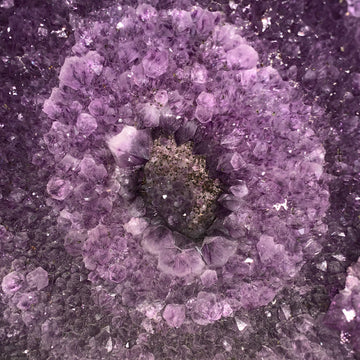
Two amethyst geodes can look almost identical and come from different continents, formed under different conditions, by different mining communities, sold through entirely different supply chains. The stone in your hand carries that history whether or not it's disclosed to you.
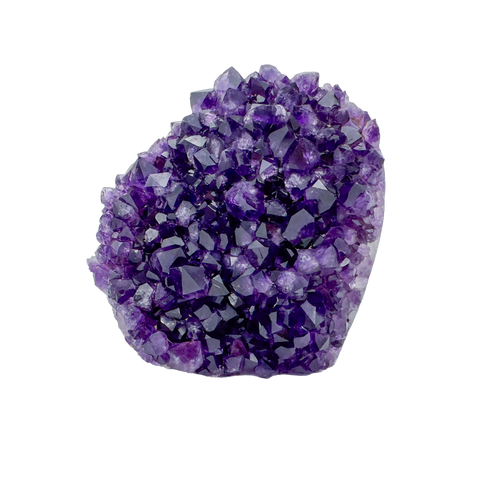
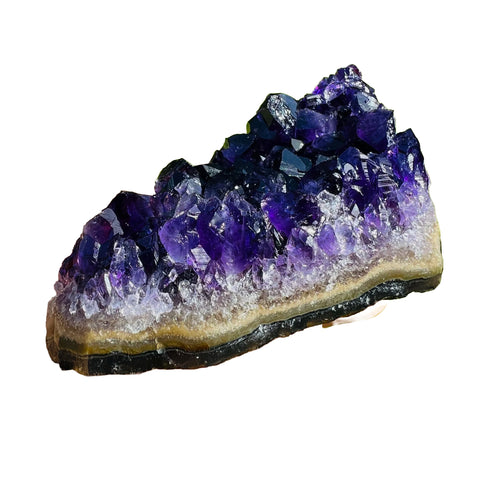
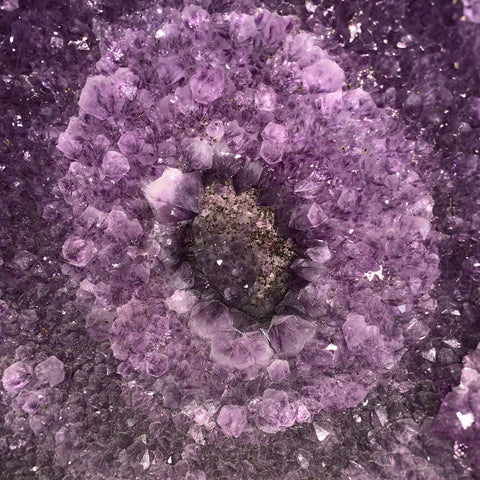
Origin determines geology. The conditions of pressure, temperature, and host rock at a specific deposit shape color saturation, clarity, formation type, and inclusions. Brazilian amethyst from Rio Grande do Sul forms in basalt cavities at ancient lava flow boundaries. Uruguayan amethyst forms further south in the same volcanic system, but with denser saturation and tighter crystal habit. Same mineral, two distinct material profiles.
Origin determines labor. A peridot from a small operation on the San Carlos Apache Reservation in Arizona moves through a regulated US supply chain with tribal mining oversight. A peridot from Pakistan or Myanmar moves through entirely different conditions. The mineral is the same. The lives behind it are not.
Origin determines accountability. The further a stone travels through unnamed middlemen, the harder it becomes to verify any claim about how it was extracted, who was paid, or what was done to it before it reached a retail shelf. Naming the country is the floor. Naming the region, the deposit, and the cooperative is the ceiling we work toward.
What follows is a working tour of the seven origins most represented in our current catalog. Where we have specifics, we share them. Where we don't, we say so.
Most of the crystals we sell were forming in the earth long before any human writing existed. A working time scale helps put origin into perspective. The deposits below didn't all form in the same era, and that geological span is part of why a stone from one continent behaves differently than a stone from another.
Crystals form across nearly every period of geological time. Some of our material formed under conditions that no longer exist anywhere on the surface of the earth.
Brazil
The single most diverse origin in our catalog, and one of the longest standing sources of artisanal mineral material in the world.
Brazil sits at the center of the global crystal trade for a reason. Three distinct geological provinces produce most of the country's gem and mineral output, and the small-scale mining culture that grew up around them has been refining itself for generations.
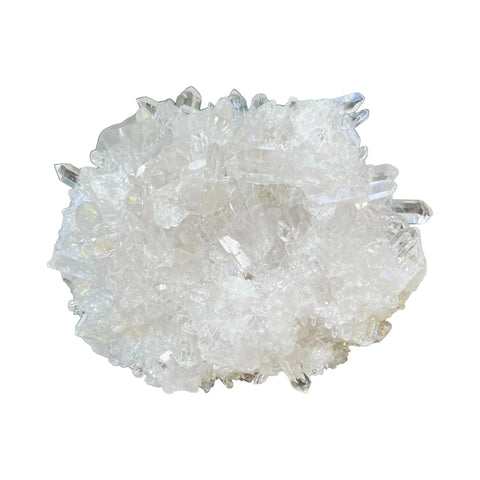
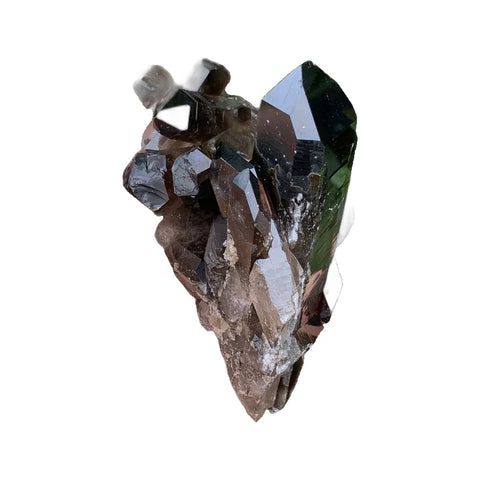
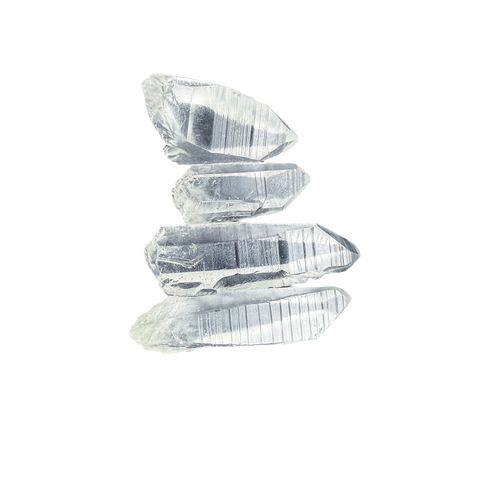
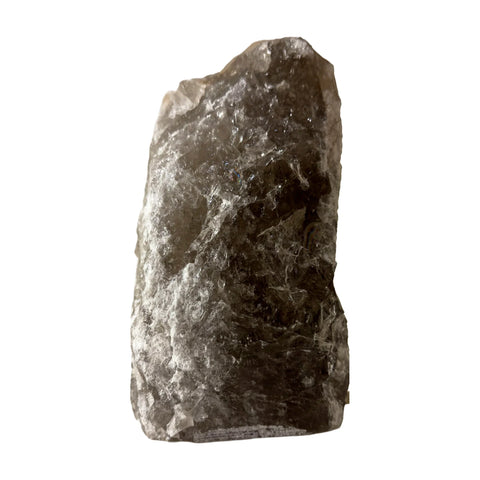
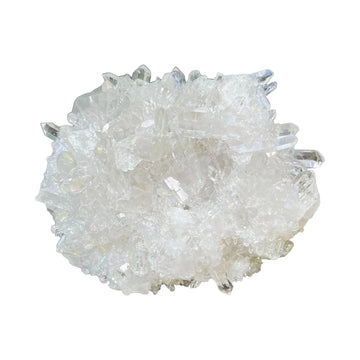
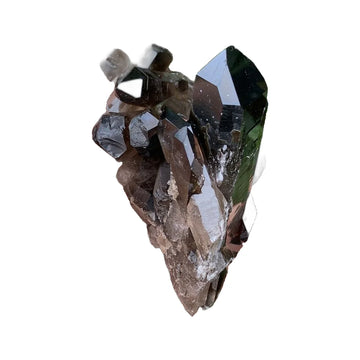
Minas Gerais is the historical heart, with pegmatite belts that produce a remarkable variety of stones in close proximity. A single hillside cooperative might surface clear quartz, smoky quartz, aquamarine, tourmaline, and rose quartz from related veins. This is the origin behind much of our quartz family material, including the rutilated and golden healer specimens that come from a relatively small belt of mines.
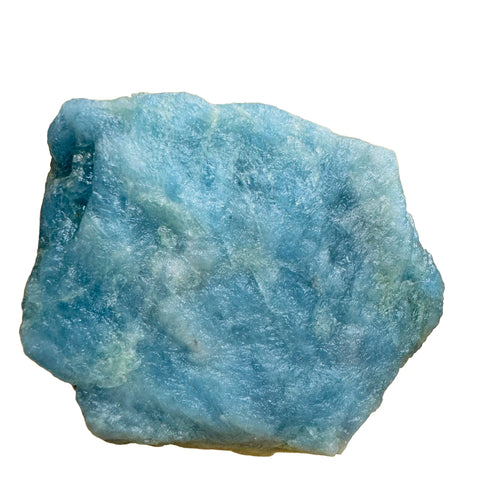
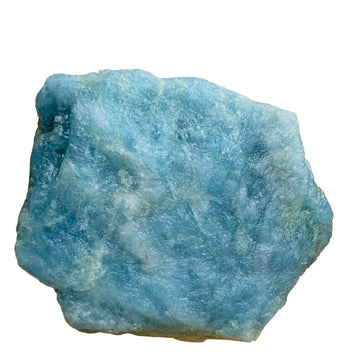
Bahia contributes a different set of stones, particularly aquamarine, emerald, and the lithium-rich pegmatites that yield lepidolite. The region's mining history is older than its formal regulation, which means working ethically here requires knowing the specific cooperatives, not just the country tag.
Rio Grande do Sul is the source of the famous basalt-hosted amethyst geodes that define Brazilian amethyst in the global market. The Paraná basalt flows that erupted as Pangaea broke apart left vast cavity systems where amethyst, agate, and citrine slowly grew over tens of millions of years.
What we source from Brazil
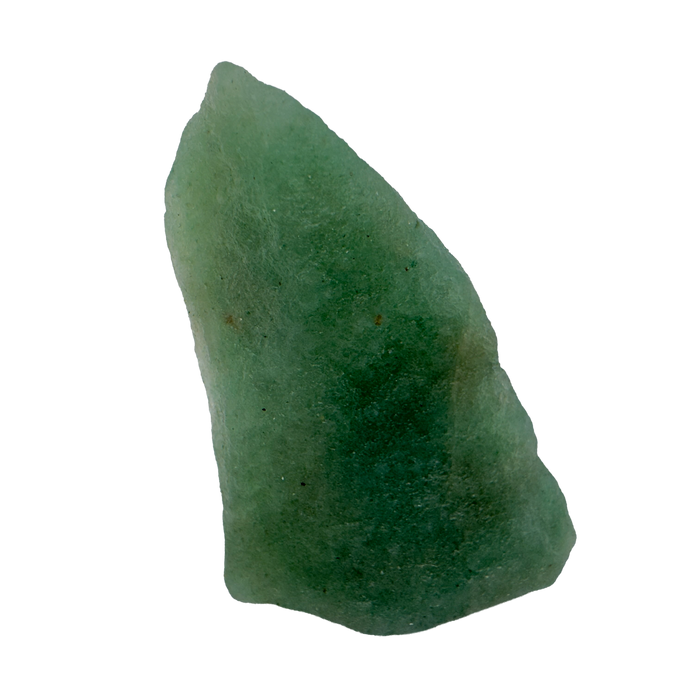
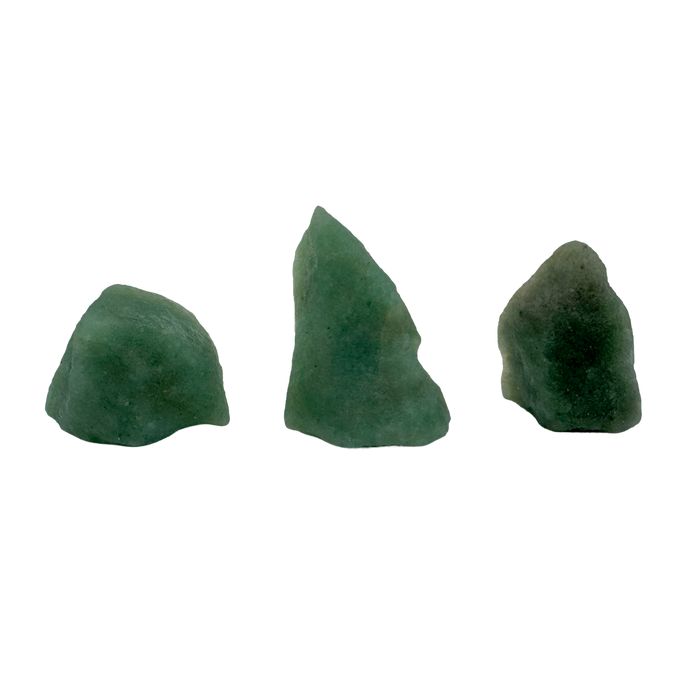
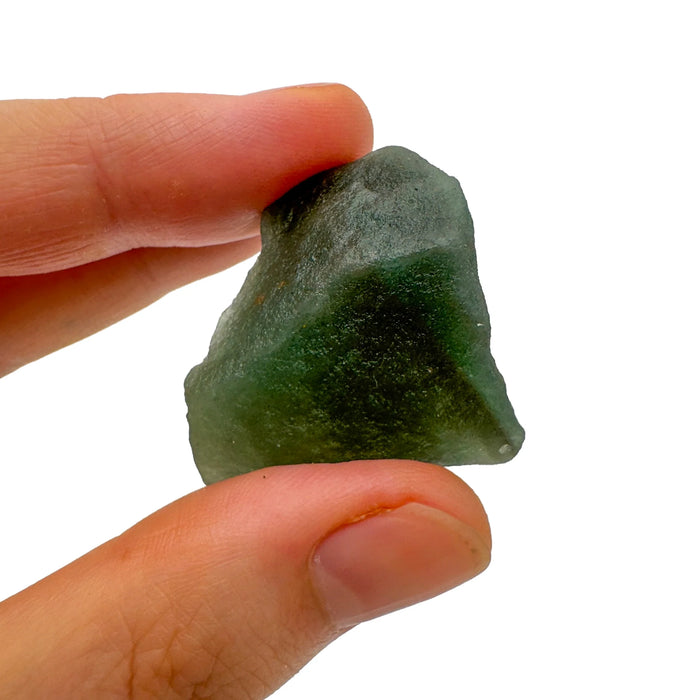
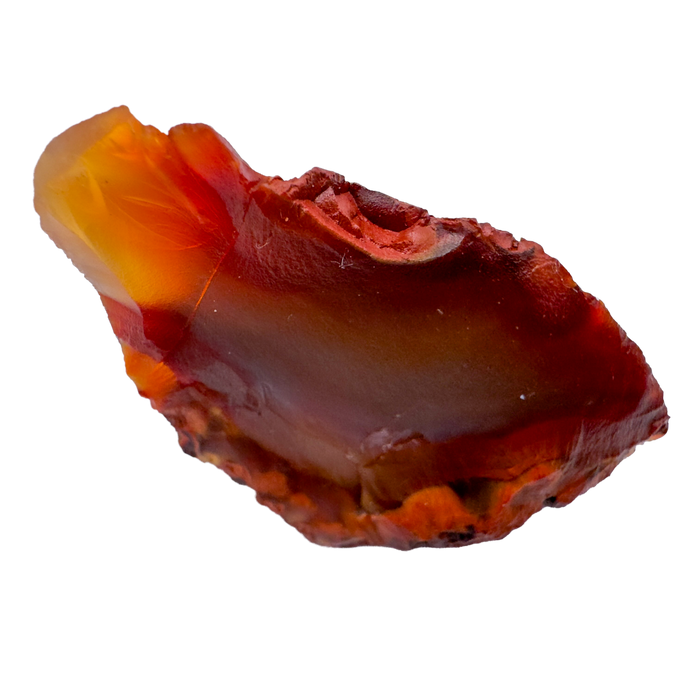
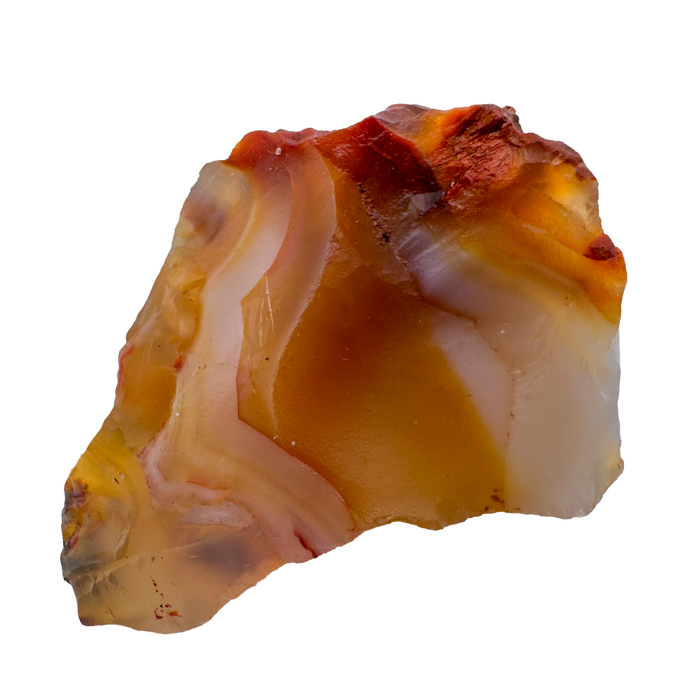
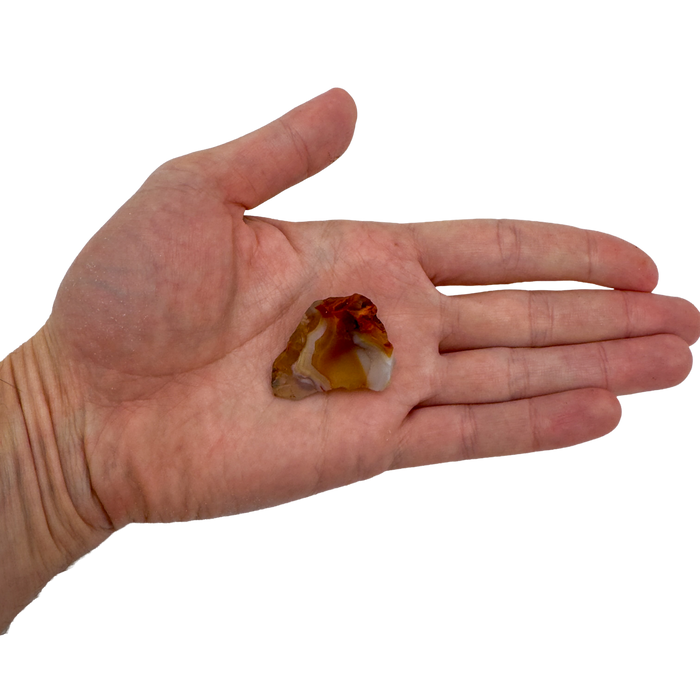
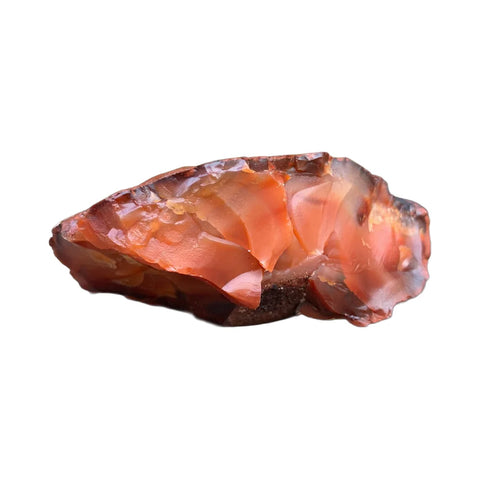
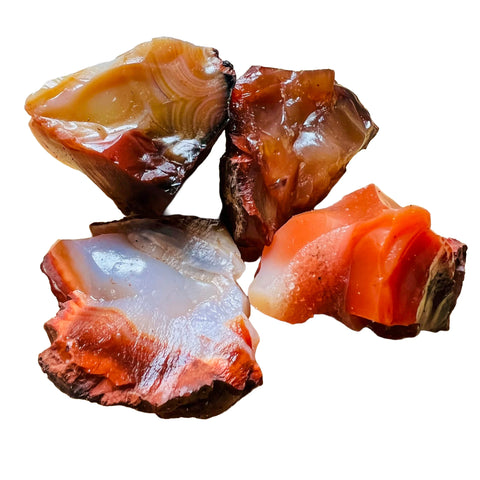
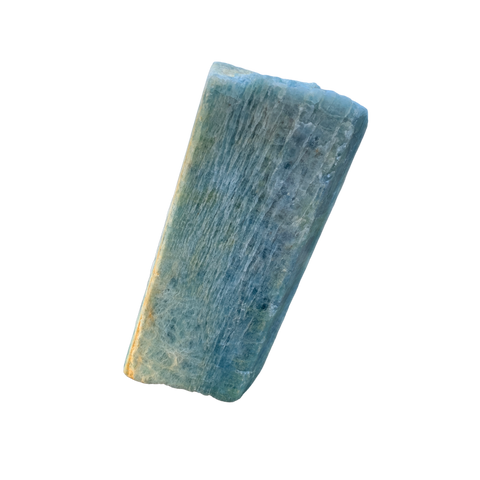
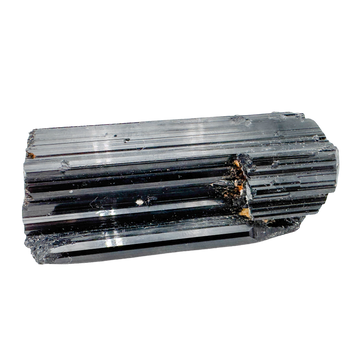
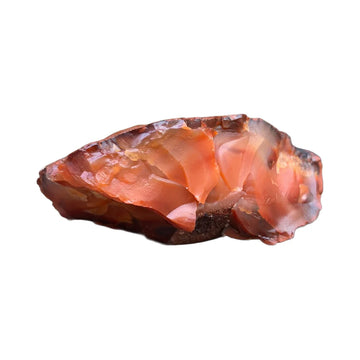
Amethyst, Rose Quartz, Clear Quartz, Smoky Quartz, Natural Citrine, Golden Healer, Rutilated Quartz, Lemurian Quartz, Aquamarine, Emerald, Lepidolite, Black Tourmaline, Blue Kyanite, Black Kyanite, Sodalite, Hematite, Black Onyx, Carnelian, Green Aventurine, Garnet, Fluorite, Amazonite, Earth Moonstone, Howlite, White Opal, Agate Geodes.
Sourcing notes
Most Brazilian material in our catalog moves through long-standing relationships with cooperatives and small-scale mine families rather than through the export wholesale channel. The country has a meaningful artisanal mining sector with documented pay structures and regional labor protections, but it also has a sprawling informal sector. We've walked away from Brazilian material more than once because we couldn't verify the route between the dig site and the export point.
Madagascar
An island shaped by ancient continental collision, carrying minerals and labor histories that don't exist anywhere else on earth.
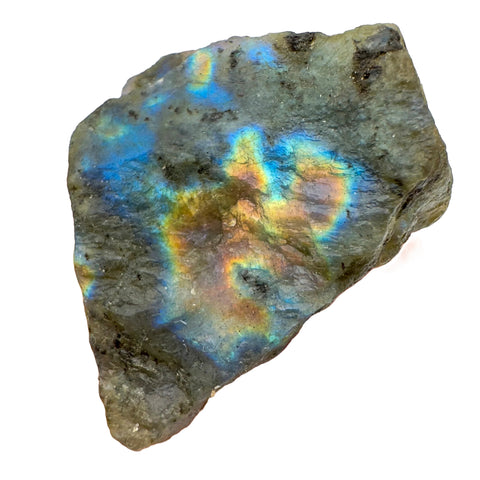
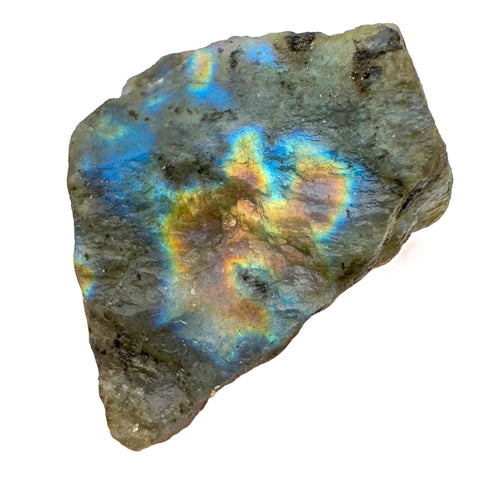
Madagascar broke off from mainland Africa roughly 165 million years ago and from India around 88 million years ago. The geological isolation produced mineral deposits with character you won't find elsewhere, including some of the world's most distinctive labradorite from the Maniry region in the south of the island.
The island's mineral trade is also one of the most complicated to source ethically. Madagascar has both well-organized small-scale mining cooperatives and a long history of exploitative export channels, particularly for gemstones moving through unregulated middlemen. Working with material from Madagascar means working specifically with people, not just the country.
Our Madagascar labradorite, both rainbow and blue varieties, comes through a partner network that pays at the dig site and tracks the specific cooperative each lot was pulled from. The rest of our Madagascar inventory follows the same standard or it doesn't enter the catalog.
What we source from Madagascar
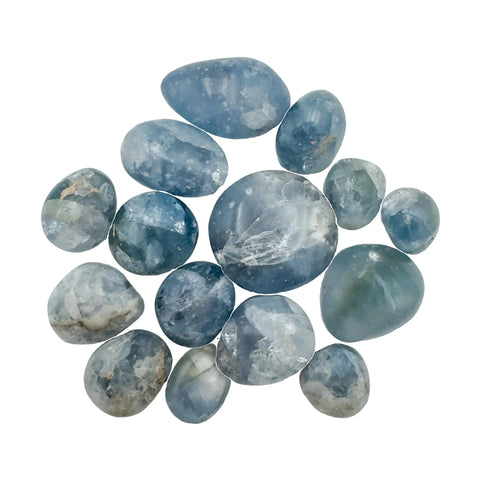
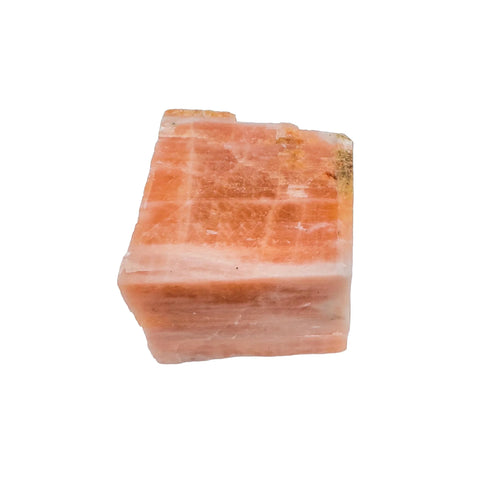
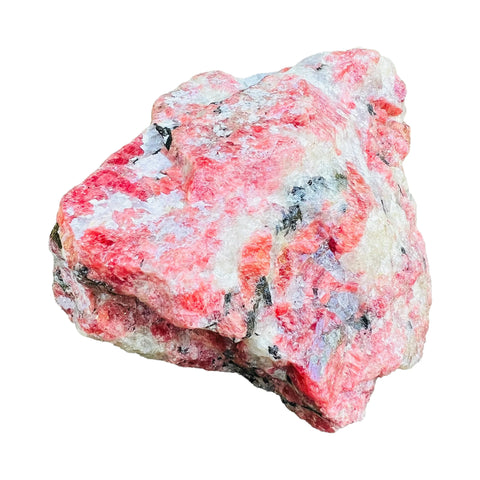
Labradorite (Rainbow, Blue, Purple, Gold), Amazonite, Clear Quartz, Smoky Quartz, Natural Citrine, Rose Quartz, Black Tourmaline, Ocean Jasper, Kambaba Jasper, Red Jasper, Yellow Jasper, Flower Agate, Dendritic Agate, Dendritic Opal, Septarian, Chrysocolla, Chrysoprase, Peach Moonstone, Black Moonstone, Celestite, Blue Calcite, Orange Calcite, Blue Apatite, Fire Quartz, Golden Healer, Petrified Wood, Carnelian, Amethyst, Rhodonite.
Sourcing notes
Madagascar is one of the origins where the gap between ethical and unethical sourcing is widest. The same stone, exported through different channels, can represent very different conditions for the people who pulled it from the ground. We have walked away from Madagascar lots that came too cheap, because the math wasn't accounting for fair pay at the source.
Mexico
Volcanic geology spanning the Chihuahuan desert north to the central highlands, with smaller-scale traditional mining communities in nearly every state.
Mexico's mineral landscape is shaped by tens of millions of years of volcanic activity along the Trans-Mexican Volcanic Belt and the older Sierra Madre ranges. Much of what we source from Mexico is volcanic in origin, formed from rapid cooling of magma at or near the surface, which is why obsidian and agate dominate the Mexican catalog.
Crazy lace agate from the Chihuahuan desert is a stand-out example. Formed in volcanic gas cavities, the stone develops the swirling, multicolored banding pattern that gives it its trade name. Each deposit has its own signature pattern. Mexican lapidary cooperatives have been working this material for generations.
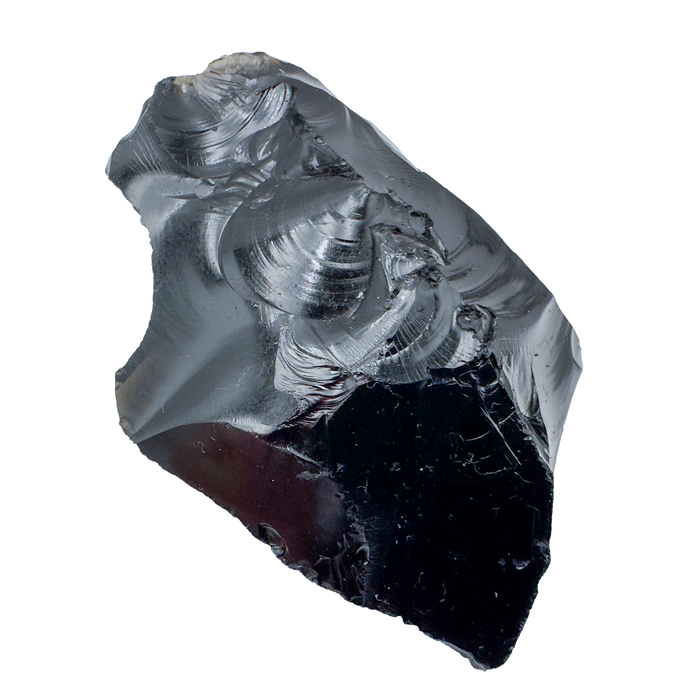
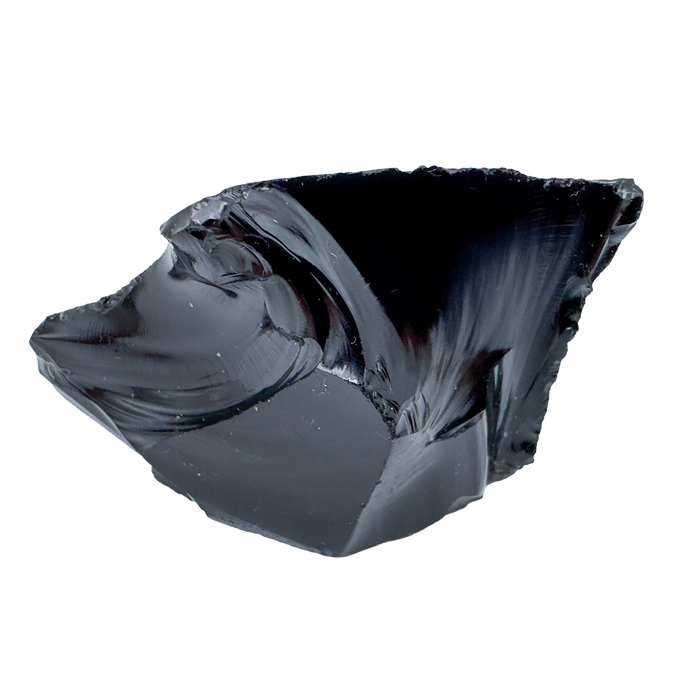
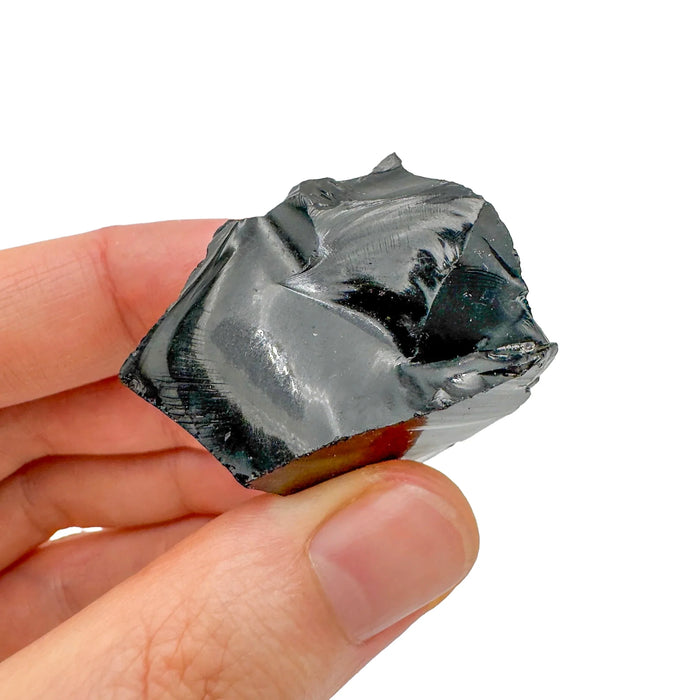
Rainbow obsidian from central Mexico is another regional specialty. The iridescent banding is created by microscopic layers of mineral inclusions trapped in volcanic glass. Quality comes down to the angle and depth of the iridescent layers, which is something experienced cutters in the region judge by eye.
Mexican sourcing tends to be smaller-scale and more relationship-driven than Brazilian sourcing. Many of the cutters and producers we work with are second or third generation lapidary families who maintain their own deposits.
What we source from Mexico
Crazy Lace Agate, Rainbow Obsidian.
United States
Domestic sourcing with the shortest supply chain in the catalog. Verified at the dig site, regulated under US mining law, and traceable end to end.
Domestic US material is the easiest origin to source ethically and one of the hardest to source at scale. Production volumes are smaller than equivalent international deposits, but the supply chain is short enough that we can verify mining conditions firsthand and operate under US labor law from extraction to packaging.
Arizona, San Carlos Apache Reservation
Peridot from the San Carlos Apache Reservation is one of the most distinctive sources in the country. The deposit forms in magnesium-rich igneous rock (basalts and ultramafic flows) and is mined under tribal authority by Apache miners.
Apache tear is a volcanic glass nodule, technically a variety of obsidian, that weathers out of host rhyolite in Arizona's volcanic regions. Our Apache tear material, raw and tumbled, comes from this Arizona supply chain.
New Mexico
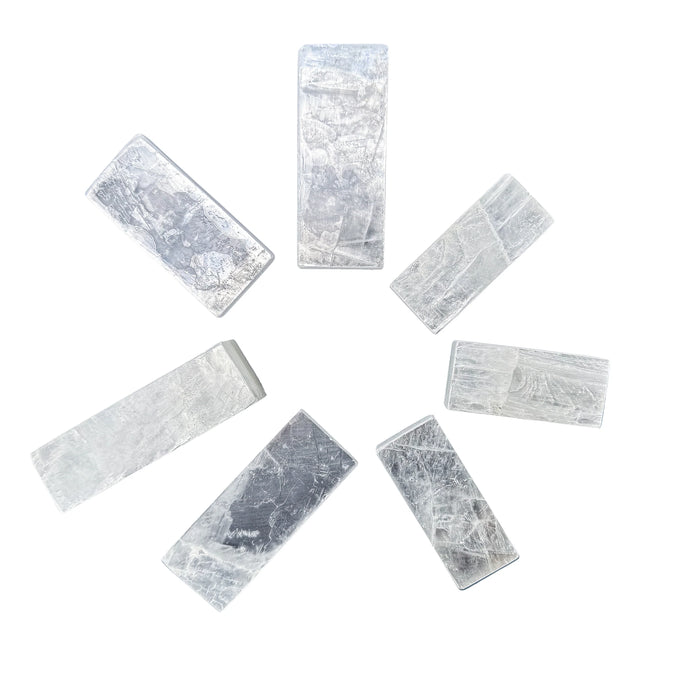
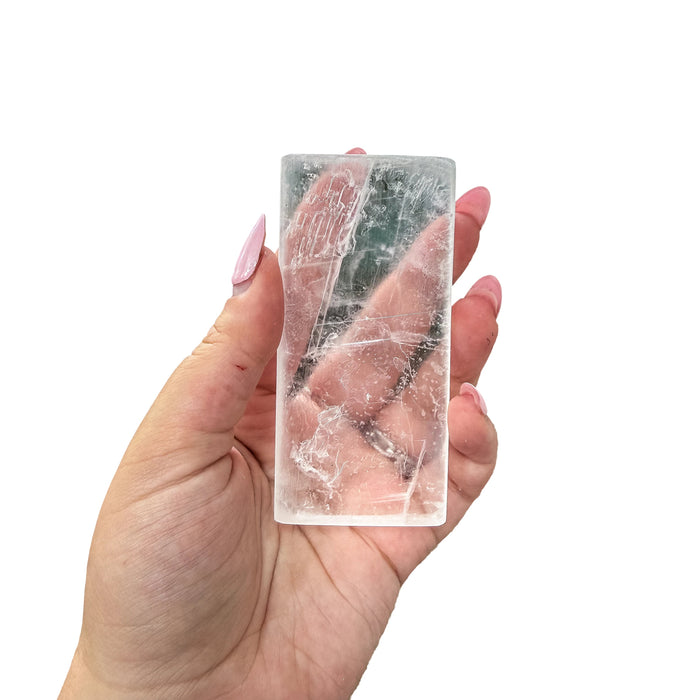
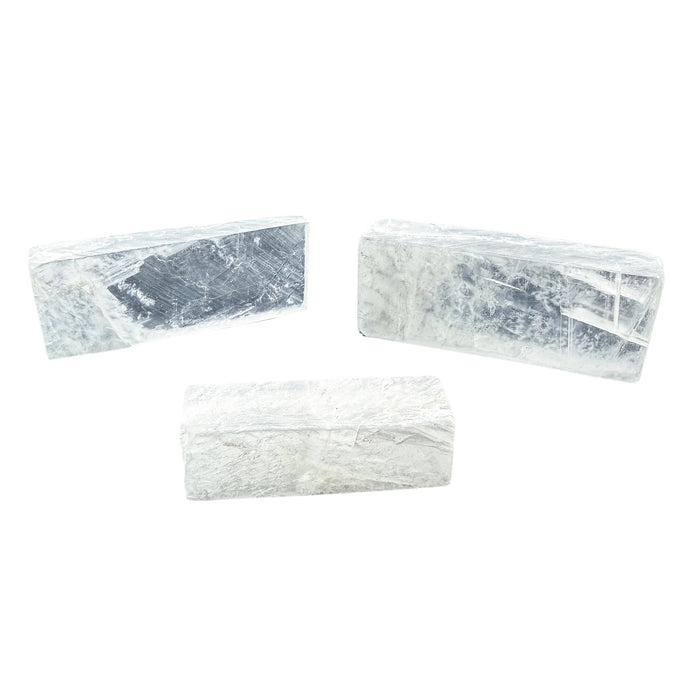
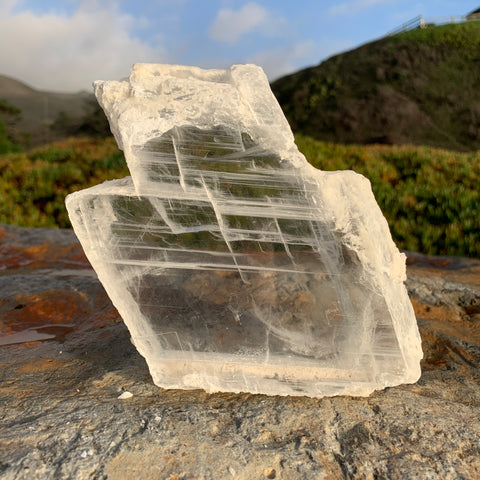
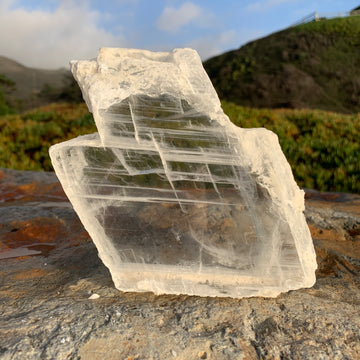
Selenite slabs and polished sticks from New Mexico are pulled from evaporite beds in the southern part of the state, where ancient seas left thick gypsum deposits. New Mexico has a long heritage of small-scale crystal mining, and we source through partners who pay fairly at the dig site.
What we source from the United States
Peridot, Obsidian, Selenite, Quartz.
Sourcing notes
US material costs more per pound than equivalent international material, and we don't always have the volume to keep every variant in stock. We accept that trade-off because the supply chain is short enough that we can verify each step. When we say a piece is mined under US labor regulations, we can show our work.
Peru
Andean geology, ancient mining heritage, and a sourcing landscape that requires real diligence to navigate ethically.
Peru's mining history is older than the country itself. Pre-Incan civilizations were extracting and working mineral material from the Andes long before the Spanish arrived. The geology is exceptional. The collision of the Nazca and South American plates created one of the most mineral-rich mountain ranges on the planet.
The supply chain reality is more complicated. Peru is one of the origins where the gap between ethical and unethical sourcing has widened in recent years. Some Peruvian operations are well-run cooperatives with documented labor practices. Others are exploitative middlemen operations that move material through Lima with no traceable origin chain. We have personally been burned by Peruvian suppliers who falsified provenance, and we are more cautious about Peruvian material than almost any other origin in our catalog.
The Peruvian material that does enter our catalog comes through partners who can name the specific cooperative or mine. Andean blue opal, pink opal, and chrysocolla from the southern coast and the central highlands. Lepidolite, rhodonite, and serpentine from the central Andean belt. Calcites and aragonites from limestone and travertine deposits in the eastern foothills.
What we source from Peru
Andean Blue Opal, Pink Opal, Chocolate Calcite, Honey Calcite, Mangano Calcite, Red Aragonite, Brown Aragonite, Lepidolite, Rhodonite, Chrysocolla, Angelite, Serpentine, Green Jade, Black Onyx.
Sourcing notes
Peru is the origin where we say no most often. The cost of accepting a sketchy lot, even one that arrives looking beautiful, is too high. Our standing rule is simple. If the partner can't name the deposit, the offer doesn't move forward.
South Africa
Some of the world's oldest exposed rock, mature commercial mining infrastructure, and a small but well-defined slice of our catalog.
The Kaapvaal Craton in South Africa contains some of the oldest exposed continental crust on earth, with rock formations dating back more than 3 billion years. South African mineral deposits are a record of nearly the entire history of the African continent, and the country has one of the most established commercial mining infrastructures on the continent.
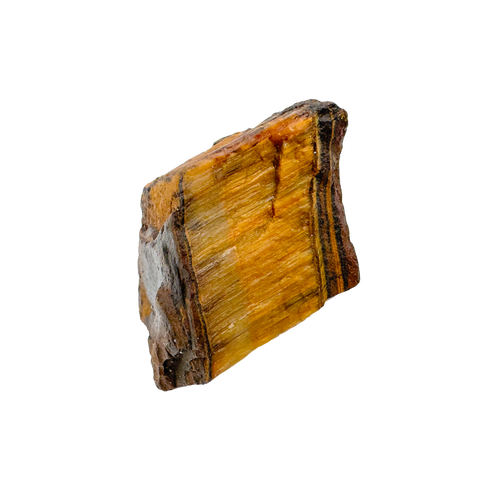
Tiger eye from the Northern Cape is the country's signature contribution to the global crystal trade. The stone forms when quartz replaces fibrous crocidolite asbestos along ancient banded iron formations, capturing the silky chatoyant fibers that give the finished stone its characteristic shimmer. Most of the world's tiger eye comes from a relatively narrow stratigraphic belt running through the Northern Cape.
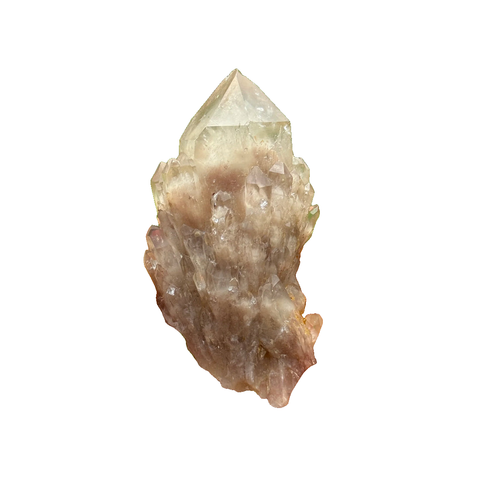
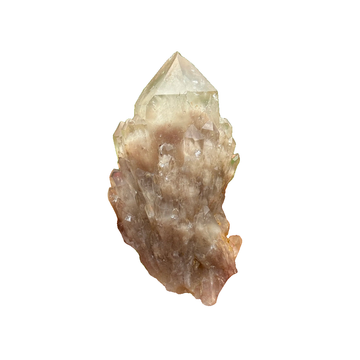
Cactus quartz (also called spirit quartz) is found almost nowhere else on earth in commercial quantity. The Magaliesberg region in South Africa is the singular source for the variety we carry. Cactus quartz forms when a central crystal point is overgrown by a halo of smaller crystals, creating a distinctive bristled or layered cluster that can range from pale lavender amethyst to citrine tones depending on mineral content. The deposits are small, the supply is finite, and the material is genuinely regional.
Unakite is a granitic rock containing pink feldspar, green epidote, and quartz, and the South African material is among the most consistently colored on the global market. Cutters in the region have generations of experience working it.
What we source from South Africa
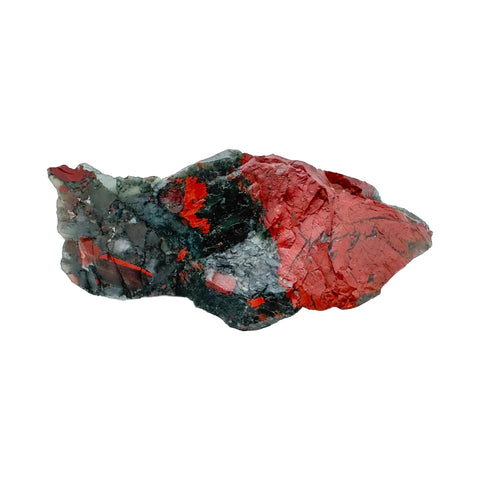
Tiger Eye, Cactus Quartz (Spirit Quartz), Unakite, Red Jasper, Dragon Bloodstone, Stichtite Atlantisite, Rose Quartz.
Sourcing notes
South African mining tends to be more formalized than the artisanal operations in Madagascar or Brazil, with documented labor structures and standardized export channels. That doesn't make it automatically more ethical, but it does make it more verifiable. We work with established South African cutting houses that have been in the trade for decades.
Uruguay
The southern half of the same volcanic system that gave Brazil its amethyst, but with different geology, different color, and a smaller, more regulated mining sector.
Uruguay's mineral output is dominated by one stone: amethyst. The Artigas department in the country's far north sits at the southern edge of the same Paraná basalt province that produces Brazilian amethyst, but the Uruguayan geodes form under slightly different conditions and yield a noticeably distinct material profile.
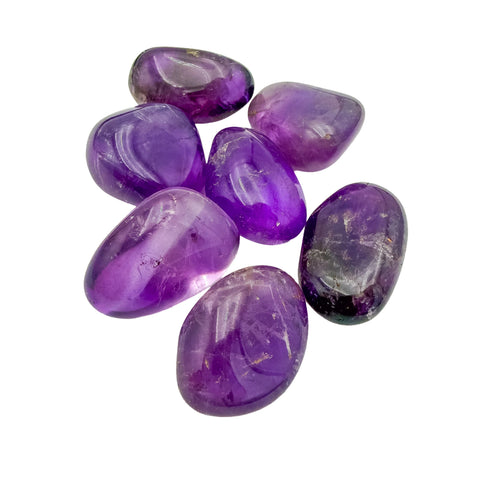
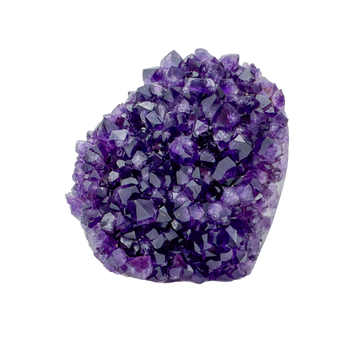
Color saturation is the most obvious difference. Uruguayan amethyst tends toward a deeper, more royal purple, sometimes shading into an almost bluish-violet that's prized in the trade. Brazilian amethyst is more variable, often lighter, and the overall color tone leans rosier.
Geode size and density is the second difference. Uruguayan geodes are typically smaller, denser, and have shorter crystal points than Brazilian geodes of equivalent grade. The crystal habit is tighter because of the formation conditions in the Artigas basalt.
Mining sector is the third. Uruguay has a smaller, more formalized amethyst mining sector than Brazil, with fewer operators and more regulated extraction. That makes traceability easier in some ways and supply tighter in others.
What we source from Uruguay
Amethyst (Polished Crystal Geodes, Raw Clusters, Cabochons).
Sourcing notes
Uruguayan amethyst commands a premium over Brazilian amethyst at equivalent size grades, and it's worth understanding why before comparing prices. The deeper color saturation, denser geode structure, and tighter supply mean a Uruguayan piece is fundamentally a different material than a Brazilian piece, even though the trade often groups them together.
Brazilian Amethyst vs. Uruguayan Amethyst
The same mineral, formed in the same continental basalt province, but pulled from different ends of it. Worth understanding before you compare prices.
Brazil · Rio Grande do Sul
Color: Lighter to medium purple, often with rosy or pinkish undertones. Variable saturation across the geode.
Form: Larger geodes, longer crystal points, more open cavity space. Often dramatic display pieces.
Supply: Larger, more diverse mining sector. Wide variety of grades and price points available.
Uruguay · Artigas
Color: Deeper royal purple, often bluish-violet at peak saturation. More uniform across the geode.
Form: Smaller, denser geodes with shorter, more tightly packed crystal points. Premium hand specimens.
Supply: Smaller, more regulated sector. Fewer producers, tighter availability, premium pricing.
How to Recognize Origin in a Crystal
You don't need a geology degree to read a stone. Three things to look at before you buy, no matter where you're shopping.
Look at the listing's specifics
An honest listing names the country at minimum, and often the region or deposit. Vague language ("ethically sourced," "fair trade," "responsibly mined") with no country attached is the most common pattern in the industry. If a seller can name the country but nothing else, ask why.
Check the material profile
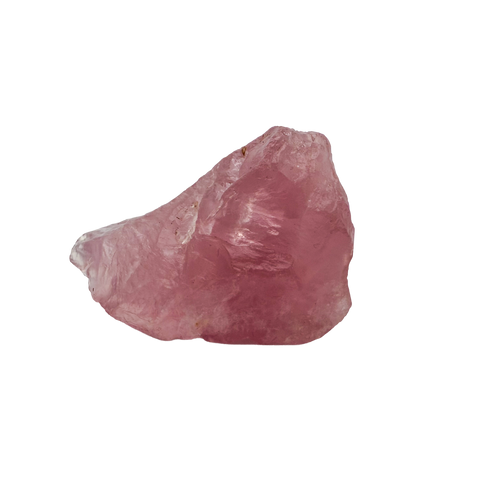
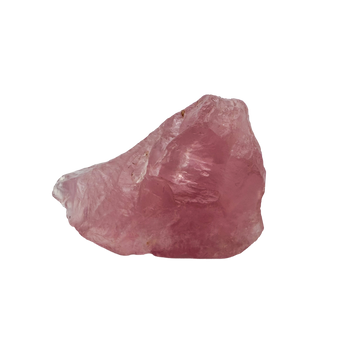
Color, formation type, and inclusions are often regionally distinctive. Brazilian rose quartz tends toward soft, milky pink. Madagascar labradorite shows broader color flash than other origins. Uruguayan amethyst runs darker than Brazilian. If a piece looks wildly different from typical material from its claimed origin, ask the seller to explain.
Ask about treatments
A reputable seller will tell you whether a stone has been heat-treated, dyed, irradiated, or otherwise enhanced. Many treatments are normal in the trade. The problem is undisclosed treatment. If a price seems unusually low for a given stone, treatment is often part of the answer.
About Origin and Sourcing
The questions people ask most often when they start paying attention to where their stones come from.
Where do Beyond Bohemian crystals come from?
We source from over thirty countries, with seven primary origins covered in detail above: Brazil, Madagascar, Mexico, the United States, Peru, South Africa, and Uruguay. Every piece in our catalog is tagged with its country of origin, and most are tracked to a specific region, deposit, or cooperative. We work with small-scale miners, family operations, indigenous mining authorities, and verified lapidary partners.
Why does origin matter for a crystal?
Origin shapes geology, labor, and accountability all at once. Two pieces of the same mineral from different countries can form under different geological conditions, move through different supply chains, and represent very different conditions for the people who mined them. The country tag is the floor of useful information. The deposit, the cooperative, and the route to your hand are the ceiling.
How do I know an "ethically sourced" claim is real?
Ask for specifics. A real ethical sourcing claim names the country, the region or deposit, and ideally the cooperative or partner the material was acquired from. Vague claims like "ethically mined" or "fair trade" with no specifics behind them are a common pattern in the industry. We publish our standards on our ethical sourcing criteria page and our five sourcing models page so you can audit our work.
Is US-sourced material always more ethical than international?
It's almost always more verifiable, which is not the same thing. US material moves through US labor regulations and a short, traceable supply chain, which makes the claim easy to check. Ethical sourcing is possible at every origin in our catalog. The question is whether the specific channel, not the country, meets a defensible standard.
Why don't you carry crystals from every country I see online?
Because we say no more often than we say yes. Several origins that are heavily represented in the broader crystal market, particularly material moving through certain channels in Asia, Africa, and South America, don't meet our standards for traceability or labor verification. We'd rather have a smaller, more honest catalog than a complete one with question marks.
Can you tell me exactly where this specific piece came from?
For most of our catalog, yes. We track origin to the regional or cooperative level for every piece we list, and the product description names the deposit when we have it. If you want more detail than what's published, write to us and we'll share what we know.
How does origin affect price?
Significantly, and not always in the direction you'd expect. Smaller, more regulated origins like Uruguay or domestic US sources tend to cost more per pound because of formal labor practices, smaller supply, and regulatory overhead. Larger, more artisanal origins like Brazil offer wider price ranges but require more diligence on the sourcing side. Cheaper isn't always less ethical, and more expensive isn't always more ethical. Specifics matter.
What is the difference between Brazilian and Uruguayan amethyst?
Both come from the Paraná basalt province in southern South America, but they form under different conditions and produce noticeably different material. Brazilian amethyst (Rio Grande do Sul) tends to be lighter and more variable in color, with larger geodes and longer crystal points. Uruguayan amethyst (Artigas) is darker, more uniform, denser, and forms in smaller, tighter geodes. Uruguay's mining sector is smaller and more regulated, which makes its amethyst commercially scarcer and priced higher per pound.
Are your crystals natural or treated?
Every stone in our catalog is natural and unenhanced unless we explicitly disclose a treatment in the product description. We do not carry dyed, irradiated, or coated material. Our citrine is natural and unheated, which is unusual in the trade since most commercial citrine is heat-treated amethyst. Heat treatment, when present anywhere in our inventory, is always disclosed.
Go Deeper on Sourcing
Origin is one piece of a larger system. These pages cover the standards, the models, and the daily practice behind what you've just read.
Beyond Ethical Sourcing
The full picture: 12 sourcing standards, 5 sourcing models, walk-away examples, and the trust system that holds it together.
Read More →Our 12 Sourcing Standards
The full text of every standard we hold suppliers to, with the lived examples and walk-away moments behind each one.
Read More →From the Source to You
The five sourcing models we use, why each one exists, and how the trade actually works at each tier from miner to shelf.
Read More →Have a question about a specific piece?
Origin tracking is only useful if you can use it. If you want more detail on where a particular stone in our catalog came from, the cooperative behind it, or the route it traveled, write to us and we'll share what we have on file.
Ask About a Piece