


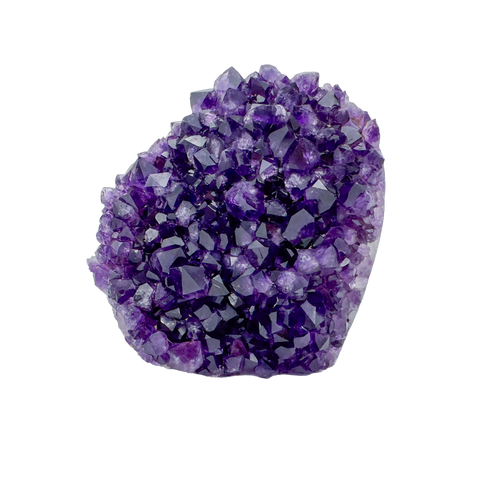
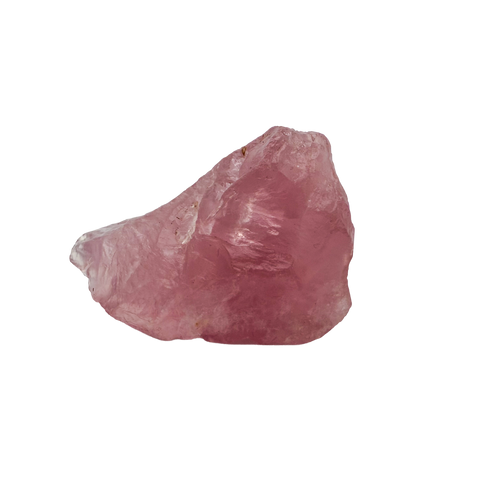
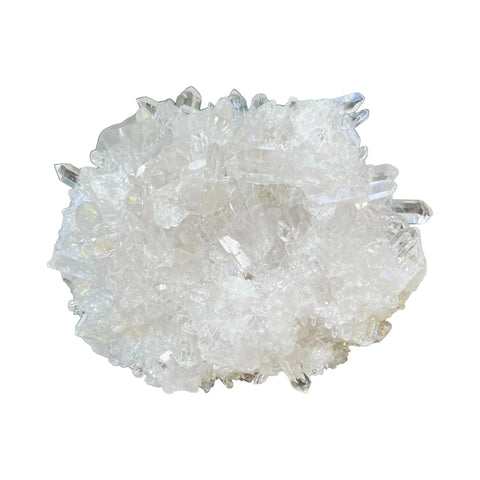
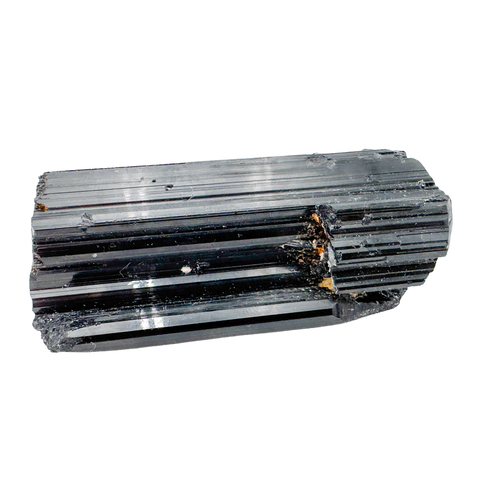










How this identifier works
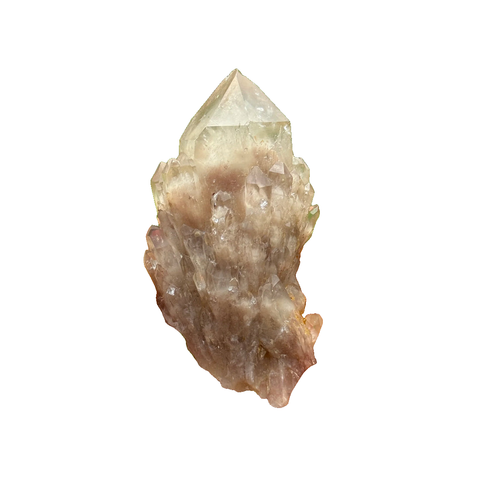
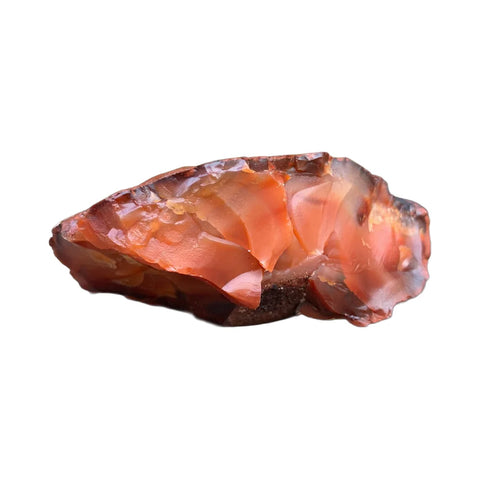
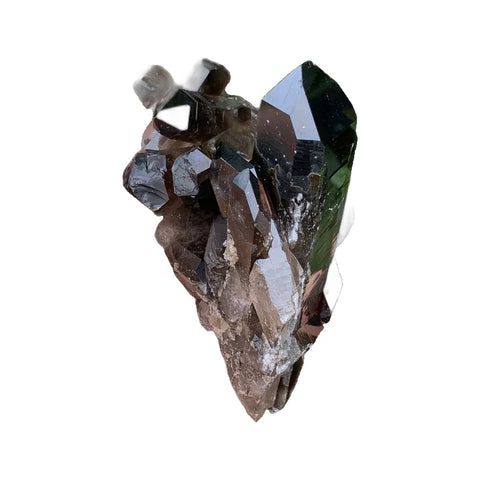
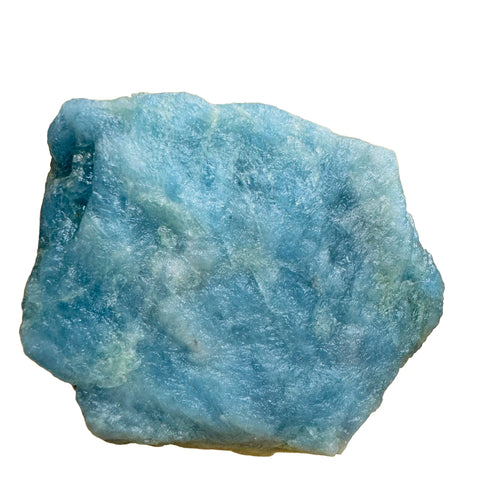
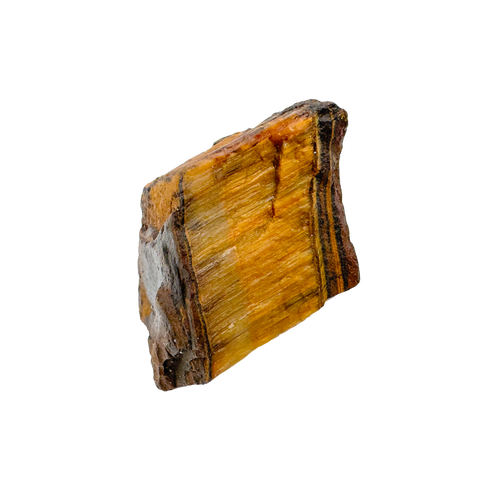
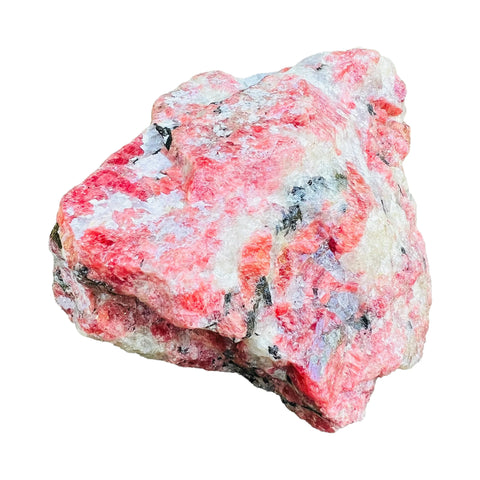
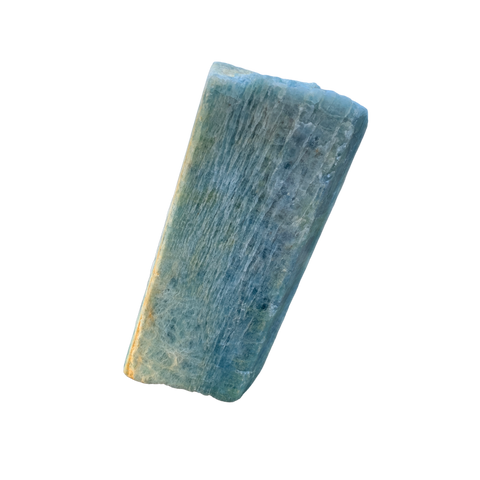
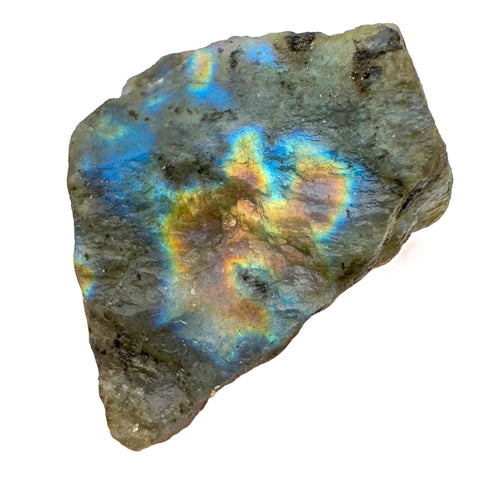
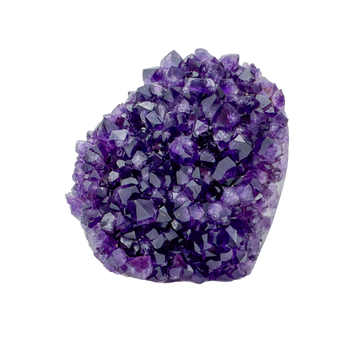
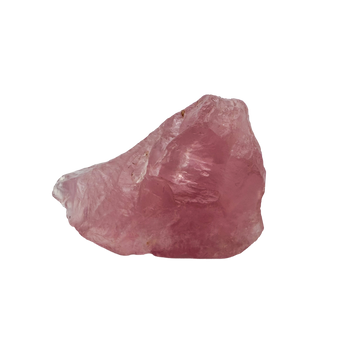
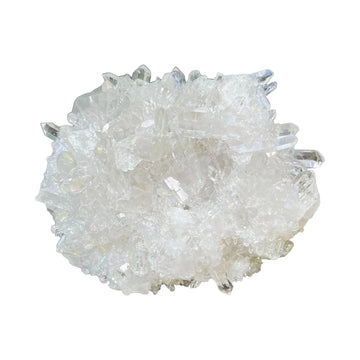
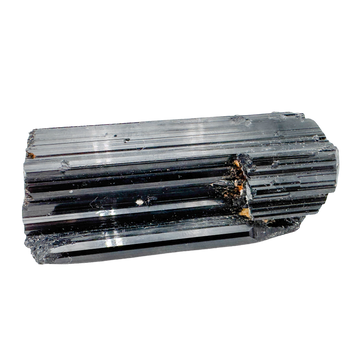
Photograph a stone and the identifier reads it the way a mineralogist would: body color, luster, transparency, crystal habit, and pattern, weighed together. It then checks that first read against labeled reference photos, searches the web's image index for visual matches, and rates its confidence honestly. When the photo alone can't settle it, you'll see the look-alikes worth ruling out and the simple at-home tests, like scratch and streak, that settle the question for good.
It covers the whole mineral kingdom, not just what we sell: crystals, rocks, fossils, meteorites, and the man-made imitations that fill the market. There's also a 500-entry mineral encyclopedia built in, free and open, with hardness scales, look-alike tells, and locality notes for deeper study.
How accurate is it?
The photo read is a strong start, and the confidence rating tells you plainly how much weight to put on it. A photo can't measure hardness or streak, so when certainty matters, the at-home tests it prescribes are what confirm the call. That's how real identification works, and we'd rather teach it than fake it.
Can it spot fakes?
It's trained on the common ones: dyed howlite sold as turquoise, glass sold as opalite or cherry quartz, heat-treated amethyst sold as citrine, and dozens more. If something about a listing looks too good, run the photo through and see what comes back.