













































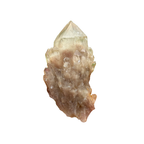
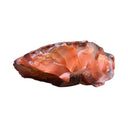
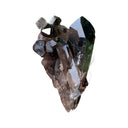
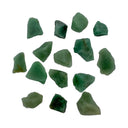























Crystals by Chakra
Seven energy centers, seven small collections. Pick the chakra you're working with for meditation, intention setting, or layered grid work, and we'll show you the crystals traditionally associated with it.
What is a chakra crystal?
A chakra crystal is a stone traditionally associated with one of the seven main energy centers of the body, used in meditation, intention setting, and layered grid work because its color or properties map to that center's themes. The seven chakras (Root, Sacral, Solar Plexus, Heart, Throat, Third Eye, Crown) each have a small set of stones that practitioners return to most often, and the page below lays them out chakra by chakra.
Chakras are a starting point, not a prescription.
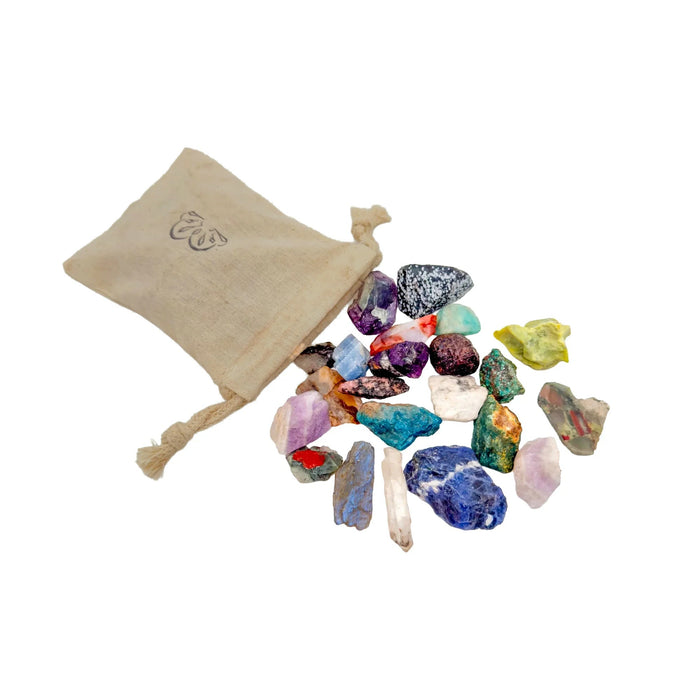
The chakra system comes from a long lineage of South Asian contemplative practice, and modern crystal practitioners have layered stones into it over the last few centuries. What you'll find on this page is the working set we see used most often, with the geology, color, and origin of each stone laid out first and the traditional associations second. Pick a chakra, look at the photographs, and start with one stone. Most people end up with two or three in rotation as the season shifts.
Root Chakra
The base of the spine, the part of the practice that holds everything else up. Root crystals are the dark and warm ones, the ones you keep in a pocket on the hard weeks, the ones you set on the floor of a grid before any other stone goes on top.
The stones at the floor of every grid.
Root crystals lean dense, opaque, and warm. Most are iron-rich or carbon-bearing, which is what gives them their weight and their color, and which is also why so many of them have been used as protective stones across cultures long before the word chakra showed up in English.
If you're new to the system, start here. Grounding is the practice that the other six chakras rest on top of.
Traditionally associated with: stability, presence, protection, physical energy.
Sacral Chakra
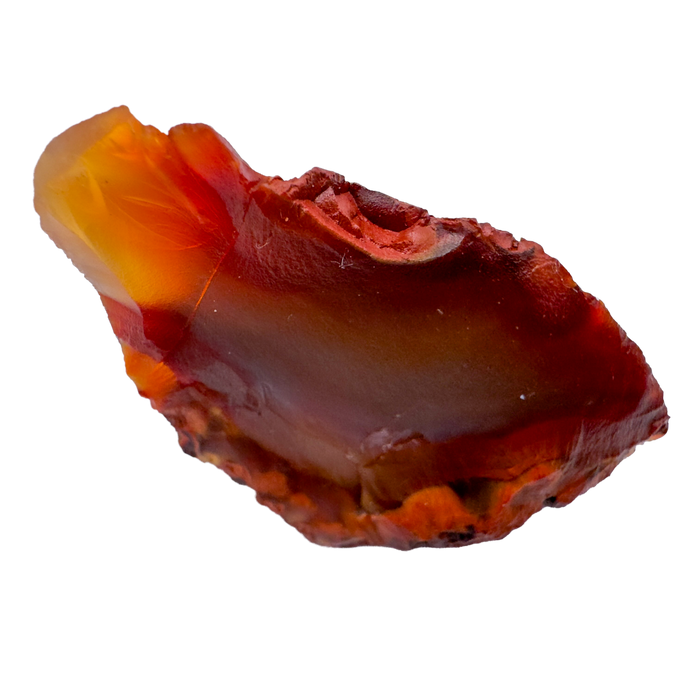
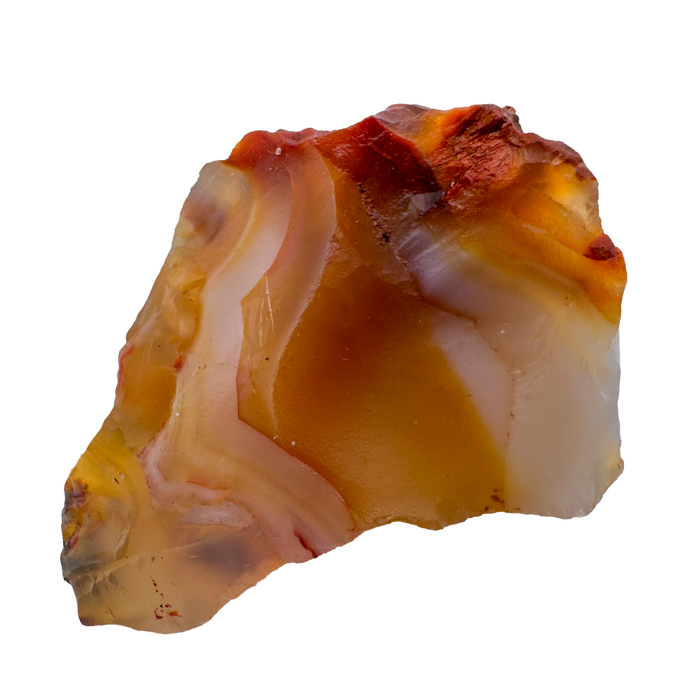
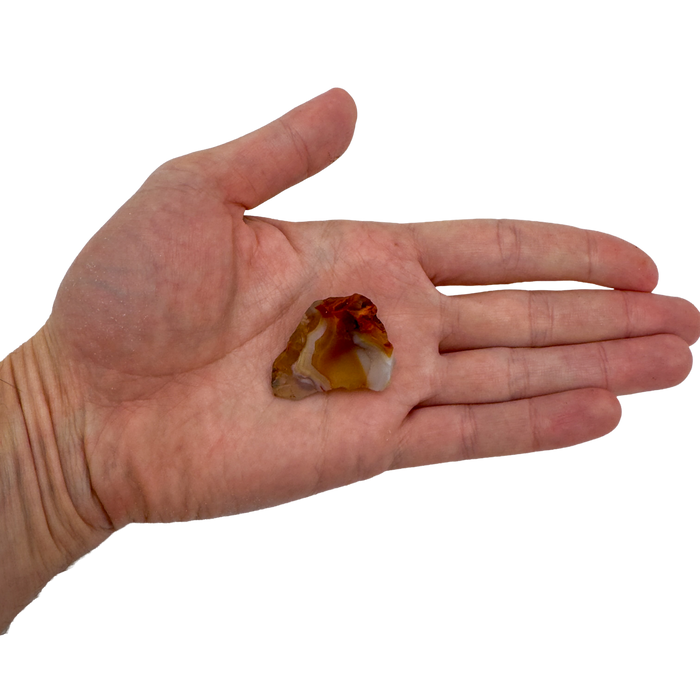
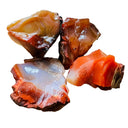
Below the navel, the part of the practice that holds creativity, emotion, and the moving water of feeling. Sacral stones lean orange and warm peach, and many of the most-used ones come from the same family as the carnelian sitting on the sacral collection page.
Warm-orange stones for the creative seasons.
The orange of a sacral crystal usually comes from iron oxide stained through silica, which is also why these stones tend to be translucent in thin slices and look almost alive when held to light. Most practitioners reach for sacral stones during creative work, hard emotional weeks, or seasons of change.
Traditionally associated with: creativity, emotional flow, pleasure, sensuality.
Solar Plexus Chakra
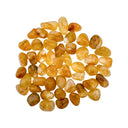
Above the navel, below the sternum. The part of the practice that holds personal power, confidence, and the steady identity that gets you out the door in the morning. Solar plexus stones are the yellow and gold ones, the warm-bright corner of the catalog.
The yellow corner of the catalog.
Natural citrine is rarer than the market suggests. Most yellow quartz on the market is heat-treated amethyst, which is a real process used for centuries, and which we disclose on every product page. The other solar plexus stones (Tiger's Eye, Pyrite, Yellow Jasper) get their color from iron or sulfide minerals, and arrive in our hands looking exactly the way they came out of the ground.
Traditionally associated with: confidence, personal power, willpower, motivation.
Heart Chakra
The center of the chest, the part of the practice that holds love, grief, compassion, and the slow work of opening back up after a hard season. Heart stones are the soft pinks and greens, and they are some of the most-shopped crystals we carry.
The soft-pink and warm-green stones for slow rebuilds.
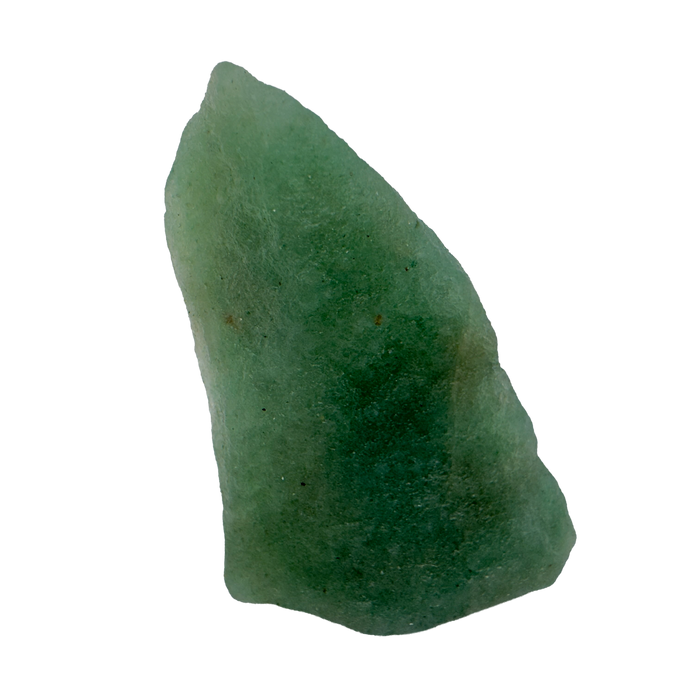
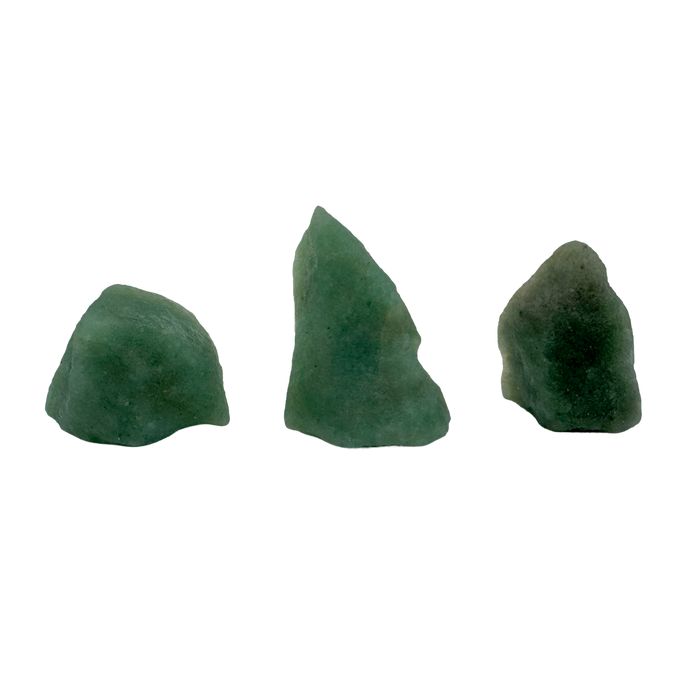
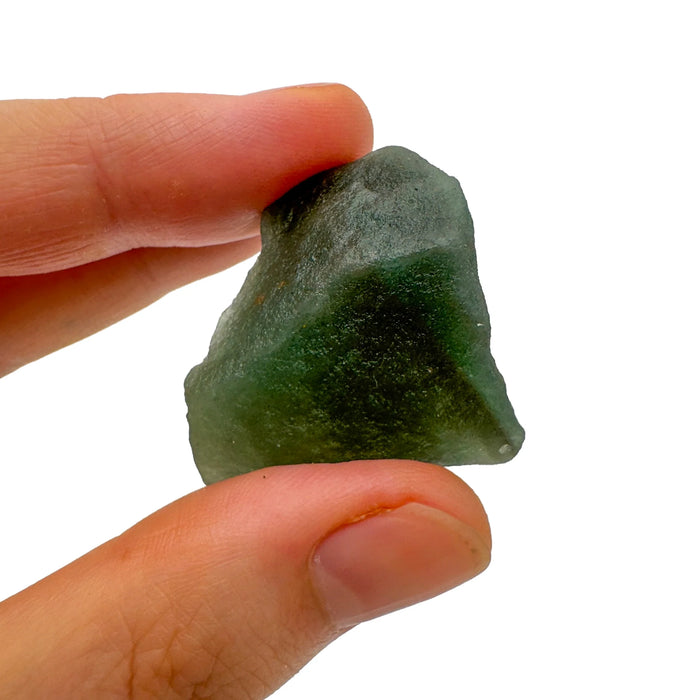
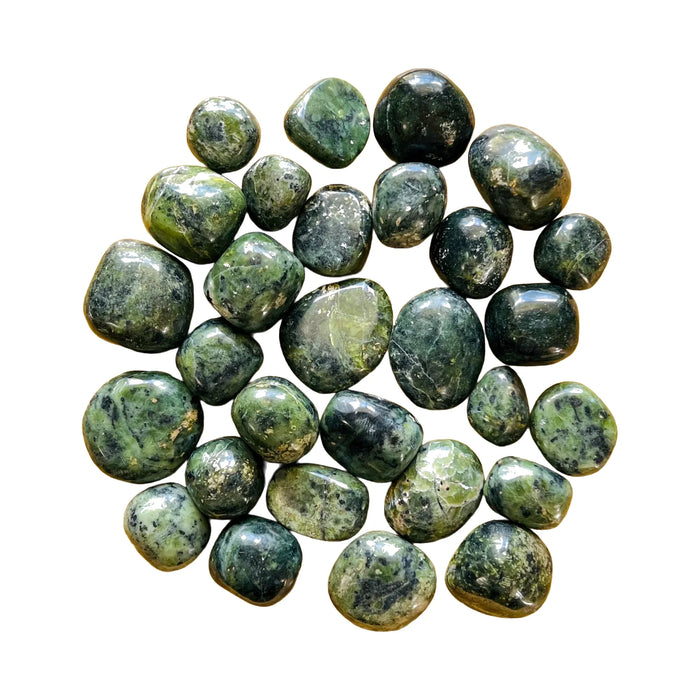
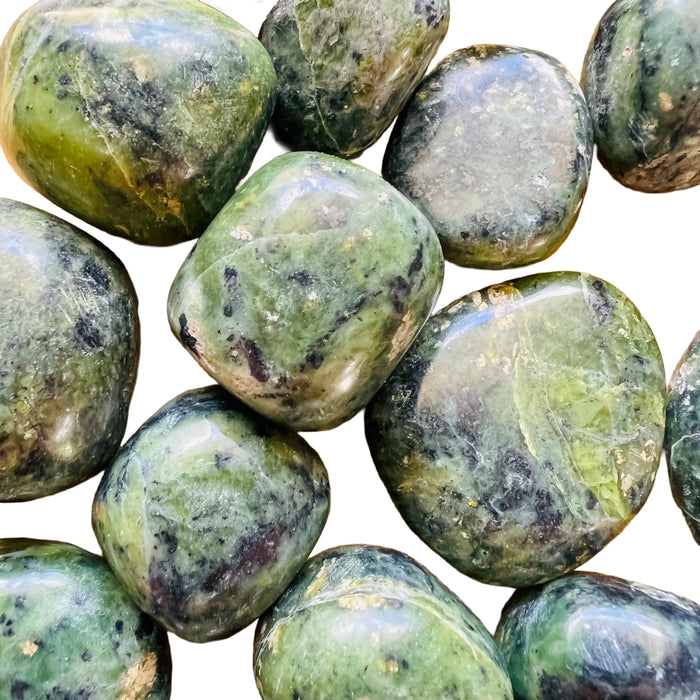
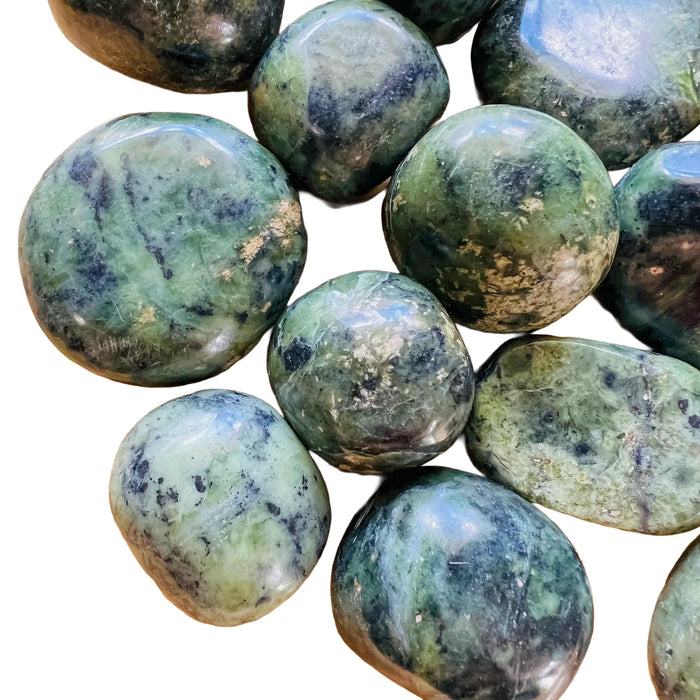
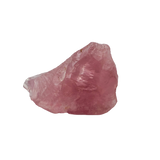
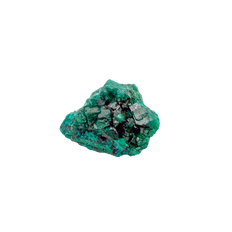
The largest selection in the chakra catalog, because the heart is where most practitioners spend the most time. Rose Quartz from Madagascar is the entry point, and the green stones (Aventurine, Jade, Malachite) carry the same energy from the other direction. Many of these are used in grief work, emotional healing, and the long process of opening back up.
Traditionally associated with: love, compassion, grief, emotional healing.
Throat Chakra
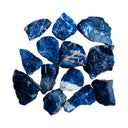
The hollow of the throat, the part of the practice that holds communication, truth, and the harder work of saying the honest thing. Throat stones are the blues, from sky-pale to deep ocean, and many of them are used by practitioners and non-practitioners alike for clarity around speech.
The blue stones for honest speech.
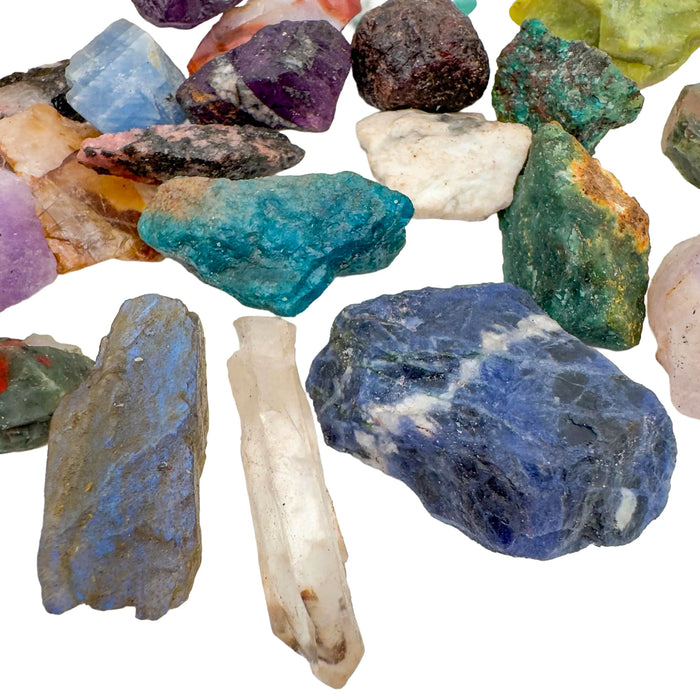
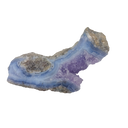
Aquamarine is the beryl-family entry, the same mineral as emerald with iron instead of chromium giving it the blue. Blue Lace Agate, Sodalite, and Amazonite each carry a different shade and a different feel. Throat work is often done quietly, which is why these stones are some of the most-pocketed pieces in the catalog.
Traditionally associated with: communication, honesty, self-expression, listening.
Third Eye Chakra
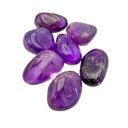
Between the brows, the part of the practice that holds intuition, insight, and the inner read on things. Third eye stones are the deep indigos and purples, and many of them come from the same iron- or manganese-bearing families as the heart and throat stones above.
The deep-purple and indigo stones for inner work.
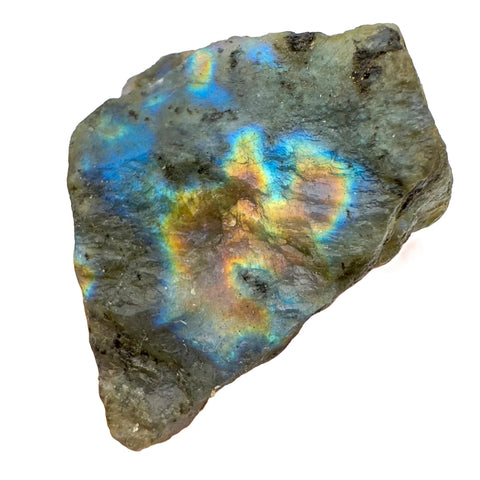
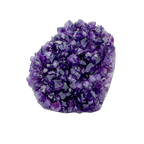
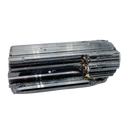
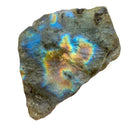
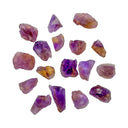
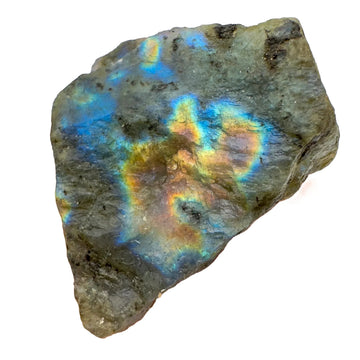
Amethyst is the entry stone for almost every practitioner who works with the third eye, and a single well-grown point from Brazil or Uruguay is often the first crystal a person buys. Labradorite carries a different feel, with the flash of blue and green that geologists call labradorescence. Blue Kyanite, with its bladed crystal habit, sits at the cooler end of the same set.
Traditionally associated with: intuition, insight, dreams, inner vision.
Crown Chakra
The top of the head, the part of the practice that holds connection, higher awareness, and the quiet end of any sitting. Crown stones are the clear and the violet ones, the lightest crystals in the catalog, and the ones most often used to close a grid or a meditation.
The clear, light, quieting stones.
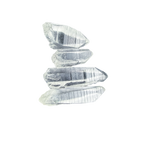
Clear Quartz is the universal stone of the chakra system, and it shows up here as the crown's anchor. Selenite is gypsum, soft enough to scratch with a fingernail, which is why it is never wet-cleaned in our shop and why it appears here with a small care note. Amethyst makes a second appearance because dark purple at the high end of its color range is often used at the crown rather than the third eye.
Traditionally associated with: connection, higher awareness, peace, completion.
Other ways to find your stone
How to use this page
Three small steps for the first time you work through the chakras. There is no wrong answer, and most people end up rotating two or three stones across the seven centers rather than collecting one of each.
Start with the chakra that's loudest right now
You don't need to work through the seven in order. The chakra that's asking for attention is usually the one to start with, and it changes over time.
Pick one stone, not a set
Most practitioners we know carry one or two stones in regular rotation. A full chakra set looks beautiful in a flat-lay, and it isn't the way the work usually happens.
Look at the geology too
Color is the easy lead. Origin, treatment, and form are where the real choice happens. Every product page lays both out so you can decide on the whole picture.
Pick the chakra. We'll show the stones.
The seven collections above each open to a small, curated set. Every stone shows origin, treatment, and form on the product page, and the deep-dive guides for each chakra add the practice context.