 Agatefor stress relief
 Amazonitefor stress relief
 Aquamarinefor serenity
 Aventurinefor luck
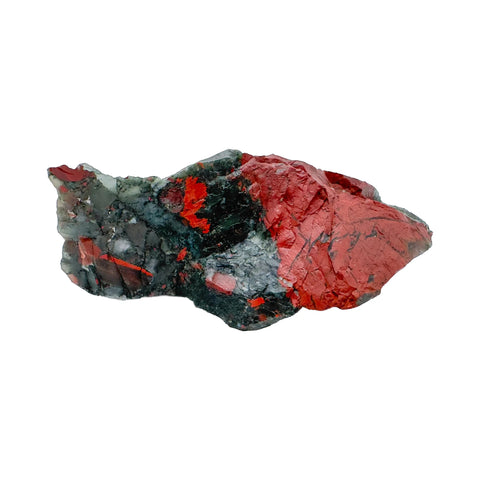
 Bloodstonefor energy
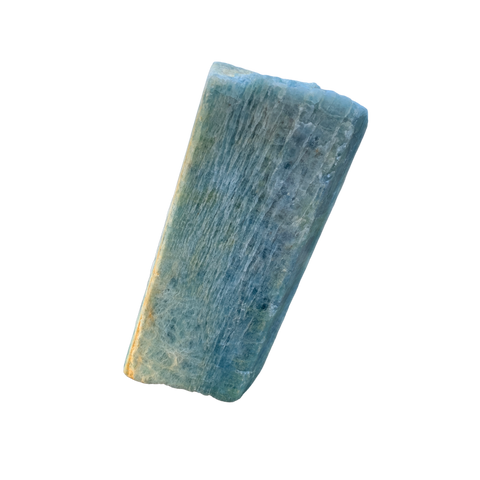
 Blue Kyanitefor confidence
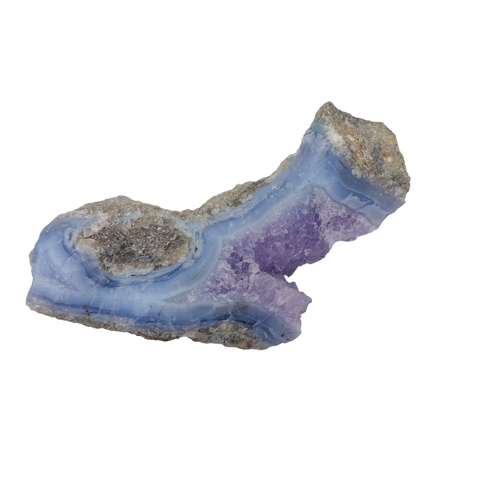
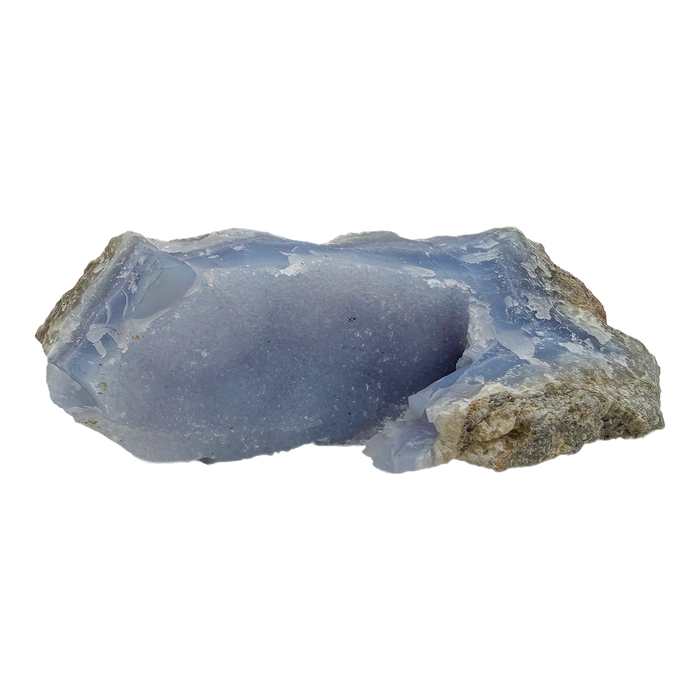
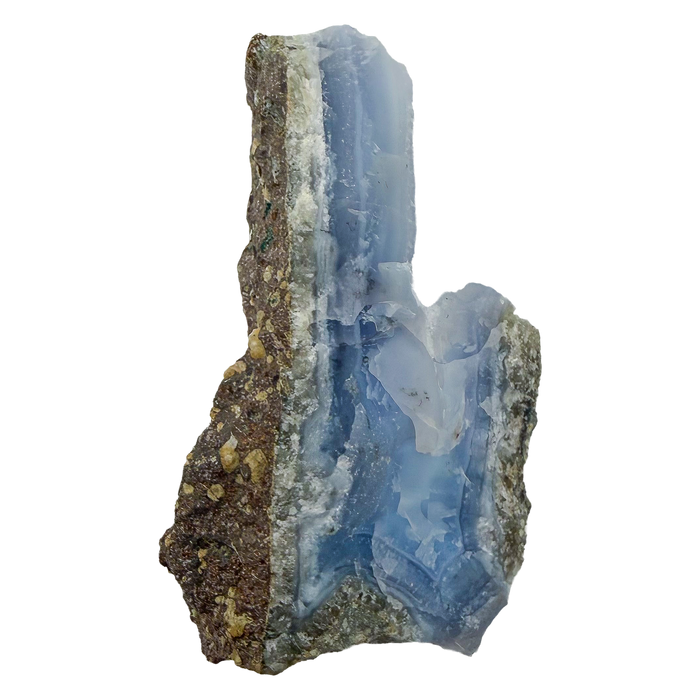
 Blue Lace Agatefor stress relief
 Chrysocollafor emotional healing
 Fluoritefor focus
 Garnetfor energy
 Lepidolitefor stress relief
 Malachitefor emotional healing
 Moonstonefor grounding
 Obsidianfor protection
 Ocean Jasperfor emotional healing
 Red Jasperfor grounding
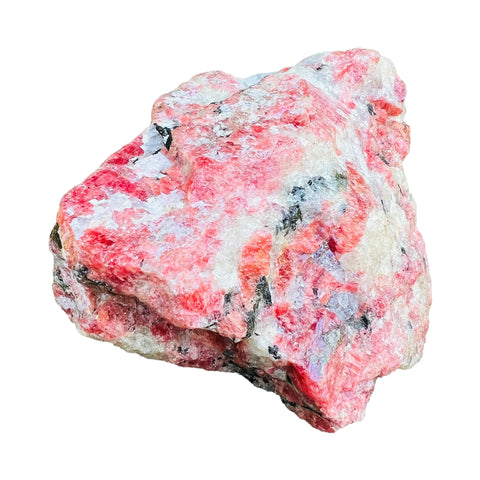
 Rhodonitefor emotional healing
 Selenitefor cleansing
 Sodalitefor focus
 Tiger Eyefor confidence
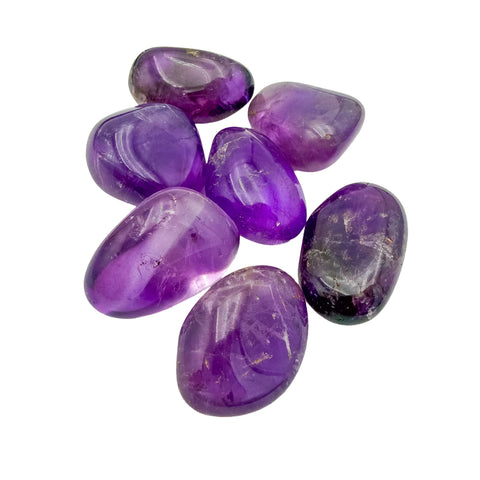




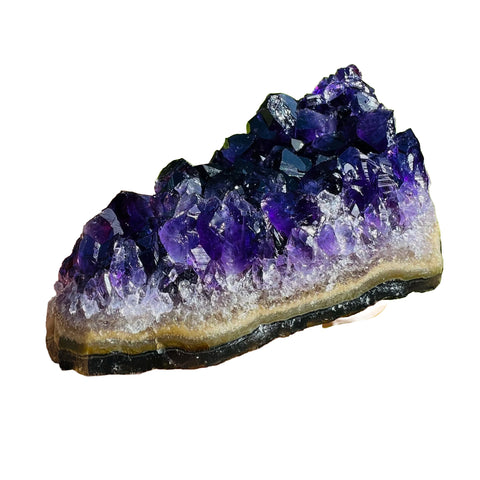








 Amethyst
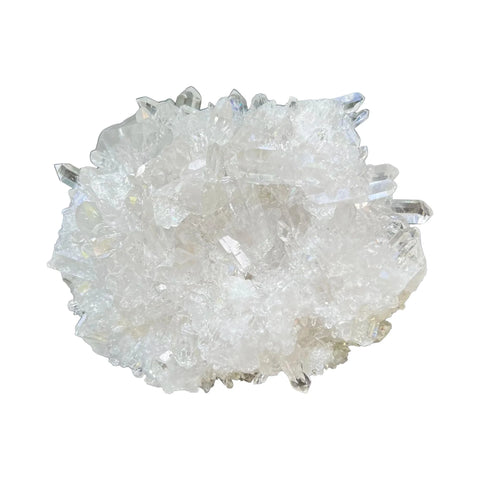
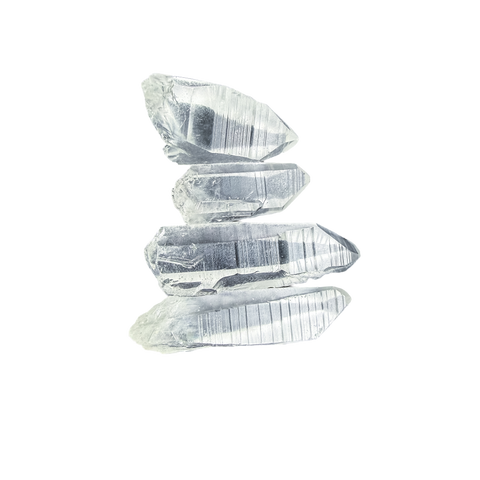
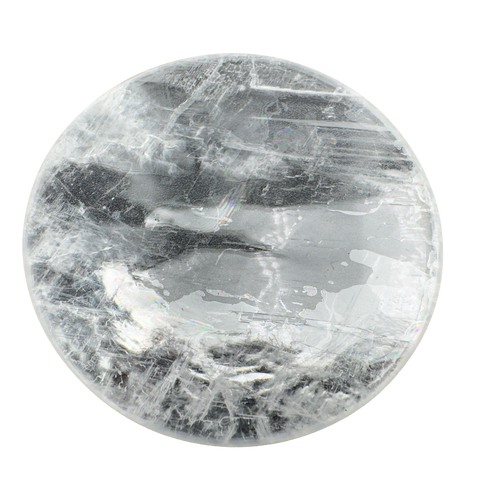
 Clear Quartz
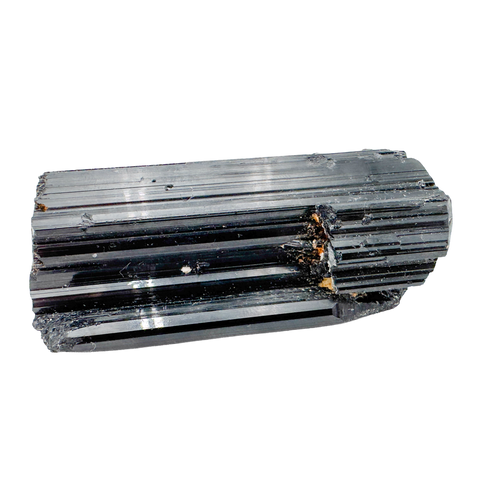
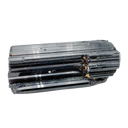 Black Tourmaline
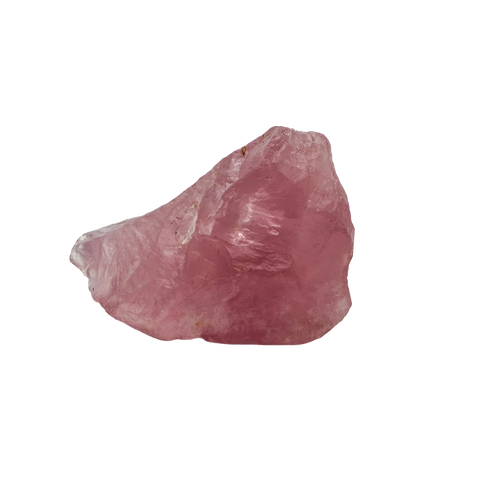
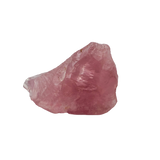 Rose Quartz
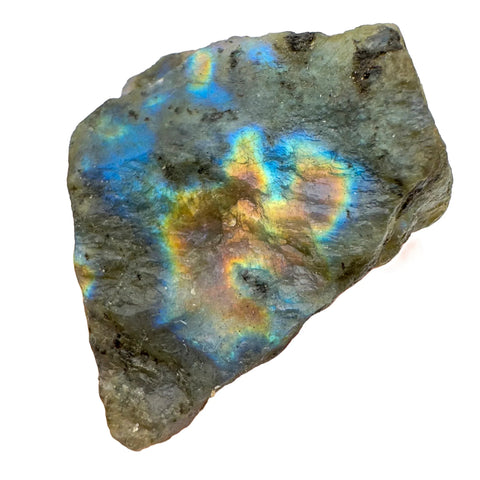
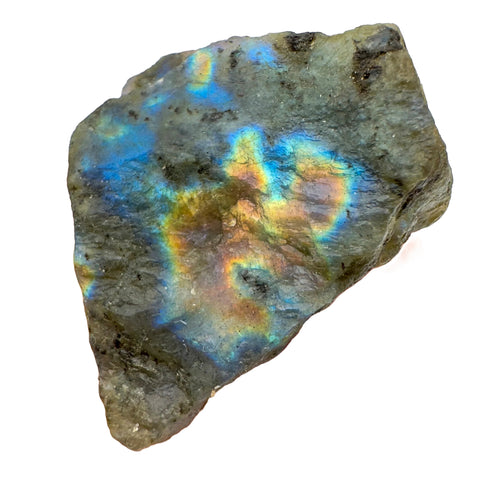
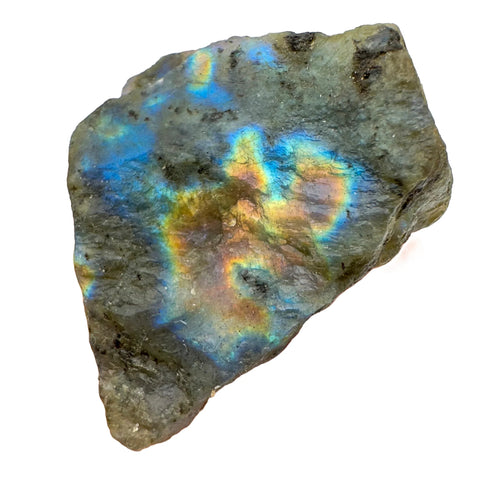
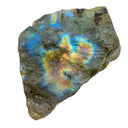 Labradorite
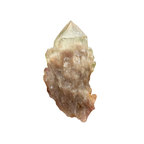 Natural Citrine
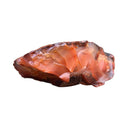 Carnelian
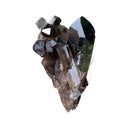 Smoky Quartz
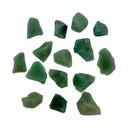 Aventurine
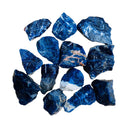 Sodalite
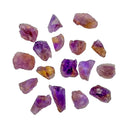 Ametrine
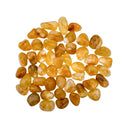 Golden Healer
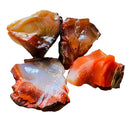 Raw Stones
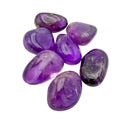 Tumbled Stones
 Palm Stones
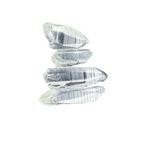 Crystal Points
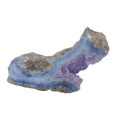 Clusters & Geodes
 Polished & Decor
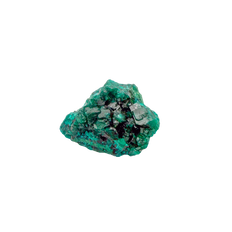 Mineral Specimens
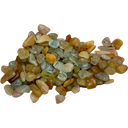 Crystal Chips
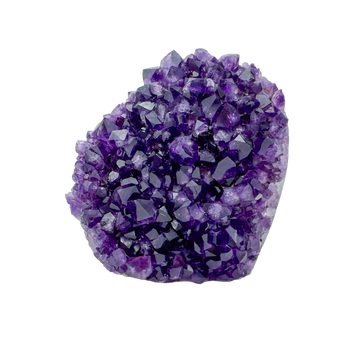
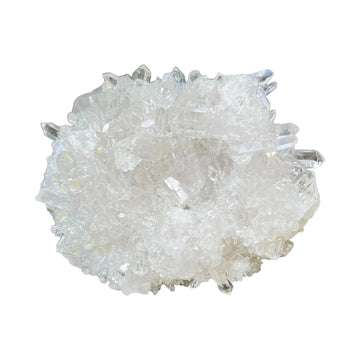
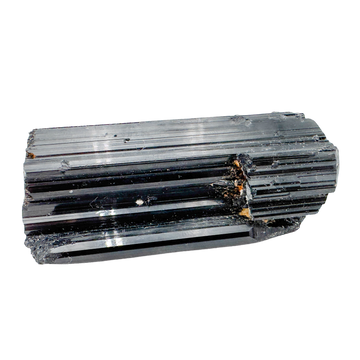
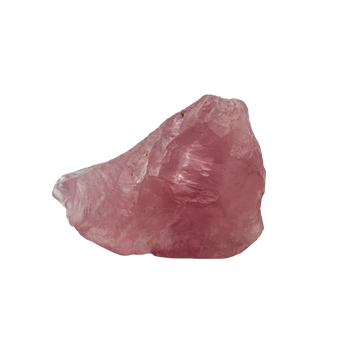
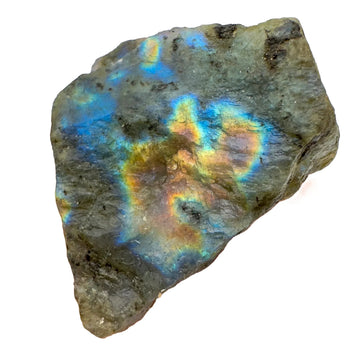
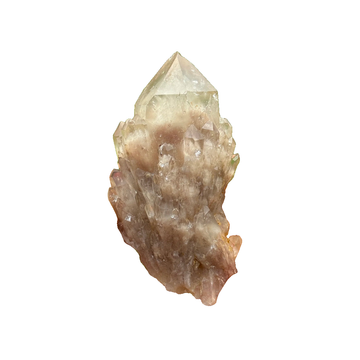
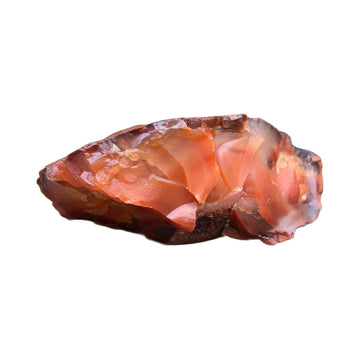
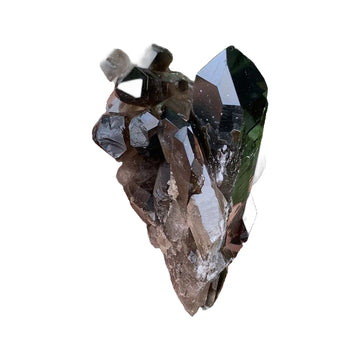
 Raw Stones
179 to choose from
 Tumbled Stones
162 to choose from
 Palm Stones
25 to choose from
 Crystal Points
23 to choose from
 Clusters & Geodes
95 to choose from
 Polished & Decor
146 to choose from
 Mineral Specimens
241 to choose from
 Crystal Chips
21 to choose from


 AngolaAquamarine
›
 BotswanaCarnelian, Tree Agate
›
 DR CongoMalachite, Natural Citrine
›
 EswatiniBloodstone
›
 MadagascarLabradorite, Clear Quartz
›
 MalawiBlue Lace Agate, Garnet
›
 MozambiqueAmazonite
›
 NamibiaSodalite, Blue Lace Agate
›
 Republic of the CongoDioptase
›
 South AfricaTiger Eye, Unakite
›
 ZambiaChevron Amethyst
›
 ZimbabweEmerald, Rhodonite
›
 ArgentinaBlack Obsidian, Rhodochrosite
›
 BoliviaAmetrine
›
 BrazilAmethyst, Clear Quartz
›
 PeruSerpentine, Jade
›
 UruguayAmethyst
›
 Dominican RepublicLarimar
›
 MexicoRainbow Obsidian, Crazy Lace Agate
›
 United StatesSelenite, Peridot
›
 ChinaFluorite
›
 RussiaShungite
›
 AustraliaMookaite
›
 Where our crystals come from
See where we source →


 Aquarius
Jan 20 to Feb 18
Amethyst
›
 Pisces
Feb 19 to Mar 20
Aquamarine
›
 Aries
Mar 21 to Apr 19
Carnelian
›
 Taurus
Apr 20 to May 20
Rose Quartz
›
 Gemini
May 21 to Jun 20
Agate
›
 Cancer
Jun 21 to Jul 22
Moonstone
›
 Leo
Jul 23 to Aug 22
Citrine
›
 Virgo
Aug 23 to Sep 22
Amazonite
›
 Libra
Sep 23 to Oct 22
Blue Lace Agate
›
 Scorpio
Oct 23 to Nov 21
Obsidian
›
 Sagittarius
Nov 22 to Dec 21
Sodalite
›
 Capricorn
Dec 22 to Jan 19
Black Tourmaline
›
Gifting?
A birthday stone is the safe bet.
Read the zodiac guide →


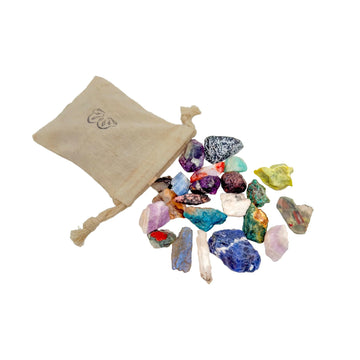
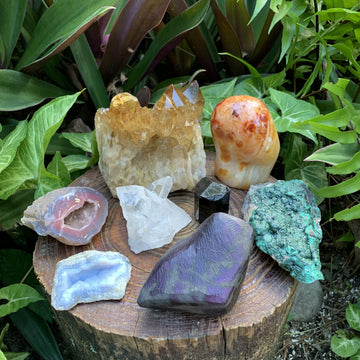
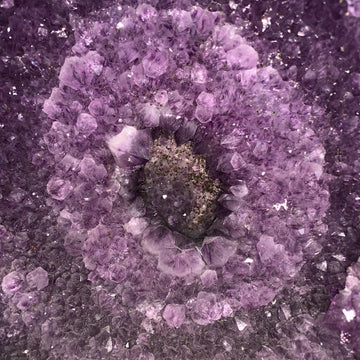
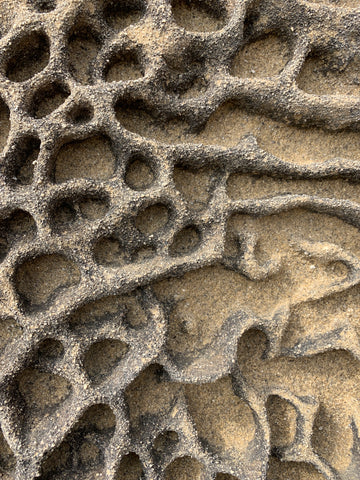
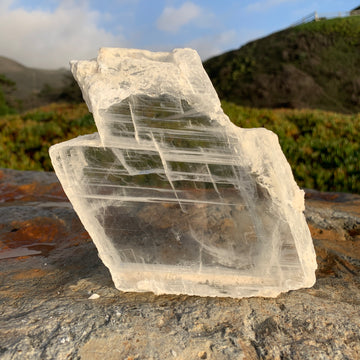



Agate
Banding that moves slow, like time marked in stone.
- Stone
- Chalcedony (quartz)
- Major Sources
- Brazil, Uruguay, Mexico & Botswana
- Treatment
- Often dyed; we disclose treatments
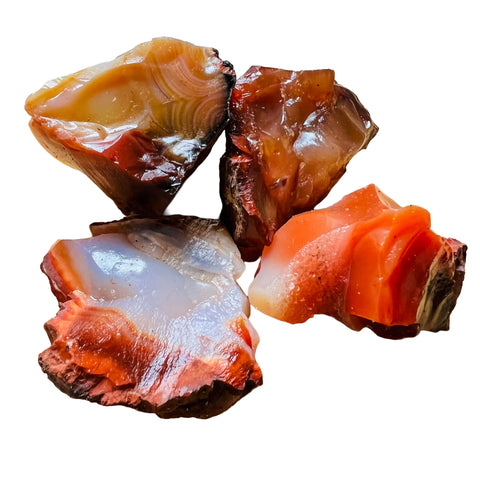
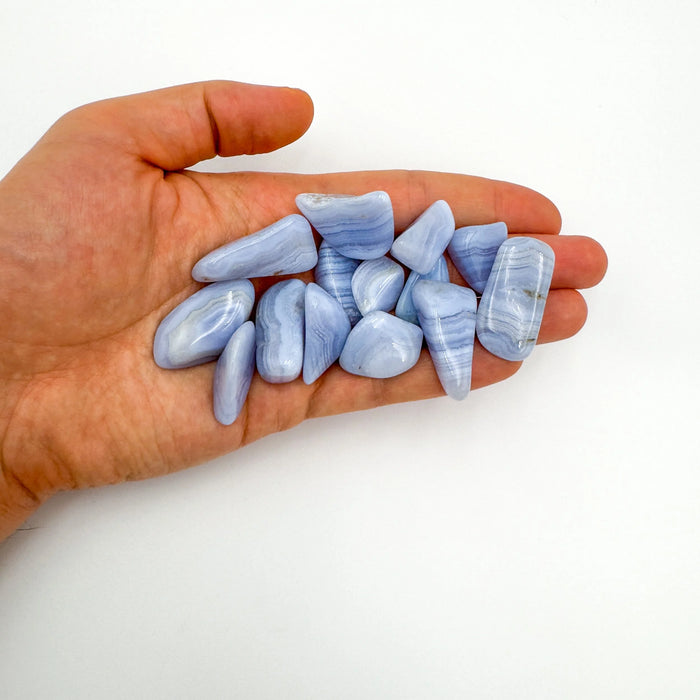
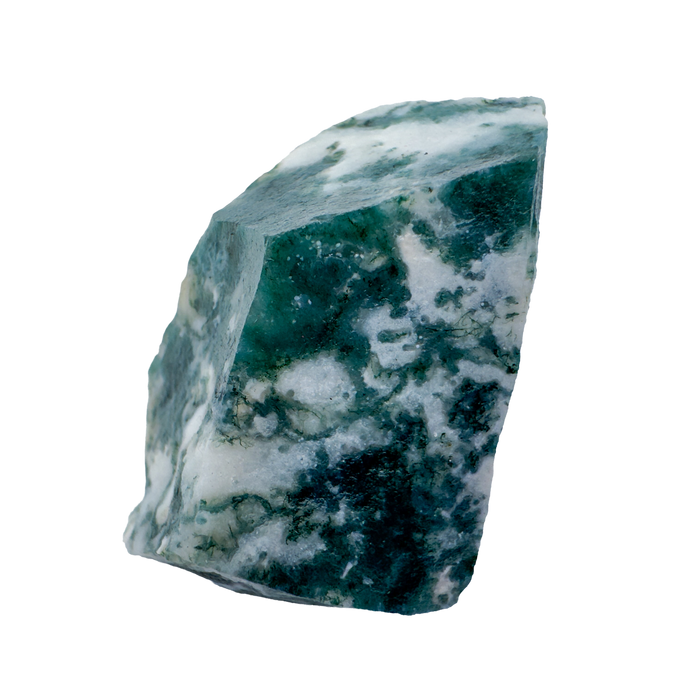
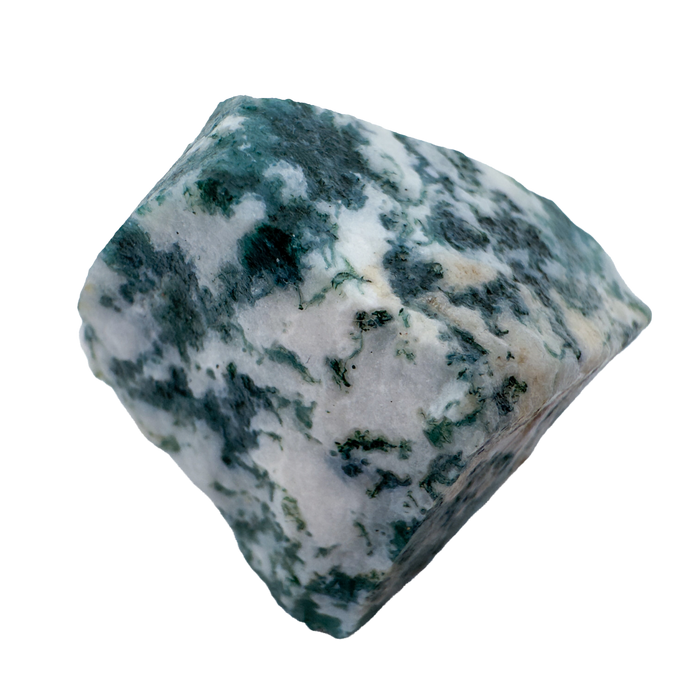
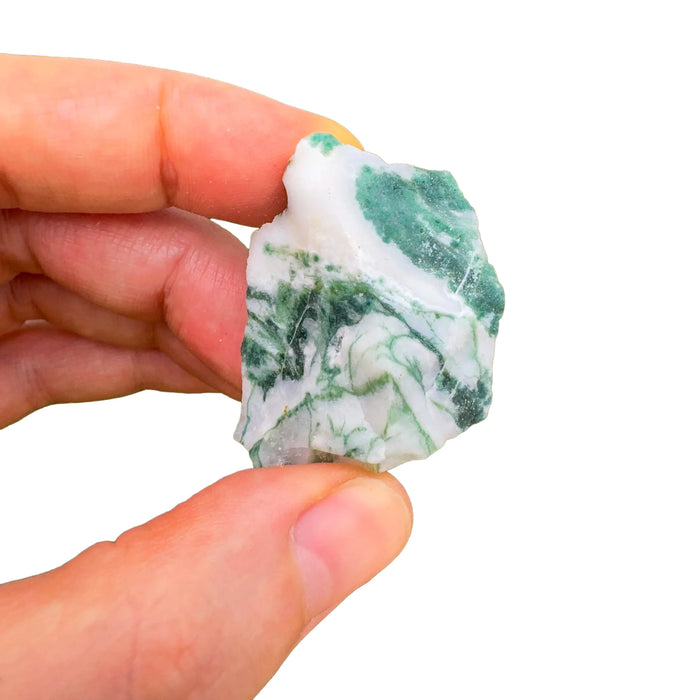
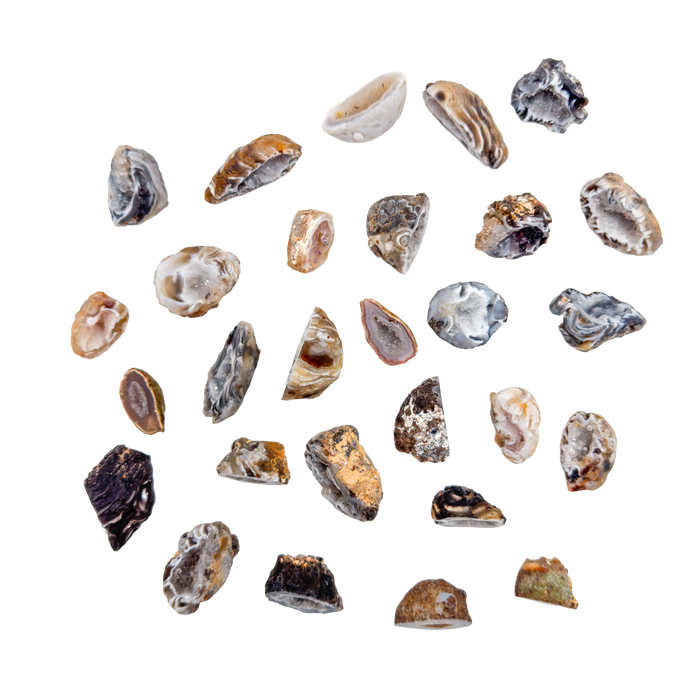
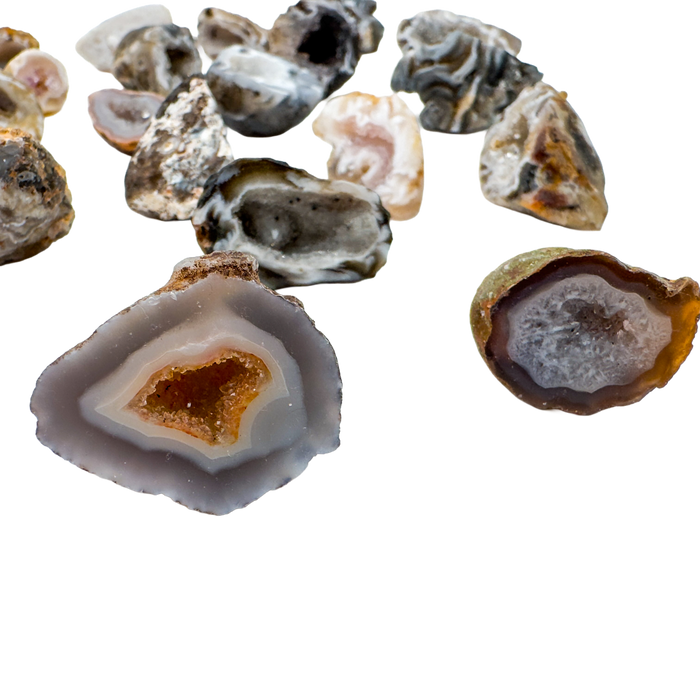
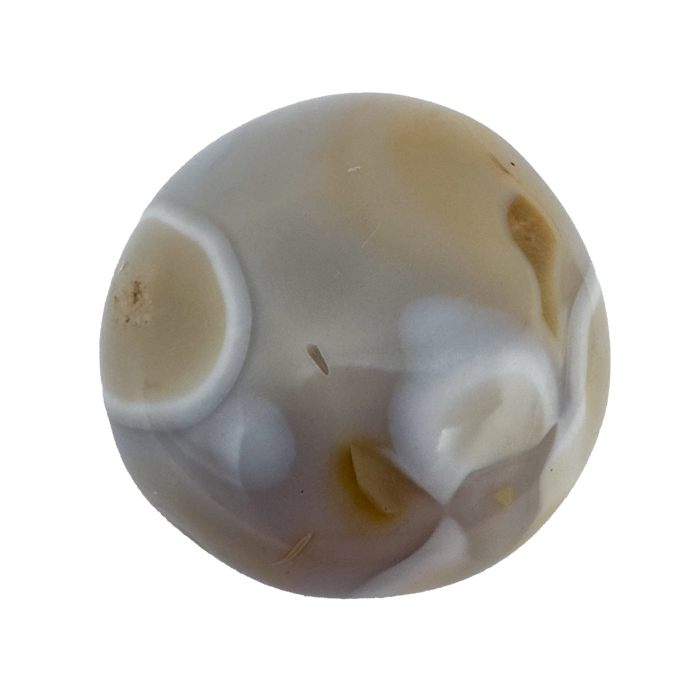
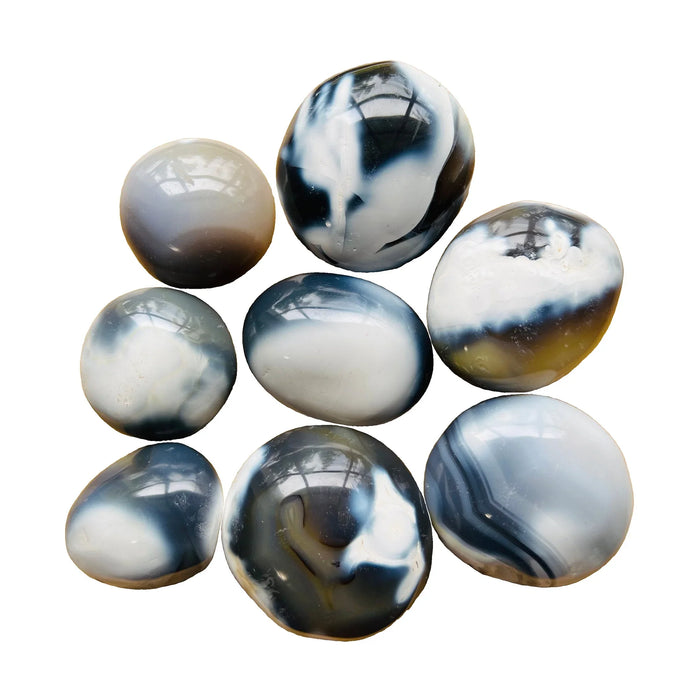
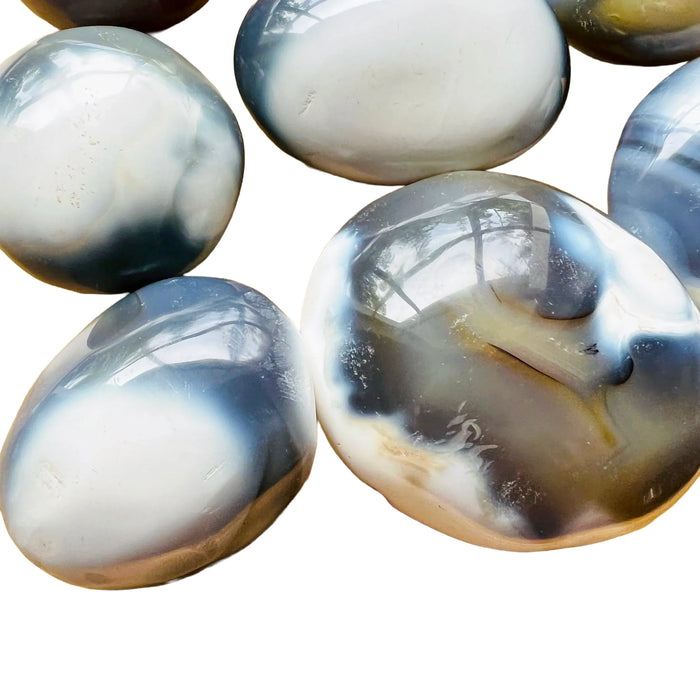
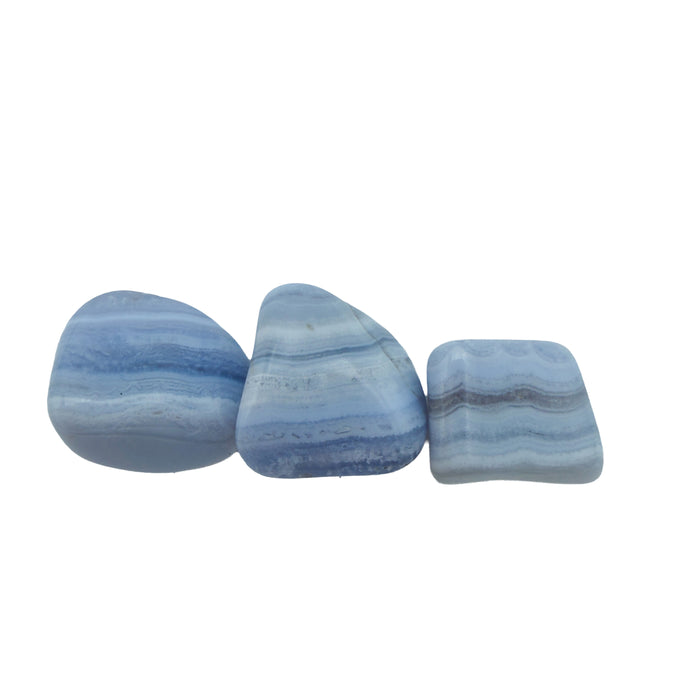
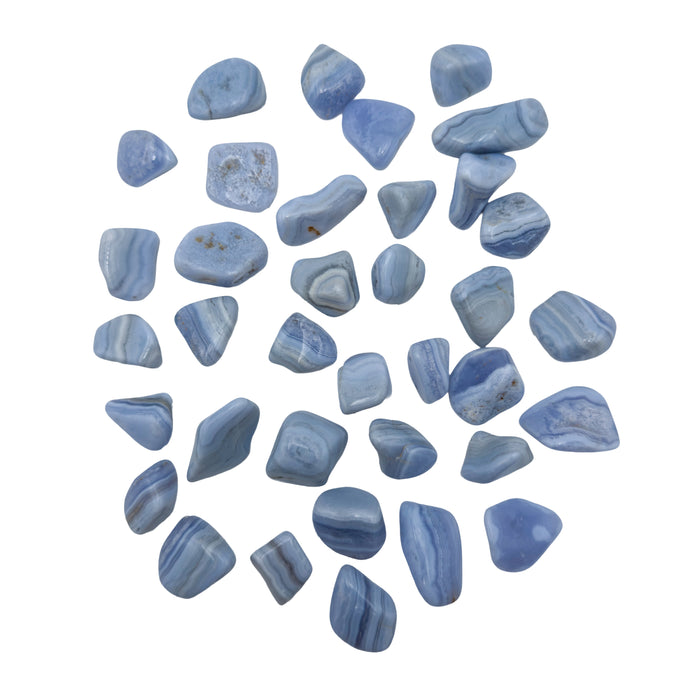
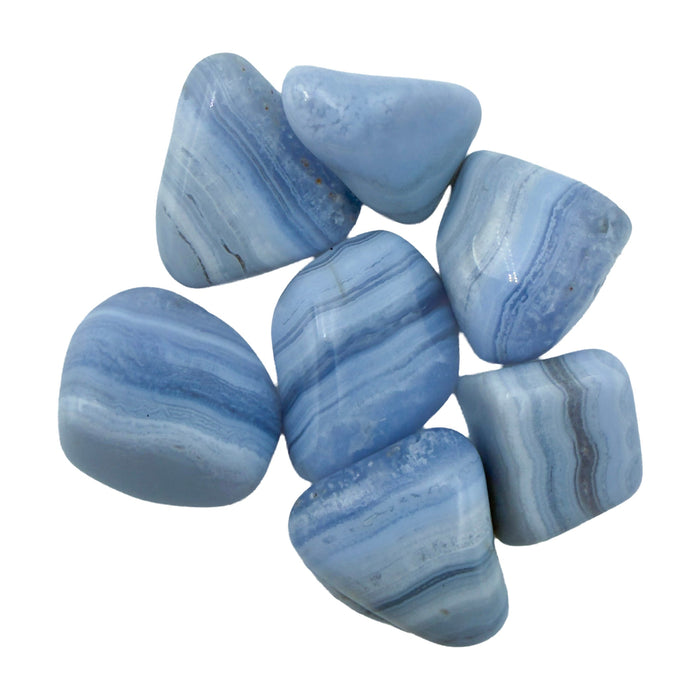
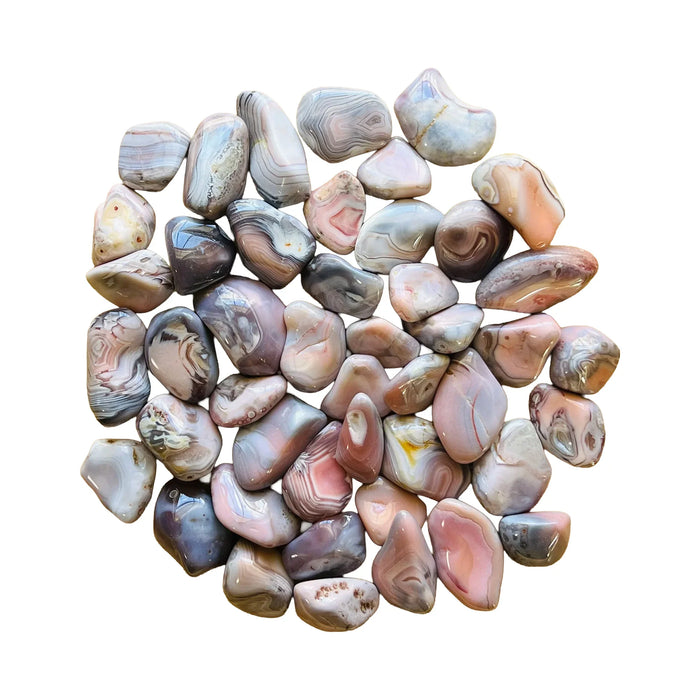
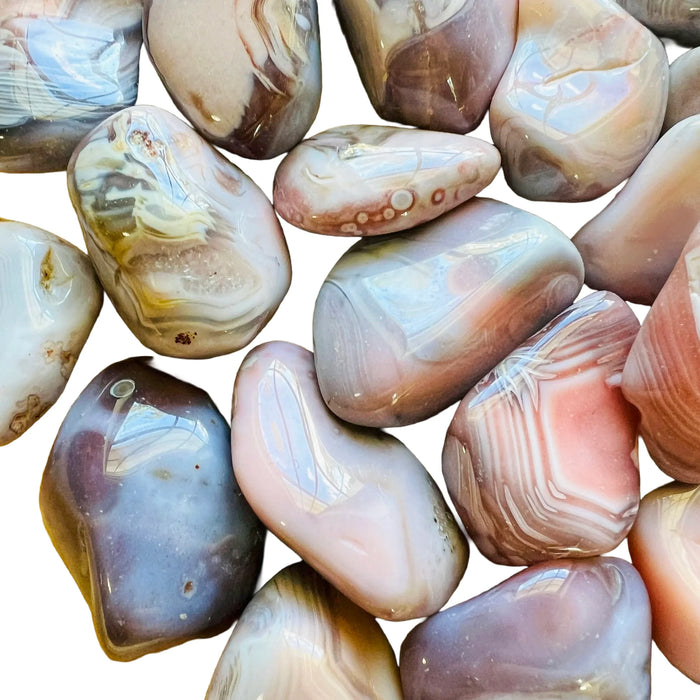
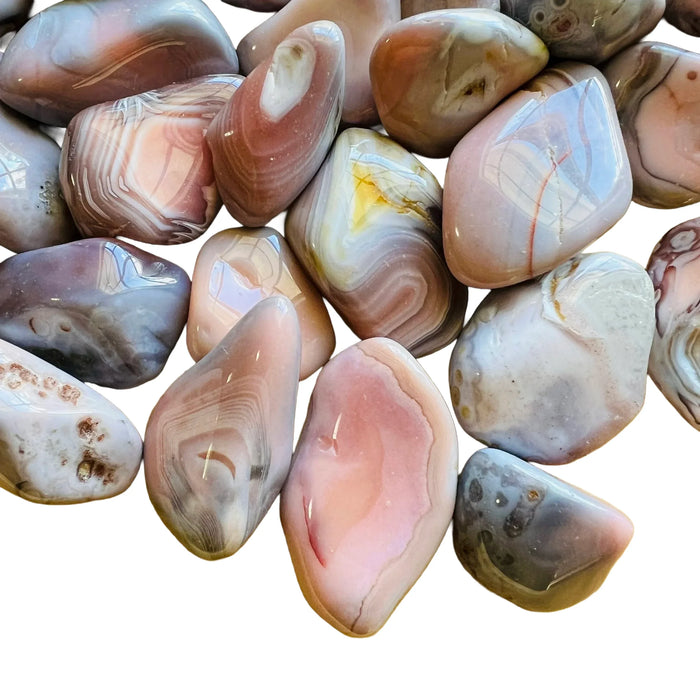
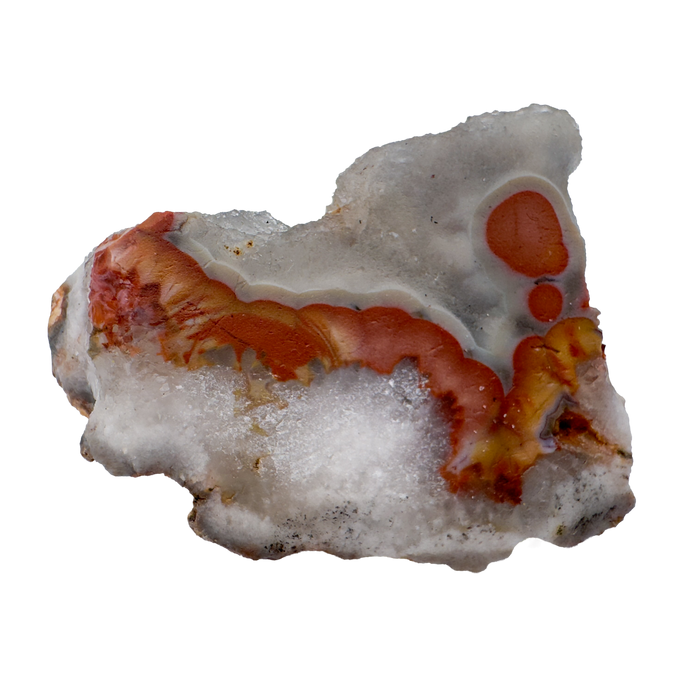
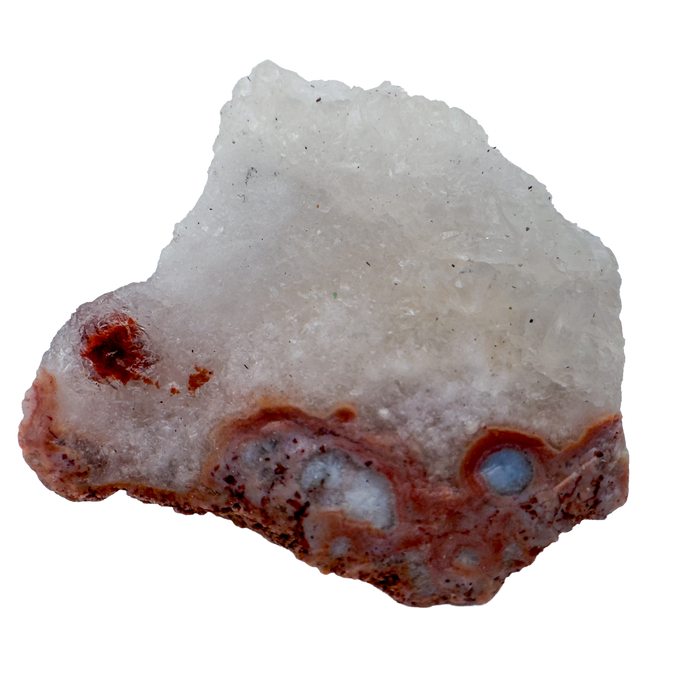
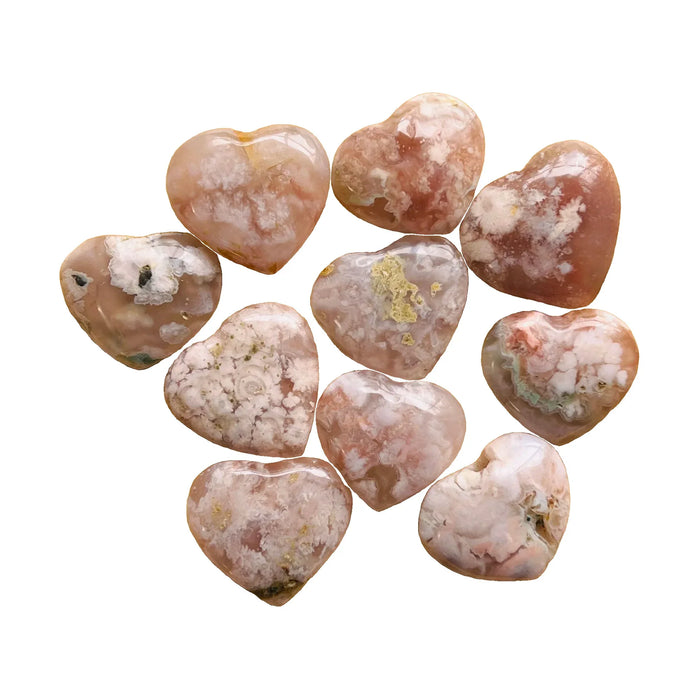
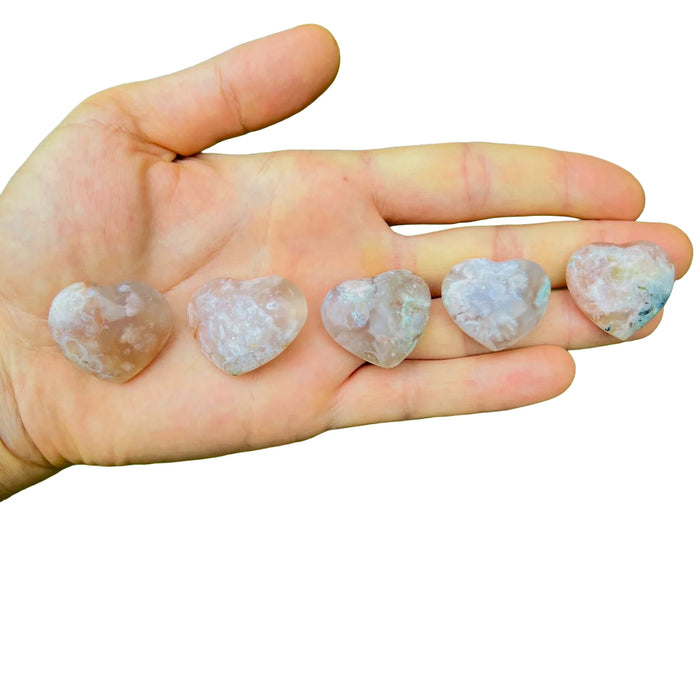
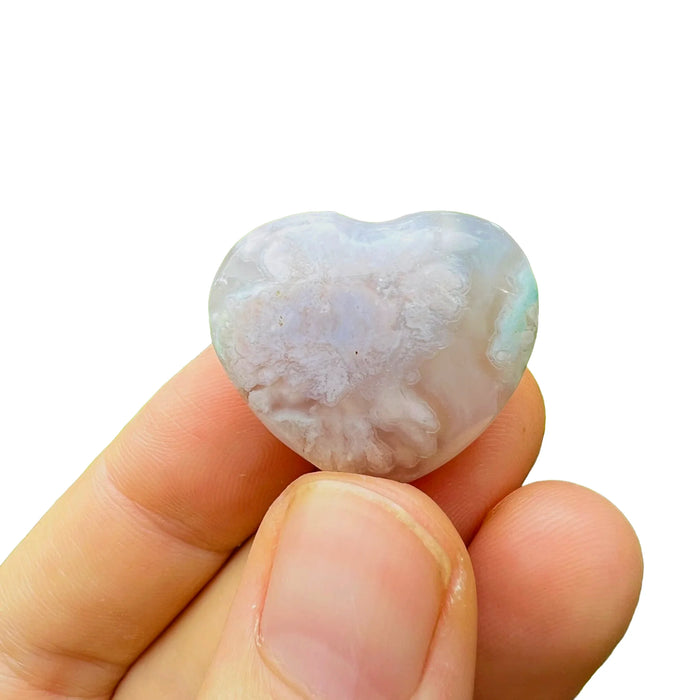
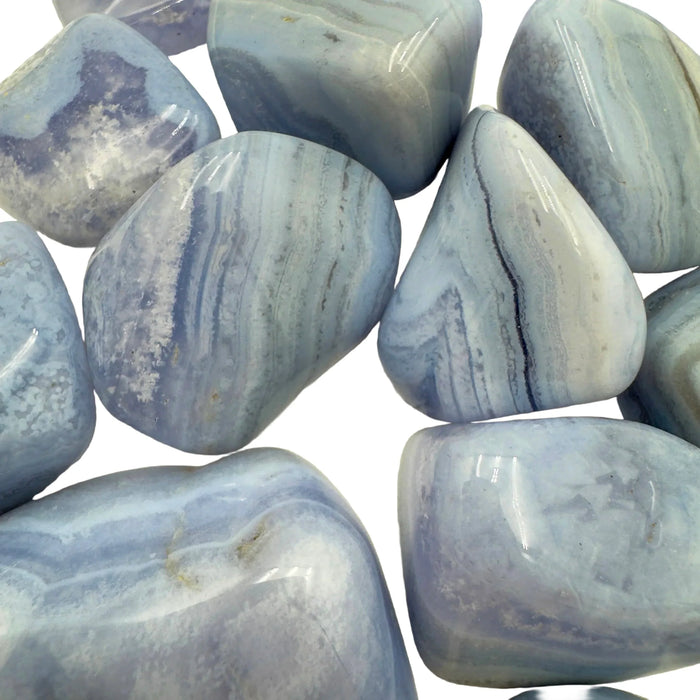
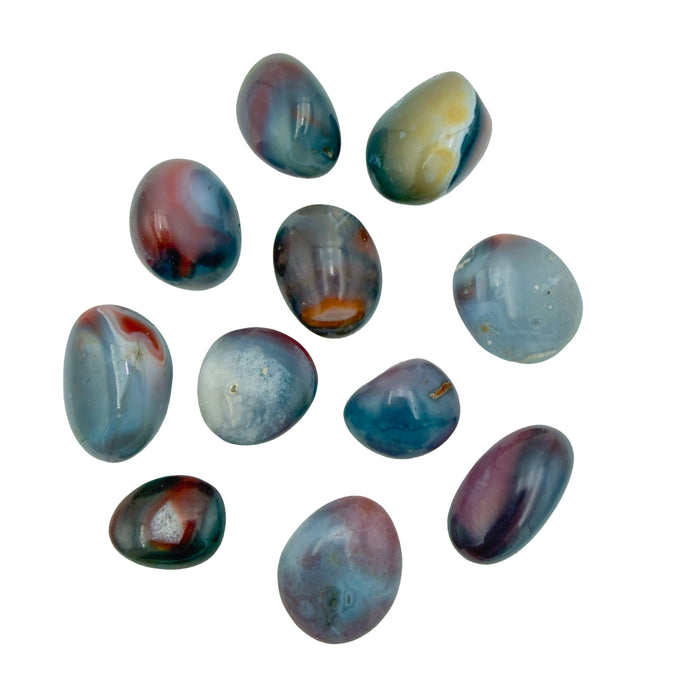
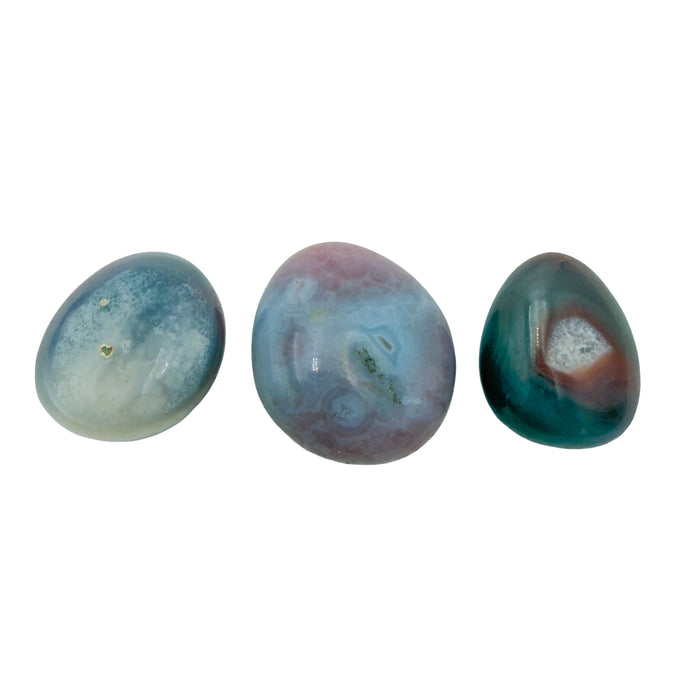
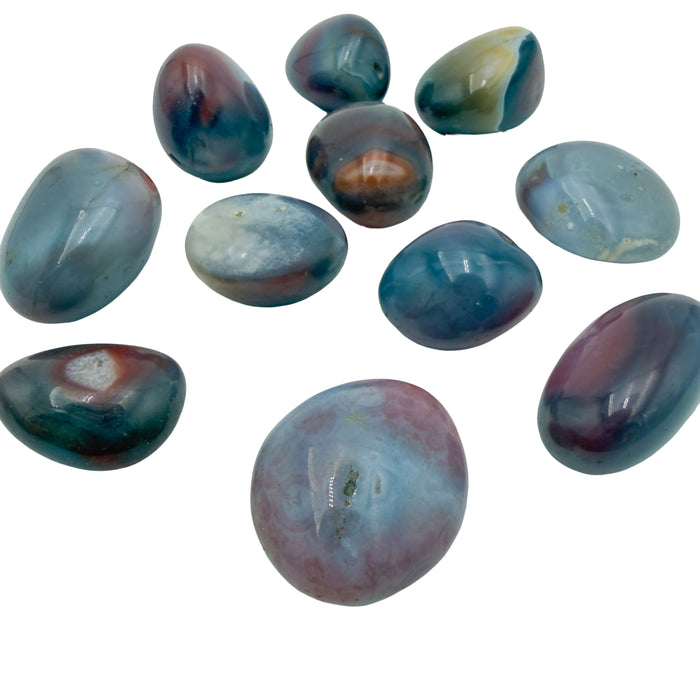
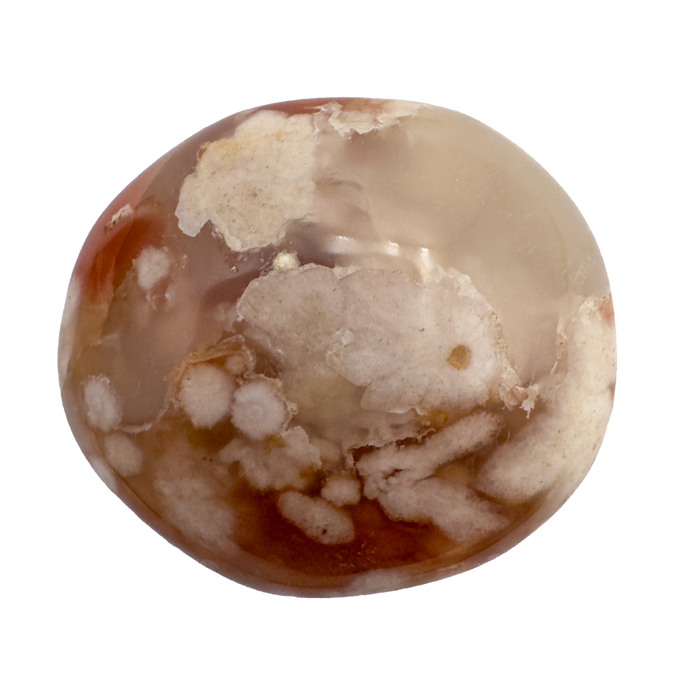
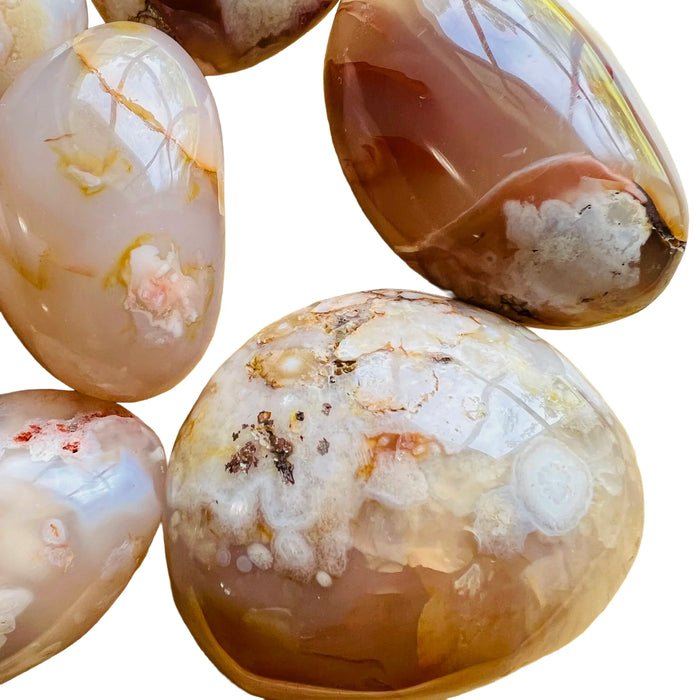
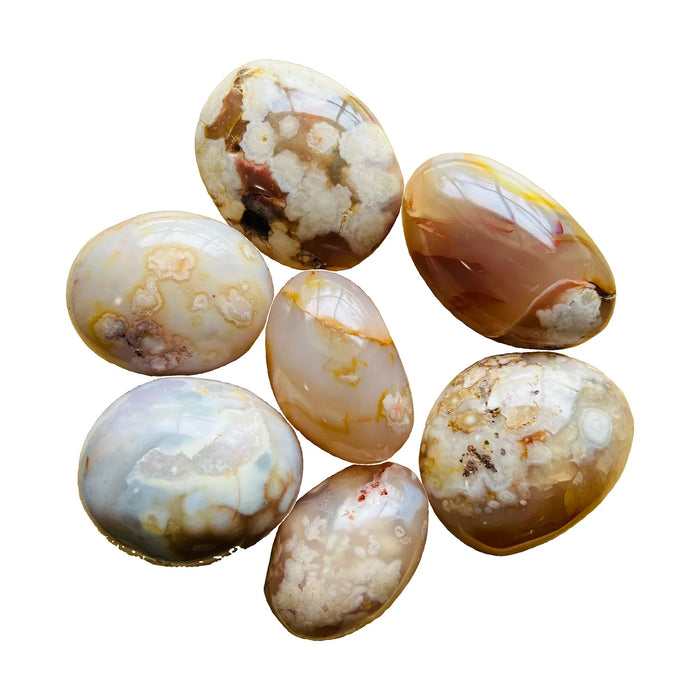
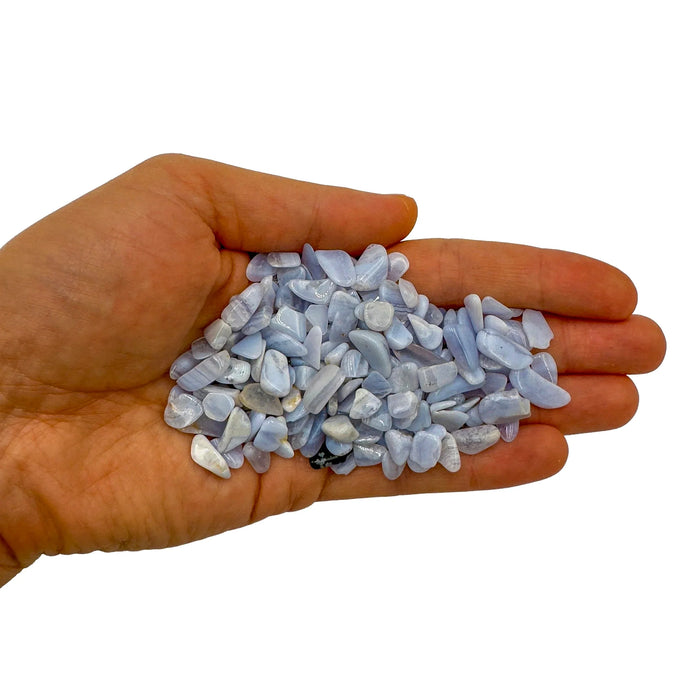
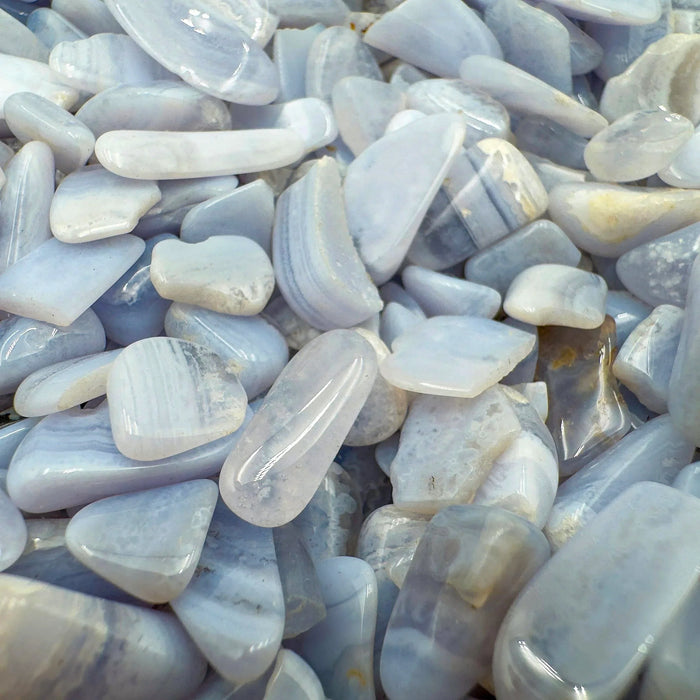
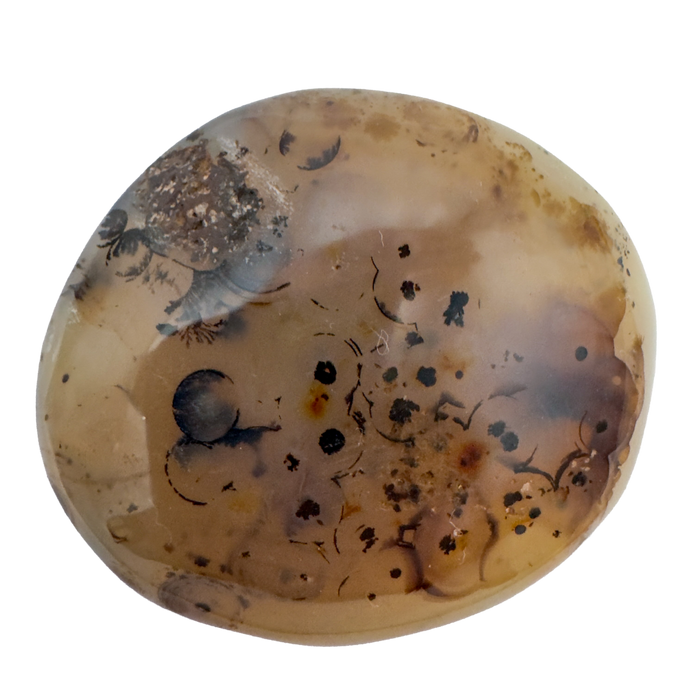
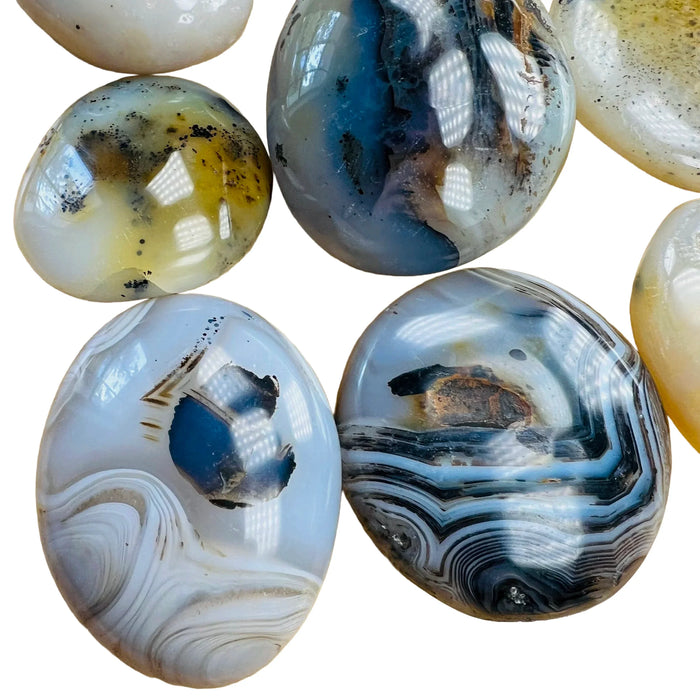
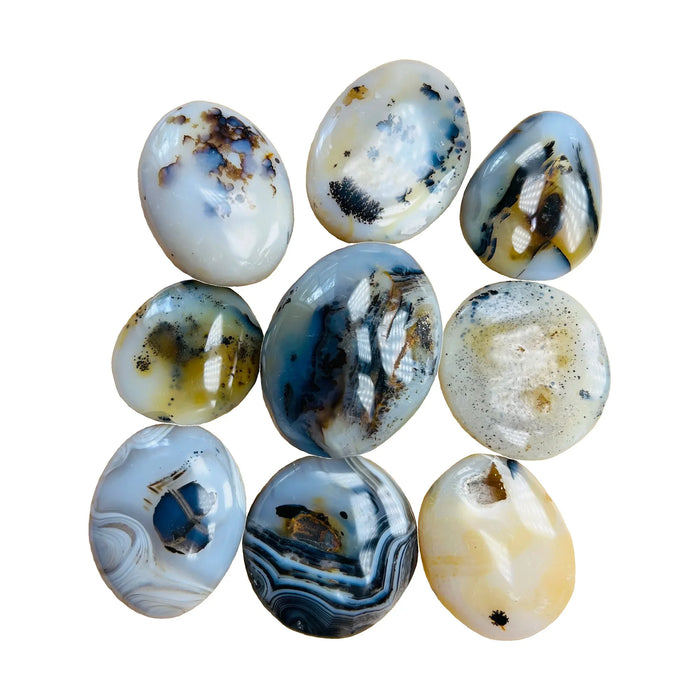
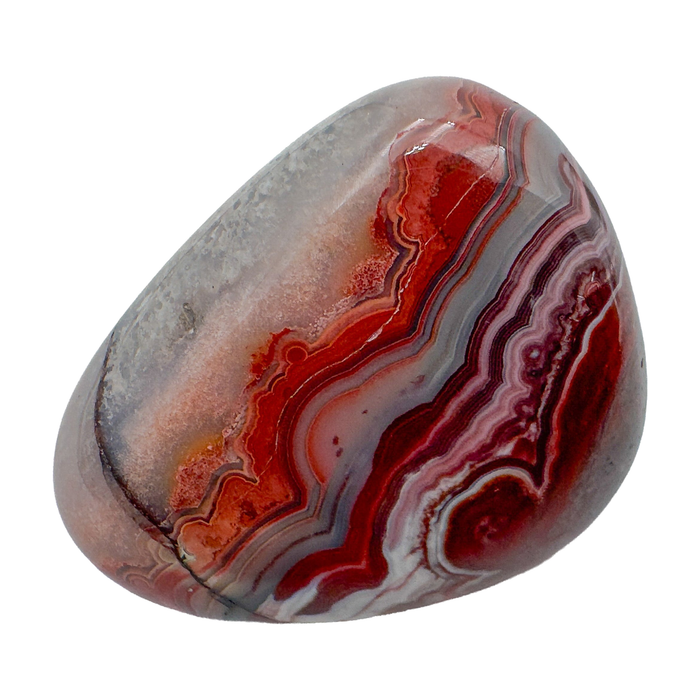
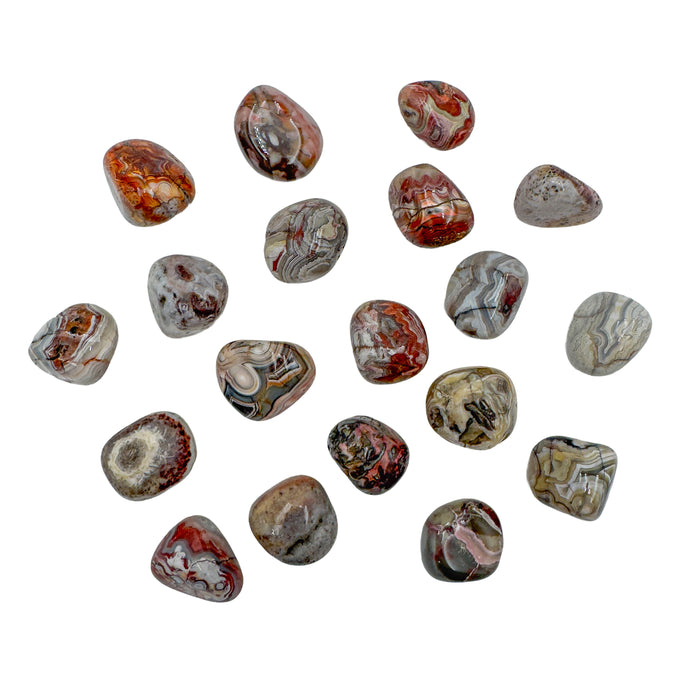
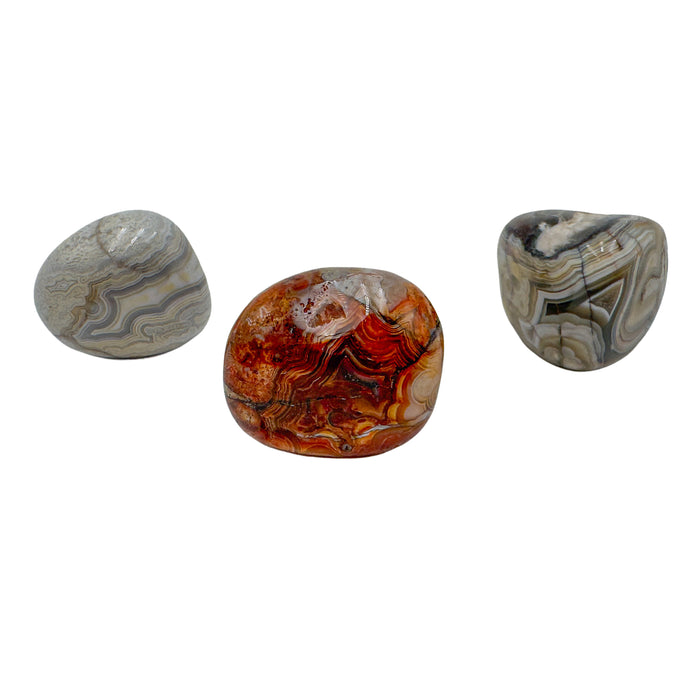
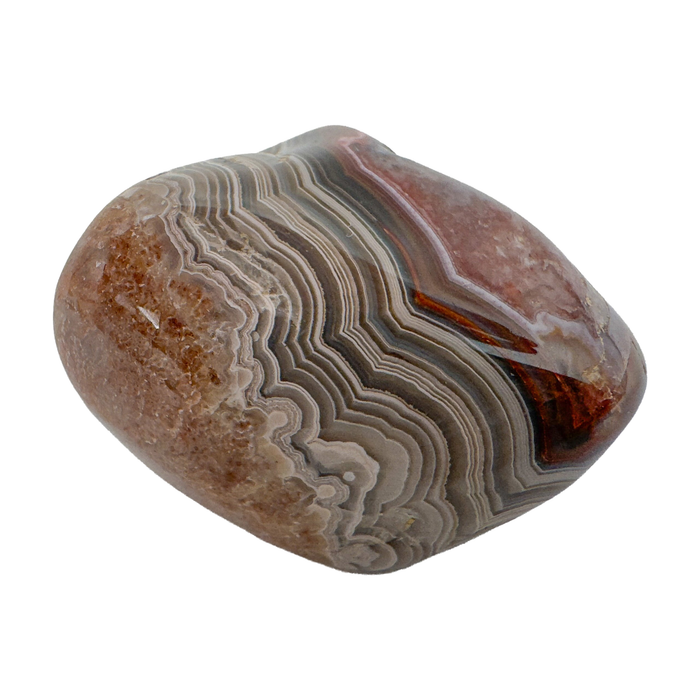
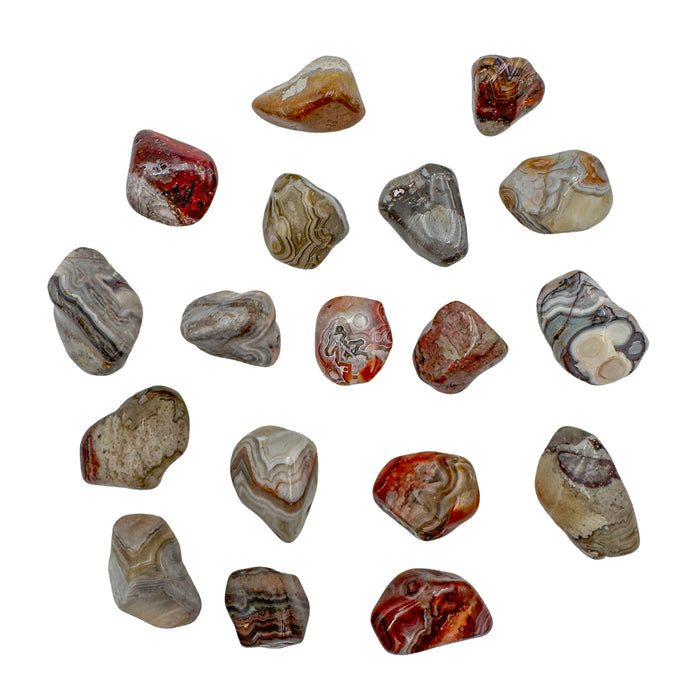
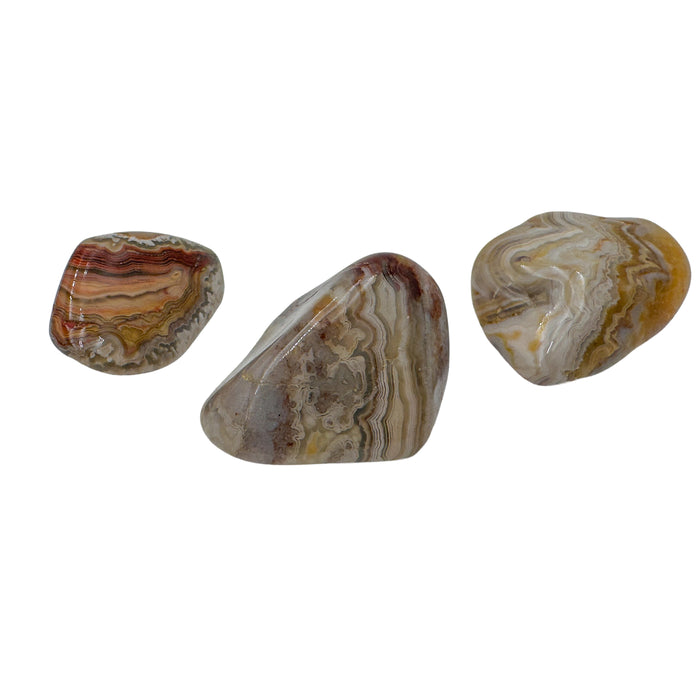
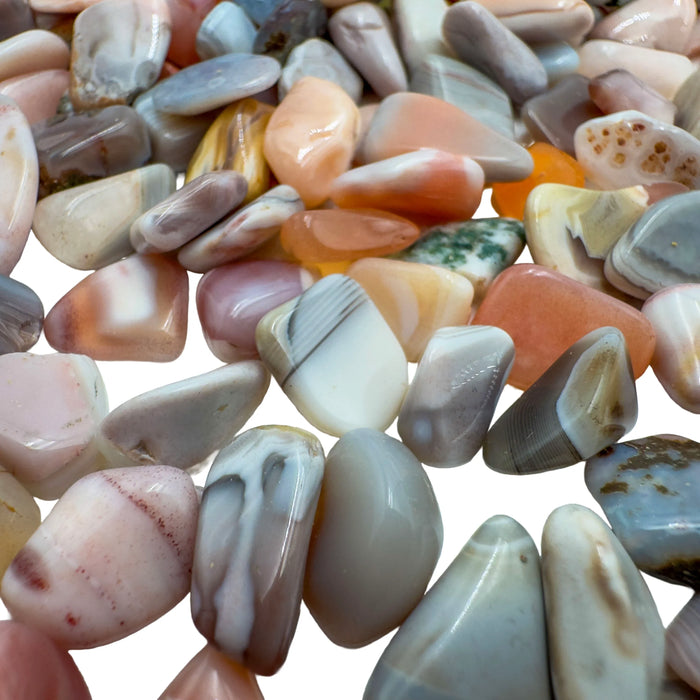
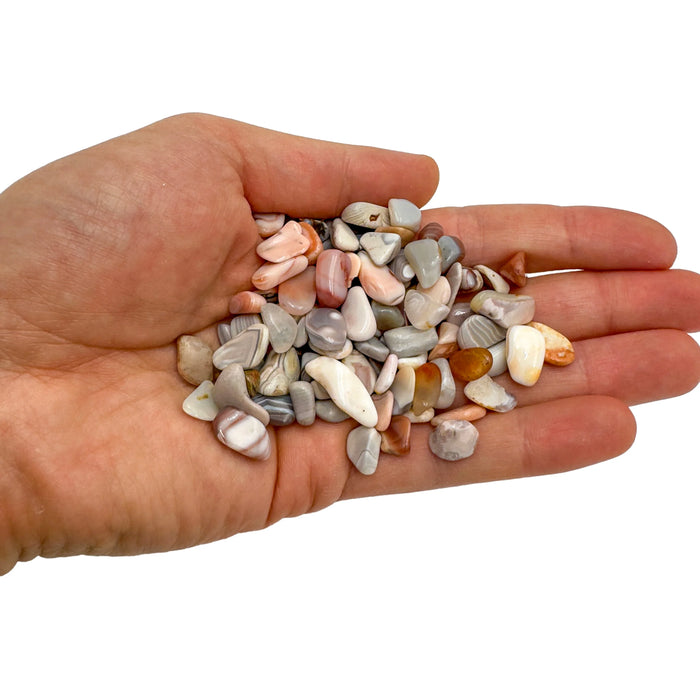
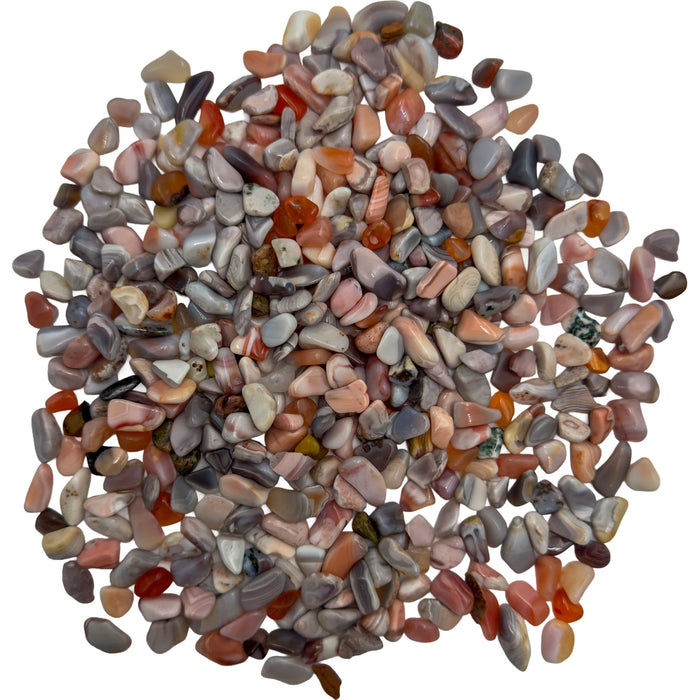
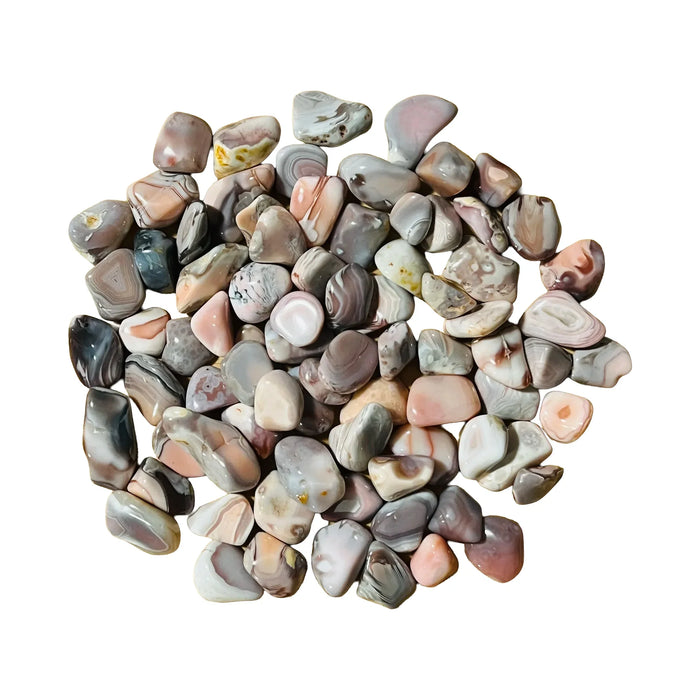
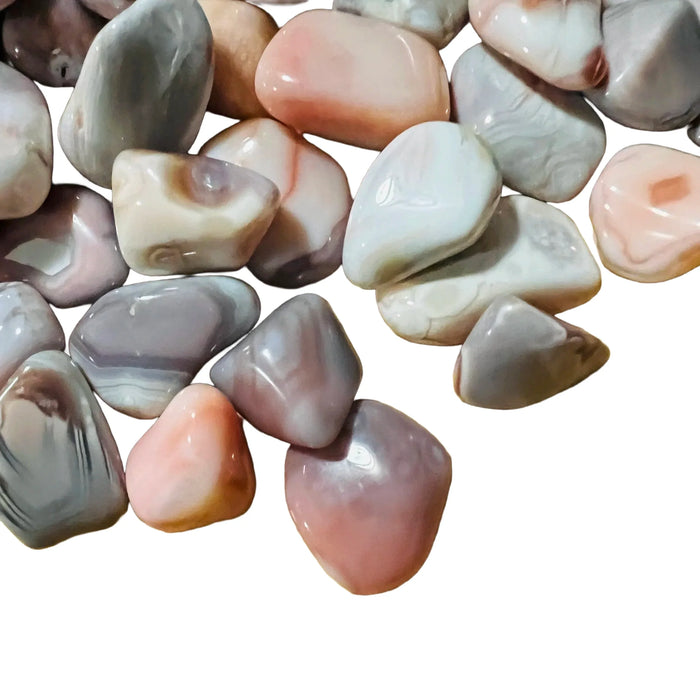
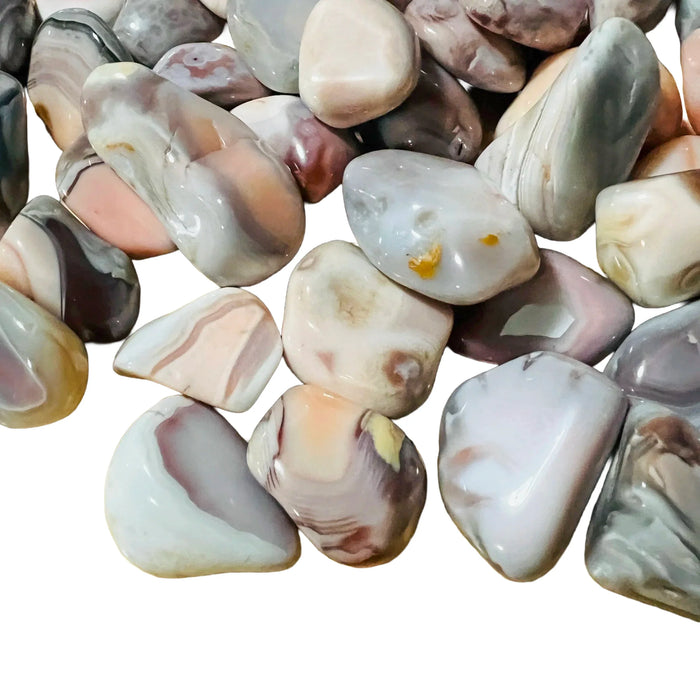
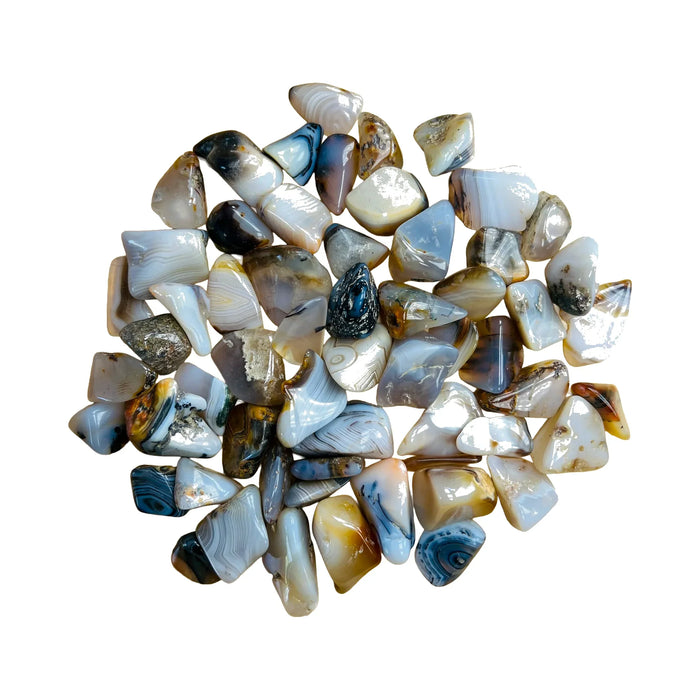
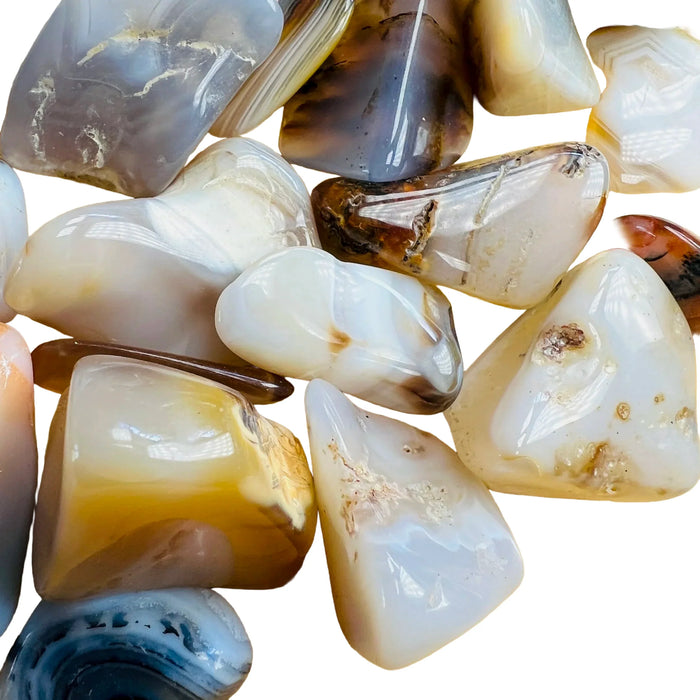
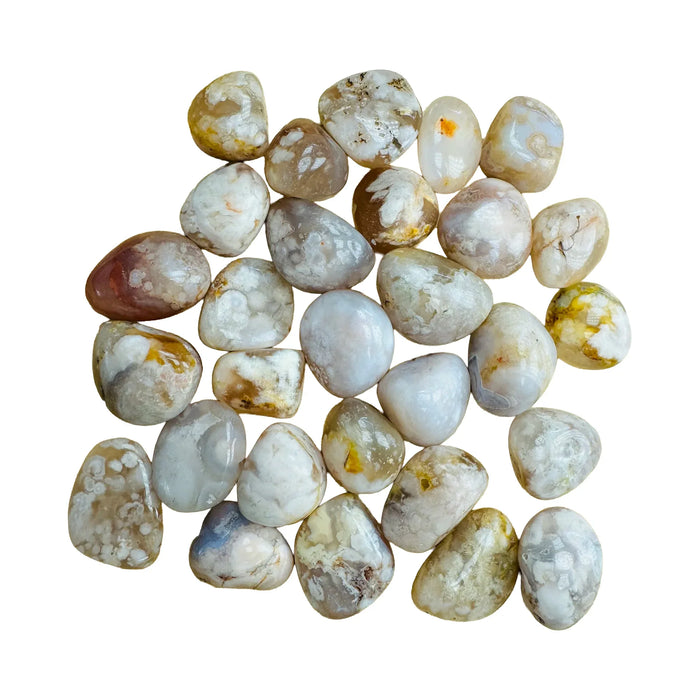
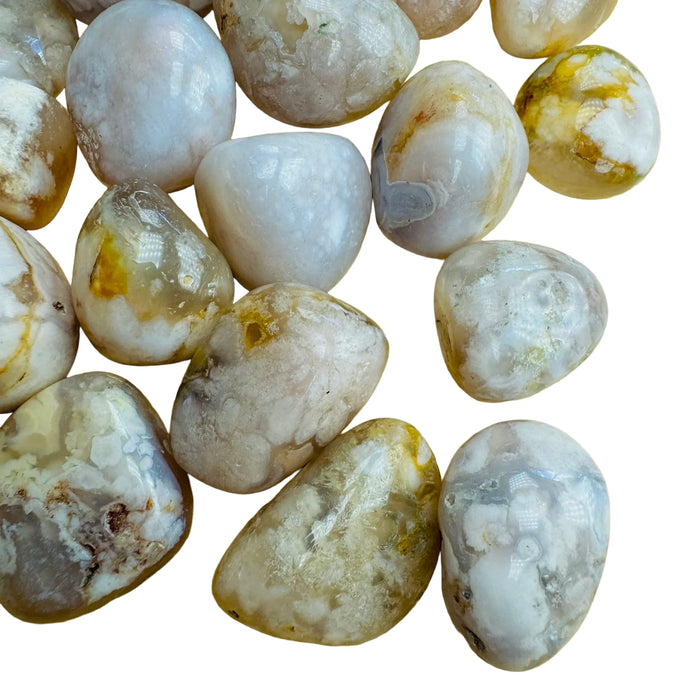
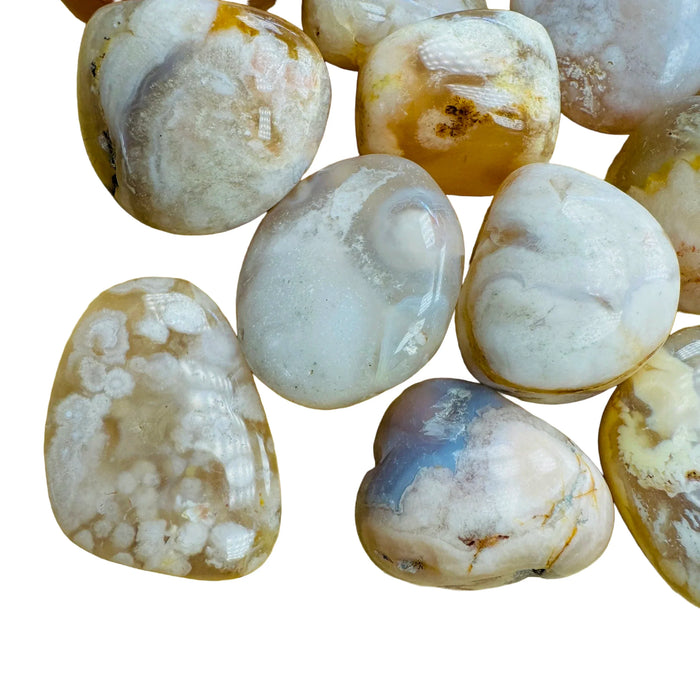
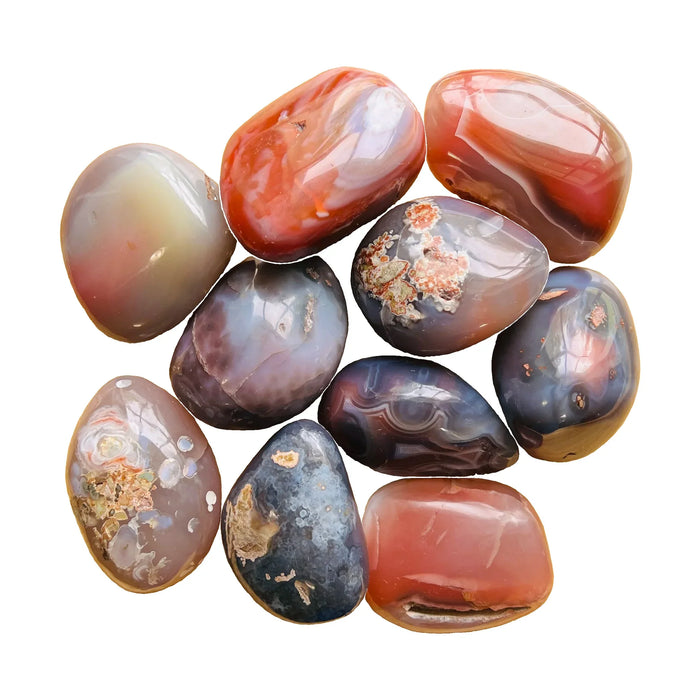
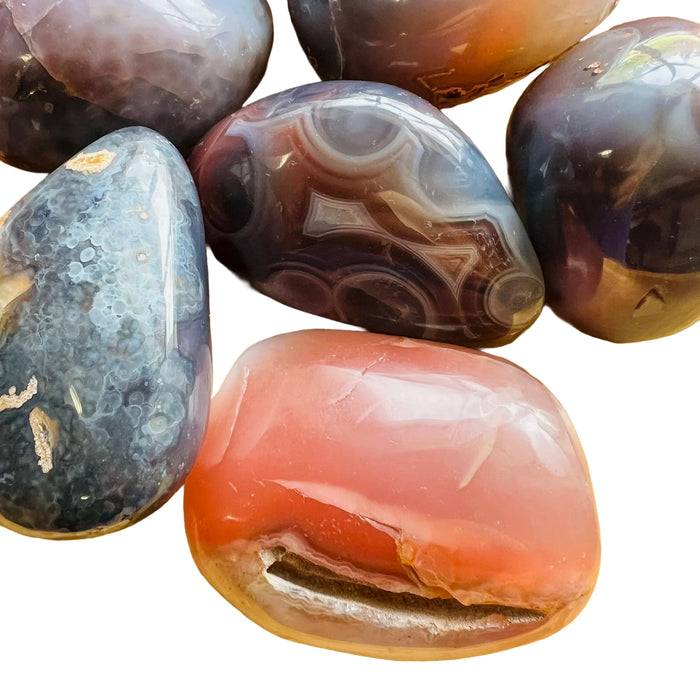
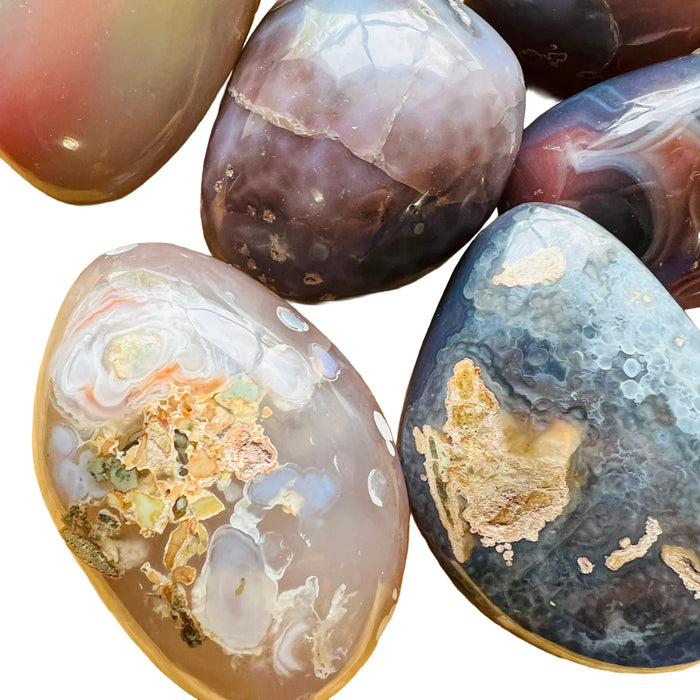
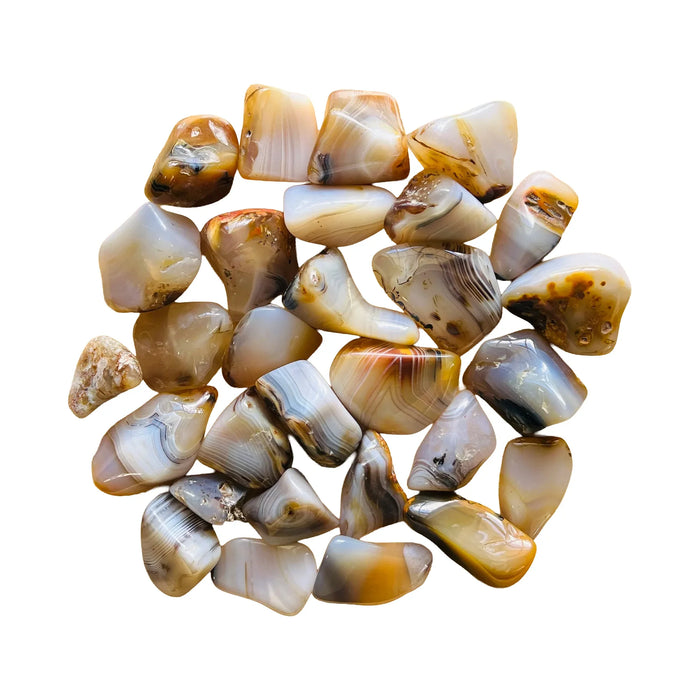
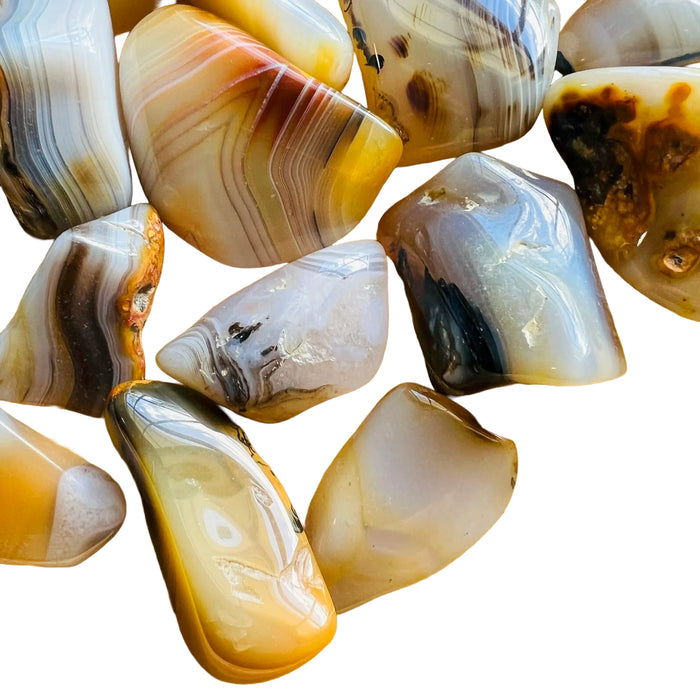
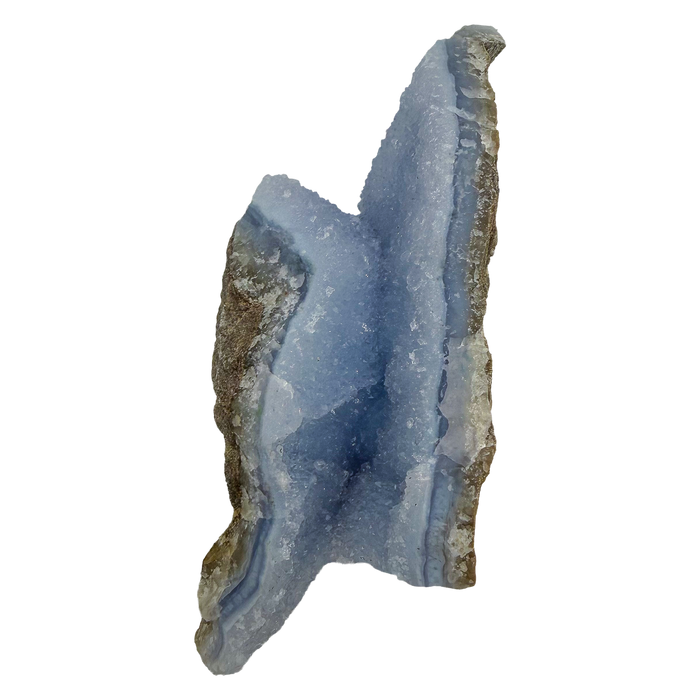
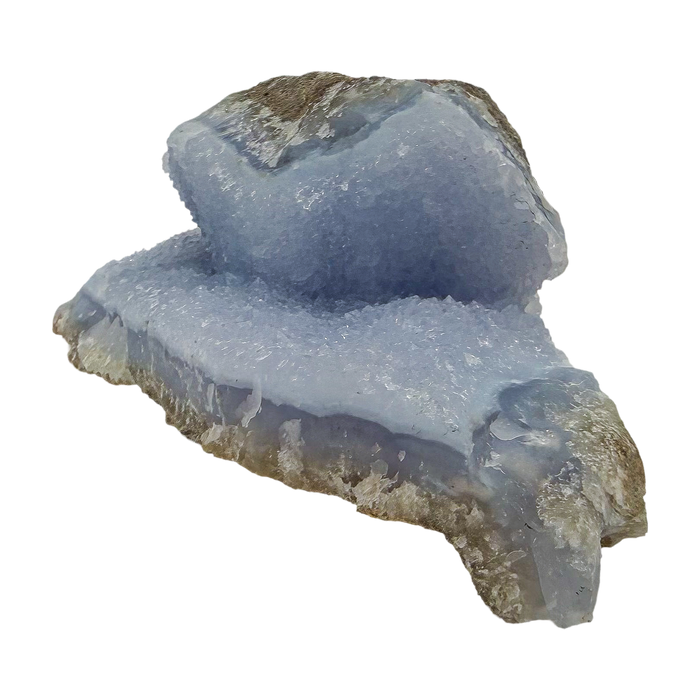
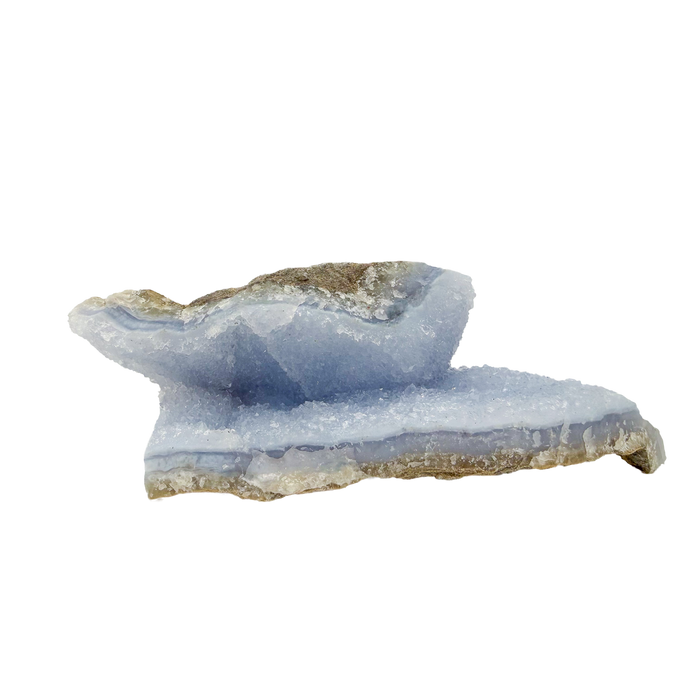
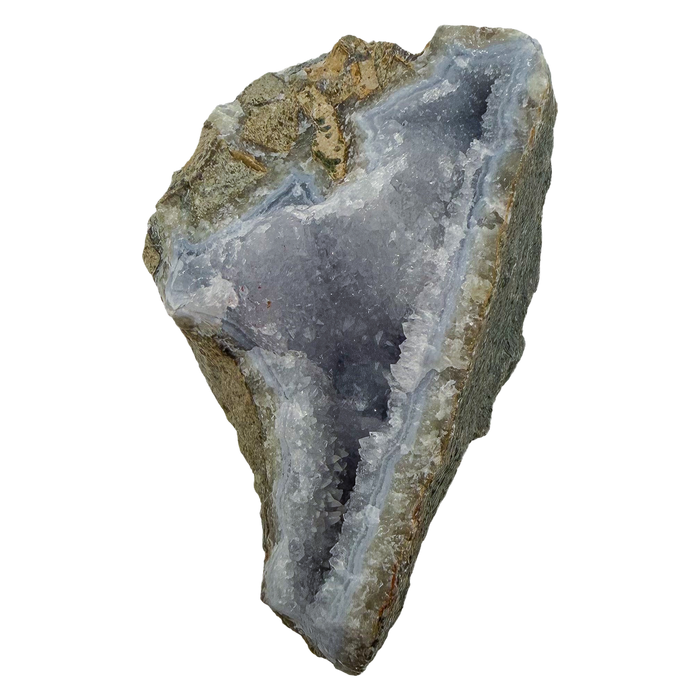
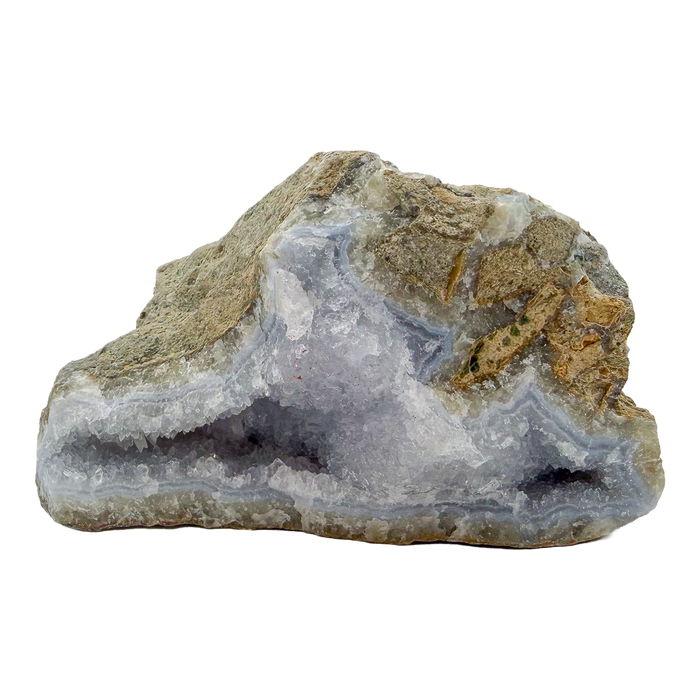
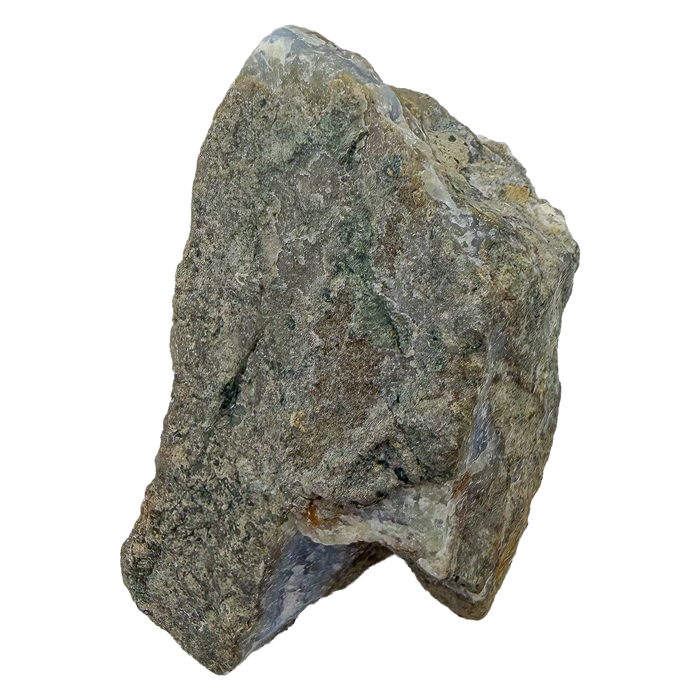
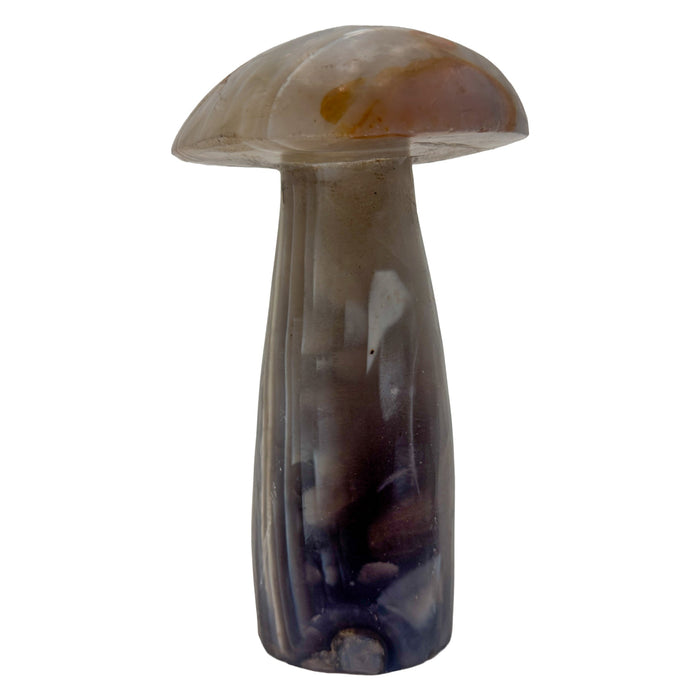
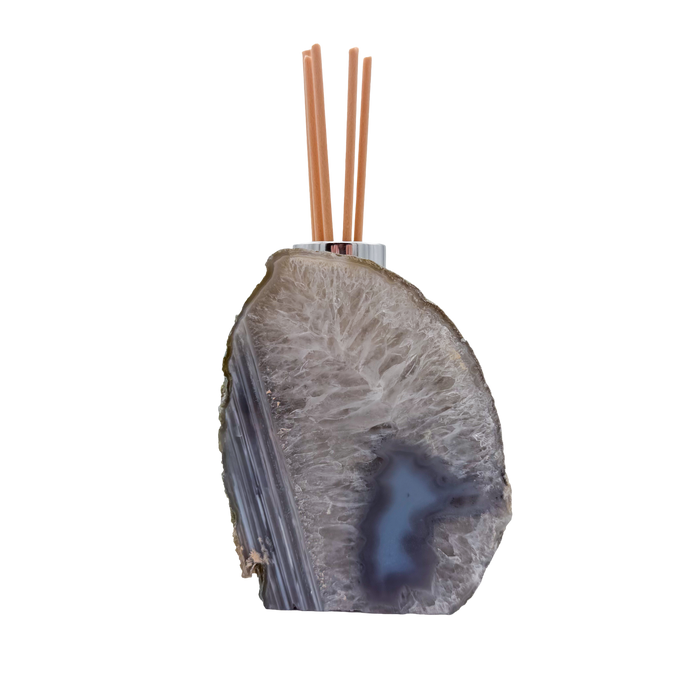
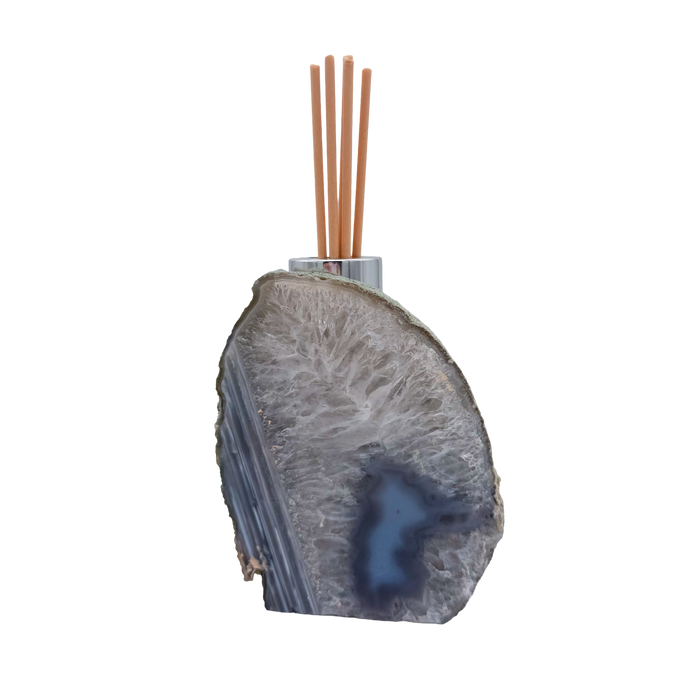
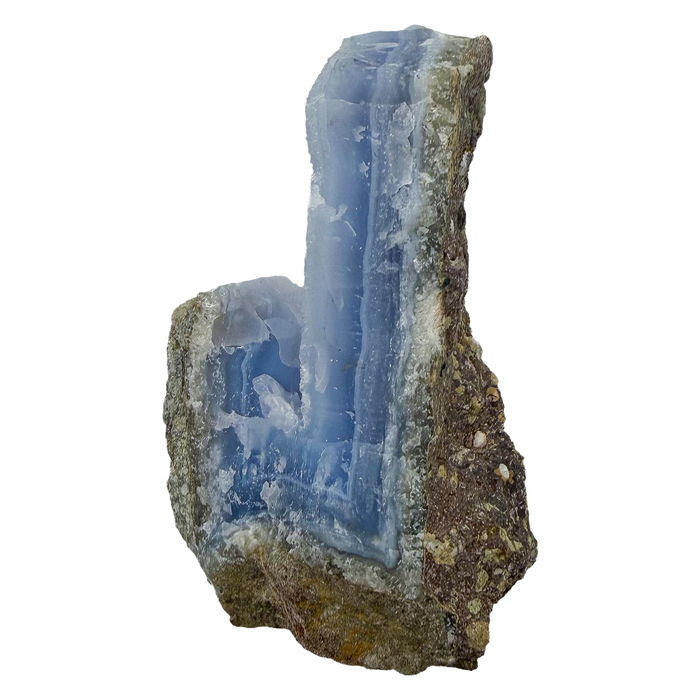
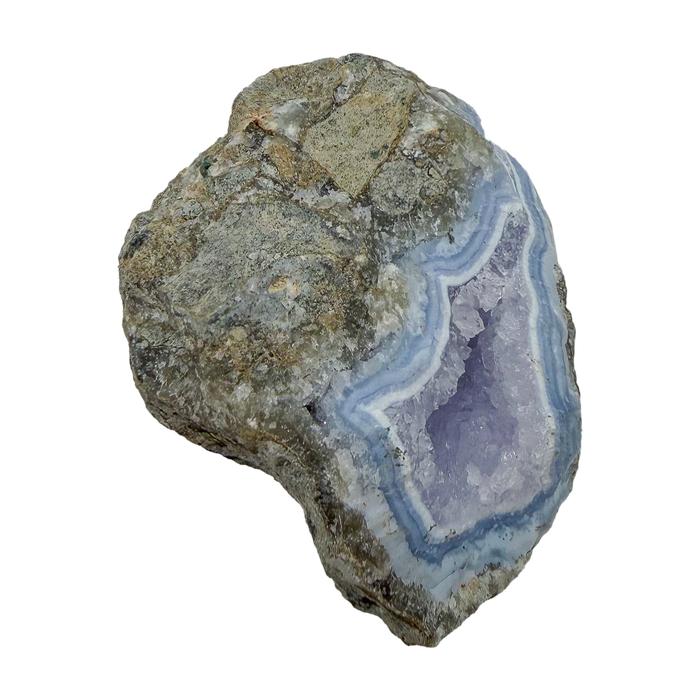
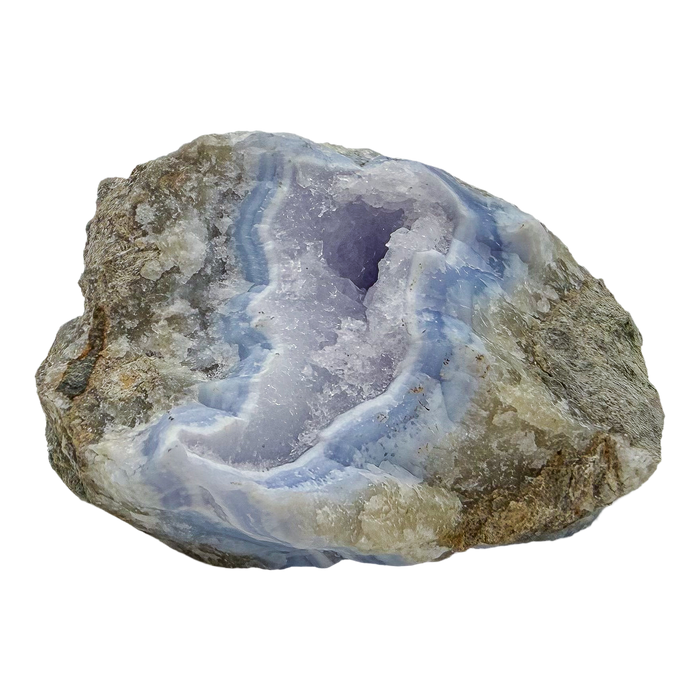
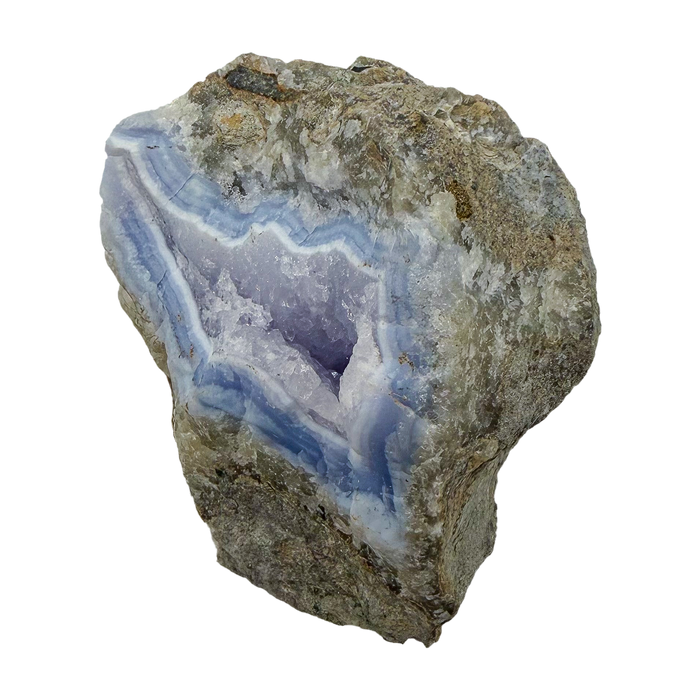
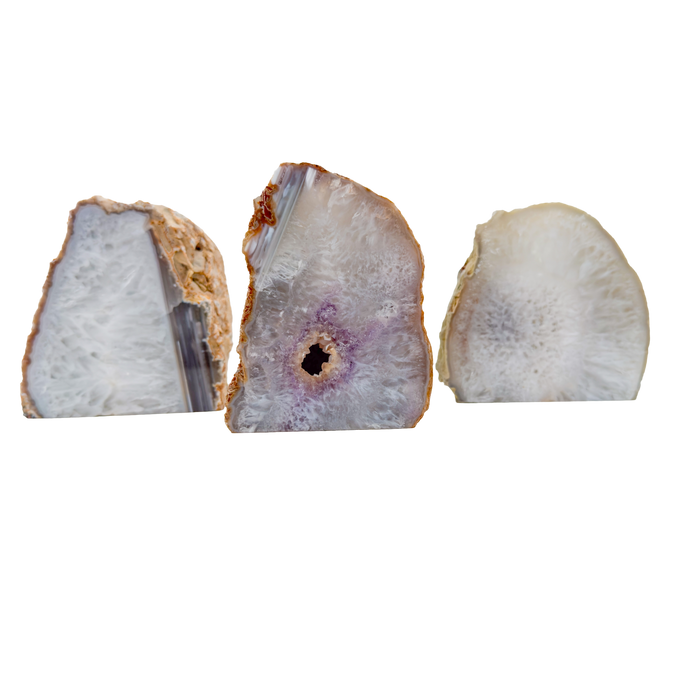
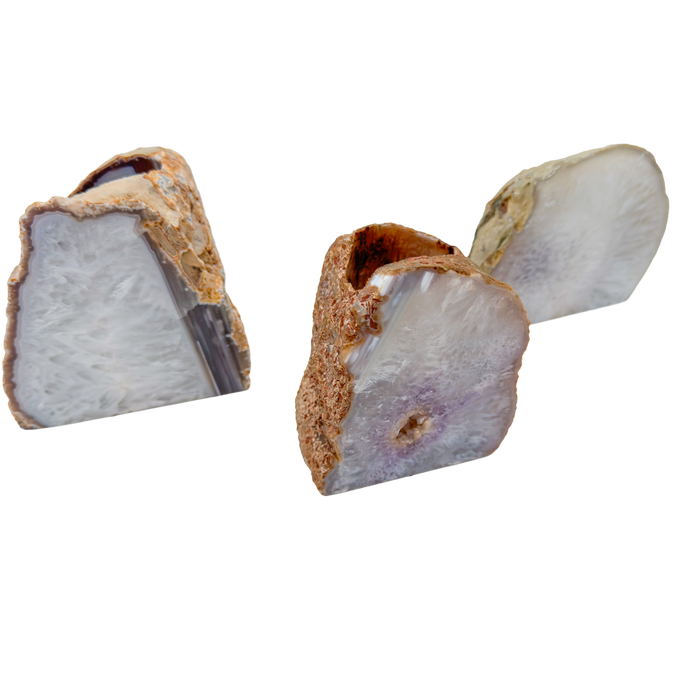
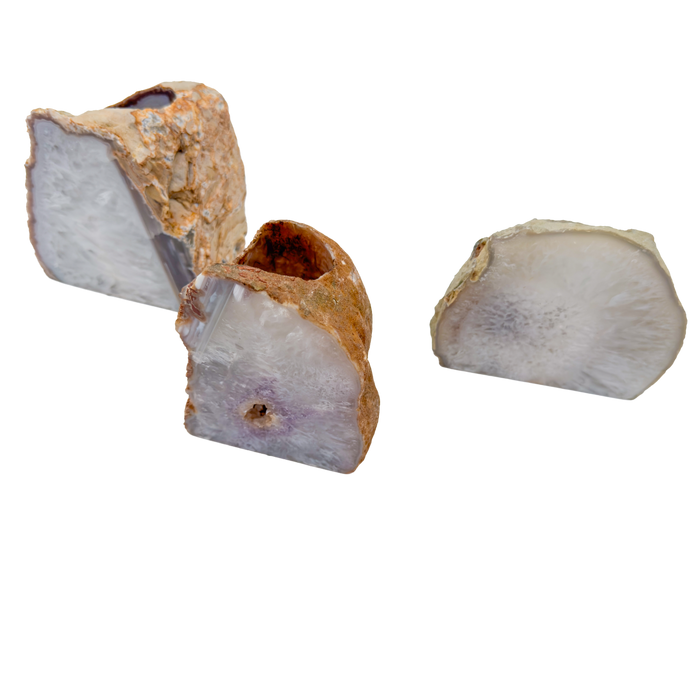
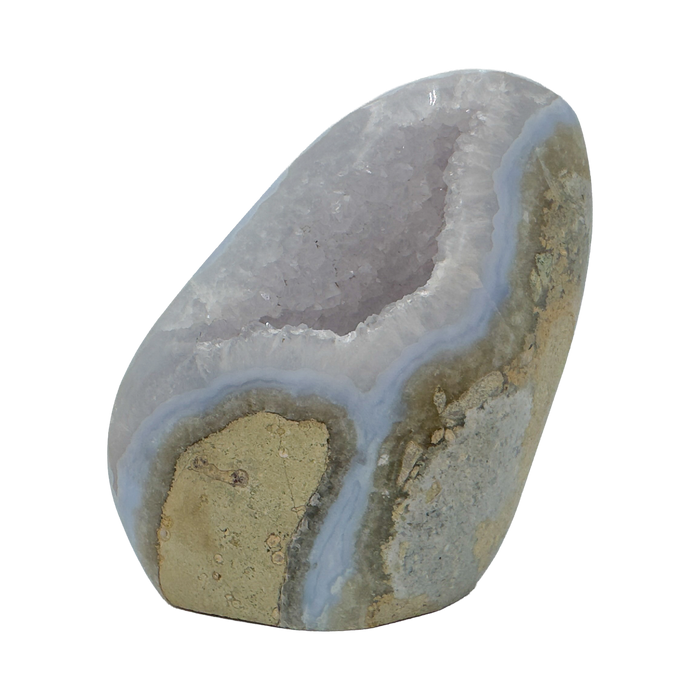
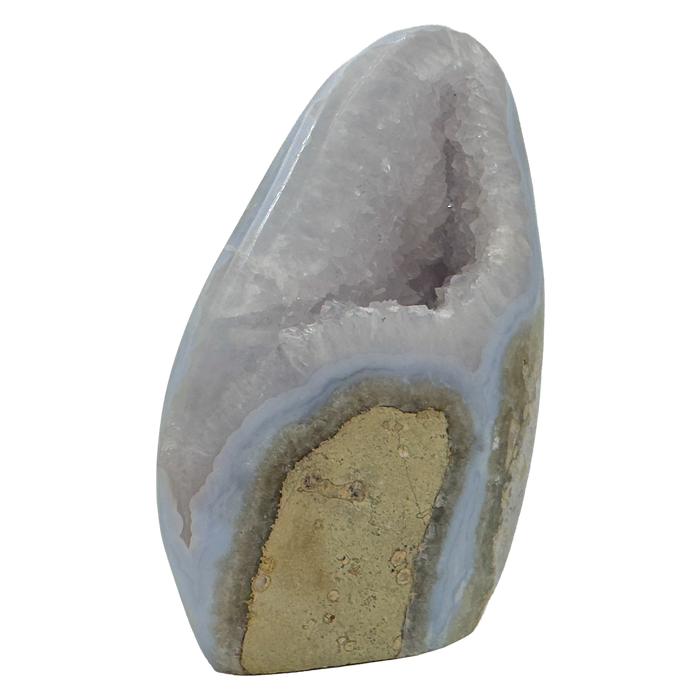
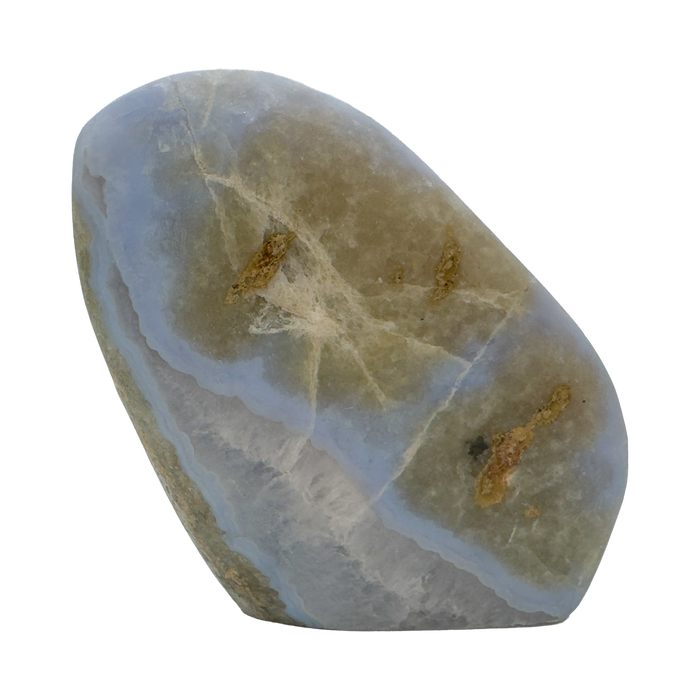
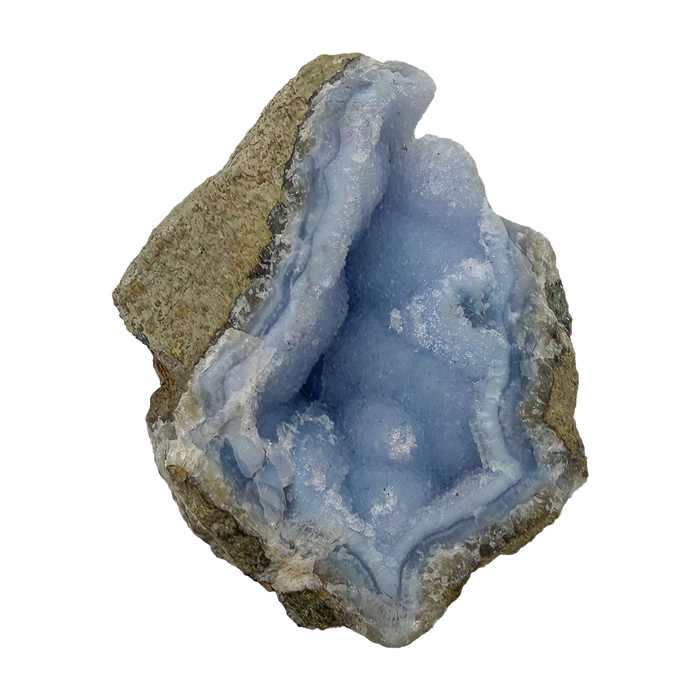
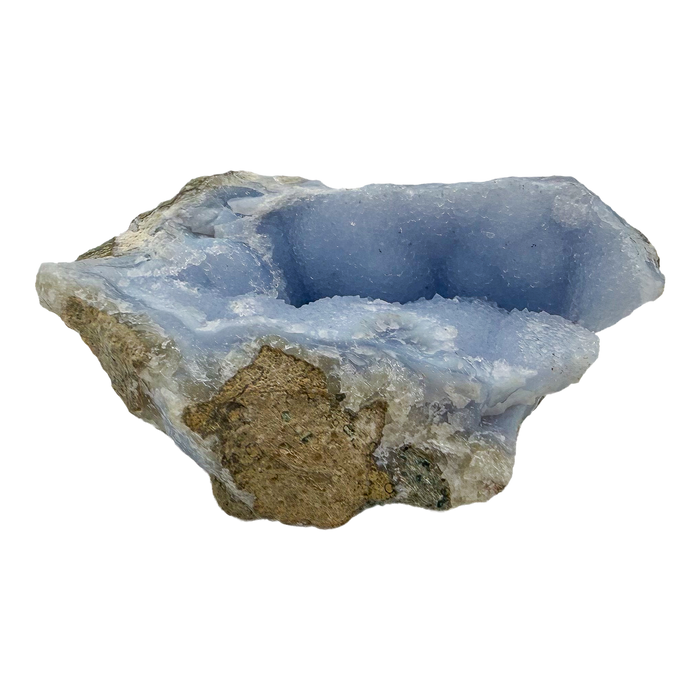
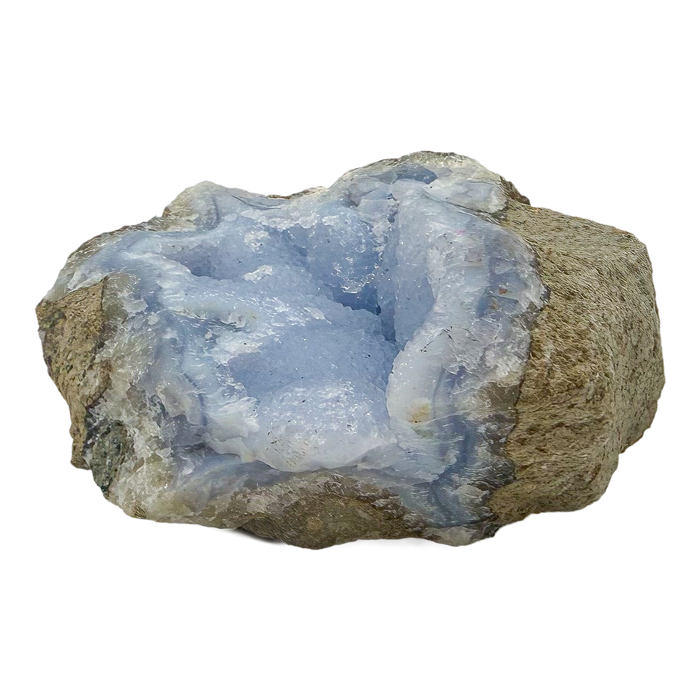
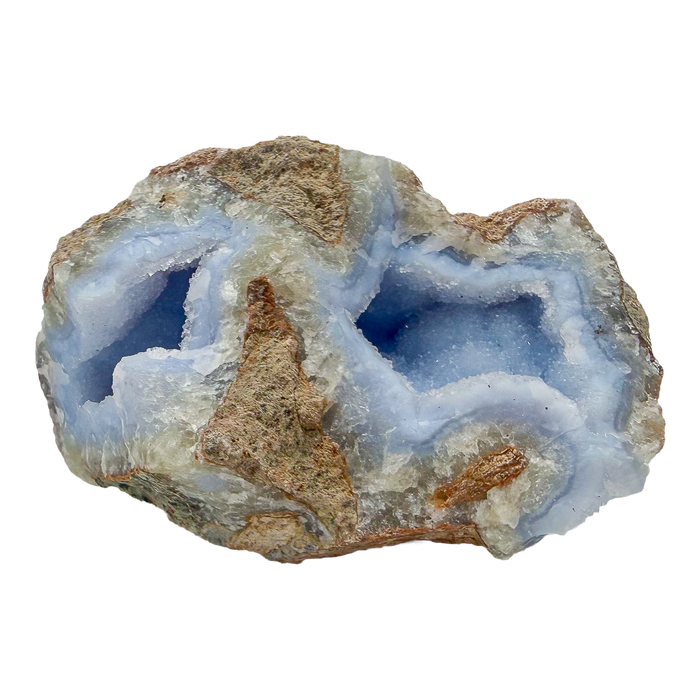
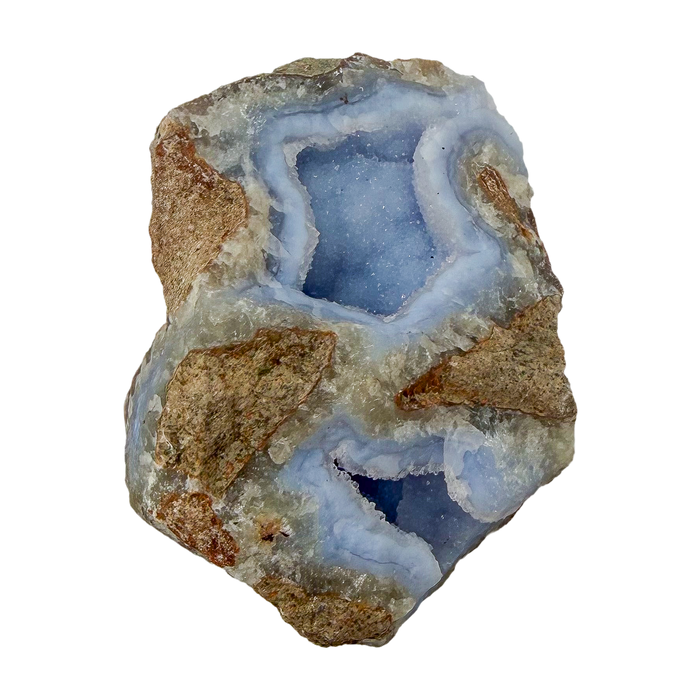
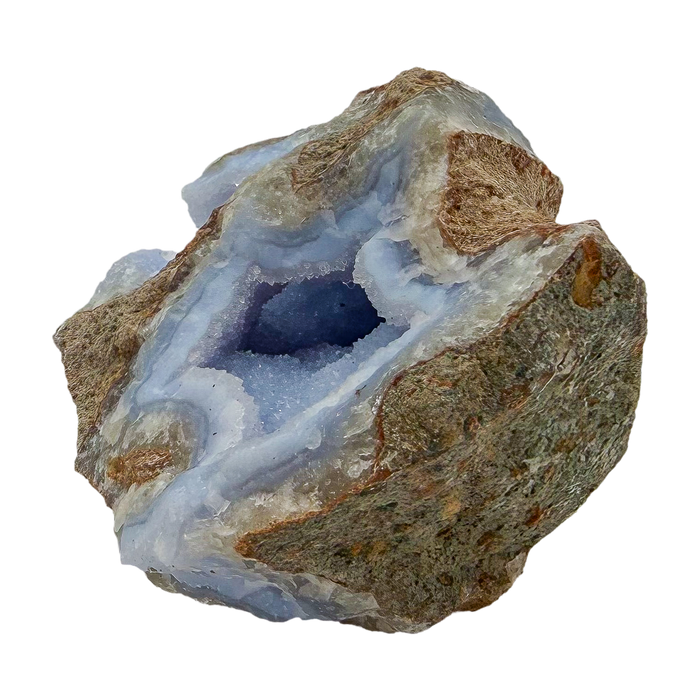
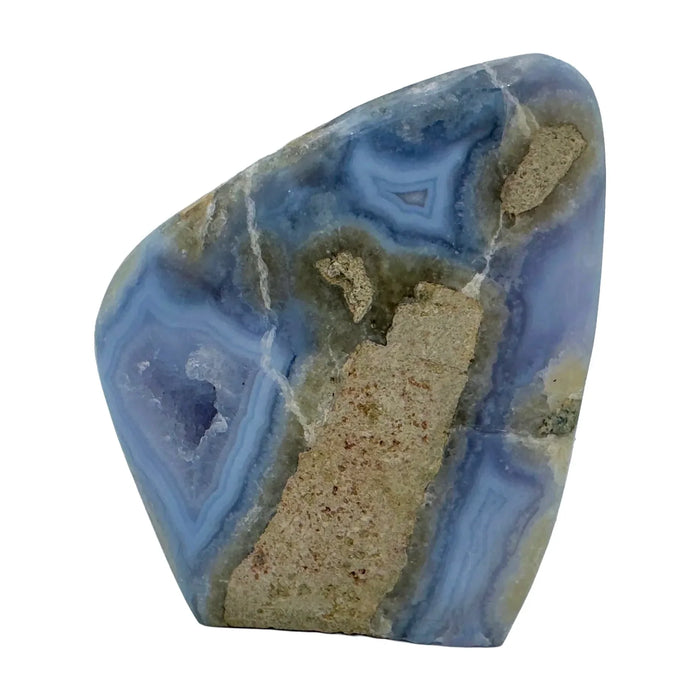
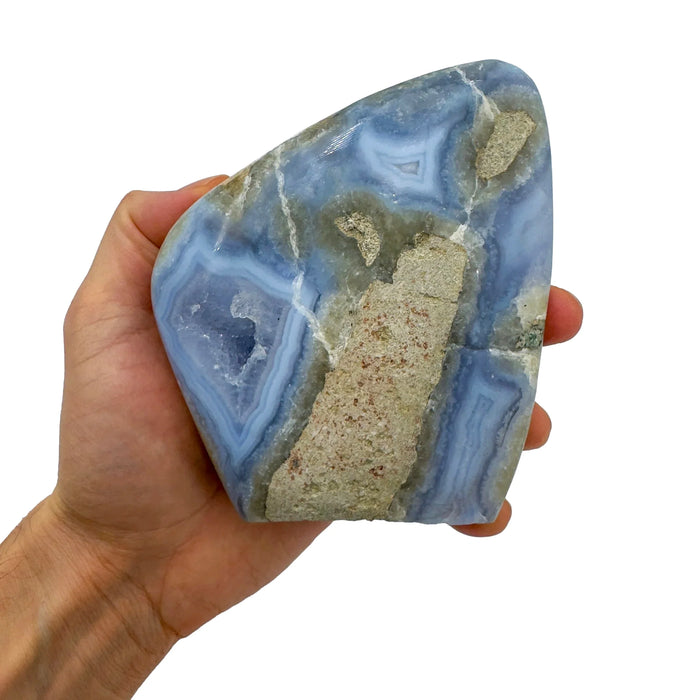
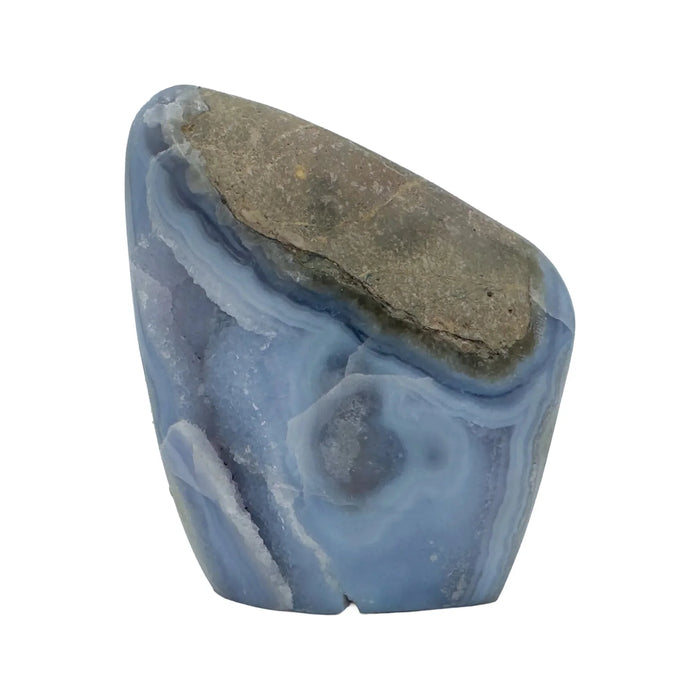
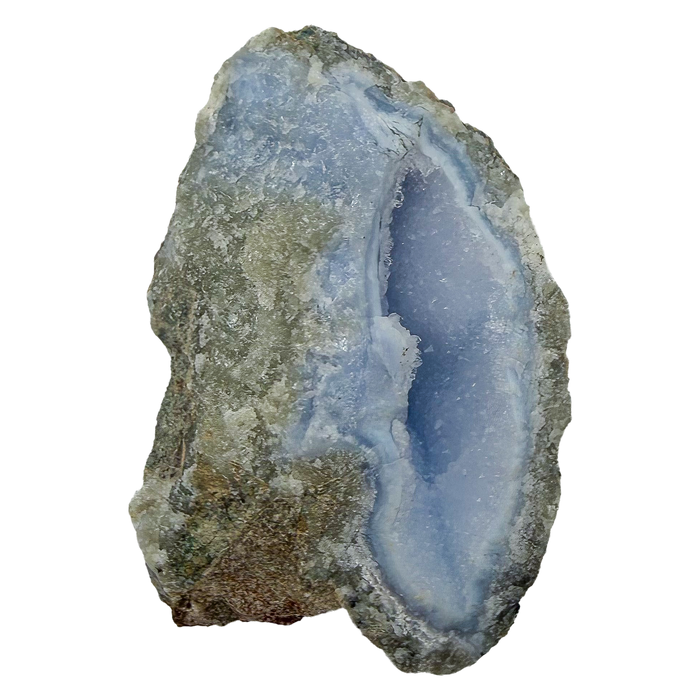
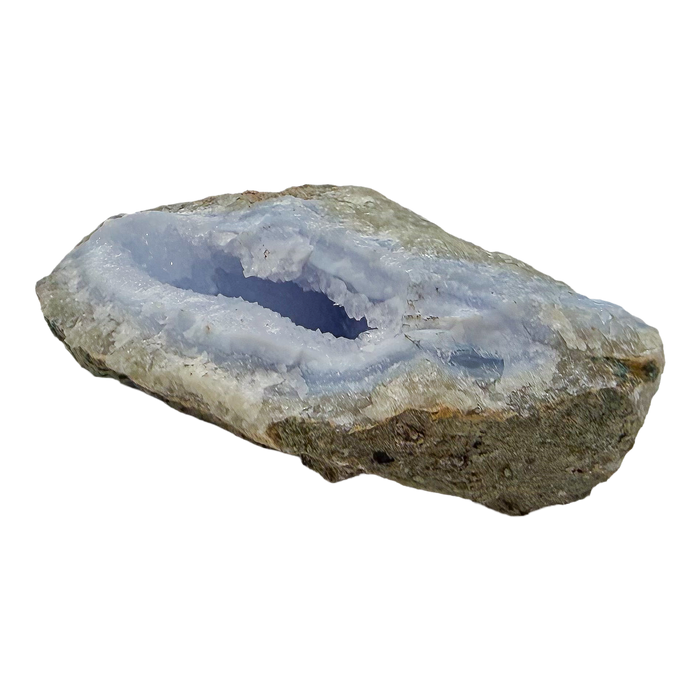
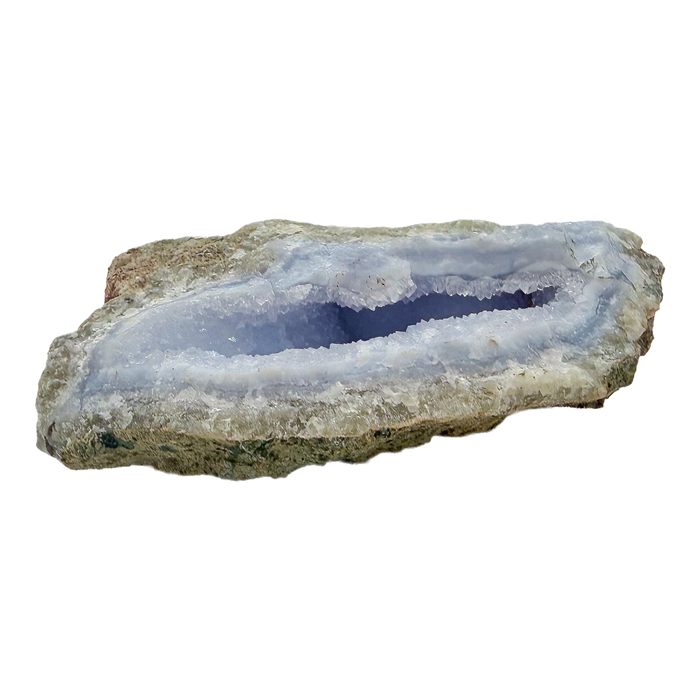
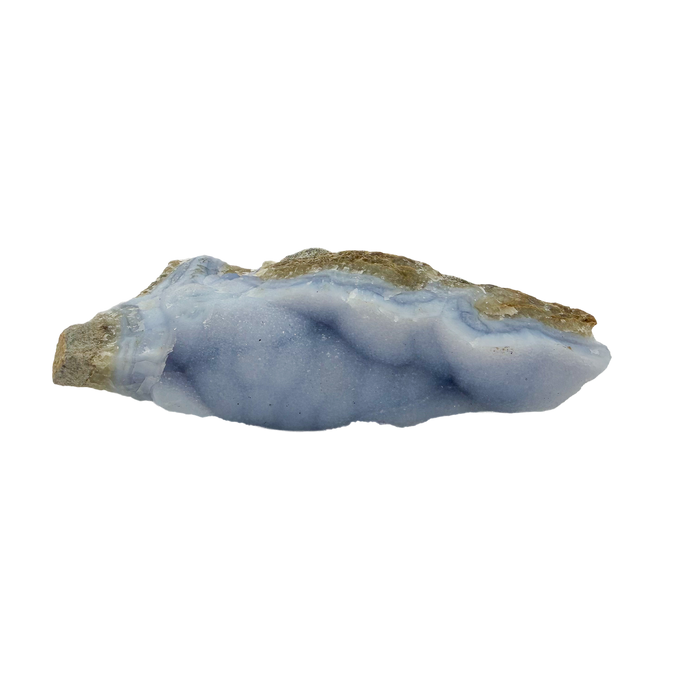
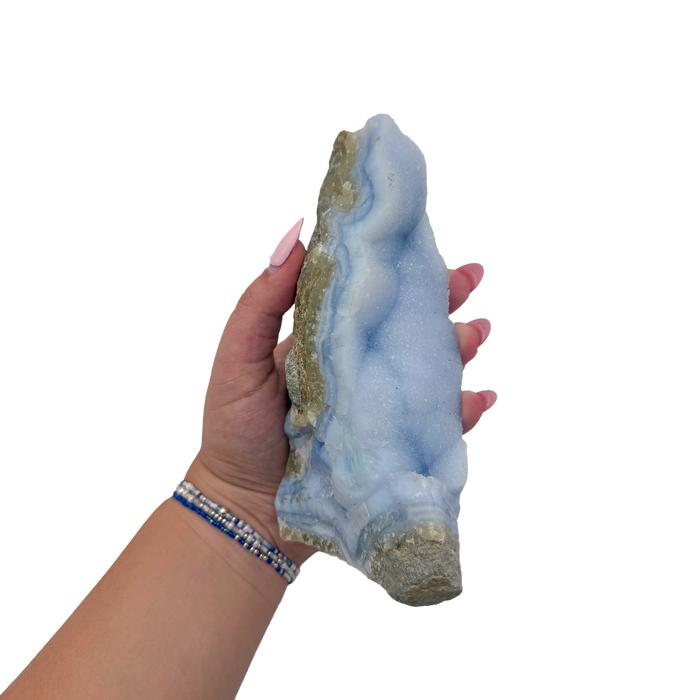
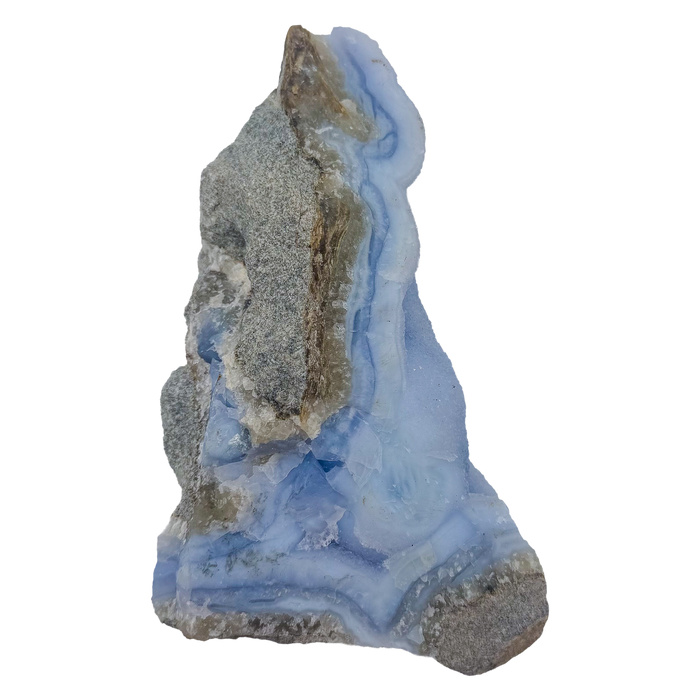
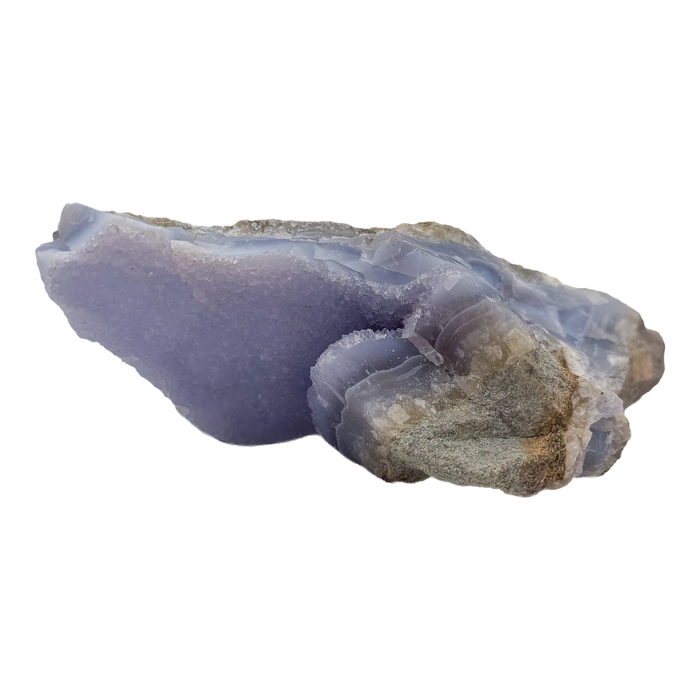
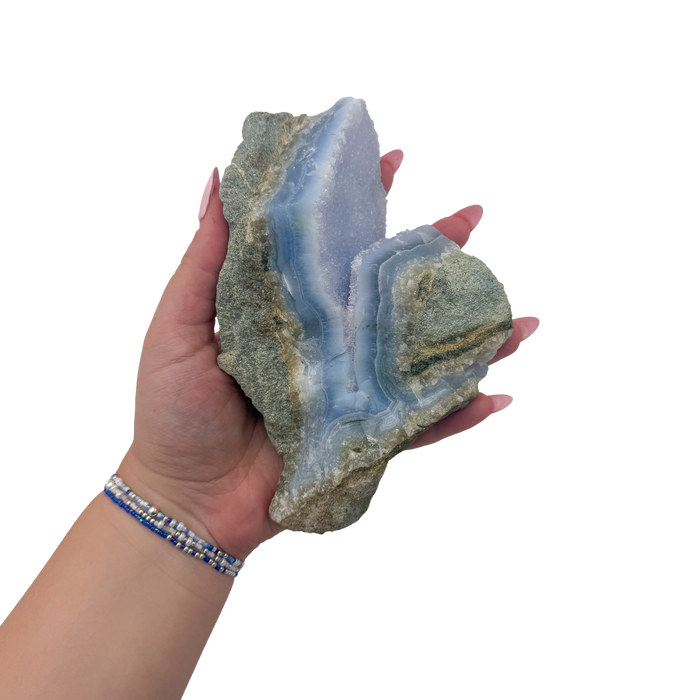
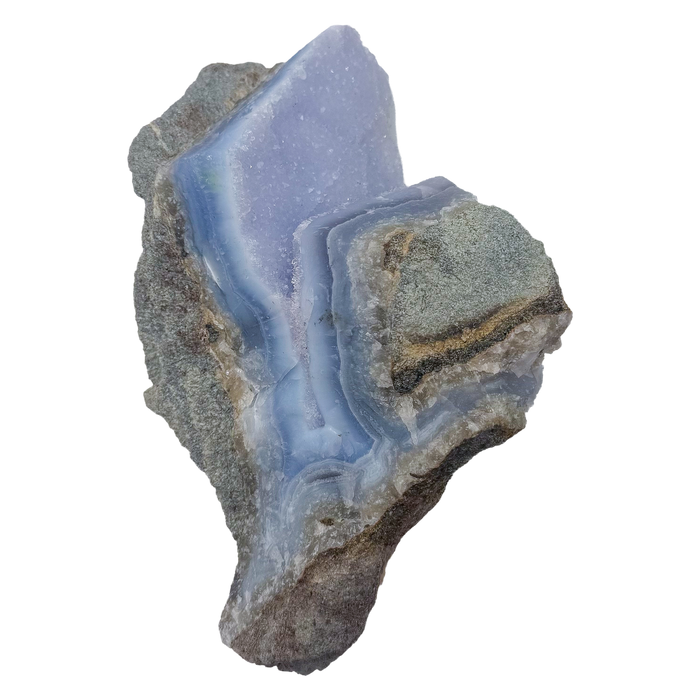
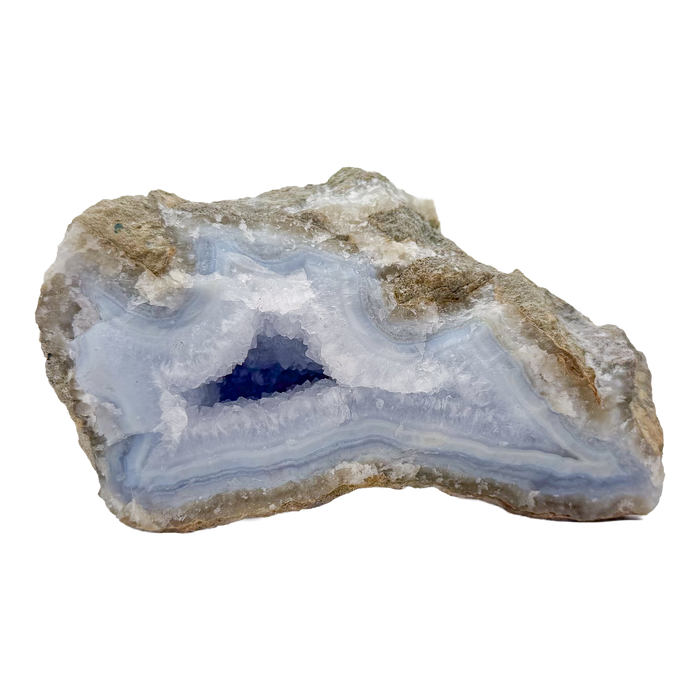
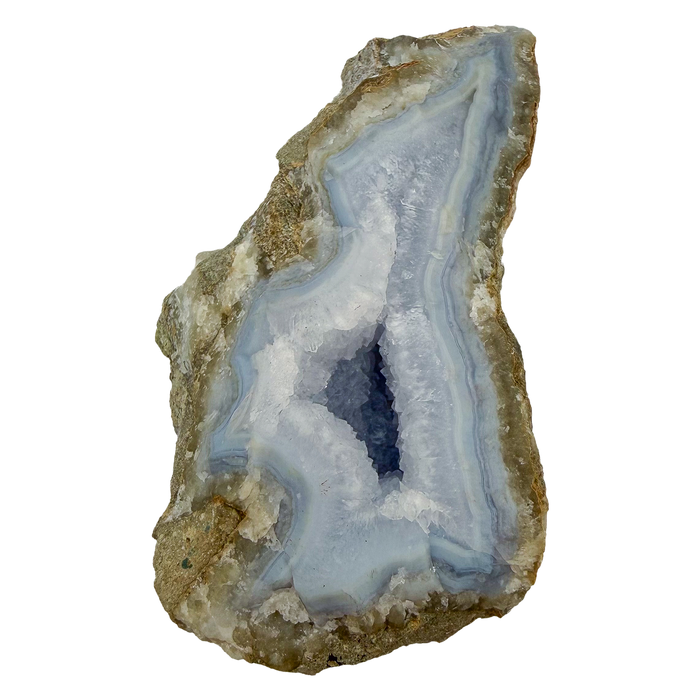
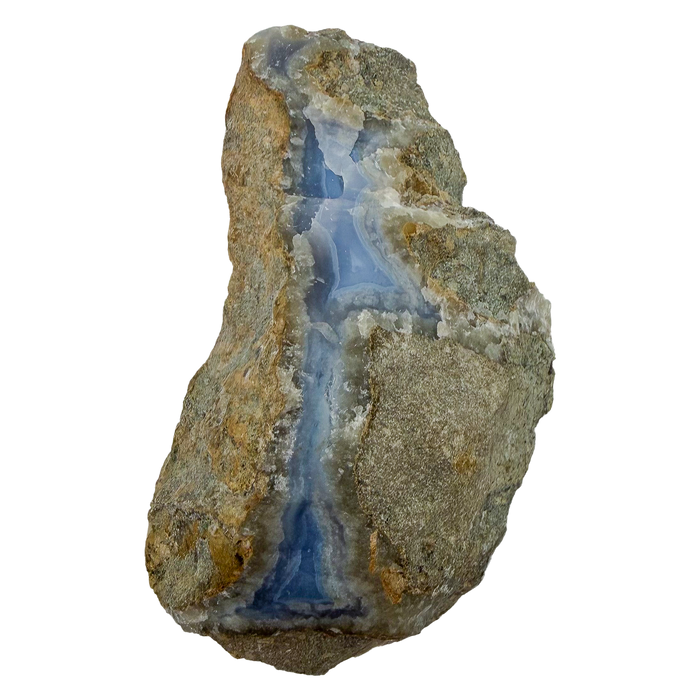
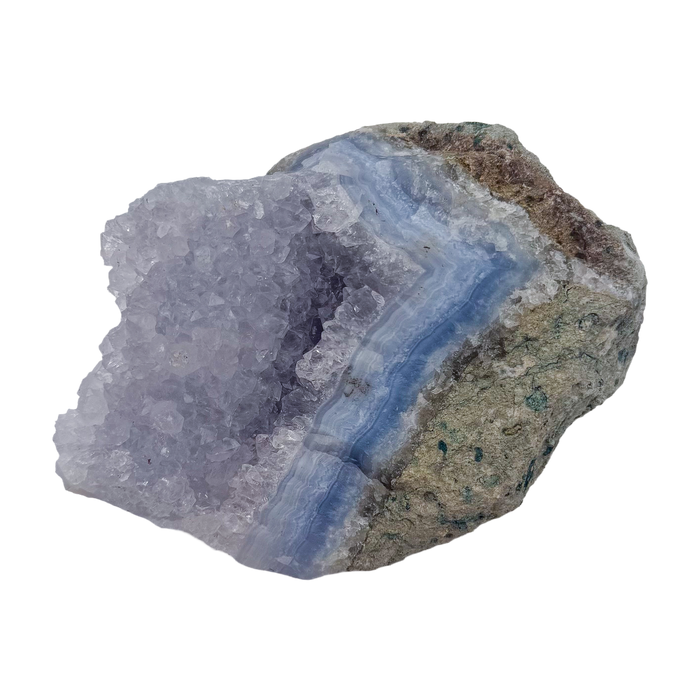
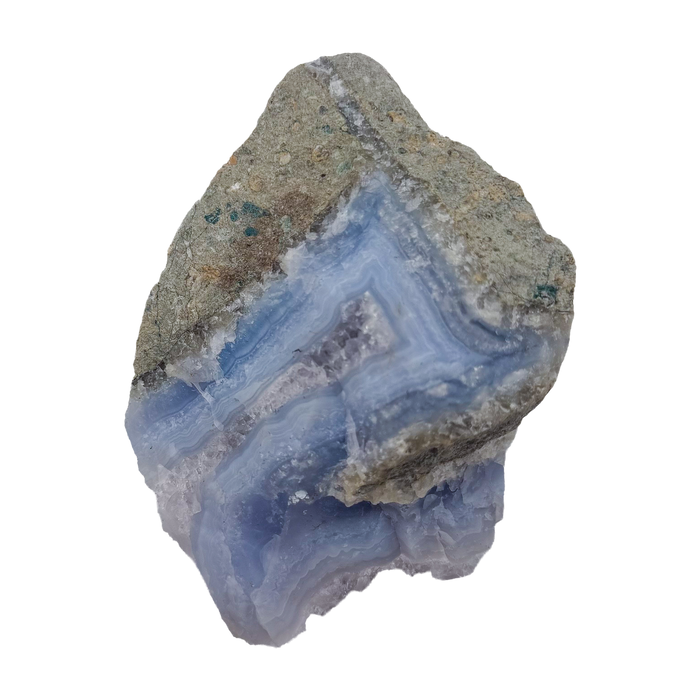
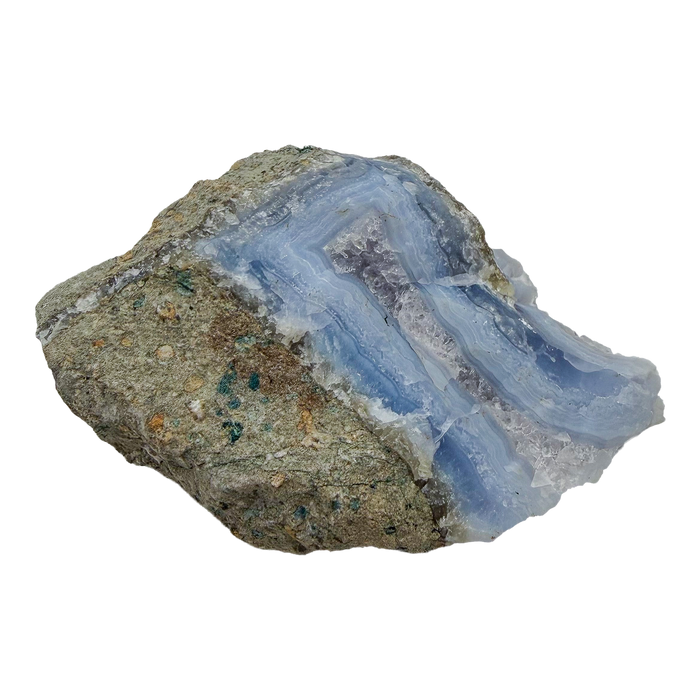
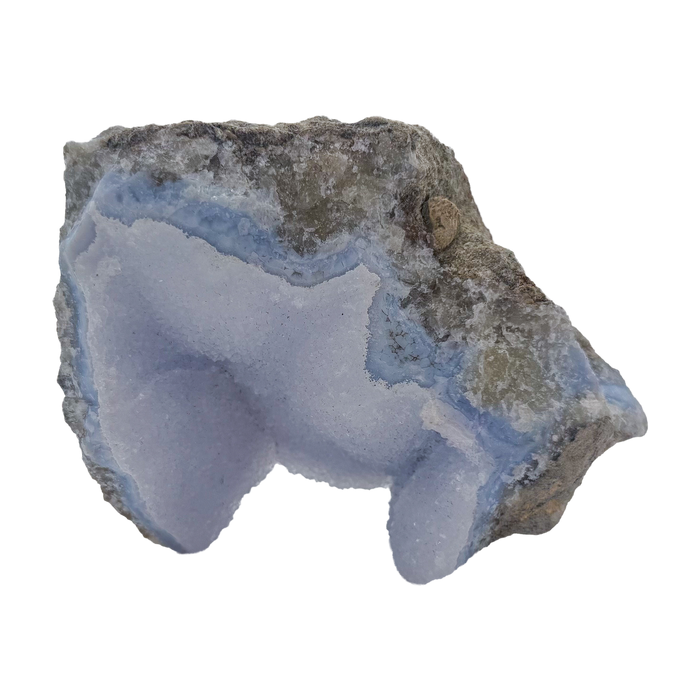
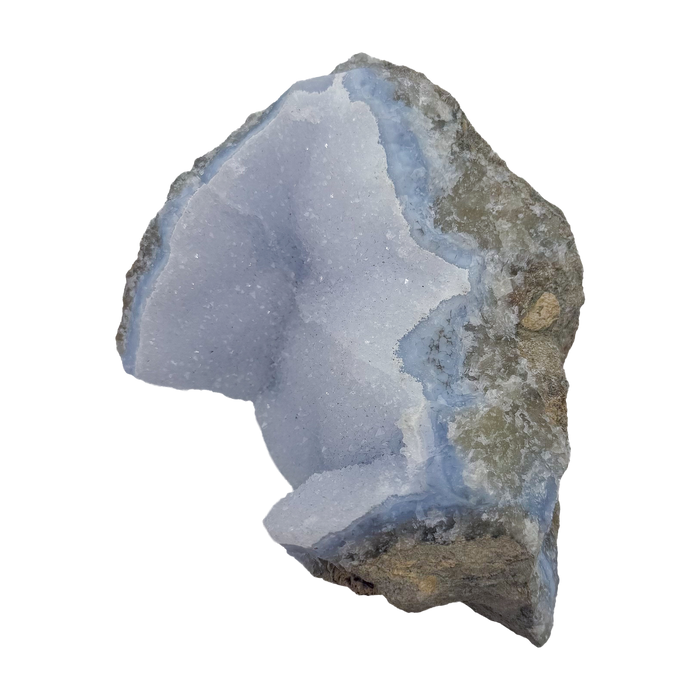
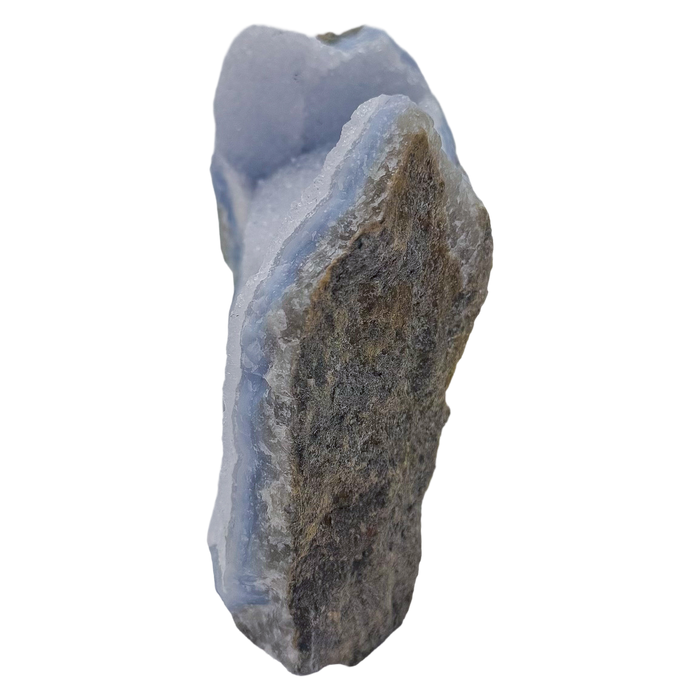
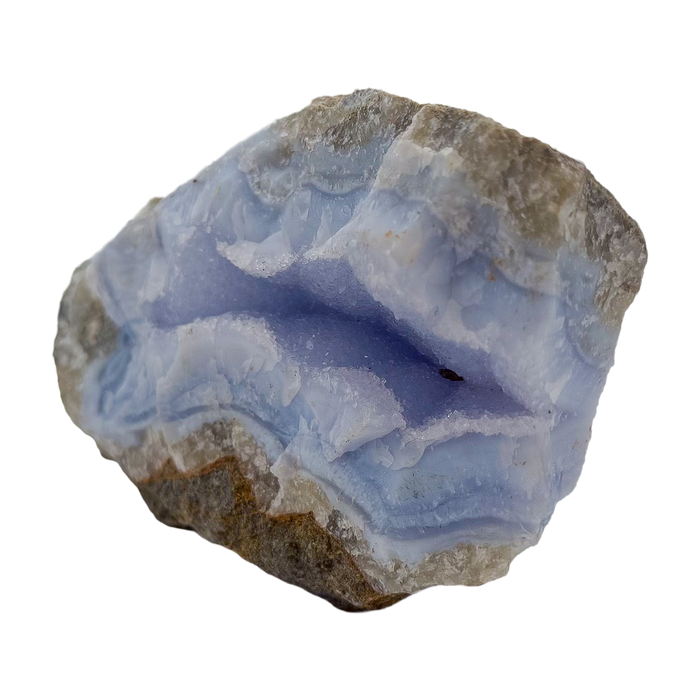
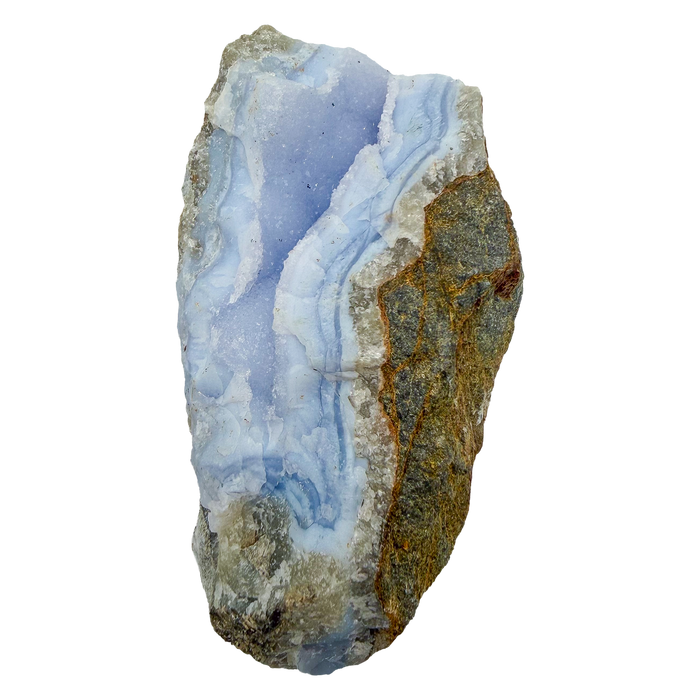
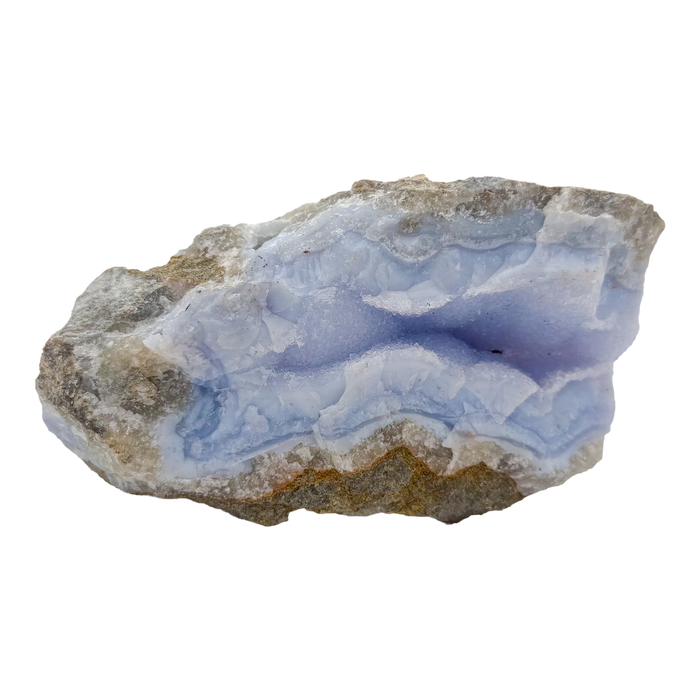
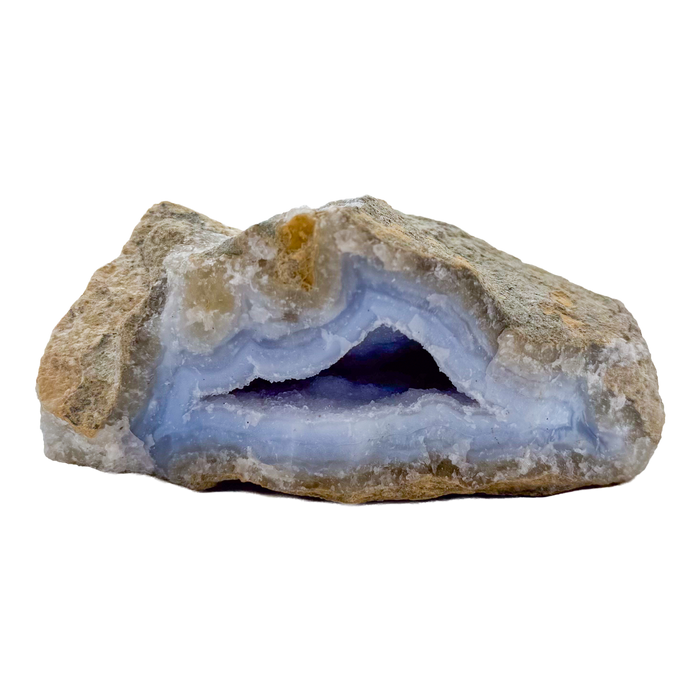
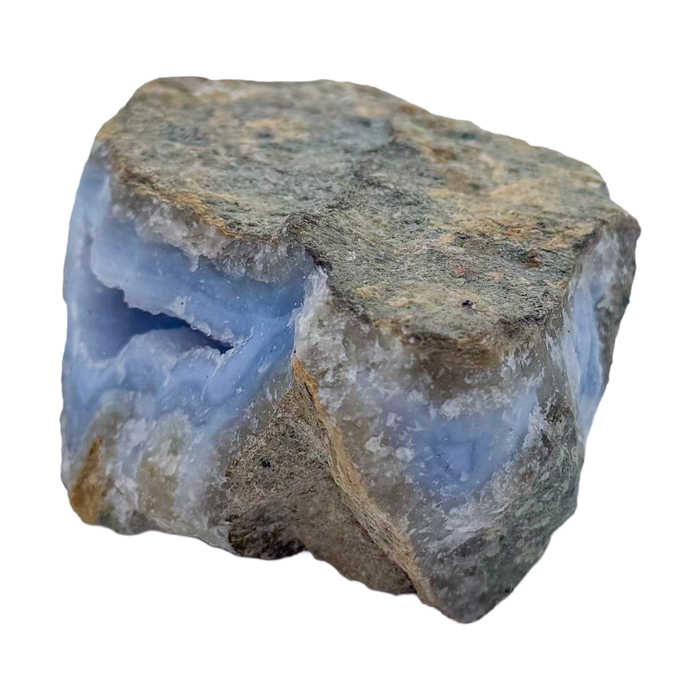
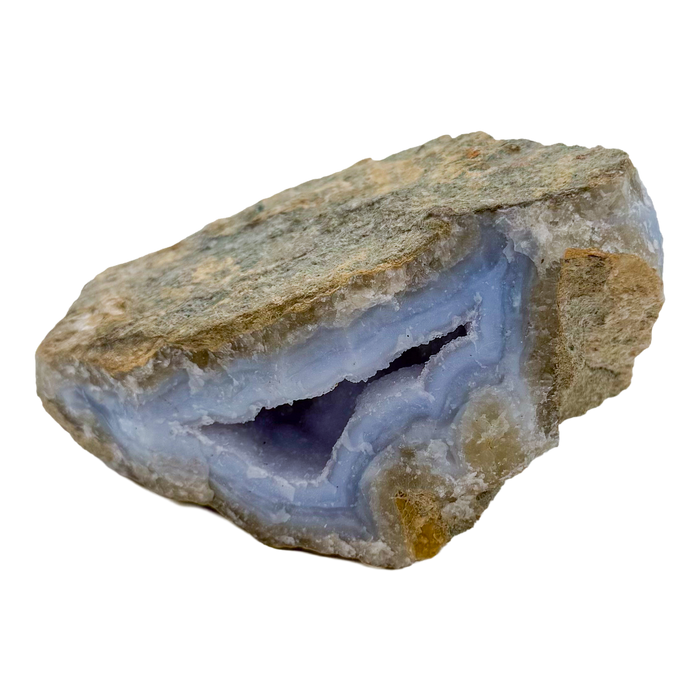
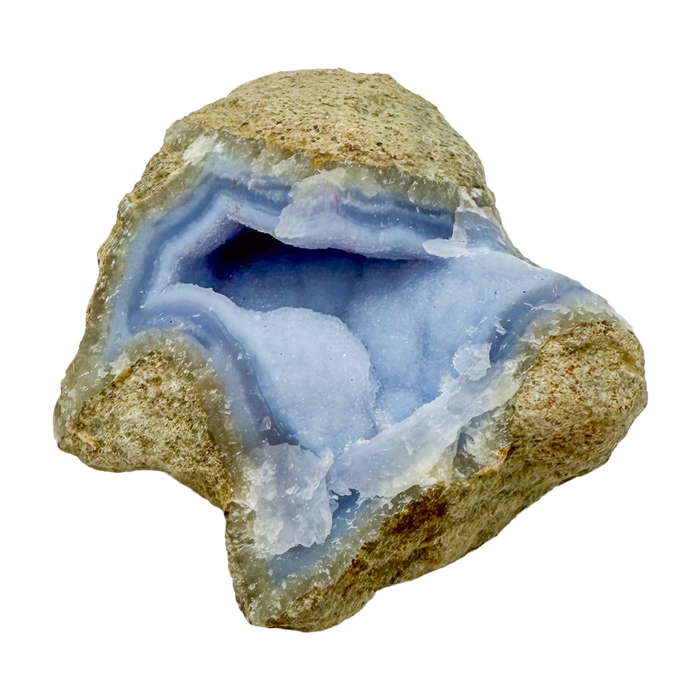
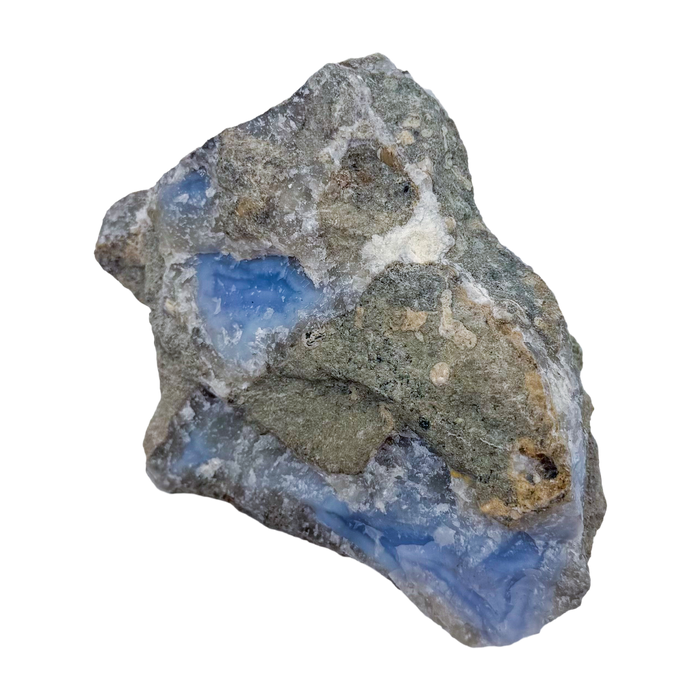
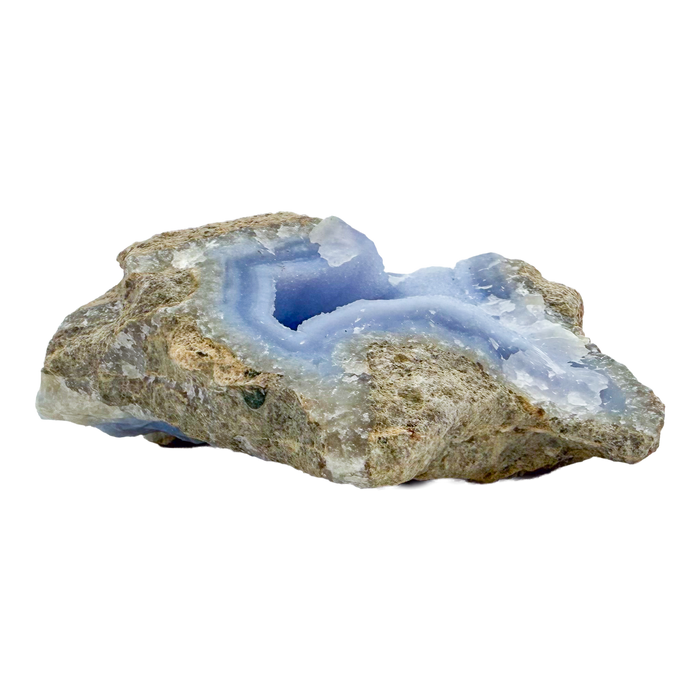
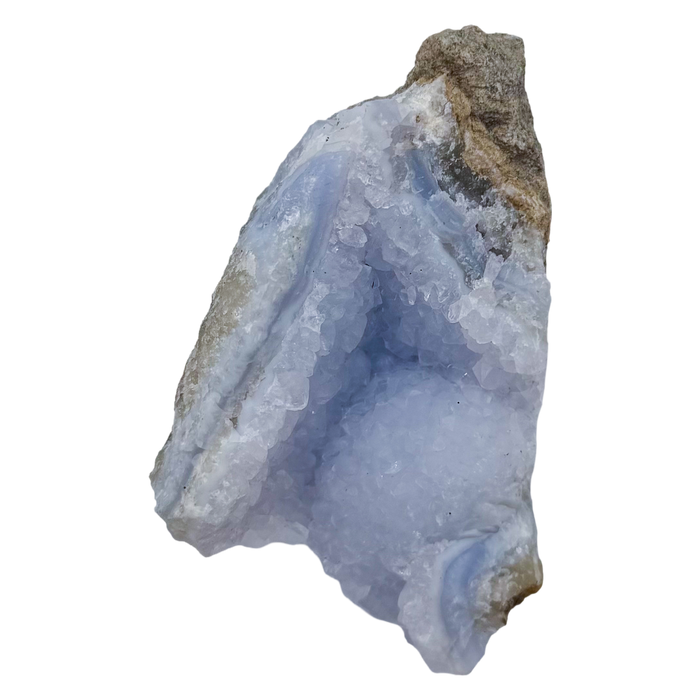
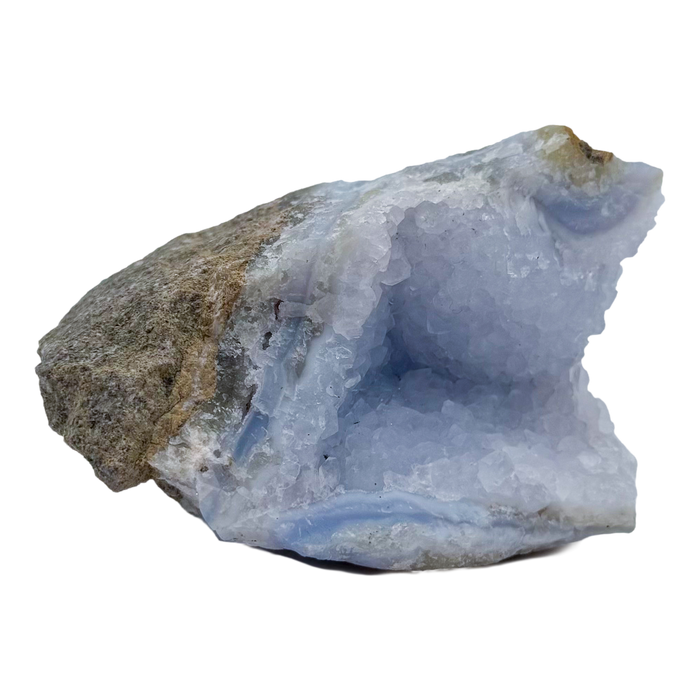
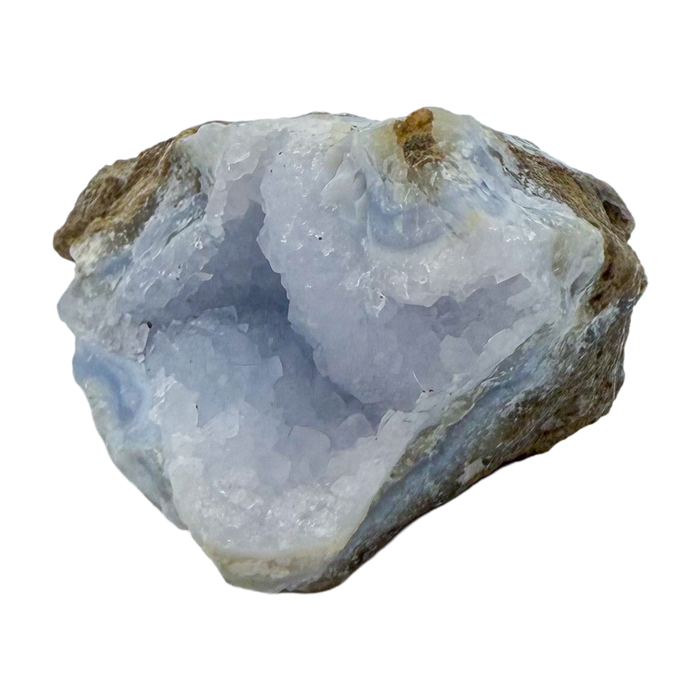
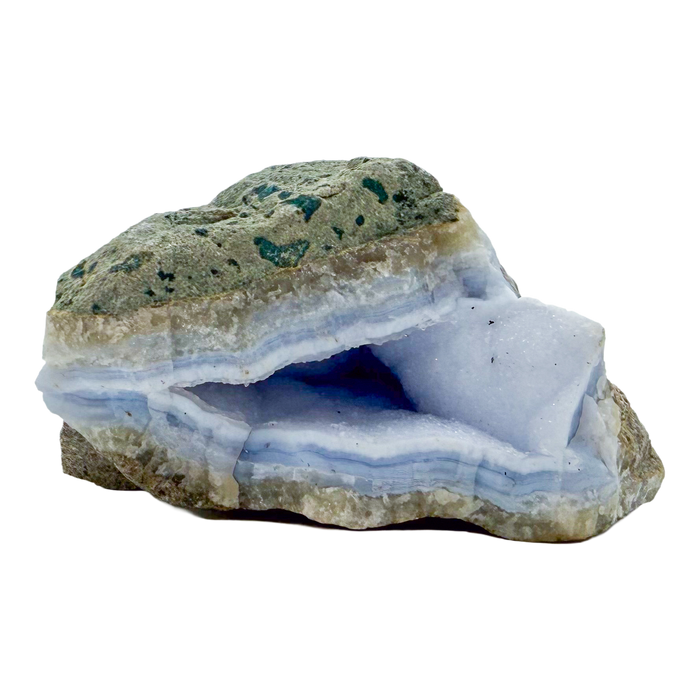
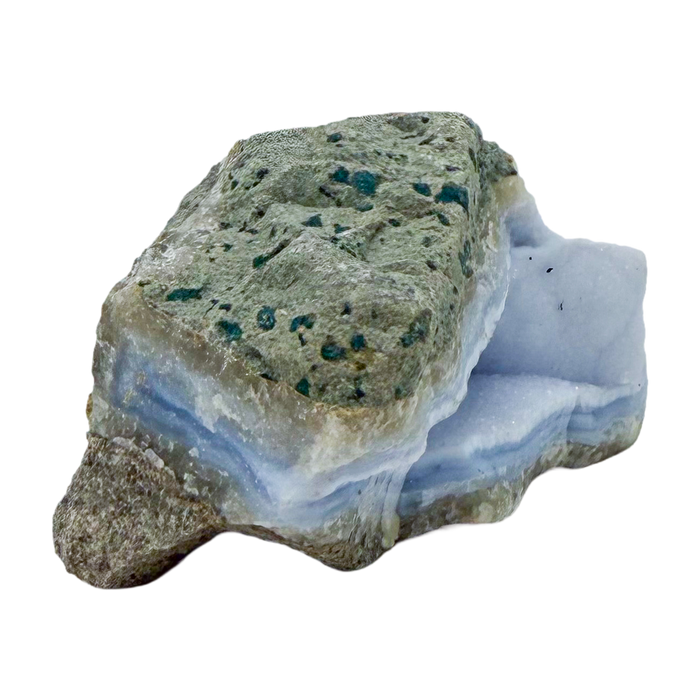
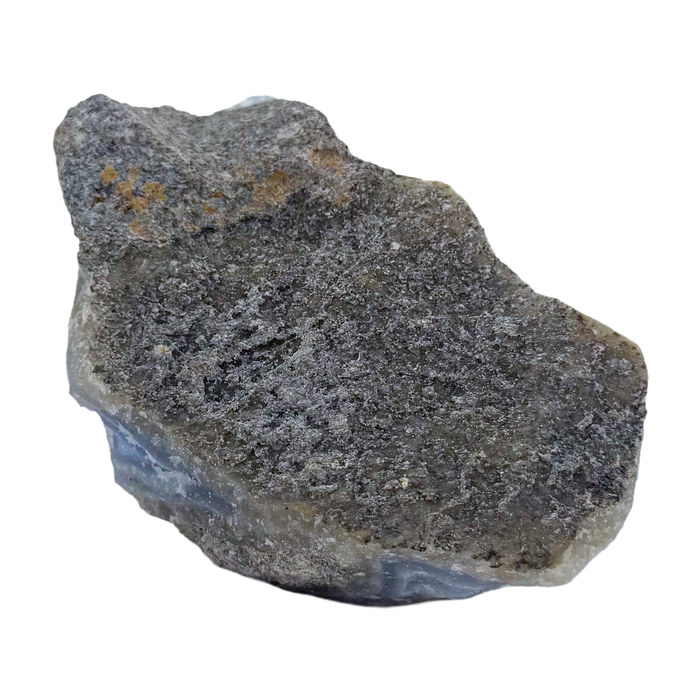
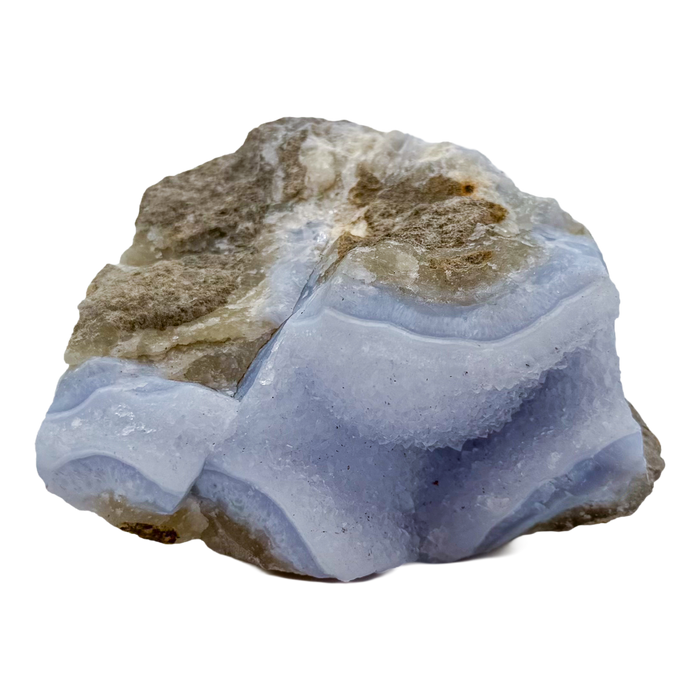
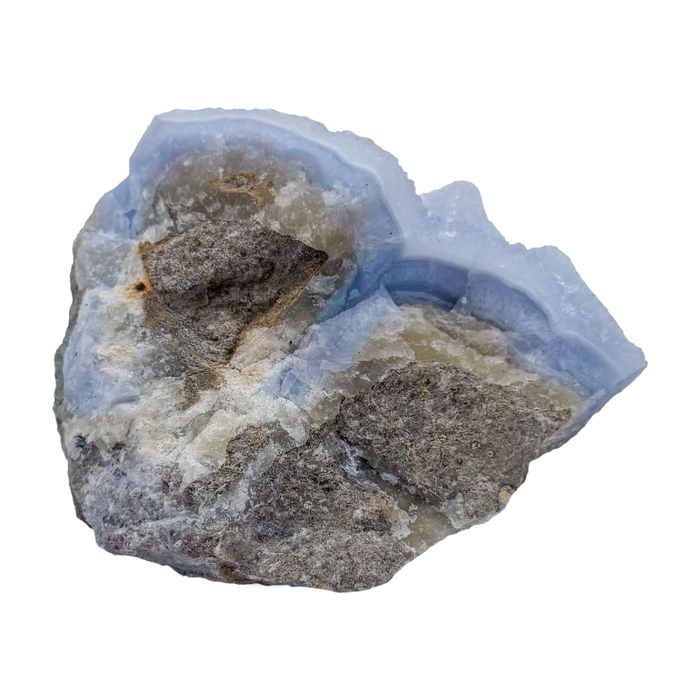
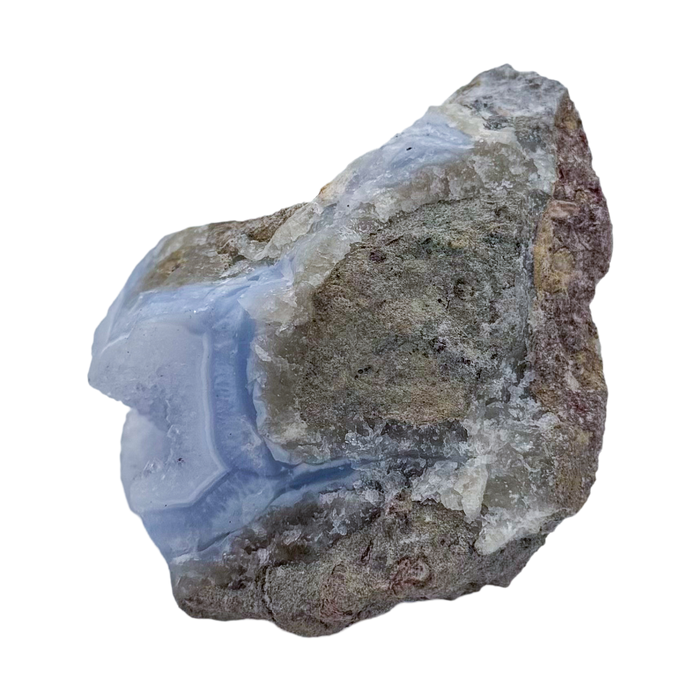
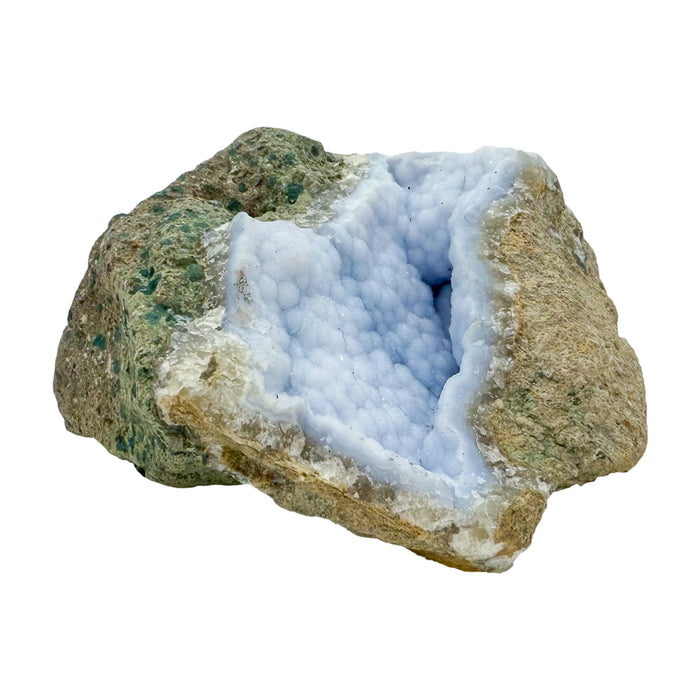
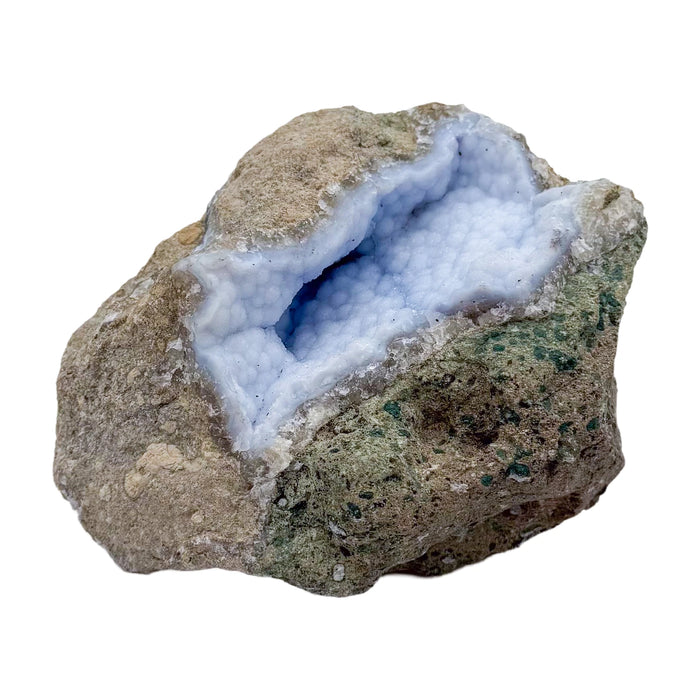
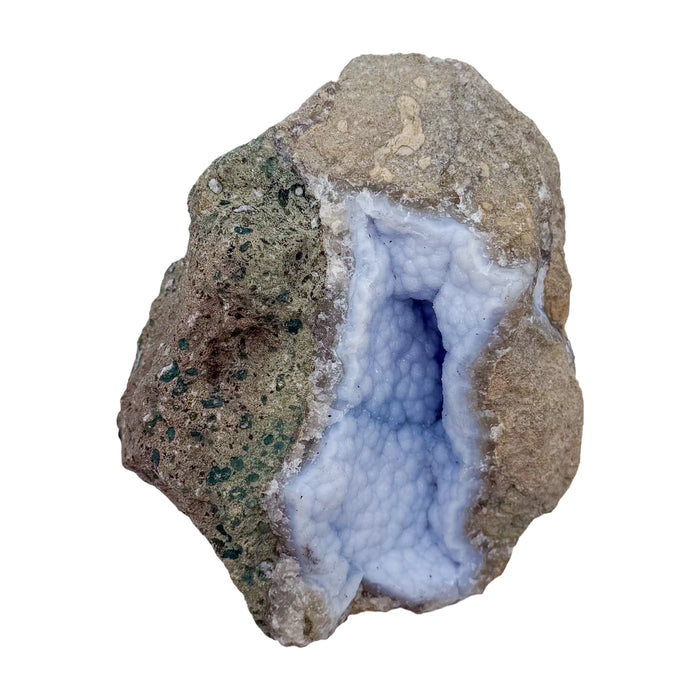
Agate is banded chalcedony, a fine-grained quartz that fills cavities in volcanic rock one silica layer at a time. It's sold as raw nodules, geodes, slices and tumbled stones. Bright, flat pinks, blues and purples are usually dyed, while natural agate shows soft, layered color.
Read the Agate Guide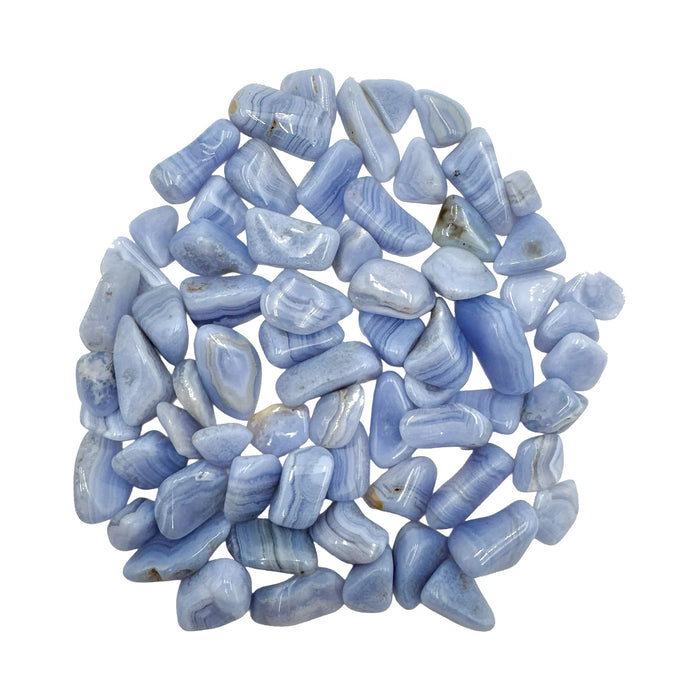







Before You Buy Agate
Natural or dyed?
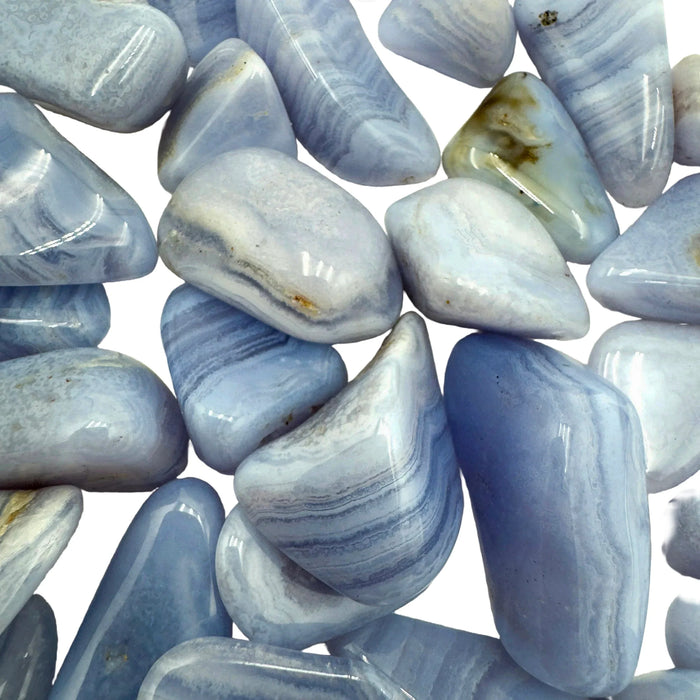
Agate is porous and takes dye easily, and most bright pink, purple or blue agate in the trade is dyed. Natural agate shows softer, layered color. We disclose all treatments on the product page.
Why is every piece different?
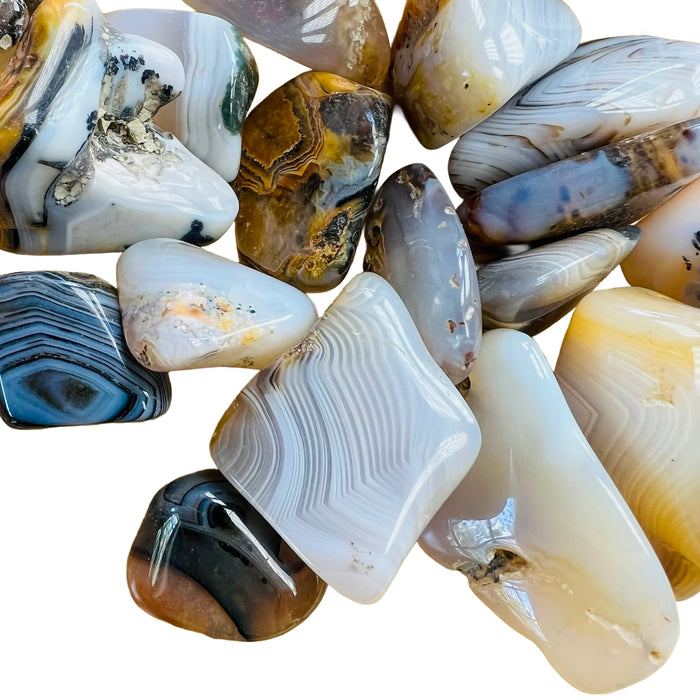
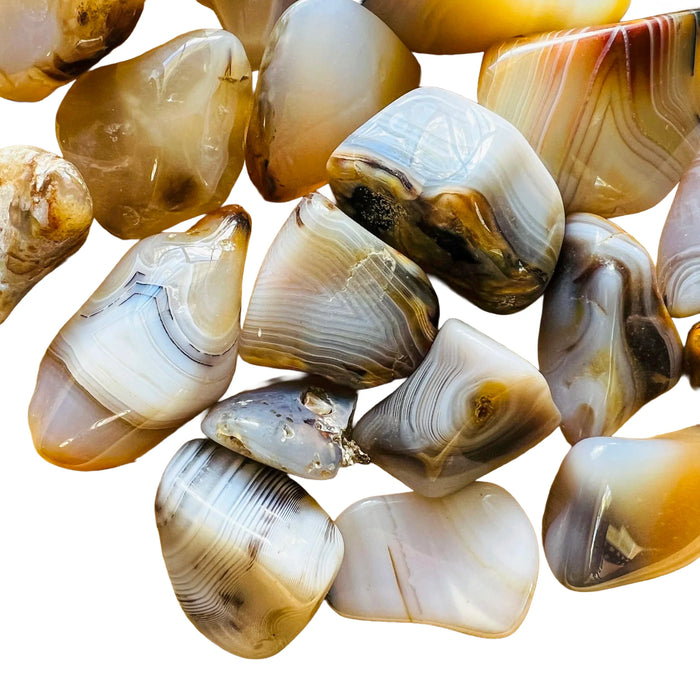
Agate usually grows in cavities in volcanic rock, one thin layer of silica at a time. Traces of other minerals tint each layer, so bands differ in width and color and no two pieces match.
Are all agates banded?
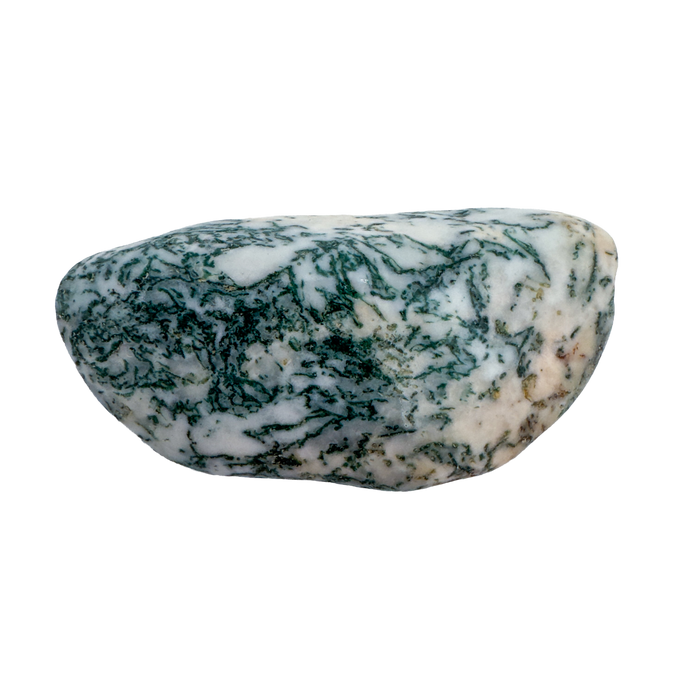
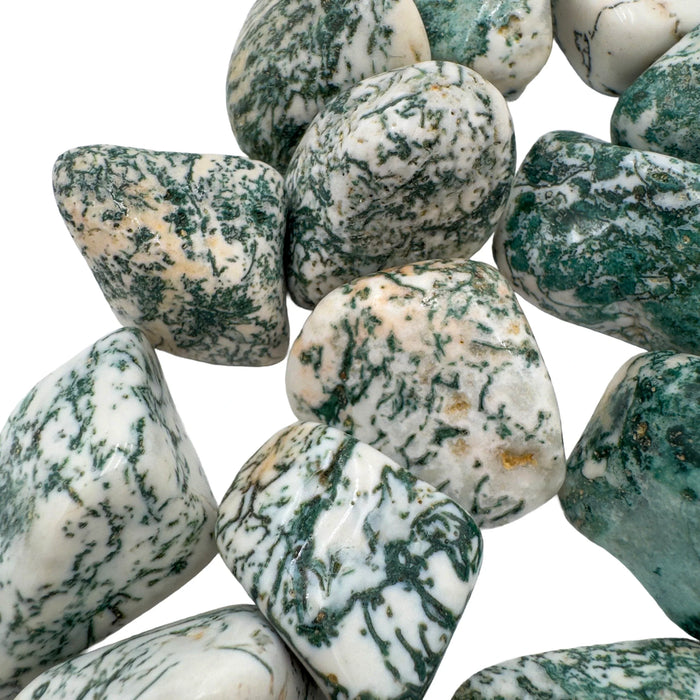
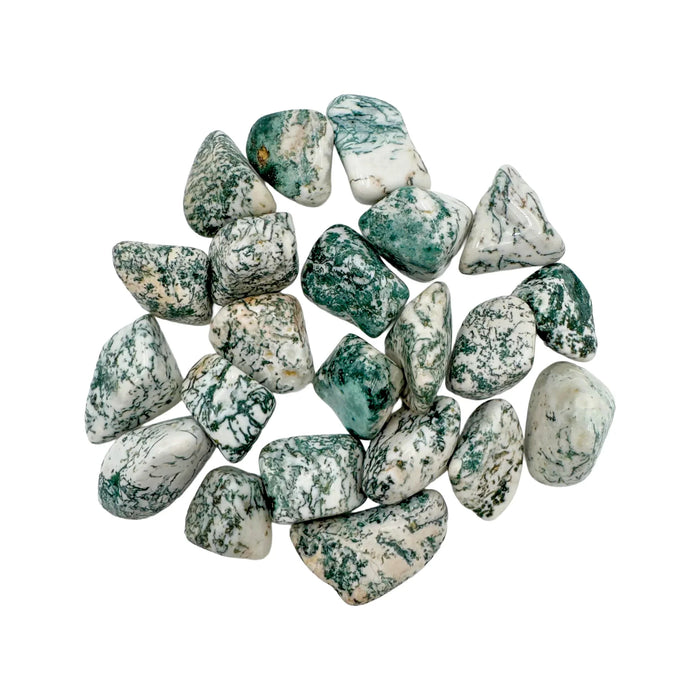
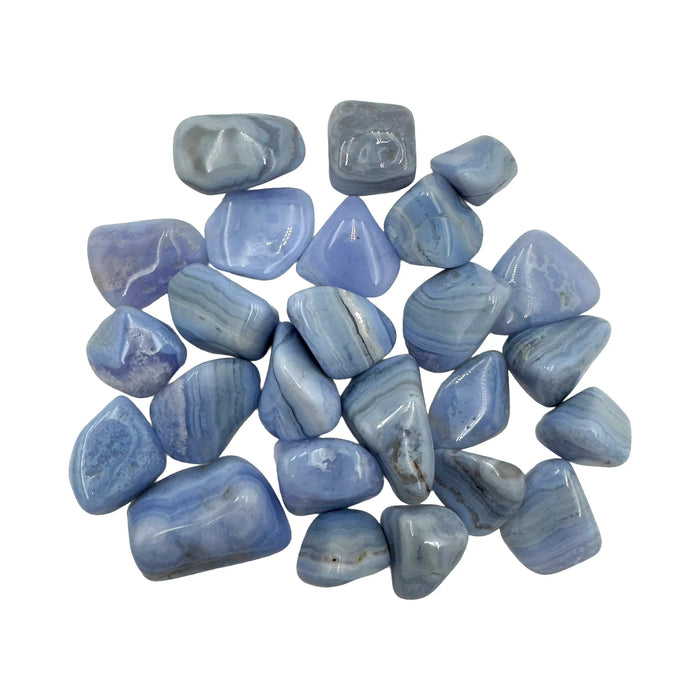
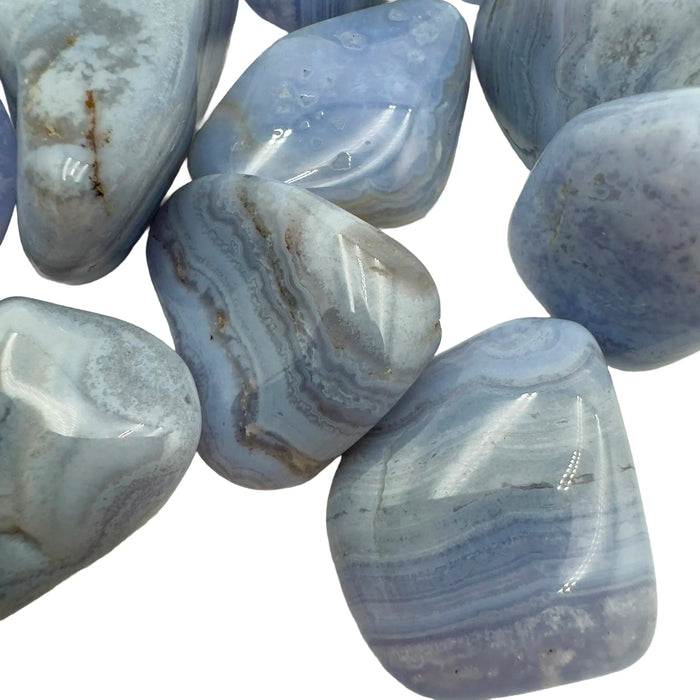
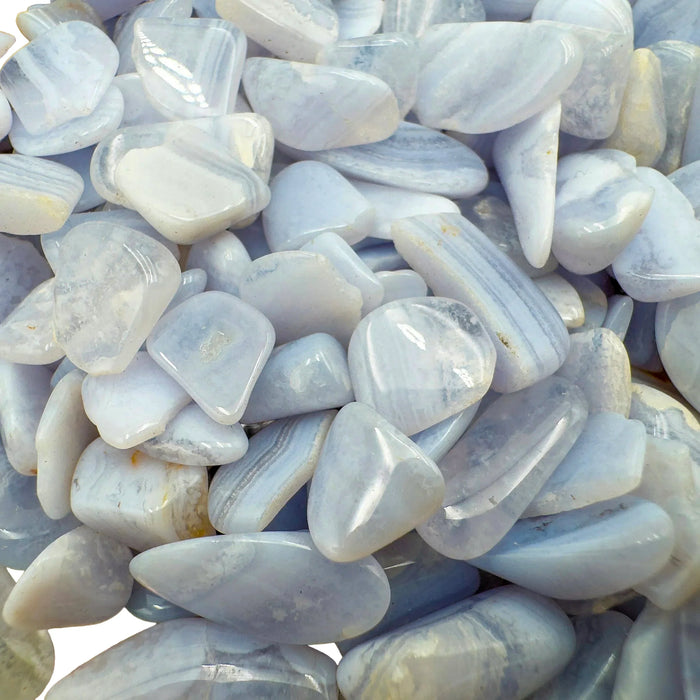
Most are. Moss and dendritic agate show branching, plant-like patterns instead of bands, so strictly they aren't true agate, though the trade sells them as agate. Blue lace and crazy lace are named for their bands.
Care
At 6.5 to 7 on the Mohs scale, agate is tough and needs no special care. Wash it with mild soap, warm water and a soft brush, then dry it, and store it apart from softer stones.