


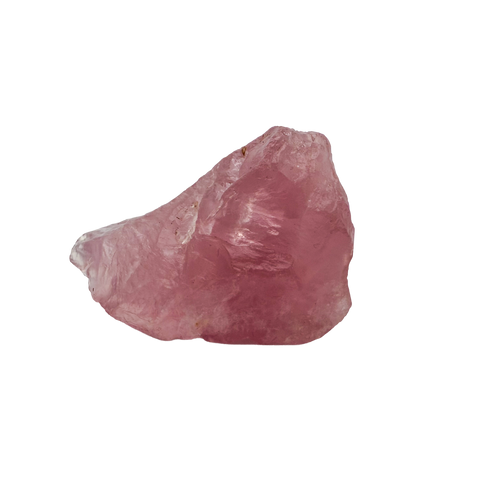
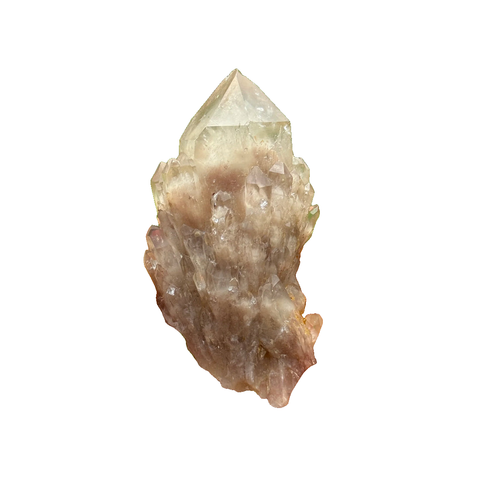
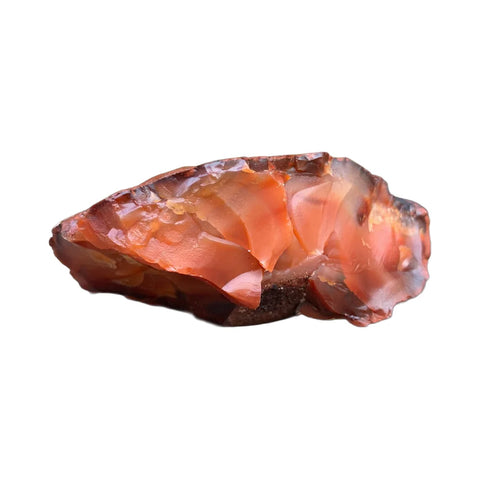
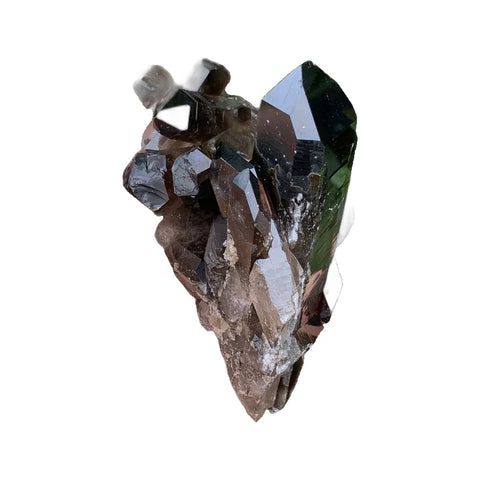
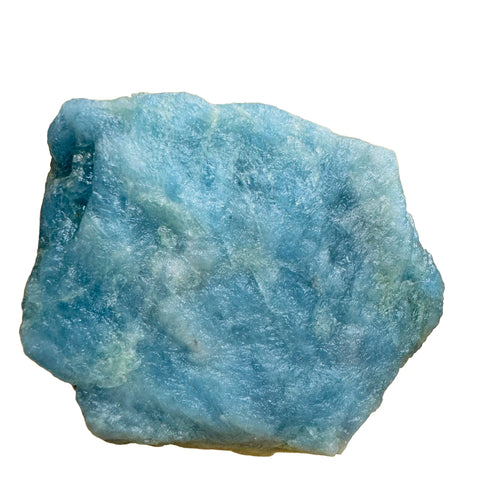
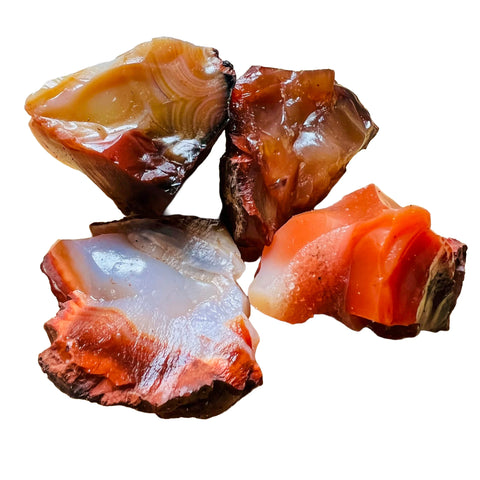


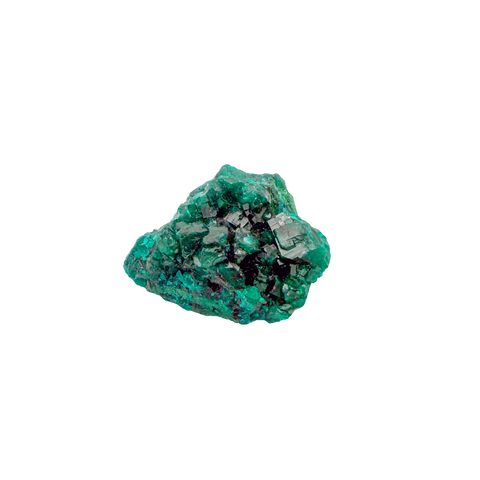
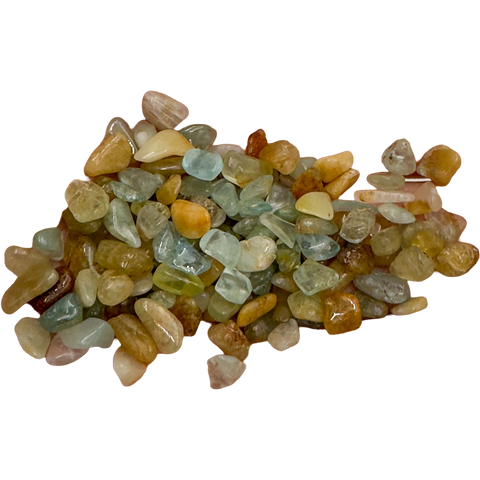
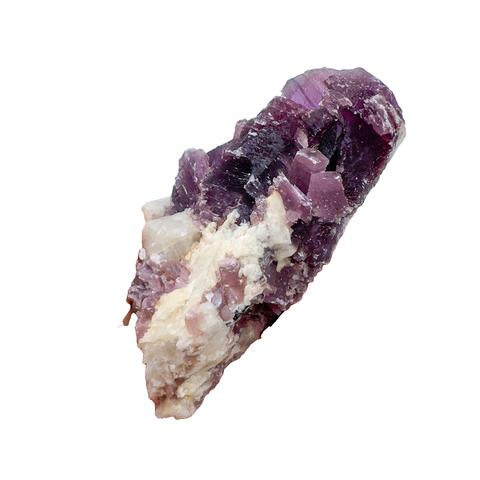
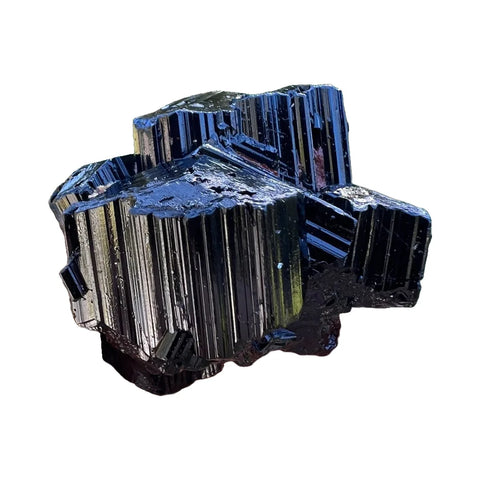
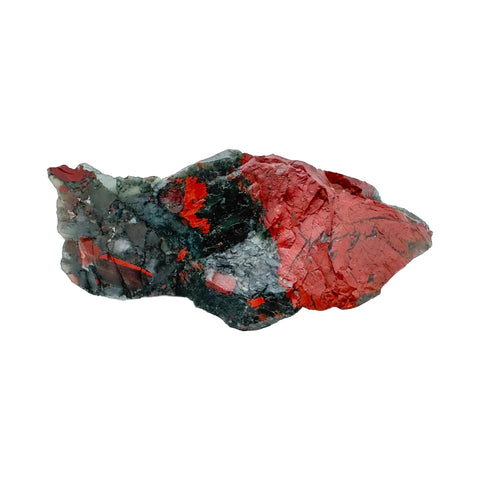
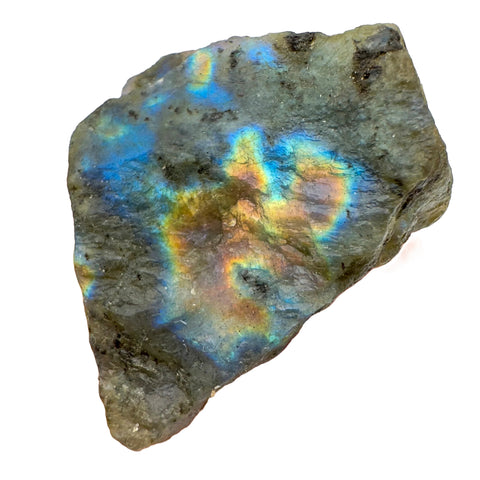
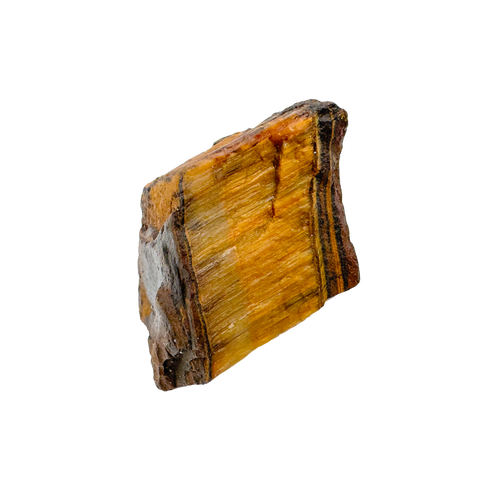
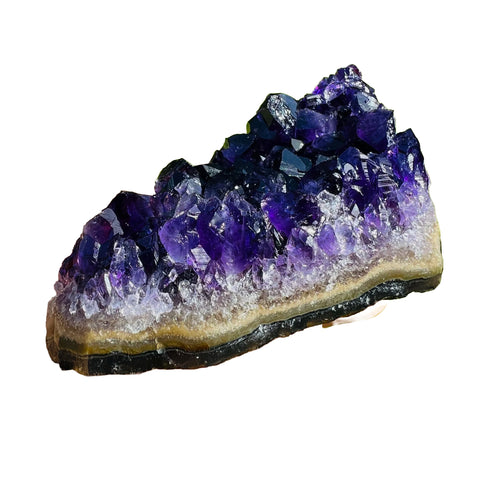



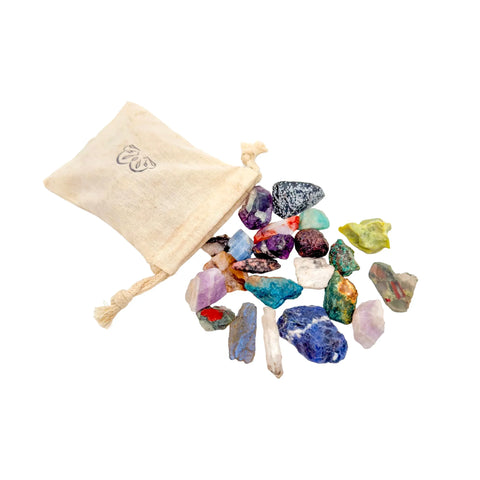
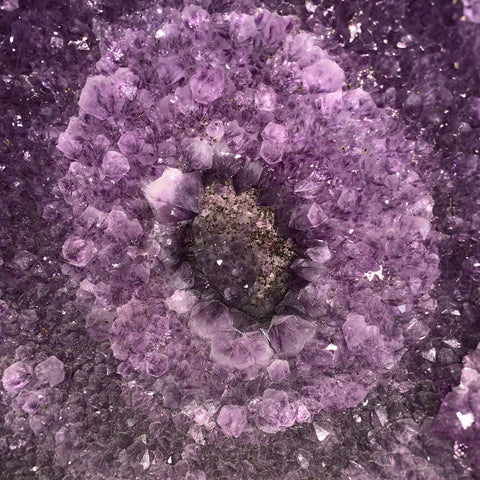
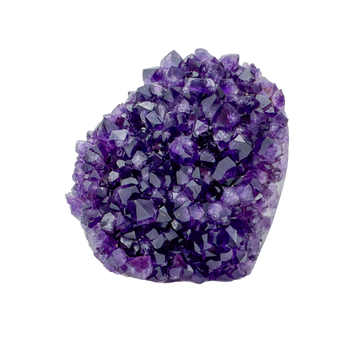
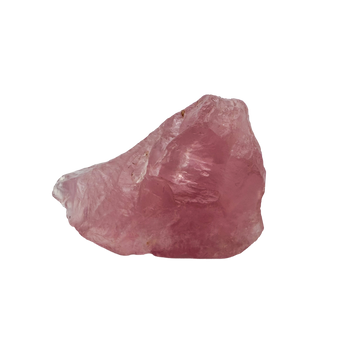
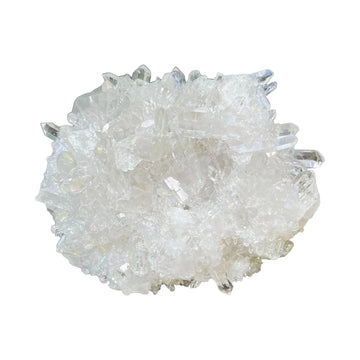
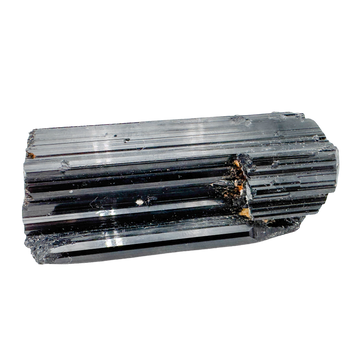
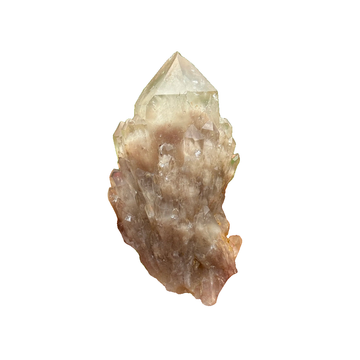
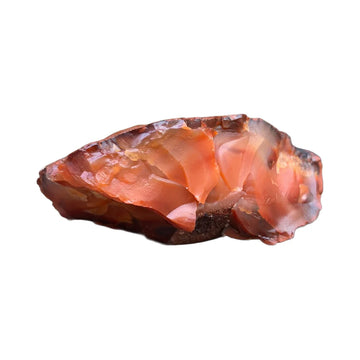
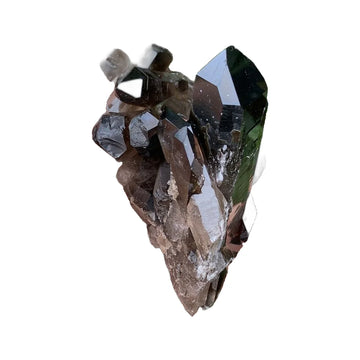
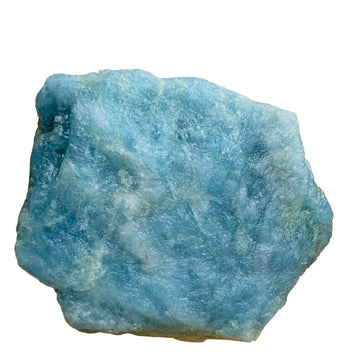
 Raw Stones
179 pieces
Raw Stones
179 pieces
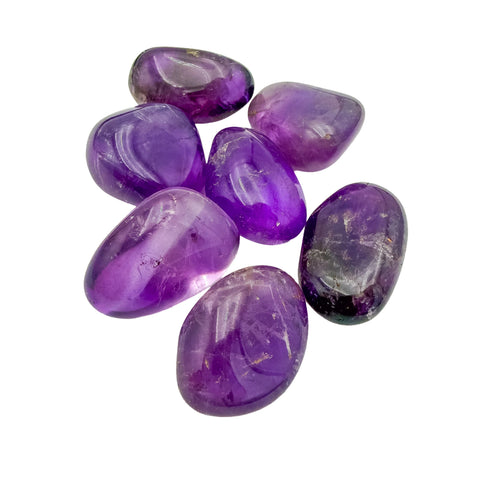
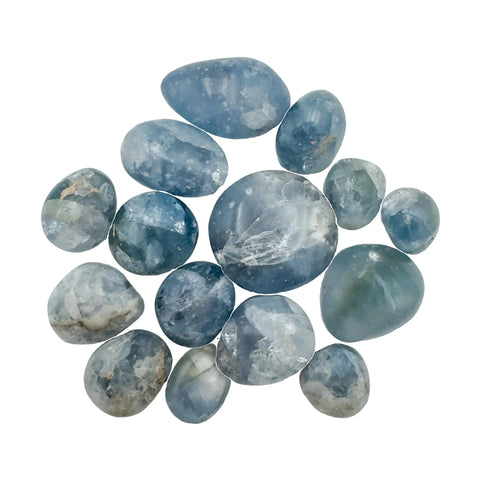
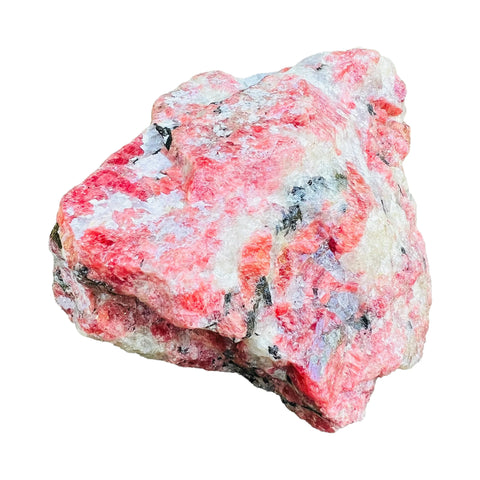
 Tumbled Stones
162 pieces
Tumbled Stones
162 pieces
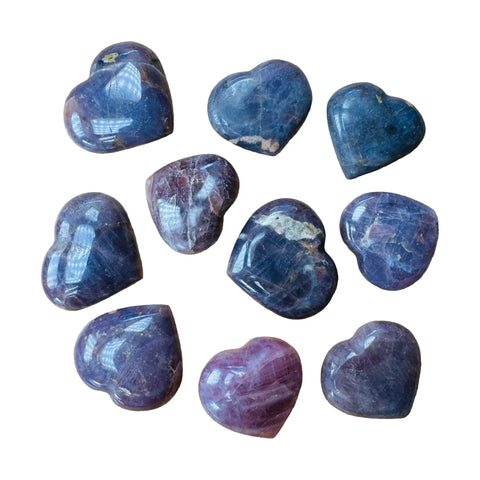
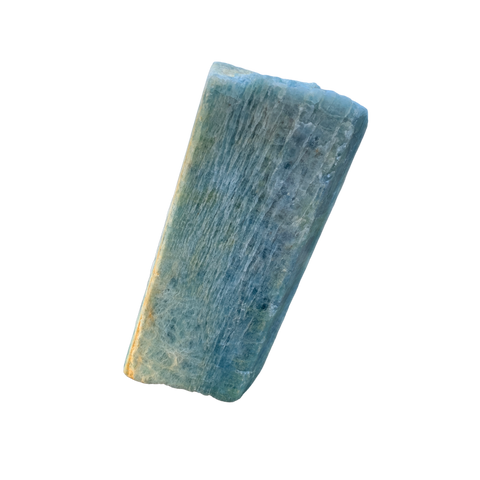
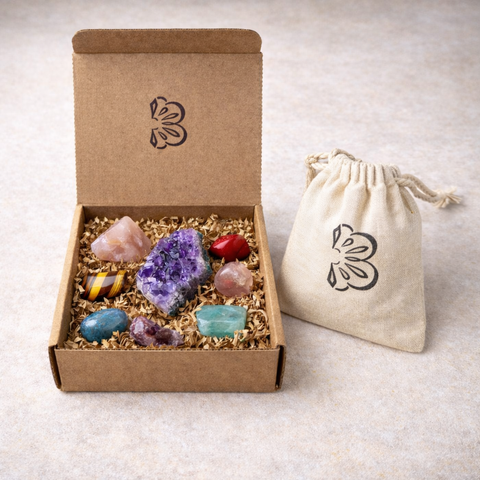
 Palm Stones
25 pieces
Palm Stones
25 pieces
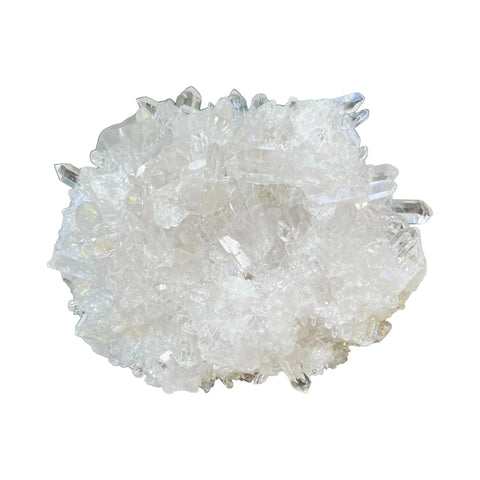
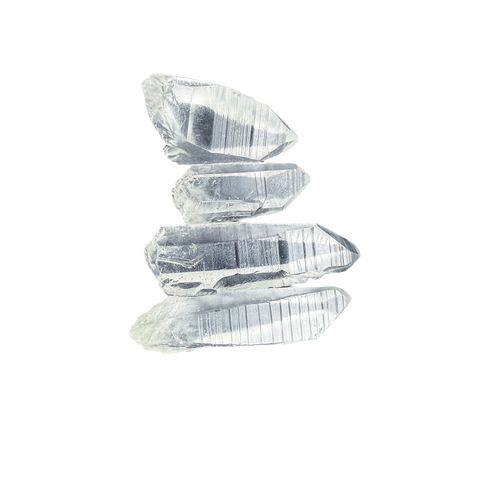
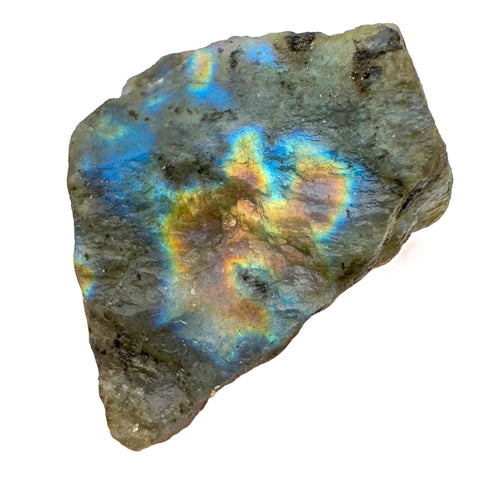
 Crystal Points
23 pieces
Crystal Points
23 pieces
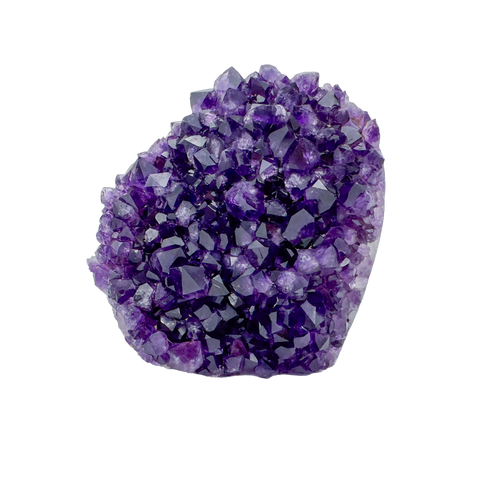
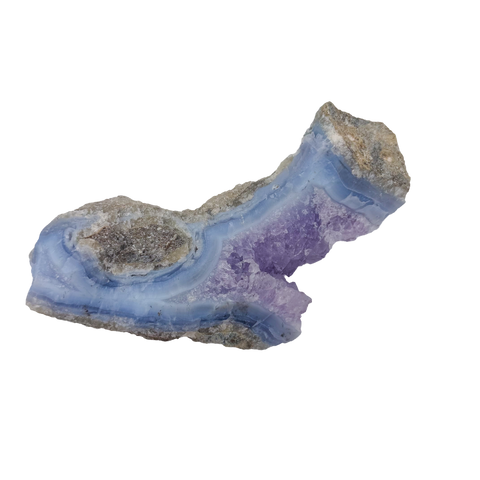
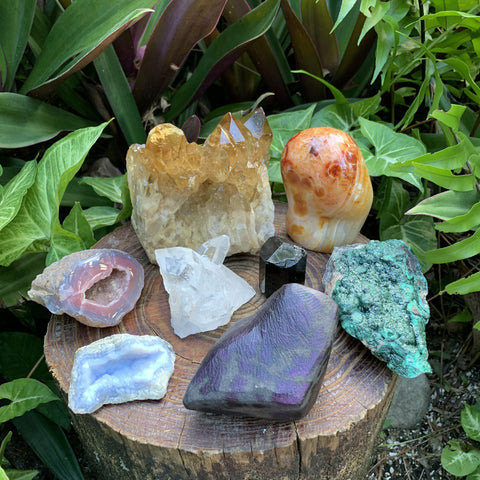
 Clusters & Geodes
104 pieces
Clusters & Geodes
104 pieces
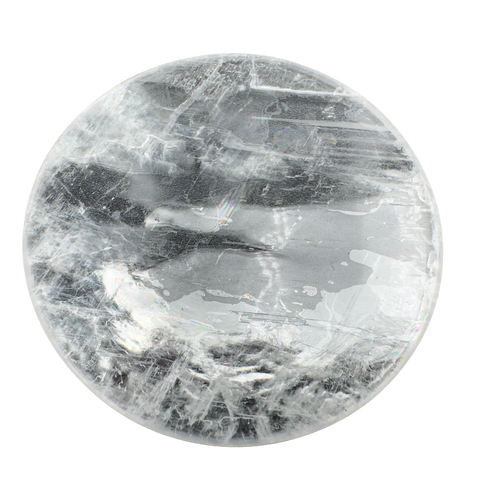
 Polished & Decor
148 pieces
Polished & Decor
148 pieces
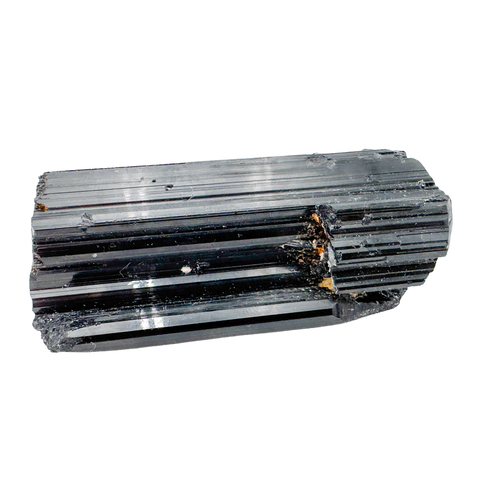
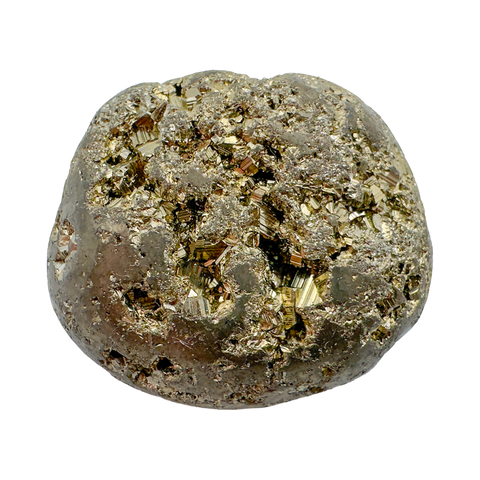
 Mineral Specimens
259 collector pieces
Mineral Specimens
259 collector pieces
 Crystal Chips
21 pieces
Browse everything
Every collection, one page.
View All Collections →
Crystal Chips
21 pieces
Browse everything
Every collection, one page.
View All Collections →


 Aries
Mar 21 – Apr 19
Carnelian
›
Aries
Mar 21 – Apr 19
Carnelian
›
 Taurus
Apr 20 – May 20
Rose Quartz
›
Taurus
Apr 20 – May 20
Rose Quartz
›
 Gemini
May 21 – Jun 20
Agate
›
Gemini
May 21 – Jun 20
Agate
›
 Cancer
Jun 21 – Jul 22
Moonstone
›
Cancer
Jun 21 – Jul 22
Moonstone
›
 Leo
Jul 23 – Aug 22
Citrine
›
Leo
Jul 23 – Aug 22
Citrine
›
 Virgo
Aug 23 – Sep 22
Amazonite
›
Virgo
Aug 23 – Sep 22
Amazonite
›
 Libra
Sep 23 – Oct 22
Blue Lace Agate
›
Libra
Sep 23 – Oct 22
Blue Lace Agate
›
 Scorpio
Oct 23 – Nov 21
Obsidian
›
Scorpio
Oct 23 – Nov 21
Obsidian
›
 Sagittarius
Nov 22 – Dec 21
Sodalite
›
Sagittarius
Nov 22 – Dec 21
Sodalite
›
 Capricorn
Dec 22 – Jan 19
Black Tourmaline
›
Capricorn
Dec 22 – Jan 19
Black Tourmaline
›
 Aquarius
Jan 20 – Feb 18
Amethyst
›
Aquarius
Jan 20 – Feb 18
Amethyst
›
 Pisces
Feb 19 – Mar 20
Aquamarine
›
Gifting?
A birthday stone is the safe bet.
Read the zodiac guide →
Pisces
Feb 19 – Mar 20
Aquamarine
›
Gifting?
A birthday stone is the safe bet.
Read the zodiac guide →


Agate
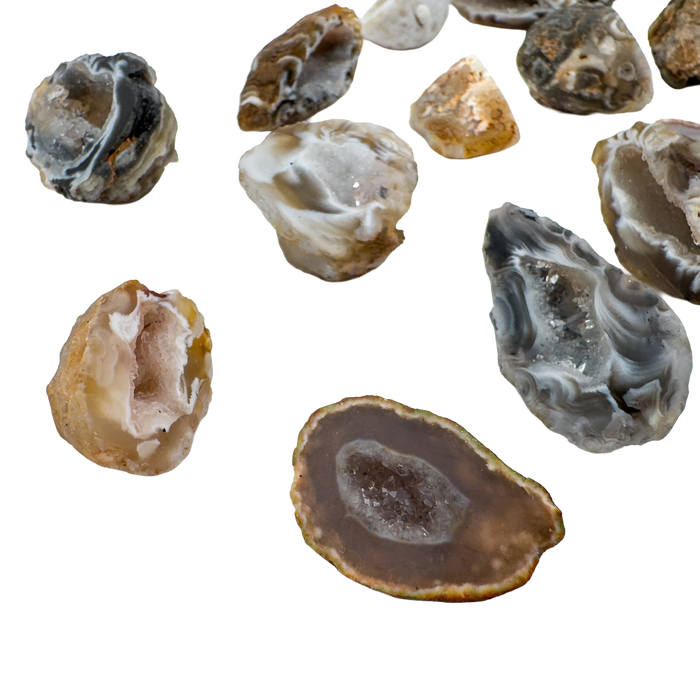
Agate is a microcrystalline variety of chalcedony, defined by its distinctive banding that forms as layers of silica build up in vesicles within volcanic rock. The name agate covers a broad umbrella of varieties, each with its own regional name and visual character: blue lace agate, moss agate, dendritic agate, crazy lace, tree agate, fire agate, and more. What they share is the characteristic banding and the grounding energy many people seek when they reach for agate. Commercial agate comes from several regions, with Brazil, Uruguay, and Botswana supplying the most consistent volume to the North American market.
Shop agate collectionThe geology.
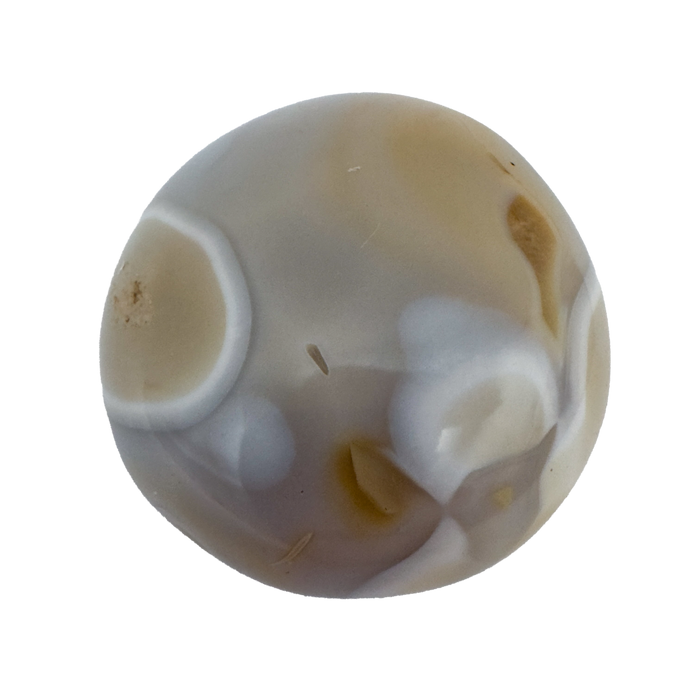
Agate is a microcrystalline variety of chalcedony, and chalcedony is a cryptocrystalline form of quartz. Its mineral formula is SiO2, the same as regular quartz, but the crystal structure is so fine that individual crystals are not visible to the naked eye. What makes agate distinctive is the banding, which occurs when layers of silica-rich solution deposit in concentric bands or stripes within a host rock. These bands can be paper-thin or several millimeters thick, and the color of each band depends on trace minerals and impurities present during formation.
Agate forms in vesicles, which are cavities left in volcanic rock when gas bubbles were trapped during cooling. As mineral-rich groundwater seeps through these vesicles over millions of years, layers of chalcedony build up, band by band. The resulting pattern is unique to each stone. Agate sits between 6.5 and 7 on the Mohs hardness scale, making it reasonably durable for everyday wear, though it can still scratch if rubbed with something harder. The specific gravity is around 2.6, consistent with quartz-family minerals.
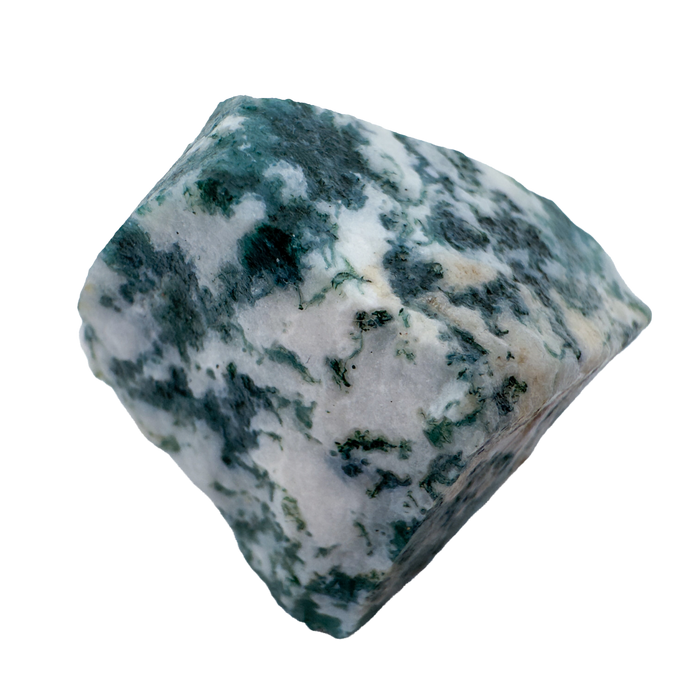
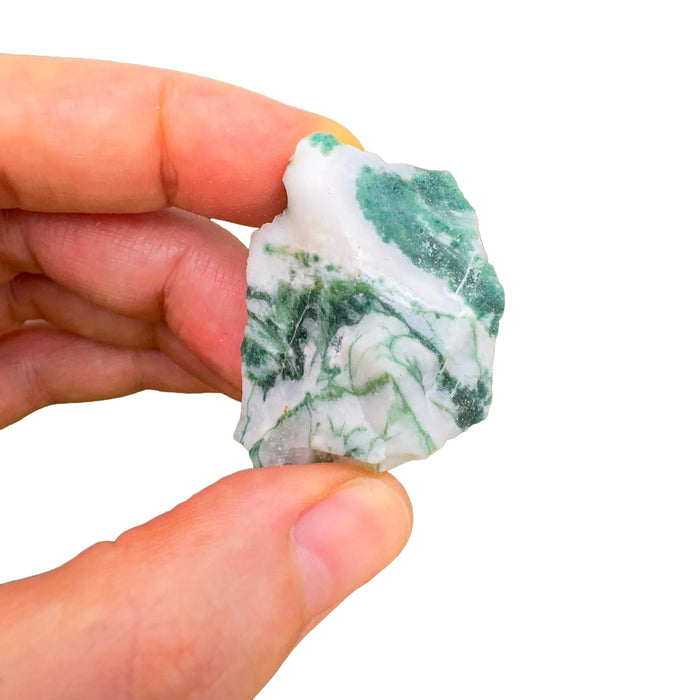
The term "agate" is broad. Blue lace agate, moss agate, tree agate, dendritic agate, crazy lace agate, fire agate, and red agate are all agates, each defined by color, banding pattern, or included minerals. Some agates contain pseudofossils of plants or crystals, which add to their visual appeal and have made them popular among collectors for centuries.
The origins.
Agate forms in vesicles in volcanic rock all over the world. Brazil, Uruguay, and Botswana are three of the most productive commercial sources and supply a significant volume to the North American market. Other agate deposits exist in Namibia, India, Madagascar, the United States (particularly in Oregon, Arizona, and Montana), Mexico, and elsewhere. The geology and the mining practices vary by region, which shapes both the quality and the sustainability of the supply.
Brazil is historically the world's largest producer of agate. The material comes from volcanic formations in southern Brazil, particularly the Rio Grande do Sul region. Most Brazilian agate appears in earth tones and warm reds, browns, and blacks, formed from iron oxides in the host rock. The mining is relatively developed and mechanized in the larger operations, though small-scale and hand-mining still occur. The material is abundant and competitively priced, which has made Brazil the default source for much of the world's commercial agate tumbles and polished pieces.
Uruguay produces higher-quality agate than Brazil in many cases, with finer banding and more dramatic color contrasts. Uruguayan agates tend toward cooler tones, including blues, whites, and grays. The deposits are smaller than Brazil's, and the material is less heavily mined, which keeps supply lower and prices higher. For collectors and those seeking more distinctive pieces, Uruguayan agate is worth the premium.
Botswana agate is prized for its dramatic banding and color saturation. The stones often show rich, contrasting stripes in reds, whites, blacks, and browns. Botswana's mining sector is smaller and less mechanized than Brazil's, and supply is more limited. Botswana agates carry a higher price per piece and are often sourced through fair-trade channels that support artisan miners.
Traditional associations.
Agate has been prized across cultures for thousands of years. Ancient peoples wore agate for protection, grounding, and stability. The stone appears in Roman history as a signet seal, in Islamic tradition as a protective talisman, and across European witchcraft and folk practice as a stone for courage and slow, steady strength. Unlike newer stones to the modern crystal market, agate carries long historical roots.
In contemporary crystal work, agate is most commonly associated with grounding, stability, and patience. The banding itself has become a metaphor for steady, layered growth, the kind that happens when you commit to small actions over time. Many people carry agate during periods of transition or uncertainty, for the steadiness it's believed to provide. Different varieties carry slightly different associations: red agate for root chakra and vitality, blue lace agate for Throat chakra and gentle communication, green agate for Heart chakra and healing.
The traditional intentions that cluster around agate are grounding, stability, slow growth, patience, balance, courage, and protection. Many people work with agate alongside faster, more activating stones to anchor the energy, or carry it alone when what they need is a sense of being held in place. The banding is the visual anchor, which is why collectors and practitioners often emphasize choosing agate for its pattern as much as for its intended energy.
Spotting the real thing.
Genuine agate is hard and durable, sitting between 6.5 and 7 on the Mohs scale. It will not scratch easily under fingernail or coin, and will not dissolve in water or common household acids. The banding should be visible and distinct, with subtle color transitions that reflect natural variation. Look for pieces where the bands vary slightly in width and tone, which is characteristic of how agate actually forms. Truly uniform, vivid color with no variation is a warning sign, as is artificial shininess or a waxy coating that feels applied rather than natural to the stone.
Dyed agate is common in the market and is often obvious once you know what to look for. The colors are unnaturally vivid and uniform across the entire piece. Hot pinks, electric blues, bright purples, and vivid greens are almost always dyed. Heat-treated red agates will show deeper, more saturated color than natural reds, which tend toward subtle rusts and warm browns. If a piece feels hard, shows uniform color, is extremely shiny, and was sold at an unusually low price, it's likely dyed or heat-treated. Natural agate has a subtle, matte quality unless it's been professionally polished, in which case the polish is visible as a smooth finish rather than a glossy coat.
Care & handling.
Agate is one of the more durable stones you can work with. At 6.5 to 7 on the Mohs scale, it's hard enough for everyday wear in rings, bracelets, or pendants. It won't dissolve in water, and it tolerates soaking and gentle rinsing well. Avoid ultrasonic cleaners and steam cleaning, which can damage any surface finish or polish. For regular cleaning, warm water and a soft brush are sufficient. Store agate with other durables, as it can scratch softer stones if they're stored together.
Natural agate doesn't fade in sunlight the way softer stones like blue calcite do. The colors are stable and won't shift with light exposure. For energetic cleansing, agate responds well to all methods: water, salt, moonlight, sound, or smoke. The durability and resilience of the stone are part of its appeal, so handle it with the confidence that comes with knowing it will endure.
Pairs well with.
Proof, not promises.
We measure our own sourcing across five dimensions. Supply chain, environmental footprint, artisan support, market integrity, and pricing. The number is honest, not perfect. Where we can do better, we say so.
A deeper look.
Extended geology, sourcing practices, agate varieties, treatment methods in the market, authentication details, and pricing for when the quick guide isn't quite enough.
Extended geology and formation
Agate forms in vesicles and cavities within volcanic and sedimentary rocks, a process that unfolds over millions of years. Silica-rich groundwater seeps into these cavities and deposits layers of chalcedony. Each layer builds on the previous one, creating the characteristic banding. The color of each band is determined by the trace minerals present in the groundwater at that moment in geological time. Iron oxides create reds, browns, and blacks. Copper oxides produce blues and greens. Titanium and other elements contribute additional hues.
The crystal structure is trigonal, the same as quartz, but the individual crystals in agate are so small that they're not visible without magnification. This fine crystal structure is what gives agate its durability and what allows the banding to be so finely detailed. Some agates contain pseudofossils, like patterns that resemble plants or moss. These are not actual fossils but mineral inclusions that create the visual illusion of botanical forms.
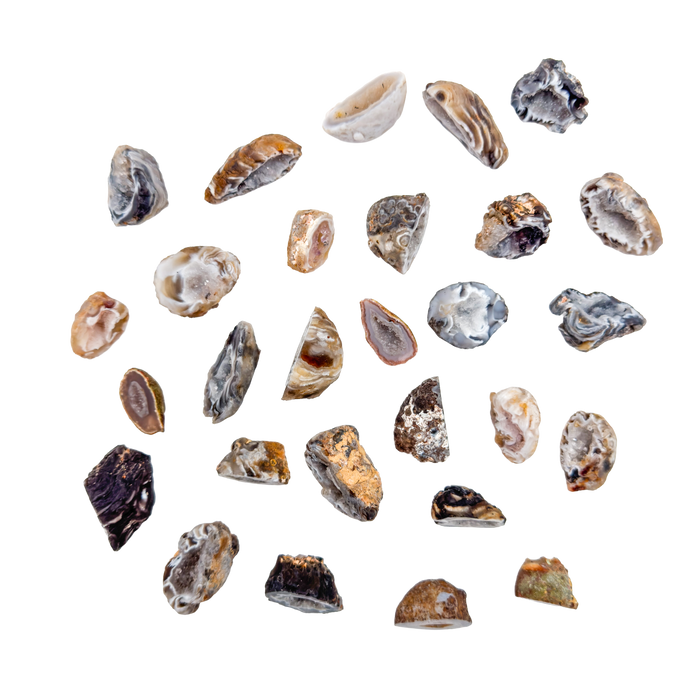
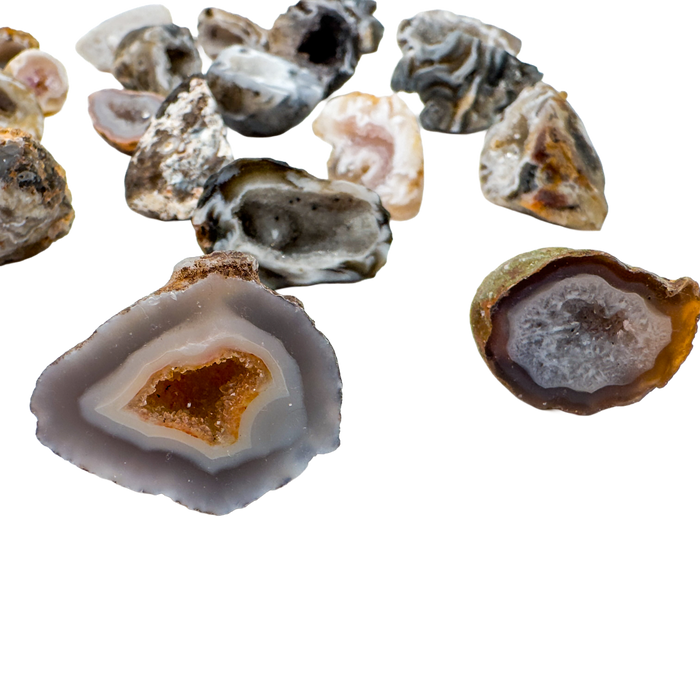
Agate can form in nodules, as geodes, or as layered beds within rock formations. Nodular agates are the most common form mined commercially. When a nodule is broken open, you see the banded interior and sometimes a quartz crystal point or pocket of larger crystals at the center, called the geode pocket.
Agate varieties and their characteristics
The term agate encompasses many named varieties. Blue lace agate is chalcedony with fine blue and white banding, traditionally sourced from Namibia and Botswana. Moss agate is clear or translucent chalcedony with green mineral inclusions that resemble moss or plants. Dendrite agate contains manganese oxide patterns that look like tree branches. Crazy lace agate shows irregular, complex banding. Fire agate displays an iridescent play of color from a special internal layer structure. Red agate and carnelian are related forms of iron oxide-rich agate in warm earth tones. The variety names help collectors understand what to expect visually and sourcing-wise.
Each variety has different sourcing origins. Moss agate comes from multiple regions, including the United States, India, and Brazil. Blue lace is primarily Namibian and Botswanan. Fire agate is sourced from Arizona, Mexico, and Australia. Understanding the variety helps you trace where a piece likely came from.
Commercial dye and heat treatment practices
The agate market is heavily treated, and it's important to understand the methods used and why. Dye is the most common treatment. Agate is porous enough to absorb dyes, which soak into the stone and color the bands. Aniline dyes are the standard, and they create vivid, uniform color that bears little resemblance to how natural agate actually looks. Once dyed, the treatment is permanent and difficult to reverse.
Heat treatment is applied to deepen browns and reds. Heating agate can intensify iron oxide coloration. The treatment is permanent and does not damage the stone, but it does change what you're receiving. Traditionally, heat-treated agate is disclosed by sellers, but it's not always the case in retail markets.
Cavity filling and resin stabilization are less common in agate but do occur in pieces with cracks or porous sections. Resin can be applied to harden the material for carving or to fill cavities.
The market convention is that almost all vividly colored agate sold at commodity prices (under $5 per tumble, under $15 for palm stones) has been dyed or heat-treated. Natural agate in those price ranges exists but is rare and usually small or lower-grade material. When dye is used, it's often undisclosed, which is why agate is so frequently misrepresented in the market.
How to authenticate natural agate
Natural agate feels hard and cannot be scratched easily. Dyed agate is no harder or softer than natural agate, so hardness alone is not a reliable test. Color is the clearest guide. Natural agate banding shows subtle, irregular color transitions with variation across the piece. Dyed agate shows uniform, vivid color with sharp boundaries between bands. Observe the piece in natural light and artificial light; dyed agate often looks slightly artificial under certain lighting.
Feel the surface. Natural agate, if polished, has a smooth, finished quality. Dyed agate sometimes has a slight waxy or glossy coating from the dye process itself. This is not a definitive test, but combined with color observation, it helps.
Ask the source. Reputable sellers will state natural status clearly. Absence of a disclosure about treatment, or vague language like "color enhanced," should prompt caution. Ask the seller directly: Is this agate naturally colored, or has it been dyed or heat-treated? The answer will tell you what you need to know.
Pricing and market reality
Natural, untreated agate at retail prices ranges from $5 to $10 for small tumbles, $12 to $20 for medium tumbles or palm stones, and $20 to $60 for larger polished pieces. Botswana and Uruguayan agate commands premium pricing, typically the upper end of that range. Brazilian agate is lower priced due to higher supply volume.
Commodity agate prices are $2 to $4 per tumble, $5 to $12 for palm stones, and under $30 for larger pieces. At these prices, the material is almost certainly dyed or heat-treated. This is not inherently bad, as long as it's disclosed, but it's misleading when sold as natural.
Collector-grade agate with exceptional banding or rare variety sourcing can exceed $100 per piece. Geodes and unpolished nodules vary widely in price based on size and interior quality.
Sourcing and ethical considerations
Brazil produces roughly 35 to 40 percent of the world's agate. The mining sector is developed, with both large mechanized operations and small-scale mining. Labor practices vary, and environmental oversight is inconsistent. Brazil's agate is competitively priced partly because production scale is high and labor costs are lower than in some other regions.
Uruguay's agate mining is smaller in scale and less visible globally, but the material is often higher quality. Labor practices are generally better documented, and environmental impact is lower due to smaller operations. Uruguayan agate sources are often more stable and transparent.
Botswana has emerged as a significant agate producer, particularly for high-quality banded material. Mining is small-scale and often conducted by regional artisans. Fair-trade channels for Botswana agate are becoming more common, and sourcing from these channels ensures that miners are receiving above-market compensation.
Good sourcing is a practice, not a claim.
Nothing we sell is dyed, stabilized, reconstituted, or color-enhanced without full disclosure. We name our origins where we can. We say so when we cannot. We walk away from material that does not meet our standard, even when it costs us sales.
Bring agate home.
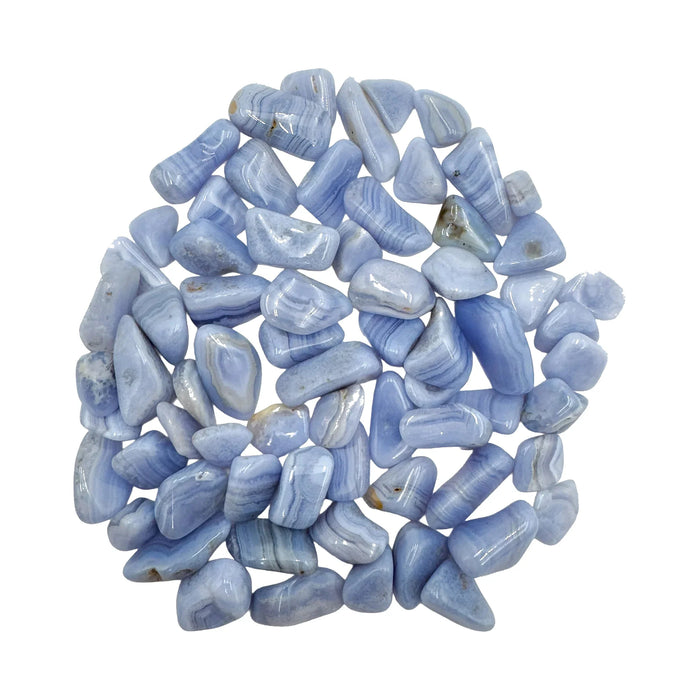
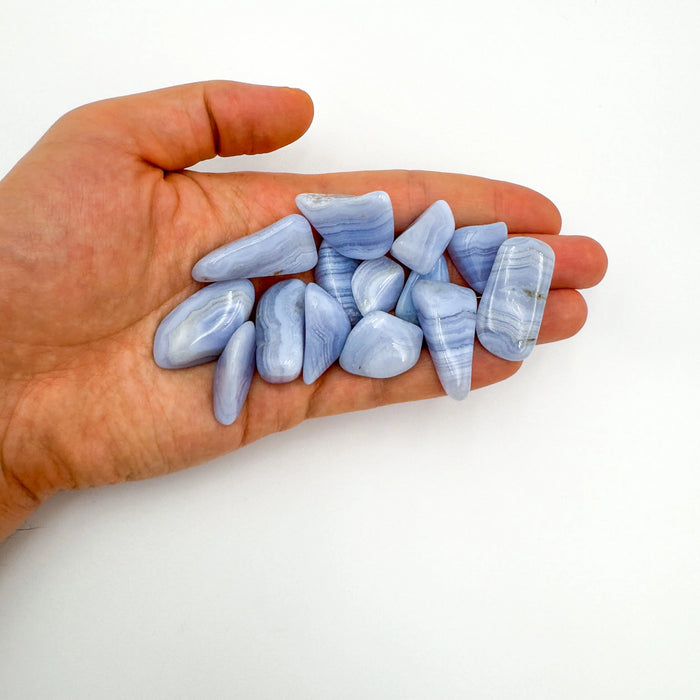
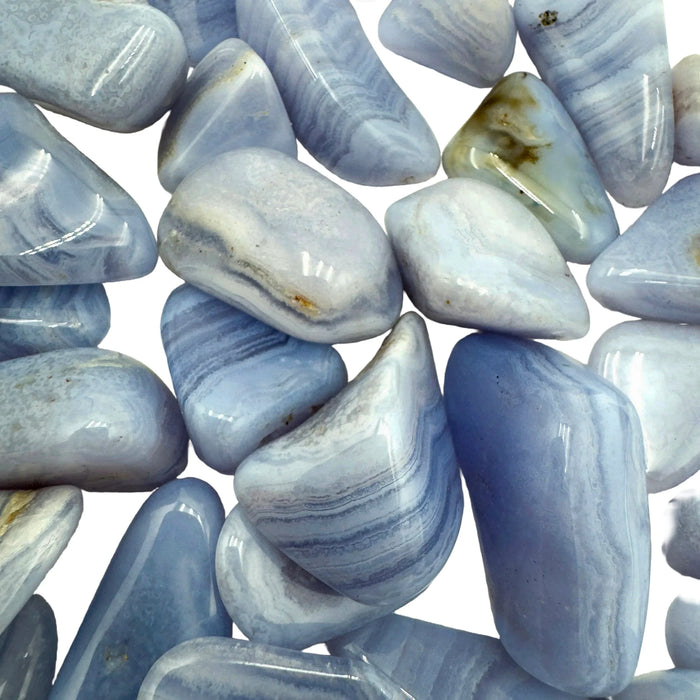
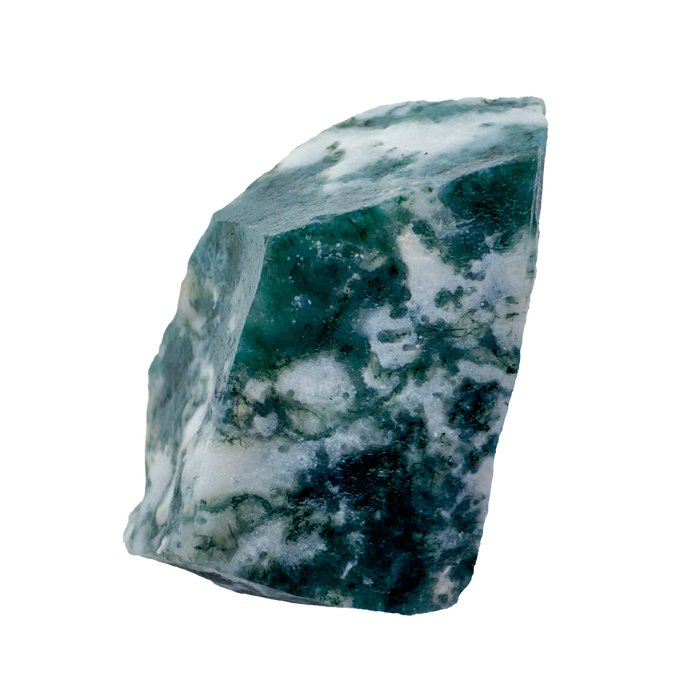
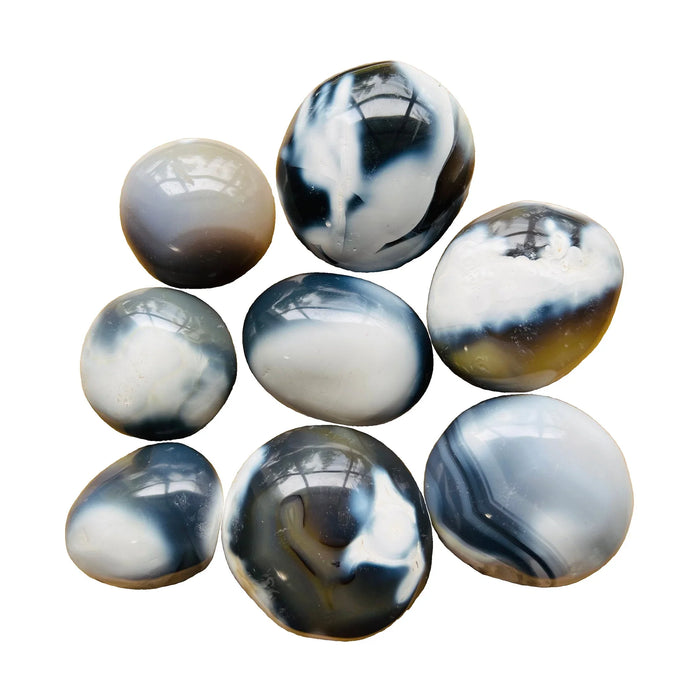
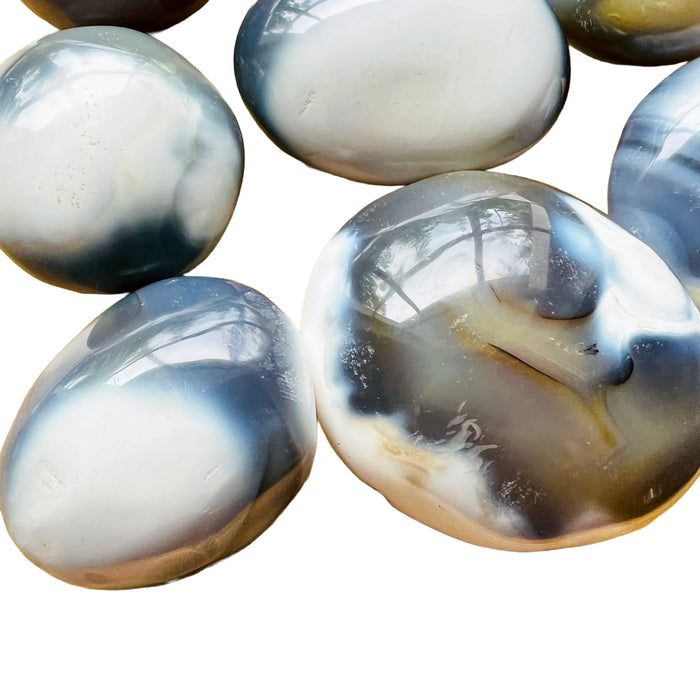
Natural, untreated agate from Brazil, Uruguay, and Botswana. Banded in earth tones, muted blues, and warm browns. Hand-selected for color, pattern, and finish. Each piece comes with origin documentation confirming source region.
Shop the agate collectionAgate, in stock now.
Our most-loved Agate pieces, ready to ship.
- from 1,000+ reviews
- Ships within 72 hoursMonday to Friday, tracked
- 90 days to return itif you do not love it
- Free US shipping over $99$8.99 flat rate under
The Slow Note
New stones go to the list first.
No forwarding, no selling. Unsubscribe in one click. Privacy