


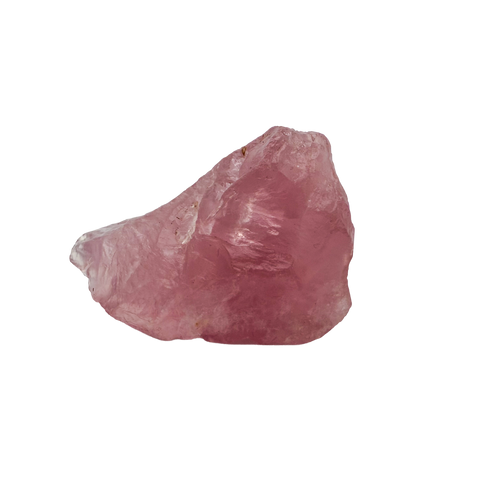
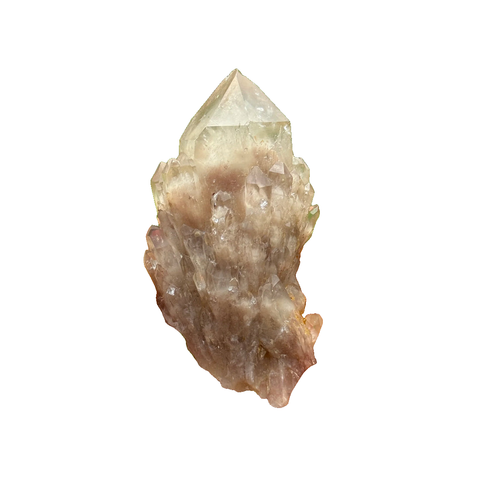
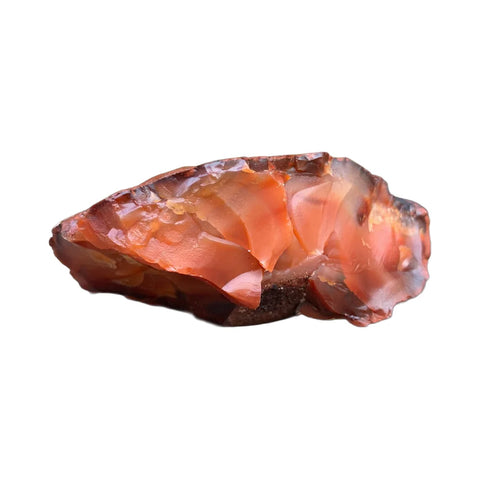
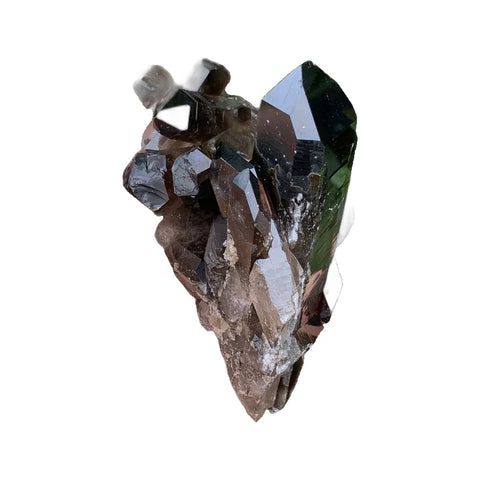
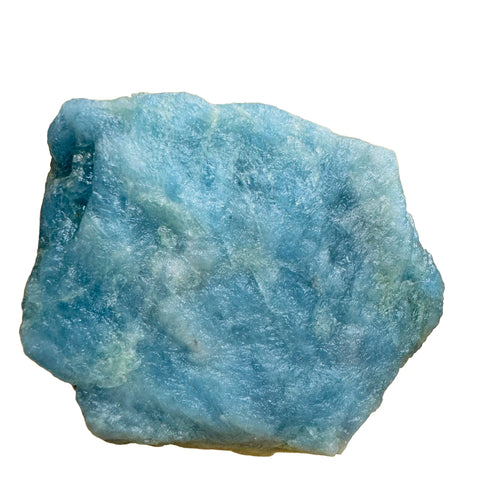
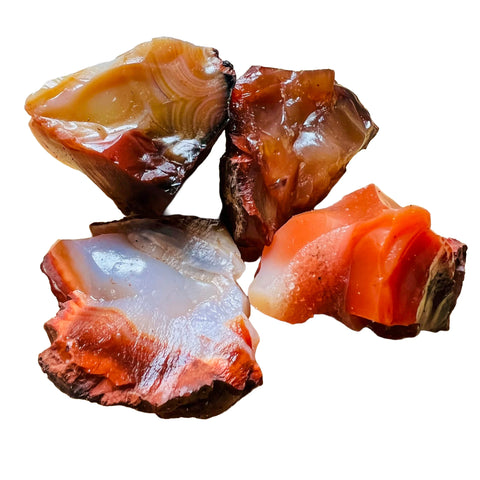


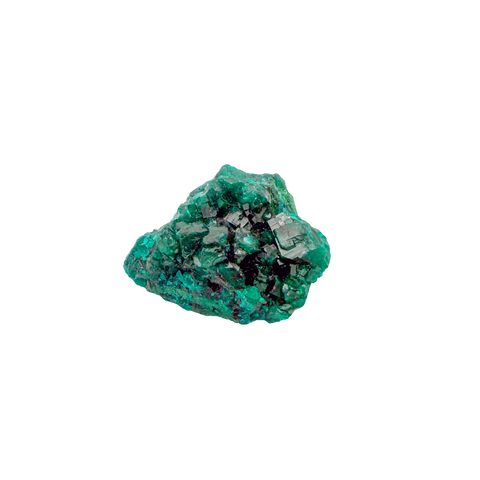
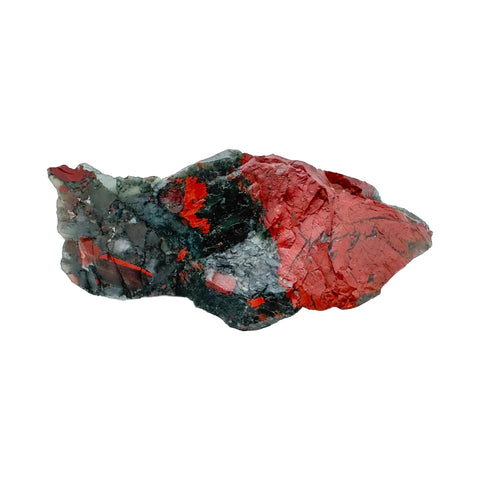
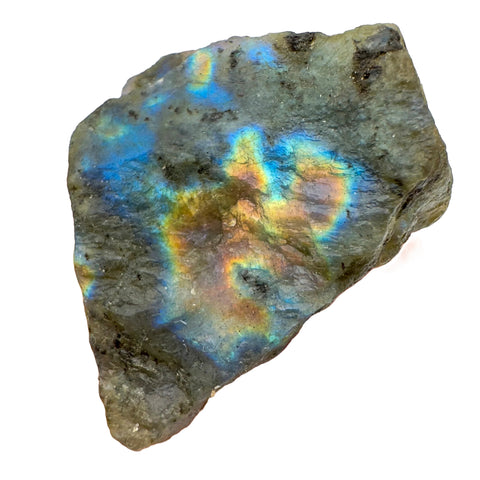
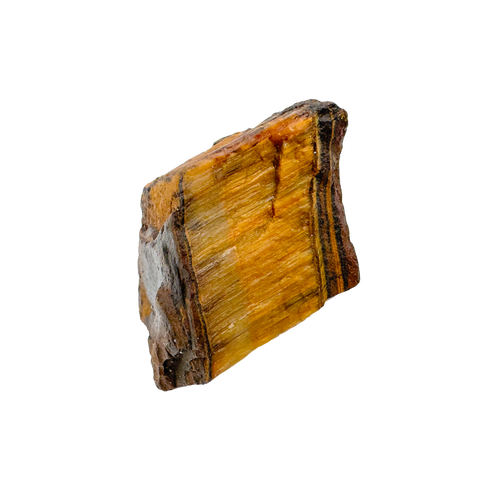
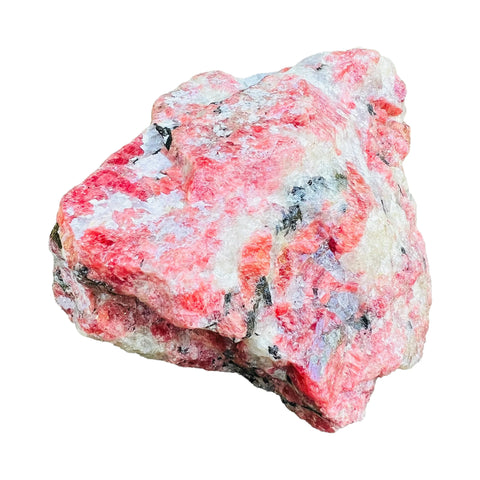
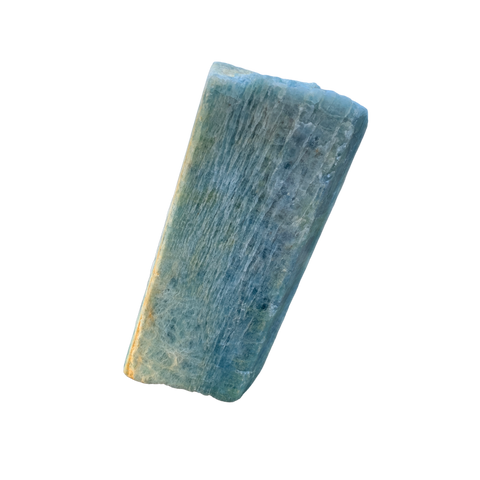
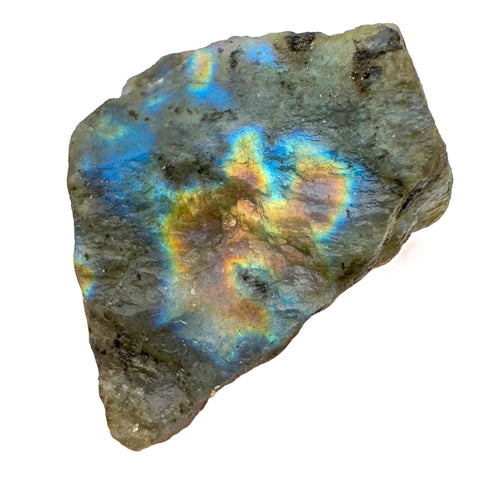



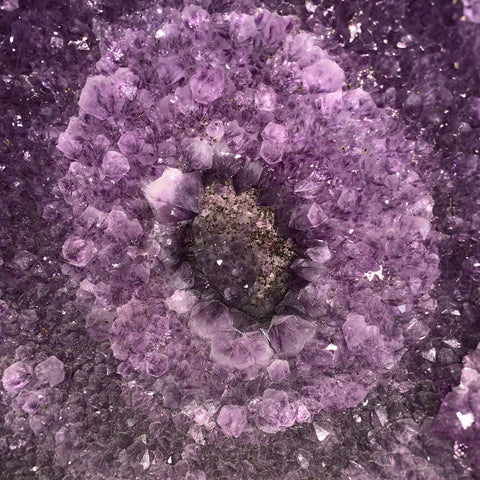
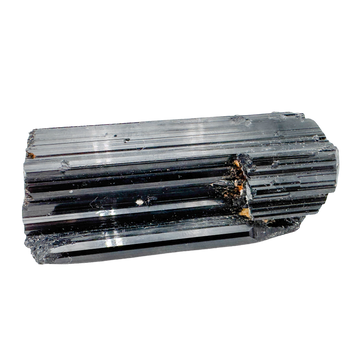
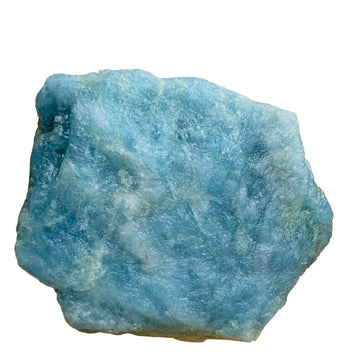
 Raw Stones
179 pieces
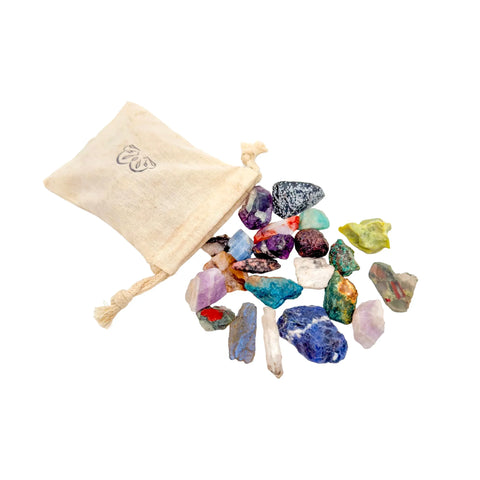
Raw Stones
179 pieces
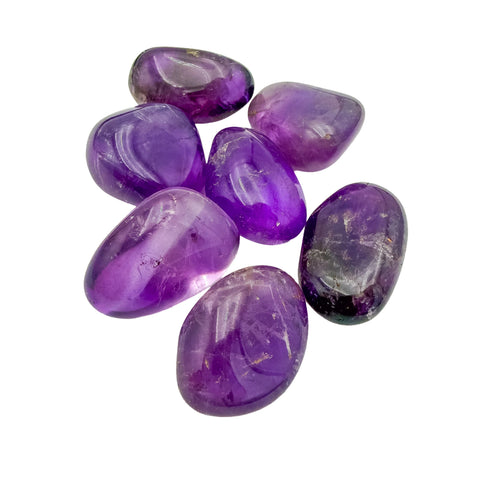
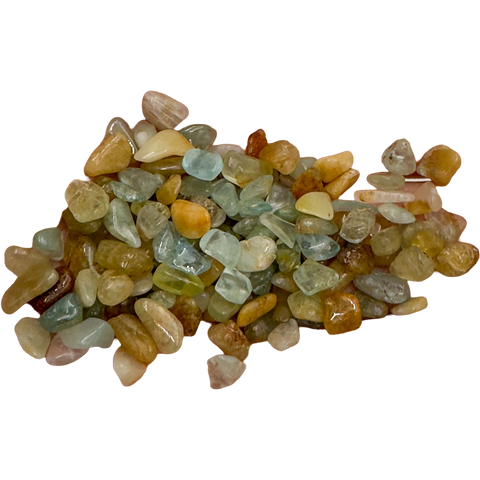
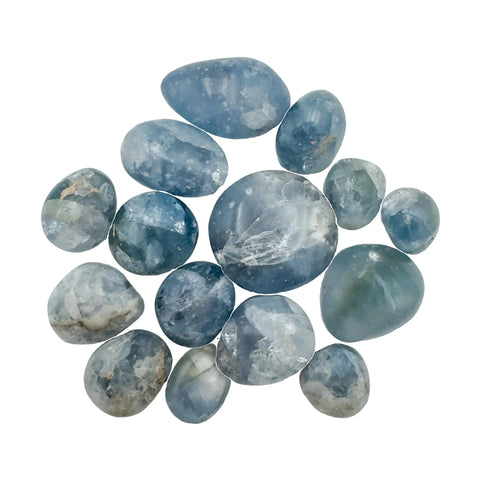
 Tumbled Stones
162 pieces
Tumbled Stones
162 pieces
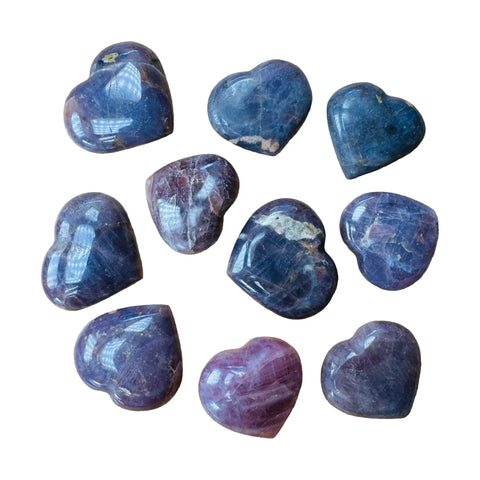
 Palm Stones
25 pieces
Palm Stones
25 pieces
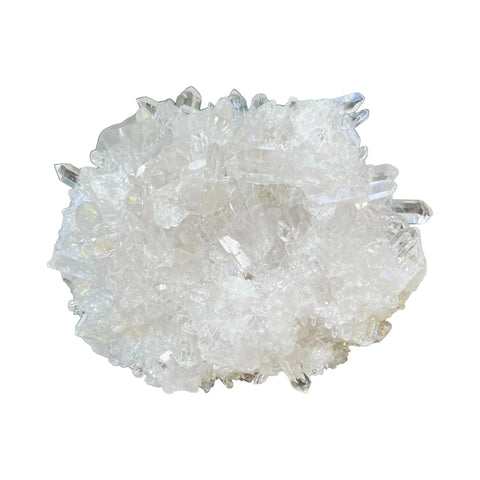
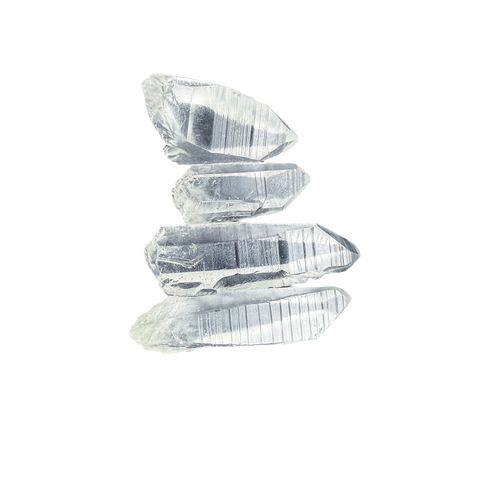
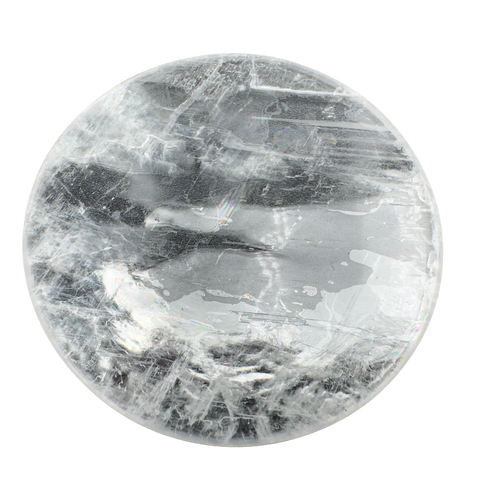
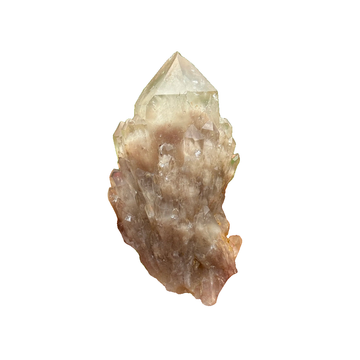
 Crystal Points
23 pieces
Crystal Points
23 pieces
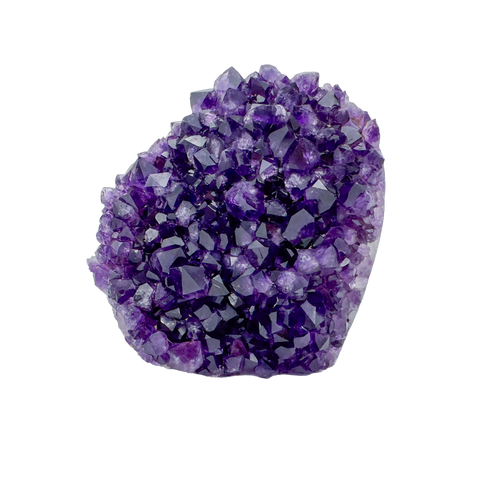
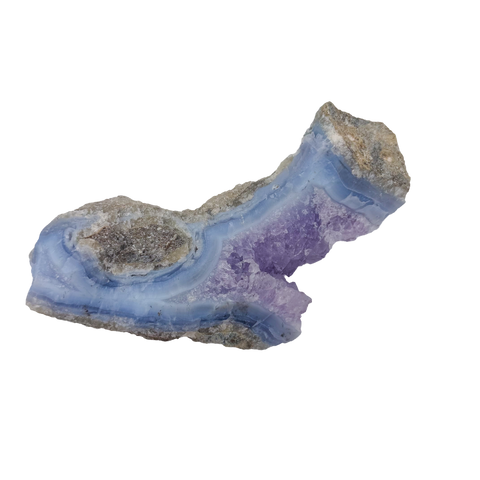
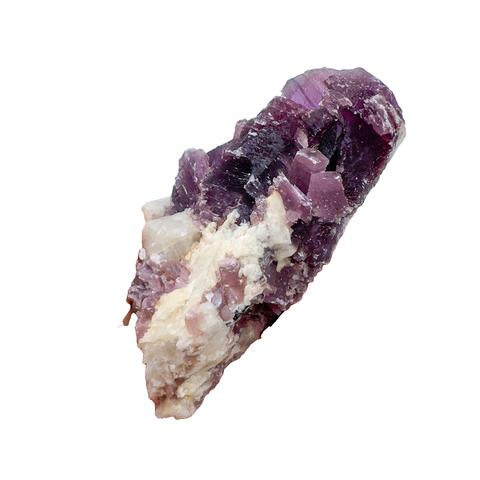
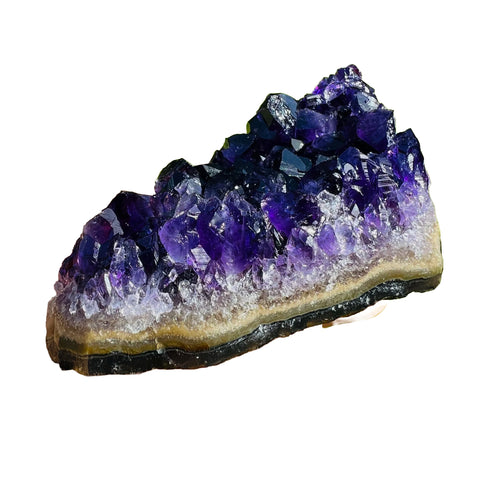
 Clusters & Geodes
105 pieces
Clusters & Geodes
105 pieces
 Polished & Decor
151 pieces
Polished & Decor
151 pieces
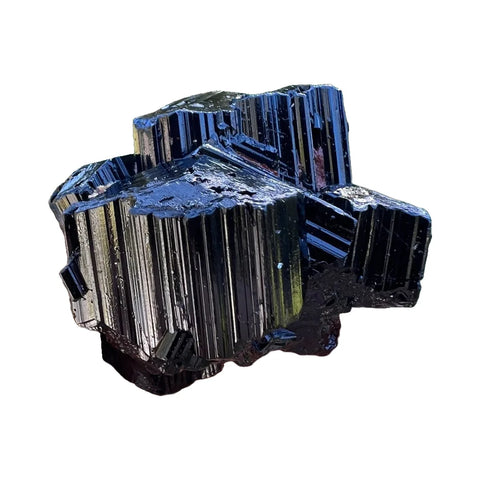
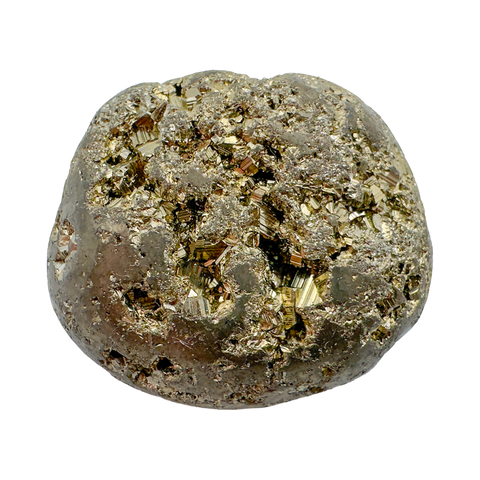
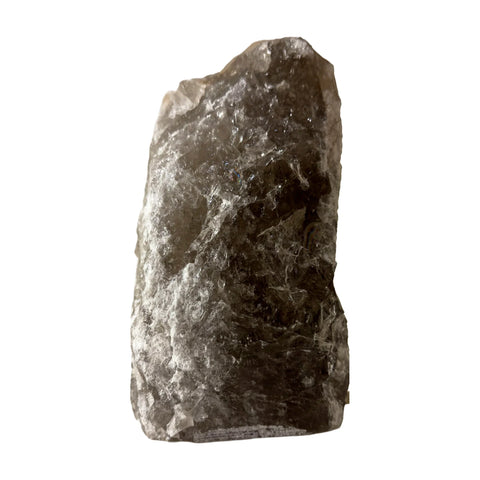
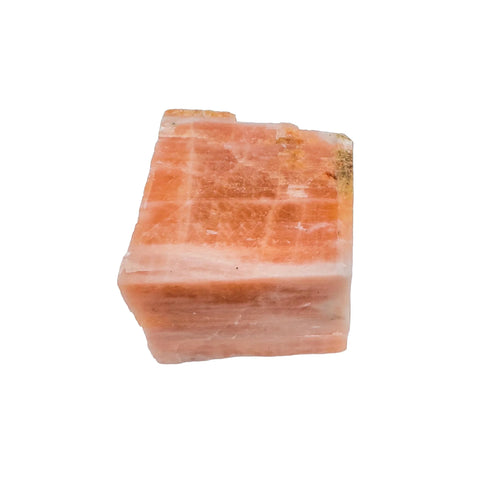
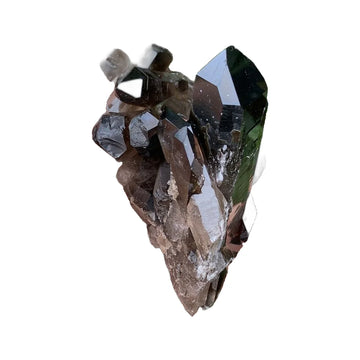
 Mineral Specimens
262 collector pieces
Mineral Specimens
262 collector pieces
 Crystal Chips
21 pieces
Browse everything
Every collection, one page.
View All Collections →
Crystal Chips
21 pieces
Browse everything
Every collection, one page.
View All Collections →


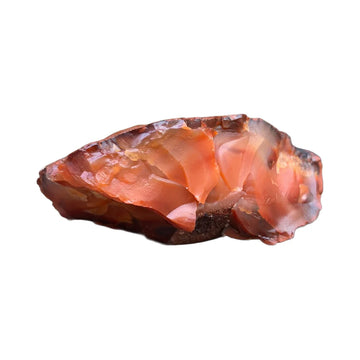
 Aries
Mar 21 – Apr 19
Carnelian
›
Aries
Mar 21 – Apr 19
Carnelian
›
 Taurus
Apr 20 – May 20
Rose Quartz
›
Taurus
Apr 20 – May 20
Rose Quartz
›
 Gemini
May 21 – Jun 20
Agate
›
Gemini
May 21 – Jun 20
Agate
›
 Cancer
Jun 21 – Jul 22
Moonstone
›
Cancer
Jun 21 – Jul 22
Moonstone
›
 Leo
Jul 23 – Aug 22
Citrine
›
Leo
Jul 23 – Aug 22
Citrine
›
 Virgo
Aug 23 – Sep 22
Amazonite
›
Virgo
Aug 23 – Sep 22
Amazonite
›
 Libra
Sep 23 – Oct 22
Blue Lace Agate
›
Libra
Sep 23 – Oct 22
Blue Lace Agate
›
 Scorpio
Oct 23 – Nov 21
Obsidian
›
Scorpio
Oct 23 – Nov 21
Obsidian
›
 Sagittarius
Nov 22 – Dec 21
Sodalite
›
Sagittarius
Nov 22 – Dec 21
Sodalite
›
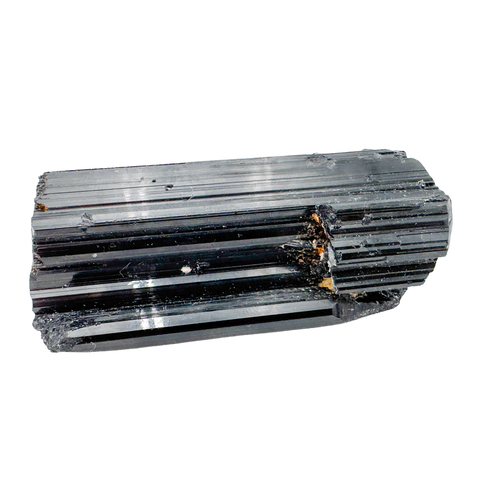
 Capricorn
Dec 22 – Jan 19
Black Tourmaline
›
Capricorn
Dec 22 – Jan 19
Black Tourmaline
›
 Aquarius
Jan 20 – Feb 18
Amethyst
›
Aquarius
Jan 20 – Feb 18
Amethyst
›
 Pisces
Feb 19 – Mar 20
Aquamarine
›
Gifting?
A birthday stone is the safe bet.
Read the zodiac guide →
Pisces
Feb 19 – Mar 20
Aquamarine
›
Gifting?
A birthday stone is the safe bet.
Read the zodiac guide →

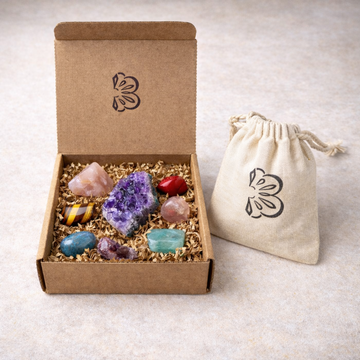
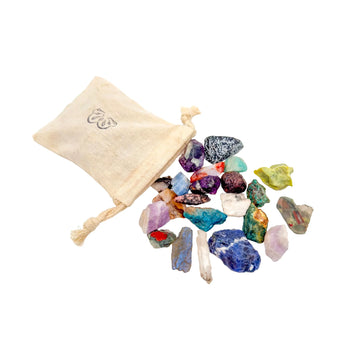
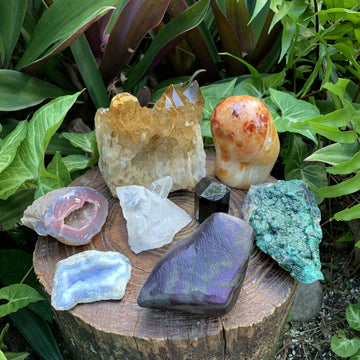

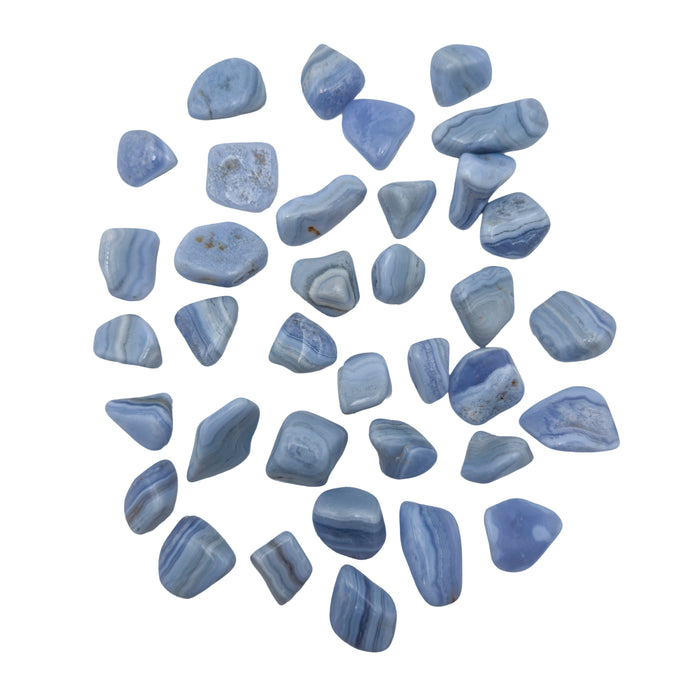
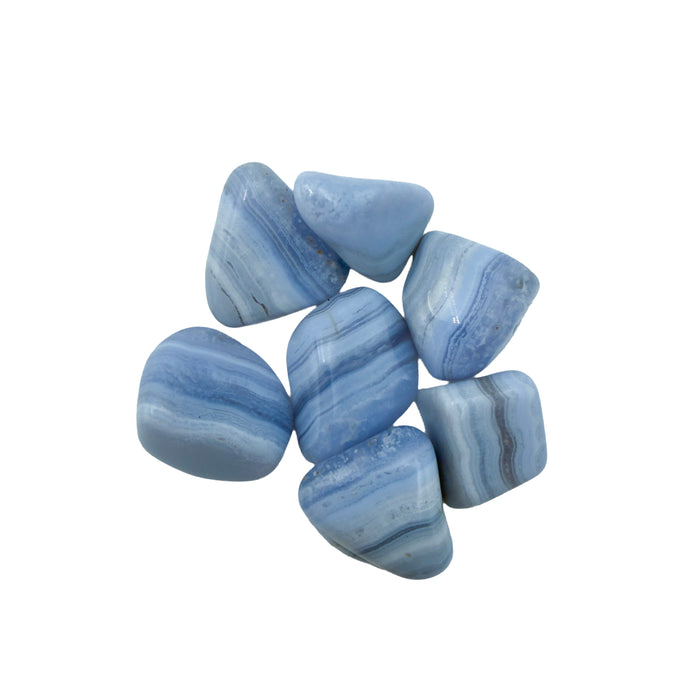
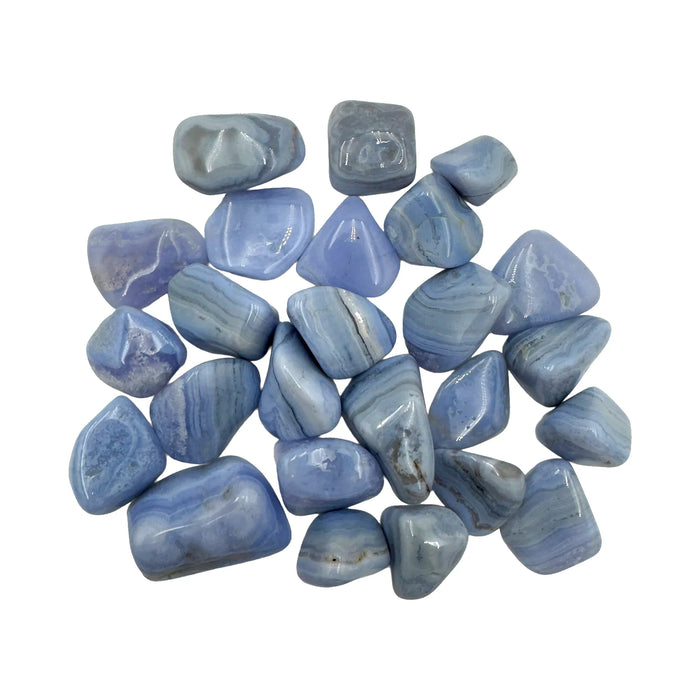
Blue Lace Agate
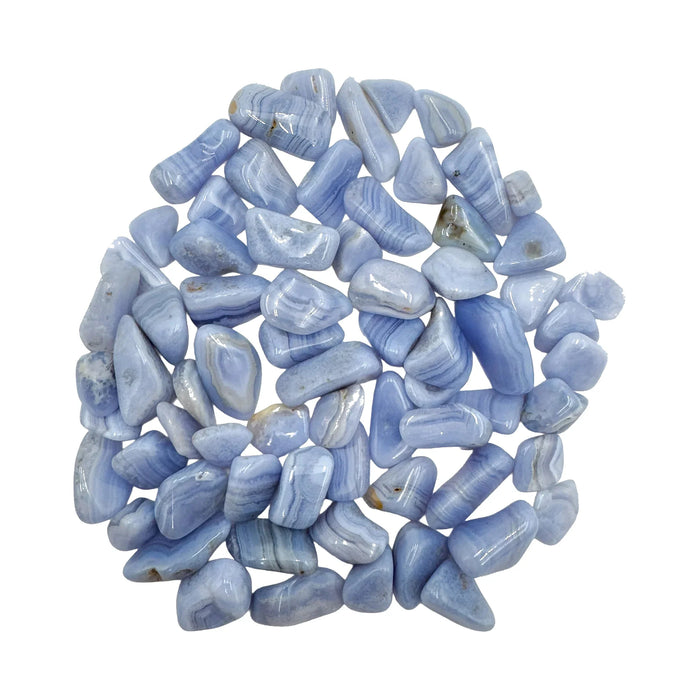
Blue lace agate is a microcrystalline quartz with soft bands of pale blue and white, found in historic deposits in Malawi and continuing sources in Namibia. It is harder and more resilient than softer stones, yet its banded patterns carry a quiet, grounding presence. Many people work with it for calm speech, honest communication, and the kind of clear thinking that comes from a settled mind rather than an anxious one.
Shop blue lace agateThe geology.
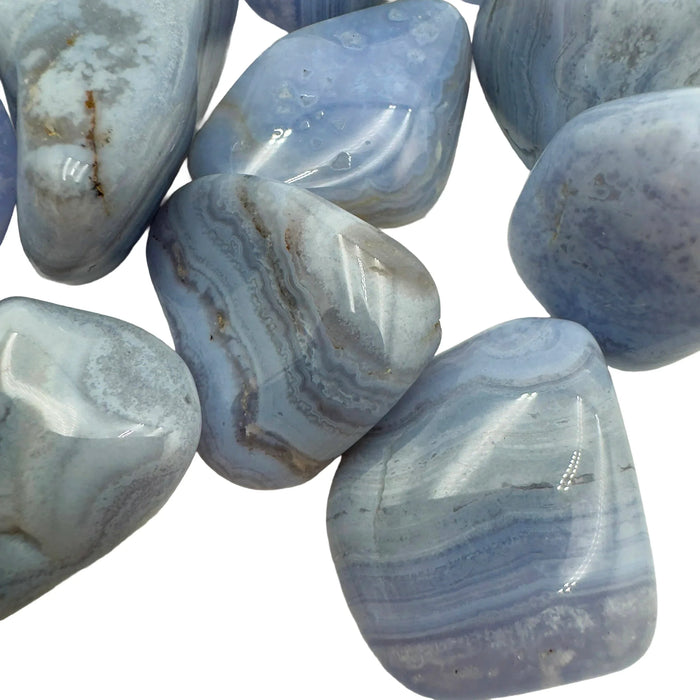
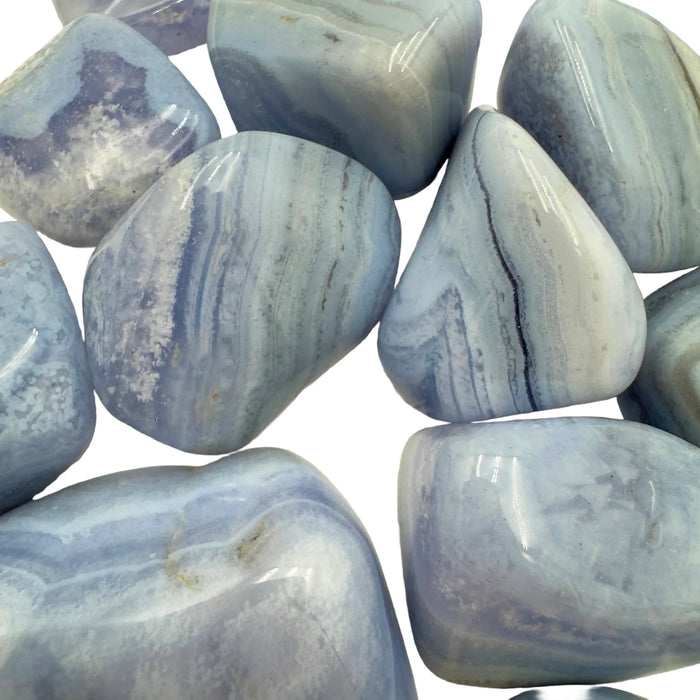
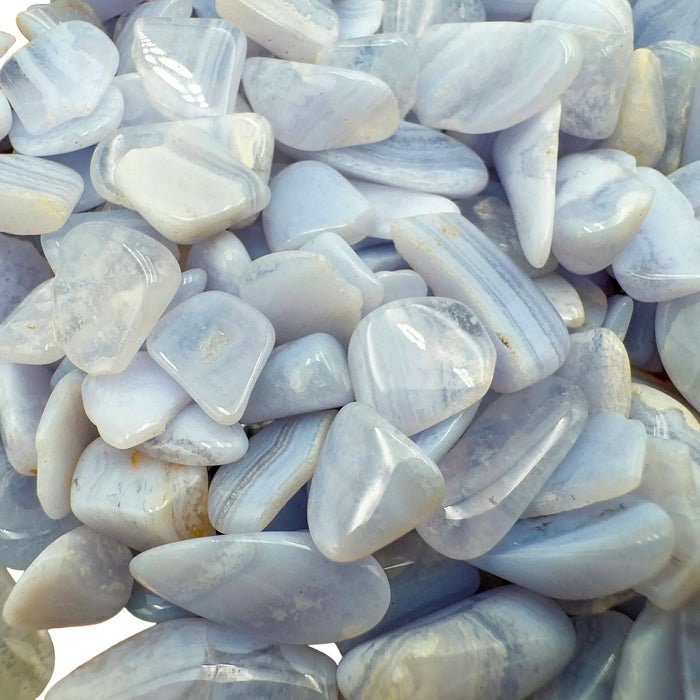
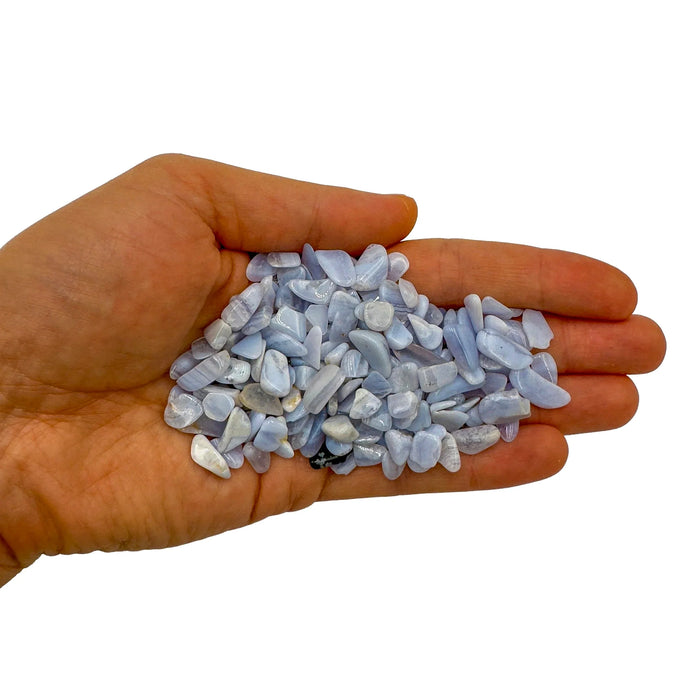
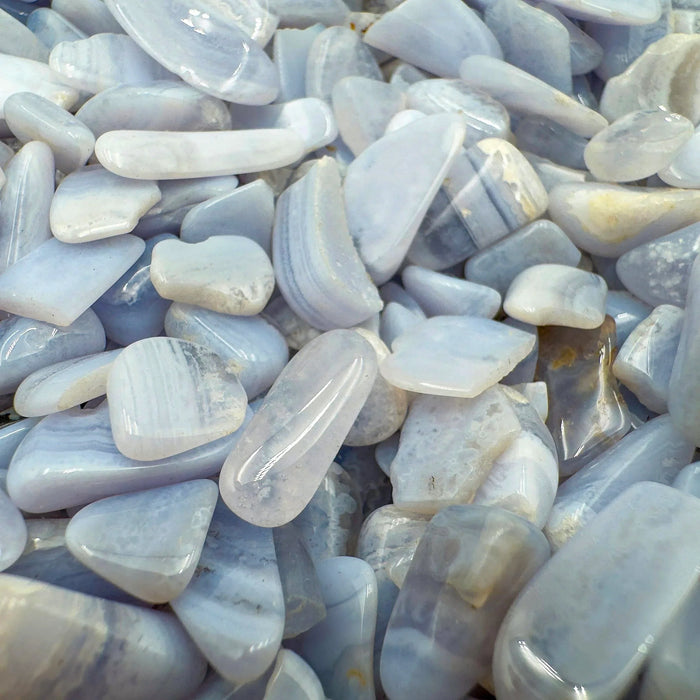
Blue lace agate is a microcrystalline variety of quartz, composed of silicon dioxide (SiO2), and belongs to the chalcedony family of stones. It forms as concentric bands or layers of pale blue, white, and sometimes gray or tan material, with the blue color coming from trace metals, primarily iron. The fineness of the crystal grains gives the stone its smooth, slightly waxy texture and its characteristic banded appearance. It sits at 6.5 to 7 on the Mohs hardness scale, making it significantly harder than most calcite stones and resistant to everyday wear. Specific gravity ranges from 2.58 to 2.64, consistent with quartz generally.
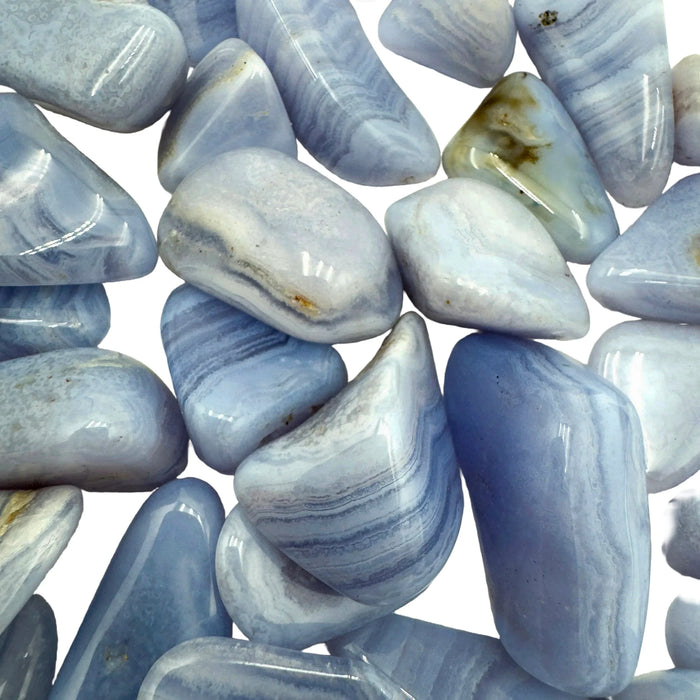
Blue lace agate has a trigonal (rhombohedral) crystal system like all quartz, though the microcrystalline structure means individual crystals are not visible to the naked eye. The stone shows a waxy to silky luster when polished and breaks with a conchoidal fracture, clean and smooth. Its defining visual feature is the banded pattern, where layers of different blue saturation or white create striations across the stone. These bands form naturally during the slow accumulation of mineral-rich water in cavities, with each layer representing a separate depositional event. The color is stable and does not fade with sunlight, unlike some softer blue stones.
The origins.
Blue lace agate has deep historical associations with Malawi, where significant deposits were worked in the Mchinji region. The Malawi material carries the most recognizable blue lace pattern, with fine, regular banding in pale to medium blue with white striations. The deposits formed in ancient agate-bearing rock, and the material was worked at scale for decades. Supply from Malawi has become scarce in recent years due to depletion of accessible deposits and changing mining conditions. Much of what was available from Malawi in the 1980s and 1990s is no longer reliably sourced.
Namibia now provides the most consistent blue lace agate supply, with quality that rivals the historic Malawi material. The Namibian deposits produce stones with similar banding patterns and color ranges, though the exact pattern varies by formation location. The blue is often slightly deeper than typical Malawi pieces, and the banding can be tighter or more loose depending on the specific mine site and deposit age. Namibian blue lace agate has become the modern standard for quality material, and our primary source for this stone.
Blue lace agate occurs in other geographies worldwide, including South Africa, though deposits are less commercially developed or consistent. The Malawi and Namibia origins remain the primary sources for the market, and where historic Malawi pieces are increasingly rare, Namibian material provides continuity and reliability. The stone is geologically stable and does not degrade or fade, making older pieces and newer material equally durable.
Traditional associations.
Blue lace agate has a longer history in crystal practice than many modern stones, with references in mineral healing texts dating back to the late 1970s and 1980s. The stone's obvious banding and blue color made it a natural association for throat-chakra work, and its hardness and durability gave it a different energy profile than softer blue stones. Unlike calcite, which emphasizes gentleness and softness, blue lace agate is seen as a stone for clarity that comes with strength and grounding, for communication that is both kind and honest, and for the kind of calm that comes from confidence rather than avoidance.
In modern crystal work, blue lace agate is most commonly associated with the Throat chakra, the elements Air and Water together, and intentions around truthful speaking, peaceful resolution, and communication without fear. Many people work with it for meditation or carrying when they need to speak difficult truths while maintaining composure, for easing tension before important conversations, and for practices around finding one's authentic voice. The traditional associations emphasize its role in supporting clear thinking alongside clear speech, and in combining gentleness with boundaries. It is often paired with stones that emphasize emotional work (like rose quartz) or grounding (like black tourmaline) when someone needs support across multiple dimensions of communication.
Spotting the real thing.
Genuine blue lace agate is hard to the touch and does not scratch easily. The surface feels smooth and slightly waxy, and the banding pattern is visible throughout the stone, not just on the surface. The bands show natural variation in width and color saturation, with some bands appearing nearly white and others carrying deeper blue. The blue is consistent and stable, showing no visible changes across the stone's surface. When held to light, genuine agate shows translucency at the edges, with a subtle glowing quality at thin points.
Dyed agate or glass imitations often show uniform, artificially vivid color without authentic banding. The color in imitations may appear painted on or inconsistent when viewed from different angles. Genuine blue lace agate will feel harder than softer blue stones like calcite, and will not scratch under normal handling. A practical test: genuine agate does not scratch under fingernail pressure and will not react to weak acid. If a stone scratches easily, feels soft, or shows no translucency at the edges, it is not blue lace agate. The authentic banding pattern is a key identifier; dyed agates rarely replicate the complexity of natural bands.
Care & handling.
Blue lace agate is hard and durable, requiring minimal special care. The stone is safe to clean with soap and warm water, and can be worn or carried daily without concern for damage. It does not dissolve in water and is not sensitive to temperature changes or humidity. Brief soaking or even extended water exposure will not harm the stone. It can be stored with other minerals without protection, as its hardness prevents most scratching from softer stones.
The color is stable and will not fade with sunlight exposure, unlike some softer blue stones. The stone can be worn outdoors, carried in a pocket, placed on a windowsill, or set in direct light without concern for color loss. For cleaning, use water with gentle soap or simply rinse under cool running water and dry with a soft cloth. For energetic cleansing, use smoke, sound, moonlight, water, or salt without hesitation. The durability of blue lace agate is one of its defining features, making it a reliable stone for daily wear and long-term collection building.
Pairs well with.
Proof, not promises.
We measure our own sourcing across five dimensions. Supply chain, environmental footprint, artisan support, market integrity, and pricing. The number is honest, not perfect. Where we can do better, we say so.
A deeper look.
Extended geology, sourcing, authentication, banding patterns, Malawi to Namibia transition, varieties, and pricing for when the quick guide isn't quite enough.
Extended geology
Blue lace agate is a microcrystalline variety of quartz (SiO2) belonging to the chalcedony family. It forms as concentric bands or layers within agate geodes and cavities where silica-rich water has moved slowly through rock over geological time. Each band represents a separate depositional event, with slight variations in mineral content creating the color differences. The blue comes primarily from iron, with trace amounts of copper or other elements contributing to color nuance. The fineness of the quartz crystals, invisible to the naked eye, gives the stone its smooth, waxy texture and characteristic luster.
Blue lace agate crystallizes in the trigonal system like all quartz, but the microcrystalline structure means individual crystal faces do not form. The stone shows a waxy to silky luster when polished and breaks with a smooth, conchoidal fracture. Hardness sits at 6.5 to 7 on the Mohs scale, making it significantly harder than most commercially available blue stones and suitable for any jewelry application or daily carry. Specific gravity ranges from 2.58 to 2.64, consistent with other chalcedony varieties. The color is stable under all normal conditions, including prolonged sunlight exposure.
The shift from Malawi to Namibia supply
The Mchinji district of Malawi produced exceptional blue lace agate from deposits worked at scale through much of the 20th century. The material became iconic in crystal practice during the 1980s and 1990s, with characteristic fine banding and pale to medium blue color that became the market standard. Historic Malawi pieces remain prized by collectors, and much of what was available from that era is now scarce due to deposit depletion and shifting mining conditions in the region. Some high-quality Malawi pieces command premium prices in secondary markets.
Namibia's deposits produce blue lace agate of comparable quality, with banding patterns and color ranges that rival historic Malawi material. The Namibian sources have become reliable and consistent, providing continuity for the commercial market as Malawi supply has dried up. The sourcing transition happened gradually through the 1990s and 2000s, with Namibian material now representing the standard for contemporary blue lace agate. We acknowledge this shift openly in all sourcing documentation and educate customers about both historic and current sources.
Banding patterns and visual characteristics
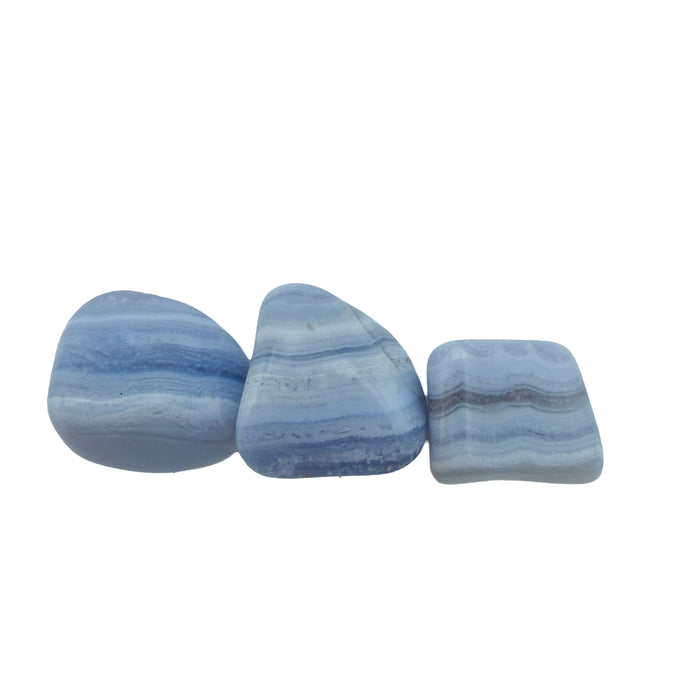
The defining feature of blue lace agate is its concentric banding, where layers of varying blue saturation create striations across the stone. Some pieces show tight, nearly hair-thin bands, while others present broader, more obvious stripes. The variation in banding is natural and depends on the original formation conditions and the specific location within the geode or cavity. The best blue lace agate shows a full range of band widths, with some bands nearly white and others carrying richer blue, creating visual interest and complexity.
The color in genuine blue lace agate is always consistent with trace-metal content and never appears painted or applied to the surface. When held to light, authentic agate shows translucency at edges and thin points, with a glowing quality that dyed imitations cannot replicate. The banding pattern is internal and three-dimensional, visible from all angles and consistent throughout the stone. Pieces that show color only on the surface or lack banding depth are likely dyed agate or other imitations.
Authentication and testing
Genuine blue lace agate does not scratch under fingernail or light copper coin pressure; it will scratch the testing tool instead. The surface feels smooth and hard, never soft or waxy in the tactile sense that blue calcite does. The translucency when held to light is a reliable identifier, as most dyed agates or glass do not show this quality. A piece that scratches easily, feels soft, shows painted color, or lacks internal banding is not blue lace agate.
Under magnification, genuine blue lace agate shows fine granular structure and authentic banding patterns with color variation throughout. Dyed agate often shows dye concentrated in fracture lines or surface areas. The acid test (weak acid on a hidden edge produces no reaction) confirms quartz composition, though this is destructive and best reserved for confirmation on pieces you do not intend to keep. The hardness, stable color, and authentic banding are the most practical identifiers.
Pricing and market context
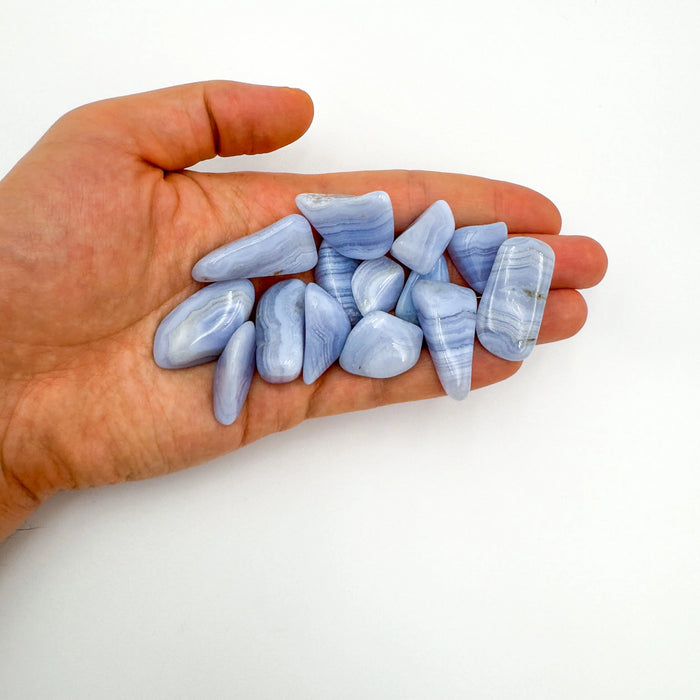
Quality blue lace agate tumbled stones typically range from $8 to $16 per piece depending on size and banding quality. Hand-polished and finished pieces command $14 to $28. Larger pieces, display stones, or specimens with exceptional banding patterns scale upward to $30 to $60 or more. Pieces with historic Malawi origin command premium prices when provenance can be documented.
Commodity-priced blue lace agate (under $6 per tumble, under $10 for palm stones) should prompt questions about material origin and authenticity. Genuine blue lace agate at those price points usually reflects smaller sizes or lower polish quality rather than legitimate bargains. Conversely, blue lace agate priced far above these ranges often reflects specialized cuts, exceptional banding character, or size rather than the mineral itself. The rise in Namibian prices reflects increased demand and the sourcing transition; Malawi material, when available, commands historical premium.
Good sourcing is a practice, not a claim.
Nothing we sell is dyed, stabilized, reconstituted, or color-enhanced without full disclosure. We name our origins where we can. We say so when we cannot. We walk away from material that does not meet our standard, even when it costs us sales.
Bring blue lace agate home.
Raw and hand-polished blue lace agate from Namibia, with historic Malawi sources acknowledged. Natural color, undyed, hand-selected for banding character and finish. Each piece comes with origin documentation confirming source and mining region.
Shop the blue lace agate collectionBlue Lace Agate, in stock now.
Our most-loved Blue Lace Agate pieces, ready to ship.
- from 1,000+ reviews
- Ships within 72 hoursMonday to Friday, tracked
- 90 days to return itif you do not love it
- Free US shipping over $99$8.99 flat rate under
The Slow Note
New stones go to the list first.
No forwarding, no selling. Unsubscribe in one click. Privacy