


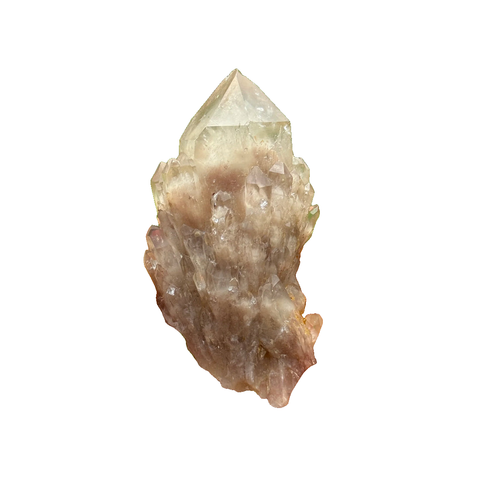
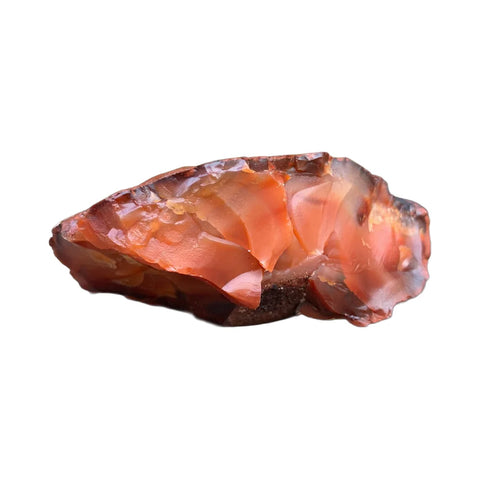
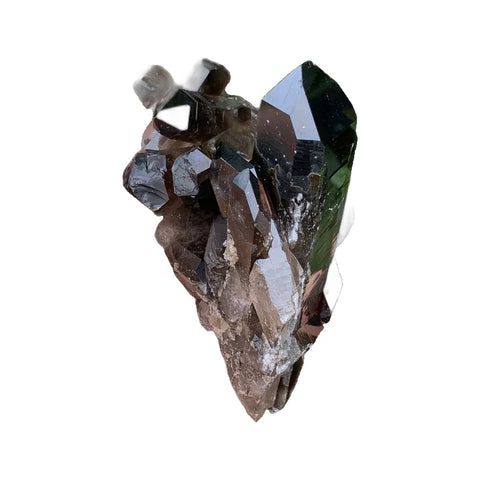
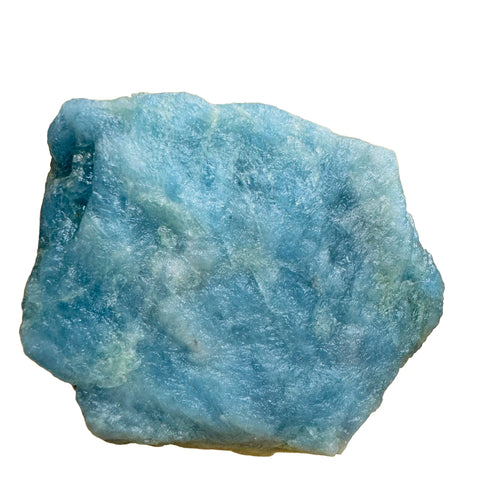
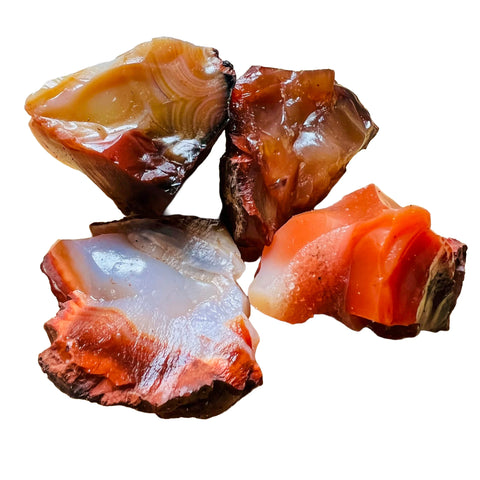


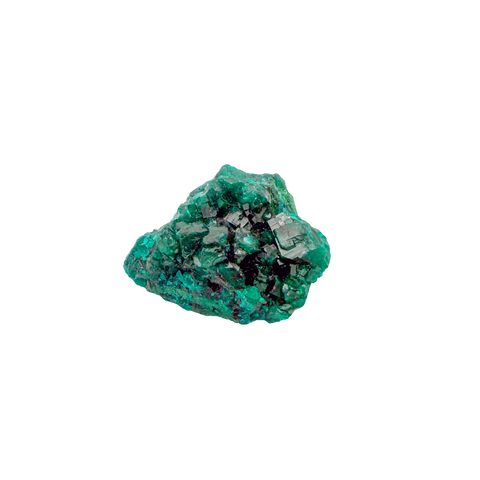
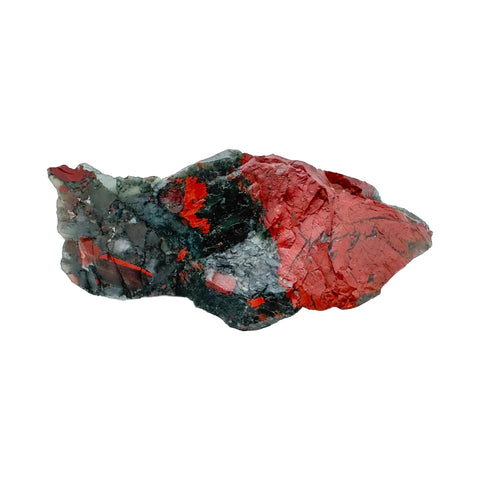
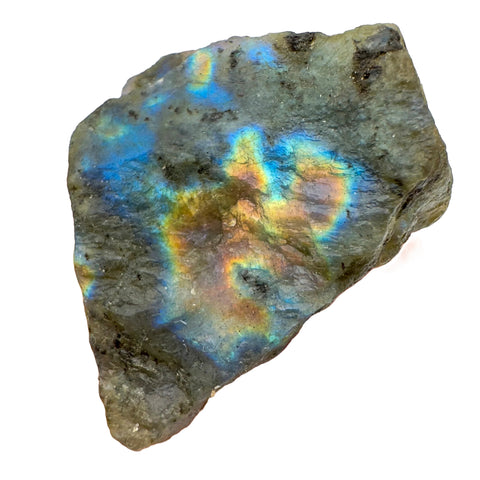
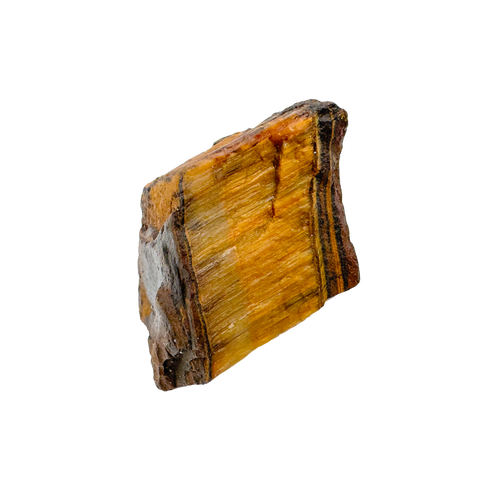
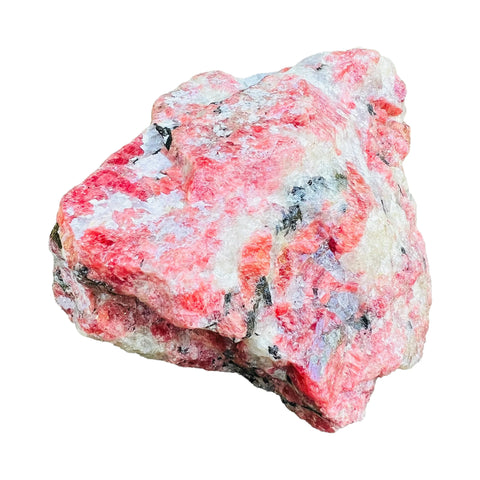
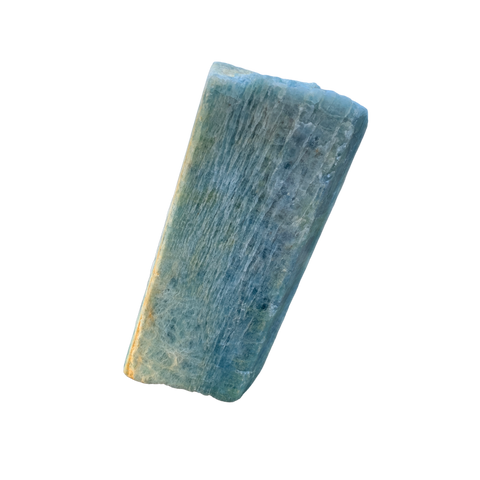
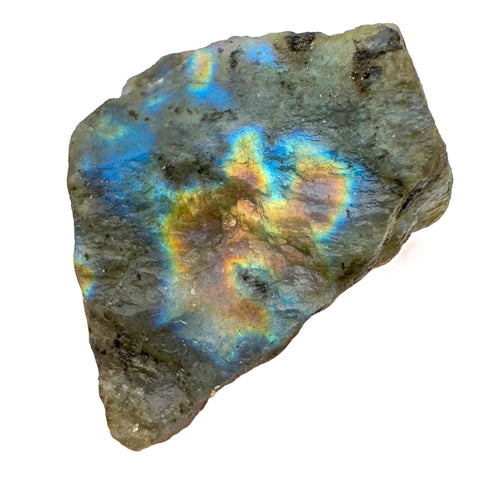



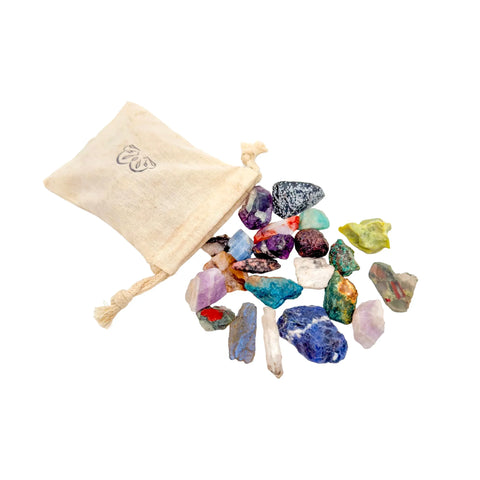
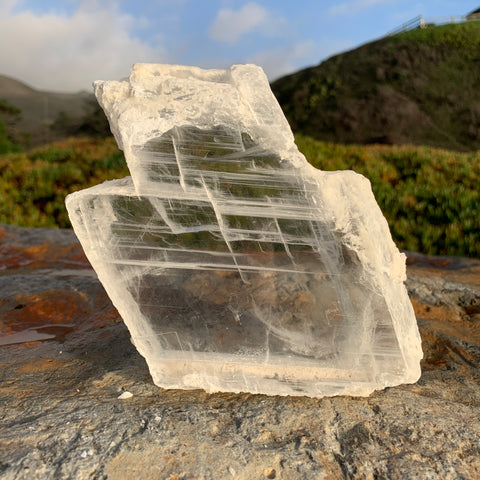
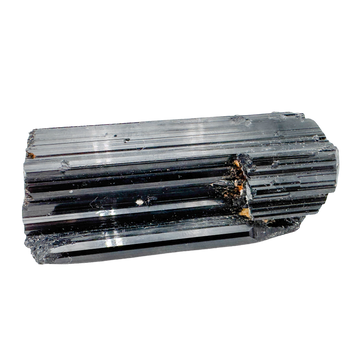
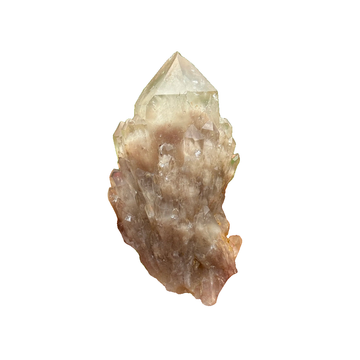
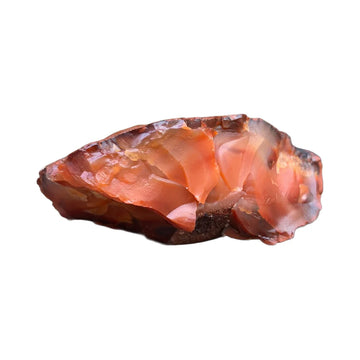
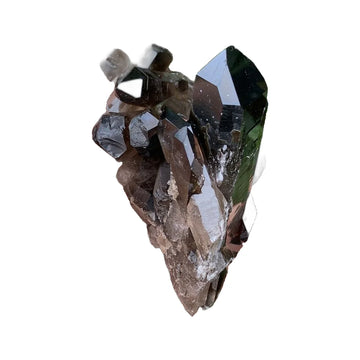
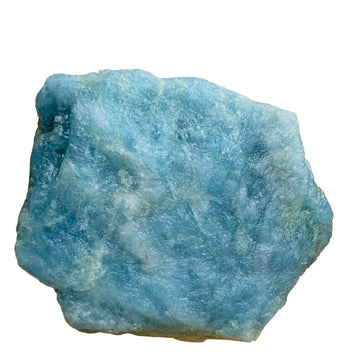
 Raw Stones
180 pieces
Raw Stones
180 pieces
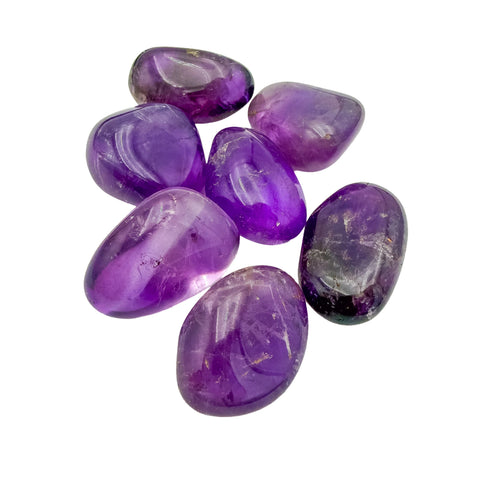
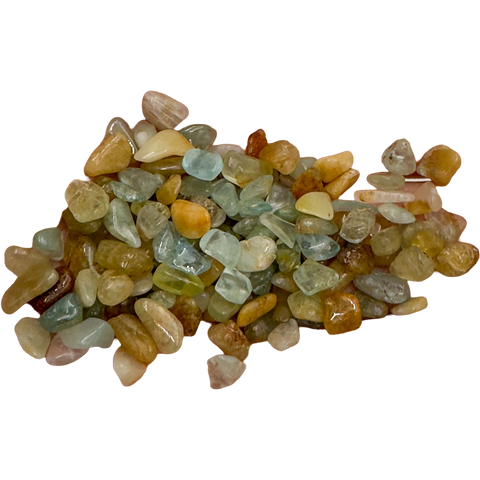
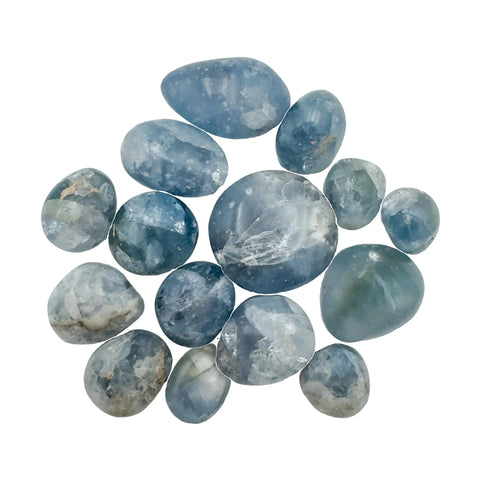
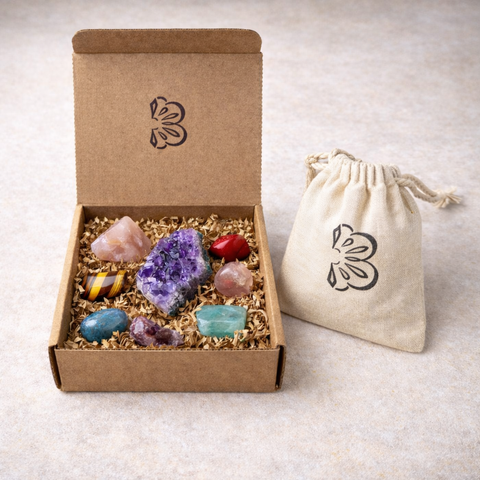
 Tumbled Stones
162 pieces
Tumbled Stones
162 pieces
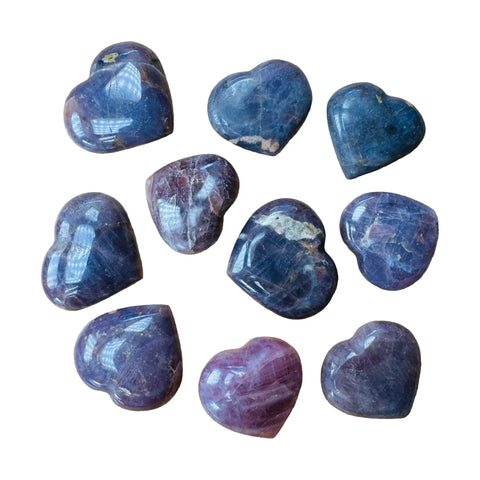
 Palm Stones
26 pieces
Palm Stones
26 pieces
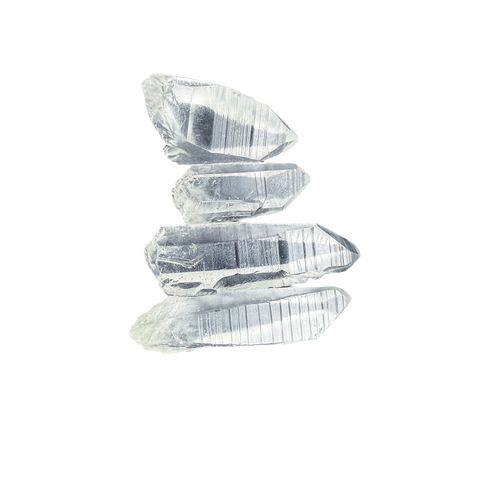
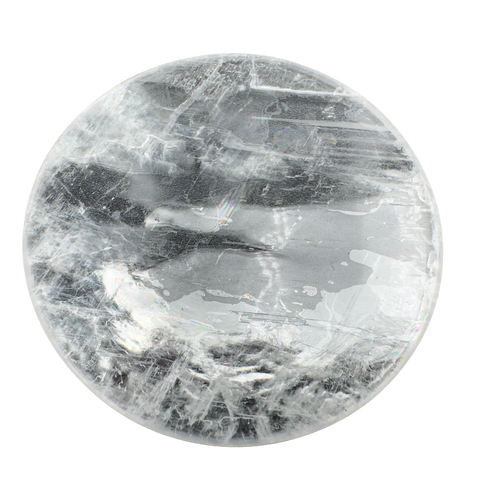
 Crystal Points
23 pieces
Crystal Points
23 pieces
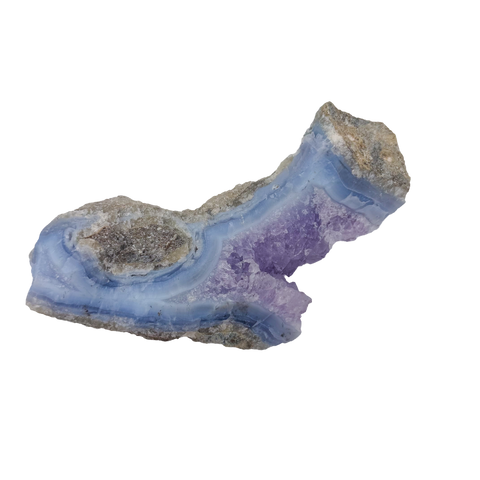
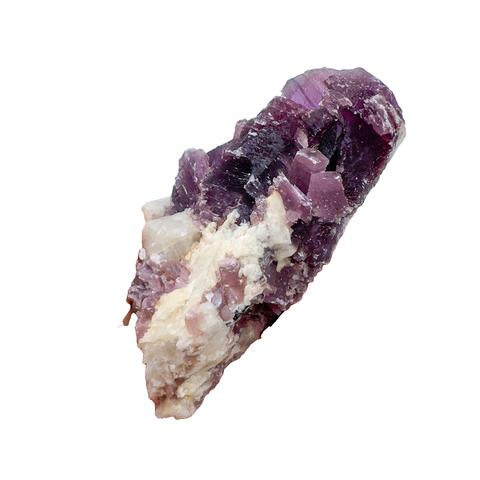
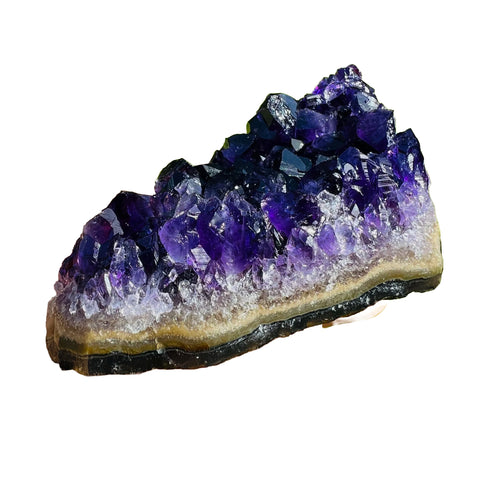
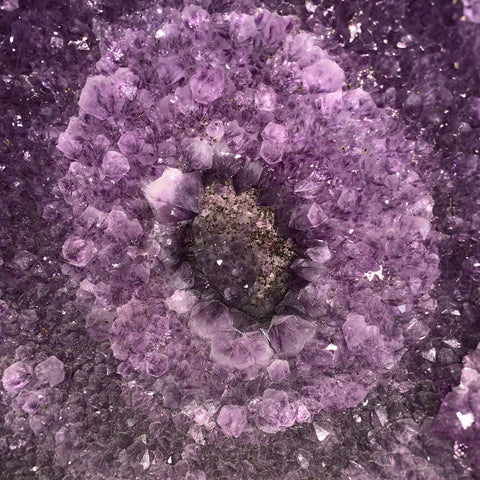
 Clusters & Geodes
109 pieces
Clusters & Geodes
109 pieces
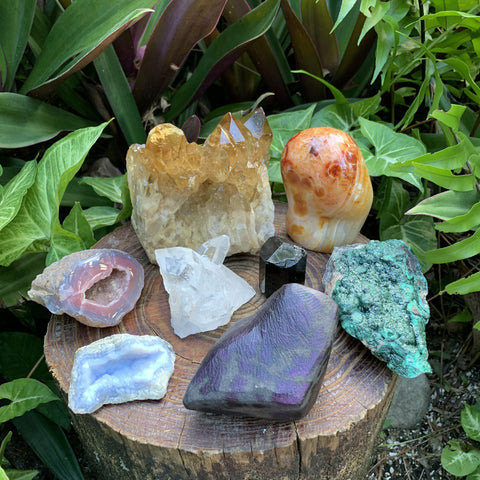
 Polished & Decor
152 pieces
Polished & Decor
152 pieces
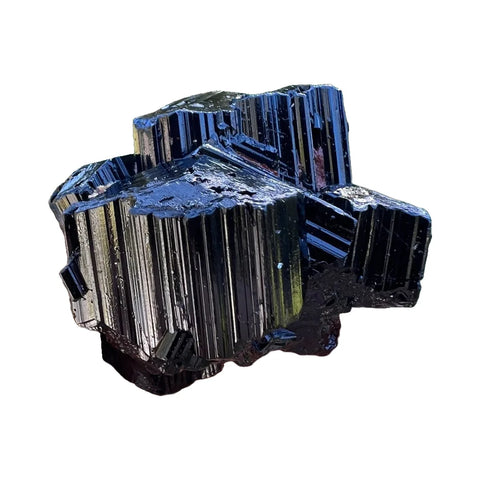
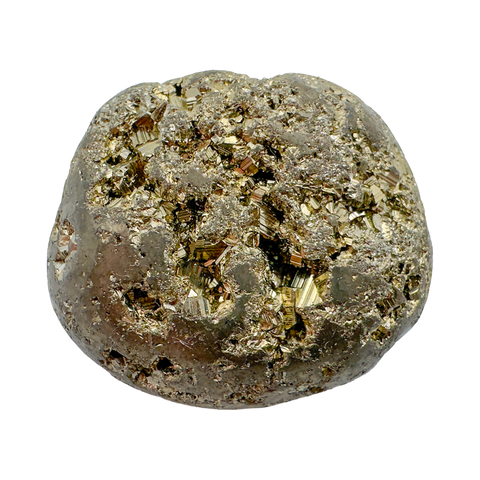
 Mineral Specimens
261 collector pieces
Mineral Specimens
261 collector pieces
 Crystal Chips
21 pieces
Browse everything
Every collection, one page.
View All Collections →
Crystal Chips
21 pieces
Browse everything
Every collection, one page.
View All Collections →


 Aries
Mar 21 – Apr 19
Carnelian
›
Aries
Mar 21 – Apr 19
Carnelian
›
 Taurus
Apr 20 – May 20
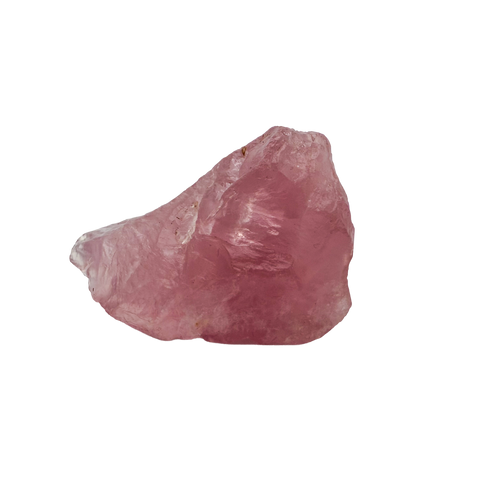
Rose Quartz
›
Taurus
Apr 20 – May 20
Rose Quartz
›
 Gemini
May 21 – Jun 20
Agate
›
Gemini
May 21 – Jun 20
Agate
›
 Cancer
Jun 21 – Jul 22
Moonstone
›
Cancer
Jun 21 – Jul 22
Moonstone
›
 Leo
Jul 23 – Aug 22
Citrine
›
Leo
Jul 23 – Aug 22
Citrine
›
 Virgo
Aug 23 – Sep 22
Amazonite
›
Virgo
Aug 23 – Sep 22
Amazonite
›
 Libra
Sep 23 – Oct 22
Blue Lace Agate
›
Libra
Sep 23 – Oct 22
Blue Lace Agate
›
 Scorpio
Oct 23 – Nov 21
Obsidian
›
Scorpio
Oct 23 – Nov 21
Obsidian
›
 Sagittarius
Nov 22 – Dec 21
Sodalite
›
Sagittarius
Nov 22 – Dec 21
Sodalite
›
 Capricorn
Dec 22 – Jan 19
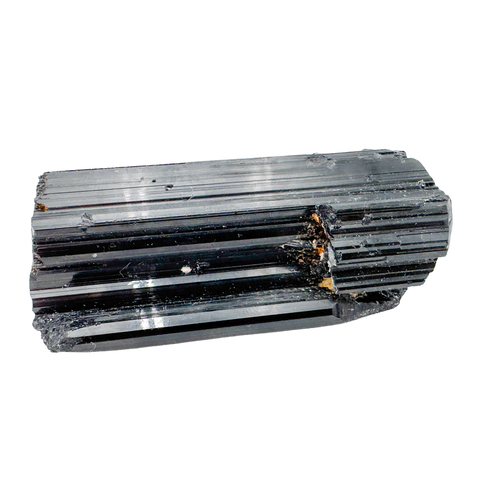
Black Tourmaline
›
Capricorn
Dec 22 – Jan 19
Black Tourmaline
›
 Aquarius
Jan 20 – Feb 18
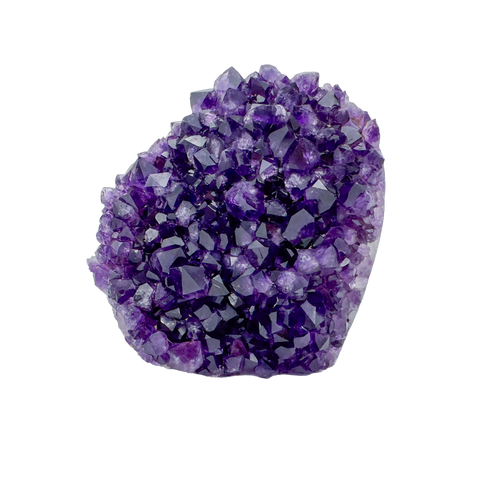
Amethyst
›
Aquarius
Jan 20 – Feb 18
Amethyst
›
 Pisces
Feb 19 – Mar 20
Aquamarine
›
Gifting?
A birthday stone is the safe bet.
Read the zodiac guide →
Pisces
Feb 19 – Mar 20
Aquamarine
›
Gifting?
A birthday stone is the safe bet.
Read the zodiac guide →

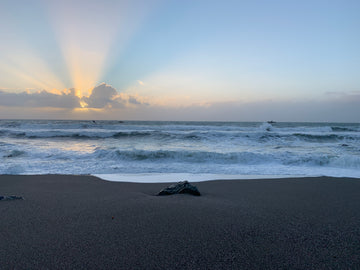
Angelite
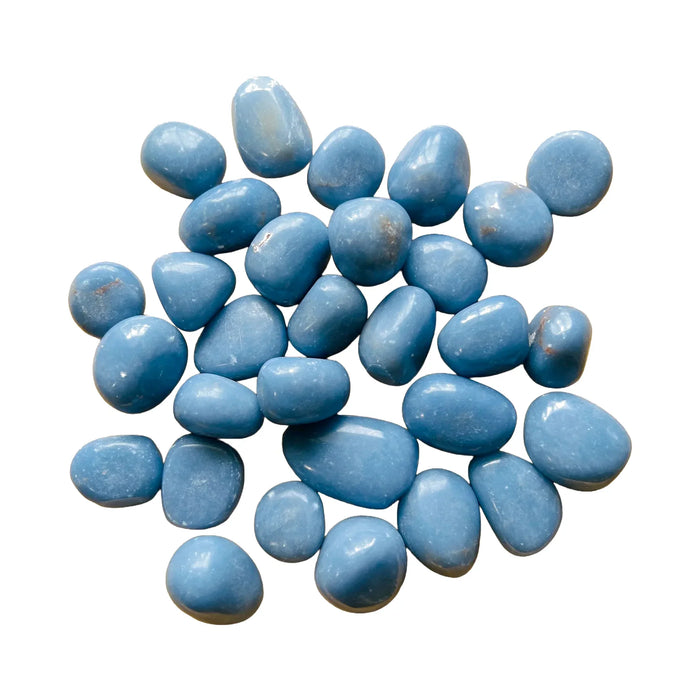
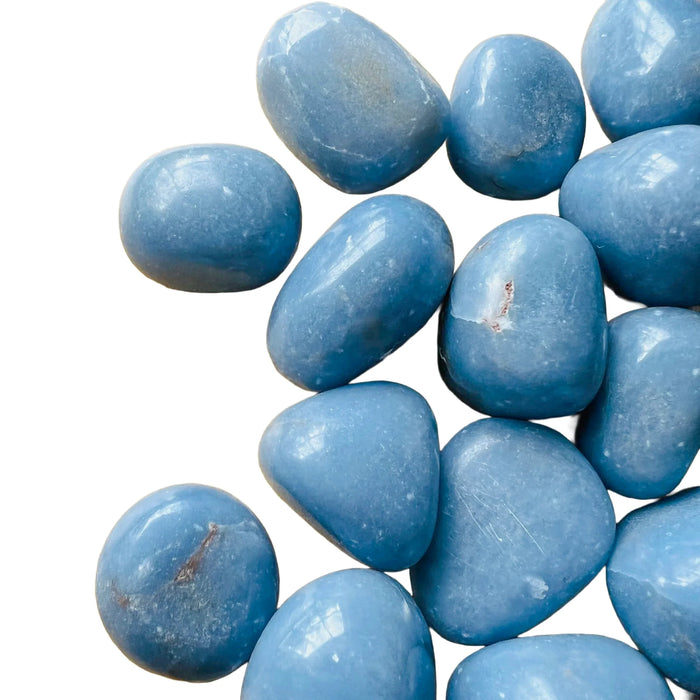
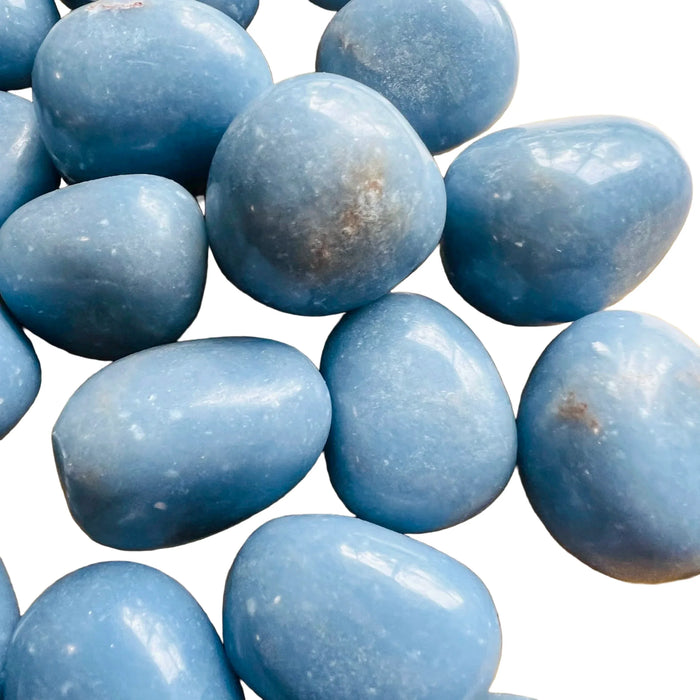
Angelite is the pale blue form of anhydrite, a mineral born from the slow drying of ancient sea beds. It is remarkably soft, chalky to the touch, and typically untreated. Many people work with it for gentle clarity, communication without tension, and the kind of quiet that feels like relief.
Shop angeliteThe geology.
Angelite is a pale to sky blue variety of anhydrite, a calcium sulfate mineral that forms in evaporite deposits, the mineral salts left behind when seawater or landlocked lakes slowly evaporate over geological time. The color comes from trace iron and copper that replace calcium atoms in the crystal lattice, creating color centers that read as soft blue. Anhydrite occurs as blocky, angular masses in these evaporite beds, never as well-formed individual crystals, which is why angelite is always cut from rough material and finished into tumbled stones, carvings, or palm stones rather than existing as natural crystal points.
Hardness sits at 3 to 3.5 on the Mohs scale, making angelite one of the softer stones we carry. This softness is its defining care challenge: the stone scratches easily under fingernails, will powder if pressure-washed, and dissolves slowly in water with prolonged soaking. Specific gravity runs 2.9 to 3.0. The mineral has a matte to slightly waxy luster, an orthorhombic crystal system (which you cannot see because crystals are too fine), and no cleavage. Genuine angelite feels chalky or slightly waxy to the touch when unpolished, with an even, subtle color that does not fluoresce under ultraviolet light.
The origins.
The angelite we carry comes from Peru, specifically from small-to-medium scale evaporite mining operations that extract anhydrite from ancient sea beds. Peru's angelite deposits sit in regions with a long history of mineral extraction, and the operations there use hand-sorting and minimal mechanical processing compared to hard-rock mining. The material we receive is natural, untreated blue anhydrite with no dye or enhancement applied. We have not personally visited the Peru source, but we work through trusted intermediaries who document the supply chain and origin per batch.
Angelite is produced in other regions as well. Mexico mines anhydrite for industrial use, some of which reaches the gem market. Germany and Canada produce anhydrite as a byproduct of potash mining, and the United States has deposits in several western states. These sources vary in color quality and consistency, and some produce the colorless or gray forms of anhydrite rather than blue. We commit to Peru as our primary source because the color profile is reliable, the supply is steady, and we know the intermediaries involved. If our Peru supply ever changes, we will say so.
Traditional associations.
Angelite is a modern trade name for pale blue anhydrite, emerging in the mid-to-late twentieth century as the crystal market expanded. The name draws from its soft, pale appearance and its associations with gentleness and calm rather than from any deep historical tradition. Anhydrite itself has been known as a mineral since at least the eighteenth century, when it was identified in alpine deposits and alpine cavities across Europe, but it was treated as a geological curiosity rather than a worked stone until crystal markets developed interest in the blue form.
In modern crystal work, angelite is most commonly associated with the Throat and Crown chakras, the element Air, and the Moon. Many people work with it for clarity in communication, for gentleness in difficult conversations, for peace when anxiety runs high, and for the kind of softness that feels like permission to rest. It is often chosen alongside clear quartz, selenite, and other pale or transparent stones when the intention involves calming rather than energizing. The softness of the stone itself carries metaphorical weight for many people who are drawn to it.
Spotting the real thing.
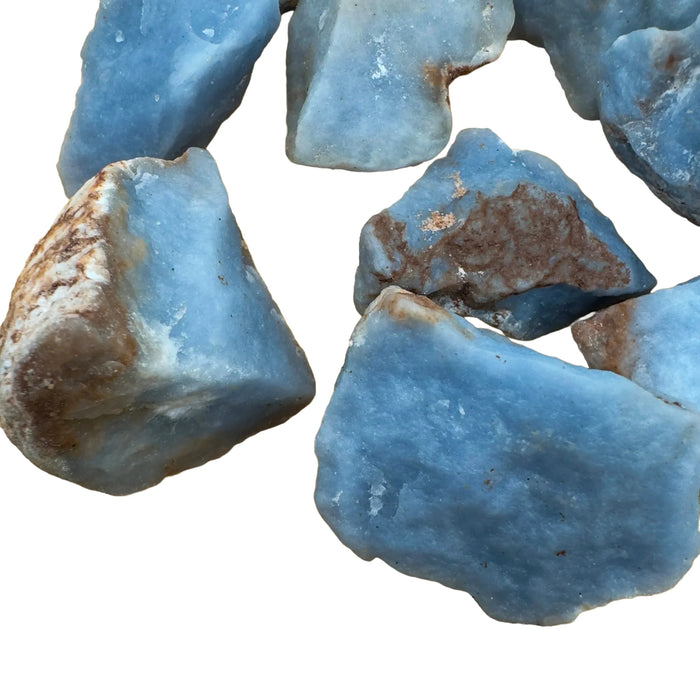
Genuine angelite is soft, feeling chalky or slightly waxy when handled, and scratches easily under fingernail pressure or gentle run of a copper coin. The color is consistently soft and slightly uneven, often with subtle gray or white banding that runs through the stone. The surface has a matte luster on unpolished pieces and a smooth, even feel on polished surfaces. Hold the stone up to light and you will see that it does not glow or show internal structure the way quartz varieties do; angelite is opaque to translucent but not clear.
Dyed blue glass or dyed chalcedony imitations are harder than genuine angelite and will not scratch under fingernail pressure. These substitutes feel glassy and cool to the touch rather than chalky. Color saturation in dyed imitations is often too vivid, and the blue may be overly uniform without the subtle variations real angelite shows. A practical test: genuine angelite will slowly dissolve in water with extended soaking (which is why we recommend dry care), while glass and hard-mineral imitations will not be affected. This is not a test to perform on pieces you want to keep, but it illustrates the fundamental difference. Dyed chalcedony may also transfer color to your hands or to damp cloth, a clear marker of treatment.
Care & handling.
Angelite is care-intensive because of its softness. The stone should never be immersed in water or exposed to prolonged moisture. Brief rinsing under running water is acceptable, but soaking, hot water, saltwater, and water-based cleaners should be avoided entirely. The stone can slowly revert to gypsum (the hydrated form) with water exposure, which changes its appearance and texture. Store angelite in a dry location, separately from harder stones that could scratch it or from stones that need water-based cleansing.
Handling should be gentle. Do not carry angelite in pockets with keys or harder minerals. Avoid pressure on the stone, and do not drop it. Carvings and thin pieces are particularly vulnerable. If your angelite becomes dusty, a soft dry brush or cloth is the correct approach. For energetic cleansing, use smoke, sound, or moonlight rather than water or salt. Angelite sits naturally with lunar energy and responds well to moonlight exposure; direct sunlight is fine for brief periods but serves no particular purpose here. The softness of the stone is part of its character, not a flaw to work around. Many people find its fragility a meaningful metaphor for gentleness and permission to be vulnerable.
Pairs well with.
Proof, not promises.
We measure our own sourcing across five dimensions. Supply chain, environmental footprint, artisan support, market integrity, and pricing. The number is honest, not perfect. Where we can do better, we say so.
A deeper look.
Extended geology, sourcing, authentication, history, varieties, and pricing, for when the quick guide isn't quite enough.
Extended geology
Angelite is the pale blue form of anhydrite (calcium sulfate, CaSO₄), a mineral that forms in evaporite deposits. Evaporites form when seawater or inland lakes rich in dissolved salts become landlocked or separated from their source and slowly evaporate over geological time, leaving behind concentrated mineral salts. Anhydrite is the anhydrous form (water-free), while gypsum is the dihydrate form (two water molecules per calcium sulfate unit). The two are closely related and can convert back and forth if water is removed from or added to gypsum.
Anhydrite crystals are rare in nature because the mineral typically precipitates as massive, blocky aggregates in evaporite beds rather than as individual well-formed crystals. The pale blue color derives from trace iron and copper impurities that replace some of the calcium atoms in the crystal lattice, creating color centers that absorb certain wavelengths of light and transmit blue. The exact shade depends on the concentration of these trace elements and on the degree to which they have been incorporated during the precipitation process. Some anhydrite is colorless or gray if iron and copper concentrations are very low.
Hardness of 3 to 3.5 on the Mohs scale makes angelite one of the softer gemstones. For reference, fingernails are 2.5, calcite is 3, and fluorite is 4. This softness means angelite scratches easily under pressure and cannot tolerate the mechanical wear that harder stones endure in jewelry or daily carry. Specific gravity is 2.9 to 3.0. Crystal system is orthorhombic (a system with three unequal axes at right angles), but individual crystals are so fine that you cannot observe the crystal form; the mineral presents as massive aggregates. Fracture is uneven. Luster is waxy on polished surfaces and vitreous (glassy) on freshly broken surfaces, but typically matte due to the fine crystal structure.
Extended sourcing
Angelite is mined in limited locations relative to other collector crystals. Peru produces blue anhydrite from evaporite deposits in the Andes, and the material has good color saturation, making it the primary commercial source for the gem and crystal market. Mexico has evaporite deposits and produces anhydrite, though much of it is colorless or white rather than blue. Germany and Canada produce anhydrite as a byproduct of potash mining, and the United States has deposits in several western states that are exploited primarily for industrial calcium sulfate use. The market size is small relative to quartz, feldspar, or carbonates, which is why angelite remains less widely available than many other blues.
We work through intermediaries to source Peru angelite rather than through direct relationships, which is a transparency limitation we acknowledge. The intermediaries document origin and supply chain per batch, but we have not personally audited the source operations. If direct visibility ever becomes possible, we will move toward it. Peru remains our commitment because the color quality is reliable and the supply is steady; if that changes, we will explore other options and disclose any shifts in sourcing.
Authentication and market imitations
Dyed blue glass and dyed blue chalcedony are the most common substitutes for angelite in lower-cost markets. These feel hard and glassy, will not scratch under fingernail pressure, and do not show the matte texture of genuine angelite. Dyed chalcedony may transfer color to hands or damp cloth. Genuine angelite is soft, scratches easily, and has a matte or waxy luster rather than a glassy shine.
The defining property of angelite is its water sensitivity. Over extended periods of soaking or immersion, genuine angelite slowly reverts to gypsum as it absorbs water. This is not immediately visible but changes the mineral structure and the appearance of the stone over months or years. Glass and hard-mineral imitations are unaffected by water, which is why they are often passed off as angelite without proper disclosure. This is not a test you should perform on pieces you own, but it illustrates the mineralogical difference.
Under a loupe, genuine angelite shows a fine, even texture with no visible crystals and a subtle matte surface even on polished pieces. Color is consistently soft and slightly uneven rather than uniform and vivid. Dyed glass imitations show a glassy texture under magnification, while dyed chalcedony shows the crystalline texture of quartz. Ultraviolet light testing is also useful: many blue dyes fluoresce under long-wave UV in ways natural angelite does not.
Historical and cultural context
Angelite is a modern market name with no ancient tradition. The word emerged in the mid-to-late twentieth century as crystal and New Age markets expanded, drawing from associations with softness, gentleness, and angelic energy rather than from historical use. Anhydrite itself was identified as a mineral in the eighteenth century in alpine deposits, but it was treated as a geological specimen rather than as a worked or collected stone until the late twentieth century.
The softness and delicacy of angelite make it philosophically aligned with contemporary crystal work focused on emotional softness, rest, and permission to be vulnerable. Unlike stones with long historical records tied to specific cultures or eras, angelite carries a modern narrative of gentleness and calm that emerged from the broader crystal market rather than from archaeological or historical practice.
Related minerals and trade distinctions
Angelite IS blue anhydrite. There is no mineralogical distinction; the trade name simply refers to the blue color variety. Gypsum is the hydrated form of anhydrite (anhydrite plus 2H₂O becomes gypsum). When angelite is exposed to water for extended periods, it slowly converts to gypsum, which changes its appearance and density. Selenite is a transparent or translucent variety of gypsum, and is sometimes carried alongside angelite in crystal collections, though they are different minerals. Celestite is another pale-blue sulfate mineral (strontium sulfate rather than calcium sulfate) and is sometimes confused with angelite at first glance, but celestite is harder (3.5 to 4) and has different optical and chemical properties.
Pricing reality
Grade A angelite tumbled: $5 to $12 per piece at retail for small to medium sizes. Palm stones: $12 to $30. Carvings and special forms: $30 to $80 depending on size and intricacy of work. Specialty pieces and rare colors can reach higher prices. Commodity-priced angelite under $3 per piece is almost always dyed glass or dyed chalcedony. True angelite does not move at those price points because the softness requires careful hand-finishing, and the yield from raw material to polished pieces is relatively low.
Value drivers: color saturation and evenness, size, finish quality, and lack of visible damage or wear. Warning signs: extremely low pricing on bulk parcels, angelite sold without color disclosure, overly uniform blue that looks printed rather than grown, and material sold without a stated country of origin. Price variation by origin is not dramatic because supply is limited, but Peru material tends to command a slight premium due to color consistency.
Good sourcing is a practice, not a claim.
Nothing we sell is dyed, stabilized, reconstituted, or color-enhanced without full disclosure. We name our origins where we can. We say so when we cannot. We walk away from material that does not meet our standard, even when it costs us sales.
Bring angelite home.
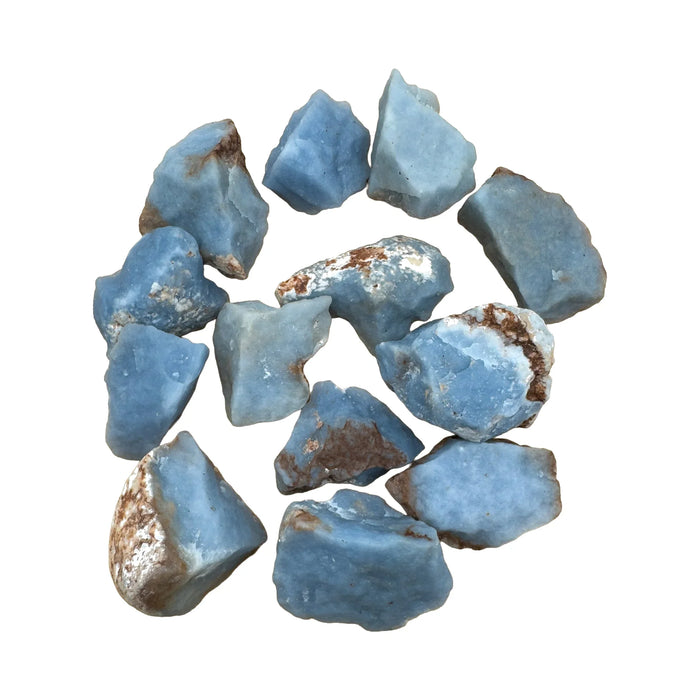
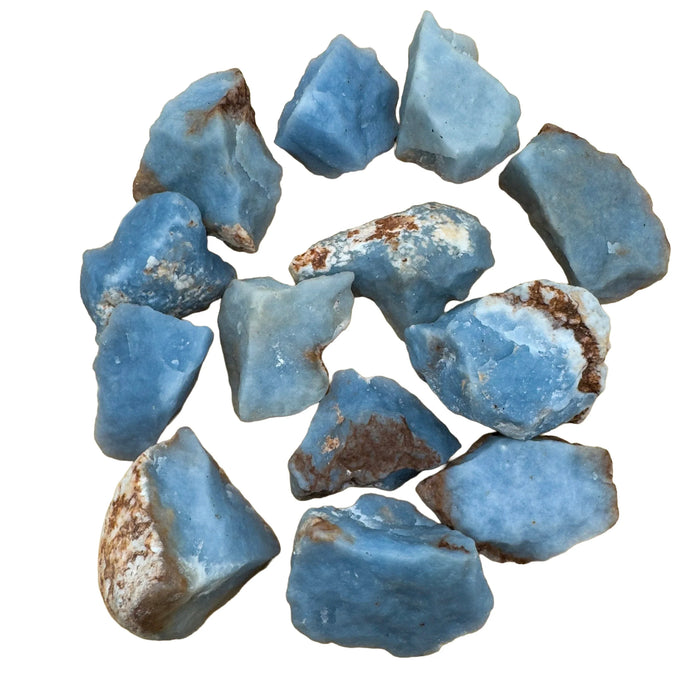
Tumbled, palm stone, and carved angelite from Peru. Natural, untreated, hand-selected for consistent pale blue color. Each piece finished with care to honor the softness of the stone, and chosen for clarity and subtle banding that makes each one distinctive.
Shop the angelite collectionAngelite, in stock now.
Our most-loved Angelite pieces, ready to ship.
- from 1,000+ reviews
- Ships within 72 hoursMonday to Friday, tracked
- 90 days to return itif you do not love it
- Free US shipping over $99$8.99 flat rate under
The Slow Note
New stones go to the list first.
No forwarding, no selling. Unsubscribe in one click. Privacy