









 Agatefor stress relief
 Amazonitefor stress relief
 Aquamarinefor serenity
 Aventurinefor luck
 Bloodstonefor energy
 Blue Kyanitefor confidence
 Blue Lace Agatefor stress relief
 Chrysocollafor emotional healing
 Fluoritefor focus
 Garnetfor energy
 Lepidolitefor stress relief
 Malachitefor emotional healing
 Moonstonefor grounding
 Obsidianfor protection
 Ocean Jasperfor emotional healing
 Red Jasperfor grounding
 Rhodonitefor emotional healing
 Selenitefor cleansing
 Sodalitefor focus
 Tiger Eyefor confidence








































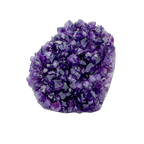 Amethyst
 Clear Quartz
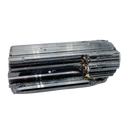 Black Tourmaline
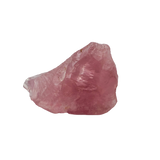 Rose Quartz
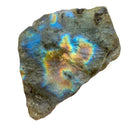 Labradorite
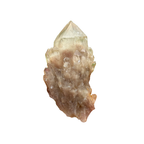 Natural Citrine
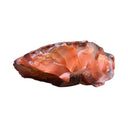 Carnelian
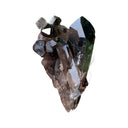 Smoky Quartz
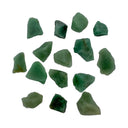 Aventurine
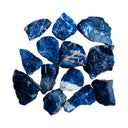 Sodalite
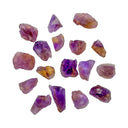 Ametrine
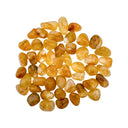 Golden Healer
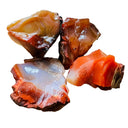 Raw Stones
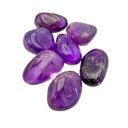 Tumbled Stones
 Palm Stones
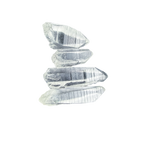 Crystal Points
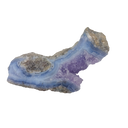 Clusters & Geodes
 Polished & Decor
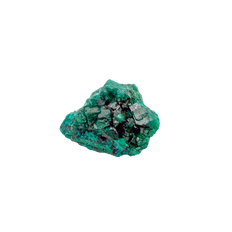 Mineral Specimens
 Crystal Chips




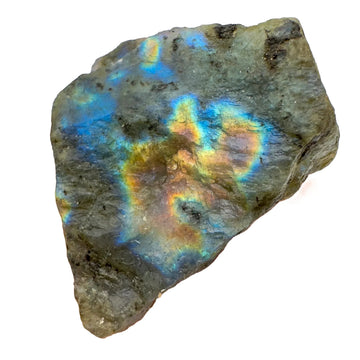



 Raw Stones
179 to choose from
Raw Stones
179 to choose from
 Tumbled Stones
162 to choose from
Tumbled Stones
162 to choose from
 Palm Stones
25 to choose from
Palm Stones
25 to choose from
 Crystal Points
23 to choose from
Crystal Points
23 to choose from
 Clusters & Geodes
98 to choose from
Clusters & Geodes
98 to choose from
 Polished & Decor
147 to choose from
Polished & Decor
147 to choose from
 Mineral Specimens
247 to choose from
Mineral Specimens
247 to choose from
 Crystal Chips
21 to choose from
Crystal Chips
21 to choose from


 AngolaAquamarine
›
AngolaAquamarine
›
 BotswanaCarnelian, Tree Agate
›
BotswanaCarnelian, Tree Agate
›
 DR CongoMalachite, Natural Citrine
›
DR CongoMalachite, Natural Citrine
›
 EswatiniBloodstone
›
EswatiniBloodstone
›
 MadagascarLabradorite, Clear Quartz
›
MadagascarLabradorite, Clear Quartz
›
 MalawiBlue Lace Agate, Garnet
›
MalawiBlue Lace Agate, Garnet
›
 MozambiqueAmazonite
›
MozambiqueAmazonite
›
 NamibiaSodalite, Blue Lace Agate
›
NamibiaSodalite, Blue Lace Agate
›
 Republic of the CongoDioptase
›
Republic of the CongoDioptase
›
 South AfricaTiger Eye, Unakite
›
South AfricaTiger Eye, Unakite
›
 ZambiaChevron Amethyst
›
ZambiaChevron Amethyst
›
 ZimbabweEmerald, Rhodonite
›
ZimbabweEmerald, Rhodonite
›
 ArgentinaBlack Obsidian, Rhodochrosite
›
ArgentinaBlack Obsidian, Rhodochrosite
›
 BoliviaAmetrine
›
BoliviaAmetrine
›
 BrazilAmethyst, Clear Quartz
›
BrazilAmethyst, Clear Quartz
›
 PeruSerpentine, Jade
›
PeruSerpentine, Jade
›
 UruguayAmethyst
›
UruguayAmethyst
›
 Dominican RepublicLarimar
›
Dominican RepublicLarimar
›
 MexicoRainbow Obsidian, Crazy Lace Agate
›
MexicoRainbow Obsidian, Crazy Lace Agate
›
 United StatesSelenite, Peridot
›
United StatesSelenite, Peridot
›
 ChinaFluorite
›
ChinaFluorite
›
 RussiaShungite
›
RussiaShungite
›
 AustraliaMookaite
›
AustraliaMookaite
›
 Where our crystals come from
See where we source →
Where our crystals come from
See where we source →


 Aries
Mar 21 to Apr 19
Carnelian
›
Aries
Mar 21 to Apr 19
Carnelian
›
 Taurus
Apr 20 to May 20
Rose Quartz
›
Taurus
Apr 20 to May 20
Rose Quartz
›
 Gemini
May 21 to Jun 20
Agate
›
Gemini
May 21 to Jun 20
Agate
›
 Cancer
Jun 21 to Jul 22
Moonstone
›
Cancer
Jun 21 to Jul 22
Moonstone
›
 Leo
Jul 23 to Aug 22
Citrine
›
Leo
Jul 23 to Aug 22
Citrine
›
 Virgo
Aug 23 to Sep 22
Amazonite
›
Virgo
Aug 23 to Sep 22
Amazonite
›
 Libra
Sep 23 to Oct 22
Blue Lace Agate
›
Libra
Sep 23 to Oct 22
Blue Lace Agate
›
 Scorpio
Oct 23 to Nov 21
Obsidian
›
Scorpio
Oct 23 to Nov 21
Obsidian
›
 Sagittarius
Nov 22 to Dec 21
Sodalite
›
Sagittarius
Nov 22 to Dec 21
Sodalite
›
 Capricorn
Dec 22 to Jan 19
Black Tourmaline
›
Capricorn
Dec 22 to Jan 19
Black Tourmaline
›
 Aquarius
Jan 20 to Feb 18
Amethyst
›
Aquarius
Jan 20 to Feb 18
Amethyst
›
 Pisces
Feb 19 to Mar 20
Aquamarine
›
Gifting?
A birthday stone is the safe bet.
Read the zodiac guide →
Pisces
Feb 19 to Mar 20
Aquamarine
›
Gifting?
A birthday stone is the safe bet.
Read the zodiac guide →


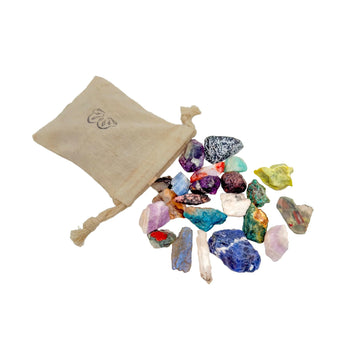










Howlite
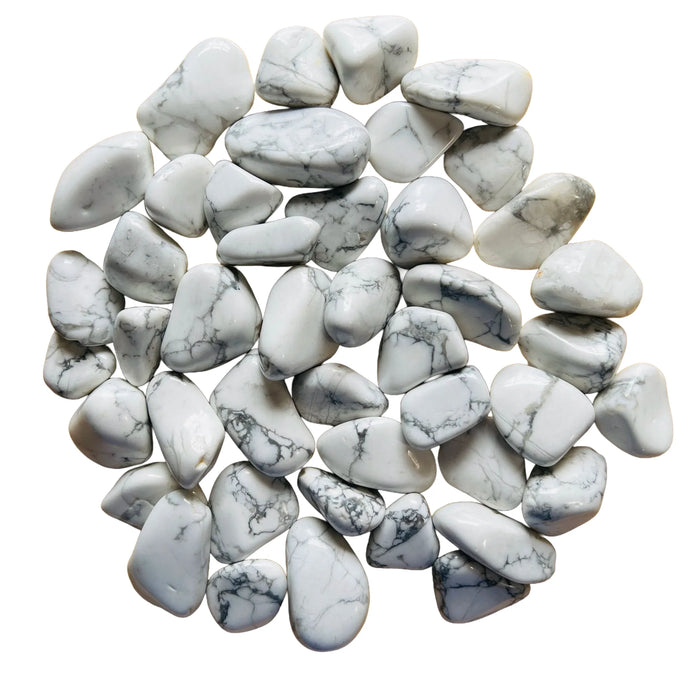
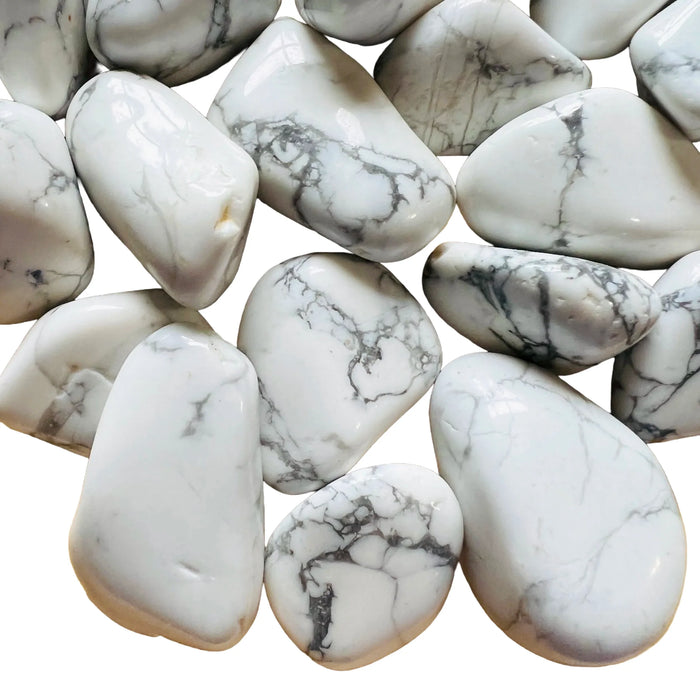
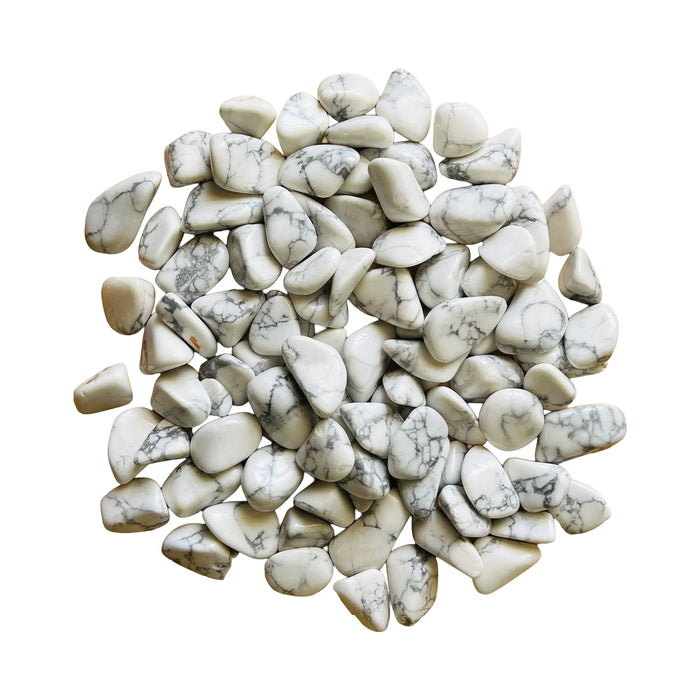
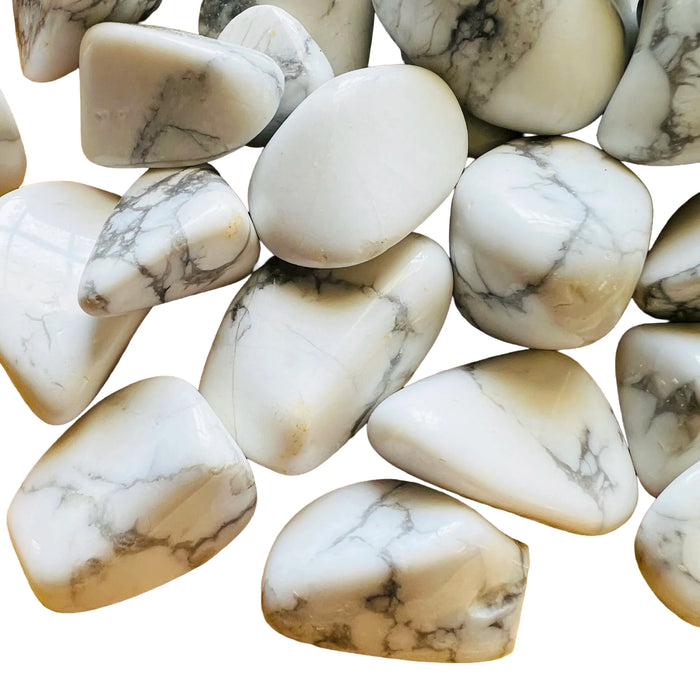
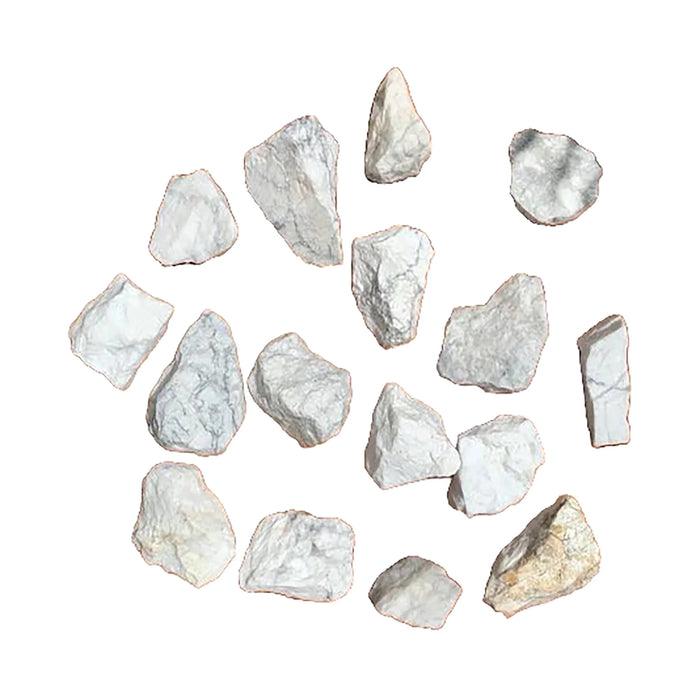
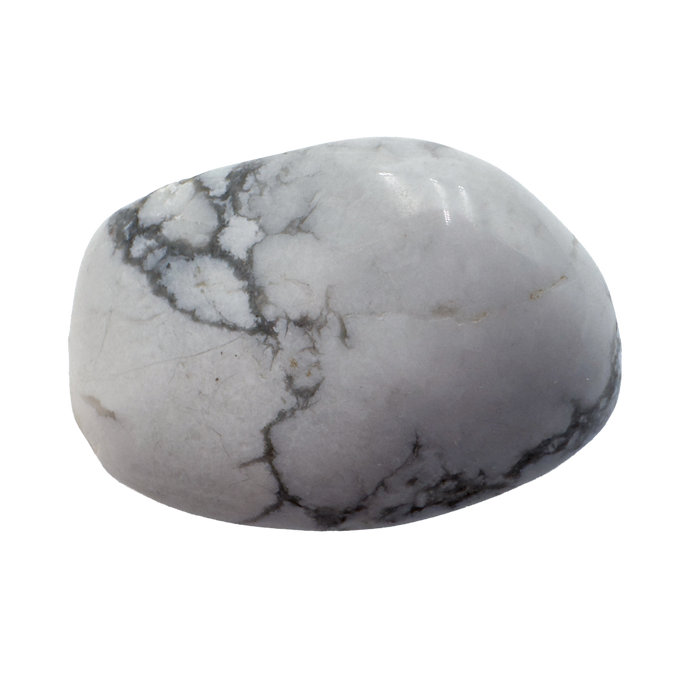
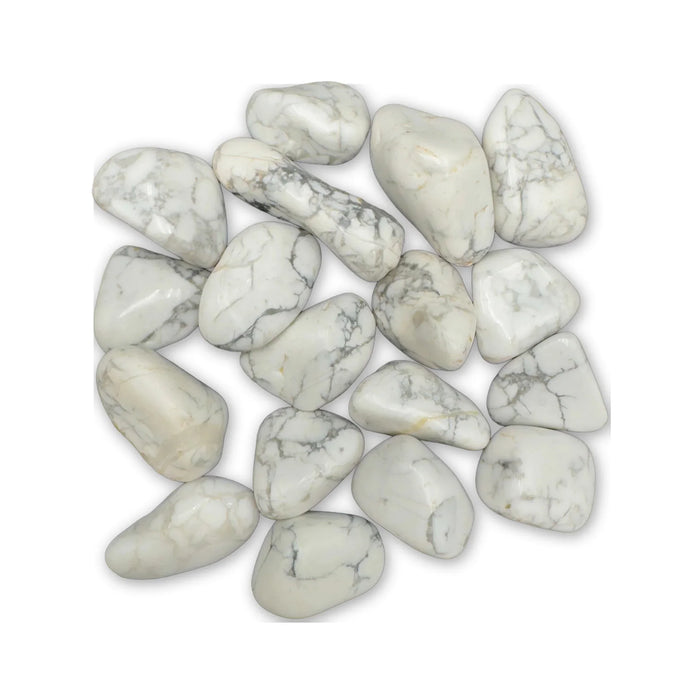
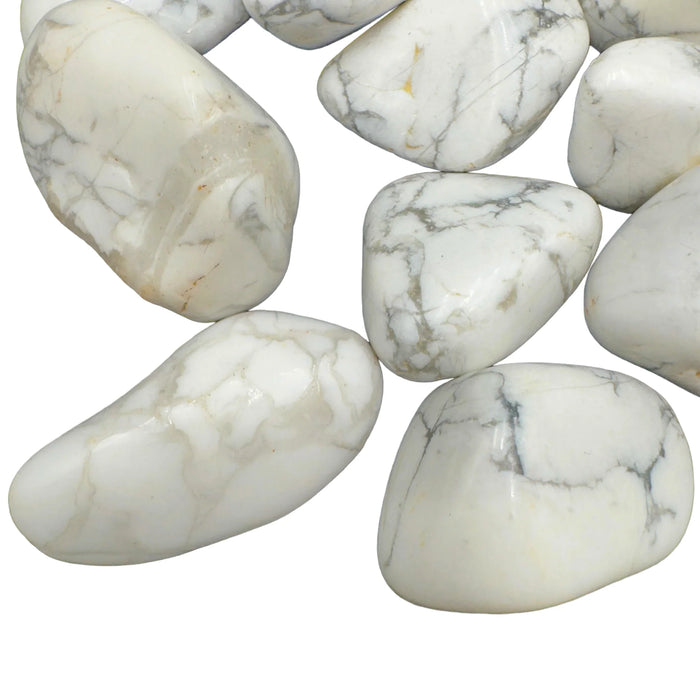
Howlite is a soft white mineral with distinctive dark gray or black spider-web-like veining that appears throughout the stone. It forms in borax deposits and is found primarily in Zimbabwe and historically in California. The stone is naturally white and porous, and we do not treat or dye ours. Many people work with it for calm, patience, the release of overthinking, and the kind of mental stillness that comes with slowing down.
Shop howliteHowlite, in stock now.
Our most-loved Howlite pieces, ready to ship.
- from 1,000+ reviews
- Ships within 72 hoursMonday to Friday, tracked
- 90 days to return itif you do not love it
- Free US shipping over $99$8.99 flat rate under
The geology.
Howlite is a calcium borosilicate hydroxide mineral, Ca2B5SiO9(OH)5, that forms in borax deposits, those same evaporite beds where boron-rich minerals crystallize as inland lakes or salt-rich waters slowly dry. It was first identified in 1868 by mineralogist Henry How in Nova Scotia, and it remains one of the softer minerals in the crystal market. Howlite occurs as nodular masses with distinctive dark gray or black veining that resembles a spider web, which is its most recognizable visual feature.
Hardness sits at 3.5 on the Mohs scale, making howlite delicate and prone to scratching under pressure or with harder minerals nearby. The color is naturally white to pale cream, and the veining is part of the crystal structure, not a treatment or enhancement. The stone is porous and absorbs liquids easily, which is why dyed howlite is sold widely in the market under misleading names like "turquoise" or "howlite turquoise." Specific gravity runs around 2.5. Luster is matte to slightly waxy on polished surfaces. Genuine howlite does not fluoresce under ultraviolet light, which distinguishes it from some imitations.
The origins.
Howlite is mined in several regions worldwide, but our primary source is Masvingo, Zimbabwe, where small-scale artisanal operations extract nodular howlite from borax deposits. Zimbabwe's howlite is characterized by crisp white color and clear, well-defined gray or black spider-web veining. The material is hand-sorted and minimally processed, typically tumbled into smooth rounds that preserve the distinctive vein patterns. We have built a direct relationship with our Zimbabwe supplier and document origin and handling per batch.
Historically, howlite was discovered in Nova Scotia, Canada in 1868, and California's Death Valley region also held notable deposits. These locations remain mineralogically significant but are not current commercial sources for gemstone-quality material in the market. Other deposits exist in Germany, Russia, and Mexico, though commercial production is limited. We commit to Zimbabwe as our primary source because the color consistency is excellent, the supply is reliable, and our direct supplier relationship allows us to verify ethical handling and natural, untreated status. If our Zimbabwe source ever changes, we will disclose it.
Traditional associations.
Howlite carries associations with calm, patience, and the release of overthinking. In modern crystal work, it is linked to the Crown chakra and the Air element, and is chosen by people seeking mental stillness and emotional regulation. Many people work with it during meditation, before sleep, or when anxiety around racing thoughts feels present. The name itself derives from Henry How, the mineralogist who first identified it, though the stone did not enter widespread crystal use until decades later, as the modern crystal market developed.
The softness and delicate nature of howlite carry metaphorical weight for those drawn to it. Many people describe working with howlite as permission to slow down, to let thoughts settle, and to approach difficulty with patience rather than force. It is often paired with other calm-focused stones like clear quartz, amethyst, selenite, and black tourmaline. The spider-web veining is visually distinctive and becomes a focal point for meditation or intention-setting work. Howlite is also favored in crystal grids and energy layouts where gentle, sustained calm is the intention.
Spotting the real thing.
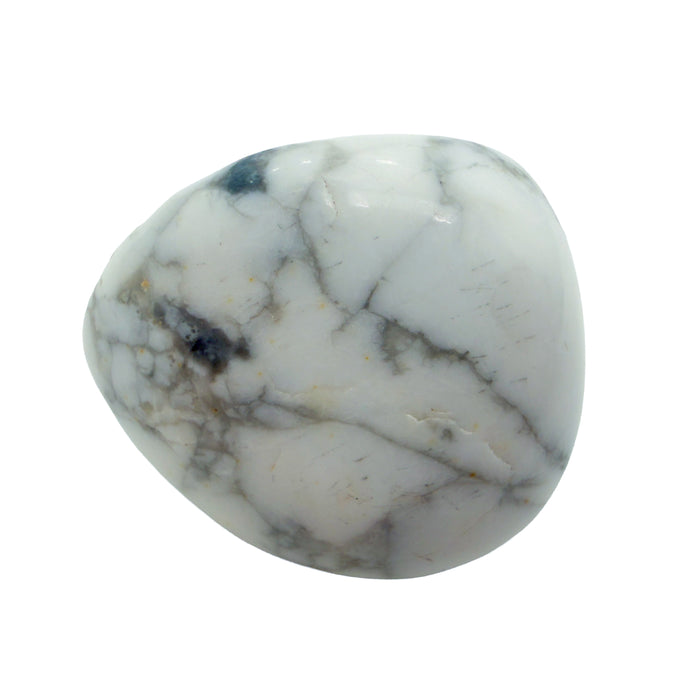
Genuine howlite is white or pale cream with distinctive dark gray or black spider-web-like veining throughout. The stone is soft, scratching easily under fingernail pressure or gentle run of a steel knife. The surface has a matte luster on unpolished pieces and a smooth, slightly waxy feel on polished surfaces. The veining is not uniform but follows natural patterns within the nodular structure, creating the characteristic web appearance. Hold the stone up to light and you will see that it is opaque, not transparent or translucent.
Dyed howlite is the most common imitation and market fraud in the crystal world. Genuine howlite that has been dyed blue, red, green, or other colors is sold under false names like "white buffalo turquoise," "Chinese turquoise," "red howlite coral," or simply "howlite turquoise." The dye sits on the surface of the porous stone and rubs off with handling, moisture, and time. A practical test: apply a cotton swab with acetone to an inconspicuous spot on the stone. If color transfers to the swab, the stone is dyed. Dyed material feels different to the touch than natural white howlite and the color is often too uniform and vivid. Genuine howlite is always white with gray or black veining, never blue, red, turquoise, or any other vivid color in its natural form.
Care & handling.
Howlite requires careful handling because of its softness and porosity. The stone should never be soaked or immersed in water, as the porous structure absorbs liquids easily and can become stained or weakened. Brief rinsing under running water is acceptable, but prolonged water exposure should be avoided. Never use saltwater, water-based cleaners, or ultrasonic cleaners on howlite. The stone can easily absorb oils, perfumes, and other liquids, so store it away from direct contact with these substances. Store howlite separately from harder stones that could scratch it, and wrap it gently to protect it from pressure or drops.
Handling should be gentle and mindful. Do not carry howlite in pockets with keys or other hard objects. Avoid pressure on the stone and do not drop it. If your howlite becomes dusty, use a soft dry brush or cloth to clean it. For energetic cleansing, use smoke, sound, moonlight, or breath rather than water or salt. Howlite sits naturally with calm energy and responds well to moonlight exposure. Direct sunlight is fine for brief periods but is not necessary for howlite. The softness of the stone is part of its character and speaks to the gentleness and patience it represents.
Pairs well with.
Proof, not promises.
We measure our own sourcing across five dimensions. Supply chain, environmental footprint, artisan support, market integrity, and pricing. The number is honest, not perfect. Where we can do better, we say so.
A deeper look.
Extended geology, sourcing, authentication, history, market deception, and pricing, for when the quick guide is not quite enough.
Extended geology
Howlite is calcium borosilicate hydroxide, Ca₂B₅SiO₉(OH)₅, a mineral that forms in evaporite deposits and borax-rich environments. When boron-rich waters evaporate in inland basins or salt-rich lakes, boron-containing minerals crystallize and concentrate. Howlite is one product of these processes, occurring as nodular masses rather than well-formed individual crystals. The nodules are blocky and irregular, composed of fine intergrown crystals that create the massive texture we see in tumbled stones.
The distinctive spider-web veining comes from the way the crystal structure fractures. The gray or black lines are not impurities but rather reflect how the nodular aggregates break and refract light along cleavage planes and fracture patterns. The veining is part of the mineral structure and cannot be removed or altered without destroying the stone. Color is pure white or pale cream, with no variation in natural specimens. Some howlite may have slight cream or pale yellow tones, but blue, turquoise, red, or other vivid colors are always the result of dye treatment.
Hardness is 3.5 on the Mohs scale, putting howlite among the softer gemstones. For comparison, calcite is 3, gypsum is 2, and quartz is 7. This softness means howlite scratches under pressure and cannot tolerate rough handling or contact with harder minerals in a pocket. Specific gravity is approximately 2.5, lighter than most other minerals you will encounter. The crystal system is monoclinic, though the individual crystals are too fine to observe in tumbled or carved pieces. Luster is waxy to matte on polished surfaces. The stone does not fluoresce under ultraviolet light, which is useful for distinguishing natural howlite from certain dyed or synthetic imitations.
Extended sourcing and the dye market
Howlite mining is concentrated in a small number of countries relative to other collector crystals. Zimbabwe produces high-quality nodular howlite with excellent white color and clear spider-web veining. Canada (Nova Scotia) remains historically significant as the discovery location but is not a current commercial source. California's Death Valley deposits are similarly of historical interest but not actively exploited for gemstone material. Germany, Russia, Mexico, and other countries have deposits, but Zimbabwe dominates the modern market for gem-quality material.
The crystal market for howlite is severely compromised by dyed material. An estimated 80 to 95 percent of howlite sold in the global market is dyed. The dye is applied to natural white howlite or to white borosilicate minerals that resemble howlite. Blue dye creates fake "turquoise," red dye creates fake "coral," green and purple dyes serve other false stone names. These pieces are sold under misleading names like "white buffalo turquoise," "howlite turquoise," "natural turquoise," and countless other fraudulent labels. The fraud is pervasive in crystal shops, online retailers, and wholesale suppliers. Many sellers do not know or disclose that their howlite is dyed.
We work directly with a Zimbabwe supplier who produces only natural, untreated white howlite. The material is hand-sorted, minimally tumbled, and never dyed. Our supplier relationship is built on the commitment to honesty and the deliberate rejection of dyed material. If we ever carried dyed howlite, it would be disclosed explicitly and never sold under a false stone name. This is not a standard practice in the market, which is why so much dyed howlite circulates as "turquoise" and deceives buyers.
Authentication and how to spot dyed material
Genuine howlite is always white with gray or black veining. It is soft, scratching easily under fingernail pressure. The surface is matte or slightly waxy, not glassy or glossy. The stone feels slightly chalky or velvety to the touch. Dyed howlite is identifiable by color, hardness, and dye transfer.
The acetone test is straightforward and effective. Apply a cotton swab with acetone or nail polish remover to an inconspicuous area of the stone. If the stone is dyed, color will transfer to the swab. This is not a test to perform on pieces you intend to keep, but it demonstrates the difference between natural and dyed material. Some dyes are water-soluble and will rub off with moisture or sweat over time, leaving the white stone exposed beneath.
Hardness testing is also useful. A steel knife or a ceramic edge will scratch genuine howlite easily. Dyed imitations may be harder quartz varieties (like chalcedony) that resist scratching. Genuine howlite will not leave a mark on a steel knife blade; a harder dyed imitation will mark the blade if you draw it firmly across the stone.
Under a loupe or magnifying glass, genuine howlite shows a fine, even texture with the characteristic spider-web veining running through it. Dyed material may show either a similar structure (if it is dyed howlite) or a different texture (if it is dyed quartz or another mineral). The veining in natural howlite is three-dimensional and follows the nodular structure. Dyed imitations often show more uniform color distribution and less dimensional veining.
Historical and modern context
Howlite was identified as a new mineral in 1868 by Henry How, a mineralogist working in Nova Scotia. The mineral was named after him and remained a mineralogical specimen with little wider significance until the late twentieth century, when it entered the expanding crystal and New Age markets. The stone had no traditional use in historical societies and carries only modern associations. Unlike minerals with deep cultural or historical roots, howlite's meaning emerged from the crystal market itself, as practitioners worked with the stone and developed associations with calm and stillness.
The spider-web appearance and soft, white color made howlite visually distinctive and appealing to crystal workers. The softness carries metaphorical meaning for those seeking gentleness and the permission to slow down. Over the past few decades, howlite became one of the most popular entry-level crystals in the market. This popularity created an opportunity for fraud, as dyers and unethical sellers recognized that howlite's porous structure absorbed dye readily and that the soft stone could be easily passed off under false turquoise or mineral names.
Related minerals and trade distinctions
Howlite is unique mineralogically and is not confused with other minerals in its natural form. However, dyed howlite is sold under the names of turquoise, amazonite, lapis lazuli, coral, and other stones. Turquoise is harder (5.5 to 6 on the Mohs scale), more dense (specific gravity 2.6 to 2.9), and has different crystal structure. Amazonite is a feldspar variety, much harder than howlite, and has different optical properties. Lapis lazuli is a metamorphic rock composed of multiple minerals, and genuine lapis shows visible gold pyrite flakes. These minerals are distinct from howlite when examined closely, but a consumer looking at a piece labeled "turquoise" without verification cannot easily tell.
Pricing reality and value drivers
Natural untreated howlite tumbled: $4 to $10 per piece at retail for small to medium sizes. Palm stones: $10 to $25. Carvings: $20 to $60 depending on size and intricacy. Specialty pieces can reach higher prices. Dyed howlite is vastly cheaper at wholesale and is sold to consumers at $1 to $5 per piece under false names. These price points are a red signal. Real howlite sourced ethically does not move at those prices.
Value drivers are color evenness, the pattern and clarity of the spider-web veining, size, finish quality, and lack of damage or wear. The veining is the visual signature of howlite, and pieces with clear, distinctive web patterns command slight premiums. Warning signs of fraud are howlite sold without color disclosure, stone sold under a false mineral name (turquoise, amazonite, coral), overly uniform color or dye saturation, extremely low pricing, and no stated country of origin. If a seller cannot or will not state that the howlite is natural, untreated white howlite from Zimbabwe, skepticism is justified.
Good sourcing is a practice, not a claim.
Nothing we sell is dyed, stabilized, reconstituted, or color-enhanced without full disclosure. We name our origins where we can. We say so when we cannot. We walk away from material that does not meet our standard, even when it costs us sales.
Bring howlite home.
Tumbled, palm stone, and carved howlite from Zimbabwe. Natural, untreated, white with distinctive gray spider-web veining. Hand-selected for pattern clarity and finish quality. Each piece honored for its softness and chosen for the distinctive character that makes it one of a kind.
Shop the howlite collectionGrounded Connections
New Howlite pieces go to the list first. One note when they land.
No forwarding, no selling. Unsubscribe in one click. Privacy