


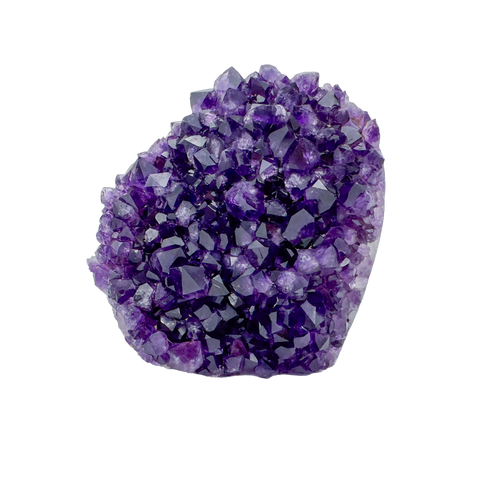
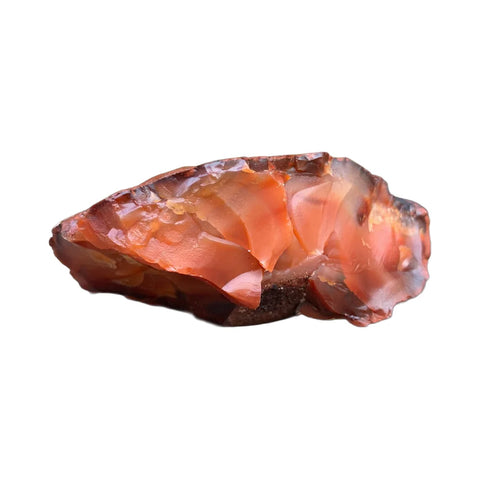
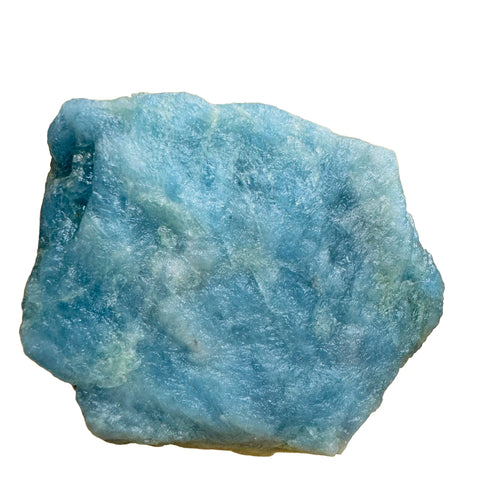
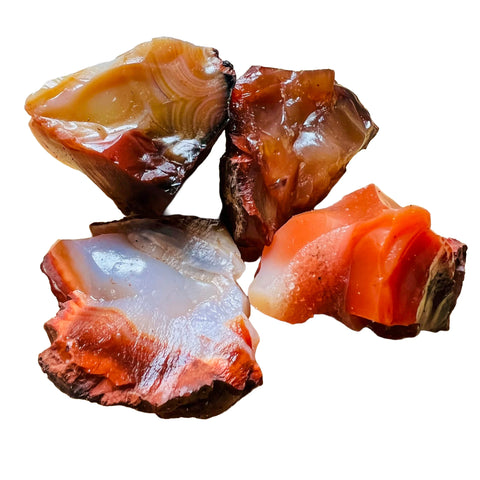


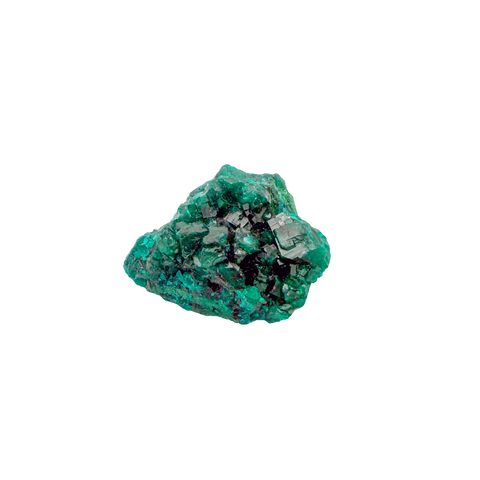
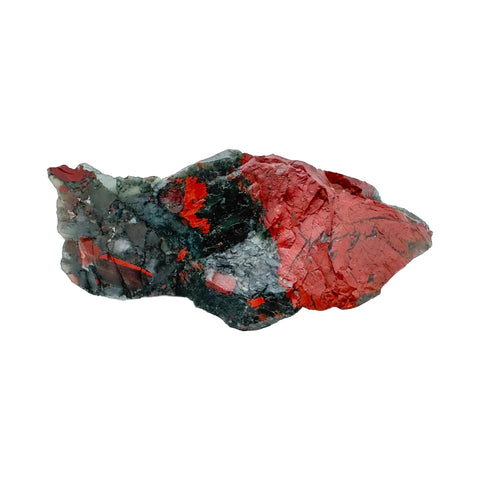
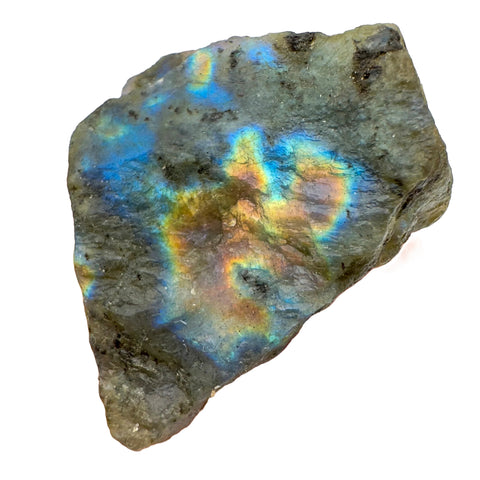
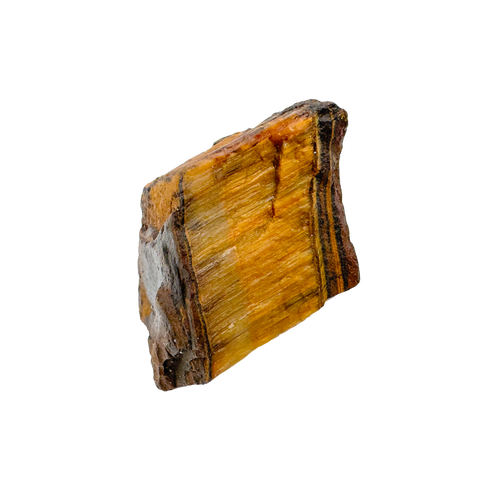
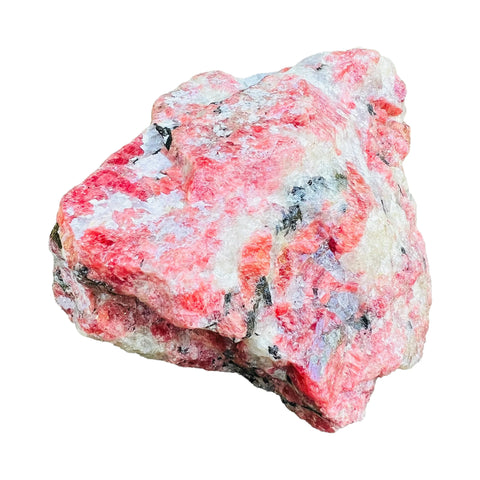
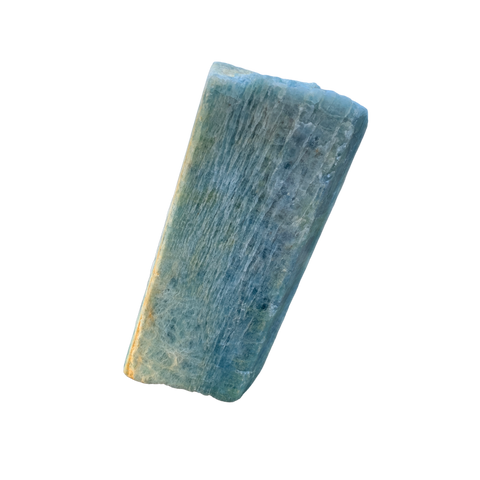
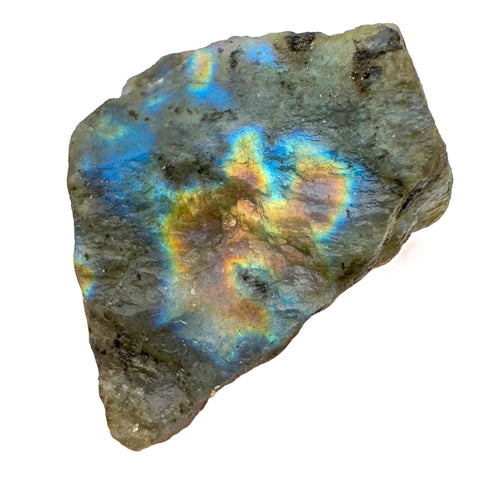



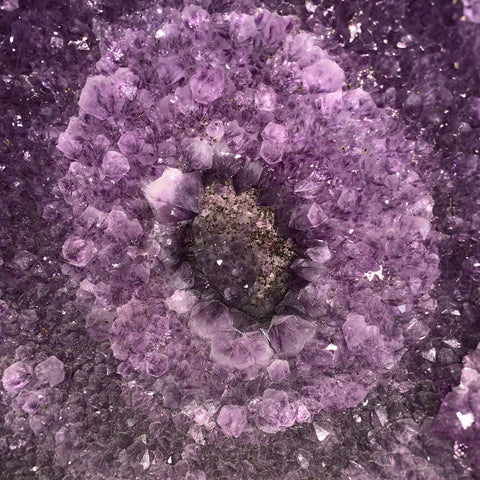
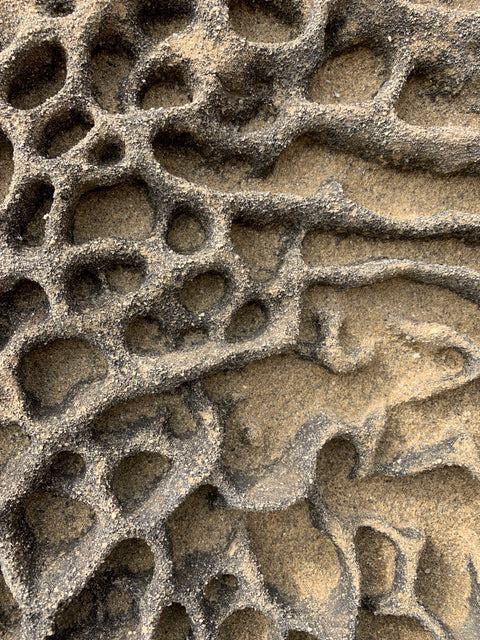
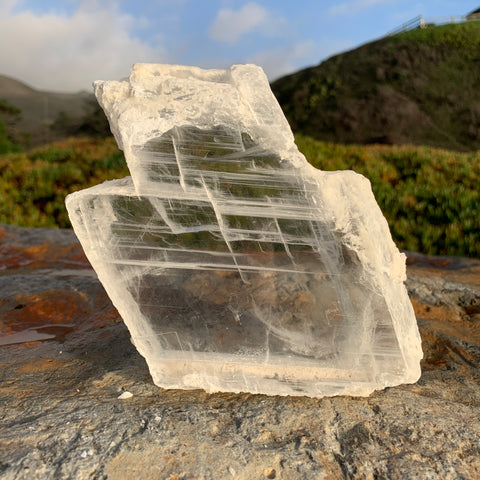

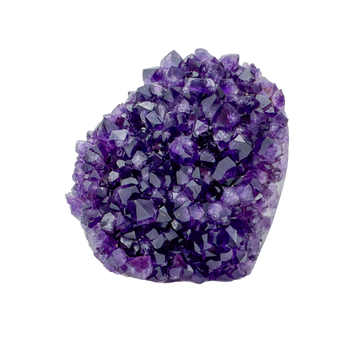
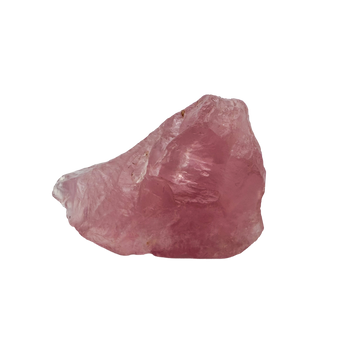
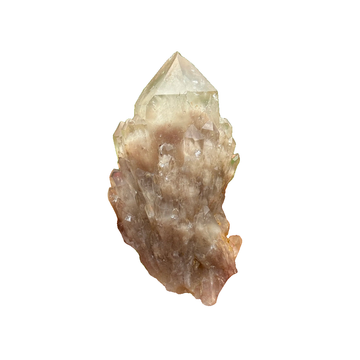
 Raw Stones
179 pieces
Raw Stones
179 pieces
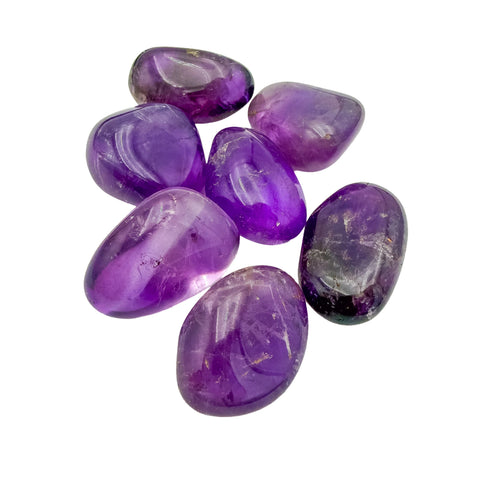
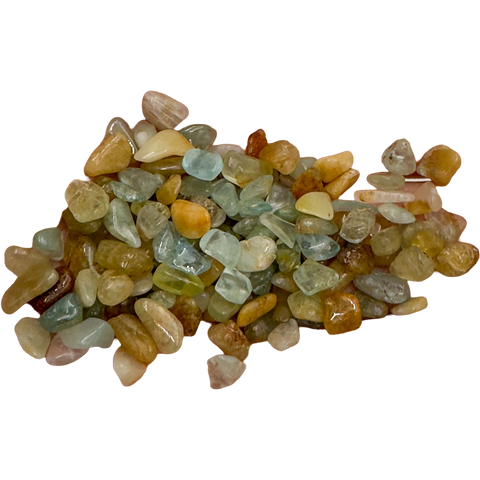
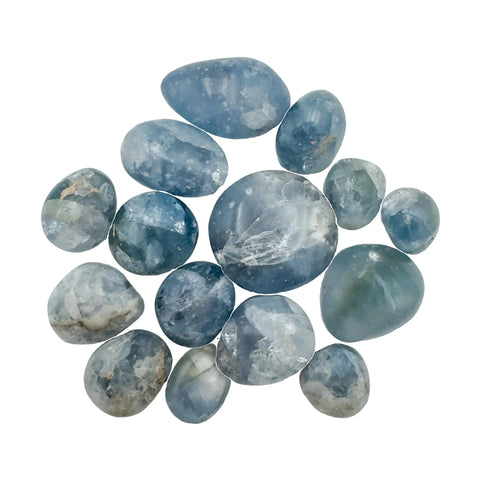
 Tumbled Stones
162 pieces
Tumbled Stones
162 pieces
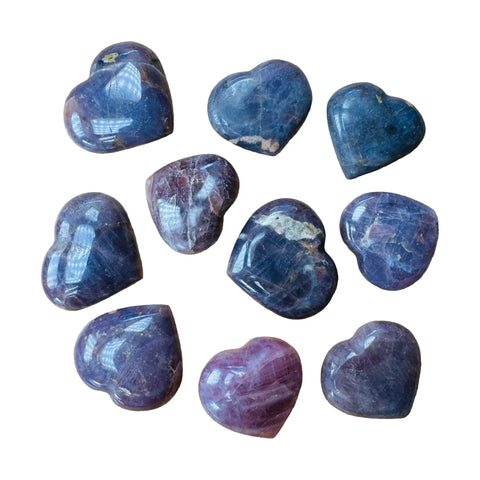
 Palm Stones
25 pieces
Palm Stones
25 pieces
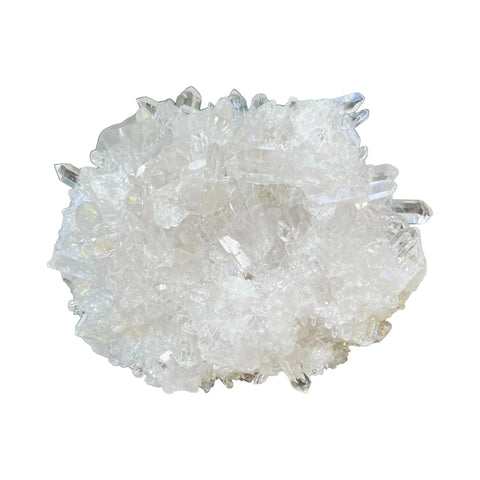
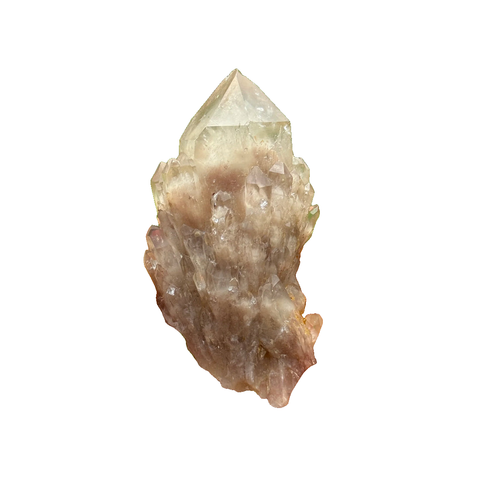
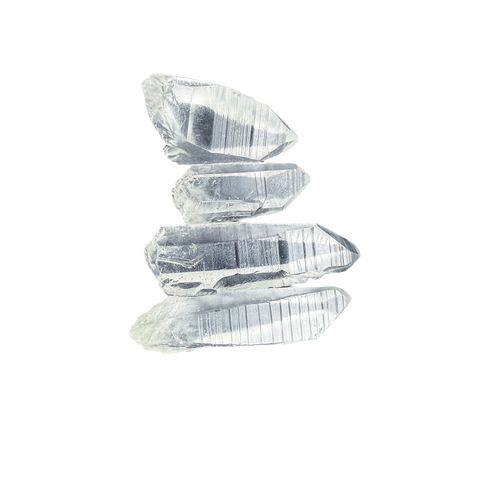
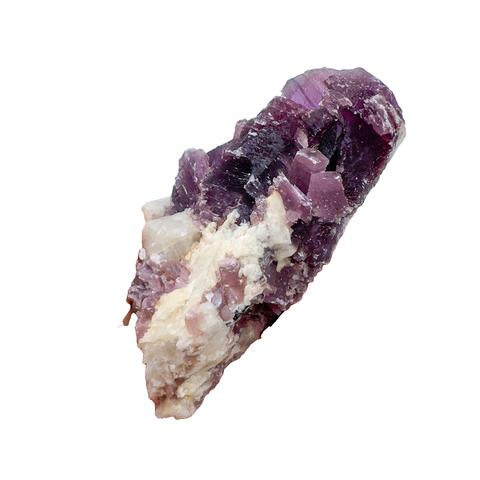
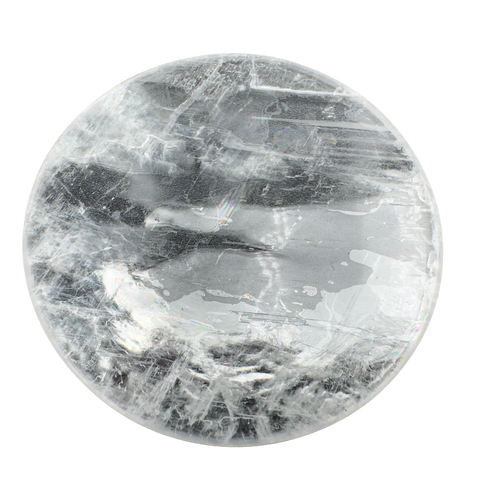
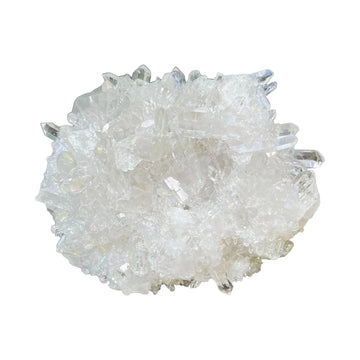
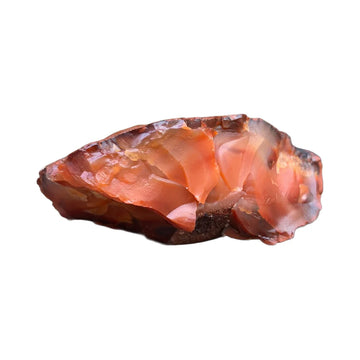
 Crystal Points
23 pieces
Crystal Points
23 pieces
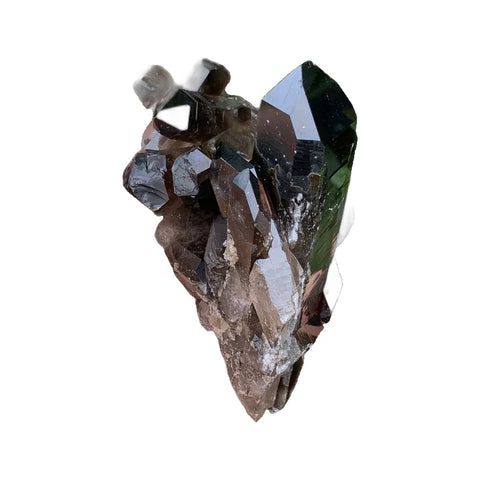
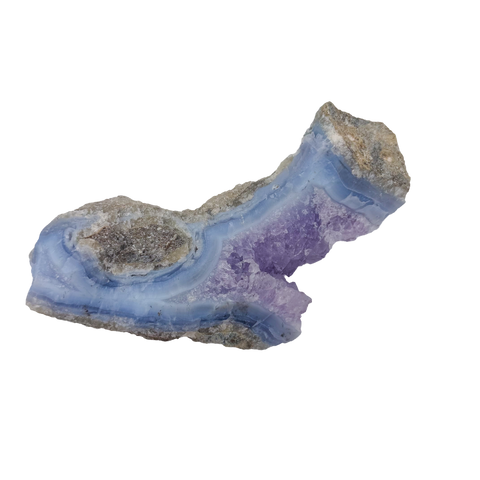
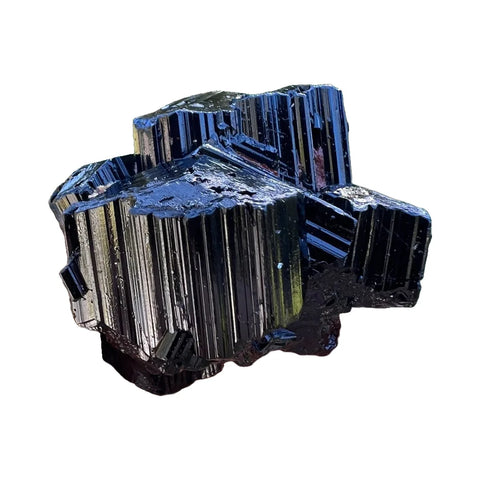
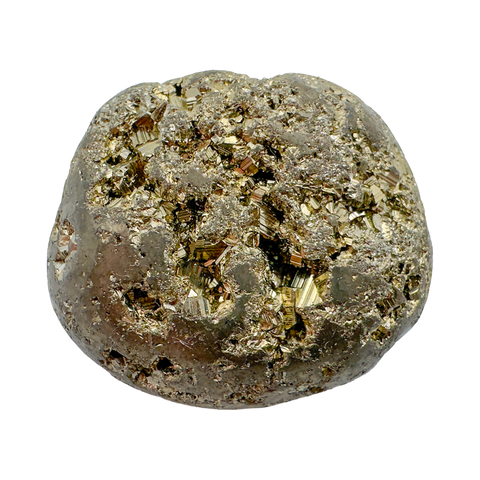
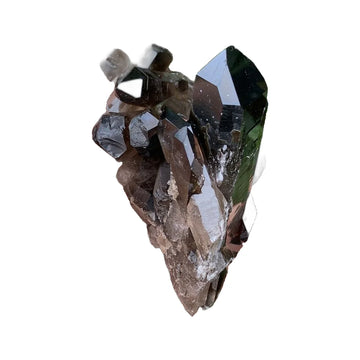
 Clusters & Geodes
105 pieces
Clusters & Geodes
105 pieces
 Polished & Decor
151 pieces
Polished & Decor
151 pieces
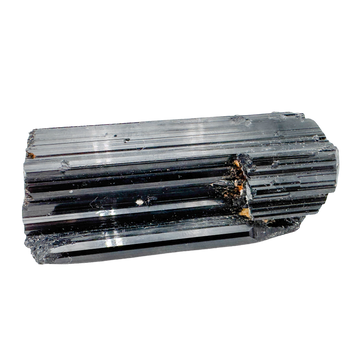
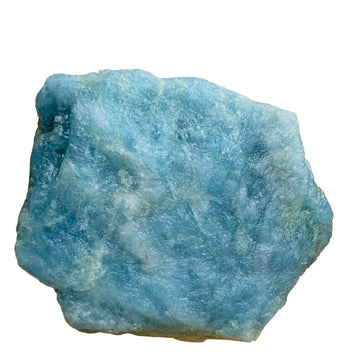
 Mineral Specimens
262 collector pieces
Mineral Specimens
262 collector pieces
 Crystal Chips
21 pieces
Browse everything
Every collection, one page.
View All Collections →
Crystal Chips
21 pieces
Browse everything
Every collection, one page.
View All Collections →


 Aries
Mar 21 – Apr 19
Carnelian
›
Aries
Mar 21 – Apr 19
Carnelian
›
 Taurus
Apr 20 – May 20
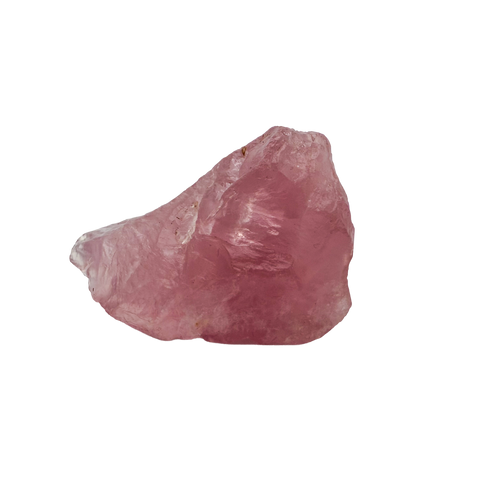
Rose Quartz
›
Taurus
Apr 20 – May 20
Rose Quartz
›
 Gemini
May 21 – Jun 20
Agate
›
Gemini
May 21 – Jun 20
Agate
›
 Cancer
Jun 21 – Jul 22
Moonstone
›
Cancer
Jun 21 – Jul 22
Moonstone
›
 Leo
Jul 23 – Aug 22
Citrine
›
Leo
Jul 23 – Aug 22
Citrine
›
 Virgo
Aug 23 – Sep 22
Amazonite
›
Virgo
Aug 23 – Sep 22
Amazonite
›
 Libra
Sep 23 – Oct 22
Blue Lace Agate
›
Libra
Sep 23 – Oct 22
Blue Lace Agate
›
 Scorpio
Oct 23 – Nov 21
Obsidian
›
Scorpio
Oct 23 – Nov 21
Obsidian
›
 Sagittarius
Nov 22 – Dec 21
Sodalite
›
Sagittarius
Nov 22 – Dec 21
Sodalite
›
 Capricorn
Dec 22 – Jan 19
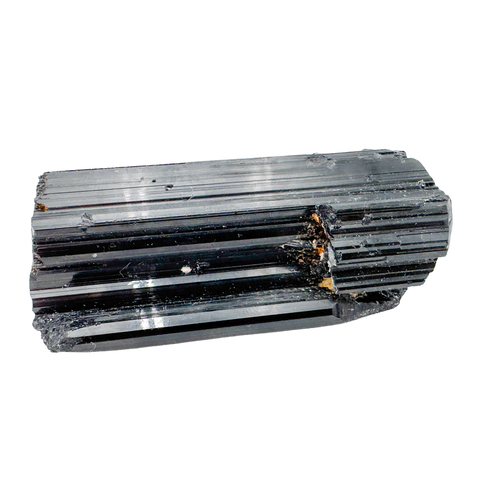
Black Tourmaline
›
Capricorn
Dec 22 – Jan 19
Black Tourmaline
›
 Aquarius
Jan 20 – Feb 18
Amethyst
›
Aquarius
Jan 20 – Feb 18
Amethyst
›
 Pisces
Feb 19 – Mar 20
Aquamarine
›
Gifting?
A birthday stone is the safe bet.
Read the zodiac guide →
Pisces
Feb 19 – Mar 20
Aquamarine
›
Gifting?
A birthday stone is the safe bet.
Read the zodiac guide →




Honey Calcite
Honey calcite is a golden-yellow variety of calcium carbonate, formed in sedimentary environments where trace iron oxides color the crystal structure. Hand-polished and untreated, it carries a translucent warmth. Many people work with it for confidence, motivation, and the kind of steady light that supports personal will.
Shop honey calciteThe geology.
Honey calcite is a golden-yellow variety of calcium carbonate (CaCO3) that forms in sedimentary environments where groundwater dissolves limestone and precipitates mineral salts into caves, vugs, and hydrothermal veins. The warm honey color comes from trace iron oxide inclusions in the crystal structure that accumulated during formation. Unlike other calcites (clear, orange, or green), honey calcite is relatively uncommon in the market and carries the warmth of iron as part of its mineral identity, not as an aftermarket treatment.
Hardness sits at 3 on the Mohs scale, making it soft and sensitive to scratching and pressure. Specific gravity runs 2.71, and the trigonal crystal system produces the characteristic rhombohedral shape you see in pointed specimens, though we primarily work with hand-polished tumbled forms. Calcite is birefringent (doubly refracting), a property so pronounced it is demonstrated with Iceland spar, a transparent calcite variety. The mineral scratches easily under fingernail pressure, dissolves slowly in acidic conditions, and demands careful handling to maintain its polished finish.
The origins.
The honey calcite we carry comes from Peru, specifically from small-scale hand-extraction operations in the Ancash region where golden calcite deposits occur naturally in sedimentary formations. The material is hand-sorted on site and finished through hand-polishing, which preserves the stone's natural warmth and translucence without chemical intervention. We source through direct relationships with producers who document extraction methods and material composition per batch. The consistency of Peruvian honey calcite color and the quality of hand-polishing make it our primary source.
Honey calcite is produced in other regions as well. Mexico, the United States, Pakistan, Morocco, and China all have calcite deposits that yield golden or warm-toned varieties. Color quality and consistency vary significantly by source, and many commercial operations produce other calcite colors (clear, orange, green) rather than the honey variety specifically. We commit to Peru because the tone is reliable, the hand-polishing is skillful, and we know the supply chain. If our Peru supply ever changes, we will say so.
Traditional associations.
In modern crystal work, honey calcite is most commonly associated with the Solar Plexus and Sacral chakras, the element Fire, and the qualities of warmth, personal will, and creative momentum. Many people work with it for confidence when facing new challenges, for motivation during transitions, and for the kind of steady inner light that supports decisive action. The golden color itself carries metaphorical weight, evoking warmth, joy, and vitality. Traditional associations also include emotional balance, creative clarity, and the courage to step fully into one's own power.
Unlike stones with centuries of documented cultural use, honey calcite carries modern crystal practice associations that have developed over the past few decades as the stone became available in wider markets. The warmth of the stone and its association with solar energy and personal fire make it a natural pairing for work around creative confidence, motivation, and the activation of personal will. Many people are drawn to it specifically for creative projects, career moves, and moments when steadiness is needed.
Spotting the real thing.
Genuine honey calcite is soft, feeling smooth when polished, and scratches easily under fingernail pressure or gentle run of a steel blade. The color is a warm golden or amber tone, translucent to slightly opaque depending on size and piece. Look for subtle variation in tone rather than uniform color. Real calcite shows a consistent warmth and depth that dyed stones rarely achieve; dyed calcite often displays uneven color pooling in cracks and along surfaces, looking painted rather than grown. Hold the stone to light and observe how the color glows from within rather than sitting on the surface.
Dyed calcite imitations feel hard and often have a glassy surface sheen. They will not scratch under fingernail pressure and do not show the matte smoothness of genuine hand-polished honey calcite. Dyed material may transfer color to your hands or to damp cloth when wet. A simple test: genuine calcite will slowly fizz when exposed to dilute hydrochloric acid, a carbonate reaction that dyed stone substitutes do not exhibit. This is destructive and not recommended for pieces you want to keep, but it illustrates the mineral difference. Authentic honey calcite is relatively heavy for its size compared to glass imitations, and the translucence, when present, is consistent through the stone.
Care & handling.
Honey calcite is care-intensive because of its softness and porosity. The stone should never be immersed in water or exposed to prolonged moisture. Prolonged water exposure can cause the surface to dull and may introduce moisture into the porous structure. Brief rinsing under running water is acceptable, but soaking, saltwater, and water-based cleaners should be avoided. Store honey calcite in a dry location, separately from harder stones that could scratch it or from stones that need water-based cleansing.
Handling should be gentle. Do not carry it in pockets with keys or harder minerals. Avoid pressure on the stone, and do not drop it on hard surfaces. Tumbled pieces are more durable than raw or carved forms, but all calcite requires careful treatment. If your honey calcite becomes dusty, a soft dry brush or cloth is the correct approach. For energetic cleansing, use smoke, sound, breath, or moonlight rather than water or salt. The warmth of the stone connects it to solar and fire energy, so sunlight exposure is gentle and supportive. The softness of calcite is part of its character, not a deficiency.
Pairs well with.
Proof, not promises.
We measure our own sourcing across five dimensions. Supply chain, environmental footprint, artisan support, market integrity, and pricing. The number is honest, not perfect. Where we can do better, we say so.
A deeper look.
Extended geology, sourcing, authentication, history, varieties, and pricing, for when the quick guide isn't quite enough.
Extended geology
Honey calcite is a golden-yellow variety of calcium carbonate (CaCO₃), the most common carbonate mineral on Earth. It forms through precipitation of dissolved calcium and carbonate ions in groundwater, lakes, caves, and hydrothermal veins. The honey color specifically comes from iron oxide inclusions that replace some calcium atoms in the crystal lattice, creating color centers that absorb and transmit warm wavelengths. The concentration of iron determines the depth and saturation of the golden tone. Calcite forms in trigonal crystals, most classically as rhombohedra (six-sided pointed forms), though crystal habit varies by environment.
Hardness of 3 on the Mohs scale makes honey calcite one of the softer stones. For reference, fingernails are 2.5, calcite is 3, and fluorite is 4. This softness means the stone scratches under pressure and cannot tolerate mechanical wear. Specific gravity is 2.71, and the mineral is remarkably birefringent, displaying double refraction when transparent. Fracture is uneven. Luster is vitreous (glassy) on freshly broken surfaces and matte to smooth on polished surfaces. The trigonal crystal system is invisible in massive or tumbled forms but determines the mineral's optical and mechanical properties.
Extended sourcing
Honey calcite occurs in limited commercial quantities relative to other calcite varieties and other crystals generally. Peru's Ancash region produces golden calcite from sedimentary formations and hydrothermal environments where iron-rich conditions developed during mineral precipitation. The material we source comes from small-scale hand-extraction and hand-polishing operations with direct relationships. Other calcite-producing regions include Mexico, the United States (Ohio, New Mexico, Montana), Pakistan, Morocco, and China. Many of these sources yield clear, orange, or green calcite rather than the honey variety, and color consistency is lower.
We work through direct relationships with Peruvian producers rather than through brokers, which allows us to confirm extraction methods and finishing practices. The hand-polishing tradition in these operations preserves the stone's translucence and warmth. If our Peru supply were ever interrupted, we would explore alternatives and disclose any sourcing shift openly. Direct relationships are our priority because they enable verification and fair compensation.
Authentication and market imitations
Dyed calcite is the primary substitute for natural honey calcite in lower-cost markets. Dyed material feels hard (not scratchy under fingernails), often shows uneven color in cracks and along surfaces, and may transfer dye to hands or damp cloth when wet. Real honey calcite is soft, scratches easily, and maintains color consistency throughout the stone rather than showing painted appearance. Under a loupe, genuine honey calcite shows a fine, translucent quality and matte finish on polished surfaces, while dyed calcite looks glassy or glossy.
The classic carbonate reaction test uses dilute hydrochloric acid, which causes genuine calcite to fizz from the chemical reaction between carbonate and acid. Dyed glass or other imitations do not exhibit this reaction. This is destructive and not recommended for pieces you want to keep, but it demonstrates the mineralogical reality. Weight is also a tell: genuine calcite is relatively dense compared to glass imitations of similar size. Banded calcite is sometimes sold as onyx, which is incorrect, but this mislabeling is less common than dye substitution.
Historical and cultural context
Honey calcite is not a mineral with ancient cultural significance or centuries of documented use. The trade name emerged in the late twentieth century as crystal markets expanded and material became more widely available. Calcite itself is one of the oldest-known minerals, with documented uses dating to ancient Egypt and medieval Europe, but the honey variety specifically is a modern market category. Traditional crystal work associations (Solar Plexus chakra, fire element, personal will) are contemporary interpretations developed within modern crystal practice over the past few decades.
The warmth and golden tone of honey calcite make it philosophically aligned with modern crystal work focused on confidence, motivation, and creative momentum. Unlike stones with archaeological records or deep cultural traditions, honey calcite carries a narrative constructed by contemporary practitioners, which allows flexibility in interpretation but less external historical grounding.
Related minerals and calcite varieties
Honey calcite IS calcium carbonate (CaCO₃) with iron oxide color. There is no mineralogical distinction between honey and other calcite varieties, only color differences resulting from trace elements. Clear calcite is the same mineral without iron. Orange calcite contains iron in different concentrations or oxidation states. Green calcite may contain manganese or copper. Iceland spar is a transparent form of calcite famous for its birefringence. All are the same mineral family with different color profiles.
Dolomite (CaMg(CO₃)₂) is a related carbonate with slightly different chemistry and hardness. Aragonite is an orthorhombic form of calcium carbonate that forms under different pressure and temperature conditions but is chemically identical. Gypsum (CaSO₄·2H₂O) is a hydrated sulfate, not a carbonate, and is sometimes confused with calcite but is softer and has different properties. Fluorite is also 4 on the Mohs scale and is often confused with calcite because of similar appearance, but fluorite is harder and has different optical properties.
Pricing reality
Grade A honey calcite tumbled: $8 to $18 per piece at retail for small to medium sizes. Palm stones: $18 to $45. Specialty pieces and carvings: $45 to $120 depending on size and polishing quality. Commodity-priced honey calcite under $5 per piece is almost always dyed glass or dyed calcite. True honey calcite does not move at those price points because hand-polishing is skilled work and the yield from raw material to finished pieces is moderate.
Value drivers: color saturation, evenness of tone, size, finish quality, and absence of visible wear or damage. Warning signs: extremely low pricing, material sold without color or treatment disclosure, artificially uniform color that looks printed, and origin information unavailable or vague. Peru-sourced honey calcite typically commands a premium over unknown-origin material because color consistency and hand-finishing quality are reliable.
Good sourcing is a practice, not a claim.
Nothing we sell is dyed, stabilized, reconstituted, or color-enhanced without full disclosure. We name our origins where we can. We say so when we cannot. We walk away from material that does not meet our standard, even when it costs us sales.
Bring honey calcite home.
Tumbled, palm stone, and polished pieces of honey calcite from Peru. Natural and untreated, hand-polished to bring out the stone's golden warmth and translucence. Each piece is selected for color saturation and finish quality, and chosen with care to honor the softness of the material. The warmth you see is the iron that formed with the stone, not added later.
Shop the honey calcite collectionThe Slow Note
New stones go to the list first.
No forwarding, no selling. Unsubscribe in one click. Privacy