


 Agatefor stress relief
 Amazonitefor stress relief
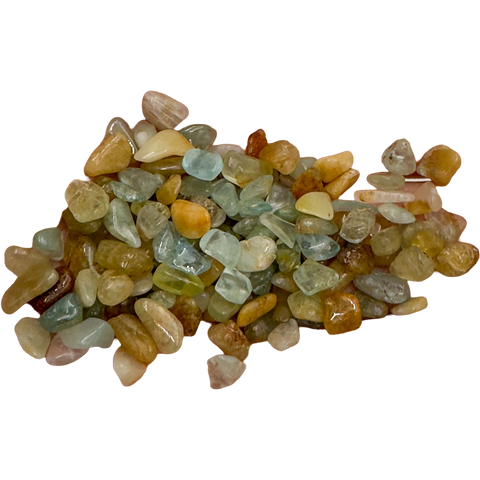
 Aquamarinefor serenity
 Aventurinefor luck
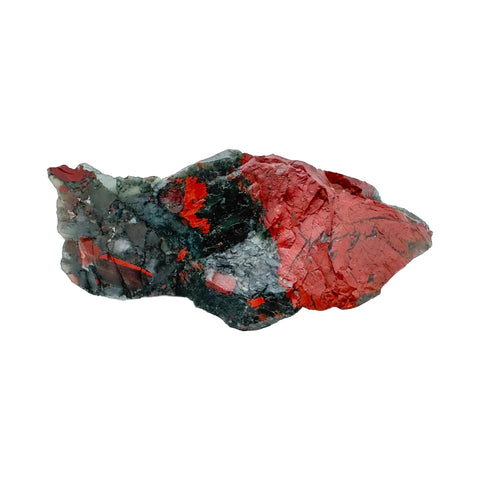
 Bloodstonefor energy
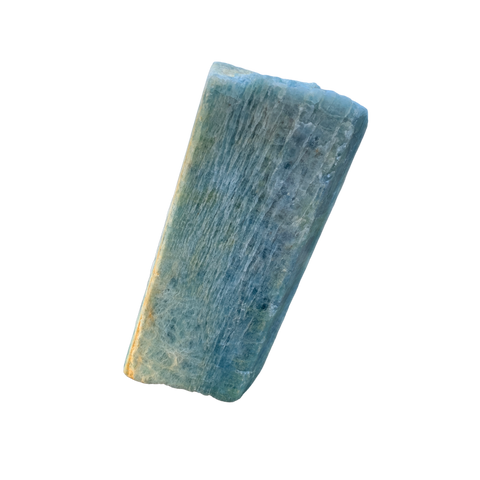
 Blue Kyanitefor confidence
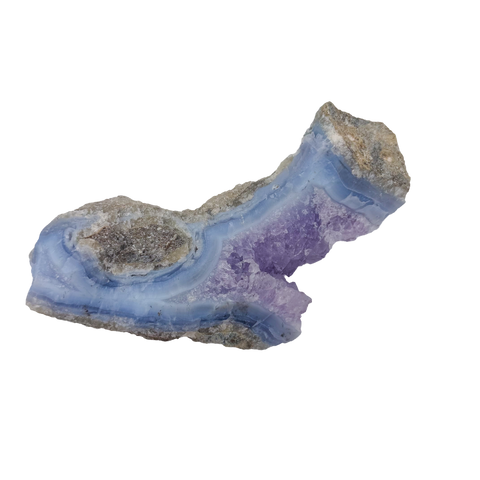
 Blue Lace Agatefor stress relief
 Chrysocollafor emotional healing
 Fluoritefor focus
 Garnetfor energy
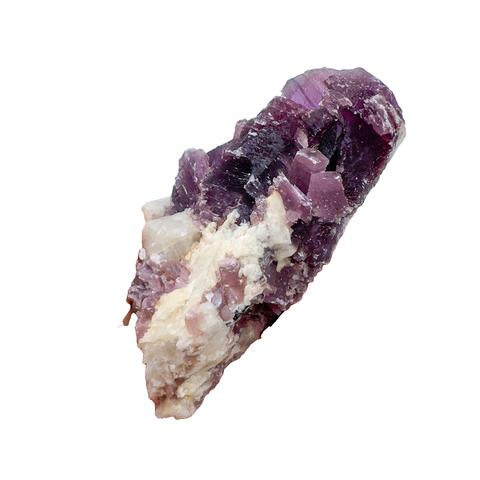
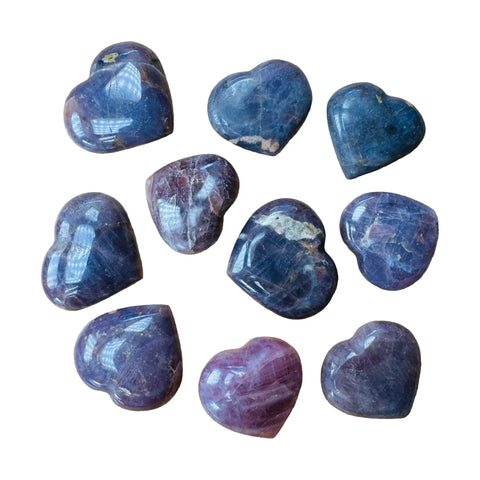
 Lepidolitefor stress relief
 Malachitefor emotional healing
 Moonstonefor grounding
 Obsidianfor protection
 Ocean Jasperfor emotional healing
 Red Jasperfor grounding
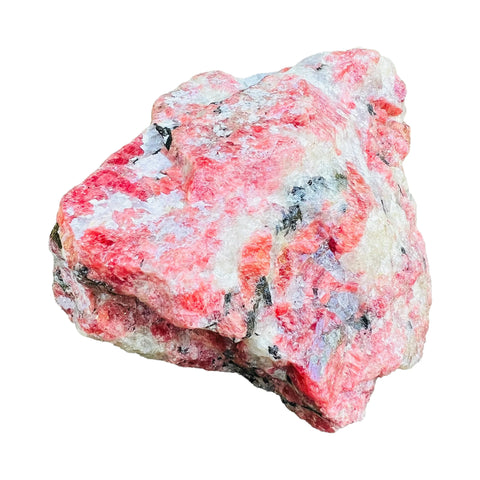
 Rhodonitefor emotional healing
 Selenitefor cleansing
 Sodalitefor focus
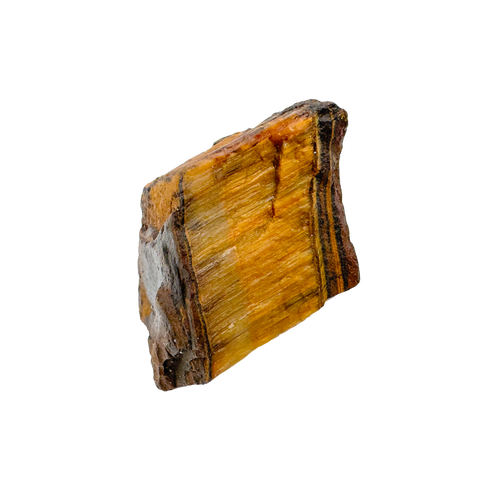
 Tiger Eyefor confidence
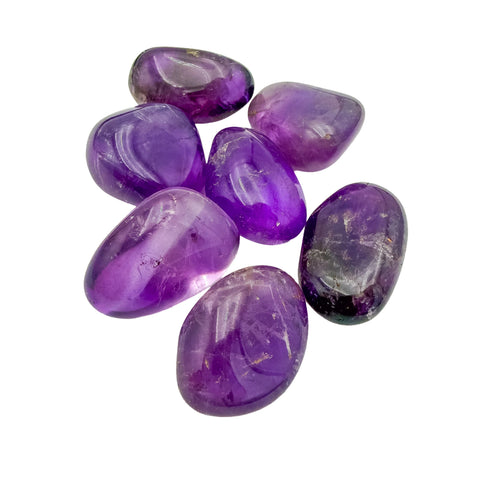


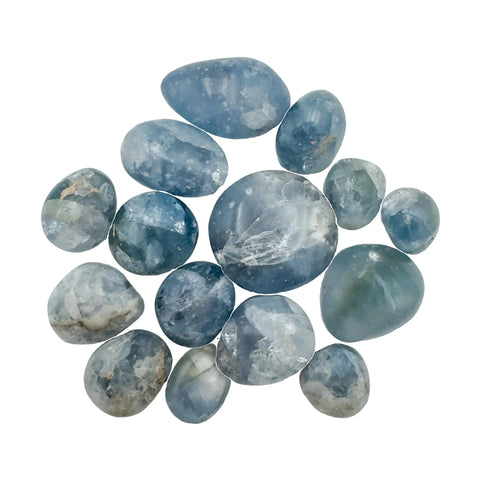


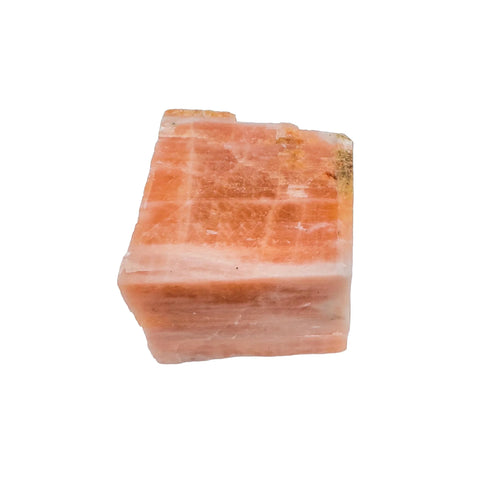
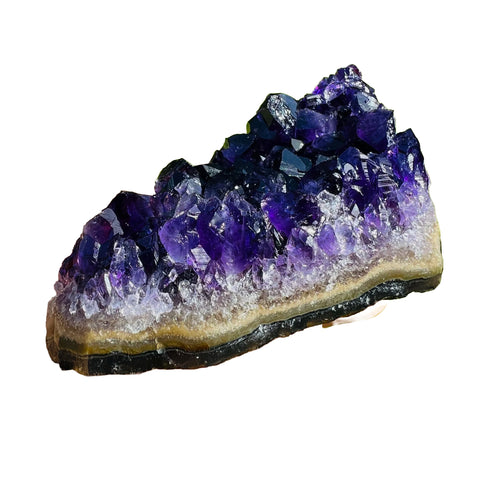





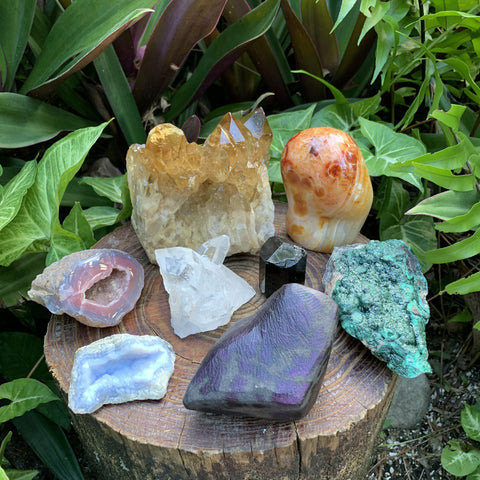
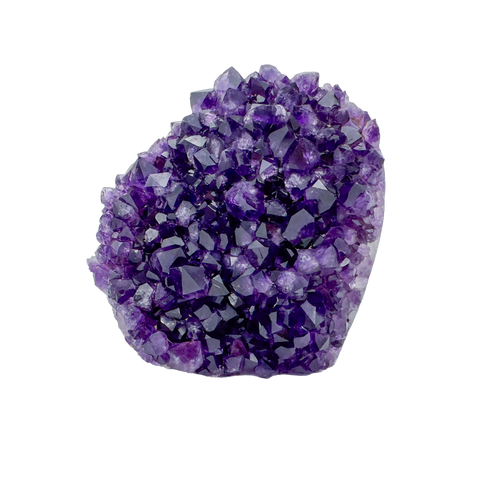
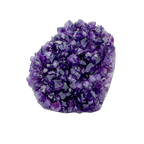 Amethyst
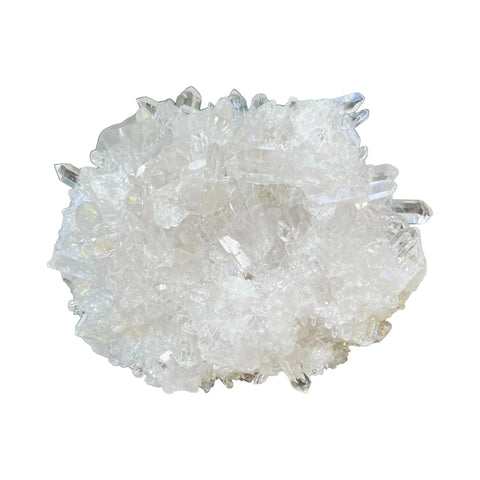
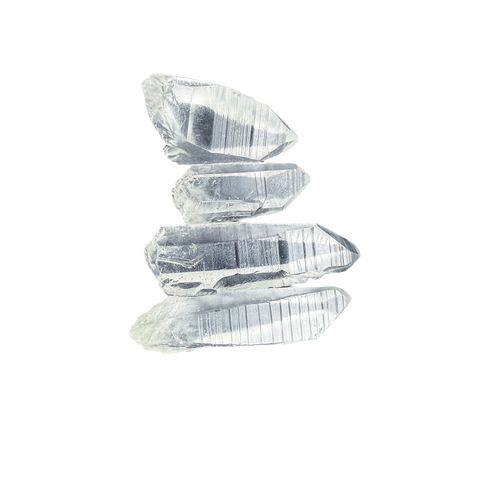
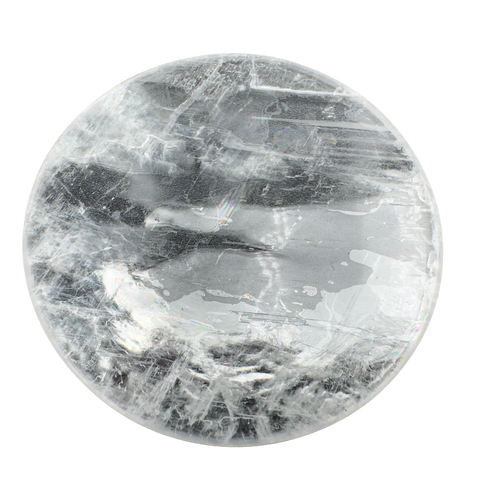
 Clear Quartz
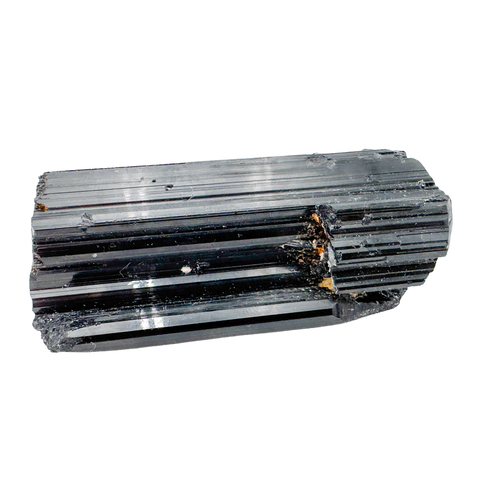
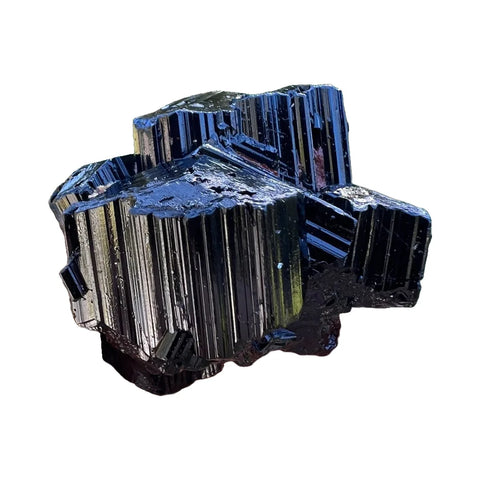
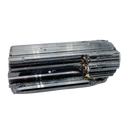 Black Tourmaline
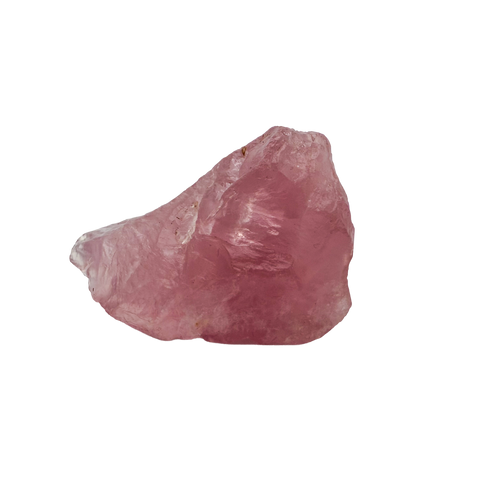
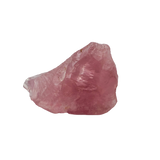 Rose Quartz
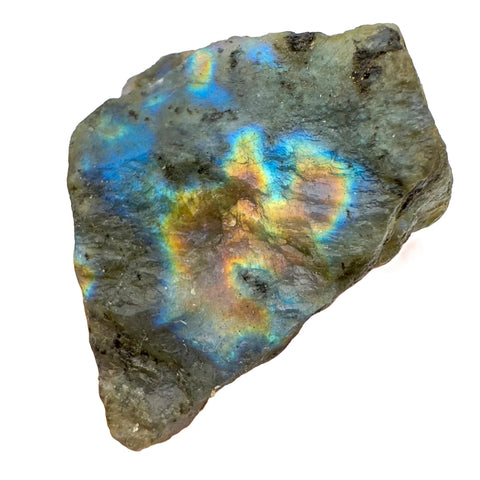
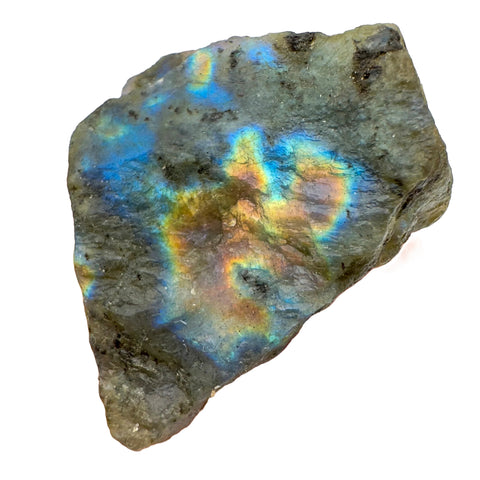
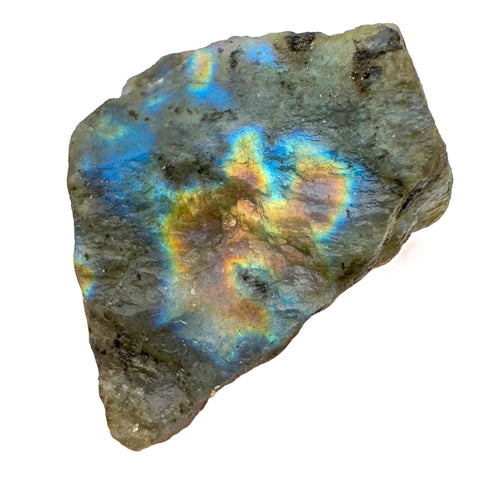
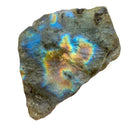 Labradorite
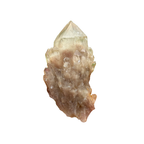 Natural Citrine
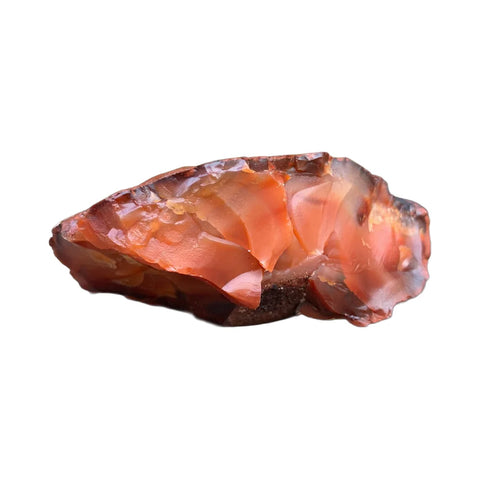
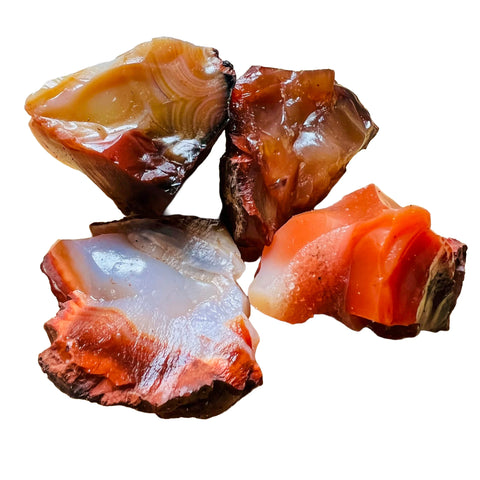
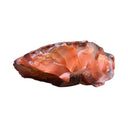 Carnelian
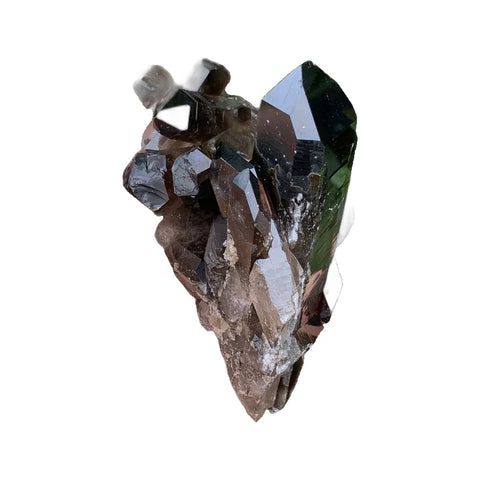
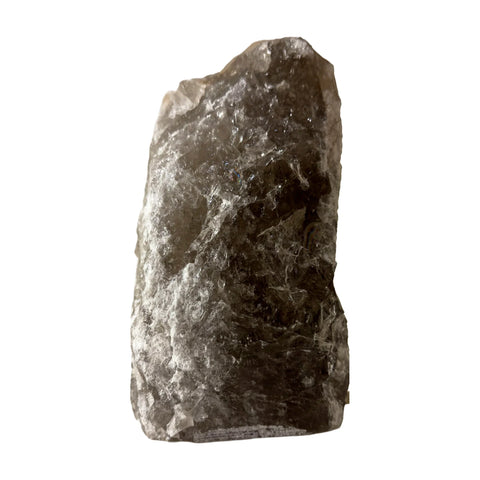
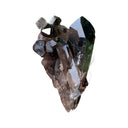 Smoky Quartz
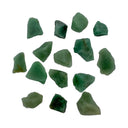 Aventurine
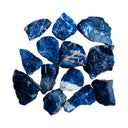 Sodalite
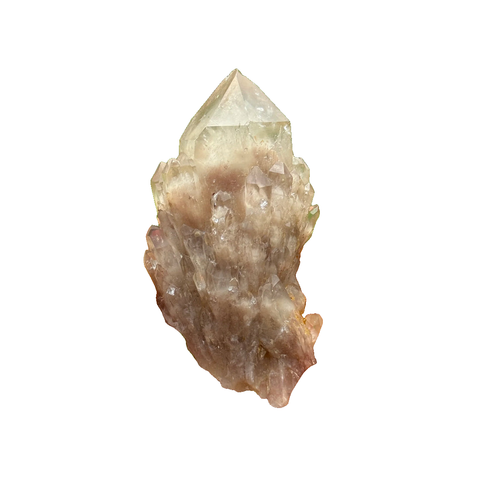
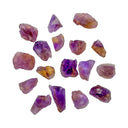 Ametrine
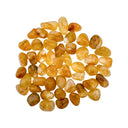 Golden Healer
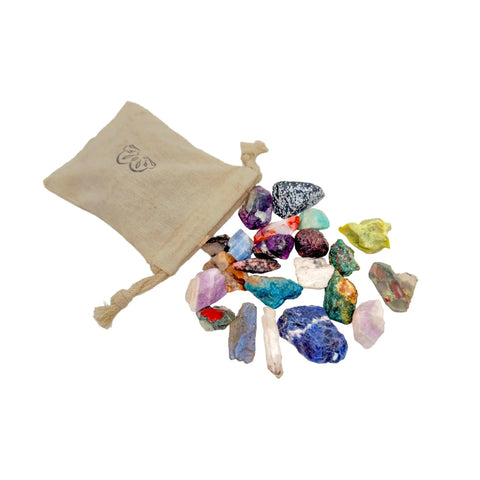
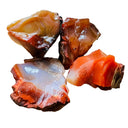 Raw Stones
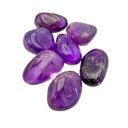 Tumbled Stones
 Palm Stones
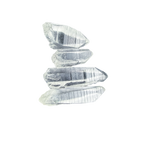 Crystal Points
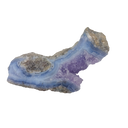 Clusters & Geodes
 Polished & Decor
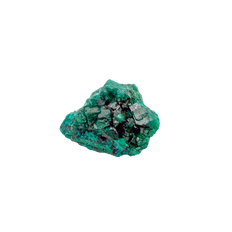 Mineral Specimens
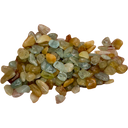 Crystal Chips
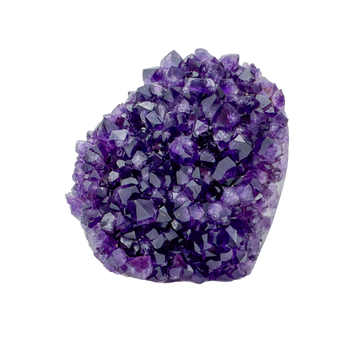
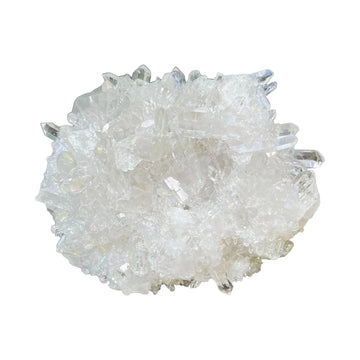
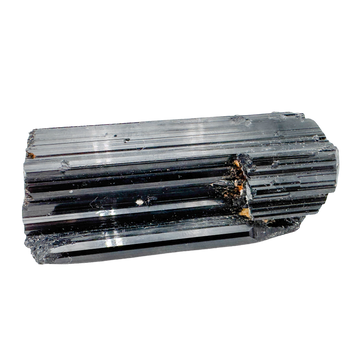
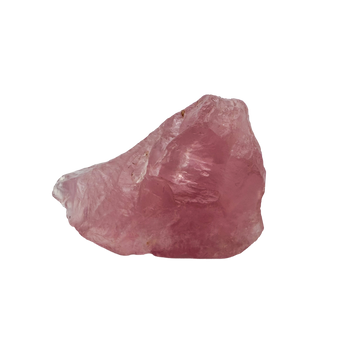
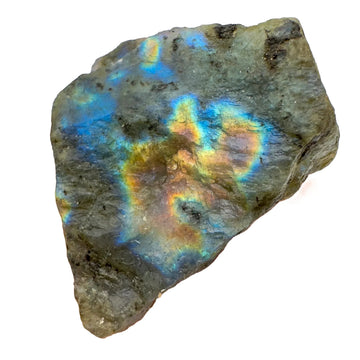
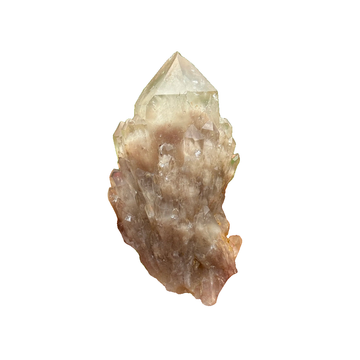
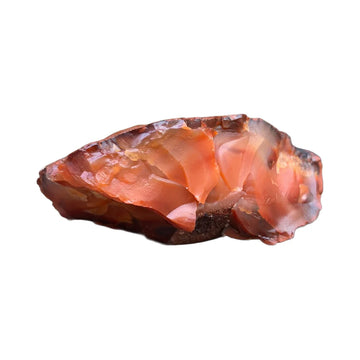
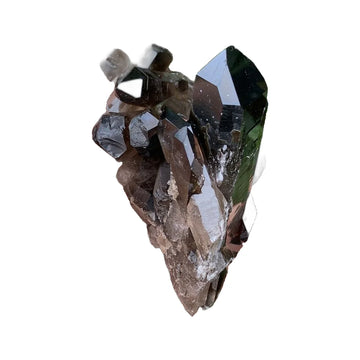
 Raw Stones
179 to choose from
Raw Stones
179 to choose from
 Tumbled Stones
162 to choose from
Tumbled Stones
162 to choose from
 Palm Stones
25 to choose from
Palm Stones
25 to choose from
 Crystal Points
23 to choose from
Crystal Points
23 to choose from
 Clusters & Geodes
98 to choose from
Clusters & Geodes
98 to choose from
 Polished & Decor
147 to choose from
Polished & Decor
147 to choose from
 Mineral Specimens
248 to choose from
Mineral Specimens
248 to choose from
 Crystal Chips
21 to choose from
Crystal Chips
21 to choose from


 AngolaAquamarine
›
AngolaAquamarine
›
 BotswanaCarnelian, Tree Agate
›
BotswanaCarnelian, Tree Agate
›
 DR CongoMalachite, Natural Citrine
›
DR CongoMalachite, Natural Citrine
›
 EswatiniBloodstone
›
EswatiniBloodstone
›
 MadagascarLabradorite, Clear Quartz
›
MadagascarLabradorite, Clear Quartz
›
 MalawiBlue Lace Agate, Garnet
›
MalawiBlue Lace Agate, Garnet
›
 MozambiqueAmazonite
›
MozambiqueAmazonite
›
 NamibiaSodalite, Blue Lace Agate
›
NamibiaSodalite, Blue Lace Agate
›
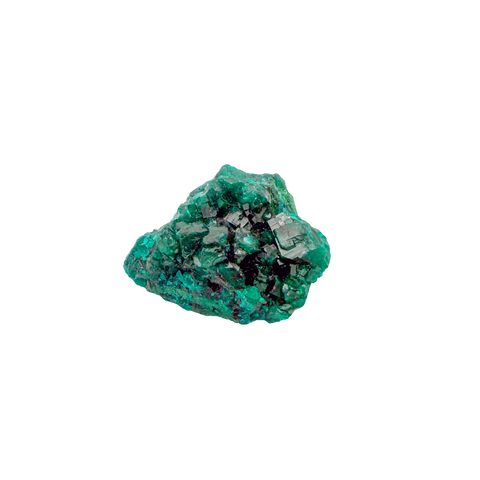
 Republic of the CongoDioptase
›
Republic of the CongoDioptase
›
 South AfricaTiger Eye, Unakite
›
South AfricaTiger Eye, Unakite
›
 ZambiaChevron Amethyst
›
ZambiaChevron Amethyst
›
 ZimbabweEmerald, Rhodonite
›
ZimbabweEmerald, Rhodonite
›
 ArgentinaBlack Obsidian, Rhodochrosite
›
ArgentinaBlack Obsidian, Rhodochrosite
›
 BoliviaAmetrine
›
BoliviaAmetrine
›
 BrazilAmethyst, Clear Quartz
›
BrazilAmethyst, Clear Quartz
›
 PeruSerpentine, Jade
›
PeruSerpentine, Jade
›
 UruguayAmethyst
›
UruguayAmethyst
›
 Dominican RepublicLarimar
›
Dominican RepublicLarimar
›
 MexicoRainbow Obsidian, Crazy Lace Agate
›
MexicoRainbow Obsidian, Crazy Lace Agate
›
 United StatesSelenite, Peridot
›
United StatesSelenite, Peridot
›
 ChinaFluorite
›
ChinaFluorite
›
 RussiaShungite
›
RussiaShungite
›
 AustraliaMookaite
›
AustraliaMookaite
›
 Where our crystals come from
See where we source →
Where our crystals come from
See where we source →


 Aries
Mar 21 to Apr 19
Carnelian
›
Aries
Mar 21 to Apr 19
Carnelian
›
 Taurus
Apr 20 to May 20
Rose Quartz
›
Taurus
Apr 20 to May 20
Rose Quartz
›
 Gemini
May 21 to Jun 20
Agate
›
Gemini
May 21 to Jun 20
Agate
›
 Cancer
Jun 21 to Jul 22
Moonstone
›
Cancer
Jun 21 to Jul 22
Moonstone
›
 Leo
Jul 23 to Aug 22
Citrine
›
Leo
Jul 23 to Aug 22
Citrine
›
 Virgo
Aug 23 to Sep 22
Amazonite
›
Virgo
Aug 23 to Sep 22
Amazonite
›
 Libra
Sep 23 to Oct 22
Blue Lace Agate
›
Libra
Sep 23 to Oct 22
Blue Lace Agate
›
 Scorpio
Oct 23 to Nov 21
Obsidian
›
Scorpio
Oct 23 to Nov 21
Obsidian
›
 Sagittarius
Nov 22 to Dec 21
Sodalite
›
Sagittarius
Nov 22 to Dec 21
Sodalite
›
 Capricorn
Dec 22 to Jan 19
Black Tourmaline
›
Capricorn
Dec 22 to Jan 19
Black Tourmaline
›
 Aquarius
Jan 20 to Feb 18
Amethyst
›
Aquarius
Jan 20 to Feb 18
Amethyst
›
 Pisces
Feb 19 to Mar 20
Aquamarine
›
Gifting?
A birthday stone is the safe bet.
Read the zodiac guide →
Pisces
Feb 19 to Mar 20
Aquamarine
›
Gifting?
A birthday stone is the safe bet.
Read the zodiac guide →


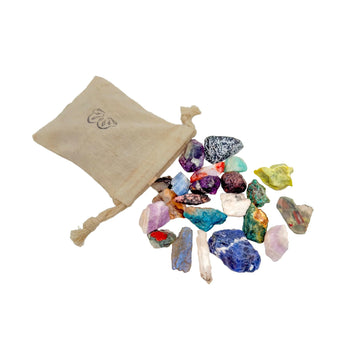
Pyrite
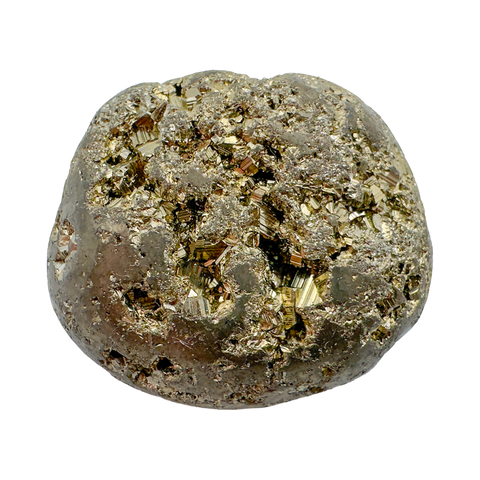
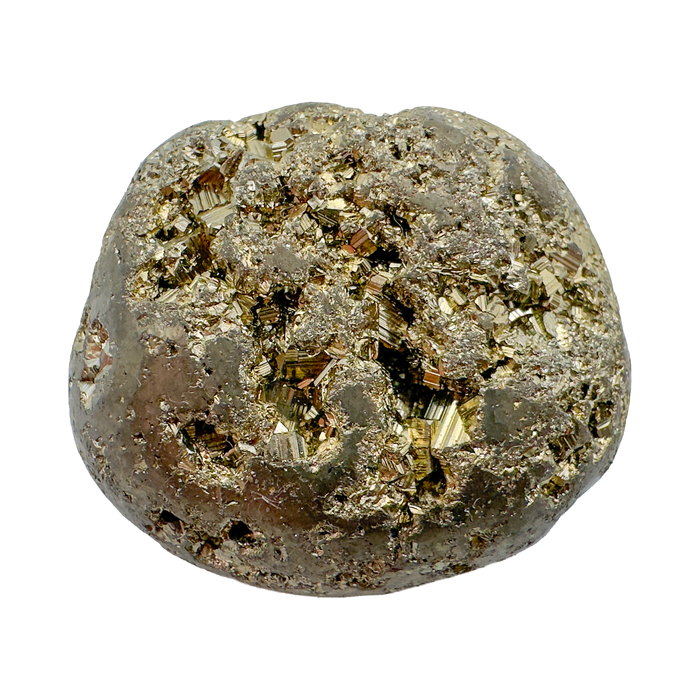
Pyrite is iron disulfide (FeS₂), the brass-yellow mineral that crystallizes into near-perfect cubes and pyritohedrons. It is heavy, metallic, and recognizable by sight, with a long working tradition as a stone of abundance, confidence, and protected forward motion. Despite the old nickname fool's gold, it has its own respected place in mineralogy and crystal practice.
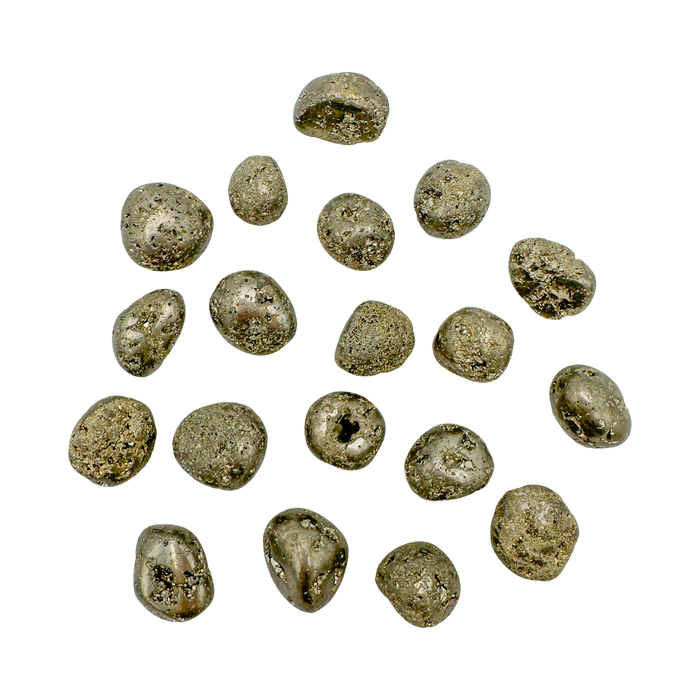
Shop pyritePyrite, in stock now.
From Ancash, Peru, ready to ship.
- from 1,000+ reviews
- Ships within 72 hoursMonday to Friday, tracked
- 90 days to return itif you do not love it
- Free US shipping over $99$8.99 flat rate under
The geology.
Pyrite is iron disulfide (FeS₂), a sulfide mineral that crystallizes in the isometric (cubic) system. Its color is intrinsic to the chemistry rather than a trace impurity, which is why pyrite from every locality on earth carries the same brass-yellow metallic body. Crystals form most often as cubes, pyritohedrons, or octahedrons, sometimes with the characteristic striated faces collectors look for.
Hardness sits at 6 to 6.5 on the Mohs scale, harder than glass but softer than quartz. Specific gravity is 5.01 to 5.10, notably heavy for a piece of its size, which is one of the quickest ways to distinguish real pyrite from softer or lighter imitations. The luster is brilliant and metallic, the streak is greenish-black, and the fracture is uneven. Despite being a semiconductor rather than a true metal, pyrite reads as metal in the hand, in the eye, and on a scale.
The origins.
Pyrite is one of the most widely distributed sulfide minerals on earth, but only a handful of localities produce specimens with the sharp crystal geometry collectors and crystal workers look for. Spain's Navajún mine in La Rioja is the most famous, producing the textbook cubes pressed into shale matrix that have made pyrite a staple of mineral collections worldwide. Peru's Ancash and Moquegua regions produce some of the most distinctive crystallized pyrite on the market, often as intergrown cubic clusters and pyritohedrons.
Italy's Tuscan deposits at Elba and Gavorrano have been worked since Etruscan times. The United States produces pyrite from Colorado (Climax, Leadville), California (Spanish district), and Illinois. Russia, Greece, and Bolivia round out the major commercial sources. Our current stock is sourced from Peru through a long-running supplier relationship; mine-level origin is confirmed at the batch level.
Traditional associations.
Pyrite was named from the Greek pyr, meaning fire, because striking it against steel throws a spark, a property the ancient world used to start hearths and which gave pyrite its long association with forward motion, will, and the warmth of the body. Indigenous peoples of South America used polished pyrite as ceremonial mirrors; the Inca produced striking pyrite reflectors that survived into European collections. Greek and Roman traditions valued pyrite for its decisive geometry and its connection to the sun.
Modern crystal practice associates pyrite with abundance, confidence, and the kind of protection that comes from clarity rather than fear. It is most commonly worked with the Solar Plexus and Root chakras, the element of Fire, and the zodiac signs Leo, Virgo, and Scorpio. The classic uses are workspace display for focus and manifestation work, altar centerpiece for abundance practices, and pocket carry for steady confidence through the day.
Spotting the real thing.
Real pyrite is heavy. A tumbled stone the size of a marble has noticeable density that imitations rarely match, and the specific gravity test (a real pyrite cube about an inch across will weigh significantly more than an equivalent quartz cube) is the fastest field check. The luster should be brilliant and reflective rather than dull or matte, the color is consistent brass-yellow throughout, and the streak on an unglazed ceramic tile is greenish-black, never the yellow streak of true gold.
The closest market confusion is chalcopyrite (CuFeS₂), another brassy sulfide. Chalcopyrite is softer (3.5 to 4 on Mohs), can be scratched by a copper penny, and tarnishes more readily to iridescent purples and blues. Marcasite is the same chemistry as pyrite (FeS₂) but a different crystal structure, more brittle, and prone to crumbling. Synthetic pyrite is rare in the consumer trade and shows uniform crystal habit that natural material almost never matches. Painted or coated specimens are rarer still; a good seller will name origin, form, and any finishing on every listing.
Care & handling.
Dry storage is the single most important care rule. Pyrite is chemically stable in normal indoor conditions, but in persistently humid or wet environments it can oxidize, developing a surface patina or, in extreme cases, breaking down to sulfuric acid and iron sulfates. The fix is straightforward: keep it away from prolonged moisture. Display in a dry room, wipe with a soft cloth rather than rinsing, and store in a closed drawer or cabinet rather than a humid bathroom.
Some collectors prefer the patina that develops naturally over years, treating it as character rather than damage. Either approach is valid. For cleansing, sound, smoke, and time on selenite or in moonlight are all safe. Salt and saltwater are not recommended because of the moisture and the chemical risk. At hardness 6 to 6.5, pyrite handles normal display and gentle handling well; it is generally not used in daily-wear jewelry because of the oxidation sensitivity and because the corners of cubic crystals can chip with repeated impact.
Pairs well with.
Proof, not promises.
We measure our own sourcing across five dimensions. Supply chain, environmental footprint, artisan support, market integrity, and pricing. The number is honest, not perfect. Where we can do better, we say so.
A deeper look.
Extended geology, sourcing, authentication, history, varieties, and pricing, for when the quick guide isn't quite enough.
Extended geology
Pyrite is iron disulfide (FeS₂), the most common sulfide mineral in the earth's crust. It forms in a remarkable range of environments: hydrothermal veins, contact metamorphic deposits, sedimentary basins where it precipitates from sulfate-reducing bacteria, and as an alteration product in coal beds. The cubic system geometry produces the textbook cubes that show up in collections, but pyritohedrons (twelve-sided forms with pentagonal faces) and octahedrons are equally diagnostic.
Specific gravity 5.01 to 5.10. Mohs hardness 6 to 6.5. Indistinct cleavage and uneven to conchoidal fracture. Brilliant metallic luster. Pyrite is paramagnetic and a semiconductor, and its electrical and optical properties have been studied for use in solar cells and photovoltaic research. Slow oxidation in humid air can produce iron sulfates (the white or yellow efflorescence sometimes seen on poorly stored specimens) and, in extreme cases, sulfuric acid, which is why dry storage matters for long-term keeping.
Extended sourcing
Spain's Navajún mine (Ampliación a Victoria) in La Rioja produces the most famous pyrite specimens in the world: sharp natural cubes embedded in shale matrix, often in tightly intergrown groups. Peru's Ancash and Moquegua districts produce a different aesthetic: brilliant pyritohedral clusters and intergrown cubes, often with secondary minerals like sphalerite or quartz. Italy's Tuscan mines at Elba and Gavorrano have been worked since Etruscan times and are now largely depleted of new specimen production, though older material continues to circulate.
The United States produces pyrite from a range of localities: Colorado (Climax, Leadville), California, Illinois, and the Tri-State district. Russia (Berezovsk), Greece (Kassandra), Bolivia, and Kazakhstan are smaller but real commercial sources. Mine-level provenance is rarely available below the country level for tumbled commercial material, which is why named-mine specimens carry a premium and why we are clear when we know the specific district and when we only know the country.
Authentication and warning signs
Real pyrite is heavy. The first test on any specimen is the heft check: hold a piece and a similarly sized quartz piece in opposite hands. The pyrite reads as nearly twice the weight, because its specific gravity (5.0) is double that of quartz (2.65). The streak test is the second fast check: rub a corner across an unglazed ceramic tile and look for greenish-black, never gold-yellow.
Chalcopyrite is the closest market confusion. It is softer (3.5 to 4) and can be scratched by a copper penny; pyrite cannot. Chalcopyrite tarnishes to iridescent peacock colors more readily than pyrite, which simply dulls and patinas. Marcasite (also FeS₂ but orthorhombic) is more brittle and crumbles. A good seller will name the species, the origin, and the form (cube, pyritohedron, sun, cluster) on the product page.
Historical and cultural context
The name pyrite comes from the Greek pyr (fire), because striking it against steel produces sparks. This property made pyrite a fire-starting tool across the ancient world; the earliest documented use traces to Paleolithic flint-and-pyrite kits used to ignite tinder. The same association with fire and warmth runs through pyrite's later cultural history.
The Inca produced large polished pyrite mirrors for ceremonial use, some of which survive in museum collections. Indigenous traditions of the Andes and Mesoamerica used pyrite in divination and ornamentation. European medieval and Renaissance traditions associated pyrite with wealth, the sun, and protection, partly because of its visual resemblance to gold and partly because of its weight and durability. The nickname fool's gold dates to the gold rushes of the nineteenth century, when prospectors mistook pyrite for true gold; geologically the resemblance is only surface deep, but the name has stuck.
Varieties and trade names
Pyrite cube: the classic cubic form, often from Spain or Peru.
Pyrite sun (dollar): flattened disc-shaped concretions, mostly from Illinois (Sparta).
Pyrite pyritohedron: twelve-sided form with pentagonal faces.
Pyrite cluster: intergrown crystals, often pyritohedral, mostly Peruvian.
Iron pyrite: another name for the species; functionally identical to pyrite.
Fool's gold: colloquial name; sometimes also applied to chalcopyrite.
Pricing reality
Tumbled pyrite: 3 to 12 dollars per piece. Small cubes (under 1 inch) on matrix: 10 to 60 dollars. Mid-sized Peruvian clusters: 25 to 200 dollars. Fine Spanish cubes on matrix: 75 to 800 dollars and up, with named-mine pieces from Navajún at the top of the range. Pyrite suns: 25 to 250 dollars depending on size and quality. Pyritized fossils (ammonites, brachiopods) are a separate collector category.
Value drivers: crystal form (sharp natural geometry), size of the largest crystal, brightness of luster (no surface oxidation), matrix association, and documented locality. Warning signs: lacquered or coated specimens marketed as fresh, no origin offered, or chalcopyrite sold at pyrite prices without disclosure.
Good sourcing is a practice, not a claim.
Nothing we sell is chalcopyrite, lacquered, or coated and sold as pyrite. We name our origins where we can. We say so when we cannot. We walk away from material that doesn't meet our standard, even when it costs us sales.
Bring pyrite home.
Every piece we carry is photographed individually and listed with its own origin and condition notes. What you see is what ships.
Shop the pyrite collectionGrounded Connections
New stones go to the list first.
No forwarding, no selling. Unsubscribe in one click. Privacy