


 Agatefor stress relief
 Amazonitefor stress relief
 Aquamarinefor serenity
 Aventurinefor luck
 Bloodstonefor energy
 Blue Kyanitefor confidence
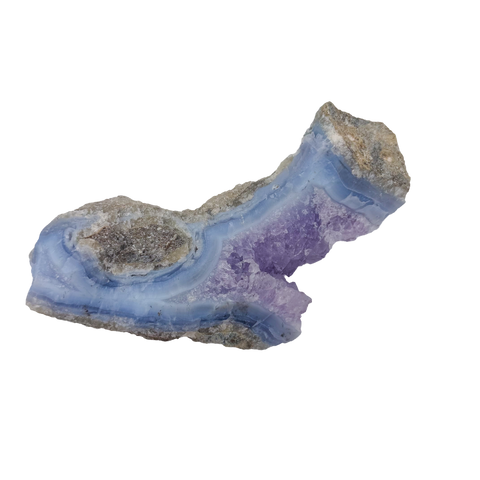
 Blue Lace Agatefor stress relief
 Chrysocollafor emotional healing
 Fluoritefor focus
 Garnetfor energy
 Lepidolitefor stress relief
 Malachitefor emotional healing
 Moonstonefor grounding
 Obsidianfor protection
 Ocean Jasperfor emotional healing
 Red Jasperfor grounding
 Rhodonitefor emotional healing
 Selenitefor cleansing
 Sodalitefor focus
 Tiger Eyefor confidence
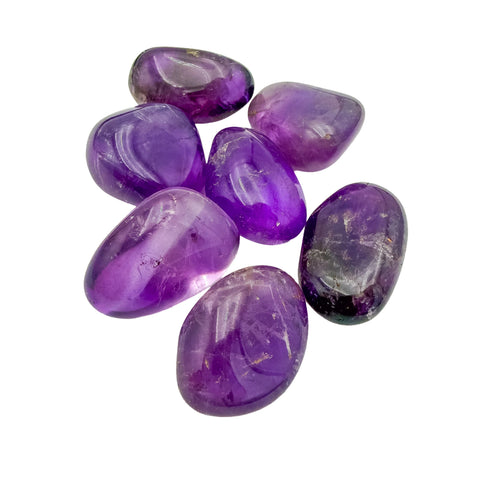


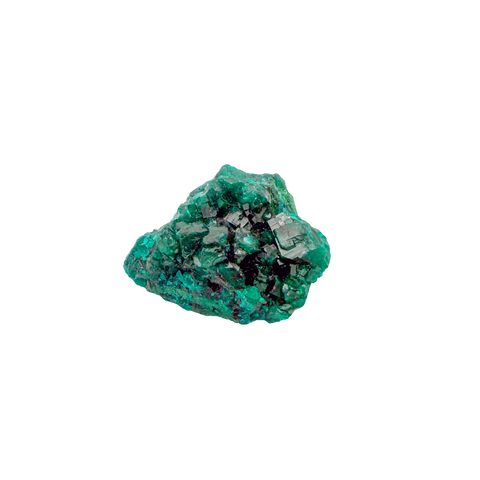
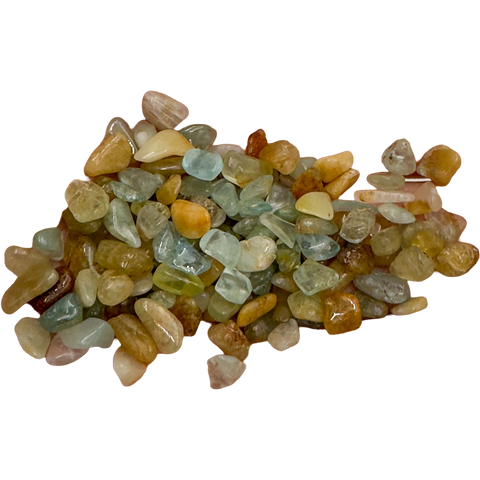
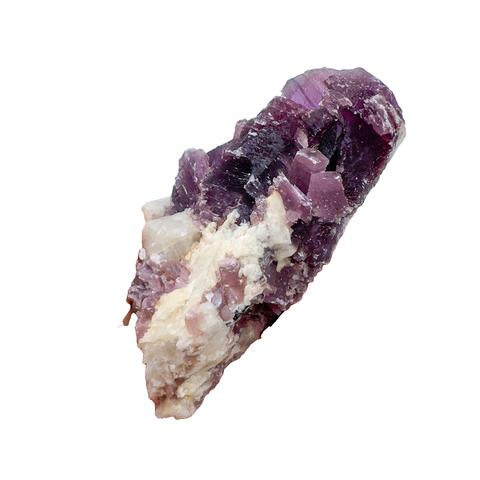
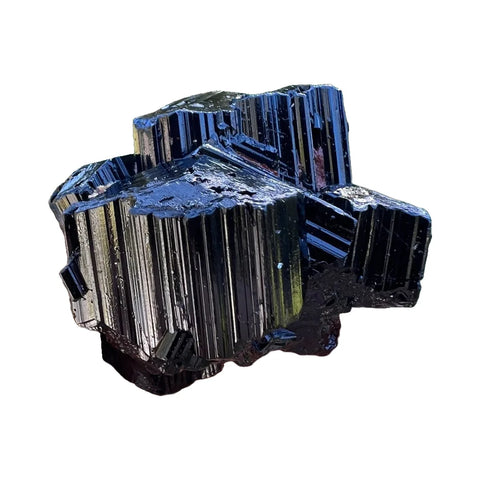
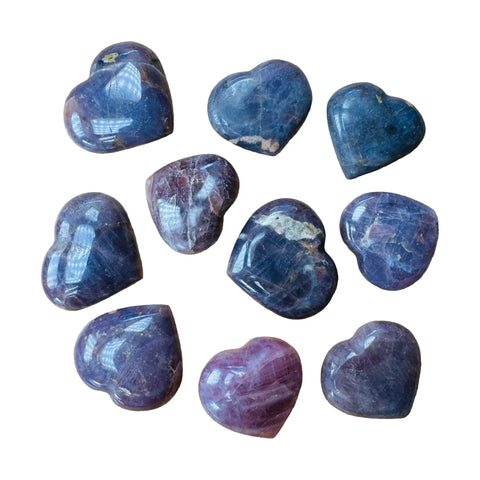
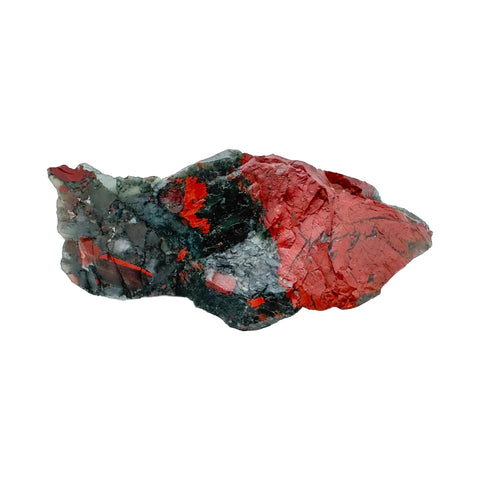
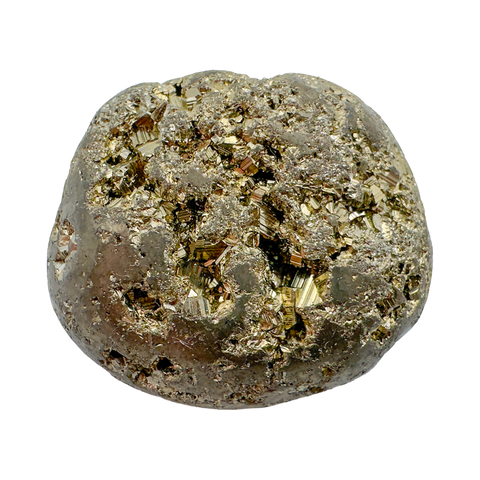
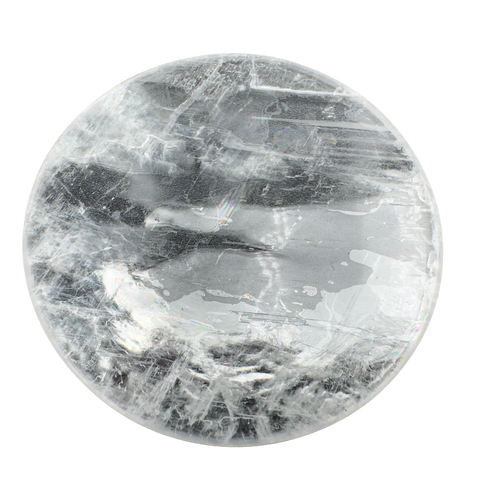


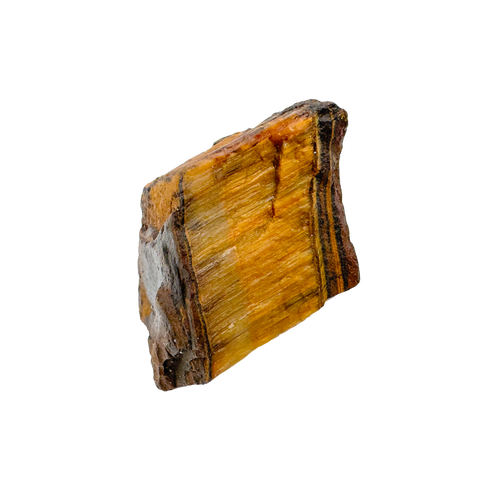
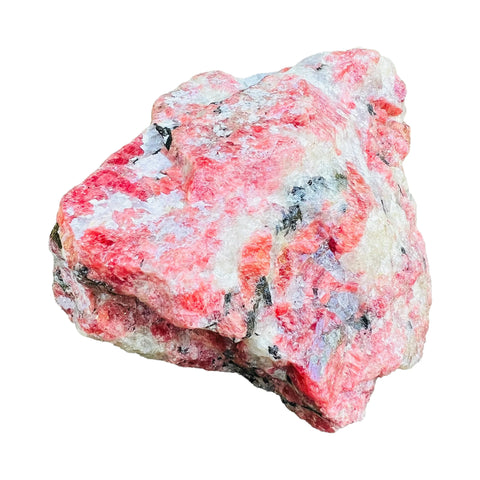
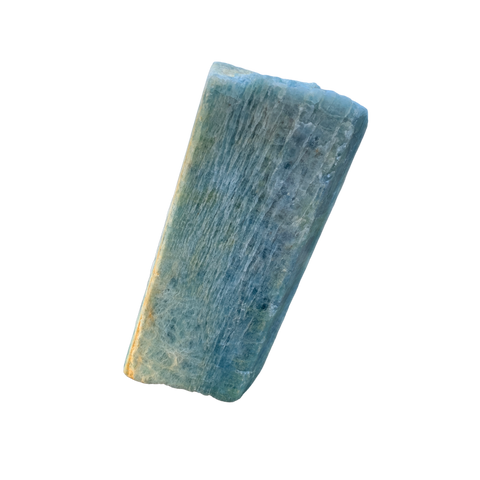
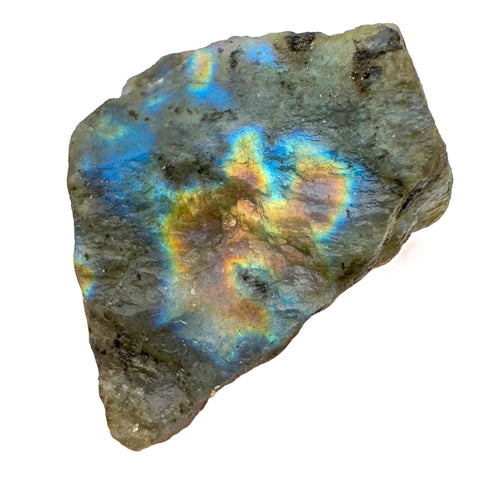








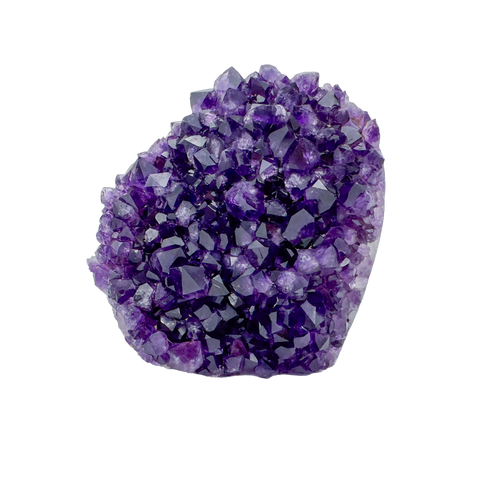
 Amethyst
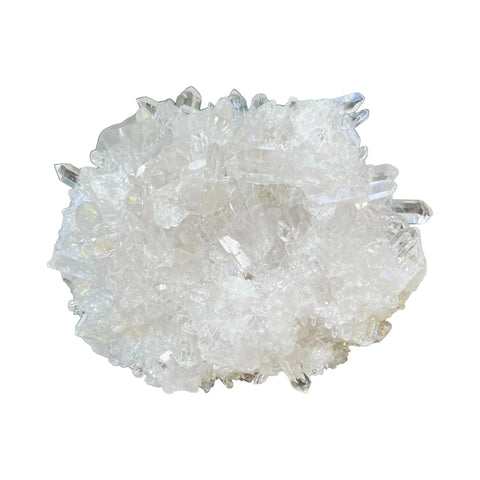
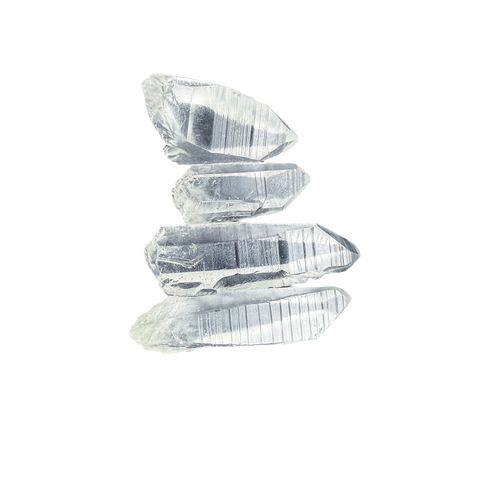
 Clear Quartz
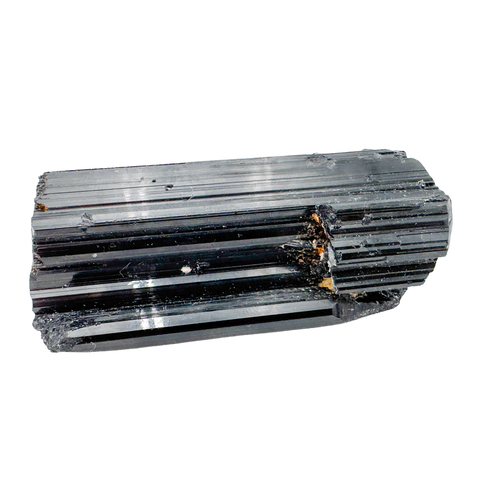
 Black Tourmaline
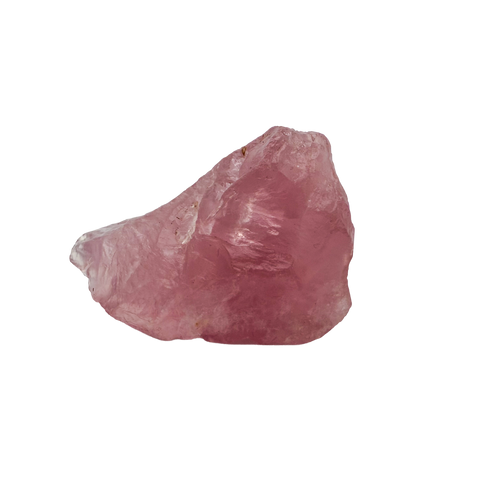
 Rose Quartz
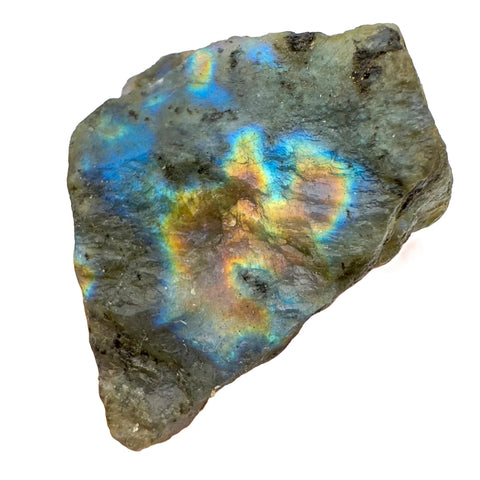
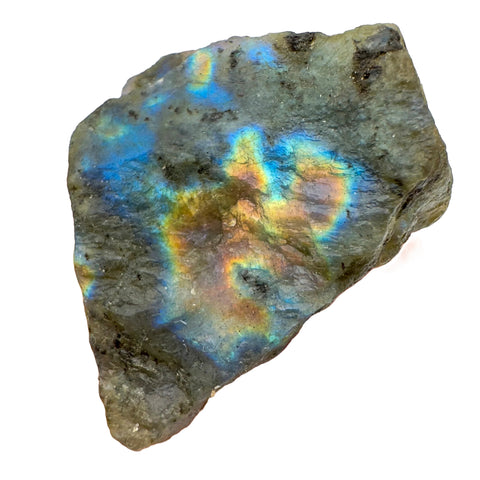
 Labradorite
 Natural Citrine
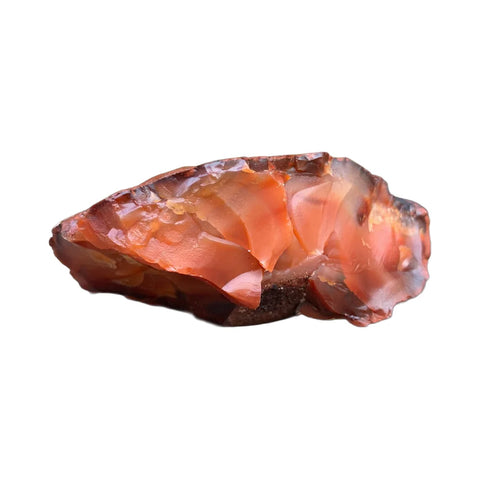
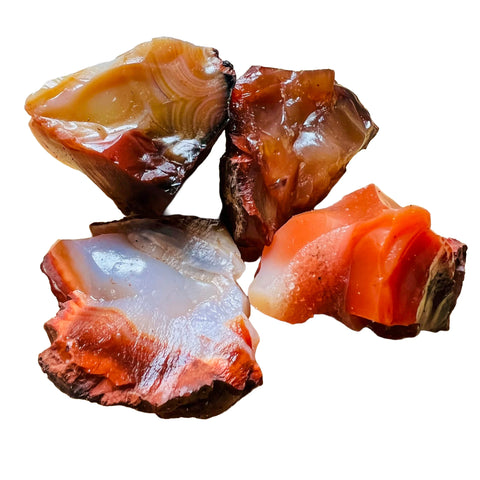
 Carnelian
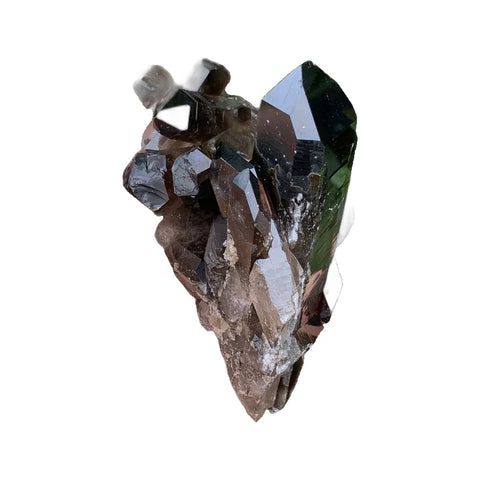
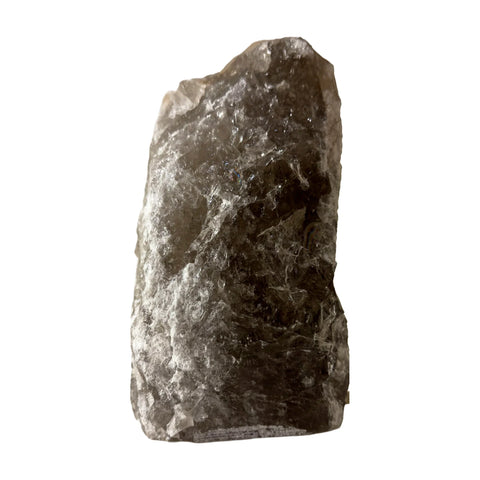
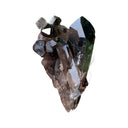 Smoky Quartz
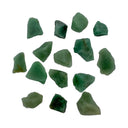 Aventurine
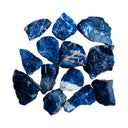 Sodalite
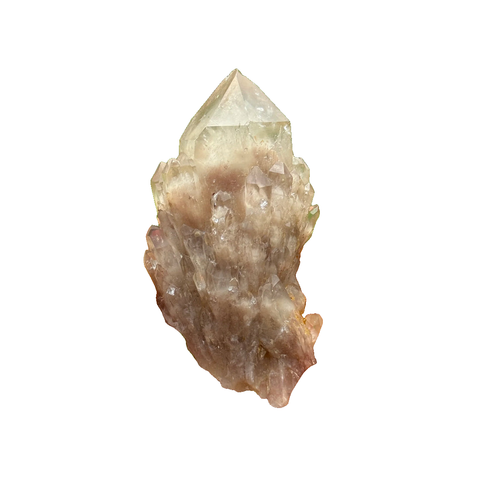
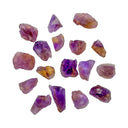 Ametrine
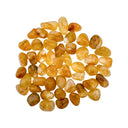 Golden Healer
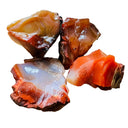 Raw Stones
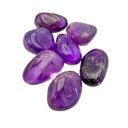 Tumbled Stones
 Palm Stones
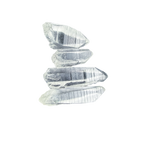 Crystal Points
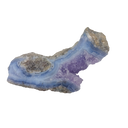 Clusters & Geodes
 Polished & Decor
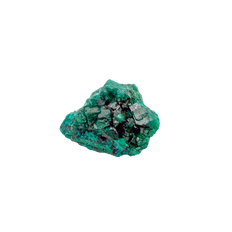 Mineral Specimens
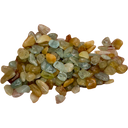 Crystal Chips
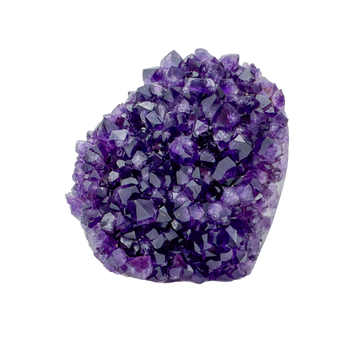
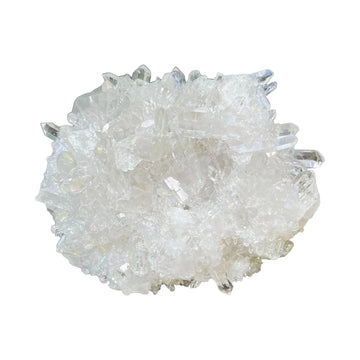
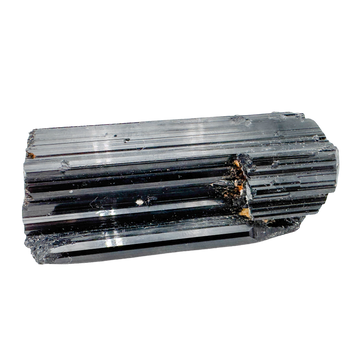
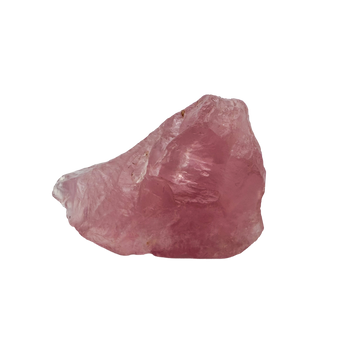
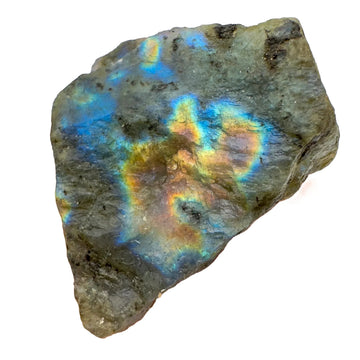
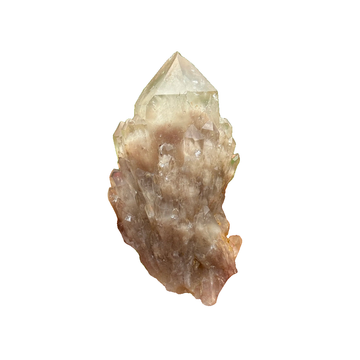
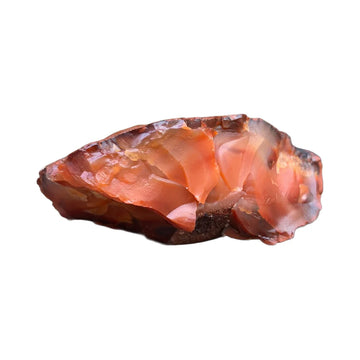
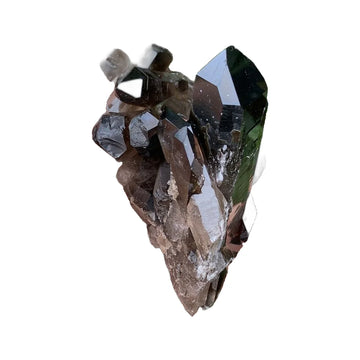
 Raw Stones
179 to choose from
Raw Stones
179 to choose from
 Tumbled Stones
162 to choose from
Tumbled Stones
162 to choose from
 Palm Stones
25 to choose from
Palm Stones
25 to choose from
 Crystal Points
23 to choose from
Crystal Points
23 to choose from
 Clusters & Geodes
103 to choose from
Clusters & Geodes
103 to choose from
 Polished & Decor
148 to choose from
Polished & Decor
148 to choose from
 Mineral Specimens
257 to choose from
Mineral Specimens
257 to choose from
 Crystal Chips
21 to choose from
Crystal Chips
21 to choose from


 AngolaAquamarine
›
AngolaAquamarine
›
 BotswanaCarnelian, Tree Agate
›
BotswanaCarnelian, Tree Agate
›
 DR CongoMalachite, Natural Citrine
›
DR CongoMalachite, Natural Citrine
›
 EswatiniBloodstone
›
EswatiniBloodstone
›
 MadagascarLabradorite, Clear Quartz
›
MadagascarLabradorite, Clear Quartz
›
 MalawiBlue Lace Agate, Garnet
›
MalawiBlue Lace Agate, Garnet
›
 MozambiqueAmazonite
›
MozambiqueAmazonite
›
 NamibiaSodalite, Blue Lace Agate
›
NamibiaSodalite, Blue Lace Agate
›
 Republic of the CongoDioptase
›
Republic of the CongoDioptase
›
 South AfricaTiger Eye, Unakite
›
South AfricaTiger Eye, Unakite
›
 ZambiaChevron Amethyst
›
ZambiaChevron Amethyst
›
 ZimbabweEmerald, Rhodonite
›
ZimbabweEmerald, Rhodonite
›
 ArgentinaBlack Obsidian, Rhodochrosite
›
ArgentinaBlack Obsidian, Rhodochrosite
›
 BoliviaAmetrine
›
BoliviaAmetrine
›
 BrazilAmethyst, Clear Quartz
›
BrazilAmethyst, Clear Quartz
›
 PeruSerpentine, Jade
›
PeruSerpentine, Jade
›
 UruguayAmethyst
›
UruguayAmethyst
›
 Dominican RepublicLarimar
›
Dominican RepublicLarimar
›
 MexicoRainbow Obsidian, Crazy Lace Agate
›
MexicoRainbow Obsidian, Crazy Lace Agate
›
 United StatesSelenite, Peridot
›
United StatesSelenite, Peridot
›
 ChinaFluorite
›
ChinaFluorite
›
 RussiaShungite
›
RussiaShungite
›
 AustraliaMookaite
›
AustraliaMookaite
›
 Where our crystals come from
See where we source →
Where our crystals come from
See where we source →


 Aries
Mar 21 to Apr 19
Carnelian
›
Aries
Mar 21 to Apr 19
Carnelian
›
 Taurus
Apr 20 to May 20
Rose Quartz
›
Taurus
Apr 20 to May 20
Rose Quartz
›
 Gemini
May 21 to Jun 20
Agate
›
Gemini
May 21 to Jun 20
Agate
›
 Cancer
Jun 21 to Jul 22
Moonstone
›
Cancer
Jun 21 to Jul 22
Moonstone
›
 Leo
Jul 23 to Aug 22
Citrine
›
Leo
Jul 23 to Aug 22
Citrine
›
 Virgo
Aug 23 to Sep 22
Amazonite
›
Virgo
Aug 23 to Sep 22
Amazonite
›
 Libra
Sep 23 to Oct 22
Blue Lace Agate
›
Libra
Sep 23 to Oct 22
Blue Lace Agate
›
 Scorpio
Oct 23 to Nov 21
Obsidian
›
Scorpio
Oct 23 to Nov 21
Obsidian
›
 Sagittarius
Nov 22 to Dec 21
Sodalite
›
Sagittarius
Nov 22 to Dec 21
Sodalite
›
 Capricorn
Dec 22 to Jan 19
Black Tourmaline
›
Capricorn
Dec 22 to Jan 19
Black Tourmaline
›
 Aquarius
Jan 20 to Feb 18
Amethyst
›
Aquarius
Jan 20 to Feb 18
Amethyst
›
 Pisces
Feb 19 to Mar 20
Aquamarine
›
Gifting?
A birthday stone is the safe bet.
Read the zodiac guide →
Pisces
Feb 19 to Mar 20
Aquamarine
›
Gifting?
A birthday stone is the safe bet.
Read the zodiac guide →


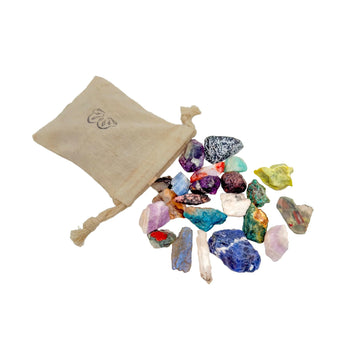


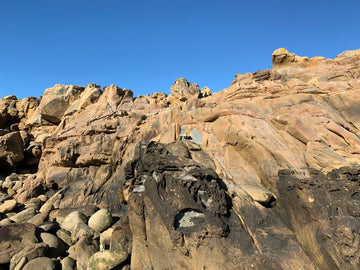
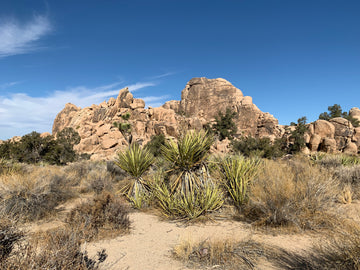
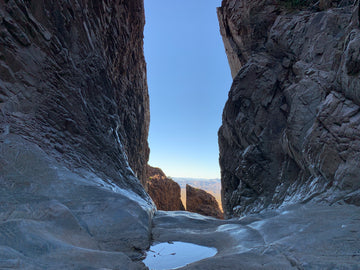

Tiger's Eye
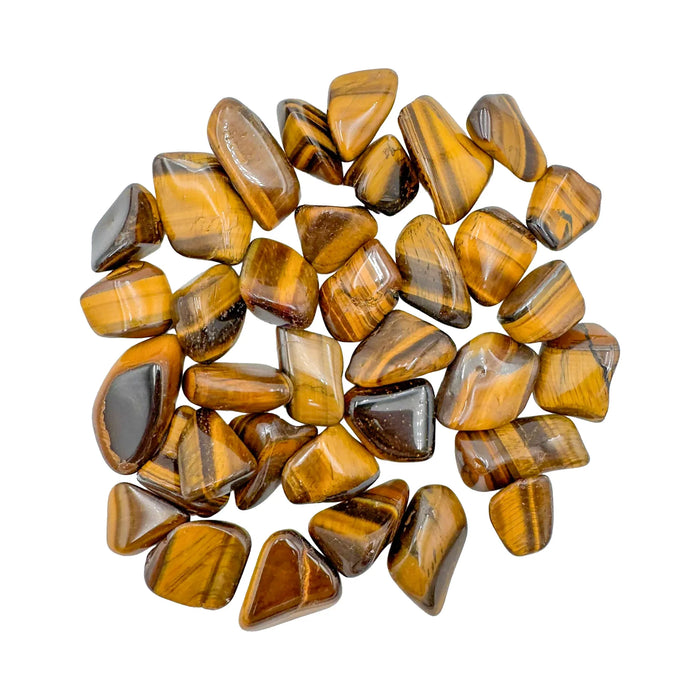
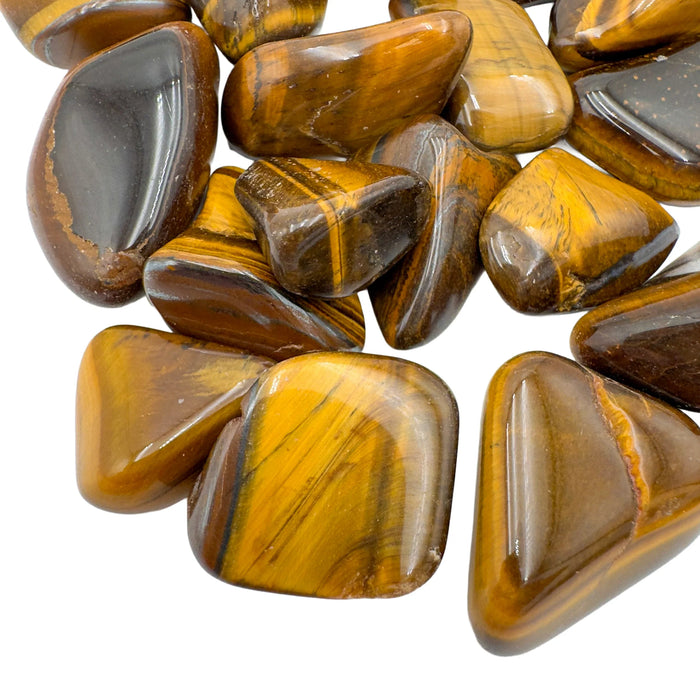
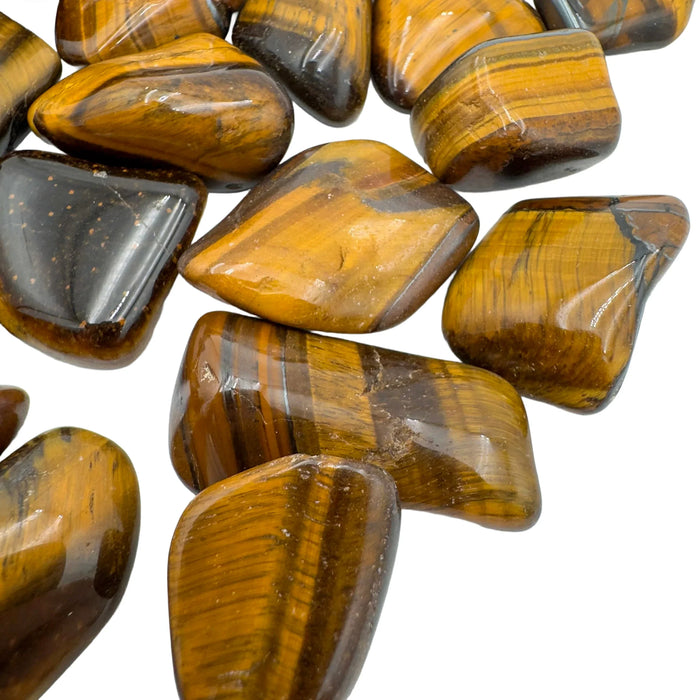
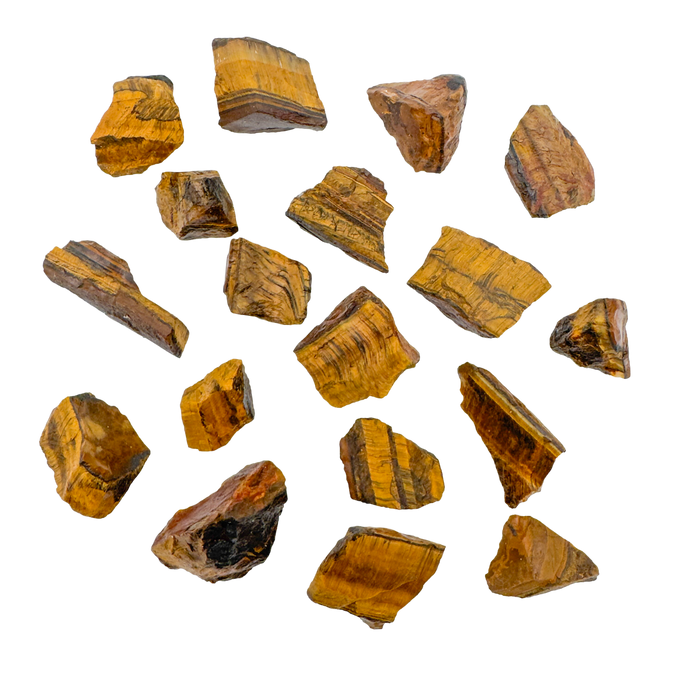
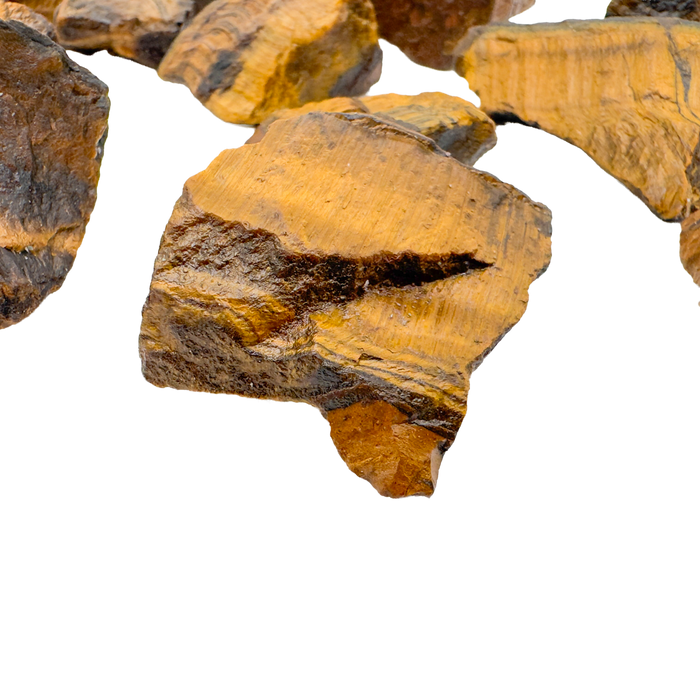
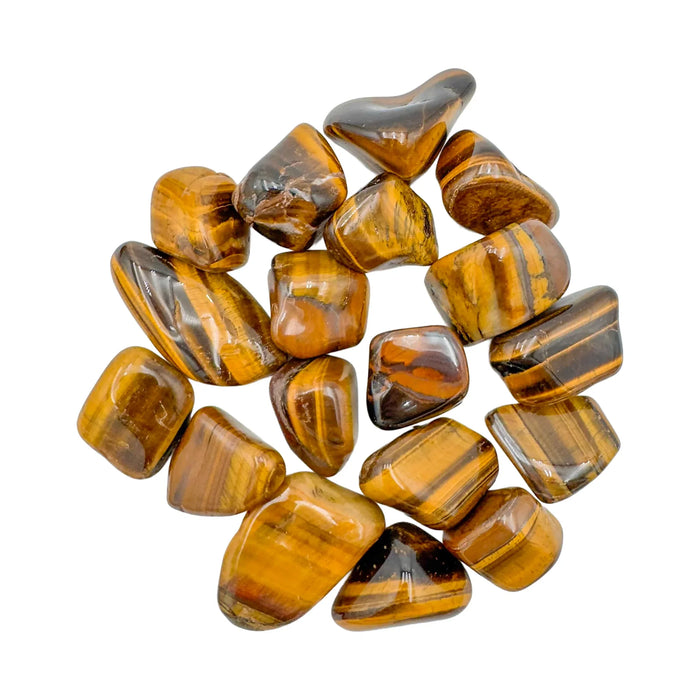
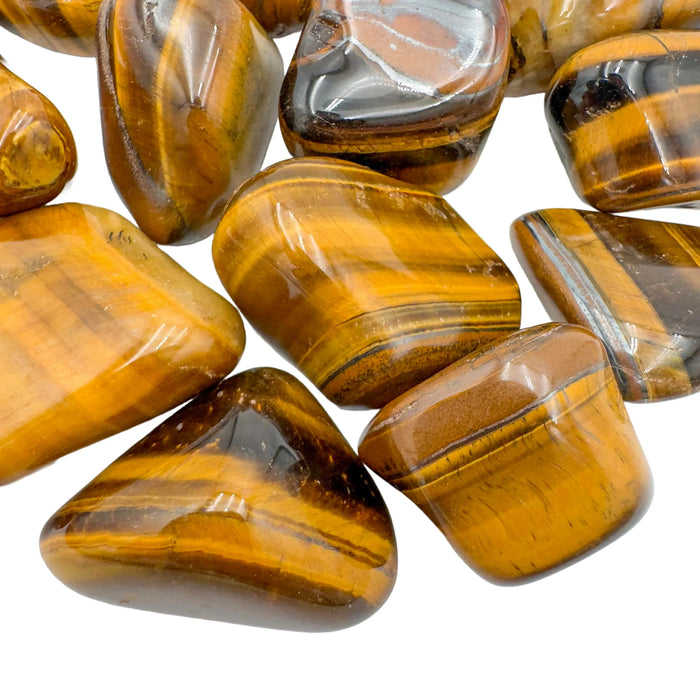
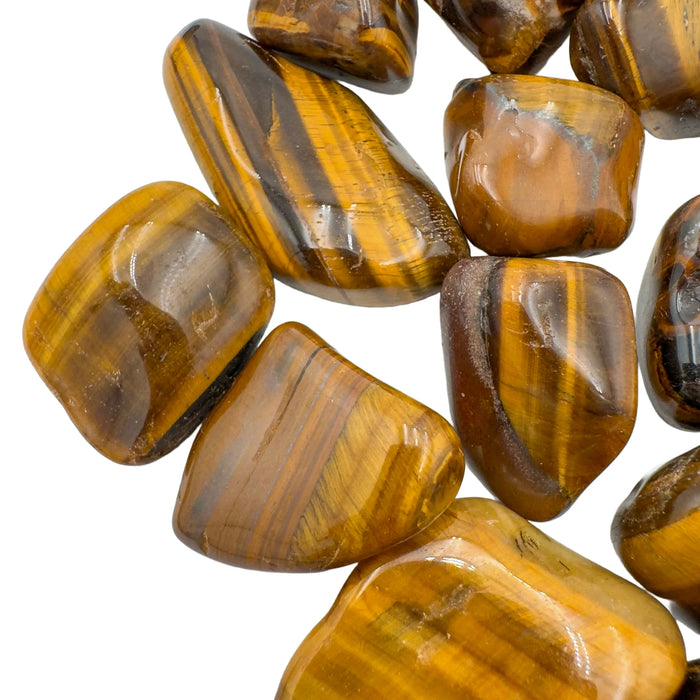
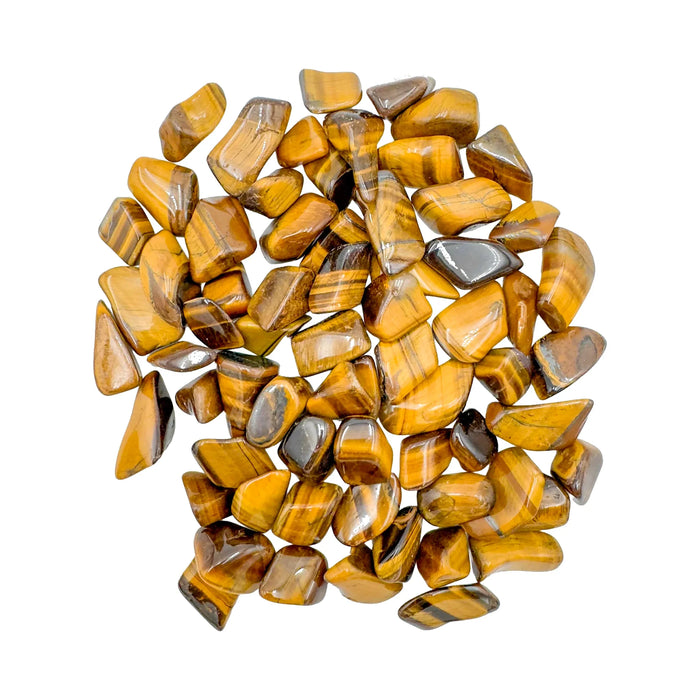
Tiger's Eye is a silky, golden-brown quartz with a shifting band of light that moves across its surface like a cat's eye. Traditionally associated with focus, confidence, and the steady kind of courage, it's one of the most recognizable stones in the guide and has been worn as a talisman for centuries.
Shop tiger eyeTiger Eye, in stock now.
Our most-loved Tiger Eye pieces, ready to ship.

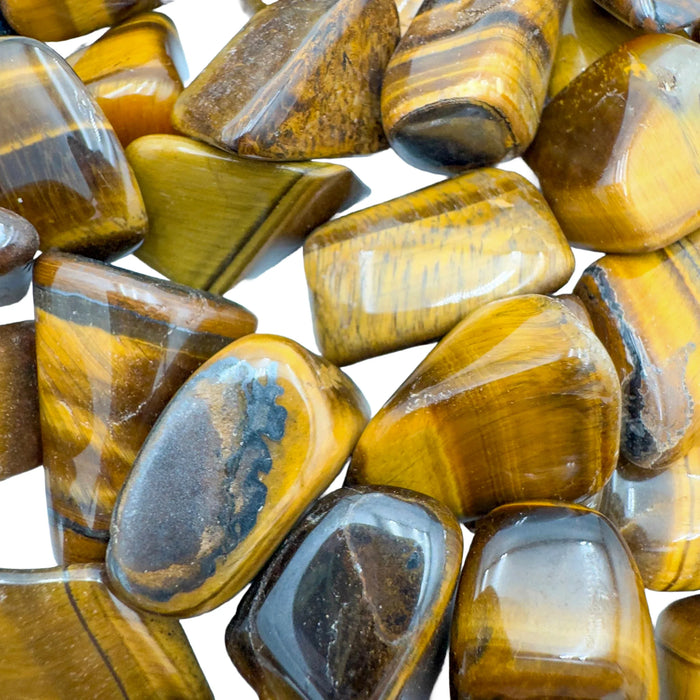
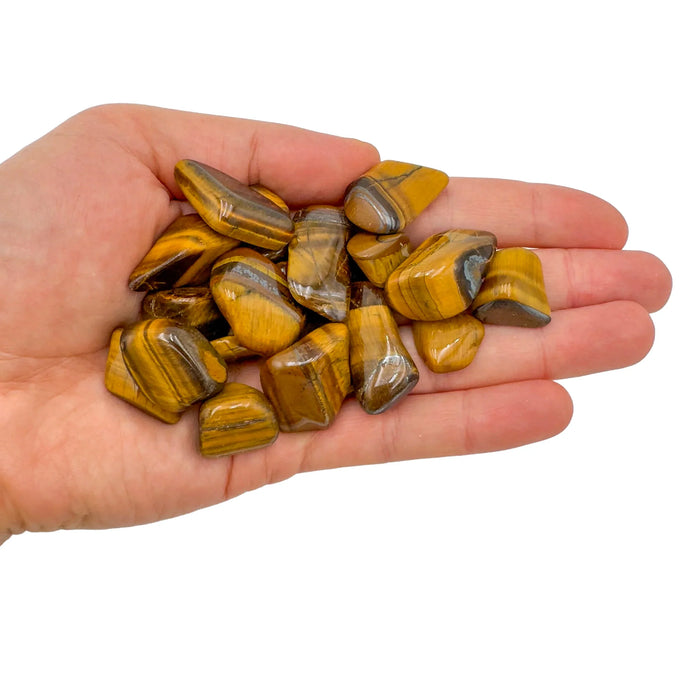
- from 1,000+ reviews
- Ships within 72 hoursMonday to Friday, tracked
- 90 days to return itif you do not love it
- Free US shipping over $99$8.99 flat rate under
The geology.
Tiger's Eye is a pseudomorph, which is a geologically fancy way of saying one mineral replaced another while keeping the original's shape. The parent mineral was crocidolite, a blue asbestos fiber. Silica-rich fluids dissolved the crocidolite over time and replaced it with quartz, preserving the parallel fibrous structure. That fibrous structure is what creates the shifting light band (chatoyancy) you see when the stone moves.
Hardness sits at 6.5 to 7 on the Mohs scale, making it durable for jewelry and pocket carry. There's no cleavage, and the fracture is conchoidal. Color runs from golden yellow to rich caramel brown, and the chatoyant band moves across the stone as your viewing angle changes.
The origins.
South Africa's Northern Cape is the world's dominant producer of Tiger's Eye. The Asbestos Mountains (named for the crocidolite that became the parent material) have been the global commercial source since the 1880s. Western Australia, India, Brazil, Namibia, and the United States also produce Tiger's Eye commercially, each with a recognizable color signature.
Within the trade, Blue Tiger's Eye (which retains more of the original crocidolite color) and Red Tiger's Eye (where iron oxidation shifted the color) come from the same deposits but are sold as separate varieties. The classic golden-brown is what most shoppers encounter.
Traditional associations.
Tiger's Eye has been worn as a protective talisman since at least Roman times, when soldiers carried it into battle for steadiness under pressure. Egyptian artisans used it in inlay work for funerary objects, and the stone appears in jewelry across Central Asian and African traditions. The name is a direct descriptor of its look, a cat's eye in stone.
Many people work with Tiger's Eye for focus, confidence, and the grounded form of courage that doesn't need to prove itself. It's most commonly associated with the Solar Plexus and Sacral chakras, the elements of Fire and Earth, and the zodiac signs Capricorn and Leo.
Spotting the real thing.
Real Tiger's Eye shows a shifting band of light (chatoyancy) that moves across the stone as your viewing angle changes. Under strong light, the band appears to float across the fibrous structure. Hold the stone still and the band stays put. The surface has a silky, almost satin sheen rather than a glassy one.
The common fakes are fiber-optic glass (too perfect, too uniform, band moves unnaturally smoothly), dyed chalcedony or other quartzes marketed as Tiger's Eye (no true chatoyancy), and Red Tiger's Eye passed off as natural when it was heat-treated. Reputable sellers disclose treatment. If the chatoyant band looks drawn-on or the color is suspiciously uniform, it's almost certainly not real.
Care & handling.
Worth addressing up front since it comes up often: Tiger's Eye is safe to handle. The pseudomorph process fully replaced the original crocidolite fibers with silica quartz over geological time, so no asbestos remains in the finished stone. Any tumbled, polished, or raw Tiger's Eye from reputable supply has been through that complete replacement, which is why the material has been worn on the body for centuries without concern.
Water safe for a brief rinse with warm water and a soft cloth. Skip long soaks, saltwater, and ultrasonic cleaners. Tiger's Eye is stable under sunlight, though prolonged direct UV exposure can slowly fade heat-treated Red Tiger's Eye. Temperature shifts are fine.
Cleanse energetically with moonlight, sound, smoke, or by placing on selenite overnight. At 6.5 to 7 on the Mohs scale, it handles daily wear well in jewelry and pocket carry. Store separately from harder stones like topaz and sapphire to preserve the silky polish that shows off the chatoyancy.
Pairs well with.
Proof, not promises.
We measure our own sourcing across five dimensions. Supply chain, environmental footprint, artisan support, market integrity, and pricing. The number is honest, not perfect. Where we can do better, we say so.
A deeper look.
Extended geology, sourcing, authentication, history, varieties, and pricing, for when the quick guide isn't quite enough.
Extended geology
Tiger's Eye is a silicified pseudomorph of crocidolite, an asbestos-form mineral in the amphibole group. The original crocidolite formed as parallel fibers in banded iron formations. Over geological time, silica-rich fluids infiltrated the crocidolite, dissolving the original fibers and replacing them with quartz while preserving the parallel fibrous texture.
This replacement is what produces chatoyancy, the moving light band. Light scatters off the aligned fibers and focuses as a band that appears to move when the stone is turned. Specific gravity 2.58 to 2.78. Mohs hardness 6.5 to 7. Luster silky to vitreous. No cleavage. Fracture conchoidal.
Extended sourcing
South Africa's Northern Cape is the global production heavyweight and has been since the late 1800s. The Asbestos Mountains near Prieska and Griquatown produce the classic golden-brown material along with Blue Tiger's Eye (Hawk's Eye) from the same deposits.
Western Australia's Pilbara region produces Tiger's Eye as well, often with a bolder golden color. India (particularly Andhra Pradesh and Tamil Nadu), Brazil's Minas Gerais, and Namibia are smaller commercial producers. American Tiger's Eye from California and Arizona exists but is primarily a collector market rather than bulk supply.
Authentication and warning signs
The reliable test is chatoyancy. Real Tiger's Eye shows a band of light that moves smoothly across the fibrous structure as your angle changes. Under magnification, the fibrous texture is visible even in polished pieces. Color should shift subtly across a single stone, not read as perfectly uniform.
Fiber-optic glass is the most common imitation. It shows a too-perfect chatoyancy that's almost holographic, with no natural color variation. Dyed chalcedony and dyed quartzites sometimes appear under the Tiger's Eye label; they lack true chatoyancy entirely. Heat-treated Red Tiger's Eye is legitimate when disclosed but should be sold as such.
Historical and cultural context
Tiger's Eye has a long association with protection and soldier's courage. Roman legionaries carried it as a talisman. Egyptian craftsmen used it in inlay work for funerary objects and eye features on statuary. The name appears across multiple traditions as a direct descriptor of its look.
In nineteenth-century European jewelry, Tiger's Eye was a high-fashion material before being re-categorized as a semiprecious stone as supply from South Africa scaled. Contemporary metaphysical practice groups it with stones for courage, decisive action, and grounded willpower.
Varieties and trade names
Golden (or Yellow) Tiger's Eye: the classic golden-brown material, most common in trade.
Blue Tiger's Eye (Hawk's Eye): retains more of the original crocidolite blue-gray color.
Red Tiger's Eye: usually heat-treated from golden material to deepen to reddish-brown.
Pietersite: a related chatoyant stone from Namibia showing swirled blue and gold, sometimes confused with Tiger's Eye.
Pricing reality
Tumbled Tiger's Eye: 1 to 5 dollars per piece. Small carved shapes, spheres, and palm stones: 8 to 35 dollars. Larger freeforms and statement pieces: 30 to 150 dollars depending on size and chatoyancy quality.
Value drivers: strength and uniformity of chatoyancy, depth of color, absence of matrix or dead spots, clean polish, and documented origin. Warning signs: unnaturally perfect chatoyancy suggesting glass, no origin offered, or 'Tiger's Eye' at prices that are too low for finished material.
Good sourcing is a practice, not a claim.
Nothing we sell is dyed, stabilized, or heat-treated without full disclosure. We name our origins where we can. We say so when we cannot. We walk away from material that doesn't meet our standard, even when it costs us sales.
Bring tiger-eye home.
Every piece we carry is photographed individually and listed with its own origin and treatment notes. What you see is what ships.
Shop the tiger-eye collectionGrounded Connections
New stones go to the list first.
No forwarding, no selling. Unsubscribe in one click. Privacy