









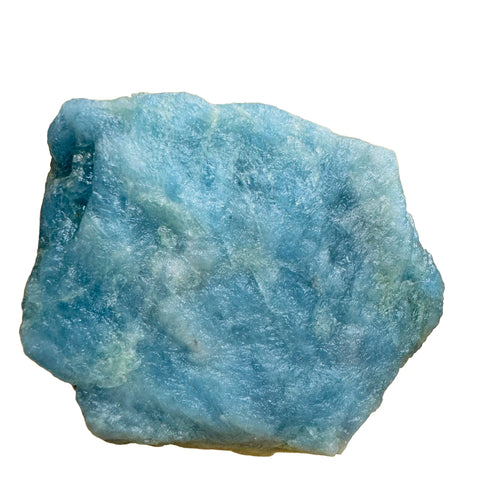











































 Raw Stones
179 pieces
Raw Stones
179 pieces
 Tumbled Stones
162 pieces
Tumbled Stones
162 pieces
 Palm Stones
25 pieces
Palm Stones
25 pieces
 Crystal Points
23 pieces
Crystal Points
23 pieces
 Clusters & Geodes
104 pieces
Clusters & Geodes
104 pieces
 Polished & Decor
148 pieces
Polished & Decor
148 pieces
 Mineral Specimens
259 collector pieces
Mineral Specimens
259 collector pieces
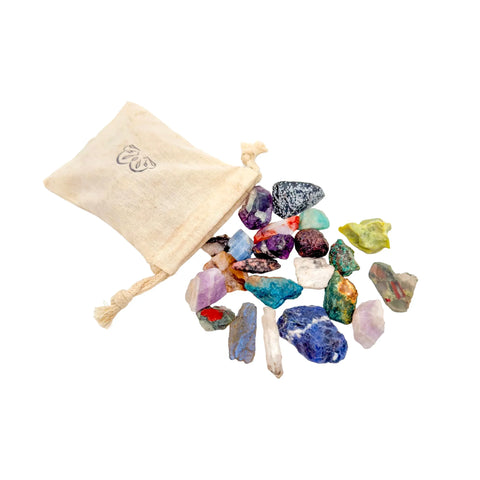
 Crystal Chips
21 pieces
Browse everything
Every collection, one page.
View All Collections →
Crystal Chips
21 pieces
Browse everything
Every collection, one page.
View All Collections →


 Aries
Mar 21 – Apr 19
Carnelian
›
Aries
Mar 21 – Apr 19
Carnelian
›
 Taurus
Apr 20 – May 20
Rose Quartz
›
Taurus
Apr 20 – May 20
Rose Quartz
›
 Gemini
May 21 – Jun 20
Agate
›
Gemini
May 21 – Jun 20
Agate
›
 Cancer
Jun 21 – Jul 22
Moonstone
›
Cancer
Jun 21 – Jul 22
Moonstone
›
 Leo
Jul 23 – Aug 22
Citrine
›
Leo
Jul 23 – Aug 22
Citrine
›
 Virgo
Aug 23 – Sep 22
Amazonite
›
Virgo
Aug 23 – Sep 22
Amazonite
›
 Libra
Sep 23 – Oct 22
Blue Lace Agate
›
Libra
Sep 23 – Oct 22
Blue Lace Agate
›
 Scorpio
Oct 23 – Nov 21
Obsidian
›
Scorpio
Oct 23 – Nov 21
Obsidian
›
 Sagittarius
Nov 22 – Dec 21
Sodalite
›
Sagittarius
Nov 22 – Dec 21
Sodalite
›
 Capricorn
Dec 22 – Jan 19
Black Tourmaline
›
Capricorn
Dec 22 – Jan 19
Black Tourmaline
›
 Aquarius
Jan 20 – Feb 18
Amethyst
›
Aquarius
Jan 20 – Feb 18
Amethyst
›
 Pisces
Feb 19 – Mar 20
Aquamarine
›
Gifting?
A birthday stone is the safe bet.
Read the zodiac guide →
Pisces
Feb 19 – Mar 20
Aquamarine
›
Gifting?
A birthday stone is the safe bet.
Read the zodiac guide →











Tangerine Quartz
Tangerine Quartz is clear quartz whose warm orange color comes from a thin coating of iron oxide on the crystal surface, deposited during formation by mineral-rich water. Traditionally associated with creativity, playfulness, and the softer side of the sacral chakra, it's a stone that reads warm the moment you pick it up.
Shop tangerine-quartzThe geology.
Tangerine Quartz is ordinary clear quartz (SiO₂) whose warm orange color comes from a thin iron oxide coating on the crystal surface, deposited during formation by iron-rich groundwater. The coating is pseudo-topical, meaning it sits on the outside of the crystal rather than entering the crystal lattice. Under a loupe you can often see the iron concentrated on terminations and in the micro-textures of the surface.
Because the coating is surface-level, Tangerine Quartz shares all the mechanical properties of clear quartz: hardness 7 on the Mohs scale, trigonal crystal system, conchoidal fracture, no cleavage. The color holds up to everyday wear but can be scratched off aggressive cleaning or abrasion, so care is worth knowing before you buy.
The origins.
Brazil's Minas Gerais region is the dominant commercial source of Tangerine Quartz, particularly from the Diamantina district. The region's pegmatite geology, combined with iron-rich groundwater during crystal formation, produces the characteristic warm coating. Madagascar also produces Tangerine Quartz, often from deposits near Ambatofinandrahana.
Tangerine Quartz is typically sold in the natural shapes it grew in: single crystal points, clusters, and occasionally polished pieces that retain surface color. Because the coating is thin, tumbled material is less common; tumbling tends to wear the orange off and reveal clear quartz underneath.
Traditional associations.
Tangerine Quartz is a newer entry to the metaphysical market. The stone was cataloged as a specimen material for decades before metaphysical practice picked it up in the late twentieth century, when the warm color and the sacral-chakra association drove wider interest. Its tradition is shorter than most stones in this guide, which is worth knowing.
Many people work with Tangerine Quartz for creativity, sensuality, playfulness, and the kind of energy that comes from giving yourself permission rather than pushing through resistance. It's most commonly associated with the Sacral chakra, the element of Fire, and the zodiac signs Leo and Gemini. Some practitioners pair it with clear quartz to amplify its intention.
Spotting the real thing.
Real Tangerine Quartz has an orange color that sits on the surface of the crystal, often concentrated at terminations and in surface textures. Under a loupe you can sometimes see the coating's granular structure or spots where the iron is more densely deposited. If you scratch lightly at a hidden surface with a steel blade, real coating is thin and you'll see clear quartz underneath.
The common fakes are heat-treated clear quartz (color penetrates uniformly through the crystal rather than sitting on the surface) and dyed quartz (dye pools in fractures, shows cleaning marks). Reputable sellers confirm country of origin and specify whether the coating is natural.
Care & handling.
Care is more important with Tangerine Quartz than with most quartzes. Skip ultrasonic cleaners, steam cleaners, and hard scrubbing, all of which can wear the surface coating. Brief rinse with lukewarm water and a soft cloth only. Avoid saltwater and household cleaners entirely.
Cleanse energetically with moonlight, sound, smoke, or by placing on selenite overnight. Do not use saltwater, salt, or citrus for cleansing Tangerine Quartz. Display out of direct sunlight for long-term color preservation. Store separately from harder stones to protect the coating and polish.
Pairs well with.
Proof, not promises.
We measure our own sourcing across five dimensions. Supply chain, environmental footprint, artisan support, market integrity, and pricing. The number is honest, not perfect. Where we can do better, we say so.
A deeper look.
Extended geology, sourcing, authentication, history, varieties, and pricing, for when the quick guide isn't quite enough.
Extended geology
Tangerine Quartz is clear quartz (SiO₂) in the trigonal crystal system, bearing a thin coating of iron oxide (primarily hematite and goethite) on its surface. The coating formed during the crystal's growth when iron-rich groundwater deposited oxide layers on the outside of the crystal. The coating is surface-level; the underlying quartz is clear.
Mohs hardness of the quartz core is 7. Specific gravity 2.65. Luster vitreous, though the coated surface may read slightly duller. No cleavage; fracture conchoidal. The coating is thin enough to be scratched off by hard abrasion but resilient under normal handling.
Extended sourcing
Brazil's Minas Gerais region is the dominant commercial source, particularly the Diamantina district. The area's pegmatite geology, combined with iron-rich groundwater during crystal formation, produces the classic warm coating. Tangerine Quartz specimens range from small single points to multi-crystal clusters and, occasionally, specimen-grade pieces with striking aesthetic.
Madagascar produces Tangerine Quartz from deposits near Ambatofinandrahana and surrounding regions. Malagasy material often shows a slightly different color balance, trending more toward peach than the classic Brazilian orange. Occasional material appears from other locations, but Brazil and Madagascar cover most of the commercial trade.
Authentication and warning signs
Look at where the color sits. Real Tangerine Quartz shows its orange on the surface; under magnification the coating's texture is visible, often denser at terminations and in micro-fissures. Heat-treated Citrine-like clear quartz shows color that penetrates through the crystal uniformly, which is the opposite signature. Dyed quartz pools in surface fractures and cleaning marks.
Scratch-testing a small hidden area with a steel blade will reveal clear quartz underneath the coating on real Tangerine Quartz. Do this gently. Reputable sellers confirm whether the coating is natural surface deposition, name the country of origin, and disclose any treatment.
Historical and cultural context
Tangerine Quartz has a shorter documented tradition than most stones in this guide. It was cataloged as a specimen material for decades before entering wider metaphysical practice in the late twentieth century. The warm color and sacral-chakra color association drove its uptake in contemporary crystal work.
In older mineralogical literature, the material was sometimes referred to as 'ferruginous quartz' or simply hematite-coated quartz, with no distinct metaphysical tradition attached. The modern Tangerine Quartz name is a trade designation built on its appearance.
Varieties and trade names
Tangerine Quartz: the classic iron-coated clear quartz, warm orange to apricot.
Hematoid Quartz: broader name for any quartz with hematite inclusions or coatings, often used interchangeably with Tangerine for Brazilian material.
Ferruginous Quartz: older mineralogical term for iron-containing quartz varieties.
Fire Quartz: a related but distinct variety with hematite inclusions inside the crystal rather than on the surface.
Pricing reality
Small Tangerine Quartz points: 8 to 25 dollars. Medium clusters: 25 to 80 dollars. Larger specimen-grade clusters: 80 to 300 dollars. Exceptional pieces with strong color coverage and aesthetic crystal formation: 300 dollars and up.
Value drivers: saturation and evenness of the orange coating, crystal formation quality (clean terminations, well-formed points), size of the piece, absence of chips or damage, and documented origin. Warning signs: suspiciously uniform color that reads through the crystal (suggesting heat treatment), no origin named, or 'Tangerine Quartz' at prices that are too low for natural coated material.
Good sourcing is a practice, not a claim.
Nothing we sell is color-enhanced, dyed, or heat-treated without full disclosure. We name our origins where we can. We say so when we cannot. We walk away from material that doesn't meet our standard, even when it costs us sales.
Bring tangerine-quartz home.
Every piece we carry is photographed individually and listed with its own origin and treatment notes. What you see is what ships.
Shop the tangerine-quartz collectionThe Slow Note
New stones go to the list first.
No forwarding, no selling. Unsubscribe in one click. Privacy