


 Agatefor stress relief
 Amazonitefor stress relief
 Aquamarinefor serenity
 Aventurinefor luck
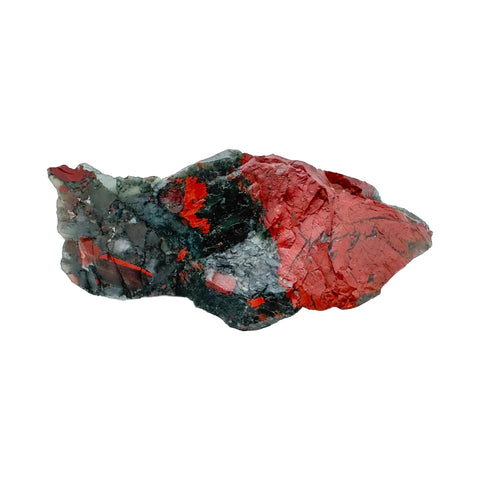
 Bloodstonefor energy
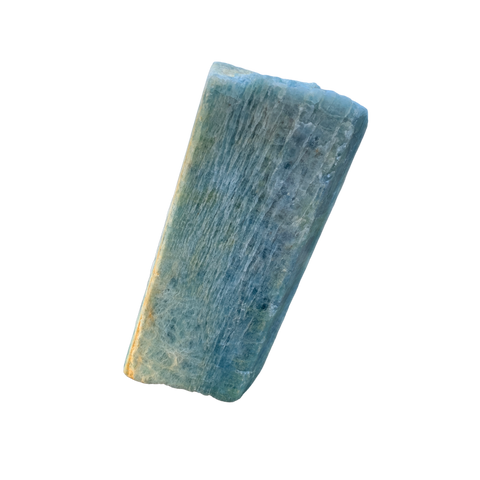
 Blue Kyanitefor confidence
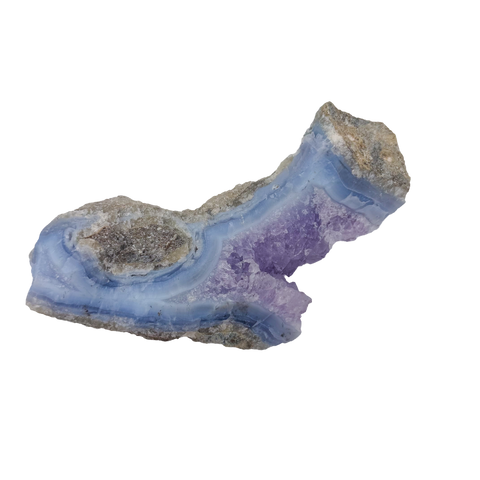
 Blue Lace Agatefor stress relief
 Chrysocollafor emotional healing
 Fluoritefor focus
 Garnetfor energy
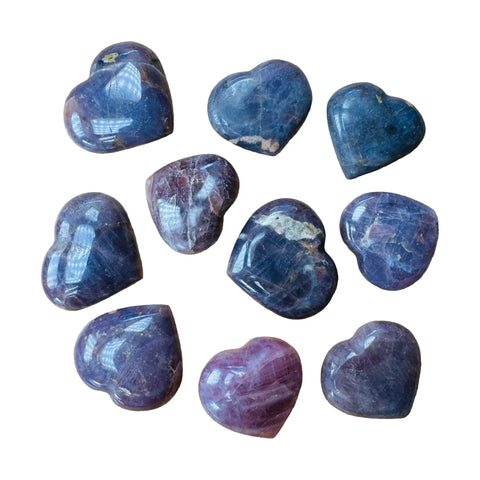
 Lepidolitefor stress relief
 Malachitefor emotional healing
 Moonstonefor grounding
 Obsidianfor protection
 Ocean Jasperfor emotional healing
 Red Jasperfor grounding
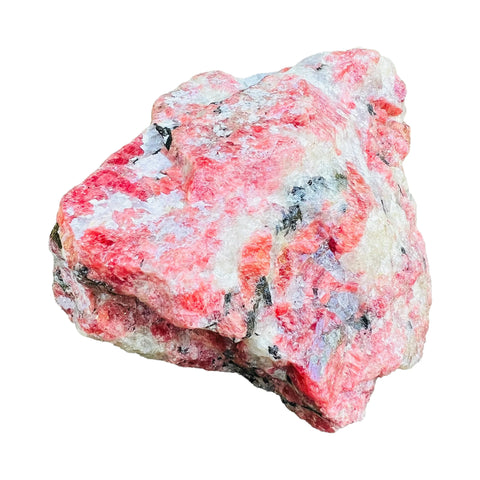
 Rhodonitefor emotional healing
 Selenitefor cleansing
 Sodalitefor focus
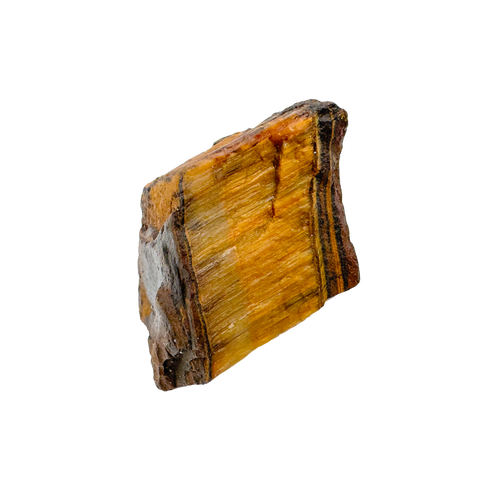
 Tiger Eyefor confidence
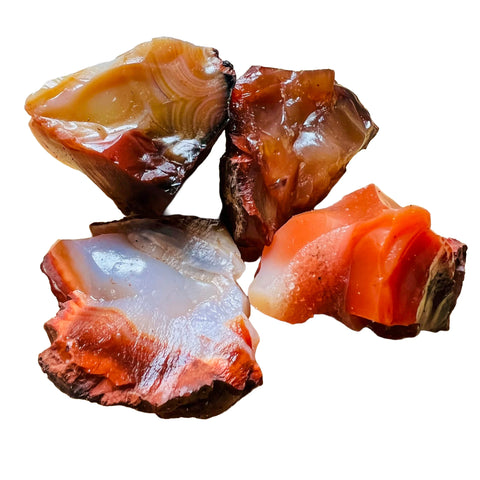
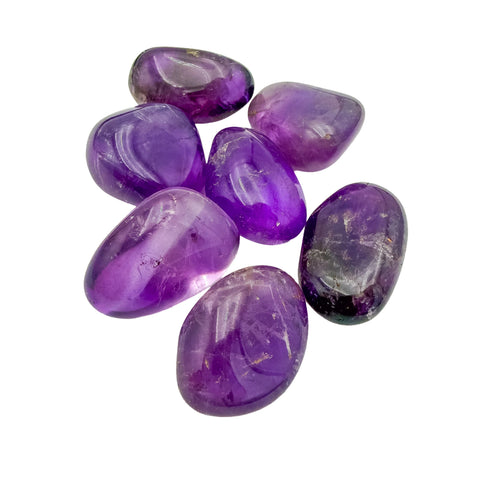


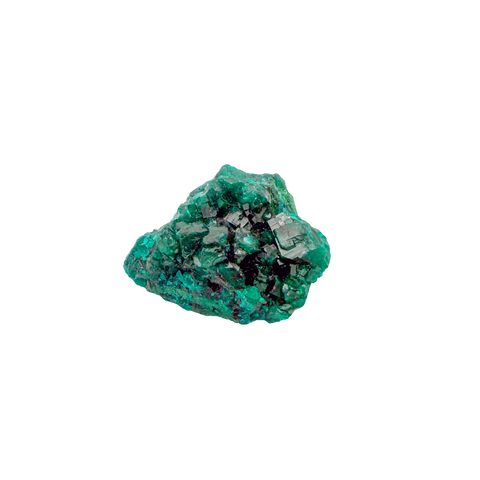
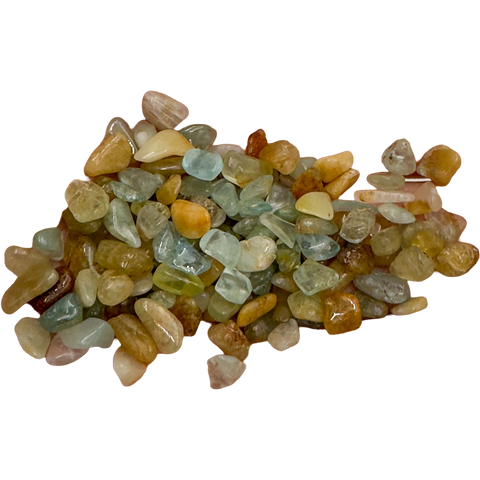
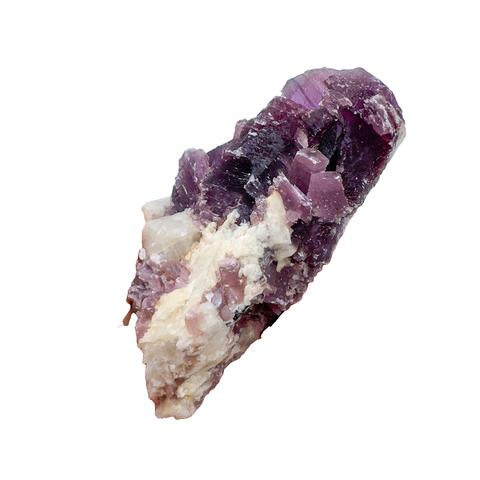
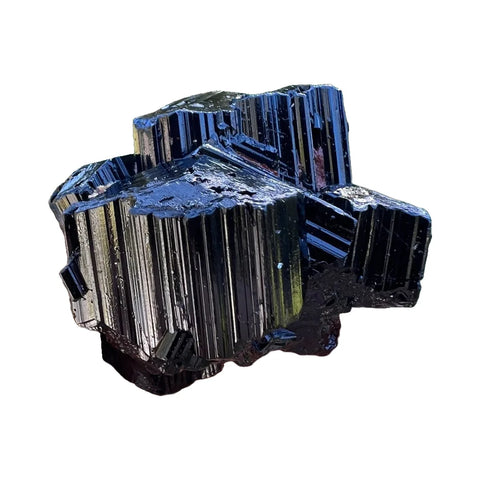
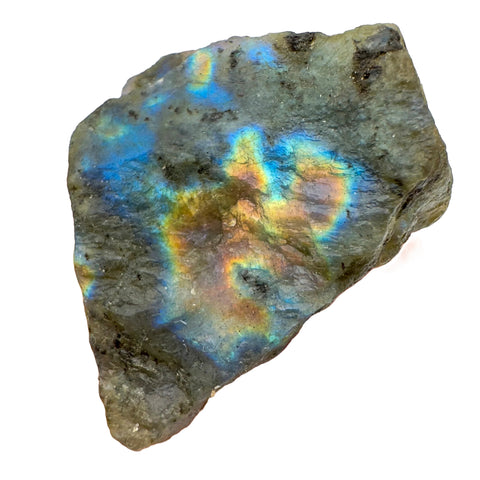
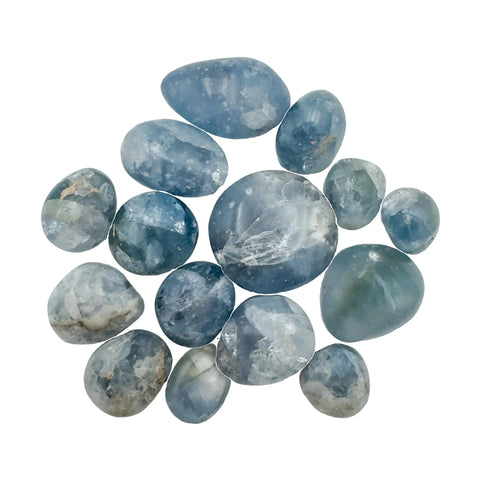


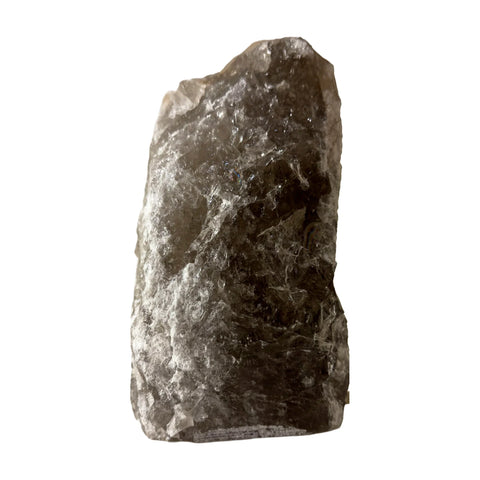
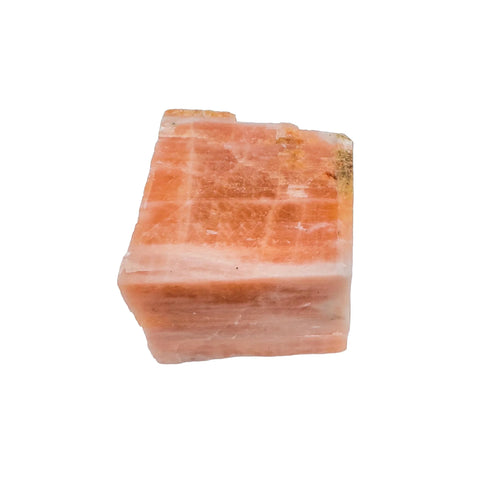
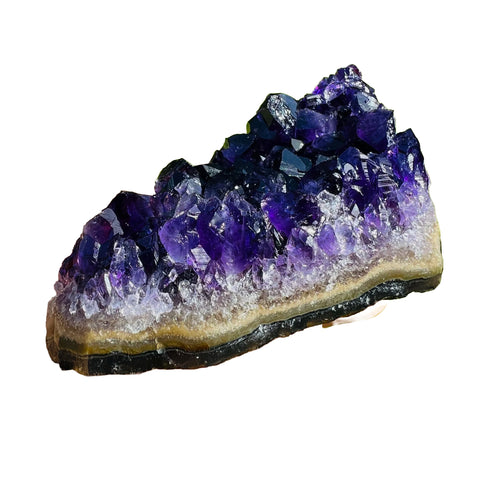





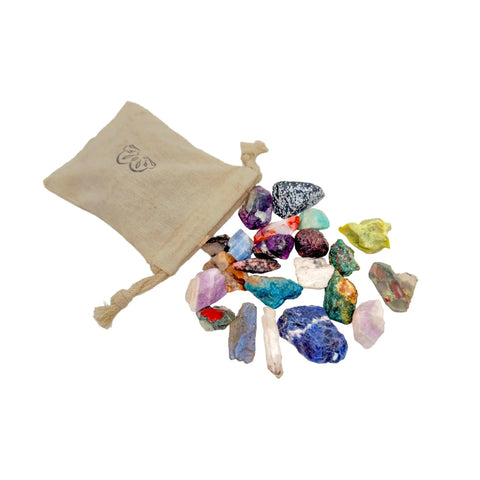
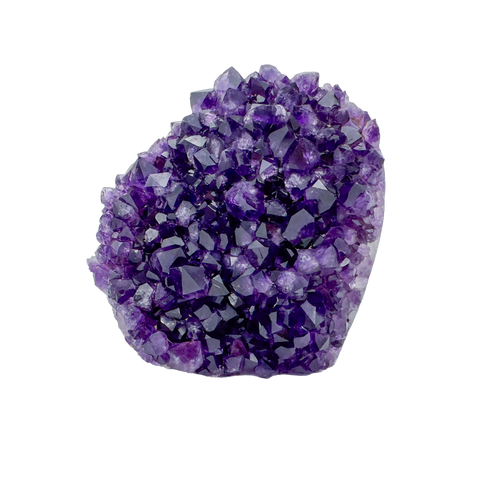
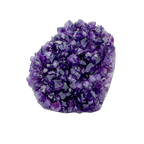 Amethyst
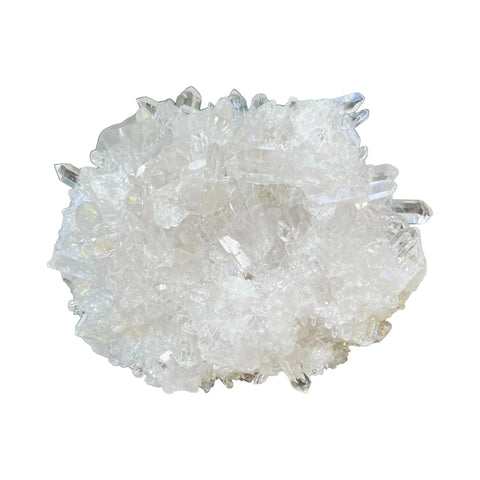
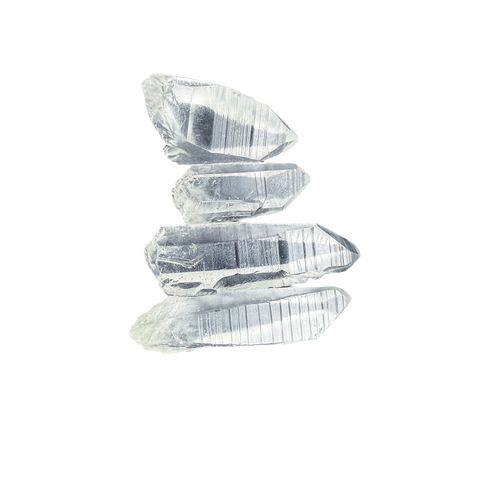
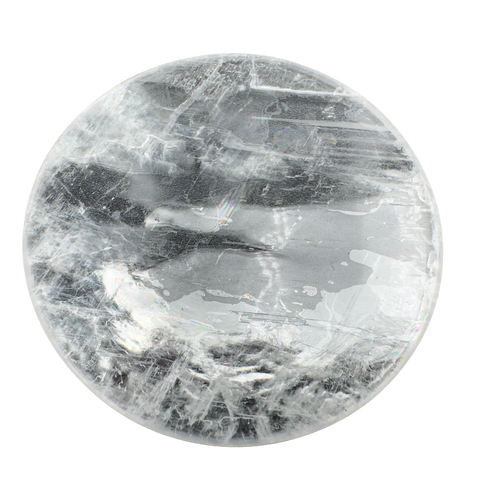
 Clear Quartz
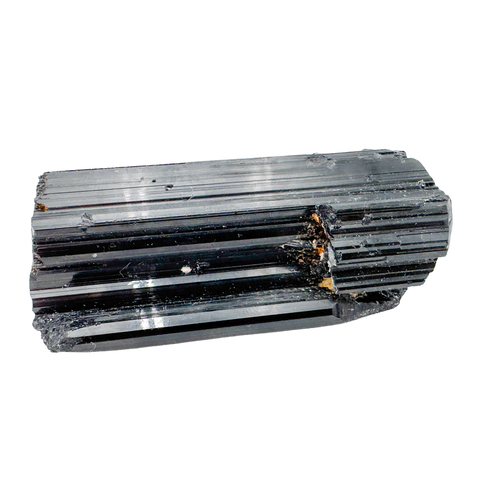
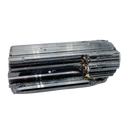 Black Tourmaline
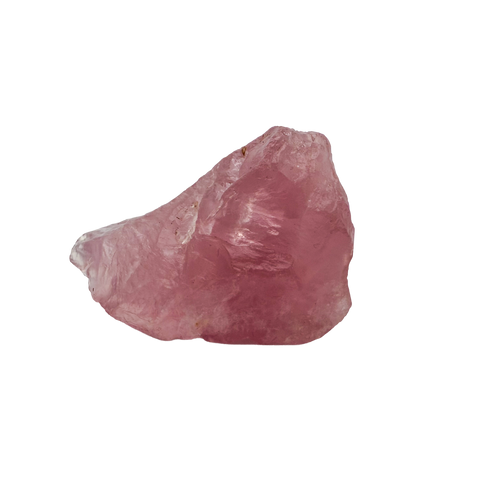
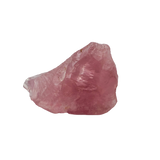 Rose Quartz
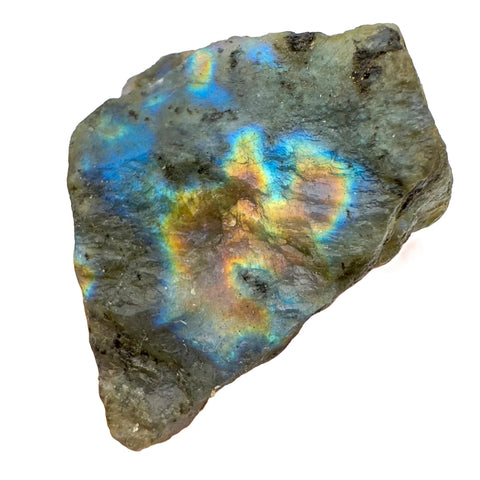
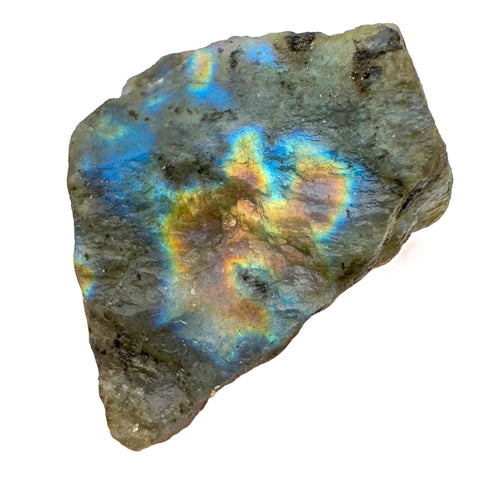
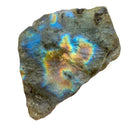 Labradorite
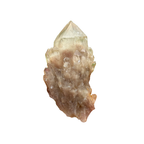 Natural Citrine
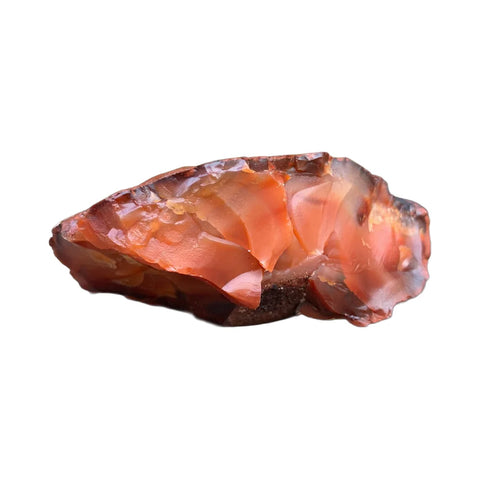
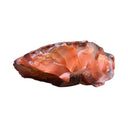 Carnelian
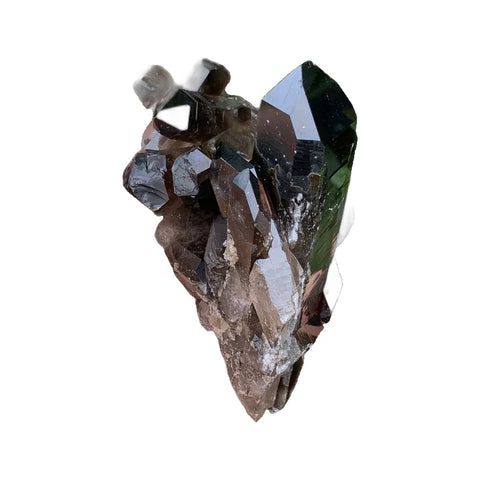
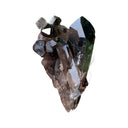 Smoky Quartz
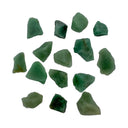 Aventurine
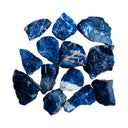 Sodalite
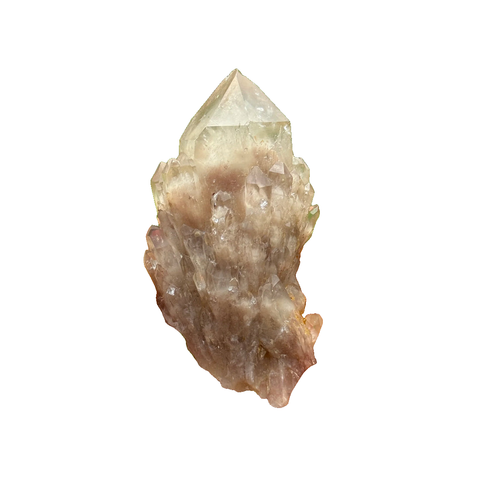
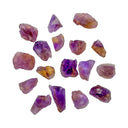 Ametrine
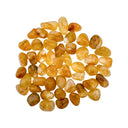 Golden Healer
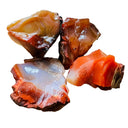 Raw Stones
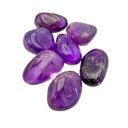 Tumbled Stones
 Palm Stones
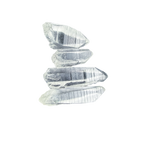 Crystal Points
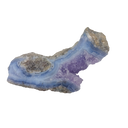 Clusters & Geodes
 Polished & Decor
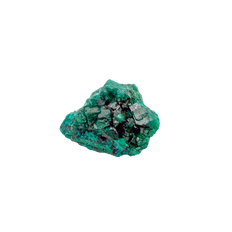 Mineral Specimens
 Crystal Chips
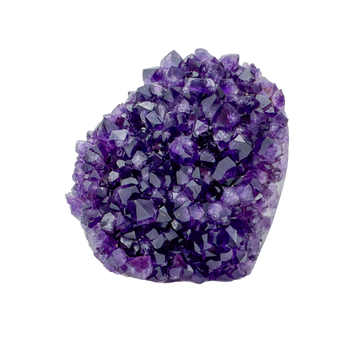
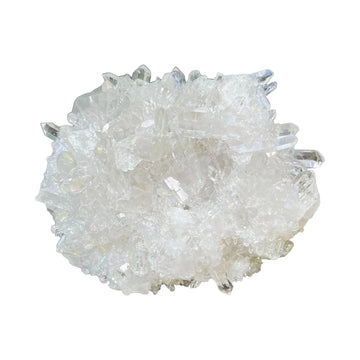
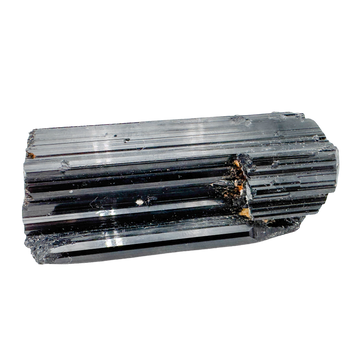
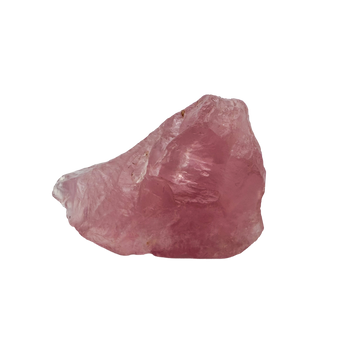
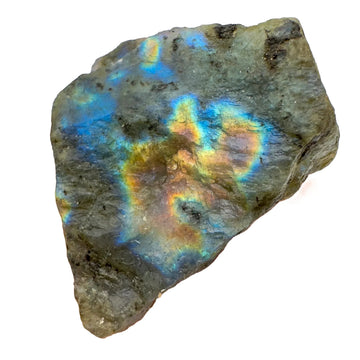
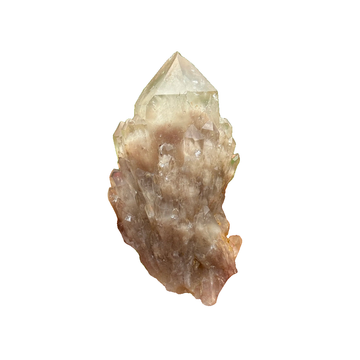
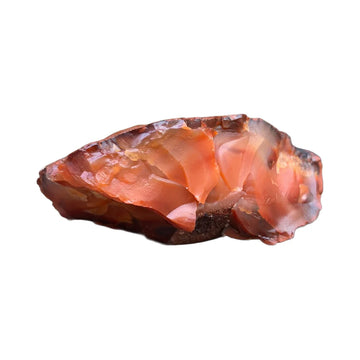
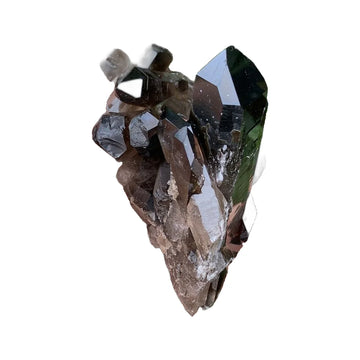
 Raw Stones
179 to choose from
Raw Stones
179 to choose from
 Tumbled Stones
162 to choose from
Tumbled Stones
162 to choose from
 Palm Stones
25 to choose from
Palm Stones
25 to choose from
 Crystal Points
23 to choose from
Crystal Points
23 to choose from
 Clusters & Geodes
103 to choose from
Clusters & Geodes
103 to choose from
 Polished & Decor
148 to choose from
Polished & Decor
148 to choose from
 Mineral Specimens
257 to choose from
Mineral Specimens
257 to choose from
 Crystal Chips
21 to choose from
Crystal Chips
21 to choose from


 AngolaAquamarine
›
AngolaAquamarine
›
 BotswanaCarnelian, Tree Agate
›
BotswanaCarnelian, Tree Agate
›
 DR CongoMalachite, Natural Citrine
›
DR CongoMalachite, Natural Citrine
›
 EswatiniBloodstone
›
EswatiniBloodstone
›
 MadagascarLabradorite, Clear Quartz
›
MadagascarLabradorite, Clear Quartz
›
 MalawiBlue Lace Agate, Garnet
›
MalawiBlue Lace Agate, Garnet
›
 MozambiqueAmazonite
›
MozambiqueAmazonite
›
 NamibiaSodalite, Blue Lace Agate
›
NamibiaSodalite, Blue Lace Agate
›
 Republic of the CongoDioptase
›
Republic of the CongoDioptase
›
 South AfricaTiger Eye, Unakite
›
South AfricaTiger Eye, Unakite
›
 ZambiaChevron Amethyst
›
ZambiaChevron Amethyst
›
 ZimbabweEmerald, Rhodonite
›
ZimbabweEmerald, Rhodonite
›
 ArgentinaBlack Obsidian, Rhodochrosite
›
ArgentinaBlack Obsidian, Rhodochrosite
›
 BoliviaAmetrine
›
BoliviaAmetrine
›
 BrazilAmethyst, Clear Quartz
›
BrazilAmethyst, Clear Quartz
›
 PeruSerpentine, Jade
›
PeruSerpentine, Jade
›
 UruguayAmethyst
›
UruguayAmethyst
›
 Dominican RepublicLarimar
›
Dominican RepublicLarimar
›
 MexicoRainbow Obsidian, Crazy Lace Agate
›
MexicoRainbow Obsidian, Crazy Lace Agate
›
 United StatesSelenite, Peridot
›
United StatesSelenite, Peridot
›
 ChinaFluorite
›
ChinaFluorite
›
 RussiaShungite
›
RussiaShungite
›
 AustraliaMookaite
›
AustraliaMookaite
›
 Where our crystals come from
See where we source →
Where our crystals come from
See where we source →


 Aries
Mar 21 to Apr 19
Carnelian
›
Aries
Mar 21 to Apr 19
Carnelian
›
 Taurus
Apr 20 to May 20
Rose Quartz
›
Taurus
Apr 20 to May 20
Rose Quartz
›
 Gemini
May 21 to Jun 20
Agate
›
Gemini
May 21 to Jun 20
Agate
›
 Cancer
Jun 21 to Jul 22
Moonstone
›
Cancer
Jun 21 to Jul 22
Moonstone
›
 Leo
Jul 23 to Aug 22
Citrine
›
Leo
Jul 23 to Aug 22
Citrine
›
 Virgo
Aug 23 to Sep 22
Amazonite
›
Virgo
Aug 23 to Sep 22
Amazonite
›
 Libra
Sep 23 to Oct 22
Blue Lace Agate
›
Libra
Sep 23 to Oct 22
Blue Lace Agate
›
 Scorpio
Oct 23 to Nov 21
Obsidian
›
Scorpio
Oct 23 to Nov 21
Obsidian
›
 Sagittarius
Nov 22 to Dec 21
Sodalite
›
Sagittarius
Nov 22 to Dec 21
Sodalite
›
 Capricorn
Dec 22 to Jan 19
Black Tourmaline
›
Capricorn
Dec 22 to Jan 19
Black Tourmaline
›
 Aquarius
Jan 20 to Feb 18
Amethyst
›
Aquarius
Jan 20 to Feb 18
Amethyst
›
 Pisces
Feb 19 to Mar 20
Aquamarine
›
Gifting?
A birthday stone is the safe bet.
Read the zodiac guide →
Pisces
Feb 19 to Mar 20
Aquamarine
›
Gifting?
A birthday stone is the safe bet.
Read the zodiac guide →


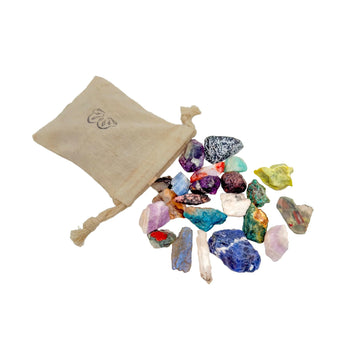
Sunstone
Sunstone is a variety of plagioclase feldspar whose warm, metallic sparkle (aventurescence) comes from tiny inclusions of copper or hematite catching the light. Traditionally associated with vitality, leadership, and the generous kind of self-confidence, it's a stone that reads like held warmth.
Shop sunstoneThe geology.
Sunstone is a variety of plagioclase feldspar, most commonly oligoclase or andesine, containing tiny aligned inclusions of copper, hematite, or goethite. When light hits those inclusions at the right angle, they flash with a metallic sparkle (aventurescence). The effect is similar to but distinct from the color play you see in labradorite and moonstone, both of which are also feldspars.
Hardness sits at 6 to 6.5 on the Mohs scale, a little on the softer side for daily-wear jewelry. Cleavage is good in two directions at nearly ninety degrees, which is typical of feldspars and affects how the stone is cut and polished. Color runs from pale honey and peach through warm reddish-orange, with the aventurescent flash changing tone depending on the included mineral.
The origins.
Tanzania is a significant contemporary source of Sunstone, particularly from the Morogoro and Tunduru regions, which produce material with strong aventurescence at accessible prices. India (Tamil Nadu), the United States (Oregon and a few other western states), Russia, and Norway are also commercial producers. Oregon Sunstone is its own distinct category, often with copper inclusions that produce deep red and green flashes prized by collectors.
Each source has a signature. Tanzanian material tends toward honey to amber base tones with copper sparkle. Indian material is often slightly darker with hematite flashes. Oregon Sunstone can show color zoning from yellow through red to green. A piece worth buying reads well in hand first, has sparkle under movement, and has a country of origin the seller can actually name.
Traditional associations.
Sunstone has been worked since antiquity. Viking navigators reportedly used calcite sunstones (a different optical material) to locate the sun on overcast days, though the name has since been attached to this feldspar variety through its warm appearance. Greek and Roman traditions associated the stone with solar deities and used it in amulets for leadership, vitality, and personal power.
Many people work with Sunstone for vitality, self-confidence, and the generous kind of leadership that doesn't need to diminish others. It's most commonly associated with the Sacral and Solar Plexus chakras, the element of Fire, and the zodiac signs Leo and Libra.
Spotting the real thing.
Real Sunstone shows aventurescence: small metallic flashes that move across the stone as you turn it. Under a loupe you can see the individual inclusions, which appear as tiny reflective flecks aligned roughly parallel to the crystal's cleavage planes. The base color is warm and slightly variable within a single piece, not perfectly uniform.
The common imitations are glass with sprinkled copper or glitter inclusions (too uniform, too regular), dyed feldspars (color pooling in fractures, no real aventurescence), and goldstone (a manufactured glass with copper flakes, entirely synthetic). Goldstone can be beautiful, but it's glass, not a natural stone. Reputable sellers specify the species and country.
Care & handling.
Water safe for a brief rinse with warm water and a soft cloth. Avoid ultrasonic cleaners, which can exploit the stone's cleavage planes and cause fracturing. Avoid prolonged direct sunlight for long-term storage, as color can fade slightly in heat-treated pieces over years.
Cleanse energetically with moonlight, sound, smoke, or by placing on selenite overnight. At 6 to 6.5 on the Mohs scale, Sunstone handles careful daily wear in protected jewelry settings but isn't ideal for rings subjected to physical work. Store separately from quartz, topaz, and harder gem materials to preserve the polish.
Pairs well with.
Proof, not promises.
We measure our own sourcing across five dimensions. Supply chain, environmental footprint, artisan support, market integrity, and pricing. The number is honest, not perfect. Where we can do better, we say so.
A deeper look.
Extended geology, sourcing, authentication, history, varieties, and pricing, for when the quick guide isn't quite enough.
Extended geology
Sunstone is a trade name for aventurescent plagioclase feldspar, most commonly oligoclase (sodium-calcium aluminosilicate) or andesine (a slightly more calcium-rich variant). The defining optical property is aventurescence: a sparkly metallic flash caused by tiny aligned inclusions of copper, hematite, goethite, or occasionally gold-colored pyrite.
The inclusions formed during crystal growth as the feldspar cooled. They align roughly parallel to the crystal's cleavage planes, which is why a properly cut Sunstone shows its flash most strongly when the cabochon or tumbled piece is oriented with that plane toward the viewer. Specific gravity runs 2.62 to 2.65. Mohs hardness 6 to 6.5. Luster vitreous. Cleavage perfect in two directions at nearly 90 degrees. Fracture conchoidal to uneven.
Extended sourcing
Tanzania's Morogoro and Tunduru regions have produced significant quantities of commercial Sunstone in recent decades, often with bright copper aventurescence at accessible prices. Indian Sunstone from Tamil Nadu shows a darker base with hematite-driven flashes. Oregon Sunstone, from the high desert of Lake County, is a distinct category with copper inclusions producing red, green, and multicolor flashes; fine Oregon material commands collector prices.
Norway's Tvedestrand area was the original type locality for the material. Russia, Canada, and a handful of smaller producers round out the commercial market. Each source has a recognizable signature, from the warm honey Tanzanian base to the bold red-green Oregon flashes.
Authentication and warning signs
Aventurescence is the reliable test. Real Sunstone shows sparkly metallic flashes that move across the stone as your viewing angle changes. Under magnification, the individual copper or hematite inclusions are visible as tiny reflective flecks. The base color should show subtle variation within a single piece, not a perfectly uniform saturated tone.
Goldstone is the most common imitation and a pure fabrication: manufactured glass with copper flakes suspended in it. It has no natural variation, no cleavage, and its sparkle is too uniform. Dyed feldspars show color pooling in fractures. Glass imitations feel warmer to the touch than real Sunstone. Reputable sellers specify species, country, and disclose any heat treatment.
Historical and cultural context
Sunstone's tradition is tangled by naming. The Viking navigation 'sunstone' was actually calcite, used for its polarizing optical properties to find the sun on overcast days. That story has become attached to this feldspar variety through sympathetic magic rather than direct history. The feldspar Sunstone entered the gem trade under its current name in the nineteenth century.
Greek and Roman traditions associated warm aventurescent feldspar with solar deities and used it in amulets for leadership and vitality. In contemporary metaphysical practice, Sunstone is grouped with stones for confidence, personal power, and the generous form of leadership. Its sacral and solar-plexus associations come from the warm color rather than a specific documented tradition.
Varieties and trade names
Oregon Sunstone: copper-included feldspar from Lake County, Oregon, often with red, green, or multicolor flashes. A distinct market category.
Tanzanian Sunstone: Morogoro and Tunduru material, often honey-colored with copper sparkle.
Indian Sunstone: Tamil Nadu material with darker base and hematite-driven aventurescence.
Rainbow Lattice Sunstone: a rare Australian variety showing iridescent lattice patterns, a premium collector material.
Goldstone: NOT a real stone. Manufactured glass with copper flakes, entirely synthetic.
Pricing reality
Tumbled Sunstone: 3 to 10 dollars per piece. Small cabochons and polished pieces: 15 to 60 dollars. Oregon Sunstone cabochons: 30 to 500 dollars depending on color play. Fine faceted Oregon Sunstone gems: 200 to 2,000+ dollars per carat for red and bicolor material.
Value drivers: strength and uniformity of aventurescence, depth and warmth of base color, absence of cleavage damage, clean polish, and documented origin. Warning signs: glass aventurescence that's too perfect (likely goldstone), no origin offered, or suspiciously low prices on material advertised as Oregon.
Good sourcing is a practice, not a claim.
Nothing we sell is glass, goldstone, or dyed material sold as natural Sunstone. We name our origins where we can. We say so when we cannot. We walk away from material that doesn't meet our standard, even when it costs us sales.
Bring sunstone home.
Every piece we carry is photographed individually and listed with its own origin and treatment notes. What you see is what ships.
Shop the sunstone collectionGrounded Connections
New stones go to the list first.
No forwarding, no selling. Unsubscribe in one click. Privacy