

































































How We Clean Our Crystals
What happens to a stone between the mine and your hands is the part of the supply chain almost nobody discusses.
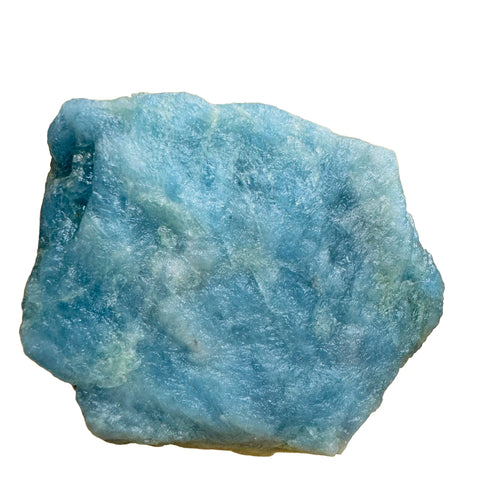
We clean, finish, and inspect the vast majority of the raw stones we carry in our own studio. By hand, in small batches, using one plant oil and a vinegar solution we have refined over the years. The work is slow and the materials are simple. That's the point.
Most crystal companies cannot tell you what happened to a stone after it left the ground. We can, because we did the work. When a piece has been finished here, you'll see it noted on its product page.
Three steps, in our own studio
Every stone we process goes through the same hands-on sequence before it ever touches a product photo. No outsourced cleaning, no surprise treatments, no chemicals we wouldn't be comfortable handling ourselves.
A vinegar-based solution lifts off the dirt, clay, and surface oxidation a stone arrives with. It is gentler than the hydrochloric acid the industry tends to default to, and it leaves the structure of the stone intact. The trade-off is time. We are willing to make it.
We finish every piece we process with jojoba oil. One ingredient. Plant-derived, biodegradable, lightweight, and similar enough to the natural oils on your skin that it is safe to handle. Most of the trade uses petroleum mineral oil because it is cheap and shiny. We don't, because it is none of the things we want a stone to carry.
Every stone we process is examined by hand before it goes into the catalog. During cleaning, a piece can lose more than half its weight as unstable material, soft inclusions, and natural debris come away. What's left is the true structure of the stone. We grade it then, in person, and decide whether it earns a place on the site.
What we use, and what we leave out
Most of what touches a crystal in the wider trade is never named on the listing. Here is the contrast in plain terms. Not to call anyone out, but because the materials matter and the silence doesn't help anyone choose.
Plant-based, biodegradable, named on the page.
- Vinegar solutionFor lifting dirt, clay, and surface oxidation. Slower than acid, gentler on the stone.
- Jojoba oil, single ingredientPlant-derived, biodegradable, similar to skin oils. Safe to handle, leaves a soft natural finish.
- Personal inspectionEvery stone reviewed by hand in our studio before it goes online. Graded in person.
Faster, cheaper, almost never disclosed on the listing.
- Hydrochloric acidAggressive cleaning that can etch and weaken the stone over time.
- Petroleum mineral oilCheap and shiny, not biodegradable, can leave a film and dull the stone over months.
- Bulk processingStones cleaned and photographed at scale without individual review or grading.
What this gets you
Choosing the slow path means a different kind of stone arriving at your door, and a different kind of relationship with the company you bought it from.
One-ingredient finish
Jojoba and only jojoba. Single source, biodegradable, safe enough to use on your skin.
Disclosed at every step
Every material we use, every step we take, on the public record. When a piece has been finished here, the product page says so.
Preserves natural form
We don't tumble or reshape a stone to alter its character. The shape that arrives is the shape it grew in.
Personally inspected
Every crystal we process is cleaned, finished, and reviewed in our studio. By people, not by a production line.
Stones lose weight during processing. Sometimes more than half. That's the dirt, the unstable matrix, and the soft inclusions coming away. What's left is the true structure of the crystal. Occasionally a piece arrives carrying a light film of jojoba. It is harmless and lifts off with a soft cloth.
Sourcing only counts if the care continues. The cleaning, the finish, the inspection.
We do this work in our own studio because we want to know exactly what touched a stone before it touches you. That answer is rarely available in this industry. We think it should be.
Shop Raw Stones & Crystals