






































































The Crystal Grading Guide
Words like premium and high quality get used everywhere. Almost no one explains them.
Crystal grades like A, AA, and AAA are not a standardized system. No governing body defines them and no certification backs them, so the same stone can carry different grades at two shops. We grade each piece against what is normal, beautiful, and exceptional for that specific material and origin.
We grade every stone in our catalog by what is normal, beautiful, and exceptional for that specific material and origin. Quality is not one-size-fits-all, and the grade should reflect that.
Use this guide to understand what our A, AA, and AAA tiers mean, what we look at when we evaluate a lot, and why a B-grade stone can still be the right piece for the right person.
Nine things we look at
Not every factor matters equally for every stone. The list below is the full evaluation set. The weighting changes depending on the material and origin in front of us.
How vivid, deep, and consistent the color reads in natural light.
The first read of presence and beauty, before any close inspection.
How well-formed crystals are, or how the matrix and patterning hold together.
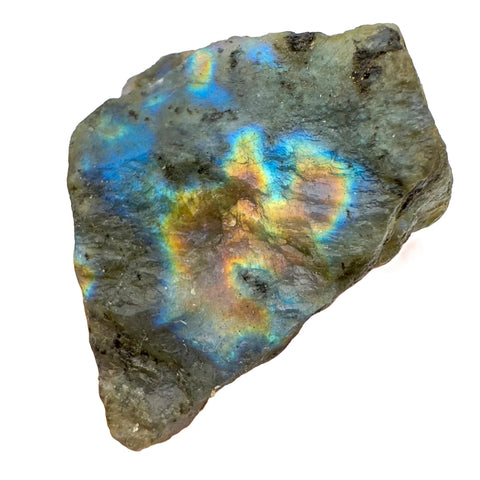
Surface quality, smoothness, and how light interacts with the worked face.
Soundness of the stone. Free from structural weakness, deep cracks, or damage.
Where it matters. Some stones are prized for clarity, others for inclusions.
How balanced and well-proportioned the cut, carve, or natural form is.
How uncommon a piece is for that material from that specific origin.
How exceptional the lot is compared to what is typically available from that source.
Different stones, different priorities
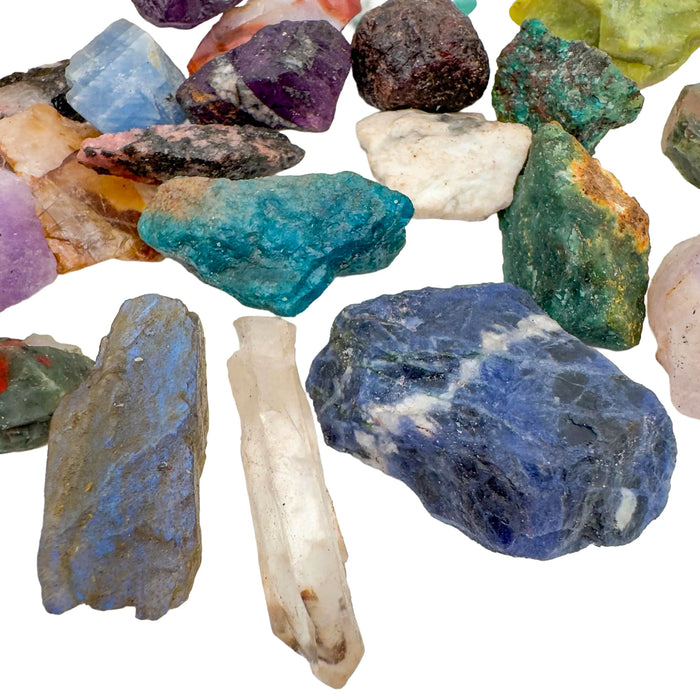
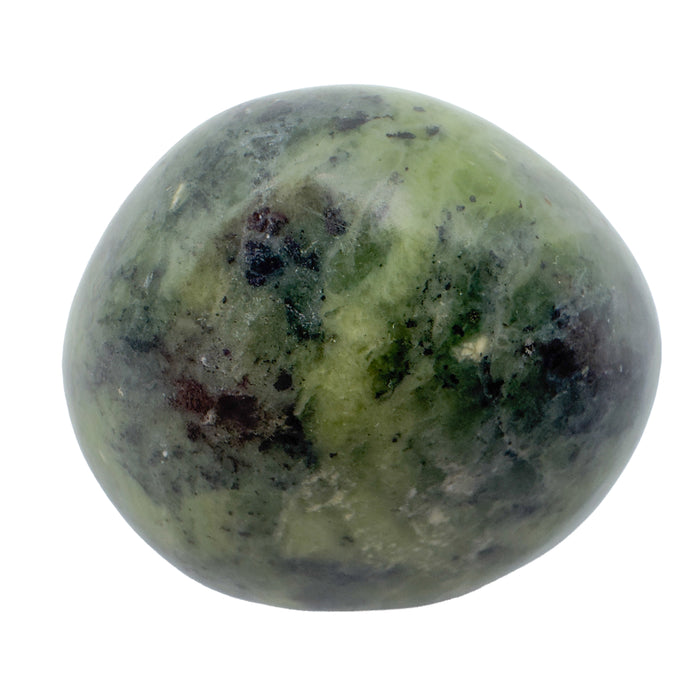
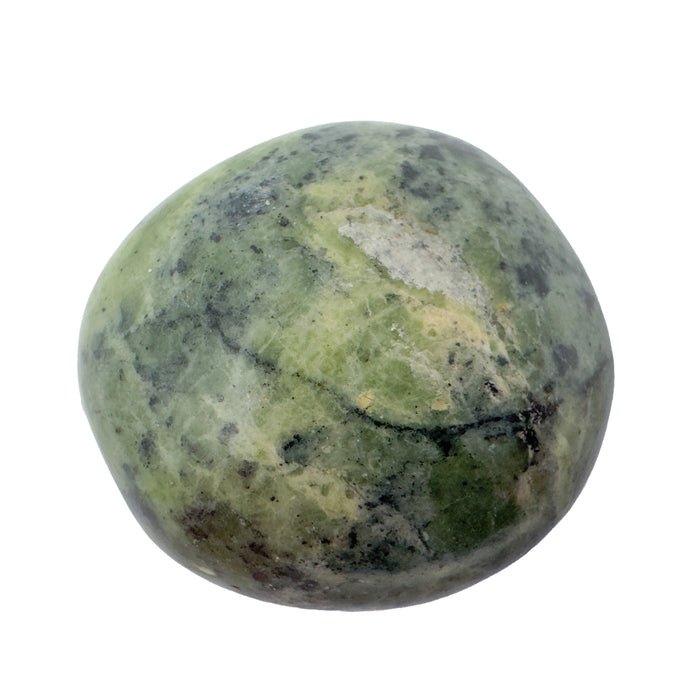
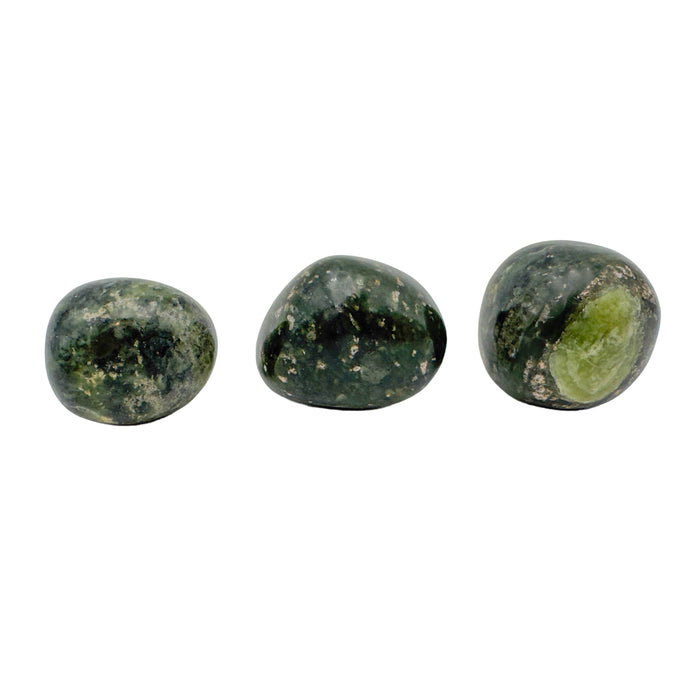
A few quick examples of how the weighting shifts when the material changes. Browse the collections to see how our grading reads across real product photos.
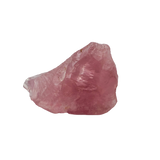
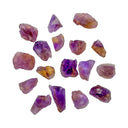
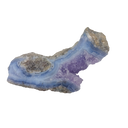
Judged more by color saturation, zoning, clarity, and how richly the purple holds up against the locality it comes from.
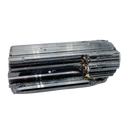
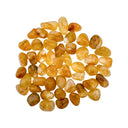
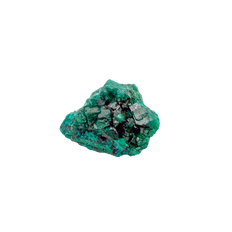
See the collectionJudged more by crystal definition, color, integrity, and natural form. Different tourmaline colors get evaluated on slightly different priorities.
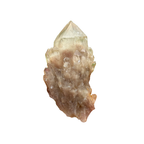
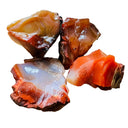
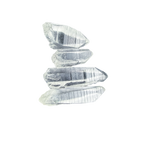
See the collectionInclusions are the point. The right phantom or chlorite scenes can move a piece up the scale, not down. Sometimes called garden quartz for the landscape-like scenes inside.
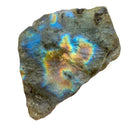
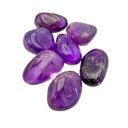
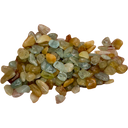
See the collectionValued more for orb development, contrast, and finish than for clarity. A well-orbed piece can outrank a cleaner one.
See the collectionCrystals are natural materials. Variation is not a flaw, it is often part of what makes a stone special. A lower grade does not mean a piece is unattractive or not worth owning. A higher grade does not mean flawless. Our system is built to set realistic expectations, not to chase artificial perfection.
B, A, AA, AAA
A tier is always relative to the material and the origin it comes from. AAA from one source will not look like AAA from another, and that is on purpose. The rarity notes describe what we typically see come through our own supply, not the global market.
Still authentic, often beautiful. A good fit for learning, collecting on a budget, crafting, or bulk use. Just doesn't meet the visual threshold of the upper tiers.
Clearly above basic commercial quality, while staying accessible. The point where a stone starts to feel meaningfully better than average.
A noticeable step up. For many materials, this is where discerning buyers see the difference right away.
The strongest material we release within that specific material-and-origin context. Usually the hardest to replace and the most striking in person. AAA is exceptional for that source, not against a generic universal benchmark.
You will sometimes see C-grade or unsorted material referenced in the wider crystal market. This is typically heavily included, poorly colored, or structurally weak material that sits closer to mineral byproduct than to display- or jewelry-grade stone. When it is sold, it usually moves through landscaping, decorative aggregate, or industrial channels rather than the crystal trade. We do not carry it.
A quartz point from Arkansas should not be judged by the same visual expectations as one from Madagascar. A Zambian amethyst should not be measured against the exact same color profile as Uruguayan material. We always grade within context. What does high-quality material from this locality usually look like? What is normal here? What is exceptional? That is the lens.