









 Agatefor stress relief
 Amazonitefor stress relief
 Aquamarinefor serenity
 Aventurinefor luck
 Bloodstonefor energy
 Blue Kyanitefor confidence
 Blue Lace Agatefor stress relief
 Chrysocollafor emotional healing
 Fluoritefor focus
 Garnetfor energy
 Lepidolitefor stress relief
 Malachitefor emotional healing
 Moonstonefor grounding
 Obsidianfor protection
 Ocean Jasperfor emotional healing
 Red Jasperfor grounding
 Rhodonitefor emotional healing
 Selenitefor cleansing
 Sodalitefor focus
 Tiger Eyefor confidence








































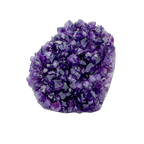 Amethyst
 Clear Quartz
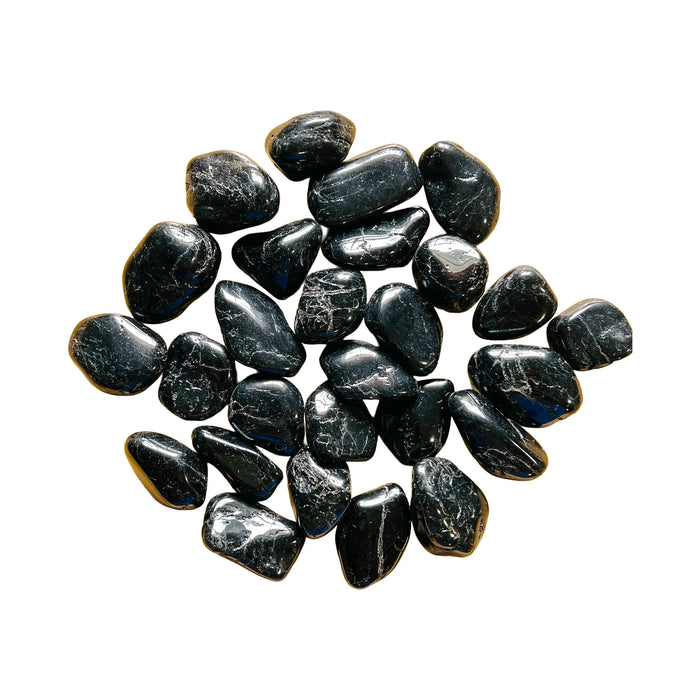
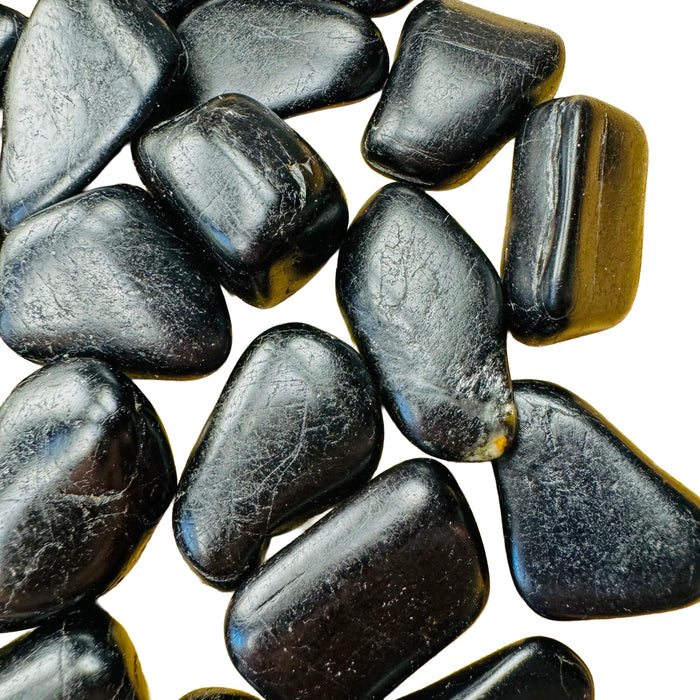
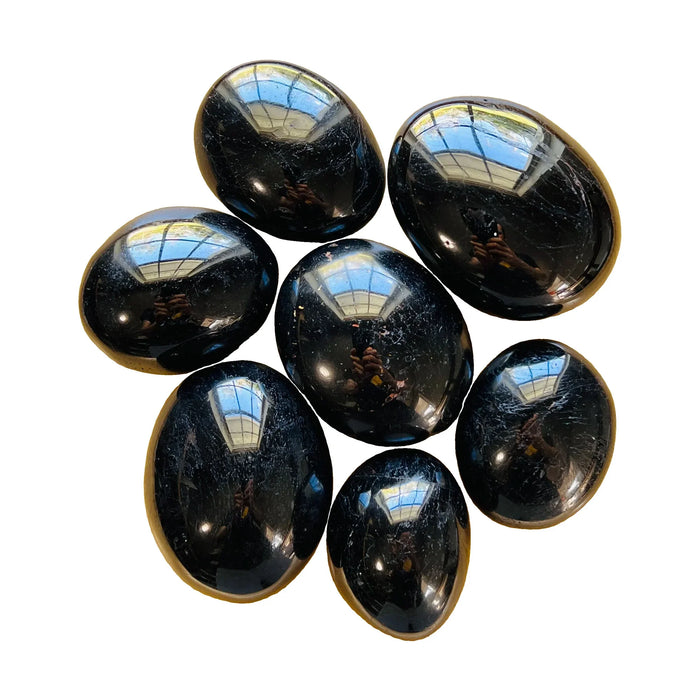
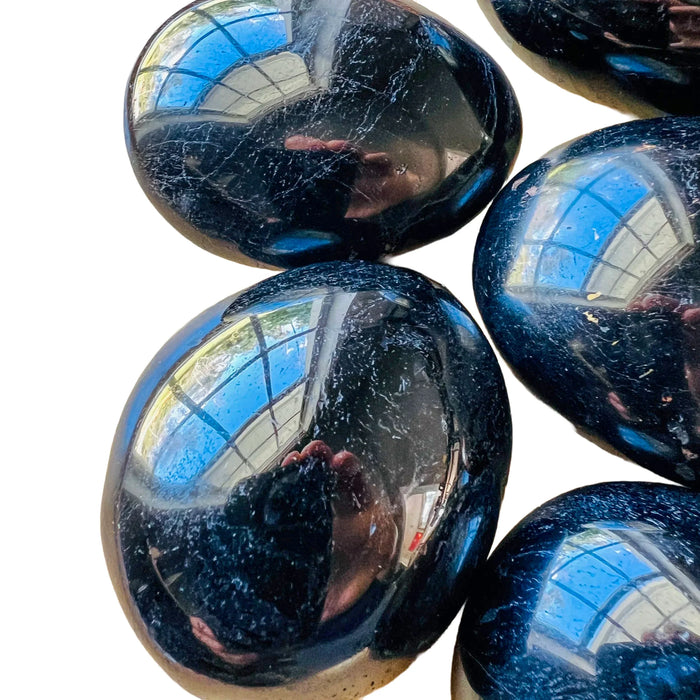
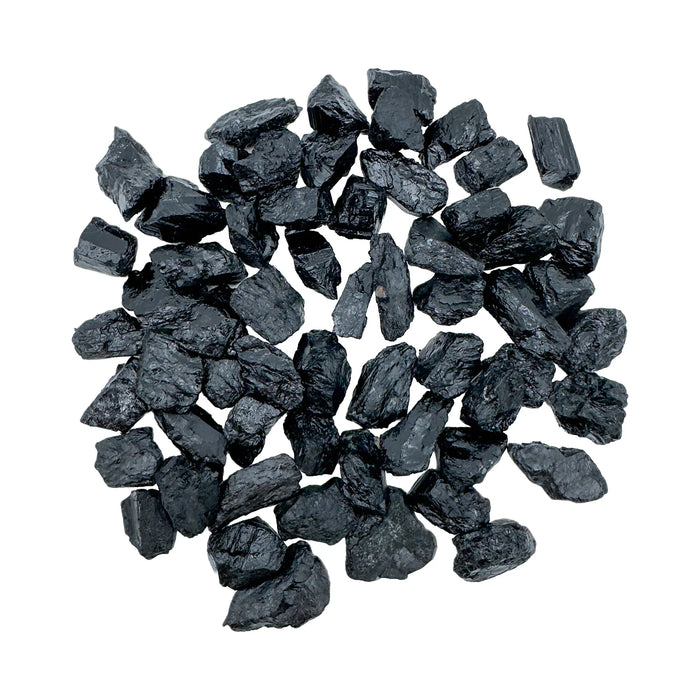
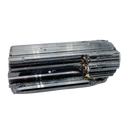 Black Tourmaline
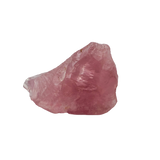 Rose Quartz
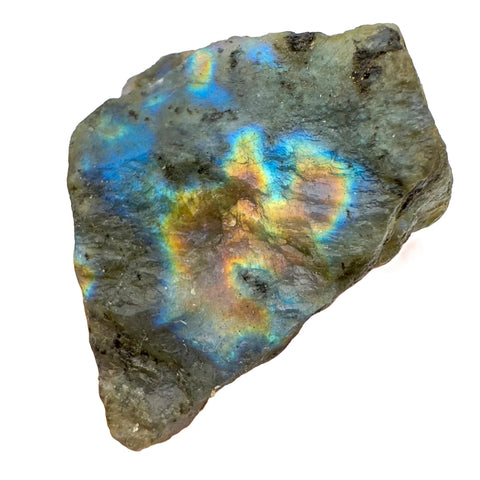
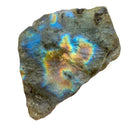 Labradorite
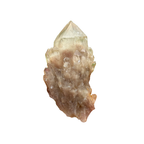 Natural Citrine
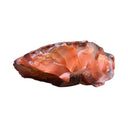 Carnelian
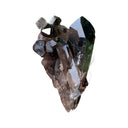 Smoky Quartz
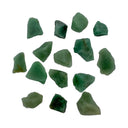 Aventurine
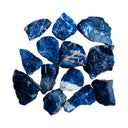 Sodalite
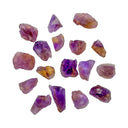 Ametrine
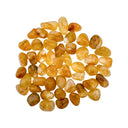 Golden Healer
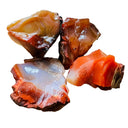 Raw Stones
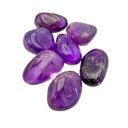 Tumbled Stones
 Palm Stones
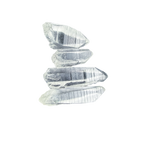 Crystal Points
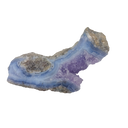 Clusters & Geodes
 Polished & Decor
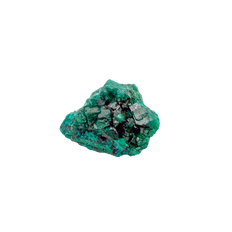 Mineral Specimens
 Crystal Chips




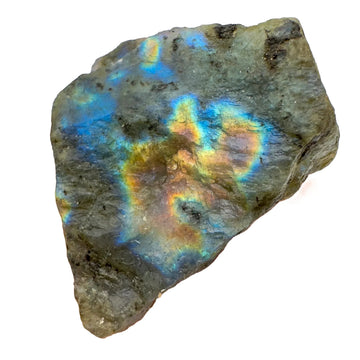



 Raw Stones
179 to choose from
Raw Stones
179 to choose from
 Tumbled Stones
162 to choose from
Tumbled Stones
162 to choose from
 Palm Stones
25 to choose from
Palm Stones
25 to choose from
 Crystal Points
23 to choose from
Crystal Points
23 to choose from
 Clusters & Geodes
103 to choose from
Clusters & Geodes
103 to choose from
 Polished & Decor
148 to choose from
Polished & Decor
148 to choose from
 Mineral Specimens
257 to choose from
Mineral Specimens
257 to choose from
 Crystal Chips
21 to choose from
Crystal Chips
21 to choose from


 AngolaAquamarine
›
AngolaAquamarine
›
 BotswanaCarnelian, Tree Agate
›
BotswanaCarnelian, Tree Agate
›
 DR CongoMalachite, Natural Citrine
›
DR CongoMalachite, Natural Citrine
›
 EswatiniBloodstone
›
EswatiniBloodstone
›
 MadagascarLabradorite, Clear Quartz
›
MadagascarLabradorite, Clear Quartz
›
 MalawiBlue Lace Agate, Garnet
›
MalawiBlue Lace Agate, Garnet
›
 MozambiqueAmazonite
›
MozambiqueAmazonite
›
 NamibiaSodalite, Blue Lace Agate
›
NamibiaSodalite, Blue Lace Agate
›
 Republic of the CongoDioptase
›
Republic of the CongoDioptase
›
 South AfricaTiger Eye, Unakite
›
South AfricaTiger Eye, Unakite
›
 ZambiaChevron Amethyst
›
ZambiaChevron Amethyst
›
 ZimbabweEmerald, Rhodonite
›
ZimbabweEmerald, Rhodonite
›
 ArgentinaBlack Obsidian, Rhodochrosite
›
ArgentinaBlack Obsidian, Rhodochrosite
›
 BoliviaAmetrine
›
BoliviaAmetrine
›
 BrazilAmethyst, Clear Quartz
›
BrazilAmethyst, Clear Quartz
›
 PeruSerpentine, Jade
›
PeruSerpentine, Jade
›
 UruguayAmethyst
›
UruguayAmethyst
›
 Dominican RepublicLarimar
›
Dominican RepublicLarimar
›
 MexicoRainbow Obsidian, Crazy Lace Agate
›
MexicoRainbow Obsidian, Crazy Lace Agate
›
 United StatesSelenite, Peridot
›
United StatesSelenite, Peridot
›
 ChinaFluorite
›
ChinaFluorite
›
 RussiaShungite
›
RussiaShungite
›
 AustraliaMookaite
›
AustraliaMookaite
›
 Where our crystals come from
See where we source →
Where our crystals come from
See where we source →


 Aries
Mar 21 to Apr 19
Carnelian
›
Aries
Mar 21 to Apr 19
Carnelian
›
 Taurus
Apr 20 to May 20
Rose Quartz
›
Taurus
Apr 20 to May 20
Rose Quartz
›
 Gemini
May 21 to Jun 20
Agate
›
Gemini
May 21 to Jun 20
Agate
›
 Cancer
Jun 21 to Jul 22
Moonstone
›
Cancer
Jun 21 to Jul 22
Moonstone
›
 Leo
Jul 23 to Aug 22
Citrine
›
Leo
Jul 23 to Aug 22
Citrine
›
 Virgo
Aug 23 to Sep 22
Amazonite
›
Virgo
Aug 23 to Sep 22
Amazonite
›
 Libra
Sep 23 to Oct 22
Blue Lace Agate
›
Libra
Sep 23 to Oct 22
Blue Lace Agate
›
 Scorpio
Oct 23 to Nov 21
Obsidian
›
Scorpio
Oct 23 to Nov 21
Obsidian
›
 Sagittarius
Nov 22 to Dec 21
Sodalite
›
Sagittarius
Nov 22 to Dec 21
Sodalite
›
 Capricorn
Dec 22 to Jan 19
Black Tourmaline
›
Capricorn
Dec 22 to Jan 19
Black Tourmaline
›
 Aquarius
Jan 20 to Feb 18
Amethyst
›
Aquarius
Jan 20 to Feb 18
Amethyst
›
 Pisces
Feb 19 to Mar 20
Aquamarine
›
Gifting?
A birthday stone is the safe bet.
Read the zodiac guide →
Pisces
Feb 19 to Mar 20
Aquamarine
›
Gifting?
A birthday stone is the safe bet.
Read the zodiac guide →


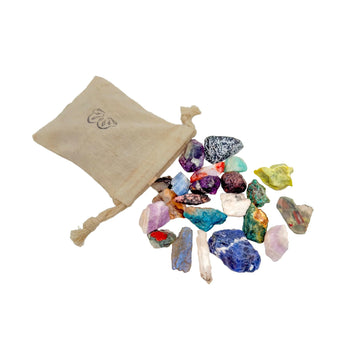










Tourmaline
Tourmaline isn't a single stone. It's a family of boron-silicate minerals that appears in every color on the spectrum, from jet-black Schorl to pink Elbaite to the banded Watermelon Tourmaline prized by collectors. Traditionally associated with protection, grounding, and the clearing work that takes real time.
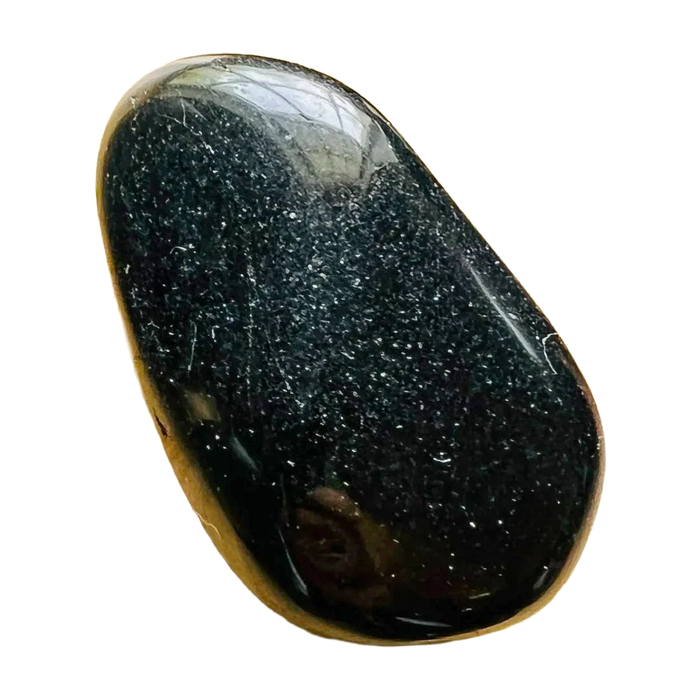
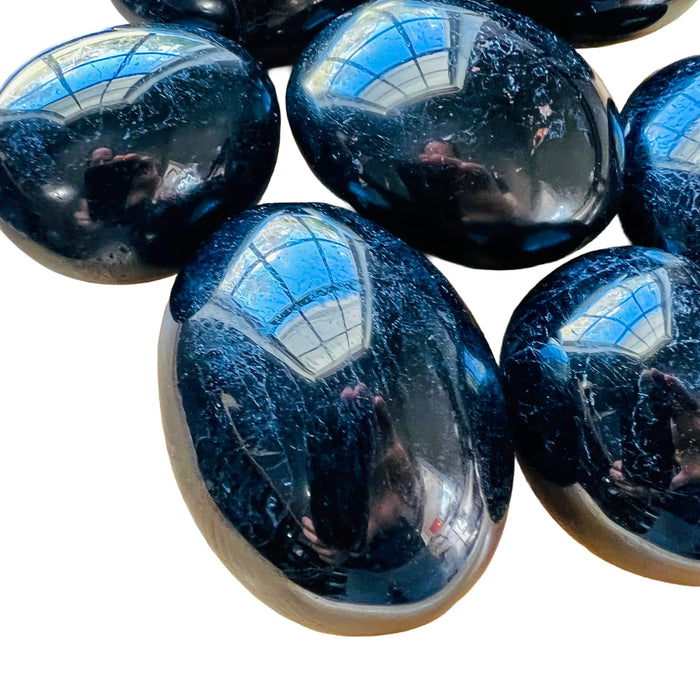
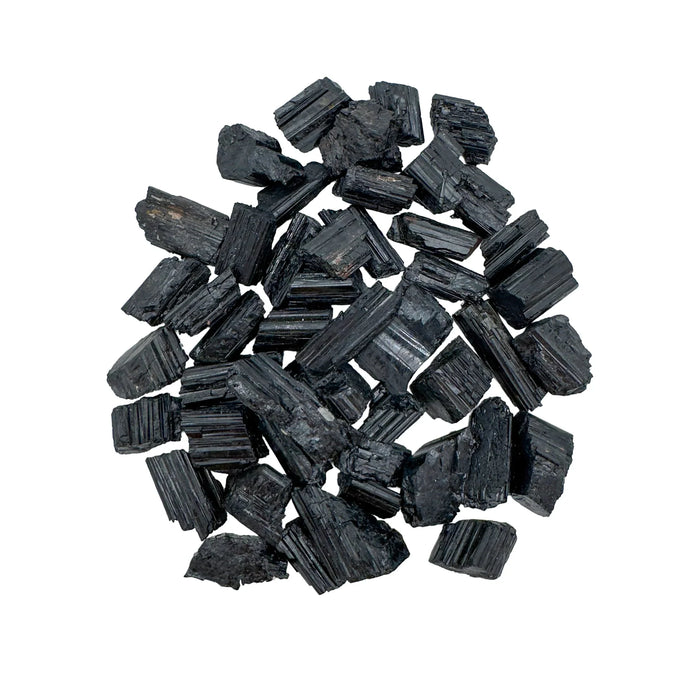
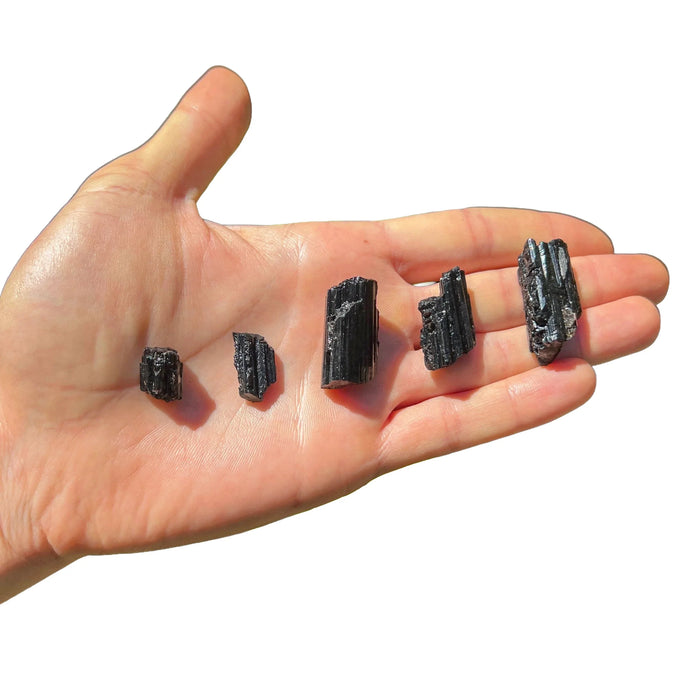
Shop tourmalineTourmaline, in stock now.
Our most-loved Tourmaline pieces, ready to ship.

- from 1,000+ reviews
- Ships within 72 hoursMonday to Friday, tracked
- 90 days to return itif you do not love it
- Free US shipping over $99$8.99 flat rate under
The geology.
Tourmaline is the trade name for a large group of boron-silicate minerals that share the same trigonal crystal structure but differ widely in chemistry. The most common species are Schorl (iron-rich, black), Elbaite (lithium-bearing, in greens, pinks, and blues), and Dravite (magnesium-bearing, browns). Chemistry determines color, and a single tourmaline crystal can shift chemistry along its length, which is how Watermelon Tourmaline and bicolor crystals form.
Hardness runs 7 to 7.5 on the Mohs scale, making it one of the more durable stones commonly cut for jewelry. Tourmaline is also pyroelectric and piezoelectric, meaning it generates a small electrical charge when heated or compressed. This property was documented by Dutch traders in the 1700s, who noticed crystals attracting ash from their pipes.
The origins.
Tourmaline is mined across a wide global footprint. Brazil's Minas Gerais region is the single largest historical producer, yielding Schorl, Elbaite, and the famous Paraiba Tourmaline. Madagascar, particularly around Antsirabe, produces fine Schorl and Elbaite in significant commercial volume. Afghanistan and Pakistan are known for gem-quality Elbaite, especially pink and green material. Mozambique and Nigeria are growing sources, and the United States (Maine and California) has produced collector-grade specimens for over a century.
Each origin has a recognizable character. Brazilian tourmaline ranges from affordable tumbled Schorl to the electric-blue Paraiba at the top of the gem market. Malagasy material is often well-formed with clean terminations. Afghan and Pakistani Elbaite tends toward fine gem quality. Country of origin is worth asking about, both for value and for knowing what species you're actually buying.
Traditional associations.
Tourmaline's documented history is tangled because most of what Europe considered other gems (often pink ruby or blue sapphire) turned out, on later analysis, to be tourmaline. An Egyptian tradition linked the stone to a rainbow rising from the center of the Earth, explaining how one mineral could hold every color. Sri Lanka and Burma were major historical sources before Brazilian and African production scaled.
Many people work with Tourmaline for protection, grounding, and the clearing of what no longer serves. Association with chakra and zodiac varies by color: Black with Root and Capricorn, Pink with Heart and Libra, Green with Heart and Capricorn, Watermelon with Heart. Shared associations are the elements Earth and Water.
Spotting the real thing.
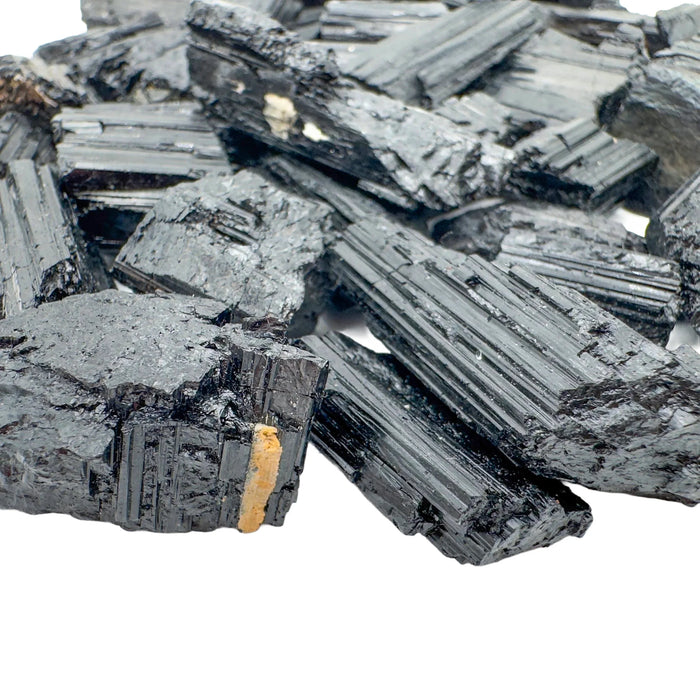
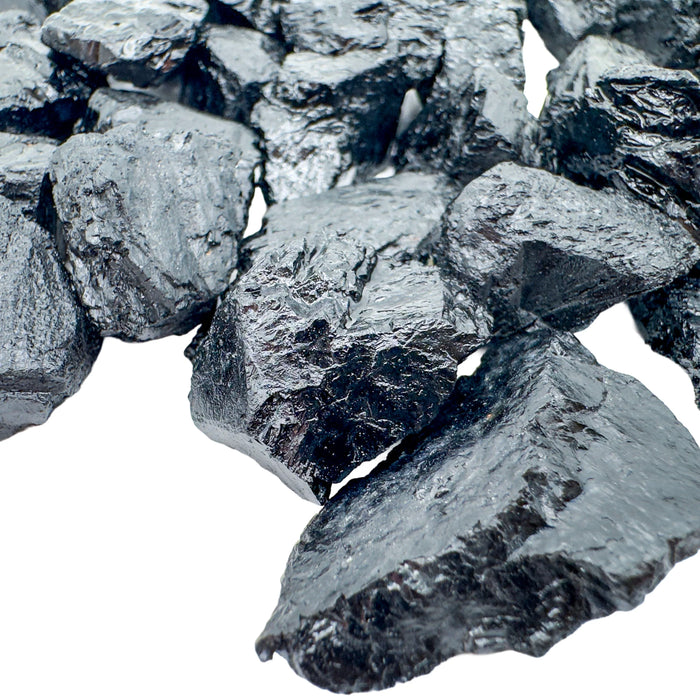
Real Tourmaline crystals show distinctive striations running along the length of the crystal axis, parallel grooves visible without magnification. The cross-section is triangular to rounded-triangular, a function of the trigonal structure. Color zoning is common; a single crystal can show different colors at each end or a color band in the middle. Under magnification, look for the characteristic parallel striation pattern.
The common fakes are dyed quartz marketed as pink or green tourmaline, glass imitations in jewelry, and lower-cost species relabeled as pricier varieties (Schorl sold as 'black tourmaline' is honest; dyed quartz sold as tourmaline is not). Reputable sellers specify the species (Schorl, Elbaite, Dravite) and disclose treatments. If a seller can't name the species, that's the warning sign.
Care & handling.
Water safe for a brief rinse with warm water and a soft cloth. Avoid ultrasonic cleaners, steam cleaners, and high heat, which can damage included gem material and affect treated stones. Schorl and undyed varieties are stable under sunlight; heat-treated gem material can fade over years with prolonged UV exposure.
Cleanse energetically with moonlight, sound, smoke, or by placing on selenite. At 7 to 7.5 Mohs, Tourmaline is a solid daily-wear material, though set jewelry should be removed before physical activity or rough work. Store separately from diamond, corundum, and topaz to protect polish and facets.
Pairs well with.
Proof, not promises.
We measure our own sourcing across five dimensions. Supply chain, environmental footprint, artisan support, market integrity, and pricing. The number is honest, not perfect. Where we can do better, we say so.
A deeper look.
Extended geology, sourcing, authentication, history, varieties, and pricing, for when the quick guide isn't quite enough.
Extended geology
Tourmaline is a group of closely related borosilicate minerals with the general formula XY₃Z₆(T₆O₁₈)(BO₃)₃V₃W, where the X, Y, Z, T, V, and W sites hold different elements depending on species. Schorl is iron-rich and black; Elbaite is lithium-bearing and typically green, pink, or blue; Dravite is magnesium-rich and brown; Uvite, Liddicoatite, and others fill out the group.
All tourmalines crystallize in the trigonal system and show characteristic parallel striations along the c-axis of the crystal. Specific gravity runs 3.06 to 3.25 depending on species. Mohs hardness 7 to 7.5. Luster is vitreous to resinous. Cleavage is indistinct; fracture is conchoidal to uneven. Tourmaline is pyroelectric (generating charge when heated) and piezoelectric (generating charge under pressure).
Extended sourcing
Brazil's Minas Gerais is the historical heavyweight. The region produces Schorl, Elbaite, Watermelon Tourmaline, and (from specific deposits) Paraiba Tourmaline, the copper-bearing cuprian Elbaite with electric blue-green color that became famous in the 1980s. Afghanistan and Pakistan are major producers of gem-quality pink and green Elbaite. Madagascar's Malagasy material, particularly from the Antsirabe region, fills a significant share of the tumbled-Schorl and Elbaite markets.
Mozambique (which produces a cuprian material marketed as Paraiba-type), Nigeria, and several smaller African producers contribute to the gem market. In the United States, Maine's Mount Mica and California's Pala district produced classic pink and green Elbaite specimens that remain collector benchmarks.
Authentication and warning signs
The parallel striations along the crystal length are the most reliable visible test. A tourmaline crystal with smooth sides isn't tourmaline. Triangular or rounded-triangular cross-section confirms the trigonal habit. Color zoning, especially the concentric bands of Watermelon Tourmaline or the tip-to-tip color shift in Paraiba and other bicolor crystals, is a positive sign.
In jewelry, beware of dyed quartz passed off as pink or green tourmaline (color saturation too uniform, no striations), glass imitations (warmer to touch, bubbles under magnification), and unattributed 'tourmaline' that may actually be a different species at a premium price. Ask for the species, country, and treatment. If any of those answers are vague, walk away.
Historical and cultural context
Tourmaline's documented history is often mistaken history. For centuries, what European traders called ruby, sapphire, and emerald was frequently tourmaline, misidentified because the science of gem identification hadn't caught up. The Swedish crown jewels included a ruby that modern analysis confirmed as red Elbaite.
The name 'tourmaline' derives from the Sinhalese 'turmali,' a catch-all term Sri Lankan traders used for colored gems. Dutch traders in the 1700s noted that tourmaline crystals attracted ash and dust when warmed in their clay pipes, documenting the pyroelectric effect centuries before it was explained scientifically.
Varieties and trade names
Schorl: iron-rich, black. By far the most common tourmaline by volume.
Elbaite: lithium-bearing, in greens, pinks, blues, and bicolor combinations.
Rubellite: pink to red gem-quality Elbaite.
Indicolite: blue gem-quality Elbaite.
Verdelite: green gem-quality Elbaite.
Paraiba: copper-bearing Elbaite with electric blue-green color, from Brazil's Paraiba state (and Mozambique for similar material).
Watermelon Tourmaline: bicolor Elbaite with pink core and green rim.
Dravite: magnesium-rich, typically brown.
Pricing reality
Tumbled Schorl (Black Tourmaline): 2 to 10 dollars per piece. Schorl crystal specimens: 15 to 150 dollars depending on size and formation. Common green and pink Elbaite tumbles and small polished pieces: 10 to 60 dollars. Gem-quality faceted Elbaite: 50 to 2,000 dollars per carat depending on color and clarity. Fine Paraiba Tourmaline: 5,000 to 30,000+ dollars per carat.
Value drivers: species, color saturation and evenness, clarity, crystal formation, origin, and treatment disclosure. Warning signs: no species named, vague origin, 'Paraiba' at suspiciously low prices, treatment status left unaddressed.
Good sourcing is a practice, not a claim.
Nothing we sell is color-enhanced, irradiated, or heat-treated without full disclosure. We name origin and species on every listing. We walk away from material that doesn't meet our standard, even when it costs us sales.
Bring tourmaline home.
Every piece we carry is photographed individually and listed with its species, origin, and treatment status. What you see is what ships.
Shop the tourmaline collectionGrounded Connections
New stones go to the list first.
No forwarding, no selling. Unsubscribe in one click. Privacy