


 Agatefor stress relief
 Amazonitefor stress relief
 Aquamarinefor serenity
 Aventurinefor luck
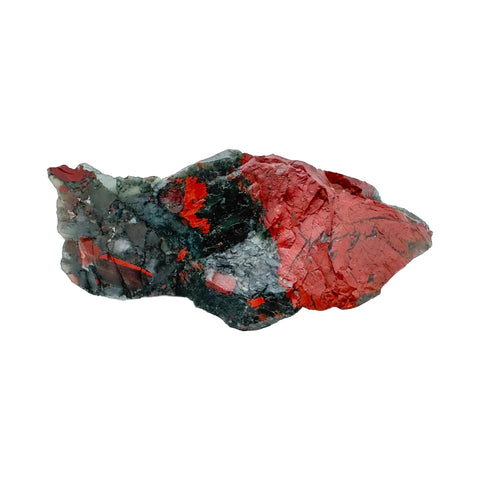
 Bloodstonefor energy
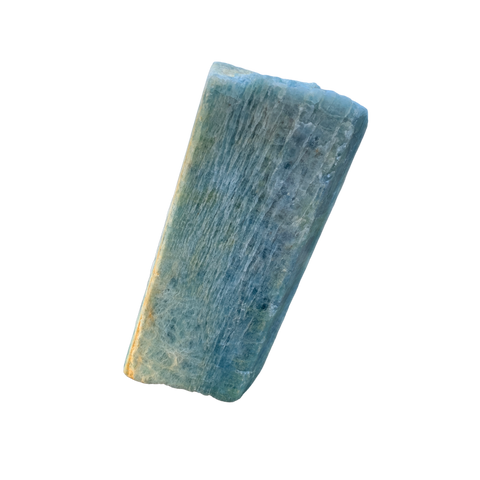
 Blue Kyanitefor confidence
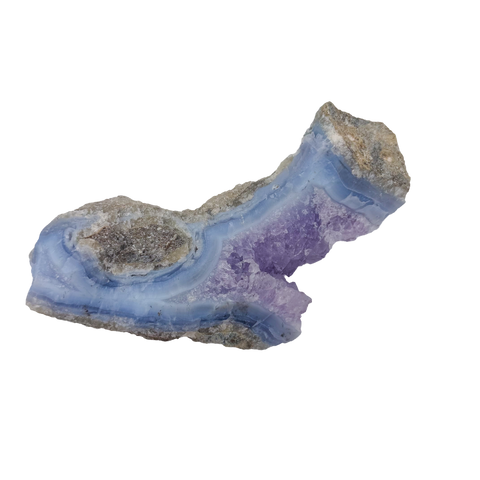
 Blue Lace Agatefor stress relief
 Chrysocollafor emotional healing
 Fluoritefor focus
 Garnetfor energy
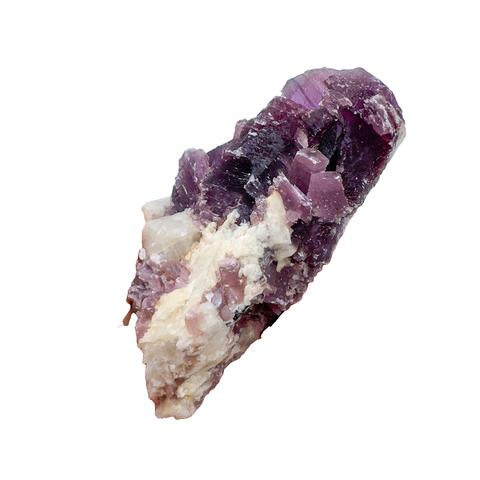
 Lepidolitefor stress relief
 Malachitefor emotional healing
 Moonstonefor grounding
 Obsidianfor protection
 Ocean Jasperfor emotional healing
 Red Jasperfor grounding
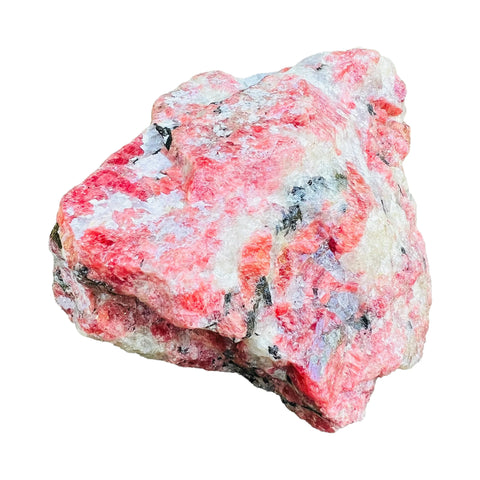
 Rhodonitefor emotional healing
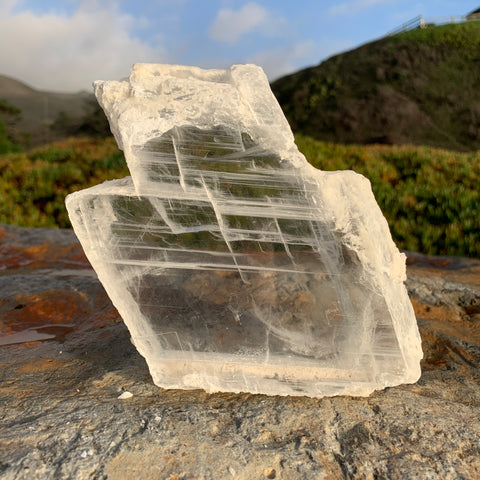
 Selenitefor cleansing
 Sodalitefor focus
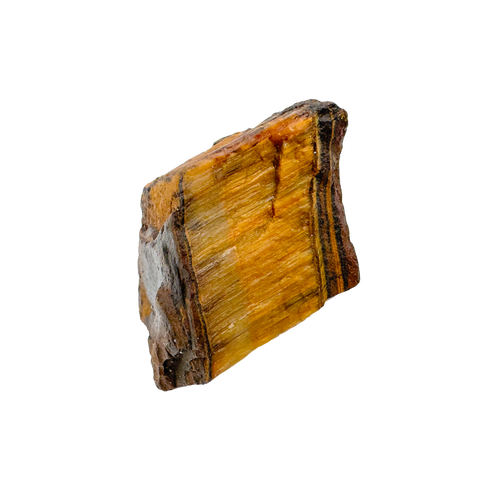
 Tiger Eyefor confidence
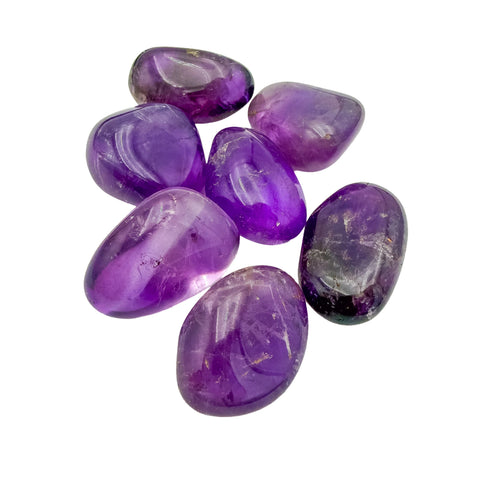


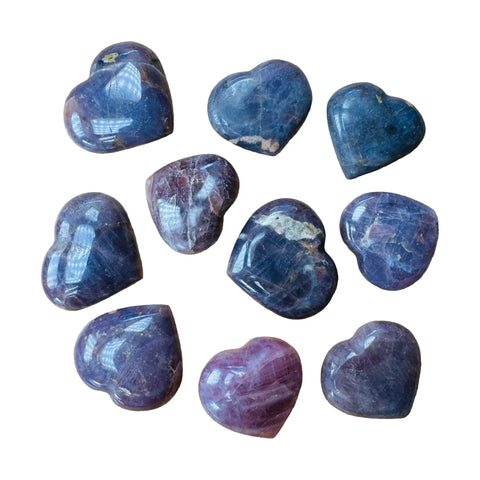


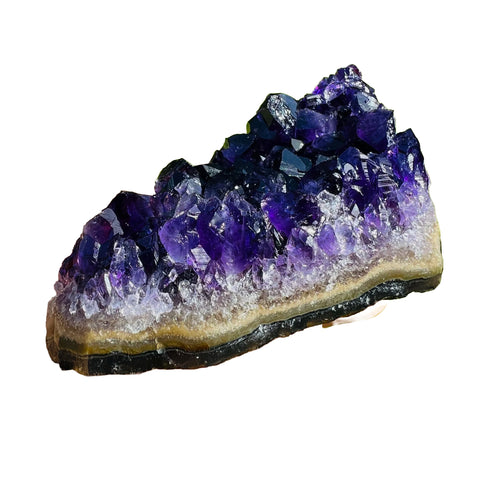






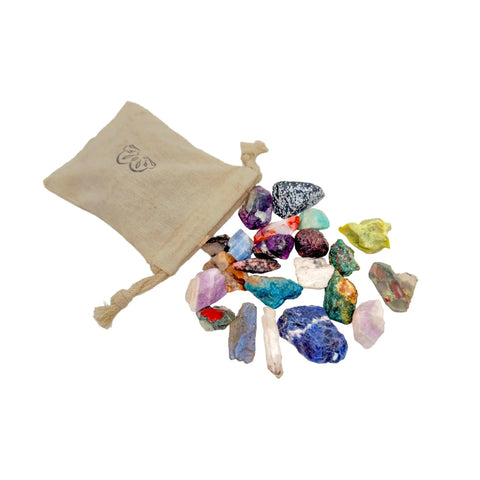
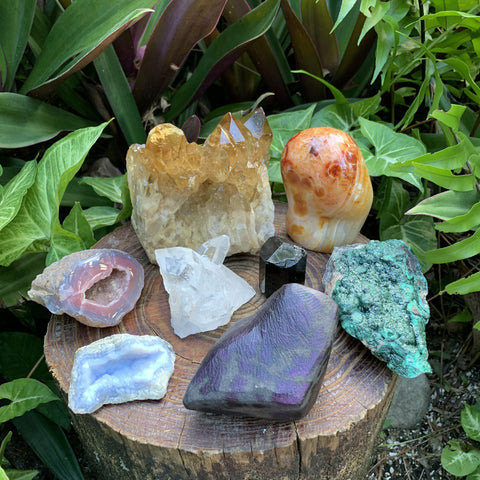
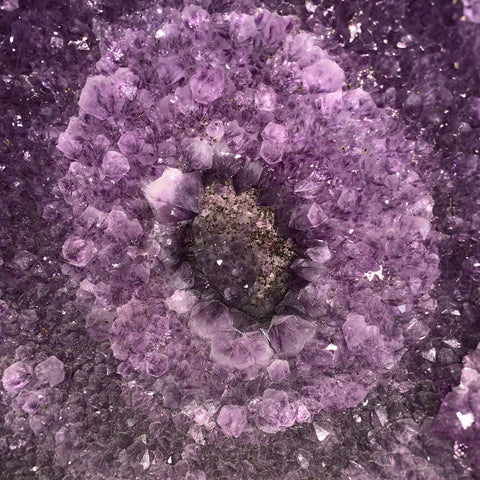
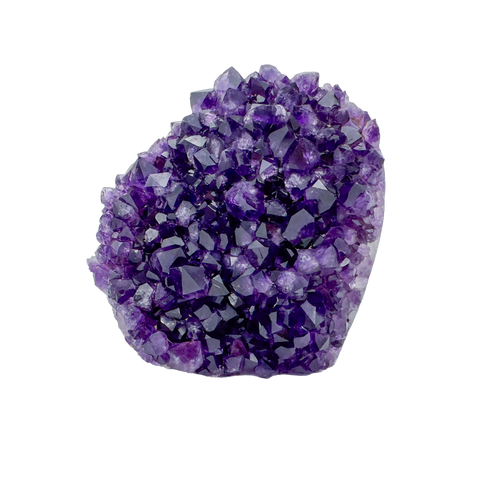
 Amethyst
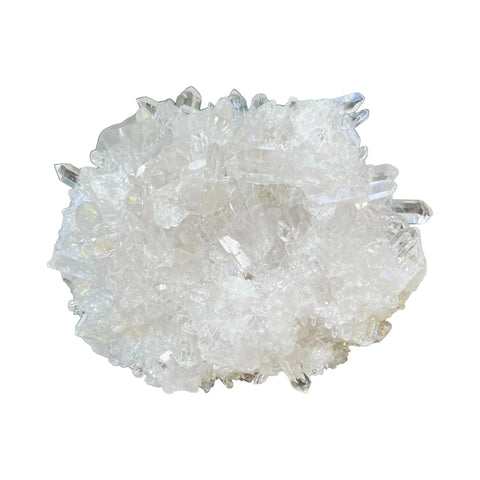
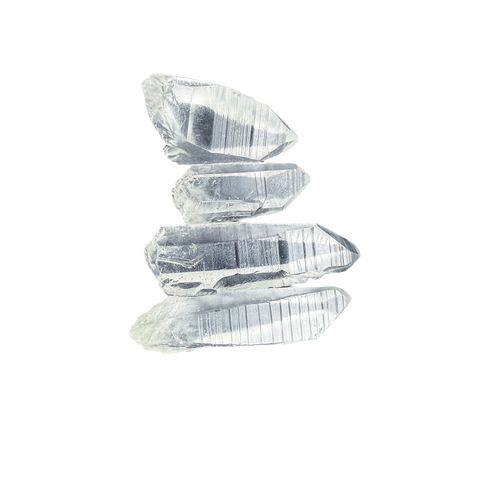
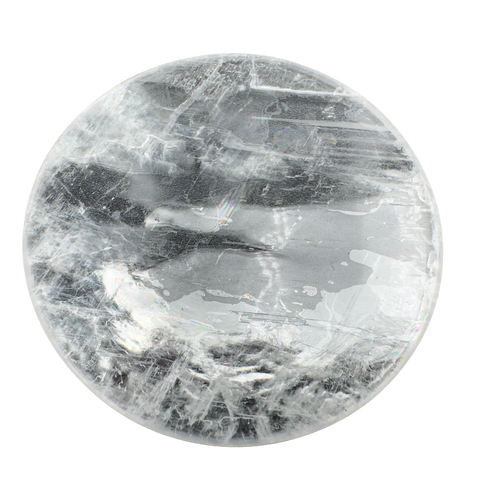
 Clear Quartz
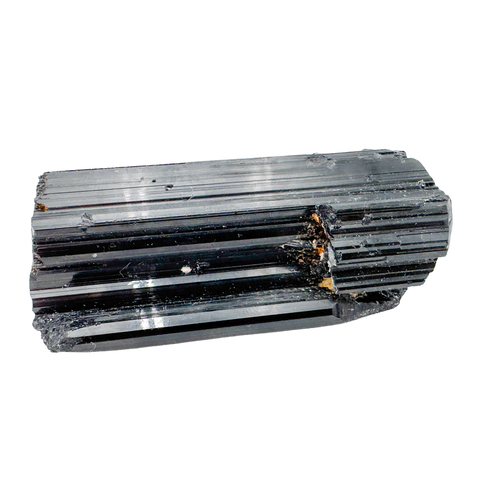
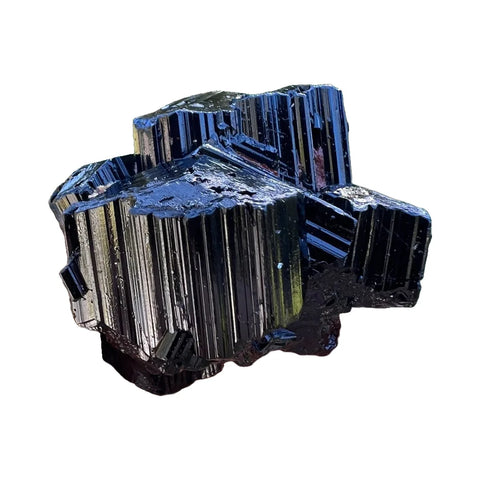
 Black Tourmaline
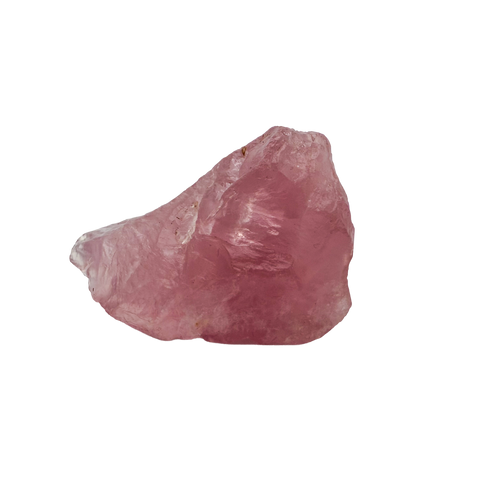
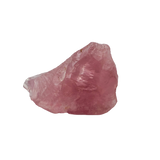 Rose Quartz
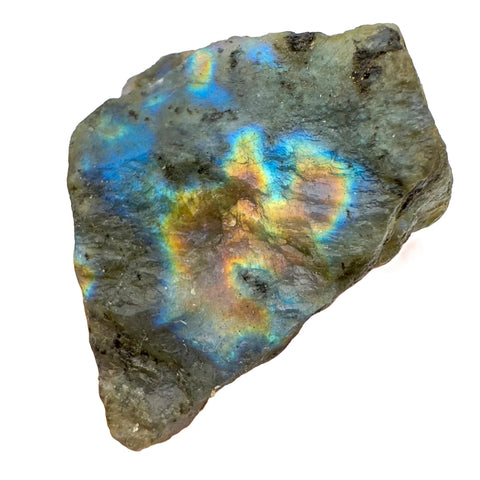
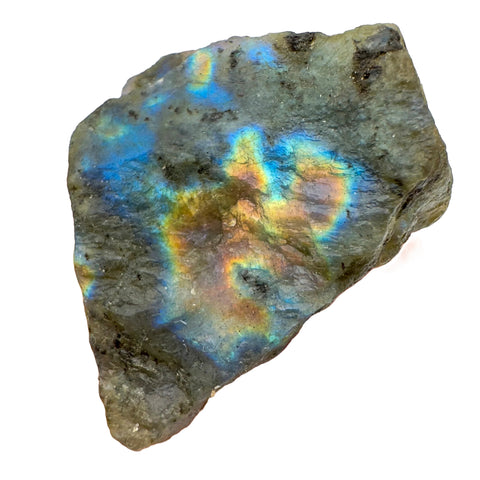
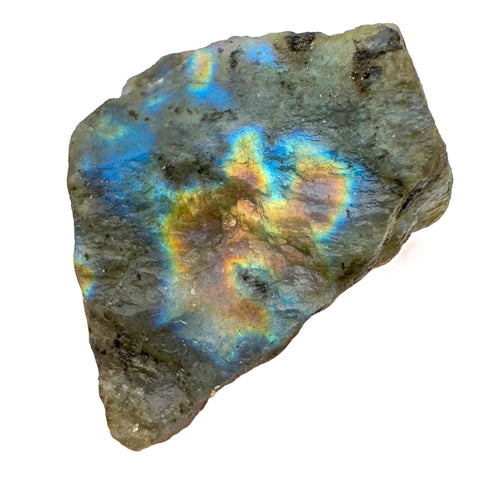
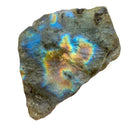 Labradorite
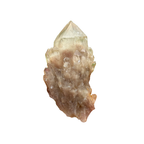 Natural Citrine
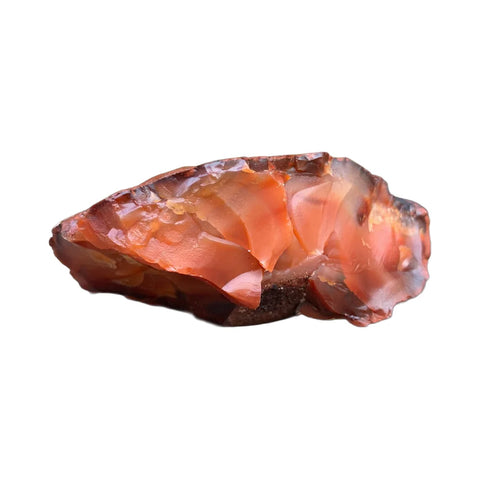
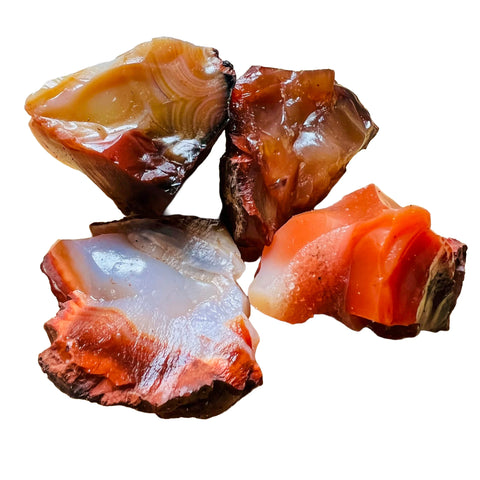
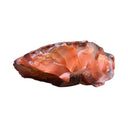 Carnelian
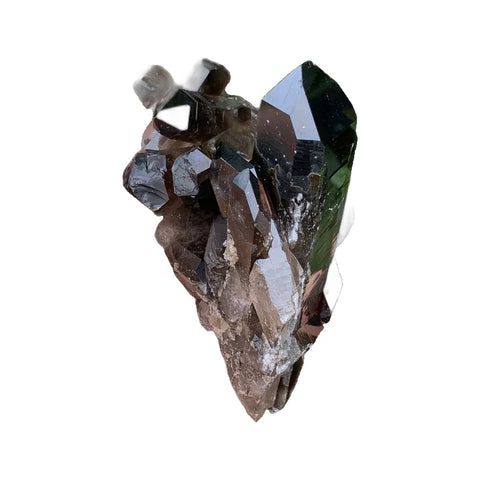
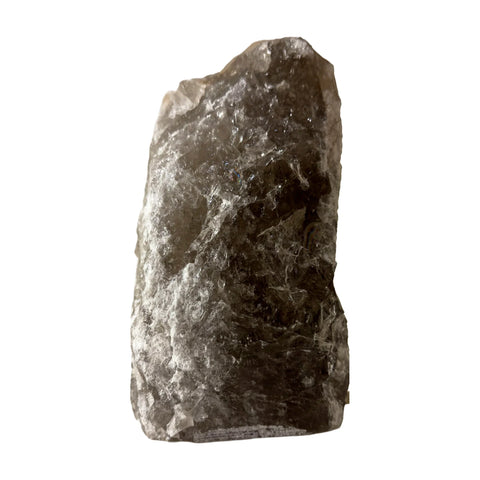
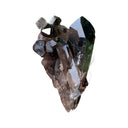 Smoky Quartz
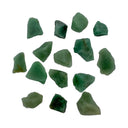 Aventurine
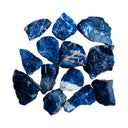 Sodalite
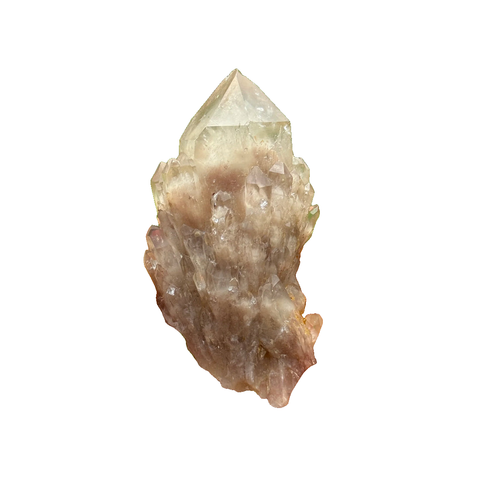
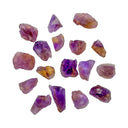 Ametrine
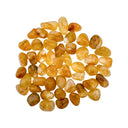 Golden Healer
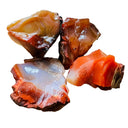 Raw Stones
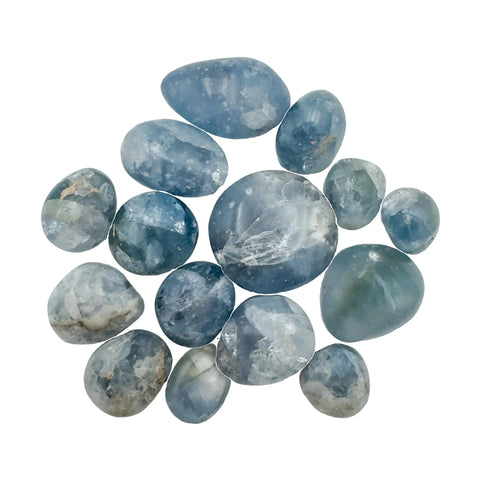
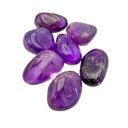 Tumbled Stones
 Palm Stones
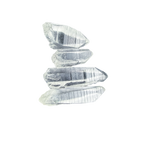 Crystal Points
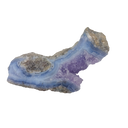 Clusters & Geodes
 Polished & Decor
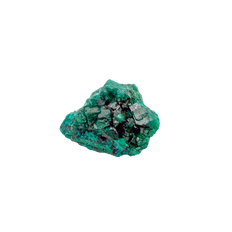 Mineral Specimens
 Crystal Chips
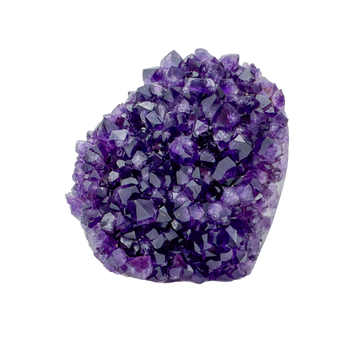
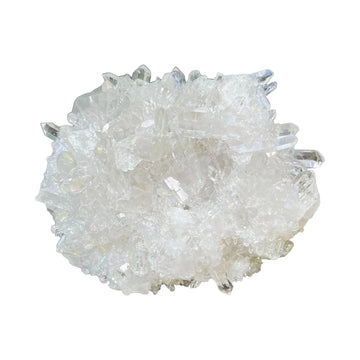
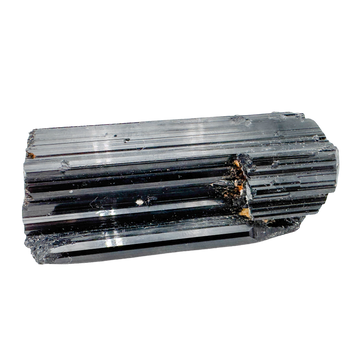
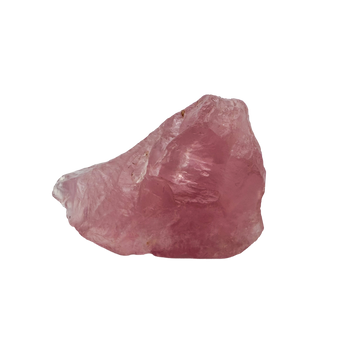
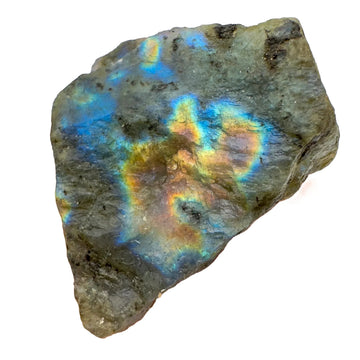
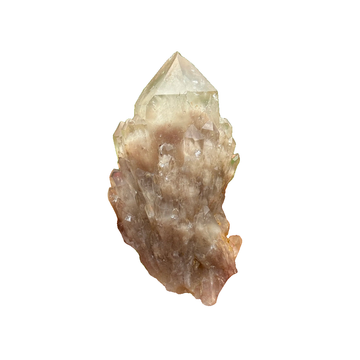
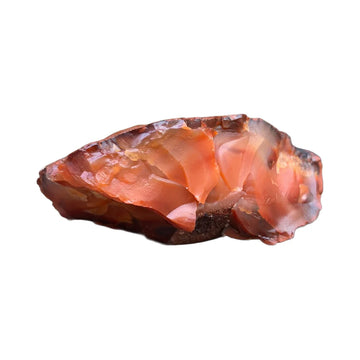
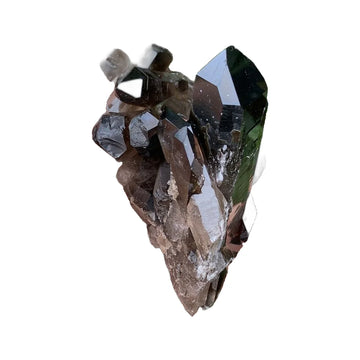
 Raw Stones
179 to choose from
Raw Stones
179 to choose from
 Tumbled Stones
162 to choose from
Tumbled Stones
162 to choose from
 Palm Stones
25 to choose from
Palm Stones
25 to choose from
 Crystal Points
23 to choose from
Crystal Points
23 to choose from
 Clusters & Geodes
97 to choose from
Clusters & Geodes
97 to choose from
 Polished & Decor
146 to choose from
Polished & Decor
146 to choose from
 Mineral Specimens
247 to choose from
Mineral Specimens
247 to choose from
 Crystal Chips
21 to choose from
Crystal Chips
21 to choose from


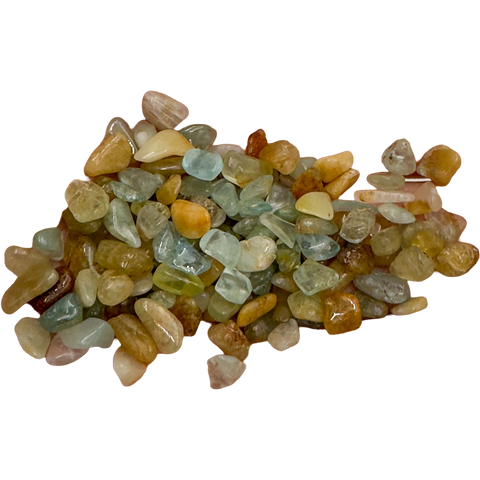
 AngolaAquamarine
›
AngolaAquamarine
›
 BotswanaCarnelian, Tree Agate
›
BotswanaCarnelian, Tree Agate
›
 DR CongoMalachite, Natural Citrine
›
DR CongoMalachite, Natural Citrine
›
 EswatiniBloodstone
›
EswatiniBloodstone
›
 MadagascarLabradorite, Clear Quartz
›
MadagascarLabradorite, Clear Quartz
›
 MalawiBlue Lace Agate, Garnet
›
MalawiBlue Lace Agate, Garnet
›
 MozambiqueAmazonite
›
MozambiqueAmazonite
›
 NamibiaSodalite, Blue Lace Agate
›
NamibiaSodalite, Blue Lace Agate
›
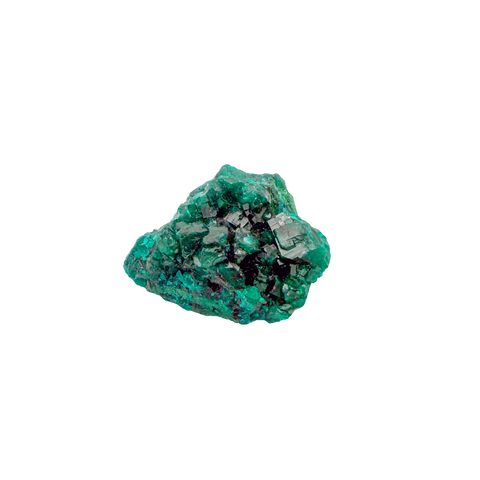
 Republic of the CongoDioptase
›
Republic of the CongoDioptase
›
 South AfricaTiger Eye, Unakite
›
South AfricaTiger Eye, Unakite
›
 ZambiaChevron Amethyst
›
ZambiaChevron Amethyst
›
 ZimbabweEmerald, Rhodonite
›
ZimbabweEmerald, Rhodonite
›
 ArgentinaBlack Obsidian, Rhodochrosite
›
ArgentinaBlack Obsidian, Rhodochrosite
›
 BoliviaAmetrine
›
BoliviaAmetrine
›
 BrazilAmethyst, Clear Quartz
›
BrazilAmethyst, Clear Quartz
›
 PeruSerpentine, Jade
›
PeruSerpentine, Jade
›
 UruguayAmethyst
›
UruguayAmethyst
›
 Dominican RepublicLarimar
›
Dominican RepublicLarimar
›
 MexicoRainbow Obsidian, Crazy Lace Agate
›
MexicoRainbow Obsidian, Crazy Lace Agate
›
 United StatesSelenite, Peridot
›
United StatesSelenite, Peridot
›
 ChinaFluorite
›
ChinaFluorite
›
 RussiaShungite
›
RussiaShungite
›
 AustraliaMookaite
›
AustraliaMookaite
›
 Where our crystals come from
See where we source →
Where our crystals come from
See where we source →


 Aquarius
Jan 20 to Feb 18
Amethyst
›
Aquarius
Jan 20 to Feb 18
Amethyst
›
 Pisces
Feb 19 to Mar 20
Aquamarine
›
Pisces
Feb 19 to Mar 20
Aquamarine
›
 Aries
Mar 21 to Apr 19
Carnelian
›
Aries
Mar 21 to Apr 19
Carnelian
›
 Taurus
Apr 20 to May 20
Rose Quartz
›
Taurus
Apr 20 to May 20
Rose Quartz
›
 Gemini
May 21 to Jun 20
Agate
›
Gemini
May 21 to Jun 20
Agate
›
 Cancer
Jun 21 to Jul 22
Moonstone
›
Cancer
Jun 21 to Jul 22
Moonstone
›
 Leo
Jul 23 to Aug 22
Citrine
›
Leo
Jul 23 to Aug 22
Citrine
›
 Virgo
Aug 23 to Sep 22
Amazonite
›
Virgo
Aug 23 to Sep 22
Amazonite
›
 Libra
Sep 23 to Oct 22
Blue Lace Agate
›
Libra
Sep 23 to Oct 22
Blue Lace Agate
›
 Scorpio
Oct 23 to Nov 21
Obsidian
›
Scorpio
Oct 23 to Nov 21
Obsidian
›
 Sagittarius
Nov 22 to Dec 21
Sodalite
›
Sagittarius
Nov 22 to Dec 21
Sodalite
›
 Capricorn
Dec 22 to Jan 19
Black Tourmaline
›
Gifting?
A birthday stone is the safe bet.
Read the zodiac guide →
Capricorn
Dec 22 to Jan 19
Black Tourmaline
›
Gifting?
A birthday stone is the safe bet.
Read the zodiac guide →


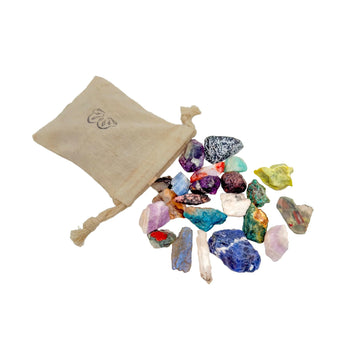
Tree Agate
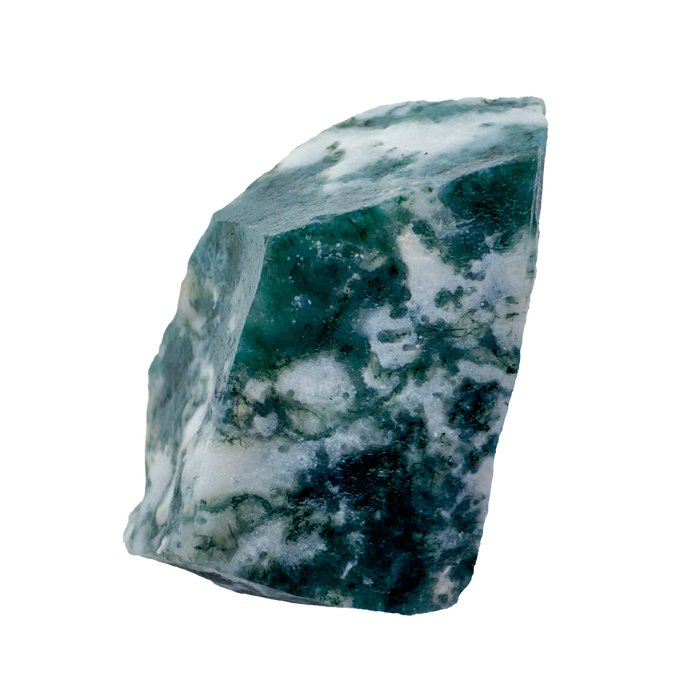
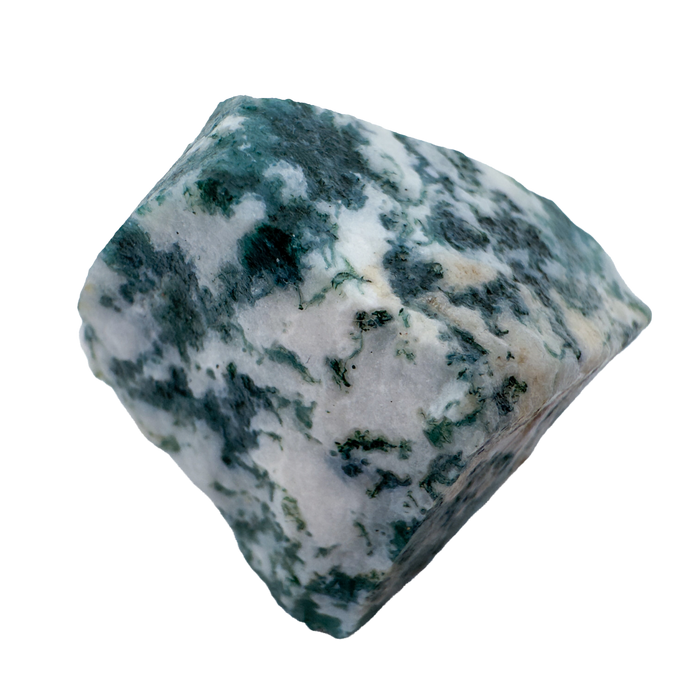
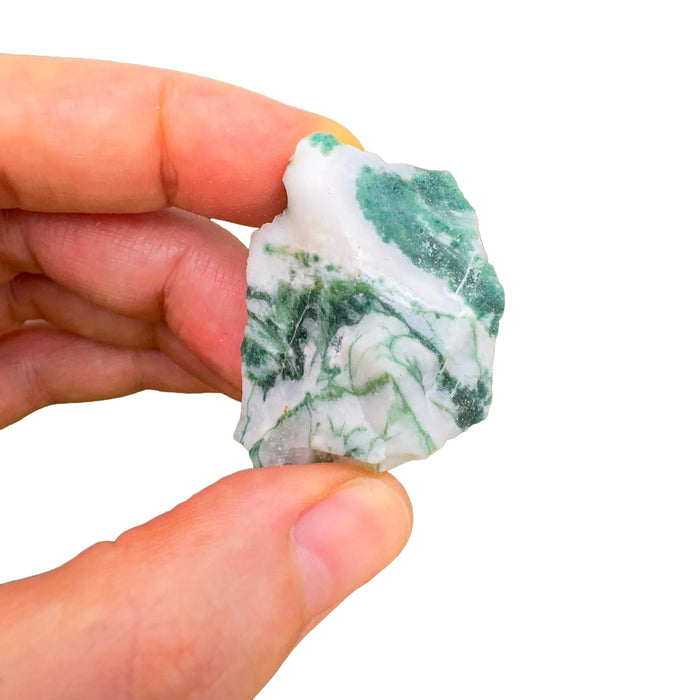
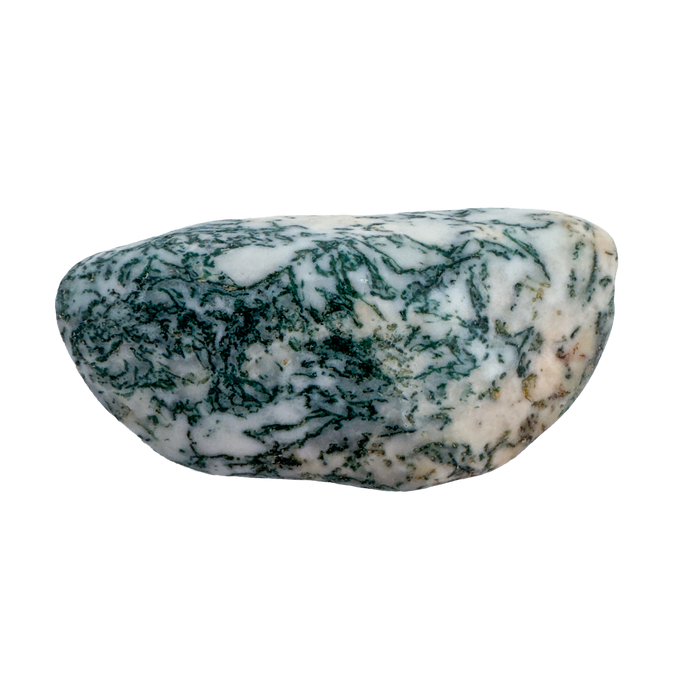
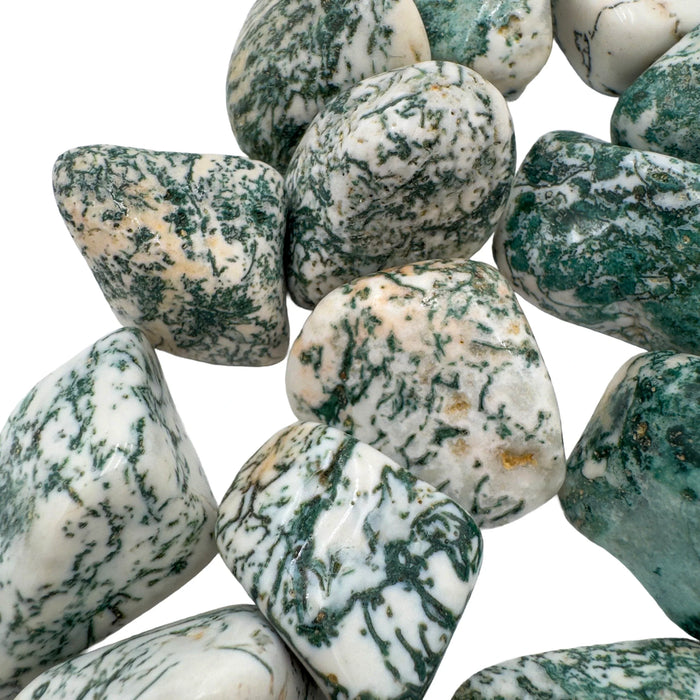
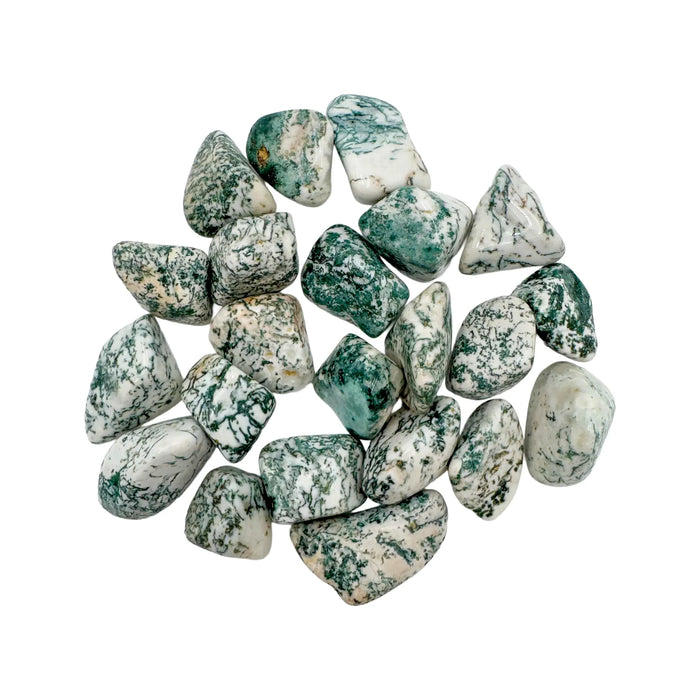
Tree Agate is a white chalcedony shot through with branch-like green inclusions of iron and manganese minerals, often mistaken for (and sometimes sold as) Moss Agate. Traditionally associated with grounding, patient growth, and the slower kind of healing that compounds over time.
Shop tree agateTree Agate, in stock now.
Our most-loved Tree Agate pieces, ready to ship.
- from 1,000+ reviews
- Ships within 72 hoursMonday to Friday, tracked
- 90 days to return itif you do not love it
- Free US shipping over $99$8.99 flat rate under
The geology.
Tree Agate is a variety of chalcedony, which is microcrystalline quartz (SiO₂) with grains too fine to resolve without magnification. The body is opaque white, and the branching green patterns you see are dendritic inclusions (iron and manganese minerals that crystallized along tiny fractures before the surrounding quartz finished forming). The dendrites aren't fossilized plants, though the resemblance is the whole reason the stone has its name.
Hardness sits between 6.5 and 7 on the Mohs scale, durable enough for daily-wear jewelry and pocket carry. There's no cleavage, fracture is conchoidal, and the material takes a high polish well. The density and fine grain structure make it feel noticeably weightier than lookalikes that end up at the same price point.
The origins.
India produces a large share of the world's Tree Agate, particularly from the Deccan Traps region where dendritic chalcedony has been quarried and tumbled for decades. Botswana is another consistent producer, supplying tumbled material and raw stones from its Central District. Brazil, Madagascar, and the United States also contribute, along with a handful of smaller producers.
Each source has a subtle pattern difference. Indian material tends toward finer, more filigree-like dendrites. Botswanan material often shows bolder branching with higher contrast between the white body and the green inclusions. Brazilian dendrites can be denser still. Different looks, same mineral, and none of them inherently better than the others.
Traditional associations.
Agate has been worked continuously since antiquity. The name comes from the Achates River in Sicily, where Theophrastus documented early trade. Pliny the Elder described dendritic agates in the first century, though he treated them as a curiosity rather than a separate category. The modern 'Tree Agate' name is a relatively recent trade designation built around the branching inclusion pattern.
Many people work with Tree Agate for grounding, patience, and the slow-build side of healing. It's most commonly associated with the Heart and Root chakras, the element of Earth, and the zodiac signs Gemini and Virgo. The classic working is as a steady companion over weeks or months rather than a dramatic shift stone.
Spotting the real thing.
Real Tree Agate has a matte-to-slightly-glossy polish, an opaque white body, and green inclusions that genuinely branch and fork in irregular, three-dimensional patterns. The dendrites taper naturally as they extend. Under a loupe you can see they run into the stone, not just across the surface. White body should show subtle structural variation, not a uniform bright-white wash.
The common substitution is dyed chalcedony or dyed agate, typically showing saturated green that reads too uniform or too bright. Dead giveaways: flat, two-dimensional color distribution; pigment concentration in surface fractures; a uniform pistachio-green tone with no variation. True Tree Agate dendrites have depth. Dyes don't.
Care & handling.
Water safe for a brief rinse with warm water and a soft cloth. Skip long soaks, saltwater, and ultrasonic cleaners. Stable under sunlight and doesn't fade. Temperature shifts are generally fine.
Cleanse energetically with moonlight, sound, smoke, or by placing on selenite overnight. At 6.5 to 7 on the Mohs scale it handles daily wear well, including in rings and bracelets. Store separately from harder stones like topaz and sapphire to preserve polish.
Pairs well with.
Proof, not promises.
We measure our own sourcing across five dimensions. Supply chain, environmental footprint, artisan support, market integrity, and pricing. The number is honest, not perfect. Where we can do better, we say so.
A deeper look.
Extended geology, sourcing, authentication, history, varieties, and pricing, for when the quick guide isn't quite enough.
Extended geology
Tree Agate is dendritic chalcedony, a variety of microcrystalline quartz (SiO₂). The body forms when silica-saturated fluids fill voids in volcanic or sedimentary host rock and crystallize in tightly interlocked grains. The branching green patterns are dendritic inclusions of iron and manganese oxides (goethite, pyrolusite, and related minerals) that crystallized along micro-fractures or within the silica gel before the quartz fully hardened.
These dendrites are pseudomorphic mineral growths, not fossilized plants. The resemblance is what named the stone. Specific gravity runs 2.58 to 2.64. Mohs hardness 6.5 to 7. Luster is vitreous to waxy. No cleavage. Fracture is conchoidal.
Extended sourcing
India is a dominant commercial producer. The Deccan Traps, a vast basaltic plateau covering much of central and western India, host enormous dendritic chalcedony deposits. Quarrying and tumbling are centered in Gujarat, with workshops that have operated for generations.
Botswana, particularly the Central District, produces Tree Agate from its own basaltic and sedimentary formations. Brazil's Rio Grande do Sul produces dendritic agate of good quality, though volumes are smaller than India's. Madagascar and the United States also produce the material in smaller commercial quantities.
Authentication and warning signs
The reliable test is looking at dendrite structure. Real Tree Agate dendrites branch three-dimensionally and taper as they extend. Under a loupe, you'll see depth to the pattern. Dyed pieces show flat, two-dimensional color or a uniform pistachio-green wash with no depth.
The broader green-agate category is heavily dyed at the bottom of the market. Reputable sellers distinguish true Tree Agate from dyed chalcedony. Ask for origin. Ask about treatment. Silence on either is the real warning sign.
Historical and cultural context
Agate trading is one of the oldest continuous mineral trades on earth, with documented use going back to ancient Sumeria and Egypt. The Achates River in Sicily, for which the material is named, was a major ancient source. Pliny the Elder's first-century writings describe dendritic agates as curiosities.
The 'Tree Agate' name itself is a modern trade designation that gained traction in the twentieth-century metaphysical market, grouping white chalcedony with green dendrites under a single name. Earlier sources simply called all such material dendritic agate or moss agate without distinguishing between them.
Varieties and trade names
Tree Agate: white chalcedony with green dendritic inclusions.
Moss Agate: translucent chalcedony with green inclusions, a separate category from Tree Agate despite frequent confusion.
Dendritic Agate: broader name for any agate with branching mineral inclusions; often used interchangeably with Tree Agate in older writing.
Pricing reality
Tumbled Tree Agate: 1 to 5 dollars per piece. Small carved shapes and palm stones: 8 to 25 dollars. Larger freeforms and spheres: 25 to 90 dollars depending on size and dendrite pattern quality.
Value drivers: pattern clarity, three-dimensional depth of dendrites, balance of white body and green inclusions, size, and documented origin. Warning signs: suspiciously uniform pistachio-green color, no origin offered, or 'Tree Agate' at prices that are too low even for tumbled.
Good sourcing is a practice, not a claim.
The green-agate category has a dyed-material problem at the bottom of the market. We source only natural, undyed dendritic chalcedony, disclose origin by batch, and walk away from material that doesn't meet our standard.
Bring tree-agate home.
Collector pieces are photographed individually, and you receive the exact piece shown. Batch stones are sold by the piece or by the pound from the lot pictured, with the same origin and treatment notes on every product page.
Shop the tree-agate collectionGrounded Connections
New Tree Agate pieces go to the list first.
No forwarding, no selling. Unsubscribe in one click. Privacy