


 Agatefor stress relief
 Amazonitefor stress relief
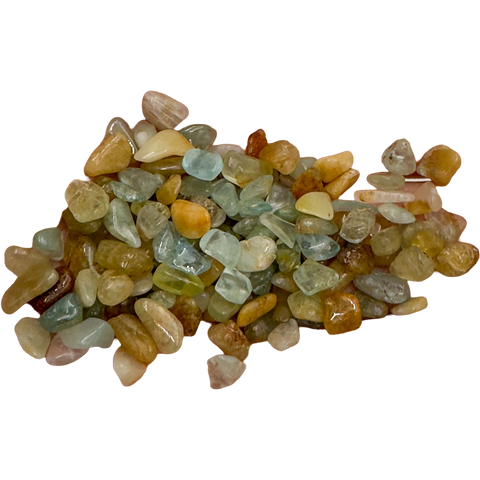
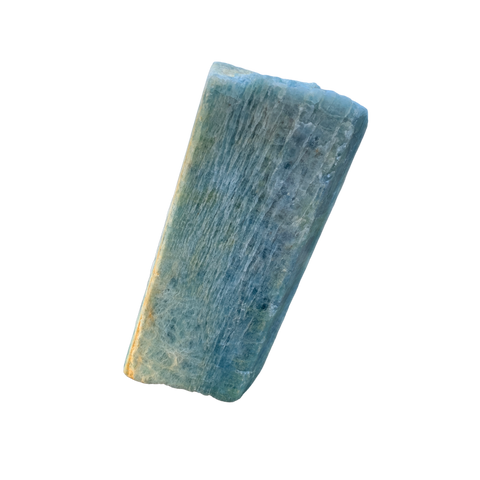
 Aquamarinefor serenity
 Aventurinefor luck
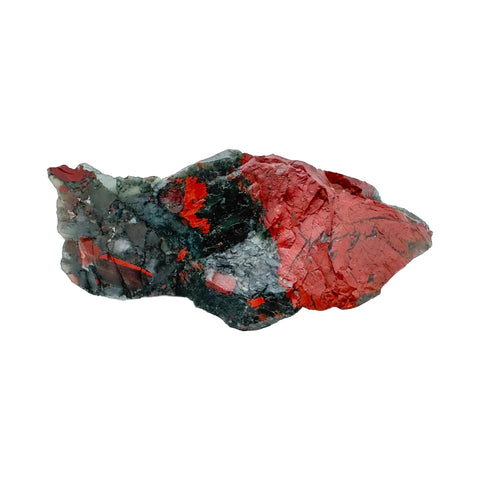
 Bloodstonefor energy
 Blue Kyanitefor confidence
 Blue Lace Agatefor stress relief
 Chrysocollafor emotional healing
 Fluoritefor focus
 Garnetfor energy
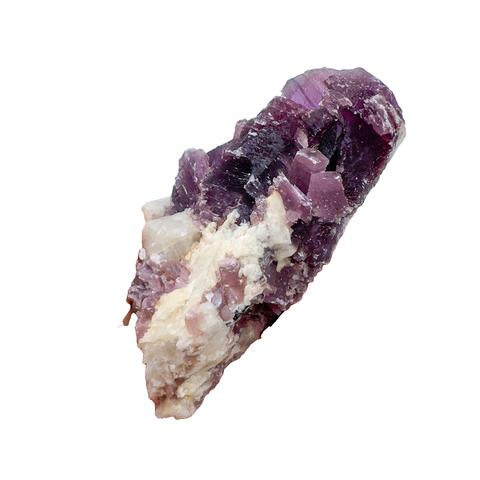
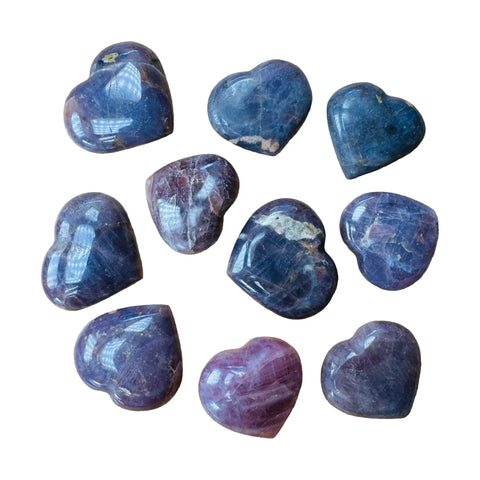
 Lepidolitefor stress relief
 Malachitefor emotional healing
 Moonstonefor grounding
 Obsidianfor protection
 Ocean Jasperfor emotional healing
 Red Jasperfor grounding
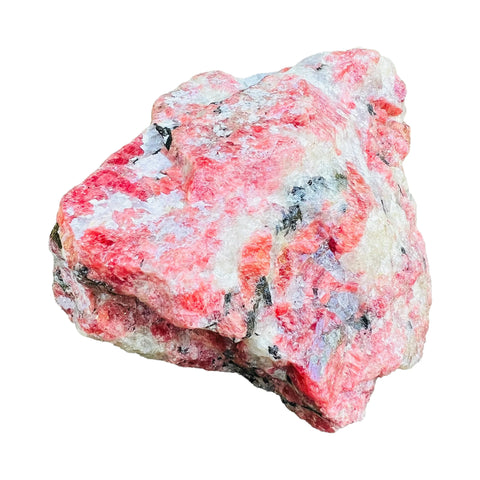
 Rhodonitefor emotional healing
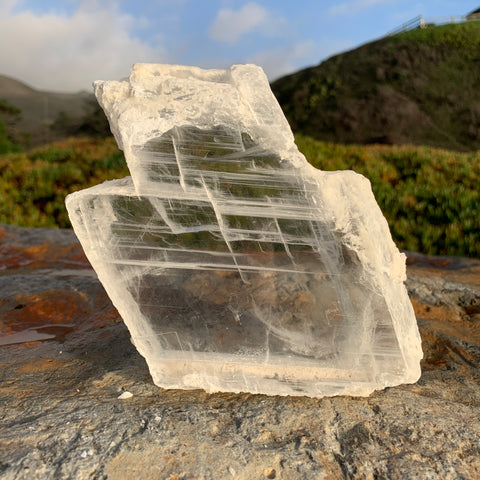
 Selenitefor cleansing
 Sodalitefor focus
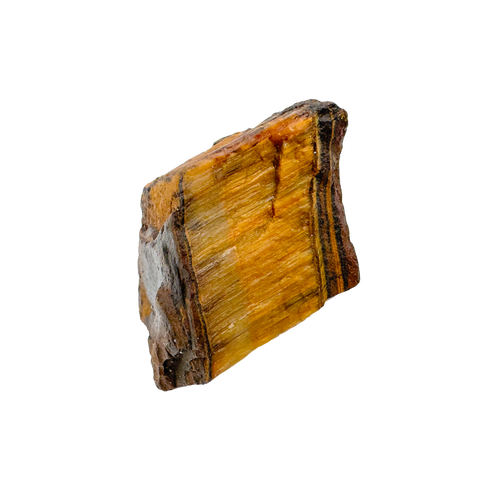
 Tiger Eyefor confidence
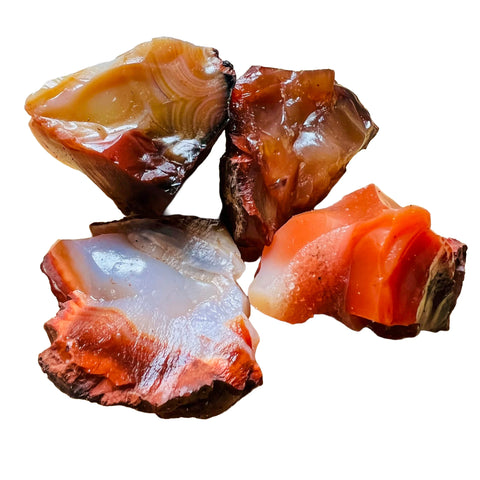
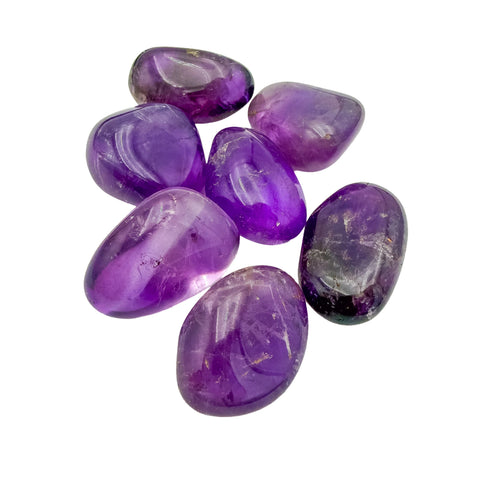




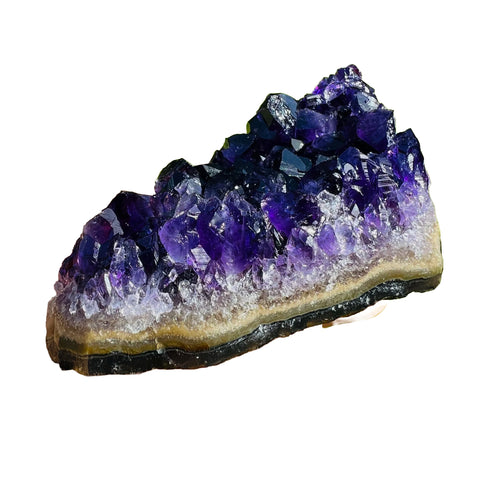





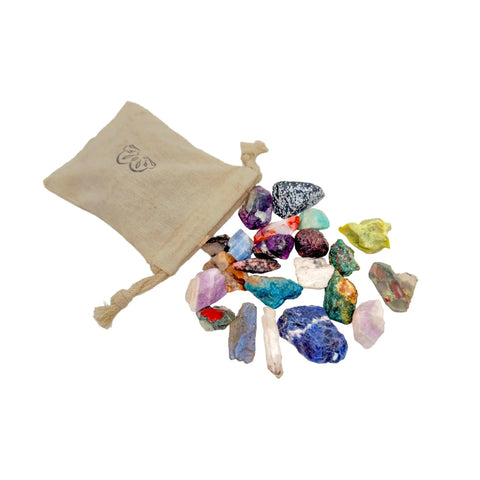
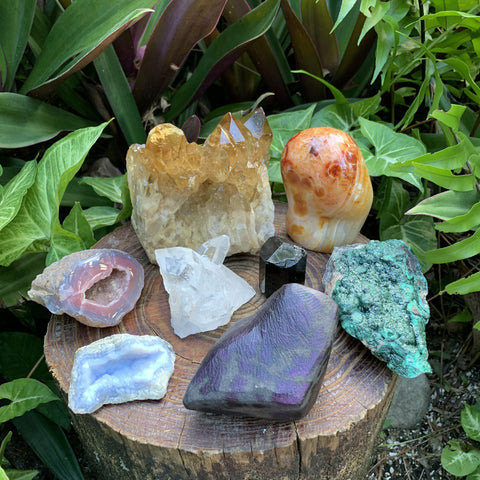
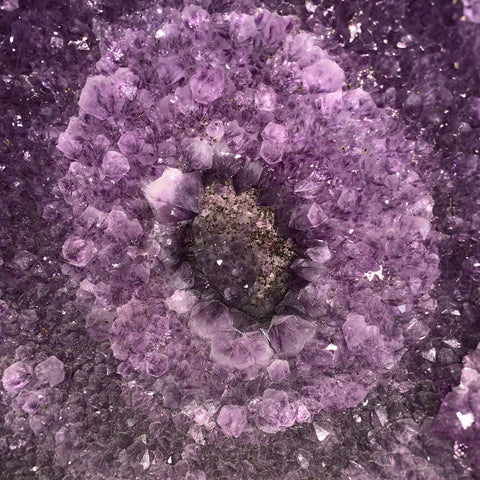
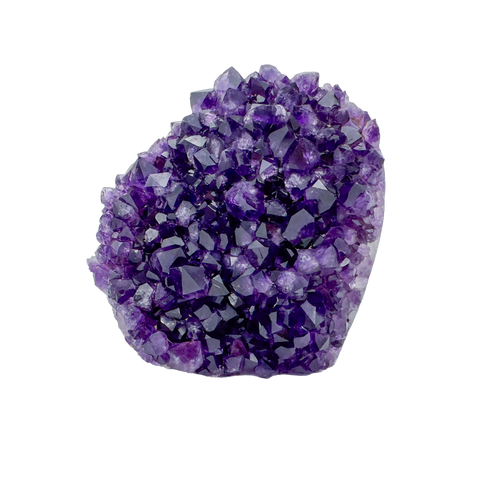
 Amethyst
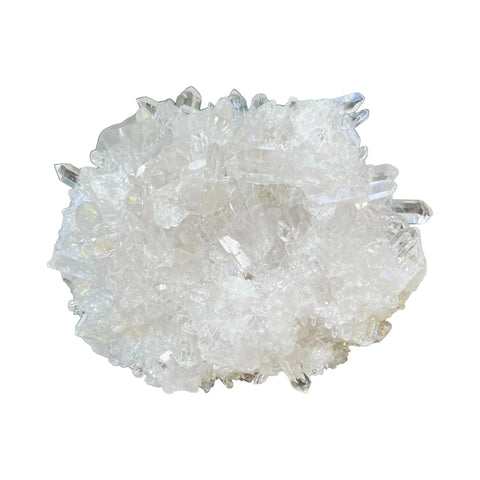
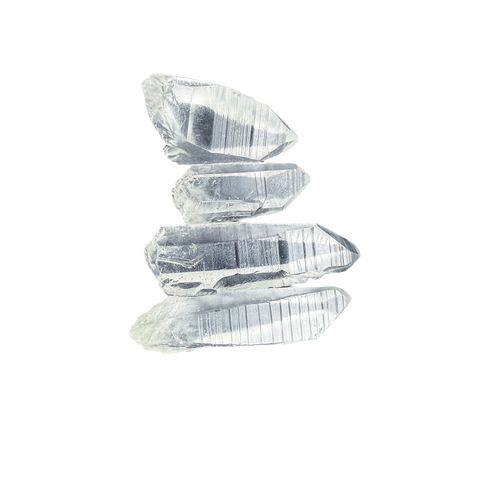
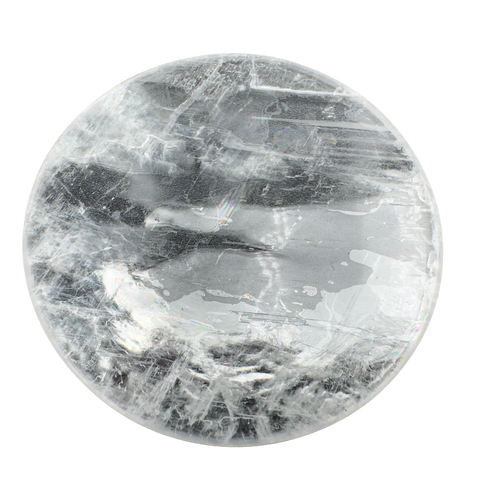
 Clear Quartz
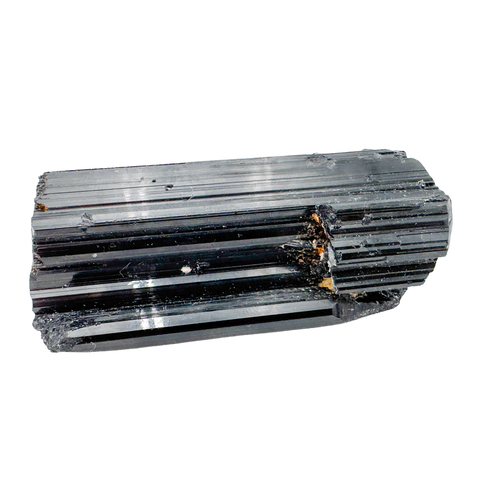
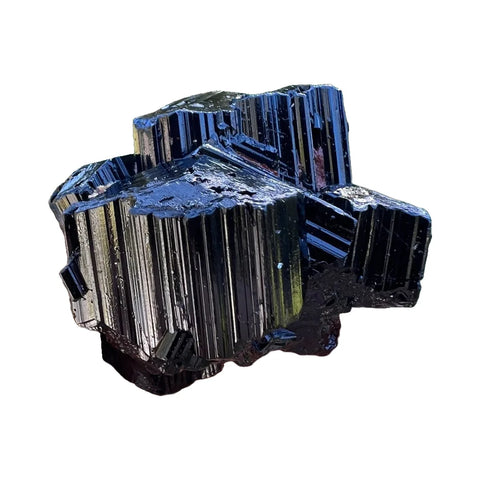
 Black Tourmaline
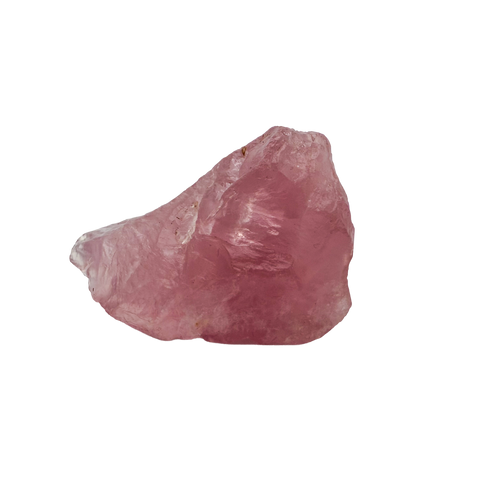
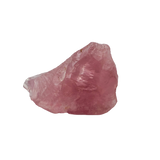 Rose Quartz
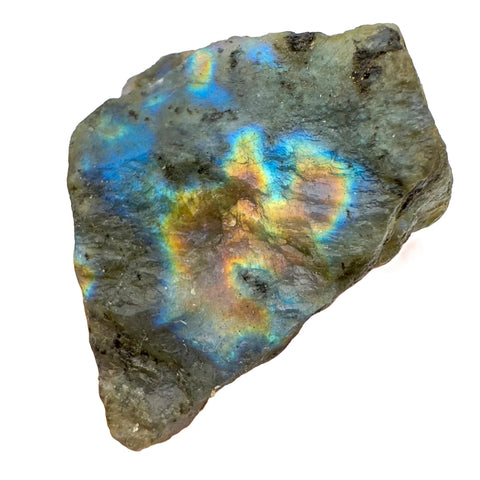
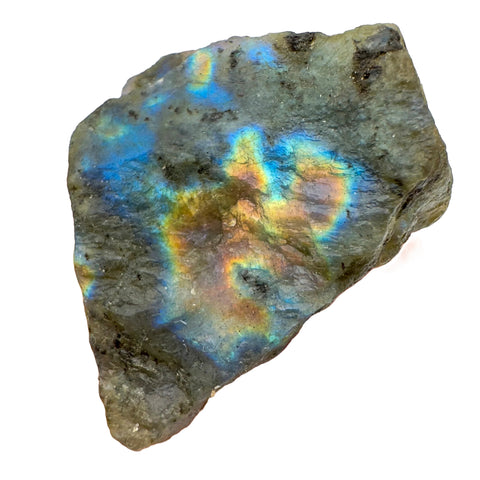
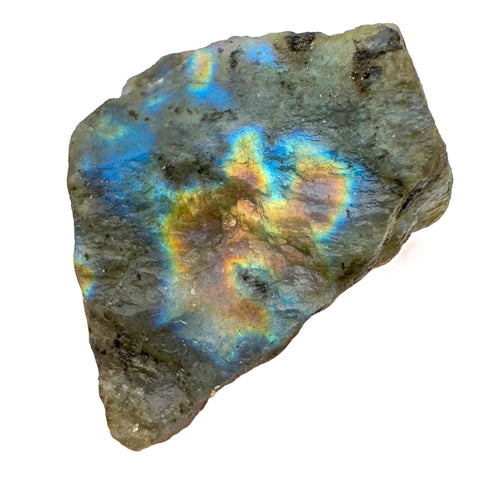
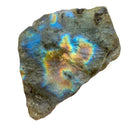 Labradorite
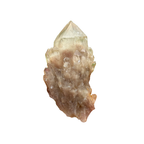 Natural Citrine
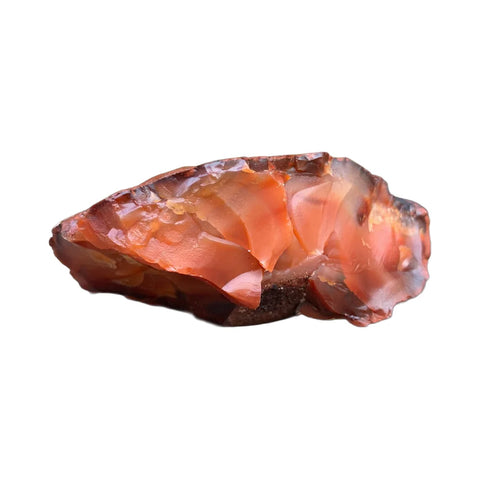
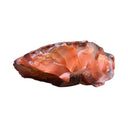 Carnelian
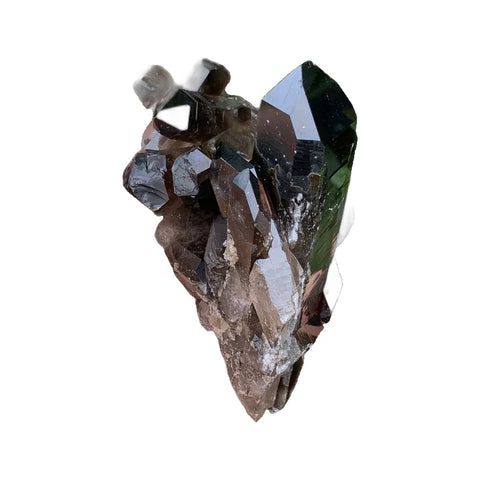
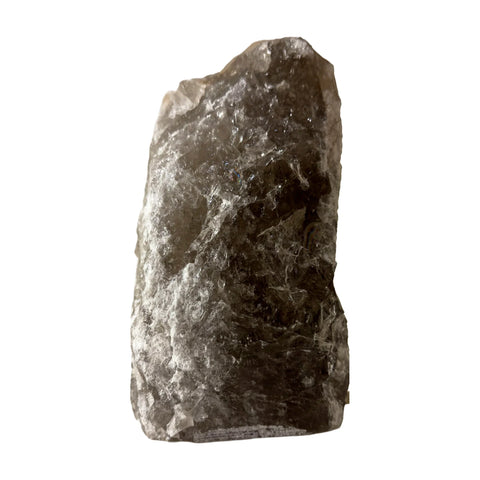
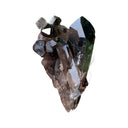 Smoky Quartz
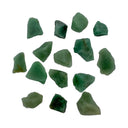 Aventurine
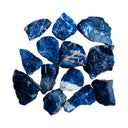 Sodalite
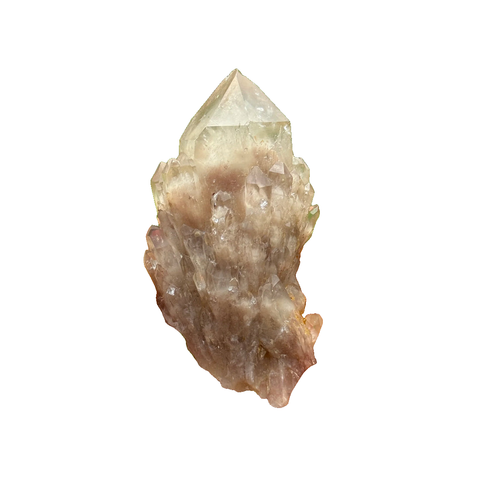
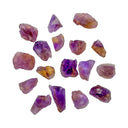 Ametrine
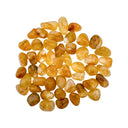 Golden Healer
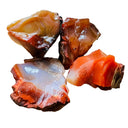 Raw Stones
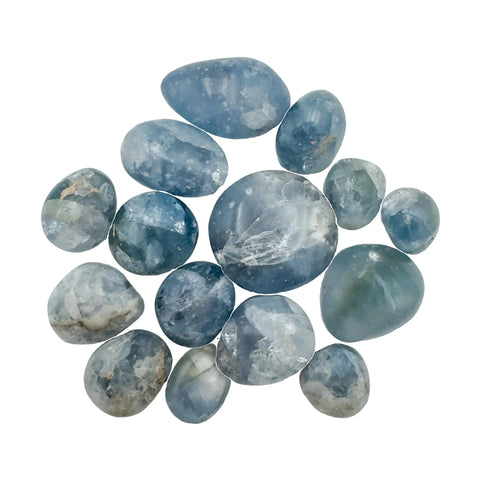
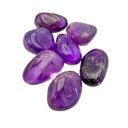 Tumbled Stones
 Palm Stones
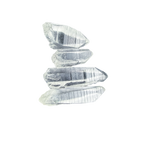 Crystal Points
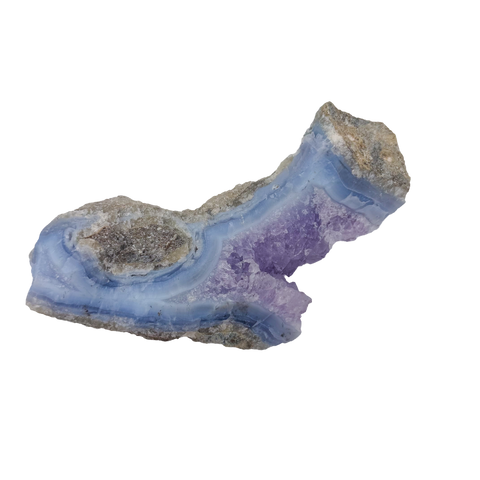
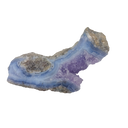 Clusters & Geodes
 Polished & Decor
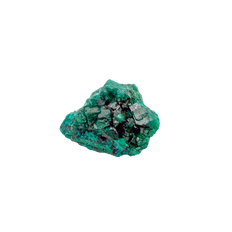 Mineral Specimens
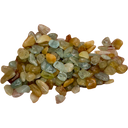 Crystal Chips
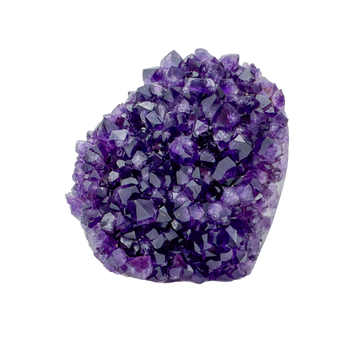
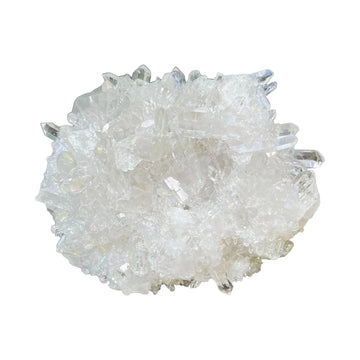
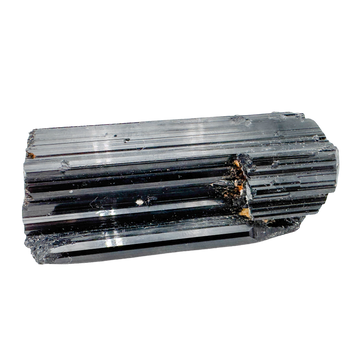
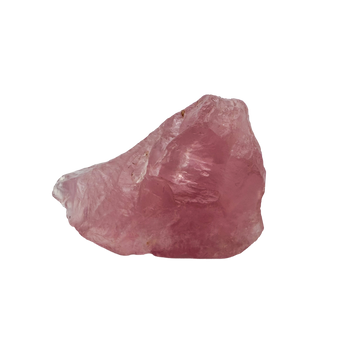
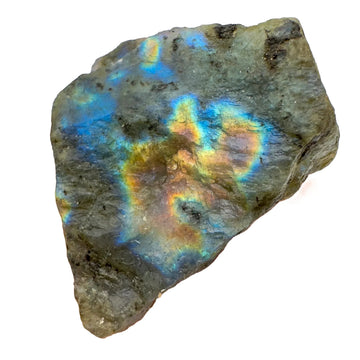
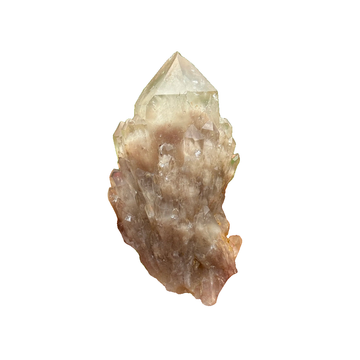
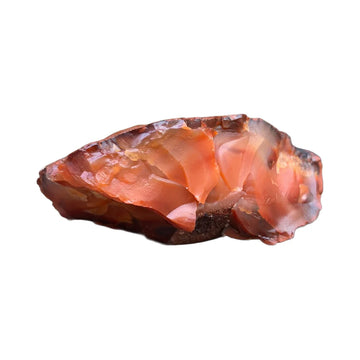
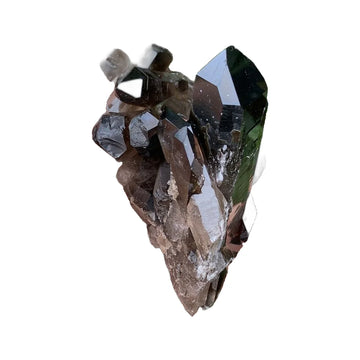
 Raw Stones
179 to choose from
Raw Stones
179 to choose from
 Tumbled Stones
162 to choose from
Tumbled Stones
162 to choose from
 Palm Stones
25 to choose from
Palm Stones
25 to choose from
 Crystal Points
23 to choose from
Crystal Points
23 to choose from
 Clusters & Geodes
98 to choose from
Clusters & Geodes
98 to choose from
 Polished & Decor
147 to choose from
Polished & Decor
147 to choose from
 Mineral Specimens
248 to choose from
Mineral Specimens
248 to choose from
 Crystal Chips
21 to choose from
Crystal Chips
21 to choose from


 AngolaAquamarine
›
AngolaAquamarine
›
 BotswanaCarnelian, Tree Agate
›
BotswanaCarnelian, Tree Agate
›
 DR CongoMalachite, Natural Citrine
›
DR CongoMalachite, Natural Citrine
›
 EswatiniBloodstone
›
EswatiniBloodstone
›
 MadagascarLabradorite, Clear Quartz
›
MadagascarLabradorite, Clear Quartz
›
 MalawiBlue Lace Agate, Garnet
›
MalawiBlue Lace Agate, Garnet
›
 MozambiqueAmazonite
›
MozambiqueAmazonite
›
 NamibiaSodalite, Blue Lace Agate
›
NamibiaSodalite, Blue Lace Agate
›
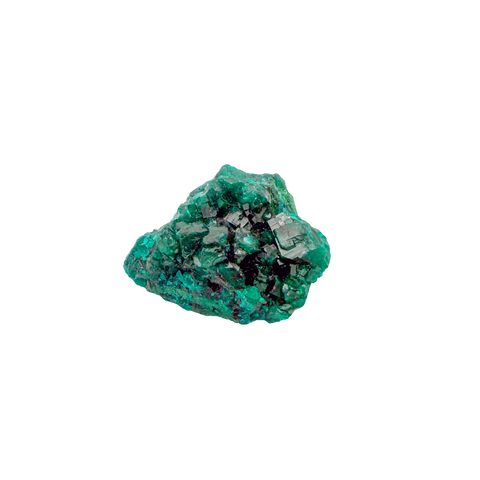
 Republic of the CongoDioptase
›
Republic of the CongoDioptase
›
 South AfricaTiger Eye, Unakite
›
South AfricaTiger Eye, Unakite
›
 ZambiaChevron Amethyst
›
ZambiaChevron Amethyst
›
 ZimbabweEmerald, Rhodonite
›
ZimbabweEmerald, Rhodonite
›
 ArgentinaBlack Obsidian, Rhodochrosite
›
ArgentinaBlack Obsidian, Rhodochrosite
›
 BoliviaAmetrine
›
BoliviaAmetrine
›
 BrazilAmethyst, Clear Quartz
›
BrazilAmethyst, Clear Quartz
›
 PeruSerpentine, Jade
›
PeruSerpentine, Jade
›
 UruguayAmethyst
›
UruguayAmethyst
›
 Dominican RepublicLarimar
›
Dominican RepublicLarimar
›
 MexicoRainbow Obsidian, Crazy Lace Agate
›
MexicoRainbow Obsidian, Crazy Lace Agate
›
 United StatesSelenite, Peridot
›
United StatesSelenite, Peridot
›
 ChinaFluorite
›
ChinaFluorite
›
 RussiaShungite
›
RussiaShungite
›
 AustraliaMookaite
›
AustraliaMookaite
›
 Where our crystals come from
See where we source →
Where our crystals come from
See where we source →


 Aries
Mar 21 to Apr 19
Carnelian
›
Aries
Mar 21 to Apr 19
Carnelian
›
 Taurus
Apr 20 to May 20
Rose Quartz
›
Taurus
Apr 20 to May 20
Rose Quartz
›
 Gemini
May 21 to Jun 20
Agate
›
Gemini
May 21 to Jun 20
Agate
›
 Cancer
Jun 21 to Jul 22
Moonstone
›
Cancer
Jun 21 to Jul 22
Moonstone
›
 Leo
Jul 23 to Aug 22
Citrine
›
Leo
Jul 23 to Aug 22
Citrine
›
 Virgo
Aug 23 to Sep 22
Amazonite
›
Virgo
Aug 23 to Sep 22
Amazonite
›
 Libra
Sep 23 to Oct 22
Blue Lace Agate
›
Libra
Sep 23 to Oct 22
Blue Lace Agate
›
 Scorpio
Oct 23 to Nov 21
Obsidian
›
Scorpio
Oct 23 to Nov 21
Obsidian
›
 Sagittarius
Nov 22 to Dec 21
Sodalite
›
Sagittarius
Nov 22 to Dec 21
Sodalite
›
 Capricorn
Dec 22 to Jan 19
Black Tourmaline
›
Capricorn
Dec 22 to Jan 19
Black Tourmaline
›
 Aquarius
Jan 20 to Feb 18
Amethyst
›
Aquarius
Jan 20 to Feb 18
Amethyst
›
 Pisces
Feb 19 to Mar 20
Aquamarine
›
Gifting?
A birthday stone is the safe bet.
Read the zodiac guide →
Pisces
Feb 19 to Mar 20
Aquamarine
›
Gifting?
A birthday stone is the safe bet.
Read the zodiac guide →


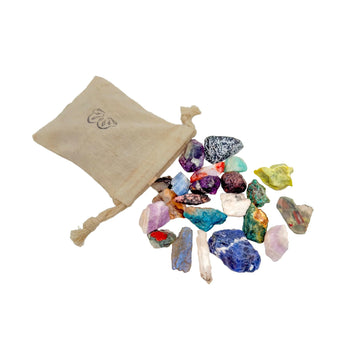
Serpentine
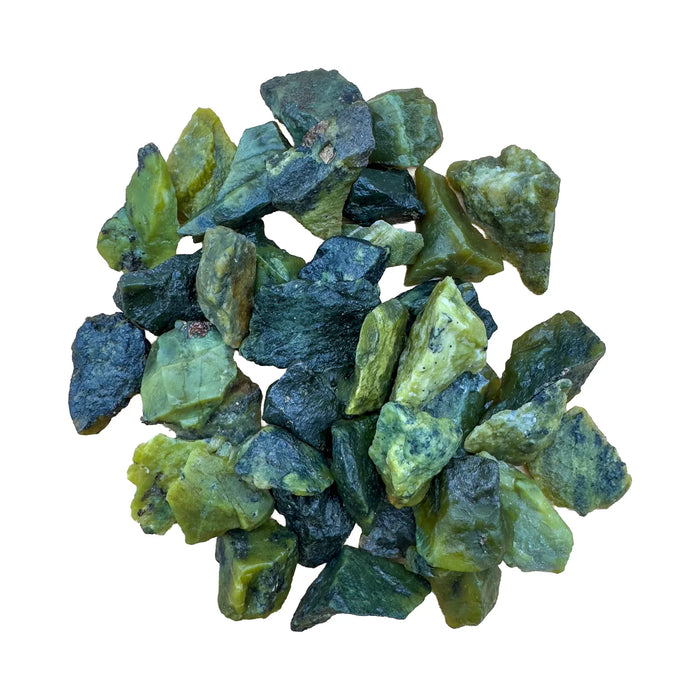
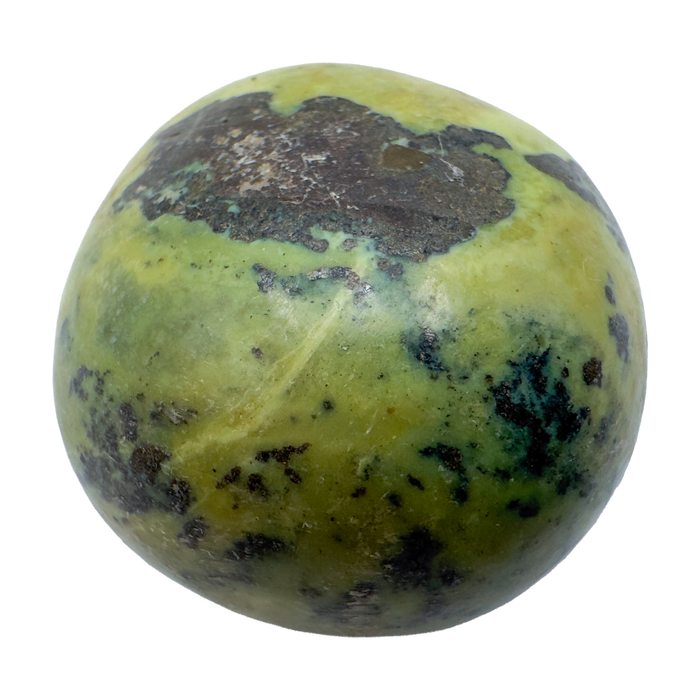
Serpentine is the trade name for a group of related hydrated magnesium silicate minerals, most commonly Antigorite and Lizardite, which form when olivine-rich rocks are altered by hydrothermal fluids. Traditionally associated with grounding, heart-chakra work, and the patient awakening of energy that's been held too tight. Green, softly waxy, and geologically fascinating.
Shop serpentineSerpentine, in stock now.
Our most-loved Serpentine pieces, ready to ship.


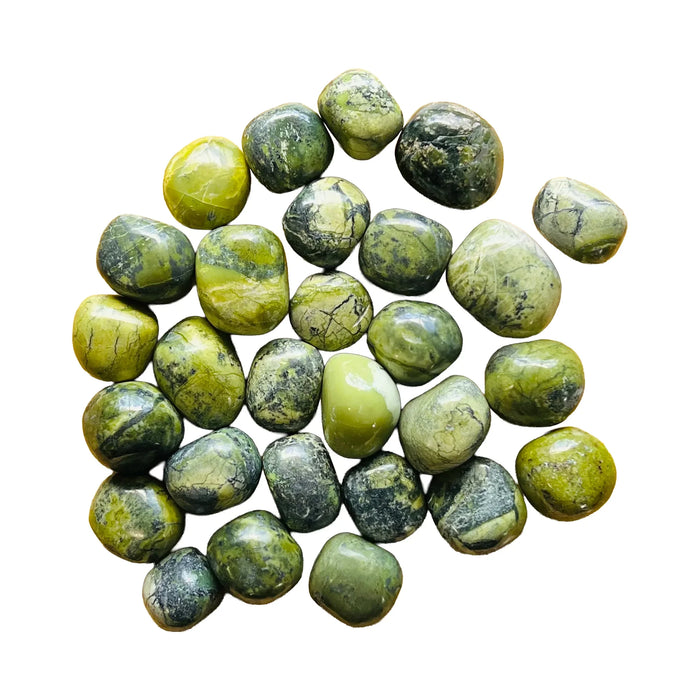
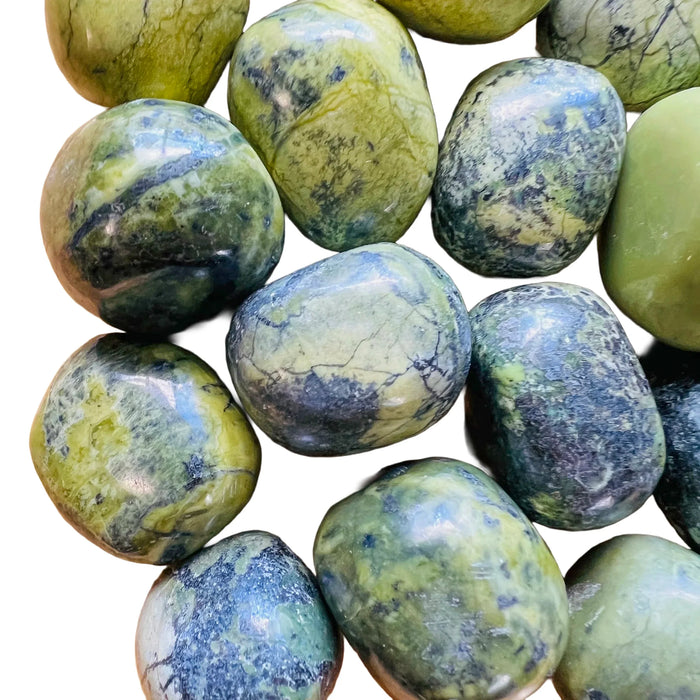


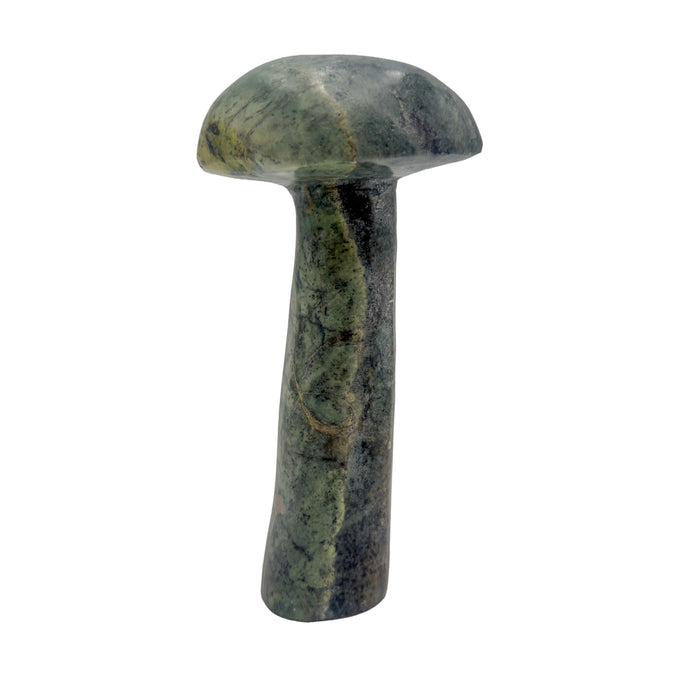

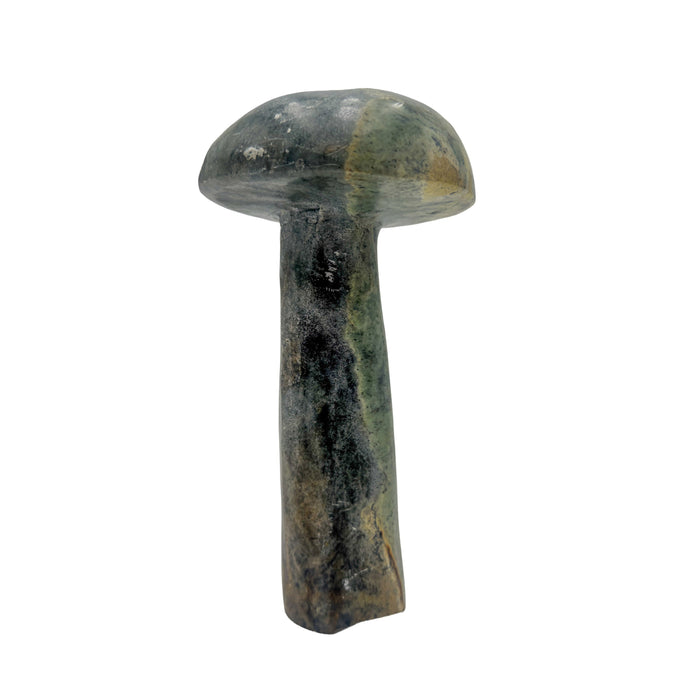
- from 1,000+ reviews
- Ships within 72 hoursMonday to Friday, tracked
- 90 days to return itif you do not love it
- Free US shipping over $99$8.99 flat rate under
The geology.
Serpentine is a trade name for a group of hydrous magnesium silicate minerals with the general formula (Mg,Fe)₃Si₂O₅(OH)₄. The three principal species are Antigorite (platy, denser), Lizardite (fine-grained, most common), and Chrysotile (fibrous, the asbestos-form variety). Commercial jewelry-grade Serpentine is almost always Antigorite or Lizardite. The group forms when olivine- and pyroxene-rich igneous rocks react with water under moderate heat and pressure.
Hardness varies significantly by species: Antigorite sits around 3.5 to 4.5, Lizardite 3 to 4, and Chrysotile softer still. Commercial polished Serpentine is typically 3 to 4 on the Mohs scale. Color ranges from pale yellow-green through deep forest green, often with black chromite or magnetite spots. The polished surface has a characteristic waxy to greasy luster.
The origins.
Serpentine is a common mineral group found worldwide wherever olivine-rich rocks have been hydrothermally altered. Peru produces much of the small-shop commercial Serpentine (particularly from the Apurimac and Arequipa regions), often as Antigorite with a soft apple-green color. Afghanistan (Logar province) yields paler, more translucent material. New Zealand's South Island is a significant historical source. Other producers include Italy, Russia, Canada, the United States, India, and China.
Each region has distinct material. Peruvian Serpentine tends toward a softer yellow-green. Afghan material is often paler and more translucent. New Zealand 'Tangiwai' Serpentine (also called Bowenite, a harder variety) has been worked by Maori traditions for centuries. Chinese Serpentine sometimes appears under the trade name 'New Jade,' which it is not.
Traditional associations.
Serpentine has one of the oldest documented histories in stone work. It has been carved since the Neolithic and appears in Egyptian, Mesopotamian, and Pre-Columbian archaeological sites. The Maori tradition of New Zealand has worked Serpentine (tangiwai and pounamu varieties) for centuries into ceremonial objects and jewelry. The name comes from Latin serpens, a reference to the mottled green-and-dark pattern resembling snakeskin.
Many people work with Serpentine for heart-chakra work, grounding, and the kundalini awakening associated traditionally with serpent imagery in Indian and some Mesoamerican systems. It's most commonly associated with the Heart and Root chakras, the element of Earth, and the zodiac sign Gemini. The classic working is meditative and slow rather than quick-fix.
Spotting the real thing.
Real Serpentine shows a mottled green pattern with natural color variation across a single piece, often with darker flecks of chromite or magnetite. The surface has a distinctive waxy-to-greasy luster even when well-polished. It feels slightly warmer to the touch than most stones because of its lower density and thermal properties. Under a loupe, the fine-grained crystalline structure is sometimes visible.
Dyed calcite and dyed howlite are the rare imitations, typically showing uniform saturated color without the natural variation. 'New Jade' is a marketing name for Serpentine, not actual jade (Nephrite or Jadeite). Nephrite is harder (6 to 6.5) and denser; Jadeite is even harder (7). The hardness test separates Serpentine from real jade quickly. Ask for the mineral species if you're paying jade prices.
Care & handling.
One thing worth addressing up front: the Serpentine group includes Chrysotile, an asbestiform variety, which is not what's sold in commercial jewelry. The Antigorite and Lizardite used in polished stones and tumbles is non-asbestiform and safe to handle under normal conditions. Reputable sellers disclose the species where relevant.
Water safe for a brief rinse with warm water and a soft cloth. Skip long soaks, ultrasonic cleaners, and acidic cleaners. At 3 to 4 on the Mohs scale, Serpentine is soft and will scratch easily against harder stones. Store in a small pouch on its own. Stable under sunlight. Cleanse energetically with moonlight, sound, smoke, or by placing on selenite overnight.
Pairs well with.
Proof, not promises.
We measure our own sourcing across five dimensions. Supply chain, environmental footprint, artisan support, market integrity, and pricing. The number is honest, not perfect. Where we can do better, we say so.
A deeper look.
Extended geology, sourcing, authentication, history, varieties, and pricing, for when the quick guide isn't quite enough.
Extended geology
Serpentine is a group name for three principal minerals: Antigorite, Lizardite, and Chrysotile. All share the general formula (Mg,Fe)₃Si₂O₅(OH)₄ but differ in crystal structure. Antigorite is platy with the highest density (2.6 g/cm³) and the hardest variety. Lizardite is fine-grained and the most common rock-forming Serpentine. Chrysotile is fibrous and is the asbestiform variety (the main commercial asbestos), not used in jewelry.
All serpentines form through serpentinization, the process by which olivine- and pyroxene-rich ultramafic rocks react with water under hydrothermal conditions. Mohs hardness 3 to 6 depending on species. Luster waxy to greasy. Cleavage perfect in one direction (visible in Antigorite). Fracture splintery to conchoidal. Specific gravity 2.2 to 2.9.
Extended sourcing
Peru's Apurimac and Arequipa regions produce much of the commercial jewelry-grade Serpentine on the small-shop market, primarily Antigorite. Afghanistan's Logar province produces paler, more translucent material. New Zealand's South Island has Bowenite (a hard variety of Antigorite) that has been worked by Maori traditions into heirloom objects for centuries.
Italy's Liguria coast is the type locality and namesake for the mineral group. Russia (Sarany), Canada (Thetford Mines), the United States (California and Vermont), and China produce additional commercial material. Chinese Serpentine is sometimes sold under 'New Jade' trade names, which is misleading.
Authentication and warning signs
The most common mislabeling is Serpentine sold as jade. Real Jade (Nephrite or Jadeite) is much harder (6 to 7 Mohs) and denser. Serpentine will scratch with a steel blade; Jade won't. Real Serpentine shows natural green color variation and often has dark mineral inclusions (chromite, magnetite). Under magnification, the waxy luster is distinctive.
Dyed substitutes are rare but exist at the very bottom of the market. They show uniform, saturated color and often have dye pooling in fractures. Reputable sellers name the species (Antigorite, Lizardite, or Bowenite) and the country of origin.
Historical and cultural context
Serpentine has been carved since the Neolithic period, with artifacts found across Mesopotamian, Egyptian, Chinese, Mesoamerican, and European archaeological sites. Pre-Columbian Aztec and Maya cultures carved Serpentine into ceremonial objects and beadwork. Ancient Greek and Roman traditions associated the mottled green pattern with serpents and used the stone in amulets thought to protect against snakebite.
The Maori tradition of New Zealand has worked Serpentine, particularly the translucent Bowenite variety (tangiwai), for centuries. Tangiwai is considered a taonga (treasure) and appears in heirloom objects. In contemporary practice, Serpentine is grouped with heart-centered and kundalini-awakening stones, reflecting the serpent symbolism that has followed the mineral across many systems.
Varieties and trade names
Antigorite: the platy, harder Serpentine, most common in jewelry.
Lizardite: fine-grained Serpentine, named for the Lizard Peninsula in Cornwall, England.
Bowenite: a hard, translucent variety of Antigorite, historically used by Maori.
Williamsite: a variety with visible chromite flecks.
Chrysotile: the fibrous asbestos-form variety, not used in jewelry.
'New Jade' or 'Olive Jade': misleading trade name for Serpentine sold as jade.
Pricing reality
Tumbled Serpentine: 1 to 5 dollars per piece. Small carved shapes and palm stones: 8 to 30 dollars. Larger polished freeforms and spheres: 25 to 120 dollars. Fine Bowenite specimens with Maori provenance: collector pricing, often 150 dollars and up.
Value drivers: depth and evenness of green, clean polish, absence of chips and cracks, and documented species and origin. Warning signs: pieces marketed as 'New Jade' or 'Olive Jade' at jade-level prices, no origin offered, or material with the cold plasticky feel that suggests dyed chalky minerals.
Good sourcing is a practice, not a claim.
Nothing we sell is Serpentine marketed as jade. We call the stone by its real name and name our origins where we can. We walk away from material that doesn't meet our standard, even when it costs us sales.
Bring serpentine home.
Every piece we carry is photographed individually and listed with its own origin, species, and treatment notes. What you see is what ships.
Shop the serpentine collectionGrounded Connections
New stones go to the list first.
No forwarding, no selling. Unsubscribe in one click. Privacy