









 Agatefor stress relief
 Amazonitefor stress relief
 Aquamarinefor serenity
 Aventurinefor luck
 Bloodstonefor energy
 Blue Kyanitefor confidence
 Blue Lace Agatefor stress relief
 Chrysocollafor emotional healing
 Fluoritefor focus
 Garnetfor energy
 Lepidolitefor stress relief
 Malachitefor emotional healing
 Moonstonefor grounding
 Obsidianfor protection
 Ocean Jasperfor emotional healing
 Red Jasperfor grounding
 Rhodonitefor emotional healing
 Selenitefor cleansing
 Sodalitefor focus
 Tiger Eyefor confidence








































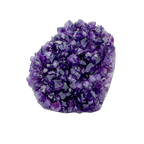 Amethyst
 Clear Quartz
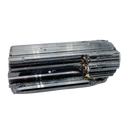 Black Tourmaline
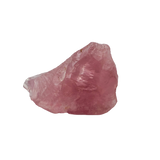 Rose Quartz
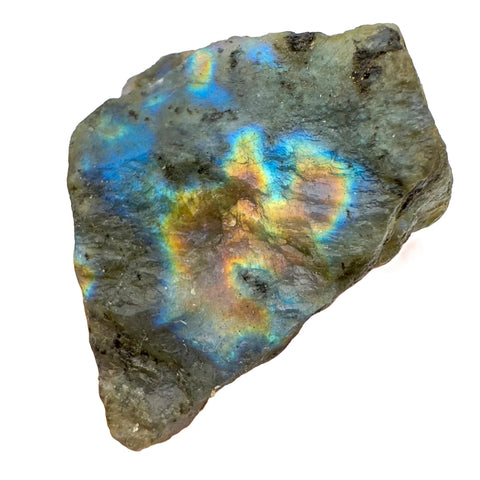
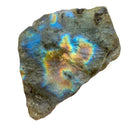 Labradorite
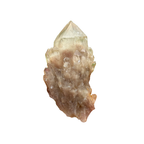 Natural Citrine
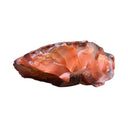 Carnelian
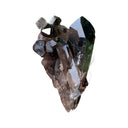 Smoky Quartz
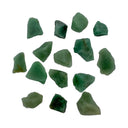 Aventurine
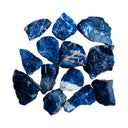 Sodalite
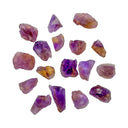 Ametrine
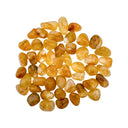 Golden Healer
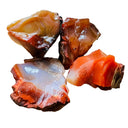 Raw Stones
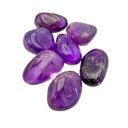 Tumbled Stones
 Palm Stones
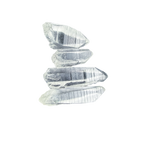 Crystal Points
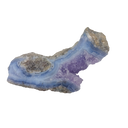 Clusters & Geodes
 Polished & Decor
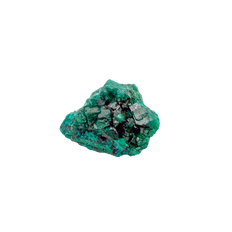 Mineral Specimens
 Crystal Chips







 Raw Stones
179 to choose from
Raw Stones
179 to choose from
 Tumbled Stones
162 to choose from
Tumbled Stones
162 to choose from
 Palm Stones
25 to choose from
Palm Stones
25 to choose from
 Crystal Points
23 to choose from
Crystal Points
23 to choose from
 Clusters & Geodes
98 to choose from
Clusters & Geodes
98 to choose from
 Polished & Decor
147 to choose from
Polished & Decor
147 to choose from
 Mineral Specimens
248 to choose from
Mineral Specimens
248 to choose from
 Crystal Chips
21 to choose from
Crystal Chips
21 to choose from


 AngolaAquamarine
›
AngolaAquamarine
›
 BotswanaCarnelian, Tree Agate
›
BotswanaCarnelian, Tree Agate
›
 DR CongoMalachite, Natural Citrine
›
DR CongoMalachite, Natural Citrine
›
 EswatiniBloodstone
›
EswatiniBloodstone
›
 MadagascarLabradorite, Clear Quartz
›
MadagascarLabradorite, Clear Quartz
›
 MalawiBlue Lace Agate, Garnet
›
MalawiBlue Lace Agate, Garnet
›
 MozambiqueAmazonite
›
MozambiqueAmazonite
›
 NamibiaSodalite, Blue Lace Agate
›
NamibiaSodalite, Blue Lace Agate
›
 Republic of the CongoDioptase
›
Republic of the CongoDioptase
›
 South AfricaTiger Eye, Unakite
›
South AfricaTiger Eye, Unakite
›
 ZambiaChevron Amethyst
›
ZambiaChevron Amethyst
›
 ZimbabweEmerald, Rhodonite
›
ZimbabweEmerald, Rhodonite
›
 ArgentinaBlack Obsidian, Rhodochrosite
›
ArgentinaBlack Obsidian, Rhodochrosite
›
 BoliviaAmetrine
›
BoliviaAmetrine
›
 BrazilAmethyst, Clear Quartz
›
BrazilAmethyst, Clear Quartz
›
 PeruSerpentine, Jade
›
PeruSerpentine, Jade
›
 UruguayAmethyst
›
UruguayAmethyst
›
 Dominican RepublicLarimar
›
Dominican RepublicLarimar
›
 MexicoRainbow Obsidian, Crazy Lace Agate
›
MexicoRainbow Obsidian, Crazy Lace Agate
›
 United StatesSelenite, Peridot
›
United StatesSelenite, Peridot
›
 ChinaFluorite
›
ChinaFluorite
›
 RussiaShungite
›
RussiaShungite
›
 AustraliaMookaite
›
AustraliaMookaite
›
 Where our crystals come from
See where we source →
Where our crystals come from
See where we source →


 Aries
Mar 21 to Apr 19
Carnelian
›
Aries
Mar 21 to Apr 19
Carnelian
›
 Taurus
Apr 20 to May 20
Rose Quartz
›
Taurus
Apr 20 to May 20
Rose Quartz
›
 Gemini
May 21 to Jun 20
Agate
›
Gemini
May 21 to Jun 20
Agate
›
 Cancer
Jun 21 to Jul 22
Moonstone
›
Cancer
Jun 21 to Jul 22
Moonstone
›
 Leo
Jul 23 to Aug 22
Citrine
›
Leo
Jul 23 to Aug 22
Citrine
›
 Virgo
Aug 23 to Sep 22
Amazonite
›
Virgo
Aug 23 to Sep 22
Amazonite
›
 Libra
Sep 23 to Oct 22
Blue Lace Agate
›
Libra
Sep 23 to Oct 22
Blue Lace Agate
›
 Scorpio
Oct 23 to Nov 21
Obsidian
›
Scorpio
Oct 23 to Nov 21
Obsidian
›
 Sagittarius
Nov 22 to Dec 21
Sodalite
›
Sagittarius
Nov 22 to Dec 21
Sodalite
›
 Capricorn
Dec 22 to Jan 19
Black Tourmaline
›
Capricorn
Dec 22 to Jan 19
Black Tourmaline
›
 Aquarius
Jan 20 to Feb 18
Amethyst
›
Aquarius
Jan 20 to Feb 18
Amethyst
›
 Pisces
Feb 19 to Mar 20
Aquamarine
›
Gifting?
A birthday stone is the safe bet.
Read the zodiac guide →
Pisces
Feb 19 to Mar 20
Aquamarine
›
Gifting?
A birthday stone is the safe bet.
Read the zodiac guide →












Stichtite
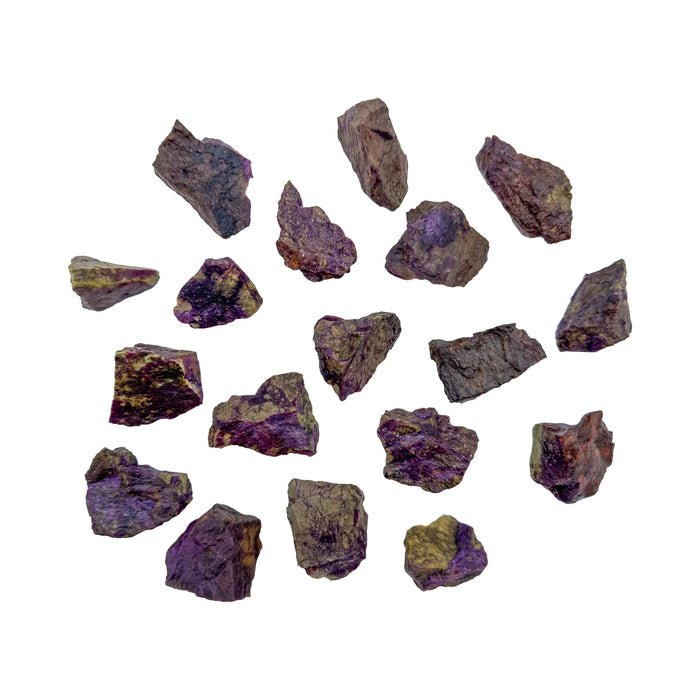
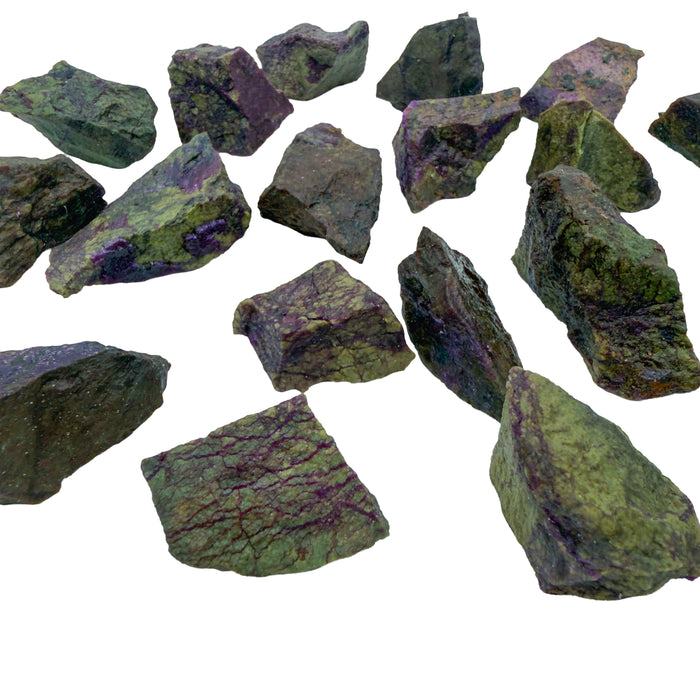
Stichtite is a soft purple-to-pink magnesium chromium carbonate most commonly found intergrown with green serpentine, sold under the trade name Atlantisite when the two grow together. Traditionally associated with gentle strength, heart-centered communication, and the quieter end of courage, it's a stone that rewards patience.
Shop stichtiteStichtite, in stock now.
From Mpumalanga, South Africa, ready to ship.
- from 1,000+ reviews
- Ships within 72 hoursMonday to Friday, tracked
- 90 days to return itif you do not love it
- Free US shipping over $99$8.99 flat rate under
The geology.
Stichtite is a hydrated magnesium chromium carbonate hydroxide (Mg₆Cr₂(CO₃)(OH)₁₆·4H₂O) that forms in altered chromium-rich serpentinite rocks. Its soft purple to pink color comes from the chromium content. When Stichtite is intergrown with green serpentine (antigorite), the combination is sold under the trade name Atlantisite, which is how most commercial Stichtite reaches small shops.
Stichtite is genuinely soft: 1.5 to 2.5 on the Mohs scale. It scratches with a fingernail. This is worth knowing before you buy. The serpentine it's intergrown with is slightly harder (3 to 4), which is why the stone holds its shape. There's perfect cleavage in one direction, and the material polishes to a soft waxy sheen rather than a high gloss.
The origins.
Stichtite was first described from the Dundas region of Tasmania, Australia, in 1910, and was named after Robert Sticht, a mine superintendent who helped identify the material. Today commercial supply comes primarily from South Africa's Barberton region and Zimbabwe, where serpentinite hosts produce the purple Stichtite in green Atlantisite matrix. Canada's Jeffrey Mine in Quebec and smaller Australian deposits also contribute.
Because the material is relatively uncommon and soft, it's typically sold as raw or polished chunks rather than tumbled stones. The mix of purple Stichtite and green serpentine gives each piece a distinctive look that varies piece to piece, which is part of the appeal.
Traditional associations.
Stichtite has a short formal tradition because it was only identified as a distinct mineral in 1910. Its entry into metaphysical practice is a late twentieth-century development, built on the color (purple and pink read immediately as heart-and-crown chakra in the modern symbolic system) and on the idea that a stone grown with serpentine carries qualities of both.
Many people work with Stichtite and Atlantisite for gentle courage, heart-centered communication, and the quieter end of emotional healing. It's most commonly associated with the Heart and Crown chakras, the elements of Water and Earth, and the zodiac sign Virgo. Some practitioners pair it with pink stones (rose quartz, rhodonite) for layered heart work.
Spotting the real thing.
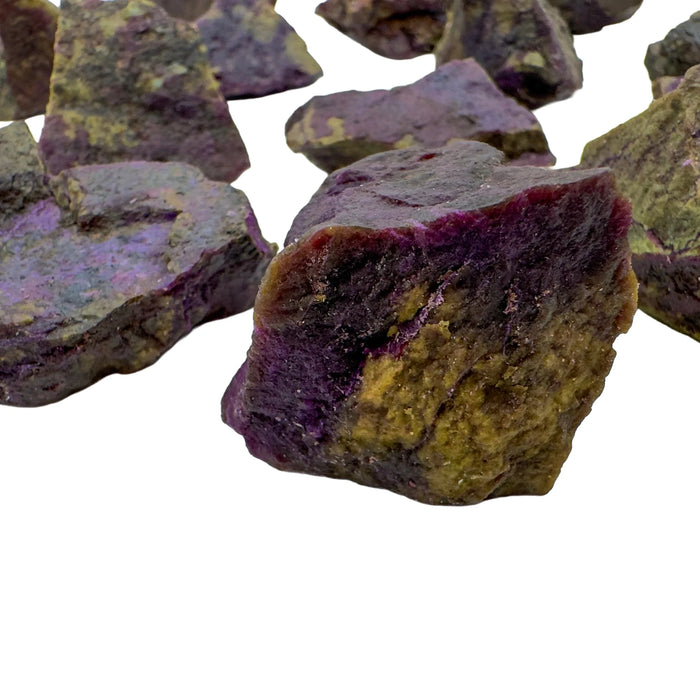
Real Stichtite shows a soft, slightly waxy purple to pink color, typically in irregular patches within a green serpentine matrix (making it Atlantisite). Under a loupe you may see fine layering or crystalline structure in the purple patches. The softness is diagnostic: Stichtite will scratch with a fingernail where it's exposed, though the surrounding serpentine will not.
The rare fakes are dyed magnesite or dyed howlite sold as Stichtite or Atlantisite. Dyed pieces show saturated, uniform color and lack the distinct matrix pattern. The serpentine and stichtite should read as two visibly separate minerals, not a blended wash. If the piece is too uniform and the green and purple blend smoothly, be suspicious.
Care & handling.
Care is important for Stichtite because of its softness. Water safe only for brief, gentle rinses with lukewarm water and a soft cloth. Skip ultrasonic cleaners, steam cleaners, saltwater, and any acidic cleaners, which can damage the carbonate structure. Store separately from harder stones, which will scratch it.
Cleanse energetically with moonlight, sound, smoke, or by placing on selenite overnight. Avoid salt or acidic cleansing methods. Stichtite is best suited to gentle handling rather than daily-wear jewelry. Display out of direct sunlight for long-term color preservation.
Pairs well with.
Proof, not promises.
We measure our own sourcing across five dimensions. Supply chain, environmental footprint, artisan support, market integrity, and pricing. The number is honest, not perfect. Where we can do better, we say so.
A deeper look.
Extended geology, sourcing, authentication, history, varieties, and pricing, for when the quick guide isn't quite enough.
Extended geology
Stichtite is a hydroxide carbonate mineral with the formula Mg₆Cr₂(CO₃)(OH)₁₆·4H₂O, a magnesium and chromium-bearing carbonate with a layered structure. It forms in altered chromium-rich serpentinite rocks, where chromium-bearing serpentine reacted with carbonate-rich fluids. The soft purple to pink color is a direct function of the chromium content.
Hardness 1.5 to 2.5 Mohs. Specific gravity 2.16. Luster waxy to pearly. Cleavage perfect in one direction. Fracture uneven. Crystal system trigonal. Most Stichtite occurs in massive form rather than distinct crystals, intergrown with the surrounding serpentine.
Extended sourcing
Type locality: Dundas region of Tasmania, Australia, first described in 1910 and named after Robert Carl Sticht. Tasmanian specimens remain collector references but aren't the primary commercial source today.
South Africa's Barberton region produces significant Atlantisite (Stichtite in serpentine) for the small-shop market. Zimbabwe and Russia's Sarany Mine also produce commercial material. Canada's Jeffrey Mine in Quebec has historic Stichtite specimens. Each source has subtle differences in the balance of purple to green and the grain size of the Stichtite within the matrix.
Authentication and warning signs
Look at the interface between purple and green. Real Stichtite-Atlantisite shows irregular patches of Stichtite within a serpentine matrix, with visible boundaries and sometimes a thin transition zone. Under magnification you can see fine layering in the Stichtite. The purple and green should read as two separate minerals, not a blended wash.
Dyed magnesite and dyed howlite imitations show uniform color, no matrix structure, and pool of color in fractures. A softness check helps: genuine Stichtite scratches easily with a fingernail at exposed surfaces; dyed harder stones won't. Reputable sellers specify the presence of serpentine matrix and disclose country of origin.
Historical and cultural context
Stichtite was only described in 1910, which makes it one of the younger minerals by formal identification. Before that, material from Tasmanian deposits was often mistaken for other purple minerals. Robert Sticht, the mine superintendent the stone was named for, was active at the Mount Lyell copper mine in Tasmania.
The modern metaphysical associations are a twentieth-century development. The Atlantisite trade name specifically references the Atlantis myth and suggests a stone of gentle wisdom and emotional retrieval, though this framing is marketing rather than documented tradition. The underlying color-based association (purple to crown chakra, pink to heart) is genuine to the modern symbolic system.
Varieties and trade names
Stichtite: the purple-to-pink magnesium chromium carbonate, in its own right.
Atlantisite: trade name for Stichtite intergrown with green serpentine, the most common commercial form.
Tasmanite: occasional alternative trade name for Tasmanian material specifically.
Pricing reality
Small raw Stichtite-Atlantisite chunks: 4 to 15 dollars. Medium polished pieces and palm stones: 15 to 50 dollars. Larger statement pieces and spheres: 50 to 200 dollars depending on size and color balance. Fine Tasmanian specimens with distinct Stichtite crystals can reach collector pricing, 100 to 500 dollars.
Value drivers: saturation and area of the Stichtite purple, balance against the green serpentine, clean polish, absence of chipped or damaged soft areas, and documented origin. Warning signs: suspiciously uniform color (suggests dye), no origin offered, or Stichtite at prices that are too high for the visible quality of the piece.
Good sourcing is a practice, not a claim.
Nothing we sell is dyed or stabilized without full disclosure. We name our origins where we can. We say so when we cannot. We walk away from material that doesn't meet our standard, even when it costs us sales.
Bring stichtite home.
Every piece we carry is photographed individually and listed with its own origin and treatment notes. What you see is what ships.
Shop the stichtite collectionGrounded Connections
New stones go to the list first.
No forwarding, no selling. Unsubscribe in one click. Privacy