


 Agatefor stress relief
 Amazonitefor stress relief
 Aquamarinefor serenity
 Aventurinefor luck
 Bloodstonefor energy
 Blue Kyanitefor confidence
 Blue Lace Agatefor stress relief
 Chrysocollafor emotional healing
 Fluoritefor focus
 Garnetfor energy
 Lepidolitefor stress relief
 Malachitefor emotional healing
 Moonstonefor grounding
 Obsidianfor protection
 Ocean Jasperfor emotional healing
 Red Jasperfor grounding
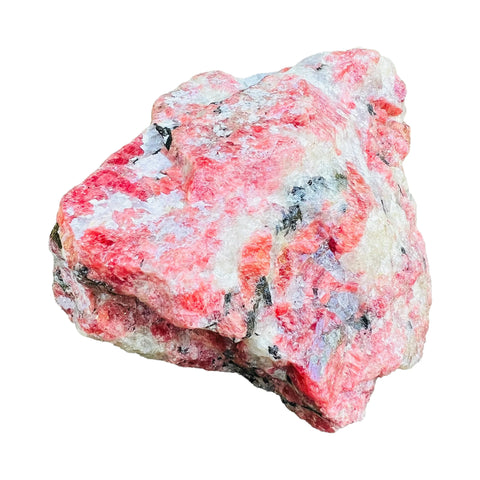
 Rhodonitefor emotional healing
 Selenitefor cleansing
 Sodalitefor focus
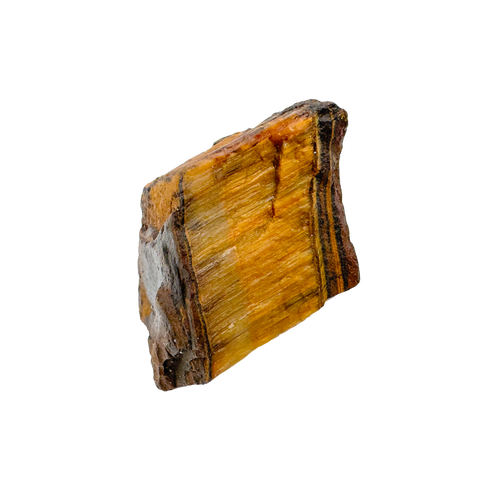
 Tiger Eyefor confidence


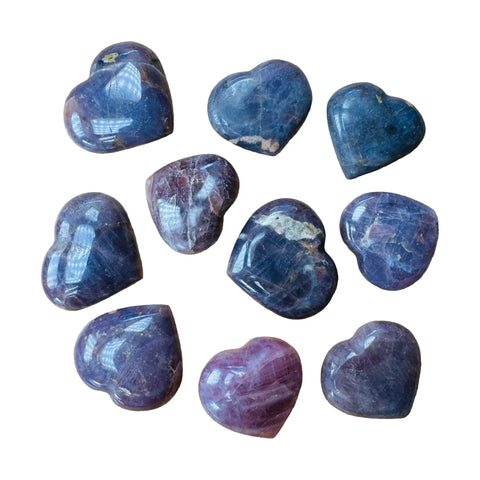
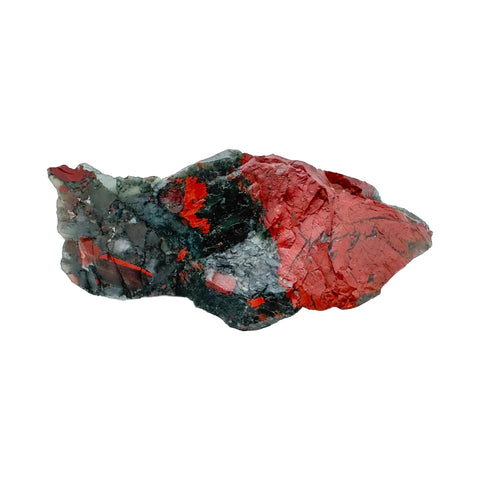
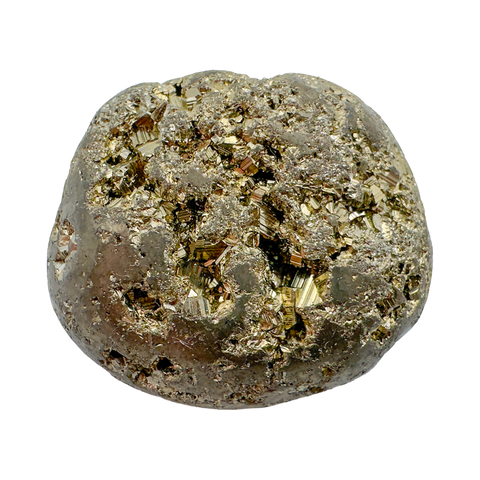
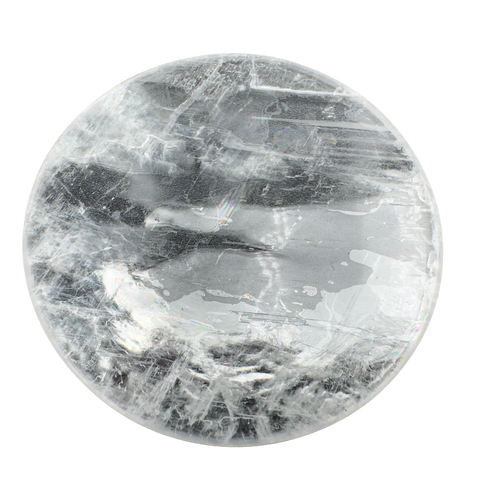


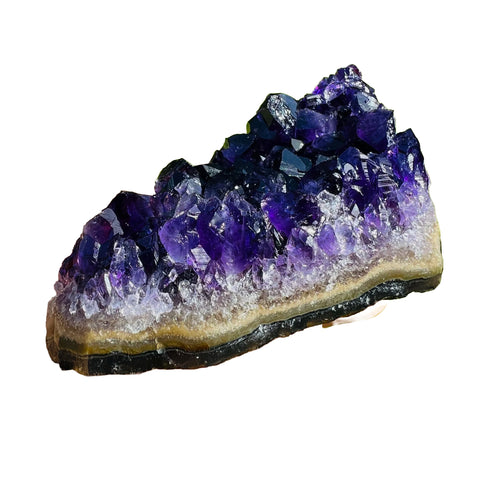





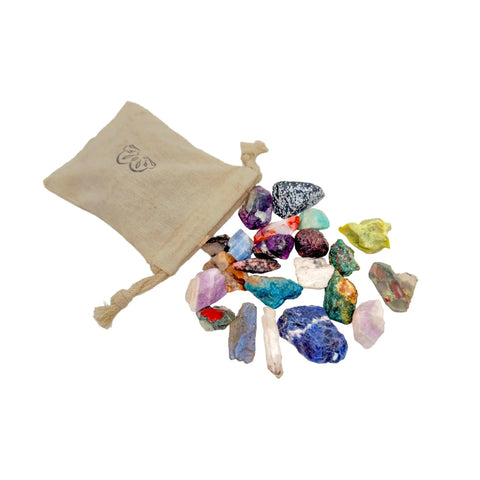

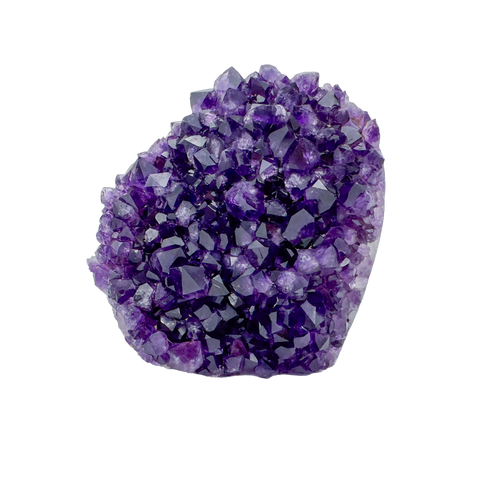
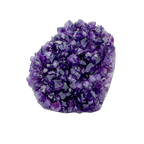 Amethyst
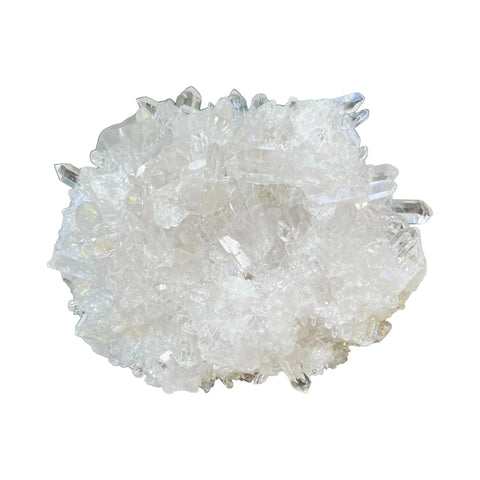
 Clear Quartz
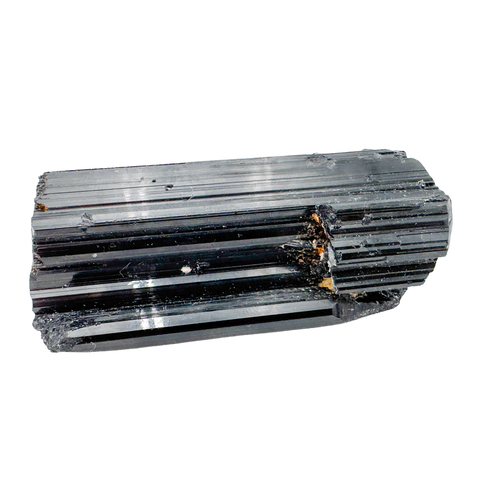
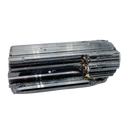 Black Tourmaline
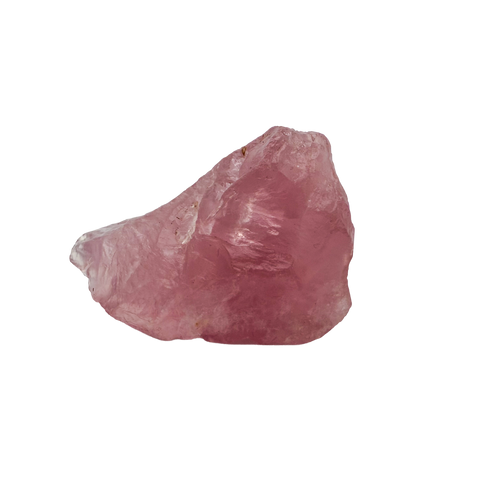
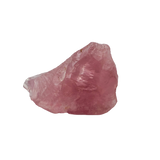 Rose Quartz
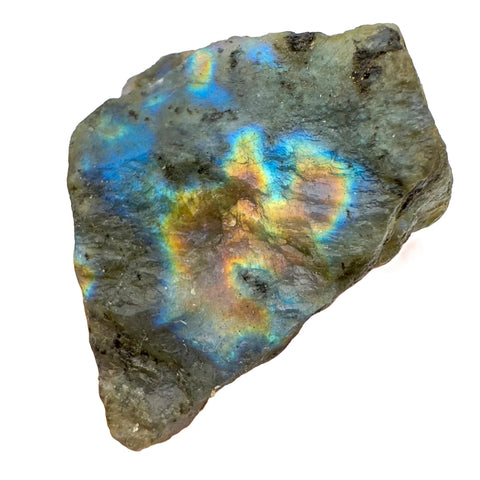
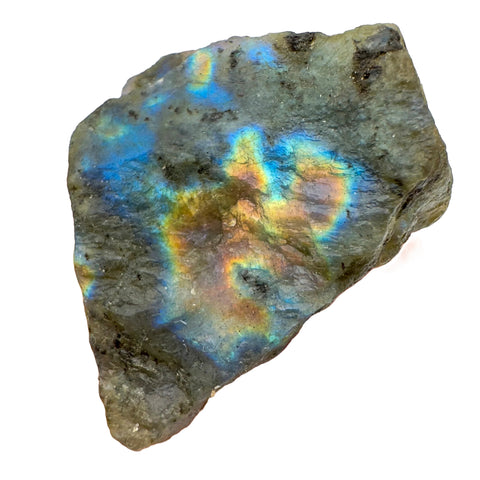
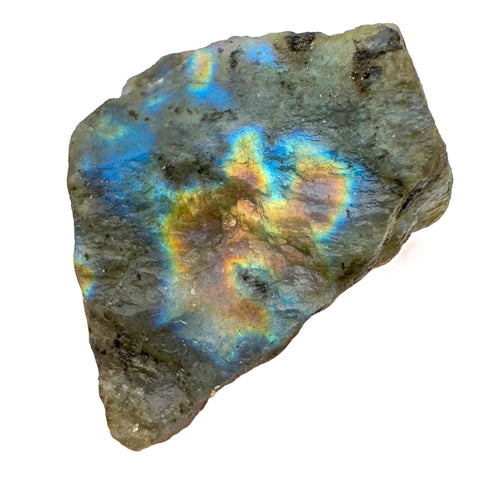
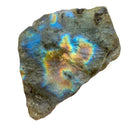 Labradorite
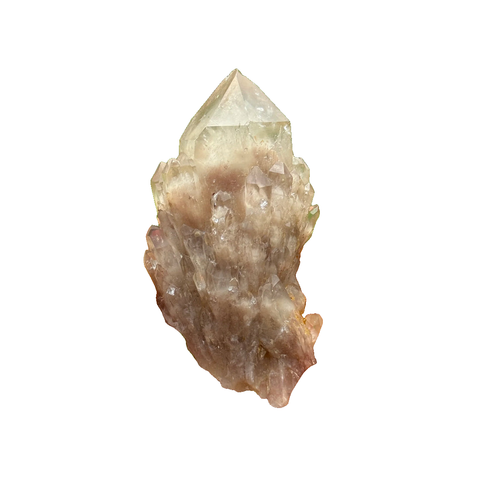
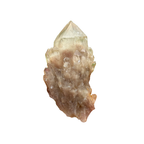 Natural Citrine
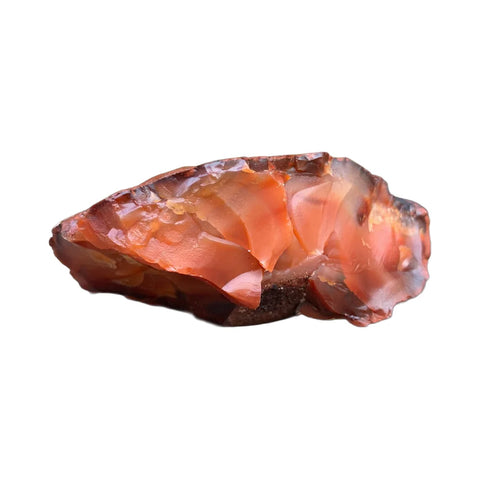
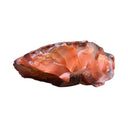 Carnelian
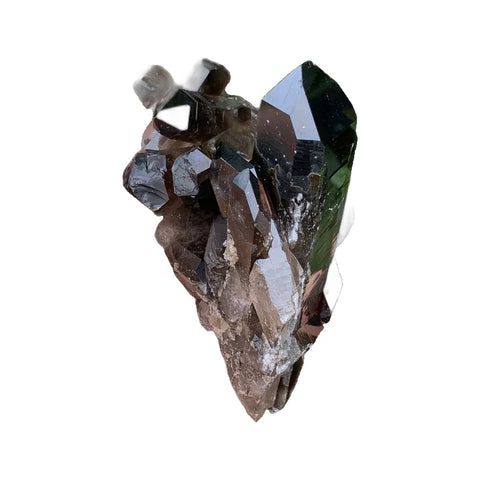
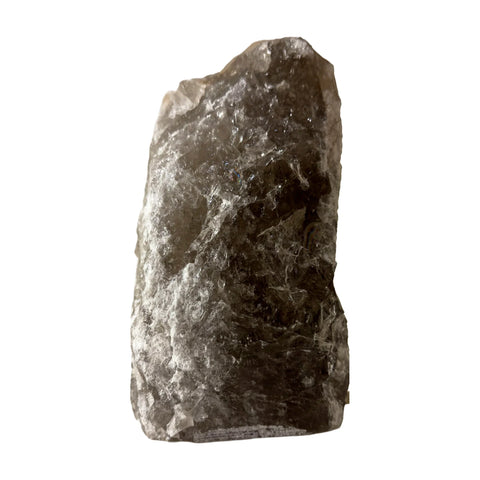
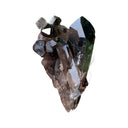 Smoky Quartz
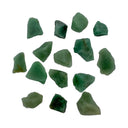 Aventurine
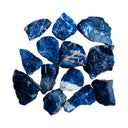 Sodalite
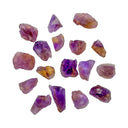 Ametrine
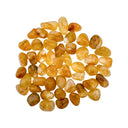 Golden Healer
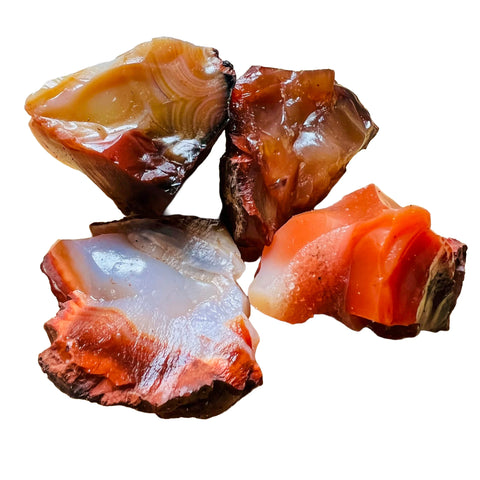
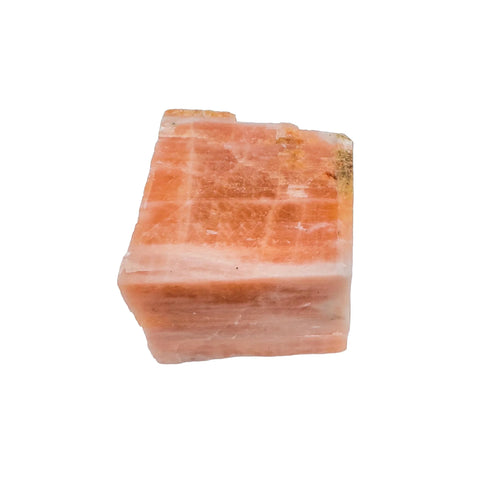
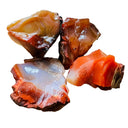 Raw Stones
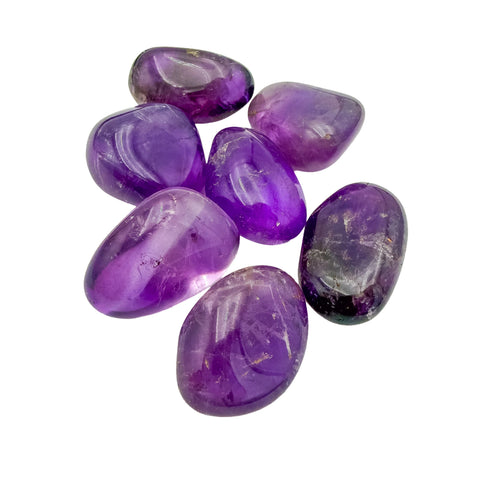
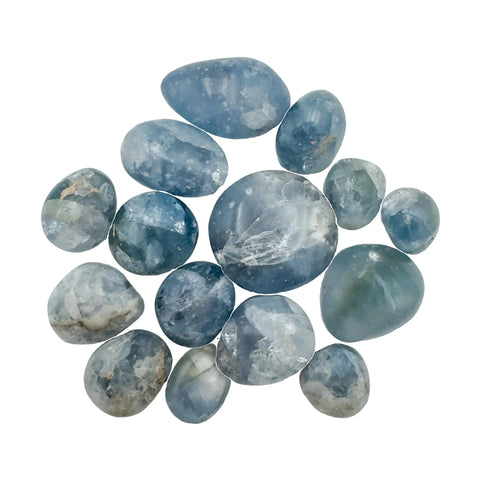
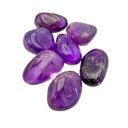 Tumbled Stones
 Palm Stones
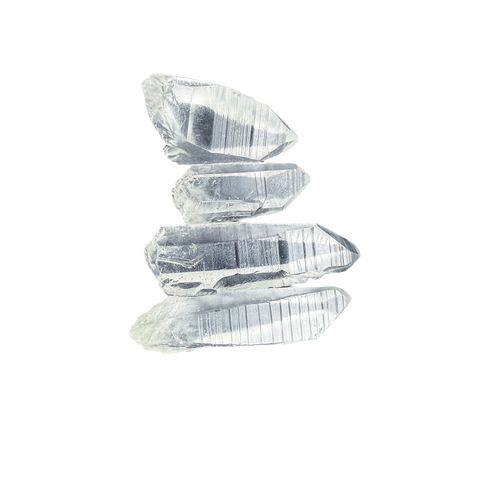
 Crystal Points
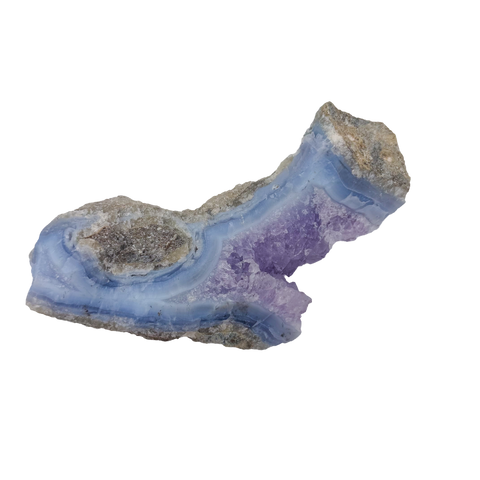
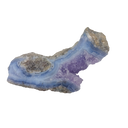 Clusters & Geodes
 Polished & Decor
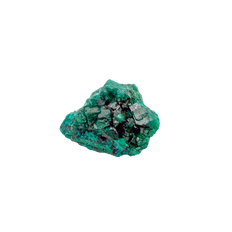 Mineral Specimens
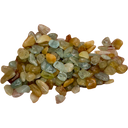 Crystal Chips
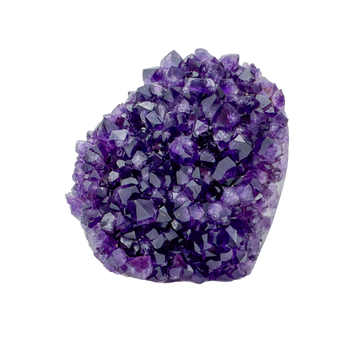
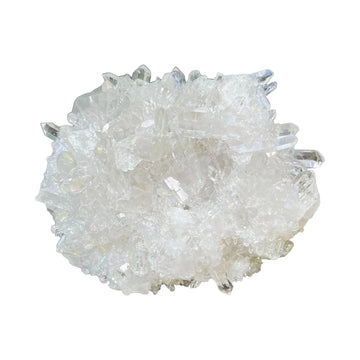
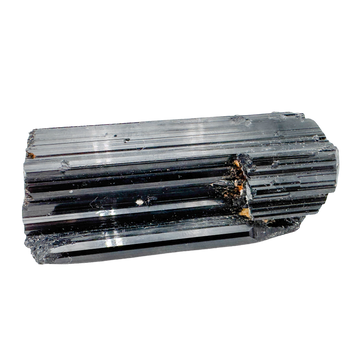
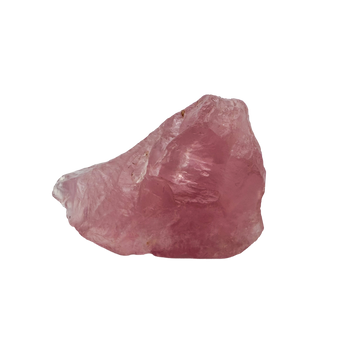
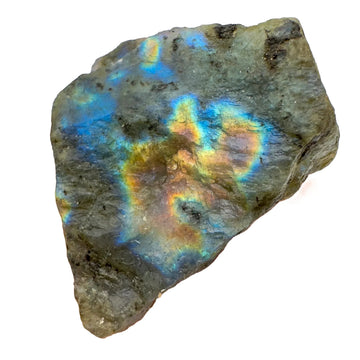
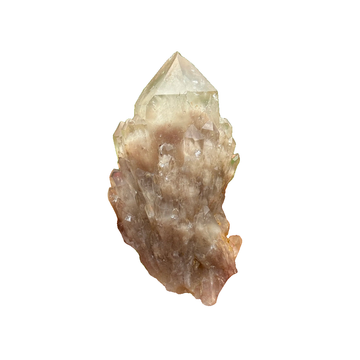
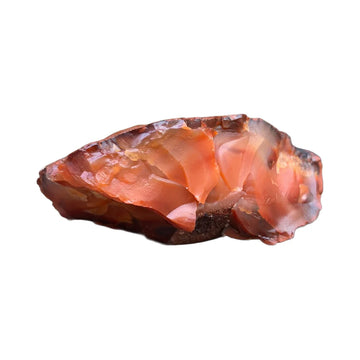
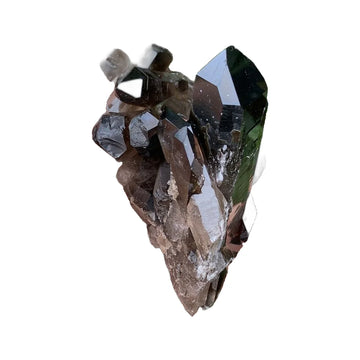
 Raw Stones
179 to choose from
Raw Stones
179 to choose from
 Tumbled Stones
162 to choose from
Tumbled Stones
162 to choose from
 Palm Stones
25 to choose from
Palm Stones
25 to choose from
 Crystal Points
23 to choose from
Crystal Points
23 to choose from
 Clusters & Geodes
98 to choose from
Clusters & Geodes
98 to choose from
 Polished & Decor
147 to choose from
Polished & Decor
147 to choose from
 Mineral Specimens
247 to choose from
Mineral Specimens
247 to choose from
 Crystal Chips
21 to choose from
Crystal Chips
21 to choose from


 AngolaAquamarine
›
AngolaAquamarine
›
 BotswanaCarnelian, Tree Agate
›
BotswanaCarnelian, Tree Agate
›
 DR CongoMalachite, Natural Citrine
›
DR CongoMalachite, Natural Citrine
›
 EswatiniBloodstone
›
EswatiniBloodstone
›
 MadagascarLabradorite, Clear Quartz
›
MadagascarLabradorite, Clear Quartz
›
 MalawiBlue Lace Agate, Garnet
›
MalawiBlue Lace Agate, Garnet
›
 MozambiqueAmazonite
›
MozambiqueAmazonite
›
 NamibiaSodalite, Blue Lace Agate
›
NamibiaSodalite, Blue Lace Agate
›
 Republic of the CongoDioptase
›
Republic of the CongoDioptase
›
 South AfricaTiger Eye, Unakite
›
South AfricaTiger Eye, Unakite
›
 ZambiaChevron Amethyst
›
ZambiaChevron Amethyst
›
 ZimbabweEmerald, Rhodonite
›
ZimbabweEmerald, Rhodonite
›
 ArgentinaBlack Obsidian, Rhodochrosite
›
ArgentinaBlack Obsidian, Rhodochrosite
›
 BoliviaAmetrine
›
BoliviaAmetrine
›
 BrazilAmethyst, Clear Quartz
›
BrazilAmethyst, Clear Quartz
›
 PeruSerpentine, Jade
›
PeruSerpentine, Jade
›
 UruguayAmethyst
›
UruguayAmethyst
›
 Dominican RepublicLarimar
›
Dominican RepublicLarimar
›
 MexicoRainbow Obsidian, Crazy Lace Agate
›
MexicoRainbow Obsidian, Crazy Lace Agate
›
 United StatesSelenite, Peridot
›
United StatesSelenite, Peridot
›
 ChinaFluorite
›
ChinaFluorite
›
 RussiaShungite
›
RussiaShungite
›
 AustraliaMookaite
›
AustraliaMookaite
›
 Where our crystals come from
See where we source →
Where our crystals come from
See where we source →


 Aries
Mar 21 to Apr 19
Carnelian
›
Aries
Mar 21 to Apr 19
Carnelian
›
 Taurus
Apr 20 to May 20
Rose Quartz
›
Taurus
Apr 20 to May 20
Rose Quartz
›
 Gemini
May 21 to Jun 20
Agate
›
Gemini
May 21 to Jun 20
Agate
›
 Cancer
Jun 21 to Jul 22
Moonstone
›
Cancer
Jun 21 to Jul 22
Moonstone
›
 Leo
Jul 23 to Aug 22
Citrine
›
Leo
Jul 23 to Aug 22
Citrine
›
 Virgo
Aug 23 to Sep 22
Amazonite
›
Virgo
Aug 23 to Sep 22
Amazonite
›
 Libra
Sep 23 to Oct 22
Blue Lace Agate
›
Libra
Sep 23 to Oct 22
Blue Lace Agate
›
 Scorpio
Oct 23 to Nov 21
Obsidian
›
Scorpio
Oct 23 to Nov 21
Obsidian
›
 Sagittarius
Nov 22 to Dec 21
Sodalite
›
Sagittarius
Nov 22 to Dec 21
Sodalite
›
 Capricorn
Dec 22 to Jan 19
Black Tourmaline
›
Capricorn
Dec 22 to Jan 19
Black Tourmaline
›
 Aquarius
Jan 20 to Feb 18
Amethyst
›
Aquarius
Jan 20 to Feb 18
Amethyst
›
 Pisces
Feb 19 to Mar 20
Aquamarine
›
Gifting?
A birthday stone is the safe bet.
Read the zodiac guide →
Pisces
Feb 19 to Mar 20
Aquamarine
›
Gifting?
A birthday stone is the safe bet.
Read the zodiac guide →



Rose Quartz
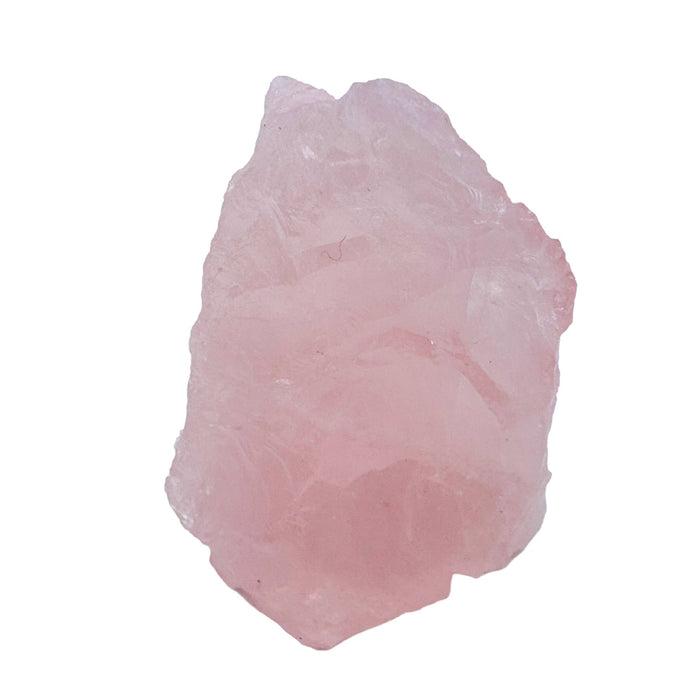
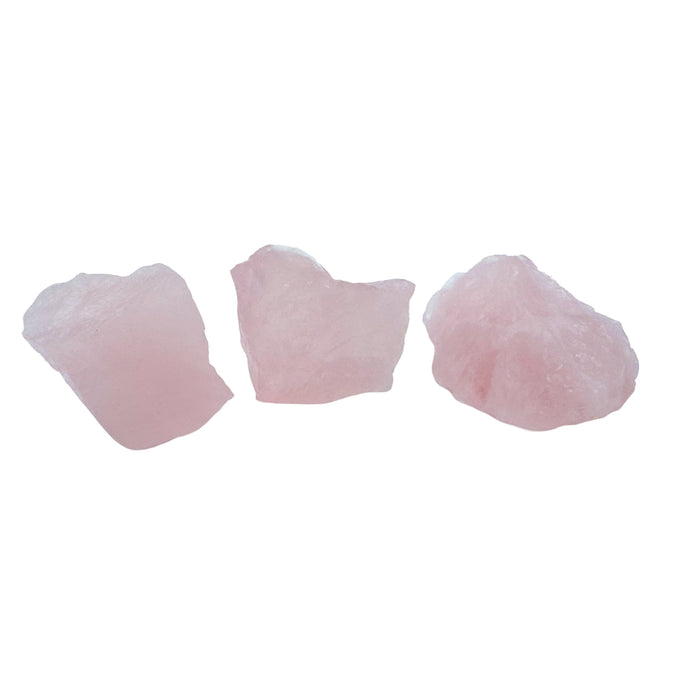
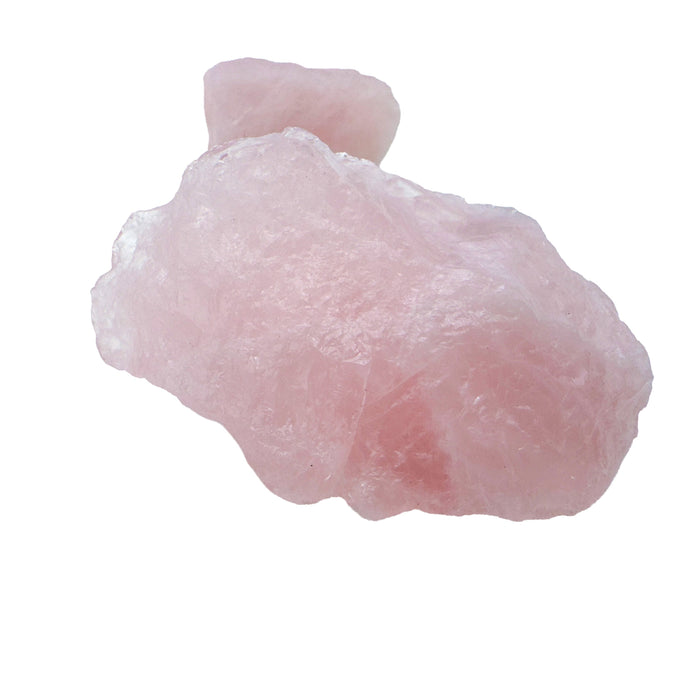
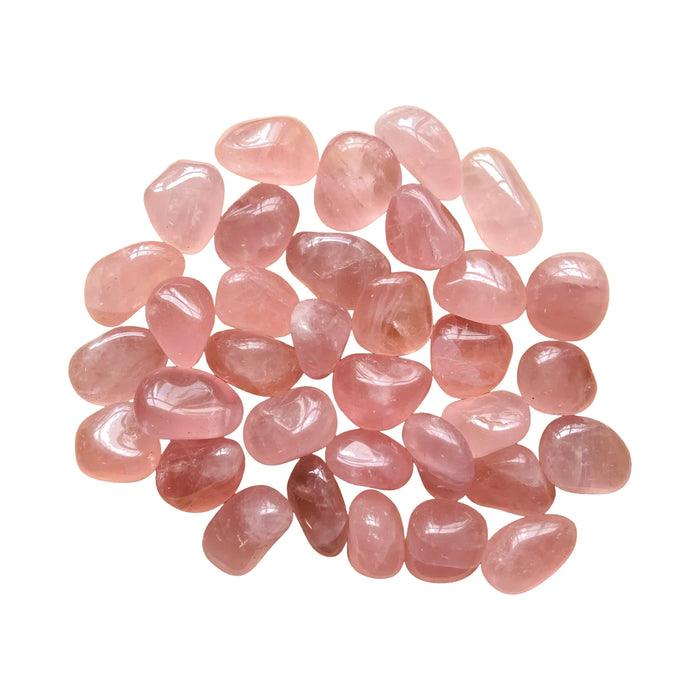
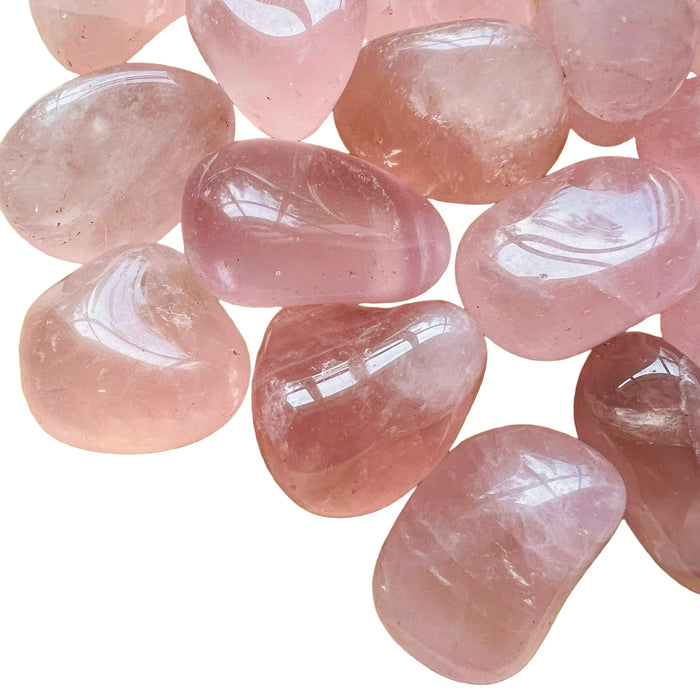
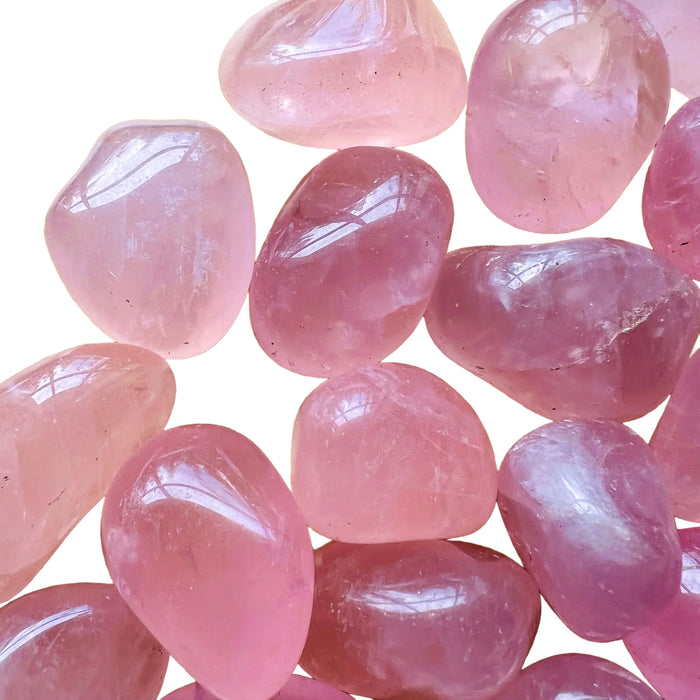
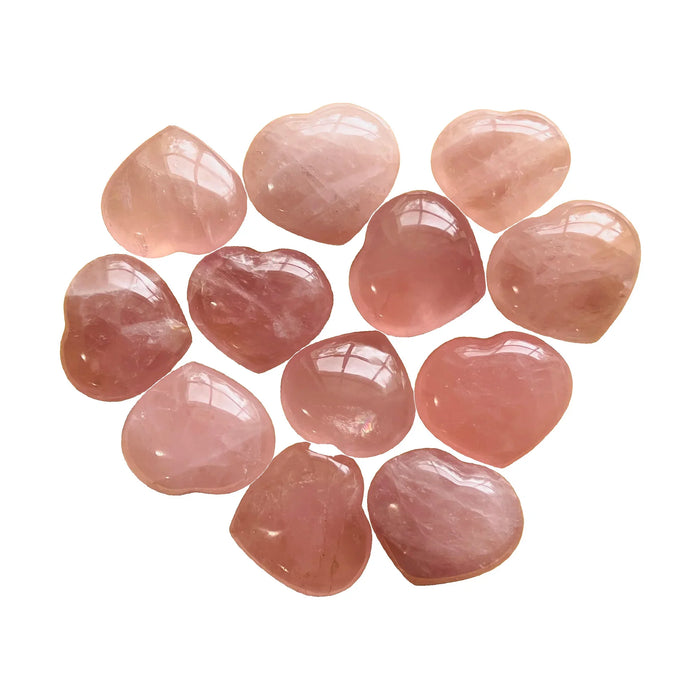
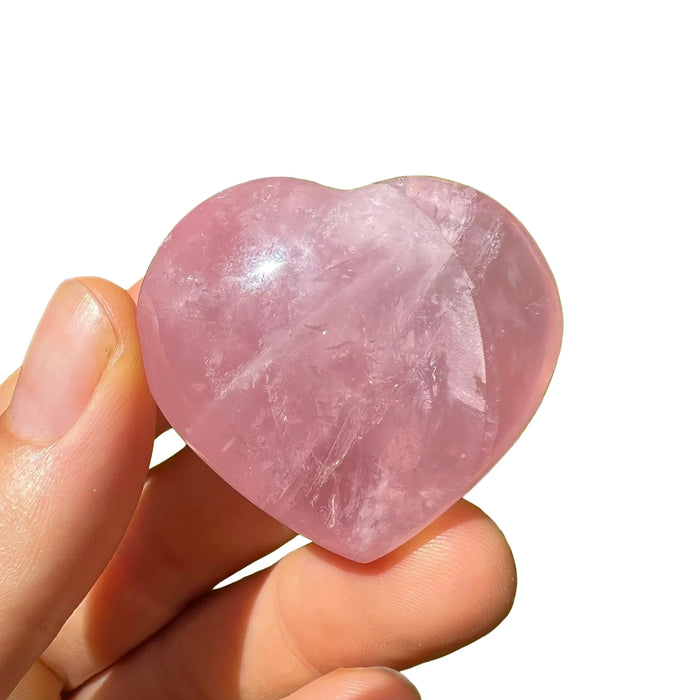
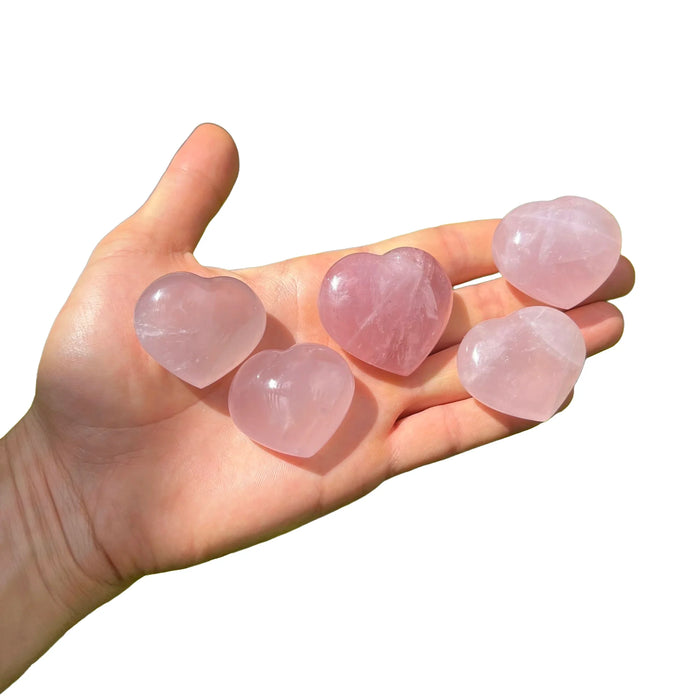
Rose Quartz is the pink-colored variety of quartz, with a soft translucent body that carries one of the oldest and most widely shared working traditions in the stone world. Traditionally associated with unconditional love, self-love, and the patient tending of the heart, it's been carried as a heart-stone across cultures for at least 7,000 years. One of the few stones that genuinely lives up to its reputation.
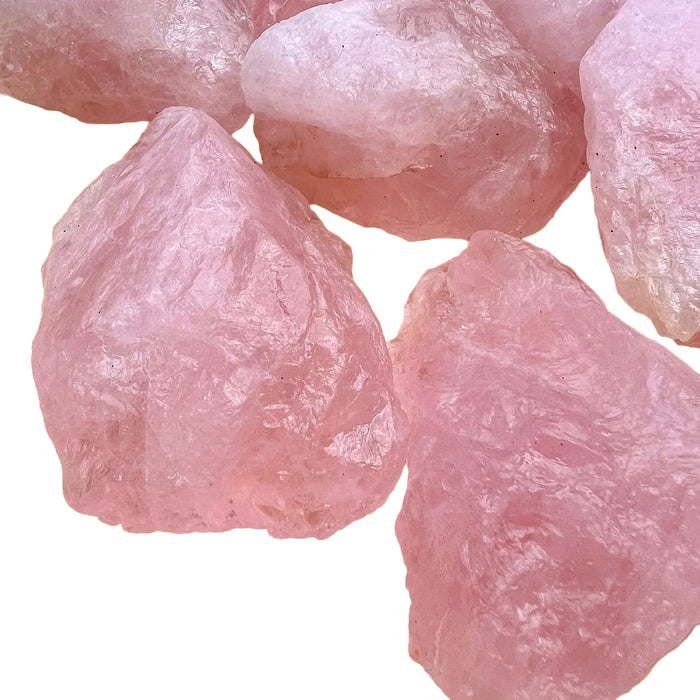
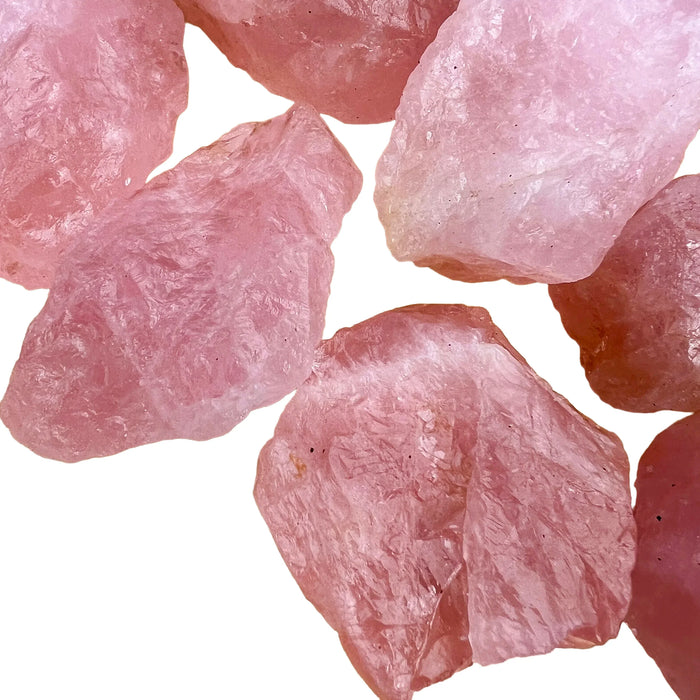
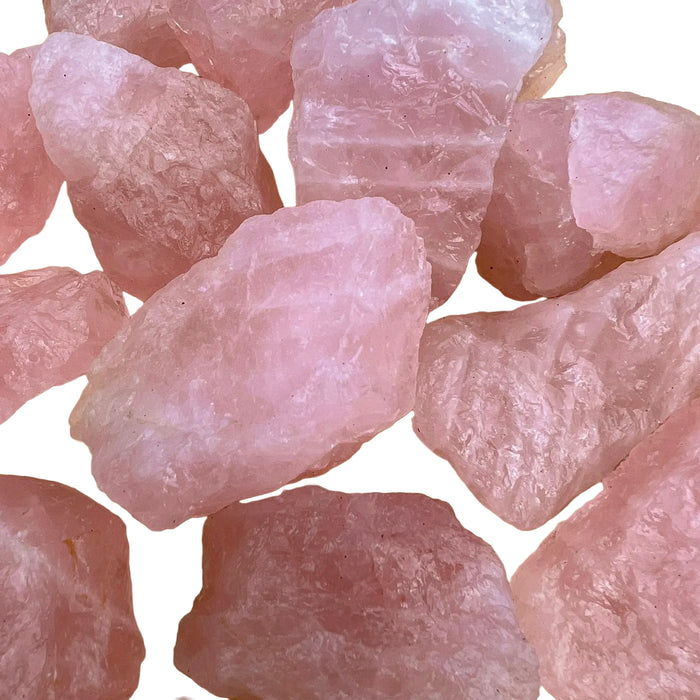
Shop rose quartzRose Quartz, in stock now.
Our most-loved Rose Quartz pieces, ready to ship.
- from 1,000+ reviews
- Ships within 72 hoursMonday to Friday, tracked
- 90 days to return itif you do not love it
- Free US shipping over $99$8.99 flat rate under
The geology.
Rose Quartz is a pink variety of quartz (SiO₂). Its color comes from microscopic inclusions of fibrous dumortierite or related boron-aluminum silicate minerals woven through the crystal structure, not from chromium or manganese as older sources sometimes claim. The inclusions scatter light and produce the characteristic translucent pink glow that distinguishes Rose Quartz from other pink stones.
Hardness sits at 7 on the Mohs scale, identical to all quartz varieties, making it durable for daily-wear jewelry and pocket carry. Most Rose Quartz on the market is massive rather than showing distinct crystals; single well-formed crystals are rare and command collector prices. The pink color can fade slightly with prolonged exposure to intense sunlight or heat, though the effect takes years of continuous exposure to become noticeable.
The origins.
Rose Quartz is mined commercially across several producer regions worldwide. Brazil's Minas Gerais region is the dominant global source, with massive Rose Quartz from pegmatite deposits supplying most of the small-shop market. Madagascar produces exceptional specimens, often with deeper color and some rare star Rose Quartz. South Africa (Namaqualand) is another significant source. India, Russia, Namibia, and the United States (South Dakota) also contribute to global supply.
Each source has a signature. Brazilian material tends toward a softer, more pastel pink and is the most common commercial supply. Malagasy Rose Quartz is often slightly deeper in color with clearer translucency. South African material can show particularly saturated pink. Single crystal Rose Quartz (rare, mostly Brazilian) is a separate collector category commanding significantly higher prices than the massive material.
Traditional associations.
Rose Quartz has one of the longest documented working traditions in the stone world. Mesopotamian artifacts include Rose Quartz beads dating to 7,000 BCE. Ancient Egyptian, Greek, and Roman traditions used Rose Quartz in jewelry and cosmetic implements; the Egyptians associated it with beauty and youth. Ancient Chinese traditions worked Rose Quartz into ceremonial objects and carvings. The consistency across cultures is striking: almost every tradition that worked Rose Quartz associated it with love, gentleness, and the heart in some form.
Many people work with Rose Quartz for unconditional love, self-love, and emotional healing. It's most commonly associated with the Heart chakra, the element of Water, and the zodiac signs Taurus and Libra. The classic working is carrying a small piece close to the body, keeping one near the bed, or using a larger freeform as an anchor for a meditation or journaling practice focused on the heart.
Spotting the real thing.
Real Rose Quartz shows a natural, slightly uneven pink translucency with subtle color variation across a single piece. Held to the light, you can see softly glowing pink with cloudy internal structure from the included fibers. Hardness 7 means it will scratch glass easily, distinguishing it from softer pink imitations. The surface has the characteristic slick, slightly waxy feel of polished quartz.
Dyed quartz and dyed glass are the main imitations. Dyed pieces show saturated, uniform pink that reads too perfect, with color pooling in any surface fractures. Glass imitations feel warmer to the touch, show air bubbles under magnification, and won't scratch glass (equal hardness). Plastic imitations feel noticeably lighter and have a characteristic cheap plastic sheen rather than the soft quartz glow.
Care & handling.
Water safe for normal cleaning with warm water and a soft cloth. Rose Quartz handles saltwater rinses and brief ultrasonic cleaning because it's structurally homogeneous and hard. The main care consideration is sunlight: prolonged direct UV exposure over years can fade the pink color, so display out of direct south-facing windows for long-term keeping.
Cleanse energetically with moonlight, sound, smoke, salt water, or by placing on selenite overnight. At 7 on the Mohs scale, Rose Quartz handles daily wear well in all jewelry settings. It can scratch softer stones, so store with other quartzes or on its own. Temperature shifts are fine within reason.
Pairs well with.
Proof, not promises.
We measure our own sourcing across five dimensions. Supply chain, environmental footprint, artisan support, market integrity, and pricing. The number is honest, not perfect. Where we can do better, we say so.
A deeper look.
Extended geology, sourcing, authentication, history, varieties, and pricing, for when the quick guide isn't quite enough.
Extended geology
Rose Quartz is pink-colored quartz (SiO₂) whose color comes from microscopic fibrous inclusions of dumortierite, a boron-aluminum silicate. Research published in 2001 established the dumortierite-inclusion mechanism, resolving decades of debate about whether the color came from trace chromium, manganese, iron, or titanium. The inclusions scatter light in a way that produces the characteristic soft pink glow.
Trigonal crystal system. Mohs hardness 7. Specific gravity 2.65. No cleavage. Conchoidal fracture. Vitreous luster. Most commercial Rose Quartz is massive rather than crystalline; single well-formed Rose Quartz crystals are rare and typically smaller than other quartz crystal varieties. The pink color can slowly fade with prolonged UV or heat exposure but is stable under normal conditions.
Extended sourcing
Brazil's Minas Gerais state, particularly the Taquaral and Aracuai districts, produces the majority of the world's commercial Rose Quartz from large pegmatite deposits. The material is typically massive, in blocks that are then cut and tumbled. Malagasy Rose Quartz from deposits near Ambatofinandrahana offers a deeper pink color and is often chosen for higher-grade specimen material.
South Africa's Namaqualand, India, Russia (Ural Mountains), Namibia, and the Black Hills of South Dakota in the United States all produce commercial Rose Quartz. Single crystal Rose Quartz, a rare form, comes primarily from Brazilian pegmatites and commands collector prices.
Authentication and warning signs
The hardness test is reliable: real Rose Quartz scratches glass. Under magnification, natural material shows characteristic cloudy internal structure from the dumortierite inclusions. The color should vary subtly across a single piece, not read perfectly uniform. Natural Rose Quartz often has faint veining, fractures, or cloudy patches that are part of the material, not flaws.
Dyed quartz shows saturated uniform pink with color pooling in fractures. Dyed glass is warmer to touch and shows bubbles. Plastic imitations feel lighter and lack the soft internal glow. Reputable sellers will confirm country of origin even for inexpensive Rose Quartz.
Historical and cultural context
Rose Quartz beads from Mesopotamia date to approximately 7,000 BCE, making it one of the oldest documented worked stones. Ancient Egyptian cosmetic containers, beads, and amulets include Rose Quartz. The Egyptians associated it with beauty and youth, and some facial masks of Rose Quartz have survived from that period. Greek and Roman traditions also used Rose Quartz.
The cross-cultural association with love is remarkably consistent: Greek mythology links Rose Quartz to Eros and Aphrodite; Chinese and Japanese traditions associate it with gentleness and affection; Tibetan traditions incorporate it into heart-centered practices. Modern metaphysical practice treats it as the primary heart-chakra stone, with particular emphasis on self-love and emotional healing.
Varieties and trade names
Rose Quartz: the classic massive pink quartz.
Single Crystal Rose Quartz: rare well-formed crystals, collector material.
Star Rose Quartz: shows asterism (a six-rayed star) under direct light due to aligned rutile inclusions.
Pink Quartz: distinct from Rose Quartz, typically color-unstable and fades in light; from Brazilian and Maine sources.
Strawberry Quartz: a different variety with red iron-oxide inclusions, not the same as Rose Quartz.
Pricing reality
Tumbled Rose Quartz: 1 to 5 dollars per piece. Small polished shapes and palm stones: 5 to 25 dollars. Larger polished freeforms and spheres: 20 to 150 dollars. Fine Malagasy or Brazilian specimen pieces: 50 to 500 dollars. Single crystal Rose Quartz or star Rose Quartz: collector pricing, 200 to several thousand dollars.
Value drivers: depth and saturation of pink color, translucency, size, clean polish, and documented origin. For star Rose Quartz, the quality of the asterism is key. Warning signs: suspiciously saturated uniform pink at low prices, no origin offered, or pieces marketed as 'Pink Quartz' or 'Strawberry Quartz' at Rose Quartz prices without clear distinction.
Good sourcing is a practice, not a claim.
Nothing we sell is dyed quartz, dyed glass, or plastic imitation sold as Rose Quartz. We name our origins where we can. We say so when we cannot. We walk away from material that doesn't meet our standard, even when it costs us sales.
Bring rose-quartz home.
Every piece we carry is photographed individually and listed with its own origin and treatment notes. What you see is what ships.
Shop the rose-quartz collectionGrounded Connections
New Rose Quartz pieces go to the list first. One note when they land.
No forwarding, no selling. Unsubscribe in one click. Privacy