


 Agatefor stress relief
 Amazonitefor stress relief
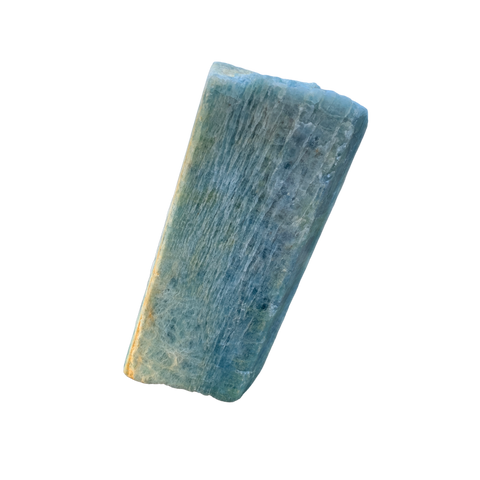
 Aquamarinefor serenity
 Aventurinefor luck
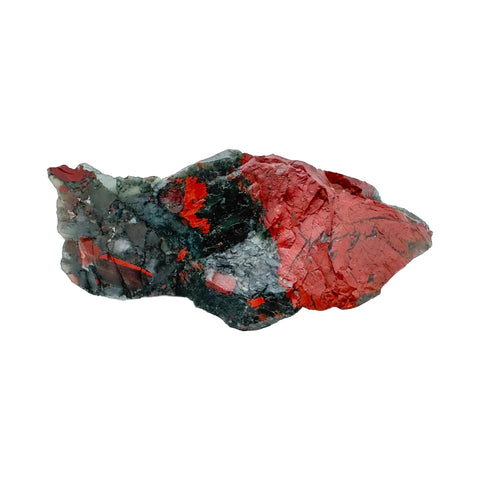
 Bloodstonefor energy
 Blue Kyanitefor confidence
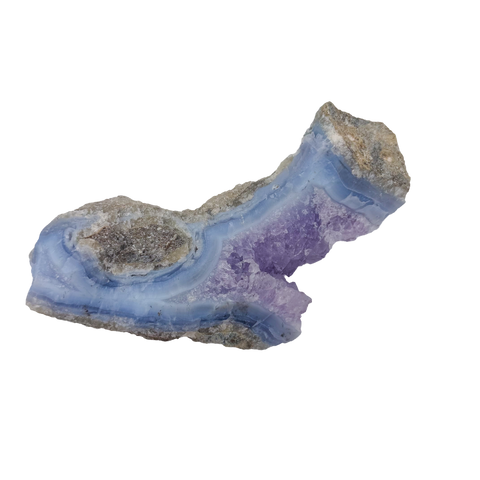
 Blue Lace Agatefor stress relief
 Chrysocollafor emotional healing
 Fluoritefor focus
 Garnetfor energy
 Lepidolitefor stress relief
 Malachitefor emotional healing
 Moonstonefor grounding
 Obsidianfor protection
 Ocean Jasperfor emotional healing
 Red Jasperfor grounding
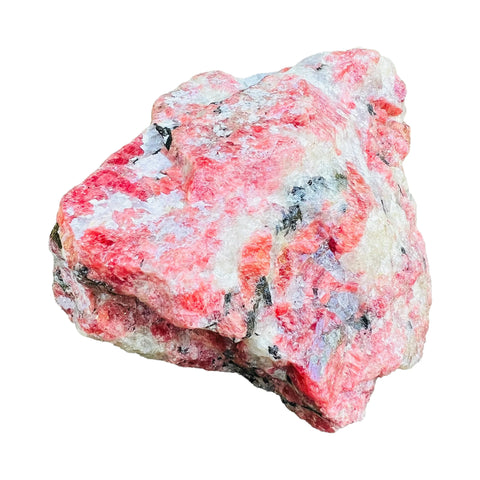
 Rhodonitefor emotional healing
 Selenitefor cleansing
 Sodalitefor focus
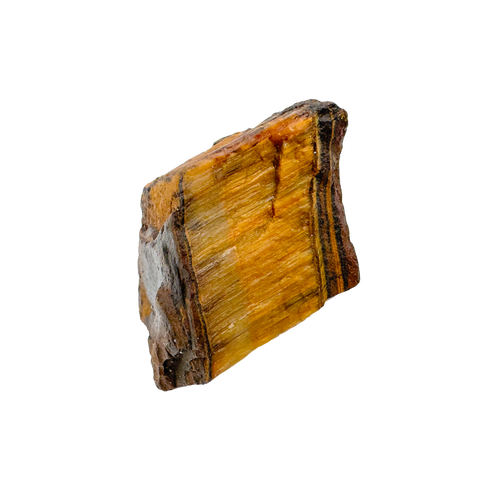
 Tiger Eyefor confidence
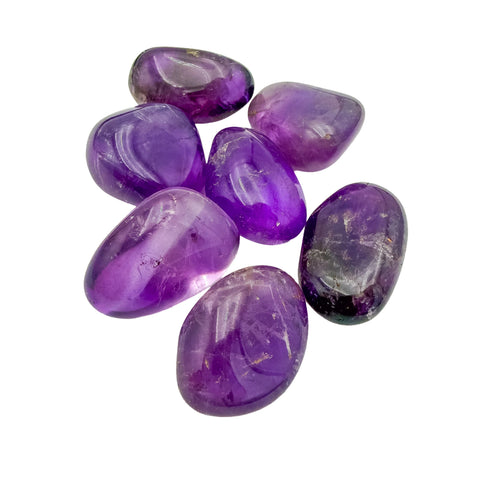


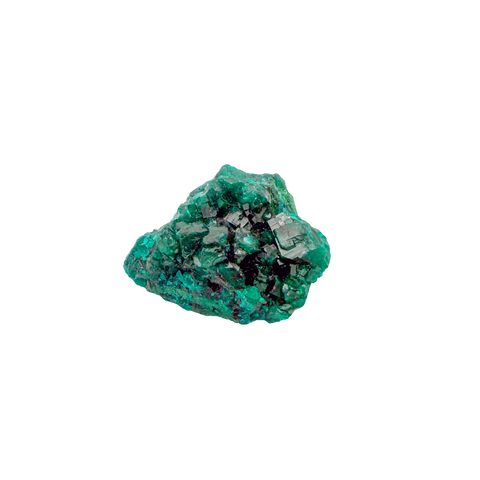
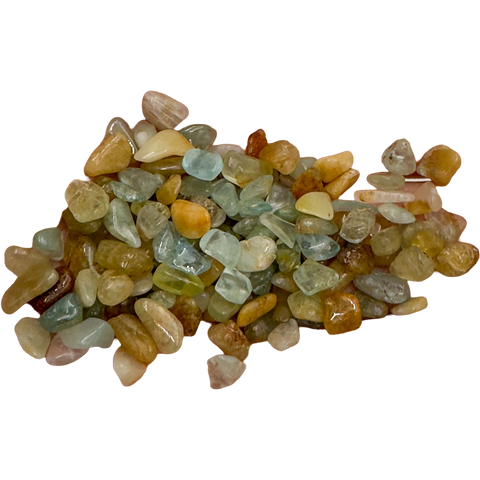
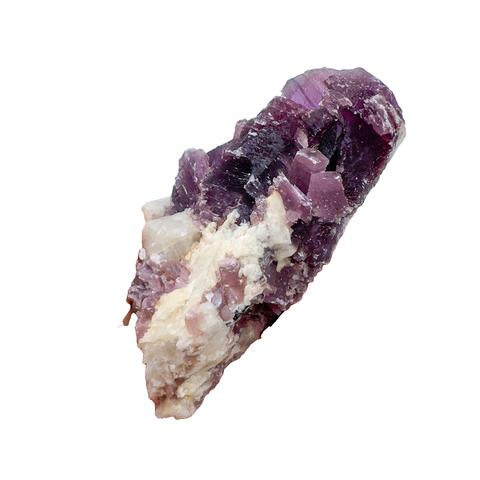
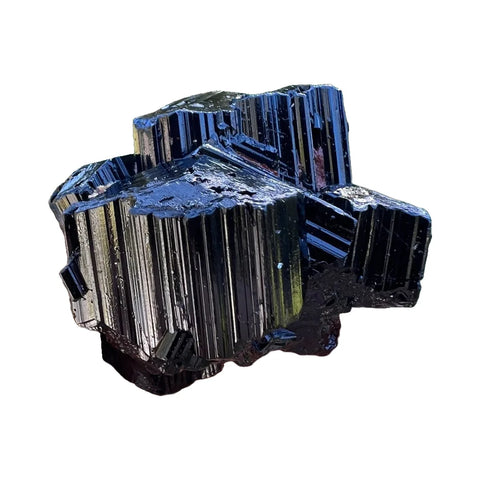
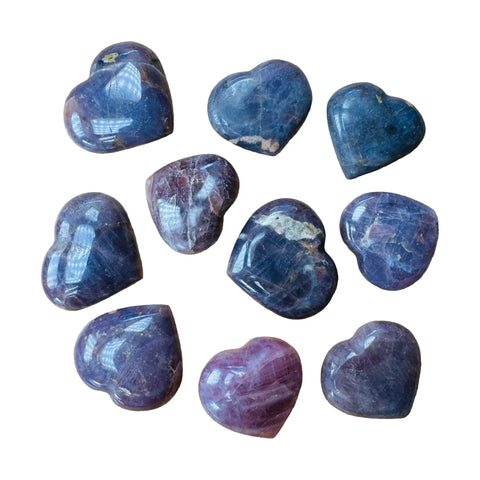
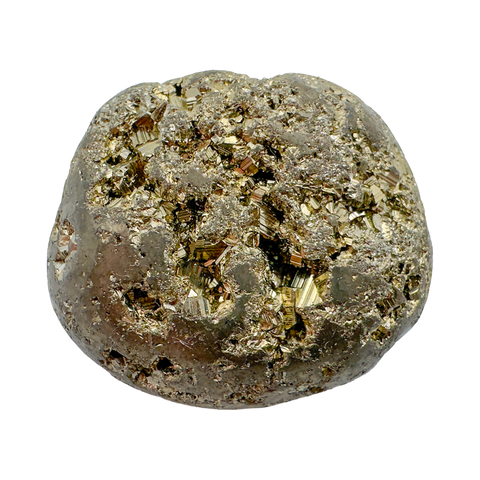


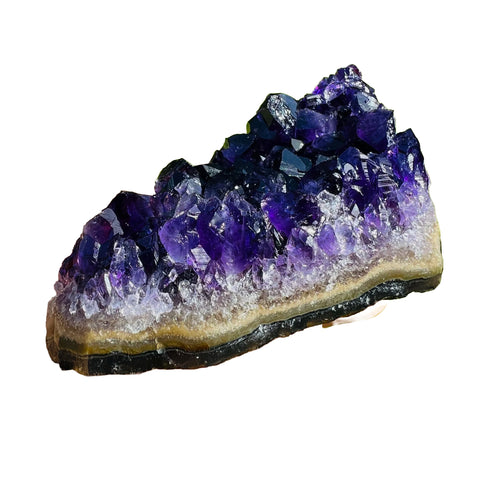






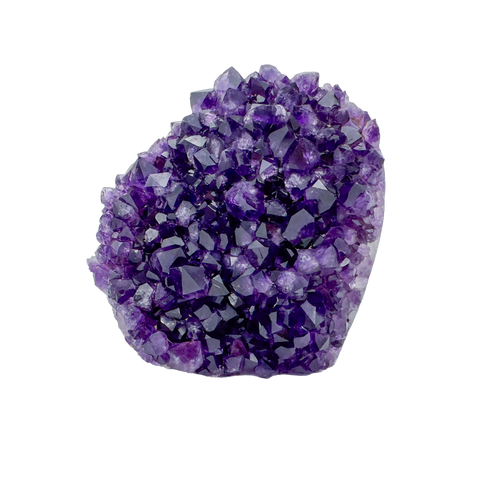
 Amethyst
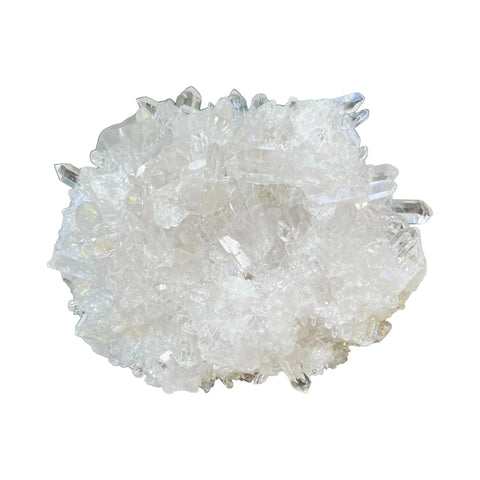
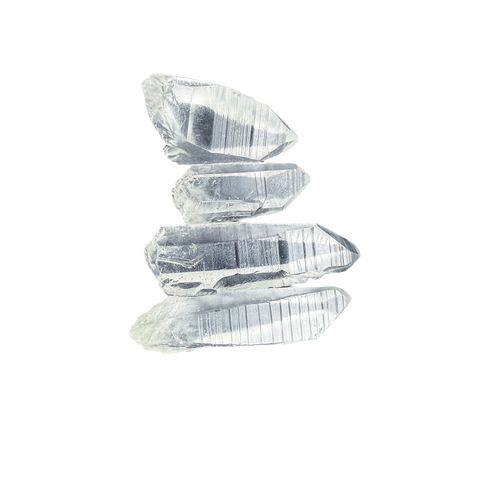
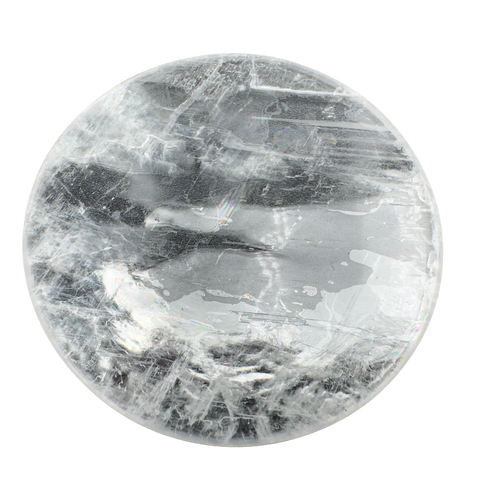
 Clear Quartz
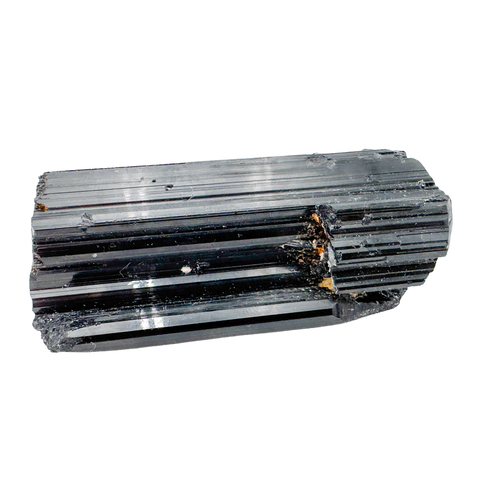
 Black Tourmaline
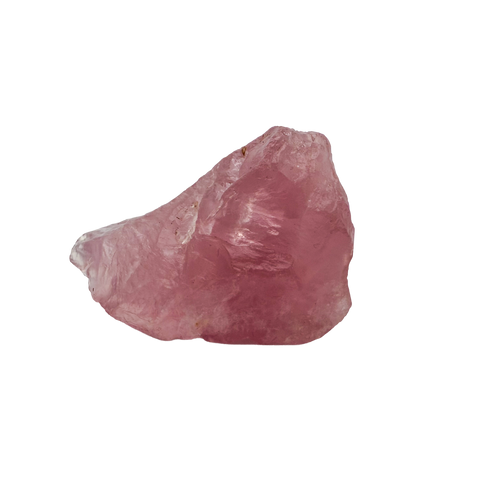
 Rose Quartz
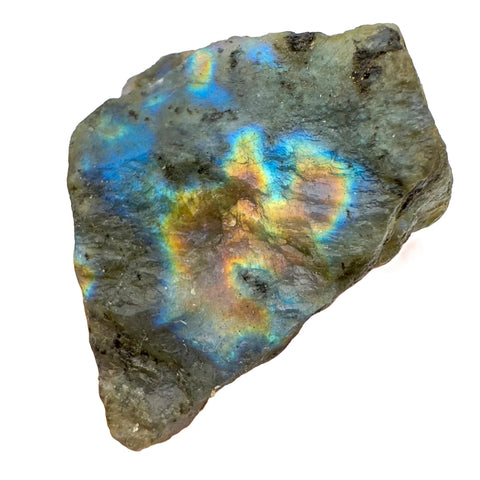
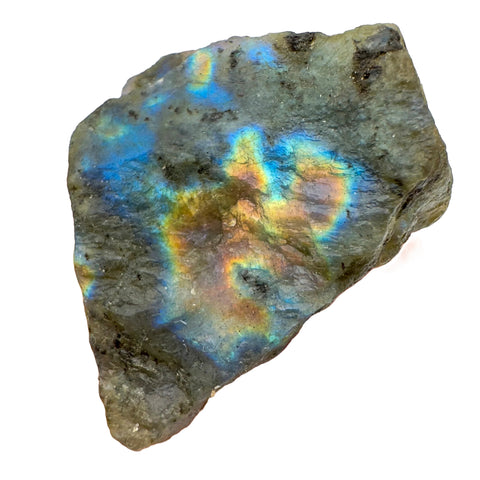
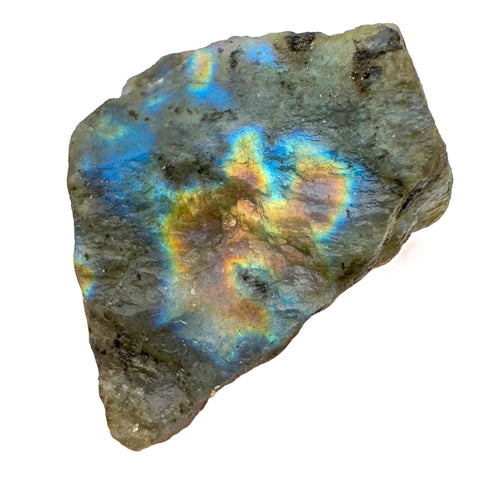
 Labradorite
 Natural Citrine
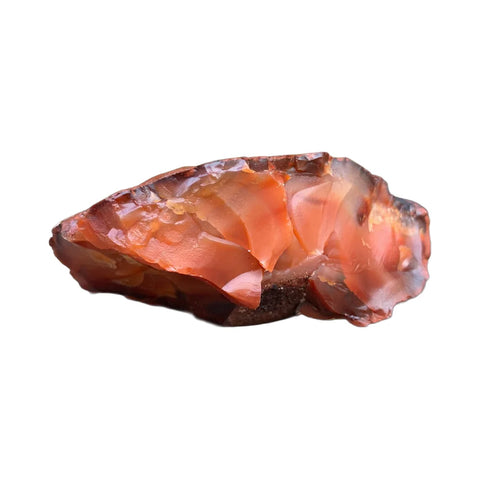
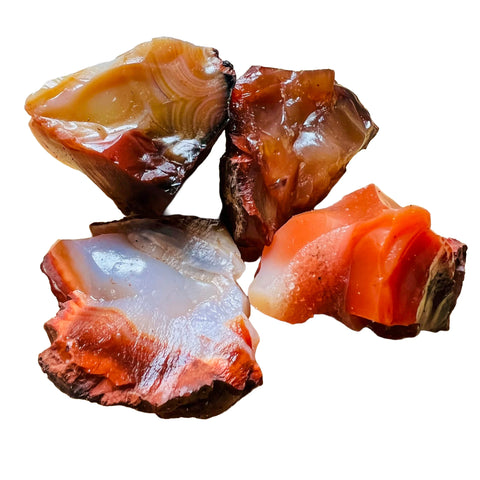
 Carnelian
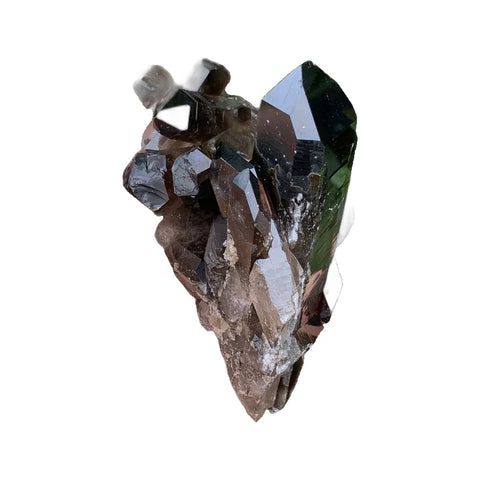
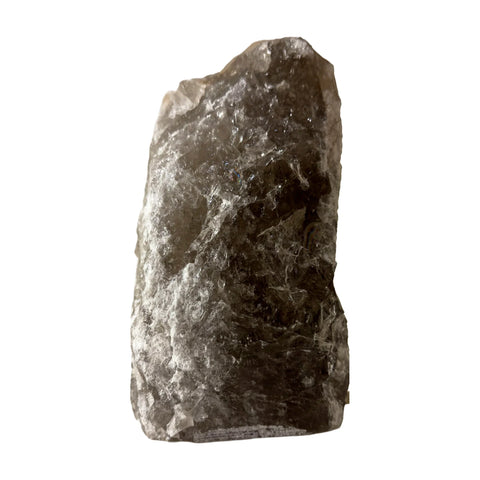
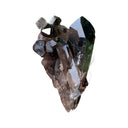 Smoky Quartz
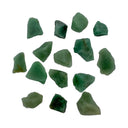 Aventurine
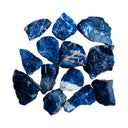 Sodalite
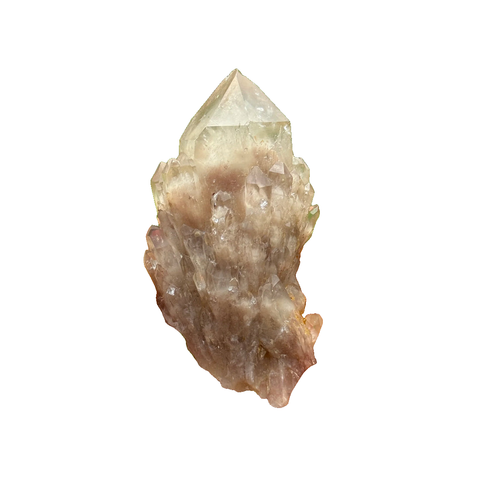
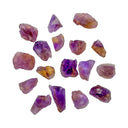 Ametrine
 Golden Healer
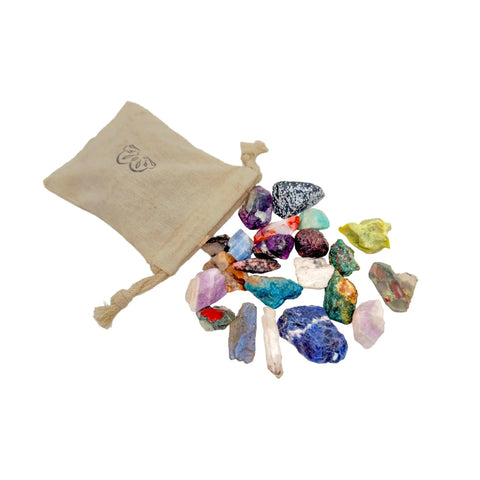
 Raw Stones
 Tumbled Stones
 Palm Stones
 Crystal Points
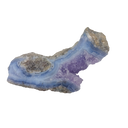 Clusters & Geodes
 Polished & Decor
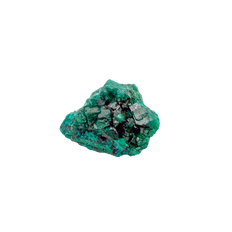 Mineral Specimens
 Crystal Chips
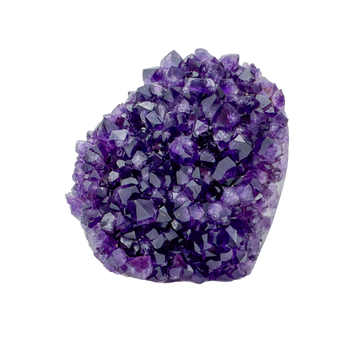
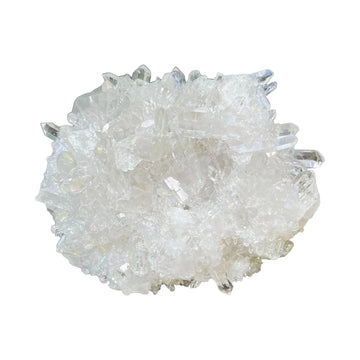
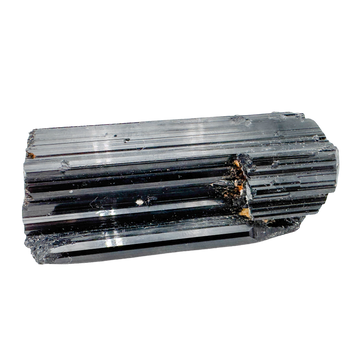
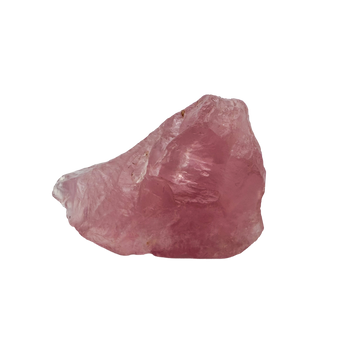
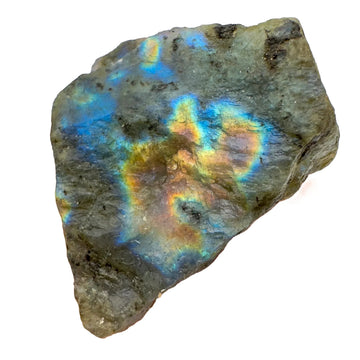
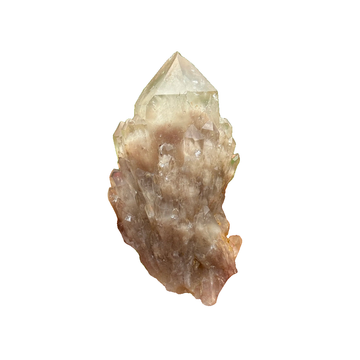
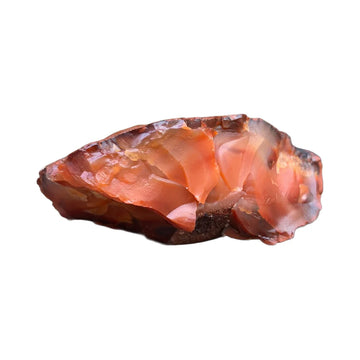
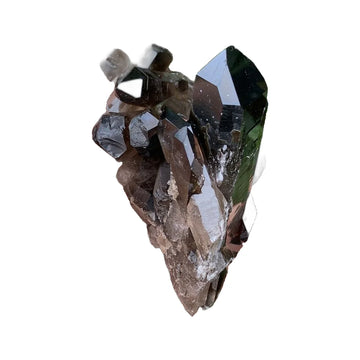
 Raw Stones
179 to choose from
Raw Stones
179 to choose from
 Tumbled Stones
162 to choose from
Tumbled Stones
162 to choose from
 Palm Stones
25 to choose from
Palm Stones
25 to choose from
 Crystal Points
23 to choose from
Crystal Points
23 to choose from
 Clusters & Geodes
96 to choose from
Clusters & Geodes
96 to choose from
 Polished & Decor
146 to choose from
Polished & Decor
146 to choose from
 Mineral Specimens
245 to choose from
Mineral Specimens
245 to choose from
 Crystal Chips
21 to choose from
Crystal Chips
21 to choose from


 AngolaAquamarine
›
AngolaAquamarine
›
 BotswanaCarnelian, Tree Agate
›
BotswanaCarnelian, Tree Agate
›
 DR CongoMalachite, Natural Citrine
›
DR CongoMalachite, Natural Citrine
›
 EswatiniBloodstone
›
EswatiniBloodstone
›
 MadagascarLabradorite, Clear Quartz
›
MadagascarLabradorite, Clear Quartz
›
 MalawiBlue Lace Agate, Garnet
›
MalawiBlue Lace Agate, Garnet
›
 MozambiqueAmazonite
›
MozambiqueAmazonite
›
 NamibiaSodalite, Blue Lace Agate
›
NamibiaSodalite, Blue Lace Agate
›
 Republic of the CongoDioptase
›
Republic of the CongoDioptase
›
 South AfricaTiger Eye, Unakite
›
South AfricaTiger Eye, Unakite
›
 ZambiaChevron Amethyst
›
ZambiaChevron Amethyst
›
 ZimbabweEmerald, Rhodonite
›
ZimbabweEmerald, Rhodonite
›
 ArgentinaBlack Obsidian, Rhodochrosite
›
ArgentinaBlack Obsidian, Rhodochrosite
›
 BoliviaAmetrine
›
BoliviaAmetrine
›
 BrazilAmethyst, Clear Quartz
›
BrazilAmethyst, Clear Quartz
›
 PeruSerpentine, Jade
›
PeruSerpentine, Jade
›
 UruguayAmethyst
›
UruguayAmethyst
›
 Dominican RepublicLarimar
›
Dominican RepublicLarimar
›
 MexicoRainbow Obsidian, Crazy Lace Agate
›
MexicoRainbow Obsidian, Crazy Lace Agate
›
 United StatesSelenite, Peridot
›
United StatesSelenite, Peridot
›
 ChinaFluorite
›
ChinaFluorite
›
 RussiaShungite
›
RussiaShungite
›
 AustraliaMookaite
›
AustraliaMookaite
›
 Where our crystals come from
See where we source →
Where our crystals come from
See where we source →


 Aquarius
Jan 20 to Feb 18
Amethyst
›
Aquarius
Jan 20 to Feb 18
Amethyst
›
 Pisces
Feb 19 to Mar 20
Aquamarine
›
Pisces
Feb 19 to Mar 20
Aquamarine
›
 Aries
Mar 21 to Apr 19
Carnelian
›
Aries
Mar 21 to Apr 19
Carnelian
›
 Taurus
Apr 20 to May 20
Rose Quartz
›
Taurus
Apr 20 to May 20
Rose Quartz
›
 Gemini
May 21 to Jun 20
Agate
›
Gemini
May 21 to Jun 20
Agate
›
 Cancer
Jun 21 to Jul 22
Moonstone
›
Cancer
Jun 21 to Jul 22
Moonstone
›
 Leo
Jul 23 to Aug 22
Citrine
›
Leo
Jul 23 to Aug 22
Citrine
›
 Virgo
Aug 23 to Sep 22
Amazonite
›
Virgo
Aug 23 to Sep 22
Amazonite
›
 Libra
Sep 23 to Oct 22
Blue Lace Agate
›
Libra
Sep 23 to Oct 22
Blue Lace Agate
›
 Scorpio
Oct 23 to Nov 21
Obsidian
›
Scorpio
Oct 23 to Nov 21
Obsidian
›
 Sagittarius
Nov 22 to Dec 21
Sodalite
›
Sagittarius
Nov 22 to Dec 21
Sodalite
›
 Capricorn
Dec 22 to Jan 19
Black Tourmaline
›
Gifting?
A birthday stone is the safe bet.
Read the zodiac guide →
Capricorn
Dec 22 to Jan 19
Black Tourmaline
›
Gifting?
A birthday stone is the safe bet.
Read the zodiac guide →


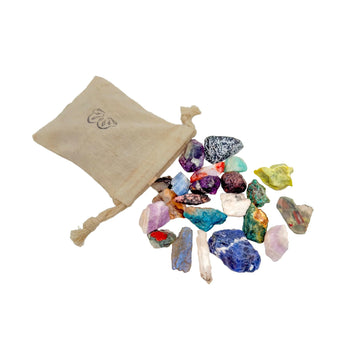
Rhodochrosite
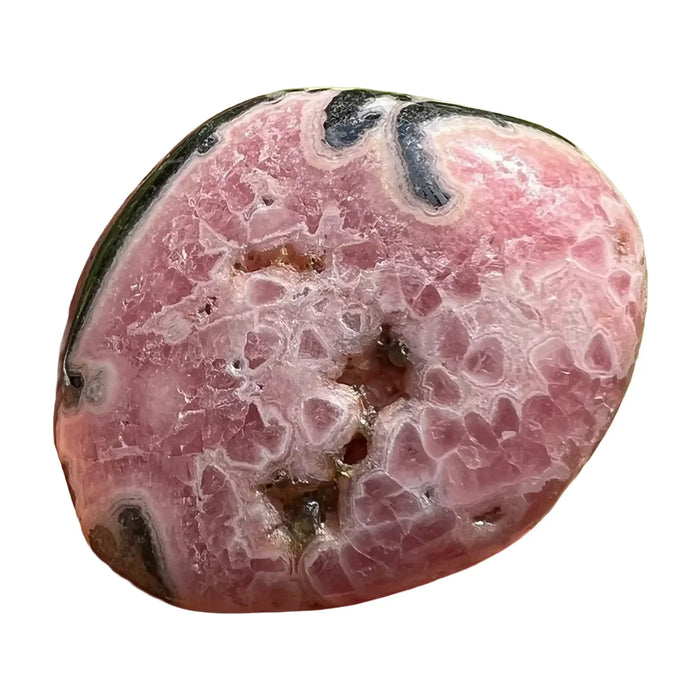
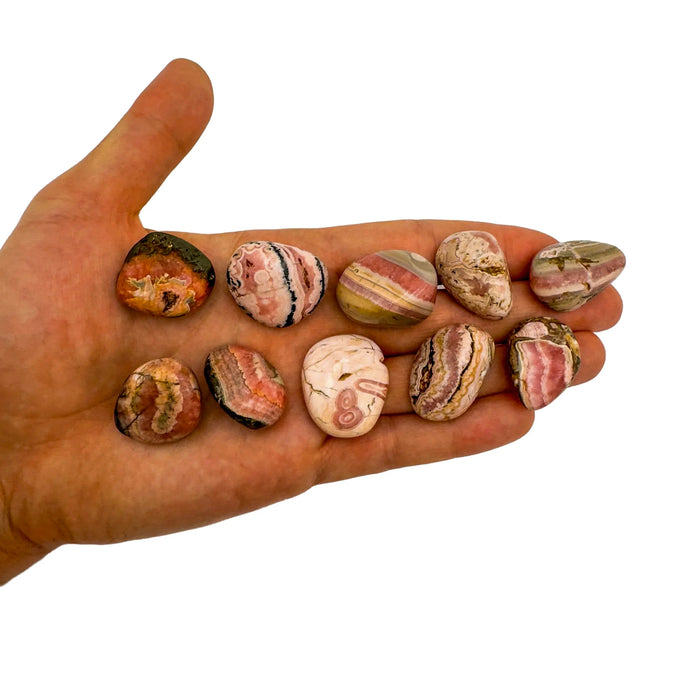
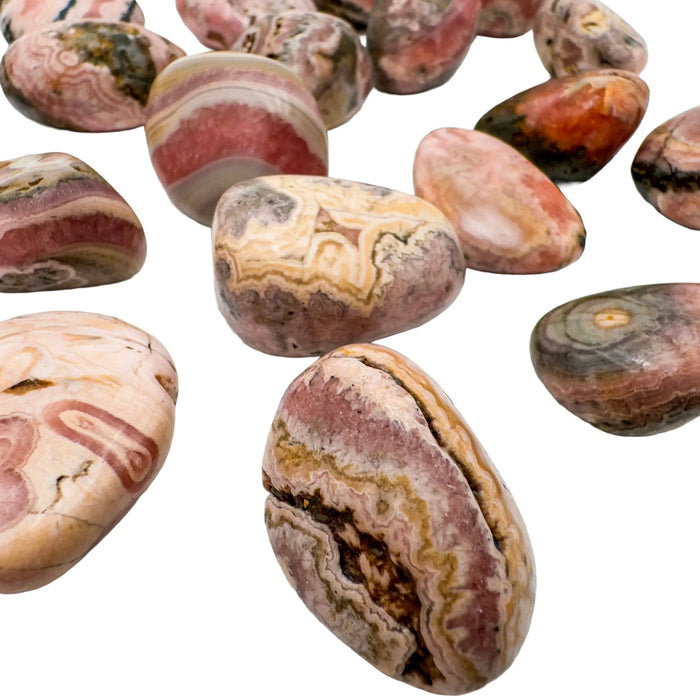
Rhodochrosite is a manganese carbonate mineral whose pink-to-rose color ranges from soft blush to near-raspberry. The classic Argentinian material shows concentric bands of pink and white. Traditionally associated with self-love, inner-child work, and the patient practice of offering yourself the same compassion you offer other people. Colorado's state mineral.
Shop rhodochrositeRhodochrosite, in stock now.
From Catamarca Province, Argentina, ready to ship.
- from 1,000+ reviews
- Ships within 72 hoursMonday to Friday, tracked
- 90 days to return itif you do not love it
- Free US shipping over $99$8.99 flat rate under
The geology.
Rhodochrosite is a manganese carbonate mineral with the chemical formula MnCO₃, belonging to the calcite group. Its pink-to-rose color comes from the manganese content. The famous Argentinian 'Inca Rose' material shows dramatic concentric pink-and-white banding, formed when Rhodochrosite precipitated slowly from mineral-rich waters in open cavities within hydrothermal ore veins. Pure crystalline Rhodochrosite from Colorado and other localities appears as transparent to translucent pink crystals, often rhombohedral.
Hardness sits at 3.5 to 4 on the Mohs scale, notably soft. Rhodochrosite scratches easily and is not suited for rings or daily-wear jewelry in unprotected settings. Perfect cleavage in three directions produces the characteristic rhombic cleavage of calcite-group minerals. The stone is also sensitive to acidic conditions because it's a carbonate.
The origins.
Argentina's Capillitas mine in Catamarca Province is the most famous source of banded Rhodochrosite, producing the concentric pink-and-white 'Inca Rose' material, which miners began collecting in the 1930s. Peru produces commercial tumbling-grade material. The United States has significant deposits: Colorado's Sweet Home mine in Alma produced some of the finest transparent crystal specimens ever found, including the Alma King specimen in the Denver Museum. South Africa, Romania, and Russia also contribute to global supply.
Each source has a clear signature. Argentinian Rhodochrosite is almost always the banded 'Inca Rose' variety in pink and white. Colorado specimens are typically translucent to transparent rhombohedral crystals, often with galena or tetrahedrite associations. Peruvian material runs to tumbled stones with softer pink color. What you'll most often see in small shops is Argentinian banded material.
Traditional associations.
Argentina's banded Rhodochrosite comes from an Andean mining district that was worked for gold in pre-Columbian times. Legend links the stone to the blood of Inca rulers, and the banded variety is sold as 'Inca Rose' (rosa del Inca), a name coined by Buenos Aires jewelers in the twentieth century. The Capillitas mine in Argentina was worked by indigenous peoples long before Spanish contact. Rhodochrosite was identified as a distinct mineral species in 1813 and received its Greek-derived name, meaning 'rose-colored.'
Many people work with Rhodochrosite for self-love, inner-child healing, and the slow release of emotional patterns held since childhood. It's most commonly associated with the Heart chakra, the elements of Water and Fire, and the zodiac signs Leo and Scorpio. The classic working is paired with a gentle self-compassion practice; the stone is traditionally considered a beginner's meditation support for heart-centered work.
Spotting the real thing.
Real Rhodochrosite shows natural pink color with subtle variation; the banded Argentinian variety displays concentric pink and white layers when cut across the grain. Under a loupe, you can sometimes see the crystalline structure of the carbonate. The stone is soft enough to scratch with a steel blade but harder than a fingernail. Specific gravity is higher than most imitations (3.4 to 3.7).
Dyed howlite shows uniform pink without natural banding. Dyed calcite is closer in chemistry but usually reads too bright or has color pooled in fractures. Rhodochrosite is sometimes confused with Rhodonite (a different mineral, silicate rather than carbonate, harder at 5.5 to 6.5, with black veining rather than white banding). Reputable sellers name the species and country of origin.
Care & handling.
Water-safe only for brief, gentle rinses with lukewarm water and a soft cloth. Skip long soaks, saltwater, ultrasonic cleaners, steam cleaners, and any acidic cleaners. Because Rhodochrosite is a carbonate, acidic water will etch the surface and damage the polish. Household cleaners with citrus or vinegar are particularly bad.
Cleanse energetically with moonlight, sound, smoke, or by placing on selenite overnight. Never use salt, citrus, or any acidic cleansing method. At 3.5 to 4 on the Mohs scale, Rhodochrosite is genuinely soft. Store in a small pouch on its own and handle gently. Keep out of direct sunlight for long-term display.
Pairs well with.
Proof, not promises.
We measure our own sourcing across five dimensions. Supply chain, environmental footprint, artisan support, market integrity, and pricing. The number is honest, not perfect. Where we can do better, we say so.
A deeper look.
Extended geology, sourcing, authentication, history, varieties, and pricing, for when the quick guide isn't quite enough.
Extended geology
Rhodochrosite is a manganese carbonate with formula MnCO₃, in the calcite group. It crystallizes in the trigonal system with characteristic rhombohedral crystal habit. The pink color comes from Mn²⁺ in the carbonate structure. Iron and calcium can substitute for manganese, which affects color (more iron produces browner tones; more calcium produces paler pink).
Specific gravity 3.5 to 3.7. Mohs hardness 3.5 to 4. Perfect cleavage in three directions producing rhombic cleavage planes. Fracture uneven to conchoidal. Luster vitreous to pearly. The banded Argentinian 'Inca Rose' variety forms as stalactites in open cavities within hydrothermal ore veins, with concentric layers built up over repeated episodes of mineral deposition.
Extended sourcing
Argentina's Capillitas mine in Catamarca Province is the classical source of banded 'Inca Rose' Rhodochrosite. The mine has been worked since pre-Columbian times, and most commercial small-shop Rhodochrosite in banded form comes from this single locality. Peruvian material (primarily from the Pasto Bueno area) provides commercial tumbling-grade stones.
Colorado's Sweet Home mine in Alma is the world's finest source of transparent crystalline Rhodochrosite. The mine has produced celebrated specimens including the Alma King (on display at the Denver Museum of Nature and Science), with the material reaching very high collector prices. The mine operated primarily for silver but produced Rhodochrosite as an associated mineral. Other sources include South Africa (Kalahari), Romania, Russia, and Bulgaria.
Authentication and warning signs
The banded pattern of Argentinian Rhodochrosite is genuinely distinctive. Real banded 'Inca Rose' shows concentric layers with irregular thickness and subtle color variation within each band. Under magnification, the crystalline structure of the carbonate is visible. Transparent crystals from Colorado have classic rhombohedral shapes.
Dyed howlite and dyed calcite imitations show uniform pink or simulated banding that's too regular. A hardness test separates most imitations (Rhodochrosite will scratch with a steel blade, so anything that won't is harder and not Rhodochrosite; but howlite is softer still). Rhodonite confusion is the more common mistake, since the names are similar; the difference is carbonate vs. silicate and black veining (Rhodonite) vs. white banding (Rhodochrosite).
Historical and cultural context
Inca miners worked placer gold at Capillitas before Spanish contact, but the banded Rhodochrosite was set aside as worthless until the 1930s. A popular legend says the stone carries the blood of ancient rulers, and the banded variety received the name 'rosa del Inca' (Inca Rose) from Buenos Aires jewelers in the twentieth century.
The mineral was formally identified and named in 1813 by German mineralogist Johann Hausmann, who derived the name from Greek rhodokhros (rose-colored). Colorado declared Rhodochrosite its state mineral in 2002, reflecting the significance of the Sweet Home mine specimens. In contemporary practice, Rhodochrosite is grouped with heart-centered stones, particularly for inner-child work and self-love.
Varieties and trade names
Banded Rhodochrosite (Inca Rose, Rosa del Inca): the Argentinian concentric-banded variety.
Gem Rhodochrosite: transparent pink crystals, usually from Colorado.
Rhodochrosite Stalactite Slices: cross-sections of stalactites that grew in open cavities within ore veins, showing dramatic banding.
Alma Rose: trade name for Colorado crystalline material.
Pricing reality
Tumbled Rhodochrosite: 4 to 15 dollars per piece. Small banded slices and carved shapes: 10 to 60 dollars. Larger banded specimens and spheres: 40 to 300 dollars. Fine Argentinian stalactite slices with strong banding: 100 to 1,000 dollars. Colorado crystal specimens: 300 to tens of thousands of dollars for fine Sweet Home material.
Value drivers: depth and saturation of pink, quality and clarity of banding (for Argentinian), crystal formation (for Colorado), absence of chips or damage, clean polish, and documented origin. Warning signs: 'Rhodochrosite' that looks identical to other pink stones (often mislabeled Rhodonite), suspiciously cheap 'Inca Rose,' or no origin offered for higher-priced pieces.
Good sourcing is a practice, not a claim.
Nothing we sell is dyed howlite, dyed calcite, or Rhodonite mislabeled as Rhodochrosite. We name our origins where we can. We say so when we cannot. We walk away from material that doesn't meet our standard, even when it costs us sales.
Bring rhodochrosite home.
Collector pieces are photographed individually, and you receive the exact piece shown. Batch stones are sold by the piece or by the pound from the lot pictured, with the same origin and treatment notes on every product page.
Shop the rhodochrosite collectionGrounded Connections
New Rhodochrosite pieces go to the list first.
No forwarding, no selling. Unsubscribe in one click. Privacy