


 Agatefor stress relief
 Amazonitefor stress relief
 Aquamarinefor serenity
 Aventurinefor luck
 Bloodstonefor energy
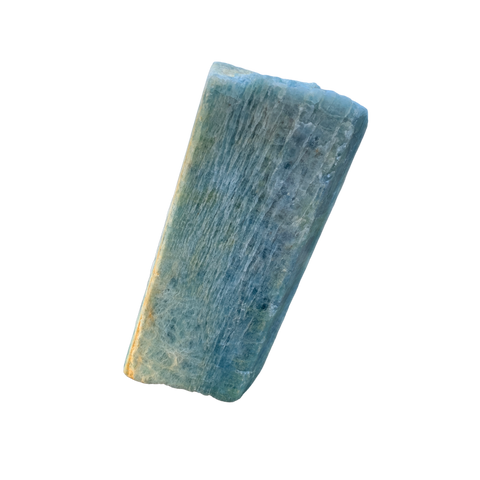
 Blue Kyanitefor confidence
 Blue Lace Agatefor stress relief
 Chrysocollafor emotional healing
 Fluoritefor focus
 Garnetfor energy
 Lepidolitefor stress relief
 Malachitefor emotional healing
 Moonstonefor grounding
 Obsidianfor protection
 Ocean Jasperfor emotional healing
 Red Jasperfor grounding
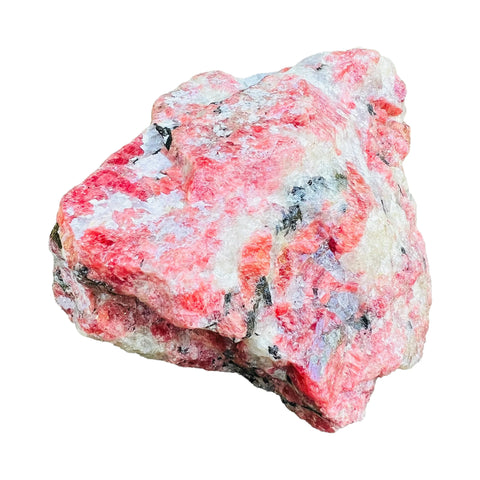
 Rhodonitefor emotional healing
 Selenitefor cleansing
 Sodalitefor focus
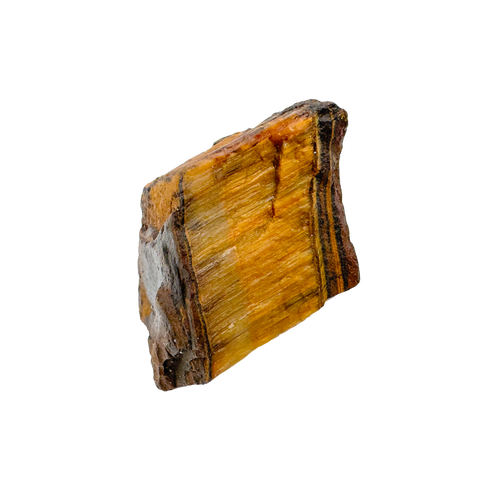
 Tiger Eyefor confidence


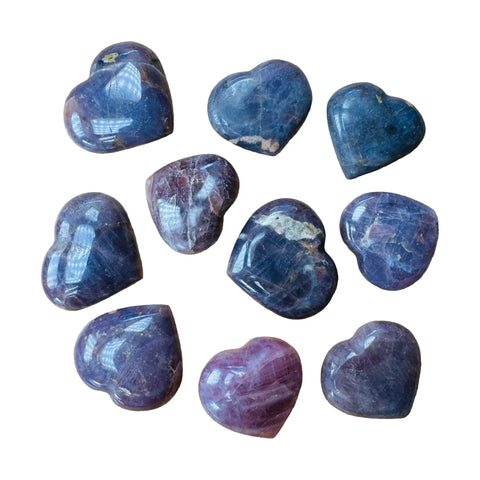
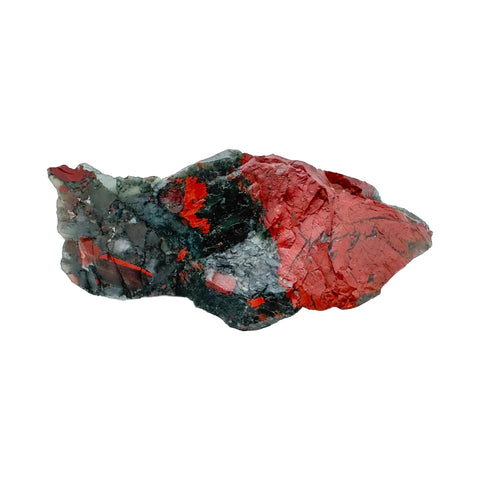
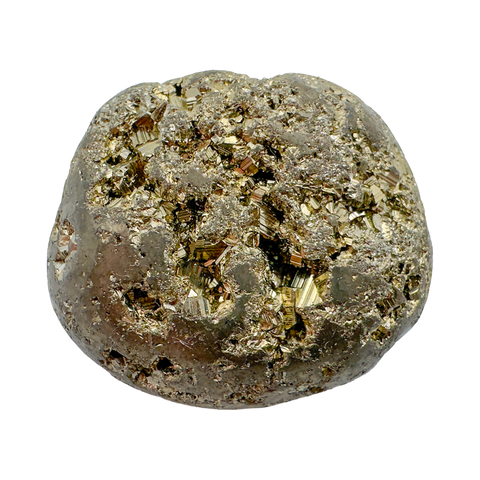
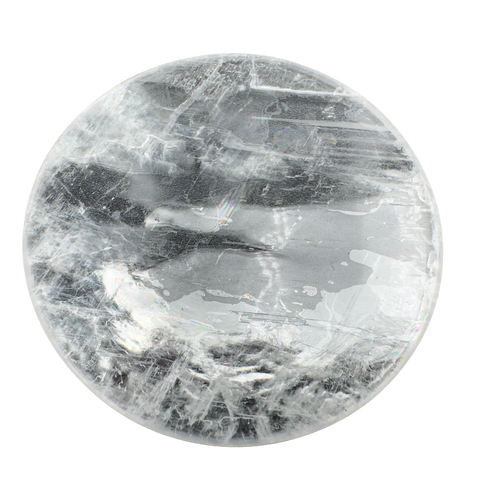


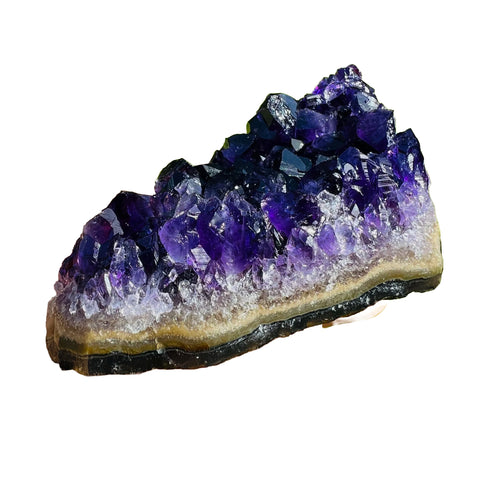





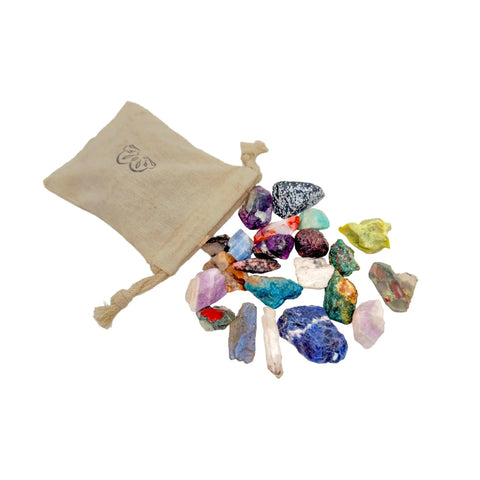
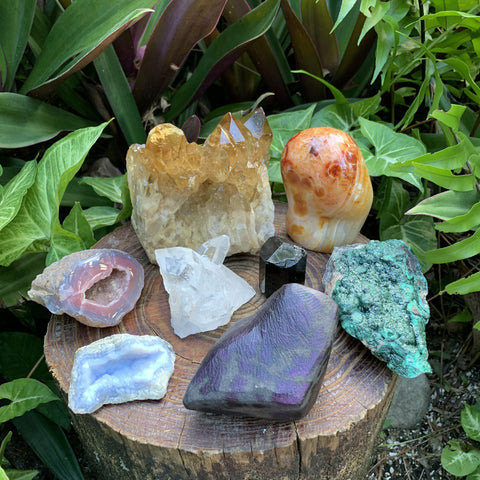
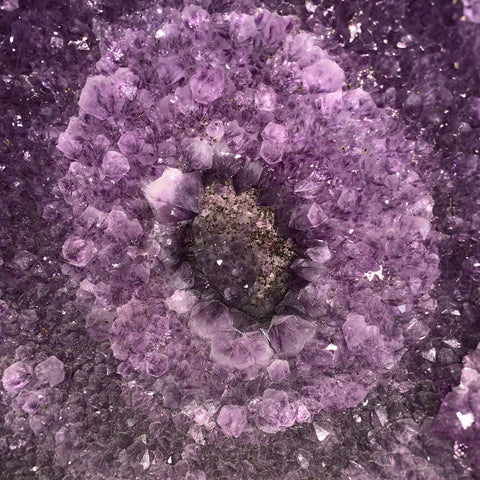
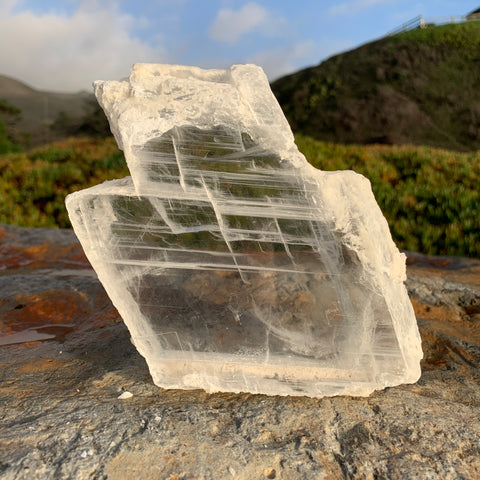
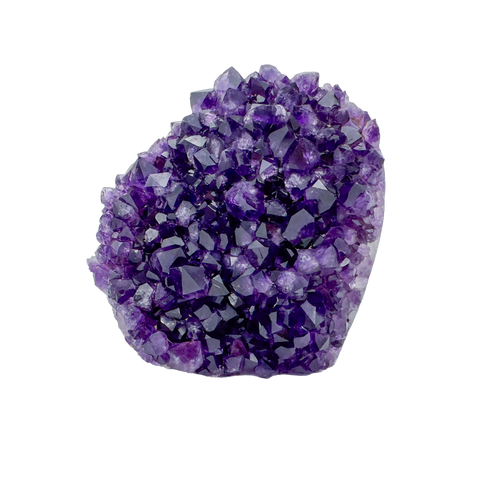
 Amethyst
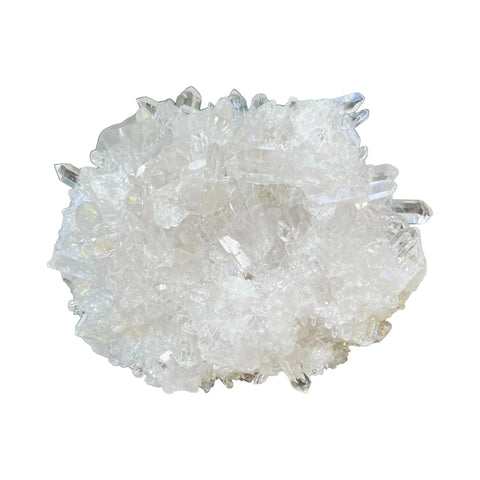
 Clear Quartz
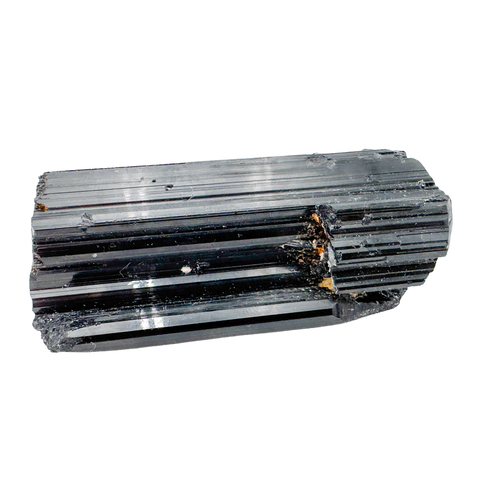
 Black Tourmaline
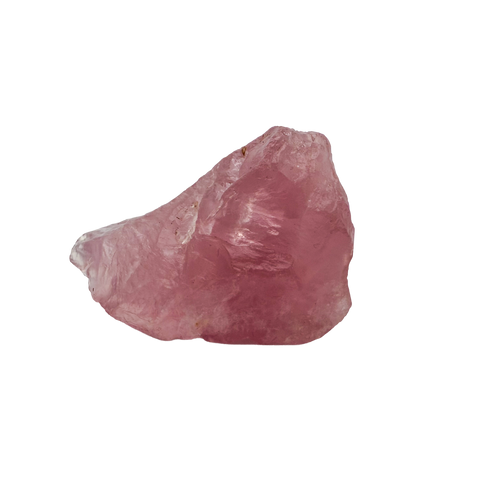
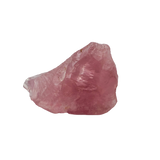 Rose Quartz
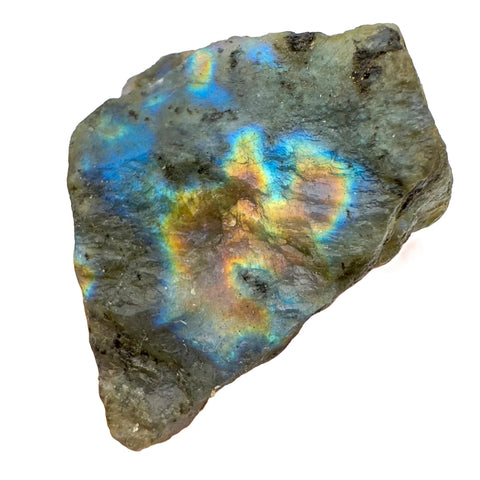
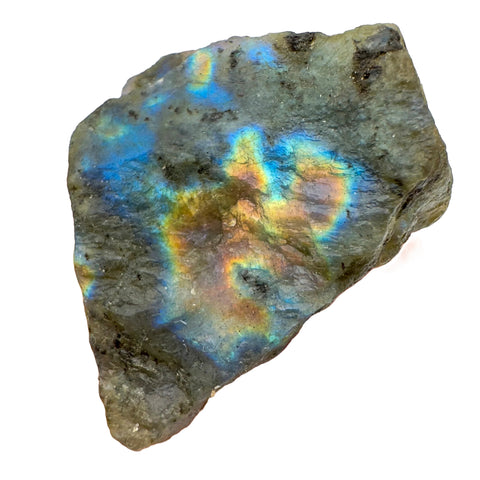
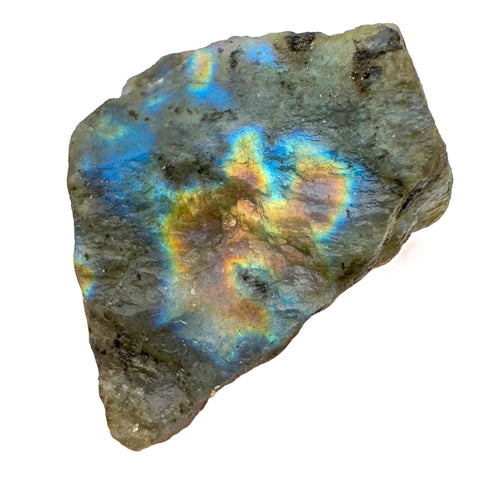
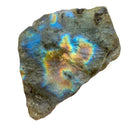 Labradorite
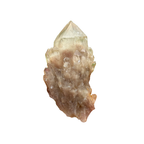 Natural Citrine
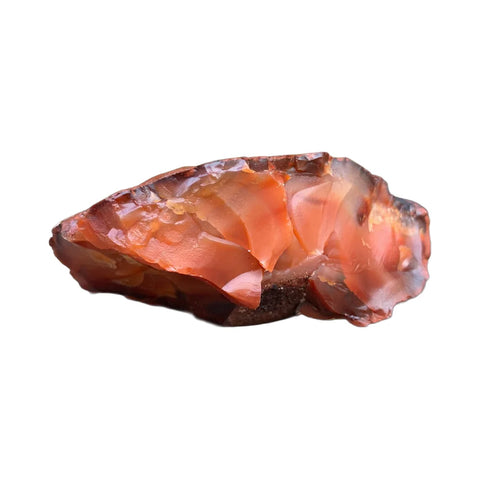
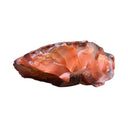 Carnelian
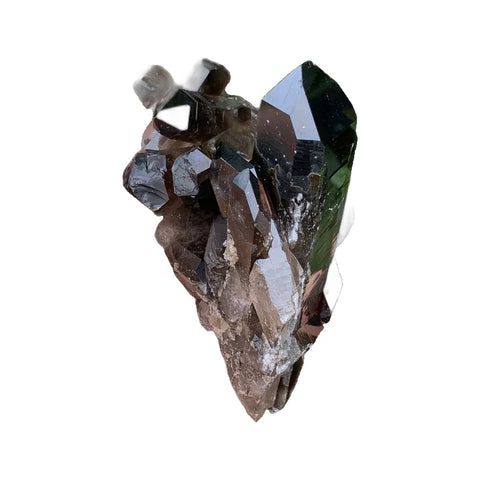
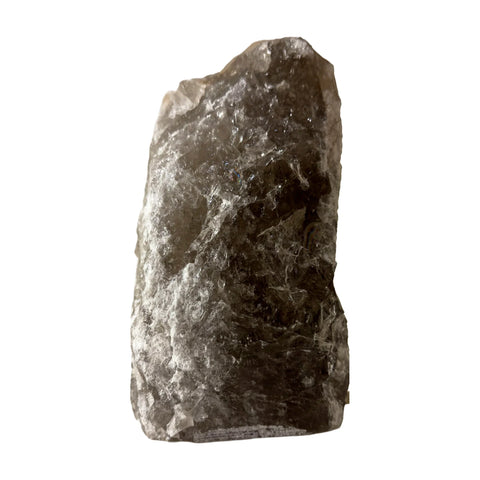
 Smoky Quartz
 Aventurine
 Sodalite
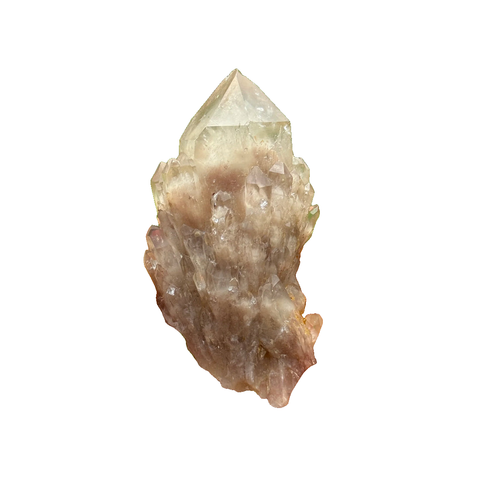
 Ametrine
 Golden Healer
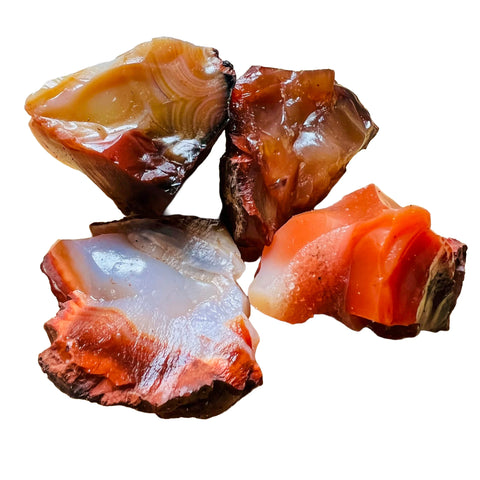
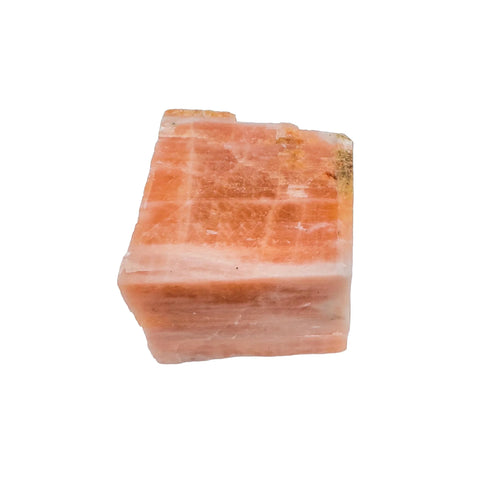
 Raw Stones
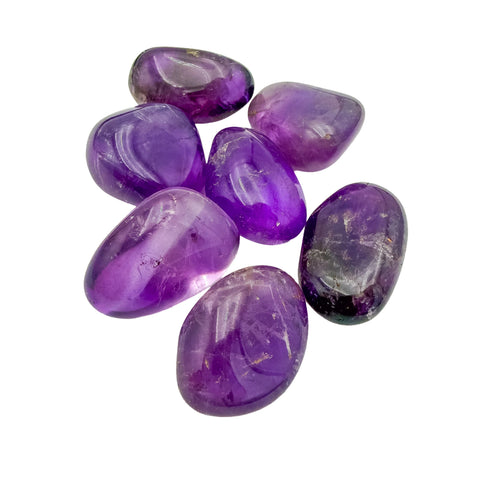
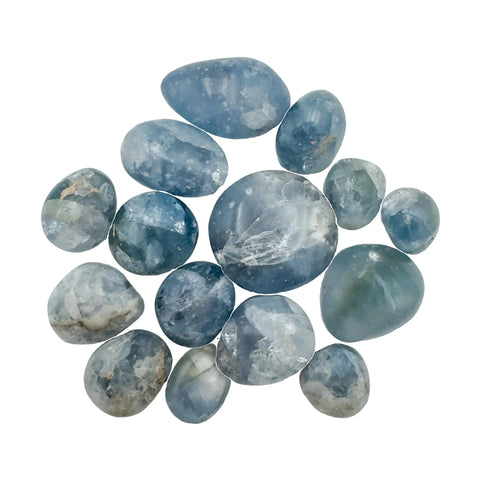
 Tumbled Stones
 Palm Stones
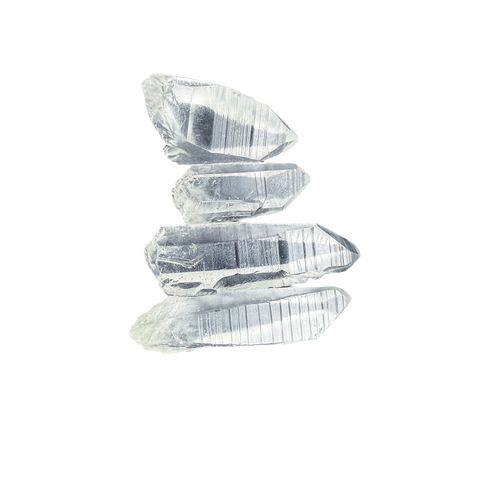
 Crystal Points
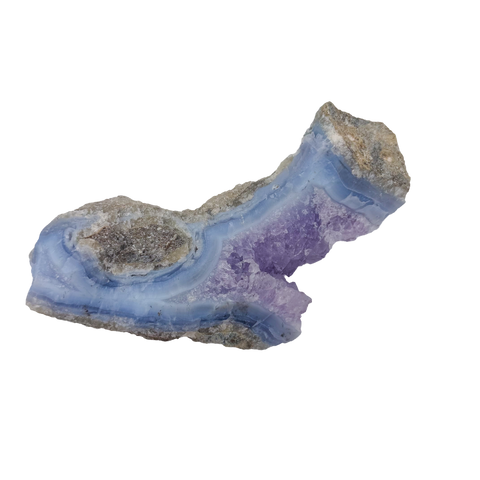
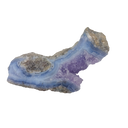 Clusters & Geodes
 Polished & Decor
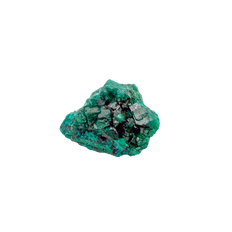 Mineral Specimens
 Crystal Chips
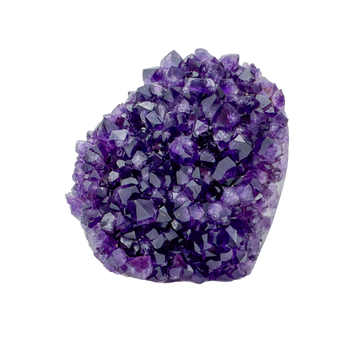
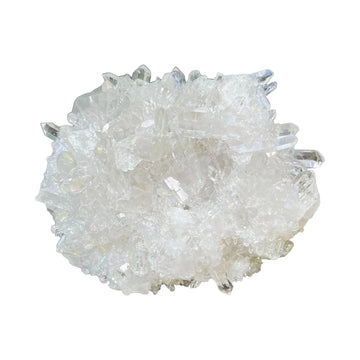
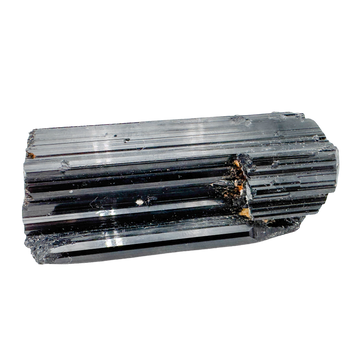
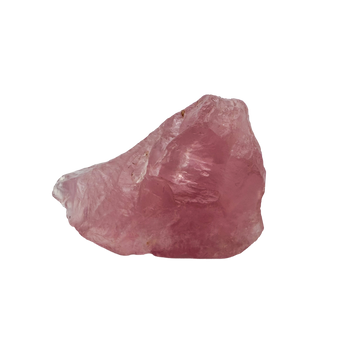
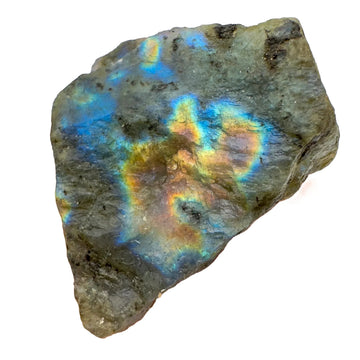
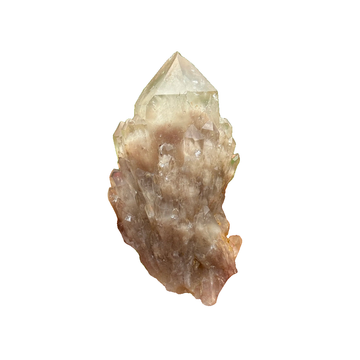
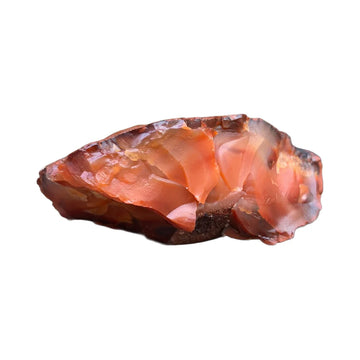
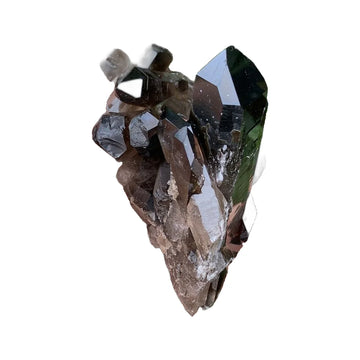
 Raw Stones
179 to choose from
Raw Stones
179 to choose from
 Tumbled Stones
162 to choose from
Tumbled Stones
162 to choose from
 Palm Stones
25 to choose from
Palm Stones
25 to choose from
 Crystal Points
23 to choose from
Crystal Points
23 to choose from
 Clusters & Geodes
103 to choose from
Clusters & Geodes
103 to choose from
 Polished & Decor
148 to choose from
Polished & Decor
148 to choose from
 Mineral Specimens
257 to choose from
Mineral Specimens
257 to choose from
 Crystal Chips
21 to choose from
Crystal Chips
21 to choose from


 AngolaAquamarine
›
AngolaAquamarine
›
 BotswanaCarnelian, Tree Agate
›
BotswanaCarnelian, Tree Agate
›
 DR CongoMalachite, Natural Citrine
›
DR CongoMalachite, Natural Citrine
›
 EswatiniBloodstone
›
EswatiniBloodstone
›
 MadagascarLabradorite, Clear Quartz
›
MadagascarLabradorite, Clear Quartz
›
 MalawiBlue Lace Agate, Garnet
›
MalawiBlue Lace Agate, Garnet
›
 MozambiqueAmazonite
›
MozambiqueAmazonite
›
 NamibiaSodalite, Blue Lace Agate
›
NamibiaSodalite, Blue Lace Agate
›
 Republic of the CongoDioptase
›
Republic of the CongoDioptase
›
 South AfricaTiger Eye, Unakite
›
South AfricaTiger Eye, Unakite
›
 ZambiaChevron Amethyst
›
ZambiaChevron Amethyst
›
 ZimbabweEmerald, Rhodonite
›
ZimbabweEmerald, Rhodonite
›
 ArgentinaBlack Obsidian, Rhodochrosite
›
ArgentinaBlack Obsidian, Rhodochrosite
›
 BoliviaAmetrine
›
BoliviaAmetrine
›
 BrazilAmethyst, Clear Quartz
›
BrazilAmethyst, Clear Quartz
›
 PeruSerpentine, Jade
›
PeruSerpentine, Jade
›
 UruguayAmethyst
›
UruguayAmethyst
›
 Dominican RepublicLarimar
›
Dominican RepublicLarimar
›
 MexicoRainbow Obsidian, Crazy Lace Agate
›
MexicoRainbow Obsidian, Crazy Lace Agate
›
 United StatesSelenite, Peridot
›
United StatesSelenite, Peridot
›
 ChinaFluorite
›
ChinaFluorite
›
 RussiaShungite
›
RussiaShungite
›
 AustraliaMookaite
›
AustraliaMookaite
›
 Where our crystals come from
See where we source →
Where our crystals come from
See where we source →


 Aries
Mar 21 to Apr 19
Carnelian
›
Aries
Mar 21 to Apr 19
Carnelian
›
 Taurus
Apr 20 to May 20
Rose Quartz
›
Taurus
Apr 20 to May 20
Rose Quartz
›
 Gemini
May 21 to Jun 20
Agate
›
Gemini
May 21 to Jun 20
Agate
›
 Cancer
Jun 21 to Jul 22
Moonstone
›
Cancer
Jun 21 to Jul 22
Moonstone
›
 Leo
Jul 23 to Aug 22
Citrine
›
Leo
Jul 23 to Aug 22
Citrine
›
 Virgo
Aug 23 to Sep 22
Amazonite
›
Virgo
Aug 23 to Sep 22
Amazonite
›
 Libra
Sep 23 to Oct 22
Blue Lace Agate
›
Libra
Sep 23 to Oct 22
Blue Lace Agate
›
 Scorpio
Oct 23 to Nov 21
Obsidian
›
Scorpio
Oct 23 to Nov 21
Obsidian
›
 Sagittarius
Nov 22 to Dec 21
Sodalite
›
Sagittarius
Nov 22 to Dec 21
Sodalite
›
 Capricorn
Dec 22 to Jan 19
Black Tourmaline
›
Capricorn
Dec 22 to Jan 19
Black Tourmaline
›
 Aquarius
Jan 20 to Feb 18
Amethyst
›
Aquarius
Jan 20 to Feb 18
Amethyst
›
 Pisces
Feb 19 to Mar 20
Aquamarine
›
Gifting?
A birthday stone is the safe bet.
Read the zodiac guide →
Pisces
Feb 19 to Mar 20
Aquamarine
›
Gifting?
A birthday stone is the safe bet.
Read the zodiac guide →


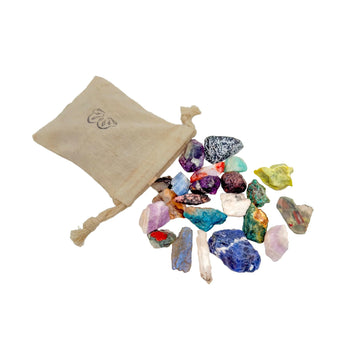
Morganite
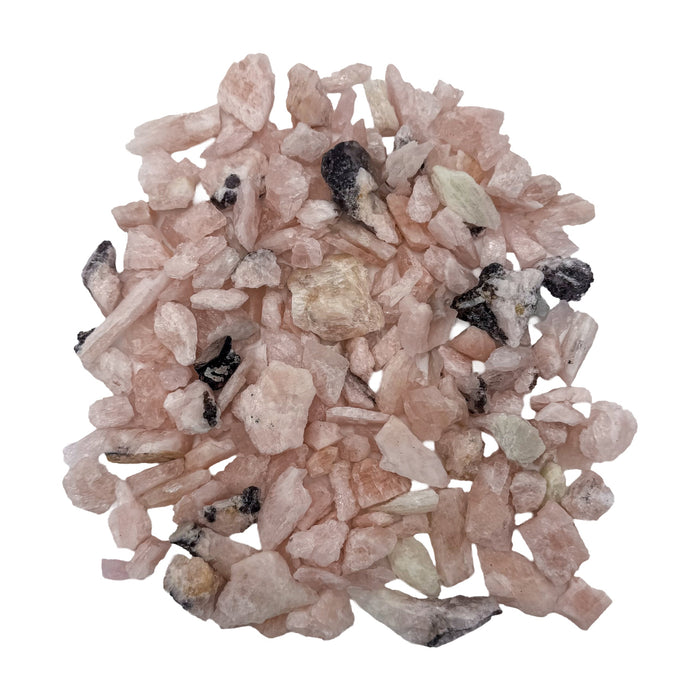
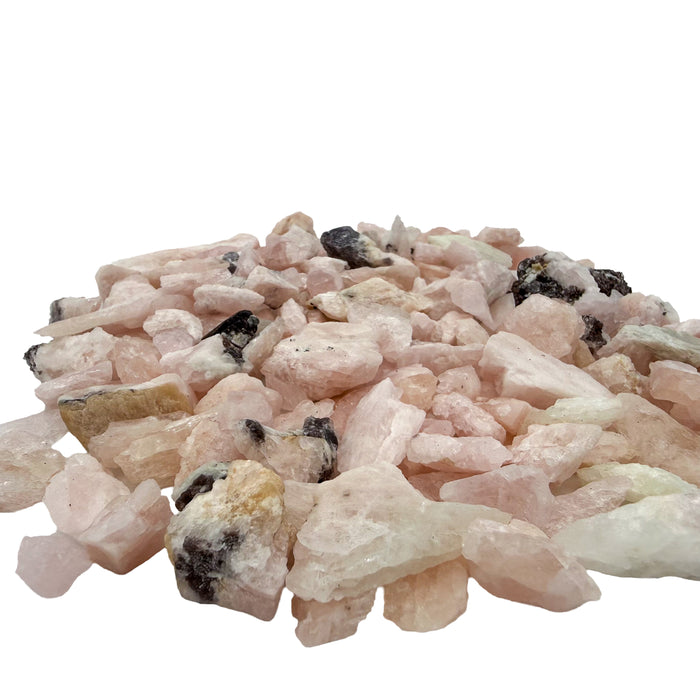
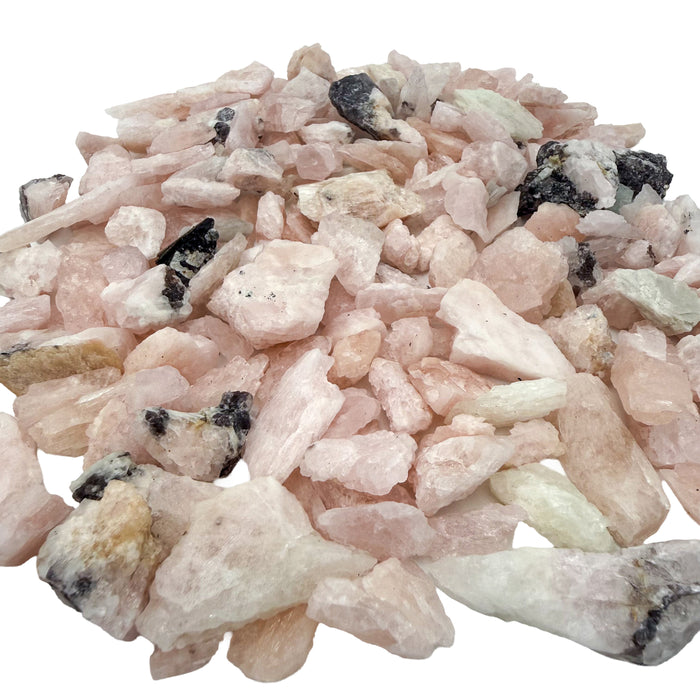
Morganite is the pink variety of beryl, the same mineral family that produces Emerald and Aquamarine. The color runs from pale peach to delicate rose, shaped by trace manganese substituting into the beryllium aluminum silicate lattice. Named in 1910 for financier J. P. Morgan, it entered the jewelry trade as a precious gem and has since found a place in the crystal market. Traditionally associated with the heart chakra, compassionate love, and the kind of quiet emotional strength that doesn't need to announce itself.
Shop morganiteMorganite, in stock now.
From Minas Gerais, Brazil, ready to ship.
- from 1,000+ reviews
- Ships within 72 hoursMonday to Friday, tracked
- 90 days to return itif you do not love it
- Free US shipping over $99$8.99 flat rate under
The geology.
Morganite is a beryllium aluminum silicate, Be₃Al₂Si₆O₁₈, placing it in the beryl family alongside Emerald (green from chromium), Aquamarine (blue from iron), Heliodor (yellow from iron and uranium), and Goshenite (colorless). The pink to peach color in Morganite comes from trace manganese (Mn²⁺) substituting into the beryl lattice. Cesium and other alkali elements occasionally appear, and higher manganese content correlates with deeper pink saturation.
Hardness runs 7.5 to 8 on the Mohs scale, durable enough for any jewelry setting including rings subjected to daily wear. The crystal system is hexagonal, and well-formed crystals typically show the characteristic six-sided prism with flat terminations common to beryl. Specific gravity 2.6 to 2.9. Most Morganite on the market is facet-grade or lapidary rough; tumbled crystal market pieces are less common than in softer and more abundant stones.
The origins.
Morganite was first identified at Pala, California in the early 1900s, and the stone is still occasionally mined there, though not commercially significant today. The major commercial sources are Brazil (Minas Gerais state, particularly the pegmatite belts around Governador Valadares and Araçuaí), Madagascar (the central and southern pegmatite fields), Afghanistan, Pakistan, and Mozambique. Smaller occurrences are documented in Namibia, Russia, and Zimbabwe.
Brazil supplies most of the commercial raw and lapidary Morganite in the crystal market, typically as cleaved crystal sections, facet-grade rough, and lower-grade chips from pegmatite mining operations. Madagascar produces some of the deepest pink material, often commanding premium prices. Afghanistan and Pakistan produce gem-quality crystals from specific pegmatite districts. The trade is well-established, though provenance documentation varies widely across supply chains.
Traditional associations.
Morganite entered the metaphysical market relatively late, following its formal naming in 1910. Because it's a newer addition to contemporary crystal culture, its working associations are modern rather than inherited from ancient tradition. Most practices cast it as a heart-centered stone, softer and gentler than Rose Quartz, emphasizing emotional resilience, compassionate boundaries, and the repair of heartbreak without bitterness.
Contemporary practice commonly associates Morganite with the Heart and Higher Heart (thymus) chakras, the element of Water, and the astrological signs Taurus, Libra, and Pisces. Many people work with it during grief, relationship repair, or when they want to hold softness without collapsing into fragility. It's often paired with Rose Quartz for expansive heart work or with Kunzite for more active emotional processing.
Spotting the real thing.
Real Morganite shows the six-sided hexagonal crystal habit of beryl, good transparency in gem-grade pieces, and a pink to peach color that can appear subtly different under incandescent versus daylight (a property called color zoning or pleochroism). Hardness 7.5 to 8 will scratch glass and topaz. Specific gravity 2.6 to 2.9 places it noticeably denser than glass.
Common imitations include pink glass, pink synthetic spinel, pink topaz, and dyed pink quartz. Glass lacks the density and specific gravity, pink synthetic spinel has different optical properties under magnification, and dyed quartz will show color concentrations along fractures or surface pores. For jewelry-grade stones, a reputable jeweler can identify Morganite under a refractometer in seconds. For raw crystal market pieces, hexagonal crystal habit and consistent internal color distribution are strong indicators.
Care & handling.
Water safe for cleaning with warm water and a soft brush or cloth. Avoid prolonged ultrasonic and steam cleaning on stones with visible inclusions or fractures. Stable under sunlight in normal exposure, though very prolonged intense sun can fade some heat-treated Morganite over years.
Cleanse energetically with moonlight, sound, smoke, or by placing on selenite overnight. At 7.5 to 8 on the Mohs scale, Morganite is durable for daily jewelry wear. Store in a soft pouch away from harder stones (diamond, sapphire, ruby) to preserve polish.
Pairs well with.
Proof, not promises.
We measure our own sourcing across five dimensions. Supply chain, environmental footprint, artisan support, market integrity, and pricing. The number is honest, not perfect. Where we can do better, we say so.
A deeper look.
Extended geology, sourcing, authentication, history, varieties, and pricing, for when the quick guide isn't quite enough.
Extended geology
Morganite forms in granitic pegmatites, coarse-grained igneous rocks that crystallize from the last, most volatile-rich fraction of cooling magma. Pegmatites concentrate rare elements (beryllium, lithium, cesium, tantalum) into crystals large enough to mine commercially. Morganite typically coexists with Tourmaline, Lepidolite, Spodumene (including Kunzite), and other beryl varieties in the same pegmatite pockets.
Specific gravity 2.6 to 2.9. Mohs hardness 7.5 to 8. Luster vitreous. Refractive index 1.577 to 1.583. Pleochroism is typically weak but visible in well-oriented crystals, shifting between pale pink and deeper rose. The crystal habit is typically the classic beryl hexagonal prism, though tabular and stubby forms also occur. Twinning is rare.
Extended sourcing
Brazilian pegmatites in Minas Gerais produce the largest commercial volume of Morganite, particularly from the Governador Valadares and Araçuaí regions. These operations range from small-scale artisanal mining to mid-sized commercial pegmatite extraction. The stones pass through cutting and lapidary workshops in Brazil before export, though raw and facet-grade rough also ship directly to international buyers.
Madagascar's pegmatite fields in the Anjanabonoina, Ambatondrazaka, and Fianarantsoa regions produce Morganite of variable quality, with some deposits yielding exceptionally deep pink material. Afghanistan's Nuristan and Kunar province pegmatites produce smaller but high-quality crystals, as do the Shigar and Skardu districts of Pakistan's Gilgit-Baltistan. Each locality produces material with subtle color and inclusion signatures that experienced dealers can identify.
Authentication and warning signs
Genuine Morganite shows hexagonal crystal habit in specimen pieces, vitreous luster, and color zoning that's natural rather than surface-only. Gem-quality pieces have the refractive index and specific gravity of beryl (distinctly different from quartz, glass, or spinel). A professional refractometer test is definitive. For consumers, hardness testing with a quartz scratch and visual inspection for surface color pooling (a sign of dyeing) catches the worst imitations.
Common deceptions: dyed quartz sold as Morganite, pink glass beads sold as morganite cabochons, and synthetic pink spinel sold as facet-grade Morganite. Heat treatment is harder to detect and widely accepted, but reputable sellers disclose it. Cesium-bearing Morganite is rare and premium priced; pieces claiming cesium content without documentation should be approached skeptically.
Historical and cultural context
Morganite's formal history begins in 1910, when gemologist George Frederick Kunz (the same person the mineral Kunzite is named for) proposed the name in honor of banker and mineral collector J. P. Morgan. Kunz, working for Tiffany and Co. at the time, had identified the pink variety as distinct enough from other beryls to merit its own name. Before 1910, pink beryl was typically lumped in with other colored beryls or called pink emerald in the jewelry trade.
Because Morganite lacks the centuries-long tradition of stones like Obsidian, Amethyst, or Malachite, its metaphysical associations are entirely modern. Contemporary crystal culture has assigned it heart-centered working associations, often placing it as a softer companion to Rose Quartz in heart-chakra work. The 2010s saw Morganite surge in popularity as an engagement ring stone, particularly in rose gold settings, which has driven up prices for gem-quality rough.
Varieties and trade names
Morganite: the formal mineralogical name, covering all pink to peach beryl.
Pink Beryl: older name still occasionally used in the trade, typically for lower-grade material.
Peach Morganite: trade description for the paler, more orange-toned variety.
Rose Morganite: trade description for saturated pink material, often heat-treated.
Cesium-rich Morganite: premium specialty material with distinct color and crystallography.
Pricing reality
Raw Morganite crystal chunks: 15 to 80 dollars per small piece, with pegmatite-fresh specimens commanding more. Tumbled Morganite (rare in the market): 8 to 40 dollars per piece. Facet-grade rough and cut stones: 40 to 400 dollars per carat depending on color, clarity, and origin. Large gem-quality facet stones exceed 1,000 dollars per carat for top-color material.
Value drivers: color saturation, clarity, size, and documented origin. Warning signs: suspiciously uniform deep pink at low prices (likely dyed quartz or glass), missing treatment disclosure on gem-grade material, and generic pink-beryl labels on material claimed as premium Morganite.
Good sourcing is a practice, not a claim.
Nothing we sell is dyed quartz or pink glass sold as Morganite. We source from Brazilian pegmatite operations with documented origin and disclose heat treatment status where we can confirm it, even when it affects our pricing.
Bring morganite home.
Every piece we carry is photographed individually and listed with its own origin and treatment notes. What you see is what ships.
Shop the morganite collectionGrounded Connections
New stones go to the list first.
No forwarding, no selling. Unsubscribe in one click. Privacy