


 Agatefor stress relief
 Amazonitefor stress relief
 Aquamarinefor serenity
 Aventurinefor luck
 Bloodstonefor energy
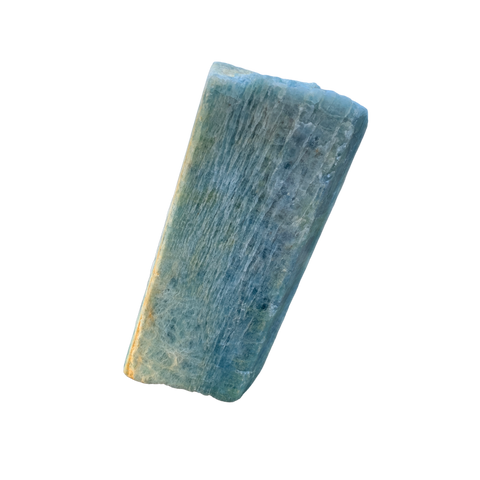
 Blue Kyanitefor confidence
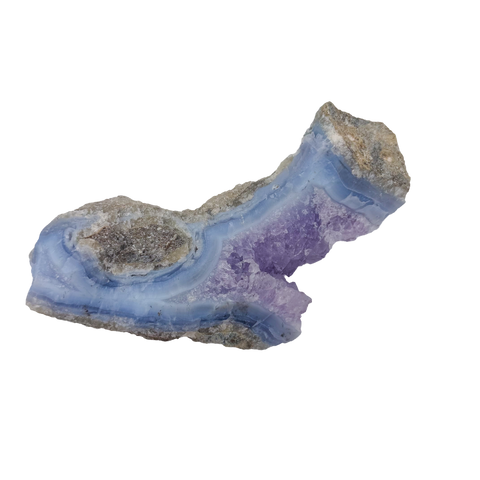
 Blue Lace Agatefor stress relief
 Chrysocollafor emotional healing
 Fluoritefor focus
 Garnetfor energy
 Lepidolitefor stress relief
 Malachitefor emotional healing
 Moonstonefor grounding
 Obsidianfor protection
 Ocean Jasperfor emotional healing
 Red Jasperfor grounding
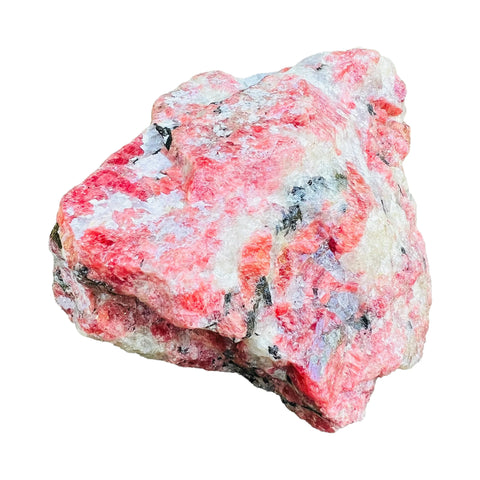
 Rhodonitefor emotional healing
 Selenitefor cleansing
 Sodalitefor focus
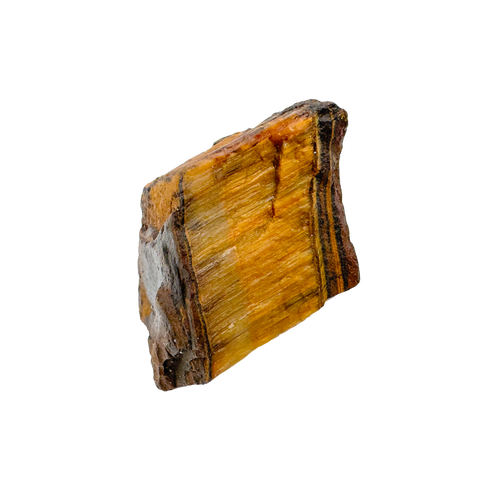
 Tiger Eyefor confidence
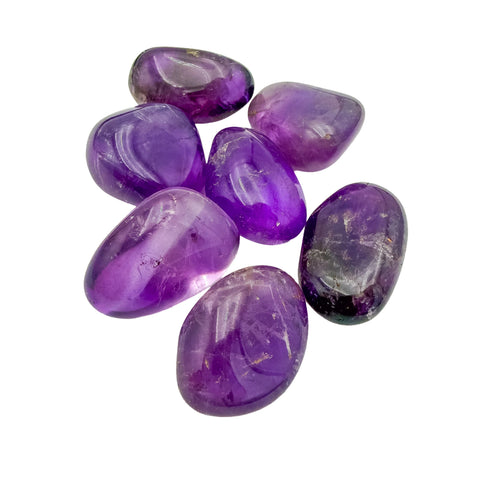


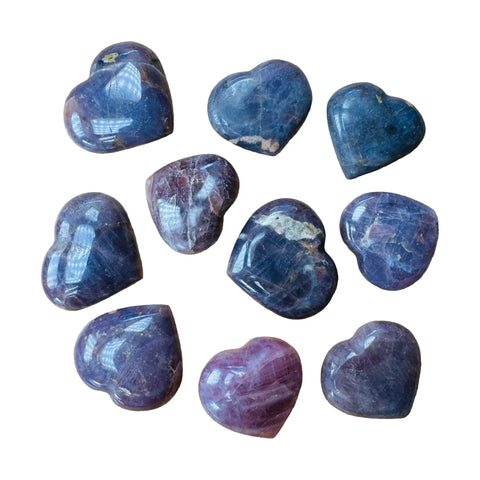
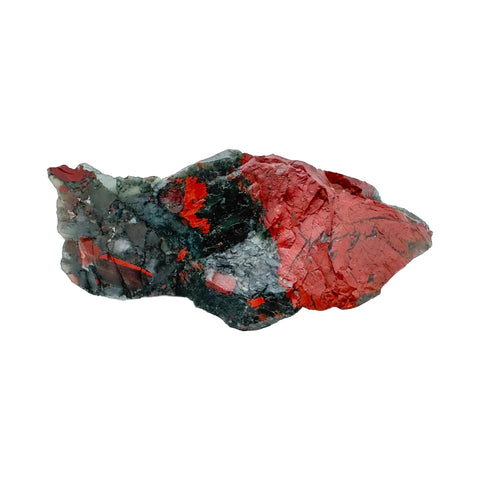
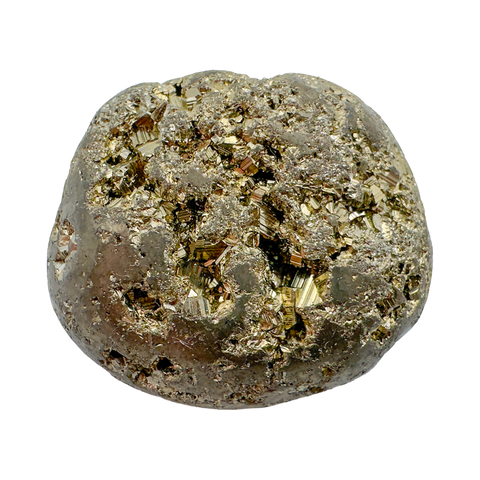
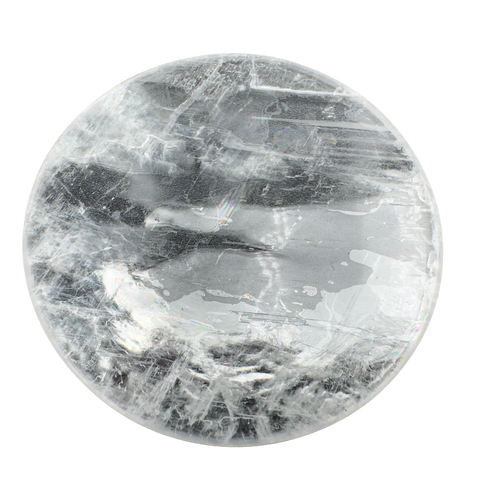


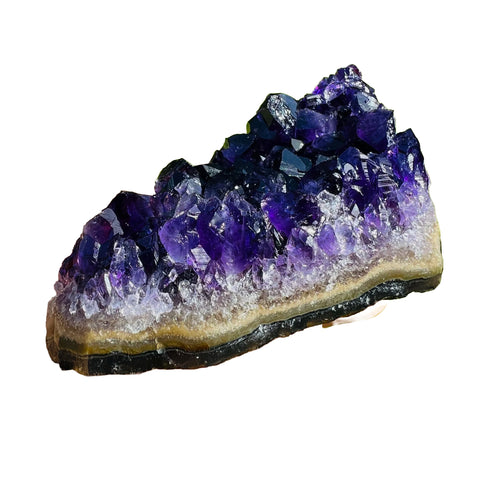





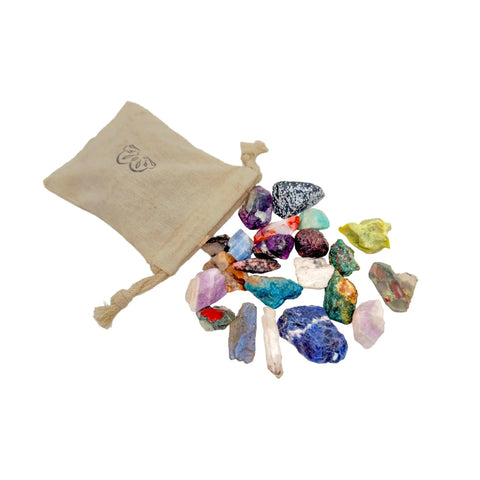
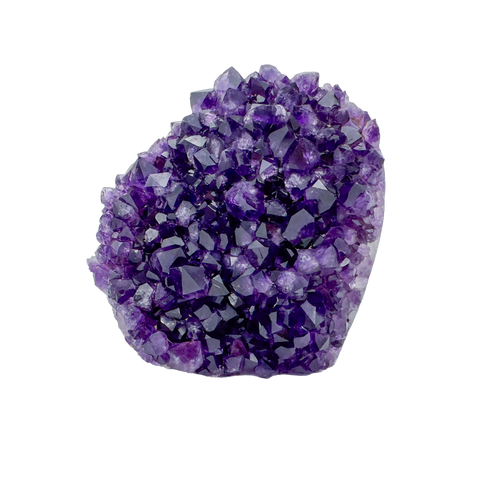
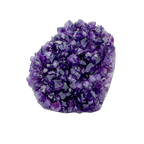 Amethyst
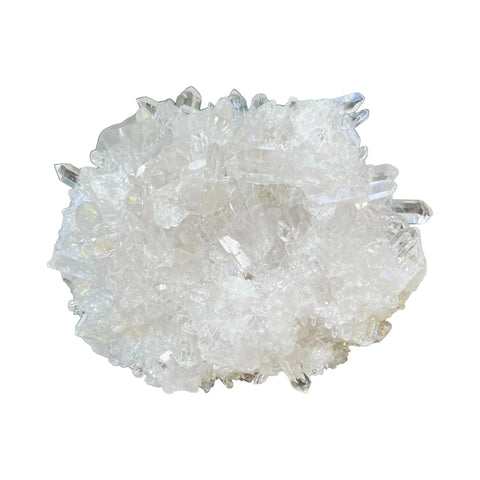
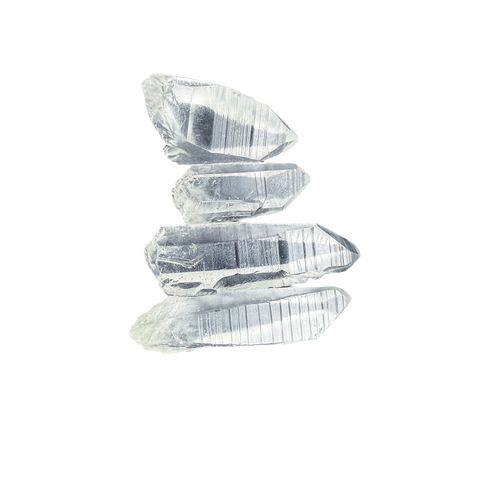
 Clear Quartz
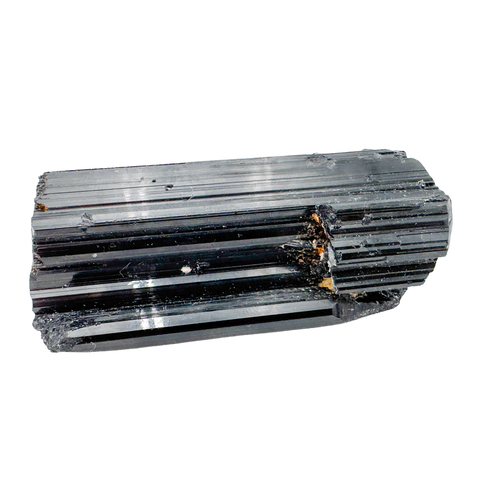
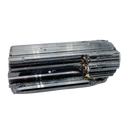 Black Tourmaline
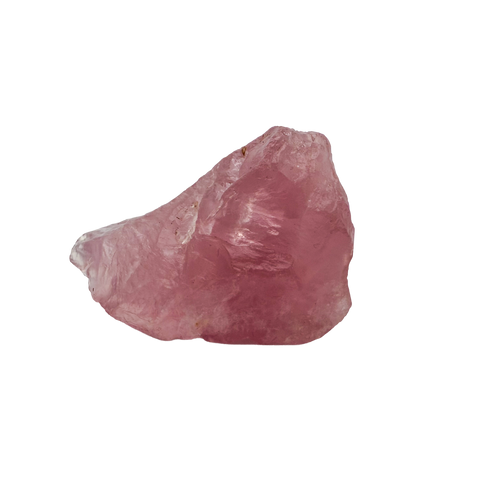
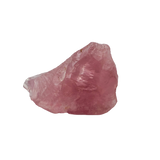 Rose Quartz
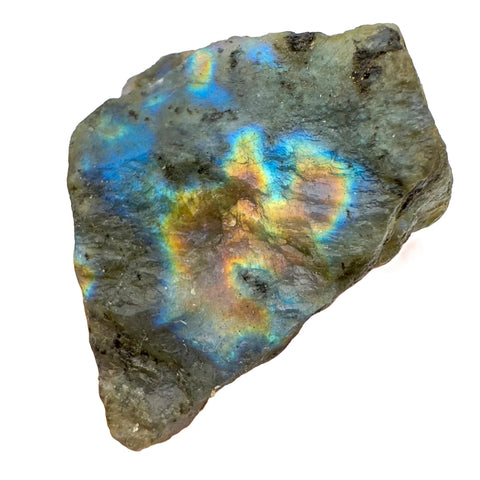
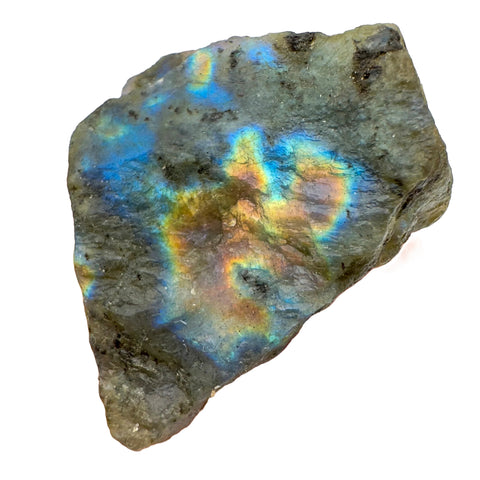
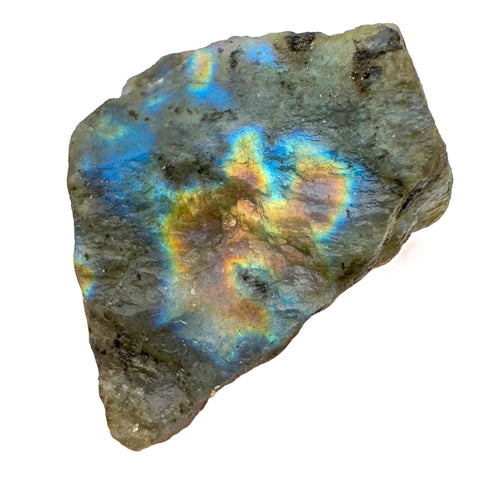
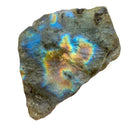 Labradorite
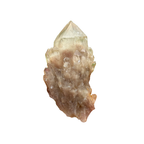 Natural Citrine
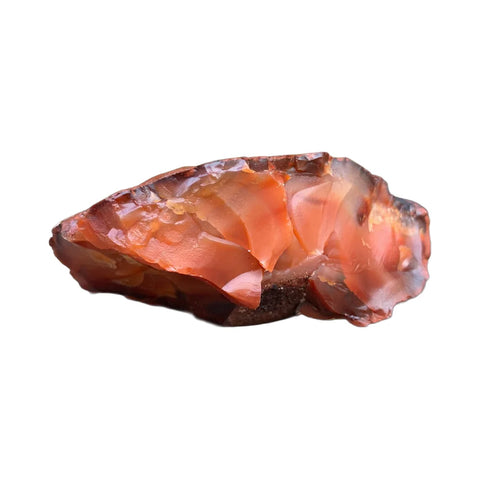
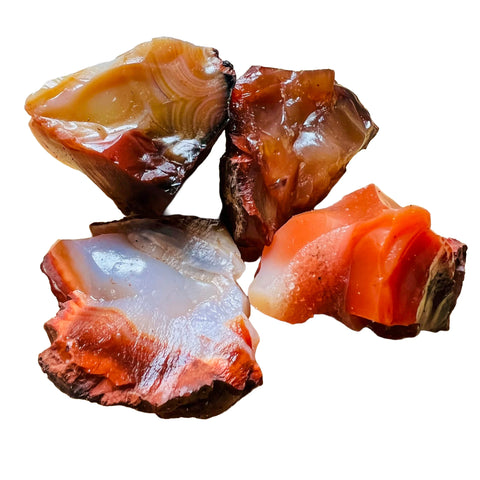
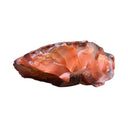 Carnelian
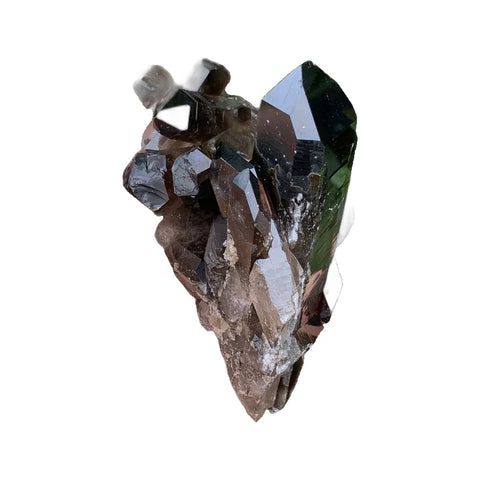
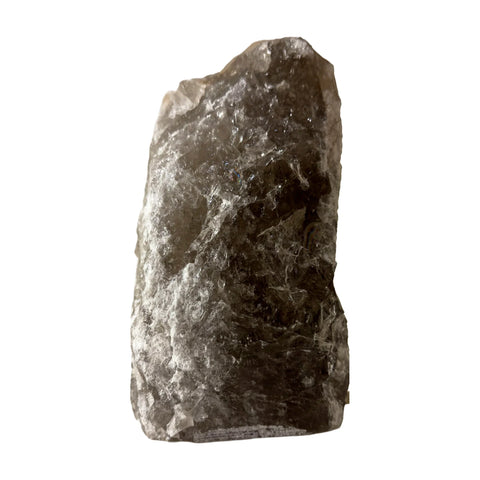
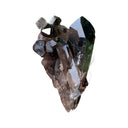 Smoky Quartz
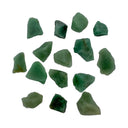 Aventurine
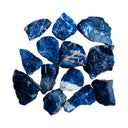 Sodalite
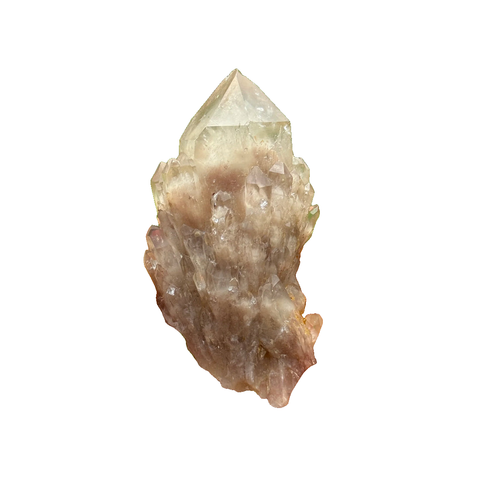
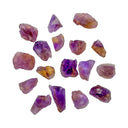 Ametrine
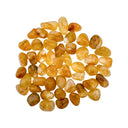 Golden Healer
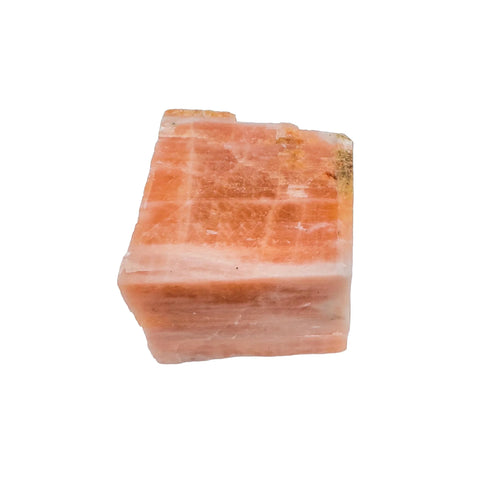
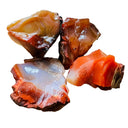 Raw Stones
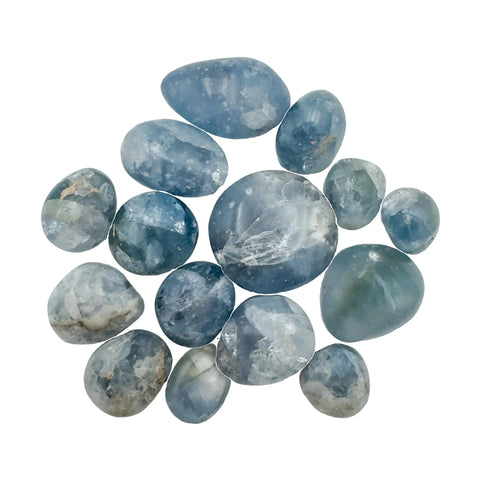
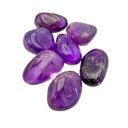 Tumbled Stones
 Palm Stones
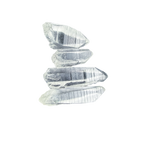 Crystal Points
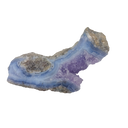 Clusters & Geodes
 Polished & Decor
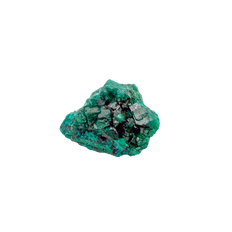 Mineral Specimens
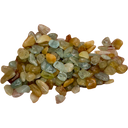 Crystal Chips
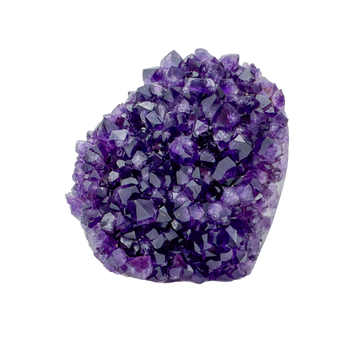
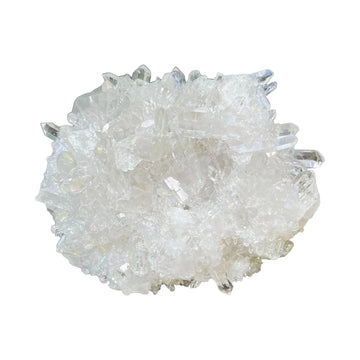
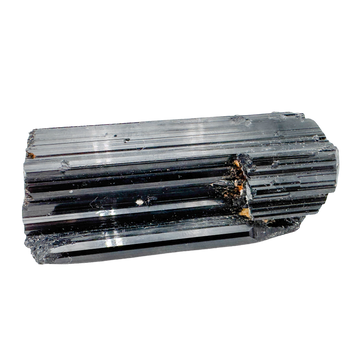
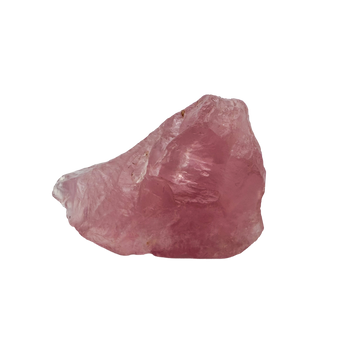
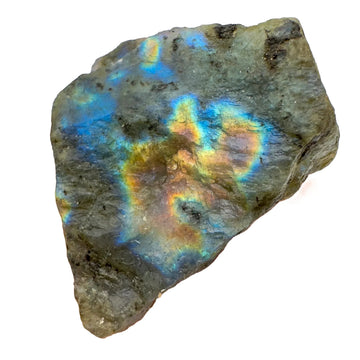
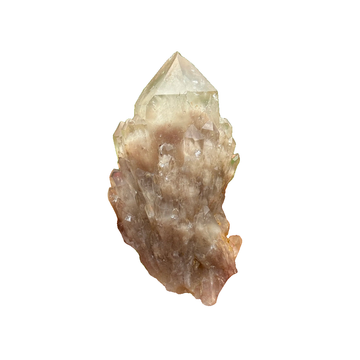
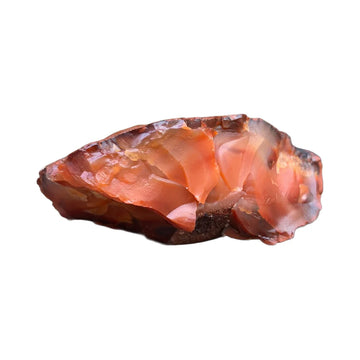
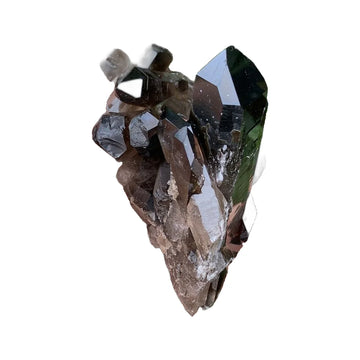
 Raw Stones
179 to choose from
Raw Stones
179 to choose from
 Tumbled Stones
162 to choose from
Tumbled Stones
162 to choose from
 Palm Stones
25 to choose from
Palm Stones
25 to choose from
 Crystal Points
23 to choose from
Crystal Points
23 to choose from
 Clusters & Geodes
103 to choose from
Clusters & Geodes
103 to choose from
 Polished & Decor
148 to choose from
Polished & Decor
148 to choose from
 Mineral Specimens
257 to choose from
Mineral Specimens
257 to choose from
 Crystal Chips
21 to choose from
Crystal Chips
21 to choose from


 AngolaAquamarine
›
AngolaAquamarine
›
 BotswanaCarnelian, Tree Agate
›
BotswanaCarnelian, Tree Agate
›
 DR CongoMalachite, Natural Citrine
›
DR CongoMalachite, Natural Citrine
›
 EswatiniBloodstone
›
EswatiniBloodstone
›
 MadagascarLabradorite, Clear Quartz
›
MadagascarLabradorite, Clear Quartz
›
 MalawiBlue Lace Agate, Garnet
›
MalawiBlue Lace Agate, Garnet
›
 MozambiqueAmazonite
›
MozambiqueAmazonite
›
 NamibiaSodalite, Blue Lace Agate
›
NamibiaSodalite, Blue Lace Agate
›
 Republic of the CongoDioptase
›
Republic of the CongoDioptase
›
 South AfricaTiger Eye, Unakite
›
South AfricaTiger Eye, Unakite
›
 ZambiaChevron Amethyst
›
ZambiaChevron Amethyst
›
 ZimbabweEmerald, Rhodonite
›
ZimbabweEmerald, Rhodonite
›
 ArgentinaBlack Obsidian, Rhodochrosite
›
ArgentinaBlack Obsidian, Rhodochrosite
›
 BoliviaAmetrine
›
BoliviaAmetrine
›
 BrazilAmethyst, Clear Quartz
›
BrazilAmethyst, Clear Quartz
›
 PeruSerpentine, Jade
›
PeruSerpentine, Jade
›
 UruguayAmethyst
›
UruguayAmethyst
›
 Dominican RepublicLarimar
›
Dominican RepublicLarimar
›
 MexicoRainbow Obsidian, Crazy Lace Agate
›
MexicoRainbow Obsidian, Crazy Lace Agate
›
 United StatesSelenite, Peridot
›
United StatesSelenite, Peridot
›
 ChinaFluorite
›
ChinaFluorite
›
 RussiaShungite
›
RussiaShungite
›
 AustraliaMookaite
›
AustraliaMookaite
›
 Where our crystals come from
See where we source →
Where our crystals come from
See where we source →


 Aries
Mar 21 to Apr 19
Carnelian
›
Aries
Mar 21 to Apr 19
Carnelian
›
 Taurus
Apr 20 to May 20
Rose Quartz
›
Taurus
Apr 20 to May 20
Rose Quartz
›
 Gemini
May 21 to Jun 20
Agate
›
Gemini
May 21 to Jun 20
Agate
›
 Cancer
Jun 21 to Jul 22
Moonstone
›
Cancer
Jun 21 to Jul 22
Moonstone
›
 Leo
Jul 23 to Aug 22
Citrine
›
Leo
Jul 23 to Aug 22
Citrine
›
 Virgo
Aug 23 to Sep 22
Amazonite
›
Virgo
Aug 23 to Sep 22
Amazonite
›
 Libra
Sep 23 to Oct 22
Blue Lace Agate
›
Libra
Sep 23 to Oct 22
Blue Lace Agate
›
 Scorpio
Oct 23 to Nov 21
Obsidian
›
Scorpio
Oct 23 to Nov 21
Obsidian
›
 Sagittarius
Nov 22 to Dec 21
Sodalite
›
Sagittarius
Nov 22 to Dec 21
Sodalite
›
 Capricorn
Dec 22 to Jan 19
Black Tourmaline
›
Capricorn
Dec 22 to Jan 19
Black Tourmaline
›
 Aquarius
Jan 20 to Feb 18
Amethyst
›
Aquarius
Jan 20 to Feb 18
Amethyst
›
 Pisces
Feb 19 to Mar 20
Aquamarine
›
Gifting?
A birthday stone is the safe bet.
Read the zodiac guide →
Pisces
Feb 19 to Mar 20
Aquamarine
›
Gifting?
A birthday stone is the safe bet.
Read the zodiac guide →


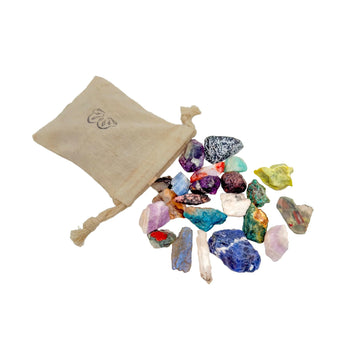

Pink Tourmaline
Pink Tourmaline is a lithium-bearing variety of Elbaite, a species in the broader tourmaline family, with color ranging from soft blush to deep raspberry. The pink comes from manganese traces in the crystal structure. Traditionally associated with heart healing, self-compassion, and the emotional work that supports everything else. The most widely recognized of the tourmaline colors for heart-centered practice.
Shop pink tourmalineThe geology.
Pink Tourmaline is a variety of Elbaite, a lithium-bearing species in the tourmaline mineral group. The pink color comes primarily from trace manganese (Mn²⁺ or Mn³⁺) substituting into the crystal structure. Deeper reds and raspberry tones can come from higher manganese content or from additional trace elements like cesium. Pure pink Tourmaline (Rubellite is the trade name for saturated red-pink gem material) is distinguished from Watermelon Tourmaline (bicolor) and other multicolored Elbaite varieties.
Hardness runs 7 to 7.5 on the Mohs scale, making Pink Tourmaline one of the more durable stones commonly cut for jewelry. Trigonal crystal system, indistinct cleavage, conchoidal fracture, vitreous luster. Like all tourmalines, Pink Tourmaline is pyroelectric and piezoelectric, developing a small electrical charge when heated or compressed. Single crystals show characteristic parallel striations along the crystal axis.
The origins.
Pink Tourmaline is mined across several commercial regions. Brazil's Minas Gerais state is the single largest producer globally, supplying gem-quality faceting material alongside tumbled and specimen-grade pieces. Madagascar is a significant source with increasing commercial presence, particularly for Malagasy pink and raspberry material. Afghanistan (Nuristan) and Pakistan produce exceptional gem-quality pieces, often with fine color. The United States (Maine's Mount Mica and California's Pala district) has historical pink tourmaline production; Mozambique, Nigeria, and Namibia contribute smaller commercial quantities.
Each source has recognizable character. Brazilian material is the most widely available in the commercial small-shop market with consistent quality. Malagasy Pink Tourmaline can be particularly saturated. Afghan and Pakistani gems command premium pricing. Maine and California produce classic collector specimens with historical pedigree. For buyers, origin matters more for gem-quality material than for tumbled stones.
Traditional associations.
Pink Tourmaline shares the broader tourmaline tradition going back centuries, though the pink variety specifically rose to prominence in the nineteenth century when Brazilian production scaled. The name tourmaline derives from the Sinhalese 'turmali,' a catch-all for colored gems that Sri Lankan traders used. Pink Tourmaline was a favorite of the Chinese Empress Dowager Cixi in the nineteenth century, who imported large quantities from California's Himalaya Mine for carving into ornate burial objects.
Many people work with Pink Tourmaline for heart healing, self-compassion, and the emotional foundation that supports other practices. It's most commonly associated with the Heart chakra, the elements of Water and Fire, and the zodiac signs Libra and Scorpio. The classic working is paired with a gentle self-compassion practice or meditation focused on receiving love rather than performing it.
Spotting the real thing.
Real Pink Tourmaline crystals show the characteristic parallel striations along the length of the crystal axis, visible without magnification. Cross-section is triangular or rounded-triangular (the trigonal habit). Color can vary subtly across a single crystal, sometimes with color zoning along the length. Hardness 7 to 7.5 will scratch glass easily. Under magnification, faceted stones may show classic Elbaite inclusions.
Dyed quartz passed off as Pink Tourmaline is the most common imitation in tumbled material. Dyed pieces lack the characteristic striations, show uniform saturated color, and often have dye pooling in fractures. Glass imitations feel warmer to touch and won't scratch glass. Reputable sellers specify the species (Elbaite) and disclose treatment status. If a tumbled or faceted piece is too uniform in color without any natural variation, be suspicious.
Care & handling.
Water safe for a brief rinse with warm water and a soft cloth. Avoid ultrasonic cleaners, steam cleaners, and high heat on heat-treated gem material, which can shift or fade color over time. Pink Tourmaline is stable under normal sunlight exposure, but prolonged intense UV can slightly affect heat-treated pieces.
Cleanse energetically with moonlight, sound, smoke, or by placing on selenite overnight. At 7 to 7.5 on the Mohs scale, Pink Tourmaline handles daily wear well in jewelry, though set gem-quality stones should be removed before physical activity. Store separately from diamond, corundum, and topaz.
Pairs well with.
Proof, not promises.
We measure our own sourcing across five dimensions. Supply chain, environmental footprint, artisan support, market integrity, and pricing. The number is honest, not perfect. Where we can do better, we say so.
A deeper look.
Extended geology, sourcing, authentication, history, varieties, and pricing, for when the quick guide isn't quite enough.
Extended geology
Pink Tourmaline is a variety of Elbaite, one of the main species in the tourmaline group. Elbaite has a complex crystal structure and chemistry: Na(Li,Al)₃Al₆(BO₃)₃Si₆O₁₈(OH)₄. The pink color in Pink Tourmaline comes primarily from trace manganese substituting into the crystal structure; Mn²⁺ produces softer pinks while oxidized Mn³⁺ contributes to deeper reds. Some high-cesium Elbaites produce particularly vivid pink-to-raspberry tones.
Trigonal crystal system with characteristic hexagonal crystal habit and parallel striations along the c-axis. Mohs hardness 7 to 7.5. Specific gravity 3.06 to 3.10 for typical Elbaite. Luster vitreous to resinous. Indistinct cleavage; conchoidal to uneven fracture. Pink Tourmaline is pyroelectric (develops charge when heated) and piezoelectric (develops charge under pressure), properties shared with all tourmalines.
Extended sourcing
Brazil's Minas Gerais is the dominant commercial source. The region produces Pink Tourmaline at all grades, from tumbled material through gem-quality Rubellite. Madagascar has become an increasingly important source in the last two decades, with the Antsirabe region producing quality pink and raspberry material.
Afghanistan's Nuristan province and Pakistan's Stak Nala area produce exceptional gem-quality pink Elbaite, though political instability affects supply. The United States has historical significance: Maine's Mount Mica was a major nineteenth-century source, and California's Pala and Mesa Grande districts produced the famous pink tourmalines purchased by Empress Dowager Cixi. Mozambique, Nigeria, Namibia, and Kenya contribute smaller commercial quantities.
Authentication and warning signs
Real Pink Tourmaline crystals show parallel striations along the crystal axis (the c-axis) and triangular cross-section typical of the trigonal habit. Faceted gem-quality stones show classic Elbaite inclusions under magnification. Hardness 7 to 7.5 will scratch glass easily.
Dyed quartz is the most common tumbled-stone imitation; it lacks striations and shows uniform color with dye pooling in fractures. Glass imitations are warmer to touch. Synthetic lab-grown Pink Tourmaline exists but is rare in commercial channels; when present it should be disclosed and priced accordingly. Ask for species (Elbaite) and treatment status on higher-grade material.
Historical and cultural context
Pink Tourmaline has a specific historical claim to fame: Empress Dowager Cixi of China (1835-1908) was obsessed with the stone and imported vast quantities from California's Himalaya Mine and Pala district for carving into ornate burial objects, jewelry, and ceremonial items. Her death coincided with the collapse of the Chinese market for California Pink Tourmaline, which devastated the American producers for a generation.
Earlier history: Pink Tourmaline appears in European jewelry from the eighteenth century onward as Brazilian production scaled. The Sinhalese name 'turmali' for colored gems is thought to be the etymological source of the English word. Contemporary metaphysical practice treats Pink Tourmaline as a primary heart-chakra stone, often paired with Rose Quartz or Rhodonite for layered heart-centered work.
Varieties and trade names
Pink Tourmaline: the standard pink variety.
Rubellite: the trade name for deeper red-pink to red gem-quality Elbaite.
Siberian Rubellite: historical trade name for Russian red Tourmaline.
Paraiba Tourmaline (pink variety): copper-bearing cuprian Elbaite with neon pink-red color, from Brazil's Paraiba and Rio Grande do Norte states or Mozambique, extremely valuable.
Watermelon Tourmaline: bicolor Elbaite with pink core and green rim, a separate category.
Pricing reality
Tumbled Pink Tourmaline: 3 to 15 dollars per piece. Small raw crystal specimens: 15 to 80 dollars. Gem-quality faceted Pink Tourmaline: 50 to 400 dollars per carat depending on color and clarity. Fine Rubellite gems: 200 to 2,000 dollars per carat. Paraiba Pink Tourmaline: 5,000 to 50,000+ dollars per carat. Museum-grade pieces: collector pricing.
Value drivers: color saturation and evenness, clarity, crystal formation (for specimens), origin, and treatment disclosure. Warning signs: 'Pink Tourmaline' at suspiciously low per-carat prices (likely dyed quartz), no species or origin offered, or gem-quality claims without treatment disclosure.
Good sourcing is a practice, not a claim.
Nothing we sell is dyed quartz or undisclosed-treated gem material sold as Pink Tourmaline. We name our origins where we can. We say so when we cannot. We walk away from material that doesn't meet our standard, even when it costs us sales.
Bring pink-tourmaline home.
Every piece we carry is photographed individually and listed with its species, origin, and treatment status. What you see is what ships. Browse our full Tourmaline collection for related varieties.
Shop the pink-tourmaline collectionGrounded Connections
New stones go to the list first.
No forwarding, no selling. Unsubscribe in one click. Privacy