


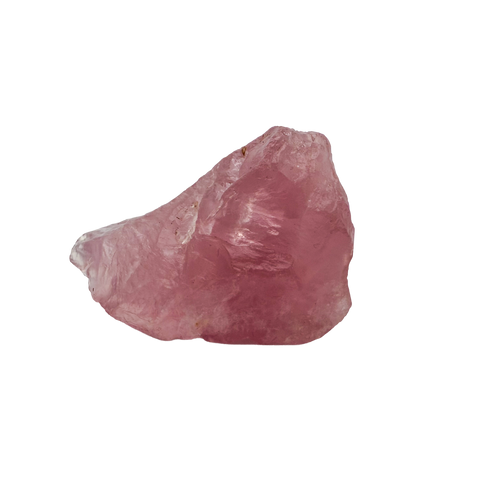
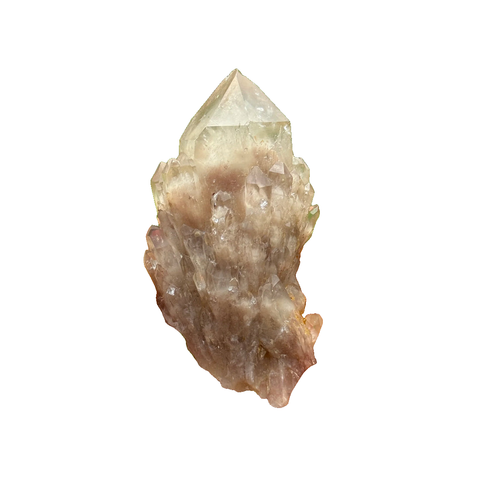
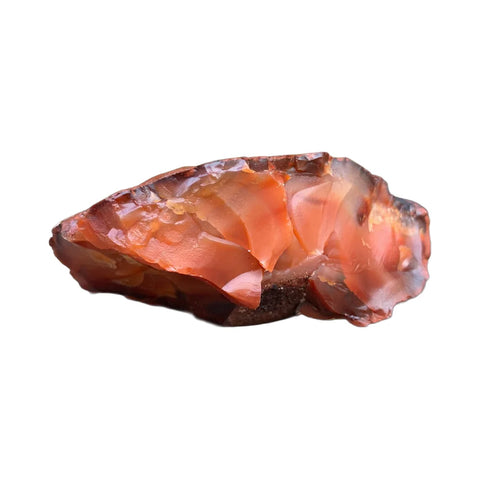
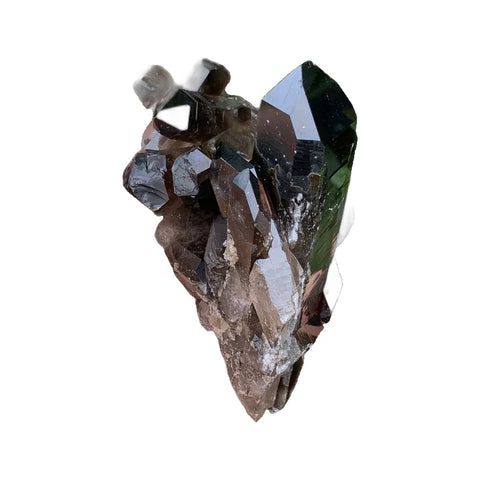
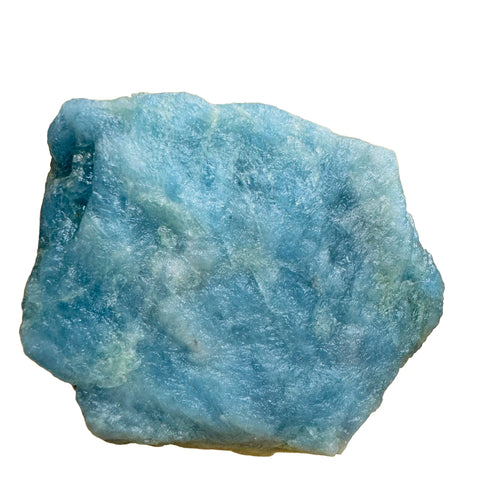
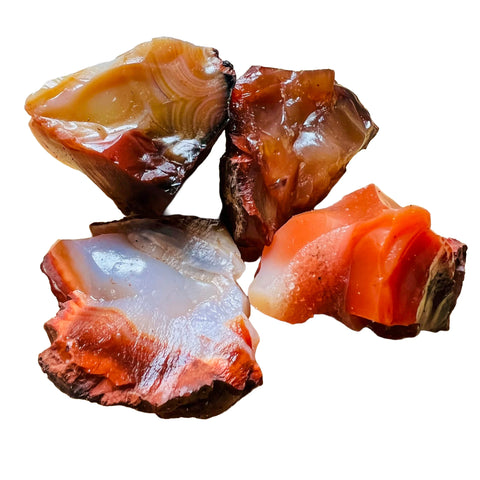


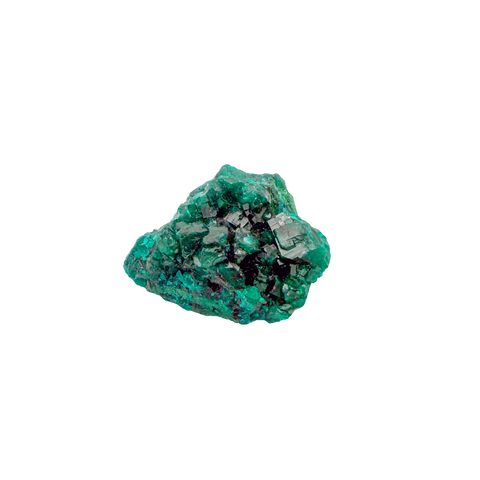
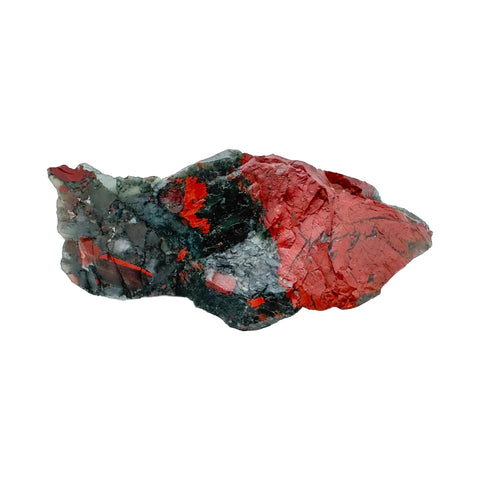
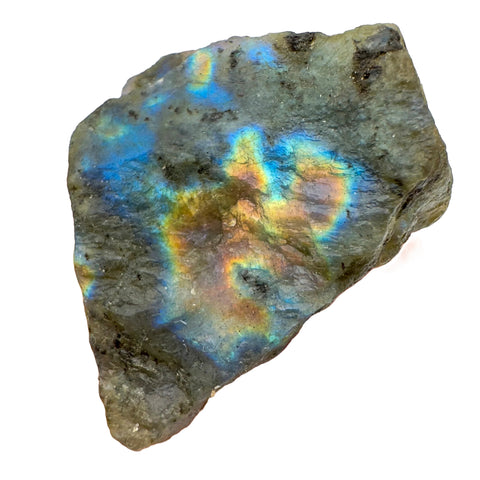
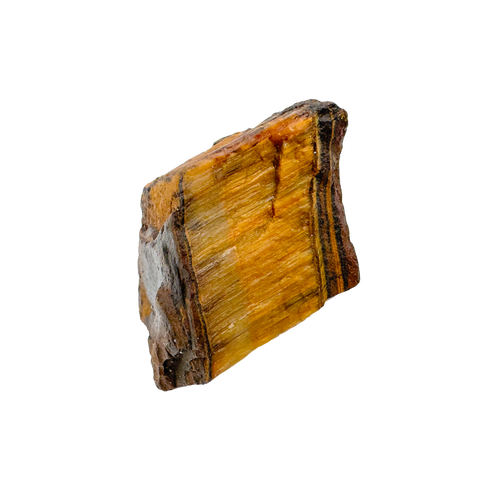
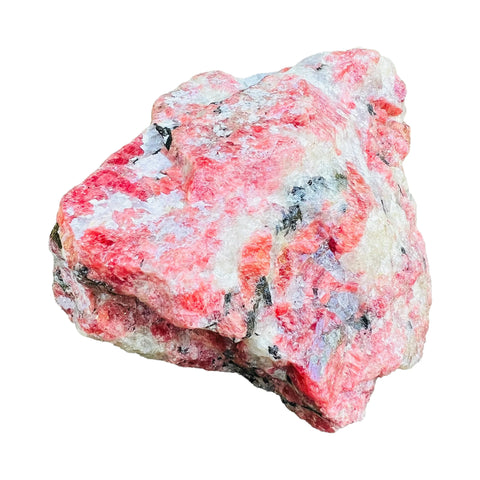
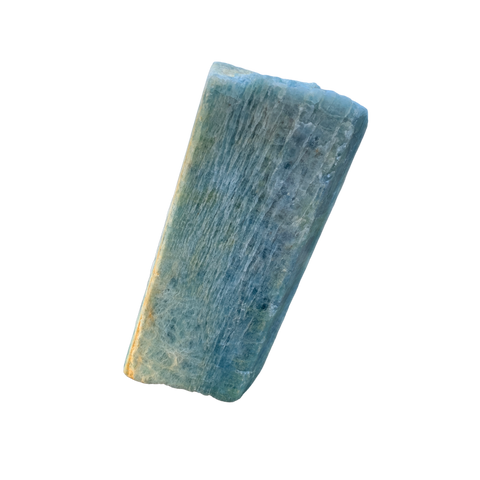
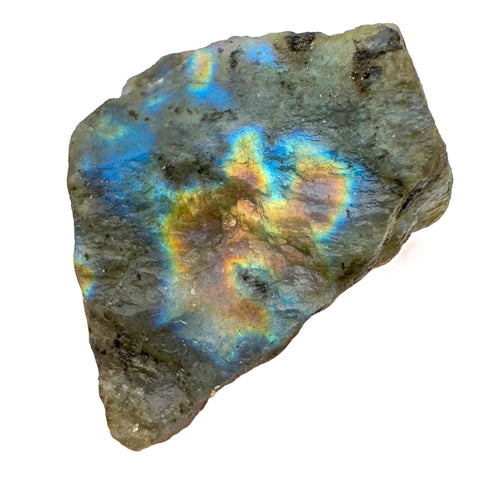



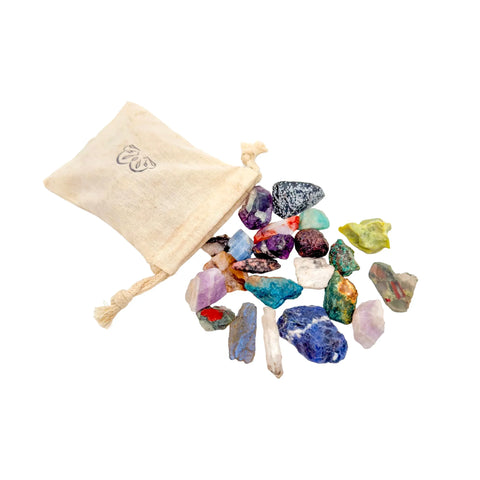
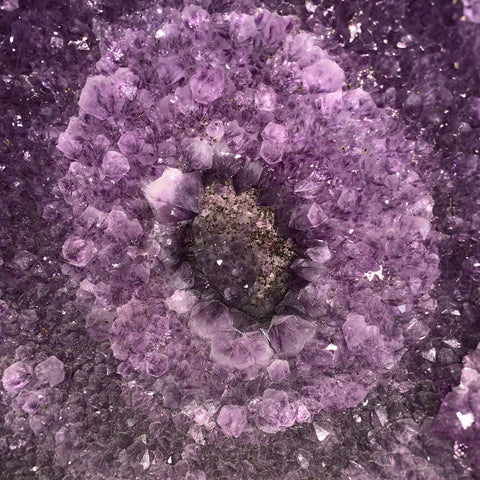
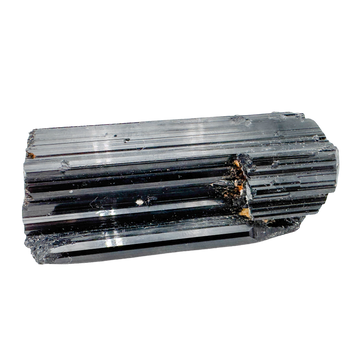
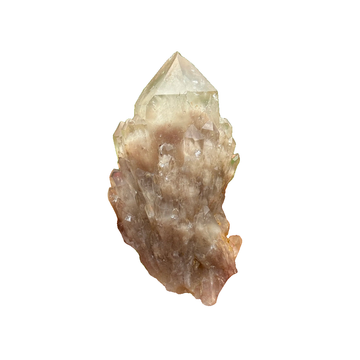
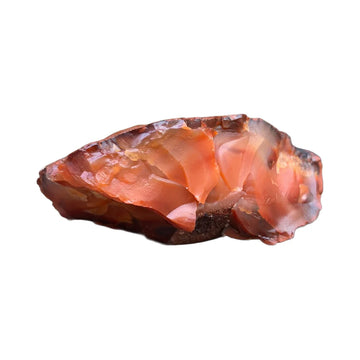
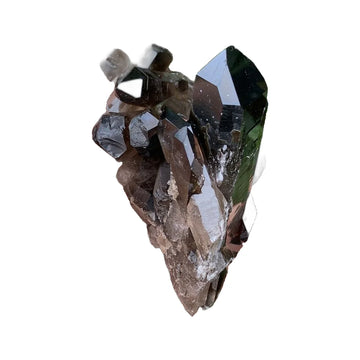
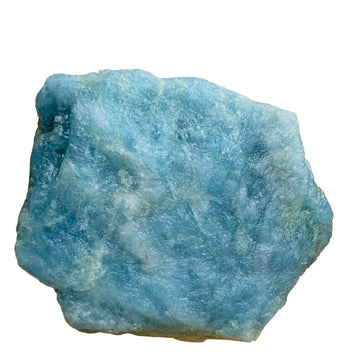
 Raw Stones
179 pieces
Raw Stones
179 pieces
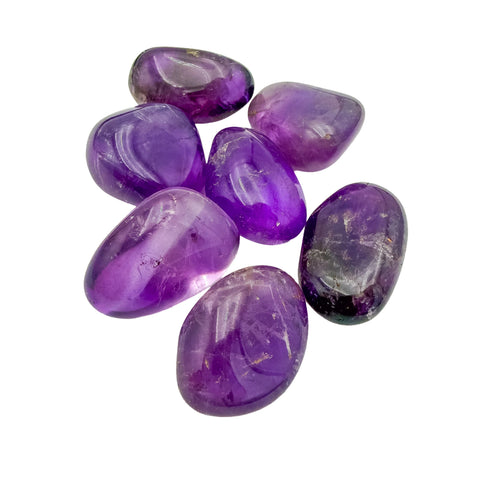
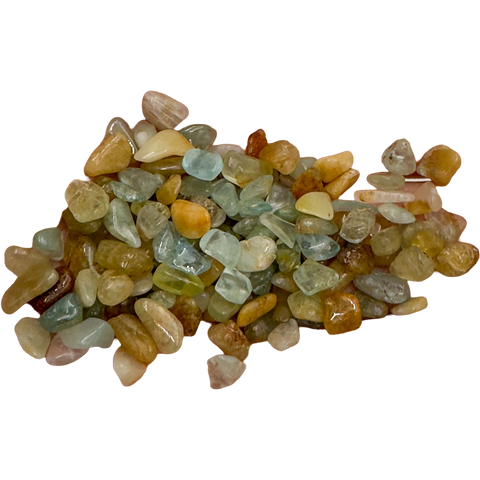
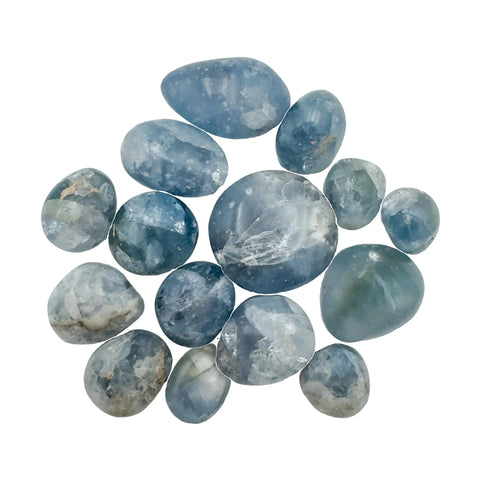
 Tumbled Stones
162 pieces
Tumbled Stones
162 pieces
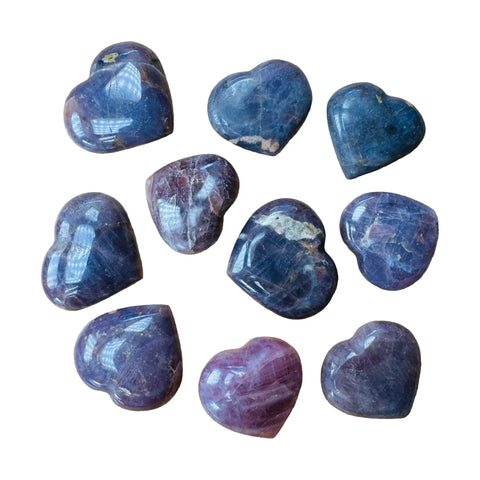
 Palm Stones
25 pieces
Palm Stones
25 pieces
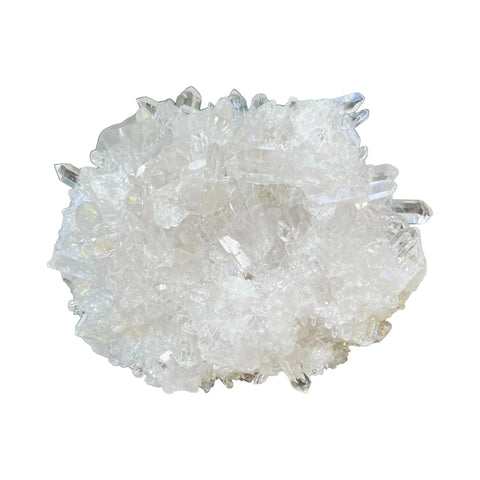
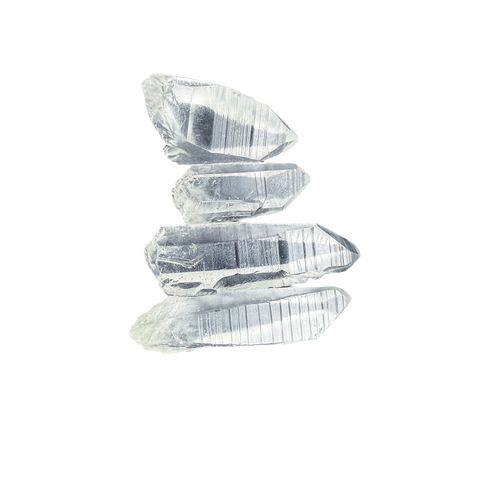
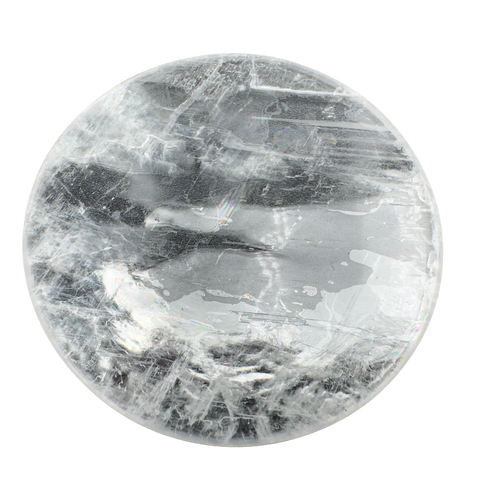
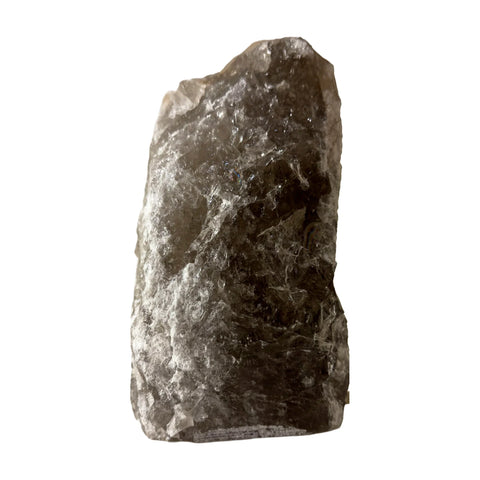
 Crystal Points
23 pieces
Crystal Points
23 pieces
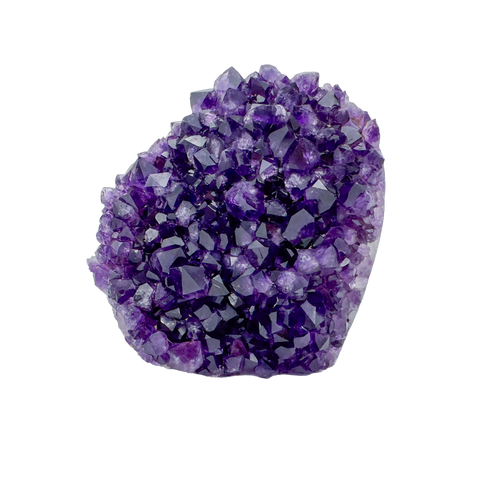
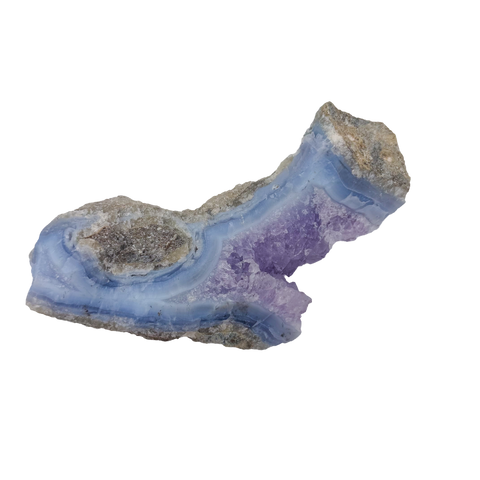
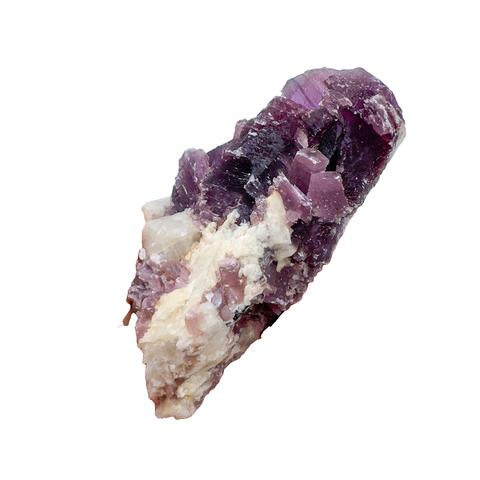
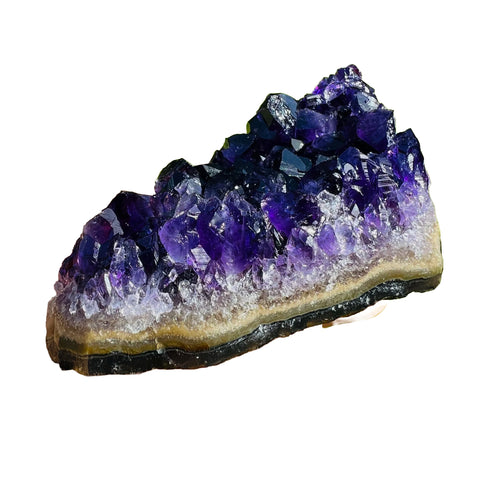
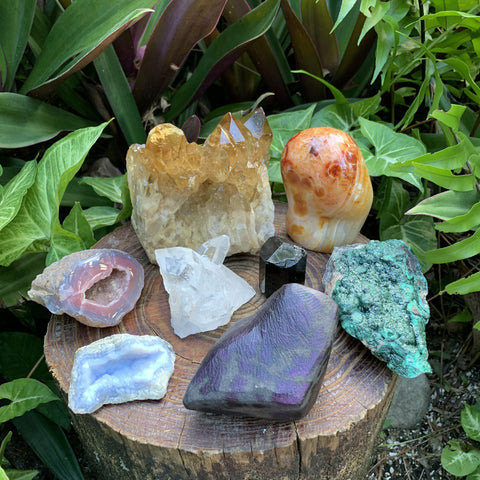
 Clusters & Geodes
104 pieces
Clusters & Geodes
104 pieces
 Polished & Decor
148 pieces
Polished & Decor
148 pieces
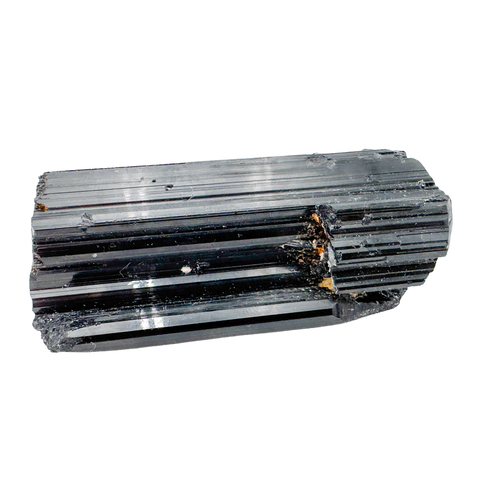
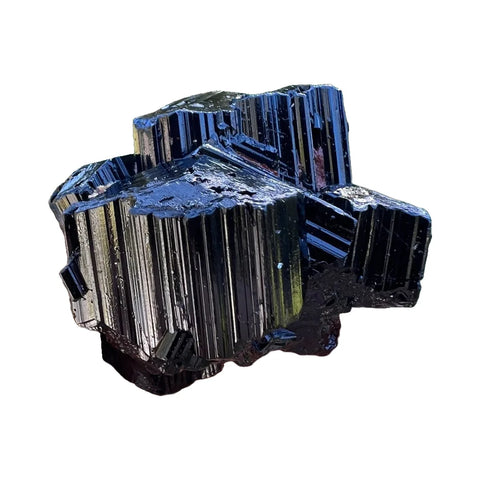
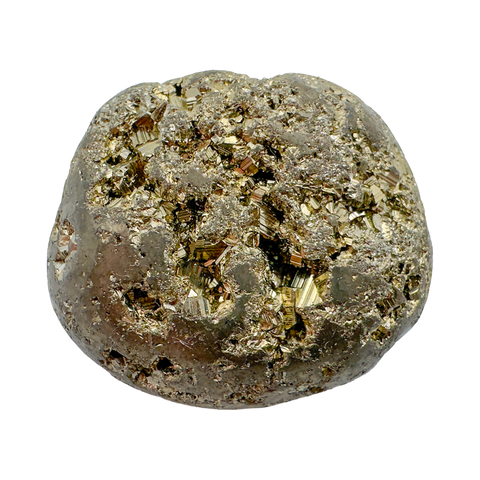
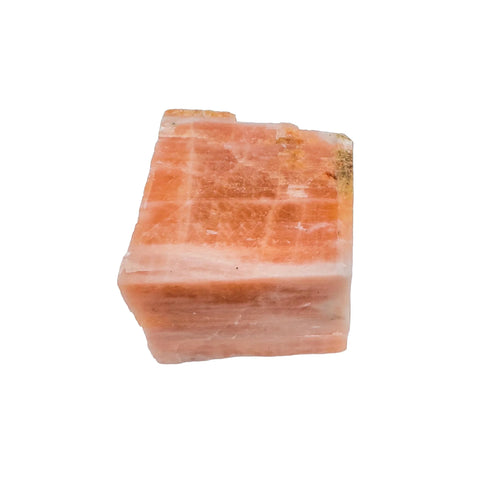
 Mineral Specimens
259 collector pieces
Mineral Specimens
259 collector pieces
 Crystal Chips
21 pieces
Browse everything
Every collection, one page.
View All Collections →
Crystal Chips
21 pieces
Browse everything
Every collection, one page.
View All Collections →


 Aries
Mar 21 – Apr 19
Carnelian
›
Aries
Mar 21 – Apr 19
Carnelian
›
 Taurus
Apr 20 – May 20
Rose Quartz
›
Taurus
Apr 20 – May 20
Rose Quartz
›
 Gemini
May 21 – Jun 20
Agate
›
Gemini
May 21 – Jun 20
Agate
›
 Cancer
Jun 21 – Jul 22
Moonstone
›
Cancer
Jun 21 – Jul 22
Moonstone
›
 Leo
Jul 23 – Aug 22
Citrine
›
Leo
Jul 23 – Aug 22
Citrine
›
 Virgo
Aug 23 – Sep 22
Amazonite
›
Virgo
Aug 23 – Sep 22
Amazonite
›
 Libra
Sep 23 – Oct 22
Blue Lace Agate
›
Libra
Sep 23 – Oct 22
Blue Lace Agate
›
 Scorpio
Oct 23 – Nov 21
Obsidian
›
Scorpio
Oct 23 – Nov 21
Obsidian
›
 Sagittarius
Nov 22 – Dec 21
Sodalite
›
Sagittarius
Nov 22 – Dec 21
Sodalite
›
 Capricorn
Dec 22 – Jan 19
Black Tourmaline
›
Capricorn
Dec 22 – Jan 19
Black Tourmaline
›
 Aquarius
Jan 20 – Feb 18
Amethyst
›
Aquarius
Jan 20 – Feb 18
Amethyst
›
 Pisces
Feb 19 – Mar 20
Aquamarine
›
Gifting?
A birthday stone is the safe bet.
Read the zodiac guide →
Pisces
Feb 19 – Mar 20
Aquamarine
›
Gifting?
A birthday stone is the safe bet.
Read the zodiac guide →


Watermelon Tourmaline
Watermelon Tourmaline is a bicolor variety of Elbaite with a pink core wrapped in a green rim, formed by chemistry shifts inside a single growing crystal. Traditionally associated with heart-centered work, emotional balance, and the integration of seemingly opposite feelings into something whole.
Shop watermelon-tourmalineThe geology.
Watermelon Tourmaline is a bicolor variety of Elbaite, a lithium-bearing tourmaline. The pink core and green rim come from chemistry shifts during crystal growth. As the crystal formed, the fluid it grew from changed composition, and different trace elements took up different positions in the structure. The result is one continuous crystal with two distinct colors, each earning its hue from a different element (manganese for pink, iron or chromium for green).
Hardness runs 7 to 7.5 on the Mohs scale, durable enough for jewelry but worth protecting at the contact zone between the pink and green, which can show microscopic stress fractures from the chemistry shift. Like all tourmalines, it shows parallel striations along the crystal axis and a trigonal cross-section.
The origins.
Brazil's Minas Gerais region is the heavyweight producer of Watermelon Tourmaline, with the Aracuai pegmatite district supplying much of the commercial and gem-quality material on the global market. Madagascar and Afghanistan are significant sources as well, each with a recognizable color signature. Smaller producers include Mozambique, Nigeria, and Pakistan.
Commercial Watermelon Tourmaline comes in two main forms. Cross-section slices show the concentric pink-and-green bands and are the most recognizable presentation. Longer crystal pieces, sometimes sold as pencil tourmaline, show the color zoning along the crystal's length. Each has its own collectors.
Traditional associations.
Watermelon Tourmaline was documented in the gem trade once Brazilian production scaled in the nineteenth century, though color-zoned tourmalines had been described by earlier sources without the bicolor name. The modern name is a straightforward trade designation built on its appearance, which reads unmistakably like a fruit cross-section.
Many people work with Watermelon Tourmaline for emotional integration, heart-centered healing, and the work of holding two things at once. It's most commonly associated with the Heart chakra (served by both the pink and the green), the elements of Water and Air, and the zodiac sign Gemini, which mirrors its dual nature. Some practitioners also associate it with Virgo and Libra.
Spotting the real thing.
Real Watermelon Tourmaline shows a natural color boundary between pink and green that follows the crystal's growth axis. In a cross-section slice, the pink core and green rim are visibly distinct, often with a thin darker band at the interface. Parallel striations run along the length of the crystal, visible without magnification on raw pieces. The cross-section is triangular or rounded-triangular.
The common fakes are dyed quartz with artificially layered pink and green, glass imitations (usually in finished jewelry), and genuine tourmaline mislabeled. Dyed pieces show color that's too uniform and often pools along fractures. Glass imitations feel noticeably warmer and show no striations. If a seller can't confirm species (Elbaite) and origin, treat the silence as the answer.
Care & handling.
Water safe for a brief rinse with warm water and a soft cloth. Avoid ultrasonic cleaners, steam cleaners, and high heat, particularly with polished slices where the pink-green contact zone can have microscopic stress fractures. Stable under moderate sunlight, though heat-treated pieces can fade slowly with prolonged UV exposure.
Cleanse energetically with moonlight, sound, smoke, or by placing on selenite overnight. At 7 to 7.5 on the Mohs scale, Watermelon Tourmaline is durable for daily wear in protected settings, though set jewelry should be removed before physical activity. Store separately from diamond, corundum, and topaz to preserve facets and polish.
Pairs well with.
Proof, not promises.
We measure our own sourcing across five dimensions. Supply chain, environmental footprint, artisan support, market integrity, and pricing. The number is honest, not perfect. Where we can do better, we say so.
A deeper look.
Extended geology, sourcing, authentication, history, varieties, and pricing, for when the quick guide isn't quite enough.
Extended geology
Watermelon Tourmaline is a bicolor variety of Elbaite, a lithium-bearing tourmaline with the general formula Na(Li,Al)₃Al₆(BO₃)₃Si₆O₁₈(OH)₄. The pink core derives its color from manganese (Mn²⁺ or Mn³⁺) substituting into the crystal structure. The green rim derives color from a combination of iron, chromium, and/or vanadium depending on deposit.
The bicolor pattern forms when the growth fluid's chemistry changes during crystallization. In a pegmatite setting, successive pulses of hydrothermal fluid can carry different trace element loads. As one pulse tapers and another begins, the crystal records the shift as a visible color change. Hardness 7 to 7.5. Specific gravity 3.06 to 3.20. Luster vitreous. Cleavage indistinct; fracture conchoidal.
Extended sourcing
Brazil is the dominant producer. The Aracuai region of Minas Gerais hosts the most prolific pegmatites, with the Cruzeiro and Jonas mines producing historic Watermelon Tourmaline specimens. Nearby Bahia state also produces the material.
Madagascar's Antsirabe region produces Watermelon Tourmaline of good quality, often with a slightly darker green rim than Brazilian. Afghanistan's Nuristan and Kunar provinces supply gem-quality bicolor Elbaite, though political instability has made supply irregular. Pakistan's Stak Nala area produces smaller but well-formed crystals. Nigeria and Mozambique are more recent entries to the commercial market.
Authentication and warning signs
The most reliable test is looking at the color boundary. Real Watermelon Tourmaline shows a natural, slightly uneven transition from pink to green that follows the crystal's growth axis. Under magnification, the boundary may show a thin darker interface band where the two chemistries met.
Fakes include dyed quartz (saturated uniform colors, dye pooling in fractures), glass imitations (warmer to touch, bubbles under magnification), and composite stones with pink quartz bonded to green tourmaline. Reputable sellers specify that the piece is single-crystal Elbaite, name the country of origin, and disclose any treatment.
Historical and cultural context
Watermelon Tourmaline entered the commercial gem market in the nineteenth century as Brazilian tourmaline production scaled. The bicolor form had been noted earlier, but the watermelon name is relatively modern, built on its immediate visual resemblance to the fruit's cross-section.
In contemporary metaphysical practice, Watermelon Tourmaline is grouped with heart-centered stones and is particularly associated with integration work: holding joy and grief, strength and softness, or any pair of seemingly opposite feelings at once. The dual color naturally supports this association.
Varieties and trade names
Watermelon Tourmaline: the classic pink-core / green-rim Elbaite.
Cross-section slice: a thin disk cut perpendicular to the crystal axis, showing the concentric color bands.
Pencil Tourmaline: longer crystal pieces showing color zoning along the length rather than in cross-section.
Tricolor Tourmaline: related bicolor variants showing pink, green, and a third color (often yellow or white).
Pricing reality
Raw specimen pieces: 15 to 80 dollars depending on size and color clarity. Cross-section slices: 30 to 250 dollars depending on diameter and color quality. Gem-quality faceted Watermelon Tourmaline: 100 to 1,500 dollars per carat depending on color saturation, clarity, and size. Fine Brazilian gem pieces can reach higher.
Value drivers: contrast and clarity of color boundary, saturation of pink and green, size, absence of fractures at the color interface, clean polish on slices, and documented origin. Warning signs: suspiciously even color, no origin named, or 'watermelon' pieces at prices that are too low even for small slices.
Good sourcing is a practice, not a claim.
Nothing we sell is color-enhanced, irradiated, or heat-treated without full disclosure. We name origin and species on every listing. We walk away from material that doesn't meet our standard, even when it costs us sales.
Bring watermelon-tourmaline home.
Every piece we carry is photographed individually and listed with its species, origin, and treatment status. What you see is what ships.
Shop the watermelon-tourmaline collectionThe Slow Note
New stones go to the list first.
No forwarding, no selling. Unsubscribe in one click. Privacy