


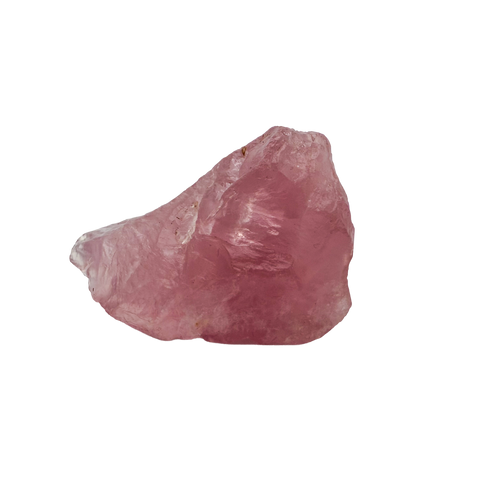
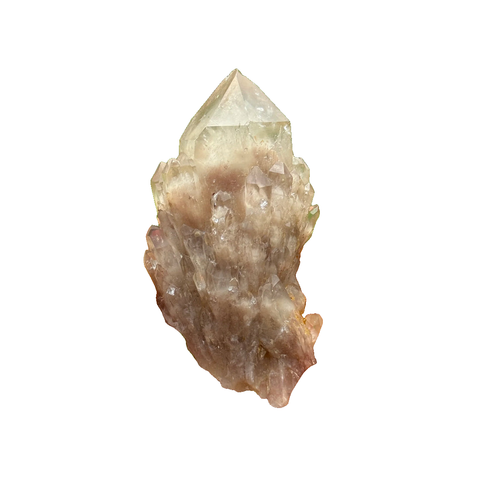
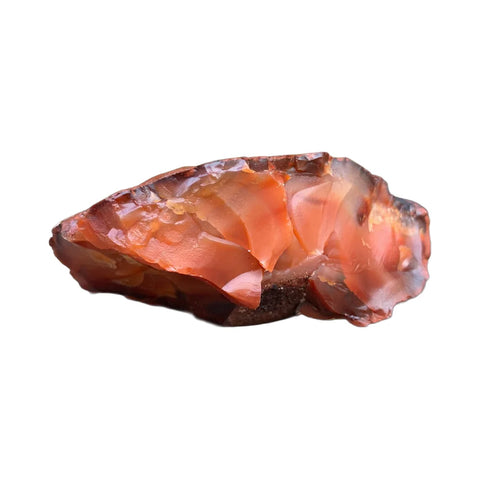
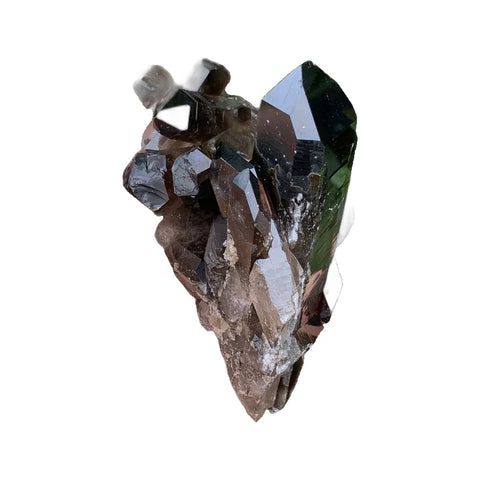
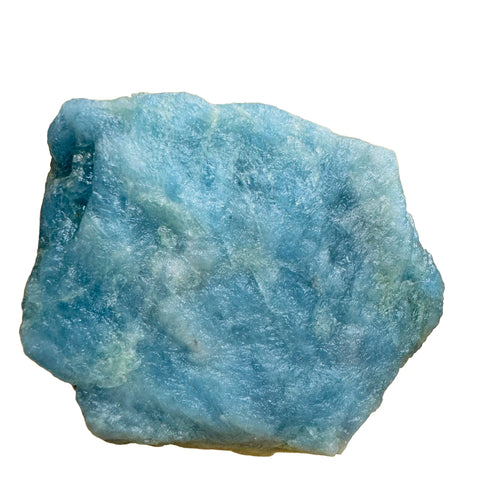
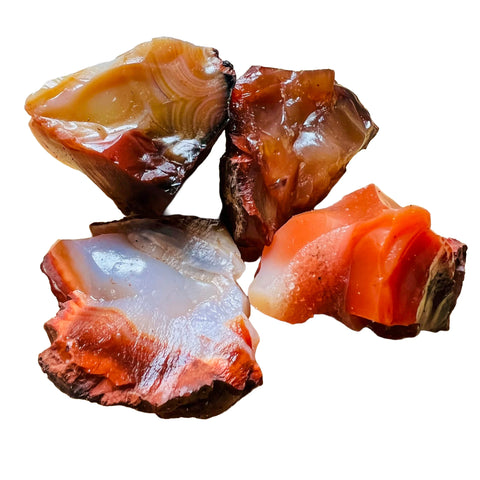


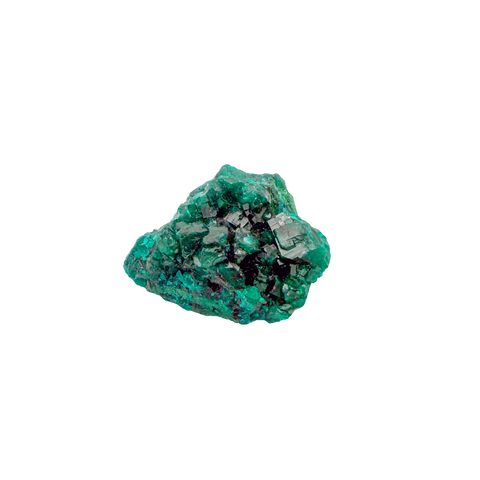
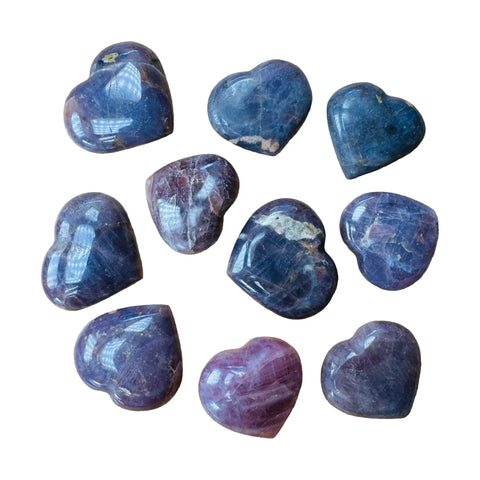
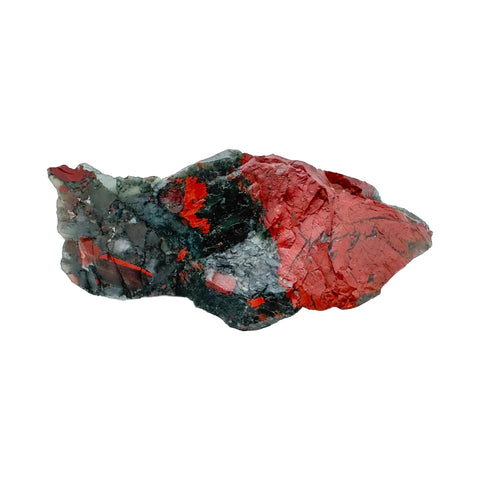
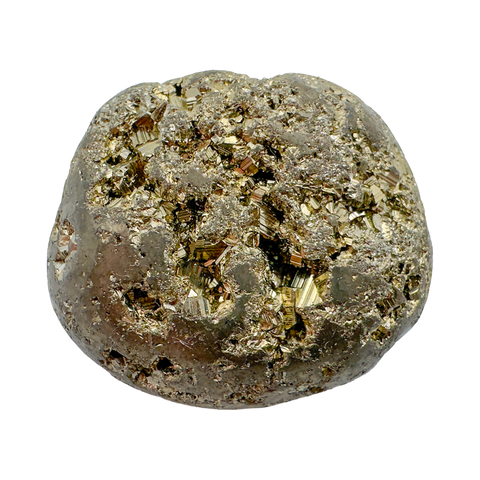
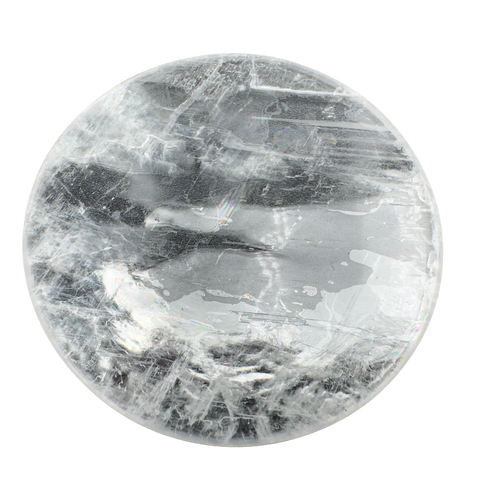
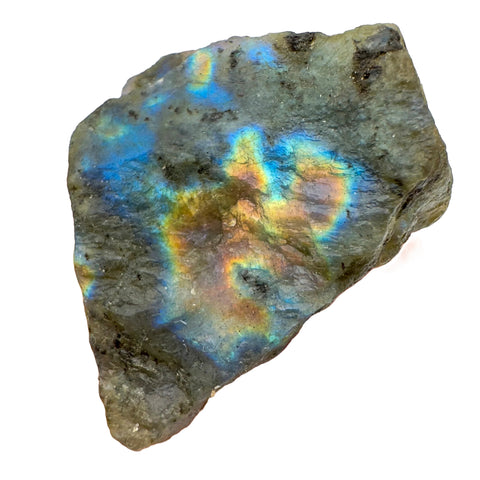
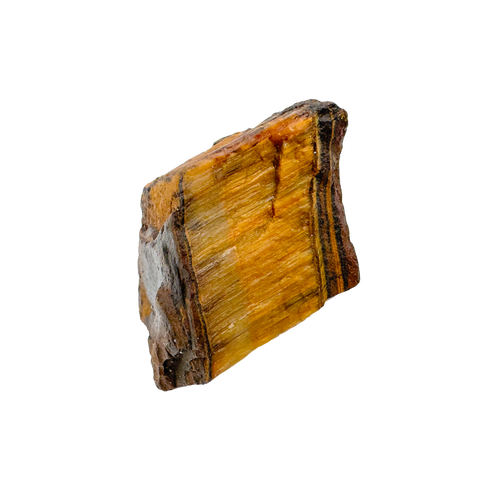
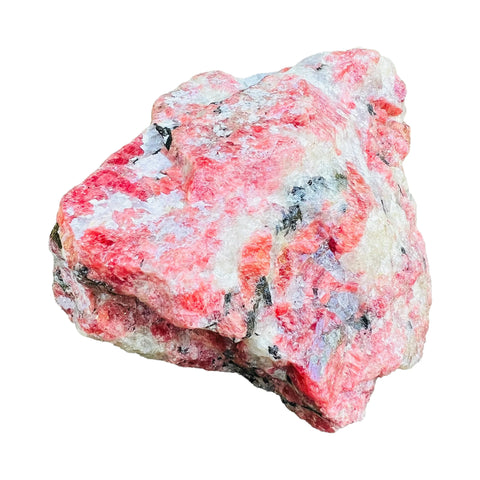
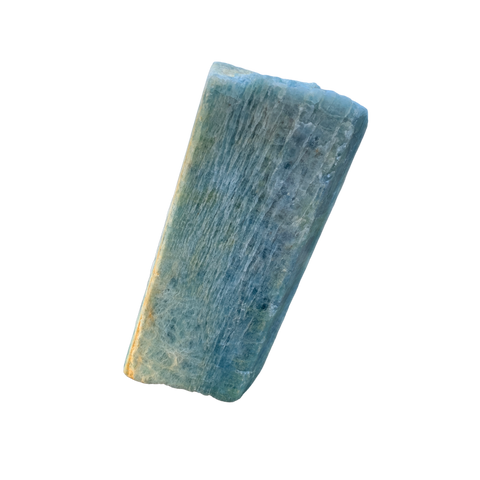
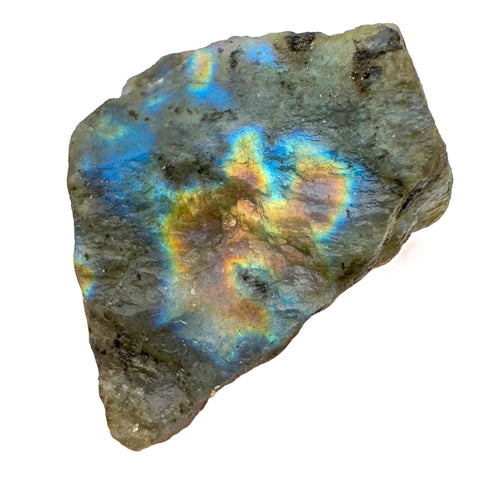
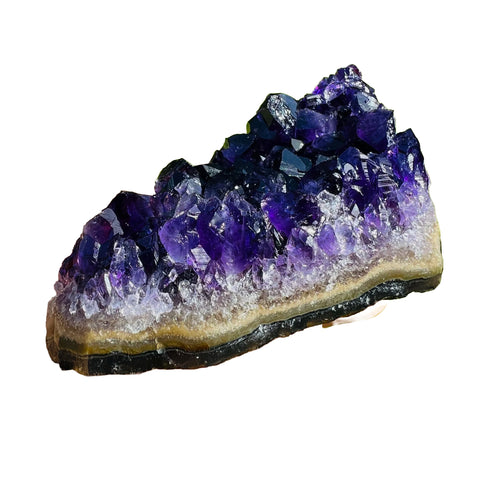



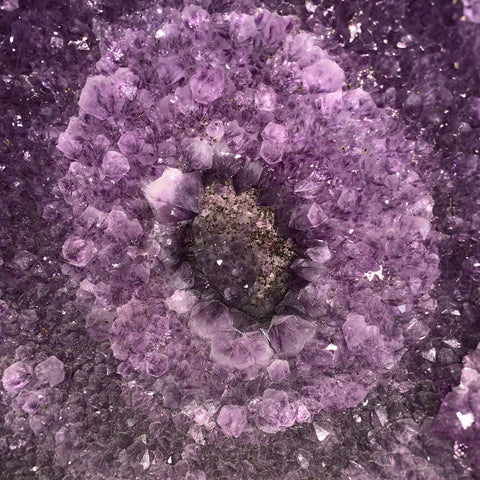
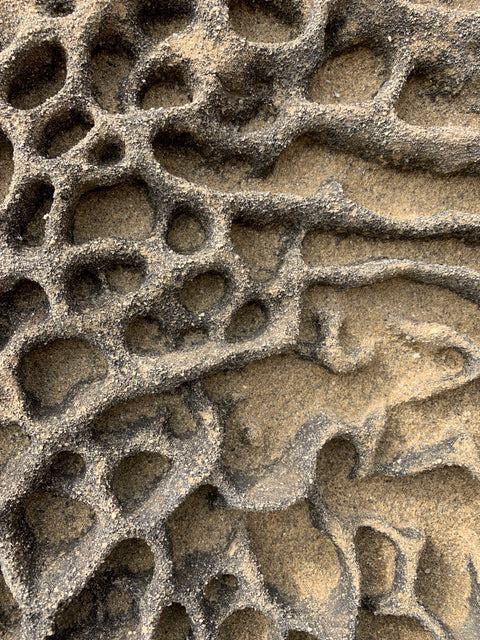
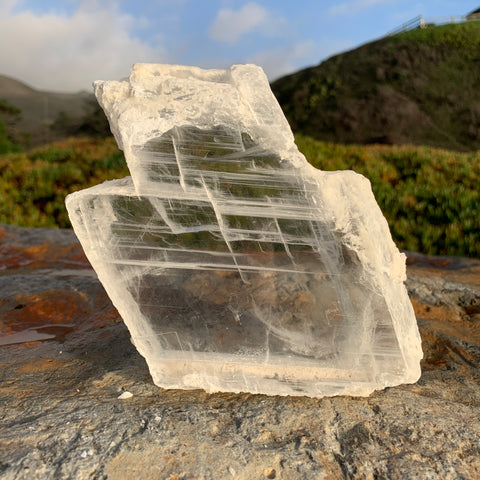

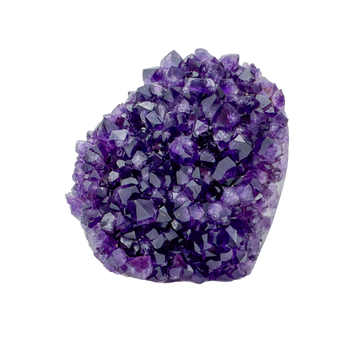
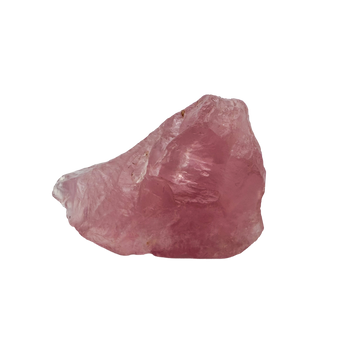
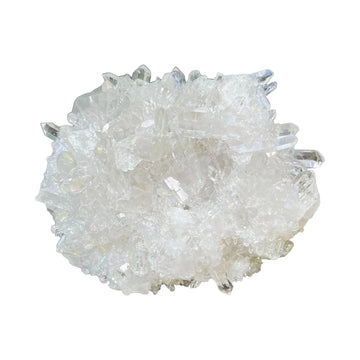
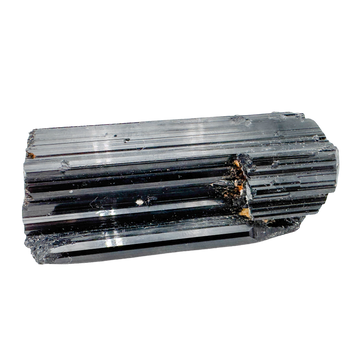
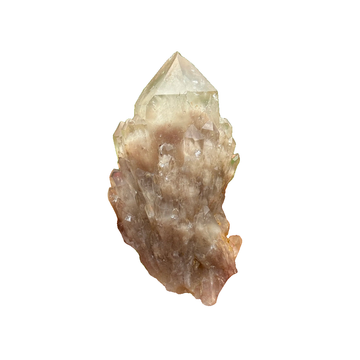
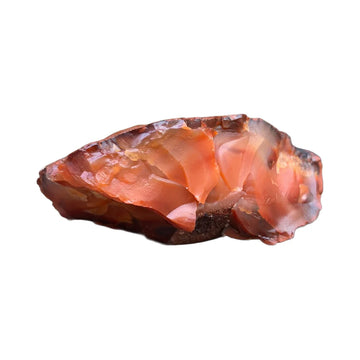
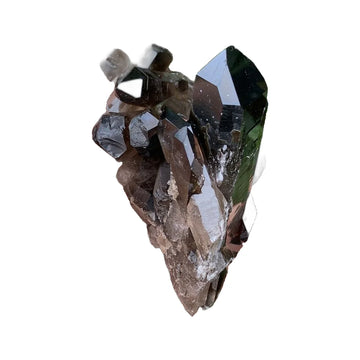
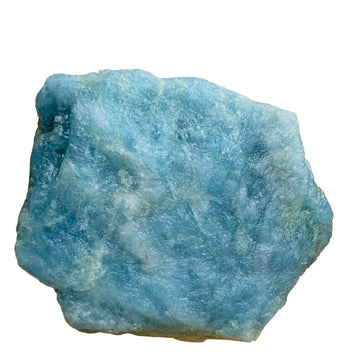
 Raw Stones
179 pieces
Raw Stones
179 pieces
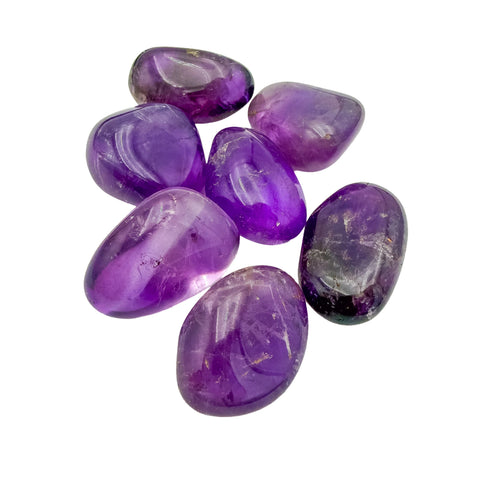
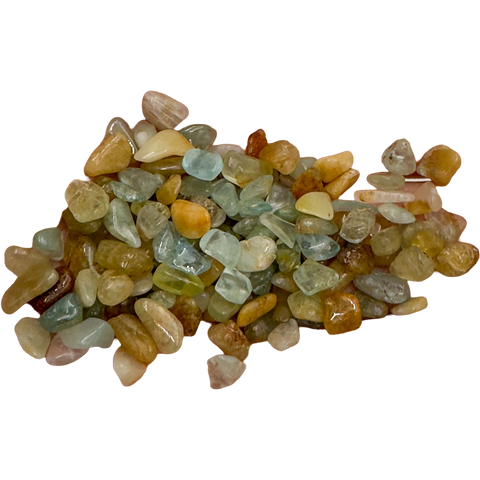
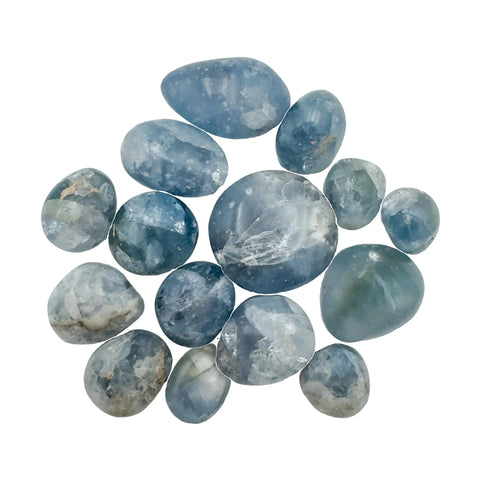
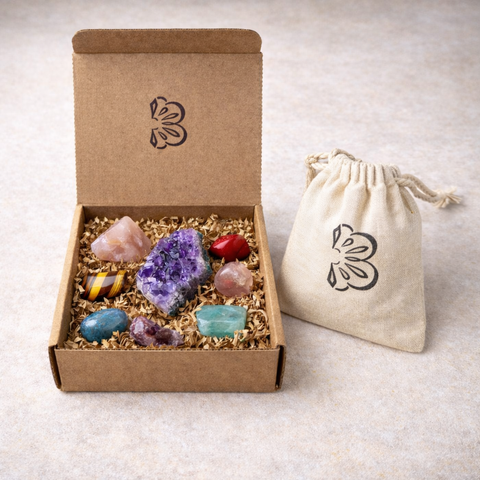
 Tumbled Stones
162 pieces
Tumbled Stones
162 pieces
 Palm Stones
25 pieces
Palm Stones
25 pieces
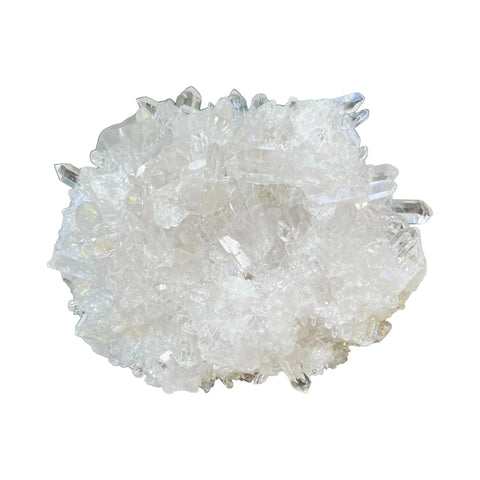
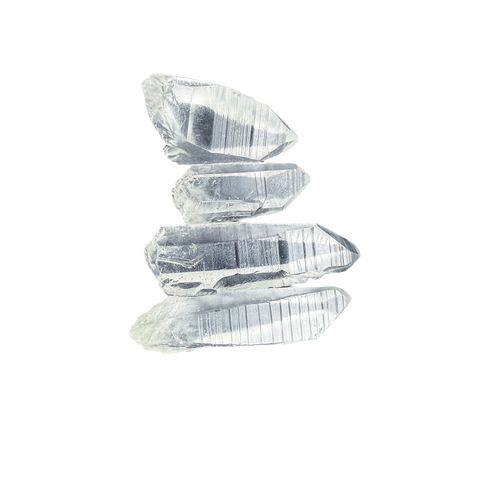
 Crystal Points
23 pieces
Crystal Points
23 pieces
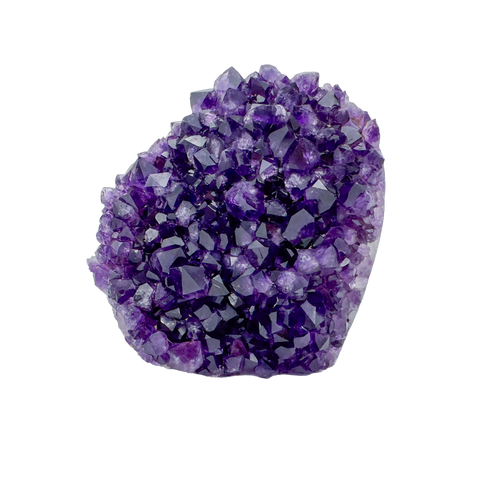
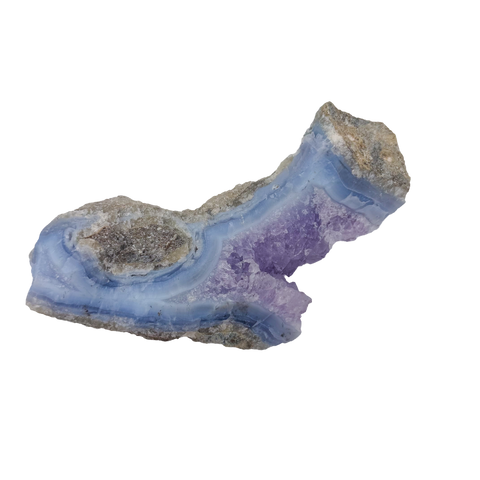
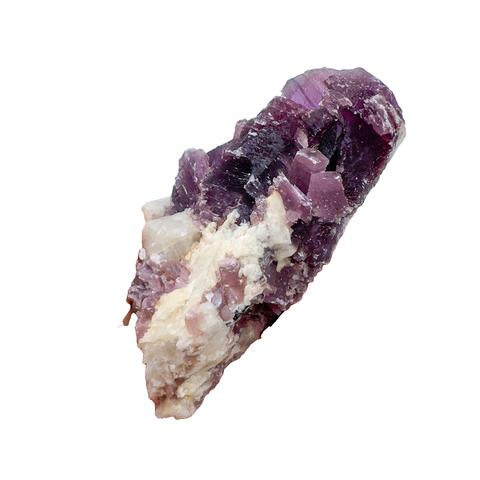
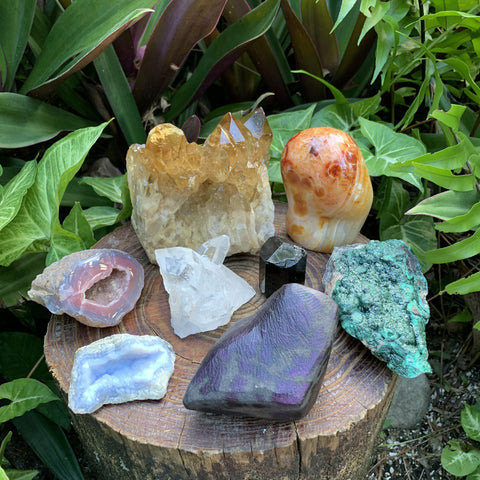
 Clusters & Geodes
104 pieces
Clusters & Geodes
104 pieces
 Polished & Decor
148 pieces
Polished & Decor
148 pieces
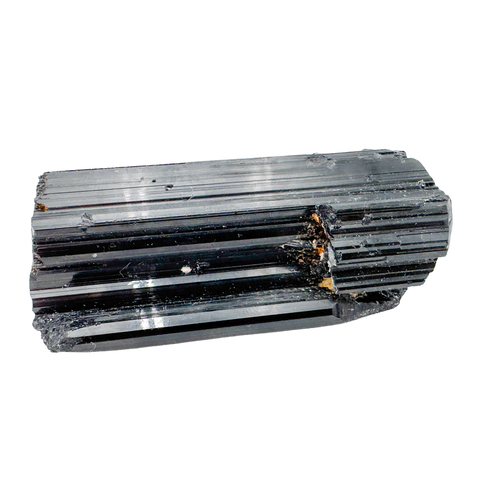
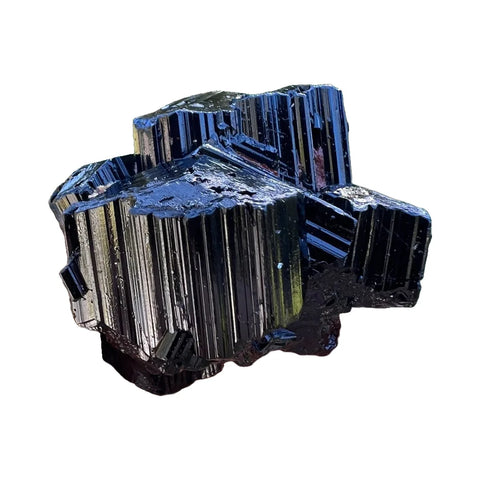
 Mineral Specimens
259 collector pieces
Mineral Specimens
259 collector pieces
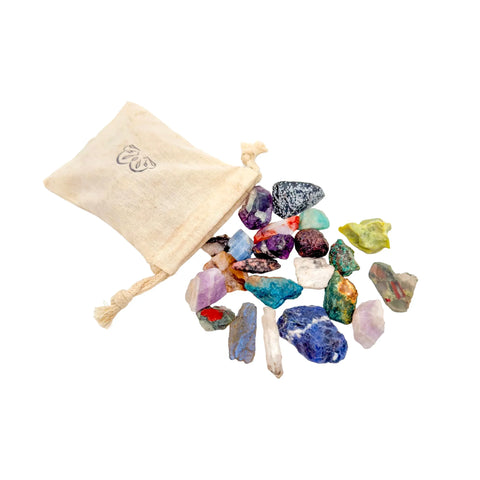
 Crystal Chips
21 pieces
Browse everything
Every collection, one page.
View All Collections →
Crystal Chips
21 pieces
Browse everything
Every collection, one page.
View All Collections →


 Aries
Mar 21 – Apr 19
Carnelian
›
Aries
Mar 21 – Apr 19
Carnelian
›
 Taurus
Apr 20 – May 20
Rose Quartz
›
Taurus
Apr 20 – May 20
Rose Quartz
›
 Gemini
May 21 – Jun 20
Agate
›
Gemini
May 21 – Jun 20
Agate
›
 Cancer
Jun 21 – Jul 22
Moonstone
›
Cancer
Jun 21 – Jul 22
Moonstone
›
 Leo
Jul 23 – Aug 22
Citrine
›
Leo
Jul 23 – Aug 22
Citrine
›
 Virgo
Aug 23 – Sep 22
Amazonite
›
Virgo
Aug 23 – Sep 22
Amazonite
›
 Libra
Sep 23 – Oct 22
Blue Lace Agate
›
Libra
Sep 23 – Oct 22
Blue Lace Agate
›
 Scorpio
Oct 23 – Nov 21
Obsidian
›
Scorpio
Oct 23 – Nov 21
Obsidian
›
 Sagittarius
Nov 22 – Dec 21
Sodalite
›
Sagittarius
Nov 22 – Dec 21
Sodalite
›
 Capricorn
Dec 22 – Jan 19
Black Tourmaline
›
Capricorn
Dec 22 – Jan 19
Black Tourmaline
›
 Aquarius
Jan 20 – Feb 18
Amethyst
›
Aquarius
Jan 20 – Feb 18
Amethyst
›
 Pisces
Feb 19 – Mar 20
Aquamarine
›
Gifting?
A birthday stone is the safe bet.
Read the zodiac guide →
Pisces
Feb 19 – Mar 20
Aquamarine
›
Gifting?
A birthday stone is the safe bet.
Read the zodiac guide →


White Opal
White Opal is hydrated silica whose milky body carries soft flashes of spectral color when light moves across it. Traditionally associated with intuition, meditation, and a quieter kind of manifestation, it's an old stone with a very specific care profile worth knowing before you buy.
Shop white-opalThe geology.
White Opal is hydrated amorphous silica (SiO₂·nH₂O), which means it's made of silica spheres arranged without the repeating lattice of a true crystal. Water content runs between 3 and 21 percent, and it's that water, trapped inside the silica structure, that gives opal both its personality and its fragility.
The play of color (the flashes of pink, green, blue, and gold that move across a fine piece) happens because those silica spheres are stacked regularly enough to diffract light. Larger, more uniform spheres mean bolder fire. Mohs hardness sits between 5.5 and 6.5, toward the softer end of stones commonly cut for jewelry, which is worth keeping in mind for care.
The origins.
Australia has produced the majority of the world's fine White Opal for over a century, with Coober Pedy, Mintabie, and Andamooka as the classic fields. Ethiopia entered the commercial market in the 2010s with Welo Opal, and Ethiopian material now accounts for a significant share of affordable White Opal globally. Brazil, Mexico, Peru, and the United States round out the market.
Each source has a signature. Australian material tends to be the most stable, with a dense body and fine color play. Ethiopian Welo is hydrophane, meaning it absorbs water temporarily, which affects both care and pricing. Brazilian White Opal, particularly from Rio Grande do Sul, is usually less fiery but more affordable and easier to work with. Knowing which country a piece came from tells you how to care for it.
Traditional associations.
Opal has been worked since at least Roman times, when Pliny the Elder described it as carrying the colors of every precious stone in one. In many older European traditions it was associated with vision, truth, and reflection, a reputation earned honestly given how the stone behaves in light. The name likely traces back to the Sanskrit upala, meaning precious stone.
Many people work with White Opal for intuition, meditation, and the softer, more receptive side of manifestation. It's most commonly associated with the Crown chakra, the elements of Water and Air, and the zodiac signs Libra and Scorpio. The classic working is to sit with a piece during a quiet moment and let the color shifts settle the mind.
Spotting the real thing.
Real White Opal has a milky, slightly translucent body with color play that moves when you tilt the stone. The flashes aren't painted on the surface; they appear and disappear as your angle changes. Under strong light, you can often see a faint internal structure if you look carefully. Fine Australian material tends to be more stable; Ethiopian Welo Opal is hydrophane, meaning it absorbs water temporarily and can lose color flash when wet, then return to normal.
Watch for opalite (a glass imitation with too-clean milky blue color), synthetic opal (perfectly uniform color play in geometric patches), and dyed or resin-filled material. Glass imitations feel warmer to the touch. Silence on origin and treatment is the warning sign. Ask. Reputable sellers answer.
Care & handling.
Opal is one of the few stones where care actually matters. Skip water soaks entirely. Avoid saltwater, household cleaners, and ultrasonic cleaners. Wipe with a barely-damp soft cloth if needed. Ethiopian Welo Opal is especially sensitive to water and will temporarily lose color play when soaked, so keep it dry.
Heat and sudden temperature shifts can cause crazing, a fine network of cracks. Store White Opal in a small pouch away from other stones and away from radiators, hot cars, and direct sun. Cleanse energetically with moonlight, sound, or smoke. Never use salt, citrus, or water soaks for cleansing opal.
Pairs well with.
Proof, not promises.
We measure our own sourcing across five dimensions. Supply chain, environmental footprint, artisan support, market integrity, and pricing. The number is honest, not perfect. Where we can do better, we say so.
A deeper look.
Extended geology, sourcing, authentication, history, varieties, and pricing, for when the quick guide isn't quite enough.
Extended geology
White Opal is amorphous hydrated silica, meaning its silica (SiO₂) is arranged without a repeating crystal lattice. It forms in sedimentary settings when silica-rich groundwater infiltrates voids in rock (often volcanic ash or weathered sandstone) and deposits over long periods. Water content ranges from 3 to 21 percent by weight and is part of the stone's chemistry, not just surface moisture.
The play of color, sometimes called opalescence, is a diffraction effect. Silica spheres of roughly uniform size stack in regular arrays. When light hits the stack, it bends and separates into visible wavelengths depending on the sphere diameter. Larger spheres produce red flashes; smaller spheres favor blue and violet. Specific gravity runs 1.98 to 2.25. Luster is vitreous to resinous. Hardness: 5.5 to 6.5 Mohs. Fracture is conchoidal to uneven. No cleavage.
Extended sourcing
Australia has dominated commercial opal production since the late 1800s. Coober Pedy, in South Australia, is the world's largest opal-producing town, known for white and crystal opal. Mintabie produced bright white base stones with strong color play. Andamooka, also in South Australia, is famous for matrix opal.
Ethiopian Welo Opal came to global markets in the early 2010s and reshaped the affordable opal supply. Welo material is hydrophane, which means it takes on water reversibly. The affordability and accessibility expanded opal's reach substantially, though care requirements changed too.
Brazilian White Opal, particularly from Rio Grande do Sul, offers an alternative at a more accessible price point than Australian material, with a softer body and less dramatic color play. Mexican Opal (often fire opal) and Peruvian Opal (blue and pink varieties) are separate market categories. The United States has opal deposits in Nevada, Oregon, and Idaho.
Authentication and warning signs
Real opal shows color play that shifts with viewing angle. The flashes are internal, not surface. Opalite, a common imitation, is glass with a uniform milky-blue translucency and no true fire. Synthetic opal shows perfect, geometric color patches (often called a 'lizard skin' pattern under magnification).
Doublets and triplets are composite stones with a thin slice of real opal backed or capped by dark material. These are legitimate when disclosed but should be priced and represented as such. Resin-filled or stabilized Ethiopian opal is common; reputable sellers disclose. Dyed opal shows color pooling along fractures.
Historical and cultural context
Pliny the Elder, writing in the first century, described opal as carrying the gentler fire of ruby, the purple of amethyst, and the green of emerald, all in one stone. Roman nobility valued it highly. In medieval Europe it was associated with clarity of sight and prophecy.
A nineteenth-century novel by Sir Walter Scott attached an undeserved reputation for bad luck to opal, hurting sales for decades. That superstition has no basis in historical tradition and largely faded in the twentieth century. In Australian Aboriginal traditions, opal fields are associated with creation stories and were considered sacred landscapes.
Varieties and trade names
White Opal: white or light body with color play, the most common commercial type.
Crystal Opal: transparent to translucent body with color play, higher grade.
Black Opal: dark body with vivid color play, the most valuable category.
Welo Opal: Ethiopian hydrophane opal, bright color play at accessible prices.
Fire Opal: orange to red translucent opal, usually without color play, primarily Mexican.
Boulder Opal: opal attached to host rock, often in thin seams.
Pricing reality
Tumbled and rough White Opal: 5 to 20 dollars per piece. Small set cabochons: 20 to 80 dollars. Fine Ethiopian Welo cabochons: 50 to 300 dollars. Australian white opal, depending on color play: 100 dollars into the thousands.
Value drivers: body tone, strength and pattern of color play, size, clarity, and origin. Warning signs: very low prices on material advertised as Australian, no origin offered, or a seller unable to explain whether the stone is natural, stabilized, or synthetic.
Good sourcing is a practice, not a claim.
Opal is a stone where sourcing matters more than most. We trace origin by batch, disclose treatments in writing, and call out hydrophane behavior so you can care for your piece correctly from day one.
Bring white-opal home.
Every piece we carry is photographed individually and listed with its own origin, treatment status, and care profile. What you see is what ships.
Shop the white-opal collectionThe Slow Note
New stones go to the list first.
No forwarding, no selling. Unsubscribe in one click. Privacy