


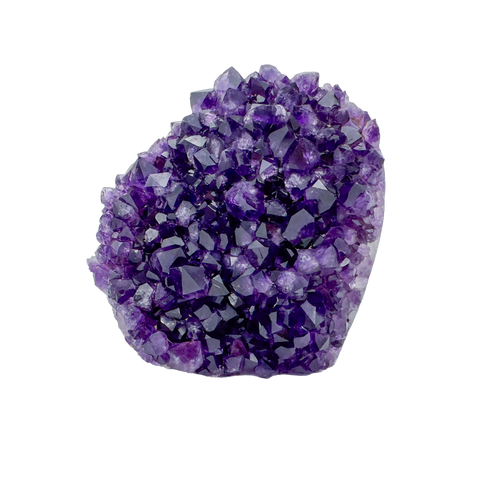
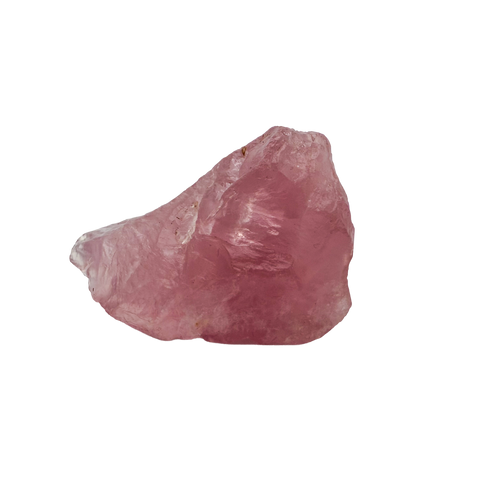
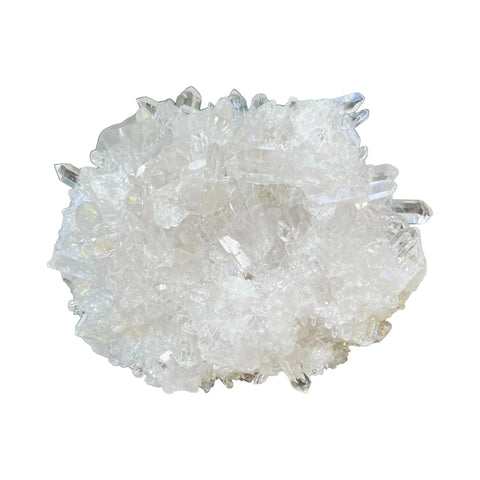
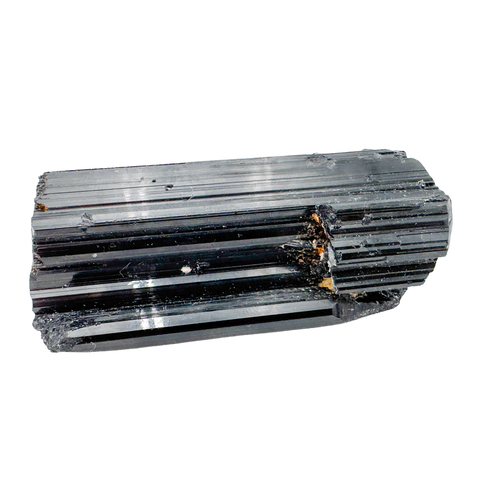
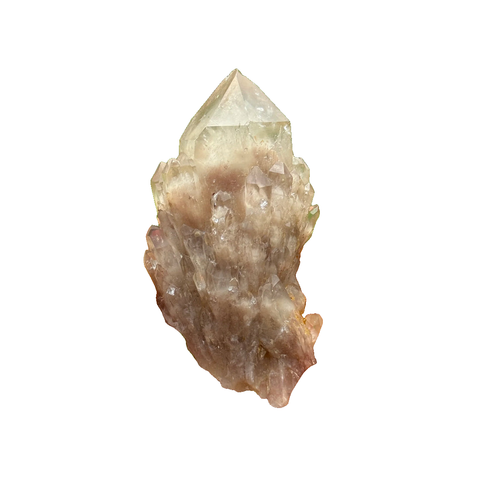
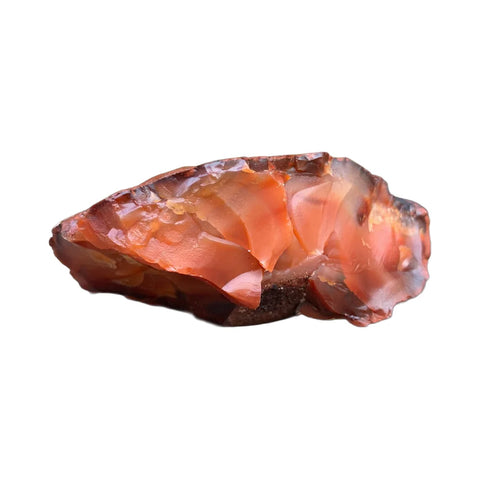
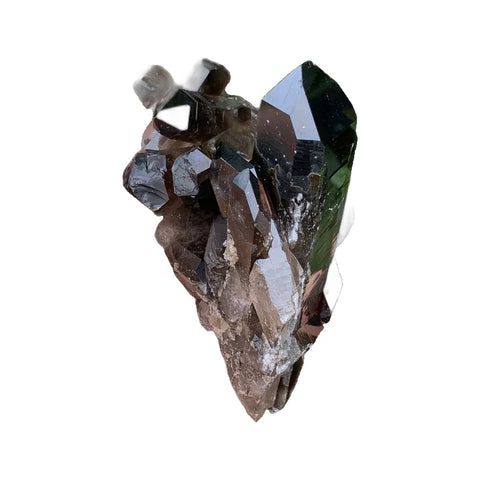
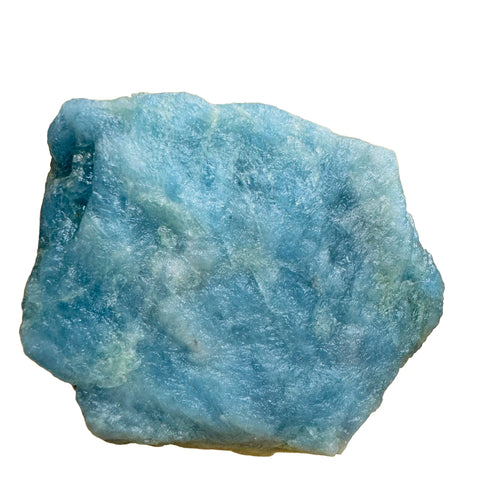
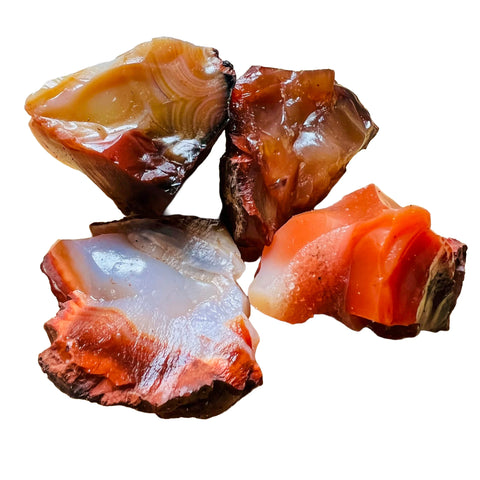


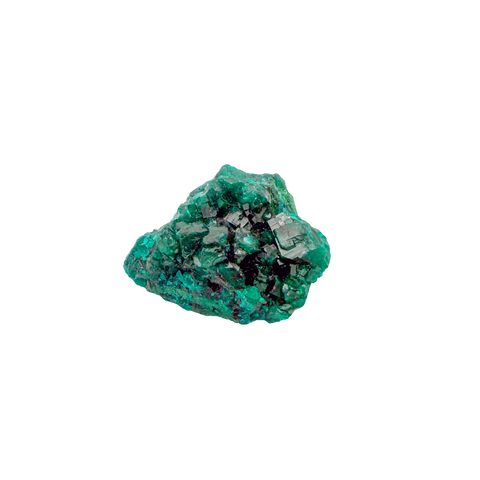
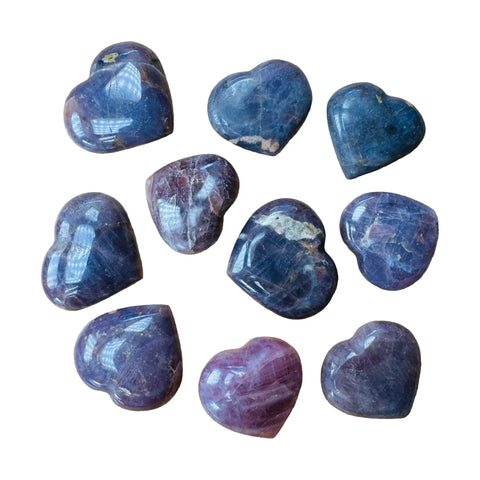
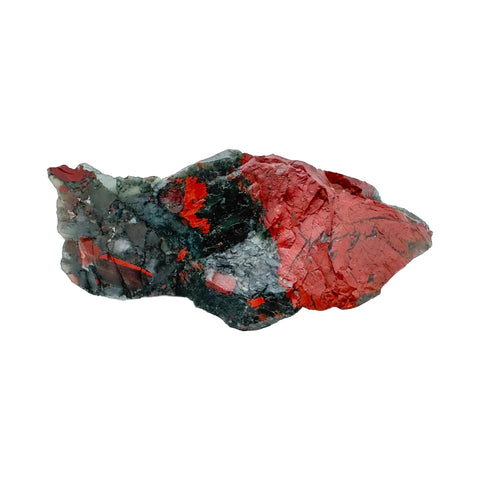
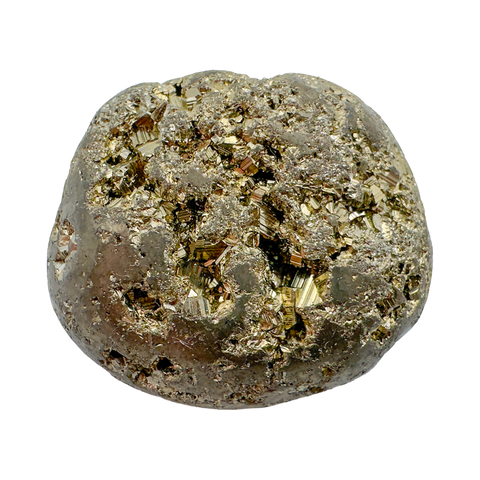
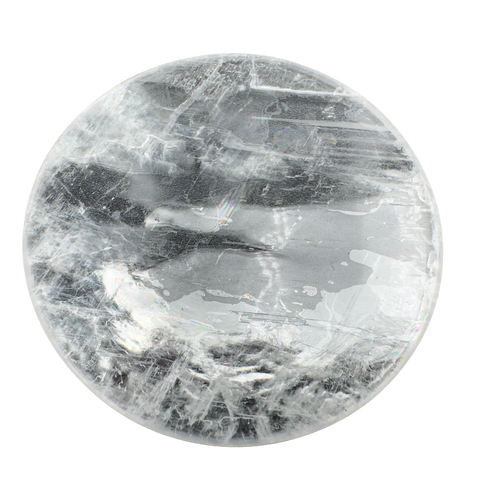
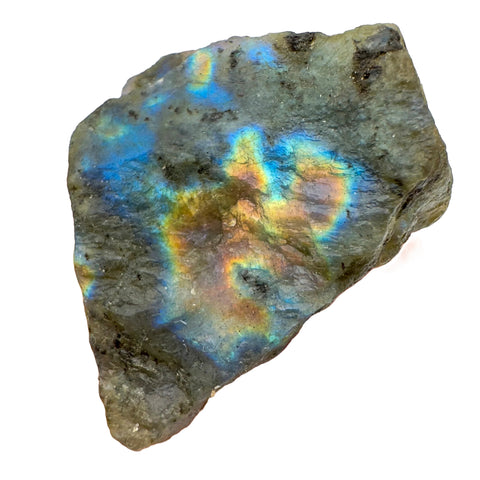
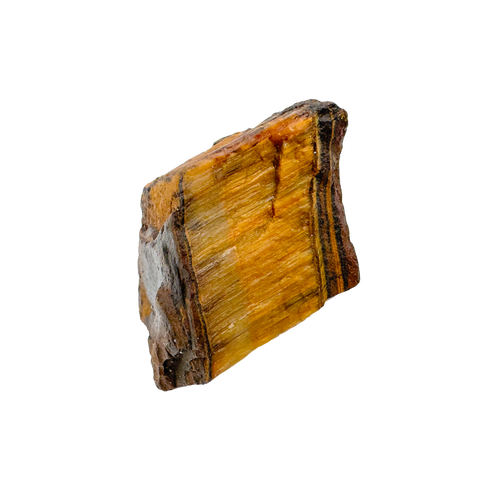
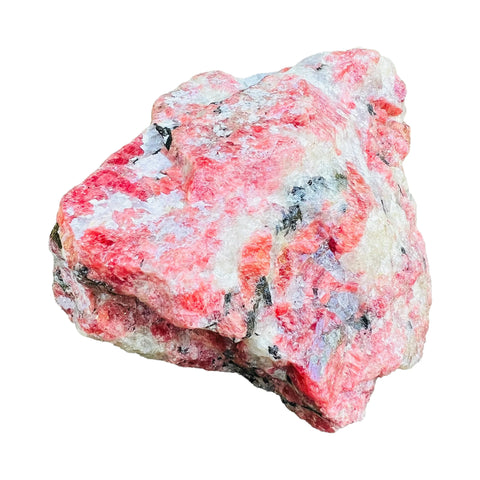
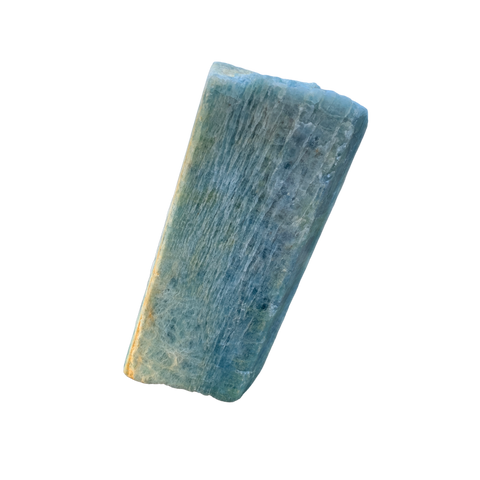
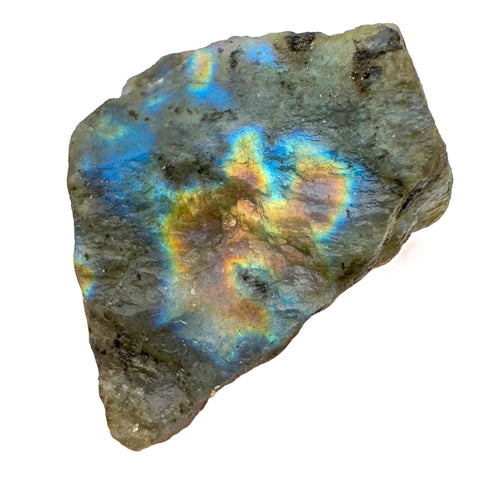
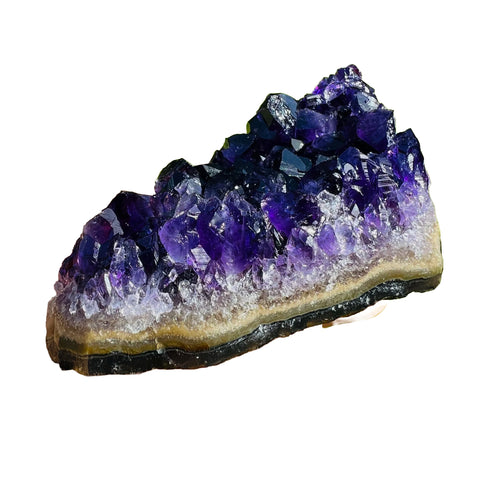



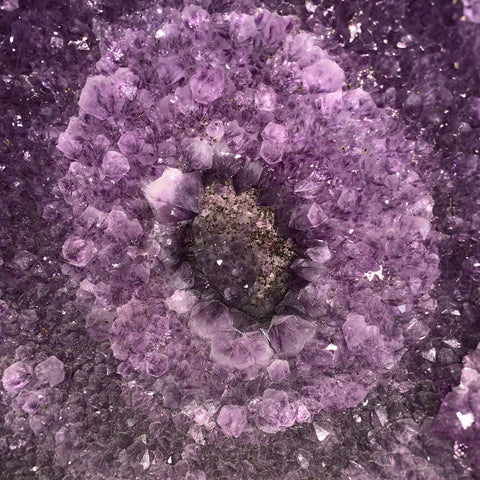

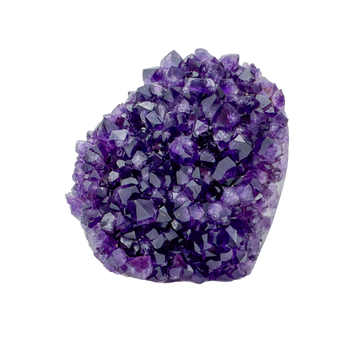
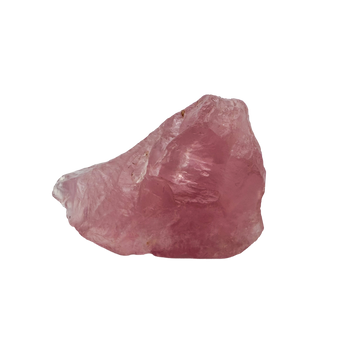
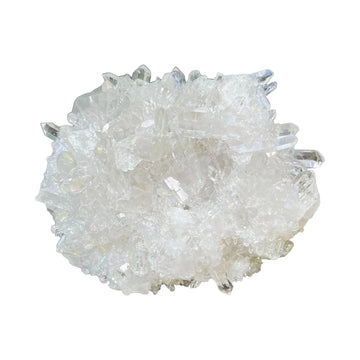
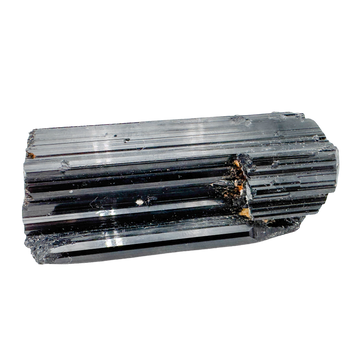
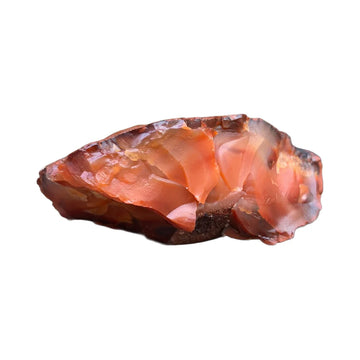
 Raw Stones
179 pieces
Raw Stones
179 pieces
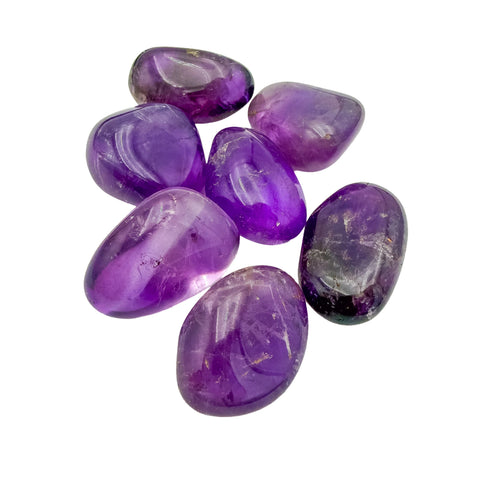
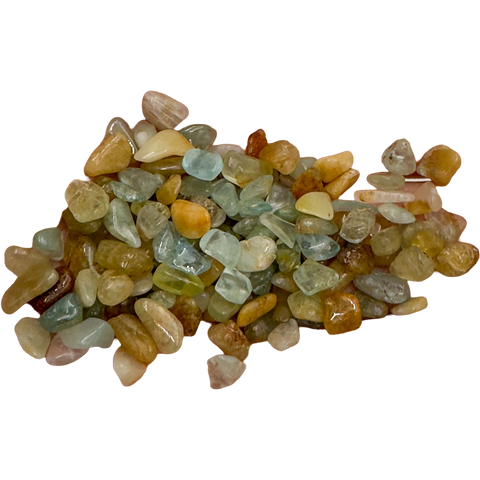
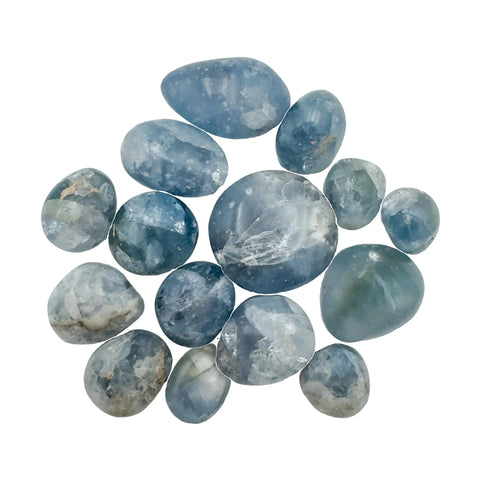
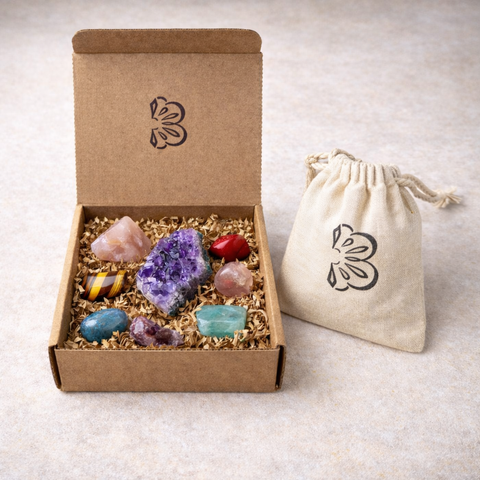
 Tumbled Stones
162 pieces
Tumbled Stones
162 pieces
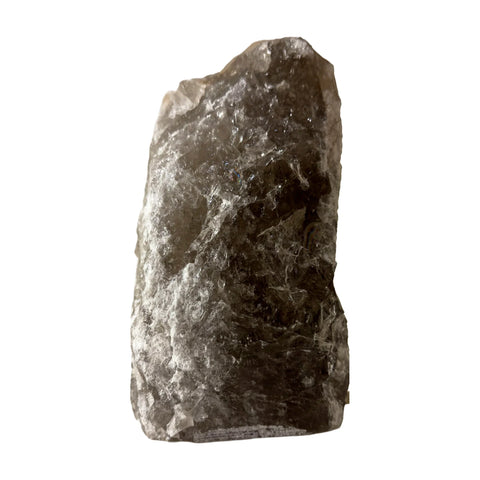
 Palm Stones
25 pieces
Palm Stones
25 pieces
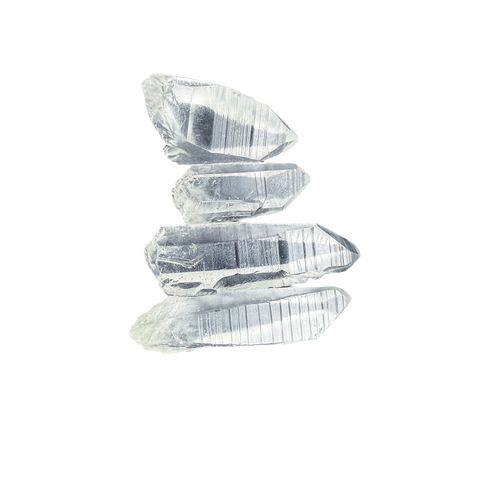
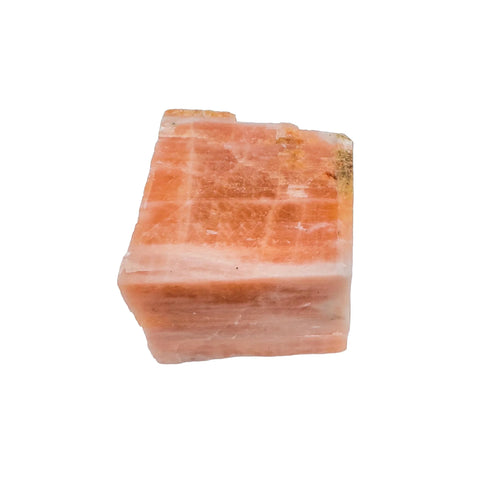
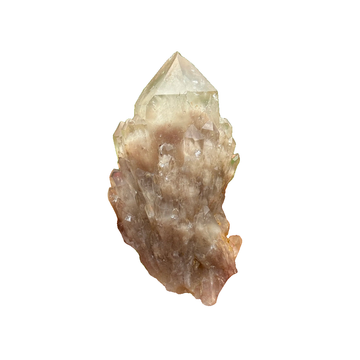
 Crystal Points
23 pieces
Crystal Points
23 pieces
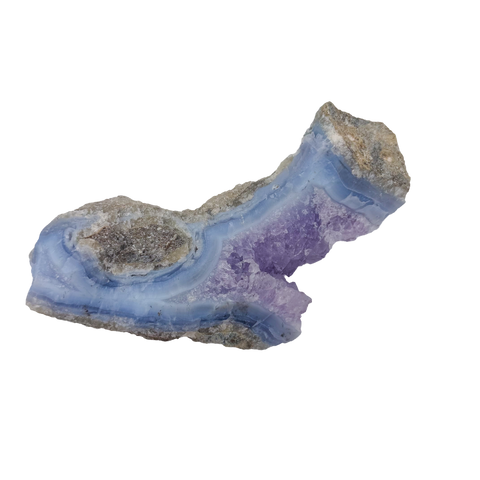
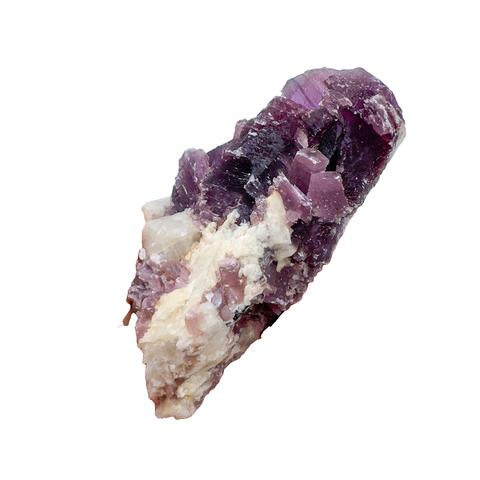
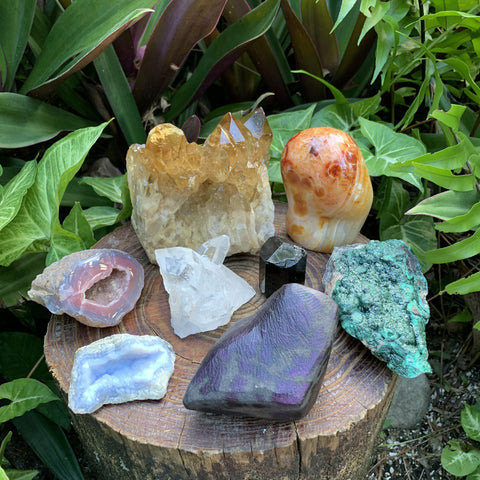
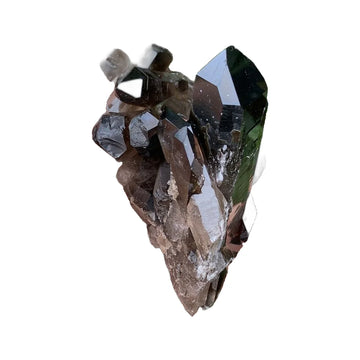
 Clusters & Geodes
105 pieces
Clusters & Geodes
105 pieces
 Polished & Decor
151 pieces
Polished & Decor
151 pieces
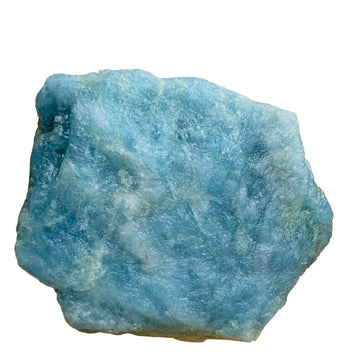
 Mineral Specimens
262 collector pieces
Mineral Specimens
262 collector pieces
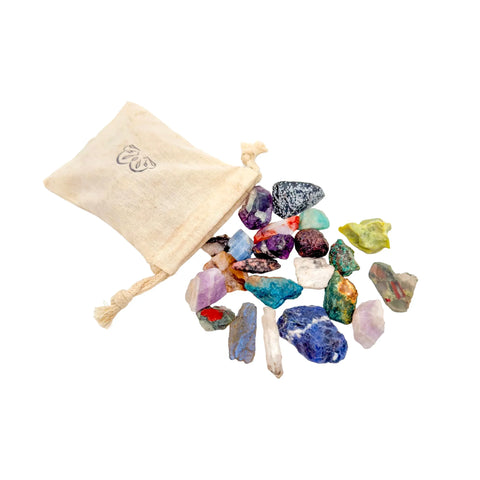
 Crystal Chips
21 pieces
Browse everything
Every collection, one page.
View All Collections →
Crystal Chips
21 pieces
Browse everything
Every collection, one page.
View All Collections →


 Aries
Mar 21 – Apr 19
Carnelian
›
Aries
Mar 21 – Apr 19
Carnelian
›
 Taurus
Apr 20 – May 20
Rose Quartz
›
Taurus
Apr 20 – May 20
Rose Quartz
›
 Gemini
May 21 – Jun 20
Agate
›
Gemini
May 21 – Jun 20
Agate
›
 Cancer
Jun 21 – Jul 22
Moonstone
›
Cancer
Jun 21 – Jul 22
Moonstone
›
 Leo
Jul 23 – Aug 22
Citrine
›
Leo
Jul 23 – Aug 22
Citrine
›
 Virgo
Aug 23 – Sep 22
Amazonite
›
Virgo
Aug 23 – Sep 22
Amazonite
›
 Libra
Sep 23 – Oct 22
Blue Lace Agate
›
Libra
Sep 23 – Oct 22
Blue Lace Agate
›
 Scorpio
Oct 23 – Nov 21
Obsidian
›
Scorpio
Oct 23 – Nov 21
Obsidian
›
 Sagittarius
Nov 22 – Dec 21
Sodalite
›
Sagittarius
Nov 22 – Dec 21
Sodalite
›
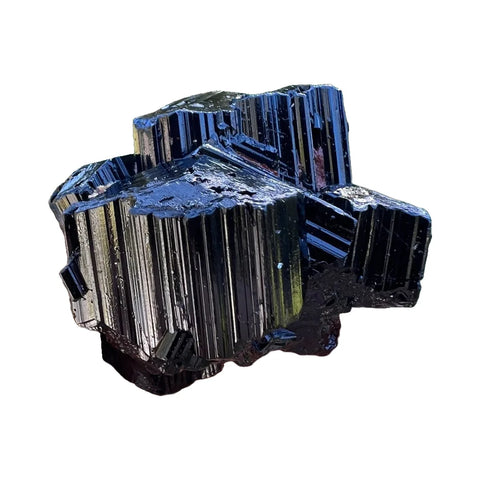
 Capricorn
Dec 22 – Jan 19
Black Tourmaline
›
Capricorn
Dec 22 – Jan 19
Black Tourmaline
›
 Aquarius
Jan 20 – Feb 18
Amethyst
›
Aquarius
Jan 20 – Feb 18
Amethyst
›
 Pisces
Feb 19 – Mar 20
Aquamarine
›
Gifting?
A birthday stone is the safe bet.
Read the zodiac guide →
Pisces
Feb 19 – Mar 20
Aquamarine
›
Gifting?
A birthday stone is the safe bet.
Read the zodiac guide →

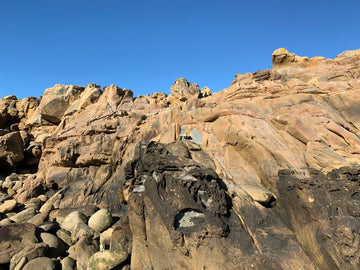
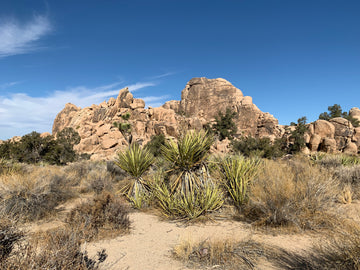

Yellow Jasper
Yellow Jasper is an opaque, sunny-ochre variety of microcrystalline quartz, colored by trace iron and traditionally worked with for confidence, steady energy, and the follow-through you already have in you. Warm in the hand, easy to live with, and honest about what it is.
Shop yellow-jasperThe geology.
Yellow Jasper is a microcrystalline variety of quartz (SiO₂) in the chalcedony family. Its warm mustard-to-honey tone comes from trace iron oxides distributed through the stone. Unlike the translucent quartzes, jasper is fully opaque, which is a clue to its fine-grained, densely packed structure.
It sits between 6.5 and 7 on the Mohs scale, which makes it durable enough for daily-wear jewelry and pocket carry. There's no cleavage, so chips come from impact rather than splitting, and a conchoidal fracture leaves the soft, shell-like curves you'll see along broken edges. Color can run uniform or show subtle banding where iron content shifted during formation.
The origins.
Yellow Jasper is mined across several commercial producers worldwide. Brazil, South Africa, and the United States have long supplied the global market, with deposits in Minas Gerais and the Northern Cape producing a steady flow of tumble-grade and specimen material. India and Madagascar are significant sources too, with Malagasy material now making up a meaningful share of the tumbled supply reaching small shops.
Each producer has a recognizable signature. Brazilian material tends toward softer honey tones. South African pieces often show deeper, more saturated ochre. Malagasy material is known for a warmer mustard body with clean color through the piece. These differences don't track to quality so much as preference. A piece worth buying reads well to your eye first, and has a country of origin the seller can actually name.
Traditional associations.
Jasper takes its name from the Greek iaspis, itself borrowed from older Semitic roots, and has been worked by humans since at least the Neolithic. Yellow Jasper in particular was carried in Roman amulets and used across several West African traditions as a stone for travelers. The sunny color has long been linked to warmth, steadiness, and the sun itself.
Many people work with Yellow Jasper for confidence, motivation, and the quieter side of self-trust, the kind that carries you through a slow season rather than a quick win. It's most commonly associated with the Solar Plexus chakra, the elements of Earth and Fire, and the zodiac signs Aries and Leo.
Spotting the real thing.
Real Yellow Jasper has a matte-to-waxy finish when polished and an uneven, natural color that can drift from honey to ochre within a single piece. Hold it to strong light and it stays opaque, no translucency at the edges. Under a loupe you may see tiny pits or grain, which is normal for a microcrystalline material.
The common substitutions are dyed chalcedony and dyed agate, both of which show saturated, uniform color with no subtle shifts. Dyed pieces often reveal pigment pooling in surface fractures. Glass imitations feel noticeably warmer and smoother, with no pitting on the surface. If a seller can't name a country of origin, treat the silence as the answer.
Care & handling.
Water safe for a brief rinse with warm water and a soft cloth. Skip long soaks, saltwater, and ultrasonic cleaners. Yellow Jasper is stable under sunlight and doesn't fade, so a windowsill is fine for display.
Cleanse energetically with moonlight, sound, smoke, or by placing on selenite. At 6.5 to 7 on the Mohs scale it handles daily wear well, but store it separately from harder stones like topaz and sapphire to keep the polish sharp. A small pouch in a pocket or bag is plenty.
Pairs well with.
Proof, not promises.
We measure our own sourcing across five dimensions. Supply chain, environmental footprint, artisan support, market integrity, and pricing. The number is honest, not perfect. Where we can do better, we say so.
A deeper look.
Extended geology, sourcing, authentication, history, varieties, and pricing, for when the quick guide isn't quite enough.
Extended geology
Yellow Jasper is a microcrystalline variety of quartz (SiO₂) in which the crystalline structure is made up of tightly interlocked grains too small to resolve without magnification. This density is what makes jasper opaque while other quartzes are clear. Color comes from iron oxides (goethite, hematite) distributed through the matrix, with trace amounts determining whether a piece reads mustard, honey, or deeper ochre.
Specific gravity falls between 2.58 and 2.91, depending on inclusions. Mohs hardness sits at 6.5 to 7. Luster is vitreous to waxy. There's no cleavage, and fracture is conchoidal. Polish takes well to a high matte or glassy shine depending on finishing technique.
Extended sourcing
Brazil's Minas Gerais region has long been a major supplier of both tumbled and specimen jasper, including Yellow Jasper. South Africa's Northern Cape produces commercial-grade material. The United States, particularly Oregon and Idaho, has historically yielded some of the most distinct yellow and patterned jaspers, though much of that material now commands collector prices. India and Madagascar round out the current global supply.
Madagascar is worth naming specifically because it now accounts for a significant share of the small-shop tumbled market. Malagasy material is often hand-sorted and finished in workshops around Antananarivo before export. Each source has a recognizable color signature once you've handled enough pieces.
Authentication and warning signs
Look for natural, slightly uneven color that shifts across a single piece. A matte-to-waxy finish, not glassy. Under a loupe, you may see tiny pits, grain, or microfissures typical of microcrystalline quartz. Hardness test: Yellow Jasper will scratch glass and will not be scratched by a steel blade.
Dyed chalcedony and dyed agate are the common fakes. Dead giveaways: perfectly uniform saturation, color pooling in fractures, or a suspiciously vibrant yellow. Reconstituted or resin-bonded jasper also exists; it tends to feel lighter and show visible particles under magnification. Silence on origin and treatment is a warning sign on its own.
Historical and cultural context
Jasper has been carried, carved, and worn for at least eight thousand years. Yellow Jasper specifically appears in Roman amulets and across several West African traditions as a travel stone. The name comes from the Greek iaspis, ultimately from older Semitic roots meaning spotted or banded stone.
The historical Christian traditions list jasper among the foundation stones of the New Jerusalem. Islamic and pre-Islamic traditions used it on seal rings and amulets for protection. The through-line across traditions is a stone worn close to the body for steadiness over long travel.
Varieties and trade names
Mustard Jasper: a widely used trade name for deeper yellow-ochre material.
Honey Jasper: a warmer, lighter variation often showing subtle swirls or banding.
Polychrome Jasper: multi-color Malagasy jasper that may include yellow, red, and cream in a single piece.
Picture Jasper: yellow-tan stone showing scenic banding that resembles painted desert scenes, a separate market category.
Pricing reality
Tumbled Yellow Jasper: 2 to 8 dollars per piece. Small carved shapes and palm stones: 10 to 30 dollars. Larger polished freeforms and spheres: 30 to 120 dollars depending on size and clarity of color.
Value drivers: depth and evenness of color, absence of chips and cracks, clean polish, documented origin. Warning signs: suspiciously uniform saturation at low price points, no origin on offer, sellers pushing healing claims harder than sourcing detail.
Good sourcing is a practice, not a claim.
Nothing we sell is dyed, stabilized, or color-enhanced without full disclosure. We name our origins where we can. We say so when we cannot. We walk away from material that doesn't meet our standard, even when it costs us sales.
Bring yellow-jasper home.
Every piece we carry is photographed individually and listed with its own origin and treatment notes. What you see is what ships.
Shop the yellow-jasper collectionThe Slow Note
New stones go to the list first.
No forwarding, no selling. Unsubscribe in one click. Privacy