


 Agatefor stress relief
 Amazonitefor stress relief
 Aquamarinefor serenity
 Aventurinefor luck
 Bloodstonefor energy
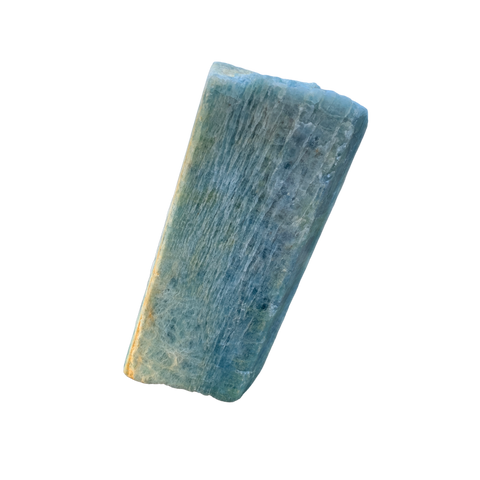
 Blue Kyanitefor confidence
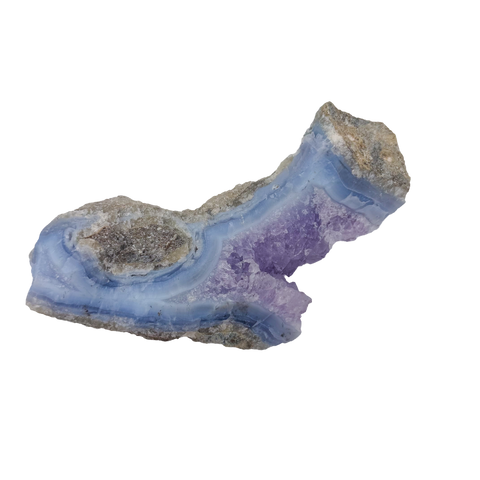
 Blue Lace Agatefor stress relief
 Chrysocollafor emotional healing
 Fluoritefor focus
 Garnetfor energy
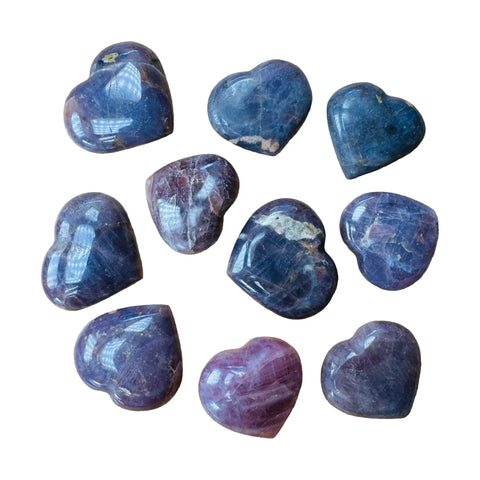
 Lepidolitefor stress relief
 Malachitefor emotional healing
 Moonstonefor grounding
 Obsidianfor protection
 Ocean Jasperfor emotional healing
 Red Jasperfor grounding
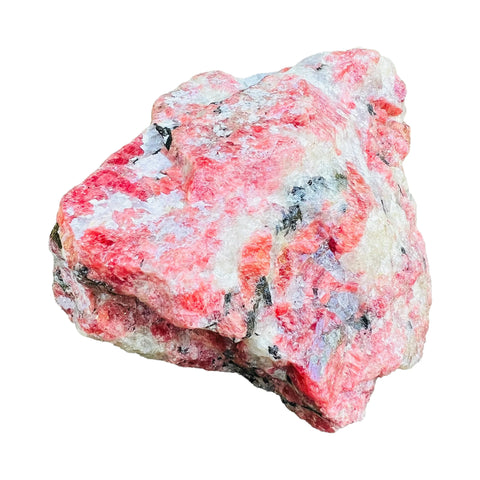
 Rhodonitefor emotional healing
 Selenitefor cleansing
 Sodalitefor focus
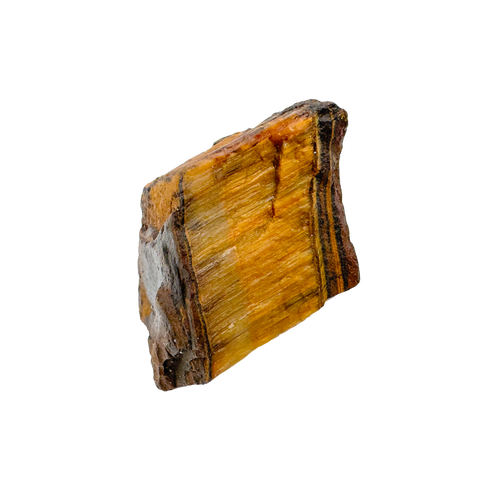
 Tiger Eyefor confidence
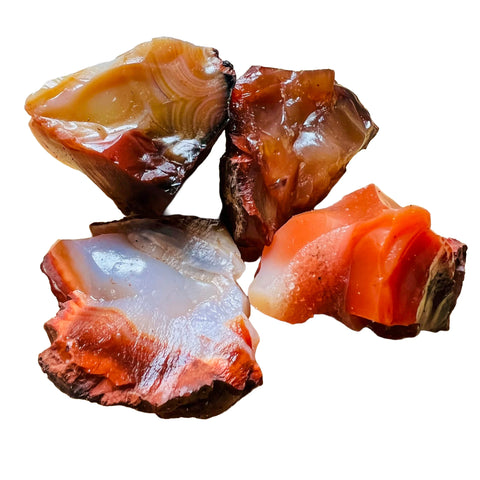
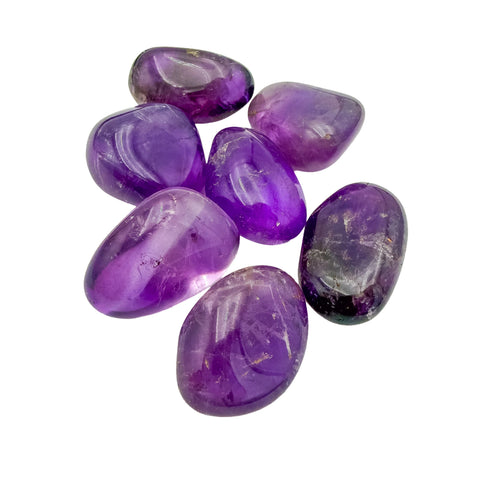


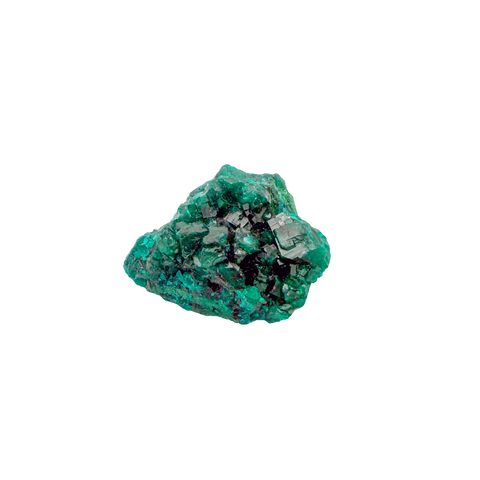
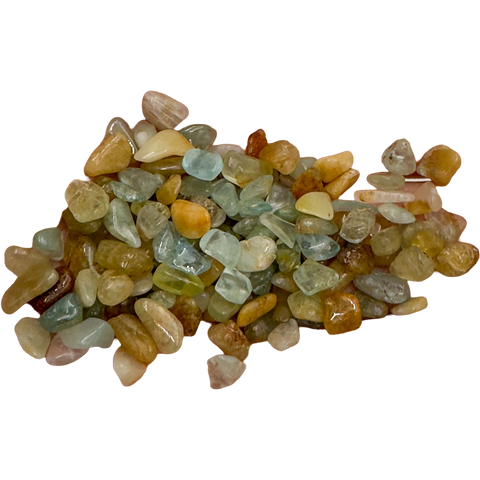
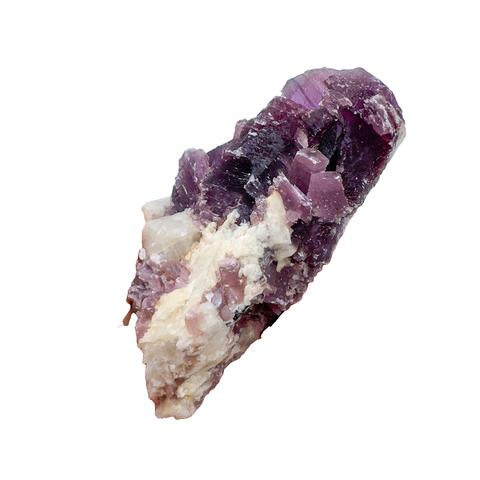
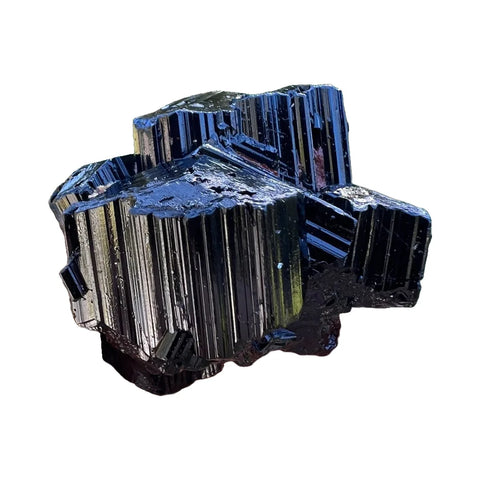


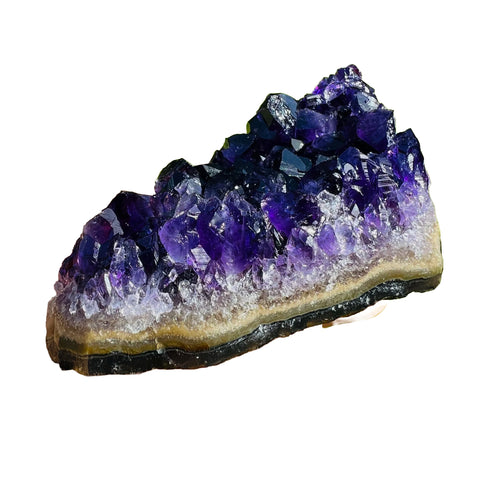




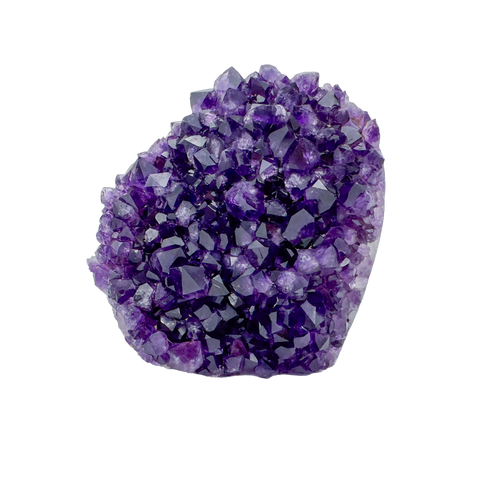
 Amethyst
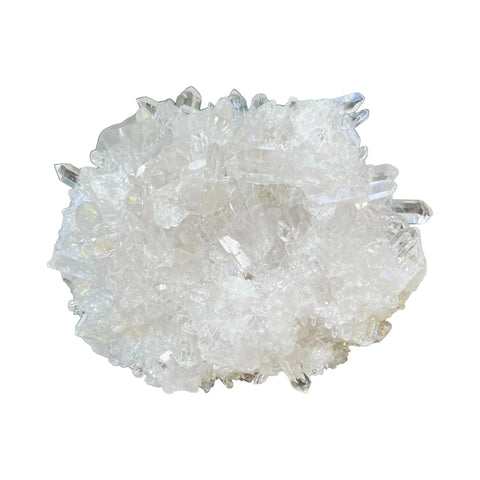
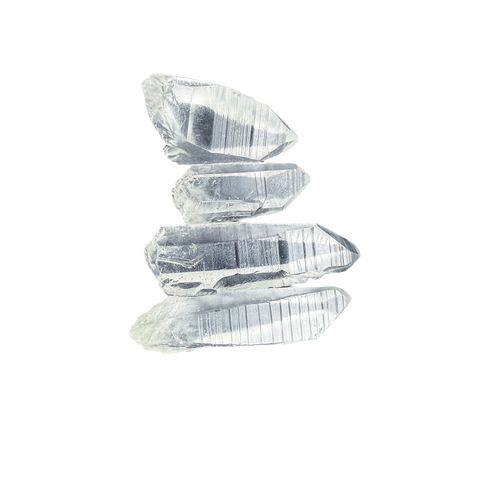
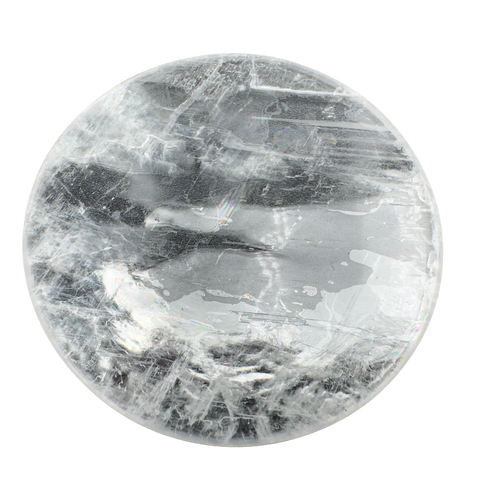
 Clear Quartz
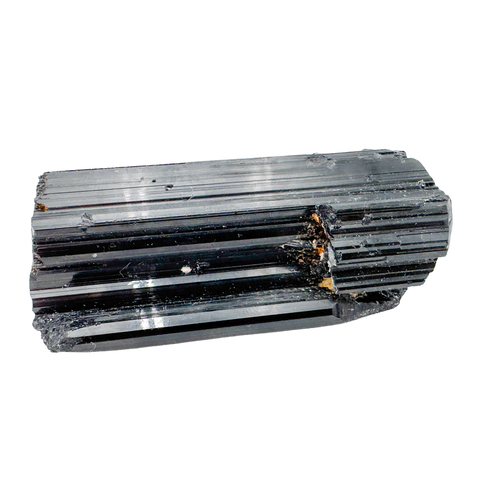
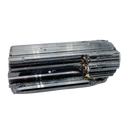 Black Tourmaline
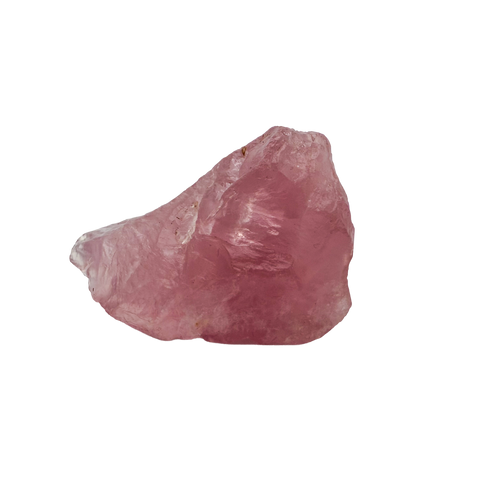
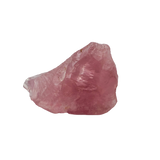 Rose Quartz
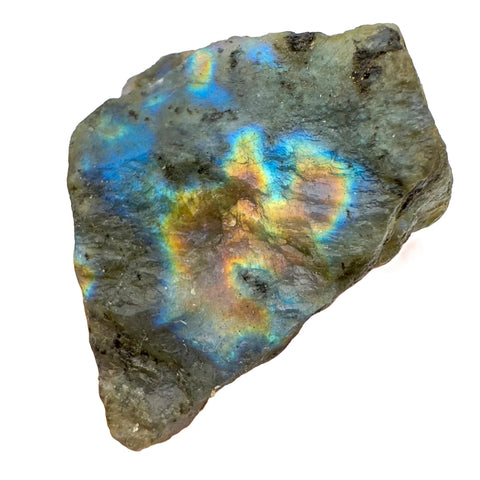
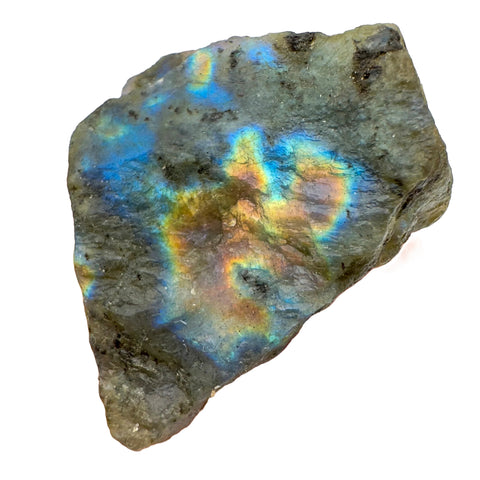
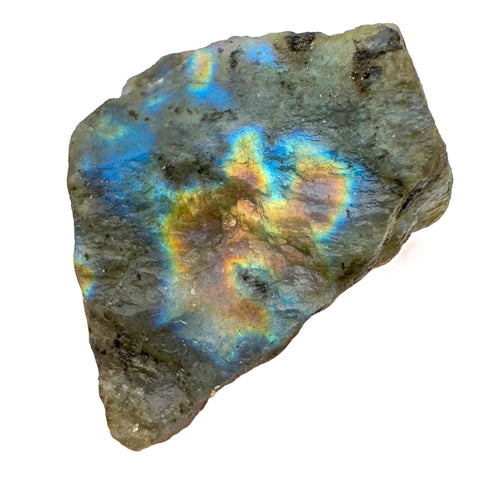
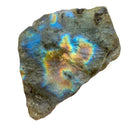 Labradorite
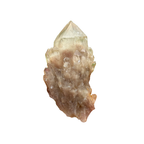 Natural Citrine
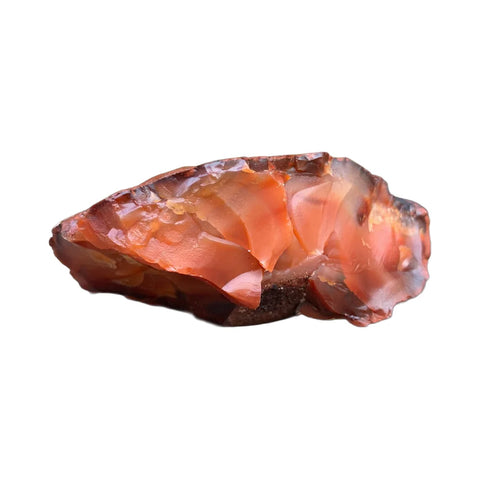
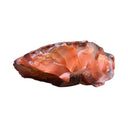 Carnelian
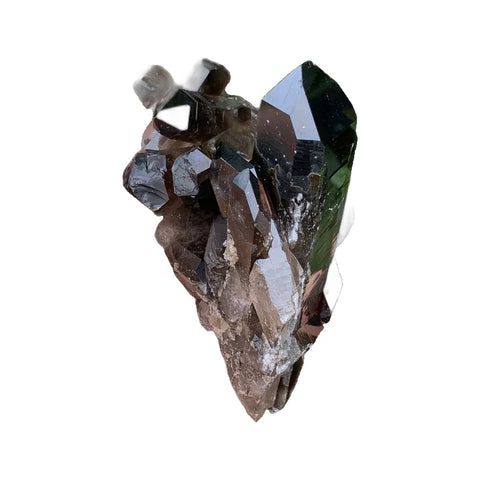
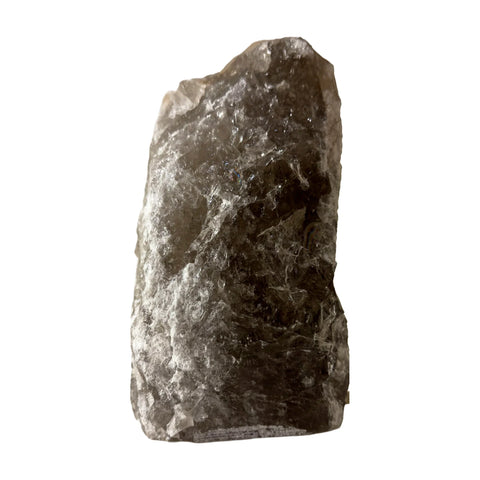
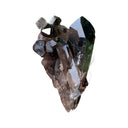 Smoky Quartz
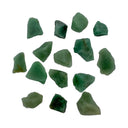 Aventurine
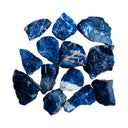 Sodalite
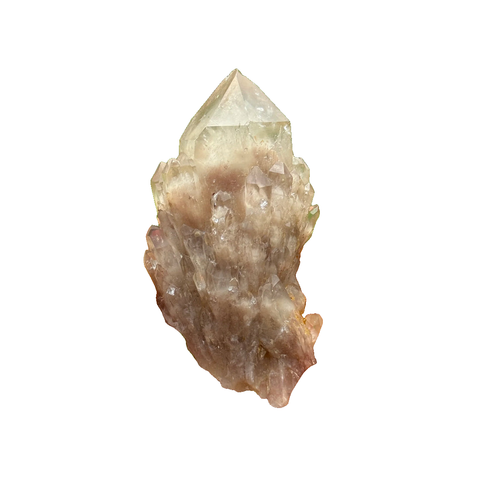
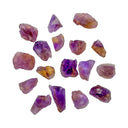 Ametrine
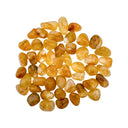 Golden Healer
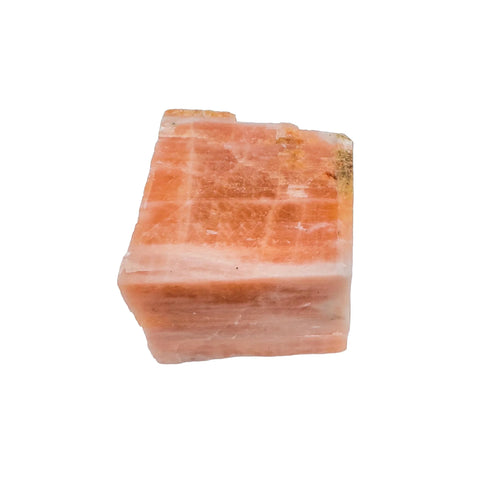
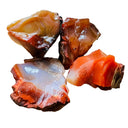 Raw Stones
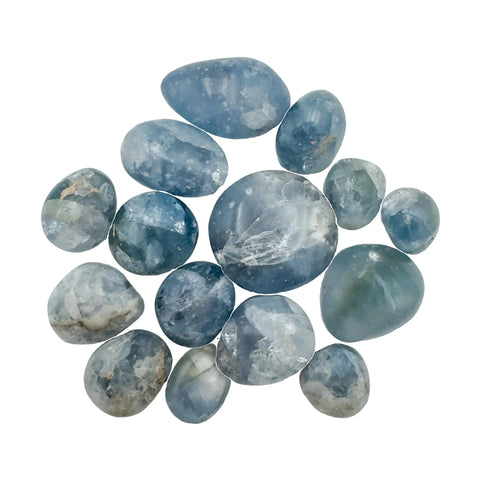
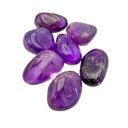 Tumbled Stones
 Palm Stones
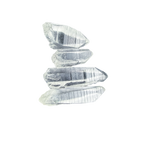 Crystal Points
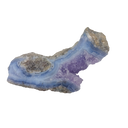 Clusters & Geodes
 Polished & Decor
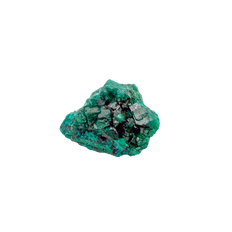 Mineral Specimens
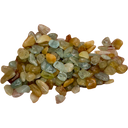 Crystal Chips
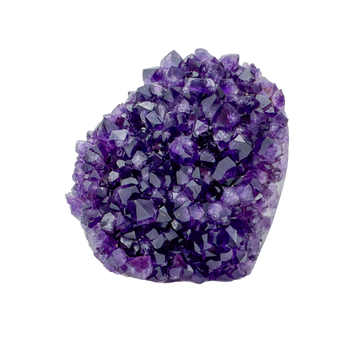
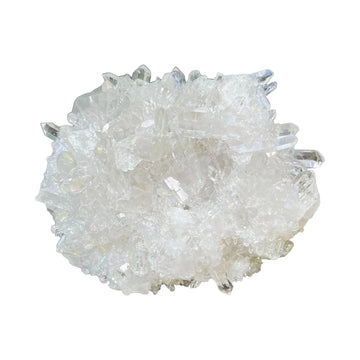
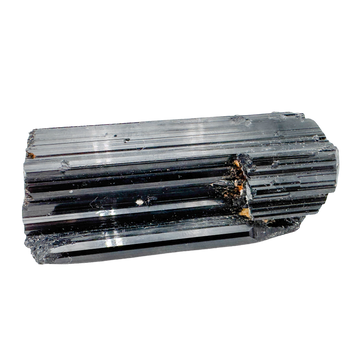
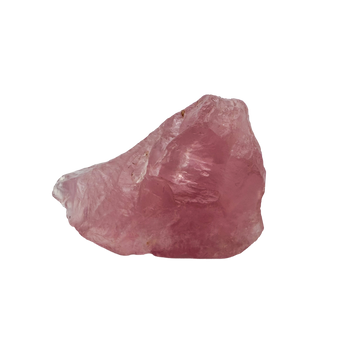
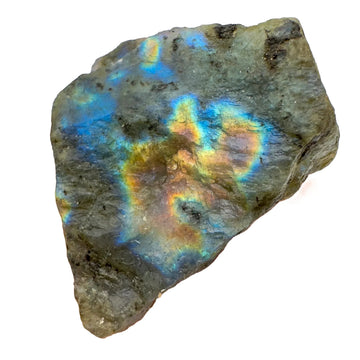
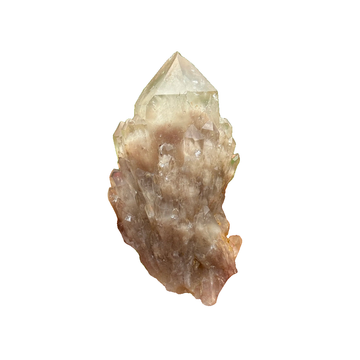
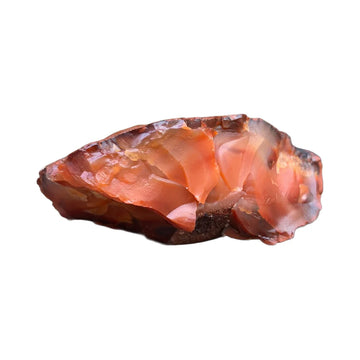
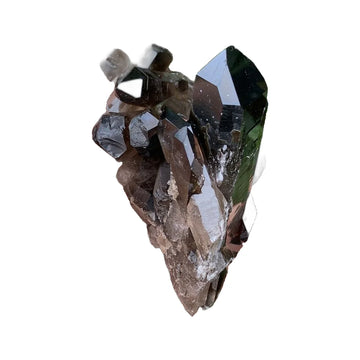
 Raw Stones
179 to choose from
Raw Stones
179 to choose from
 Tumbled Stones
162 to choose from
Tumbled Stones
162 to choose from
 Palm Stones
25 to choose from
Palm Stones
25 to choose from
 Crystal Points
23 to choose from
Crystal Points
23 to choose from
 Clusters & Geodes
98 to choose from
Clusters & Geodes
98 to choose from
 Polished & Decor
147 to choose from
Polished & Decor
147 to choose from
 Mineral Specimens
248 to choose from
Mineral Specimens
248 to choose from
 Crystal Chips
21 to choose from
Crystal Chips
21 to choose from


 AngolaAquamarine
›
AngolaAquamarine
›
 BotswanaCarnelian, Tree Agate
›
BotswanaCarnelian, Tree Agate
›
 DR CongoMalachite, Natural Citrine
›
DR CongoMalachite, Natural Citrine
›
 EswatiniBloodstone
›
EswatiniBloodstone
›
 MadagascarLabradorite, Clear Quartz
›
MadagascarLabradorite, Clear Quartz
›
 MalawiBlue Lace Agate, Garnet
›
MalawiBlue Lace Agate, Garnet
›
 MozambiqueAmazonite
›
MozambiqueAmazonite
›
 NamibiaSodalite, Blue Lace Agate
›
NamibiaSodalite, Blue Lace Agate
›
 Republic of the CongoDioptase
›
Republic of the CongoDioptase
›
 South AfricaTiger Eye, Unakite
›
South AfricaTiger Eye, Unakite
›
 ZambiaChevron Amethyst
›
ZambiaChevron Amethyst
›
 ZimbabweEmerald, Rhodonite
›
ZimbabweEmerald, Rhodonite
›
 ArgentinaBlack Obsidian, Rhodochrosite
›
ArgentinaBlack Obsidian, Rhodochrosite
›
 BoliviaAmetrine
›
BoliviaAmetrine
›
 BrazilAmethyst, Clear Quartz
›
BrazilAmethyst, Clear Quartz
›
 PeruSerpentine, Jade
›
PeruSerpentine, Jade
›
 UruguayAmethyst
›
UruguayAmethyst
›
 Dominican RepublicLarimar
›
Dominican RepublicLarimar
›
 MexicoRainbow Obsidian, Crazy Lace Agate
›
MexicoRainbow Obsidian, Crazy Lace Agate
›
 United StatesSelenite, Peridot
›
United StatesSelenite, Peridot
›
 ChinaFluorite
›
ChinaFluorite
›
 RussiaShungite
›
RussiaShungite
›
 AustraliaMookaite
›
AustraliaMookaite
›
 Where our crystals come from
See where we source →
Where our crystals come from
See where we source →


 Aries
Mar 21 to Apr 19
Carnelian
›
Aries
Mar 21 to Apr 19
Carnelian
›
 Taurus
Apr 20 to May 20
Rose Quartz
›
Taurus
Apr 20 to May 20
Rose Quartz
›
 Gemini
May 21 to Jun 20
Agate
›
Gemini
May 21 to Jun 20
Agate
›
 Cancer
Jun 21 to Jul 22
Moonstone
›
Cancer
Jun 21 to Jul 22
Moonstone
›
 Leo
Jul 23 to Aug 22
Citrine
›
Leo
Jul 23 to Aug 22
Citrine
›
 Virgo
Aug 23 to Sep 22
Amazonite
›
Virgo
Aug 23 to Sep 22
Amazonite
›
 Libra
Sep 23 to Oct 22
Blue Lace Agate
›
Libra
Sep 23 to Oct 22
Blue Lace Agate
›
 Scorpio
Oct 23 to Nov 21
Obsidian
›
Scorpio
Oct 23 to Nov 21
Obsidian
›
 Sagittarius
Nov 22 to Dec 21
Sodalite
›
Sagittarius
Nov 22 to Dec 21
Sodalite
›
 Capricorn
Dec 22 to Jan 19
Black Tourmaline
›
Capricorn
Dec 22 to Jan 19
Black Tourmaline
›
 Aquarius
Jan 20 to Feb 18
Amethyst
›
Aquarius
Jan 20 to Feb 18
Amethyst
›
 Pisces
Feb 19 to Mar 20
Aquamarine
›
Gifting?
A birthday stone is the safe bet.
Read the zodiac guide →
Pisces
Feb 19 to Mar 20
Aquamarine
›
Gifting?
A birthday stone is the safe bet.
Read the zodiac guide →

African Bloodstone
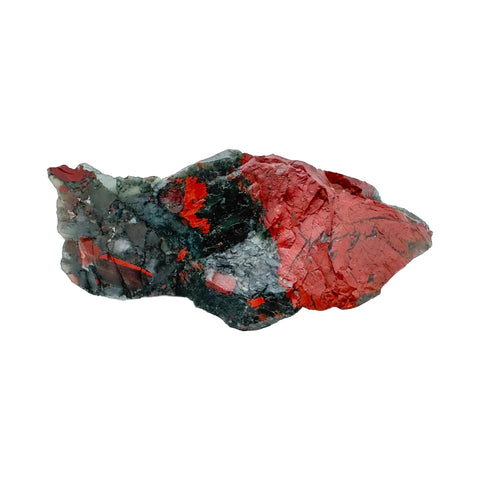
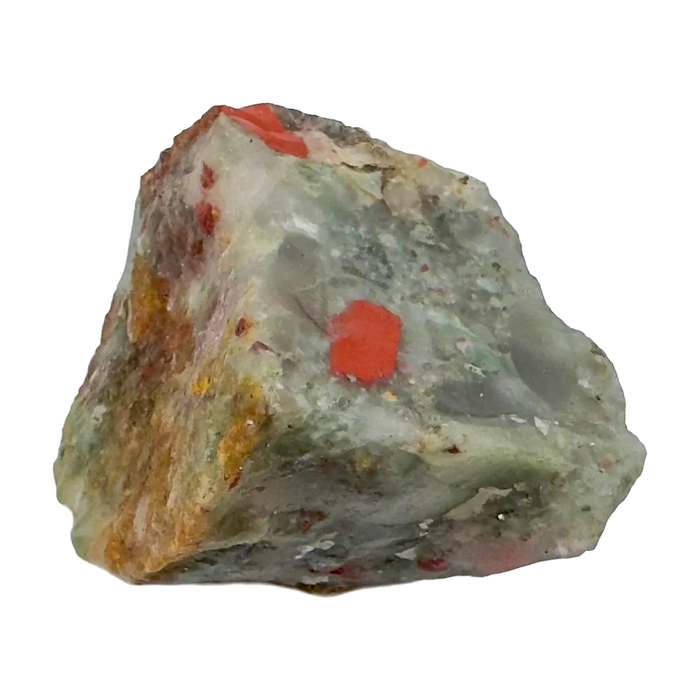
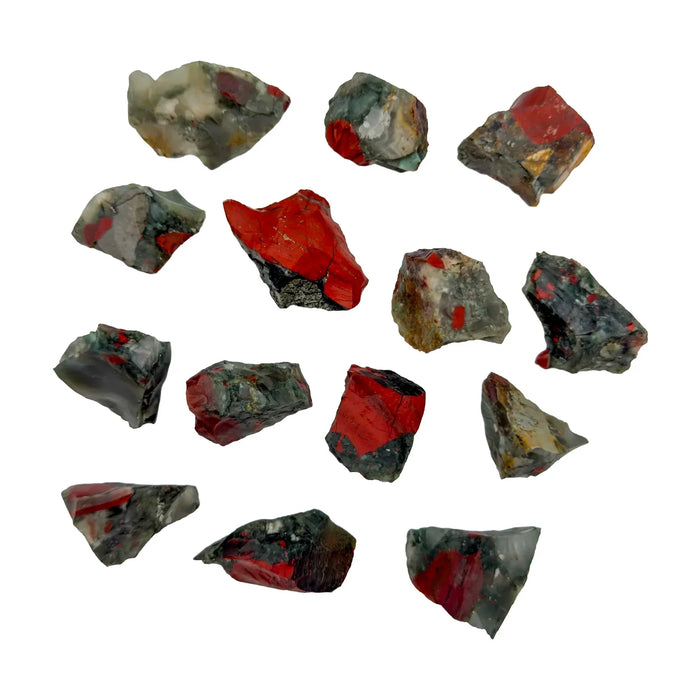
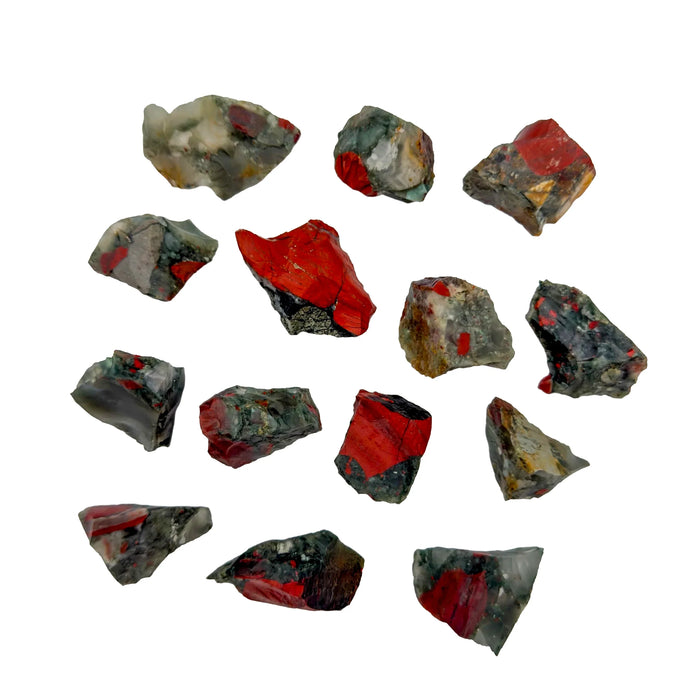
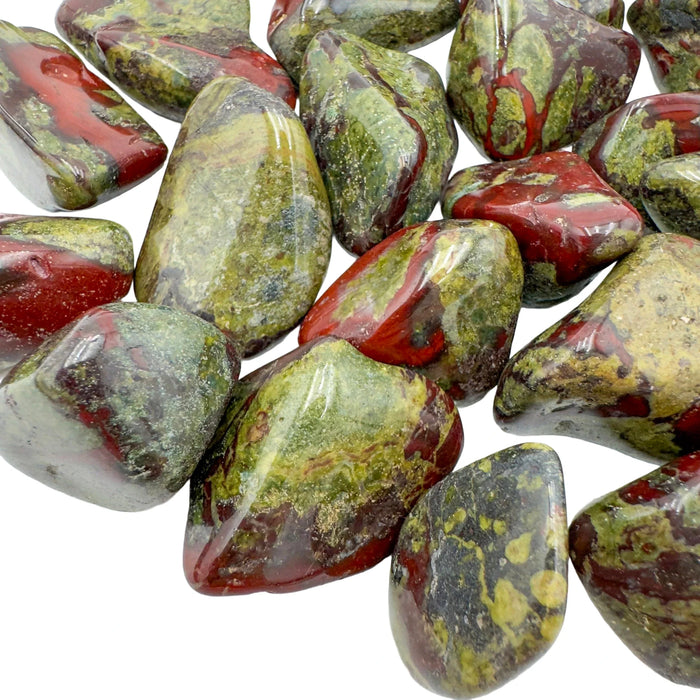
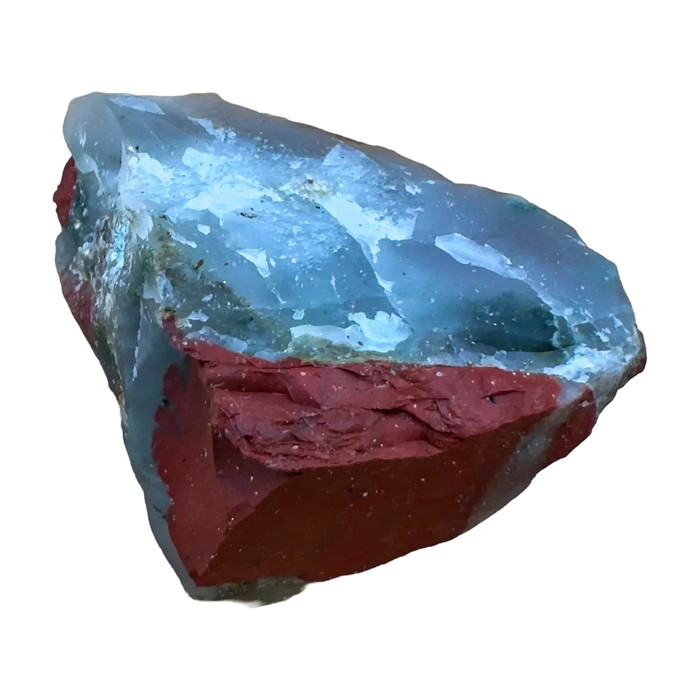
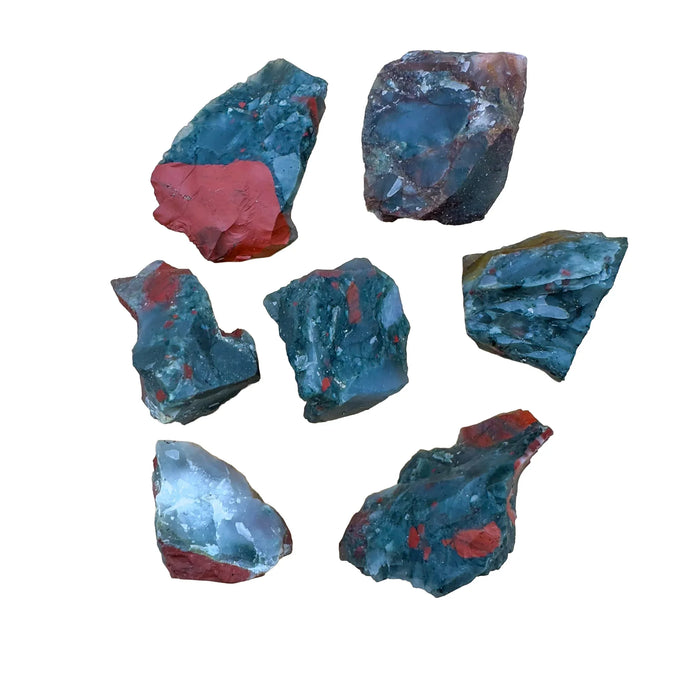
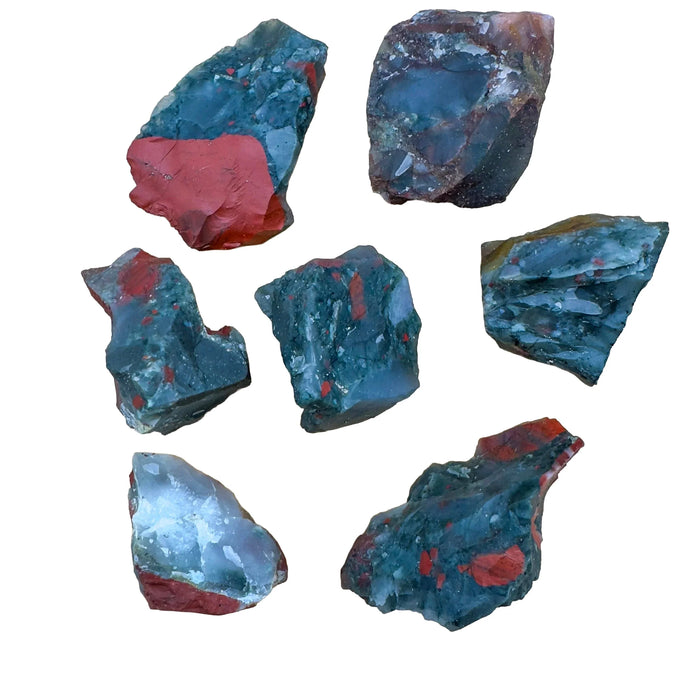
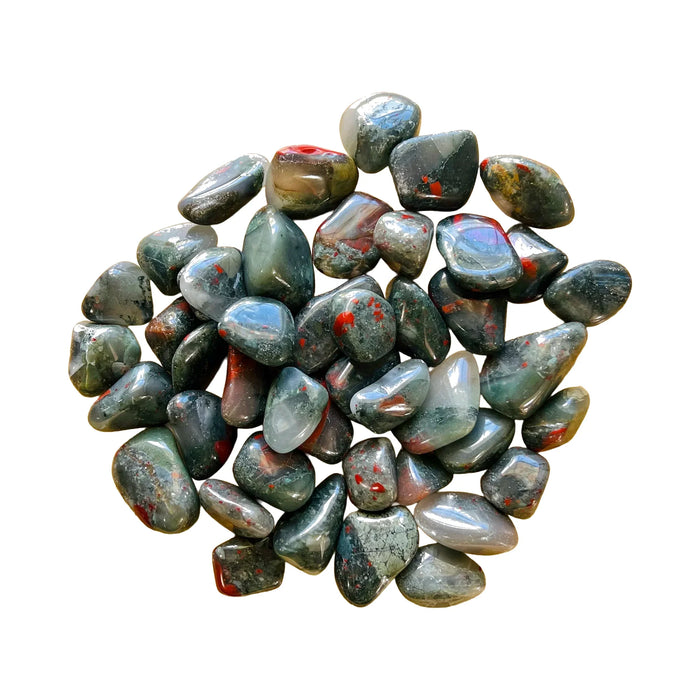
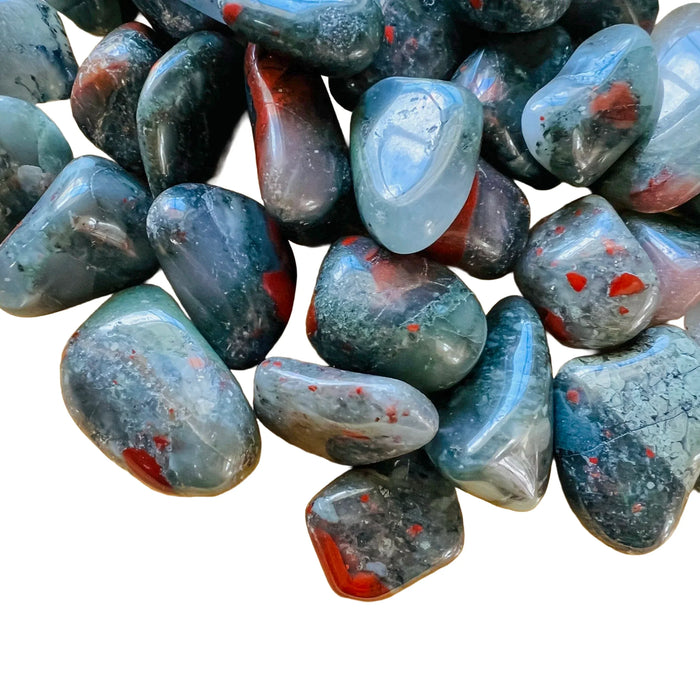
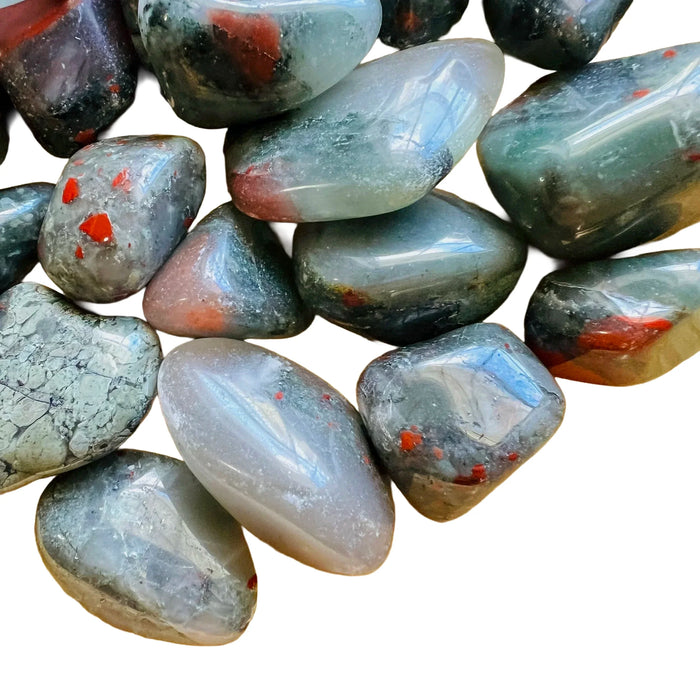
African Bloodstone, also called heliotrope, is a dark green chalcedony scattered with deep red iron oxide inclusions that look like drops of blood held inside the stone. The African material from the Kingdom of Eswatini is especially dense and richly colored, and it's often traditionally worked with for courage, strength, and physical grounding.
Shop bloodstoneAfrican Bloodstone, in stock now.
Our most-loved African Bloodstone pieces, ready to ship.

- from 1,000+ reviews
- Ships within 72 hoursMonday to Friday, tracked
- 90 days to return itif you do not love it
- Free US shipping over $99$8.99 flat rate under
The geology.
Bloodstone is a variety of cryptocrystalline chalcedony, which is itself a microcrystalline form of quartz (SiO₂). The dark green base color comes from fine inclusions of chlorite and amphibole minerals. The red spots and flecks that give bloodstone its name are iron oxide (hematite) inclusions scattered through the stone as it formed.
Because the crystal structure is so fine that individual grains are invisible to the eye, bloodstone takes a smooth, waxy polish. Hardness sits between 6.5 and 7, making it durable for carving, jewelry, and daily handling. Classic African Bloodstone from Eswatini tends toward deep forest green with vivid blood-red inclusions, tighter and more concentrated than the softer patterning often seen in Indian material.
The origins.
African Bloodstone is the trade name for bloodstone mined on the African continent. The name exists to distinguish it from the lighter, more mottled bloodstone that dominates the global market out of India. The Hhohho region of Eswatini has been the most consistent commercial source for decades, producing pieces prized for a tight green body and sharp iron oxide inclusions. Smaller volumes also come from parts of South Africa.
Because the name is geographic, the pieces we carry under this name come from African origins only. The material is gathered by small-scale miners working surface deposits and weathered outcrops of metamorphic host rock. We confirm country and region of origin on each batch before listing.
Traditional associations.
Bloodstone has been worked with for thousands of years and was one of the most valued stones in the ancient Mediterranean world. Greek and Roman soldiers carried it into battle as a talisman for courage and protection. The name heliotrope, from the Greek for 'sun-turning', comes from the idea that the polished stone reflected the sun in water. Medieval Europeans associated the red spots with the blood of Christ, and it was carved into religious seals and pendants.
Many people work with bloodstone for grounding, strength, courage, and circulation-adjacent intentions. It is most commonly associated with the Root and Heart chakras, the element of Earth, and the zodiac signs Aries, Libra, and Pisces. The African material, with its darker base and brighter inclusions, is often chosen for its intensity.
Spotting the real thing.
Real bloodstone shows an opaque green body with irregular, naturally distributed red iron oxide inclusions. The spots vary in size, shape, and density across a single piece. They never form a perfectly uniform pattern. Under strong light the base color may show subtle translucency at thin edges. The polish is glassy and waxy, not plasticky.
Dyed material is the most common imitation. Suspicious signs include uniform red dots spaced too evenly, color that looks painted onto the surface rather than distributed through the stone, and parting lines along fractures where dye has pooled. Green glass with artificial red flecks also circulates at low price points. Ask for country of origin. Silence about sourcing and treatment is the real warning sign.
Care & handling.
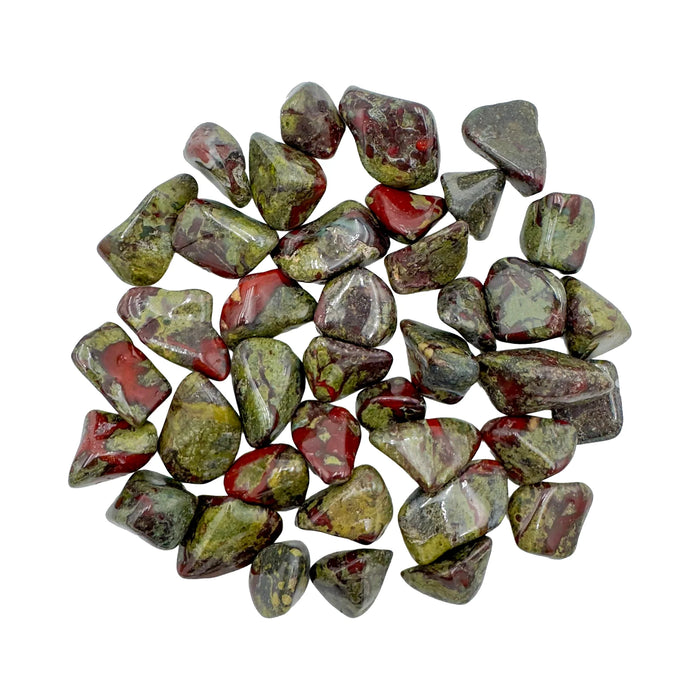
Water-safe for short cleaning with warm water and a soft cloth. Avoid prolonged salt water soaks, which can dull the polish over time, especially on tumbled pieces. Bloodstone tolerates sunlight well, though any stone can be dulled by constant UV exposure.
Cleanse energetically with moonlight, sound, smoke, or by placing on selenite overnight. The hardness of 6.5 to 7 makes bloodstone durable enough for daily wear as jewelry, worry stones, and pocket pieces. Avoid hard knocks that could chip the edges of tumbled stones or the terminations of carved pieces.
Pairs well with.
Proof, not promises.
We measure our own sourcing across five dimensions. Supply chain, environmental footprint, artisan support, market integrity, and pricing. The number is honest, not perfect. Where we can do better, we say so.
A deeper look.
Extended geology, sourcing, authentication, history, varieties, and pricing, for when the quick guide isn't quite enough.
Extended geology
Bloodstone belongs to the cryptocrystalline branch of quartz, where silica grains are so small they are invisible without magnification. The base green color is produced by fine inclusions of chlorite, amphibole, and sometimes celadonite distributed through the chalcedony matrix. The red spots are hematite or, less commonly, red jasper inclusions, incorporated as the chalcedony formed in silica-rich hydrothermal conditions. Specific gravity falls between 2.58 and 2.64. Refractive indices run 1.535 to 1.539 with negligible birefringence. Luster is waxy to vitreous, fracture is conchoidal, and there is no cleavage. Mohs hardness sits between 6.5 and 7.
Because the stone is opaque and microcrystalline, there is no visible crystal form or zoning in the classic sense. What you see instead is distributed color, and that distribution is what separates one regional variety from another.
Extended sourcing
India remains the largest historic source of bloodstone, and most material circulating at low price points is Indian. Kathiawar in Gujarat has been mined for centuries. African material from the Kingdom of Eswatini (formerly Swaziland) is a smaller but increasingly recognized source, especially the Hhohho and Manzini regions. Brazilian bloodstone comes primarily from the Bahia and Rio Grande do Sul areas. Australian material is found in Queensland and Tasmania. Madagascar and several U.S. states including California, Oregon, and Washington also produce smaller commercial quantities.
African Bloodstone commands a slight premium over Indian material in the wholesale trade because of color intensity and provenance storytelling. The differences are visible but real: deeper forest green, brighter blood-red inclusions, and a generally denser overall impression.
Authentication and warning signs
Dyed green chalcedony is the most common imitation. Red spots applied to already-green stone will show surface concentration, a slightly raised or painted-on quality, and dye bleed along fractures. Glass imitations feel warmer to the touch, may contain air bubbles, and have a more uniform color with spots that appear suspended in the matrix rather than distributed through it.
Price is a reasonable signal. Real bloodstone ranges from affordable for small tumbled pieces to genuinely premium for fine carved specimens, but the bottom of the market should still reflect a real stone. Suspiciously low prices for unusually vivid, perfectly patterned material warrant questions about treatment and origin.
Historical and cultural context
Bloodstone appears in medical and magical texts from ancient Babylon, Egypt, Greece, and Rome. Pliny the Elder described it in his Natural History. Roman soldiers carried polished pieces as talismans. In medieval Europe, the red spots were interpreted as the blood of Christ fallen at the crucifixion, and bloodstone became a common material for carved religious seals and ecclesiastical intaglios. The name heliotrope, 'sun-turner', refers to an ancient belief that the polished stone, when placed in water, reflected the sun. It has served as the traditional birthstone for March in many historical traditions and remains an alternate birthstone for that month.
Varieties and trade names
African Bloodstone: typically refers to material from Eswatini and surrounding southern African sources. Characterized by dark, saturated green and vivid red inclusions.
Indian Bloodstone: the most common commercial material, often lighter mottled green with scattered red flecks.
Plasma: a related chalcedony with green base color but little or no red inclusion content. Not true bloodstone.
Seftonite: a trade name for bloodstone specimens with heavier hematite content, named for Sefton in the UK where it was historically worked.
Pricing reality
Tumbled bloodstone: 2 to 8 dollars per piece. Small carved pieces and worry stones: 10 to 30 dollars. Larger raw specimens: 20 to 80 dollars. Fine African Bloodstone specimens with excellent color contrast: 60 to 200 dollars. Antique carved intaglios and signet pieces can reach collector-level prices well into the hundreds or thousands.
Value drivers: depth and evenness of green base, vividness and distribution of red inclusions, polish quality, and documented origin. Warning signs: suspiciously uniform dot patterns, painted-looking red, no origin offered.
Good sourcing is a practice, not a claim.
Nothing we sell is heat-treated, dyed, stabilized, or color-enhanced without full disclosure. We name our origins where we can. We say so when we cannot. We walk away from material that does not meet our standard, even when it costs us sales.
Bring bloodstone home.
Collector pieces are photographed individually, and you receive the exact piece shown. Batch stones are sold by the piece or by the pound from the lot pictured, with the same origin and treatment notes on every listing.
Shop the bloodstone collectionGrounded Connections
New stones go to the list first.
No forwarding, no selling. Unsubscribe in one click. Privacy